
Category & Retail Innovations
Fashion Briefing: A profitable brand builder, eyewear is fashion’s new favorite category (Glossy.Co)
Summary: Multiple fashion and lifestyle brands, including luggage maker Monos and denim label Wrangler, are launching eyewear collections. The category offers high gross margins (60-70%), serves as a low-cost entry point for consumers, and provides high-visibility branding. Expansion is facilitated by in-house design or licensing partnerships with manufacturers like FGX International. The category is outperforming broader fashion slowdowns, with U.S. eyewear revenue growing 4.4% to nearly $70 billion last year.

Why it matters: For brand operators, eyewear represents a high-margin, low-risk channel extension that leverages existing brand equity and directly addresses retail footprint and customer acquisition economics.
Context: Eyewear has long been a licensed category for fashion houses, but the current wave includes direct-to-consumer and mid-market brands using it for strategic retail fill and margin expansion.
"This week, we take a look at why so many brands are expanding into eyewear. TL,DR: It’s cheap, profitable and good for branding. This week, the 8-year-old Canadian luggage brand Monos announced." — GLOSSY.CO
Commentary: The move signals a shift from eyewear as a pure licensing play to a core margin lever for DTC and mid-market brands. It pressures brand teams to develop in-house accessory design capability or manage licensing partnerships more actively. For retailers, it increases competition for shelf space with established optical brands and creates new wholesale opportunities for manufacturers like FGX. The economics make it a near-obligatory category test for any brand with established visual identity and retail footprint.
Date: Thu, 28 May 2026 04:00:00 +0000
URL: https://www.glossy.co/fashion/fashion-briefing-profitable-and-eye-catching-why-fashion-brands-are-flocking-to-eyewear/
AI Sentiment Score: Negative (66%)
AI Credibility Score: 10.0/10 — High
Scores and text generated by AI analysis of the source article indicated.
Marc Jacobs looks to the Daisy fragrance empire in the relaunch of his makeup line (Glossy.Co)
Summary: Marc Jacobs Beauty relaunches under Coty’s license, pivoting from its original minimalist aesthetic to a playful, 3D-packaged line anchored by the Daisy fragrance IP. The relaunch occurs amid Coty’s ‘Coty Curated’ turnaround plan and a saturated beauty market where visual disruption is now a commercial imperative. The strategy leverages an established hero asset to reintroduce a full color cosmetics line, betting that Daisy’s brand equity can offset the risk of re-entering a category that failed once before.
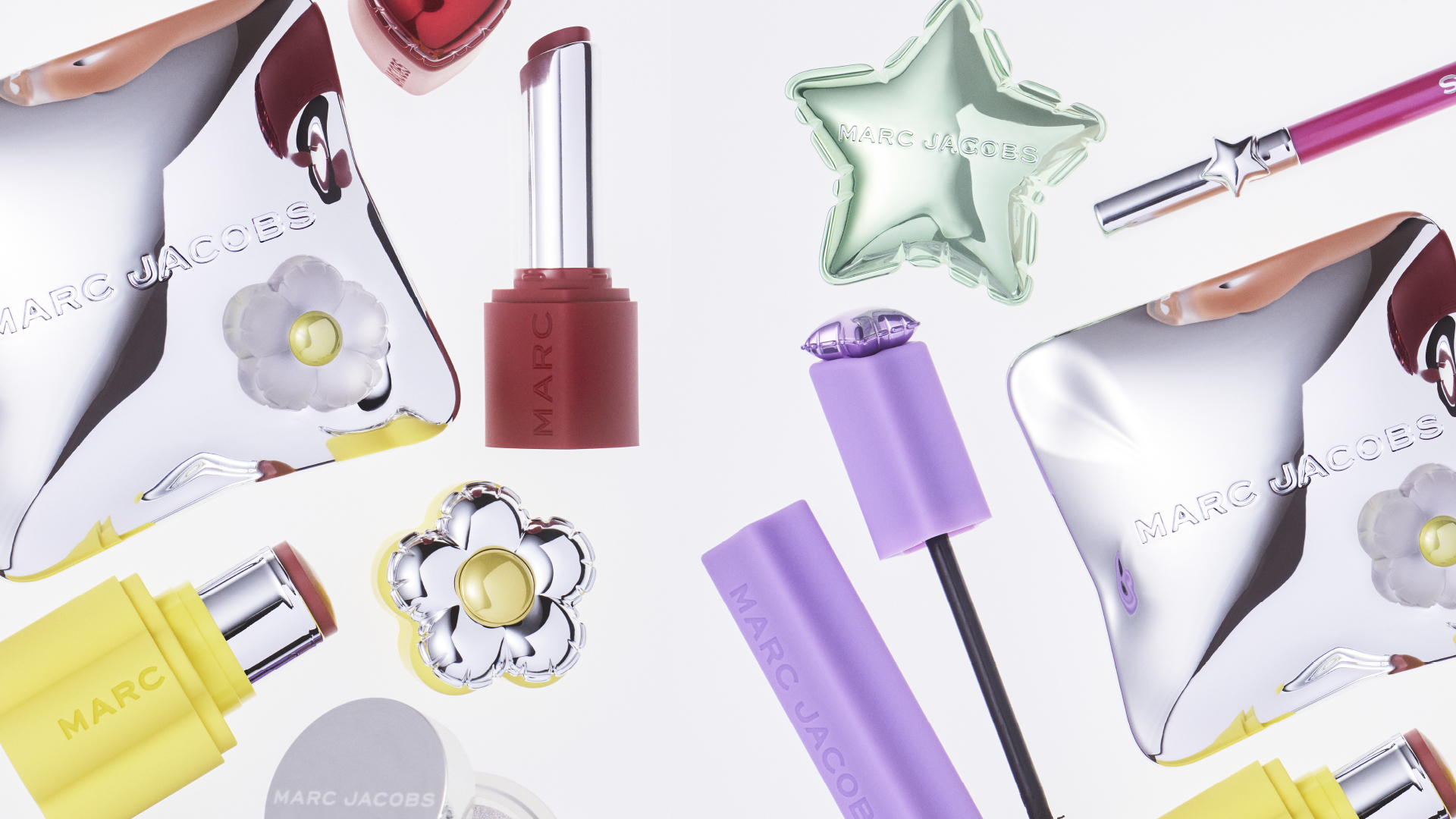
Why it matters: For brand licensors, licensees, and product developers, this case illustrates the strategic pivot from aesthetic conformity to visual disruption as a market entry requirement, and the operational pressure to leverage existing IP to de-risk a category re-entry.
Context: Beauty conglomerates are consolidating portfolios and doubling down on proven fragrance licenses as growth engines, while forcing reboots of underperforming makeup lines to be more visually distinct in a TikTok-driven retail environment.
"A lot has changed in the beauty industry since Marc Jacobs first launched his beauty brand in 2013. TikTok has replaced YouTube when it comes to setting trends, cream blush has become." — GLOSSY.CO
Commentary: Coty’s directive to Jacobs signals a hard shift in licensee strategy: where once a licensed line might mimic category norms to signal luxury, it must now deliberately break them to capture attention. This imposes new creative constraints on designers and increases production complexity for packaging vendors. The Daisy-centric relaunch is a hedge, using a billion-dollar fragrance asset to subsidize the market re-education required for the makeup line, effectively making the fragrance business unit underwrite the cosmetics division’s customer acquisition costs.
Date: Mon, 25 May 2026 04:02:00 +0000
URL: https://www.glossy.co/beauty/marc-jacobs-looks-to-the-daisy-fragrance-empire-in-the-relaunch-of-his-makeup-line/
AI Sentiment Score: Negative (60%)
AI Credibility Score: 10.0/10 — High
Scores and text generated by AI analysis of the source article indicated.
Satisfy and Adidas Christen Partnership With Three Mismatched Super Shoes Coming Soon (Wwd)
Summary: Satisfy and Adidas have launched the first product of their partnership: three mismatched colorways of the Adizero Adios Pro 4 super shoe. The collaboration positions trail-rooted Satisfy in the road-running market via Adidas’s established race-day model, while Adidas taps into Satisfy’s community-building credibility and grungy aesthetic. The shoe retails for $300, a tier below Adidas’s elite-focused $500 Pro Evo 3.

Why it matters: This signals a strategic realignment for both brands, merging performance engineering with subcultural credibility to capture a segment of the running market that values identity as much as elite specs.
Context: Adidas is leveraging collaborations to inject cultural relevance into its performance lineup, while niche running brands like Satisfy are using partnerships with majors to scale and access new categories without diluting their core aesthetic.
"After sparking anticipation with a tease at Paris Fashion Week, Satisfy and Adidas have now unleashed the start of their partnership. The Satisfy x Adidas Adizero Adios Pro 4 brings three mismatched." — WWD
Commentary: The partnership operationalizes a cultural arbitrage: Adidas acquires Satisfy’s subcultural distribution network and aesthetic authority, while Satisfy gains a turnkey entry into the competitive road-shoe pipeline without the R&D overhead. The ‘mismatched’ colorway is a production-line tweak that manufactures scarcity and individuality, a low-cost method to justify the $300 price point against the purely performance-focused Pro Evo 3. For the category, it further blurs the line between technical gear and fashion, forcing other performance brands to consider community activation as a core product feature.
Date: Mon, 18 May 2026 15:00:00 +0000
URL: https://wwd.com/footwear-news/sneaker-news/satisfy-adidas-adios-pro-4-release-date-1238957021/
AI Sentiment Score: Negative (66%)
AI Credibility Score: 10.0/10 — High
Scores and text generated by AI analysis of the source article indicated.
1 month in, Abercrombie’s test with Sperry proves the potential of A&F footwear (Glossy.Co)
Summary: Abercrombie & Fitch’s one-month-old collaboration with Sperry has exceeded internal benchmarks, driving higher conversion and cross-category shopping. The digitally-led launch, featuring a tight capsule of apparel and footwear, serves as a test case for Abercrombie’s potential expansion into footwear and its ‘read and react’ inventory model. Sperry views the partnership as a successful extension of its boat shoe revival into a head-to-toe lifestyle play with a younger audience.
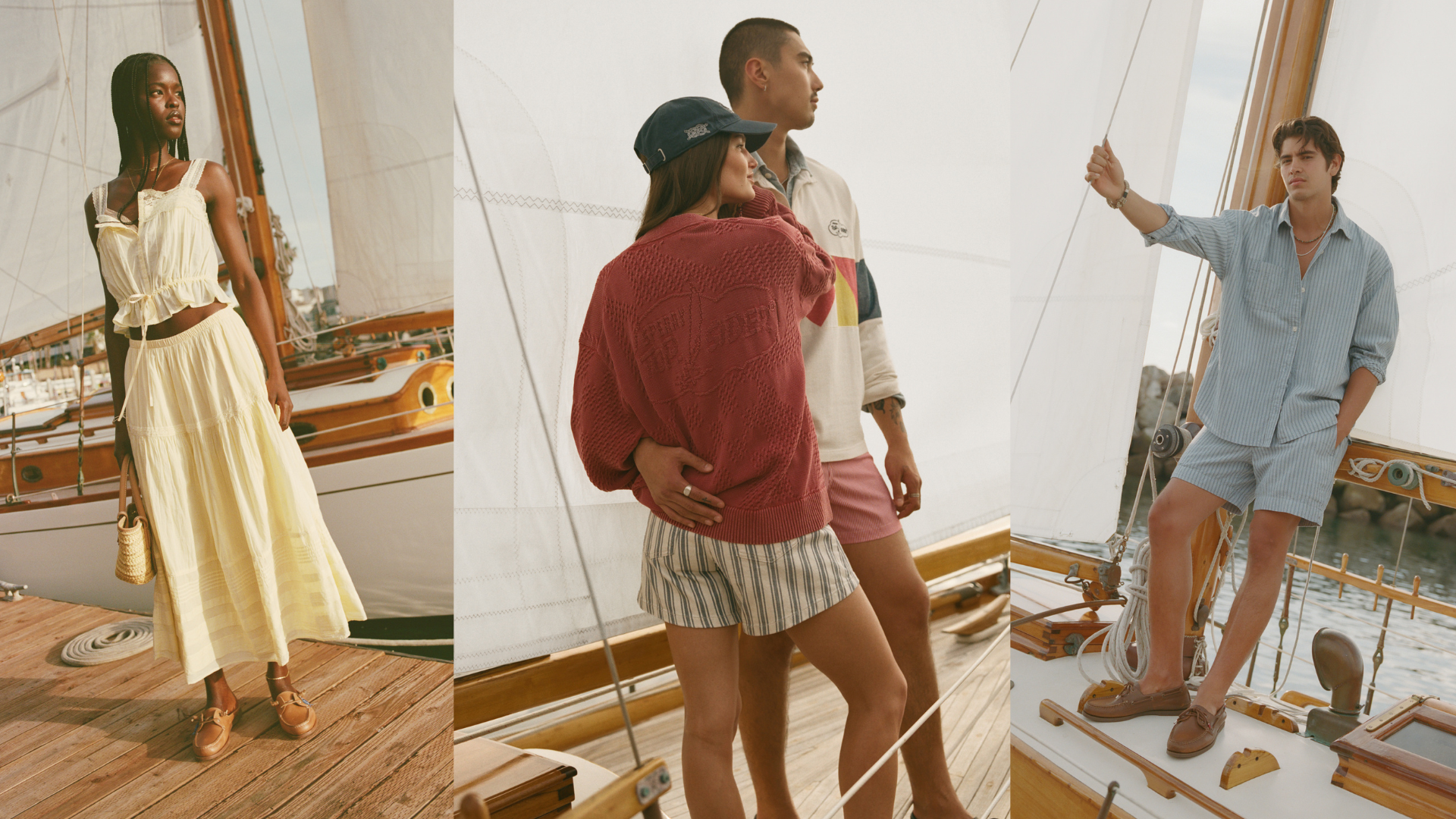
Why it matters: It demonstrates a low-risk, data-driven model for heritage apparel brands to expand into new categories like footwear, validating a collaboration-led, digitally-native approach to category extension.
Context: This follows Sperry’s successful sell-out collaboration with Aritzia and occurs as Abercrombie pursues growth through new product categories and partnerships by its 2026 target.
"One month after Abercrombie & Fitch launched its Sperry collaboration, the retailer is confident that footwear can become a bigger part of its growth strategy. The collection, released April 9, reunited Abercrombie." — GLOSSY.CO
Commentary: The operational playbook here is clear: use a heritage footwear partner for credibility, launch a tight, digitally-native capsule to test demand and full-look behavior, and leverage a ‘read and react’ inventory model to chase units only into proven winners. For brands, this reduces the capital risk of building a standalone footwear division. For vendors like Sperry, it’s a template for expanding brand relevance through apparel adjacency without overextending their own design and marketing resources.
Date: Mon, 11 May 2026 04:02:00 +0000
URL: https://www.glossy.co/fashion/abercrombie-sperry-collaboration-footwear-strategy/
AI Sentiment Score: Negative (66%)
AI Credibility Score: 10.0/10 — High
Scores and text generated by AI analysis of the source article indicated.
No. 1 in women’s swimwear for 10 years, Target is refining its approach to the category (Glossy.Co)
Summary: Target is leveraging its decade-long dominance in women’s swimwear to execute a broader merchandising strategy, treating the category as a full summer outfitting business. It is layering owned brands, influencer collaborations, and AI-driven trend intelligence to drive traffic and offset softness in other discretionary categories like home and apparel. The approach includes using swim as a gateway to adjacent products like cover-ups, sandals, and sun care.

Why it matters: This refines the operational playbook for mass retailers competing against DTC and social-first brands, demonstrating how to use category authority to drive full-basket sales and regain merchandising momentum.
Context: The swimwear market has fragmented post-Victoria’s Secret’s 2016 exit, creating space for digitally-native brands focused on fit, inclusivity, and social discovery.
"Target is using swimwear to sell more than swimsuits. The retailer is positioning the category as part of a full summer wardrobe that includes bikinis, one-pieces and cover-ups, as well as Havaianas sandals, accessories and sun-care products." — GLOSSY.CO
Commentary: Target’s move from selling a product to selling a seasonal occasion recalibrates the financial model for swim, making it a traffic driver for higher-margin adjacent categories. The integration of proprietary AI trend tools like Target Trend Brain signals a shift toward data-driven, faster merchandising cycles, which pressures smaller brands and vendors to match this speed. For collaborators like Solid & Striped, the trade-off is clear: national brick-and-mortar reach in exchange for ceding some control over distribution and brand presentation.
Date: Thu, 21 May 2026 04:04:00 +0000
URL: https://www.glossy.co/fashion/no-1-in-womens-swimwear-for-10-years-target-is-refining-its-approach-to-the-category/
AI Sentiment Score: Neutral (33%)
AI Credibility Score: 10.0/10 — High
Scores and text generated by AI analysis of the source article indicated.
A tale of 2 sandals: Prada’s and Chanel’s footwear buzz reflects the brands’ businesses, for worse and for better (Glossy.Co)
Summary: Prada Group’s attempt to address the Kolhapuri sandal controversy with a new artisan-made version has renewed criticism over pricing and credit, overshadowing a quarter where retail sales growth stalled. Meanwhile, Chanel’s viral, impractical sandal demonstrates the brand’s momentum under Matthieu Blazy, contrasting with Prada’s struggle to generate investor excitement. The Lyst Index shows Prada and Miu Miu slipping as Chanel, Dior, and Gucci gain ground, highlighting a competitive reset in luxury. Elsewhere, new ventures like Altina’s AI hearing eyewear and the VYKO Group’s Irish luxury holding company signal ongoing shifts in product development and brand aggregation.
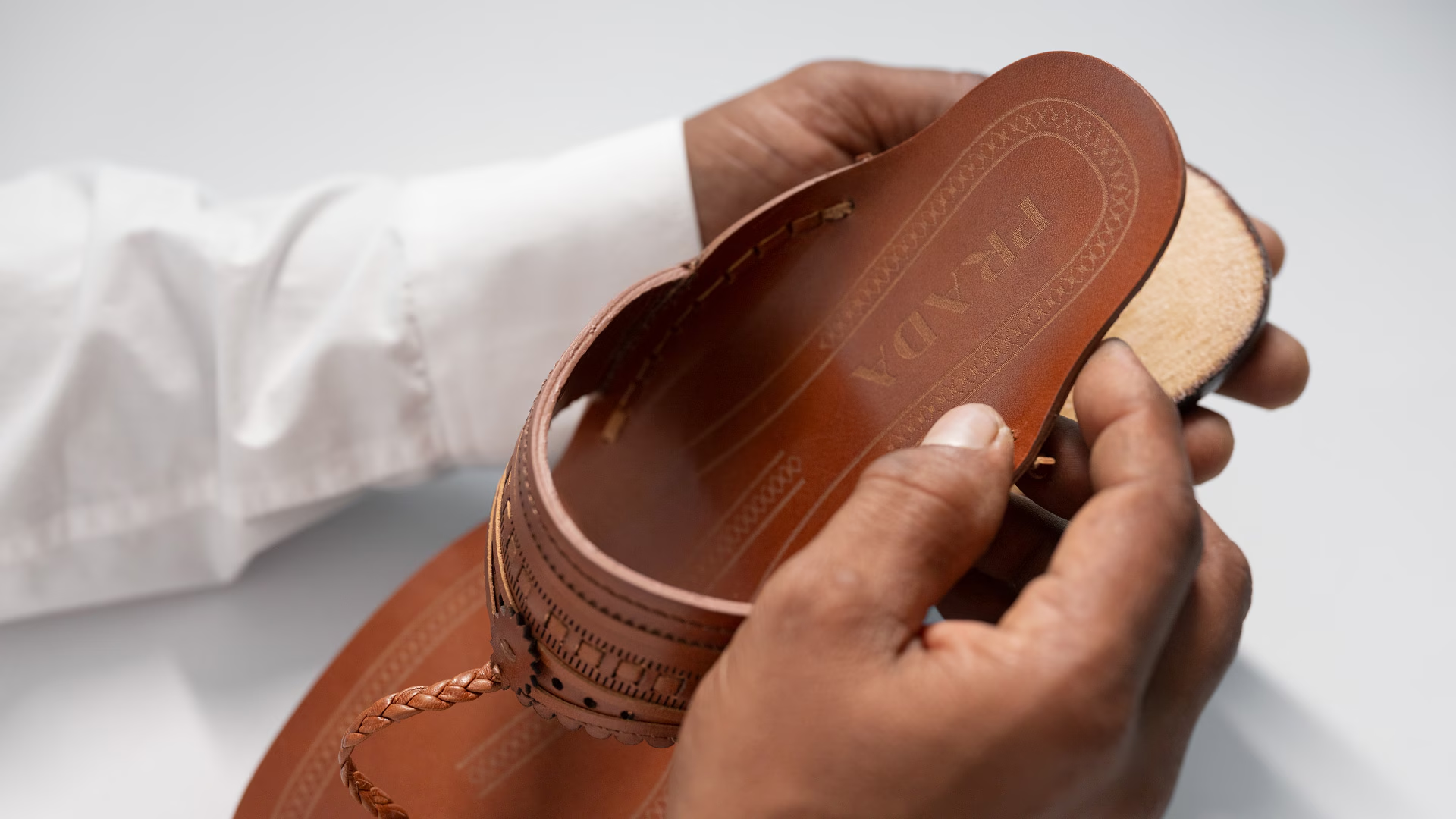
Why it matters: For brands and operators, the episode illustrates how cultural appropriation backlash now directly impacts commercial momentum and investor confidence, forcing a recalibration of sourcing, credit, and pricing strategies.
Context: Luxury brands have long leveraged global craft without consistent attribution, but heightened scrutiny from regional commentators and consumers is making such practices a material business risk.
"In this week’s Luxury Briefing, I dig into Prada Group’s earnings as it deals with its Prada Kolhapuri scandal backlash, with comments from analysts on how Prada and Miu Miu are trying." — GLOSSY.CO
Commentary: Prada’s corrective action—artisan training and local production—fails to resolve the core economic dissonance, turning a reputational crisis into a persistent drag on brand narrative during a sensitive earnings period. The contrast with Chanel’s frictionless viral moment underscores that luxury’s valuation now hinges on managing cultural capital as rigorously as financials. For product teams, this mandates earlier integration of provenance economics and credit structures into the development pipeline, not as PR afterthoughts.
Date: Fri, 01 May 2026 04:02:00 +0000
URL: https://www.glossy.co/fashion/luxury/a-story-of-2-luxury-sandals-pradas-and-chanels-footwear-buzz-reflects-the-brands-businesses-for-worse-and-for-better/
AI Sentiment Score: Negative (50%)
AI Credibility Score: 10.0/10 — High
Scores and text generated by AI analysis of the source article indicated.
Carter’s brings on Build-A-Bear vet as CEO (Retaildive)
Summary: Carter’s has appointed Sharon Price John, former CEO of Build-A-Bear Workshop, as its new CEO and president, effective June 15. This follows the abrupt departure of former Vans executive Douglas Palladini after roughly one year in the role. The change comes as Carter’s navigates a turnaround plan, recent corporate layoffs, accelerated store closures, and ongoing pressure from tariffs and activist investor activity.
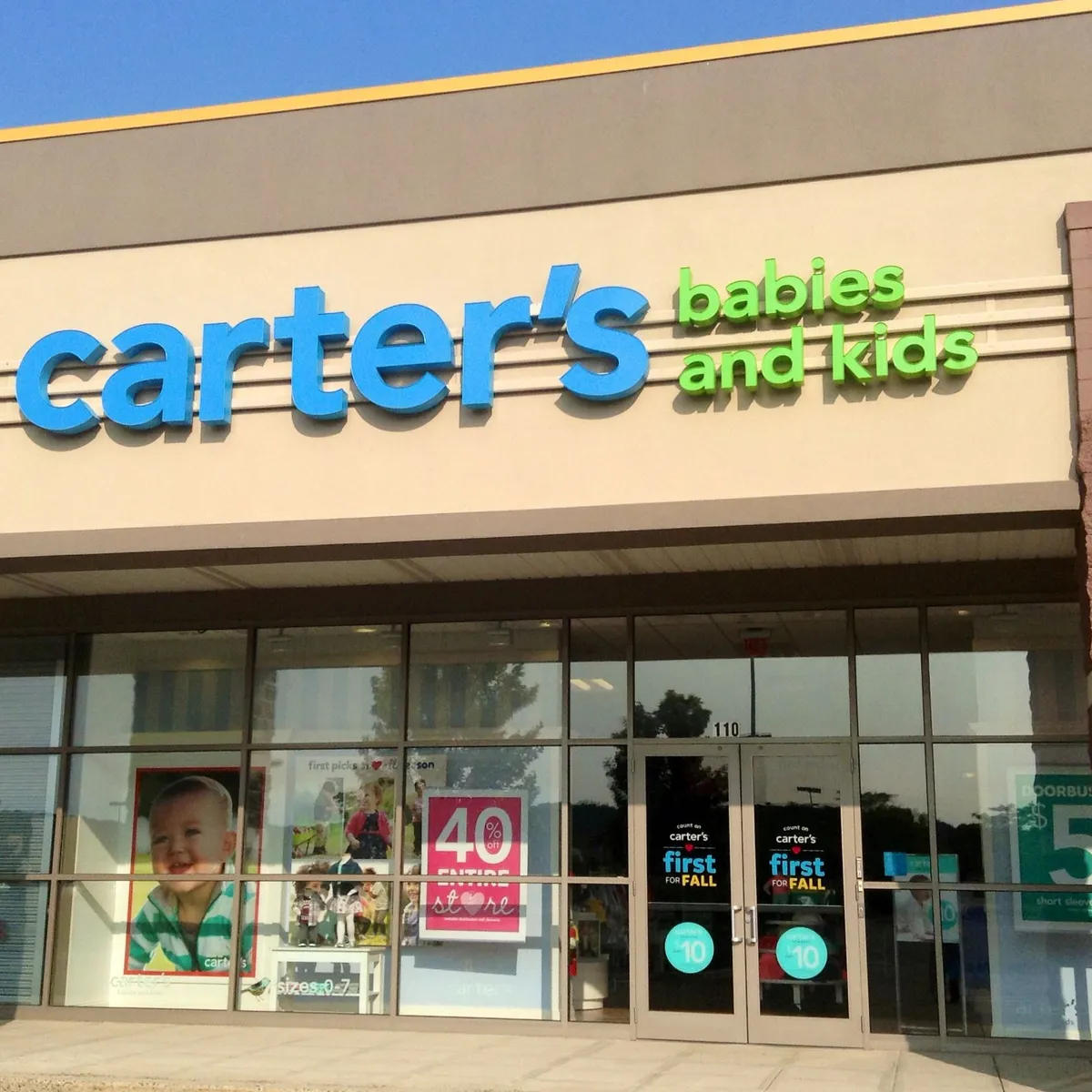
Why it matters: For fashion industry practitioners, this signals a potential strategic pivot at a major apparel brand, with implications for vendor relationships, product development focus, and retail footprint strategy.
Context: CEO transitions at major retailers often precede shifts in sourcing, brand positioning, and capital allocation, especially when following a short tenure and during a publicly acknowledged turnaround effort.
"Dive Brief: – Kids apparel retailer Carter’s named Sharon Price John as the company’s chief executive officer and president, effective June 15, according to a Friday press release. She will also serve." — RETAILDIVE
Commentary: The board’s framing suggests a focus on brand monetization and direct-to-consumer channels, mirroring John’s Build-A-Bear playbook. Practitioners should watch for increased emphasis on owned IP, collector-centric product lines, and a faster rationalization of the physical retail portfolio. The abrupt leadership change indicates the board’s dissatisfaction with the pace of the existing turnaround, likely accelerating decision cycles for internal teams and external partners.
Date: Fri, 01 May 2026 11:38:00 -0400
URL: https://www.retaildive.com/news/carters-build-a-bear-vet-ceo/819050/
AI Sentiment Score: Negative (75%)
AI Credibility Score: 10.0/10 — High
Scores and text generated by AI analysis of the source article indicated.
Madewell plans to open 3 stores, starting this week (Retaildive)
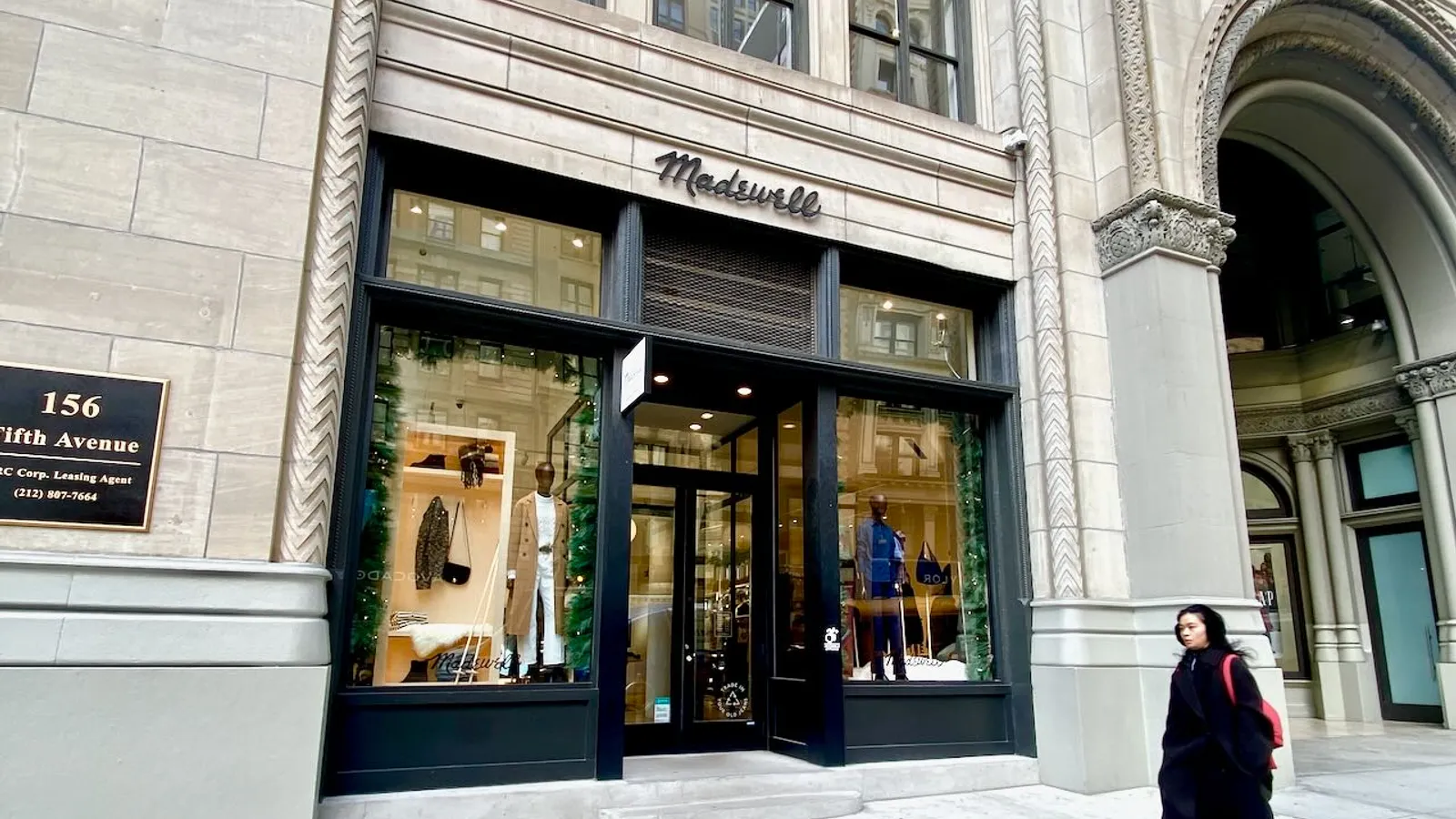
Summary: Madewell, owned by J. Crew Group, is opening three new stores in May and June, marking a modest but notable expansion after a period of stalled growth. The openings include a permanent location in Sag Harbor, New York, following a successful pop-up, and two dual-concept stores in Greenwich, Connecticut, and Bend, Oregon, which will sell both men’s and women’s clothing. This move signals a cautious return to physical retail growth for a brand that once contemplated an IPO but has since been overshadowed by its own sister brand, J.Crew Factory, and larger competitors.
Why it matters: For retail operators and brand strategists, this illustrates the tactical, asset-light expansion playbook available to mid-tier apparel brands post-bankruptcy, testing concepts in affluent enclaves before committing to dual-gender formats.
Context: Madewell’s expansion has been slow since J. Crew Group’s 2020 bankruptcy, with its store fleet remaining roughly the same size as J. Crew’s full-price locations but far smaller than the off-price J.Crew Factory chain.
"Dive Brief: – Madewell, owned by J. Crew Group, is expanding its footprint with three new stores opening in May and June, in New York, Connecticut and Oregon. – Following a successful." — RETAILDIVE
Commentary: The dual-concept store format in Greenwich and Bend represents a cost-efficient consolidation of real estate and operations, reducing the overhead that plagued earlier men’s-only experiments. For vendors and mall landlords, this signals Madewell’s focus on high-ASP suburban and resort markets over broad-based footprint growth, a shift that will concentrate production and logistics support on fewer, higher-margin doors. The strategy is a direct consequence of its parent’s deleveraging, making each new location a carefully measured bet on brand heat rather than financial engineering.
Date: Mon, 18 May 2026 12:21:00 -0400
URL: https://www.retaildive.com/news/madewell-three-store-openings-sag-harbor-new-york-connecticut-oregon/820470/
AI Sentiment Score: Positive (50%)
AI Credibility Score: 10.0/10 — High
Scores and text generated by AI analysis of the source article indicated.
Fashion misses at Old Navy spell trouble for Gap Inc. (Retaildive)
Summary: Gap Inc.’s Q1 results reveal a divergent performance across its portfolio, with the core Gap brand posting a 10% comp gain for a tenth consecutive quarter while Old Navy, representing over half of company sales, faltered due to merchandising missteps in seasonal categories like dresses. CEO Richard Dickson attributed Old Navy’s 1% comp growth, which disappointed analysts, to internal mistakes in fashion and value alignment, not macroeconomic pullback. The issues persisted into Q2, with early May comps potentially down double digits, pressured by off-price competition. Meanwhile, Athleta’s sales fell 12%, though leadership expresses confidence in a future turnaround.
Why it matters: For fashion operators, this signals that portfolio management requires acute brand-specific merchandising discipline, as success in one segment (Gap’s denim/fleece) cannot offset systemic misses in another (Old Navy’s seasonal fashion), with off-price competition now a direct operational constraint on value-brand pricing and assortment planning.
Context: This is the second consecutive quarter of underperformance at Old Navy and represents CEO Dickson’s first significant operational challenge since taking leadership, testing the brand’s historical agility in correcting course.
"Dive Brief: – Despite spring fashion misses, Old Navy Q1 net sales reached $2 billion, up 1% year on year; comps also rose 1%. Still, results disappointed the company and analysts. -." — RETAILDIVE
Commentary: The operational consequence is a forced recalibration of Old Navy’s entire seasonal development pipeline—dresses, swim, shorts—requiring sharper price architecture and faster markdown protocols to compete with Ross and TJ Maxx. Gap’s brand revival, driven by targeted cultural marketing and product expansion into bags and fragrance, demonstrates a viable playbook, but one dependent on precise category execution that Old Navy currently lacks. The bifurcated results underscore that within a portfolio, labor and vendor resources must be allocated against proven commercial engines (Gap’s denim) while underperforming units face immediate margin pressure and assortment scrutiny.
Date: Fri, 29 May 2026 12:13:00 -0400
URL: https://www.retaildive.com/news/old-navy-fashion-misses-spell-trouble-gap-inc-q1-earnings/821459/
AI Sentiment Score: Negative (50%)
AI Credibility Score: 10.0/10 — High
Scores and text generated by AI analysis of the source article indicated.
On Holding Founders Acquire $6.6 Million of Class A Shares (Wwd)
Summary: On Holding’s three co-founders collectively purchased $6.6 million in Class A shares, a standard signal of insider confidence. The move follows analyst concerns over 2026 tariff pressures on Vietnamese imports, a maturing North American market, and recent CEO transitions. Concurrently, On reported strong Q1 growth and highlighted operational expansions, including a thirty-fold production capacity increase for a key shoe model from its new South Korean factory.

Why it matters: For industry practitioners, this signals founder commitment amid tangible supply chain and market maturation headwinds, directly impacting sourcing strategy and investor relations playbooks.
Context: Insider stock purchases are a common tactic to stabilize market sentiment, particularly following analyst skepticism on growth drivers and leadership stability.
"The three — David Allemann, Casper Coppetti, and Olivier Bernhard — each acquired 60,000 shares of Class A stock at $2.2 million, or an aggregate of 180,000 share for purchase price totaling $6.6 million, last Thursday." — WWD
Commentary: The founders’ buy-in attempts to offset narrative risks around Vietnamese tariff exposure and North American saturation, but the real operational signal is the thirty-fold capacity boost from Busan—a concrete shift in production logistics that matters more to supply chain managers than a stock purchase.
Date: Mon, 18 May 2026 20:53:47 +0000
URL: https://wwd.com/footwear-news/shoe-industry-news/on-holding-three-co-founders-acquired-class-a-shares-1238971890/
AI Sentiment Score: Negative (50%)
AI Credibility Score: 10.0/10 — High
Scores and text generated by AI analysis of the source article indicated.
How Wrangler used Spotify and out-of-home advertising to show up at Stagecoach (Glossy.Co)
Summary: Wrangler executed a multi-channel festival marketing strategy at Stagecoach, focusing on peripheral moments rather than just on-site activation. The campaign included highway billboards, airport signage, sponsorship of a nearby rodeo, and targeted Spotify audio and display ads on playlists tied to performing artists. The effort was managed in-house and integrated with CRM capture via festival bracelet scans at brand tents. This approach reflects Kontoor Brands’ increased marketing investment to accelerate Wrangler’s growth, particularly in its Western category.

Why it matters: For fashion marketers and brand strategists, this case demonstrates a shift from high-cost, on-site festival sponsorships to a more distributed, data-integrated model that seeks to own the entire attendee journey.
Context: Music festivals have become saturated brand activation venues, pushing marketers to find differentiation beyond the festival grounds and justify spend through direct CRM growth.
"Music festivals have increasingly become a testing ground for brand activations. There are a plethora of ways for brands to show up at these popular events, and much competition on-site. For the." — GLOSSY.CO
Commentary: Wrangler’s in-house, 360-degree strategy signals a move toward owned media efficiency and journey-based marketing over mere sponsorship. The explicit linkage of festival activations to CRM growth—via bracelet scans and email captures—reframes festivals as lead-generation pipelines, not just brand awareness exercises. This operational shift pressures agencies and vendors who traditionally handle such placements, while validating Spotify’s ad-supported tier as a targeted, high-conversion channel for lifestyle brands.
Date: Tue, 28 Apr 2026 04:02:00 +0000
URL: https://www.glossy.co/fashion/how-wrangler-used-spotify-and-out-of-home-advertising-to-show-up-at-stagecoach/
AI Sentiment Score: Positive (50%)
AI Credibility Score: 10.0/10 — High
Scores and text generated by AI analysis of the source article indicated.
Where Nike’s marketing comeback is stumbling — and where it can still win (Retaildive)
Summary: Nike’s ‘Win Now’ turnaround strategy is faltering, with flat revenue and marketing missteps like the divisive Boston Marathon ad highlighting a struggle to connect with modern consumers. The brand faces internal turbulence from layoffs and leadership churn, diluting its once-cohesive culture. While showing strength in women’s sports and North American sales, its marketing is criticized as disjointed and overly reliant on legacy tactics in a fragmented media landscape.

Why it matters: For practitioners, Nike’s operational stumbles reveal how corporate restructuring, inconsistent brand execution, and a failure to adapt to decentralized media can directly undermine pipeline stability and market positioning, even for an industry titan.
Context: This follows a pattern of established brands losing narrative control and market share to agile, community-focused rivals in performance categories, where product innovation and authentic cultural connection are increasingly valued over mass celebrity endorsements.
"The “now” part of Nike’s high-stakes Win Now turarnound plan is starting to feel like a “later” to some industry watchers nearly two years in. The legendary sportswear giant is beset by." — RETAILDIVE
Commentary: Nike’s internal churn and marketing inconsistency signal a deeper operational crisis: the brand’s scale and legacy processes are now liabilities in a market driven by niche communities and creator-led authenticity. Its recovery hinges on decentralizing marketing operations and empowering local, ground-level engagement over top-down, tentpole campaigns.
Date: Mon, 18 May 2026 10:45:00 -0400
URL: https://www.retaildive.com/news/where-nikes-marketing-comeback-is-stumbling-and-where-it-can-still-win/820115/
AI Sentiment Score: Negative (62%)
AI Credibility Score: 10.0/10 — High
Scores and text generated by AI analysis of the source article indicated.
Shuffle Board: Solbari Builds Wholesale, TrueCommerce Eyes Growth (Wwd)
Summary: Puma appoints Mark Langer, former Douglas and Hugo Boss CFO, as its new CFO and management board member, replacing Markus Neubrand. Solbari hires Grayson Davis to lead wholesale expansion, aiming to build a national sales network. Lululemon adds Unilever’s former growth chief Esi Eggleston Bracey to its board, part of a refresh of six new independent directors in five years. Carter’s replaces CEO Douglas Palladini with Sharon Price John from Build-A-Bear, while J.Jill brings in a Coach veteran as CMO. The Lycra Company promotes Alistair Williamson to VP of product sustainability, and TrueCommerce names Sean Flynn as CRO.

Why it matters: Executive appointments signal strategic pivots in finance, wholesale expansion, board governance, and sustainability, directly impacting operational priorities and partner ecosystems.
Context: CFO and board changes at major brands often precede shifts in capital allocation and market strategy. Wholesale and sustainability roles are increasingly specialized, reflecting channel and regulatory pressures.
"Davis will lead Solbari’s wholesale strategy, building a national network of sales representatives, securing retail partnerships and establishing a seasonal wholesale cadence." — WWD
Commentary: Puma’s choice of a luxury-turned-beauty CFO suggests a focus on margin discipline beyond sportswear’s typical playbook. Solbari’s wholesale hire indicates a shift from DTC-centric scaling to structured retail distribution, a capital-intensive but necessary step for category penetration. Lululemon’s board refresh with consumer goods expertise points to a maturation of growth strategy beyond athletic apparel. The sustainability promotion at Lycra signals that fiber companies are moving from advocacy to operational accountability, affecting sourcing contracts.
Date: Fri, 01 May 2026 22:20:51 +0000
URL: https://wwd.com/sourcing-journal/industry-news/shuffle-board-executive-moves-solbari-1238937545/
AI Sentiment Score: Positive (50%)
AI Credibility Score: 10.0/10 — High
Scores and text generated by AI analysis of the source article indicated.
Seasonal Inventory Planning: Strategy for Fashion Retailers (Easyreplenish)
Summary: Seasonal inventory planning remains a core operational discipline for fashion retailers, balancing trend forecasting, pre-season demand modeling, and a structured buying calendar against supplier lead times and promotional windows. The process is defined by a closed-loop system that starts with trend analysis and ends with post-season performance reviews to refine future buys.

Why it matters: For fashion brands and retailers, the precision of this planning directly dictates cash flow, margin preservation, and the ability to capture fleeting demand, making it a fundamental determinant of profitability.
Context: In an era of compressed trend cycles and volatile demand, the operational rigor of inventory planning has become a primary competitive differentiator, separating brands that can manage risk from those that are burdened by markdowns and stockouts.
"A well-executed seasonal plan defines when to launch new collections, how deep to buy, what to restock mid-season, and when to initiate markdowns or clearance." — EASYREPLENISH
Commentary: The article outlines a traditional, calendar-driven model that is increasingly stressed by real-time demand signals and direct-to-consumer channels. The implied need is for brands to integrate more dynamic, data-informed replenishment tools into this structured framework, or risk the plan becoming a rigid artifact disconnected from actual sell-through. The emphasis on the ‘review loop’ underscores that forecasting is an iterative, learning process, not a one-time pre-season event.
Date: April 20, 2026 12:00 AM ET
URL: https://www.easyreplenish.com/blog/seasonal-inventory-planning
AI Sentiment Score: Negative (80%)
AI Credibility Score: 10.0/10 — High
Scores and text generated by AI analysis of the source article indicated.
Is Carter’s (CRI) Still 47.7% Undervalued After Reaffirmed … (Gurufocus)
Summary: Carter’s Inc. reaffirmed its Q1 and full-year 2026 outlook ahead of its May 6 earnings release, with analysts estimating Q1 EPS of $0.07 on revenue of $660.18 million. The 8-K filing highlights persistent operational risks including tariffs, inflationary pressures on labor and materials, supply chain costs, and competitive dynamics. These factors directly impact gross margin and inventory turns for the children’s apparel company, which relies on Asian contract manufacturing and a multi-channel sales model.

Why it matters: For industry practitioners, the reaffirmation signals management’s confidence in navigating near-term headwinds, but the detailed risk factors outline the concrete constraints—from sourcing to distribution—that define the current operating environment for apparel brands.
Context: Carter’s operates through U.S. Retail, U.S. Wholesale, and International segments, with the majority of revenue from wholesale. Its business model is exposed to cyclical retail pressures and global supply chain volatility.
"The filing underscores industry and company-specific risks that could affect execution, including tariffs and trade policy uncertainty, inflationary pressure on labor and materials, supply chain and freight costs, evolving consumer preferences, and competitive dynamics." — GURUFOCUS
Commentary: The reaffirmation is less a bullish signal and more a statement of disciplined execution against a known set of constraints. For brands and vendors, the enumerated risks—tariffs, freight, labor inflation—are the new baseline for planning. The upcoming Q1 metrics on margin health and inventory turns will test the resilience of Carter’s recent streamlining efforts and its wholesale-heavy model.
Date: May 02, 2026 12:00 AM ET
URL: https://www.gurufocus.com/news/8837782/is-carters-cri-still-477-undervalued-after-reaffirmed-q1-outlook-gf-score-77100
AI Sentiment Score: Negative (50%)
AI Credibility Score: 10.0/10 — High
Scores and text generated by AI analysis of the source article indicated.
The Fuorisalone Capsule Fashion Hasn’t Made Yet (But … (Nssmag)
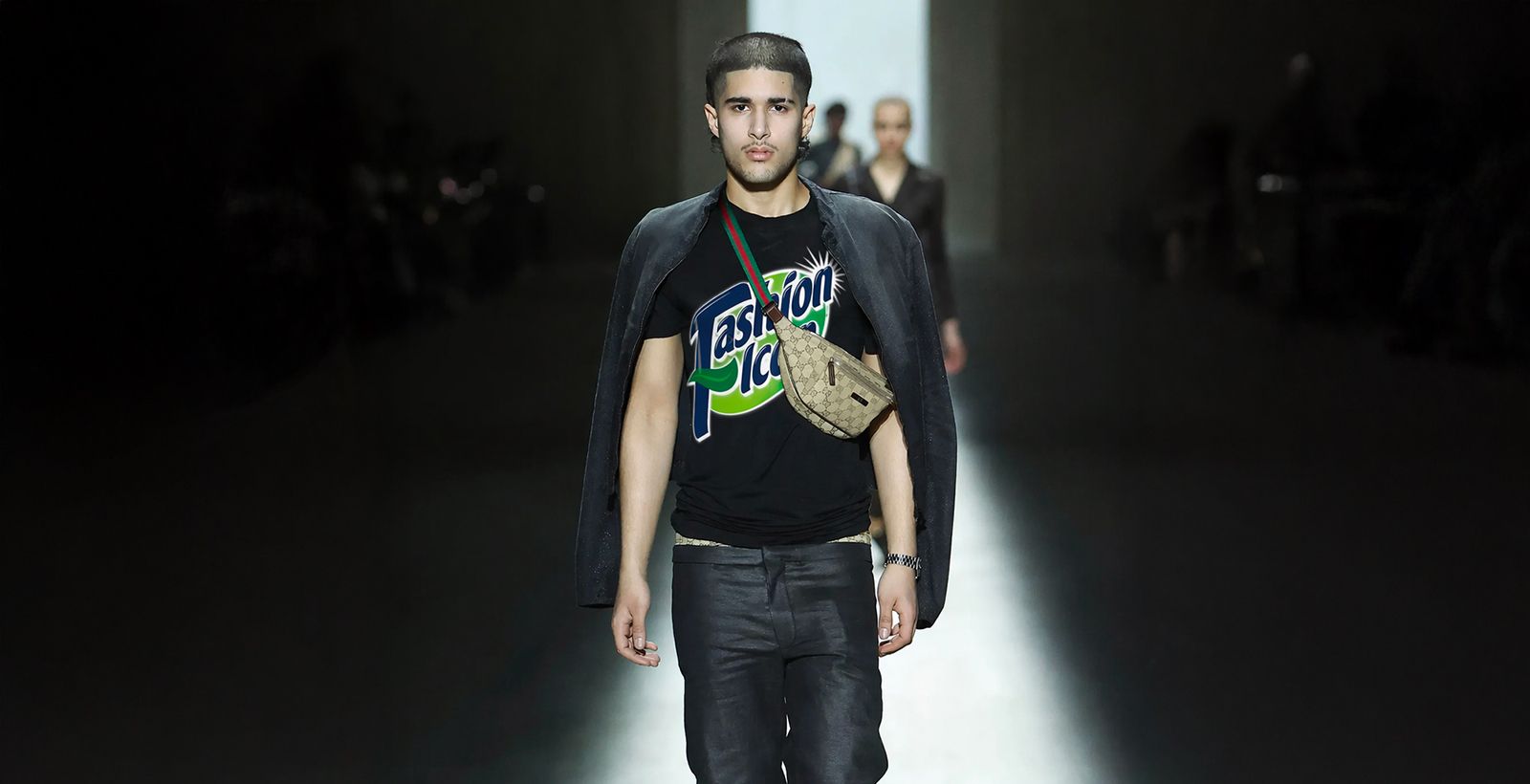
Summary: A report from Milan’s Fuorisalone examines the unspoken pricing crisis in luxury fashion, citing Kering CEO Luca De Meo’s rumored Zara store visit as a catalyst. The core tension is between maintaining aspirational price pyramids and the market’s growing skepticism over the value of logo-heavy basics like €500 t-shirts. This is framed against recent creative director debuts at Dior, Chanel, and Gucci, which have all publicly adjusted their price mix. The analysis suggests that extreme pricing is alienating both aspirational customers and the ultra-rich, who are shifting investment to categories like jewelry.
Why it matters: For industry practitioners, pricing strategy directly dictates product development budgets, sourcing discipline, and brand positioning, making it a core operational constraint.
Context: Luxury brands have long relied on high-margin entry-level items to fund couture and runway spectacle, but the perceived quality gap versus fast-fashion equivalents is narrowing.
"At the beginning of the week, Lauren Sherman opened her article on Kering’s Capital Markets Day with an (unconfirmed) anecdote about Luca De Meo. The new CEO allegedly brought some Kering executives." — NSSMAG
Commentary: The operational consequence is a forced reevaluation of the ‘value pyramid,’ compelling design and merchandising teams to justify cost structures with tangible craftsmanship or scarcity, not just branding. This pressures sourcing to deliver visibly superior materials and construction at still-lucrative margins, a harder technical challenge than marketing a logo. The shift of ultra-high-net-worth individuals toward jewelry signals a flight to intrinsic value, which will reallocate internal resources and design talent away from ready-to-wear.
Date: April 23, 2026 12:00 AM ET
URL: https://www.nssmag.com/en/fashion/45113/fuorisalone-fashion-luxury-merch-accessible-design-week
AI Sentiment Score: Negative (50%)
AI Credibility Score: 9.8/10 — High
Scores and text generated by AI analysis of the source article indicated.
Inside Adriano Goldschmied’s Enduring Impact on Denim Innovation (Wwd)
Summary: Adriano Goldschmied’s career demonstrates how a single designer can function as a keystone validator for technical innovation across the denim supply chain. His direct collaboration with mills, fiber producers, and chemical companies—from Lenzing and Lycra to Jeanologia and Soko—transformed niche technologies into commercial benchmarks. His ‘seal of approval’ opened premium markets for suppliers and redefined product development workflows by embedding R&D into the design process from the yarn stage onward.

Why it matters: Goldschmied’s model of deep supply-chain collaboration establishes a practical blueprint for how design-driven innovation can commercially validate new materials and processes, directly impacting sourcing strategies and vendor relationships.
Context: The denim industry’s shift from rigid, cotton-centric heritage to performance and sustainability has been led by a small cohort of vertically integrated mills and fiber brands seeking design-led validation.
"“Adriano realized early on that true innovation starts at the source. By working directly with the mill, he could bypass traditional limitations to develop proprietary textures and washes that weren’t available off-the-shelf. He understood that the supply chain is the engine room of the denim industry,” Artistic Milliners and ArtMill stated." — WWD
Commentary: Goldschmied’s legacy is an operational one: he demonstrated that influence flows upstream. His method forced mills to build R&D pipelines that could respond to a designer’s technical curiosity, not just fulfill a spec sheet. This created a new class of ‘strategic vendor’ relationships, where collaboration replaced transaction. The model persists, but his death removes a unique catalyst who could command attention across the entire pipeline, potentially slowing the adoption cycle for next-generation fibers and finishes.
Date: Mon, 18 May 2026 17:34:51 +0000
URL: https://wwd.com/sourcing-journal/sj-denim/inside-adriano-goldschmied-enduring-impact-denim-innovation-1238955821/
AI Sentiment Score: Neutral (33%)
AI Credibility Score: 10.0/10 — High
Scores and text generated by AI analysis of the source article indicated.
Gucci Cruise 2027: New York, Guccified (Wwd)
Summary: Gucci staged its Cruise 2027 show in Times Square, a logistical feat that ceded environmental control to the city’s chaos while focusing designer Demna’s control on the clothes. The collection formally introduced ‘Gucci Core,’ a new line of wardrobing staples intended to provide a foundational vocabulary for the brand, alongside a limited-edition ‘Gucci NY’ capsule. Demna framed the show as the culmination of his earlier archival studies and a pivot toward a more commercially focused, merchandisable vision for the house.

Why it matters: It signals a strategic shift for Gucci under Demna toward building a stable, repeatable product platform, which alters sourcing, merchandising, and inventory planning for the brand and its competitors.
Context: Luxury houses are under pressure to balance spectacle with consistent commercial delivery; cruise collections have become key venues for both brand narrative and pre-season selling.
"What you see here is a garment vocabulary, and then you can compose your own words with it." — WWD
Commentary: The operational pivot to ‘Gucci Core’ represents a move from archival revival to building a proprietary, scalable basics system—a shift that will require disciplined supply chain management and retail training to execute. The Times Square spectacle, while a PR coup, functions as a high-visibility launchpad for this more pragmatic, repeatable product strategy, aiming to stabilize revenue amid volatile fashion cycles. The limited-edition NYC capsule and store refreshes indicate a tactical, market-specific merchandising play to immediately capitalize on the show’s buzz, testing direct response to localized hype.
Date: Sun, 17 May 2026 16:14:30 +0000
URL: https://wwd.com/runway/resort-2027/new-york/gucci/review/
AI Sentiment Score: Negative (50%)
AI Credibility Score: 10.0/10 — High
Scores and text generated by AI analysis of the source article indicated.
‘Delivering the Dream,’ a Deep Dive Into Fashion’s Vision and Execution (Wwd)
Summary: A new book by industry veterans Erica Corbellini and Tomaso Galli, ‘Delivering the Dream,’ positions itself as a practical manual on the operational discipline behind luxury fashion brands. It compiles contributions from figures like Donatella Versace and Alessandro Sartori, emphasizing execution over abstract vision. The authors explicitly reject cookie-cutter formulas, arguing strategy must be context-specific. The work aims to bridge academic rigor and managerial experience, detailing how brands navigate the tension between creative vision and commercial delivery.

Why it matters: For practitioners, it signals a formalization of operational best practices and a counter-narrative to generic marketing playbooks, directly impacting how brand strategy and creative-commercial alignment are taught and executed.
Context: This arrives amid ongoing industry debate over the role of data versus intuition in design and marketing, and the professionalization of luxury brand management.
"I am allergic to formulas, to toolkits, to whatever works for one company and then becomes the fashion. Firstly, you must understand the context, what kind of company you are in and then you have to devise your own strategy for where you want to go with the resources that are available and the people in the company." — WWD
Commentary: The book’s anti-formula stance is a direct critique of consultancy-driven homogenization, pushing brand leaders toward bespoke strategy. Its emphasis on ‘chief consistency officer’ roles highlights a growing operational niche for executives who mediate between creative and commercial poles. By framing fashion as culture rather than product, it implicitly challenges hires from outside the industry who may misapply consumer goods logic.
Date: Mon, 18 May 2026 17:34:19 +0000
URL: https://wwd.com/eye/people/delivering-the-dream-book-fashion-marketing-communication-1238970951/
AI Sentiment Score: Positive (50%)
AI Credibility Score: 10.0/10 — High
Scores and text generated by AI analysis of the source article indicated.
Post ID: 85ab7cb3