Business, Cost, and Workflow Impact of AI
Is AI Fashion Photography Replacing Photoshoots? – Style3D AIwww.style3d.ai › blog › is-ai-fashion-photography-replacing-photoshoots (Style3D.Ai)
Summary: AI fashion photography is compressing the traditional studio workflow, enabling brands to generate marketing-ready visuals from product images in minutes rather than days. The shift is driven by a demand for speed, scale, and cost reduction, particularly for e-commerce assets, seasonal campaigns, and regional variations. Tools like Style3D AI function as a design-to-marketing bridge, replacing stages like model booking, location scouting, and manual retouching.

Why it matters: This directly impacts commissioning economics, labor demand for photographers and crews, and the strategic allocation of production budgets toward digital asset generation.
Context: The trend toward digital-first visual generation is accelerating across fashion marketing, prioritizing volume and iterative testing over traditional production constraints.
"AI fashion photography is rapidly replacing much of the traditional studio workflow by turning product images into marketing-ready visuals in minutes. Brands use it to cut costs, speed launches, and generate many." — STYLE3D.AI
Commentary: The operational consequence is a reallocation of budget from line-item production costs (crew, travel, studio) to media spend and product development, while reducing the bargaining power of traditional photography vendors. For scaling brands, the cost-per-image metric becomes the new benchmark, incentivizing a hybrid pipeline where AI handles volume variants and high-concept shoots remain for flagship campaigns. This bifurcates the labor market, squeezing mid-tier commercial photographers while elevating the value of creative direction and final-art curation.
Date: April 29, 2026 12:00 AM ET
URL: https://www.style3d.ai/blog/is-ai-fashion-photography-replacing-photoshoots/
AI Sentiment Score: Negative (60%)
AI Credibility Score: 10.0/10 — High
Scores and text generated by AI analysis of the source article indicated.
Fashion Brands Cut Photography Costs 70% with AI – Rewarx Studio (Rewarx)
Summary: AI-powered studio solutions are enabling fashion brands to reduce product photography costs by an average of 70%, directly challenging the traditional economics of studio shoots, model fees, and post-production. The pressure comes from scaling e-commerce operations, where the need for hundreds of new images weekly makes conventional costs of $5,000-$50,000 per line unsustainable. Tools like Rewarx Studio AI now handle tasks from ghost mannequin composites to model generation, compressing weeks of work into hours.
Why it matters: This shifts the cost structure and labor demand for mid-market and DTC brands, forcing a reassessment of photographer, model, and retoucher contracts while creating a new vendor category for AI imagery production.
Context: The economic strain of traditional fashion photography for scaling e-commerce has been an open industry secret, with legacy retailers absorbing costs that thinner-margin digital brands cannot.
"When ASOS announced plans to dramatically expand its product imagery capabilities in 2023, executives revealed something the industry had known for years: professional fashion photography has become prohibitively expensive for scaling e-commerce." — REWARX
Commentary: The 70% figure isn’t just a savings metric; it’s a threshold that redefines the viable vendor pool for commercial imagery, prioritizing volume and speed over traditional craft for baseline product shots. This will segment the market: high-concept editorial and campaign work may retain value, while routine e-commerce imagery becomes a utility service, pressuring mid-tier studios and freelance photographers to specialize or pivot. Procurement departments will now benchmark all photography bids against this AI cost floor, altering commissioning logic fundamentally.
Date: April 22, 2026 12:00 AM ET
URL: https://www.rewarx.com/blogs/fashion-brands-cutting-photography-costs-ai-powered-studios
AI Sentiment Score: Negative (66%)
AI Credibility Score: 10.0/10 — High
Scores and text generated by AI analysis of the source article indicated.
AI Generative Worlds Transform Fashion Photography – Rewarx Studio (Rewarx)
Summary: AI generative world systems are compressing the cost and timeline of editorial fashion photography production, shifting the economic model for high-volume content. A single hero shoot costing $15,000-$50,000 can be reduced to under $500 for many use cases, with monthly campaign production costs for a mid-size brand dropping from approximately $85,000 to $8,000-$15,000. This is achieved by replacing physical studio builds, location shoots, and extensive post-production with AI-generated three-dimensional environments constructed from text or reference images. The technology enables a phased operational shift from workflow automation to personalized and innovative content generation.
Why it matters: This fundamentally alters the commissioning economics and labor structure for fashion imagery, forcing a strategic reallocation of creative budgets and a reevaluation of photographer, stylist, and studio vendor relationships.
Context: The shift follows the evolution from basic background removal tools to systems that understand spatial relationships and lighting physics, moving AI from a post-production aid to a core content creation engine.
"Realistic operating costs for high-volume operators now run $8,000-$15,000 monthly for equivalent output—a savings that directly impacts margins in an industry where 40% of fashion items sell at discount." — REWARX
Commentary: The margin pressure is acute; studios reliant on high-volume, lower-margin catalog work face existential risk, while photographers and creative directors must pivot to hero imagery and conceptual campaigns where human creativity retains a premium. This bifurcates the labor market, commoditizing context generation while theoretically elevating strategic creative roles, though the net effect is a contraction of traditional commissioning budgets. Successful implementation, as noted, requires strict quality control and clear guidelines on AI’s appropriate use, creating a new layer of managerial oversight—the ‘human review’ role becomes a cost center safeguarding brand equity against algorithmic error.
Date: April 21, 2026 12:00 AM ET
URL: https://www.rewarx.com/blogs/ai-generative-worlds-fashion-ecommerce
AI Sentiment Score: Negative (77%)
AI Credibility Score: 10.0/10 — High
Scores and text generated by AI analysis of the source article indicated.
AI Fashion Photography Transforming E-commerce Listings (Rewarx)
Summary: AI fashion photography platforms, exemplified by Rewarx Studio AI, now deliver professional-grade e-commerce imagery by automating tasks like background generation and virtual model draping. The operational shift is toward hybrid pipelines: AI handles scalable, repetitive content like lifestyle contexts and size variations, while human crews are reserved for brand-defining hero shots. This bifurcation optimizes cost and speed without fully ceding creative authority.
Why it matters: This recalibrates commissioning budgets, redefines in-house and freelance photographer roles, and pressures studios to specialize in high-concept work AI cannot replicate.
Context: The maturation of GANs and diffusion models, trained on millions of professional fashion images, has moved AI from a novelty to a core production tool for volume imagery.
"The most common failure mode involves treating AI output as final rather than foundational—outputs require human review for fabric texture accuracy, proportion consistency, and brand alignment before publication." — REWARX
Commentary: The economic pressure will fall most heavily on mid-tier catalog and e-commerce photographers, whose volume work is now automatable. Studios must pivot to offering ‘AI-resistant’ creative direction or deep technical oversight of AI outputs. This also creates a new vendor category—platforms like Rewarx that sell integrated workflow solutions—which could consolidate post-production and pre-production services, altering the traditional agency and freelance ecosystem.
Date: April 22, 2026 12:00 AM ET
URL: https://www.rewarx.com/blogs/ai-fashion-photography-ecommerce-listings
AI Sentiment Score: Negative (66%)
AI Credibility Score: 10.0/10 — High
Scores and text generated by AI analysis of the source article indicated.
Fashion Brands Cut Photography Costs 70% (Rewarx)
Summary: Rewarx Studio AI and comparable platforms are consolidating the fashion product photography workflow into browser-based systems, enabling brands to generate, edit, and approve imagery without traditional studio shoots. The primary driver is cost: a mid-sized retailer processing 500 styles monthly can cut annual photography spend from $150,000 to under $45,000, a 70% reduction. The shift eliminates scheduling bottlenecks for models and crews, reduces time-to-market from weeks to days, and reallocates remaining traditional budgets to high-value campaign imagery.
Why it matters: For editorial fashion photography professionals, this signals a structural reallocation of commissioning budgets, with routine product imagery moving to AI pipelines and human labor concentrating on brand-defining creative work.
Context: This follows the broader automation of e-commerce imagery, where efficiency and scale have historically trumped artistic expression for catalog work.
"The financial implications are staggering: a mid-sized fashion retailer processing 500 new styles monthly can realistically cut photography spending from $150,000 to under $45,000 annually by migrating to AI-assisted workflows." — REWARX
Commentary: The 70% cost reduction is not just an efficiency gain; it redefines the photographer’s role from a production cost center to a strategic creative resource. Studios and crews must now compete on conceptual value, not throughput, while post-production teams could shift from retouching to prompt engineering and AI output curation. This bifurcates the market: high-volume, low-margin product work becomes automated, concentrating human talent and budget on hero campaigns where brand narrative cannot be algorithmically generated.
Date: April 22, 2026 12:00 AM ET
URL: https://www.rewarx.com/blogs/fashion-brands-slashing-photography-costs-ai-studio
AI Sentiment Score: Negative (57%)
AI Credibility Score: 10.0/10 — High
Scores and text generated by AI analysis of the source article indicated.
Fashion Brands Cut Photography Costs With AI – Rewarx Studio (Rewarx)
Summary: Major fashion retailers, including ASOS, Inditex, and H&M Group, are implementing AI-generated photography to drastically reduce visual content costs. Industry data indicates traditional product photography costs $35-85 per image, creating unsustainable budgets for retailers managing tens of thousands of SKUs. These brands are now reporting average cost reductions of 70% by adopting AI tools, with implementation guided by structured pilots and performance benchmarking.
Why it matters: This shift directly threatens the economic model for photographers, stylists, retouchers, and studios, while forcing agencies and in-house teams to redefine their value around creative direction and brand governance over execution.
Context: The move follows a years-long squeeze on e-commerce margins, where the logistical cost and speed of traditional shoots conflict with the demand for continuous, fresh imagery across vast product catalogs.
"When ASOS announced plans to cut photography costs by 60% in 2024, industry analysts took notice. The UK fast-fashion giant wasn’t alone—Zara owner Inditex and H&M Group have both signaled aggressive cost." — REWARX
Commentary: The operational consequence is the bifurcation of fashion imagery: high-concept editorial and campaign work may remain human-led, while the high-volume, conversion-driven product grid becomes an automated utility. This recalibrates commissioning economics, favoring creative directors and prompt engineers over crews, and could pressure post-production vendors to pivot toward AI training and quality assurance services.
Date: April 22, 2026 12:00 AM ET
URL: https://www.rewarx.com/blogs/fashion-brands-ai-photography-cost-reduction
AI Sentiment Score: Negative (57%)
AI Credibility Score: 10.0/10 — High
Scores and text generated by AI analysis of the source article indicated.
Fashion Brands Cut Photography Costs 60% With AI – Rewarx Studio (Rewarx)
Summary: Major fashion retailers like H&M, Nordstrom, and Macy’s are under pressure to produce vast quantities of lifestyle imagery for e-commerce at a sustainable cost. Traditional studio photography, costing $75-$300 per SKU, creates a scaling bottleneck for catalogs of thousands of items. AI-powered tools, exemplified by Rewarx Studio, are being adopted to generate this imagery, reportedly cutting production costs by an average of 60%. This shift moves investment from negotiating studio rates to re-engineering the visual creation pipeline itself.
Why it matters: This directly impacts the commissioning economics, labor demand, and operational strategy for every player in the editorial fashion photography supply chain, from photographers and models to post-production houses and brand creative directors.
Context: The demand for ‘lifestyle’ over flat-lay imagery has increased visual content requirements, while fast fashion cycles and constant SKU replenishment have made traditional photography’s cost and time structure untenable for scale.
"Fashion brands investing in AI-assisted visual production report average cost reductions of 60% compared to traditional workflows, with corresponding improvements in time-to-market." — REWARX
Commentary: The 60% cost reduction is a threshold that will trigger a reallocation of brand creative budgets, likely shrinking the market for mid-tier studio shoots and model bookings while increasing demand for AI tool operators and prompt engineers. This isn’t just cost-cutting; it’s a fundamental change in the production function, where the bottleneck shifts from physical logistics to data curation and synthetic asset management. Studios and photographers must now compete on the efficiency of integrating and directing these synthetic pipelines, not just on traditional craft.
Date: April 22, 2026 12:00 AM ET
URL: https://www.rewarx.com/blogs/how-fashion-brands-cut-photography-costs-ai-tools
AI Sentiment Score: Negative (83%)
AI Credibility Score: 10.0/10 — High
Scores and text generated by AI analysis of the source article indicated.
How Fashion Brands Use AI Photoshoots to Scale Catalogs Faster (Advertflair)
Summary: Advertflair reports on the operational shift toward AI-generated fashion product photography, framing it as a tool to compress catalog production timelines and reduce dependency on physical shoots. The pitch centers on a simplified ‘Upload → Generate → Publish’ workflow that eliminates studios, models, and logistical coordination, promising instant, platform-ready visuals for multiple SKUs and seasonal variations at consistent quality and lower cost.
Why it matters: This accelerates the commodification of product imagery, directly impacting the labor market for photographers, models, stylists, and studios while forcing brands to recalibrate creative direction and commissioning budgets.
Context: The push for AI in commercial fashion photography follows broader industry pressure to reduce time-to-market and cost-per-image, particularly for high-volume e-commerce and fast-fashion cycles.
"With such a long process, it only takes a single day delay to push product launches by weeks, making it harder for brands to manage hundreds or thousands of SKUs. That’s when." — ADVERTFLAIR
Commentary: The operational model described prioritizes throughput and consistency over creative discovery, suggesting a bifurcation where AI handles high-volume catalog work while human-led shoots are reserved for flagship campaigns or editorial narrative. This could pressure mid-tier studios and freelance photographers, shift in-house creative roles toward prompt engineering and asset curation, and accelerate the standardization of visual aesthetics across retail platforms.
Date: May 02, 2026 12:00 AM ET
URL: https://www.advertflair.com/post/how-fashion-brands-use-ai-photoshoots-to-scale-catalogs-faster
AI Sentiment Score: Negative (62%)
AI Credibility Score: 8.2/10 — High
Scores and text generated by AI analysis of the source article indicated.
Why an Influential Stylist Turned to AI (Aperture)
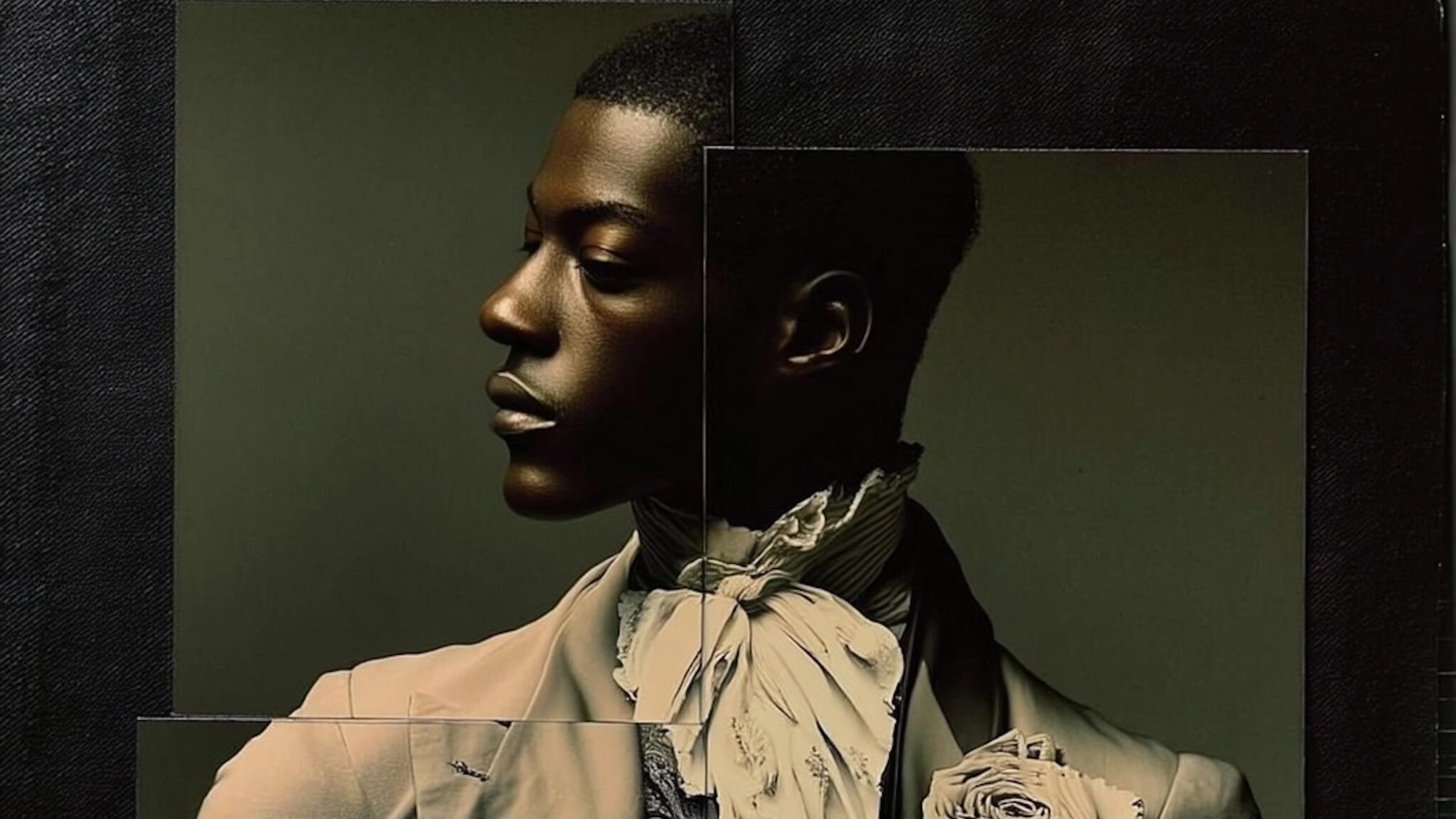
Summary: Simon Foxton, a foundational stylist and art director whose work with Nick Knight, i-D, and others defined decades of editorial menswear imagery, has fully transitioned his creative practice to AI generation. Using Midjourney, he now produces fictional documentary-style images exploring subcultures and queer themes, citing immediacy and creative autonomy as key drivers. His recent AI collaboration with Knight for Numero NY marks a notable professional re-entry, though he frames it as experimental fun rather than a new career.
Why it matters: A veteran stylist’s migration to AI signals a potential reconfiguration of high-end editorial pipelines, where foundational creative roles can be displaced or redefined by solo digital auteurship.
Context: Stylists and art directors have historically been central, costly nodes in the fashion editorial apparatus; AI tools now enable individuals to bypass entire production crews, location budgets, and model fees to generate plausible imagery.
"AI-generated image by Simon Foxton exploring a “made-up” Australian subculture centered on the mullet hairstyle, 2025 As a menswear stylist and art director, Simon Foxton spent decades shaping the image of men’s." — APERTURE
Commentary: Foxton’s shift underscores AI’s erosion of the collaborative, labor-intensive editorial model. His emphasis on ‘plausibility’ and documentary aesthetic, drawn from a deep archive, suggests a new benchmark for AI output that could pressure mid-tier editorial commissions. The Numero NY collaboration indicates established photographers are already integrating this workflow, potentially compressing styling and art direction into prompt engineering.
Date: May 01, 2026 12:00 AM ET
URL: https://aperture.org/editorial/why-an-influential-stylist-turned-to-ai/
AI Sentiment Score: Negative (66%)
AI Credibility Score: 7.0/10 — Medium
Scores and text generated by AI analysis of the source article indicated.
How Artificial Intelligence is Reshaping the Fashion Industry (Natlawreview)
Summary: A patchwork of new state laws, notably in New York, is establishing a legal framework for AI use in fashion photography and modeling. The New York Fashion Workers Act and Digital Replica Law now mandate specific consent and compensation for AI replicas, voiding vague ‘rights-grab’ contracts. Concurrently, federal and state legislative pushes aim to increase platform liability for deepfakes and challenge copyright for AI-generated works, while the EU’s AI Act imposes separate transparency rules.

Why it matters: For photographers, agents, and studios, these laws redefine commissioning contracts, liability, and compensation structures, forcing a recalibration of production pipelines and rights management for any campaign using synthetic imagery.
Context: This legal fragmentation follows years of industry reliance on broad contractual language to secure perpetual digital rights, a practice now under direct legislative attack.
"A digital replica agreement is void if it (i) allows a replica to be used instead of work the person would have done in person, (ii) fails to give a reasonably specific description of the intended use, and (iii) was negotiated when the individual did not have legal counsel or a union to consult." — NATLAWREVIEW
Commentary: New York’s statutes effectively bifurcate the market: campaigns using AI replicas now require separate, counseled negotiations, increasing transaction costs and shifting leverage towards unionized or legally-advised talent. For production, this mandates explicit shot lists and usage terms in pre-production, moving AI from a post-production tool to a core contractual and budgeting item. The EU’s parallel rules will further complicate global campaigns, likely pushing brands towards standardized, highest-compliance protocols.
Date: May 01, 2026 12:00 AM ET
URL: https://natlawreview.com/article/how-ai-digital-doubles-and-new-laws-are-rewriting-fashion-and-beauty
AI Sentiment Score: Neutral (50%)
AI Credibility Score: 10.0/10 — High
Scores and text generated by AI analysis of the source article indicated.
Product Photography in 2026: The Operator’s Guide (Caimera.Ai)
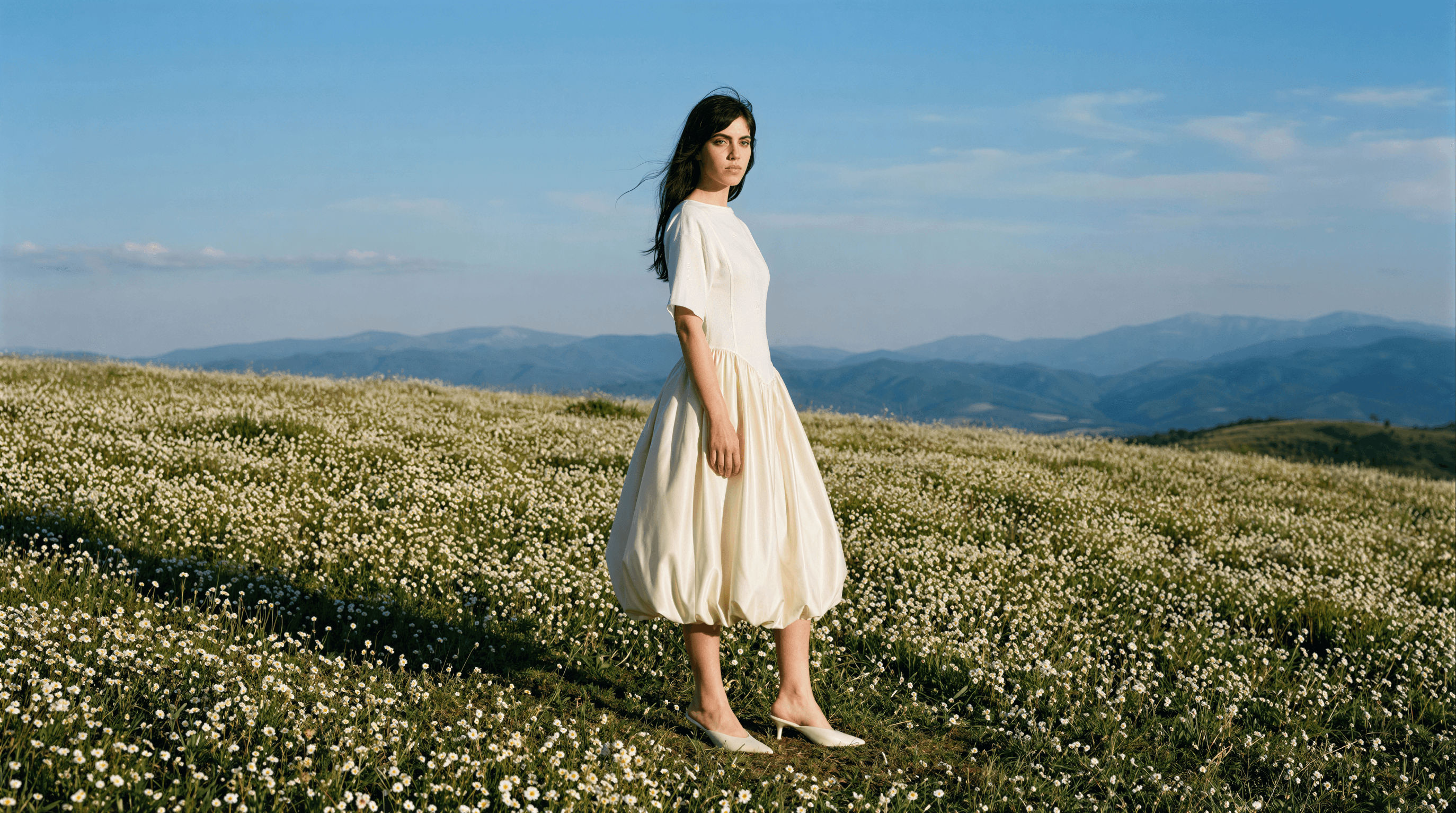
Summary: A 2026 operational guide from Caimera.Ai codifies the bifurcation of product photography into a hybrid discipline. Studio shoots retain the high-value, brand-defining editorial and hero campaign work, while AI now dominates the production of catalog images, variants, repurposed assets, and localized content. The guide provides a taxonomy of twelve core commercial formats and a clear economic and legal framework for deciding when to commission a physical shoot versus when to deploy AI generation.
Why it matters: It provides a concrete, contractual framework for operationalizing the AI-studio split, directly affecting commissioning budgets, crew workflows, and legal risk management.
Context: The industry has been grappling with the practical integration of generative AI into commercial pipelines, moving beyond speculative hype to define clear lanes for human and machine labor.
"Product photography in 2026 is a hybrid discipline. Studio shoots still own hero campaigns and editorial moments. AI now owns the catalog, the variants, the repurposing, and the speed. … There are." — CAIMERA.AI
Commentary: The guide formalizes a tiered market where photographer rates are preserved only for the top 30% of ‘brand-defining’ work, compressing mid-tier studio economics. It shifts legal overhead from model-release management to platform indemnification clauses, making vendor selection a core risk mitigation step. For crews, this clarifies that survival depends on specializing in the physical interactions, talent relationships, and editorial authority that AI cannot yet replicate.
Date: April 21, 2026 12:00 AM ET
URL: https://www.caimera.ai/blogs/product-photography
AI Sentiment Score: Negative (66%)
AI Credibility Score: 10.0/10 — High
Scores and text generated by AI analysis of the source article indicated.
A Commercial Photographer’s Take on When to Use AI … – PetaPixel (Petapixel)
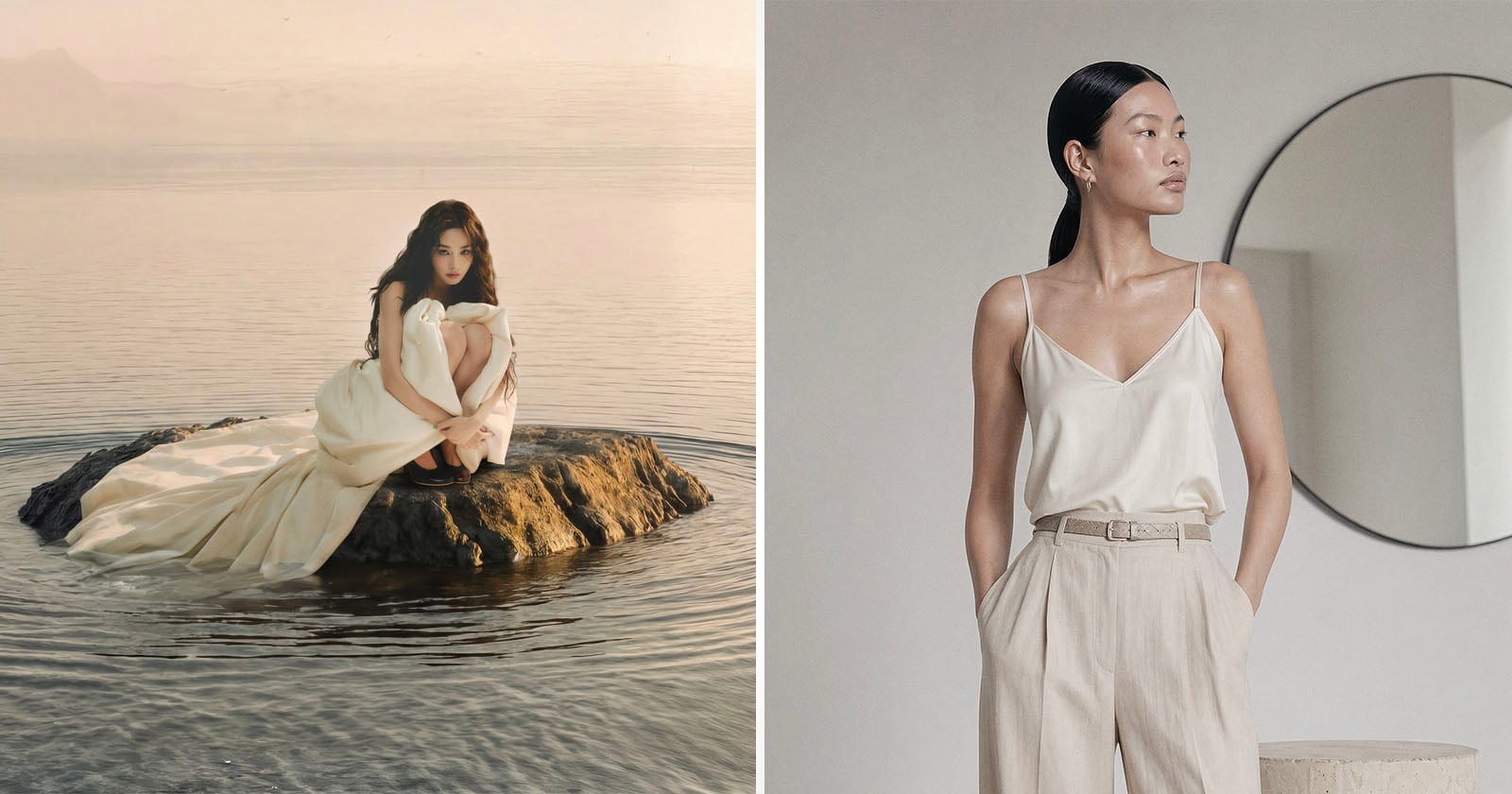
Summary: A commercial photographer details the integration of AI image generation into the pre-production and execution phases of editorial and product shoots. The tool is used to rapidly prototype visual concepts from a brief, allowing clients to choose between interpretations of their own vision rather than external references. For final assets, AI-generated backgrounds are composited with photographed products, and fully AI-generated visuals are deemed viable for shots where product detail is secondary to atmosphere, particularly for smaller brands with modest budgets.
Why it matters: This signals a shift in the commissioning pipeline, where AI prototyping alters client expectations and lowers the cost barrier for entry-level commercial imagery, directly impacting photographer workflows and studio economics.
Context: The use of AI in commercial photography has moved beyond novelty into practical pre-visualization and asset creation, challenging traditional scouting, mood boarding, and even certain types of final shoot execution.
"My honest assessment: for smaller brands with modest budgets and images that don’t need to survive close inspection, fully AI-generated product photography is already a practical option." — PETAPIXEL
Commentary: This creates a bifurcated market: high-budget shoots retain traditional photography for detail and authenticity, while low-to-mid market editorial and social content faces price pressure from viable AI alternatives. Photographers must now compete on creative direction and compositing skill, not just capture, as the toolchain expands and the ‘shoot’ phase contracts for certain briefs.
Date: May 10, 2026 12:00 AM ET
URL: https://petapixel.com/2026/05/10/a-commercial-photographers-take-on-when-to-use-ai-and-when-not-to/
AI Sentiment Score: Negative (60%)
AI Credibility Score: 10.0/10 — High
Scores and text generated by AI analysis of the source article indicated.
How AI, Digital Doubles, and New Laws Are Rewriting Fashi… (Theaicronicle)
Summary: The legal and operational landscape for editorial fashion photography is being redefined by the commercial adoption of AI-generated imagery and digital doubles. New legislation, including California’s AB 2602 and AB 1836 requiring explicit consent for digital replicas and the EU’s AI Act mandating AI content labeling, imposes fresh compliance burdens on brands and publishers. Concurrently, unresolved intellectual property questions, particularly the ‘human authorship’ requirement for copyright, create uncertainty for AI-designed garments and digital assets.

Why it matters: These legal shifts directly impact commissioning contracts, liability for image use, and the economic viability of traditional photography and modeling labor.
Context: This follows the 2023-2024 SAG-AFTRA and modeling union strikes, which established new precedents for digital likeness rights, forcing legislative action.
"In California, laws AB 2602 and AB 1836 now require explicit consent for the creation of digital replicas—a victory hard-won following the 2023-2024 strikes by actors and models." — THEAICRONICLE
Commentary: The consent requirement transforms digital double creation from a technical procurement into a negotiated rights acquisition, increasing upfront costs and legal overhead for studios. Mandatory AI labeling under the EU AI Act will segment the market, potentially devaluing AI-generated editorial content in prestige publications while creating a compliance-driven workflow for global campaigns. The persistent copyright gray area for AI-generated works discourages investment in fully AI-originated designs, preserving a near-term role for human creatives in the IP chain.
Date: May 02, 2026 12:00 AM ET
URL: https://theaicronicle.com/en/news/policy/how-ai-and-digital-doubles-are-rewriting-fashion
AI Sentiment Score: Negative (50%)
AI Credibility Score: 7.0/10 — Medium
Scores and text generated by AI analysis of the source article indicated.
Givenchy, summer 2026: when the photographer becomes … (Luxsure.Fr)
Summary: Givenchy’s Summer 2026 campaign, under Artistic Director Sarah Burton, features photographer Collier Schorr capturing Annie Leibovitz at work on set. The campaign assembles five women—including a visual artist, models of varying notoriety, and Leibovitz—framed not as decorative subjects but as a documented spectrum of professional status and generation. This continues Burton’s established grammar of foregrounding the women who create the image.
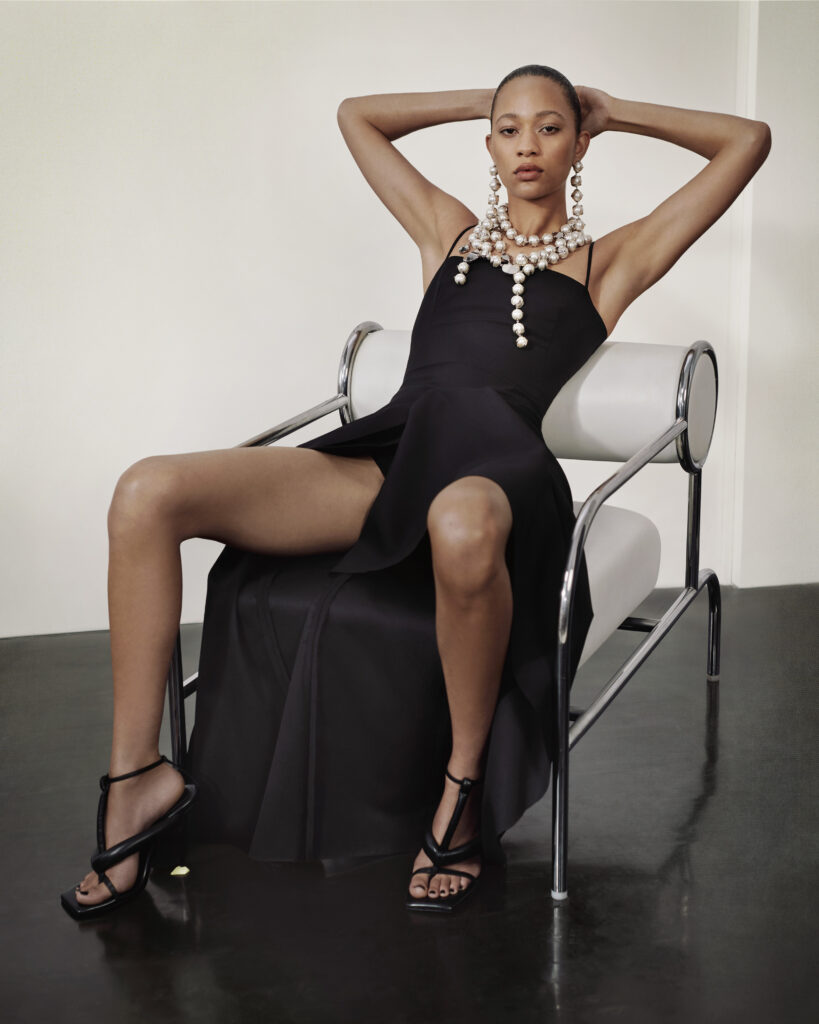
Why it matters: This operationalizes a commissioning strategy that redefines the photographer’s role from service provider to documented subject, potentially altering creative hierarchies, set dynamics, and the economic valuation of behind-the-scenes labor.
Context: Burton’s tenure has consistently shifted campaign focus from product-centric imagery to meta-narratives about image-making itself, treating stylists, models, and artists as named collaborators rather than anonymous talent.
"For her third campaign as artistic director of Maison Givenchy, Sarah Burton asked Collier Schorr to photograph Annie Leibovitz. Not to pose her with a bag. To photograph her – at work,." — LUXSURE.FR
Commentary: The move commoditizes the photographer’s ‘process’ as the campaign’s content, creating a new tier of prestige labor for established names like Leibovitz while potentially deskilling traditional product photography roles. It signals a market shift where a brand’s cultural capital is increasingly derived from documenting its own creative apparatus, affecting how agencies package talent and how publications commission behind-the-scenes coverage.
Date: April 23, 2026 12:00 AM ET
URL: https://www.luxsure.fr/en/2026/04/23/givenchy-summer-2026-when-the-photographer-becomes-the-subject/
AI Sentiment Score: Neutral (50%)
AI Credibility Score: 8.6/10 — High
Scores and text generated by AI analysis of the source article indicated.
Post ID: c2f0f09c