
Professional Practice: Production, Legal, and Retouching
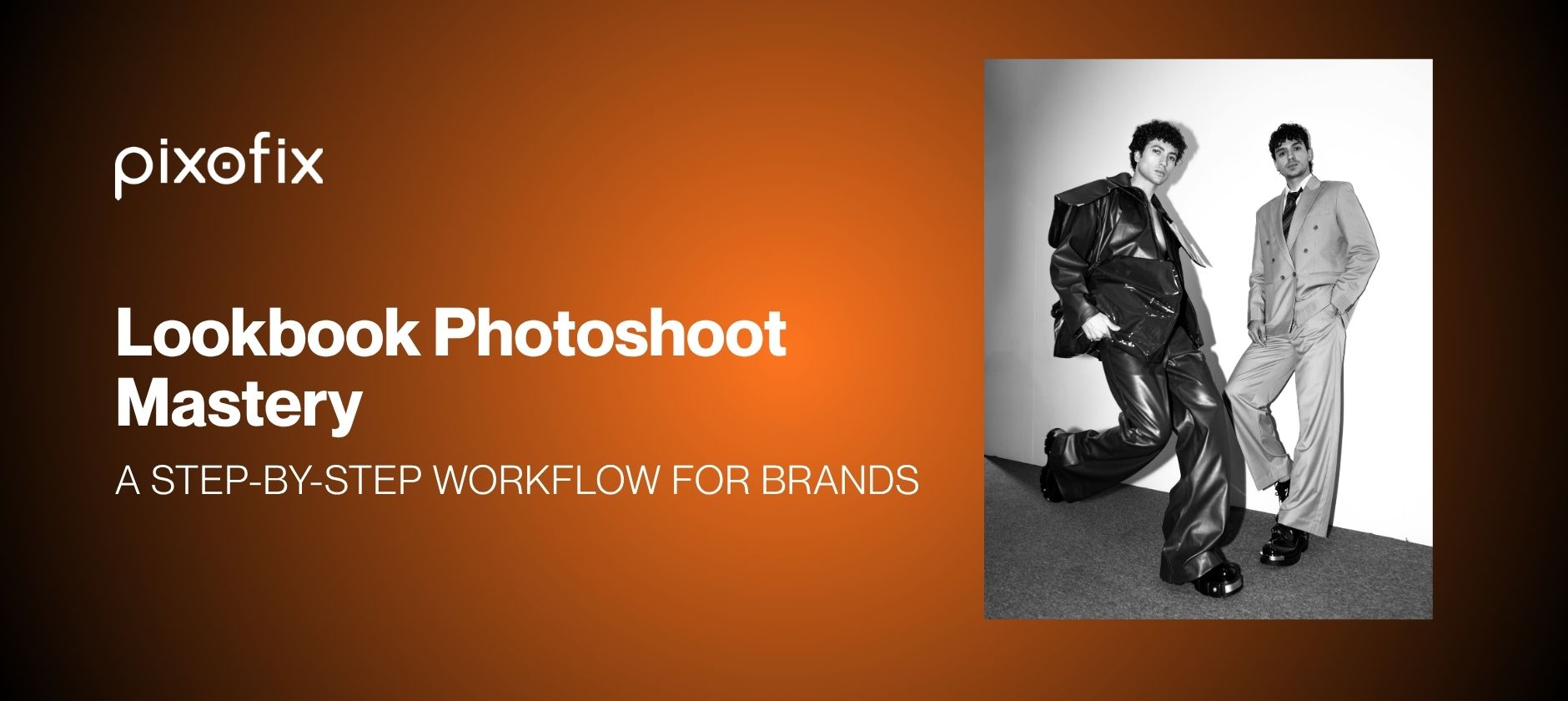
Lookbook Photoshoot Mastery: A Step-by-Step Workflow … (Pixofix)
Summary: Pixofix, a production and post-production service provider, has published a detailed operational guide for executing editorial fashion lookbook shoots. The article outlines a comprehensive workflow from pre-production mood boarding and shot listing through on-set management to post-production editing and final digital or print distribution. It positions the lookbook not as a mere catalog but as a cohesive narrative product, with specific instructions on maintaining aesthetic consistency and operational discipline throughout the pipeline.
Why it matters: This codifies and disseminates a standardized, professional-grade production methodology, potentially raising baseline expectations for efficiency and output quality across the commissioning ecosystem, from independent brands to agency studios.
Context: The publication of such granular, trade-focused workflow content by a vendor signals a shift toward the professionalization and systematization of what was often an ad-hoc, experience-dependent process, reflecting broader industry pressure to optimize creative production for commercial ROI.
"Pull in references across fashion, photography, film, architecture, even nature. Focus on color palettes, lighting setups, model poses, and backdrops. … Then, use it to communicate with your photographer, stylist, and creative." — PIXOFIX
Commentary: The guide’s emphasis on narrative cohesion and rigorous editing directly challenges the volume-over-curation approach enabled by digital capture, pressuring photographers and creatives to defend each frame’s commercial and editorial purpose. By framing the lookbook as a ‘story’ with deliberate pacing, it elevates the production’s strategic value beyond simple product display, potentially justifying higher budget allocations for pre-production planning and post-production finesse. This formalization also creates a benchmark that could be used in client negotiations and performance evaluations, shifting labor dynamics on set towards stricter schedule adherence and defined deliverables.
Date: May 04, 2026 12:00 AM ET
URL: https://www.pixofix.com/blog/lookbook-photoshoot-a-step-by-step-workflow-for-brands
AI Sentiment Score: Negative (60%)
AI Credibility Score: 10.0/10 — High
Scores and text generated by AI analysis of the source article indicated.
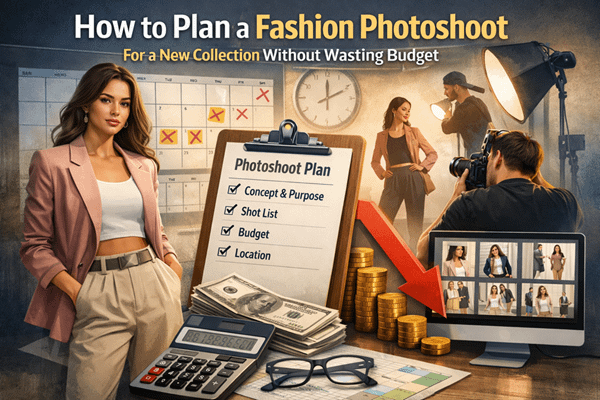
Plan a Fashion Photoshoot Without Wasting Budget (Marcafashionphotography)
Summary: Marca Fashion Photography’s 2026 planning framework shifts the editorial fashion photography workflow from time-based bookings to output-defined scoping. The core argument is that pre-shoot decisions on image purpose, required deliverables per platform, and post-production scope eliminate budget uncertainty. This operational model prioritizes structuring the session around defined outputs rather than studio hours, aiming to make the shoot and its costs predictable.
Why it matters: This reframes commissioning economics, directly impacting how studios price jobs, how creative directors allocate budgets, and how post-production pipelines are resourced.
Context: The industry has long grappled with cost overruns from scope creep, last-minute format changes, and underestimated post-work, often treating the shoot day as the primary cost center.
"Planning isn’t about creating a schedule. It’s about making the right decisions early enough that the shoot runs exactly as intended. ## Checkpoint 1: What are these images actually for? Before anything." — MARCAFASHIONPHOTOGRAPHY
Commentary: This output-first model pressures brands to internalize a more rigorous pre-production discipline, potentially reducing day-rate photographer leverage and shifting value to planning consultants. It also formalizes the post-production budget as a non-negotiable line item from inception, affecting retouching houses and digital techs. For studios, it’s a risk-mitigation and pricing strategy that could standardize package offerings, moving away from bespoke day rates.
Date: April 20, 2026 12:00 AM ET
URL: https://marcafashionphotography.com/blog/fashion-photoshoot-budget-planning/
AI Sentiment Score: Negative (75%)
AI Credibility Score: 10.0/10 — High
Scores and text generated by AI analysis of the source article indicated.
Fashion & Runway Photography in Maryland & DMV (Klsimagephotos)
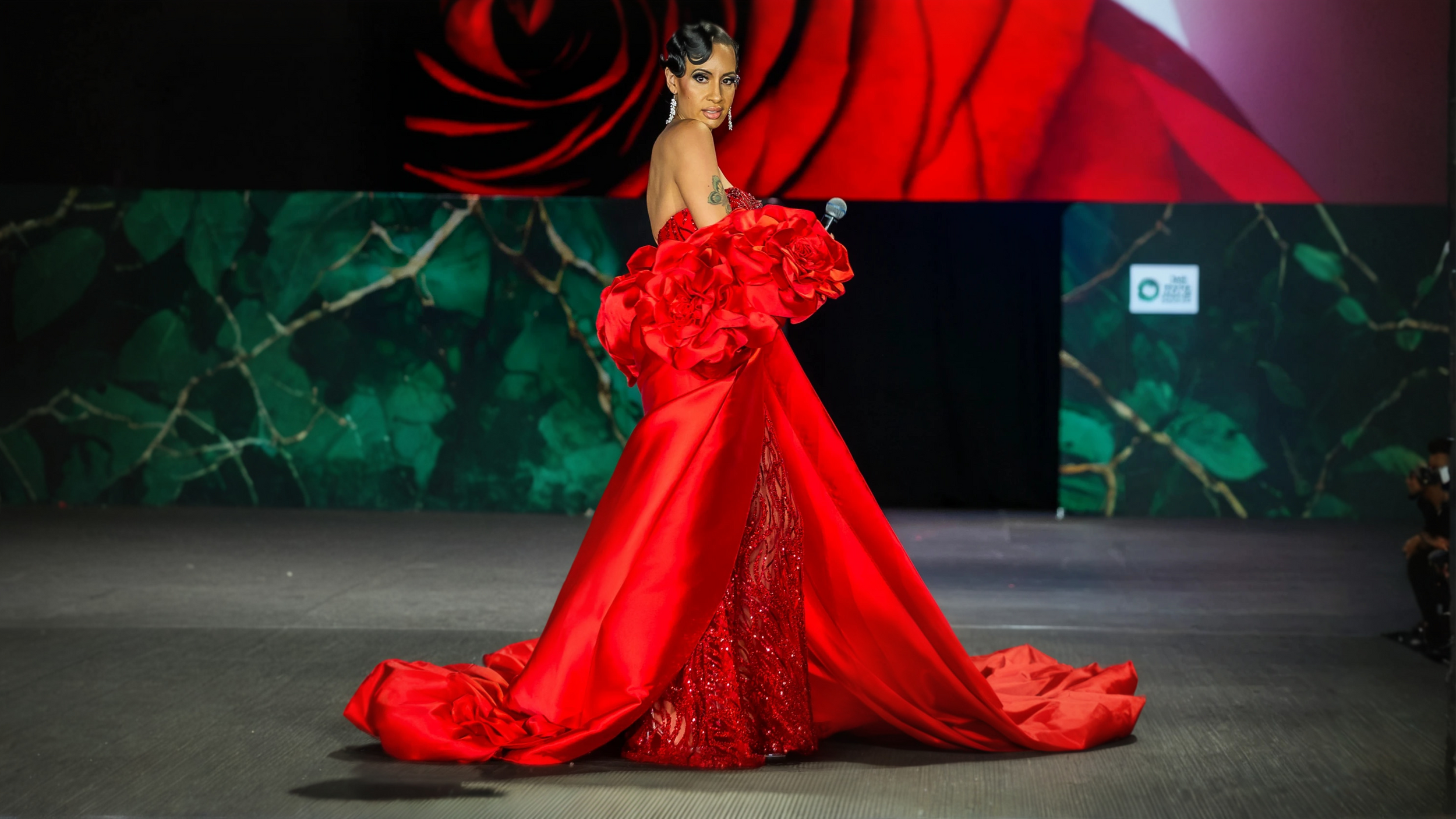
Summary: A Maryland-based photographer, Klsimagephotos, is offering standardized editorial runway coverage packages, priced from $600 for a single show to $2,800 for a full fashion week day. The packages commoditize core editorial deliverables—full runway sequences, backstage prep, look-by-look documentation—and include retouching, gallery delivery, and usage rights. This presents a fixed-cost alternative to traditional day-rate or per-project negotiations for independent designers and smaller-scale events in the DMV region.
Why it matters: It signals a formalization and price discovery for entry-to-mid-tier editorial fashion photography, potentially reshaping commissioning economics and labor expectations for independent designers and regional fashion weeks.
Context: Editorial fashion photography pricing has traditionally been opaque and highly negotiable, varying by publication, photographer prestige, and project scope. The rise of regional fashion weeks and independent designer showcases has created demand for professional, yet cost-predictable, documentation.
"Single Show Coverage — $600 One runway show documented completely —from first look to designer finale. Perfect for independent designer showcases." — KLSIMAGEPHOTOS
Commentary: The tiered pricing structure explicitly ties cost to time and access, not creative prestige, treating runway documentation as a service. This could pressure freelance photographers to offer similar packaged services or cede this market segment. The inclusion of ‘brand usage rights’ as standard alters the traditional rights-for-fee model, potentially compressing secondary revenue streams for photographers while simplifying procurement for brands.
Date: April 20, 2026 12:00 AM ET
URL: https://www.klsimagephotos.com/fashion-runway-photography
AI Sentiment Score: Negative (60%)
AI Credibility Score: 10.0/10 — High
Scores and text generated by AI analysis of the source article indicated.
Clothing Photography: The 2026 E-commerce Guide (Picjam.Ai)
Summary: Picjam.Ai’s 2026 guide for e-commerce clothing photography codifies a tiered production model that separates high-cost brand-building shoots from scalable, AI-generated product imagery. It provides granular operational protocols for on-set garment prep, lighting, focal length selection, and post-production to enforce consistency and reduce correction costs. The framework treats photography as a repeatable system, not an artistic one-off, prioritizing commercial goals over creative exploration.

Why it matters: This systematization directly impacts commissioning budgets, crew labor, and photographer roles, shifting investment from volume production to limited hero shoots while enforcing procedural rigidity across the pipeline.
Context: The push for scalable, cost-per-image efficiency in e-commerce is forcing a formal split between brand creative and product catalog work, with AI generation now positioned as the default for high-volume tasks.
"The principles that work in both cases are the same: understand the commercial goal, control the inputs, and build systems that can repeat results without starting from scratch each time. … -." — PICJAM.AI
Commentary: The guide institutionalizes the de-skilling of high-volume product photography, relegating photographers to a narrow ‘hero shoot’ tier while ceding the bulk of catalog work to AI platforms. Its obsessive focus on pre-production checklists and post protocols turns the studio into a factory floor, prioritizing repeatability over the situational judgment that traditionally defined editorial craft. For studios and crews, this means fewer, more rigidly defined shoots; for photographers, it narrows career paths to either high-stakes brand work or obsolescence.
Date: May 08, 2026 12:00 AM ET
URL: https://www.picjam.ai/blog/clothing-photography
AI Sentiment Score: Negative (55%)
AI Credibility Score: 7.0/10 — Medium
Scores and text generated by AI analysis of the source article indicated.
5 Reasons Why Ethical Body Retouching Matters in 2025 (Picsretouch)
Summary: A retouching service provider argues that ethical body retouching remains a critical professional discipline in 2025, positioning human artistry as a necessary counterbalance to AI tools. The piece outlines a service philosophy centered on subtlety, digital sculpting, and maintaining anatomical realism, specifically applied to boudoir, maternity, and fashion photography. It frames the editor as a digital sculptor working within brand guidelines promoting body acceptance, using techniques like light manipulation and micro-adjustments to enhance without erasing identity.
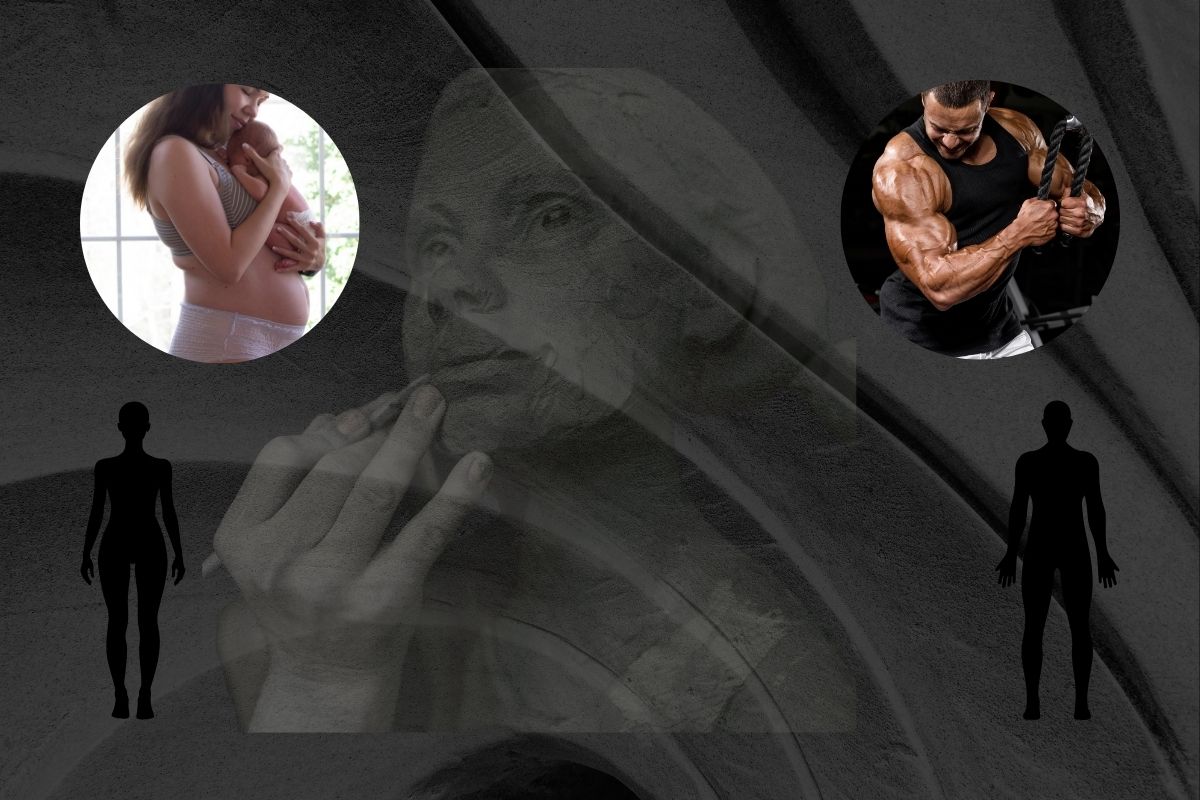
Why it matters: This signals a commercial and operational pivot for studios and post-production vendors, defining a premium service tier that justifies human labor costs against automated alternatives by emphasizing ethical sensitivity and narrative context.
Context: The pitch occurs amid industry pressure to reduce costs with AI retouching and growing client demand for authentic, diversity-affirming imagery, creating a market niche for high-touch, justification-heavy editorial services.
"AI tools can speed up online body reshaping and slimming, but true artistry still demands a human eye. A professional retoucher understands context, emotion, and storytelling – things algorithms can’t replicate." — PICSRETOUCH
Commentary: This is less a technical manifesto and more a vendor’s market positioning: it explicitly commodifies ‘ethical sensitivity’ and ‘context’ as defensible human skills to protect workflow and pricing. For art directors and photographers, it provides a ready-made rationale for commissioning higher-cost retouchers on sensitive shoots, particularly where brand safety is a concern. The emphasis on ‘digital sculpting’ and lighting over brute-force liquify suggests a shift in required post-production skillsets towards compositing and color grading techniques.
Date: April 30, 2026 12:00 AM ET
URL: https://www.picsretouch.com/blog/5-reasons-why-ethical-body-retouching-matters-in-2025/
AI Sentiment Score: Negative (50%)
AI Credibility Score: 10.0/10 — High
Scores and text generated by AI analysis of the source article indicated.
Working With Talent: What Models Aren’t Telling You (Events.Humanitix)
Summary: Oliver Minnett, a photographer and creative producer, is offering a paid workshop titled ‘Working With Talent: What Models Aren’t Telling You.’ The session frames pre-production—outreach, briefing, casting, and relationship-building—as the critical, often-skipped foundation for successful editorial and commercial shoots. Minnett argues that a photographer’s process before the shoot day, including explicit duty of care and image consent protocols, directly determines the quality of the final image and the sustainability of their practice.

Why it matters: This signals a professionalization of photographer-model relations, moving trust and safety from ethical afterthoughts to core operational competencies that affect creative output and commercial viability.
Context: The workshop emerges amid industry pressure for better on-set conduct post-#MeToo, a market saturated with photographers, and a growing emphasis on collaborative, story-led content over transactional image-making.
[Summary note] Oliver Minnett, a photographer and creative producer, is offering a paid workshop titled ‘Working With Talent: What Models Aren’t Telling You.’ The session frames pre-production—outreach, briefing, casting, and relationship-building—as the critical, often-skipped…
Commentary: Minnett is commoditizing a soft-skills curriculum typically acquired through mentorship or hard experience, creating a new revenue stream for established photographers. Its market uptake will test whether studios and independents view these relational protocols as a competitive advantage worth paying to systematize. If adopted, it could formalize casting and briefing workflows, raising baseline expectations for professional conduct and potentially altering agency-photographer power dynamics.
Date: May 01, 2026 12:00 AM ET
URL: https://events.humanitix.com/working-with-talent-what-models-arent-telling-you
AI Sentiment Score: Positive (42%)
AI Credibility Score: 7.0/10 — Medium
Scores and text generated by AI analysis of the source article indicated.
Fashion Photography Pricing: What to Charge in 2026 (Framedbydavinci)
Summary: A 2026 pricing guide for editorial fashion photography outlines a tiered day-rate structure, from $300-$600 for beginners to $1,500-$3,500+ for experienced photographers, with creative fees billed separately from usage rights and ancillary services. It emphasizes that licensing fees, based on channel and duration, often exceed the shoot’s creative fee and that pre-production, editing, and travel are billable line items, not gratis additions. The guide advocates for package pricing over hourly rates and itemized billing to capture full value.

Why it matters: This codifies a critical shift toward professionalizing the economic model for photographers, moving compensation from a simple time-for-money exchange to a rights-based, asset-licensing framework that directly impacts studio viability and career sustainability.
Context: The guide reflects an ongoing industry correction against the devaluation of creative work in the digital era, where unbundled usage and hidden labor have historically eroded photographer margins.
"Day rates for fashion photography range from $500 to $3,000+, depending on your experience, market, and usage. … – Beginner day rates typically start at $300–$600; experienced photographers charge $1,500–$3,000+ – Usage." — FRAMEDBYDAVINCI
Commentary: The explicit separation of creative fee from licensing fee forces a contractual and mental model shift for both photographers and clients, treating images as capital assets rather than service deliverables. This could pressure brands to budget for usage tiers and duration, potentially restructuring marketing allocations and favoring photographers who can articulate asset value. For studios, it mandates more sophisticated quoting tools and rights management systems, moving the business from artistry alone toward hybrid creative-IP firms.
Date: April 22, 2026 12:00 AM ET
URL: https://www.framedbydavinci.com/fashion-photography-pricing-guide/
AI Sentiment Score: Negative (50%)
AI Credibility Score: 10.0/10 — High
Scores and text generated by AI analysis of the source article indicated.
What Really Happens Inside a BAFTA Awards Portrait Studio? (Petapixel)
Summary: A first-person account from the photographer commissioned to run the BAFTA TV Awards portrait studio details the extreme operational constraints of high-stakes, live-event editorial work. The assignment requires a pre-built ‘machine’ capable of producing polished portraits in sub-minute sessions with emotionally charged, often unpredictable subjects, where set design must function as direction and technical execution must be invisible to capture fleeting authentic moments.
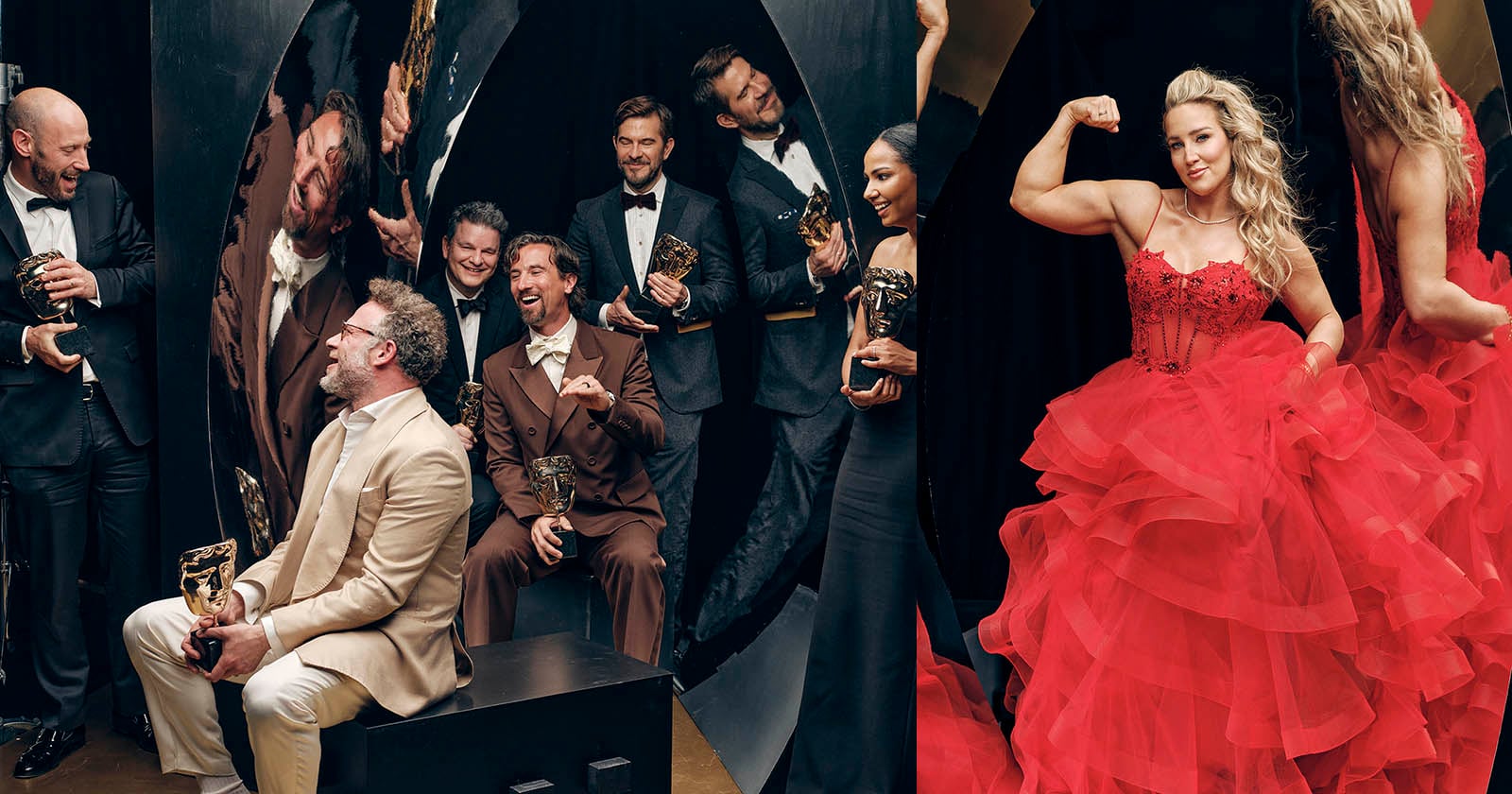
Why it matters: For photographers, creative directors, and studios bidding on or executing these marquee event commissions, this reveals the non-negotiable operational and psychological competencies required beyond aesthetic skill, directly impacting crew planning, set budgeting, and client management.
Context: Major awards ceremonies represent a niche but influential segment of editorial fashion and portrait photography, where the workflow and output set industry standards and directly influence celebrity and brand perception.
"You are not really running a normal shoot. You are building a machine that has to produce a portrait under almost impossible conditions." — PETAPIXEL
Commentary: The account reframes these commissions from creative exercises to logistical and psychological operations, where set design is a tool for speed and trust-building is a measurable efficiency. This pressures studios to systematize their approach, favoring robust, adaptable physical sets over finicky lighting and requiring photographers who can direct with decisive, physical language. The economic model for these jobs must account for intensive pre-production and rapid depreciation of creative concepts.
Date: Mon, 18 May 2026 17:29:41 +0000
URL: https://petapixel.com/2026/05/18/what-really-happens-inside-a-bafta-awards-portrait-studio/
AI Sentiment Score: Positive (66%)
AI Credibility Score: 10.0/10 — High
Scores and text generated by AI analysis of the source article indicated.
A Photographer’s Guide to Permission Forms – Framer (Wirestock.Framer.Website)
Summary: A Wirestock guide clarifies the legal distinction between commercial and editorial use for photography, stating that model releases are required for commercial licensing but not for editorial placement in newspapers or trade publications. It outlines criteria for when a subject is ‘recognizable’ and emphasizes that release forms must specify usage rights and compensation. The piece positions automated platforms like Wirestock as a solution for managing this contractual layer.
Why it matters: For photographers, agencies, and stock platforms, misclassifying use or mishandling releases directly impacts licensing revenue, legal liability, and the viability of image archives for future commercial exploitation.
Context: The proliferation of digital distribution and secondary licensing markets has intensified the need for clear, upfront rights management, turning model releases from a formality into a core asset in the image supply chain.
"For instance, work that is going to appear in newspapers, educational books, and consumer or trade publications does not need a model release because it is deemed for editorial use—sometimes even referred to as ‘fair use’." — WIRESTOCK.FRAMER.WEBSITE
Commentary: This formalizes a critical operational boundary: editorial shoots, often lower-budget, can bypass model releases, but this permanently restricts those images from future commercial licensing, a trade-off that must be strategically decided at capture. The push toward automation (Wirestock) signals a professionalization of back-office legal work, shifting risk management from ad-hoc paperwork to integrated platform features, which could consolidate power around platforms that control the release workflow.
Date: April 27, 2026 12:00 AM ET
URL: https://wirestock.framer.website/blog/a-photographer-s-guide-to-permission-forms
AI Sentiment Score: Negative (75%)
AI Credibility Score: 10.0/10 — High
Scores and text generated by AI analysis of the source article indicated.
Stop Over Editing Men! Realistic Male Retouching in Photoshop (Youtube)
Summary: A professional retoucher’s tutorial video demonstrates a workflow for male portrait retouching that emphasizes subtlety and texture retention. The process, moving from Capture One to Photoshop, prioritizes foundational contrast and clarity adjustments before employing targeted blemish removal and frequency separation, with repeated cautions against over-processing. The instruction advocates for a ‘clean’ but realistic skin finish, explicitly preserving pores and natural variations.
Why it matters: It signals a shift in aesthetic standards and workflow economics for editorial and commercial fashion photography, where labor is calibrated to a new, less invasive retouching norm.
Context: The industry is navigating a broader cultural demand for authenticity, which pressures commissioning editors and art directors to mandate more realistic post-production, directly affecting retoucher rates, studio pipelines, and the skill sets in demand.
"We’ll start in Capture One to apply key adjustments like contrast and clarity for that punchy, crisp foundation. Then we move into Adobe Photoshop where I demonstrate my step-by-step process for blemish." — YOUTUBE
Commentary: This tutorial operationalizes a market-driven aesthetic shift. The labor implication is a move from high-frequency, time-intensive ‘beauty’ retouching towards a more surgical, texture-aware technique. For photographers and studios, this recalibrates bidding for post-production hours and may compress margins for high-end retouching specialists whose value was previously in invisible perfection. The explicit focus on male subjects highlights a gendered double-standard in retouching that is now being economically and technically dismantled.
Date: April 21, 2026 12:00 AM ET
URL: https://www.youtube.com/watch?v=WUuZGEp3aVo
AI Sentiment Score: Positive (50%)
AI Credibility Score: 10.0/10 — High
Scores and text generated by AI analysis of the source article indicated.
Influencer Content Usage Rights: Agency Licensing Guide 2026 (Blog.Truleado)
Summary: A 2026 agency guide formalizes the licensing of influencer content for editorial and commercial fashion campaigns, moving beyond informal agreements to structured contracts. It details a pricing calculator for usage rights, with premiums for duration, territory, and channel stacking, and mandates explicit clauses for whitelisting and content modification. The guide instructs agencies to build these fees into default budgets and maintain detailed rights trackers.

Why it matters: This codifies a major cost center and legal liability for fashion brands and their agencies, shifting influencer content from ephemeral social posts to a licensable, tracked asset class.
Context: The influencer economy has matured, with creators asserting copyright control and brands seeking to amortize content across paid, owned, and earned media, creating friction around legacy ‘handshake’ deals.
"When a creator makes content for a sponsored campaign, they own the copyright to that content by default. The brand or agency gets a license to use it — but that license." — BLOG.TRULEADO
Commentary: The calculator institutionalizes content licensing as a line-item negotiation, forcing production budgets to account for shelf life and channel strategy explicitly. For editorial fashion, this pressures publications to either narrow usage or increase fees, potentially favoring in-house photography for evergreen content. The tracker requirement signals a shift toward asset management systems, integrating influencer output into brand archives alongside studio shoots.
Date: April 28, 2026 12:00 AM ET
URL: https://blog.truleado.com/influencer-content-usage-rights-agency-guide-2026/
AI Sentiment Score: Neutral (33%)
AI Credibility Score: 9.2/10 — High
Scores and text generated by AI analysis of the source article indicated.
NOT — Impactful Fashion Campaign Photography Agency – Not Studio (Not.Studio)
Summary: Not Studio, a fashion production agency, outlines a standardized five-phase workflow for managing editorial and campaign shoots, from client brief to final delivery. The process emphasizes agency-led project management to coordinate creative direction, talent, logistics, and post-production, positioning the agency as the central operational hub for brands seeking turnkey asset creation.

Why it matters: This codifies the agency’s role as an essential intermediary, shaping how budgets are allocated, creative teams are assembled, and production risk is managed, directly impacting freelance labor pools and commissioning economics.
Context: The rise of specialized production agencies reflects the increasing complexity and scale of fashion content demands, shifting operational control from in-house teams or individual photographers to consolidated service providers.
"Getting an experienced agency on board to handle fashion shoot production, assemble a team and manage a photographer is the best way to ensure you get the assets you need, on time and on budget." — NOT.STUDIO
Commentary: The explicit framing of ‘managing a photographer’ underscores a power shift: the photographer is positioned as a hired component within an agency-controlled pipeline, not the primary creative author. This model favors logistical efficiency over singular artistic vision, potentially standardizing aesthetic output and consolidating vendor relationships under fewer agency umbrellas.
Date: May 07, 2026 12:00 AM ET
URL: https://www.not.studio/campaign-photography
AI Sentiment Score: Neutral (33%)
AI Credibility Score: 7.0/10 — Medium
Scores and text generated by AI analysis of the source article indicated.
#16 FIELD NOTES: MY ON-SET COLOR GRADING WORKFLOW (Jakedyson1.Substack)
Summary: A working editorial fashion photographer details an on-set color grading workflow that prioritizes immediate post-capture processing. The method hinges on a ‘neutralize then build’ approach in Capture One, starting with flattening contrast and stripping texture before constructing a color palette via HSL and advanced masking. The goal is to establish a cohesive, stylized look for selects within minutes of wrapping a scene, integrating grading into the shooting rhythm.
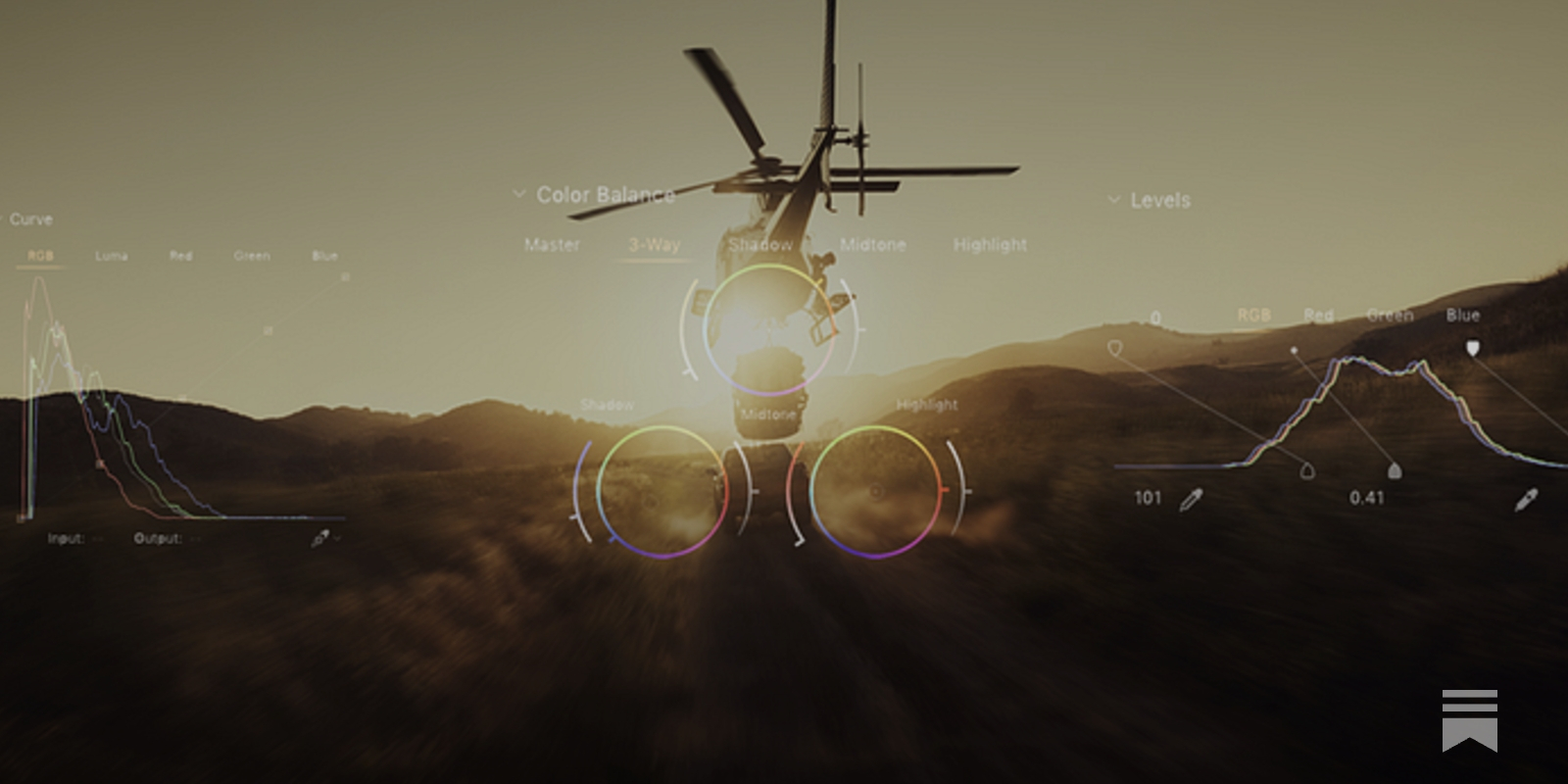
Why it matters: This operational blueprint pressures the traditional separation between shoot and post, suggesting a shift in on-set roles, required skills, and the economic timeline for delivering finished imagery.
Context: The push for faster turnarounds and more controlled, distinctive color signatures in editorial content is compressing production pipelines, elevating the photographer’s role in final image rendering.
"## THE SCENE WORKFLOW: SHOOT, SELECT, GRADE, REPEAT … But whether I’m tethered or not, the workflow is the same once a scene wraps. Step 1: Secure the files The moment a." — JAKEDYSON1.SUBSTACK
Commentary: The workflow formalizes a move from correction to creation at the point of capture, potentially marginalizing dedicated colorists for standard editorial jobs. It mandates that digitechs and photographers master advanced color grading tools, not just asset management. For publications, this promises more consistent, photographer-driven aesthetics but reduces flexibility for later editorial revision, locking in creative decisions before the client sees a frame.
Date: April 24, 2026 12:00 AM ET
URL: https://jakedyson1.substack.com/p/16-field-notes-my-on-set-color-grading
AI Sentiment Score: Neutral (50%)
AI Credibility Score: 8.0/10 — High
Scores and text generated by AI analysis of the source article indicated.
Magazine licensing: a beginner’s guide – InPublishing (Inpublishing.Co.Uk)
Summary: A guide from InPublishing outlines the commercial and operational considerations for magazine publishers exploring international licensing deals. It emphasizes the pre-assessment of a title’s suitability based on subject matter, visual appeal, and brand strength, followed by the critical task of securing rights to photographic material. The process culminates in the negotiation of a detailed agreement covering territory, supply logistics, and payment structures, with a strong recommendation to secure payment before transferring assets.
Why it matters: For editorial fashion photography, licensing represents a direct revenue channel and a test of an image archive’s international commercial viability, directly impacting commissioning budgets and rights negotiations.
Context: Licensing has long been a secondary revenue stream for magazine brands, but its viability is increasingly tied to the global portability of visual assets and the clarity of underlying IP ownership.
"So now… the big question. Is your publication suitable for licensing? For starters, ask yourself the following: * is the subject matter likely to be compelling to sufficient readers in another country?" — INPUBLISHING.CO.UK
Commentary: This explicitly shifts leverage to publishers who can secure broad rights at the point of commission, potentially altering fee structures and contract templates for photographers. The 80% threshold for ‘freely available’ material sets a clear benchmark for archive audits, making legacy rights clearance a prerequisite for deal flow. The insistence on payment before material transfer underscores the asset-based, rather than relationship-based, nature of these transactions.
Date: May 07, 2026 12:00 AM ET
URL: https://www.inpublishing.co.uk/articles/magazine-licensing-a-beginners-guide-2199
AI Sentiment Score: Negative (50%)
AI Credibility Score: 7.0/10 — Medium
Scores and text generated by AI analysis of the source article indicated.
The Art of the Fashion Editorial: A 2026 Guide to Visual Storytelling (Keepingupwithkayflawless)
Summary: A 2026 industry guide outlines a codified, five-step production workflow for fashion editorials, emphasizing narrative-driven shoots, strategic wardrobe sourcing, and candid posing. It advocates for a specific thematic direction (‘Digital Aristocracy’, ‘Eco-Futurism’) and a mix of established and emerging designer labels. The guide also highlights the commercial necessity of mobile-optimized digital portfolios and the tactical use of tearsheets and bartering to manage costs.
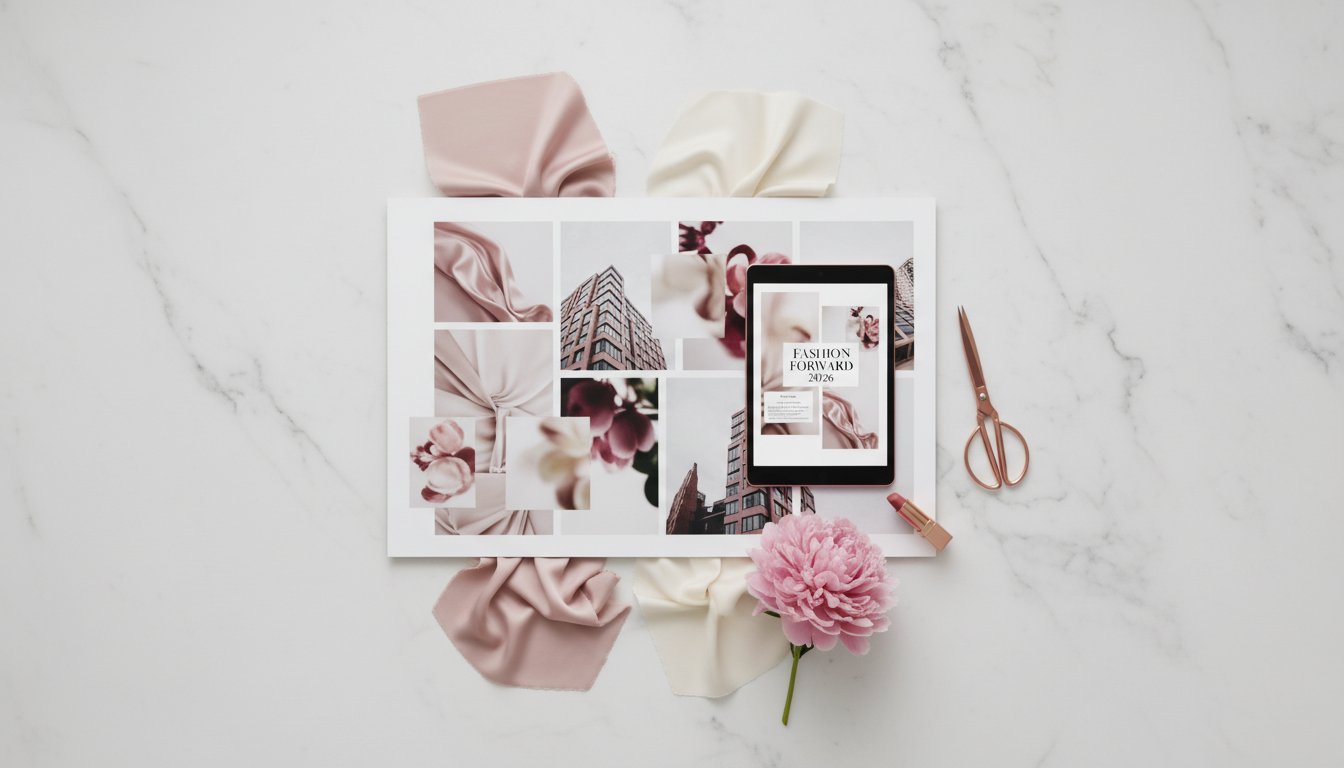
Why it matters: This formalizes a new industry standard for editorial production, directly impacting commissioning budgets, talent sourcing, and the aesthetic expectations of editors and brands.
Context: The fashion editorial pipeline is increasingly professionalized, with a focus on ROI through digital distribution and strategic partnerships, moving beyond pure artistic expression.
"Use these formats when you need to make a statement: – Collection Launches: Use storytelling to introduce a seasonal drop, giving the clothes a soul before they hit the rails. This creates." — KEEPINGUPWITHKAYFLAWLESS
Commentary: The guide’s explicit cost-management advice signals a continued pressure on photographer day rates, promoting a tiered labor market. Recommending specific thematic trends (‘Digital Aristocracy’) functions as a soft directive for aesthetic conformity, potentially narrowing creative diversity. The emphasis on mobile-optimized portfolios and tearsheet value shifts the editorial’s success metric from pure publication to measurable digital reach and client acquisition.
Date: May 06, 2026 12:00 AM ET
URL: https://keepingupwithkayflawless.com/the-art-of-the-fashion-editorial-a-2026-guide-to-visual-storytelling/
AI Sentiment Score: Negative (50%)
AI Credibility Score: 7.0/10 — Medium
Scores and text generated by AI analysis of the source article indicated.
How to Brief a Commercial Photographer and Why Most … (Chrisfrarastudios)
Summary: A commercial photography studio outlines a framework for effective client briefs, positioning the brief as both a creative specification and a tool for vetting photographer compatibility. The post argues for concise, specific briefs that define brand identity, target audience, shot list, mood board, exclusions, timeline, and distribution channels. It frames the initial brief exchange as a low-commitment diagnostic phase for both client and photographer.

Why it matters: This formalizes a pre-production workflow that shifts early-stage risk assessment from the photographer to the collaborative brief, potentially altering commissioning economics and reducing costly misalignments.
Context: The post reflects a broader industry push to professionalize and systematize creative procurement, moving away from opaque, relationship-driven pitching toward transparent, specification-based scoping.
"Your brief isn’t just a document you hand over so we know what to shoot. It’s also one of the best tools you have for figuring out whether a photographer is actually." — CHRISFRARASTUDIOS
Commentary: The studio is commoditizing its own vetting process, turning the brief into a filter that separates serious, prepared clients from speculative ones. This elevates the photographer’s role from a service provider to a strategic partner at the outset, but also demands more upfront labor from clients. For agencies and brands, it signals a shift toward briefs as binding creative contracts, reducing post-award revision cycles but increasing pre-commissioning workload. The explicit call for ‘what you don’t want’ is a direct cost-control measure for studios, aiming to curb the industry’s endemic revision creep.
Date: April 29, 2026 12:00 AM ET
URL: https://www.chrisfrarastudios.com/blog/how-to-brief-a-commercial-photographer
AI Sentiment Score: Negative (75%)
AI Credibility Score: 10.0/10 — High
Scores and text generated by AI analysis of the source article indicated.
Sherri Hill Files Federal Lawsuit Alleging Unauthorized Use of Copyrighted Images by Online Retailers (Morningstar)
Summary: Sherri Hill has filed a federal copyright lawsuit in the Southern District of New York against the operators of the KissProm.com and SheIsMe.com websites. The complaint alleges unauthorized use and alteration of Sherri Hill’s copyrighted marketing images to advertise and sell formal dresses. The suit asserts claims for infringement and removal of copyright management information, seeking injunctive relief and damages. This action targets the commercial exploitation of editorial assets by online retailers.
Why it matters: It signals a hardening enforcement posture by brands against the wholesale appropriation of campaign imagery for third-party commerce, directly impacting the valuation and protection of commissioned photography.
Context: This follows an established pattern of formalwear and designer brands litigating to protect visual IP from e-commerce scrapers and counterfeit sellers, a costly but necessary line of defense for marketing integrity.
"NEW YORK, April 27, 2026 /PRNewswire/ — Sherri Hill, Inc., a designer and marketer of formalwear, has filed a lawsuit in the United States District Court for the Southern District of New." — MORNINGSTAR
Commentary: The suit’s inclusion of ‘removal or alteration of copyright management information’ as a claim underscores a tactical shift toward prosecuting not just use, but the deliberate obfuscation of image provenance. For studios and photographers, this reinforces the need for embedded metadata and clear chain-of-title in deliverables. The target—specific e-commerce platforms—indicates enforcement is moving beyond social media to the storefronts themselves, raising due diligence requirements for any vendor using campaign imagery in digital retail environments.
Date: April 27, 2026 12:00 AM ET
URL: https://www.morningstar.com/news/pr-newswire/20260427ny44289/sherri-hill-files-federal-lawsuit-alleging-unauthorized-use-of-copyrighted-images-by-online-retailers
AI Sentiment Score: Neutral (50%)
AI Credibility Score: 10.0/10 — High
Scores and text generated by AI analysis of the source article indicated.
Photographer Model Release Forms: Commercial Use … (Formfy.Ai)
Summary: A commercial model release is the legal instrument that transforms a photograph from a copyrighted work into a monetizable asset. It explicitly governs the distinction between commercial and editorial use, defines the scope of usage by territory, duration, and media, and formalizes compensation. For minors, it requires guardian signatures and compliance with state-specific trust laws like California’s Coogan Act. The document’s specificity directly dictates an image’s licensing potential and liability exposure.

Why it matters: For photographers, agencies, and publishers, the precision of a release form dictates downstream revenue, rights clearance for stock archives, and legal defensibility in campaigns.
Context: The legal scaffolding for image licensing remains a foundational, yet often procedural, component of commercial photography workflows, where ambiguity directly impacts asset liquidity.
"The release should align with how the photographer plans to license the image — overstating the scope creates breach exposure; understating it limits monetization." — FORMFY.AI
Commentary: This formalizes the release as a strategic financial instrument, not just a legal checkbox. For stock contributors, the push for perpetual, worldwide rights locks in asset value but reduces future renegotiation leverage. Editorial photographers must now explicitly flag ‘editorial-only’ to prevent accidental commercial relicensing, creating a new administrative gate in fast-turnaround publishing. The emphasis on Coogan-law compliance signals a tightening operational burden for studios using minor talent, potentially shifting commissioning economics toward adult models in certain markets.
Date: April 27, 2026 12:00 AM ET
URL: https://formfy.ai/blog/photographer-model-release-forms
AI Sentiment Score: Negative (75%)
AI Credibility Score: 9.9/10 — High
Scores and text generated by AI analysis of the source article indicated.
About Us (Thelinestudios.Nyc)
Summary: The Line Studios, a full-service photography studio with locations in New York and Los Angeles, has published its service menu and transparent pricing for editorial and commercial production. The firm offers end-to-end creative production, from e-commerce and on-model photography to video and AI-supported asset creation, with day rates and per-SKU costs explicitly listed.

Why it matters: This public pricing demystifies the cost structure for editorial and e-commerce photography, providing a benchmark for brands budgeting shoots and pressuring competing studios and freelancers to justify their rates.
Context: Studio economics have traditionally been opaque, with costs negotiated per project. The rise of standardized e-commerce output and the integration of AI-assisted workflows are driving commoditization in certain segments of the production pipeline.
"The Line Studios operates full-service photography studios in New York and Los Angeles, supporting brands across the U.S. and internationally. Our New York studio is located in Long Island City, Queens, and." — THELINESTUDIOS.NYC
Commentary: The explicit bundling of AI-supported asset creation at a fixed per-SKU rate signals a strategic shift toward hybrid production models, where traditional photography anchors a campaign but scalable AI tools handle variant generation. This pricing transparency will accelerate rate standardization for mid-market commercial work, forcing smaller studios to either compete on efficiency or pivot toward high-touch editorial concepts where day-rate economics are less relevant. For photographers and creatives, the delineation between ‘production’ (high-day-rate) and ‘asset creation’ (low-per-SKU) clarifies where human expertise retains premium value versus where automation is already priced into the market.
Date: April 24, 2026 12:00 AM ET
URL: https://thelinestudios.nyc/about-us/
AI Sentiment Score: Positive (60%)
AI Credibility Score: 7.0/10 — Medium
Scores and text generated by AI analysis of the source article indicated.
PRODn Art + Commerce, Production – project 648063 – Visie (Visie.Io)
Summary: Visie.io, a production management platform, lists the full creative roster for Zara’s Fall 2024 Studio Collection campaign, crediting Steven Meisel as photographer and Fabien Baron as creative director, with production handled by PRODn Art + Commerce. The entry functions as a de facto digital call sheet, documenting the high-caliber, traditional editorial talent—from stylist Karl Templer to makeup artist Pat McGrath—commissioned for a fast-fashion brand.
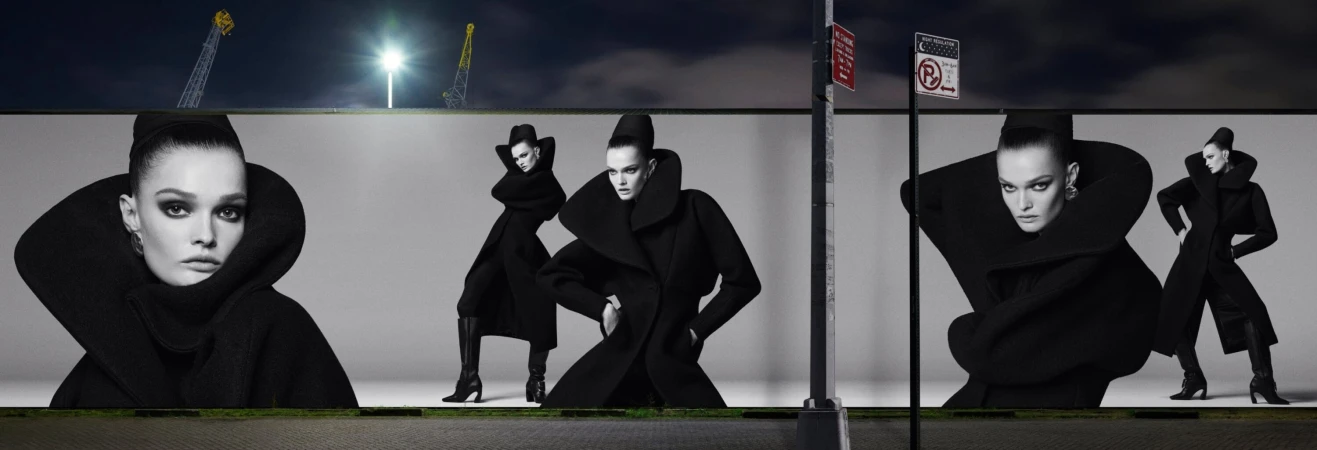
Why it matters: This public ledger formalizes the labor and vendor relationships behind major campaigns, creating a transparent, searchable record that affects talent booking, credit disputes, and competitive analysis for agencies and studios.
Context: Platforms like Visie are digitizing and exposing the traditionally opaque backend of fashion production, turning project credits into structured data that influences reputation markets and workflow audits.
"PRODn Art + Commerce, Production." — VISIE.IO
Commentary: The listing underscores the persistent market power of legacy editorial names (Meisel, Baron) within fast-fashion’s premium tiers, while the platform’s role as a credit registry may gradually commoditize relationship-based hiring. For production accountants and EPs, such databases shift negotiation leverage by making fee structures and team compositions more comparable across projects.
Date: April 24, 2026 12:00 AM ET
URL: https://visie.io/media/prodn-art-commerce-648063
AI Sentiment Score: Neutral (33%)
AI Credibility Score: 9.8/10 — High
Scores and text generated by AI analysis of the source article indicated.
Mastering Styled Shoots: A Photographer’s Guide – episode 104 (Youtube)
Summary: We’re talking at least $45,000. Okay.
Why it matters: High cost signals increased complexity in styling/asset procurement; budget scrutiny on shoot overhead.
Context: Focus on negotiating vendor rates and rights clearance to manage escalating production expenditure.
[Metadata-only note] The available source data did not expose a direct source quote this cycle.
Commentary: The signal is still worth tracking, but the current extraction path did not yield enough body text for a fuller analytical read. The immediate implication is operational rather than speculative: watch how this changes budgets, workflows, or risk assumptions over the next cycle.
Date: May 04, 2026 12:00 AM ET
URL: https://www.youtube.com/watch?v=1-I6VIx0Y2M
AI Sentiment Score: Neutral (33%)
AI Credibility Score: 10.0/10 — High
Scores and text generated by AI analysis of the source article indicated.
Photographers make your photos are protected. (Youtube)
Summary: Photographers should make sure they have a clear contract. Because sometimes businesses like to take advantage of the situation and use your photos for something else than what was contracted.
Why it matters: Contractual clarity remains paramount; scope creep in usage rights is a persistent operational risk.
Context: Focus on defining usage parameters (media, duration, territory) beyond initial commissioning scope.
"Photographers should make sure they have a clear contract. Because sometimes businesses like to take advantage of the situation and use your photos for something else than what was contracted." — YOUTUBE
Commentary: The signal is still worth tracking, but the current extraction path did not yield enough body text for a fuller analytical read. The immediate implication is operational rather than speculative: watch how this changes budgets, workflows, or risk assumptions over the next cycle.
Date: April 30, 2026 12:00 AM ET
URL: https://www.youtube.com/watch?v=83XNOB0CiMA
AI Sentiment Score: Negative (50%)
AI Credibility Score: 10.0/10 — High
Scores and text generated by AI analysis of the source article indicated.
Art + Commerce Archives (Designscene.Net)
Summary: Art + Commerce Julian Klausner and Carlijn Jacobs: Visionary Collaboration for Dries Van Noten by Zarko Davinic September 17, 2025 Specific creative pairings signal potential shifts in high-end editorial commissioning and aesthetic direction for key design houses.
Why it matters: Specific creative pairings signal potential shifts in high-end editorial commissioning and aesthetic direction for key design houses.
Context: Focus on the operational implications of the collaboration structure: rights, vendor load-out, and post-production workflow for Dries Van Noten assets.
"Art + Commerce Julian Klausner and Carlijn Jacobs: Visionary Collaboration for Dries Van Noten by Zarko Davinic September 17, 2025." — DESIGNSCENE.NET
Commentary: The signal is still worth tracking, but the current extraction path did not yield enough body text for a fuller analytical read. The immediate implication is operational rather than speculative: watch how this changes budgets, workflows, or risk assumptions over the next cycle.
Date: April 20, 2026 12:00 AM ET
URL: https://www.designscene.net/agencies/art-commerce
AI Sentiment Score: Neutral (33%)
AI Credibility Score: 10.0/10 — High
Scores and text generated by AI analysis of the source article indicated.
Social media content – creative, efficient & scaled (Laudert)
Summary: Laudert, a production studio, is marketing a turnkey service for creating platform-native fashion and product photography and video, from concept to final delivery. The service promises assets optimized for Instagram and TikTok, including styling, editing, and grading tailored for social media performance. This positions the studio as a full-service vendor for brands seeking to outsource their social media content creation at scale.
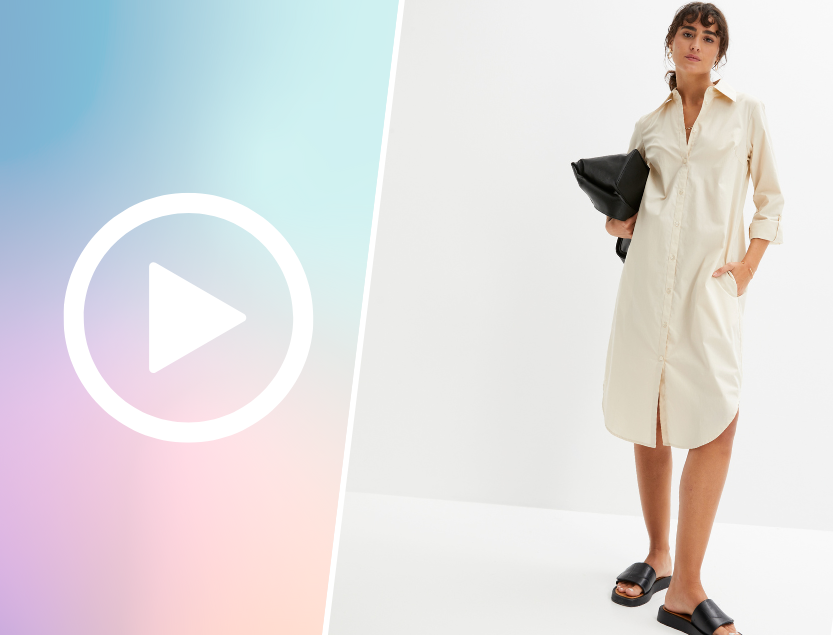
Why it matters: This represents a formalization and outsourcing of a core creative function, potentially reshaping commissioning budgets, in-house team roles, and the aesthetic standards for commercial fashion imagery.
Context: The demand for platform-specific content has blurred the lines between editorial photography and social media marketing, creating a market for vendors who can deliver volume with a consistent, brand-aligned look.
"We produce fashion and product photography, as well as product and promotional videos, specifically designed for platforms like Instagram and TikTok. You’ll receive ready-to-use assets that you can post directly to your." — LAUDERT
Commentary: This service commoditizes the ‘social media look,’ shifting creative labor from freelance photographers and stylists to a consolidated production pipeline. It pressures in-house creative teams to justify their value against outsourced efficiency and could lead to a homogenization of visual language as brands prioritize scalable, platform-compliant assets over distinctive photographic authorship.
Date: April 28, 2026 12:00 AM ET
URL: https://www.laudert.com/en/channels/social-media-content/
AI Sentiment Score: Negative (66%)
AI Credibility Score: 8.8/10 — High
Scores and text generated by AI analysis of the source article indicated.
Ad Campaigns Lookbooks — Style News, Fashion Photography … (Anneofcarversville)
Summary: Burberry’s Fall 2026 ‘A Good Sport’ campaign, shot by Mario Sorrenti and directed by David Lane, leverages sports culture with a cast of athletes, actors, and models. The article critiques the still photography as flat compared to the film component, while framing the campaign through the lens of the New York Knicks’ historic NBA comeback. The author posits that modern sports marketing must capture the energy of the crowd, not just the athletes, and connects this to a broader argument about horizontal, mycelium-like organizational structures outperforming vertical hierarchies.
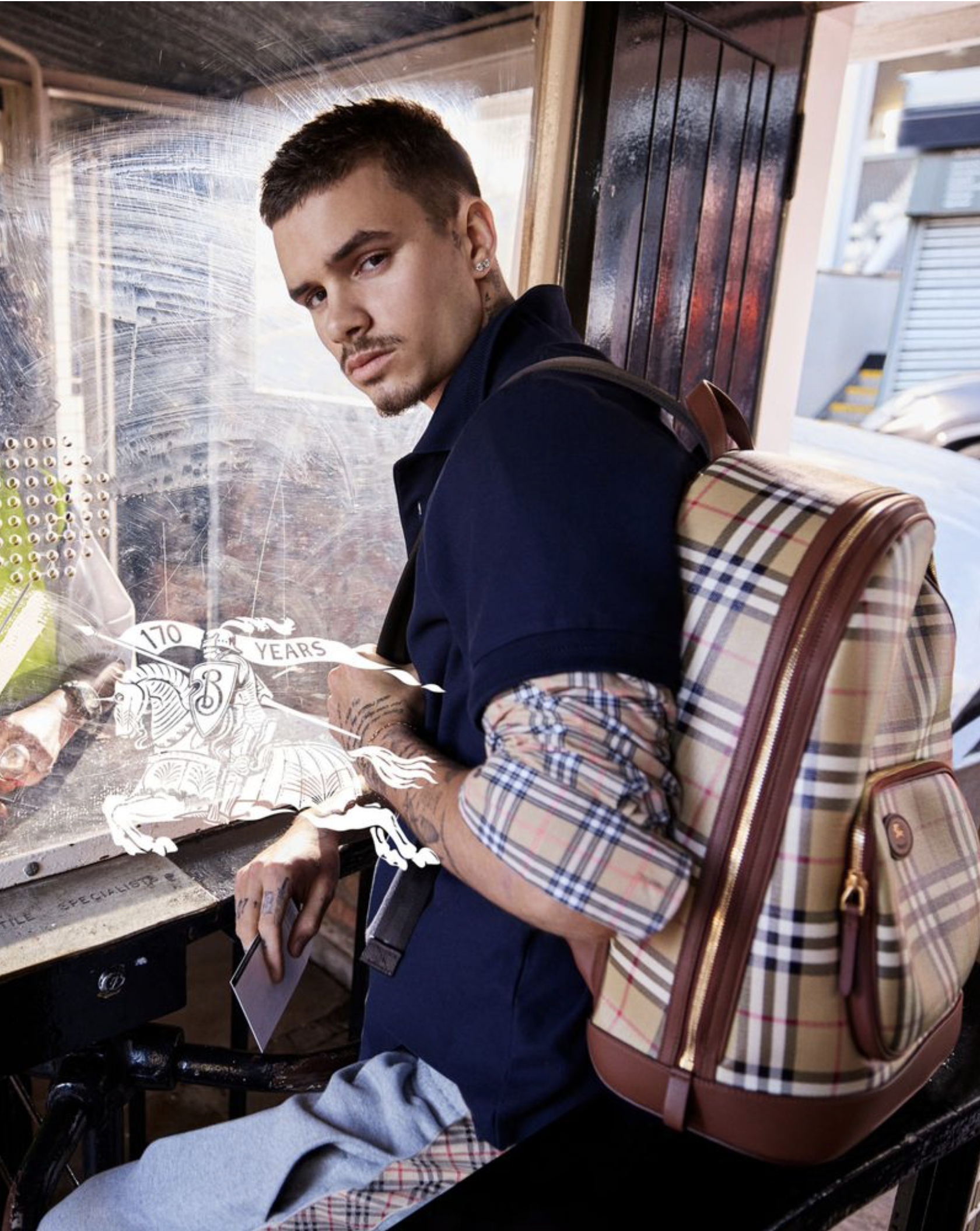
Why it matters: This signals a shift in commissioning priorities towards narrative film and crowd-centric energy over static hero imagery, with implications for photographer selection, creative direction, and campaign ROI.
Context: High-fashion campaigns increasingly blend sports narratives and cinematic film to drive engagement, testing the limits of traditional editorial stills photography.
"When it comes to sports marketing, capturing the crowd is as important as capturing the athletes. Even more so now when we see the near-impossible achieved before our very eyes." — ANNEOFCARVERSVILLE
Commentary: The critique of ‘flat’ stills versus effective film suggests a reallocation of creative budget and prestige from star photographers to directors and editors. The forced analogy to organizational theory is noise, but the core observation—that crowd energy and improbable narrative are now premium commercial assets—validates a move towards documentary-style motion content over constructed studio shots.
Date: April 24, 2026 12:00 AM ET
URL: https://anneofcarversville.com/fashion/category/Ad+Campaigns+Lookbooks
AI Sentiment Score: Positive (66%)
AI Credibility Score: 7.0/10 — Medium
Scores and text generated by AI analysis of the source article indicated.
Post ID: 9e30f006