Alzheimer’s Disease and Frontal Temporal Dementia
Blog – How I Started My Own Lecture Course (Dementiaresearcher.Nihr.Ac.Uk)
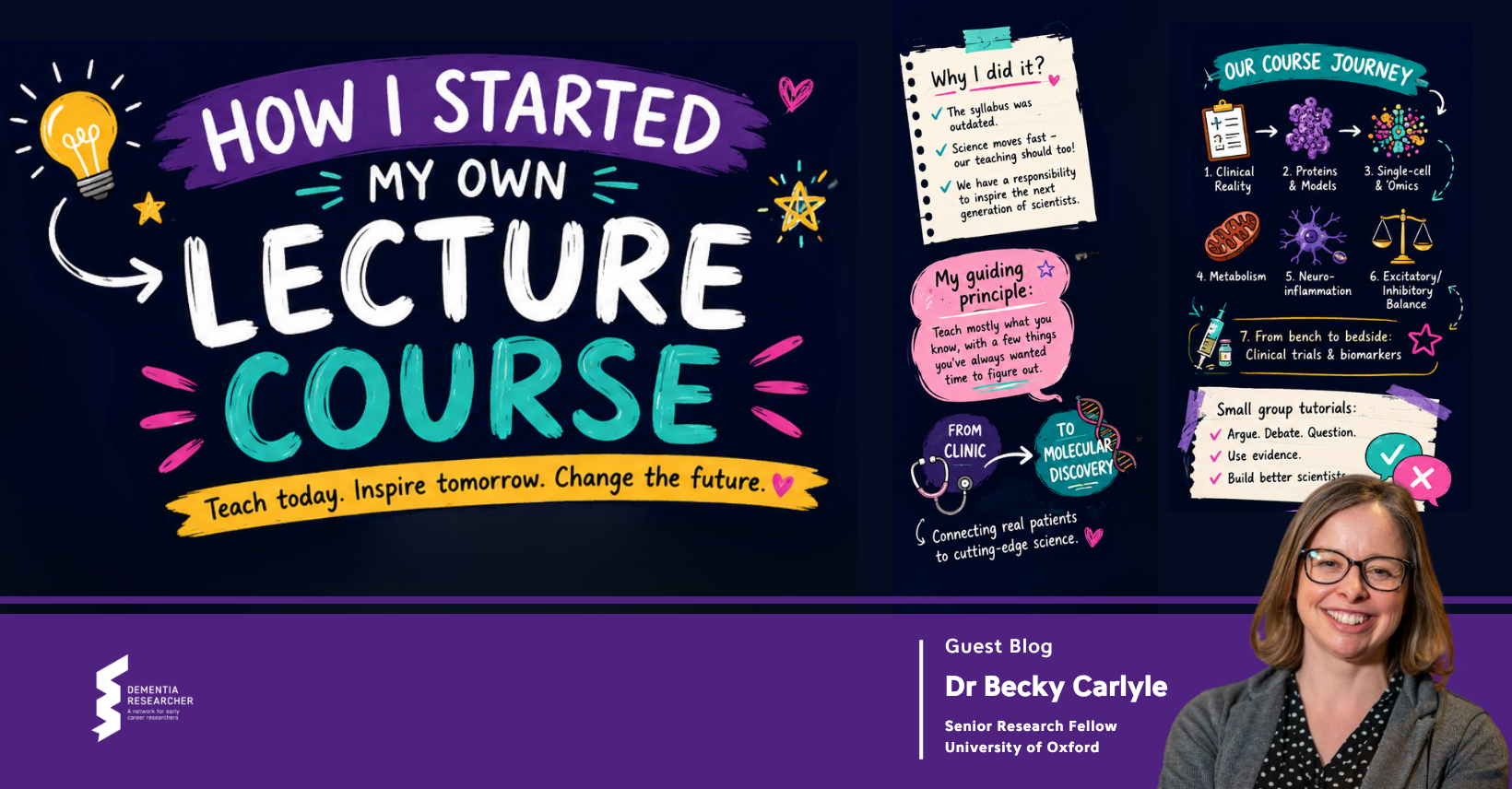
Summary: An Oxford-based Alzheimer’s Research UK Senior Research Fellow details the creation and first-year execution of a new undergraduate lecture course, ‘The Molecular Basis of Neurodegenerative Disease and Dementia.’ She describes a pedagogical approach that integrates historical foundations with recent primary literature, clinical realities, and active debate, aiming to modernize a stagnant curriculum and inspire the next generation of researchers. The piece serves as a practical guide for other academics, covering syllabus design, student engagement, and the reflective adjustments required after initial assessment.
Why it matters: It reveals a growing practitioner-led push to overhaul dementia education, directly linking curriculum modernization to research pipeline vitality and the quality of future scientific argumentation.
Context: Academic neuroscience curricula, particularly in established institutions, are often criticized for lagging behind the rapid pace of discovery in complex fields like neurodegeneration, creating a gap between textbook knowledge and lab-ready understanding.
"I was somewhat dismayed when I started teaching Neuroscience to second year Oxford medics that the part of the syllabus that deals with dementia hasn’t really changed since I was at Medical School a long, long time ago. And the basic fact is that while the central theories hold, almost everything swirling around them has changed." — DEMENTIARESEARCHER.NIHR.AC.UK
Commentary: Carlyle’s initiative signals a bottom-up correction to institutional inertia, where individual researchers assume the burden of curriculum modernization to ensure translational relevance. Her method—forcing herself to ask foundational questions and integrating papers from the last two years—operationalizes a critique of academic silos, making the course a direct feeder for her lab and a model for peer institutions. The reflective note on her authority being taken as ‘ground truth’ underscores the heightened responsibility in a field where hypothesis and dogma are often conflated by newcomers.
Date: June 25, 2026 05:00 PM ET
URL: https://www.dementiaresearcher.nihr.ac.uk/blog-how-i-started-my-own-lecture-course/
AI Sentiment Score: Negative (50%)
AI Credibility Score: 10.0/10 — High
Scores and text generated by AI analysis of the source article indicated.
Research from the ARUK Thames Valley Conference (Dementiaresearcher.Nihr.Ac.Uk)
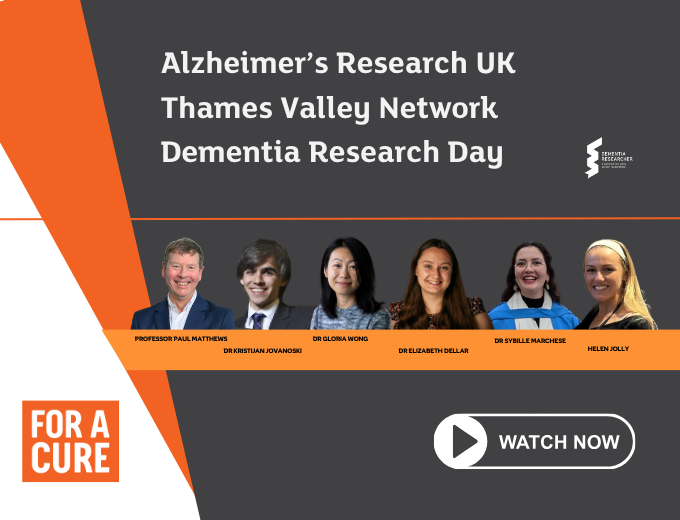
Summary: The Alzheimer’s Research UK Thames Valley Research Network’s 2026 conference showcased a cross-disciplinary snapshot of current dementia research, from molecular mechanisms to clinical interventions. Key presentations included Professor Paul Matthews on inflammatory neurodegeneration in Alzheimer’s, and flash talks on subcellular proteomics, iPSC models for tau pathology, CSF biomarkers in ALS, neuroimaging of psychosocial interventions, and machine learning for differential diagnosis. The event highlights a methodological shift towards integrating advanced ‘omics, stem cell models, computational tools, and care-focused research.
Why it matters: It signals the maturation of the field beyond amyloid-centric models towards integrated, systems-level understanding and pragmatic, patient-relevant outcomes.
Context: Dementia research is undergoing a phase transition, moving from singular pathological targets to complex, multi-omics and data-driven approaches that acknowledge disease heterogeneity and the importance of non-pharmacological interventions.
"Together, the talks reflect the range of methods now being used to understand neurodegenerative disease, including imaging, proteomics, stem cell models, post mortem tissue analysis, psychosocial intervention research and data driven approaches. They also show how dementia research increasingly crosses traditional boundaries, connecting molecular biology, clinical science, psychology, technology and care." — DEMENTIARESEARCHER.NIHR.AC.UK
Commentary: The conference agenda is a microcosm of the field’s strategic diversification. The concurrent focus on fundamental mechanisms like inflammatory neurodegeneration and applied outcomes like Cognitive Stimulation Therapy’s brain changes reflects a necessary, if challenging, dual-track approach: deepening biological understanding while immediately addressing patient and caregiver quality of life. This integration pressures traditional funding and publication silos, demanding new collaborative frameworks and evaluation metrics that value translational breadth alongside discovery depth.
Date: June 23, 2026 08:35 AM ET
URL: https://www.dementiaresearcher.nihr.ac.uk/research-from-the-aruk-thames-valley-conference/
AI Sentiment Score: Negative (83%)
AI Credibility Score: 10.0/10 — High
Scores and text generated by AI analysis of the source article indicated.
Profile – Dr Patrick Lao, Columbia University (Dementiaresearcher.Nihr.Ac.Uk)
Summary: Dr. Patrick Lao, an Assistant Professor at Columbia University, focuses on multimodal neuroimaging to integrate inflammatory and vascular pathways with established Alzheimer’s biomarkers. His work, funded by the National Institute on Aging, aims to identify common or unique pathways across dementias to inform generalizable or personalized therapies. The profile highlights a methodological shift towards systems-level analysis in neurodegeneration research.
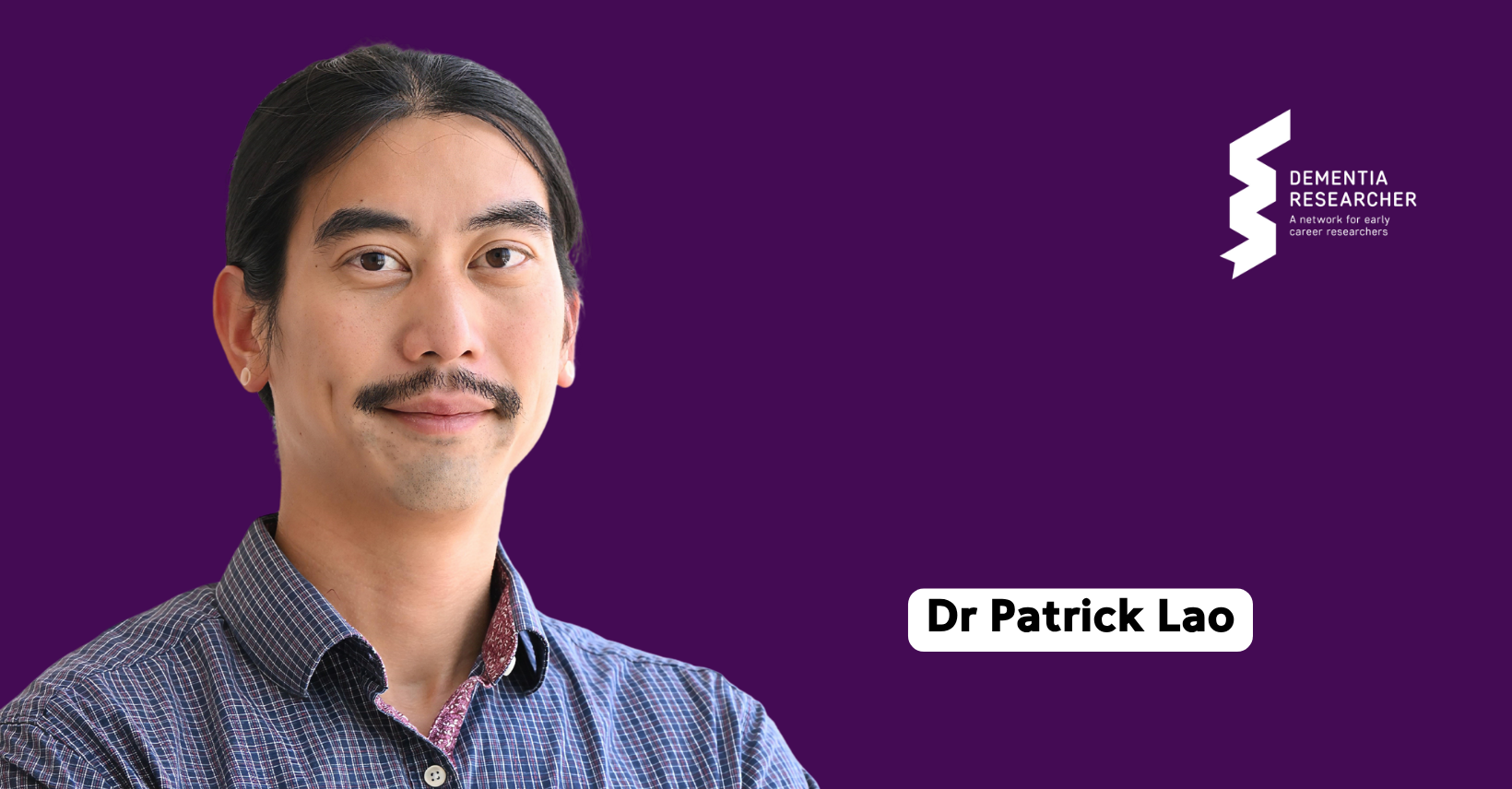
Why it matters: It signals a maturation of neuroimaging from descriptive mapping to a mechanistic tool for deconstructing disease heterogeneity, directly informing next-generation therapeutic targets.
Context: The field is moving beyond the amyloid-tau-neurodegeneration framework to incorporate vascular and inflammatory components, seeking to explain clinical variability and therapeutic failures.
"My work incorporates inflammatory and vascular pathways with amyloid, tau, and neurodegeneration. By studying Alzheimer’s disease and related dementias, we can discover common or unique pathways that can be targeted with generalizable or personalised therapeutic approaches." — DEMENTIARESEARCHER.NIHR.AC.UK
Commentary: Lao’s approach represents the operationalization of the ‘multimodal’ paradigm, treating neuroimaging as an integrator of biological systems rather than a mere diagnostic. This reframes heterogeneity from a clinical nuisance to a map of actionable sub-types. For funders and drug developers, it suggests a future where trial stratification relies on imaging-derived pathophysiology, not just clinical scores. The emphasis on generalizable versus personalized pathways acknowledges the economic reality of drug development while leaving room for precision neurology.
Date: June 26, 2026 05:46 AM ET
URL: https://www.dementiaresearcher.nihr.ac.uk/profile-dr-patrick-lao-columbia-university/
AI Sentiment Score: Negative (66%)
AI Credibility Score: 10.0/10 — High
Scores and text generated by AI analysis of the source article indicated.
Meet the New Alzheimer’s Society Awardees (Dementiaresearcher.Nihr.Ac.Uk)
Summary: The Alzheimer’s Society has allocated £5.45 million to 17 new dementia research projects for the 2025-2026 funding round. The awards span biology, diagnosis, care, and health inequalities, with five highlighted early-career researchers focusing on sex differences, cognitive screening fairness, life-course brain health, digital biomarkers, and brain charts for personalized medicine.
Why it matters: This funding round signals a strategic shift towards integrating social determinants, digital tools, and personalized approaches into the dementia research pipeline, moving beyond purely biological models.
Context: This follows increased scrutiny of dementia research’s clinical translation gap and growing pressure to address disparities in diagnosis and care, particularly for women and underserved populations.
"Alzheimer’s Society has announced £5.45 million to support 17 new dementia research awards across the full spectrum of research, from biology, biomarkers and diagnosis to care, prevention, inequalities, mobility and support for people living with dementia." — DEMENTIARESEARCHER.NIHR.AC.UK
Commentary: The portfolio’s breadth, explicitly linking biomarkers with care and inequalities, reflects a maturation of the field. It acknowledges that diagnostic advances alone are insufficient without equitable delivery pathways. Funding early-career researchers on these integrative topics suggests the Society is betting on a cohort shift in research priorities.
Date: June 25, 2026 07:15 AM ET
URL: https://www.dementiaresearcher.nihr.ac.uk/meet-the-new-alzheimers-society-awardees/
AI Sentiment Score: Negative (80%)
AI Credibility Score: 10.0/10 — High
Scores and text generated by AI analysis of the source article indicated.
Profile – Dr Sindhuja T Govindarajan, Karolinska Institutet (Dementiaresearcher.Nihr.Ac.Uk)
Summary: Dr. Sindhuja T Govindarajan, an Alzheimer’s Association Research Fellow at the University of Pennsylvania, will join Karolinska Institutet as an Assistant Professor in Autumn 2026. Her research focuses on applying machine learning to neuroimaging to detect early signs of neurodegeneration, with an emphasis on modifiable cardiovascular risk factors. Her move signifies a strategic shift to leverage Sweden’s population data and ultra-high-field 7T MRI capabilities.

Why it matters: It highlights a key personnel movement and methodological pivot towards high-resolution, population-scale neuroimaging in dementia research.
Context: The field is intensifying its focus on pre-symptomatic detection and modifiable risk factors, with machine learning and advanced imaging being central to this push.
"The idea that we can use machine learning to catch those incredibly subtle, early whispers of neurodegeneration and give people a chance to intervene through modifiable risk factors is incredibly motivating." — DEMENTIARESEARCHER.NIHR.AC.UK
Commentary: Govindarajan’s transatlantic move operationalizes a broader trend: the convergence of epidemiology, high-field MRI, and computational methods to reframe dementia as a preventable condition. Her parallel advocacy for early-career networks underscores the field’s recognition that sustaining this long-term research requires structural support beyond individual labs.
Date: June 26, 2026 06:21 AM ET
URL: https://www.dementiaresearcher.nihr.ac.uk/profile-dr-sindhuja-t-govindarajan-karolinska-institutet/
AI Sentiment Score: Positive (42%)
AI Credibility Score: 10.0/10 — High
Scores and text generated by AI analysis of the source article indicated.
Post ID: 7386826d