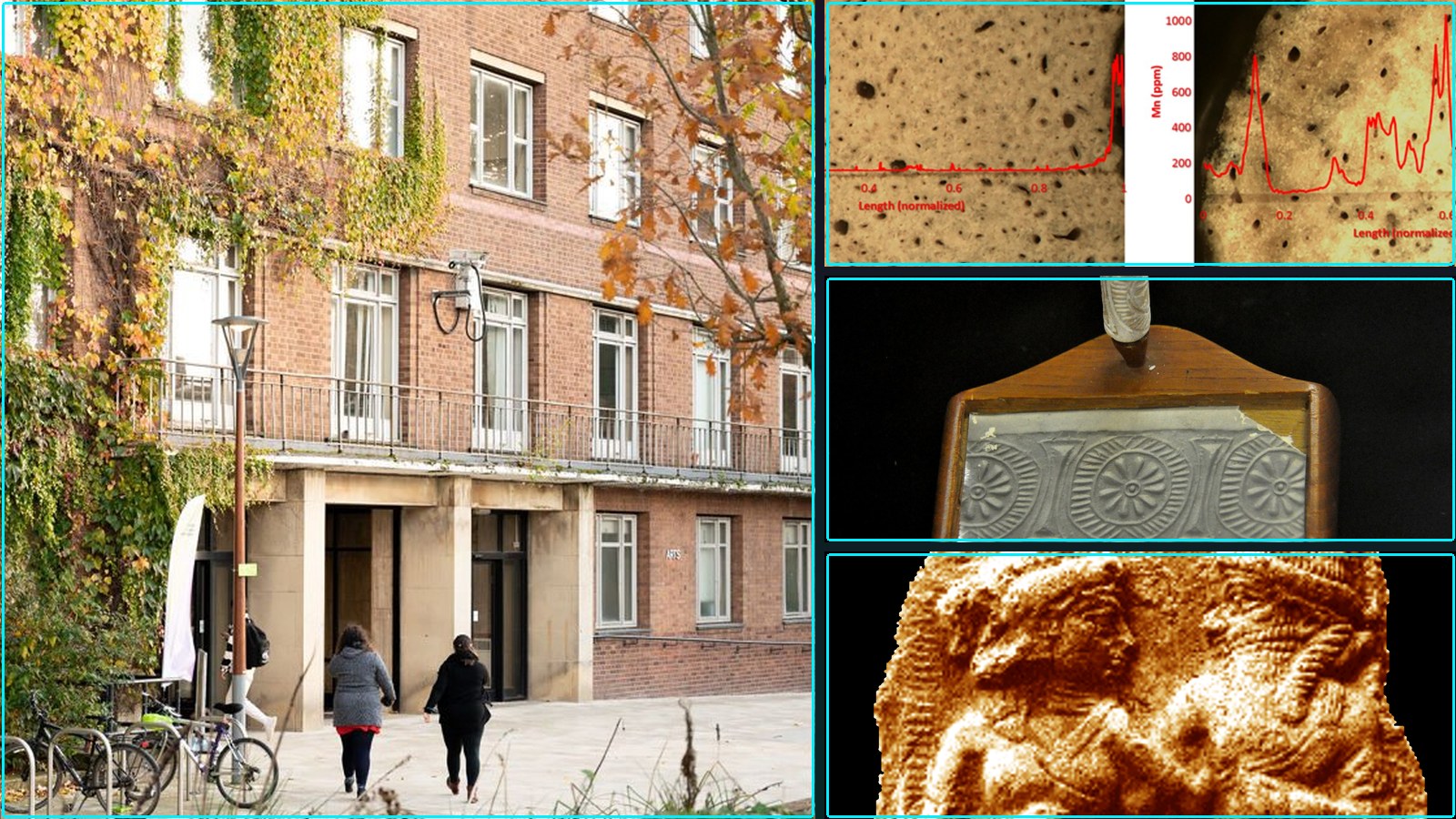
New Technologies and Methods in Archaeology
Innovating archaeology: Scholars utilize immersive 3D tech to document and study the human past (Sciencedaily)
Summary: A team from the University of Hong Kong is deploying Mixed and Augmented Reality headsets during active archaeological excavations in Armenia. The technology allows researchers to visualize digitally reconstructed, previously removed architectural features in situ, directly informing excavation strategy. It also facilitates hands-free data recording and the comparative analysis of artifacts. This represents a shift from using 3D models primarily for public dissemination to integrating them into core field methodology.

Why it matters: This operationalizes digital data in the destructive context of excavation, potentially improving interpretive accuracy and creating a more robust, layered digital record of a site’s lifecycle.
Context: Archaeology has widely adopted 3D scanning, but its use has largely been post-excavation for archival or display purposes, not as a real-time analytical tool guiding the dig itself.
"By wearing an MR device while I dig, I can virtually see a removed wall at its original location. This helps me decide where to dig next, and I can compare, in situ, multiple sections of ancient architecture that were removed at different times." — SCIENCEDAILY
Commentary: The innovation is not the capture of data, but its tactical redeployment into the decision-making loop of destruction. It begins to solve a core epistemological tension: how to preserve context while dismantling it. If scaled, this could standardize a new form of excavation record—a spatially anchored digital stratigraphy—that changes how future scholars re-analyze a ‘finished’ site. The difficulty in finding peer reviewers, as noted, underscores how this bridges a methodological gap between digital humanities and field practice.
Date: May 18, 2026 12:00 AM ET
URL: https://www.sciencedaily.com/releases/2024/11/241121141223.htm
AI Sentiment Score: Positive (50%)
AI Credibility Score: 10.0/10 — High
Scores and text generated by AI analysis of the source article indicated.
Explorator (Exploratornews.Wordpress)
Summary: Thanks to Arthur Shippee, Dave Sowdon, Edward Rockstein, Kurt Theis, John McMahon, Barnea Selavan, Joseph Lauer, Mike Ruggeri, Hernan Astudillo, Richard Campbell, Barbara Saylor Rodgers, Bob Heuman, David Critchley, Richard Miller, Kris Curry, Rick Heli, Richard C. Griffiths, Frank MacKay, Don Buck, mata kimasitayo, and Ross W. Sargent for headses upses this week (as always hoping I have left no one out).

Why it matters: This matters for Ancient World because it gives a concrete current signal to track: Thanks to Arthur Shippee, Dave Sowdon, Edward Rockstein, Kurt Theis, John McMahon, Barnea Selavan, Joseph Lauer, Mike Ruggeri, Hernan Astudillo, Richard Campbell, Barbara Saylor Rodgers, Bob Heuman, David Critchley, Richard Miller, Kris Curry, Rick Heli, Richard C.
Context: Thanks to Arthur Shippee, Dave Sowdon, Edward Rockstein, Kurt Theis, John McMahon, Barnea Selavan, Joseph Lauer, Mike Ruggeri, Hernan Astudillo, Richard Campbell, Barbara Saylor Rodgers, Bob Heuman, David Critchley, Richard Miller, Kris Curry, Rick Heli, Richard C. Griffiths, Frank MacKay, Don Buck, mata kimasitayo, and Ross W. Sargent for headses upses this week (as always hoping I have left no one out).
"Thanks to Arthur Shippee, Dave Sowdon, Edward Rockstein, Kurt Theis, John McMahon, Barnea Selavan, Joseph Lauer, Mike Ruggeri, Hernan Astudillo, Richard Campbell, Barbara Saylor Rodgers, Bob Heuman, David Critchley, Richard Miller, Kris." — EXPLORATORNEWS.WORDPRESS
Commentary: The immediate implication is operational rather than speculative: watch how this changes budgets, workflows, or risk assumptions over the next cycle.
Date: May 24, 2026 12:00 AM ET
URL: https://exploratornews.wordpress.com
AI Sentiment Score: Neutral (50%)
AI Credibility Score: 9.1/10 — High
Scores and text generated by AI analysis of the source article indicated.
Cylinder Seals in Ancient Mesopotamia: Their History and Significance (Worldhistory)
Summary: Cylinder seals were ubiquitous administrative and personal artifacts in ancient Mesopotamia, functioning as signatures, access controls, and amulets across all social strata. Their intricate, intaglio-carved designs on semiprecious stone or metal cylinders provided a ‘canvas’ for narrative imagery that encoded individual identity, occupation, and bureaucratic function. Scholarly debate persists on whether they evolved from stamp seals, with recent analysis suggesting their adoption in southern Mesopotamia was driven by the needs of a complex bureaucracy requiring distinct visual identifiers. Their continued use even after the advent of cuneiform writing underscores their deep cultural significance as symbols of permanence and personal authority.
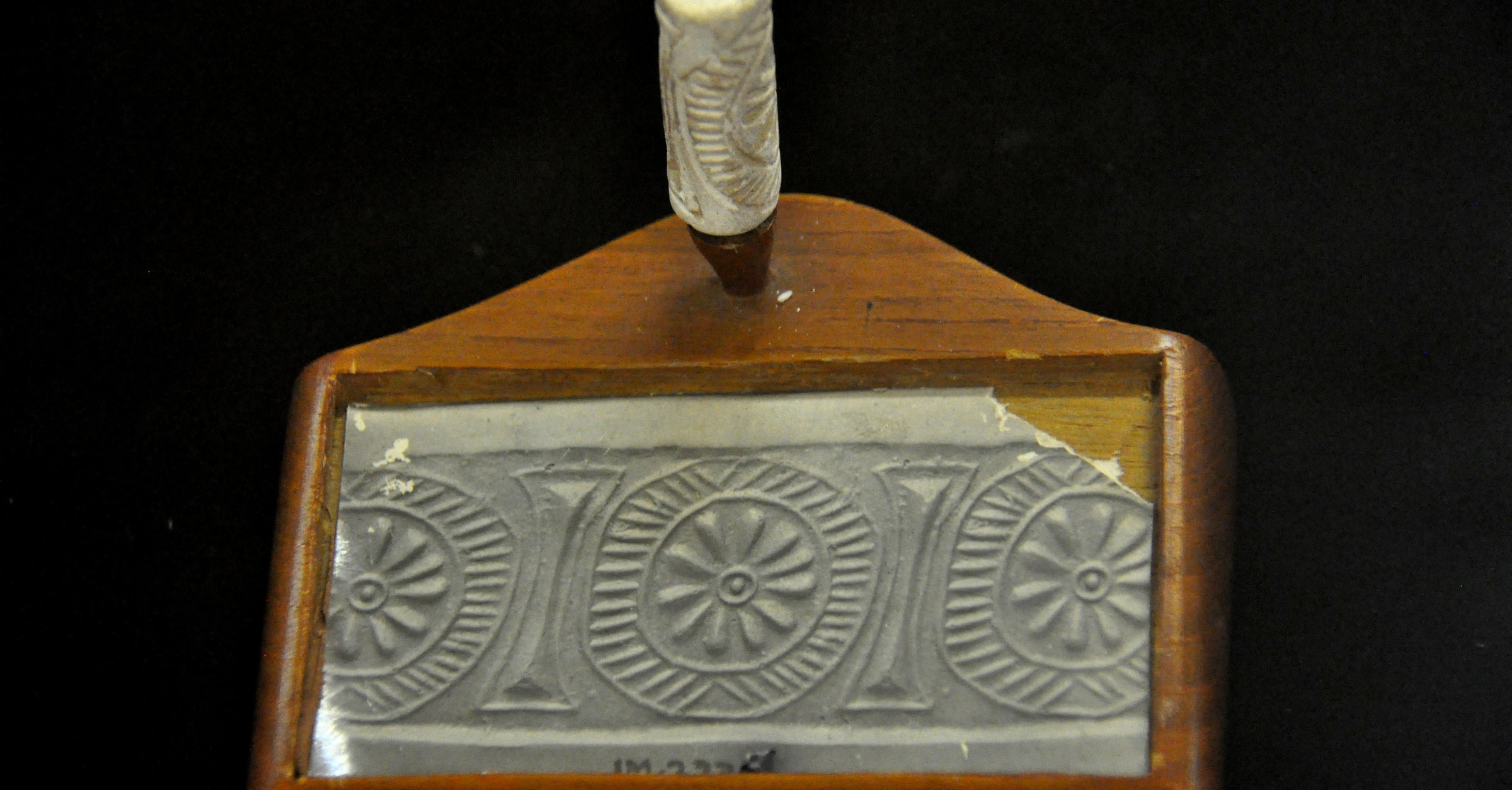
Why it matters: This analysis reframes our understanding of administrative technology, showing how material form (cylinder vs. stamp) directly responded to and enabled specific bureaucratic complexities, a pattern with clear parallels to modern identity and verification systems.
Context: The study of administrative artifacts shifts from viewing them as simple tools to understanding them as embodiments of systemic logic and social identity. The cylinder seal debate touches on core questions of technological adaptation, regional divergence in statecraft, and the material culture of trust.
"Among the most interesting and revealing artifacts discovered from ancient Mesopotamia are cylinder seals. These fairly small items may be seen today in museum exhibits around the world, but, perhaps owing to." — WORLDHISTORY
Commentary: Reichel’s argument moves the discussion from chronological primacy to functional adaptation: the cylinder seal was not merely a more advanced stamp, but a platform engineered for a specific administrative ecology. This frames the artifact as an early example of interface design, where the physical medium’s constraints directly shaped the capacity for individual identification within a scaling system. The parallel to modern cryptographic keys or digital signatures is structural, not just metaphorical, highlighting a persistent engineering challenge in balancing unique identity against systemic legibility. The regional split between cylinder (south) and stamp (north) seals further maps the material footprint of bureaucratic centralization versus more distributed or less complex administrative traditions.
Date: Tue, 19 May 2026 08:51:07 +0000
URL: https://www.worldhistory.org/article/846/cylinder-seals-in-ancient-mesopotamia/
AI Sentiment Score: Negative (75%)
AI Credibility Score: 10.0/10 — High
Scores and text generated by AI analysis of the source article indicated.
Nanna: Mesopotamian God of the Moon and Wisdom (Worldhistory)
Summary: The article details the evolution of Nanna/Sin, the Mesopotamian moon god, from a primordial deity of the night to a central figure in statecraft, timekeeping, and the afterlife. It traces his theological and political utility from the Sumerian city of Ur through the Akkadian and Neo-Babylonian empires, highlighting his role in royal legitimation, as seen with Sargon’s daughter Enheduanna and Nabonidus’s family appointments. The piece also examines his shifting familial and cosmic relationships, his association with wisdom and judgment, and his eventual syncretism and decline.

Why it matters: It demonstrates how a core religious concept was strategically adapted over millennia to serve political authority, manage existential anxieties about time and death, and reflect fundamental shifts in societal structure, from nomadic to agrarian.
Context: Mesopotamian deity studies often focus on static pantheon lists; this analysis foregrounds the dynamic, instrumental use of a god’s attributes by ruling elites and the theological innovation driven by changing human needs.
"Nanna is repeatedly seen in ancient texts as a god who provides and unifies, and some of the most successful Mesopotamian rulers capitalized on this belief." — WORLDHISTORY
Commentary: The case of Nanna illustrates that theological narratives were primary instruments of state power, not just cultural artifacts. The deliberate placement of royal family members as his high priestesses—from Sargon to Nabonidus—constitutes a durable playbook for consolidating legitimacy through religious infrastructure. His evolving role, from a nomadic ‘father of the sun’ to a judge of the dead, maps directly onto societal transitions, showing how cosmology is retrofitted to justify new social orders and address collective anxieties.
Date: Thu, 21 May 2026 08:58:45 +0000
URL: https://www.worldhistory.org/Nanna/
AI Sentiment Score: Positive (50%)
AI Credibility Score: 10.0/10 — High
Scores and text generated by AI analysis of the source article indicated.
The Descent of Inanna: A Sumerian Tale of Injustice (Worldhistory)
Summary: The Sumerian poem The Descent of Inanna (circa 1900-1600 BCE) chronicles the journey of Inanna, the great goddess and Queen of Heaven, from her realm in the sky to earth and down into the underworld to visit her recently widowed sister Ereshkigal, Queen of the Dead. The poem begins famously with the lines: From the Great Above she opened her ear to the Great Below From the Great Above the goddess opened her ear to the Great Below From the Great Above Inanna opened her ear to the Great Below.(Wolkstein and Kramer, 52) The work then goes on to describe Inanna’s descent to the underworld, accompanied, part of the way, by her faithful servant and advisor Ninshubur. Summary Inanna is dressed in her finest clothes and wears the crown of heaven on her head, beads around her neck, her breastplate, a golden ring, and carries her scepter, the rod of power.
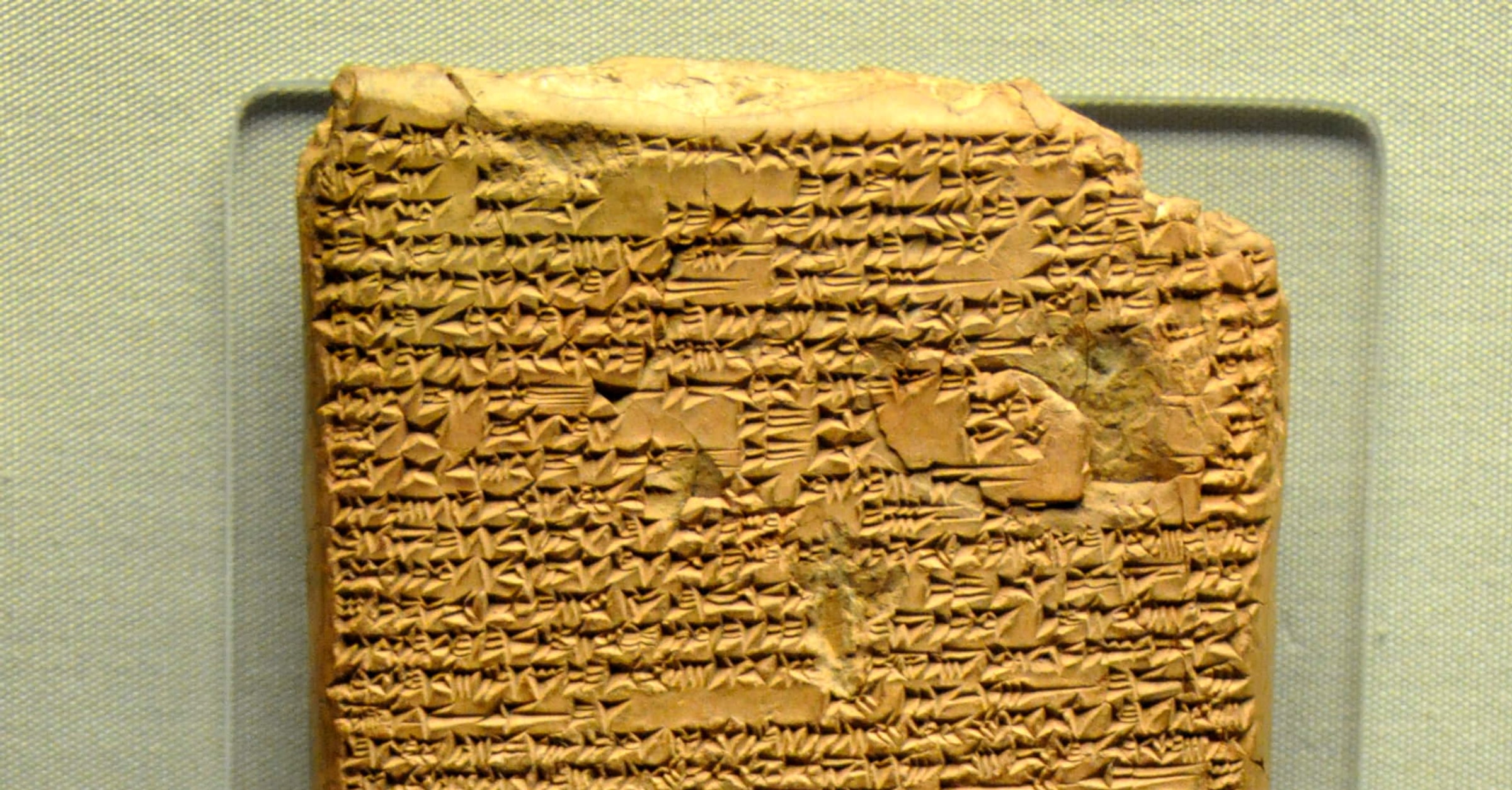
Why it matters: This matters for Ancient World because it gives a concrete current signal to track: The Sumerian poem The Descent of Inanna (circa 1900-1600 BCE) chronicles the journey of Inanna, the great goddess and Queen of Heaven, from her realm in the sky to earth and down into the underworld to visit her recently widowed sister Ereshkigal, Queen of the Dead.
Context: The Sumerian poem The Descent of Inanna (circa 1900-1600 BCE) chronicles the journey of Inanna, the great goddess and Queen of Heaven, from her realm in the sky to earth and down into the underworld to visit her recently widowed sister Ereshkigal, Queen of the Dead. The poem begins famously with the lines: From the Great Above she opened her ear to the Great Below From the Great Above the goddess opened her ear to the Great Below From the Great Above Inanna opened her ear to the Great Below.(Wolkstein and Kramer, 52) The work then goes on to describe Inanna’s descent to the underworld, accompanied, part of the way, by her faithful servant and advisor Ninshubur. Summary Inanna is dressed in her finest clothes and wears the crown of heaven on her head, beads around her neck, her breastplate, a golden ring, and carries her scepter, the rod of power.
"The Sumerian poem The Descent of Inanna (circa 1900-1600 BCE) chronicles the journey of Inanna, the great goddess and Queen of Heaven, from her realm in the sky to earth and down." — WORLDHISTORY
Commentary: The immediate implication is operational rather than speculative: watch how this changes budgets, workflows, or risk assumptions over the next cycle.
Date: Tue, 19 May 2026 15:49:50 +0000
URL: https://www.worldhistory.org/article/215/the-descent-of-inanna/
AI Sentiment Score: Negative (66%)
AI Credibility Score: 10.0/10 — High
Scores and text generated by AI analysis of the source article indicated.
New project to uncover hidden history of ancient Greece – University of Birmingham (Birmingham.Ac.Uk)
Summary: The University of Birmingham-led ARTEMIS project, funded by the AHRC, will conduct a five-year, interdisciplinary archaeological and palaeoenvironmental survey at Brauron (Vravrona) in eastern Attica. The initiative aims to reconstruct the rural landscape and daily life, moving beyond the traditional urban, elite-focused narrative of ancient Greece. It integrates geological, climatic, and botanical data with archaeology to model human-environment interactions over millennia, from Neolithic trade to early Christian settlement.

Why it matters: This project directly challenges the historiographic dominance of urban, elite male perspectives, proposing to materially reconstruct the experiences of women, children, and rural communities, thereby recalibrating our fundamental understanding of Greek societal structure and resilience.
Context: Classical archaeology has long been skewed toward monumental urban centers and textual sources produced by elites; recent decades have seen a methodological shift toward landscape archaeology and scientific environmental analysis to access subaltern histories.
"The history of ancient Greece is often presented from urban spaces, shaped by elite and predominantly male voices about how people lived. While this perspective has long dominated, it only reflects a minority of experiences. ARTEMIS will write new narratives of the past, including the experiences of women, children, and rural communities." — BIRMINGHAM.AC.UK
Commentary: ARTEMIS represents a deliberate operationalization of theoretical critique, using palaeoenvironmental proxies and landscape survey as instruments to access non-elite agency. If successful, its model could pressure other Mediterranean projects to similarly de-center the polis and temple, forcing a revision of core narratives about economic foundation, ritual practice, and social continuity. The focus on Brauron—a site of female ritual significance—provides a concrete test case for whether environmental data can illuminate gendered and age-based social structures previously inferred only from art and literature.
Date: May 19, 2026 12:00 AM ET
URL: https://www.birmingham.ac.uk/news/2026/new-international-project-to-uncover-the-hidden-everyday-history-of-ancient-greece
AI Sentiment Score: Negative (80%)
AI Credibility Score: 10.0/10 — High
Scores and text generated by AI analysis of the source article indicated.
Inanna: The Most Popular Goddess of Ancient Mesopotamia (Worldhistory)
Summary: The article details the rise of Inanna from a local Sumerian vegetative deity to the supreme ‘Queen of Heaven’ across Mesopotamia, a process accelerated by the literary-political work of the priestess Enheduanna. It frames her as a complex deity of love, war, and raw political ambition, whose independent, non-maternal character and cult—including a gender-fluid priesthood—reflected and later contrasted with the status of women in society. Her syncretic endurance as Ishtar and Astarte, and her eventual eclipse under Hammurabi’s legal reforms, maps a key transition in the ancient Near Eastern religious and social order.

Why it matters: This analysis provides a concrete case study in how political power, literary canonization, and social change interact to shape a deity’s profile, offering a lens onto the mechanics of cultural memory and the contingent nature of religious authority.
Context: The piece situates Inanna within the long arc of Mesopotamian history, noting her evolution alongside shifts from Sumerian to Akkadian to Babylonian dominance, and her later syncretism with deities across the Mediterranean.
"Under the reign of the Amorite king Hammurabi of Babylon, goddesses were increasingly replaced by gods. Inanna kept her position and prestige through her adoption by the Assyrian and Neo-Assyrian empire as Ishtar, goddess of war and sex, but many others did not fare so well." — WORLDHISTORY
Commentary: The piece implicitly frames Inanna’s trajectory as a proxy for institutional power: her rise via state patronage under Sargon and Enheduanna, and her survival amid a broader decline of female deities under Hammurabi, reveals religion as a domain of political contest. The specific demotion of scribal goddess Nisaba in favor of the god Nabu directly links theological shifts to the professionalization and masculinization of administrative power. This isn’t merely mythic evolution; it’s a record of how ruling coalitions consolidate authority by reshaping the divine landscape to mirror and legitimize new social hierarchies.
Date: Mon, 18 May 2026 09:01:04 +0000
URL: https://www.worldhistory.org/Inanna/
AI Sentiment Score: Negative (50%)
AI Credibility Score: 10.0/10 — High
Scores and text generated by AI analysis of the source article indicated.
IsoArcH Datasets (Doi.Isoarch)
Summary: The IsoArcH platform has released a suite of new isotopic datasets, providing raw data for bioarchaeological studies across Europe and Asia. These datasets, spanning from the Late Pleistocene to the Medieval period, enable granular analysis of diet, mobility, and subsistence shifts. Key releases include a major study on a Bronze Age subsistence shift in Central Europe, data on mortality crises in medieval Kutná Hora, and foundational strontium baselines for regions like Lithuania and the Upper Seine Valley.

Why it matters: These datasets represent a critical infrastructure shift, moving isotopic archaeology from isolated publication to reproducible, comparative science, allowing for meta-analyses that can redefine regional chronologies and human-environment interactions.
Context: Isotopic analysis has become a standard tool in archaeology, but data has historically been siloed within individual publications. Centralized, curated repositories like IsoArcH are essential for testing large-scale hypotheses about migration, trade, and societal collapse.
"Browse datasets Discover, access, and download isotope data from around the world – Version 1.0 Dataset to: Multi-proxy bioarchaeological analyses reveal subsistence shift in Bronze Age Central Europe Depaermentier, Margaux L. C.;." — DOI.ISOARCH
Commentary: The release signals a maturation of the field towards multi-isotope frameworks, where strontium and sulfur data can challenge narratives built solely on diet. The inclusion of modern plant baselines (e.g., in Lithuania and France) is particularly significant, as it grounds human mobility data in empirically defined local ranges, moving beyond geological map proxies. For historians, this data infrastructure enables a shift from discussing ‘migration’ in the abstract to modeling specific demographic pulses and social integration in frontier zones like the Roman Limes.
Date: May 20, 2026 12:00 AM ET
URL: https://doi.isoarch.org
AI Sentiment Score: Negative (60%)
AI Credibility Score: 8.6/10 — High
Scores and text generated by AI analysis of the source article indicated.
Antiquity – Phys.org (Phys)
Summary: Two distinct archaeological studies refine timelines for ancient technological and biological control. In Jiangyin, China, residue analysis of 14th–15th century CE surgical tools provides the first material evidence for the deliberate use of a highly toxic chemical as an anesthetic. Separately, analysis of pigeon bones from Hala Sultan Tekke, Cyprus, pushes direct evidence for pigeon domestication back to approximately 1400 BCE, nearly a millennium earlier than previously established.

Why it matters: These findings recalibrate our understanding of the pace and sophistication of ancient innovation in medicine and animal husbandry, revealing earlier mastery of complex, high-risk techniques.
Context: Evidence for ancient surgical anesthesia has been largely textual or inferential, while the domestication timeline for pigeons has been contested, with earlier dates often based on iconography rather than osteological evidence.
"Microscopic analysis of residues on surgical scissors and tweezers from a 1348–1411 CE tomb in Jiangyin, China, finds the first evidence for the controlled application of a highly toxic chemical as anesthetic,." — PHYS
Commentary: The Chinese finding moves anesthetic practice from the realm of theory into the material record of high-stakes intervention, suggesting a formalized pharmacological knowledge that accepted significant toxicity for procedural gain. The Cypriot evidence shifts pigeon domestication from a primarily Iron Age phenomenon to a Late Bronze Age one, implying its role in complex trade networks—possibly for communication or ritual—was established earlier than modeled. Both studies demonstrate how residue and osteological analysis are systematically overwriting simplistic chronologies of technological and biological control.
Date: May 20, 2026 12:00 AM ET
URL: https://phys.org/journals/antiquity/
AI Sentiment Score: Positive (66%)
AI Credibility Score: 10.0/10 — High
Scores and text generated by AI analysis of the source article indicated.
Sticky tape: A key ingredient for mapping artifact origins – ScienceDaily (Sciencedaily)
Summary: Researchers have developed a minimally invasive method for analyzing ancient vermilion pigments using sulfur-free adhesive tape and high-sensitivity sulfur analysis. This technique allowed them to test microscopic samples from 3000-year-old artifacts, confirming long-distance trade of cinnabar between Hokkaido and western mainland Japan. The finding pushes back evidence for extensive maritime exchange networks in the Japanese archipelago by centuries.
Why it matters: It refines the timeline and geography of early Japanese complex societies by providing concrete, material evidence for long-distance exchange, shifting the understanding of Jōmon-period connectivity and resource economics.
Context: Provenance studies for ancient pigments, particularly cinnabar (vermilion), have been limited by the destructive sampling required for traditional techniques, hindering analysis of precious artifacts.
"The study used this technique to confirm that trade likely existed between Japan’s northern island of Hokkaido and the western part of Japan’s mainland — a distance of over 1000 miles — more than 3000 years ago." — SCIENCEDAILY
Commentary: The methodological innovation—a simple, non-destructive sampling technique—is as significant as the historical finding, as it lowers the barrier for analyzing priceless objects globally. This shifts provenance studies from speculative to empirically grounded, allowing museums and archaeologists to verify trade routes without damaging artifacts. It suggests Jōmon-period networks were more extensive and commercially sophisticated than previously documented, with implications for modeling the spread of technology and social complexity.
Date: May 24, 2026 12:00 AM ET
URL: https://www.sciencedaily.com/releases/2020/03/200309093017.htm
AI Sentiment Score: Positive (40%)
AI Credibility Score: 10.0/10 — High
Scores and text generated by AI analysis of the source article indicated.
Technology to throw new light on ancient artifacts (Sciencedaily)
Summary: Researchers at the University of Southampton and University of Oxford have developed a faster, museum-operational Reflectance Transformation Imaging (RTI) system. The technology captures multiple images of artifacts under varied lighting to create a manipulable digital model, enabling remote, detailed study of items like 5,000-year-old clay tablets. The project, funded by the Arts and Humanities Research Council, aims to make high-fidelity digital versions widely accessible to scholars.
Why it matters: This operationalizes a previously sporadic technology, shifting artifact analysis from physical, location-bound examination to globally accessible digital scrutiny, fundamentally altering the scale and precision of remote scholarship.
Context: RTI was invented by Hewlett Packard but remained a niche tool; this development focuses on throughput and usability for institutional collections, moving from proof-of-concept to daily workflow.
"What we have done is develop the technology so that it is fast enough to be usable every day in a museum situation where you have lots of objects that need scanning." — SCIENCEDAILY
Commentary: The shift from sporadic use to daily museum operation represents a critical infrastructural upgrade for cultural heritage. It democratizes access to primary sources while creating a new, immutable digital layer of analysis—potentially altering epigraphic and paleographic consensus by revealing details invisible in static photography. The open-source release of the software could standardize this method, but also places the burden of digital preservation and metadata rigor squarely on collecting institutions.
Date: May 24, 2026 12:00 AM ET
URL: https://www.sciencedaily.com/releases/2011/07/110720085511.htm
AI Sentiment Score: Negative (75%)
AI Credibility Score: 10.0/10 — High
Scores and text generated by AI analysis of the source article indicated.
Unseen Artefacts: Estimating Diversity in Ancient Near Eastern … (Cordis.Europa.Eu)
Summary: Objective Modern museum collections shape our view of the ancient world, yet their representativeness is uncertain: what has survived, what was lost, and what has been distorted by modern collecting practices? Unseen Artefacts: Estimating Diversity in Ancient Near Eastern Material Culture (UNSEEN) tackles this problem by applying statistical tools from ecology, in particular Unseen Species Modelling (USM), to quantify hidden biases in ancient evidence. The project pursues two case studies.

Why it matters: This matters for Ancient World because it gives a concrete current signal to track: Objective Modern museum collections shape our view of the ancient world, yet their representativeness is uncertain: what has survived, what was lost, and what has been distorted by modern collecting practices?
Context: Objective Modern museum collections shape our view of the ancient world, yet their representativeness is uncertain: what has survived, what was lost, and what has been distorted by modern collecting practices? Unseen Artefacts: Estimating Diversity in Ancient Near Eastern Material Culture (UNSEEN) tackles this problem by applying statistical tools from ecology, in particular Unseen Species Modelling (USM), to quantify hidden biases in ancient evidence. The project pursues two case studies.
"Objective Modern museum collections shape our view of the ancient world, yet their representativeness is uncertain: what has survived, what was lost, and what has been distorted by modern collecting practices? Unseen." — CORDIS.EUROPA.EU
Commentary: The immediate implication is operational rather than speculative: watch how this changes budgets, workflows, or risk assumptions over the next cycle.
Date: May 20, 2026 12:00 AM ET
URL: https://cordis.europa.eu/project/id/101281159
AI Sentiment Score: Negative (50%)
AI Credibility Score: 10.0/10 — High
Scores and text generated by AI analysis of the source article indicated.
Developing Multi-isotope Methods for the Study of Past … (Gea.Mpg.De)
Summary: The Max Planck Institute for Geoanthropology is advancing isotopic analysis techniques to extract more granular historical and paleo-environmental data. This methodological push aims to refine chronologies and investigate past human conditions, economies, and technologies with greater precision. The work focuses on improving the accuracy of paleo-reconstructions and ensuring the protection of cultural heritage through fundamental research.

Why it matters: For specialists, this represents the infrastructure of historical inquiry—sharpening the primary tools that define our empirical understanding of pre-modern societies and their environments.
Context: Isotopic analysis has moved from broad chronological dating to a fine-grained tool for tracing diet, migration, trade, and environmental change, but methodological limits still constrain interpretation.
"Isotopes are an eclectic research tool used to set chronologies and to investigate past human living conditions, economic activities, exchange networks, technological developments, and paleo-environmental and -climatic conditions." — GEA.MPG.DE
Commentary: The institutional framing of ‘fundamental research’ to ‘widen the range of information’ signals a shift from applying established isotopic methods to actively re-engineering them. This pushes the field toward a more integrated, systems-level view of past societies, where discrete data points on diet or trade can be synthesized into dynamic models of resilience and collapse. The explicit link to cultural heritage protection suggests these methods will increasingly inform conservation and provenance studies, moving beyond pure academia into policy and stewardship realms.
Date: May 18, 2026 12:00 AM ET
URL: https://www.gea.mpg.de/49595/developing-multi-isotope-methods-study-past-human-environmental-systems
AI Sentiment Score: Negative (75%)
AI Credibility Score: 10.0/10 — High
Scores and text generated by AI analysis of the source article indicated.
How Archaeologists Are Rewriting Maya History with DJI Drones (Enterprise-Insights.Dji)
Summary: The Mirador Basin project in Guatemala, led by FARES, is using DJI’s latest drone and LiDAR technology to conduct high-resolution aerial archaeology of the Maya civilization. The Matrice 400 drone and Zenmuse L3 sensor enable longer-range, higher-return scans that produce definitive digital elevation models of the jungle-covered landscape. This technological leap is revealing previously invisible settlement patterns, causeways, and structures, fundamentally altering the scale and detail of known Maya urbanism.
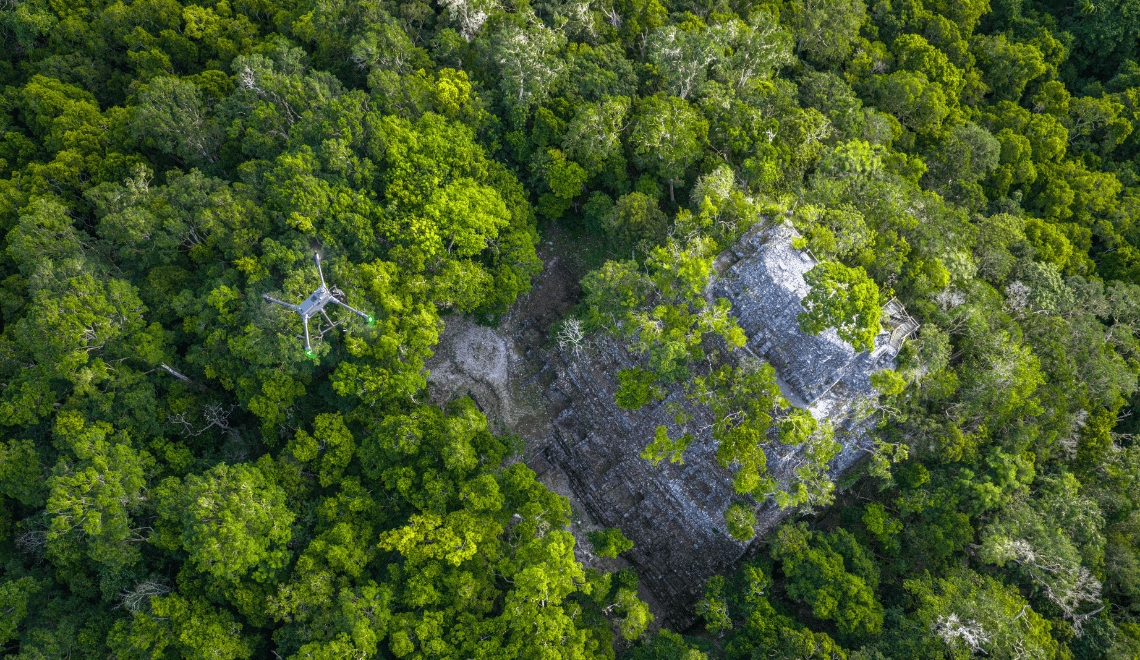
Why it matters: This shift from broad, aircraft-based LiDAR to precise, drone-based systems represents a methodological inflection point, moving Maya archaeology from regional mapping to definitive, site-level documentation that will permanently reset the baseline for understanding pre-Columbian urban complexity.
Context: Aerial LiDAR has revolutionized Mesoamerican archaeology since the early 2010s, but earlier campaigns were constrained by aircraft altitude, speed, and cost, producing lower-resolution regional scans. The current evolution is toward integrated, drone-based systems that offer higher fidelity and operational flexibility in remote environments.
"In reality, we’ll never have to map this area again. The precision and accuracy of this material will make these maps eternal." — Dr. Richard Hansen, Founder & President, FARES
Commentary: The claim of ‘eternal’ maps signals a transition from exploratory survey to archival-grade geospatial recording, effectively closing the data-collection phase for this region. This creates a new scholarly foundation but also centralizes interpretive authority in the datasets produced by a single technological stack and team. The operational detail—doubled flight range, 16 LiDAR returns—matters because it concretely expands the feasible daily survey area and data density, directly accelerating the pace of discovery and shifting resource allocation from physical excavation to data processing and analysis.
Date: May 20, 2026 12:00 AM ET
URL: https://enterprise-insights.dji.com/user-stories/beneath-the-canopy-how-archaeologists-are-rewriting-maya-history-with-dji-drones?hs_amp=true
AI Sentiment Score: Negative (75%)
AI Credibility Score: 7.0/10 — Medium
Scores and text generated by AI analysis of the source article indicated.
Post ID: d54ba953