Art Exhibitions, Fairs, and Museum News
Art Basel Paris announces more than 200 exhibitors for its 2026 edition. (Artsy.Net)
Summary: Art Basel Paris has announced its 2026 edition, the first under new director Karim Crippa, featuring over 200 galleries from 41 countries and territories. The fair, now a fixture in the city’s cultural calendar, will see nearly 30 first-time exhibitors and a record 12 collaborative booth presentations. It coincides with a 9% growth in France’s art market, now the world’s fourth largest, and a dense week of concurrent fairs and museum exhibitions.
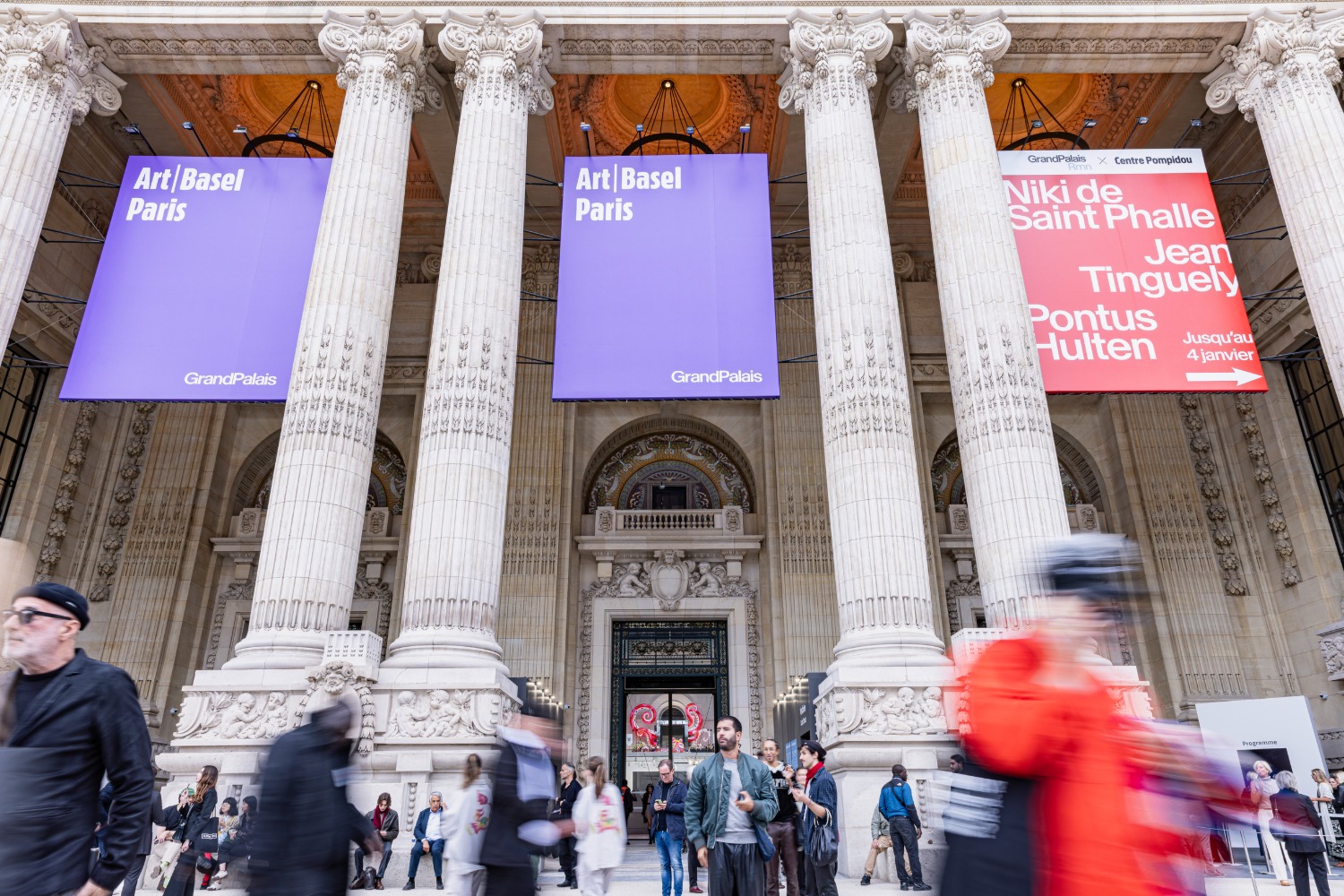
Why it matters: The fair’s consolidation and expansion, alongside market growth, signals Paris’s maturation as a global art capital, reshaping competitive dynamics and institutional strategies.
Context: Art Basel Paris, now in its fifth year, operates within an increasingly crowded and synergistic Paris fair week, positioning itself as a central node in a network of galleries, museums, and luxury sponsors.
"France’s art market is also growing, reaching $4.5 billion in sales in 2025, representing a 9% year-over-year increase, according to a report by Art Basel and UBS. France is now positioned as the world’s fourth-largest art market." — ARTSY.NET
Commentary: The fair’s scale and the market data formalize Paris’s post-pandemic ascent, challenging London’s historical dominance. The record number of joint booths and the ‘Oh La La!’ initiative reflect a strategic pivot towards experiential curation and risk-sharing among galleries, adapting to a collector base that values narrative and discovery over static presentation. This institutionalizes a more collaborative, less territorially competitive model for major fairs.
Date: Thu, 28 May 2026 12:00:00 GMT
URL: https://www.artsy.net/article/artsy-editorial-art-basel-paris-announces-200-exhibitors-2026-edition
AI Sentiment Score: Positive (40%)
AI Credibility Score: 10.0/10 — High
Scores and text generated by AI analysis of the source article indicated.
In Venice, Michael Armitage’s paintings are an emotional retelling of the political climate (Wallpaper)
Summary: Michael Armitage’s survey exhibition ‘The Promise of Change’ at Palazzo Grassi presents 45 paintings spanning a decade, using oil on Lubugo bark cloth to navigate Kenyan politics, migration, and violence through a dreamlike, emotionally charged lens. The show, curated by the Pinault Collection’s Jean-Marie Gallais, structures a journey from real-life narratives and political rallies to broader myth and landscape. Armitage’s work, held in major global collections, reframes contemporary socio-political issues through a personal, implicated gaze, as seen in pieces like ‘Necklacing’ (2016) and the new ‘Don’t Worry There Will Be More’ (2024).
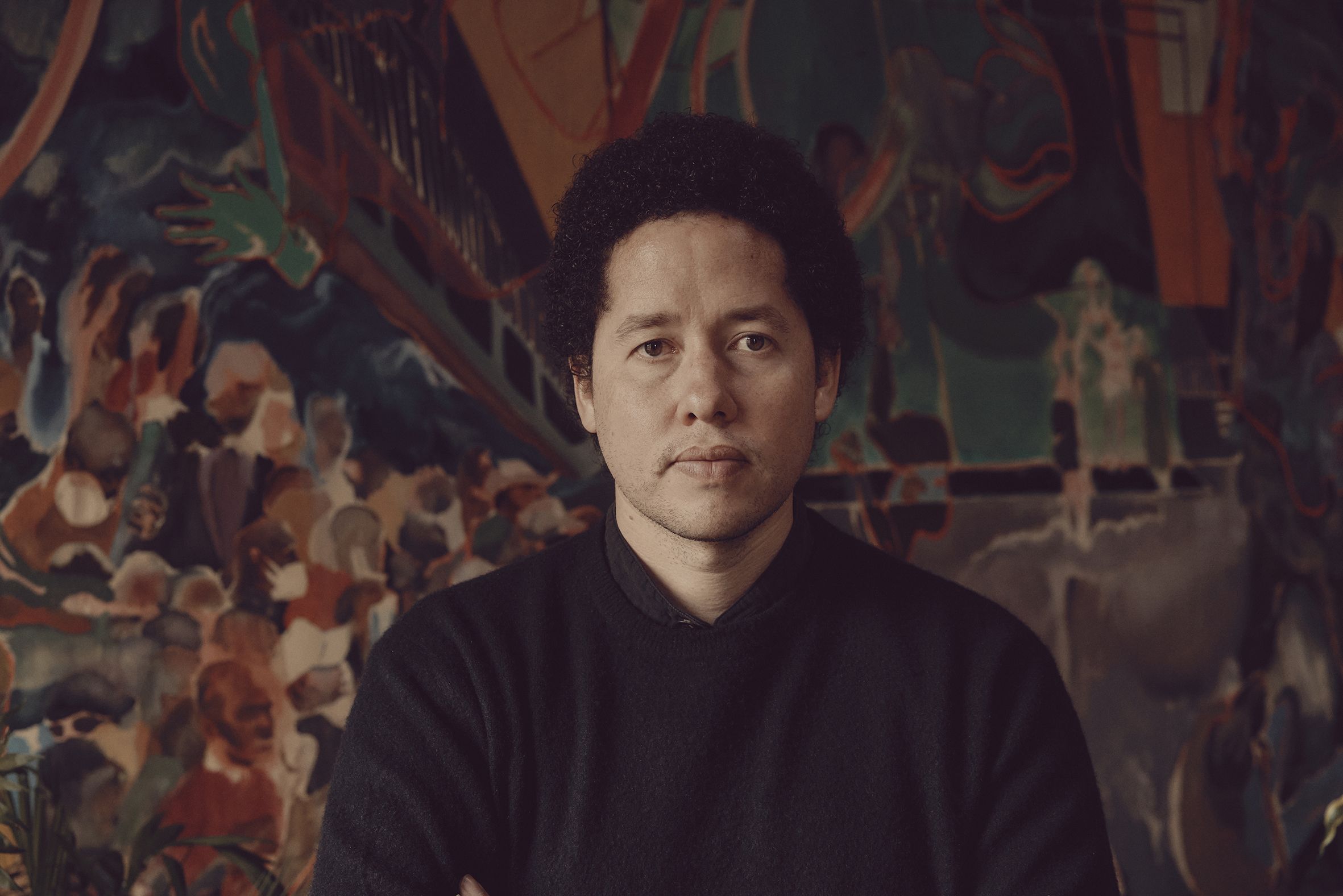
Why it matters: It signals a institutional pivot toward contemporary art that treats political narrative as emotional and mythic material, elevating a Kenyan-British painter’s decade-long project to canonical status within the European private-museum circuit.
Context: Armitage’s use of Lubugo bark cloth—a Ugandan material sold as tourist souvenir—as a substrate formally and symbolically grounds his transnational perspective, while his election series reflects a broader trend of artists engaging directly with political spectacle as source material.
"In Venice, Michael Armitage’s paintings are an emotional retelling of the political climate For The Promise of Change at Palazzo Grassi, Michael Armitage presents 45 paintings spanning a decade, using his dreamlike." — WALLPAPER
Commentary: The Palazzo Grassi exhibition, running until 2027, represents a strategic acquisition of narrative authority by the Pinault Collection, positioning Armitage as a key interpreter of African political modernity for a global audience. His method—transforming witnessed violence and migrant crises into sustained painterly investigation over years—challenges the ephemeral consumption of such imagery via smartphone, proposing a slower, more implicated form of political witness. The show’s ‘journey’ structure from the specific to the mythic suggests an institutional desire to frame his work not as reportage but as universal allegory, potentially softening its sharper political edges for museum circulation.
Date: Sun, 31 May 2026 08:00:00 +0000
URL: https://www.wallpaper.com/art/exhibitions-shows/in-venice-michael-armitages-paintings-are-an-emotional-retelling-of-the-political-climate
AI Sentiment Score: Negative (50%)
AI Credibility Score: 10.0/10 — High
Scores and text generated by AI analysis of the source article indicated.
Sophie Calle has spent a 40-year career peering into absences. In Copenhagen, the results are emotional (Wallpaper)
Summary: Sophie Calle’s major retrospective ‘Something Missing?’ at the Louisiana Museum of Modern Art consolidates a 40-year practice of investigating absence as a creative engine. The exhibition, running through 2026, presents works from 1979 to 2023 that transform loss, oversight, and failure into vantage points for storytelling. Calle’s method—using text, concealed images, and participatory encounters—exposes the architecture of longing and the gap between experience and record.
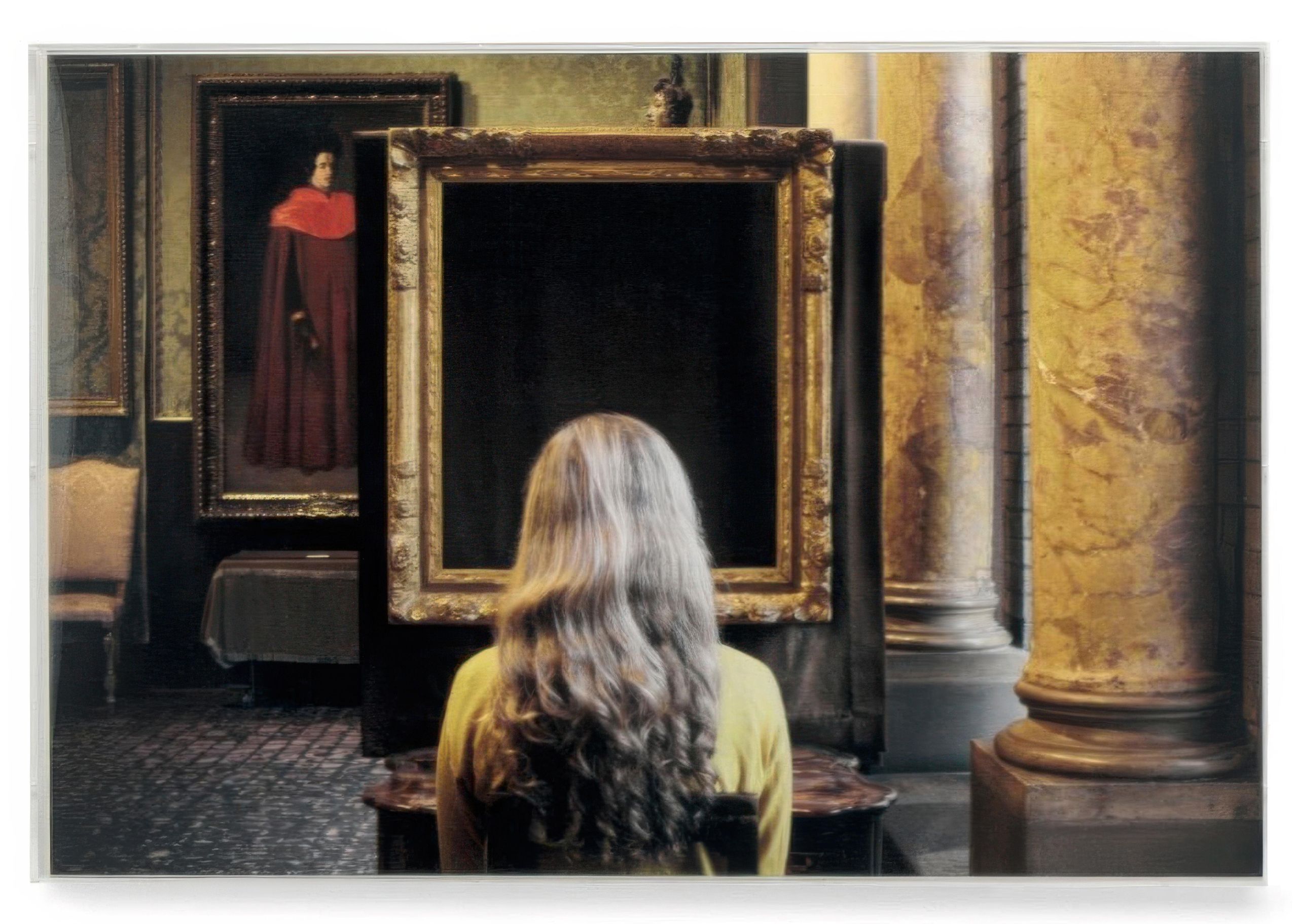
Why it matters: The retrospective formalizes Calle’s influence on contemporary art’s narrative and conceptual turn, prompting a revaluation of how institutions canonize artists who work at the intersection of autobiography, surveillance, and the unsaid.
Context: Calle’s career-long project of turning personal and observed absences into art prefigures and informs current cultural preoccupations with memory, data, and subjective truth.
"Sophie Calle has spent a 40-year career peering into absences. In Copenhagen, the results are emotional Turning voids into vantage points, ‘Something Missing?’ at the Louisiana Museum of Modern Art in Copenhagen,." — WALLPAPER
Commentary: The Louisiana’s institutional embrace provides a canonical frame for Calle’s once-peripheral, diaristic practice, signaling a maturation of conceptual art that privileges intimate systems over formal ones. This legitimizes a mode of operation—part detective, part archivist—that now permeates digital culture, while challenging museums to display work whose power derives from withheld information. The long exhibition run through 2026 allows for a slow public reassessment of her legacy, likely elevating her from a cult figure to a textbook reference for the psychology of observation.
Date: Mon, 25 May 2026 05:00:00 +0000
URL: https://www.wallpaper.com/art/exhibitions-shows/sophie-calle-something-missing-copenhagen-review
AI Sentiment Score: Neutral (50%)
AI Credibility Score: 10.0/10 — High
Scores and text generated by AI analysis of the source article indicated.
5 Artists Inspired by Moroccan Rugs and North African Weaving (Artsy.Net)
Summary: Amina Agueznay’s pavilion at the 61st Venice Biennale, representing Morocco, anchors a broader movement of contemporary artists from the Maghreb region who are recontextualizing North African weaving traditions. These artists, including Ghizlane Sahli, Mina Abouzahra, Amira Lamti, and Amina Saoudi Aït Khay, are transforming a medium historically dismissed as ‘womanly craft’ into a vessel for narrative, philosophy, and political critique. Their work, often developed through direct collaboration with artisan communities, is gaining institutional recognition at major biennales, fairs, and museums.
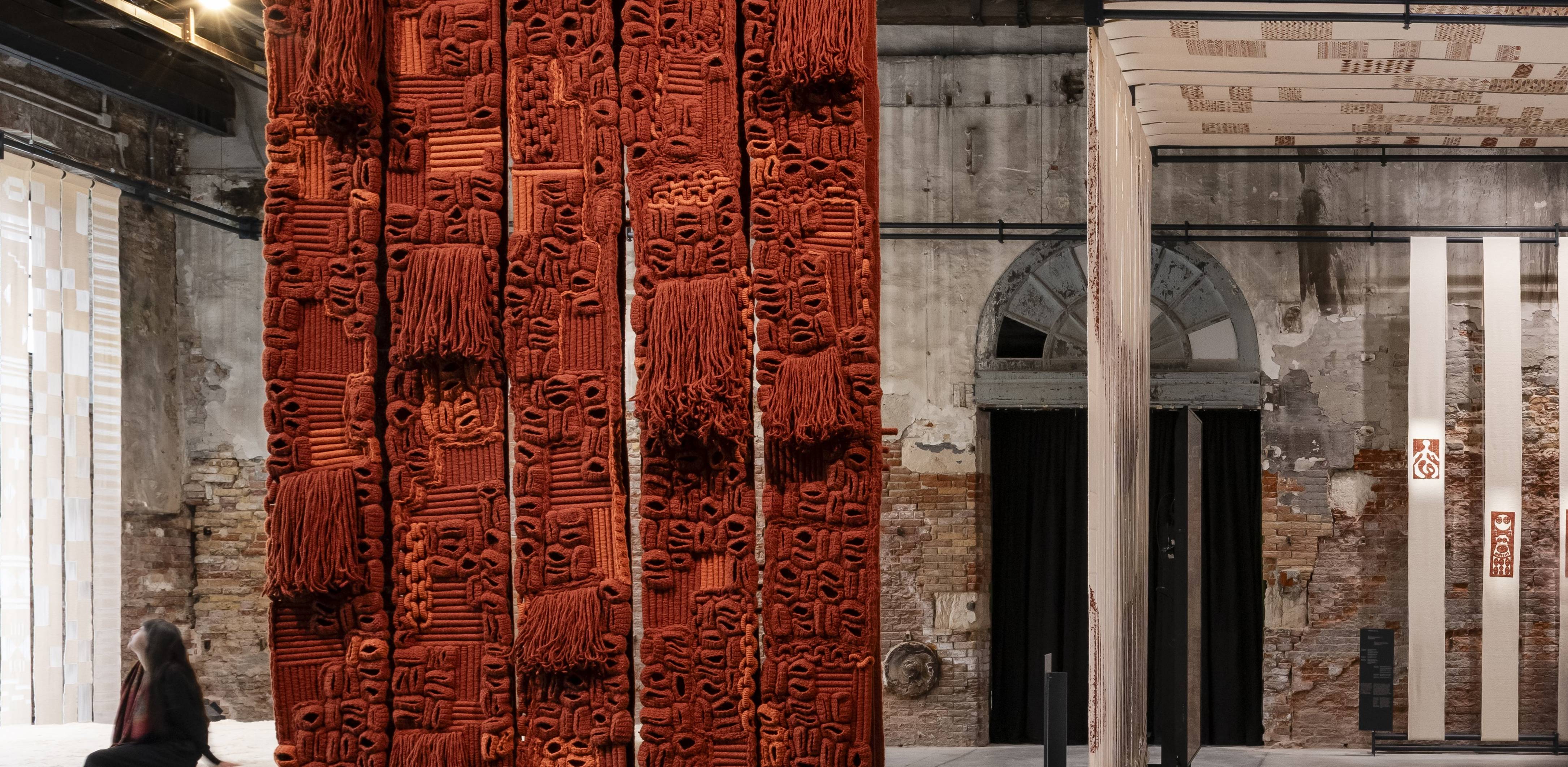
Why it matters: This signals a formal revaluation of a cultural lineage within the global art market and institutional canon, shifting power and capital towards historically marginalized forms of knowledge and labor.
Context: The art market’s recent ‘craft’ turn and institutional efforts to decolonize collections create a receptive, if belated, environment for this work, which has long operated outside Western avant-garde frameworks.
[Summary note] Amina Agueznay’s pavilion at the 61st Venice Biennale, representing Morocco, anchors a broader movement of contemporary artists from the Maghreb region who are recontextualizing North African weaving traditions.
Commentary: Agueznay’s Venice platform is a milestone, but the more durable shift is the artists’ operational model: horizontal collaboration with artisans, insistence on fair compensation, and treating the loom as an intellectual tool. This challenges both the romanticized ‘artisan’ narrative of the luxury market and the solitary-genius myth of the contemporary art world. Their success could pressure Western institutions to cede curatorial authority and redefine what constitutes ‘research-based practice.’
Date: Tue, 26 May 2026 16:09:03 GMT
URL: https://www.artsy.net/article/artsy-editorial-5-artists-inspired-moroccan-rugs-north-african-weaving
AI Sentiment Score: Negative (50%)
AI Credibility Score: 10.0/10 — High
Scores and text generated by AI analysis of the source article indicated.
Inside Centre Pompidou Hanwha: What to Know About Seoul’s Newest Museum (Artsy.Net)
Summary: The Centre Pompidou opens its first long-term institutional presence in South Korea on June 4th through a four-year partnership with the Hanwha Foundation of Culture. Located in Seoul’s financial district, the museum will host two major exhibitions annually, blending the Pompidou’s collection with a dedicated program for Korean artists. Its inaugural show, ‘The Cubists: Inventing Modern Vision,’ explicitly integrates Korean modern art into the Western avant-garde narrative. The launch represents a strategic expansion of French cultural diplomacy in East Asia and a new phase of global integration for Seoul’s art scene, which has been historically driven by domestic corporate patronage.
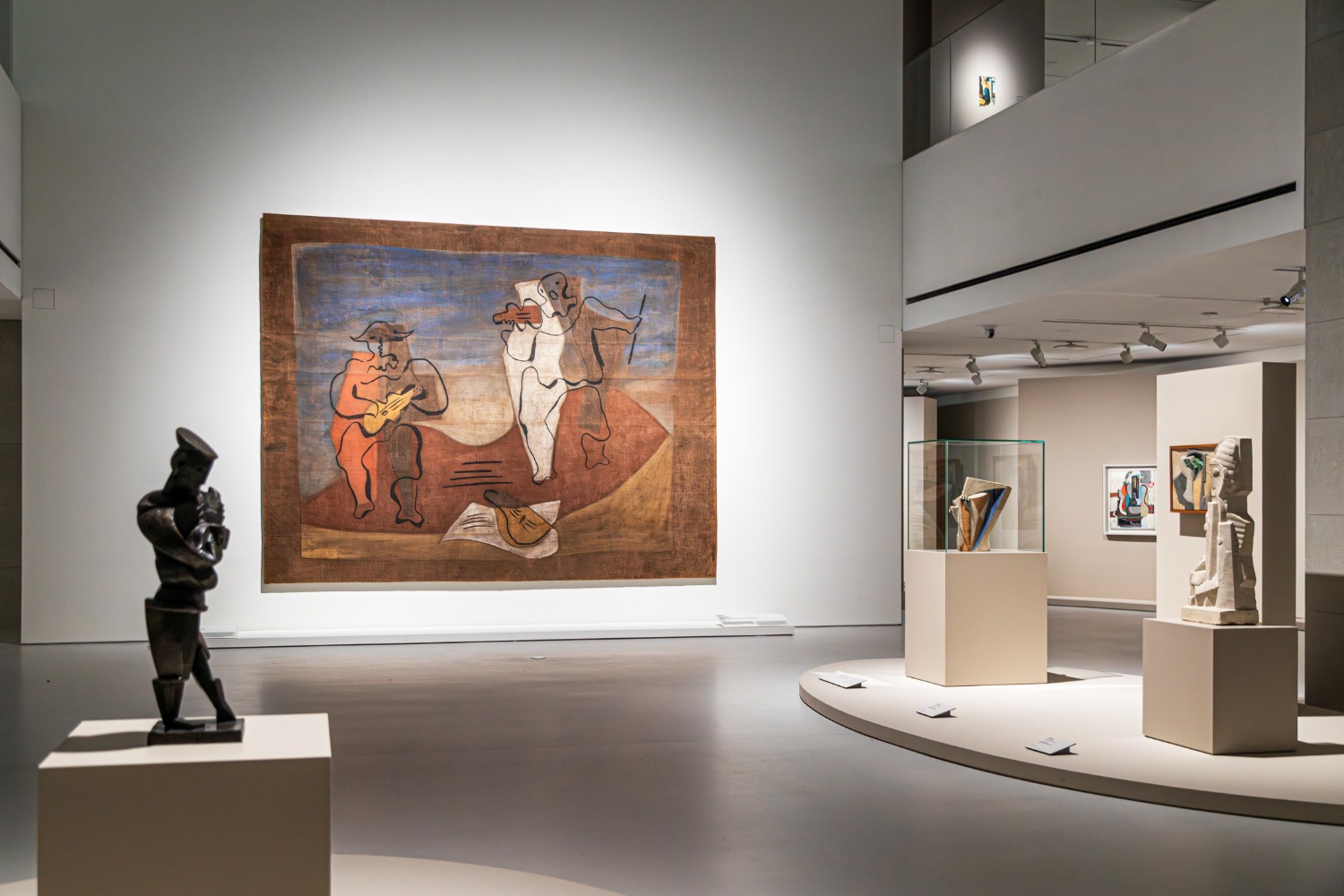
Why it matters: It signals a shift in the geography of cultural capital, where a major Western institution’s franchise model meets a mature, corporately-funded Asian art market, creating a new template for institutional partnerships and narrative control.
Context: This follows the Pompidou’s established partnerships in Shanghai and Hong Kong, part of a broader French strategy of cultural export. It arrives as Korean cultural influence is at a global peak, yet its primary corporate backer, Hanwha Group, faces international scrutiny over its defense industry ties.
"Still, the Centre Pompidou Hanwha represents the first time a major international museum brand has established a long-term, structural presence in South Korea. Its arrival signals a new chapter of global integration for Seoul’s rapidly ascending cultural capital." — ARTSY.NET
Commentary: The partnership formalizes a transactional model of cultural prestige: Hanwha acquires institutional legitimacy and global branding, while the Pompidou gains a funded foothold in a lucrative market. The curatorial framing—weaving Korean art into Western canon—is a diplomatic necessity that may subtly recalibrate art historical authority. However, the underlying Hanwha controversy illustrates the inherent tension when soft-power institutions anchor themselves to hard-power capital, a reckoning other global museums will face as they expand.
Date: Sat, 30 May 2026 08:00:00 GMT
URL: https://www.artsy.net/article/artsy-editorial-inside-centre-pompidou-hanwha-seouls-newest-museum
AI Sentiment Score: Positive (40%)
AI Credibility Score: 10.0/10 — High
Scores and text generated by AI analysis of the source article indicated.
10 Must-See Shows During London Gallery Weekend 2026 (Artsy.Net)
Summary: London Gallery Weekend 2026 presents a curated snapshot of the city’s art scene, featuring over 120 galleries. The programming highlights a thematic turn towards instability, mythology, and material resistance to digital speed, with key exhibitions by Christo, Anne Imhof, and Lubaina Himid. The event solidifies its role as a major international art calendar fixture, showcasing both established and emerging practices.

Why it matters: The event’s thematic coherence and institutional mix signal a broader revaluation of materiality and memory in contemporary art, challenging the dominance of digital immediacy and influencing collector and critical priorities.
Context: Since 2021, London Gallery Weekend has grown into a key barometer for the city’s commercial and critical art ecosystem, often setting trends for the international market.
"What feels particularly striking this year is the atmosphere running through many of the strongest exhibitions. Across different media, artists are engaging with themes of instability, mythology, memory, and transformation. Visitors will encounter immersive environments and materially rich works that resist the speed and slickness of digital culture in favor of slower, more embodied forms of looking." — ARTSY.NET
Commentary: The curatorial emphasis on ‘slower, more embodied forms of looking’ functions as a direct critique of the art market’s acceleration and digital saturation. This collective pivot towards material instability and historical recall may recalibrate valuation metrics, favoring artists whose work demands physical presence and resists seamless digital reproduction. Galleries like NEVEN and Cooke Latham, by staging exhibitions steeped in subculture and folklore, are strategically positioning emerging narratives against blue-chip orthodoxy.
Date: Fri, 29 May 2026 13:58:59 GMT
URL: https://www.artsy.net/article/artsy-editorial-10-must-see-london-gallery-weekend-2026
AI Sentiment Score: Negative (50%)
AI Credibility Score: 10.0/10 — High
Scores and text generated by AI analysis of the source article indicated.
5 Women Artists Who Shaped the Studio Glass Movement in the U.S. (Artsy.Net)
Summary: The Corning Museum of Glass exhibition ‘Tough Stuff: Women in the American Glass Studio’ systematically revises the history of the 1960s Studio Glass Movement, foregrounding women artists who were actively excluded from the dominant ‘hot shop’ narrative. Curator Tami Landis compiled a trove of works by pioneers like Edith Franklin, Ruth Tamura, and Mary Shaffer, who innovated in kiln-forming and conceptual glass despite institutional barriers, sabotage, and being told they were ‘not strong enough.’ The show occupies the museum’s prominent Heineman Gallery, displacing a traditional collector-driven display, signaling a structural as well as curatorial shift.
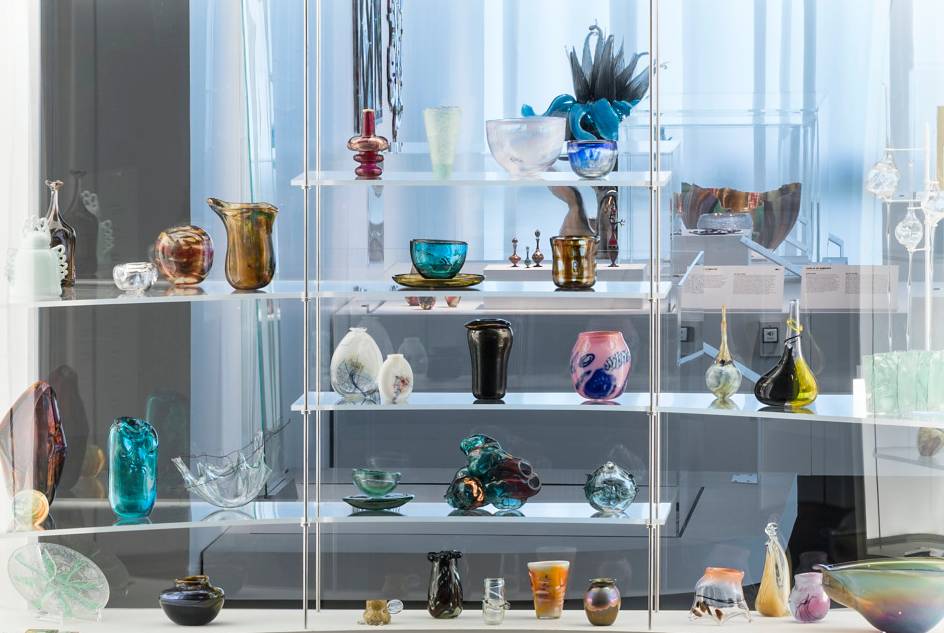
Why it matters: This is a concrete case of institutional canon-formation being actively rewritten, with immediate implications for museum collections, art market valuations, and the historical understanding of a major American craft movement.
Context: The revision follows a broader pattern of recovering marginalized contributions in art history, but is notable for its focus on a medium-specific, technically demanding field where exclusion was often framed as a matter of physical capability rather than just artistic bias.
[Summary note] The Corning Museum of Glass exhibition ‘Tough Stuff: Women in the American Glass Studio’ systematically revises the history of the 1960s Studio Glass Movement, foregrounding women artists who were actively excluded from…
Commentary: Landis’s move from annoyance to institutional action—occupying a donor gallery to tell a non-collector story—marks a operational shift for museums like Corning. The recovered technical innovations in kiln-work and stained glass could force a re-evaluation of the movement’s aesthetic lineage, likely boosting market and scholarly interest in these artists’ estates. The documented sabotage—broken work, barred studio access—reveals the movement’s founding mythology as not just incomplete but actively constructed through exclusion.
Date: Wed, 27 May 2026 15:00:00 GMT
URL: https://www.artsy.net/article/artsy-editorial-5-women-artists-shaped-studio-glass-movement
AI Sentiment Score: Negative (50%)
AI Credibility Score: 10.0/10 — High
Scores and text generated by AI analysis of the source article indicated.
10 Artist-Run Galleries Around the World You Should Know (Artsy.Net)
Summary: A survey of ten artist-run galleries across Barcelona, Bangkok, Glasgow, Mykonos, London, Los Angeles, Berlin, Philadelphia, New York, and Portland reveals a global movement defined by operational models that prioritize long-term artist care, community-building, and experiential engagement over conventional market logic. These spaces, often located in underserved neighborhoods or unconventional venues, leverage the founders’ dual perspective as practicing artists to create supportive ecosystems, from private residencies to open-call prizes and domestic-scale exhibitions.
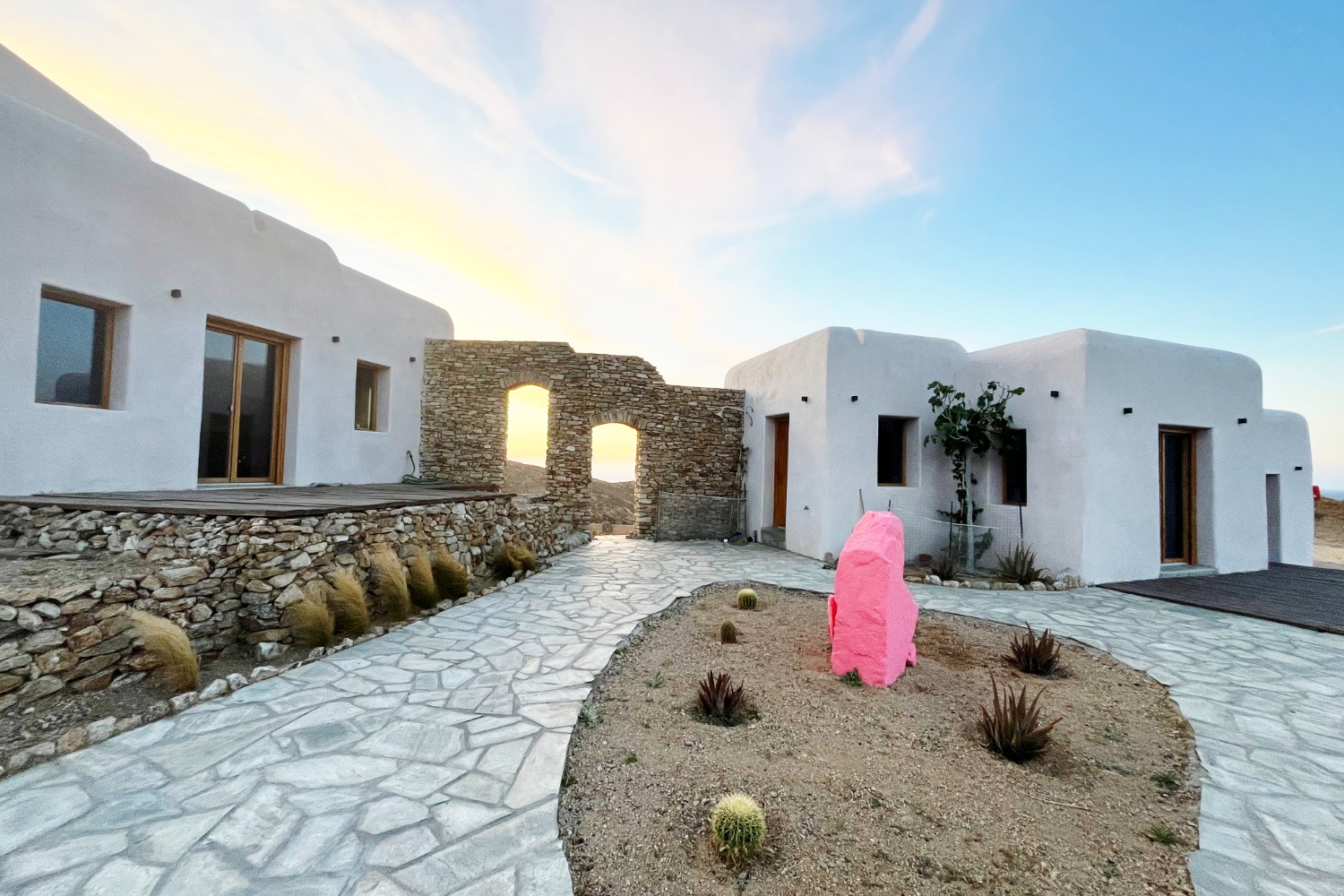
Why it matters: This signals a structural critique and practical alternative to the commercial gallery system, redefining value creation in the art world around relational capital and artist sustainability, which may pressure established institutions to adapt their support models.
Context: Artist-run initiatives have long existed as a counter-current, but their current proliferation and professionalization, often with multi-location footprints, suggests a maturation into a viable, if precarious, parallel economy.
"<p>Running a gallery is a tricky enough task. Add to that an active art practice, and you have what might seem like a recipe for creative overload. </p><p>Yet around the world, artist-run." — ARTSY.NET
Commentary: The operational tension between artistic ethos and commercial pragmatism is framed not as a flaw but as a generative engine, suggesting these galleries are developing a new hybrid professionalism. Their success in cultivating dedicated, if niche, audiences and securing institutional recognition for their artists (e.g., Bonnie Lucas at The Aldrich) demonstrates that models prioritizing ‘care over background’ can build tangible cultural and market equity, potentially rerouting the traditional discovery pipeline.
Date: Mon, 25 May 2026 09:35:57 GMT
URL: https://www.artsy.net/article/artsy-editorial-10-artist-run-galleries
AI Sentiment Score: Negative (50%)
AI Credibility Score: 10.0/10 — High
Scores and text generated by AI analysis of the source article indicated.
NOMAD art fair to launch first U.S. edition in the Hamptons this summer. (Artsy.Net)
Summary: The itinerant art and design fair NOMAD will stage its first U.S. edition at the Watermill Center in the Hamptons from June 25-28. The event will feature a curated selection of galleries and special projects, including collaborations with Giorgio Armani and Sisley Paris, emphasizing site-responsive installations over spectacle. Its arrival marks a strategic expansion into a key American summer market known for its concentration of wealth and artistic history.
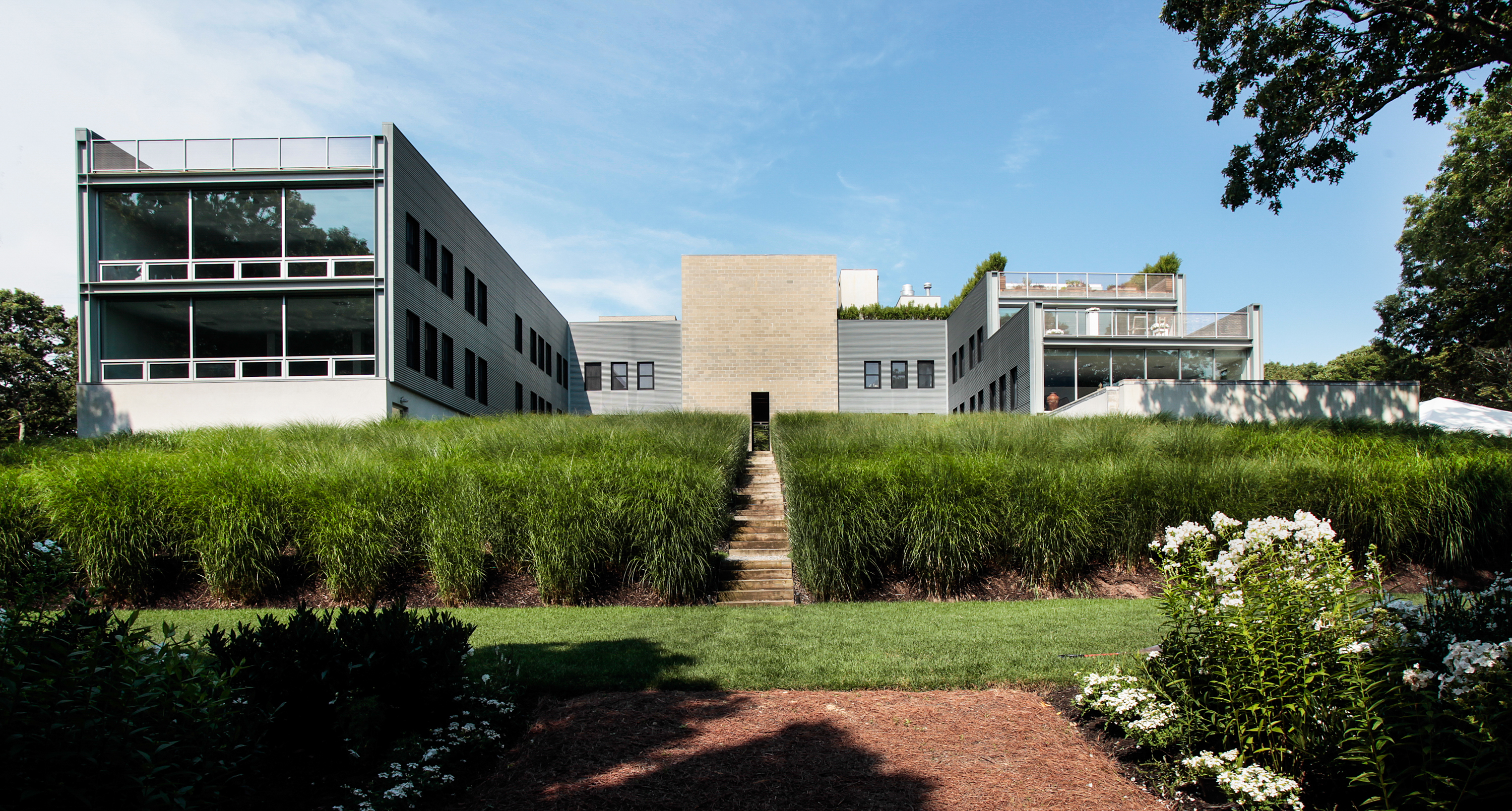
Why it matters: It signals a deliberate shift in high-end art fair strategy, targeting seasonal wealth enclaves with curated, experiential formats that challenge the traditional mega-fair model.
Context: NOMAD’s model of occupying architecturally distinct, non-traditional venues—from a St. Moritz clinic to a decommissioned airport—represents a growing trend of fairs prioritizing intimate, context-driven experiences over sheer volume, a contrast to events like Frieze or Art Basel.
"In each edition, NOMAD responds to a context with a strong identity,” says co-founder and director Nicolas Bellavance-Lecompte. “The Hamptons hold particular significance as a place historically shared by artistic experimentation." — ARTSY.NET
Commentary: The choice of the Watermill Center, an experimental arts venue, is a calculated brand alignment, leveraging the Hamptons’ dual legacy as an artist colony and a billionaire’s playground. This move pressures local galleries and events like The Art Show to adapt, while luxury sponsors like Armani gain a more integrated cultural platform. It further blurs the line between art fair, design show, and lifestyle experience, catering to a collector base that values curation and exclusivity over transactional density.
Date: Wed, 27 May 2026 18:05:37 GMT
URL: https://www.artsy.net/article/artsy-editorial-nomad-art-fair-launch-first-edition-hamptons-summer
AI Sentiment Score: Negative (57%)
AI Credibility Score: 10.0/10 — High
Scores and text generated by AI analysis of the source article indicated.
The Record-Breaking $2.5 Billion Auction Week, Explained (Artsy.Net)
Summary: A single week of New York auctions at Christie’s, Phillips, and Sotheby’s generated $2.5 billion in sales, nearly double the previous year’s total and representing roughly 4% of the entire 2025 global art market. The spectacle was driven by trophy works from prominent estates, including a Jackson Pollock selling for $181.2 million and a Constantin Brâncuși for $107.6 million, with more than half the evening sale lots secured by third-party suggests. While the top-tier results signal a return of confidence among ultra-high-net-worth buyers, the primary dealer market remains sluggish, and the auction data reveals a correction in some areas even as the middle market shows appetite.
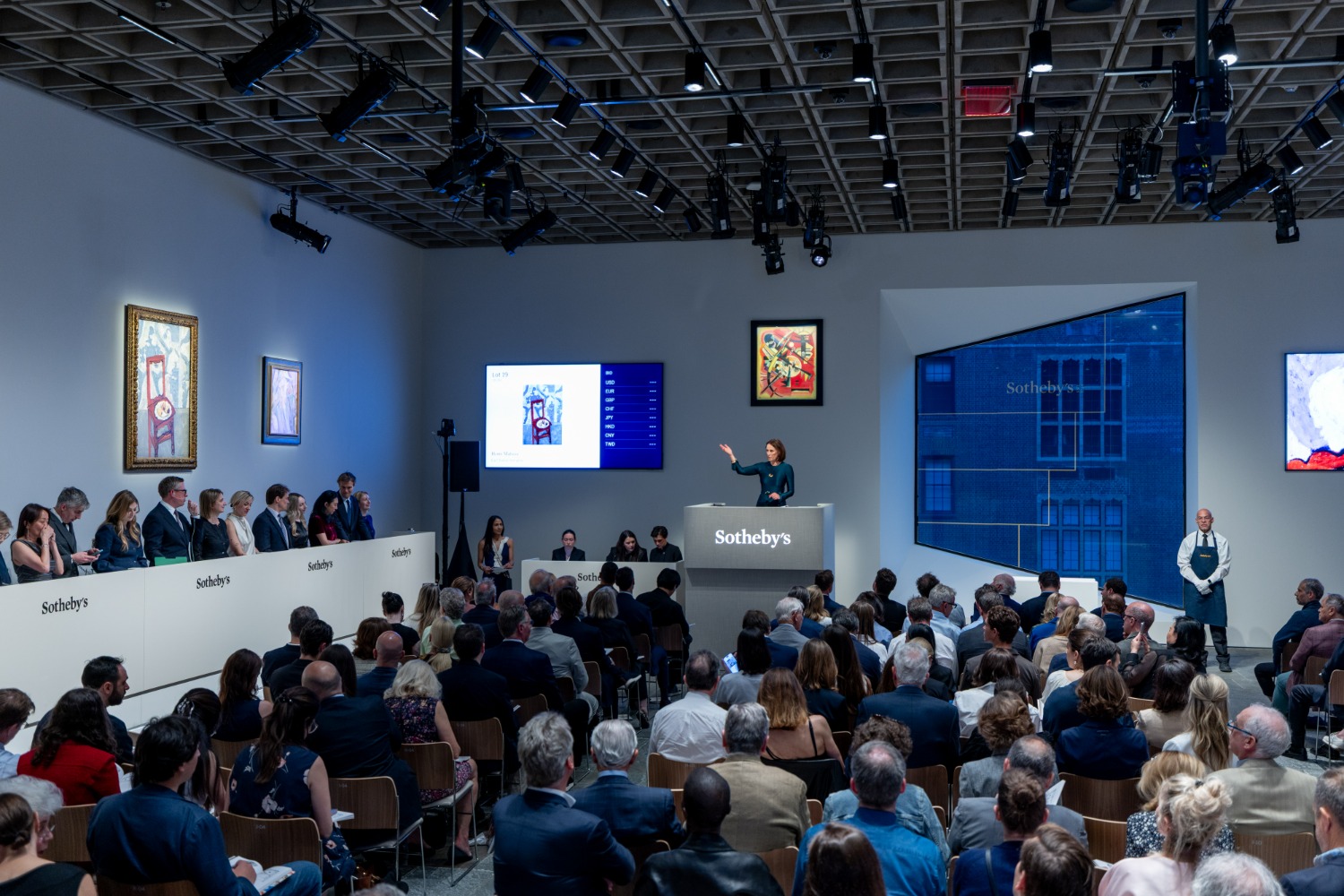
Why it matters: The week’s results act as a psychological reset for the art market, demonstrating that demand for ultra-rare assets is decoupled from broader economic sentiment, while highlighting a persistent divergence between the public auction spectacle and the more challenging conditions for living artists and galleries.
Context: This follows four sluggish years and a 2025 global market rebound to $59.6 billion, with auction sales growing 9% while the dealer sector grew only 2%, underscoring a bifurcation between liquid, branded assets and the diffuse primary market.
"The super-rare works in the $70-million-plus category carry a genuine trophy quality—the appeal of owning something no one else can have,” said Philip Hoffman, head of the advisory firm Fine Art Group. “These are the best of the best, and realistically, only around 50 works of that caliber appear on the market in any given decade, if that. When rarity and provenance align, collectors respond decisively, and last week confirmed that dynamic is as powerful as ever." — ARTSY.NET
Commentary: The auction houses have engineered a confidence event, but the mechanics—heavy reliance on suggests and curated estates—reveal a managed market rather than organic demand. The realignment of capital towards proven, dead artists with institutional pedigrees further marginalizes the primary market, reinforcing art’s role as a non-correlated, trophy asset class for the ultra-wealthy while leaving the ecosystem for living creators structurally unchanged.
Date: Thu, 28 May 2026 09:16:52 GMT
URL: https://www.artsy.net/article/artsy-editorial-record-breaking-25-billion-auction-week-explained
AI Sentiment Score: Positive (50%)
AI Credibility Score: 10.0/10 — High
Scores and text generated by AI analysis of the source article indicated.
$45 million Lucian Freud portrait to come to auction for the first time. (Artsy.Net)
Summary: Lucian Freud’s monumental 1995–96 portrait ‘Sleeping by the Lion Carpet’ will be auctioned for the first time at Sotheby’s London in June with an estimate of £25–35 million ($33–45 million). The painting, hailed by Sotheby’s European chairman as ‘the Mona Lisa of the modern age,’ is the final and most ambitious of Freud’s four large-scale portraits of Sue Tilley. It has been held in the collection of British financier Joe Lewis since 1996 and is part of a broader sale of his collection estimated at over £150 million, the most valuable ever offered in the U.K.
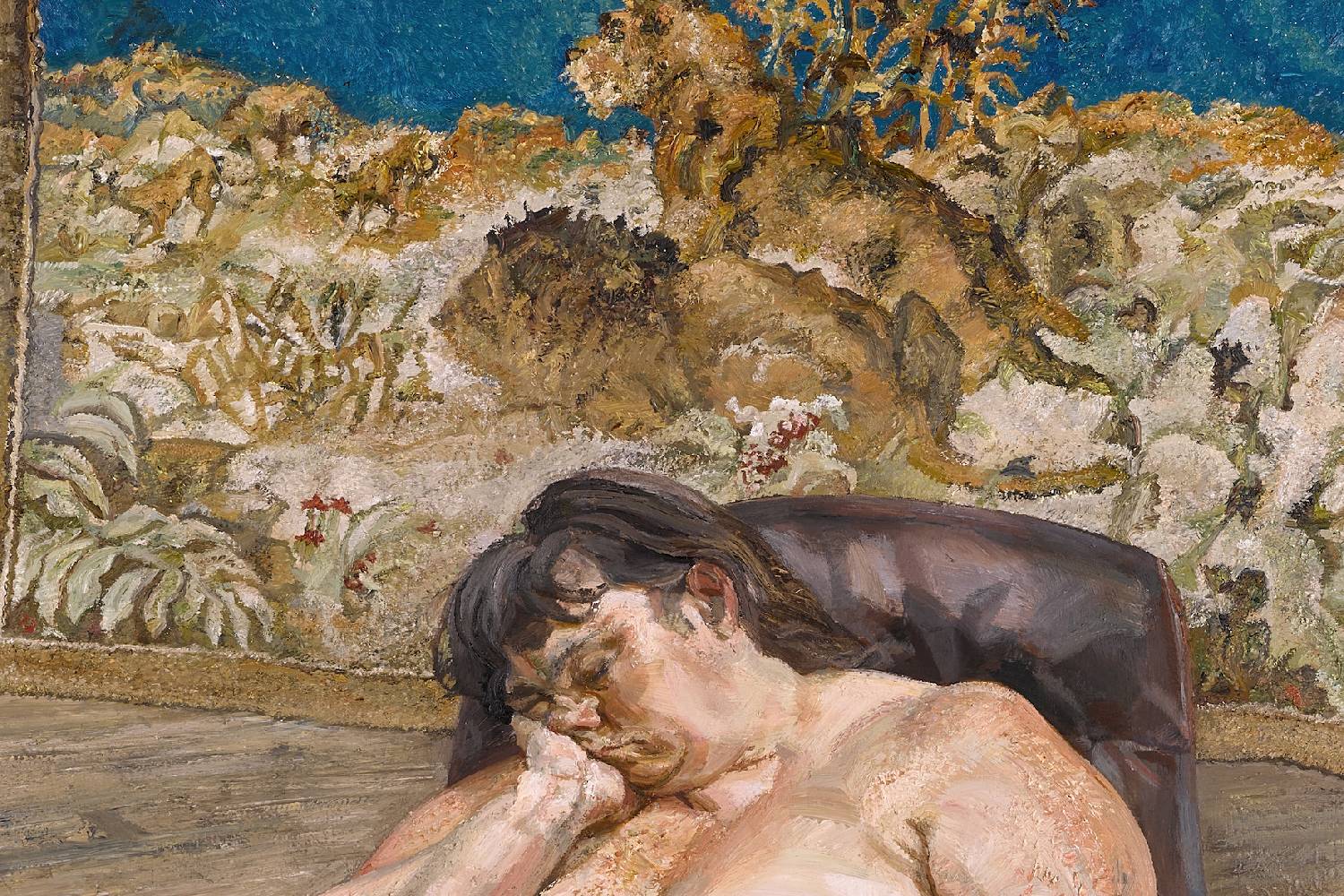
Why it matters: This auction tests the enduring market ceiling for Freud’s late masterpieces and signals a major liquidity event for a top-tier private collection, potentially resetting benchmarks for 20th-century figurative art.
Context: Freud’s ‘Benefits Supervisor’ series previously set a $56.2 million record for a living artist in 2015; this sale arrives amid a frothy high-end market but also questions about the generational shift in taste away from figurative realism.
"<img alt="" height="852" src="https://d7hftxdivxxvm.cloudfront.net?height=852&quality=85&resize_to=fit&src=https%3A%2F%2Fartsy-media-uploads.s3.amazonaws.com%2F1Y-vOMhVbZFMXwFcGXT0bA%252FLucian%2BFreud%252C%2BSleeping%2Bby%2Bthe%2BLion%2BCarpet%2B%2528est.%2B%25C2%25A325-35%2Bmillion%2529.jpg&width=500" width="500" /> <p><a href="https://www.artsy.net/artist/lucian-freud">Lucian Freud</a>’s <em>Sleeping by the Lion Carpet</em> (1995–96), described by art critic Martin Gayford as “the most important work that Freud has ever painted,” will." — ARTSY.NET
Commentary: The sale is less about discovering Freud and more about calibrating his legacy’s financial weight against contemporary tastes. Sotheby’s ‘Mona Lisa’ framing is a deliberate bid to transcend the ‘fat lady’ caricature and anchor the work in art history, but the final price will reveal whether institutional reverence translates to current buyer appetite. The simultaneous liquidation of the Lewis Collection suggests strategic portfolio reallocation by a savvy financier, potentially anticipating a market peak.
Date: Fri, 29 May 2026 14:00:59 GMT
URL: https://www.artsy.net/article/artsy-editorial-45-million-lucian-freud-portrait-auction-first-time
AI Sentiment Score: Positive (42%)
AI Credibility Score: 10.0/10 — High
Scores and text generated by AI analysis of the source article indicated.
Wolfgang Tillmans wins 2026 Roswitha Haftmann Prize. (Artsy.Net)
Summary: Wolfgang Tillmans has been awarded the 2026 Roswitha Haftmann Prize, Europe’s most financially significant arts award, with a 150,000 Swiss franc grant. The prize recognizes his four-decade career redefining photography and his sustained social advocacy. The ceremony will be held at Kunsthaus Zürich in September, placing him in a lineage of recipients like Cindy Sherman and Sigmar Polke.
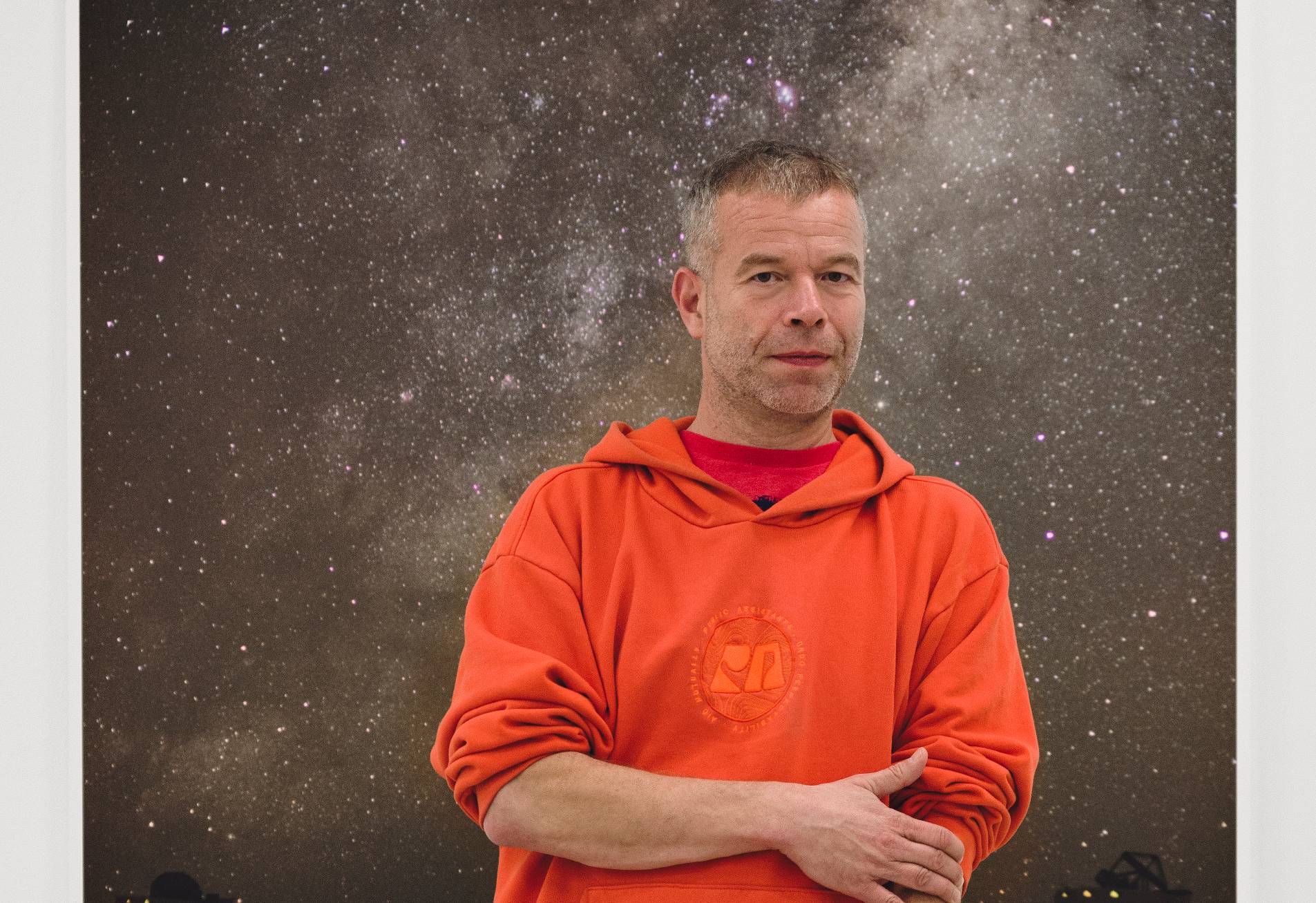
Why it matters: The award signals institutional validation of an artist whose practice merges aesthetic innovation with explicit political engagement, potentially recalibrating the criteria for major European art prizes.
Context: The Roswitha Haftmann Prize, established in 2001, is a high-value, no-strings-attached award that has historically recognized artists who expand the conceptual boundaries of their medium.
"His artistic practice goes far beyond the purely aesthetic, harnessing public presence and language to foster a collective democratic consciousness founded on openness and solidarity." — ARTSY.NET
Commentary: The foundation’s statement explicitly ties artistic merit to democratic activism, a notable shift for a major prize. This elevates Tillmans’s model of the artist-citizen, potentially pressuring other legacy institutions to weigh social impact alongside formal innovation. For the market, it further solidifies the alignment between his gallery representation and institutional credibility.
Date: Tue, 26 May 2026 16:53:05 GMT
URL: https://www.artsy.net/article/artsy-editorial-wolfgang-tillmans-wins-2026-roswitha-haftmann-prize
AI Sentiment Score: Positive (75%)
AI Credibility Score: 10.0/10 — High
Scores and text generated by AI analysis of the source article indicated.
Post ID: efd9e52f