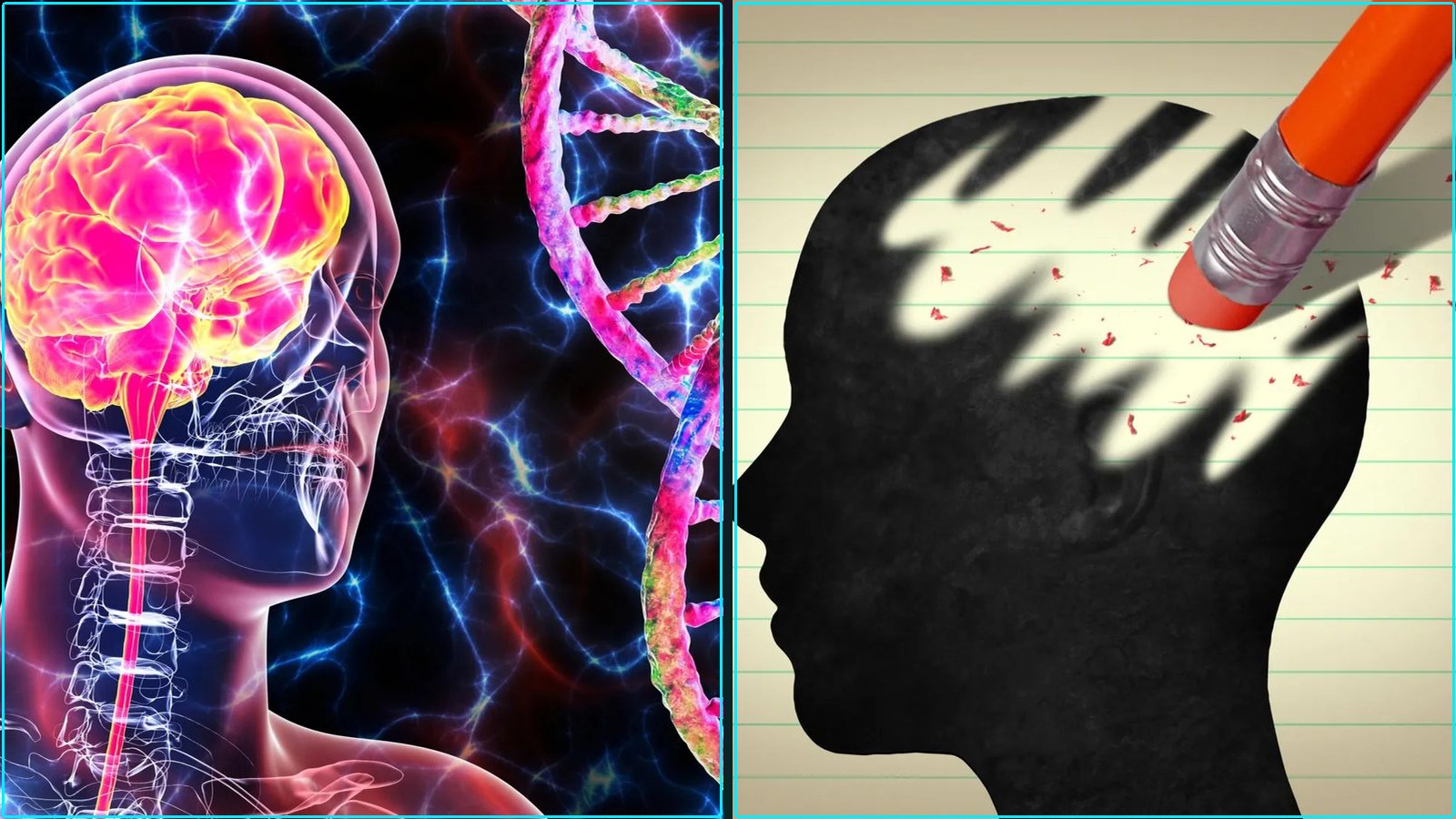
Alzheimer’s Disease and Frontal Temporal Dementia
Scientists found a new Alzheimer’s trigger and a drug that stops it (Sciencedaily)
Summary: Researchers at ETH Zurich have identified a new Alzheimer’s trigger: the inactive form of the protein GRK2, which clumps inside nerve cells, blocks mitochondrial pores, reduces energy supply, and increases amyloid beta production. They developed an experimental compound, ‘Compound 10,’ that prevents GRK2 aggregation, restoring mitochondrial function and slowing nerve cell loss in aged mice. The compound also appeared to improve heart function and reduce age-related changes like gray hair. The team has filed a patent and is seeking a partner for drug development, though human trials remain distant.

Why it matters: This identifies a novel disease mechanism—GRK2 aggregation—that existing Alzheimer’s drugs do not target, potentially enabling combination therapies that slow progression more effectively than current treatments.
Context: Alzheimer’s drug development has focused primarily on amyloid beta and tau proteins; GRK2 represents a distinct intracellular pathway linking mitochondrial dysfunction to amyloid pathology.
"Scientists found a new Alzheimer’s trigger and a drug that stops it – Date: – June 8, 2026 – Source: – ETH Zurich – Summary: – Researchers have identified a new Alzheimer’s." — SCIENCEDAILY
Commentary: The key insight here is that GRK2 aggregation creates a self-amplifying cycle with amyloid beta, which existing drugs fail to interrupt. If Compound 10 translates to humans, it could be combined with anti-amyloid therapies for a dual attack. The long timeline (20 years) underscores the structural challenge of Alzheimer’s research: age-dependent models slow every step. The gray hair finding is a curious systemic signal worth watching—it hints at broader aging effects that could differentiate this approach from narrowly neurological ones.
Date: June 08, 2026 07:23 PM ET
URL: https://www.sciencedaily.com/releases/2026/06/260608035959.htm
AI Sentiment Score: Negative (80%)
AI Credibility Score: 10.0/10 — High
Scores and text generated by AI analysis of the source article indicated.
Scientists discover a surprising cancer link to Alzheimer’s disease (Sciencedaily)
Summary: Researchers at Boston Children’s Hospital have discovered that microglia in Alzheimer’s patients accumulate mutations in the same cancer driver genes found in blood cancers like lymphoma and leukemia. These mutations, detected in both brain tissue and blood samples, appear to create hyper-inflammatory immune cells that may cross a weakened blood-brain barrier and contribute to neuronal damage. The finding suggests a new disease mechanism and opens the door to blood-based genetic screening for Alzheimer’s risk, as well as repurposing existing cancer therapies. The study, published in Cell, analyzed 149 cancer-driving genes across 190 Alzheimer’s brains and 121 controls, identifying recurrent mutations in five specific genes.
Why it matters: This reframes Alzheimer’s as a disease with a somatic mutation-driven component, potentially shifting diagnostic and therapeutic strategies toward oncology-inspired approaches.
Context: Microglia were long thought to be brain-resident and non-circulating; the discovery that blood-derived immune cells carrying cancer mutations can enter the brain and transform into microglia-like cells challenges that dogma.
"We find that to some extent, Alzheimer’s disease is a little like cancer — driven by the same mutations that drive blood cancers like lymphoma and leukemia," said Walsh. "This is helpful because we have a lot of drugs to fight cancer and some of them might be useful therapeutically for Alzheimer’s disease." — SCIENCEDAILY
Commentary: The independent risk association from APOE4 is the most actionable finding here—it suggests a parallel, additive pathway that could be screened via simple blood draws. The repurposing angle is plausible but early; cancer drugs targeting inflammatory microglial states (e.g., BTK inhibitors) are the most obvious candidates. Clinicians should watch for follow-up studies validating the blood-brain barrier permeability mechanism in living patients.
Date: June 12, 2026 08:47 AM ET
URL: https://www.sciencedaily.com/releases/2026/06/260612032044.htm
AI Sentiment Score: Negative (60%)
AI Credibility Score: 10.0/10 — High
Scores and text generated by AI analysis of the source article indicated.
Post ID: aa1689dc