
American Culture, Celebrity, and the Arts
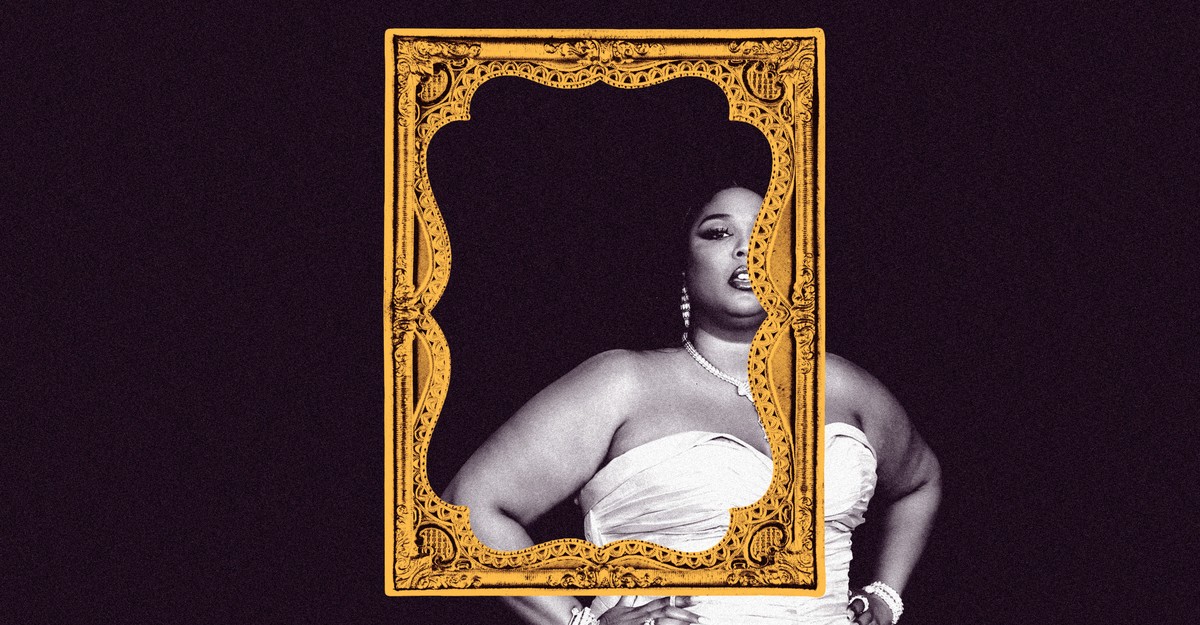
How Lizzo Became One of Pop Culture’s Great Flops (Theatlantic)
Summary: Lizzo’s fifth studio album, Bitch, sold just 2,650 copies in its first week and missed the Billboard 200 entirely, a catastrophic fall from her 2022 peak. Her public meltdown—blaming algorithms, her label, and the decline of radio—has become a case study in a broader pop-culture obsession with failure, crystallized in the meme of the ‘Khia Asylum.’ The article argues that the same internet dynamics that made Lizzo a star—streaming, short-form video, relatability—have now turned against her, as market saturation and algorithmic fatigue decouple fame from listenership. Her story is less a moral tale about wokeness or scandal than a structural warning: the attention economy has become a stale, zero-sum game where even proven hitmakers can’t reliably convert followers into sales.
Why it matters: Lizzo’s flop is a canary in the coal mine for an entire music industry that has exhausted the internet’s growth phase and now faces a terminal crisis of audience attention—where being ‘followed’ no longer means being heard.
Context: The piece situates Lizzo’s decline within a wave of artist anxiety about fake streams, astroturfed hype, and the Khia Asylum meme, which has become the defining slang for pop stars who can’t land hits. It also notes that YouTube streams no longer count for Billboard charts, and TikTok plays never have, severing the link between social-media reach and commercial success.
"How Lizzo Became One of Pop Culture’s Great Flops The singer is experiencing a new form of downward mobility—and she’s not alone. This past May, the globally famous pop star Lizzo was." — THEATLANTIC
Commentary: The piece’s sharpest insight is that Lizzo’s paranoia about shadowy systems is partly correct but misdirected: the system isn’t rigged against her, it’s just exhausted. The same algorithmic logic that elevated her now demands frictionless, personality-free utility—and she’s too much of a person to fit. The Khia Asylum isn’t a jail; it’s the new normal for anyone who peaked in the platform era’s growth phase.
Date: July 05, 2026 08:00 AM ET
URL: https://www.theatlantic.com/culture/2026/07/music-flop-era/687785/
AI Sentiment Score: Positive (50%)
AI Credibility Score: 10.0/10 — High
Scores and text generated by AI analysis of the source article indicated.
American Idols (Newyorker)
Summary: The New Yorker’s 250th-anniversary issue asks sixteen writers to name their favorite American, producing a kaleidoscopic counter-history of the nation through figures as varied as Frances Perkins, Stagecoach Mary, John Rawls, and Bullwinkle J. Moose. The selections collectively reject conventional pantheons of presidents and generals in favor of bureaucrats, activists, artists, and outsiders who redefined American possibility from the margins. Several contributors explicitly frame their choices as correctives to the current political moment, with Nell Irvin Painter invoking Carter G. Woodson against MAGA-era attacks on Black history and Tommy Orange citing John Trudell’s spirit of resistance. The result is less a celebration than a contested argument about what the country has been and could still become.

Why it matters: This issue offers a rare, curated snapshot of how leading American writers are rethinking national identity at the semiquincentennial, revealing a deep shift away from heroic individualism toward figures who worked through institutions, communities, or sheer stubborn presence.
Context: The New Yorker’s July 4, 2026 issue marks the 250th anniversary of the Declaration of Independence with a portfolio of personal essays, each selecting a favorite American. The choices cluster around figures who operated outside traditional power structures—immigrants, women, Black and Indigenous activists, queer artists, and civil servants.
"Selected by Hernan Diaz I am an American by choice. I moved to New York, in 1999, because I wanted to live in English and be in close contact with the literary." — NEWYORKER
Commentary: David Simon’s defense of Frances Perkins as the quintessential American is the issue’s most pointed institutional argument: that the country’s best moments came from competent, unglamorous public servants, not charismatic disruptors. The collection as a whole reads as a quiet rebuke to the cult of the entrepreneur and the strongman, substituting a pantheon of people who built, preserved, or bore witness. The risk is that this counter-canon becomes its own form of sentimentality—but the sheer variety of selections, from a cartoon moose to a Nobel-winning geneticist, keeps the exercise from hardening into dogma.
Date: July 04, 2026 06:00 AM ET
URL: https://www.newyorker.com/culture/annals-of-inquiry/american-idols
AI Sentiment Score: Negative (75%)
AI Credibility Score: 10.0/10 — High
Scores and text generated by AI analysis of the source article indicated.
Taylor Swift and Travis Kelce’s Marriage Plot (Newyorker)
Summary: The New Yorker examines Taylor Swift’s evolving relationship with marriage as a lyrical theme, culminating in her real-life engagement to Travis Kelce and a wedding at Madison Square Garden. The piece traces Swift’s songwriting from idealized proposals to cynical rejections, then to a renewed embrace of marriage on her latest album. It frames the wedding as a cultural merger between pop music and football, a spectacle that blurs the line between private ceremony and public performance. The article details the logistical and symbolic choices behind the venue, the guest list, and the controlled information environment, suggesting Swift has mastered a new form of celebrity event management.

Why it matters: This analysis matters because it captures how a pop star’s personal narrative has become a cultural Rorschach test, reflecting broader shifts in celebrity, fandom, and the commodification of private life.
Context: Swift’s career has been built on autobiographical songwriting, making her life events a direct extension of her art. The engagement to Kelce follows a pattern of high-profile celebrity unions that are simultaneously intimate and hyper-public.
"As one of the most famous people alive, Swift seemed to be entering into less a marriage than a merger between America’s two state religions (pop music and football). For Swift’s fans, the nuptials also promised a kind of narrative closure: after the pop star spent years singing about imagined weddings, her life was finally catching up with her art." — NEWYORKER
Commentary: The piece’s sharpest insight is that Swift has inverted the traditional marriage plot: instead of art imitating life, her life now imitates her art, with the wedding serving as a live-action finale to a two-decade song cycle. The choice of Madison Square Garden—a secular cathedral of sports and entertainment—over a romantic Rhode Island estate signals a deliberate embrace of spectacle over intimacy, a move that redefines what a ‘private’ celebrity wedding can mean in the age of total surveillance. The controlled leaks and managed access suggest Swift is treating her own wedding as a final, masterful piece of performance art, one that satisfies her fans’ hunger for narrative closure while maintaining an iron grip on the narrative itself.
Date: July 04, 2026 03:17 PM ET
URL: https://www.newyorker.com/culture/the-lede/taylor-swift-and-travis-kelces-marriage-plot
AI Sentiment Score: Negative (60%)
AI Credibility Score: 10.0/10 — High
Scores and text generated by AI analysis of the source article indicated.
David Wain’s Wet Hot American Comedy (Newyorker)
Summary: David Wain’s career arc—from The State on MTV through Stella, cult hit ‘Wet Hot American Summer,’ studio comedies like ‘Role Models,’ and Netflix projects—tracks the evolution of American comedy over three decades. His new indie film ‘Gail Daughtry and the Celebrity Sex Pass,’ made for a fraction of a studio budget and picked up at Sundance by Sony Pictures Classics, arrives as Hollywood has largely abandoned original theatrical comedies in favor of sequels, reboots, and superhero vehicles. Wain discusses the discipline of writing a first draft in seven days with Ken Marino, the punk methods of shooting a 21-day feature, and the long-term value of maintaining collaborations with the same creative partners since college.

Why it matters: Wain’s trajectory mirrors the structural shift in comedy financing—from MTV’s young executives, through the Apatow-era studio boom, to Netflix’s algorithmic largesse, and now to a stripped-down indie model—making his survival a case study in how original comedic voices persist when the industry no longer prioritizes them.
Context: The interview coincides with the 25th anniversary theatrical re-release of ‘Wet Hot American Summer’ and the premiere of Wain’s first film in eight years, during a period when theatrical comedy has been largely reduced to franchise entries like ‘The Naked Gun’ reboot and ‘Deadpool & Wolverine.’
"It’s possible to see David Wain’s career as a skeleton key for the past thirty years of comedy. In the nineties, he was part of the State, an eleven-member troupe that formed." — NEWYORKER
Commentary: Wain’s blunt acknowledgment that he hasn’t made a film in eight years because ‘comedy feature films have been out of fashion’ is the quiet thesis of the piece. His solution—making an indie on a 21-day schedule with iPhone guerrilla shots and a green screen—isn’t just resourcefulness; it’s a structural adaptation to a market that no longer funds mid-budget original comedies. The real question his career poses is whether the ‘new appetite’ for original comedy he hears chatter about will materialize before the next generation of absurdist voices runs out of rented closets.
Date: July 05, 2026 12:01 PM ET
URL: https://www.newyorker.com/culture/the-new-yorker-interview/david-wains-wet-hot-american-comedy
AI Sentiment Score: Negative (66%)
AI Credibility Score: 10.0/10 — High
Scores and text generated by AI analysis of the source article indicated.
Eight Great American Novels (Newyorker)
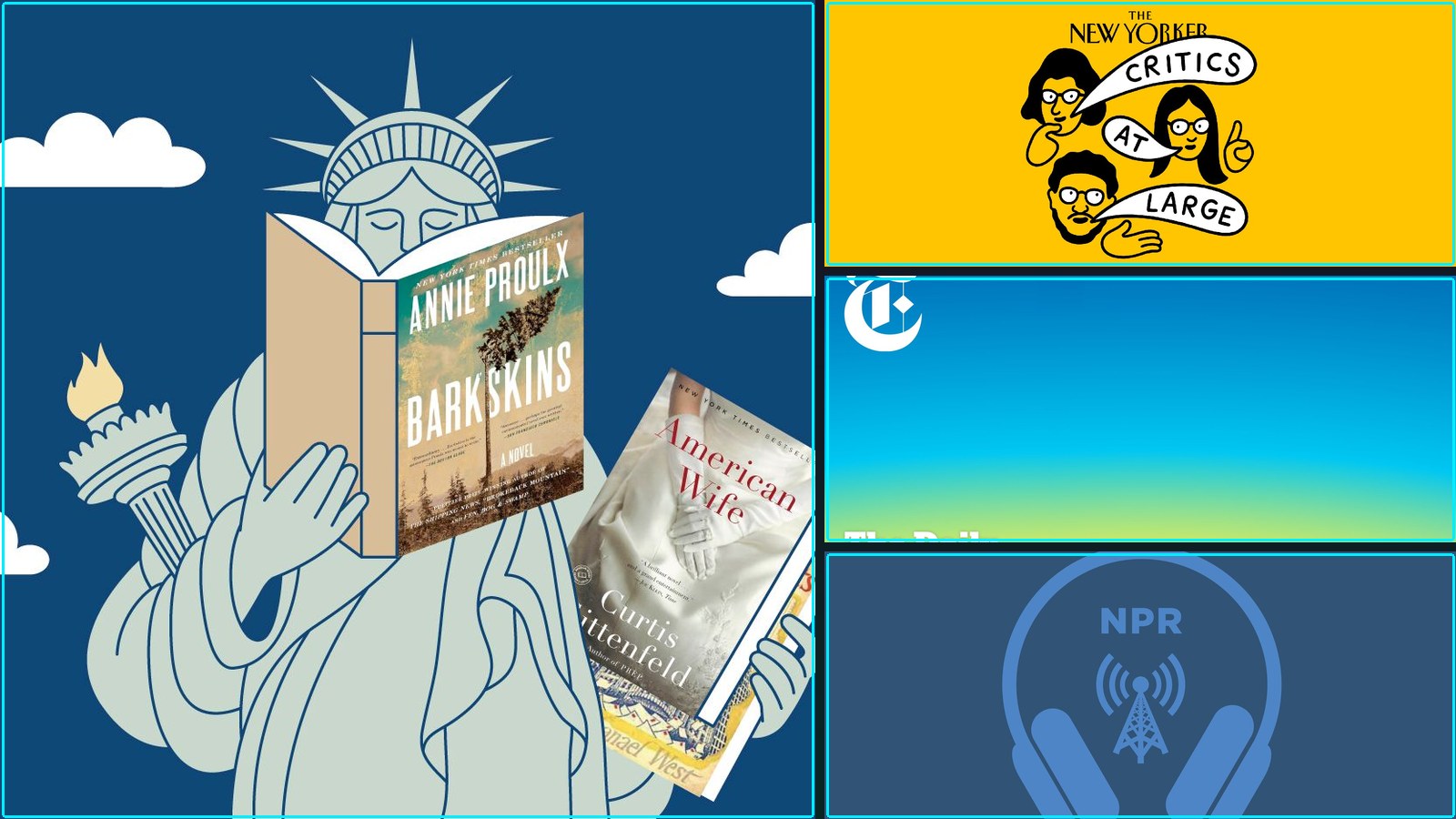
Summary: You know what they say: a semiquincentennial happens only once, but great American literature is forever. Whether we can all agree on what makes a novel a great American one is another story (considering we can’t agree on much these days). To me, Curtis Sittenfeld’s “American Wife” fits the description.

Why it matters: This matters for Long-Form Worth Your Time because it gives a concrete current signal to track: You know what they say: a semiquincentennial happens only once, but great American literature is forever.
Context: You know what they say: a semiquincentennial happens only once, but great American literature is forever. Whether we can all agree on what makes a novel a great American one is another story (considering we can’t agree on much these days). To me, Curtis Sittenfeld’s “American Wife” fits the description.
"You know what they say: a semiquincentennial happens only once, but great American literature is forever. Whether we can all agree on what makes a novel a great American one is another." — NEWYORKER
Commentary: The immediate implication is operational rather than speculative: watch how this changes budgets, workflows, or risk assumptions over the next cycle.
Date: July 01, 2026 07:00 AM ET
URL: https://www.newyorker.com/books/what-were-reading/eight-great-american-novels
AI Sentiment Score: Negative (50%)
AI Credibility Score: 10.0/10 — High
Scores and text generated by AI analysis of the source article indicated.
Steven Spielberg (Npr)
Summary: Steven Spielberg returns to extraterrestrial themes with his new film ‘Disclosure Day,’ revisiting the territory of ‘E.T.’ and ‘Close Encounters.’ In a 2022 interview, he discussed his cinematic origins and growing up Jewish after WWII. The episode also includes a review of ‘Two Ships,’ a book exploring two conflicting American identities.

Why it matters: Spielberg’s return to alien narratives signals a potential shift in how mainstream cinema processes contemporary anxieties about disclosure, identity, and national division.
Context: Spielberg’s earlier alien films were Cold War-era parables; ‘Disclosure Day’ arrives amid renewed UFO discourse and polarized American culture.
"After making ‘ET’ and ‘Close Encounters of the Third Kind’ in the ‘70s and ‘80s, Steven Spielberg returns to the theme of extraterrestrials in his new film, ‘Disclosure Day.’." — NPR
Commentary: The pairing of Spielberg’s alien return with a book about ‘two conflicting versions of American identity’ is not coincidental. Expect ‘Disclosure Day’ to function as a Rorschach test for how we see ourselves—and the other—in an era of fractured consensus.
Date: July 03, 2026 05:00 AM ET
URL: https://www.npr.org/2026/07/03/nx-s1-5879291/steven-spielberg
AI Sentiment Score: Negative (66%)
AI Credibility Score: 10.0/10 — High
Scores and text generated by AI analysis of the source article indicated.
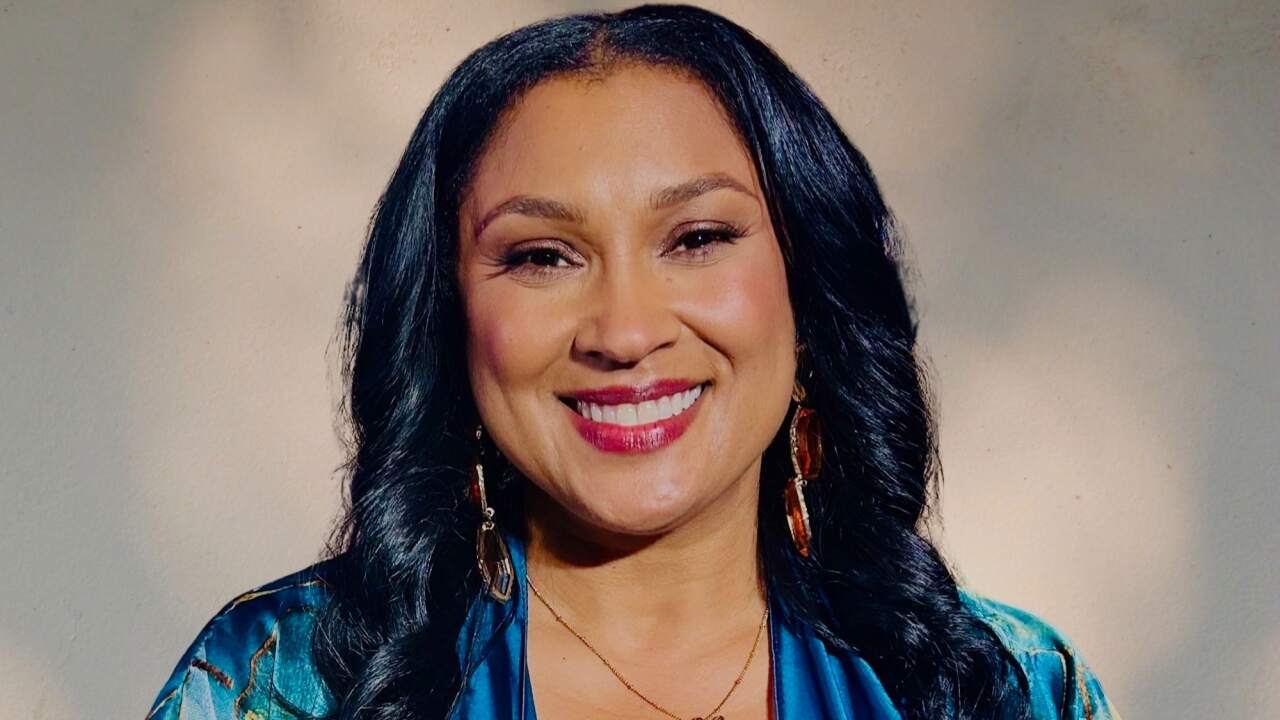
Writer Kennedy Ryan uses romance novels as a vehicle for discourse (Npr)
Summary: Award-winning romance novelist Kennedy Ryan discusses how she uses the genre as a vehicle for social discourse, centering characters traditionally excluded—women of color and those with chronic illness or disabilities. In an interview with NPR’s Fresh Air, she describes her storylines as ‘Trojan horses’ that smuggle in weighty themes while delivering the emotional payoff readers expect. The episode also includes TV critic David Bianculli’s review of Craig Ferguson’s new CNN series ‘American On Purpose.’
Why it matters: Ryan’s approach signals a structural shift in a massive commercial genre: romance, long dismissed as escapist fluff, is becoming a deliberate platform for representation and social commentary, reshaping what millions of readers expect from their happily-ever-afters.
Context: Romance fiction generates over $1 billion in annual sales and is the largest share of the consumer book market, yet has historically been dominated by white, able-bodied protagonists. Ryan’s work is part of a broader wave of authors—including Jasmine Guillory, Helen Hoang, and Talia Hibbert—who are expanding the genre’s boundaries.
"The romance books Kennedy Ryan read growing up rarely included characters who looked like her. Now she deliberately centers people the genre has left out – like women of color and women with chronic illness and disabilities." — NPR
Commentary: Ryan’s ‘Trojan horse’ framing is a canny acknowledgment that genre fiction can smuggle in political and social content precisely because readers arrive primed for pleasure, not polemic. The real test will be whether the publishing industry’s marketing and distribution systems—still built around formulaic hooks—can sustain this complexity without flattening it into a new set of tropes. If they can, romance may become the most effective mass-market vehicle for inclusive storytelling in the decade ahead.
Date: July 02, 2026 01:27 PM ET
URL: https://www.npr.org/2026/07/02/nx-s1-5879269/writer-kennedy-ryan-uses-romance-novels-as-a-vehicle-for-discourse
AI Sentiment Score: Positive (40%)
AI Credibility Score: 10.0/10 — High
Scores and text generated by AI analysis of the source article indicated.
Banned books, shocking art & the birth of the culture wars (Npr)
Summary: Isaac Butler’s new book, ‘The Perfect Moment: God, Sex, Art, and the Birth of America’s Culture Wars,’ examines how the religious right created a template for expressing grievance over art, a playbook still used today to defund the National Endowment for the Arts. In an interview with Terry Gross, Butler argues that the culture wars have ‘completely eaten America,’ tracing their origins to specific battles over controversial art and censorship. The piece highlights how these early skirmishes established enduring strategies for political mobilization around cultural issues.

Why it matters: This analysis reveals the operational blueprint behind today’s book bans and art controversies, showing that current cultural flashpoints are not spontaneous but follow a deliberate, decades-old template for political gain.
Context: Butler’s work connects the 1980s-90s battles over NEA funding and exhibitions like Robert Mapplethorpe’s to the contemporary surge in school library challenges and legislative attacks on public arts funding.
"“The culture wars have completely eaten America,” says author Isaac Butler. His new book, ‘The Perfect Moment: God, Sex, Art, and the Birth of America’s Culture Wars,’ looks at how the religious." — NPR
Commentary: Butler’s framing is crucial: the culture wars are not a series of spontaneous eruptions but a learned political technology. The religious right’s success in weaponizing aesthetic offense against the NEA provided a replicable model for targeting libraries, curricula, and drag shows. Understanding this genealogy matters because it reveals the predictable next targets and the structural vulnerability of cultural institutions that depend on public funding.
Date: June 30, 2026 01:43 PM ET
URL: https://www.npr.org/2026/06/30/nx-s1-5876286/banned-books-shocking-art-the-birth-of-the-culture-wars
AI Sentiment Score: Positive (50%)
AI Credibility Score: 10.0/10 — High
Scores and text generated by AI analysis of the source article indicated.
Best Of: Tennis stars Chris Evert & Martina Navratilova / American Culture Wars (Npr)
Summary: This week’s Fresh Air features a conversation with tennis legends Chris Evert and Martina Navratilova, whose decades-long rivalry and friendship are chronicled in a new Netflix documentary. The episode also examines the intersection of religion, politics, and the arts with cultural historian Isaac Butler, whose book ‘The Perfect Moment’ traces the origins of America’s culture wars. Additionally, critic John Powers reviews the British comedy series ‘Alice and Steve,’ about a middle-aged man dating his best friend’s much younger daughter.
Why it matters: For readers tracking the cultural and institutional shifts in American public life, Butler’s analysis of how the culture wars were born offers a crucial framework for understanding today’s battles over art, education, and identity.
Context: The Evert-Navratilova documentary arrives amid a broader resurgence of sports documentaries that reframe personal rivalries as cultural touchstones, while Butler’s book provides historical grounding for the ongoing politicization of the arts.
"A new Netflix documentary follows their careers and friendship as they navigate their lives on and off the court." — NPR
Commentary: The pairing of a sports rivalry documentary with a deep dive into the culture wars is a smart editorial move, suggesting that personal narratives and political polarization are increasingly intertwined in the public imagination. Butler’s work is particularly timely as debates over funding, censorship, and representation in the arts continue to escalate.
Date: July 04, 2026 05:05 AM ET
URL: https://www.npr.org/2026/07/04/nx-s1-5879313/best-of-tennis-stars-chris-evert-martina-navratilova-american-culture-wars
AI Sentiment Score: Negative (50%)
AI Credibility Score: 10.0/10 — High
Scores and text generated by AI analysis of the source article indicated.
Tennis rivals Chris Evert & Martina Navratilova team up against cancer (Npr)
Summary: The Netflix documentary ‘Chris & Martina: The Final Set’ follows tennis legends Chris Evert and Martina Navratilova as they navigate cancer diagnoses and treatment while reflecting on their storied rivalry and enduring friendship. The film, promoted through a Fresh Air interview, offers an intimate look at how two former competitors have become each other’s support system in retirement. It underscores a shift in how elite athletes publicly confront mortality and illness.

Why it matters: This documentary reframes the narrative of athletic rivalry into a model for late-life solidarity, showing how public figures can use their platforms to destigmatize cancer and aging.
Context: Evert and Navratilova dominated women’s tennis in the 1970s and 1980s, with 59 Grand Slam singles titles between them; their personal relationship evolved from fierce competition to close friendship over decades.
"Once the most successful women’s tennis champions of their generation, Evert and Navratilova open up about friendship, cancer and retirement in the Netflix documentary ‘Chris & Martina: The Final Set.’." — NPR
Commentary: The documentary arrives at a moment when sports documentaries increasingly focus on athletes’ post-career lives, but this one uniquely pairs two icons who share a diagnosis. It leverages their existing cultural capital to normalize conversations about cancer treatment and survivorship. For audiences, the emotional payoff lies in watching a rivalry transform into mutual care—a rare public narrative of reconciliation and vulnerability.
Date: June 29, 2026 01:55 PM ET
URL: https://www.npr.org/2026/06/29/nx-s1-5875180/tennis-rivals-chris-evert-martina-navratilova-team-up-against-cancer
AI Sentiment Score: Negative (66%)
AI Credibility Score: 10.0/10 — High
Scores and text generated by AI analysis of the source article indicated.
An American Playlist (Newyorker)
Summary: The New Yorker’s Critics at Large podcast marks the 250th anniversary of the American experiment with a listener-driven playlist episode. Hosts Vinson Cunningham, Naomi Fry, and Alexandra Schwartz curate songs that capture the nation’s turbulent history, uncertain present, and hopes for the future. The episode features tracks from Kim Wilde, Olivia Rodrigo, Rage Against the Machine, and Sam Cooke, among others, reflecting a diverse and critical musical response to America’s circumstances.
Why it matters: This episode reframes national commemoration not as a celebration of founding ideals but as a collective, creative reckoning with lived experience—offering a cultural lens for understanding America’s identity at a moment of deep division.
Context: The episode is part of a regular podcast series that analyzes culture through a critical lens, and this installment leverages listener submissions to democratize the narrative of what ‘America’ means through music.
"Listen and subscribe: Apple | Spotify | Wherever You Listen Sign up to receive our weekly cultural-recommendations newsletter. This week, to commemorate two hundred and fifty years of the American experiment, Vinson." — NEWYORKER
Commentary: Cunningham’s framing shifts the locus of nation-building from political institutions to artistic expression, a provocative stance for a bicentennial-plus moment. The playlist’s inclusion of protest songs and ironic anthems suggests that the most honest patriotism is often critical, not celebratory. For listeners, this episode offers a curated soundtrack to the American experiment’s ongoing, messy evolution—a reminder that culture, not just governance, shapes national identity.
Date: July 02, 2026 06:00 AM ET
URL: https://www.newyorker.com/podcast/critics-at-large/an-american-playlist
AI Sentiment Score: Negative (80%)
AI Credibility Score: 10.0/10 — High
Scores and text generated by AI analysis of the source article indicated.
America!: Insane Clown Posse Changes Their Name to Pretty Reasonable Clown Posse (Newyorker)
Summary: The New Yorker’s Ali Fitzgerald reimagines the Insane Clown Posse as the Pretty Reasonable Clown Posse, a satirical pivot that trades Juggalo shock for mundane adulting. The gag lands by replacing violent carnival imagery with sensible grievances about HOA fees and early bedtimes. It’s a one-panel joke that works because the original’s absurdity is now outdone by the banality of middle-aged compromise.

Why it matters: The piece captures how counterculture’s edge dulls into lifestyle branding, and how satire now finds its punchline in the very ordinariness that rebellion once defined itself against.
Context: Insane Clown Posse, the Detroit horrorcore duo, have long been a cultural Rorschach test—either a genuine subculture or a punchline. Fitzgerald’s column regularly uses absurdist premises to comment on American normalcy.
"More Humor and Cartoons Play Catalogues, our new daily game, and bring order to the chaos. How to be a mysterious woman who is also in bed by 9:30 P.M. I’ll have." — NEWYORKER
Commentary: The joke works because it inverts the original’s transgressive promise: instead of Faygo and face paint, we get sensible sleep schedules and passive-aggressive neighbor notes. It’s a sharp commentary on how every once-edgy subculture eventually becomes a lifestyle brand for people who still want to feel rebellious while paying down their mortgage. The real punchline is that the new name is more unsettling than the old one—because it’s too relatable.
Date: June 30, 2026 06:00 AM ET
URL: https://www.newyorker.com/humor/shouts-murmurs/america-insane-clown-posse-changes-their-name-to-pretty-reasonable-clown-posse
AI Sentiment Score: Negative (75%)
AI Credibility Score: 10.0/10 — High
Scores and text generated by AI analysis of the source article indicated.
The Most American Episode of The Daily, Ever. (Nytimes)
Summary: For America’s 250th birthday, The New York Times asked its critics, columnists, and editors to identify the most American thing on their respective beats. The resulting episode of The Daily compiles these answers into a mosaic of cultural, scientific, and culinary touchstones. The piece is less a definitive list than a snapshot of how the institution’s tastemakers define national identity through their own lenses.

Why it matters: This episode crystallizes how elite cultural arbiters frame American identity at a symbolic milestone, revealing the narratives that will shape public discourse for the next quarter-century.
Context: The New York Times has a long tradition of curating ‘most American’ lists for holidays, but the 250th anniversary amplifies the stakes, as the country grapples with polarized narratives about its past and future.
"In celebration of the United States of America’s 250th birthday, we posed a simple question to some of our favorite critics, columnists and editors across the New York Times newsroom, people who write about books, movies, TV shows, science, sports, wellness and food. We asked: What’s the most American thing on your beat?" — NYTIMES
Commentary: The exercise is a Rorschach test for the Times’ editorial sensibility: expect answers that balance self-critique with celebration, likely favoring cultural artifacts over political ones. For readers, the value lies in seeing which beats produce the most surprising or contested nominations, revealing where the paper’s internal consensus breaks down. The format also signals a shift toward more thematic, less news-driven podcast episodes as the Times competes for listener attention in a crowded audio market.
Date: July 05, 2026 06:00 AM ET
URL: https://www.nytimes.com/the-daily
AI Sentiment Score: Negative (50%)
AI Credibility Score: 10.0/10 — High
Scores and text generated by AI analysis of the source article indicated.
Post ID: 1170daed