Visual Effects and CGI
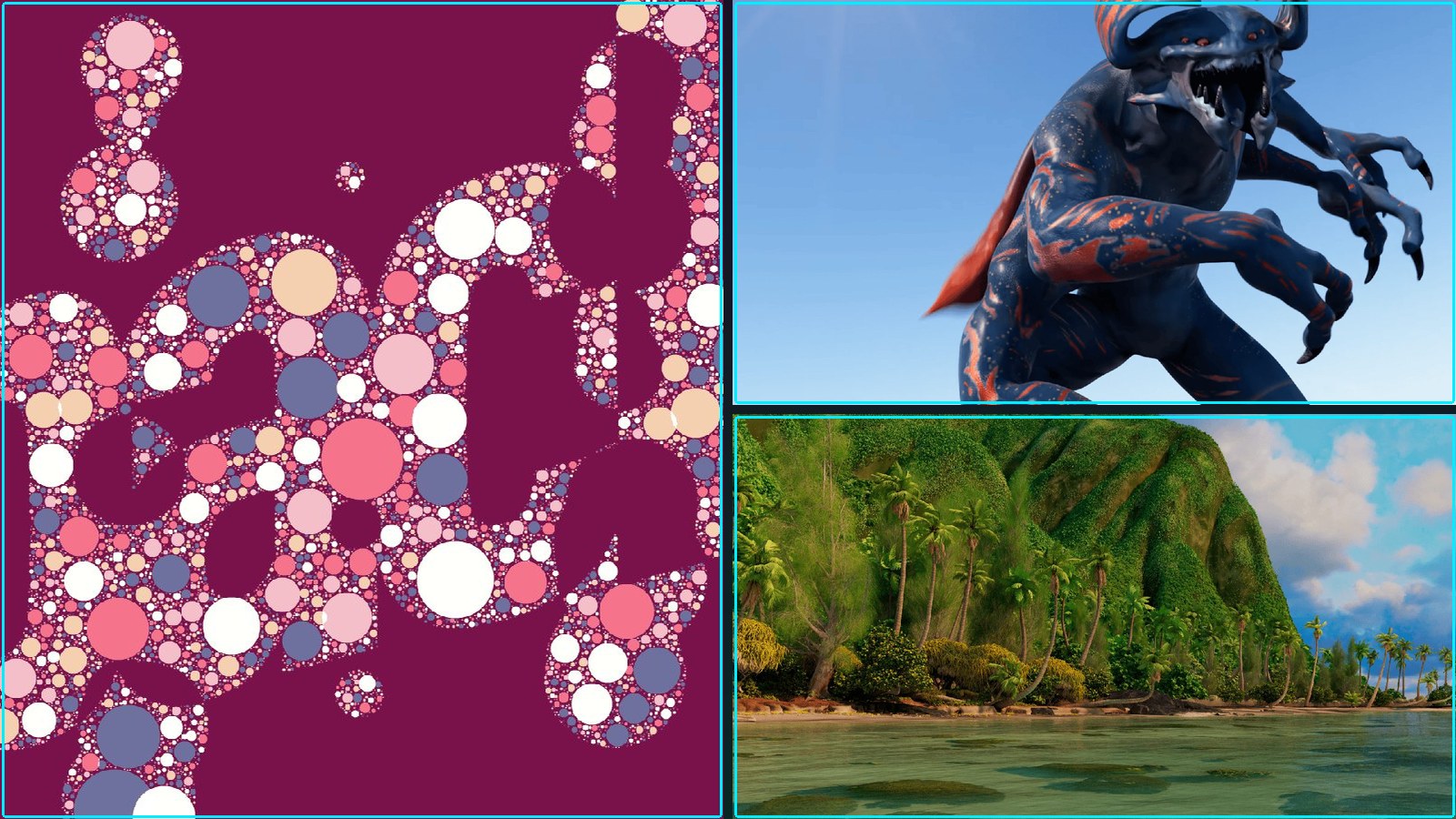
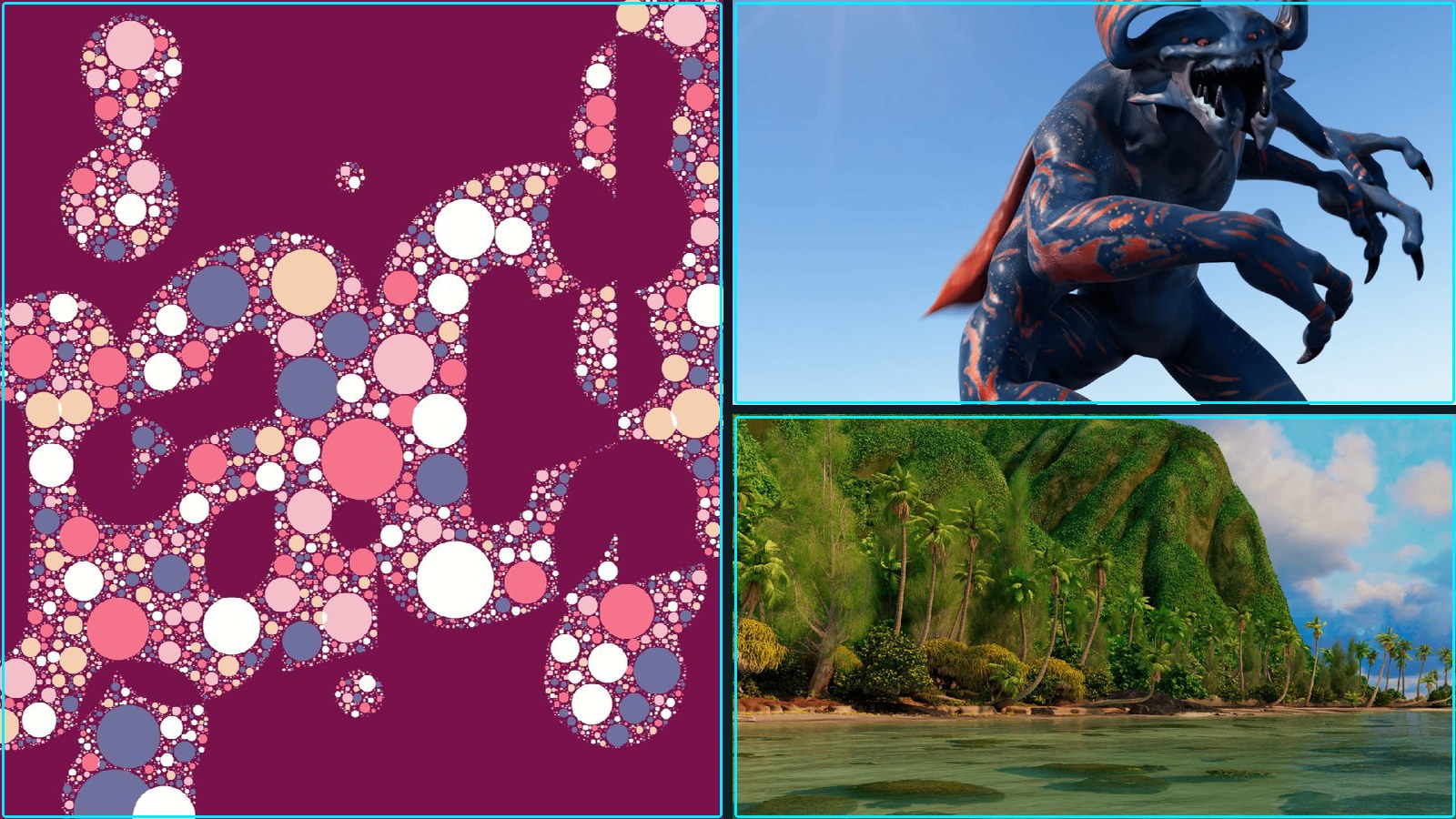
Krokodove: a massive expansion of Fusion and Resolve’s creative arsenal (Digitalproduction)
Summary: Krokodove, a procedural node set for Fusion and DaVinci Resolve developed over 20 years by Raf Schoenmaekers, has been integrated as an official component in Resolve 21. The toolset adds dozens of new nodes for compositing, motion graphics, and VFX, including 2D deformers, pixel manipulation, and a 3D instancing node. While a few legacy nodes were removed for compatibility, the expansion significantly enhances Fusion’s native capabilities, particularly for motion graphics artists and VFX compositors. The tool remains free in Resolve, with the Studio version offering standalone Fusion Studio for improved performance and network rendering.

Why it matters: For Fusion artists and post-production houses, this integration eliminates the need for third-party plugin management and reduces pipeline friction, while adding procedural tools that directly compete with Cinema 4D’s Cloner and Houdini’s Copy to Points in a 2D/3D compositing context.
Context: Krokodove was previously available only as a free Reactor plugin, requiring manual installation and updates. Its official inclusion signals Blackmagic’s commitment to deepening Fusion’s toolset without additional cost, a move that pressures competitors like Adobe and Foundry to justify their subscription and per-node pricing models.
"Krokodove is not a template collection. It is a complete, smart and very large toolset of new nodes, developed for more than 20 years by Raf Schoenmaekers / Komkom Doorn Studio as a free Reactor plugin for Fusion, and now making its way into Fusion Studio and Resolve as an official component." — DIGITALPRODUCTION
Commentary: The Mapped Duplicate 3D node alone shifts Fusion’s competitive stance against Cinema 4D and Houdini for broadcast and motion graphics work, where instancing and procedural duplication are standard. For studios, the removal of a few legacy nodes is a minor inconvenience compared to the throughput gains from native, supported tools that reduce vendor lock-in and plugin dependency. The real operational win is the elimination of Reactor update cycles, which previously introduced versioning headaches in shared pipelines.
Date: July 10, 2026 03:30 AM ET
URL: https://digitalproduction.com/2026/07/10/krokodove-a-massive-expansion-of-fusion-and-resolves-creative-arsenal/
AI Sentiment Score: Positive (66%)
AI Credibility Score: 10.0/10 — High
Scores and text generated by AI analysis of the source article indicated.
Roji Goes Deep on USD Rendering (Digitalproduction)
Summary: Roji Research has opened beta registration for a render-oriented joint interface that integrates USD scene assembly, MaterialX shading, native rendering, browser review, and AI-assisted operations into a single nodal workflow. The tool emphasizes deterministic provenance for USD opinions, lazy loading for large scenes, and a Hydra-based viewport that streams frames to the browser. While still in early R&D, the project signals a potential shift toward more traceable, pipeline-friendly USD rendering workflows.

Why it matters: For VFX and animation pipelines, Roji’s focus on USD provenance and MaterialX-native lookdev could reduce the debugging overhead of mystery overrides and proprietary scene blobs, potentially improving throughput and vendor interoperability.
Context: USD adoption has been hampered by the complexity of tracking scene state across multiple tools, often leading to opaque overrides and pipeline friction. Roji’s graph-based approach aims to make every edit traceable back to its source node and layer.
"The goal is deterministic provenance: an overridden attribute should trace back to the manipulator, node, and layer that produced it, rather than becoming just another mystery override in the shot." — DIGITALPRODUCTION
Commentary: If Roji delivers on its provenance promise, it could reduce the time TDs spend hunting down rogue overrides in complex shots, directly impacting staffing models and vendor leverage. The MaterialX and OpenPBR support also positions it as a neutral bridge between DCCs, potentially lowering the switching costs for studios evaluating renderers or pipeline tools. However, the beta’s early stage and lack of pricing mean real-world stress tests on broken references and farm variance are still ahead.
Date: July 09, 2026 02:00 AM ET
URL: https://digitalproduction.com/2026/07/09/roji-goes-deep-on-usd-rendering/
AI Sentiment Score: Negative (71%)
AI Credibility Score: 10.0/10 — High
Scores and text generated by AI analysis of the source article indicated.
Adonis 2.1 Gives Digital Anatomy a Machine-Learning Layer (Digitalproduction)
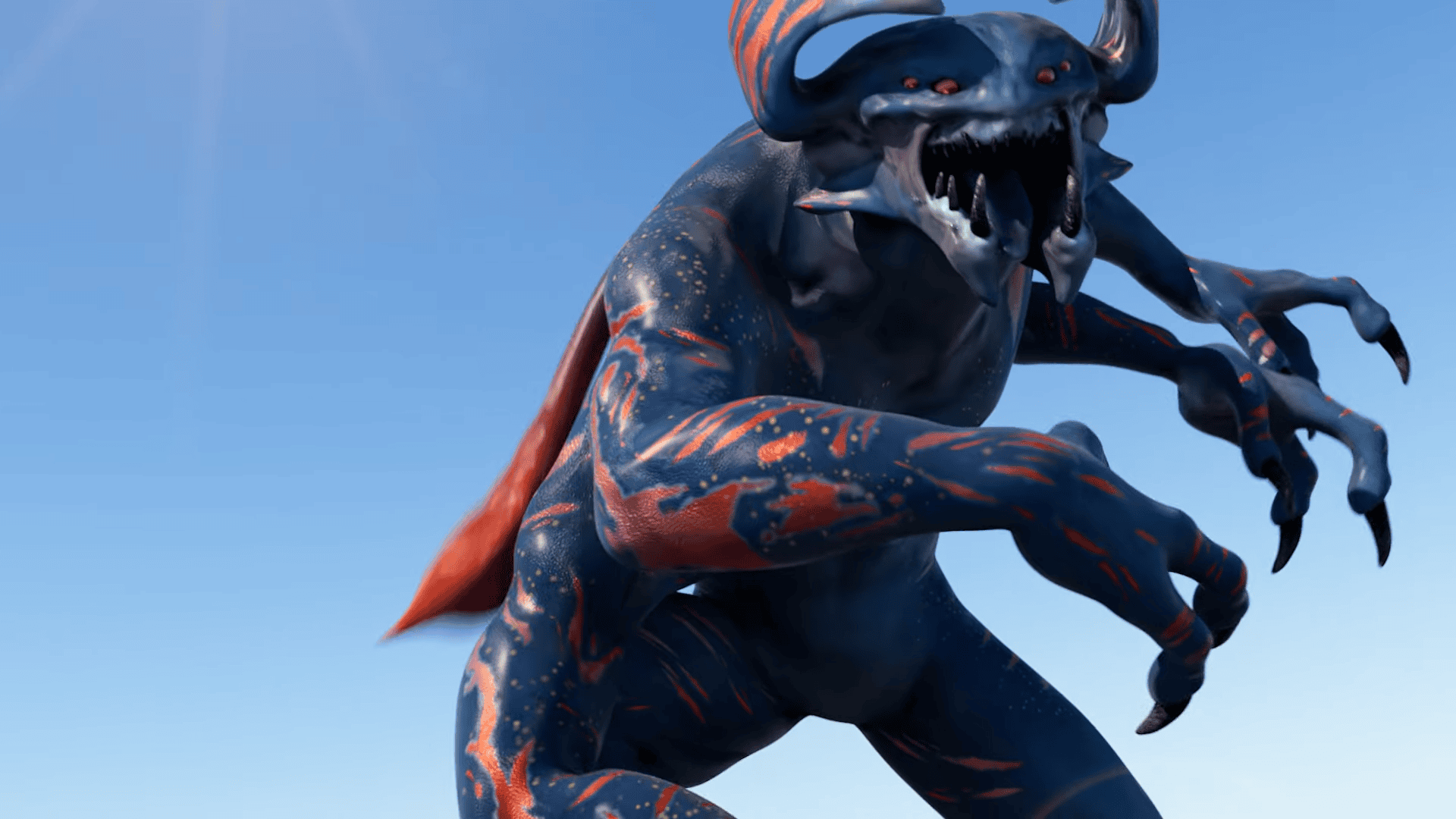
Summary: Inbibo has released Adonis 2.1, splitting its digital anatomy framework into AdonisFX and the higher-end AdonisML, which introduces ML Deformer for interactive pose-based deformation and SmartTissue for restoring secondary motion like jiggle and settle. The update also adds a topology-independent anatomy transfer workflow (AdnTransfer) and a new deformer, AdnMush, for smoothing artifacts without losing fine surface detail. AdonisML Pro licenses start at £3,000 per year, while AdonisFX Pro starts at £1,500 per year.
Why it matters: For character effects teams, this update promises to compress iteration cycles by replacing heavy simulation with ML approximations during animation, while preserving the dynamic detail that distinguishes high-end creature work—potentially shifting the bottleneck from simulation time to training pipeline management.
Context: The split into two product tiers reflects a growing industry pattern: offering a core toolset for standard workflows and a premium ML-enhanced version for studios that can justify the cost and pipeline integration overhead.
"SmartTissue is Inbibo’s answer to that limitation. The system uses a neural network architecture to predict how the underlying muscles are activating for the current pose, then uses that prediction to drive a faster dynamics layer. The goal is to restore the kind of secondary motion that would otherwise require a full anatomy simulation." — DIGITALPRODUCTION
Commentary: The real operational win here is the caching of SmartTissue dynamics for playblasts, which could let lighting and client review happen within minutes rather than hours—but only if studios trust the cached result enough to skip final validation on non-hero shots. The topology-independent transfer workflow is a quieter but potentially larger efficiency gain for shows with multiple creature variants, reducing manual rebuild time when moving setups between characters. However, the £3,000/year price point for AdonisML may limit adoption to larger houses, while indie artists on the £250/year AdonisFX tier miss the ML features entirely.
Date: July 10, 2026 02:00 AM ET
URL: https://digitalproduction.com/2026/07/10/adonis-2-1-gives-digital-anatomy-a-machine-learning-layer/
AI Sentiment Score: Negative (50%)
AI Credibility Score: 10.0/10 — High
Scores and text generated by AI analysis of the source article indicated.
Post ID: e94864a4