Egyptian tombs that reshape pyramid origins
5,000-year-old tombs found in Minya rewrite the origins of Egyptian pyramid architecture | Archaeology News Online Magazine (Archaeologymag)
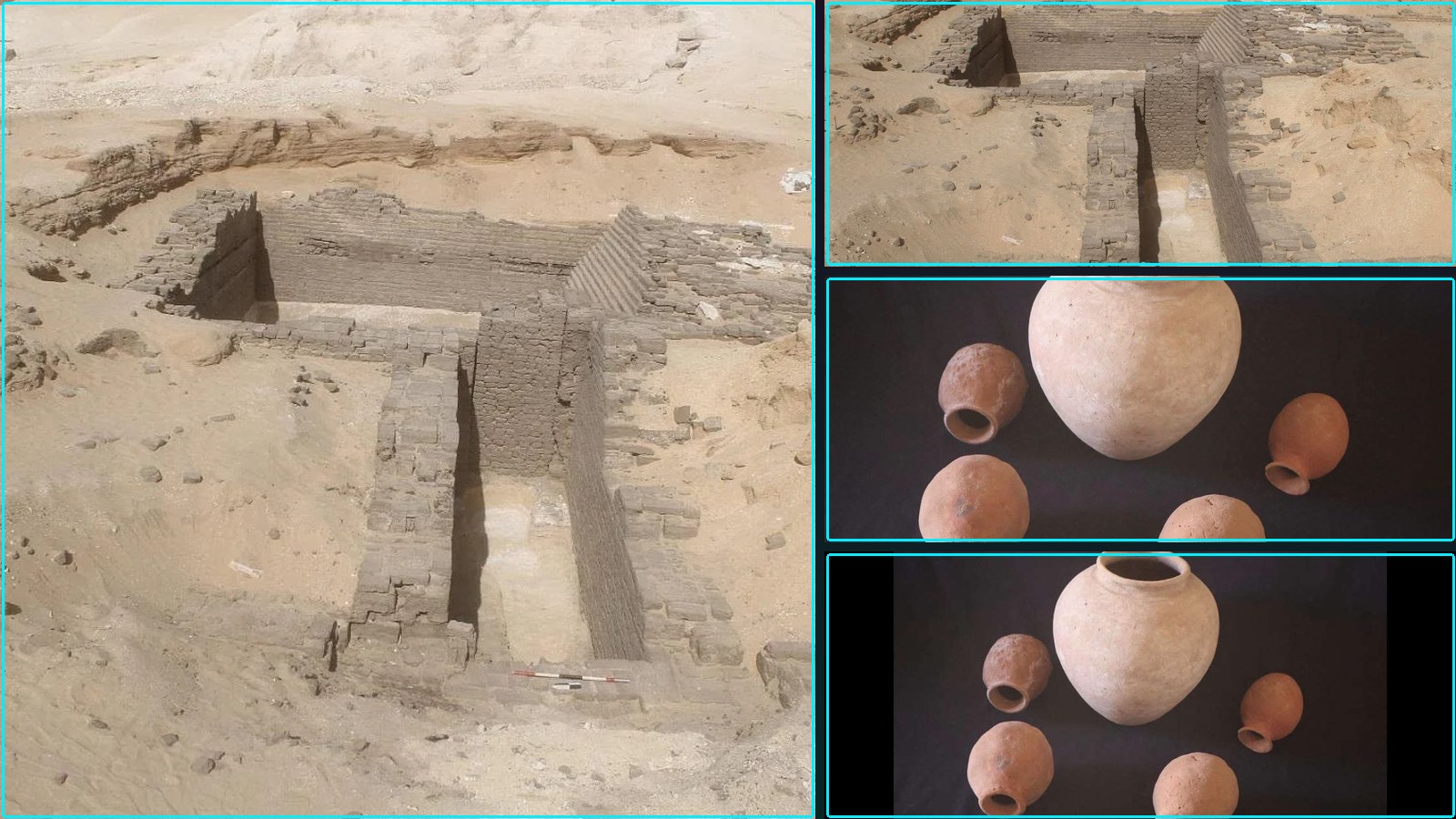
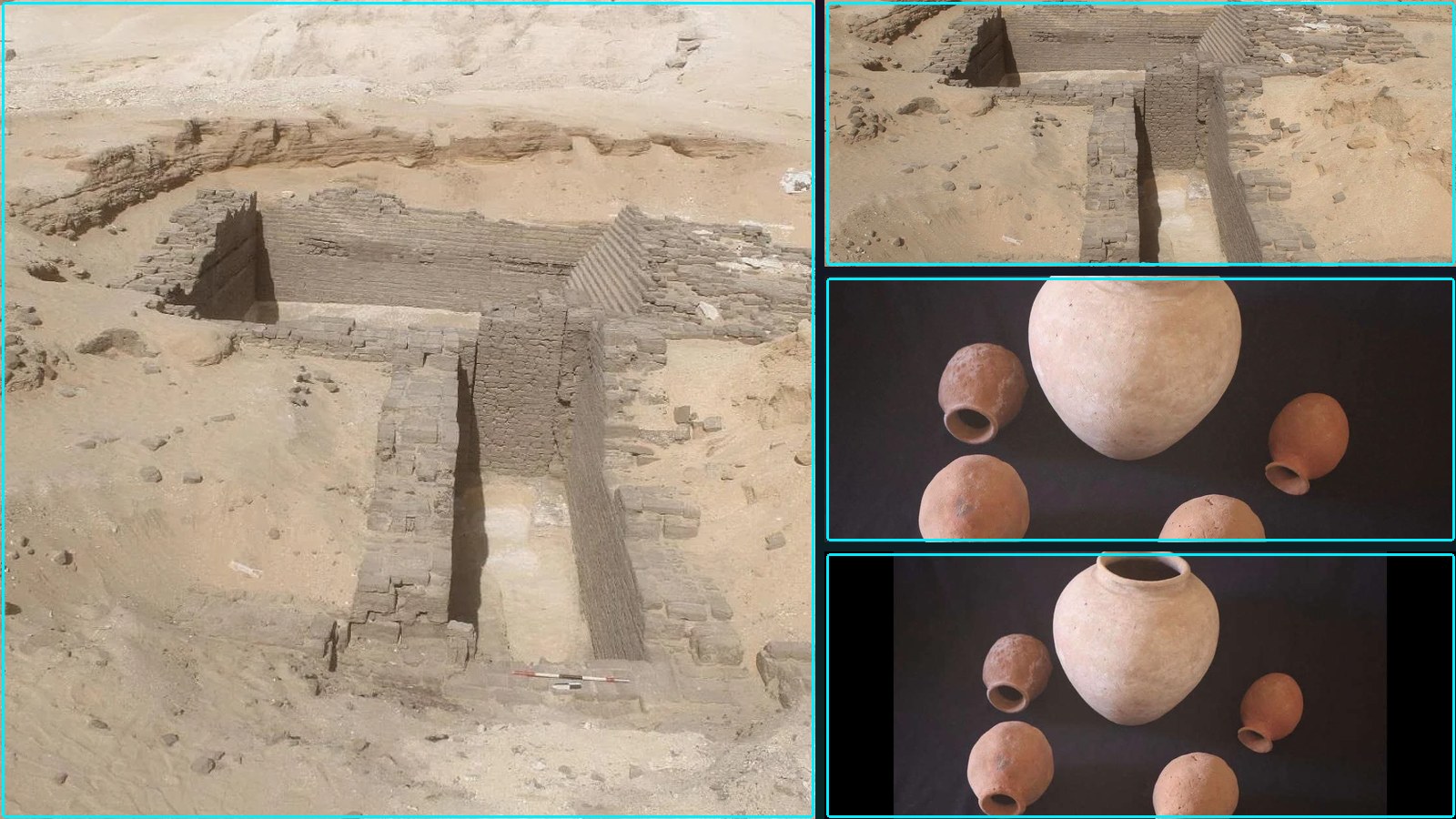
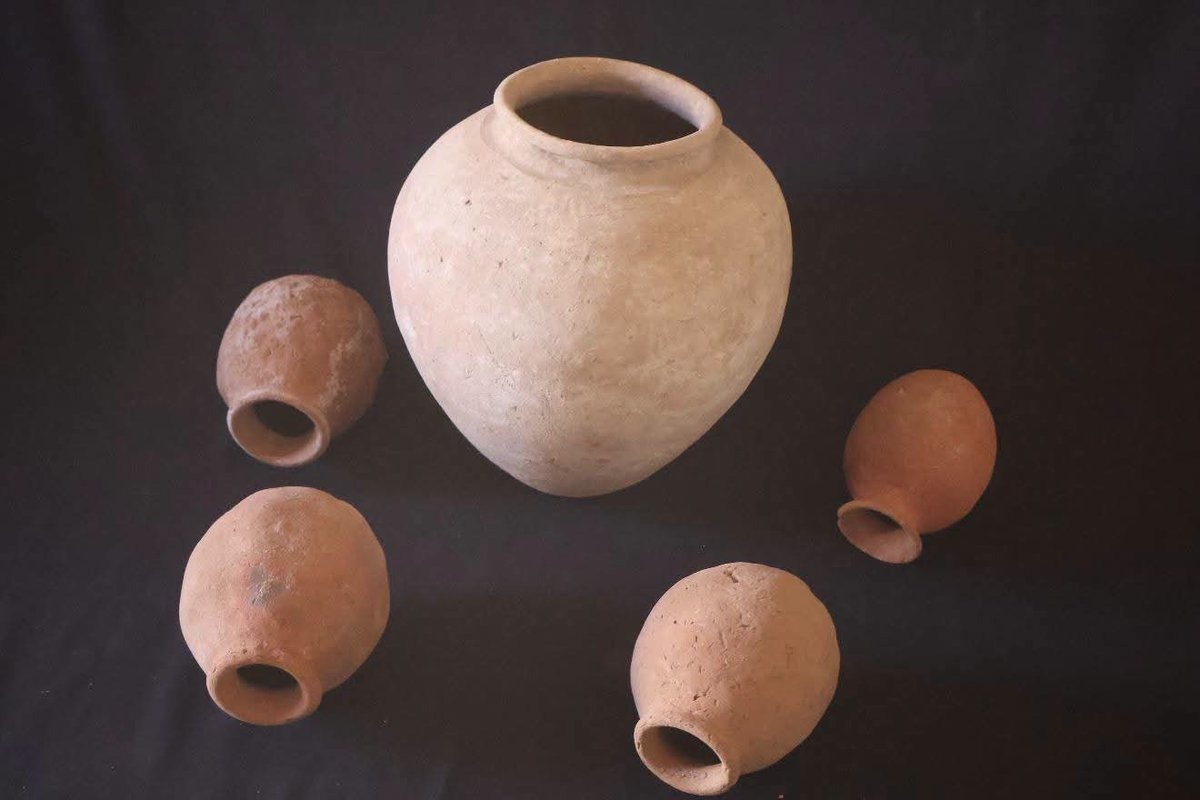
Summary: Archaeologists in Egypt’s Minya Governorate have uncovered two Early Dynastic tombs at Jabal al-Tayr, revealing architectural features that predate and likely influenced later pyramid construction. The tombs show design similarities with the tomb of Pharaoh Den at Abydos, indicating shared building knowledge during state formation. One tomb’s tapered walls—thicker at the base, thinner at the top—demonstrate early engineering for stability, a principle later seen in step and true pyramids. The site also yielded Predynastic burials with Naqada II/III pottery and Late Period graves, showing continuous use over millennia.

Why it matters: This discovery provides direct physical evidence of architectural continuity between Early Dynastic mastaba-like tombs and the later pyramid complexes, challenging assumptions about the sudden emergence of pyramid technology.
Context: The tombs date to the Early Dynastic period (c. 3100–2686 BCE), before the first step pyramid of Djoser (c. 2670 BCE). Their design parallels the royal tomb of Den at Abydos, suggesting a shared architectural tradition across Upper Egypt.
"The walls are thicker at the bottom and gradually become thinner toward the top. Archaeologists believe this design reflects an early engineering approach aimed at improving stability. Similar principles later appeared in larger monuments, including step pyramids and the true pyramids built centuries afterward." — ARCHAEOLOGYMAG
Commentary: The tapered wall design is a concrete evolutionary link, not just stylistic resemblance. It implies that the technical knowledge for load distribution was being tested in elite funerary architecture centuries before the pyramid age. The site’s multi-period use also suggests that later builders were aware of and possibly drew from these earlier experiments, making Jabal al-Tayr a key node in the architectural genealogy of Egyptian monumentalism.
Date: June 20, 2026 08:06 PM ET
URL: https://archaeologymag.com/2026/06/5000-year-old-tombs-in-egypt-origins-of-pyramids
AI Sentiment Score: Neutral (50%)
AI Credibility Score: 10.0/10 — High
Scores and text generated by AI analysis of the source article indicated.
Ancient Egyptian tombs discovered at Jabal Al-Tair in Minya (Heritagedaily)
Summary: Archaeologists in Egypt have uncovered tombs and burials at Jabal Al-Tair in Minya, including two tombs dating to the Predynastic Period and later eras. One tomb shows architectural similarities to the tomb of King Den at Abydos, with walls that decrease in thickness from base to top, suggesting an early stage in the development of pyramid construction. The site also yielded a Predynastic cemetery with contracted burials and black-topped pottery from the Naqada II and III periods, as well as later Late Period burials in wooden coffins. This discovery provides new evidence for the evolution of funerary architecture and burial practices across thousands of years in ancient Egypt.

Why it matters: This find offers a rare continuous stratigraphic record of funerary architecture from the Predynastic to the Late Period, potentially reshaping understanding of how early structural innovations at sites like Abydos influenced later pyramid building.
Context: The Jabal Al-Tair site has long been recognized as an important funerary landscape, but these tombs provide the first direct evidence linking its architectural features to the royal tomb of King Den at Abydos, a key reference point for early dynastic construction.
"Archaeologists describe the first tomb as a rare architectural example distinguished by its unique engineering design. Preliminary studies suggest similarities between the newly discovered structures and the famous tomb of King Den at Abydos, one of the earliest royal burial complexes in Egypt." — HERITAGEDAILY
Commentary: The architectural detail of walls tapering from base to top is a significant technical clue, as it suggests an experimental phase in load distribution that predates the stepped pyramid. The presence of oxidised cutting guides and embedded wooden supports indicates a sophisticated, iterative construction process, not a primitive one. This challenges linear narratives of Egyptian engineering and implies that regional centers like Minya were active laboratories for funerary innovation, not just passive recipients of Memphite traditions.
Date: June 20, 2026 06:15 PM ET
URL: https://heritagedaily.com/2026/06/ancient-egyptian-tombs-discovered-at-jabal-al-tair-in-minya/158411
AI Sentiment Score: Positive (60%)
AI Credibility Score: 10.0/10 — High
Scores and text generated by AI analysis of the source article indicated.
New Jabal Al-Tayr discovery reshapes understanding of early Egyptian funerary architecture – Dailynewsegypt (Dailynewsegypt)
Summary: An Egyptian mission from the Supreme Council of Antiquities has uncovered two Early Dynastic tombs at Jabal Al-Tayr in Minya, alongside Predynastic and Late Period burials. The first tomb’s tapering wall construction suggests an early engineering prototype that may have influenced the Step Pyramid and later true pyramids. The second tomb, untouched by quarrying, preserves original features. The site’s continuous use from the Predynastic through the Late Period confirms its status as a key necropolis.
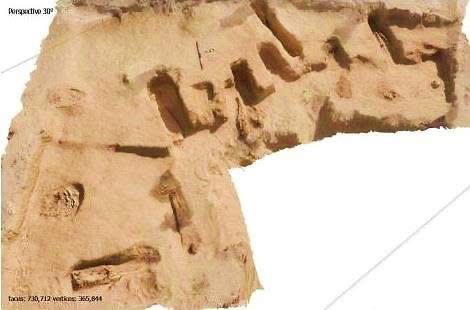
Why it matters: This discovery provides a rare architectural link between early dynastic tomb design and the later evolution of pyramid construction, filling a critical gap in understanding how monumental funerary architecture developed in ancient Egypt.
Context: Jabal Al-Tayr has been known as a burial ground, but these tombs offer the first clear evidence of transitional architectural techniques that bridge the mastaba and step pyramid forms, previously only theorized from the Abydos tomb of King Den.
"Mohamed Abdel Badie, Head of the Egyptian Antiquities Sector, revealed that the first tomb features a unique construction technique in which wall thickness gradually decreases from the base to the top. He noted that this concept may represent an early stage in the engineering evolution that eventually led to the Step Pyramid and later the true pyramid form." — DAILYNEWSEGYPT
Commentary: The tapering wall technique is a significant find because it provides a physical prototype for the stepped pyramid concept, moving it from speculation to evidence. That the second tomb remains intact offers a rare opportunity to study unaltered early dynastic construction methods. The presence of Naqada II/III pottery alongside later burials reinforces the site’s role as a persistent ritual landscape, not just a temporary necropolis. Ongoing excavations may yield further transitional forms, potentially reshaping the timeline of pyramid evolution.
Date: June 20, 2026 02:33 PM ET
URL: https://www.dailynewsegypt.com/2026/06/20/new-jabal-al-tayr-discovery-reshapes-understanding-of-early-egyptian-funerary-architecture/
AI Sentiment Score: Negative (60%)
AI Credibility Score: 7.0/10 — Medium
Scores and text generated by AI analysis of the source article indicated.
Nearly 5,000-yr-old architecturally unique tombs uncovered south of Cairo (English.News.Cn)
Summary: An Egyptian archaeological mission has uncovered two tombs from the Early Dynastic Period (3100-2686 BC) in Minya province, south of Cairo. The first tomb features walls that decrease in thickness from base to top, a design that may represent an early engineering step toward the Step Pyramid and later true pyramids. The second tomb is nearly identical but better preserved. Additional burials from the Predynastic and Late Periods were also found in the Jabal al-Tayr area.

Why it matters: This discovery provides direct evidence of architectural experimentation during the formative period of Egyptian state formation, potentially linking early funerary construction techniques to the later monumental pyramid-building tradition.
Context: The Early Dynastic Period marks the consolidation of the first pharaonic state, but surviving architecture from this era is rare and often fragmentary. The Step Pyramid at Saqqara (c. 2670 BC) is traditionally seen as the first large-scale stone structure, so any earlier evidence of evolving construction methods is significant.
"CAIRO, June 20 (Xinhua) — An Egyptian archaeological mission has uncovered two tombs dating to the Early Dynastic Period (3100 BC-2686 BC) in Minya province, south of the Egyptian capital Cairo, the." — ENGLISH.NEWS.CN
Commentary: The tapered wall design is a concrete technical precursor to the stepped and true pyramid forms, suggesting that pyramid geometry was not invented fully formed but emerged from iterative structural solutions. The second tomb’s preservation offers a rare chance to study intact early dynastic masonry, including the wooden supports and stone-cutting guidelines mentioned. This find strengthens the case for a continuous architectural tradition in the Memphite region, rather than a sudden leap in engineering capability.
Date: June 19, 2026 08:00 PM ET
URL: https://english.news.cn/20260620/c9ba2885f44b4a3ab24974520fe71ab3/c.html
AI Sentiment Score: Negative (50%)
AI Credibility Score: 10.0/10 — High
Scores and text generated by AI analysis of the source article indicated.
Egypt discovers two tombs dating back to early dynastic period (Thepeninsulaqatar)
Summary: Egypt’s Ministry of Tourism and Antiquities announced the discovery of two tombs in the Minya governorate’s Tel el-Deir necropolis, dating to the Early Dynastic Period (circa 3100–2686 BCE). One tomb features a unique, stepped architectural design with a mudbrick mastaba and internal chambers, while the other is a simpler pit grave. The find also includes burials from the Ptolemaic and Roman eras, along with pottery, amulets, and a bronze coin of Ptolemy III. This discovery adds to the growing body of evidence for early dynastic funerary practices and the evolution of monumental tomb architecture.
Why it matters: The stepped mastaba design provides a direct architectural link between the earliest royal tombs at Abydos and the later Step Pyramid of Djoser, refining our understanding of how Egyptian monumental stone architecture emerged from mudbrick prototypes.
Context: The Early Dynastic Period is poorly understood compared to the Old Kingdom, and most known tombs from this era are concentrated at Abydos and Saqqara. The Tel el-Deir find extends the geographical range of elite early dynastic burials into Middle Egypt, suggesting a more complex political and administrative landscape than previously assumed.
"Cairo: The Egyptian Ministry of Tourism and Antiquities announced today that its archaeological mission successfully discovered two tombs dating back to the Early Dynastic Period, along with several burials from the Predynastic." — THEPENINSULAQATAR
Commentary: This is not just another tomb—it is a missing link in the engineering lineage that culminates in the Great Pyramid. The stepped reduction in wall thickness is a structural innovation that anticipates the load-distribution logic of later pyramid cores. That this design appears in a provincial necropolis rather than a royal cemetery suggests that architectural experimentation was not confined to the capital, and that local elites were active participants in the technological developments that defined the Pyramid Age.
Date: June 20, 2026 05:31 PM ET
URL: https://thepeninsulaqatar.com/article/20/06/2026/egypt-discovers-two-tombs-dating-back-to-early-dynastic-period
AI Sentiment Score: Negative (50%)
AI Credibility Score: 7.0/10 — Medium
Scores and text generated by AI analysis of the source article indicated.
Egypt uncovers ancient tombs revealing early funerary architecture (Arnnewscentre.Ae)
Summary: Egyptian archaeologists have uncovered two Early Dynastic tombs and multiple burials at Gabal Al-Tair in Minya, with one tomb featuring walls that taper from base to top—a design that may represent an early engineering prototype for step and true pyramids. The site also yielded Predynastic crouched burials with Naqada II/III black-topped pottery and Late Period interments, indicating continuous cemetery use across eras. Preliminary studies note striking architectural parallels with the tomb of King Den at Abydos, suggesting a broader diffusion of early funerary innovation than previously documented.
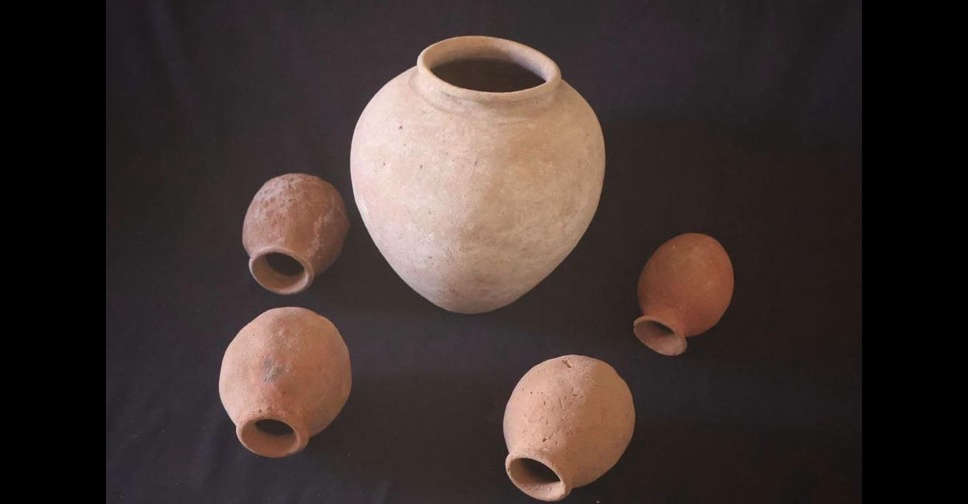
Why it matters: This discovery provides a tangible missing link in the architectural lineage from mastabas to pyramids, challenging assumptions about the geographic concentration of early dynastic engineering knowledge.
Context: The tomb of King Den (1st Dynasty) at Abydos is a key reference for early royal funerary architecture; Gabal Al-Tair’s similar design implies either direct influence or parallel development in a region less studied for monumental construction.
"One of the tombs features a rare architectural design with walls that gradually decrease in thickness from the base upward, a construction method that experts believe may represent an early stage in the engineering concepts that later led to the development of step pyramids and true pyramids." — ARNNEWSCENTRE.AE
Commentary: The tapering wall technique is a critical formal antecedent to the stepped superstructures of the 3rd Dynasty, and its presence at a non-royal site in Minya suggests that pyramid technology was not solely a Memphis-region innovation. This forces a reassessment of how architectural knowledge circulated among elite and provincial centers during state formation. The continuous burial sequence from Naqada II through the Late Period also offers a rare stratigraphic anchor for tracing mortuary practice evolution outside the Nile Valley core.
Date: June 20, 2026 01:22 PM ET
URL: https://arnnewscentre.ae/en/news/lifestyle/egypt-uncovers-ancient-tombs-revealing-early-funerary-architecture
AI Sentiment Score: Positive (50%)
AI Credibility Score: 7.0/10 — Medium
Scores and text generated by AI analysis of the source article indicated.
Arqueólogos descubren tumbas egipcias de 5.000 años de antigüedad que reescriben los orígenes de la arquitectura piramidal (Larepublica.Pe)
Summary: Archaeologists working at Jabal al-Tayr in Minya, Egypt, have uncovered two Early Dynastic tombs alongside Predynastic and Late Period burials, revealing architectural features that predate and may have influenced later pyramid construction. The tombs show walls with wider bases tapering upward, a primitive stability technique, and contain reused stone blocks, oxide cut marks, and wooden reinforcement beams. The site’s continuous funerary use across millennia offers a rare stratigraphic record of evolving burial practices from before unification through the Late Period.

Why it matters: This discovery provides direct physical evidence of the architectural experimentation that preceded the great pyramids, potentially linking early regional building traditions with the standardized royal tomb designs of the First Dynasty.
Context: The tombs share design similarities with the tomb of Pharaoh Den at Abydos, suggesting that early dynastic funerary architecture was not isolated but part of a broader Nile Valley tradition of structural innovation.
"Una de las estructuras excavadas presenta muros con base más ancha que su parte superior, un diseño que apunta a criterios primitivos de estabilidad en la construcción. Este rasgo arquitectónico se considera relevante dentro del estudio de los primeros sistemas de edificación en piedra, anteriores al desarrollo de las grandes pirámides." — LAREPUBLICA.PE
Commentary: The tapered wall design is a critical data point: it shows that builders were already solving load-distribution problems centuries before the Step Pyramid at Saqqara. The presence of reused blocks and wooden reinforcements indicates that these tombs were not static monuments but active sites of later intervention, complicating the narrative of a linear, uninterrupted evolution toward pyramid construction. The Predynastic burials with black-topped pottery and flexed bodies anchor the site in the Naqada II–III horizon, making Jabal al-Tayr a key reference for mapping the transition from pre-unification ritual to dynastic state architecture.
Date: June 21, 2026 01:00 PM ET
URL: https://larepublica.pe/ciencia/2026/06/21/arqueologos-descubren-tumbas-egipcias-de-5000-anos-de-antiguedad-que-reescriben-los-origenes-de-la-arquitectura-piramidal-728469
AI Sentiment Score: Positive (50%)
AI Credibility Score: 7.0/10 — Medium
Scores and text generated by AI analysis of the source article indicated.
Post ID: 756d6b08