Streaming & Cinema
Disney backs the 45-day theatrical window it already beats by two weeks (News.Piratesandprincesses.Net)
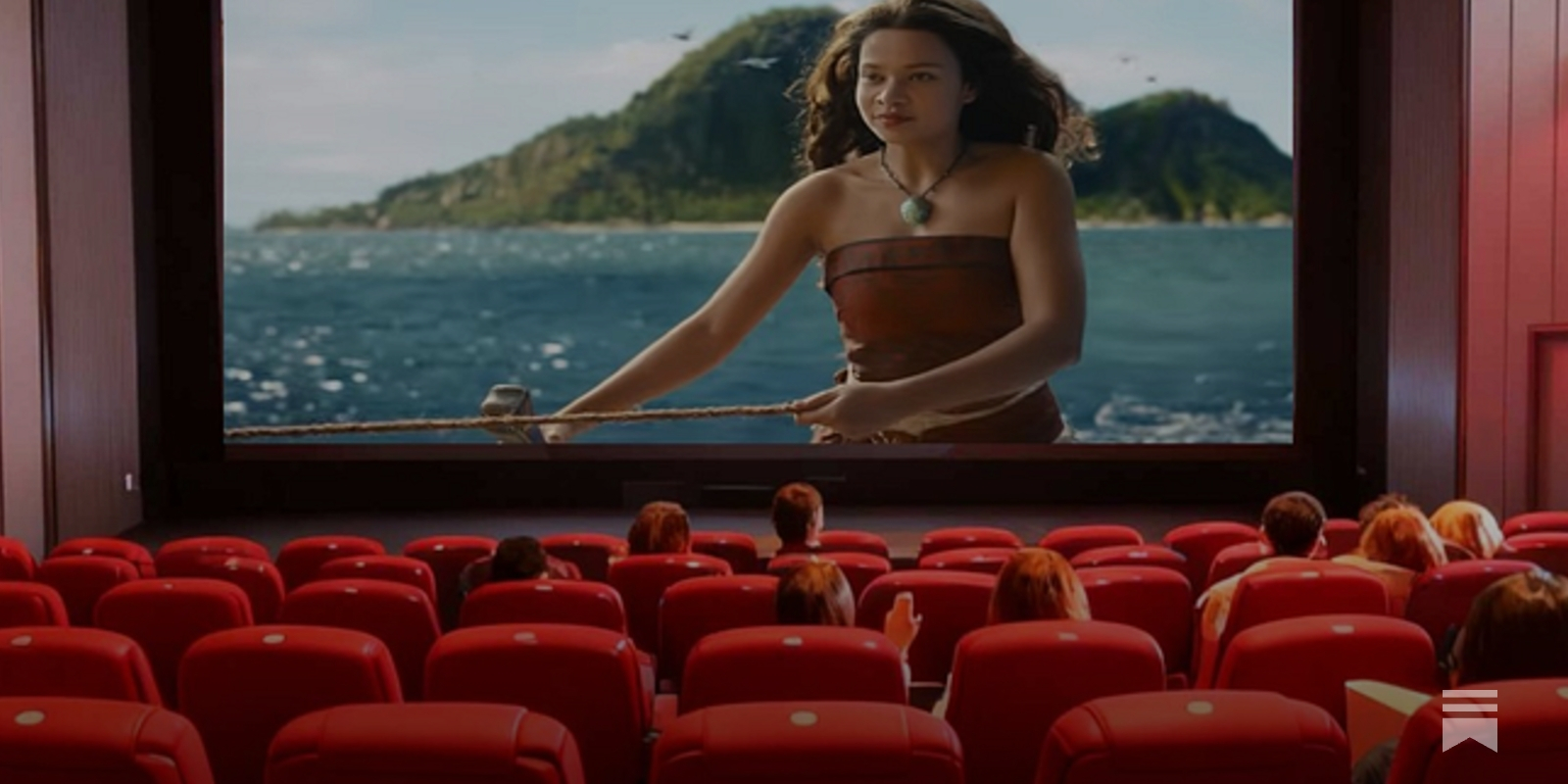
Summary: Disney, Paramount, and Universal have publicly committed to a 45-day theatrical window, but the agreement is largely symbolic for Disney, which has averaged 57-60 days since 2022 and kept ‘Avatar: Fire and Ash’ past 90. Universal made the biggest concession, moving from pandemic-era 17-day windows to seven weekends starting in 2027. The 45-day floor is already being exceeded by top-grossing films, which averaged 51 days in 2025. The real test will come when a studio faces a soft opener and must decide whether the promise holds.
Why it matters: This formalizes a post-pandemic truce between studios and exhibitors, but the asymmetry in commitment—Disney gives up nothing while Universal rewrites its playbook—reveals who still holds leverage in theatrical distribution.
Context: The 45-day window was a flashpoint during COVID when Universal’s 17-day PVOD deal nearly broke the exhibition model; theater owners have been lobbying for a return to longer exclusivity ever since.
"“It’s incredibly important for the industry to unify around a theatrical window,” Josh Greenstein, co-chair of Paramount Pictures, told Variety. His point was ending the confusion, so nobody assumes they can wait a couple weeks and catch it on the couch." — NEWS.PIRATESANDPRINCESSES.NET
Commentary: Disney’s quiet victory here is not the window length but the advertising embargo—it refuses to promote a streaming date until the last minute, which theater owners say matters more than the number itself. Universal’s move from 17 to 45 days is the real structural shift, but it only applies to tentpoles; thinner slates remain vulnerable. Spielberg’s auction-style call for 60-120 days at CinemaCon was crowd-pleasing theater, but Omdia’s data shows the market is already drifting upward without mandates. The first studio to break the 45-day promise on a $50M+ opener will determine whether this is a new norm or a press release.
Date: July 16, 2026 05:22 PM ET
URL: https://news.piratesandprincesses.net/p/disney-backs-the-45-day-theatrical
AI Sentiment Score: Positive (50%)
AI Credibility Score: 10.0/10 — High
Scores and text generated by AI analysis of the source article indicated.
Apple, Amazon Lock In Festival Streaming Rights as Platform Battle Heats Up (Techtimes)
Summary: Apple Music and Amazon Music locked in festival streaming deals for Tomorrowland and Fuji Rock, respectively, on the same day, signaling a structural shift where livestreams are now core products rather than afterthoughts. Apple’s Club Live solves the long-standing DJ licensing problem by using Shazam’s real-time track identification to attribute and compensate rights holders during live broadcasts. Amazon’s multi-surface distribution across Music, Twitch, and Prime Video amplifies reach without requiring new subscriptions. Disney+/Hulu now hold the Live Nation US festival slate, YouTube retains Coachella, and Spotify is actively pursuing live video rights to offset ad revenue declines.
Why it matters: For cinema and streaming observers, this mirrors the sports rights arms race: exclusivity is now a subscriber acquisition tool, and first-party fan data from logged-in viewing is more valuable than ticket sales, reshaping how festivals, artists, and platforms negotiate leverage.
Context: The deals replace TikTok’s 2025 Tomorrowland partnership with Apple, and follow a pattern where established platforms with licensing infrastructure outcompete social media for premium festival slots.
"When Tomorrowland opens its gates in Belgium tomorrow, the audience inside De Schorre will number around 200,000. The audience tuning in will be orders of magnitude larger — and for the first." — TECHTIMES
Commentary: The real innovation here is Apple’s licensing infrastructure—Shazam-based real-time rights attribution makes large-scale DJ broadcasts legally viable for the first time, a technical moat competitors will struggle to replicate. Amazon’s three-surface distribution is a structural advantage that turns one rights deal into three acquisition moments, while Spotify’s looming entry with 761 million MAUs threatens to upend the market if it can secure a major festival. The data flywheel from logged-in viewing—behavioral insights across an entire weekend—is the unspoken prize, worth more than any single rights fee.
Date: July 16, 2026 03:41 PM ET
URL: https://www.techtimes.com/articles/320765/20260716/apple-amazon-lock-festival-streaming-rights-platform-battle-heats.htm
AI Sentiment Score: Positive (75%)
AI Credibility Score: 10.0/10 — High
Scores and text generated by AI analysis of the source article indicated.
Fandango to Be Overhauled In Bid to Rival Free Streamers Like Tubi and Pluto (Exclusive) (Hollywoodreporter)
Summary: Versant is overhauling its free streaming service, dropping the ‘Fandango At Home’ brand and adding 20% more titles, including 3,500 hours of owned content, sports like Bundesliga, and a new ad-supported tier. The company aims to compete with Tubi, Pluto, and Roku Channel by leveraging Fandango’s theatrical-adjacent brand and its 50 million monthly visitors across Fandango and Rotten Tomatoes. Executives plan to use the service as the eventual home for all Versant entertainment content through strategic windowing, while also licensing to third parties. The overhaul includes improved recommendations and lower ad loads to differentiate from rivals.

Why it matters: This signals a major shift in how a legacy ticketing and PVOD platform is repositioning itself as a free, ad-supported streaming hub, potentially altering the windowing strategy for theatrical releases and the competitive dynamics of the AVOD market.
Context: Free ad-supported streaming services like Tubi and Pluto have seen explosive growth, challenging traditional pay-TV and subscription models. Fandango’s existing transactional customer base and brand recognition in theatrical films give it a unique entry point into this space.
"Versant wants to battle Tubi, Pluto and Roku Channel in a bid for free streaming scale. The media company is overhauling its free streaming service, dropping the “Fandango At Home” branding in." — HOLLYWOODREPORTER
Commentary: Versant is betting that Fandango’s brand equity in theatrical discovery can convert into free streaming engagement, a move that could pressure other AVOD services to secure similar theatrical pipelines. The plan to eventually funnel all Versant content through Fandango via windowing suggests a deliberate erosion of traditional pay-TV exclusivity, which may accelerate cord-cutting. However, the success hinges on whether users will tolerate ads on a platform they associate with ticket purchases and premium rentals. If the recommendation engine and ad load genuinely improve, Fandango could become a credible third force in a market currently dominated by Tubi and Pluto.
Date: July 14, 2026 08:00 PM ET
URL: https://hollywoodreporter.com/business/business-news/new-fandango-streaming-content-brand-versant-1236647608
AI Sentiment Score: Negative (66%)
AI Credibility Score: 10.0/10 — High
Scores and text generated by AI analysis of the source article indicated.
States fear Paramount-Warner deal will squeeze theaters (Tucson)
Summary: A coalition of 12 states, led by California, has filed a lawsuit to block the proposed merger of Paramount and Warner Bros. Discovery, arguing it would give the combined entity excessive leverage over theater owners and cable providers. The states claim the deal would likely raise ticket prices and reduce theater investment in amenities, while also increasing cable bills. Paramount CEO David Ellison countered that the lawsuit misrepresents market competition and that delays would harm entertainment workers. The suit highlights a drop in wide-release films from 112 (2015-2018) to 54 (2022-2025) following the Disney-Fox merger, framing this as a cautionary precedent.
Why it matters: This lawsuit directly threatens the consolidation of two of the five major film distributors, which would reshape release strategies, bargaining power for exhibitors, and the economics of theatrical windows.
Context: Theater attendance remains 16.3% below 2019 levels, and the Disney-Fox merger already reduced wide-release output by half, setting a precedent for how consolidation squeezes both theaters and content volume.
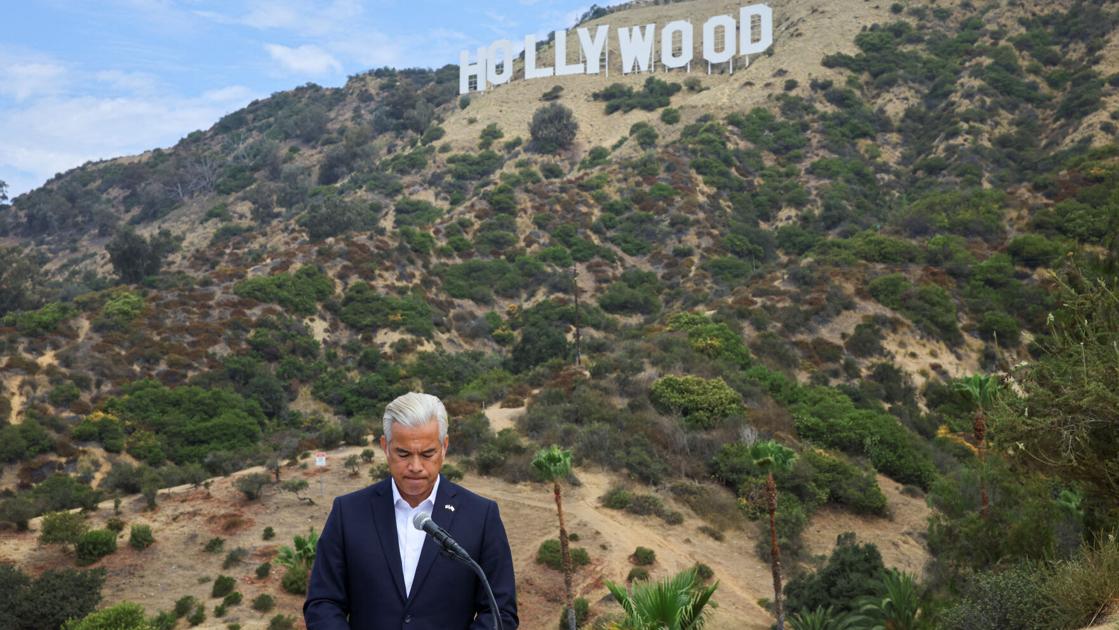
"“While ticket prices will most likely go up, theaters will be forced to cut back on investments that make the experience better for audiences: comfier seats, expanded concessions, and premium screens,” California Attorney General Rob Bonta said at a news conference Monday, standing in front of the Hollywood sign." — TUCSON
Commentary: The states’ argument hinges on a concrete, post-Disney-Fox data point—halved wide-release output—that gives the lawsuit empirical teeth rather than just theoretical antitrust concern. The ticking fee of $650 million per quarter if the deal stalls creates a powerful clock for Paramount, making delay a costly weapon for plaintiffs. Cinema United’s explicit support signals that theater owners see this as existential, not just a negotiating squabble. If the suit succeeds, it could reset the ceiling on studio consolidation and force a rethinking of how streaming-era leverage is distributed across exhibition.
Date: July 19, 2026 12:30 PM ET
URL: https://tucson.com/news/nation-world/business/article_929fd522-8703-51f1-9bec-34f992d3225b.html
AI Sentiment Score: Negative (60%)
AI Credibility Score: 10.0/10 — High
Scores and text generated by AI analysis of the source article indicated.
Post ID: ad32d40a