

Science Fiction
We talk with astronaut Michael Foale about the 1997 Space Station Mir crisis: ‘He took all the blame of the collision on his shoulders’ (Space)
Summary: PBS’s ‘Once Upon a Time in Space’ miniseries, from filmmaker James Bluemel, devotes its second episode to the 1997 Mir collision crisis. In an exclusive interview, astronaut Michael Foale details the root cause—a cost-saving decision to skip a $2 million Ukrainian radar system—and the aftermath, including his replacement of cosmonaut Vasily Tsibliev for a critical internal spacewalk. Foale reflects on the unfair blame Tsibliev carried and his own post-retirement adjustment, framing the era’s international collaboration as ‘naively optimistic.’ The episode aired July 21, 2026, with two more chapters to follow.
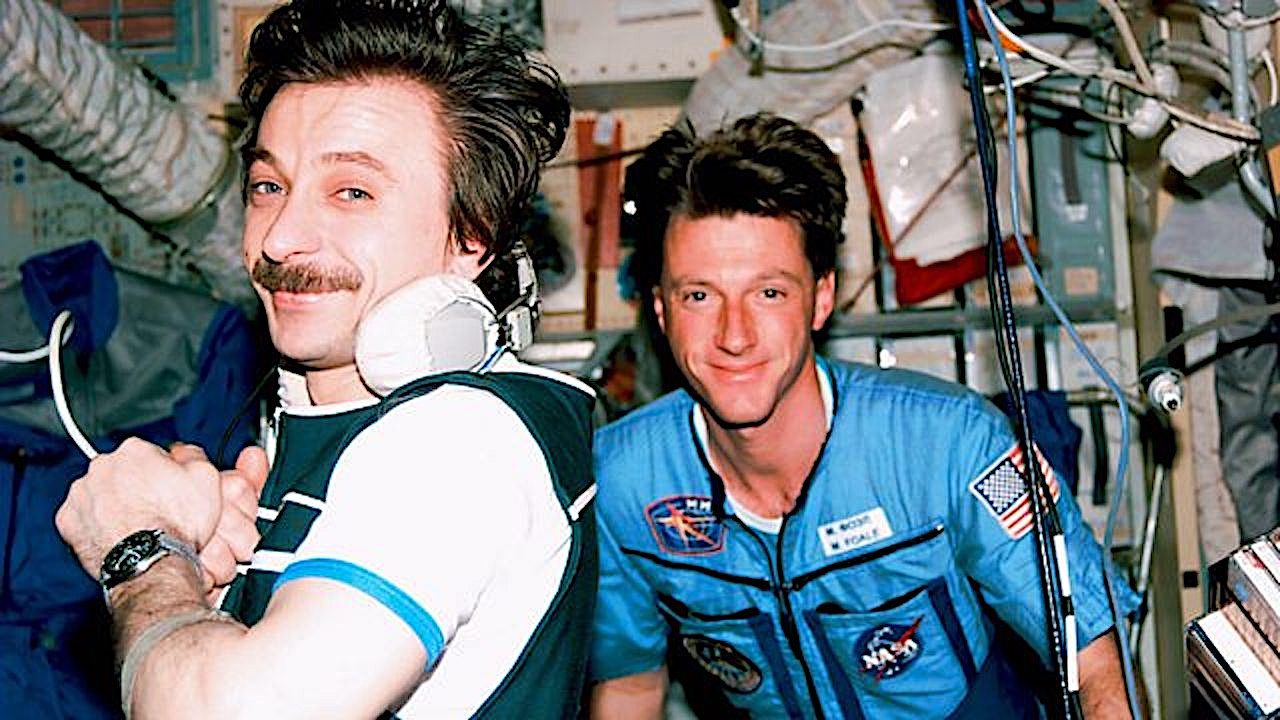
Why it matters: For speculative fiction and cultural forecasting, this is a case study in how real-world engineering decisions—driven by budget, not physics—create the high-stakes scenarios that shape our narratives about space. It also offers a rare, first-person account of how blame and heroism are assigned in extreme environments, a theme that resonates across design and storytelling.
Context: The Mir crisis is a canonical near-disaster in spaceflight history, often cited in discussions of risk management and international cooperation. Foale’s account adds a human dimension to the technical failure, highlighting the psychological toll on crew members and the political economy of space hardware.
"We talk with astronaut Michael Foale about the 1997 Space Station Mir crisis: ‘He took all the blame of the collision on his shoulders’ All systems are go! PBS just launched the." — SPACE
Commentary: Foale’s testimony is a reminder that the most dramatic space disasters are rarely caused by cosmic forces but by mundane budget cuts and organizational shortcuts. For storytellers and systems thinkers, this is a template for how to build credible tension: the villain isn’t a rogue AI or alien, but a spreadsheet. The episode’s framing as a ‘fairytale’ also underscores how nostalgia can sanitize the messy, human failures that actually drive history—a useful corrective for speculative narratives that romanticize spaceflight.
Date: July 25, 2026 12:00 PM ET
URL: https://www.space.com/entertainment/space-movies-shows/we-talk-with-astronaut-michael-foale-about-the-1997-space-station-mir-crisis-he-took-all-the-blame-of-the-collision-on-his-shoulders
AI Sentiment Score: Negative (66%)
AI Credibility Score: 10.0/10 — High
Scores and text generated by AI analysis of the source article indicated.
Post ID: ba4b5765