
Blood Tests and Biomarkers for Early Detection
Alzheimer’s 2026 Breakthrough: Blood Test Diagnosis, New Treatments & Hope | Dr. Kuldeep Singh (Youtube)
Summary: In 2026, Alzheimer’s disease management is being reshaped by the clinical deployment of high-precision blood biomarkers and next-generation therapeutics. FDA-cleared blood tests measuring the Aβ42/Aβ40 ratio and p-tau 217 now enable detection of amyloid pathology and tau tangle progression with accuracy comparable to cerebrospinal fluid analysis, facilitating pre-symptomatic identification. Concurrently, advanced anti-amyloid agents like Trontinemab, which employs a ‘Brainshuttle’ mechanism for enhanced blood-brain barrier penetration, are showing rapid plaque clearance in trials. This convergence of accessible diagnostics and more potent disease-modifying therapies is shifting the paradigm from reactive symptom management to proactive, pathology-targeted intervention.

Why it matters: This moves Alzheimer’s care from a reactive, symptom-focused model to a proactive, pathology-targeted discipline, fundamentally altering clinical trial recruitment, primary care screening, and long-term patient management.
Context: The validation of blood-based biomarkers represents the culmination of decades of amyloid and tau research, while the Brainshuttle technology addresses the long-standing delivery challenge that has limited the efficacy of previous monoclonal antibodies.
"Alzheimer’s diagnosis and treatment are entering a new era in 2026. In this episode, Dr. Kuldeep Singh from Singh Medical Practice (Plano, Texas) explains how high-precision blood biomarkers like p-tau 217 and." — YOUTUBE
Commentary: The operational consequence is the potential embedding of these blood tests into routine middle-age health panels, creating a vast, pre-symptomatic patient cohort for preventive trials and lifestyle interventions. This will strain healthcare systems unprepared for mass, early diagnosis and force urgent ethical and logistical frameworks for disclosing biomarker status. The rapid clearance promised by drugs like Trontinemab, if proven, could compress treatment timelines but also intensify monitoring demands and cost debates.
Date: April 25, 2026 12:00 AM ET
URL: https://www.youtube.com/watch?v=TI9qvIR7dk0
AI Sentiment Score: Negative (85%)
AI Credibility Score: 10.0/10 — High
Scores and text generated by AI analysis of the source article indicated.
New biomarker helps differentiate underlying pathologies of … (Amsterdamumc)
Summary: Amsterdam UMC researchers have identified a novel cerebrospinal fluid biomarker, AcTau174, that distinguishes between tau and TDP-43 pathologies in frontotemporal lobar degeneration (FTLD). The finding, validated across multiple international cohorts, offers a potential in vivo diagnostic tool for a disease spectrum where pathological differentiation has historically required post-mortem analysis. This could refine patient stratification for clinical trials and inform prognosis.

Why it matters: Accurate antemortem differentiation of FTLD pathologies is a critical bottleneck for developing and deploying targeted therapies; this biomarker directly addresses that operational gap.
Context: Frontotemporal dementia encompasses distinct proteinopathies (tau and TDP-43) with different molecular targets, but clinical presentation overlaps significantly, complicating trial design and patient management.
"Researchers at the Alzheimer Center Amsterdam (Amsterdam UMC) have published a study on a novel cerebrospinal fluid biomarker, AcTau174, in Nature Medicine. In this study, neuroscientists Madison Honey, Charlotte Teunissen, and colleagues." — AMSTERDAMUMC
Commentary: The move from syndromic to pathology-specific diagnosis in FTD is accelerating. AcTau174’s link to disease severity in TDP-43 cases suggests it may serve a dual diagnostic-prognostic role, potentially influencing trial endpoints and clinical monitoring protocols. Its validation in independent cohorts is a necessary step, but translation into routine lumbar puncture panels will require cost-benefit analysis against emerging blood-based markers.
Date: April 21, 2026 12:00 AM ET
URL: https://www.amsterdamumc.org/en/research/news/new-biomarker-helps-differentiate-frontotemporal-lobar-degeneration
AI Sentiment Score: Negative (71%)
AI Credibility Score: 8.6/10 — High
Scores and text generated by AI analysis of the source article indicated.
A Promising Study Suggests a Blood Test Could Spot Alzheimer’s … (Mountsinai)
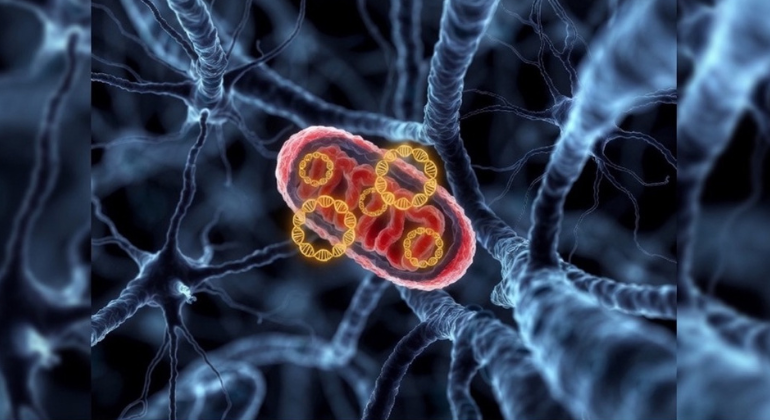
Summary: Mount Sinai researchers have identified specific mitochondrial DNA variants in blood associated with cognitive decline in adults aged 40-65, suggesting a potential path toward a minimally invasive biomarker for early Alzheimer’s risk. The study, published in BMC Neurology, linked variants in genes like ND1 and ND6 to lower baseline scores and progressive declines in task performance and verbal fluency. While based on a modest cohort of 197, the findings point to cellular energy dysfunction as a possible early contributor to neurodegeneration.
Why it matters: A reliable, accessible blood-based biomarker for midlife cognitive risk would shift Alzheimer’s care from reactive symptom management to proactive, pre-symptomatic intervention, aligning with the clinical imperative to deploy new therapies earlier.
Context: This research enters a crowded field seeking blood biomarkers for Alzheimer’s, but focuses uniquely on mitochondrial DNA variants in a pre-symptomatic, midlife cohort—a different angle than amyloid or tau protein assays. It aligns with growing interest in metabolic and bioenergetic pathways in neurodegeneration.
"# A Promising Study Suggests a Blood Test Could Spot Alzheimer’s Early in Progression ## Could support earlier interventions as new therapies, including anti-amyloid drugs, show greater benefit when started sooner -." — MOUNTSINAI
Commentary: The focus on mtDNA variants and bioenergetics offers a mechanistic hypothesis distinct from the dominant amyloid cascade, potentially opening a new avenue for prevention trials targeting cellular metabolism. However, the small effect sizes and modest sample necessitate rigorous replication; the 0.2-point verbal fluency decline per variant illustrates the statistical challenge of detecting pre-clinical signals. If validated, this could enable risk-stratified lifestyle intervention studies in midlife, creating a more granular public health approach to dementia prevention.
Date: April 21, 2026 12:00 AM ET
URL: https://www.mountsinai.org/about/newsroom/2026/a-promising-study-suggests-a-blood-test-could-spot-alzheimers-early-in-progression
AI Sentiment Score: Negative (83%)
AI Credibility Score: 10.0/10 — High
Scores and text generated by AI analysis of the source article indicated.
Blood test has potential to detect earliest signals of Alzheimer’s … (News.Harvard.Edu)
Summary: A Harvard/Mass General Brigham study published in Nature Communications demonstrates that plasma phosphorylated tau 217 (pTau217) can predict Alzheimer’s disease progression years before symptoms or positive amyloid PET scans. The biomarker identifies individuals likely to become amyloid-positive even when initial scans appear normal, and conversely, those with low baseline levels are unlikely to accumulate significant amyloid pathology over years. This positions pTau217 as a potentially earlier and more accessible signal than current imaging standards.

Why it matters: For clinicians and researchers, this refines the timeline of detectable pathology and offers a scalable, less invasive tool for risk stratification and trial recruitment, shifting focus to pre-symptomatic intervention.
Context: Following the FDA’s clearance of the first Alzheimer’s blood test last year, the field is rapidly validating specific biomarkers to enable population-level screening and preventive trials, moving beyond costly and logistically complex PET scans and lumbar punctures.
"A new study by Harvard-affiliated investigators at Mass General Brigham has found that a blood test for an Alzheimer’s disease biomarker, plasma phosphorylated tau 217 (pTau217), has the potential to predict progression." — NEWS.HARVARD.EDU
Commentary: The operational implication is a potential reordering of diagnostic cascade: blood-based pTau217 screening could gatekeep access to confirmatory PET scans, optimizing resource allocation. For drug developers, this creates a clearer, earlier enrollment window for prevention trials, though it raises ethical questions about disclosing risk years before clinical decline in the absence of effective therapies.
Date: April 21, 2026 12:00 AM ET
URL: https://news.harvard.edu/gazette/story/2026/04/blood-test-has-potential-to-detect-earliest-signals-of-alzheimers-disease/
AI Sentiment Score: Negative (71%)
AI Credibility Score: 10.0/10 — High
Scores and text generated by AI analysis of the source article indicated.
A simple blood test may detect Alzheimer’s risk years before symptoms (Knowridge)
Summary: A Mass General Brigham study published in Nature Communications tracked 317 cognitively normal older adults for eight years, finding that elevated blood levels of pTau217 predicted subsequent Alzheimer’s pathology and cognitive decline, often preceding detectable changes on amyloid PET scans. The test showed high negative predictive value, with low levels strongly correlating with an absence of amyloid accumulation over time. This positions pTau217 as a potential pre-symptomatic biomarker, shifting detection earlier than current imaging standards.

Why it matters: It moves Alzheimer’s diagnostics from symptom- and scan-based detection to a pre-clinical, accessible blood test, fundamentally altering the screening paradigm and the window for potential intervention.
Context: This follows the FDA’s recent approval of the first Alzheimer’s blood test and represents the intensifying validation race for plasma biomarkers against gold-standard PET and CSF measures.
"A new study from Mass General Brigham suggests that a simple blood test could help detect the risk of Alzheimer’s disease much earlier than doctors once believed. This discovery could make it." — KNOWRIDGE
Commentary: The operational implication is a future where primary care annual screens include pTau217, creating a massive, pre-symptomatic at-risk cohort. This pressures drug developers to deliver pre-emptive therapies and forces a re-evaluation of clinical trial recruitment and endpoint design. The negative predictive power may be as consequential, potentially reducing unnecessary diagnostic anxiety and costly imaging referrals.
Date: April 20, 2026 12:00 AM ET
URL: https://knowridge.com/2026/04/a-simple-blood-test-may-detect-alzheimers-risk-years-before-symptoms/
AI Sentiment Score: Negative (77%)
AI Credibility Score: 7.0/10 — Medium
Scores and text generated by AI analysis of the source article indicated.
Progress in blood-based biomarkers for diagnosis of Alzheimer’s disease (Qk.Sjtu.Edu.Cn)
Summary: A 2026 review article from the Journal of Diagnostics Concepts & Practice synthesizes progress on blood-based biomarkers (BBMs) for Alzheimer’s disease, highlighting plasma p-tau217 and the Aβ42/Aβ40 ratio. It reports diagnostic accuracy of 88%-92% for an APS2 panel in primary care, surpassing conventional clinical diagnosis, and notes p-tau217’s utility in monitoring anti-amyloid therapies. The analysis frames BBMs as enabling scalable screening and triage but cautions that standardization, evidence generalizability, and economic hurdles remain for full clinical translation.

Why it matters: Blood tests are shifting from research to near-clinical tools for AD, promising to disrupt diagnostic pathways, enable population screening, and create new markets for labs and pharma, but implementation barriers are real and consequential.
Context: The field is moving from CSF and PET imaging toward blood-based assays to address cost and scalability; this review captures the moment where performance metrics are compelling but routine adoption is not yet assured.
"In primary care settings, the combination of p-tau217 and the Aβ42/Aβ40 ratio (APS2) achieves a diagnostic accuracy of 88%-92% for AD, which is significantly higher than that of conventional clinical diagnosis (61%-73%)." — QK.SJTU.EDU.CN
Commentary: The cited accuracy gap isn’t just incremental; it pressures health systems to redefine ‘standard of care’ and forces payers to model the cost-benefit of widespread screening versus delayed, expensive late-stage management. If validated, these BBMs will commoditize initial AD assessment, shifting diagnostic power to primary care and creating a funnel for disease-modifying therapies, but they also risk generating a wave of pre-symptomatic anxiety without clear clinical protocols for the ‘grey-zone’ cases the article acknowledges.
Date: April 25, 2026 12:00 AM ET
URL: https://www.qk.sjtu.edu.cn/jdcp/EN/10.16150/j.1671-2870.2026.02.001
AI Sentiment Score: Negative (75%)
AI Credibility Score: 9.9/10 — High
Scores and text generated by AI analysis of the source article indicated.
New Research On Dementia Screening Blood Tests (Youtube)
Summary: A 2026 prospective cohort study evaluated the combined use of plasma biomarkers p-tau217 and eMTBR-tau243 for diagnosing and stratifying Alzheimer’s disease. The research found that while p-tau217 alone had a positive predictive value (PPV) of 57% for AD diagnosis, adding a positive tau243 result increased the PPV to 84%, with an overall diagnostic accuracy of 81%. Tau243-positive patients also showed worse cognitive performance at baseline and over time, suggesting its utility in disease staging.
Why it matters: This moves blood-based biomarkers closer to a practical, two-step diagnostic and prognostic tool for Alzheimer’s, potentially streamlining clinical trials and informing personalized care pathways.
Context: The field is shifting from cerebrospinal fluid and PET imaging toward blood tests, with p-tau217 established as a core biomarker for amyloid pathology (Core 1) and newer markers like tau243 emerging as proxies for tau tangle burden (Core 2).
"##### May 02, 2026 (0:03:26) Integration of plasma eMTBR-tau243 and p-tau217 in the diagnosis and stratification of Alzheimer’s disease: a prospective cohort study PMID: 41864233 There has been considerable movement in the." — YOUTUBE
Commentary: The sequential logic—using p-tau217 for initial screening and tau243 for confirmatory staging—creates a pragmatic framework for real-world clinics. However, the study’s noted limitations on generalizability and the potential barrier of mass spectrometry-based assays mean adoption will hinge on commercial lab development of scalable, standardized tests. This biomarker pairing could redefine patient stratification for anti-amyloid and anti-tau therapies.
Date: May 02, 2026 12:00 AM ET
URL: https://www.youtube.com/watch?v=BM3y_viToDc
AI Sentiment Score: Negative (60%)
AI Credibility Score: 10.0/10 — High
Scores and text generated by AI analysis of the source article indicated.
New blood test for Alzheimer’s Disease (Youtube)
Summary: A Mayo Clinic researcher discusses a new blood test for Alzheimer’s disease biomarkers, enabling earlier and more accurate clinical diagnosis. The report also highlights a new online tool from alz.org that provides personalized brain health assessments based on lifestyle factors.
Why it matters: This shifts Alzheimer’s diagnosis from a late-stage, exclusionary process to a proactive, biomarker-driven one, with direct implications for clinical trial recruitment, patient management, and public health strategy.
Context: The field has been moving toward blood-based biomarkers (e.g., p-tau217) to replace costly PET scans and invasive CSF tests, aiming to make screening scalable. Parallel efforts focus on modifiable risk factors, though evidence for lifestyle interventions preventing clinical onset remains associative.
"##### Apr 22, 2026 (0:03:08) A new blood test could diagnose people at a much earlier age for Alzheimer’s disease. FDOX 9’s Tim Blotz has more. … We can now be much." — YOUTUBE
Commentary: The clinical validation and deployment of a blood test marks an inflection point, moving Alzheimer’s care into a pre-symptomatic detection era. This could pressure healthcare systems to define protocols for incidental findings and ethical frameworks for disclosing risk in the absence of disease-modifying treatments. The pairing with a lifestyle tool reflects a pragmatic, if not fully proven, attempt to offer actionable steps following a biomarker result.
Date: April 22, 2026 12:00 AM ET
URL: https://www.youtube.com/watch?v=tXRPxKYPDU0
AI Sentiment Score: Negative (88%)
AI Credibility Score: 10.0/10 — High
Scores and text generated by AI analysis of the source article indicated.
Blood biomarkers to improve dementia diagnostic accuracy (Psych.Ox.Ac.Uk)
Summary: A 2026 study from Oxford Psychiatry demonstrates that supplementing the Mini-Mental State Examination (MMSE) with blood biomarkers—specifically amyloid-beta 42/40, p-tau181, p-tau217, GFAP, and NfL—significantly improves diagnostic accuracy for amyloid-positive mild cognitive impairment (MCI) and probable Alzheimer’s disease. The most substantial gains were seen for detecting amyloid pathology, with p-tau217 boosting the AUC from 0.844 to 0.928. Notably, the composition of the optimal biomarker panel varied by race/ethnicity, suggesting biological or assay differences. The authors conclude this approach could support a more efficient and equitable diagnostic pathway for amyloid-targeting therapies.
Why it matters: This provides concrete, quantitative evidence for integrating blood biomarkers into primary care and memory clinic workflows, directly addressing the scalability bottleneck for new disease-modifying Alzheimer’s treatments.
Context: Blood-based biomarkers are rapidly transitioning from research tools to clinical aids, aiming to reduce reliance on costly PET scans and invasive CSF tests for amyloid pathology confirmation.
"AUC for MMSE+p-tau217, adjusted for covariates, to detect MCI-PAD-AP was 0.928 versus 0.844 for MMSE alone (DeLong test for significance P<0.001); MMSE plus optimal panel comprising all five biomarkers achieved AUC of 0.939 (DeLong P<0.001 versus MMSE alone)." — PSYCH.OX.AC.UK
Commentary: The study validates p-tau217 as a leading candidate but crucially shows panel composition isn’t one-size-fits-all, implying future diagnostic protocols may require population-specific calibration. This moves the conversation from pure accuracy to practical implementation, where equity, cost, and workflow integration become the decisive constraints. It directly pressures healthcare systems to define the clinical and economic thresholds for adopting these tools at scale.
Date: May 01, 2026 12:00 AM ET
URL: https://www.psych.ox.ac.uk/team/kam-bhui/publication_modal/2413748
AI Sentiment Score: Negative (83%)
AI Credibility Score: 9.2/10 — High
Scores and text generated by AI analysis of the source article indicated.
Blood-based biomarkers for Alzheimer’s disease diagnosis: a joint … (Arts.Units.It)
Summary: A 2026 Italian consensus paper from major neurology and laboratory medicine societies establishes a unified clinical framework for blood-based Alzheimer’s disease biomarkers. It identifies plasma p-tau217, alone or as a ratio with amyloid-β42, as having diagnostic accuracy approaching CSF and PET. The paper provides detailed guidance on pre-analytical handling, test selection, and reporting, while emphasizing appropriate clinical indications and the need to account for confounders like age or renal dysfunction.

Why it matters: This represents a formal, multi-society endorsement of a specific plasma biomarker (p-tau217) as a near-equivalent to gold-standard tests, accelerating the shift from research to routine clinical diagnostics and creating a template for national healthcare systems.
Context: The field has been moving toward blood tests for years, but clinical adoption has been hampered by a lack of harmonized validation, standardized procedures, and clear guidance on use and interpretation.
"Among available plasma biomarkers, phosphorylated tau at threonine 217 (p-tau217), alone or as a ratio with amyloid-β42, shows the highest diagnostic accuracy, approaching CSF and PET performance." — ARTS.UNITS.IT
Commentary: The endorsement of p-tau217 as the leading candidate crystallizes the competitive landscape for diagnostic developers and provides a clear target for labs seeking to implement a single, high-performance assay. By producing a detailed operational manual covering pre-analytics to reporting, the societies are attempting to preempt the variable quality and misinterpretation that often plague new diagnostic rollouts. This moves the conversation from whether blood tests work to how they must be managed within national health services, directly impacting reimbursement pathways and laboratory accreditation standards.
Date: May 01, 2026 12:00 AM ET
URL: https://arts.units.it/handle/11368/3133058
AI Sentiment Score: Positive (50%)
AI Credibility Score: 9.4/10 — High
Scores and text generated by AI analysis of the source article indicated.
Cognitive Function and Neurodegenerative Blood Biomarkers in an … (Experts.Umn.Edu)
Summary: A study in the Journal of the American Geriatrics Society, using data from the LASI-DAD cohort in India, found that elevated blood levels of neurofilament light chain (NfL) and glial fibrillary acidic protein (GFAP) were strongly associated with poor global cognitive performance in older adults. Phosphorylated tau-181 (p-Tau 181) showed a weaker association, while the amyloid beta 42/40 ratio and total tau did not show significant links in adjusted models. The research suggests NfL and GFAP, markers of neuronal injury and astrocytic activation, may be more robust correlates of current cognitive function in a community-dwelling population than some established amyloid and tau markers.
Why it matters: This provides real-world, population-level validation for specific blood biomarkers, shifting the focus from pathology-only markers (like amyloid) to injury-response markers (NfL, GFAP) as more immediate indicators of cognitive status, which could reshape screening and prognostic strategies.
Context: The search for scalable, blood-based biomarkers for dementia is intense, with most validation occurring in Western, clinical cohorts. This study tests these markers in a large, community-based South Asian cohort, offering critical data on generalizability and comparative utility.
"This study examines associations between cognition and neurodegenerative biomarkers among community-dwelling older adults using data from the Longitudinal Aging Study in India—Diagnostic Assessment of Dementia (LASI-DAD) Wave 2. … Higher NfL (Median." — EXPERTS.UMN.EDU
Commentary: The findings underscore a pragmatic pivot in biomarker research: NfL and GFAP, as indicators of active neurodegeneration and neuroinflammation, may offer a more direct readout of functional cognitive decline than the presence of amyloid pathology alone. For health systems, this suggests a near-term path to low-cost, population-level cognitive risk stratification, though longitudinal validation for predictive power is still required. The geographic context also challenges the assumption that biomarker-cognition relationships are uniform across global populations.
Date: April 29, 2026 12:00 AM ET
URL: https://experts.umn.edu/en/publications/cognitive-function-and-neurodegenerative-blood-biomarkers-in-an-a/
AI Sentiment Score: Negative (85%)
AI Credibility Score: 10.0/10 — High
Scores and text generated by AI analysis of the source article indicated.
Health system patterns of imaging and fluid biomarker testing in the … (Vanderbilt.Edu)
Summary: A Mayo Clinic study of real-world data from 2019–2025 documents a rapid clinical transformation following the introduction and coverage of the anti-amyloid therapy lecanemab. The analysis reveals a swift diagnostic shift away from invasive cerebrospinal fluid (CSF) testing toward blood-based plasma p-tau217 assays and increased amyloid PET imaging, while also noting demographic and genetic disparities in treatment initiation.

Why it matters: This provides the first large-scale, real-world evidence of how a disease-modifying therapy actively reshapes diagnostic pathways and reveals potential access inequities, directly informing clinical strategy, lab economics, and payer policy.
Context: The 2023 CMS coverage decision for anti-amyloid therapies contingent on amyloid confirmation created a sudden, massive demand for efficient, scalable biomarker testing, setting up a competition between established CSF/PET methods and emerging blood tests.
"Robb, W. Hudson; Kaur, Gurkiran; Huang, Steven; Martinez, Felipe; Nguyen, Ba; Shin, Clifford H.; Yang, Ming; Conyers, Christopher T.; Grilli, Christopher B.; Upjohn, David P.; Ortega, Victor E.; Hohman, Timothy J.; Keegan,." — VANDERBILT.EDU
Commentary: The data confirms a predicted but unproven market inflection: blood biomarkers are winning the scalability race for therapy qualification, potentially marginalizing CSF labs. The under-treatment of APOE-ε4 homozygotes, despite higher amyloid positivity, suggests either clinical caution regarding ARIA risk or access barriers that warrant immediate investigation by manufacturers and regulators.
Date: April 29, 2026 12:00 AM ET
URL: https://www.vanderbilt.edu/valiant/2026/04/29/health-system-patterns-of-imaging-and-fluid-biomarker-testing-in-the-era-of-anti-amyloid-therapies/
AI Sentiment Score: Negative (50%)
AI Credibility Score: 10.0/10 — High
Scores and text generated by AI analysis of the source article indicated.
Plasma Biomarkers and Clinical Outcomes in Early-Onset Dementia (Ukdri.Ac.Uk)
Summary: A longitudinal cohort study published in JAMA Network Open tracked plasma biomarkers in patients with early-onset Alzheimer’s disease (EOAD) and frontotemporal dementia (FTD). It found that baseline levels of p-tau217, GFAP, and NfL were consistently associated with faster clinical decline in EOAD, and that these biomarkers increased over time in EOAD patients. In FTD, only NfL showed a clear longitudinal increase, and biomarker associations with outcomes were weaker and limited to GFAP and NfL for cognitive measures.

Why it matters: It provides a data-driven foundation for using plasma biomarkers to stratify risk and predict disease progression in early-onset dementias, which could accelerate clinical trial design and personalize patient management.
Context: The field is rapidly shifting from CSF to blood-based biomarkers for neurodegenerative disease monitoring. This study adds critical longitudinal data, distinguishing the biological trajectories of EOAD and FTD.
"JAMA network open Published # Plasma Biomarkers and Clinical Outcomes in Early-Onset Dementia ## Authors Hyemin Jang, Sun Min Lee, Hee Jin Kim, Na-Yeon Jung, Henrik Zetterberg, Kaj Blennow, Liana G Apostolova,." — UKDRI.AC.UK
Commentary: The study solidifies plasma p-tau217, GFAP, and NfL as a core panel for EOAD prognosis, moving them from diagnostic aids to dynamic monitoring tools. The stark contrast with FTD underscores the different underlying pathologies and could pressure drug developers to validate distinct biomarker endpoints for each syndrome. For clinicians, this means a near-term shift toward quantitative, blood-based tracking of disease activity, though the weaker signals in FTD highlight remaining gaps.
Date: April 29, 2026 12:00 AM ET
URL: https://www.ukdri.ac.uk/publications/plasma-biomarkers-and-clinical-outcomes-early-onset-dementia
AI Sentiment Score: Negative (88%)
AI Credibility Score: 10.0/10 — High
Scores and text generated by AI analysis of the source article indicated.
"Reference proteins to improve Core 1 and Core 2 Alzheimer’s … (Digitalcommons.Wustl.Edu)
Summary: A research team led by Oskar Hansson and Randall Bateman proposes a method to standardize Alzheimer’s disease biomarker measurements by using reference proteins. Published in Brain, the study addresses variability in cerebrospinal fluid (CSF) and plasma assays for Core 1 (amyloid-β, tau) and Core 2 (neurofilament light, glial fibrillary acidic protein) biomarkers. The approach uses stable, non-disease-specific proteins as internal calibrators to improve accuracy and comparability across different labs and platforms.
Why it matters: For clinicians and researchers, reliable biomarker quantification is foundational for diagnosis, trial enrollment, and tracking disease progression; this methodological refinement directly impacts the precision of both clinical practice and drug development pipelines.
Context: Biomarker variability has been a persistent hurdle in Alzheimer’s research, complicating multi-site studies and the translation of findings from CSF to more accessible blood-based tests. Standardization efforts are critical as these biomarkers move from research settings into broader clinical use.
"# Reference proteins to improve Core 1 and Core 2 Alzheimer’s disease CSF and plasma biomarkers ## Journal Brain ## Publication Date 4-7-2026 ## Volume 149 ## Issue 4 ## First Page." — DIGITALCOMMONS.WUSTL.EDU
Commentary: This represents a technical but essential step toward hardening the biomarker infrastructure that underpins modern Alzheimer’s therapeutics. By reducing noise, it increases confidence in longitudinal studies and accelerates the validation of plasma biomarkers, though it does not itself discover new biology. The open-access publication and clear methodological focus suggest the field is maturing from discovery into a phase of rigorous operational refinement.
Date: April 21, 2026 12:00 AM ET
URL: https://digitalcommons.wustl.edu/oa_4/6518/
AI Sentiment Score: Negative (66%)
AI Credibility Score: 8.4/10 — High
Scores and text generated by AI analysis of the source article indicated.
New lipid biomarkers identified for mild cognitive impairment (Medicalxpress)
Summary: Hokkaido University researchers have identified distinct lipidomic signatures in saliva, blood plasma, and fecal samples that differentiate individuals with mild cognitive impairment from healthy controls. The most pronounced signal came from fecal samples, where elevated levels of medium-chain triacylglycerols were observed, particularly in female participants. The study also pinpointed three specific lipid molecules—α-linolenic acid, docosapentaenoic acid, and cholesteryl linoleate—as potential discriminators. This work, published in Translational Psychiatry, shifts the biomarker discovery paradigm toward more accessible and noninvasive sample types.

Why it matters: It proposes a path toward low-friction, population-scale screening for preclinical dementia, potentially altering the diagnostic and therapeutic landscape by enabling earlier intervention.
Context: Biomarker research for neurodegenerative diseases has been dominated by cerebrospinal fluid and advanced neuroimaging, which are invasive, expensive, and logistically complex. This study represents a deliberate pivot toward peripheral, easily obtainable biospecimens.
"In a new study published in the journal Translational Psychiatry, researchers from Hokkaido University have identified promising biological markers that could help detect mild cognitive impairment, an early stage of dementia, in." — MEDICALXPRESS
Commentary: The fecal biomarker finding is operationally significant; it suggests a future where at-home collection kits could integrate into routine health monitoring, lowering the barrier to early detection. The gender-specific signal warrants immediate follow-up, as it may reflect distinct metabolic or gut-brain axis pathways in MCI progression. If validated, this could pressure incumbent diagnostic platforms and accelerate the development of direct-to-consumer neurocognitive risk assessments, with all the attendant regulatory and ethical challenges.
Date: April 21, 2026 12:00 AM ET
URL: https://medicalxpress.com/news/2026-04-lipid-biomarkers-mild-cognitive-impairment.html
AI Sentiment Score: Negative (62%)
AI Credibility Score: 10.0/10 — High
Scores and text generated by AI analysis of the source article indicated.
New algorithm for the diagnostics of dementia (Uef.Fi)
Summary: A research team from the University of Eastern Finland and the University of Oulu, in collaboration with an international consortium, has published a new diagnostic algorithm for dementia. The algorithm prioritizes blood-based biomarkers, specifically neurofilament light chain, for initial screening and for diagnosing Alzheimer’s disease, potentially relegating cerebrospinal fluid analysis to rarer dementia subtypes. The work, published in Diagnostics, represents a proposed framework, not an immediately deployable clinical tool, as the requisite biomarker assays are not yet widely available in clinical laboratories.
Why it matters: This outlines a near-future diagnostic pathway that could shift dementia diagnosis from specialized, invasive procedures to more accessible blood tests, altering clinical trial recruitment, primary care assessment, and patient journey timelines.
Context: The field is moving aggressively toward blood-based biomarkers (e.g., p-tau217) to replace PET scans and CSF analysis for Alzheimer’s diagnosis. This algorithm attempts to formalize a tiered, multi-biomarker approach for differential diagnosis across dementia types.
"*A top-level international research team including researchers from the University of Eastern Finland has developed a new algorithm for the diagnostics of dementia. The algorithm is based on blood and cerebrospinal fluid." — UEF.FI
Commentary: The algorithm’s primary value is as a consensus roadmap, highlighting NfL as a non-specific screening tool and endorsing blood-based AD biomarkers as sufficiently robust for primary diagnosis. Its immediate limitation—assay availability—underscores that the bottleneck is now implementation, not validation. If adopted, this would accelerate diagnostic throughput but also create new demands on primary care interpretation and ethical frameworks for pre-symptomatic detection.
Date: April 28, 2026 12:00 AM ET
URL: https://www.uef.fi/en/article/new-algorithm-for-the-diagnostics-of-dementia
AI Sentiment Score: Negative (71%)
AI Credibility Score: 10.0/10 — High
Scores and text generated by AI analysis of the source article indicated.
Post ID: 51ca081f