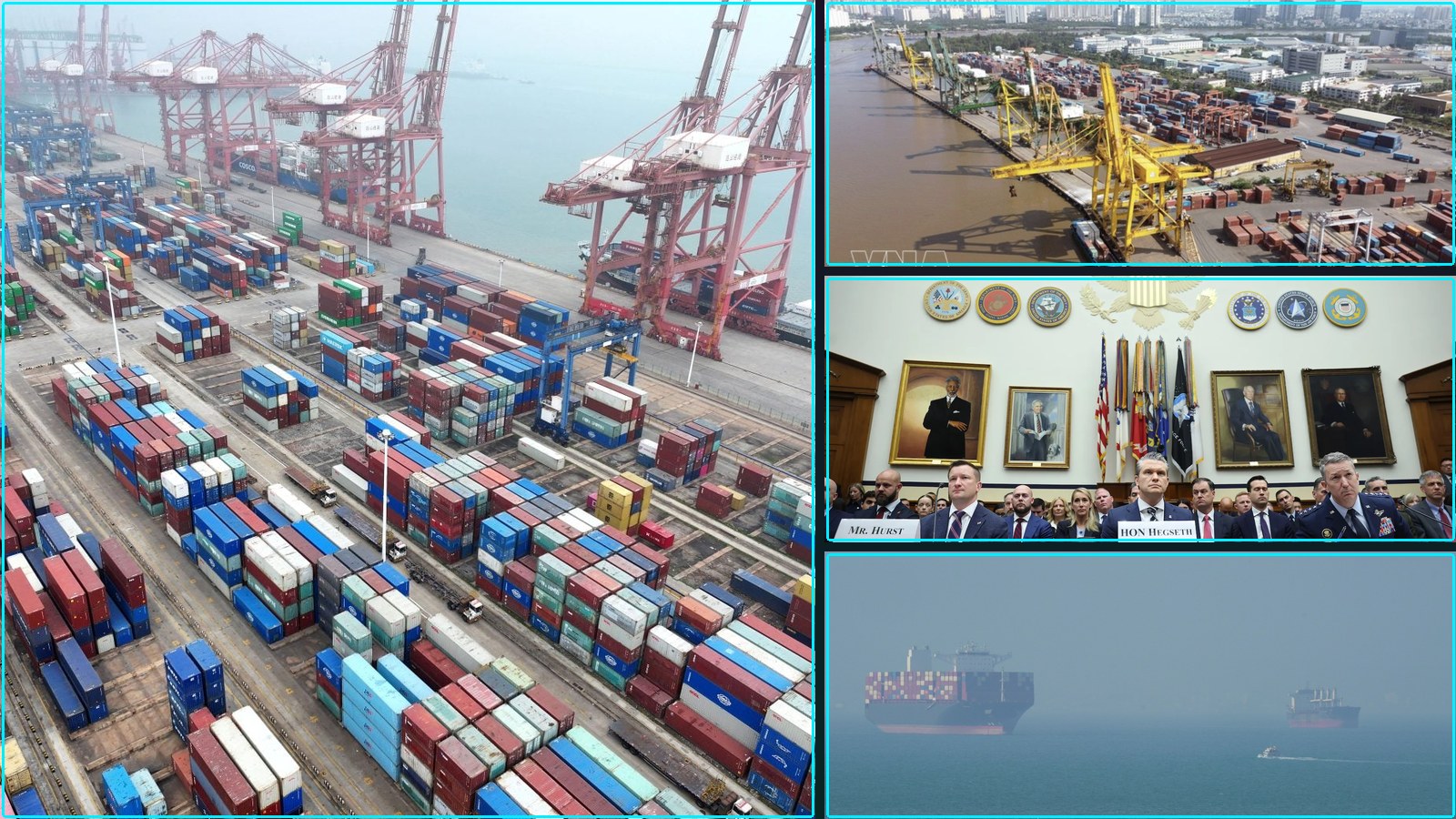
Impact of Middle East Conflict on Travel and Trade
Iran War Nears 60-Day War Powers Deadline (Foreignpolicy)
Summary: The Trump administration faces a legal and political deadline as the 60-day clock under the War Powers Resolution for its Iran conflict expires. Defense Secretary Pete Hegseth argues the U.S.-Iran cease-fire pauses this clock, a contention likely to face congressional challenge. Concurrently, Israel’s interception of a Gaza aid flotilla in international waters escalates maritime tensions, and Pakistan commissions advanced Chinese submarines, deepening a regional naval arms race.

Why it matters: The administration’s legal maneuvering tests the limits of executive war powers, with direct consequences for conflict duration, global energy markets, and U.S. diplomatic credibility.
Context: The 1973 War Powers Resolution requires congressional authorization for prolonged hostilities, a recurring flashpoint between the executive and legislative branches during sustained military engagements.
"Iran War Nears 60-Day War Powers Deadline But U.S. Defense Secretary Pete Hegseth argues that the cease-fire has paused the clock. Welcome back to World Brief, where we’re looking at the Trump." — FOREIGNPOLICY
Commentary: Hegseth’s ‘pause’ doctrine represents a novel, aggressive interpretation of the War Powers Act, effectively allowing the executive to unilaterally extend military engagements through declared—but potentially fragile—cessations of fire. This creates a precedent for bypassing congressional oversight via semantic status changes, undermining the resolution’s intent. The parallel spike in Brent crude underscores how legal ambiguity directly translates into market volatility and geopolitical risk.
Date: Thu, 30 Apr 2026 19:34:19 +0000
URL: https://foreignpolicy.com/2026/04/30/hegseth-senate-testimony-iran-war-60-days-war-powers-resolution/
AI Sentiment Score: Negative (83%)
AI Credibility Score: 10.0/10 — High
Scores and text generated by AI analysis of the source article indicated.
US warns shippers against paying Strait of Hormuz tolls, ‘donations’ (Aljazeera)
Summary: The U.S. Treasury’s OFAC issued a formal advisory warning global shippers that paying any tolls, fees, or ‘donations’ to Iran for passage through the Strait of Hormuz risks triggering U.S. sanctions. This warning sharpens the economic front of the ongoing maritime standoff, as Iran seeks to monetize its control of the critical chokepoint. The advisory explicitly notes that payment risk applies regardless of method, including digital assets or in-kind offsets.

Why it matters: It escalates the compliance calculus for global shipping and energy firms, forcing them to choose between Iranian transit demands and U.S. financial exclusion, with direct consequences for oil and LNG supply chains.
Context: Iran has long proposed tolls for the Strait as a wartime revenue stream and point of sovereignty, but the U.S. is now formalizing the sanctions threat around it, turning a geopolitical lever into an enforceable financial prohibition.
"US warns shippers against paying Strait of Hormuz tolls, ‘donations’ Latest warning comes as Iranian state media reports Tehran has presented new peace proposal to US. The United States has warned that." — ALJAZEERA
Commentary: The advisory weaponizes extraterritorial sanctions enforcement against a non-military tactic, effectively declaring Iran’s attempted monetization of geography a sanctionable act. This moves the conflict from the naval blockade into corporate compliance departments, where general counsels must now model the risk of transiting one-fifth of the world’s seaborne oil against cutting off access to the U.S. financial system. It also preemptively closes potential loopholes like crypto or charitable donations, signaling a comprehensive enforcement posture aimed at deterring any financial accommodation with Tehran.
Date: Fri, 01 May 2026 17:18:43 +0000
URL: https://www.aljazeera.com/news/2026/5/1/us-warns-shippers-against-paying-strait-of-hormuz-tolls-donations?traffic_source=rss
AI Sentiment Score: Negative (75%)
AI Credibility Score: 10.0/10 — High
Scores and text generated by AI analysis of the source article indicated.
Trump’s Strait of Hormuz blockade hits Iran’s oil trade (Dw)
Summary: The US Navy has initiated a blockade of Iranian ports and coastal facilities via the Strait of Hormuz, aiming to halt Iran’s oil exports and force Tehran back to negotiations. The operation relies on naval ‘visit and search’ procedures to intercept, divert, or capture unauthorized vessels. Immediate effects include a near-total halt of tanker traffic through the strait, directly targeting Iran’s primary revenue source, which accounted for $45 billion in exports last year. The move risks escalation, with Iran threatening retaliation against regional ports and China, the primary buyer of Iranian crude, denouncing the action.
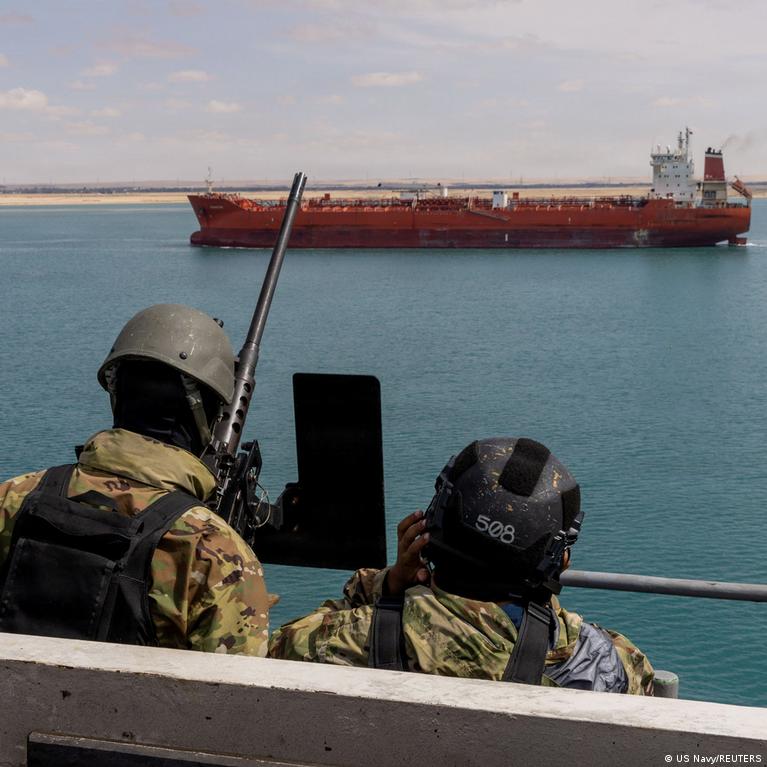
Why it matters: A naval blockade of a critical global chokepoint directly threatens energy market stability, tests international maritime law, and risks drawing the US into a protracted regional conflict.
Context: This follows the collapse of US-Iran peace talks and Iran’s earlier de facto closure of the strait, which had stranded hundreds of tankers. The US had previously granted Iran temporary oil-sale permissions to stabilize markets during the ongoing conflict.
"A US blockade could sharply curtail Iran’s ability to load and ship crude from its main export terminal, Kharg Island in the Persian Gulf, which handles more than 90% of the country’s oil shipments." — DW
Commentary: The blockade represents a high-stakes gamble on coercive economics, betting that severing oil revenue could force capitulation faster than Iran can mount an asymmetric response. Its enforcement will immediately test the limits of naval authority over neutral shipping, particularly Chinese vessels, and could fracture the temporary market stability the US previously sought. The operational sustainability of a unilateral naval commitment, as questioned by former Pentagon officials, may suggest to be the plan’s most vulnerable point if Iran opts for a protracted contest.
URL: https://www.dw.com/en/trump-s-strait-of-hormuz-blockade-hits-iran-s-oil-trade/a-76760110?maca=en-rss-en-all-1573-rdf
AI Sentiment Score: Negative (66%)
AI Credibility Score: 10.0/10 — High
Scores and text generated by AI analysis of the source article indicated.
Iran war: Jet fuel crisis deepens as Lufthansa cuts flights (Dw)
Summary: Lufthansa has canceled 20,000 flights between May and October 2026 to conserve jet fuel, a direct consequence of the ongoing Iran conflict and the closure of the Strait of Hormuz. The move signals a deepening operational crisis for European aviation, with EU officials warning of a potential shift from a price crisis to a supply crisis and considering emergency measures like fuel sharing among member states. While estimates of remaining fuel stocks vary, the disruption has exposed the sector’s acute vulnerability to Middle Eastern supply chains and is triggering route cuts and price hikes globally.
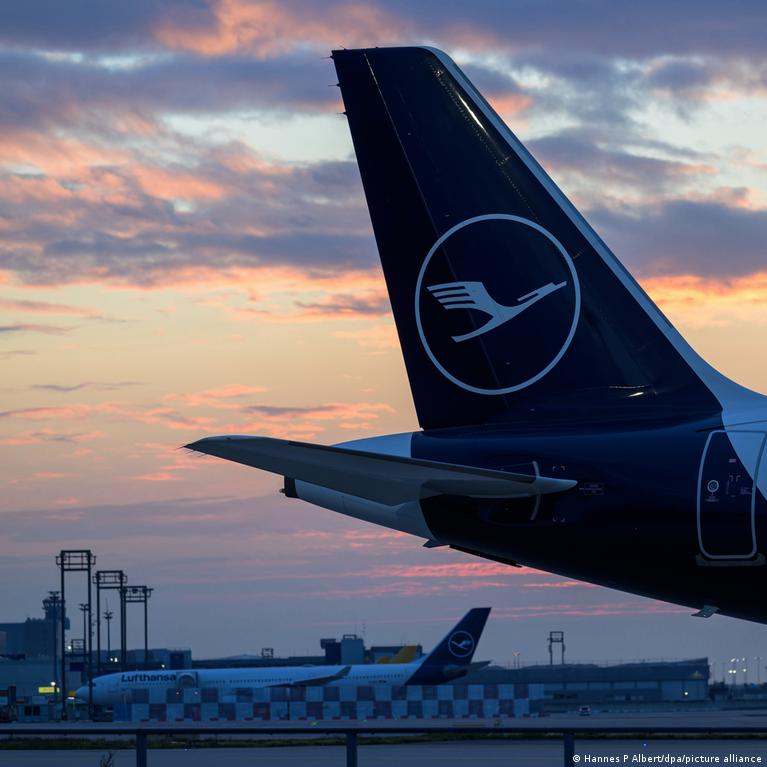
Why it matters: The aviation sector’s fuel dependency has become a critical geopolitical risk, forcing structural changes to flight schedules, pricing, and EU energy policy during peak travel season.
Context: European aviation relies on imports for 30-40% of its jet fuel, with roughly half of that volume transiting the Strait of Hormuz, making it uniquely exposed to regional conflicts.
"Iran war: Jet fuel crisis deepens as Lufthansa cuts flights April 22, 2026The Iran war is having a profound effect on the global aviation sector, with jet fuel shortages and surging prices." — DW
Commentary: Lufthansa’s cancellations represent a tactical rationing that prefigures broader industry triage, moving beyond price hedging into active consumption management. The EU’s scramble for collective stock management and U.S. imports underscores a failure of strategic fuel resilience, making the bloc’s SAF mandates look like a distant palliative rather than a near-term solution. This supply shock will accelerate the re-mapping of global aviation corridors based on fuel security, not just efficiency, and could permanently alter consumer expectations of summer travel reliability.
URL: https://www.dw.com/en/iran-war-jet-fuel-crisis-deepens-as-lufthansa-cuts-flights/a-76889141?maca=en-rss-en-all-1573-rdf
AI Sentiment Score: Negative (60%)
AI Credibility Score: 10.0/10 — High
Scores and text generated by AI analysis of the source article indicated.
Russia to block Kazakh oil flows to Germany via key pipeline (Dw)
Summary: Russia will block Kazakh oil shipments to Germany via the Druzhba pipeline from May 1, 2026, directly targeting the PCK Schwedt refinery that supplies over 90% of Berlin’s fuel. The refinery, seized by Germany from Rosneft in 2022, has pivoted to Kazakh crude transported across Russia. While German authorities state supply security is not ultimately jeopardized, the pipeline still provides 17% of the refinery’s annual crude. The move occurs amid a broader global energy crisis exacerbated by Middle East conflict, with Russia explicitly exploring ways to weaponize remaining energy links to Europe.

Why it matters: This action tests the resilience of Europe’s post-2022 energy decoupling, targeting a critical chokepoint for a major capital’s fuel supply during a period of global market strain.
Context: Since 2022, the EU has reduced Russian oil imports from 27% to 2%, but transit dependencies and specific refinery configurations remain vulnerable points of leverage.
"Russia to block Kazakh oil flows to Germany via key pipeline April 22, 2026Russia plans to stop oil exports from Kazakhstan to Germany via the Druzhba pipeline from May 1, threatening a." — DW
Commentary: The operational impact on Schwedt may be manageable, but the political signal is unambiguous: Russia will exploit any remaining physical or contractual linkages to exert pressure. This validates the Kyiv School of Economics warning that Europe’s energy security remains contingent until all imports and transits through Russia cease. The move also complicates Germany’s precarious trusteeship of a Rosneft asset under temporary U.S. sanctions waiver, highlighting the unresolved legal and logistical entanglements of the seizure era.
URL: https://www.dw.com/en/russia-to-block-kazakh-oil-flows-to-germany-via-key-pipeline/a-76895743?maca=en-rss-en-all-1573-rdf
AI Sentiment Score: Negative (75%)
AI Credibility Score: 10.0/10 — High
Scores and text generated by AI analysis of the source article indicated.
Can Iran withstand the US naval blockade? (Dw)
Summary: The US is weighing a long-term naval blockade of Iranian ports to force concessions on Tehran’s nuclear program and regional influence, following a ceasefire. The blockade has already choked off over 95% of shipping through the Strait of Hormuz, a critical global oil chokepoint, forcing Iran to slash production and store crude on tankers. While Iran can withstand the pressure in the short term, prolonged disruption risks permanent damage to oil wells and deepening Iran’s severe economic crisis.
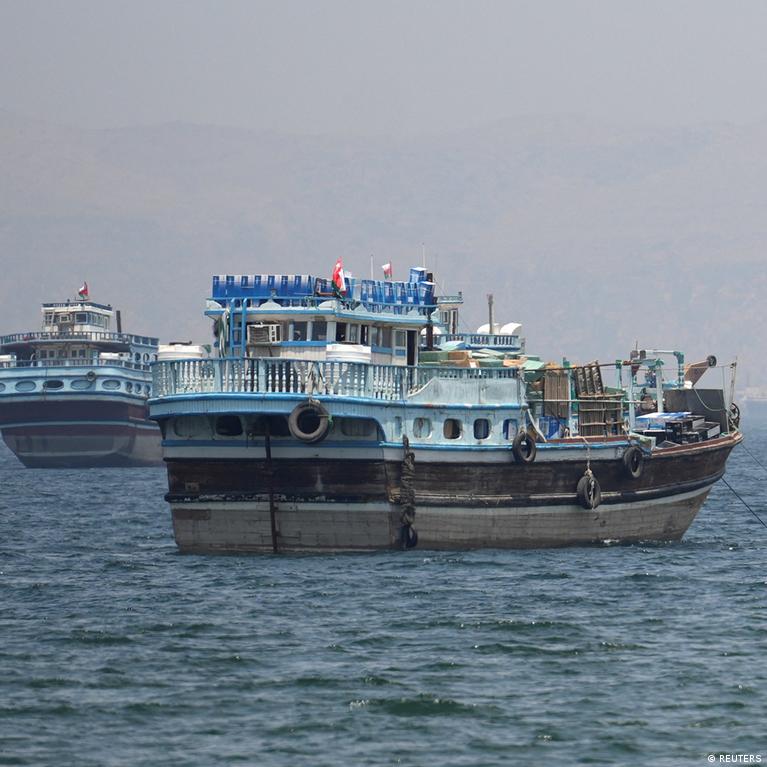
Why it matters: A protracted blockade threatens to trigger a historic global energy crisis and destabilize the Persian Gulf, with spillover effects on Asian economies and global trade far exceeding the bilateral conflict.
Context: This represents an escalation from sanctions to active interdiction, testing the limits of naval power as an economic weapon and the legal/political sustainability of such a siege.
"It is estimated that around 33% to 45% of Iranian government revenue comes from oil and gas sales. Since the US imposed its blockade on Iranian ports, exports have dropped significantly." — DW
Commentary: The strategy hinges on a brittle assumption: that Iran’s internal collapse will precede the coalition fatigue, legal challenges, and regional blowback from strangling a central artery of global energy flows. The operational question is not if Iran can withstand it, but whether the US-led coalition can sustain the blockade’s considerable military, political, and economic costs without triggering a wider conflict.
URL: https://www.dw.com/en/can-iran-withstand-the-us-naval-blockade/a-77014627?maca=en-rss-en-all-1573-rdf
AI Sentiment Score: Negative (87%)
AI Credibility Score: 10.0/10 — High
Scores and text generated by AI analysis of the source article indicated.
The Global Economic Impact from the Iran Conflict (Foreignpolicy)
Summary: The IMF has revised its global growth forecast downward to 3.1% for the year, with a warning that a prolonged closure of the Strait of Hormuz could push growth to a rare 2% and inflation to 6%. Energy importers and low-income nations will bear the heaviest burden, though the impact is unevenly distributed, with some economies partially shielded by AI-driven growth. The crisis underscores a global economy already stressed by geoeconomic fragmentation, now facing a potential amplification through tightened financial conditions.

Why it matters: The Strait’s closure acts as a systemic choke point, threatening to cascade energy price shocks into broader inflation, travel disruptions, and supply chain failures, with severe consequences for political stability in fragile states.
Context: This follows a pattern of serial supply shocks—pandemic, Ukraine war, tariffs—testing the resilience of a global trading system already under strain from fragmentation and a shift toward strategic autonomy.
"If the flow of crude oil and natural gas isn’t restored until next year, the IMF expects growth to fall to 2 percent, a rare occurrence in recent decades, with inflation rising to 6 percent." — FOREIGNPOLICY
Commentary: The analysis reveals a bifurcated world: the U.S. leverages energy dominance and AI to remain decoupled, while IMF-program countries like Sri Lanka and Pakistan face existential stress. Gopinath’s focus on financial conditions as the critical amplifier is key—without a severe tightening, the direct effects may remain contained, but the narrow foundation of global growth on U.S. dynamism is a profound vulnerability.
Date: Wed, 29 Apr 2026 17:32:18 +0000
URL: https://foreignpolicy.com/2026/04/29/gopinath-foreign-policy-live-fpl-agrawal-iran-war-hormuz-blockade-global-economic-impact-oil-gas/
AI Sentiment Score: Negative (75%)
AI Credibility Score: 10.0/10 — High
Scores and text generated by AI analysis of the source article indicated.
Firms, industries grapple with shipping disruptions amid Middle East … (En.Qdnd.Vn)
Summary: Major shipping lines, including KMTC, Wan Hai, MSC, Maersk, and ONE, have suspended bookings and transits through the Middle East and the Suez Canal following a US-Israel-Iran conflict flare-up. Critical ports from Jebel Ali to Jeddah are affected, forcing widespread rerouting via the Cape of Good Hope, adding 15–20 days to voyages. Freight rates are projected to spike by over 30%, with war risk surcharges compounding delays that previously stretched Vietnam-Middle East shipments from one month to three or four. Cold-chain-dependent exports like Vietnamese seafood face acute operational risk from extended transit times and refrigerated container shortages.
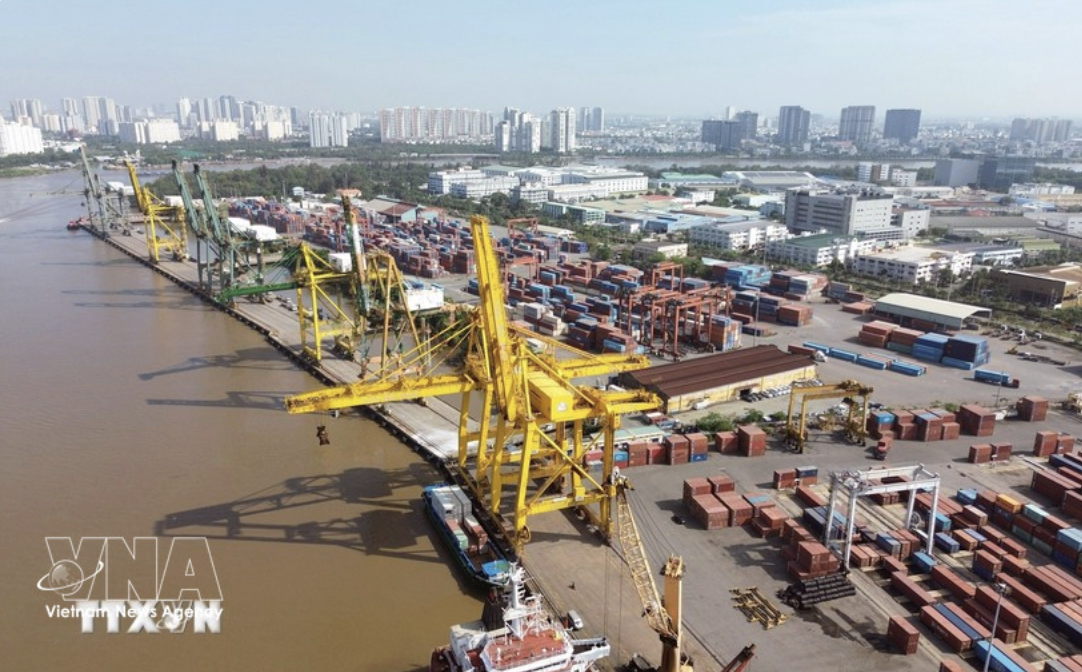
Why it matters: This disruption recalibrates global trade cost and timing assumptions, directly impacting pricing, inventory, and production cycles for any business reliant on Eurasian supply chains.
Context: This is the second major Suez corridor closure in recent years, following Houthi attacks in the Red Sea, testing the resilience of just-in-time logistics and export diversification strategies into emerging markets.
"Just days after hostilities broke out between the US – Israel alliance and Iran, a series of international shipping lines issued urgent notices to customers, suspending bookings for cargo to and from." — EN.QDND.VN
Commentary: The immediate industry-wide halt signals a consensus that the Strait of Hormuz risk is now systemic, not episodic. This will accelerate the regionalization of supply chains for time-sensitive goods, as seen in Vietnam’s scramble, and force a permanent recalculation of ‘cheap’ Middle Eastern labor against now-volatile logistics. Ports like Jebel Ali will see their transshipment hegemony challenged if diversions become semi-permanent, reshaping regional maritime power.
Date: April 24, 2026 12:00 AM ET
URL: https://en.qdnd.vn/economy/news/firms-industries-grapple-with-shipping-disruptions-amid-middle-east-conflict-588435
AI Sentiment Score: Negative (80%)
AI Credibility Score: 9.0/10 — High
Scores and text generated by AI analysis of the source article indicated.
Spirit Airlines begins ‘wind-down’, cancels all flights over fuel crisis (Aljazeera)
Summary: Spirit Airlines has ceased operations and canceled all flights, initiating an orderly wind-down after a failed bailout. The immediate trigger was a spike in jet fuel prices to approximately $4.51 per gallon, which rendered its restructuring plan unviable. The collapse eliminates a major low-cost competitor that accounted for 5% of U.S. flights, directly impacting fares and consumer choice.

Why it matters: The failure of a major U.S. carrier signals acute stress in the aviation sector from geopolitical fuel shocks and will tighten capacity, raising costs for travelers and reshaping competitive dynamics.
Context: This is the largest U.S. airline liquidation in two decades, occurring amid broader global airline retrenchment due to fuel price volatility linked to the Iran conflict, with carriers like Lufthansa and Air India also cutting flights and adding surcharges.
"Spirit Aviation Holdings, Inc., parent company of Spirit Airlines … today regretfully announced that the Company has started an orderly wind-down of operations, effective immediately. All Spirit flights have been cancelled, and Spirit Guests should not go to the airport,." — ALJAZEERA
Commentary: The collapse demonstrates how thin-margin, high-volume business models are acutely vulnerable to exogenous price shocks, turning a manageable bankruptcy process into a liquidation. The political dimension of the failed bailout underscores how even extraordinary government intervention cannot overcome fundamental economic realities when a core cost input doubles. The operational aftermath—stranded crews, refund logistics, and competitor fare offers—will create immediate friction in the travel system, while the long-term effect will be reduced price competition on routes Spirit once served.
Date: Sat, 02 May 2026 08:09:27 +0000
URL: https://www.aljazeera.com/news/2026/5/2/spirit-airlines-begins-wind-down-cancels-all-flights-over-fuel-crisis?traffic_source=rss
AI Sentiment Score: Negative (83%)
AI Credibility Score: 10.0/10 — High
Scores and text generated by AI analysis of the source article indicated.
‘Turbulent and dangerous’: How shipping is the new global battleground (Aljazeera)
Summary: Geopolitical friction is transforming global shipping lanes into contested zones, with states and non-state actors leveraging maritime chokepoints for economic and strategic pressure. Recent incidents in the Strait of Hormuz, the South China Sea, and around the Panama Canal illustrate a shift from rules-based navigation to permission-based transit, raising costs and injecting uncertainty into supply chains. These actions are escalating insurance premiums, rerouting vessels, and prompting operational recalibrations across the industry.

Why it matters: The weaponization of maritime corridors directly inflates costs for global trade, reshapes logistics networks, and introduces systemic risk to the movement of energy, food, and manufactured goods.
Context: This follows a pattern of using control over critical infrastructure—straits, canals, and ports—as a tool of statecraft, moving beyond traditional naval blockades to calibrated coercion that tests international norms without halting all traffic.
"‘Turbulent and dangerous’: How shipping is the new global battleground From the Strait of Hormuz to Panama, the South China Sea to the Black Sea, geopolitics is rewriting the rules of global." — ALJAZEERA
Commentary: The normalization of ‘permissioning’ transforms maritime transit from a right into a negotiated privilege, privileging geopolitical leverage over legal precedent. This will accelerate the fragmentation of global logistics into aligned blocs, with vessel flagging, port calls, and routing decisions becoming overt political signals. Insurers and operators are now forced to price in not just physical risk, but the volatility of arbitrary enforcement.
Date: Fri, 01 May 2026 13:18:33 +0000
URL: https://www.aljazeera.com/news/2026/5/1/turbulent-and-dangerous-how-shipping-is-the-new-global-battleground?traffic_source=rss
AI Sentiment Score: Neutral (33%)
AI Credibility Score: 10.0/10 — High
Scores and text generated by AI analysis of the source article indicated.
Will the Iran war end Strait of Hormuz oil supremacy? (Dw)
Summary: The closure of the Strait of Hormuz following the outbreak of a US-Israel war with Iran has stranded tankers and choked off roughly a fifth of global energy supply, replicating a vulnerability last seen in the 1980s. Gulf states, led by Saudi Arabia and the UAE, are accelerating plans for bypass pipelines and expanding overland rail and road networks to reduce dependence on the chokepoint. Meanwhile, international efforts are pushing for alternative export routes from Iraq to Turkey and Jordan, aiming to reconfigure regional energy infrastructure for long-term resilience.
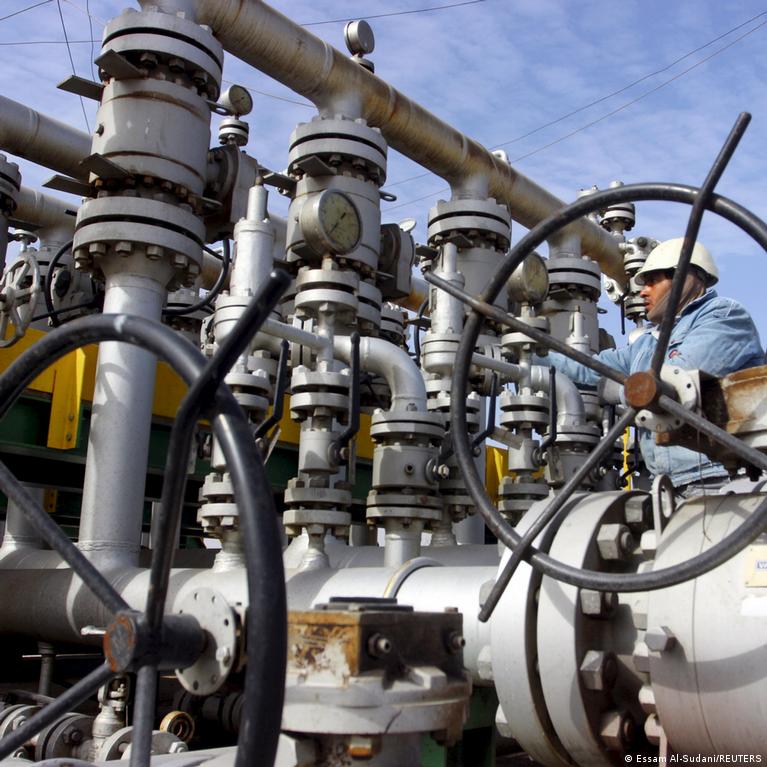
Why it matters: The strategic shift away from Hormuz will rewire global energy logistics, alter trade alliances, and force a multi-year, capital-intensive realignment of Middle Eastern geopolitics.
Context: The strait’s vulnerability has been a known systemic risk for decades, prompting previous infrastructure investments like the Saudi East-West Pipeline, but the current crisis is catalyzing a more comprehensive and urgent decoupling effort.
"Will the Iran war end Strait of Hormuz oil supremacy? April 27, 2026Four decades ago, the Strait of Hormuz revealed its deadly vulnerability to the global oil market. During the 1980 to." — DW
Commentary: The crisis is forcing a hard pivot from theoretical contingency planning to executable logistics, exposing a stark divide between geographically advantaged states (Saudi Arabia, UAE) and trapped exporters (Kuwait, Bahrain, Qatar). The resulting infrastructure race will create new corridors of influence, with Turkey, Jordan, and Oman gaining strategic leverage as transit hubs, while intra-GCC coordination is tested against national self-interest.
URL: https://www.dw.com/en/will-the-iran-war-end-strait-of-hormuz-oil-supremacy/a-76893004?maca=en-rss-en-all-1573-rdf
AI Sentiment Score: Negative (83%)
AI Credibility Score: 10.0/10 — High
Scores and text generated by AI analysis of the source article indicated.
Austrian Airlines keeps Middle East routes grounded … (Visahq)
Summary: Austrian Airlines, a Lufthansa Group carrier, has extended its blanket suspension of flights to nine Middle Eastern destinations, including Dubai and Tel Aviv, until at least late October 2026. This move, attributed to heightened regional instability, effectively removes these routes from the summer assignment season and forces passenger re-protection onto Star Alliance partners. The prolonged grounding introduces operational friction for corporate mobility teams and complicates Schengen visa compliance for non-EU travelers due to circuitous routings.

Why it matters: The extended suspension signals a strategic retreat by a major European network carrier from a volatile region, reshaping corporate travel logistics and forcing a recalibration of risk assessments for aviation planners.
Context: This is part of a broader pattern of European airlines selectively withdrawing from geopolitically sensitive routes, prioritizing operational certainty over network breadth, and shifting capacity to more stable Atlantic and intra-European markets.
"AUA says affected passengers are being re-protected on Star Alliance partners where operationally possible, but warns that inventory into high-demand Gulf markets is already tight." — VISAHQ
Commentary: The inventory warning reveals the secondary market strain; this isn’t just an airline problem but a systemic capacity crunch for a key business corridor. The explicit mention of visa-compliance complications underscores how aviation disruptions now cascade directly into immigration-policy friction, making travel management a more integrated legal and logistical function. The pivot to Atlantic and European routes is a clear capital reallocation based on risk-adjusted yield, a trend likely to persist and reshape airline hub strategies.
Date: April 26, 2026 12:00 AM ET
URL: https://www.visahq.com/news/2026-04-25/at/austrian-airlines-keeps-middle-east-routes-grounded-through-october-2026-as-lufthansa-group-widens-suspension/
AI Sentiment Score: Negative (90%)
AI Credibility Score: 10.0/10 — High
Scores and text generated by AI analysis of the source article indicated.
How the Iran war is hurting travelers, airline industry (Dw)
Summary: The conflict in Iran has escalated to a blockade of the Strait of Hormuz, doubling jet fuel prices and threatening European aviation’s fuel supply. Major carriers like Air France-KLM and Lufthansa are imposing surcharges and cutting flights, while industry groups lobby for regulatory relief. The European Commission has initiated emergency coordination measures, but analysts warn these cannot create fuel that isn’t there, setting the stage for a supply-constrained, higher-cost travel market.
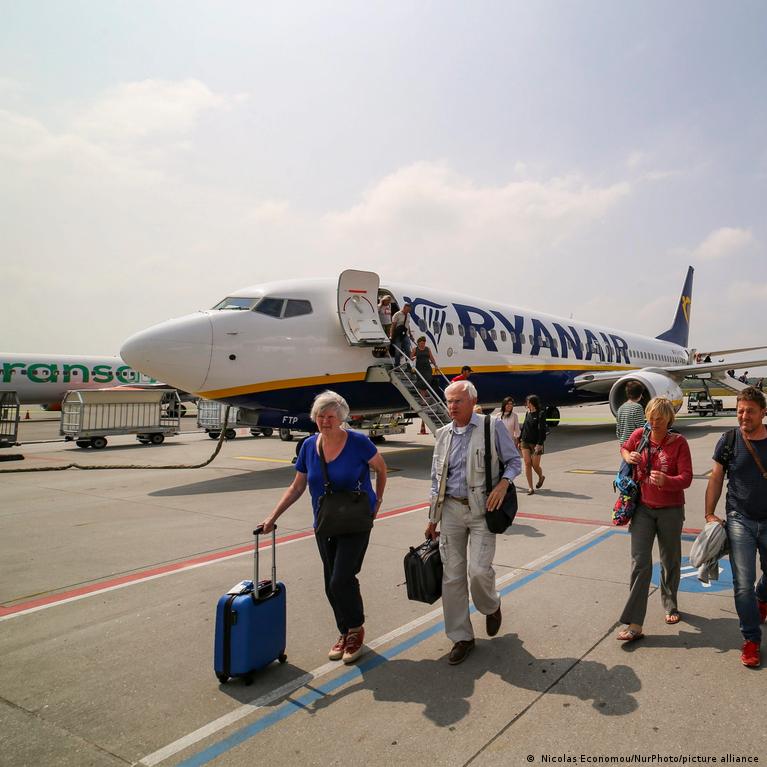
Why it matters: The aviation sector’s operational and financial stability is now directly tied to geopolitical conflict, with immediate consequences for mobility, regional economies, and the cost of global connectivity.
Context: This is a classic supply shock scenario, where a chokepoint closure triggers cascading effects through a just-in-time logistics chain, testing the resilience of continental coordination frameworks.
""If fuel prices, which represent 25% to 50% of an airline’s total operating expenses, remain high and airlines have not hedged, they could go bankrupt," she said." — DW
Commentary: The industry’s plea to suspend environmental regulations reveals a triage mentality: survival now, sustainability later. The EU’s monitoring efforts are a procedural response to a physical shortage, highlighting the limits of administrative coordination against a closed strait. Exporters hoarding refined fuel signals a broader re-nationalization of energy security, moving beyond crude to finished products. This crisis will accelerate the stratification of travel into a premium service, culling marginal routes and regional airports first.
URL: https://www.dw.com/en/how-the-iran-war-is-hurting-travelers-airline-industry/a-77000742?maca=en-rss-en-all-1573-rdf
AI Sentiment Score: Negative (80%)
AI Credibility Score: 10.0/10 — High
Scores and text generated by AI analysis of the source article indicated.
More than 40 Iranian seafarers killed during US-Israeli war: Union leader (Aljazeera)
Summary: The head of the Iranian Merchant Mariners Syndicate reports at least 44 Iranian civilian seafarers killed and 29 injured since late February, attributing the casualties to US and Israeli attacks on Iranian ports and commercial fleets. The union has filed complaints with the UN’s International Maritime Organization, detailing deaths among sailors, fishermen, and dock workers. The broader conflict has effectively closed the Strait of Hormuz, stranding approximately 20,000 seafarers, and despite a US-Iran ceasefire, hostilities continue at sea, including ship seizures and a US naval blockade.

Why it matters: Civilian maritime casualties and the prolonged closure of a critical global chokepoint signal a deepening human and economic cost of the conflict, with direct implications for global energy flows, supply chain resilience, and the safety of non-combatant workers.
Context: The report emerges amid a wider US-Israeli military campaign against Iran and a retaliatory Iranian campaign across the Middle East, with the Strait of Hormuz—a conduit for 20% of global energy exports—remaining a focal point of blockade and counter-blockade actions.
"More than 40 Iranian seafarers killed during US-Israeli war: Union leader The Iranian Merchant Mariners Syndicate has blamed US and Israeli attacks on Iran’s ports and commerical fleet for civilian deaths. At." — ALJAZEERA
Commentary: The union’s figures, while unverified, operationalize the human toll of the naval war, shifting the frame from strategic blockade to civilian casualty. The IMO’s silence and the ITF’s emphasis on civilian status highlight the fraying consensus on protecting non-combatants in a sanctions-heavy, multi-party conflict. The lasting impact may be a recalibration of risk for global shipping firms and insurers, extending far beyond the Gulf.
Date: Fri, 01 May 2026 09:49:28 +0000
URL: https://www.aljazeera.com/news/2026/5/1/more-than-40-iranian-seafarers-killed-during-us-israeli-war-union?traffic_source=rss
AI Sentiment Score: Negative (83%)
AI Credibility Score: 10.0/10 — High
Scores and text generated by AI analysis of the source article indicated.
Gaza aid flotilla vessels taken to Crete after Israeli interception (Aljazeera)
Summary: Israeli forces intercepted the Global Sumud Flotilla in international waters near Greece, seizing 22 vessels and transferring 168 activists to Crete. The flotilla, carrying humanitarian aid, was bound for Gaza. Organizers and several governments, including Spain and Turkey, have condemned the interception as illegal under international law, while the U.S. State Department framed the flotilla as ‘pro-Hamas’ and threatened consequences for its supporters.

Why it matters: The incident tests the enforcement of maritime law in contested humanitarian corridors and sharpens the diplomatic fault lines over Gaza aid and naval blockades.
Context: This follows a pattern of Israeli interdictions of civilian aid flotillas, including a major interception last October involving high-profile activists, amid ongoing international legal and political disputes over Gaza’s blockade.
"Gaza aid flotilla vessels taken to Crete after Israeli interception Israel’s military reportedly seized 22 vessels sailing among the Global Sumud Flotilla. More than 160 activists on board aid ships forming a." — ALJAZEERA
Commentary: The operation’s location in international waters, far from Gaza, represents a significant geographic expansion of Israel’s enforcement perimeter. The divergent international reactions—from accusations of piracy to U.S. support—signal a hardening of positions that will complicate any future neutral maritime humanitarian initiatives. The rerouting to Crete functionally neutralizes the flotilla’s mission without a public detention crisis, a tactical shift from last year’s mass arrests.
Date: Fri, 01 May 2026 11:31:33 +0000
URL: https://www.aljazeera.com/news/2026/5/1/gaza-aid-flotilla-vessels-taken-to-crete-after-israeli-interception?traffic_source=rss
AI Sentiment Score: Positive (50%)
AI Credibility Score: 10.0/10 — High
Scores and text generated by AI analysis of the source article indicated.
Chokepoints as Weapons – The Nation (Nation.Pk)
Summary: The article argues that recent tensions in the Strait of Hormuz signal a doctrinal shift in warfare, moving from kinetic conflict to calibrated economic coercion. By threatening this maritime chokepoint, state actors can inflict global systemic shocks—spiking energy prices, disrupting critical supply chains like helium, and straining aviation and logistics—without declaring war. This ‘economic denial warfare’ leverages deep global interdependence as a weapon.

Why it matters: For globally mobile professionals and institutions, this redefines operational risk, turning optimized supply chains and travel networks into vectors of geopolitical vulnerability.
Context: This reflects a broader trend where strategic competition is increasingly waged in the gray zone below armed conflict, using the infrastructure of globalization as both a target and a tool.
"The contemporary international system is undergoing a subtle but consequential transformation in the conduct of warfare. The recent confrontation involving Israel, the United States and Iran has exposed a strategic shift that." — NATION.PK
Commentary: The operational consequence is that corporate and national resilience planning must now account for weaponized chokepoints as a core scenario, not a peripheral risk. This undermines the political narrative of decoupling, as the very integration it seeks to unwind is the source of the coercive power. The premium shifts from pure efficiency to layered redundancy in logistics and sourcing.
Date: April 24, 2026 12:00 AM ET
URL: https://www.nation.com.pk/24-Apr-2026/chokepoints-weapons
AI Sentiment Score: Negative (60%)
AI Credibility Score: 9.0/10 — High
Scores and text generated by AI analysis of the source article indicated.
Booking Flights for this Summer? What to Know About the Fuel Crisis (Cntraveler)
Summary: A jet fuel shortage, exacerbated by the Iran war, is forcing airlines to trim schedules strategically. Carriers like United, Delta, Air Canada, KLM, and Lufthansa are cutting low-demand, off-peak, or marginally profitable routes, focusing reductions on regional jets and secondary connections. While major hubs and peak travel remain largely intact for now, the IEA warns Europe has about six weeks of fuel left, raising the risk of more significant disruptions if the shortage persists into summer.

Why it matters: The fuel crisis is reshaping summer travel logistics, prioritizing direct, peak-time flights while making complex, multi-leg itineraries in Europe and Asia particularly vulnerable to cancellation.
Context: This follows a pattern of post-pandemic operational fragility in aviation, where external shocks now trigger surgical capacity cuts rather than blanket shutdowns, reflecting a more calibrated, profit-focused industry response.
"Jet fuel prices have more than doubled since the start of the Iran war in late February, costing airlines billions of dollars and leading to a rise in global airfare. Now, a." — CNTRAVELER
Commentary: Airlines are using the crisis to rationalize networks, permanently shedding unprofitable routes under the cover of a supply emergency. This strategic pruning, concentrated on regional connectivity, could hollow out secondary city access in Europe, favoring hub-and-spoke models. The advice to book direct, peak flights and avoid basic economy is a market signal: resilience now carries a premium, and flexibility is the primary hedge against systemic strain.
Date: Tue, 28 Apr 2026 20:49:15 +0000
URL: https://www.cntraveler.com/story/booking-flights-for-this-summer-what-to-know-about-the-fuel-crisis
AI Sentiment Score: Negative (66%)
AI Credibility Score: 10.0/10 — High
Scores and text generated by AI analysis of the source article indicated.
Booking Holdings lowers outlook amid Middle East tensions (Marketscreener)
Summary: Booking Holdings has revised its full-year revenue growth forecast down to high single digits from low double digits, citing the prolonged impact of Middle East tensions on tourism. The company expects Q2 revenue growth of only 4-6%, significantly below analyst expectations of 11%, and anticipates continued disruption to Europe-Asia routes through June. Despite a strong Q1 performance, the announcement triggered a 4% after-hours stock decline.

Why it matters: It signals how sustained regional conflicts are now materially depressing global travel demand and rerouting patterns, with direct consequences for corporate earnings and market sentiment.
Context: This follows a pattern where geopolitical instability, previously considered a temporary shock, is increasingly factored into long-term corporate guidance as a persistent operational headwind.
"The company emphasized that geopolitical tensions are expected to continue affecting traveler flows through the end of June, notably disrupting routes between Europe and Asia and causing demand fluctuations across the affected zones." — MARKETSCREENER
Commentary: The guidance cut formalizes the conflict’s transition from an acute event to a structural drag on intercontinental travel, forcing a recalibration of growth models for the entire sector. Booking’s focus on ‘internal levers’ and US strength underscores a strategic pivot to more controllable, regional markets while long-haul corridors remain volatile.
Date: April 29, 2026 12:00 AM ET
URL: https://www.marketscreener.com/news/booking-holdings-lowers-outlook-amid-middle-east-tensions-ce7f59d3dd88f32c
AI Sentiment Score: Negative (60%)
AI Credibility Score: 10.0/10 — High
Scores and text generated by AI analysis of the source article indicated.
Australia’s ‘do-not-transit’ warning rattles Dubai and Abu Dhabi hub … (Visahq)
Summary: The Australian government has elevated its travel advisory for the UAE from a ‘do-not-visit’ to a ‘do-not-transit’ warning, a significant escalation affecting passengers merely connecting through Dubai or Abu Dhabi. This change introduces immediate operational and legal risks, as transit passengers could invalidate their travel insurance and face sudden route cancellations. The directive forces a rapid recalibration of corporate travel policies for Australia–Europe/Africa routes, with procurement teams now modeling the cost and time penalties of alternative routings that bypass the Gulf hubs.
Why it matters: This advisory transforms a routine logistical choice into a material risk management decision, directly impacting corporate liability, travel costs, and the operational continuity of multinational workforces.
Context: Government travel advisories typically focus on destination risk; transit-specific warnings are rare and reserved for situations where airspace or hub stability is in question, placing them in a category with advisories for Caracas or Khartoum.
"The change means that passengers simply passing through Dubai International (DXB) or Zayed International (AUH) could invalidate their insurance or face route cancellations at short notice." — VISAHQ
Commentary: The advisory effectively weaponizes corporate travel policy, forcing a shift from cost-optimized routing to risk-averse contingency planning. It creates immediate second-order effects: a scramble for alternative hub capacity, potential breaches of local employment laws for posted workers, and a new compliance layer where procurement must now model geopolitical exposure alongside price. The move signals a quiet but profound institutional loss of confidence in the UAE’s stability as a transit corridor, with ripple effects likely for airline alliances and regional hub competition.
Date: April 28, 2026 12:00 AM ET
URL: https://www.visahq.com/news/2026-04-28/ae/australias-do-not-transit-warning-rattles-dubai-and-abu-dhabi-hub-itineraries/
AI Sentiment Score: Negative (77%)
AI Credibility Score: 10.0/10 — High
Scores and text generated by AI analysis of the source article indicated.
ITA Airways Extends Suspension of Tel Aviv, Riyadh and … (Visahq)
Summary: ITA Airways, Italy’s state-owned flag carrier, has extended its suspension of flights to Tel Aviv, Riyadh, and Dubai until at least 31 May, aligning with broader European airline group suspensions. The decision, driven by airspace closures and insurance hurdles related to Middle East conflict, removes key nonstop links from Rome and Milan, forcing reroutes through congested European hubs. This has already increased ticket prices by 20–35% on alternative routes and complicates corporate travel and expatriate rotations.
Why it matters: The suspension signals a prolonged, systemic disruption to Europe-Middle East connectivity, with tangible cost, logistical, and insurance implications for businesses and travelers that extend beyond immediate security concerns.
Context: European flag carriers have coordinated suspensions in response to regional conflict, creating a de facto bloc policy that shifts traffic to a few major hubs, testing capacity under new EU biometric border regimes.
"The decision aligns the airline with the wider Lufthansa Group and Air France-KLM suspensions, underscoring ongoing operational and insurance hurdles linked to air-space closures over Iran and neighbouring states." — VISAHQ
Commentary: The coordinated airline action functions as an informal travel advisory, amplifying the conflict’s economic reach into European corporate operations. The explicit link to war-risk insurance premiums suggests a commercial, not just operational, barrier to resumption, potentially reshaping summer travel patterns and supply-chain access to the Gulf. This creates a secondary market for transit-hub capacity and pressures firms to formalize remote-work protocols for affected regions.
Date: April 25, 2026 12:00 AM ET
URL: https://www.visahq.com/news/2026-04-24/it/ita-airways-extends-suspension-of-tel-aviv-riyadh-and-dubai-routes-to-31-may/
AI Sentiment Score: Negative (77%)
AI Credibility Score: 10.0/10 — High
Scores and text generated by AI analysis of the source article indicated.
Higher fuel costs set to reroute travel across AP – Visa (Usa.Visa)
Summary: Visa’s 2026 analysis forecasts a significant rerouting of Asia Pacific travel spending away from Europe, the Middle East, and Africa due to higher fuel costs and airspace disruptions. The $17 billion in AP-originated card spend that flowed to EMEA merchants in 2025 is now seeking new destinations within the region. This creates a dual pressure: AP destinations heavily reliant on EMEA tourists must find new sources, while AP-based businesses have an opportunity to capture redirected spending from major outbound markets like India, Australia, and China.
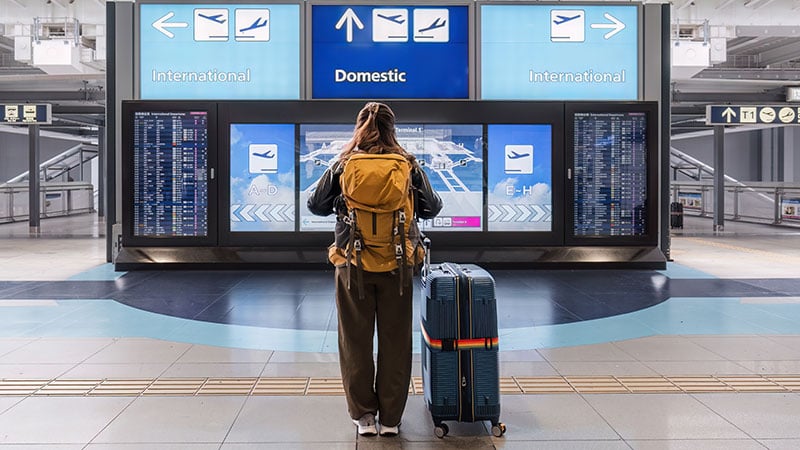
Why it matters: This reallocation of a $17 billion annual flow could reshape regional tourism economies, force rapid operational pivots by travel providers, and test the resilience of cross-border payment systems.
Context: The forecast follows sustained airspace constraints and volatile energy markets, forcing a structural shift in long-haul travel patterns that had been re-establishing post-pandemic.
"# Travel and cross border Higher fuel costs set to reroute travel across Asia Pacific … Broadly defined, travel spending last year by Visa cards issued in Asia Pacific totaled nearly $180." — USA.VISA
Commentary: The report frames this not as a simple contraction but as a zero-sum reallocation, where winners will be determined by agility in marketing, visa policy, and payment infrastructure. It signals a move toward regionalization of travel corridors, with premium and business segments prioritized for their resilience, while mass tourism markets face acute substitution risks. The explicit call for governments to reduce entry friction underscores that policy, not just commerce, will arbitrate where the money flows.
Date: April 22, 2026 12:00 AM ET
URL: https://usa.visa.com/partner-with-us/visa-consulting-analytics/economic-insights/higher-costs-reroute-travel-across-asia-pacific.html
AI Sentiment Score: Negative (83%)
AI Credibility Score: 10.0/10 — High
Scores and text generated by AI analysis of the source article indicated.
Middle East conflict: What it means for your travel plans (Allcleartravel.Co.Uk)
Summary: Ongoing military activity and rising security concerns in the Middle East are prompting airspace closures and flight reroutes, with disruption radiating through global travel networks. Major hubs like Dubai, Doha, and Abu Dhabi are focal points, but the impact extends to long-haul routes between Europe, Asia, and Australia. Airlines are responding with cancellations, schedule adjustments, and potential fare increases linked to fuel supply concerns.

Why it matters: For the globally mobile, this represents a tangible, immediate degradation of connectivity and reliability for a significant portion of intercontinental travel, with cascading effects on cost and planning.
Context: The Middle East functions as a critical global aviation corridor and fuel distribution nexus, making regional instability a systemic risk to international mobility.
"Ongoing tensions in parts of the Middle East are affecting international travel, leading to delays, reroutes, and cancellations. If you’re planning a trip soon – especially if your journey includes a stopover." — ALLCLEARTRAVEL.CO.UK
Commentary: The operational fragility exposed here underscores aviation’s dependence on a narrow set of politically volatile hubs. The shift from direct regional impact to global network contagion is rapid, forcing carriers into inefficient routings that increase costs and emissions. This could pressure corporate travel budgets and logistics, while elevating the value of alternative corridors and airlines with more resilient fleet and route planning.
Date: April 20, 2026 12:00 AM ET
URL: https://www.allcleartravel.co.uk/blog/middle-east-conflict-travel-advice/
AI Sentiment Score: Negative (66%)
AI Credibility Score: 10.0/10 — High
Scores and text generated by AI analysis of the source article indicated.
The conflict in the Middle East is changing air traffic – Karlobag.eu (Karlobag.Eu)
Summary: The 2026 escalation of Middle East conflict has forced a recalibration of global air traffic, with EASA recommending avoidance of airspace across multiple Gulf states. This disrupts the hub-and-spoke model centered on Dubai, Abu Dhabi, Doha, and Bahrain, which normally handles over half a million daily passengers. The World Travel & Tourism Council estimates regional losses at $600 million daily in visitor spending, with cascading effects on Europe-Asia-Africa connectivity. The crisis exposes structural dependencies in aviation routing that were previously taken for granted.
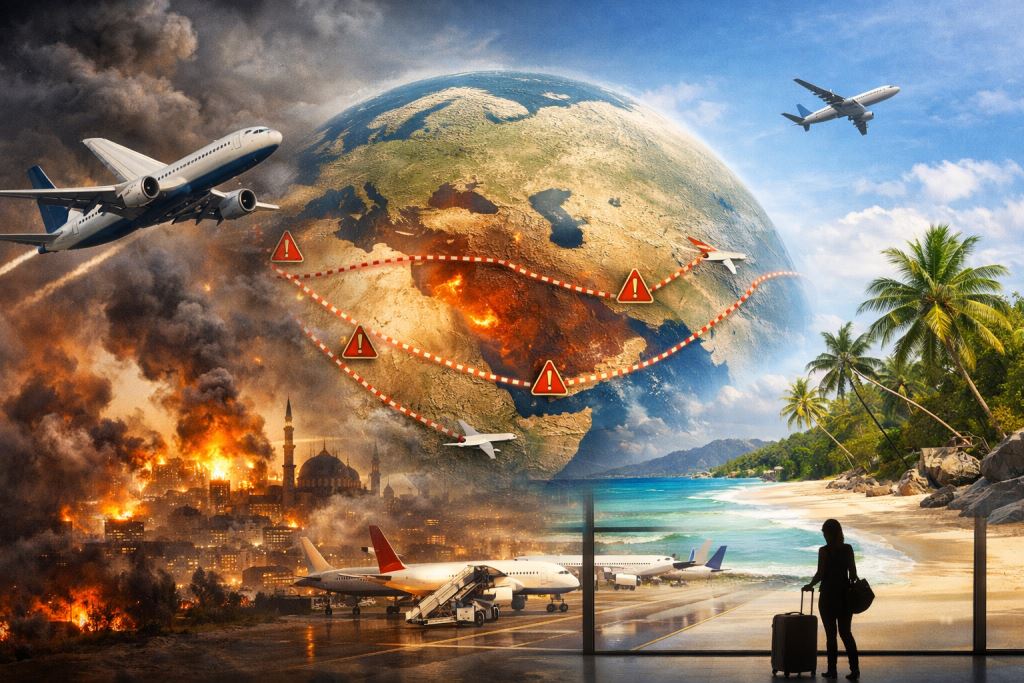
Why it matters: It demonstrates how geopolitical instability in one region can fracture global mobility networks, forcing airlines, destinations, and travelers to reassess long-term routing strategies and resilience.
Context: This follows a pattern where tourism faces systemic shocks—first from pandemic-era border closures, now from airspace geopolitics—revealing different layers of vulnerability in interconnected transport infrastructure.
"According to estimates by the World Travel & Tourism Council, the travel and tourism sector in the Middle East is already losing at least 600 million US dollars per day in international visitor spending due to disruptions in air traffic, weakening traveller confidence and damaged regional connectivity." — KARLOBAG.EU
Commentary: The $600 million daily loss figure quantifies the immediate economic bleed, but the more significant shift is the erosion of confidence in the Gulf’s role as a stable global transit layer. Airlines will face pressure to diversify hub reliance, potentially boosting secondary European and Asian airports while increasing operational costs. Destination marketing boards may pivot to promote ‘safer’ routing narratives, and premium travelers might begin to value geopolitical predictability over sheer efficiency in itinerary planning.
Date: April 26, 2026 12:00 AM ET
URL: https://karlobag.eu/en/traffic/the-conflict-in-the-middle-east-is-disrupting-air-traffic-and-tourism-more-expensive-flights-longer-routes-and-a-new-warning-to-the-market-hgcxl
AI Sentiment Score: Negative (70%)
AI Credibility Score: 8.6/10 — High
Scores and text generated by AI analysis of the source article indicated.
Could Iran war trigger bigger trade crisis than COVID? (Dw)
Summary: The closure of the Strait of Hormuz has triggered a supply shock distinct from the demand-driven COVID-19 crisis, severing a critical artery for global energy and raw materials. The disruption has forced a massive rerouting of shipping, spiked insurance costs, and is now rippling through multi-tiered supply chains, with the full economic impact still pending. This event, following the pandemic and recent tariff regimes, has solidified geopolitical risk as the primary corporate concern, accelerating a structural shift toward supply chain redundancy, nearshoring, and a ‘just-in-case’ operational model.
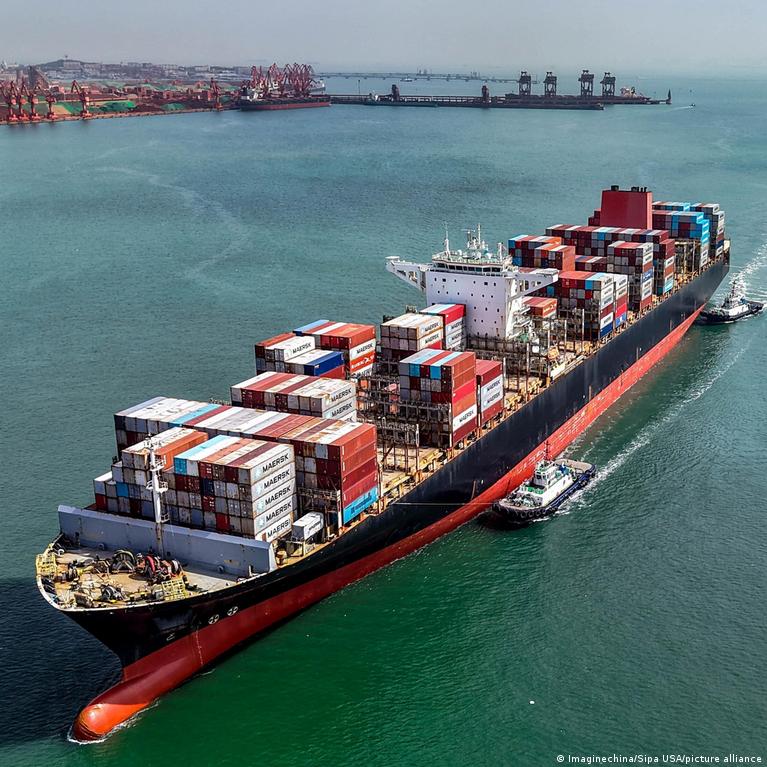
Why it matters: The crisis demonstrates that systemic vulnerability has shifted from single-point manufacturing dependencies to the resilience of interconnected energy, logistics, and financial systems, forcing a permanent recalibration of global trade strategy.
Context: This is the latest in a series of compounding shocks—pandemic, tariffs, Red Sea attacks—that have progressively dismantled the assumptions of efficient, globalized just-in-time supply chains.
"Could Iran war trigger bigger trade crisis than COVID? April 22, 2026Iran’s shutdown of the Strait of Hormuz has drawn comparisons with the supply disruptions of the COVID-19 pandemic and US President." — DW
Commentary: The framing of the conflict as a systemic stress test is apt; the immediate energy shock is merely the first-order effect, with second-order impacts on inflation, industrial policy, and alliance structures still unfolding. The accelerated pivot to +1 sourcing and inventory buffering suggests corporations are now pricing in persistent discontinuity, making the pre-2020 model of hyper-efficient globalization a historical artifact. This institutional learning, however, comes with a significant cost in higher baseline prices and reduced dynamism.
URL: https://www.dw.com/en/could-iran-war-trigger-bigger-trade-crisis-than-covid/a-76804278?maca=en-rss-en-all-1573-rdf
AI Sentiment Score: Negative (58%)
AI Credibility Score: 10.0/10 — High
Scores and text generated by AI analysis of the source article indicated.
The network is being redrawn — are Gulf ports still on it? – Logistics (Enterpriseam)
Summary: The strategic calculus for Gulf ports is shifting from physical access to economic viability as the Hormuz conflict evolves. Carriers are repricing war risk and redrawing service strings, while industry executives warn that Iran’s ‘tollbooth’ model of monetizing passage through the Strait risks becoming a hardwired precedent for global shipping chokepoints. Concurrently, rising fuel costs are pressuring transport, logistics, and delivery sectors, where fuel can constitute 20-40% of operating costs, as reflected in the Baltic Dry Index’s gains.

Why it matters: The institutionalization of transit tolls at maritime chokepoints would permanently rewire global supply chain economics and risk assessment, while regional fuel price shocks expose operational fragility in last-mile and logistics networks.
Context: This follows the initial phase of the Hormuz conflict, where the primary concern was whether vessels could reach Gulf ports at all; the narrative has now progressed to the sustainability and cost structure of that access.
"Good morning, friends. The situation in Hormuz remains murky — some vessels are being targeted, while others pass through unscathed. Tehran attacked three ships, escorting two of them into Iranian waters,." — ENTERPRISEAM
Commentary: The Gunvor executive’s ‘tollbooth’ framing captures the systemic risk: once a revenue model for blocking a chokepoint is proven viable, it creates a playbook for other state and non-state actors. This shifts the long-term threat from episodic disruption to a structural tax on global trade. The concurrent fuel cost pressures on delivery and logistics firms illustrate how these geopolitical shifts cascade into urban economies and consumer-facing services, creating a dual-layer vulnerability in both long-haul shipping and last-mile networks.
Date: April 23, 2026 12:00 AM ET
URL: https://enterpriseam.com/logistics/issues/the-network-is-being-redrawn-are-gulf-ports-still-on-it/
AI Sentiment Score: Negative (91%)
AI Credibility Score: 10.0/10 — High
Scores and text generated by AI analysis of the source article indicated.
Post ID: df04684a