Apparel Industry Economics: Tariffs, Supply Chains, and Sourcing
Chaos and confusion in the Strait of Hormuz could drive apparel production costs up 15% (Glossy.Co)
Summary: Geopolitical instability around the Strait of Hormuz has halted commercial shipping for three days, creating a legal and operational morass for carriers. Iran has instituted new tolls and an application process for passage, while the U.S. threatens sanctions on compliant companies, forcing a reroute around the Cape of Good Hope. This adds up to a month in transit time and is projected to increase global textile production costs by 10-15% and shipping costs by 30-50%, directly impacting apparel and textile shipments from hubs like India and Bangladesh.

Why it matters: For fashion supply chain practitioners, this translates into immediate operational chaos: blown lead times, inventory imbalances, and a scramble to model new cost structures and mitigation strategies.
Context: This follows the pattern of the 2024 Red Sea disruptions, where cost impacts lagged events by ~60 days, catching brands unprepared. The seasonal nature of fashion amplifies the risk of transit delays turning into margin-killing markdowns.
"According to the Business and Human Rights Centre, global textile production costs are likely to increase by 10-15% as delays continue. The United Nations Conference on Trade and Development expects shipping costs alone to increase 30-50% in the near future." — GLOSSY.CO
Commentary: The immediate playbook shifts from cost optimization to risk management: forwarders must provide SKU-level landed cost reports including war risk surcharges, procurement must lock in committed allocation contracts despite higher rates, and planning must model inventory in weeks-of-supply, not dollars. Air freight becomes a tactical lever for high-margin, time-sensitive SKUs, but the systemic pressure could force a reevaluation of nearshoring and inventory buffer strategies beyond the 90-day horizon.
Date: Fri, 08 May 2026 21:27:47 +0000
URL: https://www.glossy.co/fashion/chaos-and-confusion-in-the-strait-of-hormuz-could-drive-apparel-production-costs-up-15/
AI Sentiment Score: Negative (84%)
AI Credibility Score: 10.0/10 — High
Scores and text generated by AI analysis of the source article indicated.
fashion brands’ purchasing practices during the US tariff crisis (Business-Humanrights)
Summary: The 2025 US tariff regime, though later ruled unlawful, triggered immediate and severe disruptions in global apparel supply chains. Brands responded by pausing orders, shifting sourcing to lower-cost jurisdictions, and demanding price reductions from suppliers, transferring financial pressure down the chain. This resulted in documented spikes in labor rights abuses, with factory workers bearing the brunt through layoffs, wage theft, and instability.
 "Freak Pulse placeholder: no illustrative image available from news item source")
Why it matters: For fashion procurement and sourcing professionals, this is a case study in how geopolitical shocks translate directly into operational and ethical failures, exposing the fragility of just-in-time supply models and the human cost of margin protection.
Context: This follows a historical pattern where trade policy disruptions disproportionately impact garment workers, but the scale and speed of the 2025 shifts highlight the acute vulnerability of supplier factories to abrupt changes in buyer purchasing practices.
"In supply chains characterised by significant power asymmetries between buyers and suppliers, rapid purchasing practice adjustments place immediate, severe financial pressure on factories operating on narrow margins – with direct implications for workers at the bottom of the supply chain." — BUSINESS-HUMANRIGHTS
Commentary: The report underscores that tariff events are not just macro-economic phenomena but immediate operational triggers for cost-shifting. For brands, the ethical sourcing playbook failed under financial pressure, revealing compliance as a fair-weather discipline. For suppliers, this cements the need for contractual safeguards against order cancellation and cost absorption clauses. The Supreme Court’s ruling offers little remedy for the cascading labor violations already executed.
Date: May 07, 2026 12:00 AM ET
URL: https://www.business-humanrights.org/en/from-us/briefings/us-tariffs/commercial-priorities-human-costs-brand-purchasing-practices-during-the-us-tariff-crisis/
AI Sentiment Score: Negative (87%)
AI Credibility Score: 10.0/10 — High
Scores and text generated by AI analysis of the source article indicated.
Apparel brands’ responses to the 2025 US tariffs led to significant … (Business-Humanrights)
Summary: The Business and Human Rights Centre reports that apparel brands’ reactive sourcing shifts following the 2025 US tariffs transferred financial shocks directly to suppliers, leading to order cancellations, price pressure, and factory closures. Workers, particularly women and migrant laborers, faced layoffs, wage cuts, and heightened human rights risks as a direct consequence of these commercial decisions.

Why it matters: For sourcing managers, production executives, and compliance officers, this illustrates how tariff-driven cost management directly destabilizes supplier viability and worker welfare, creating operational and reputational liabilities.
Context: This follows a long-standing pattern where purchasing power asymmetries allow brands to externalize cost pressures during trade disruptions, but the 2025 tariffs triggered particularly rapid and severe reallocations.
"# Apparel brands’ responses to the 2025 US tariffs led to significant human rights risks for workers Apparel brands’ responses to the US tariffs in 2025 exposed suppliers to sudden commercial shocks." — BUSINESS-HUMANRIGHTS
Commentary: The report reframes tariff response from a pure logistics puzzle to a human rights due diligence failure. For practitioners, it mandates embedding contingency pricing and order suggests into sourcing contracts. The operational implication is that ‘supplier resilience’ programs are now a direct input to brand risk scoring, moving from CSR optics to core procurement discipline.
Date: April 23, 2026 12:00 AM ET
URL: https://www.business-humanrights.org/en/from-us/press-releases/apparel-brands-responses-to-the-2025-us-tariffs-led-to-significant-human-rights-risks-for-workers/
AI Sentiment Score: Negative (83%)
AI Credibility Score: 10.0/10 — High
Scores and text generated by AI analysis of the source article indicated.
War and tariffs trigger historic shock in $82 bn US apparel sourcing (Fibre2Fashion)
Summary: The US apparel import market, valued at $82 billion, is experiencing its most severe supply chain shock since the pandemic due to war-driven disruptions in the Strait of Hormuz and Red Sea. Container freight rates have surged 30–40% since February 2026, emergency war surcharges of $500–$1,500 per container are being levied, and polyester costs are climbing 15–20% as crude prices spike. This compounds existing pressures from tariffs that had already shifted China’s import share from 36.4% to 26.5% over four years.
Why it matters: For sourcing executives, brand CFOs, and logistics managers, this shock directly recalibrates cost structures, lead times, and supplier selection, forcing immediate operational pivots.
Context: This follows a multi-year trend of tariff-driven nearshoring and diversification away from China, now accelerated by acute maritime security risks.
"War-driven disruptions in the Strait of Hormuz is triggering the most severe supply chain shock for the $82 billion US apparel import market since the pandemic." — FIBRE2FASHION
Commentary: The embedded ‘war tax’ on freight and petrochemical inputs will compress margins industry-wide, favoring vertically integrated players and accelerating the shift to Vietnam and nearshore suppliers. Procurement teams must now model sustained higher variable costs, while stranded cargo in Bangladesh may trigger force majeure claims and contract renegotiations.
Date: April 29, 2026 12:00 AM ET
URL: https://www.fibre2fashion.com/news/apparel-news/war-and-tariffs-trigger-historic-shock-in-82-bn-us-apparel-sourcing-309054-newsdetails.htm
AI Sentiment Score: Negative (66%)
AI Credibility Score: 10.0/10 — High
Scores and text generated by AI analysis of the source article indicated.
US year-end review 2025: Caught in its own web – Fibre2Fashion (Fibre2Fashion)
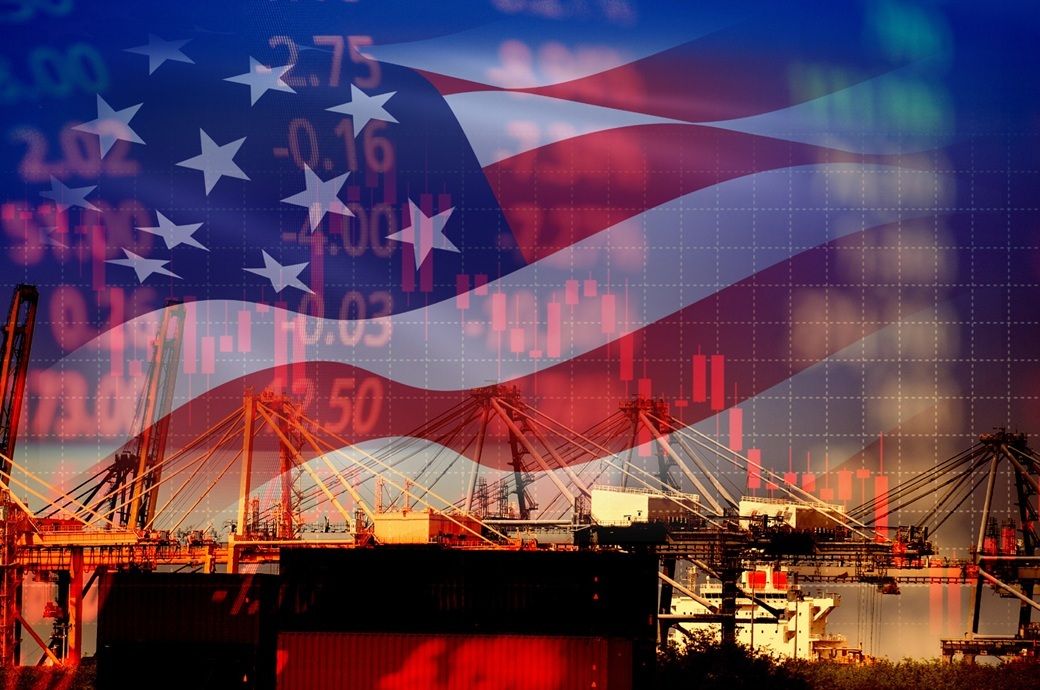
Summary: US tariffs on apparel imports have created a significant cost burden for the fashion industry, which sources 97% of its products overseas. Apparel, representing 2.5% of total US imports, contributed 15.6% of total tariff duties in 2024, with average rates rising to 14.6%. Brands face landed cost increases of 15–50%, forcing margin compression and price hikes. While luxury brands like Hermès and Burberry have passed costs to consumers, mid-tier and independent labels with thinner margins face a more acute trade-off between profitability and customer retention.
Why it matters: This recalibrates the core economics of apparel sourcing, directly impacting cost structures, pricing strategies, and supplier selection for all market segments.
Context: Tariffs were ostensibly aimed at reshoring manufacturing but have instead exposed the structural import dependency of the US fashion sector, with limited viable near-shoring alternatives.
"In 2024, apparel accounted for about 2.5 per cent of total US imports yet contributed approximately 15.6 per cent of total tariff duties, according to US International Trade Commission (USITC)." — FIBRE2FASHION
Commentary: The tariff regime has effectively nullified traditional sourcing arbitrage, shifting competitive advantage from pure cost to qualitative factors like speed and flexibility. For operators, this means procurement teams must now model total landed cost under a complex, stacked duty schedule, and brand strategists must decide which customer segments will bear the price elasticity risk. The pressure will accelerate consolidation among smaller players and force a hard reassessment of inventory and assortment planning.
Date: April 29, 2026 12:00 AM ET
URL: https://www.fibre2fashion.com/news/textile-news/us-year-end-review-2025-caught-in-its-own-web-307362-newsdetails.htm
AI Sentiment Score: Negative (77%)
AI Credibility Score: 10.0/10 — High
Scores and text generated by AI analysis of the source article indicated.
U.S. Apparel Manufacturing Plummets 17% in 2025 (Worldtextilesjournal)
Summary: The 2026 Kearney Reshoring Index reports U.S. apparel manufacturing output fell 17% in 2025, directly contradicting the stated goal of aggressive tariff policies. While 75% of companies moved sourcing out of China, they shifted to other low-cost Asian nations, with only 20% considering domestic production viable. The sector’s low R&D budgets and reliance on manual labor make automation-driven cost reduction difficult, and volatile, weekly policy shifts created a ‘cloud of dust’ of uncertainty, paralyzing investment decisions.

Why it matters: For sourcing executives and production managers, this data confirms that the operating environment remains hostile to domestic reshoring, forcing a continued reliance on diversified Asian supply chains regardless of political rhetoric.
Context: This follows years of policy aimed at decoupling from China and reviving U.S. manufacturing, with the apparel sector serving as a key test case due to its labor intensity and thin margins.
"U.S. apparel manufacturing output (MGO) actually plummeted by 17 percent throughout 2025." — WORLDTEXTILESJOURNAL
Commentary: The failure is structural, not cyclical: tariffs without concurrent investment in automation and stable policy only accelerate offshoring to neighboring low-cost regions. For brands, the practical consequence is a reinforced sourcing playbook of regional diversification within Asia, while domestic producers face continued contraction unless a coherent industrial strategy emerges from the ongoing Section 301 reviews.
Date: May 05, 2026 12:00 AM ET
URL: https://worldtextilesjournal.com/index.php/america/446-u-s-apparel-manufacturing-plummets-17-in-2025
AI Sentiment Score: Negative (75%)
AI Credibility Score: 7.0/10 — Medium
Scores and text generated by AI analysis of the source article indicated.
Amazon Hit With Consumer Lawsuit Over Trump Tariff Refunds (Wwd)
Summary: Amazon faces a class-action lawsuit in Washington state alleging it failed to pass on to consumers refunds for IEEPA tariffs ruled illegal by the Supreme Court. The suit claims Amazon chose not to seek recovery to curry favor with the Trump administration, while logistics competitors like FedEx and UPS have begun refunding business customers. The litigation, mirroring actions against Nike, Shein, Temu, Costco, and Lululemon, seeks restitution, treble damages, and injunctive relief for purchases made between February 2025 and February 2026.

Why it matters: This litigation establishes a new operational and legal risk for importers of record, forcing a strategic choice between consumer refunds and political capital that directly impacts cost structures and pricing models.
Context: The Supreme Court’s February ruling invalidating IEEPA tariffs created a $166 billion potential refund pool, with Customs and Border Protection already processing $35.5 billion. The legal right to reclaim rests solely with the importer of record, but no mandate exists to file for recovery.
"Amazon has been put on blast in a class-action lawsuit by consumers seeking refunds for higher product prices stemming from last year’s IEEPA tariffs imposed by President Donald Trump. The suit was." — WWD
Commentary: The lawsuit reframes tariff cost absorption from a pricing decision into a potential consumer protection violation, creating a discovery pipeline for internal pricing and communications strategies. For fashion and retail importers, this sets a precedent where political positioning must be weighed against class-action exposure and supply chain partners’ refund policies, potentially bifurcating B2B and B2C reimbursement strategies.
Date: Mon, 18 May 2026 21:53:36 +0000
URL: https://wwd.com/sourcing-journal/logistics/amazon-tariff-refunds-class-action-consumer-lawsuit-president-donald-trump-ieepa-1238972203/
AI Sentiment Score: Positive (42%)
AI Credibility Score: 10.0/10 — High
Scores and text generated by AI analysis of the source article indicated.
Fashion Briefing: Canadian fashion brands are caught between geopolitical tensions and the lucrative US market (Glossy.Co)
Summary: The USMCA review in July introduces operational uncertainty for Canadian fashion brands expanding into the US market. While some, like tailored menswear manufacturer Jack Victor, benefit from duty-free shipping for domestically produced goods, others face tariffs on imported materials and finished products. Smaller brands are particularly vulnerable, with some halting US shipments entirely following the end of the de minimis exemption. Meanwhile, domestic ‘Buy Canadian’ sentiment offers a countervailing sales boost within Canada.

Why it matters: For practitioners, this reshapes cross-border expansion calculus, forcing supply chain re-evaluation and inventory strategy adjustments amid volatile trade policy.
Context: This follows the February 2025 end of the de minimis exemption for Canada and occurs ahead of the scheduled USMCA review, a period of heightened political rhetoric.
"This week, a look at the rising tensions between the U.S. and Canada, and the Canadian brands trying to tune them out as they pursue the American market. Over the last year,." — GLOSSY.CO
Commentary: The bifurcation between brands with fully North American supply chains and those reliant on imported components or finished goods will accelerate. This pressures CFOs and operations leads to model multiple tariff scenarios ahead of the July review, potentially stalling capital commitments for US retail footprints. The ‘Buy Canadian’ movement provides a temporary hedge but doesn’t offset the scale of the US market, forcing brands to navigate dual, opposing consumer sentiments.
Date: Thu, 14 May 2026 04:00:00 +0000
URL: https://www.glossy.co/fashion/fashion-briefing-canadian-fashion-brands-are-caught-between-geopolitical-tensions-and-the-lucrative-us-market/
AI Sentiment Score: Negative (83%)
AI Credibility Score: 10.0/10 — High
Scores and text generated by AI analysis of the source article indicated.
Asia on Edge as Beijing Summit Rekindles Xi-Trump ‘Frenemies’ Relationship (Wwd)
Summary: A Beijing summit between Xi Jinping and Donald Trump has introduced uncertainty into Asian manufacturing hubs that had benefited from U.S.-China trade tensions. Exporters in Vietnam, Bangladesh, India, and Cambodia fear a potential recalibration of sourcing strategies by U.S. brands back toward China’s established industrial base, despite structural shifts in labor costs and supply chain diversification. Data shows Chinese apparel exports to the U.S. fell 53% year-over-year in Q1, with other Asian nations capturing the share, but China’s record trade surplus underscores its enduring manufacturing dominance. The region’s manufacturers are now weighing the durability of this diplomatic thaw against years of invested capital in ‘China plus one’ supply chains.

Why it matters: For sourcing executives and factory owners, this signals potential volatility in order books, capital allocation, and long-term supply chain planning, directly impacting operational stability and profitability.
Context: Since 2018, U.S.-China tariffs triggered a multi-year migration of apparel and manufacturing orders from China to Southeast Asia and South Asia, reshaping global sourcing maps and investment flows.
"According to data from the Office of Textiles and Apparel (OTEXA) under the U.S. Department of Commerce, Chinese apparel exports to the U.S. dropped sharply by approximately 53 percent, falling from $3.61 billion in the first quarter of the previous year to $1.70 billion this year." — WWD
Commentary: The immediate operational risk is not a full reversal but a deceleration of diversification momentum, forcing secondary sourcing hubs to compete on efficiency rather than geopolitical arbitrage. This pressures margins in Vietnam and Bangladesh, which must now justify their position against China’s reactivated capacity and logistics networks. For U.S. brands, the calculus shifts from pure risk mitigation to a cost-benefit analysis of fragmented versus consolidated supply chains, with shorter-term purchasing decisions likely to introduce more volatility for Asian exporters.
Date: Mon, 18 May 2026 13:00:00 +0000
URL: https://wwd.com/sourcing-journal/industry-news/beijing-summit-rekindles-xi-trump-frenemies-relationship-1238957415/
AI Sentiment Score: Negative (75%)
AI Credibility Score: 10.0/10 — High
Scores and text generated by AI analysis of the source article indicated.
Apparel’s 2026 margin playbook: The great SKU diet – Textile Fashion News Fibre2Fashion (Fibre2Fashion)
Summary: Apparel brands are shifting from broad seasonal assortments to leaner inventory models driven by data, focusing on faster replenishment and tighter SKU discipline. This forces mills and manufacturers to adapt to smaller, repeatable, quicker-turn orders instead of speculative bulk runs. The competitive edge is moving from lowest-cost sourcing to supply-chain responsiveness and inventory precision.
Why it matters: This realigns the cost structure and operational tempo for brands, manufacturers, and mills, directly impacting production schedules, cash flow, and profitability.
Context: This follows years of margin pressure from markdowns and overstock, accelerated by post-pandemic supply chain volatility and the demand for agility.
"The apparel business is entering a harder, cleaner phase. The old model, comprising wider assortments, bigger seasonal buys and deeper end-of-season clearance, is giving way to a leaner operating code: fewer SKUs, sharper demand reads and replenishment that moves before markdowns eat the margin." — FIBRE2FASHION
Commentary: The shift rewards brands with robust demand-sensing infrastructure and punishes those reliant on bulk, seasonal forecasting. For mills, this means retooling for smaller batch efficiency and closer integration with brand ERP systems, potentially consolidating business among fewer, more agile partners. The margin playbook now explicitly trades volume for velocity, resetting the bargaining power across the supply chain.
Date: May 08, 2026 12:00 AM ET
URL: https://www.fibre2fashion.com/news/textile-news/apparel-s-2026-margin-playbook-the-great-sku-diet-310177-newsdetails.htm?amp=true
AI Sentiment Score: Negative (66%)
AI Credibility Score: 10.0/10 — High
Scores and text generated by AI analysis of the source article indicated.
Blog Articles – FASH455 Global Apparel & Textile Trade and Sourcing (Shenglufashion)
Summary: A fashion trade syllabus examines how U.S. apparel companies are adapting sourcing and pricing strategies in response to rising tariffs and geopolitical pressures. The analysis moves beyond theoretical impacts to cite specific corporate tactics, including price hikes, assortment elevation, and reduced promotions to preserve margins. It underscores the technical complexity of rules of origin and tariff application, framing sourcing as a compliance-driven operational challenge.

Why it matters: For sourcing managers and brand strategists, this signals a shift from cost-minimization to margin-protection through pricing power and supply chain re-engineering, with direct implications for vendor selection, product development, and customs compliance workflows.
Context: Tariff hikes and trade policy shifts have forced apparel brands to reassess low-cost country sourcing, pushing strategies toward value engineering, nearshoring considerations, and leveraging free trade agreement rules to mitigate duties.
"- Based on the videos, what have been the expected and unexpected impacts of tariffs on apparel-exporting countries? – Based on the videos, what ethical challenges emerge in apparel sourcing and global." — SHENGLUFASHION
Commentary: The operational pivot is clear: brands like Oxford Industries are using tariffs as cover to trade up assortments and reset price architecture, a margin-defense move that alters product development briefs and buyer-vendor negotiations. The emphasis on rules-of-origin minutiae, like a ‘Made in Cambodia’ blazer using Chinese fabric, turns sourcing into a forensic compliance exercise, favoring firms with deep customs expertise and traceable multi-country pipelines. This moves ‘responsible sourcing’ from an ethical checkbox to a cost-benefit calculation under margin pressure, likely sidelining softer ESG goals unless they align with tariff avoidance.
Date: April 21, 2026 12:00 AM ET
URL: https://shenglufashion.com/blog/
AI Sentiment Score: Negative (57%)
AI Credibility Score: 10.0/10 — High
Scores and text generated by AI analysis of the source article indicated.
April 2026 – FASH455 Global Apparel … (Shenglufashion)
Summary: A study of H&M’s 2026 factory list and recent earnings commentary from U.S. apparel firms reveals how tariffs are reshaping sourcing and pricing strategies. Companies like Kontoor Brands and Oxford Industries are implementing selective price increases of 4-8% and elevating product assortments to offset margin pressure. Victoria’s Secret is pulling back on promotions to regain pricing power, indicating a broader industry pivot from discounting to regular-price selling.
Why it matters: For sourcing managers and brand strategists, this signals a shift from pure cost-based sourcing to a more integrated calculus balancing tariffs, brand equity, and consumer elasticity.
Context: The apparel industry is navigating persistent tariff hikes and geopolitical tensions, forcing a reevaluation of low-cost country sourcing and promotional dependency.
"To better understand H&M’s fast fashion business model and its implications for the company’s sourcing practices, this study analyzed H&M’s detailed factory list published in February 2026, which includes 1,455 entries." — SHENGLUFASHION
Commentary: The move to ‘holistic’ mitigation—combining price hikes, assortment elevation, and reduced promotions—marks a decisive end to the fast-fashion era’s volume-at-all-costs model. This recalibration pressures brands to justify price increases through perceived quality or brand strength, potentially widening the gap between resilient labels and commodity players. Sourcing decisions will increasingly weigh political risk alongside labor cost, complicating ethical sourcing pledges under margin compression.
Date: April 21, 2026 12:00 AM ET
URL: https://shenglufashion.com/2026/04/
AI Sentiment Score: Negative (85%)
AI Credibility Score: 10.0/10 — High
Scores and text generated by AI analysis of the source article indicated.
Monthly Cotton Economic Newsletter: May 2026 (Wwd)
Summary: Cotton futures and global indices rose across all major markets in May 2026, with nearby NY/ICE futures approaching 88 cents/lb. The USDA’s first forecast for the 2026/27 crop year projects a significant production deficit of 5.7 million bales, driven by lower output in China, Brazil, and Australia alongside rising mill consumption. Speculator positions have swung from a record net short to a substantial net long of nearly 95,000 contracts, a shift initiated before the Iran conflict but potentially accelerated by supply-side fears linked to fertilizer availability and adverse U.S. weather.

Why it matters: For brands and sourcing executives, this signals sustained input cost pressure and supply chain volatility, forcing a reassessment of procurement strategies and fabric blends for the 2027 season.
Context: Global cotton stocks have been elevated for years, but the forecasted drawdown to a six-year low represents a structural shift from a buyer’s to a seller’s market.
"Relative to 2025/26, the USDA expects 2026/27 to bring lower production (-6.6 million bales to 116.0 million) and higher mill use (+1.6 million bales to 121.7 million). This divergence is projected to result in a 5.7 million bale production gap." — WWD
Commentary: The synchronized forecast for lower production and higher consumption creates a fundamental tightening not seen since 2020/21. For procurement teams, this means forward contracting and exploring alternative fibers could become urgent operational priorities, not just cost-saving exercises. The speculator reversal indicates financial markets are now pricing in sustained scarcity, which will tighten credit and hedging terms for brands. The war’s impact on fertilizer and energy injects a volatile, non-agricultural variable into yield forecasts, making traditional seasonal planning unreliable.
Date: Mon, 18 May 2026 14:00:00 +0000
URL: https://wwd.com/sourcing-journal/industry-news/cotton-incorporated-price-trends-outlook-may-2026-1238957008/
AI Sentiment Score: Negative (72%)
AI Credibility Score: 10.0/10 — High
Scores and text generated by AI analysis of the source article indicated.
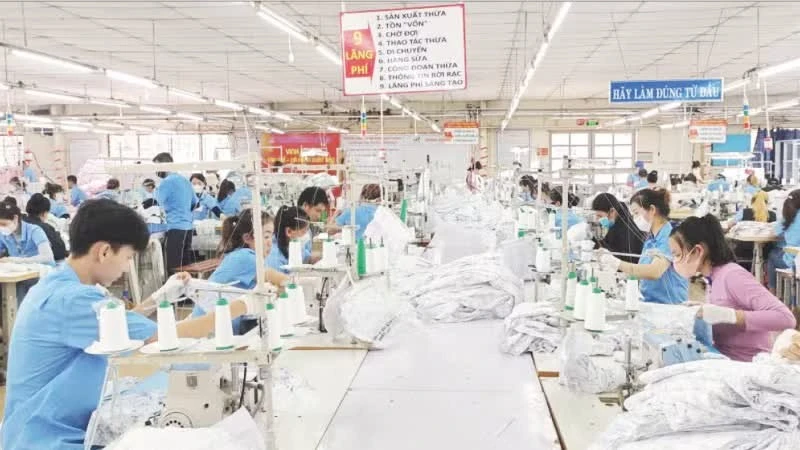
Textile sector steps up production amid global supply … (En.Nhandan.Vn)
Summary: Vietnamese textile and garment manufacturers are navigating a volatile 2026 marked by rising interest rates, logistics costs, and supply chain disruptions. Companies like Eight March Textile report interest rates jumping from 4.8% to 7.5%, squeezing margins and forcing operational adaptations. In response, firms are accelerating production, expanding domestic sourcing, and reallocating machinery to meet tightened delivery deadlines. Vinatex leadership is advising the sector to shift from a passive to a proactive stance, focusing on supply chain risk management and accelerated investment to capitalize on market opportunities.
Why it matters: For sourcing managers and brand operations, this signals increased cost pressure and potential delivery instability from a key manufacturing region, requiring revised contingency planning and pricing models.
Context: Vietnam is a critical node in global apparel supply chains, and its cost structure is sensitive to global energy prices, Chinese material delays, and US tariff policy shifts.
"Rapidly changing partner requirements, especially delivery timelines, have forced management to “spin like a top” in reallocating machinery and switching production between product lines to avoid order cancellations." — EN.NHANDAN.VN
Commentary: The metaphor of spinning like a top reveals the operational whiplash brands are causing downstream; this volatility could force manufacturers to build more flexible, but likely more expensive, production systems. The advised shift from passive to proactive adaptation is a direct critique of just-in-time orthodoxy, pushing for buffer capacity and diversified sourcing as a cost of doing business in a fragmented world.
Date: May 02, 2026 12:00 AM ET
URL: https://en.nhandan.vn/textile-sector-steps-up-production-amid-global-supply-pressures-post161728.html
AI Sentiment Score: Negative (87%)
AI Credibility Score: 10.0/10 — High
Scores and text generated by AI analysis of the source article indicated.
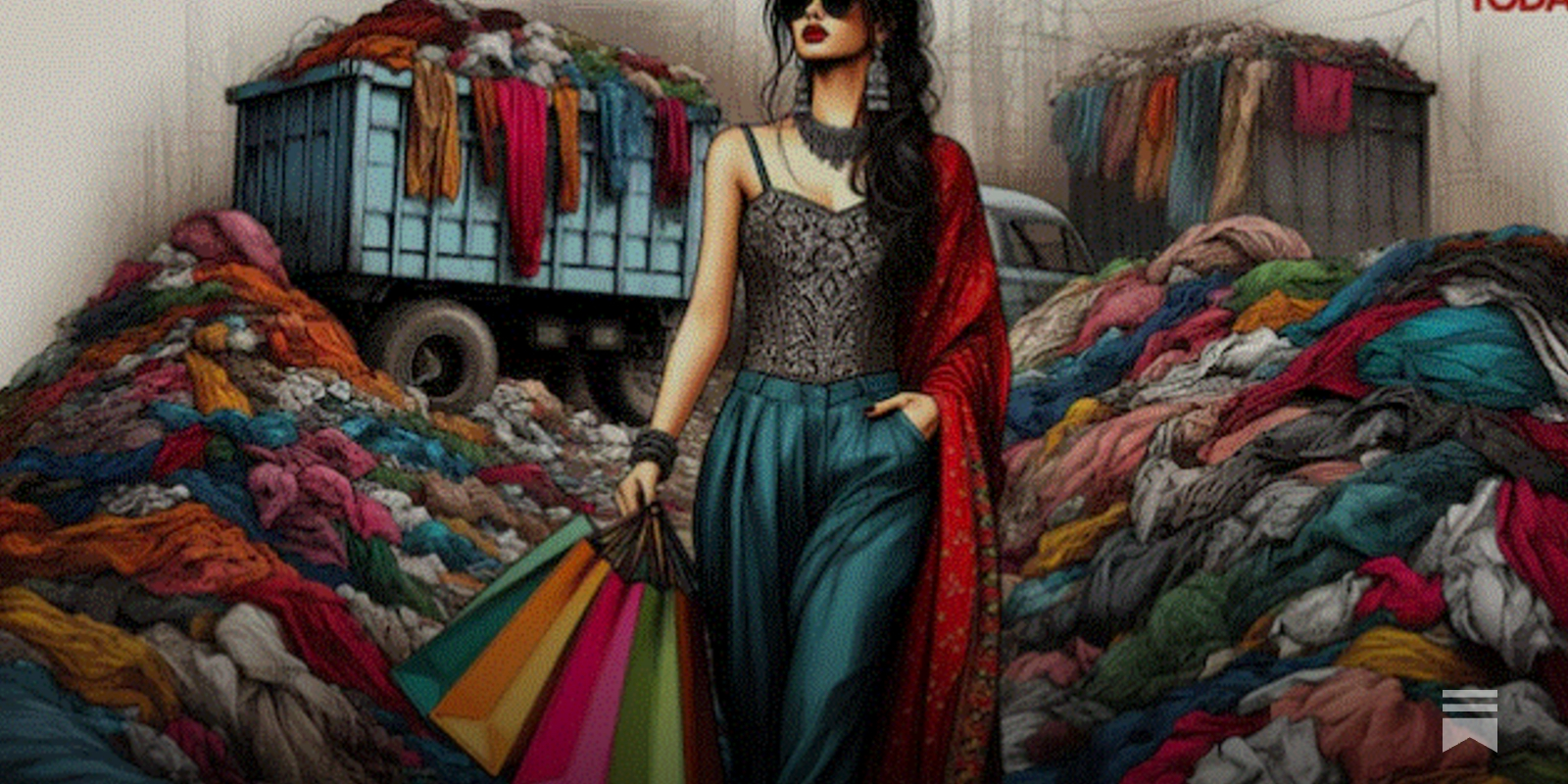
India’s Value Fashion Retail: The Boom Turns to Grind (Dhananjaysinha1.Substack)
Summary: India’s organized value fashion retail sector, led by chains like Zudio, Reliance Trends, and Max Fashion, is experiencing a sharp deceleration in underlying growth despite rapid store expansion. Channel checks and financial results reveal that headline revenue increases are being driven by new outlets, while same-store sales growth stagnates in low single digits amid margin pressure, cannibalization, and intense competition from both organized peers and agile regional players. The sector’s projected expansion to a ₹5 lakh crore market by FY30 masks operational strains from discounting, high online return rates, and the need for hyper-agile supply chains.
Why it matters: For practitioners in retail operations, sourcing, and investment, this signals a shift from a pure expansion play to a grind requiring operational excellence, localized product moats, and sustainable unit economics.
Context: The sector has been fueled by a narrative of unstoppable growth via store rollouts in Tier-2/3 cities and the displacement of unorganized bazaars, but this is now colliding with market saturation and margin realities.
"**India’s value fashion stocks have plummeted over the past 20 months, much of it even before the ongoing geopolitical tensions, the fading of war-related anxiety has triggered a modest recovery in recent." — DHANANJAYSINHA1.SUBSTACK
Commentary: The implications are threefold: capital allocation must pivot from funding new store rollouts to optimizing existing footprint productivity; supply chains and private label strategies need to evolve beyond low-price basics to build defensible product moats; and the competitive battlefield shifts from geographic coverage to localised assortment agility, where regional players currently hold an edge.
Date: April 23, 2026 12:00 AM ET
URL: https://dhananjaysinha1.substack.com/p/value-fashion-retail-the-glamour
AI Sentiment Score: Neutral (33%)
AI Credibility Score: 9.7/10 — High
Scores and text generated by AI analysis of the source article indicated.
As 2026 rules tighten, fashion shifts circularity from esg promise to business strategy (Dfupublications)
Summary: The 2026 enforcement of EU Ecodesign and EPR regulations is compelling fashion brands to treat circularity as a core business operation, not an ESG initiative. Technical advances in chemical depolymerization are breaking the 1% recycling barrier, but the commercial scaling hinges on solving the costly ‘first mile’ collection and segregation problem. The industry’s pivot is now defined by building infrastructure backed by long-term offtake agreements to make recycled materials economically viable.

Why it matters: For fashion practitioners, this shifts the operational focus from voluntary reporting to mandatory compliance, supply chain redesign, and capital allocation for collection infrastructure.
Context: Circularity has long been an aspirational goal, but regulatory deadlines and financial penalties are now forcing concrete, scaled investments in traceability and material recovery.
"The urgency at TEXCON 2026 was underpinned by the imminent enforcement of the EU’s Ecodesign for Sustainable Products Regulation (ESPR) and expanded Extended Producer Responsibility (EPR) schemes. Starting this year, brands operating in Europe face stringent financial penalties for unsold inventory and must provide ‘Digital Product Passports’ to verify material origins." — DFUPUBLICATIONS
Commentary: The regulatory hammer transforms waste logistics from a cost center into a strategic resource, but only for brands that have built the traceability systems to suggest it. This creates a two-tier market: compliant brands with secured recycled feedstock, and those facing escalating penalty costs and supply chain exclusion. The real capital expenditure will flow not to recycling tech, but to building the collection and sorting networks that make the tech viable.
Date: May 10, 2026 12:00 AM ET
URL: https://www.dfupublications.com/index.php/fr/news/apparel/as-2026-rules-tighten-fashion-shifts-circularity-from-esg-promise-to-business-strategy
AI Sentiment Score: Negative (60%)
AI Credibility Score: 10.0/10 — High
Scores and text generated by AI analysis of the source article indicated.
Who pays for fashion’s green transition? The reality for Bangladesh’s suppliers and workers – Business and Human Rights Centre (Business-Humanrights)
Summary: A survey of 15 major brands sourcing from Bangladesh reveals a systemic failure to fund or support the just transition in their supply chains. No brand pays a price premium for green production, none have adjusted buying terms to enable supplier investment, and only one has a named mechanism to protect worker wages during climate-related stoppages. While most have set aggressive Scope 3 emissions targets, the financial and operational burden of meeting them is being transferred to suppliers, with workers bearing the ultimate cost through wage squeezes, job losses, and dangerous working conditions.
 "Freak Pulse placeholder: no illustrative image available from news item source")
Why it matters: For brands and suppliers, this exposes a fundamental misalignment between decarbonization mandates and commercial practices, creating untenable cost pressures and operational risks in critical sourcing markets.
Context: This follows the BHRC’s June 2025 report, ‘The Missing Thread,’ which found that while 44 of 65 major brands had supply chain decarbonization targets, none had a just transition policy protecting workers.
"0 responding brands confirmed paying a price premium for garments produced in green certified factories or by suppliers meeting emissions targets, raising critical questions about how the cost of decarbonisation is being distributed across supply chains and whether workers are bearing the brunt in the form of wage squeezes, worsened conditions, and job losses." — BUSINESS-HUMANRIGHTS
Commentary: The data confirms decarbonization is being treated as a compliance cost to be absorbed by the supply chain, not a value-add worthy of investment. This creates a direct conflict: brands demand rapid environmental upgrades while simultaneously squeezing margins through purchasing practices, forcing suppliers to choose between capital expenditure and basic labor protections. The operational consequence is that climate targets will either fail or be achieved through worker exploitation and factory financial distress, unless purchasing terms and price premiums are structurally reformed.
Date: May 07, 2026 12:00 AM ET
URL: https://www.business-humanrights.org/en/latest-news/the-cost-of-transition-bangladeshs-suppliers-and-workers-in-fashions-green-rush/
AI Sentiment Score: Negative (83%)
AI Credibility Score: 10.0/10 — High
Scores and text generated by AI analysis of the source article indicated.
The New Regulatory Landscape (Earth911)
Summary: A wave of binding legislation targeting the fashion industry’s environmental and social footprint is moving from proposal to enforcement. California and France have enacted extended producer responsibility (EPR) and punitive eco-taxes, while the EU mandates textile EPR schemes across all member states by 2027. These laws shift compliance costs and operational burdens directly onto brands, with France’s law uniquely banning advertising for ultra-fast-fashion and mandating point-of-sale environmental disclosures.
Why it matters: For industry practitioners, this changes cost structures, supply chain auditing requirements, marketing strategies, and product design mandates, moving sustainability from a marketing feature to a core compliance function.
Context: Regulatory pressure on fashion has escalated from voluntary pledges to hard law, with Europe leading on EPR and the U.S. advancing state-level bills focused on supply chain transparency and accountability.
"The law imposes a per-item eco-tax starting at €5 and rising to €10 by 2030 (capped at 50 percent of retail price), bans advertising and influencer marketing of ultra-fast-fashion brands, requires point-of-sale environmental disclosures including carbon footprint and durability data, and carries fines of up to €100,000 for violating the ad ban." — EARTH911
Commentary: The French model is not just a tax; it’s a structural attack on the fast-fashion business model, directly altering unit economics and severing its primary customer acquisition channel. This forces a recalculation of margin and marketing spend, privileging brands with pre-existing durability and transparency data. The mandated diversion of revenue to sustainable producers functions as a state-sponsored industrial policy, reshaping competitive dynamics. For global brands, operating in a patchwork of EPR regimes—California, EU states, potentially New York—will require modular compliance systems, increasing the value of integrated ESG data platforms.
Date: April 29, 2026 12:00 AM ET
URL: https://earth911.com/style/a-stylish-investment-making-fashion-sustainable/
AI Sentiment Score: Negative (66%)
AI Credibility Score: 7.0/10 — Medium
Scores and text generated by AI analysis of the source article indicated.
Post ID: cfd498a2