Geopolitical Tensions & Diplomacy
The Taiwan Evacuation Trap (Foreignpolicy)
Summary: Foreign Policy’s Eyck Freymann argues that the U.S. lacks a viable plan for evacuating its roughly 11,000 citizens from Taiwan during a crisis, a logistical and political vulnerability that could itself trigger escalation. A noncombatant evacuation operation (NEO) would be unprecedented in scale and complexity, dwarfing past efforts in Saigon or Kabul, and would unfold under contested airspace with no allied coordination framework. The presence of hundreds of thousands of foreign civilians acts as a deterrent, but managing their exodus presents a ‘quadrilemma’ for any U.S. president, where every option risks catastrophic political, humanitarian, or strategic consequences.

Why it matters: The evacuation gap is a tangible symptom of a broader strategic failure in U.S. Taiwan policy, directly linking civilian safety to crisis escalation, alliance cohesion, and the credibility of deterrence.
Context: China’s ‘gray-zone’ military exercises around Taiwan are increasingly realistic, simulating blockades that disrupt civilian travel. The U.S. has been formally asked by Congress to plan for this contingency but shows no public evidence of having done so.
"The evacuation question is neither a secondary concern nor a logistics problem to be solved after a crisis begins. It is inseparable from the larger question of whether the United States has a coherent strategy for the gray zone between peace and war where China already operates." — FOREIGNPOLICY
Commentary: The analysis correctly frames evacuation not as a humanitarian sidebar but as a core component of escalation management. The absence of a plan forces allied governments into reactive, uncoordinated decisions that could precipitate the very collapse of Taiwanese morale and international support they aim to prevent. This operational vacuum suggests Washington’s declaratory policy on Taiwan is dangerously decoupled from its contingency planning, a disconnect Beijing will exploit.
Date: Wed, 29 Apr 2026 09:00:56 +0000
URL: https://foreignpolicy.com/2026/04/29/taiwan-china-us-war-invasion-crisis-evacuation-civilians/
AI Sentiment Score: Negative (71%)
AI Credibility Score: 10.0/10 — High
Scores and text generated by AI analysis of the source article indicated.
Dubai’s image as a financial hub faces its biggest test yet (Dw)
Summary: The Iran war has punctured Dubai’s carefully cultivated image as a stable, secure financial hub, triggering capital flight to Singapore and Switzerland and cooling its real estate boom. High-net-worth individuals are not fully exiting but are adopting ‘strategic hybridity,’ diversifying assets while maintaining operational bases in the UAE. This tests Dubai’s long-term proposition as its economic growth stalls and ambitious future projects hang in the balance.

Why it matters: The re-routing of flight capital reshapes the global landscape for private wealth management and challenges the resilience of aspirational city-states built on perceived geopolitical insulation.
Context: Dubai’s model was predicated on being an oasis of stability and tax efficiency, attracting wealth and talent fleeing volatility elsewhere. The current conflict exposes the fragility of that proposition when the oasis itself becomes a target.
"Dubai’s image as a financial hub faces its biggest test yet May 4, 2026Dubai has built a reputation as an oasis of stability in the volatile Middle East region. The United Arab." — DW
Commentary: The shift isn’t just capital flight; it’s a functional segmentation of the global safe-haven market. Switzerland becomes the vault, Singapore the growth engine, and Dubai is demoted to an operational hub with lifestyle perks—a far less sticky value proposition. This recalibration forces a reassessment of other aspirational hubs whose stability is more a matter of perception than geography.
URL: https://www.dw.com/en/dubai-s-image-as-a-financial-hub-faces-its-biggest-test-yet/a-76959753?maca=en-rss-en-all-1573-rdf
AI Sentiment Score: Negative (50%)
AI Credibility Score: 10.0/10 — High
Scores and text generated by AI analysis of the source article indicated.
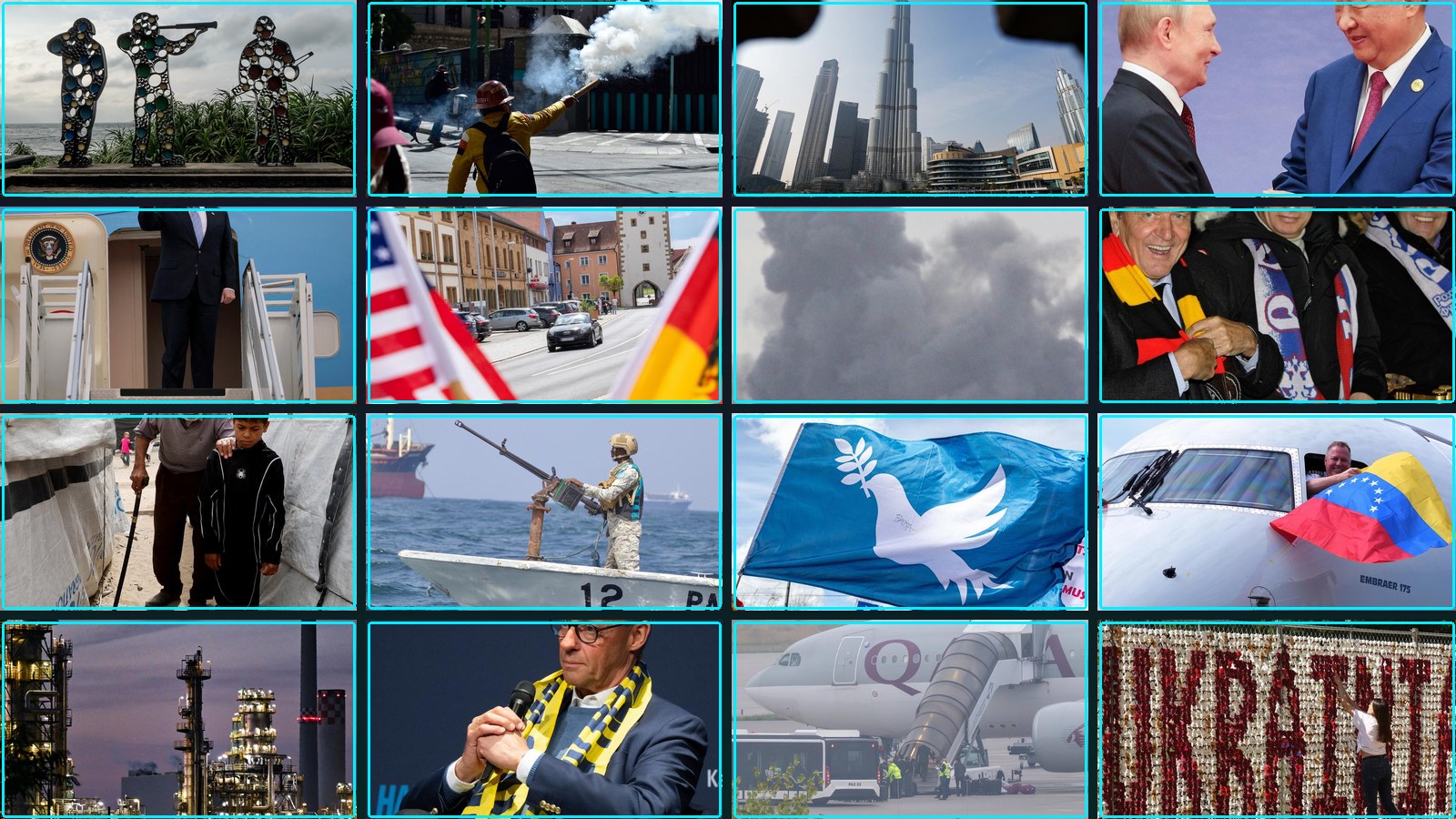
Somali piracy disrupts global shipping and trade routes (Dw)
Summary: A resurgence of Somali piracy, marked by three hijackings in three weeks, is exploiting the diversion of commercial shipping away from the Red Sea and the stretched capacity of international naval patrols. Well-resourced groups in Puntland are using repurposed dhows as mother ships to extend their operational range. This compounds existing trade disruptions from Middle East conflicts, which have already rerouted vessels around the Cape of Good Hope, placing them directly in the path of these renewed threats.
Why it matters: This adds a third, compounding layer of risk to global maritime trade, threatening to further elevate shipping costs, insurance premiums, and supply chain volatility at a time of already severe disruption.
Context: This represents a reversion to a pre-2012 threat environment, where Somali piracy cost an estimated $7 billion annually, but is now unfolding within a more complex geopolitical landscape involving concurrent crises in the Strait of Hormuz and Red Sea.
"Experts believe that organized crime groups in Somalia are taking advantage of the Iran war to launch hijackings, as international naval patrols, first deployed in 2008 to counter the pirates, have been stretched thin by current events around Hormuz and the Red Sea." — DW
Commentary: The piracy resurgence is a direct second-order effect of the Houthi and Iran crises, demonstrating how regional conflicts can metastasize into global trade pathologies. The shift in U.S. development aid under the Trump administration, away from coastal community support, likely removed a key preventative pressure. For shipping firms, the calculus now involves not just war risk premiums but a renewed need for armed security details, a cost that will be passed through the supply chain. This signals a durable return of a systemic risk many had considered managed.
URL: https://www.dw.com/en/somali-piracy-disrupts-global-shipping-and-trade-routes/a-77047750?maca=en-rss-en-all-1573-rdf
AI Sentiment Score: Negative (60%)
AI Credibility Score: 10.0/10 — High
Scores and text generated by AI analysis of the source article indicated.
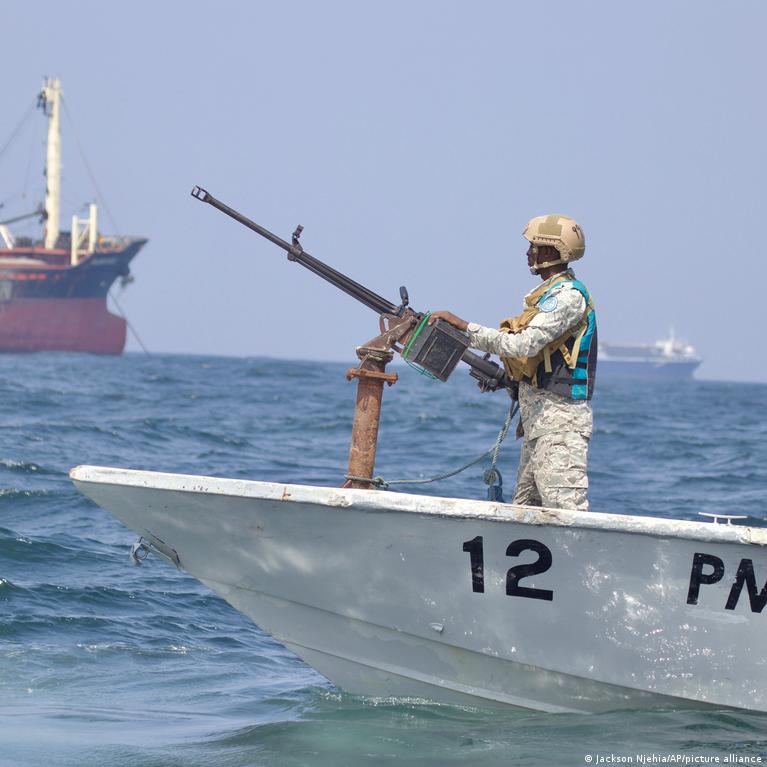
China’s moment? Putin heads to Beijing after Trump courts Xi (Dw)
Summary: Vladimir Putin’s visit to Beijing, following closely on Donald Trump’s state visit, underscores China’s pivotal role as a node between two adversarial great powers. The summit, while framed by a treaty anniversary, is a real-time calibration of the Sino-Russian ‘no-limits’ partnership under pressure from the Ukraine war and shifting US-China dynamics. Analysts note Russia’s increased dependency on China for energy markets and supply chains, while Beijing seeks reliable energy and strategic stability without overcommitting.
Why it matters: The summit tests the resilience and limits of the China-Russia axis, with direct implications for global energy flows, the trajectory of the Ukraine conflict, and the structure of a fragmenting geopolitical order.
Context: The ‘no-limits’ partnership declared in 2022 has evolved into a more transactional, asymmetric relationship where Russia is the junior partner, reliant on China as its primary economic lifeline amid Western isolation.
"Both the United States and Russia need China right now, albeit in opposing ways: Washington seeks a strategic rival while Moscow wants a partner with overlapping geopolitical and energy interests." — DW
Commentary: Beijing’s current advantage is structural, not ideological, allowing it to modulate support like ‘controlling the water tap’ rather than choosing sides. The immediate test is whether China’s need for a stable, buffered Russia outweighs its desire to avoid secondary sanctions and supply chain disruptions. The long-term risk for Beijing is that a catastrophically weakened Russia becomes a source of instability on its border, a scenario it will pay a premium in discounted oil to avoid.
URL: https://www.dw.com/en/china-s-moment-putin-heads-to-beijing-after-trump-courts-xi/a-77200122?maca=en-rss-en-all-1573-rdf
AI Sentiment Score: Negative (57%)
AI Credibility Score: 10.0/10 — High
Scores and text generated by AI analysis of the source article indicated.
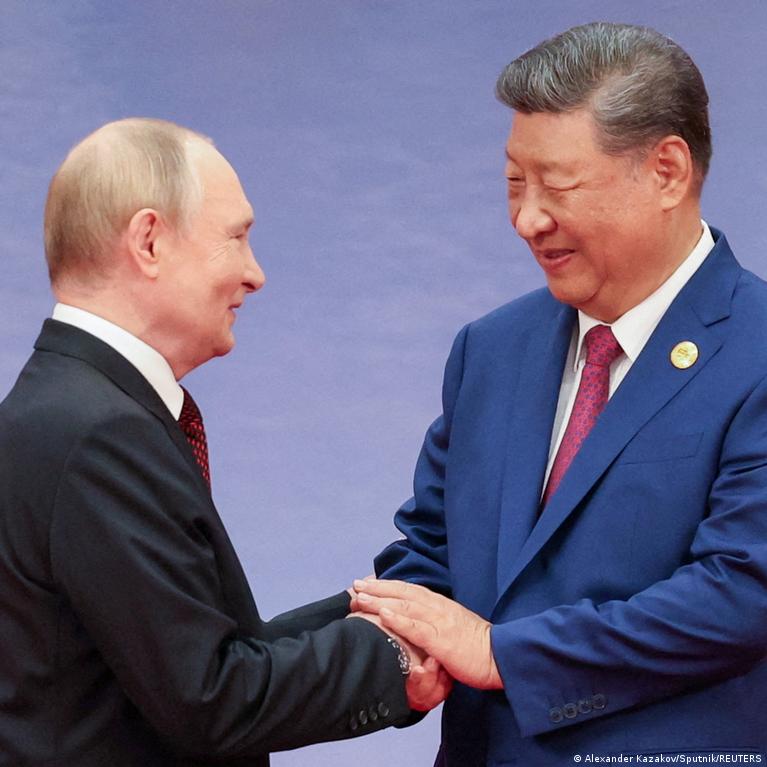
Middle East: Israel, Lebanon agree to extend truce, US says (Dw)
Summary: The US State Department announced a 45-day extension of the ceasefire between Israel and Lebanon, negotiated in Washington, even as Israeli strikes killed paramedics in southern Lebanon and targeted Hamas leadership in Gaza. The diplomatic push coincides with the UAE accelerating an oil pipeline to bypass the Strait of Hormuz, Germany and the US urging Iran to negotiate, and China offering to mediate. The fragility of the truce is underscored by ongoing military actions and evacuation orders.
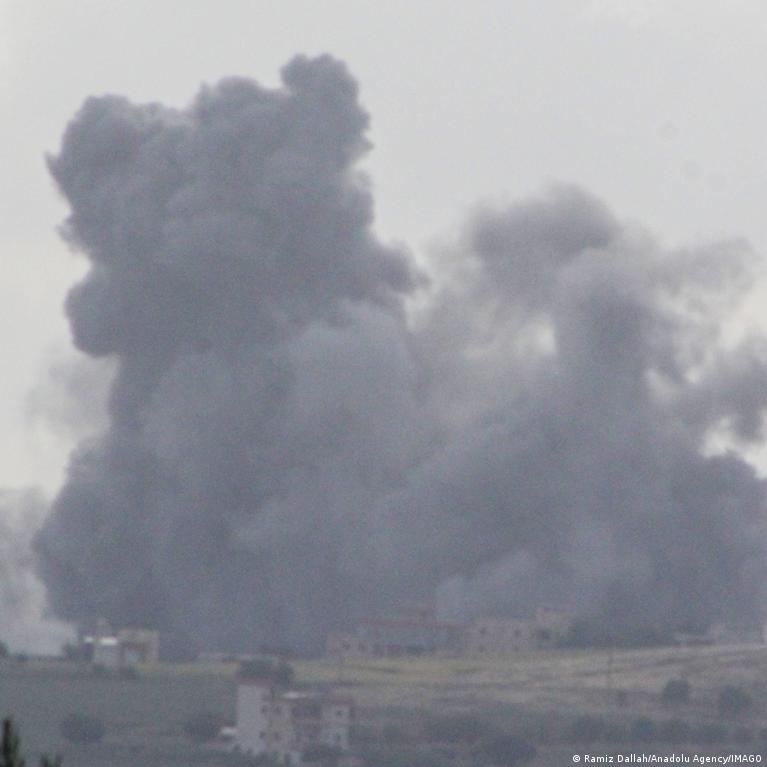
Why it matters: The extension provides a temporary operational pause but reveals the deep structural instability of the region, where diplomatic processes run parallel to kinetic actions, affecting energy security, alliance politics, and humanitarian conditions.
Context: This occurs against a backdrop of a multi-front conflict involving Iran, Gaza, and Lebanon, with external powers like the US, China, and Germany actively shaping the diplomatic and security landscape.
"The extension of the ceasefire and the establishment of a US-facilitated security track provide critical breathing space for our citizens, reinforce state institutions, and advance a political pathway toward lasting stability." — DW
Commentary: The simultaneous announcement of a truce extension and reports of lethal strikes illustrate the compartmentalized nature of this conflict: diplomacy and violence operate on separate, often contradictory, tracks. The UAE’s pipeline acceleration and international calls for Iran to open shipping lanes signal a pragmatic, long-term hedging strategy by regional and global actors, preparing for protracted instability irrespective of ceasefire outcomes.
URL: https://www.dw.com/en/middle-east-israel-lebanon-agree-to-extend-truce-us-says/live-77167235?maca=en-rss-en-all-1573-rdf
AI Sentiment Score: Negative (80%)
AI Credibility Score: 10.0/10 — High
Scores and text generated by AI analysis of the source article indicated.
Russia to block Kazakh oil flows to Germany via key pipeline (Dw)
Summary: Russia will block Kazakh oil shipments to Germany via the Druzhba pipeline from May 1, 2026, targeting the PCK Schwedt refinery that supplies over 90% of Berlin’s fuel. While the refinery has diversified since 2022, losing this route still cuts 17% of its annual crude intake, forcing reduced capacity. The move occurs amid a global energy crisis exacerbated by Middle East conflict, highlighting Russia’s continued ability to weaponize energy transit even as EU dependency on Russian oil has fallen to 2%.

Why it matters: This tests Europe’s energy resilience and the operational limits of its decoupling from Russia, with immediate consequences for regional fuel supply and refinery operations under trustee management.
Context: Since 2022, Germany has operated the formerly Russian-owned PCK refinery under state trusteeship, pivoting from Russian to Kazakh crude shipped via Russian territory—a dependency now being severed.
"Russia to block Kazakh oil flows to Germany via key pipeline April 22, 2026Russia plans to stop oil exports from Kazakhstan to Germany via the Druzhba pipeline from May 1, threatening a." — DW
Commentary: The Kremlin’s move is a calibrated pressure test, demonstrating that even marginal transit volumes retain strategic value in disrupting specific nodes. It underscores the incomplete nature of Europe’s energy decoupling: physical infrastructure and transit rights through Russia remain critical vulnerabilities. The refinery’s trustee structure and extended U.S. sanctions exemption now face acute operational strain, forcing a scramble for alternative maritime shipments that will tighten regional distillate markets further.
URL: https://www.dw.com/en/russia-to-block-kazakh-oil-flows-to-germany-via-key-pipeline/a-76895743?maca=en-rss-en-all-1573-rdf
AI Sentiment Score: Negative (75%)
AI Credibility Score: 10.0/10 — High
Scores and text generated by AI analysis of the source article indicated.
Could German ex-leader really negotiate Ukraine peace? (Dw)
Summary: Vladimir Putin has suggested former German Chancellor Gerhard Schröder as a potential European mediator for Ukraine peace talks. Schröder, long criticized for his close personal and financial ties to Putin and Russian energy interests, maintains that his personal relationship with the Russian president could be leveraged for a negotiated settlement. His stance has isolated him from Germany’s political establishment, which stripped him of certain post-chancellor privileges. The proposal tests whether personal diplomacy from a politically marginalized figure can alter a hardened geopolitical conflict.
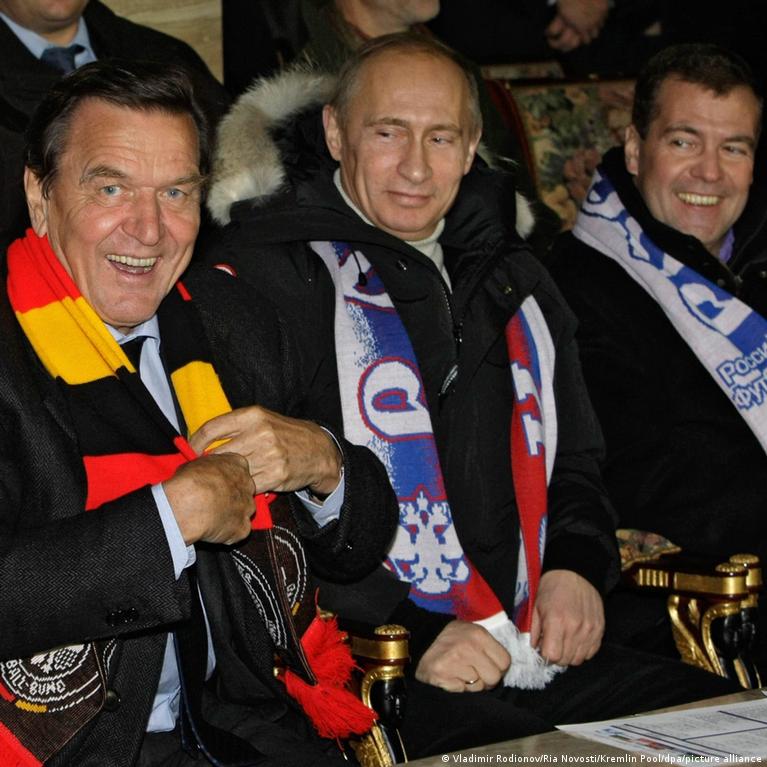
Why it matters: It probes the limits of personal diplomacy in an era of institutionalized state conflict and highlights the enduring influence of energy politics on European security.
Context: Schröder represents the apex of pre-2022 German Ostpolitik and its deep entanglement with Russian energy, a policy consensus that has since collapsed but whose architects retain informal channels.
""We have worked together sensibly for many years. Perhaps that can still help us find a negotiated solution; I don’t see another solution," he told Germany’s DPA news agency." — DW
Commentary: Putin’s offer is less a serious proposal than a tactical probe, designed to fracture European unity by legitimizing a sympathetic voice. Schröder’s continued advocacy for restarting Russian energy imports underscores the unresolved tension between Germany’s strategic reorientation and its economic history. The episode illustrates how personal networks from a prior geopolitical era become liabilities—or potential backchannels—when that era ends.
URL: https://www.dw.com/en/could-german-ex-leader-really-negotiate-ukraine-peace/a-77111372?maca=en-rss-en-all-1573-rdf
AI Sentiment Score: Negative (66%)
AI Credibility Score: 10.0/10 — High
Scores and text generated by AI analysis of the source article indicated.
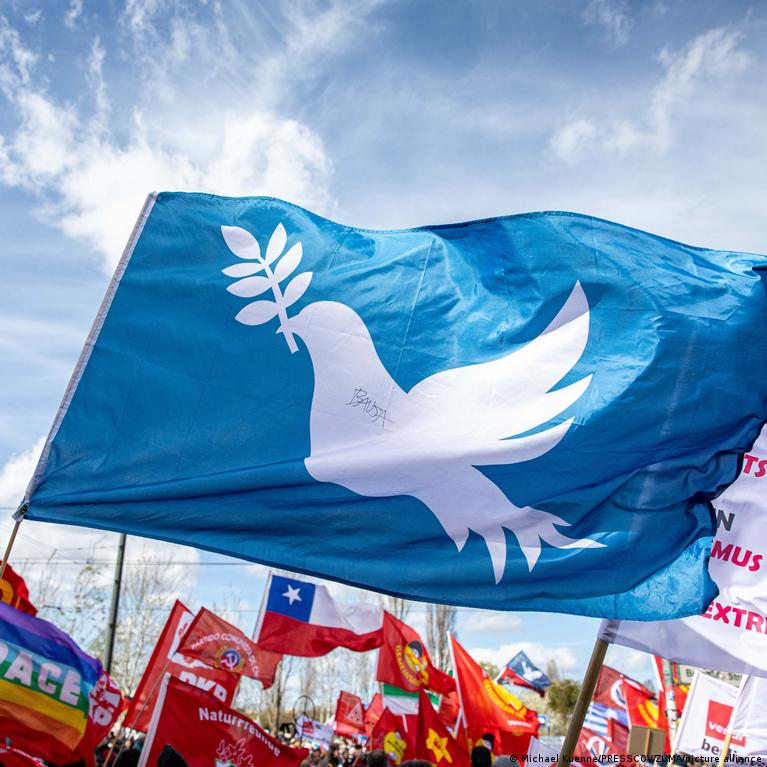
Ceasefire in sight? What’s next for Russia’s war in Ukraine (Dw)
Summary: Analysts surveyed at the Kyiv Security Forum assess the Ukraine war is approaching a potential inflection point, driven by US domestic politics and Russia’s economic strain. Kurt Volker suggests Ukraine now covers 60-70% of its own military needs, reducing reliance on Western arms. Evelyn Farkas and Volker both identify the November US midterms as a critical juncture for continued support. While a battlefield victory appears unlikely, a ceasefire is increasingly plausible as Russian reality ‘continues to get worse.’
Why it matters: The war’s trajectory is becoming a function of political calendars and industrial capacity, not just frontline maneuvers, signaling a shift to a protracted, politically-managed conflict.
Context: The analysis reflects a growing consensus that the conflict is stalemated militarily, making external political and economic pressures the primary levers for change.
"I don’t believe Russia will ever agree to a peace agreement with Ukraine," former US diplomat Volker says. "I think they could accept a ceasefire at some point. And I think we’re getting closer to that point." — DW
Commentary: The framing of a ‘ceasefire’ rather than ‘peace’ underscores a future of managed instability, where frozen conflict becomes a tool for political pressure. Ukraine’s reported 60-70% self-sufficiency in arms production, if accurate, fundamentally alters the West’s leverage and suggests a decoupling of the war’s duration from electoral cycles in Washington and Brussels.
URL: https://www.dw.com/en/ceasefire-in-sight-what-s-next-for-russia-s-war-in-ukraine/a-77138367?maca=en-rss-en-all-1573-rdf
AI Sentiment Score: Negative (90%)
AI Credibility Score: 10.0/10 — High
Scores and text generated by AI analysis of the source article indicated.
Middle East: Palestinians mark Nakba anniversary (Dw)
Summary: On the 78th anniversary of the Nakba, a fragile ceasefire in Gaza persists while regional tensions remain high. The US State Department announces a 45-day extension of the Israel-Lebanon truce, even as the IDF strikes Hezbollah targets near Tyre and issues evacuation orders. Concurrently, the UAE accelerates a pipeline project to bypass the Strait of Hormuz, and Iran signals openness to Chinese diplomatic mediation.
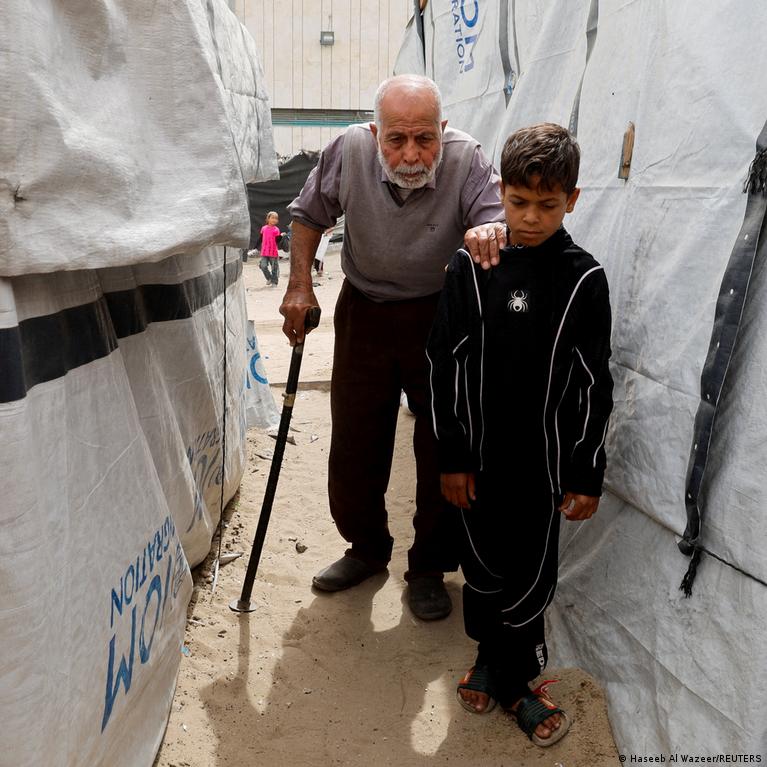
Why it matters: The commemoration underscores the unresolved political status of Palestinian displacement, while the simultaneous military and diplomatic maneuvers reveal the region’s unstable equilibrium and the shifting calculus of energy security.
Context: The Nakba anniversary consistently highlights the enduring legacy of the 1948 war, while current events illustrate how local conflicts are nested within broader geopolitical competition and energy infrastructure planning.
"The truce struck on April 16 and extended twice has considerably reduced the volume of strikes, particularly in more northern parts of Lebanon and the capital Beirut, but violations have taken place more or less daily." — DW
Commentary: The juxtaposition of ceremonial remembrance and active conflict management reveals a region operating on multiple timelines: historical grievance, immediate tactical de-escalation, and long-term strategic hedging, as seen in the UAE’s pipeline move. The nominal ceasefire extensions function as diplomatic scaffolding for a structure that remains fundamentally unstable, with kinetic action continuing to test its limits.
URL: https://www.dw.com/en/middle-east-palestinians-mark-nakba-anniversary/live-77167235?maca=en-rss-en-all-1573-rdf
AI Sentiment Score: Negative (87%)
AI Credibility Score: 10.0/10 — High
Scores and text generated by AI analysis of the source article indicated.
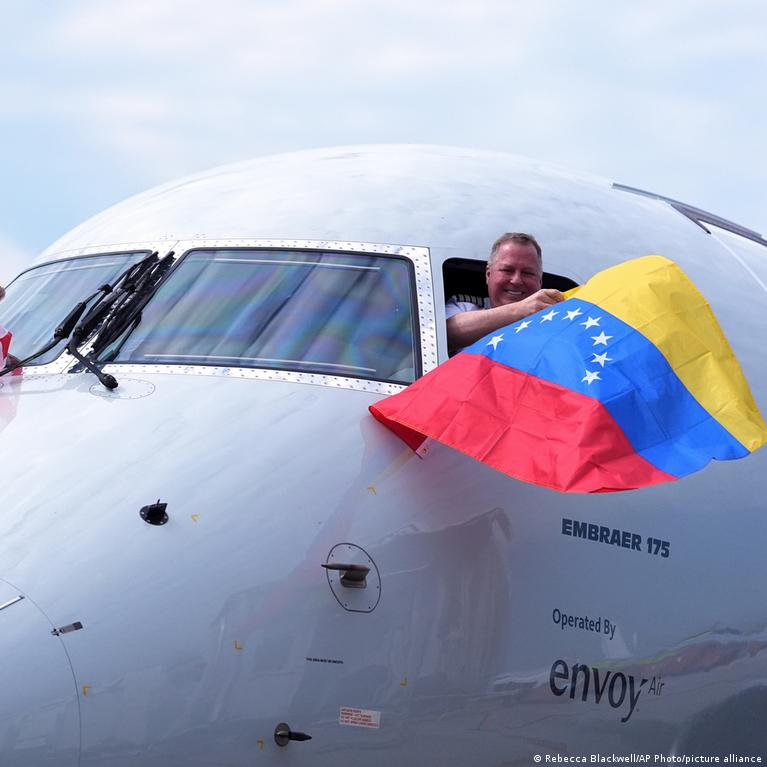
First direct US-Venezuela flight in 7 years lands in Caracas (Dw)
Summary: American Airlines subsidiary Envoy Air operated the first direct commercial flight from the US to Venezuela in seven years, landing in Caracas on May 1, 2026. The resumption follows a US military operation that captured former President Nicolás Maduro in January and the subsequent restoration of full diplomatic relations, including the reopening of the US embassy. The flight carried US National Energy Dominance Council Jarrod Agen to facilitate US business entry into Venezuela’s energy and mining sectors.
Why it matters: The route’s restoration is a tangible indicator of a major geopolitical realignment in the hemisphere, with immediate consequences for diaspora mobility, business access, and the operational posture of US agencies and corporations.
Context: Direct US-Venezuela flights were suspended indefinitely in 2019 by the US Homeland Security Department, citing security risks, forcing travel through third countries.
"The first direct commercial flight between the United States and Venezuela landed in Caracas on Thursday, seven years after the US Homeland Security Department indefinitely suspended operations, citing security risks." — DW
Commentary: The flight is less a travel story and more a logistics-based signal of a settled political outcome. The presence of a US energy official on the inaugural flight explicitly ties the route’s reopening to resource access and market capture, framing renewed mobility as an instrument of state economic policy. For the Venezuelan diaspora and businesses, this ends a costly era of circuitous routing, but it also locks a new political reality into airline schedules and corporate travel departments.
URL: https://www.dw.com/en/first-direct-us-venezuela-flight-in-7-years-lands-in-caracas/a-77006846?maca=en-rss-en-all-1573-rdf
AI Sentiment Score: Neutral (50%)
AI Credibility Score: 10.0/10 — High
Scores and text generated by AI analysis of the source article indicated.
Germany news: Chancellor Merz says he wouldn’t advise his kids to go to the US (Dw)
Summary: German Chancellor Friedrich Merz, speaking at a Catholic convention, stated he would not advise his own children or other young Germans to move to the US for study or work, citing the current ‘social climate’ and employment difficulties. This personal remark, from a leader with deep US business ties, follows a public diplomatic spat with President Trump and a US troop withdrawal announcement. The comments arrive alongside German government warnings of a significant Q2 economic slowdown driven by the Iran war’s impact on energy prices and supply chains.

Why it matters: A German chancellor publicly discouraging youth mobility to the US signals a cooling in transatlantic soft power and reflects broader European anxieties about American social and economic stability under a second Trump term.
Context: Merz’s comment fits a pattern of European leaders expressing growing ambivalence toward the US, compounded by economic strain from geopolitical disruptions and domestic political pressures.
"I am a great admirer of America, but right now my admiration is not increasing," he said, to laughter from the 1,600-strong audience — many of them young people. "I wouldn’t recommend to my children today that they go to the US, get an education there, and work there."
Commentary: Merz’s statement, delivered to a young Catholic audience, is less a formal policy shift than a calibrated signal of domestic political positioning—distancing from US turbulence while managing a strained bilateral relationship. Its potency lies in the personal framing from a pro-American figure, potentially reinforcing a European pivot toward strategic autonomy and reshaping elite German perceptions of US-bound career paths. The economic context—warnings of slowdown and industrial job losses—provides the domestic backdrop against which such foreign policy sentiments gain traction.
URL: https://www.dw.com/en/germany-news-chancellor-merz-says-he-wouldn-t-advise-his-kids-to-go-to-the-us/live-77168830?maca=en-rss-en-all-1573-rdf
AI Sentiment Score: Neutral (33%)
AI Credibility Score: 10.0/10 — High
Scores and text generated by AI analysis of the source article indicated.
EU invites Taliban members to discuss Afghan migrant returns (Dw)
Summary: The European Commission has invited Taliban representatives to Brussels for talks on deporting Afghan nationals deemed security threats by EU member states. This follows technical discussions in January and a petition from 20 countries citing a 2% return rate in 2024. The move is framed as operational, not diplomatic recognition, but occurs amid legal constraints from a 2024 ECJ ruling on Taliban persecution of women and the dire conditions for returnees documented by the UNHCR.
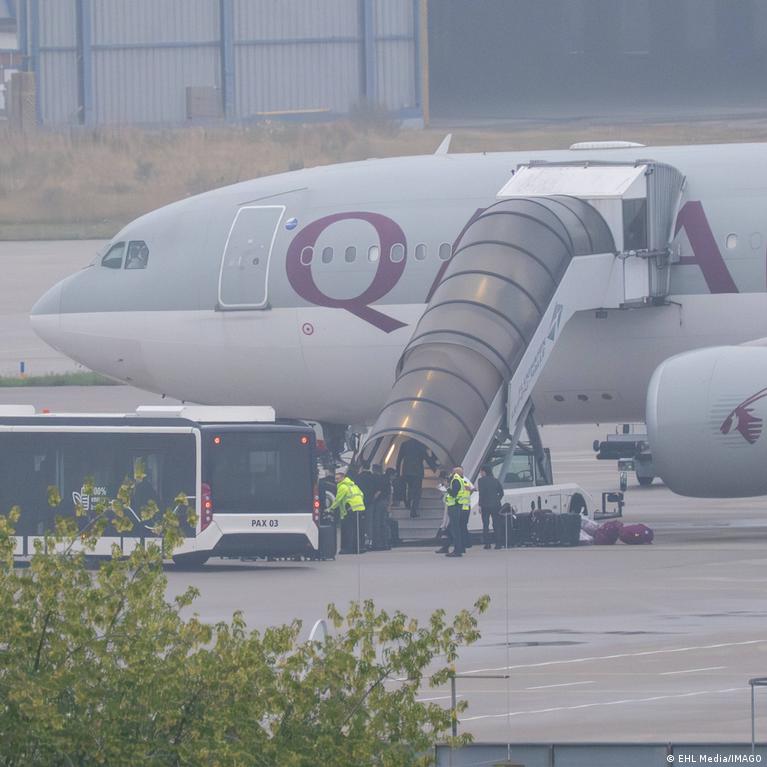
Why it matters: This operational engagement with a non-recognized regime tests the EU’s legal and ethical boundaries on returns, setting a precedent for migration policy under contested governance.
Context: The EU has struggled with Afghan returns since the Taliban’s 2021 takeover, balancing security demands against international law and human rights rulings, while regional actors like Pakistan and Iran have already deported millions.
"The countries launching the petition complained that of Afghans issued return orders by EU countries in 2024, only 2% were actually sent back." — DW
Commentary: The 2% return rate reveals the operational impasse driving this politically fraught outreach. Inviting the Taliban to Brussels, while disclaiming recognition, functionally legitimizes their authority over migration flows and risks normalizing a regime the ECJ has ruled persecutory. This creates a template for future deals with pariah states, trading deportation efficiency for eroded normative leverage.
URL: https://www.dw.com/en/eu-invites-taliban-members-to-discuss-afghan-migrant-returns/a-77134268?maca=en-rss-en-all-1573-rdf
AI Sentiment Score: Neutral (50%)
AI Credibility Score: 10.0/10 — High
Scores and text generated by AI analysis of the source article indicated.
Ukraine: EU sanctions Russians over ‘systematic unlawful deportation’ of children (Dw)
Summary: The EU has imposed new sanctions targeting 16 individuals and 7 entities linked to the systematic deportation and indoctrination of Ukrainian children, a core element of the ICC’s case against Vladimir Putin. Concurrently, a fragile three-day ceasefire declared by the US faces reported violations, and European leaders, while rejecting Russia’s proposal of Gerhard Schröder as a negotiator, are beginning to signal a potential shift toward direct engagement with Moscow, as articulated by Finland’s President Alexander Stubb.
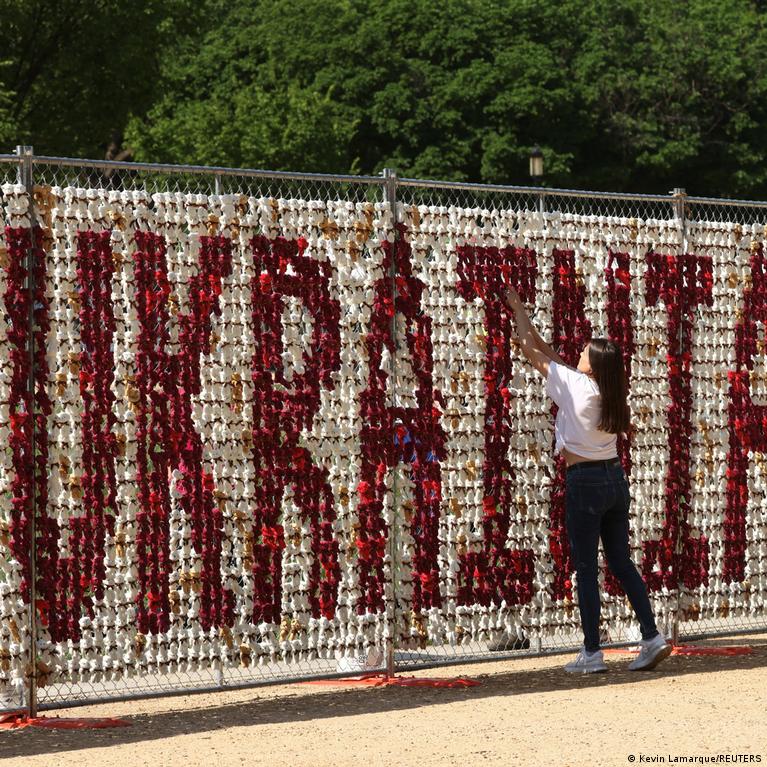
Why it matters: The sanctions solidify a legal and diplomatic front against a specific war crime, while the nascent European diplomatic murmurings signal a potential recalibration of the conflict’s management away from sole US stewardship.
Context: The EU’s 20th sanctions package was approved last month; these new measures target a distinct, legally charged aspect of the conflict. European rhetoric on direct talks with Moscow represents a subtle but notable departure from the post-2022 consensus of diplomatic isolation.
"Ukraine: EU sanctions Russians over child deportations Published May 11, 2026last updated May 12, 2026What you need to know – The EU announces new sanctions against Russians tied to child abductions at." — DW
Commentary: The child-focused sanctions are a precision instrument, aiming to erode the operational and bureaucratic infrastructure behind a demographic weapon. Meanwhile, the cautious European openness to dialogue, juxtaposed with laughter at Schröder, reveals a bloc calculating its agency in a conflict where US priorities may be diverging, as Stubb implied.
URL: https://www.dw.com/en/ukraine-eu-sanctions-russians-over-systematic-unlawful-deportation-of-children/live-77121806?maca=en-rss-en-all-1573-rdf
AI Sentiment Score: Negative (80%)
AI Credibility Score: 10.0/10 — High
Scores and text generated by AI analysis of the source article indicated.
Trump departs Beijing after whirlwind China visit (Dw)
Summary: President Trump concluded a high-stakes summit with President Xi Jinping in Beijing, marked by public declarations of ‘fantastic trade deals’ but scant detail. The talks underscored the persistent centrality of Taiwan, with Xi framing it as the ‘most important issue’ and a potential flashpoint for conflict. Trump’s public ambiguity on US defense commitments and pending arms sales to Taipei leaves policy direction unresolved. The visit’s choreography, including the prominent presence of US tech CEOs, highlighted the intertwined competition and cooperation in AI and trade.
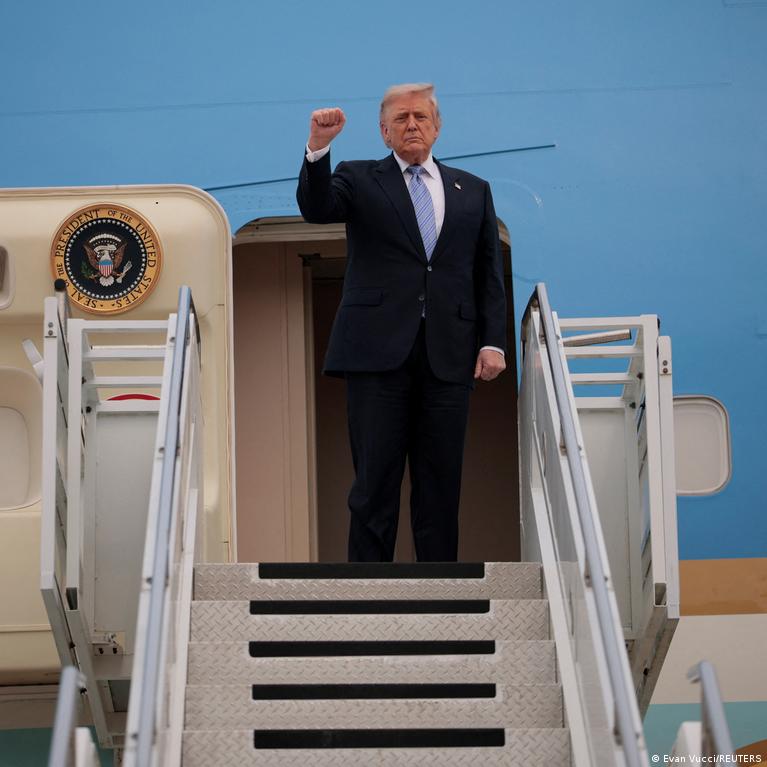
Why it matters: The summit’s outcomes will directly shape the stability of US-China relations, the security calculus in the Indo-Pacific, and the operational environment for global trade and technology sectors.
Context: This meeting follows an October 2025 trade truce and occurs amid ongoing US-China rivalry, Russia’s deepening alignment with China, and heightened tensions over Taiwan and the Strait of Hormuz.
""If mishandled, the two nations will experience collision or even clashes, pushing the entire China-US relationship into a highly dangerous situation," Xinhua News Agency quoted Xi as saying." — DW
Commentary: Xi’s stark warning on Taiwan, delivered directly to Trump, signals Beijing’s intent to make any substantive diplomatic progress contingent on Washington’s posture toward Taipei. Trump’s non-committal public response—refusing to answer Xi’s direct question on US defense—preserves maximum optionality but injects profound uncertainty into alliance management and crisis planning. The summit’s true substance will be revealed in the coming months through decisions on Taiwan arms sales, the trade truce extension, and any Chinese movement on the Strait of Hormuz, areas where the public readouts offered only vague optimism.
URL: https://www.dw.com/en/trump-departs-beijing-after-whirlwind-china-visit/live-77140304?maca=en-rss-en-all-1573-rdf
AI Sentiment Score: Negative (71%)
AI Credibility Score: 10.0/10 — High
Scores and text generated by AI analysis of the source article indicated.
Clashes as Morales-allied protesters march on Bolivian capital (Aljazeera)
Summary: Security forces in La Paz clashed with protesters allied with former President Evo Morales, who marched into the capital after a six-day trek. The demonstrations, involving dynamite and roadblocks, represent the most significant challenge to President Rodrigo Paz’s conservative government, which inherited a severe economic crisis. The blockades have triggered nationwide shortages of food, fuel, and medical supplies, prompting a military response and a humanitarian airlift from Argentina.

Why it matters: The unrest tests the stability of Bolivia’s post-Morales political order and demonstrates how economic distress can rapidly weaponize existing political fractures, with regional supply chains and diplomatic alignments directly affected.
Context: This is a continuation of the protracted conflict between Bolivia’s socialist movements, which dominated for nearly two decades under Morales, and the new conservative administration aligned with broader regional shifts. Road blockades are a established tactic for these groups.
"Road blockades have long been the main weapon of social movements allied with Morales that claim to represent Bolivia’s rural Indigenous majority. Over the past 16 days, these blockades have stranded thousands of trucks on key highways, triggering shortages of food, fuel and medical supplies in La Paz and other cities." — ALJAZEERA
Commentary: Paz’s government is caught between implementing austerity to address the economic crisis and placating a mobilized opposition that can paralyze the country. The joint statement from eight Latin American governments and U.S. support signals this is now a regional proxy conflict over political legitimacy, with Argentina’s humanitarian airlift underscoring the state’s failure to maintain basic logistical operability.
Date: Mon, 18 May 2026 21:16:22 +0000
URL: https://www.aljazeera.com/news/2026/5/18/clashes-as-morales-allied-protesters-march-on-bolivian-capital?traffic_source=rss
AI Sentiment Score: Negative (71%)
AI Credibility Score: 10.0/10 — High
Scores and text generated by AI analysis of the source article indicated.
"We’ve lived with them for 80 years": Inside a German town that US troops could soon leave after Donald Trump’s withdrawal threat (Dw)
Summary: Vilseck, a German town of 6,500, faces potential economic dislocation as the US threatens to withdraw its Stryker Brigade Combat Team, a fixture for 80 years. The local economy depends on a €650-700 million annual impact from the adjacent Grafenwöhr training area, supporting 3,000 jobs and ongoing €800 million in infrastructure investment. Residents and business owners, from hoteliers to dog groomers, are confronting déjà vu from similar threats in 2020, while the municipality quietly develops contingency plans like a new business park.

Why it matters: It demonstrates how geopolitical posturing translates directly into local economic fragility and community dissolution, testing the resilience of towns built around permanent, but politically contingent, institutions.
Context: US troop presence in Germany has been a recurring bargaining chip in transatlantic relations, particularly during the Trump presidency, with Vilseck having navigated this uncertainty before.
"The military training area generates an economic impact of €650 to €700 million ($765 to $824 million). That includes construction contracts, major projects, supermarkets, auto repair shops, and rental apartments. With 3,000 jobs, it is one of the largest employers in the region." — DW
Commentary: The Vilseck case reveals the operational hollowness of using military basing as a political lever: the sunk costs in infrastructure and deep social integration create immediate, severe local damage that outlasts any diplomatic signaling. The quiet development of a business park as a hedge indicates municipalities are internalizing the lesson that such alliances are no longer permanent, shifting long-term planning assumptions for host communities globally.
URL: https://www.dw.com/en/we-ve-lived-with-them-for-80-years-inside-a-german-town-that-us-troops-could-soon-leave-after-donald-trump-s-withdrawal-threat/a-77081982?maca=en-rss-en-all-1573-rdf
AI Sentiment Score: Negative (80%)
AI Credibility Score: 10.0/10 — High
Scores and text generated by AI analysis of the source article indicated.
Belarus launches drills involving Russian nuclear weapons (Dw)
Summary: Belarus has initiated military exercises involving Russian tactical nuclear weapons, testing deployment readiness and operational procedures. The drills follow Belarus’s 2023 agreement to host Russian nuclear missiles and a 2024 revision of Russian nuclear doctrine extending its umbrella over Minsk. Ukraine has condemned the move as a dangerous precedent for proliferation and a potential escalation vector, while the Kremlin denies any aggressive intent.
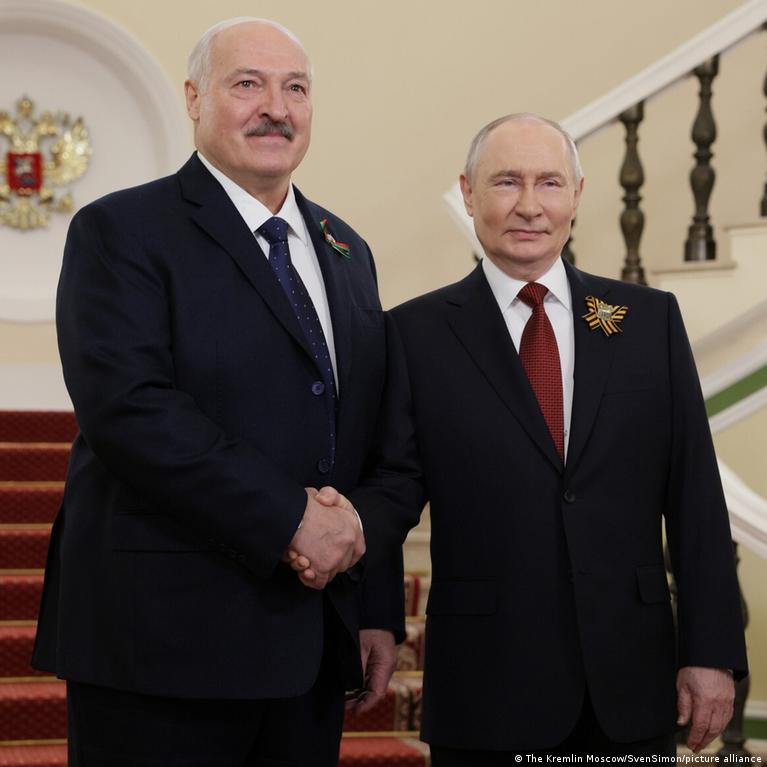
Why it matters: The drills represent a tangible, operational step in the forward deployment of Russian nuclear weapons, directly testing NATO’s eastern flank and challenging non-proliferation norms.
Context: This is part of a multi-year pattern of Belarus’s integration into Russian military structures since the 2022 invasion of Ukraine, moving from basing agreements to active joint nuclear exercises.
""During the training, in cooperation with the Russian side, it is planned to practise the delivery of nuclear munitions and their preparation for use," the ministry said." — DW
Commentary: The shift from stationing assets to conducting integrated drills marks an escalation in readiness and normalizes a nuclear-armed Belarus as a permanent feature of the European security landscape. This operationalizes the doctrinal shift of 2024, forcing NATO to update its deterrence posture and contingency planning along the Suwałki Gap and Ukrainian northern border. It also provides Moscow with a calibrated pressure lever—demonstrative readiness—short of actual deployment or use, complicating Western response calculus.
URL: https://www.dw.com/en/belarus-launches-drills-involving-russian-nuclear-weapons/a-77204498?maca=en-rss-en-all-1573-rdf
AI Sentiment Score: Negative (50%)
AI Credibility Score: 10.0/10 — High
Scores and text generated by AI analysis of the source article indicated.
North Korea’s new constitution deepens split with Seoul (Dw)
Summary: North Korea has amended its constitution to formally abandon the goal of Korean reunification and redefine South Korea as a ‘hostile state.’ The changes remove references to a shared national identity, grant Kim Jong Un exclusive authority over nuclear weapons, and shift the national narrative away from his predecessors. This codifies a strategic pivot from a fraternal partner to an external adversary.
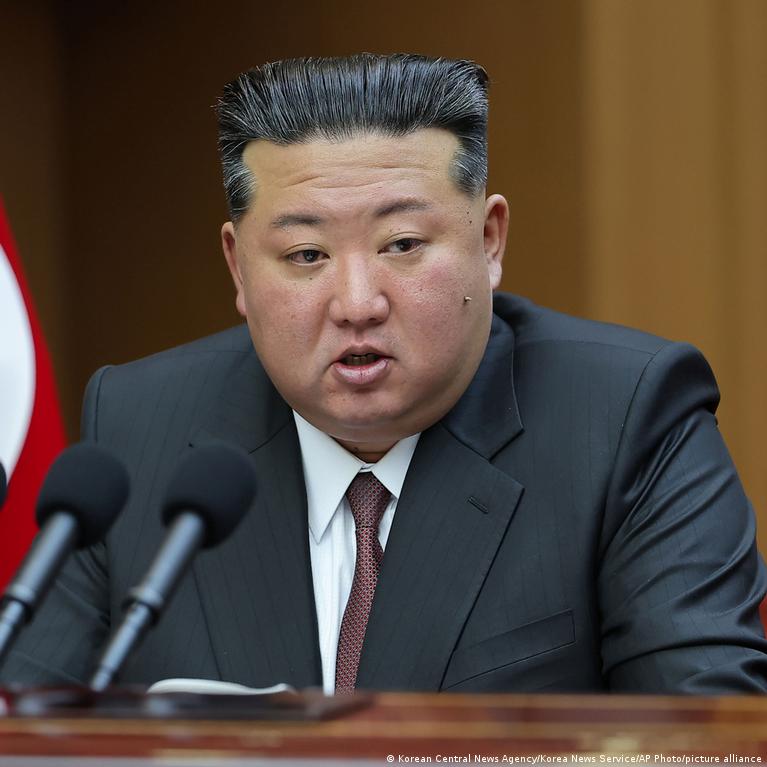
Why it matters: The constitutional shift locks in a new, more antagonistic interstate paradigm on the peninsula, altering the legal and doctrinal basis for all future diplomacy, military posture, and crisis management.
Context: This formalizes a doctrinal shift underway since the 2019 Hanoi summit collapse, moving from a reunification framework to a ‘two hostile states’ doctrine centered on regime security and nuclear deterrence.
"North Korea’s new constitution deepens split with Seoul May 18, 2026North Korea’s amended constitution has removed any reference to reunification with South Korea and to a shared Korean national identity, formally framing." — DW
Commentary: By constitutionalizing enmity, Pyongyang seeks to permanently justify its garrison state, consolidate Kim’s personal control over the nuclear arsenal, and create a legal pretext for calibrated provocations. The deliberate ambiguity on maritime borders, particularly the NLL, is an operational hedge, preserving low-cost escalation options. For Seoul and its allies, this erases the foundational fiction of eventual unity, forcing a recalibration of deterrence, diplomacy, and long-term strategy toward a permanently adversarial, nuclear-armed neighbor.
URL: https://www.dw.com/en/north-korea-s-new-constitution-deepens-split-with-seoul/a-77195733?maca=en-rss-en-all-1573-rdf
AI Sentiment Score: Negative (80%)
AI Credibility Score: 10.0/10 — High
Scores and text generated by AI analysis of the source article indicated.
Ukrainian children held in Russia: militarized, ‘reeducated’ (Dw)
Summary: A UN commission has found Russia’s systematic deportation and forced transfer of Ukrainian children constitutes war crimes and crimes against humanity. Ukrainian authorities document over 20,000 known cases, with the true number likely far higher, and report a shift in Russian tactics from mass resettlements to a multi-layered process of militarization, ideological indoctrination, and forced ‘Russification’ within occupied territories. Only about 2,100 children have been repatriated, often through painstaking mediation or covert organized efforts.

Why it matters: The systematic erasure of a population’s identity and its weaponization against itself represents a profound assault on international law and the future social fabric of a nation, with implications for post-conflict reconstruction and global accountability mechanisms.
Context: This follows the ICC’s 2023 arrest warrants for Putin and Lvova-Belova, which prompted a tactical shift in Russian operations, and coincides with a UN General Assembly resolution authorizing new mechanisms for tracking and repatriating children.
"He suspects that Russia plans to increase the number of youth enrolled in such movements to 250,000 by 2030, and particularly targets children in Russian-occupied Ukrainian territory to do so." — DW
Commentary: The scale and institutionalization of this program, targeting a quarter-million children for paramilitary training, moves it beyond a wartime atrocity into a long-term demographic and security strategy. The operational pivot after ICC warrants demonstrates a calculated adaptation to international pressure, embedding the crime deeper within occupied administrative structures. This creates a future cohort of potential combatants alienated from their origin, complicating any eventual reintegration and posing a durable security challenge. The limited success of repatriation efforts underscores the inadequacy of current diplomatic and humanitarian channels against a state-level campaign of assimilation.
URL: https://www.dw.com/en/ukrainian-children-held-in-russia-militarized-reeducated/a-77124356?maca=en-rss-en-all-1573-rdf
AI Sentiment Score: Negative (60%)
AI Credibility Score: 10.0/10 — High
Scores and text generated by AI analysis of the source article indicated.
Trump announces 3-day ceasefire between Ukraine and Russia (Dw)
Summary: In May 2026, US President Donald Trump announced a negotiated three-day ceasefire between Russia and Ukraine, set for May 9-11, to include a 1,000-for-1,000 prisoner exchange. Both Moscow and Kyiv confirmed the arrangement, with Ukrainian President Zelenskyy ordering his forces not to attack Moscow’s Red Square during Russia’s scaled-back Victory Day parade. Concurrently, Russia’s unilateral ceasefire earlier in the week was dismissed by Kyiv as insincere, with fighting continuing, and Moscow cited a ‘terrorist threat’ from Ukraine as the reason for parading without military hardware.
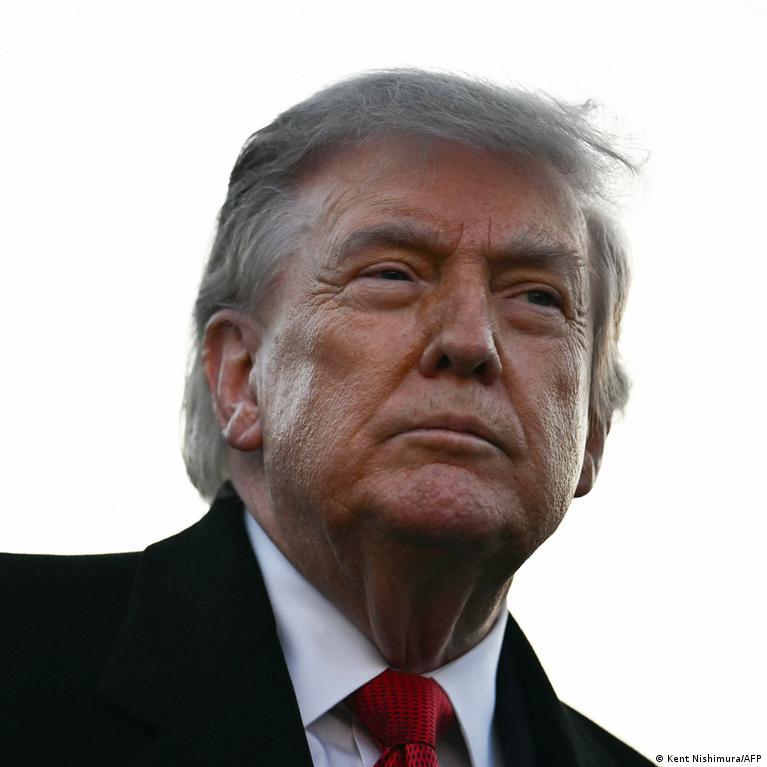
Why it matters: The announcement represents a significant, direct US diplomatic intervention under the Trump administration, altering the negotiation dynamics and potentially creating a fragile operational pause that could be a prelude to broader talks or simply a tactical reset.
Context: This follows years of stalled peace efforts and a war of attrition, with the US role shifting from military support to active, presidential-level mediation. The timing coincides with Russia’s politically sacred Victory Day, a period historically used for symbolic military displays now constrained by battlefield realities.
""I confirm the acceptability for the Russian side of the initiative just proposed by US President Donald Trump, concerning a ceasefire for a prisoner-of-war exchange between Russia and Ukraine," he told journalists." — DW
Commentary: The ceasefire’s primary function appears transactional and symbolic: securing a prisoner swap and allowing Russia’s parade to proceed under a veneer of negotiated safety, rather than under unilateral threat. The US’s re-emergence as a direct broker, after Secretary Rubio’s stated aversion to wasting time, suggests a calculated, limited-duration test of diplomacy. The operational reality remains fraught, as Zelenskyy’s earlier criticism of Russia’s unilateral ceasefire as ‘not even a [redacted] attempt’ underscores the profound mutual distrust that any temporary halt must navigate.
URL: https://www.dw.com/en/trump-announces-3-day-ceasefire-between-ukraine-and-russia/live-77091251?maca=en-rss-en-all-1573-rdf
AI Sentiment Score: Negative (55%)
AI Credibility Score: 10.0/10 — High
Scores and text generated by AI analysis of the source article indicated.
Gaza aid flotilla vessels taken to Crete after Israeli interception (Aljazeera)
Summary: Israeli forces intercepted the Global Sumud Flotilla in international waters near Greece, seizing 22 vessels and transferring 168 activists to Crete. The flotilla, carrying humanitarian aid to Gaza, was boarded using drones, jamming technology, and armed parties. Organizers and several governments, including Turkey and Spain, have condemned the action as illegal under international law, while the US State Department threatened consequences against the flotilla’s supporters.

Why it matters: This incident tests the enforcement of maritime law and humanitarian corridors, setting a precedent for state interdiction of civilian aid missions and reshaping the operational landscape for international activism and crisis response.
Context: This follows Israel’s interception of a similar flotilla in October 2023, indicating a persistent, high-seas enforcement strategy against civilian-led aid convoys to Gaza, amid ongoing international legal and diplomatic disputes over blockade legitimacy.
"Gaza aid flotilla vessels taken to Crete after Israeli interception Israel’s military reportedly seized 22 vessels sailing among the Global Sumud Flotilla. More than 160 activists on board aid ships forming a." — ALJAZEERA
Commentary: The operation demonstrates Israel’s willingness to project force into Mediterranean international waters, leveraging technological and tactical superiority against unarmed civilian vessels. This effectively militarizes a traditional channel of symbolic protest and humanitarian witness, forcing a recalculation of risk and logistics for future missions. The divergent international responses—from accusations of piracy to US threats—highlight the deepening geopolitical fault lines around the Gaza conflict, where maritime law becomes another contested domain.
Date: Fri, 01 May 2026 11:31:33 +0000
URL: https://www.aljazeera.com/news/2026/5/1/gaza-aid-flotilla-vessels-taken-to-crete-after-israeli-interception?traffic_source=rss
AI Sentiment Score: Negative (66%)
AI Credibility Score: 10.0/10 — High
Scores and text generated by AI analysis of the source article indicated.
Post ID: edb51a55