Business, Legal, and Ethical Aspects of Fashion Photography
5 Reasons Why Ethical Body Retouching Matters in 2025 (Picsretouch)
Summary: A retouching vendor’s promotional article positions ‘ethical body retouching’ as a 2025 industry standard, framing subtlety and human artistry as a luxury counterpoint to AI automation. It argues that techniques like digital sculpting and micro-adjustments must balance commercial appeal with authenticity, respecting brand guidelines promoting body acceptance. The piece asserts that human retouchers retain value through contextual understanding and ethical sensitivity, particularly for boudoir, maternity, and high-fashion editorial work.

Why it matters: This vendor narrative signals a market shift where technical skill is being rebranded as an ethical and artistic service, directly impacting how studios price work, photographers commission post-production, and brands manage liability around body image.
Context: The pitch reflects ongoing industry tension between efficiency-driven AI tool adoption and the need to preserve premium, bespoke service tiers. It also responds to increased public and client scrutiny over unrealistic digital alterations.
"AI tools can speed up online body reshaping and slimming, but true artistry still demands a human eye. A professional retoucher understands context, emotion, and storytelling – things algorithms can’t replicate." — PICSRETOUCH
Commentary: The argument is less about ethics and more about labor differentiation; it’s a vendor’s attempt to carve out a defensible, high-value niche against encroaching automation. This framing could pressure in-house retouchers and studios to formally adopt and document ‘ethical’ guidelines to justify rates and win brand contracts, potentially creating a new compliance layer in the commissioning pipeline.
Date: April 30, 2026 12:00 AM ET
URL: https://www.picsretouch.com/blog/5-reasons-why-ethical-body-retouching-matters-in-2025/
AI Sentiment Score: Negative (50%)
AI Credibility Score: 10.0/10 — High
Scores and text generated by AI analysis of the source article indicated.
Working With Talent: What Models Aren’t Telling You (Events.Humanitix)
Summary: Photographer Oliver Minnett is offering a paid workshop focused on the pre-production and interpersonal mechanics of editorial and commercial fashion shoots, framing them as a systematic, professional discipline. The curriculum treats casting, briefing, and on-set direction as core operational skills, with a significant emphasis on duty of care and image consent as non-negotiable components of a modern, viable practice. The talk explicitly targets photographers seeking to improve the commercial consistency and collaborative quality of their work, moving beyond technical or stylistic instruction.

Why it matters: It signals a formalization of soft skills—relationship management, ethical protocols, and pre-visualization—into billable professional competencies, directly affecting commissioning reliability and talent retention.
Context: This reflects a broader industry shift where talent agency standards, model advocacy, and public scrutiny over set conditions are forcing a recalibration of photographer workflows beyond mere image-making.
[Summary note] Photographer Oliver Minnett is offering a paid workshop focused on the pre-production and interpersonal mechanics of editorial and commercial fashion shoots, framing them as a systematic, professional discipline.
Commentary: Minnett is productizing a gap in traditional photography education: the operational pipeline. This creates a new continuing-education market while pressuring studios to systematize pre-production or risk inefficiency and reputational damage. Framing duty of care as a ‘creative advantage’ directly ties ethical practice to commercial outcomes, a necessary reframe for skeptical practitioners.
Date: May 01, 2026 12:00 AM ET
URL: https://events.humanitix.com/working-with-talent-what-models-arent-telling-you
AI Sentiment Score: Negative (50%)
AI Credibility Score: 7.0/10 — Medium
Scores and text generated by AI analysis of the source article indicated.
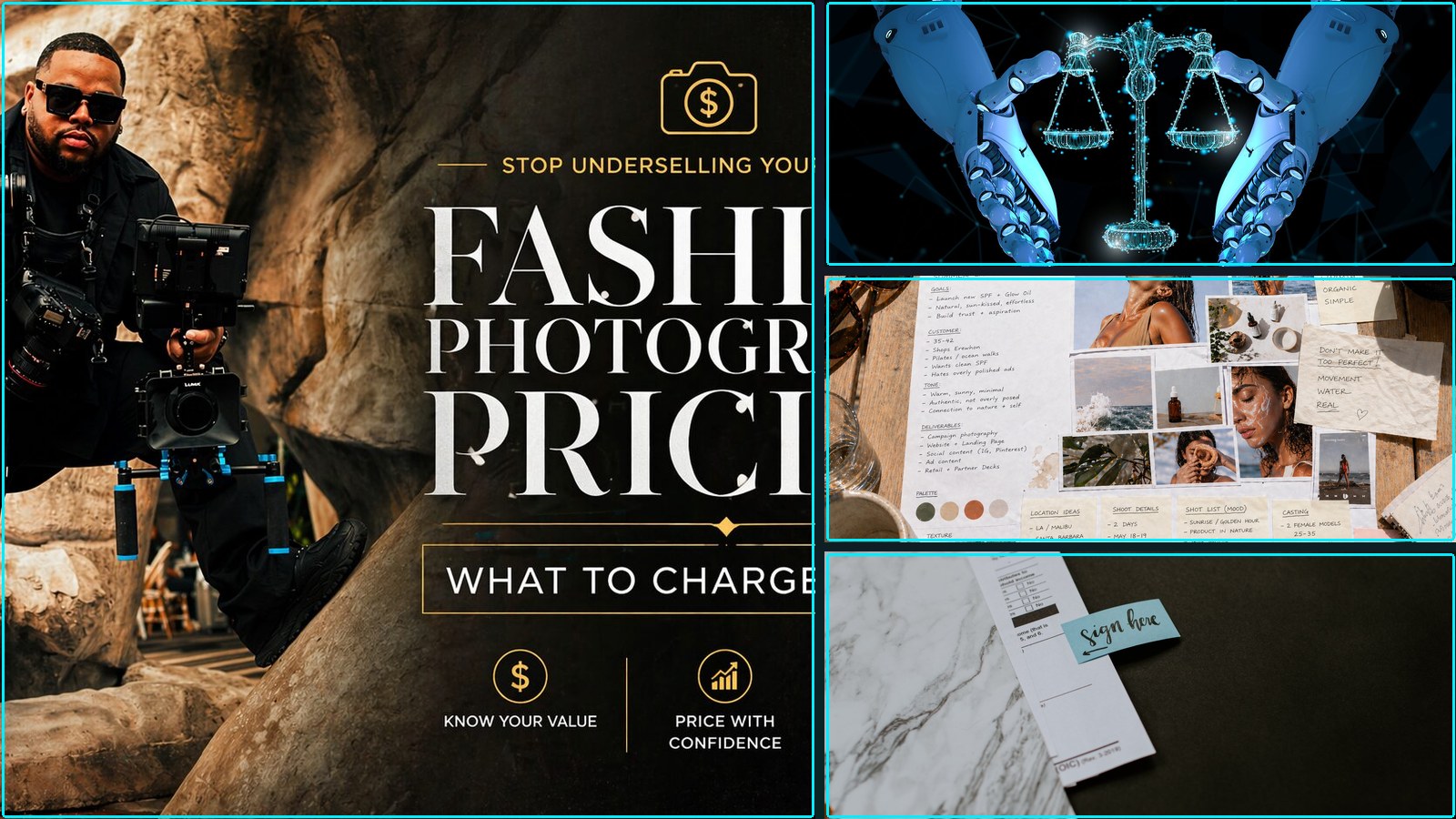
Fashion Photography Pricing: What to Charge in 2026 (Framedbydavinci)
Summary: A 2026 pricing guide for editorial fashion photography outlines a stratified day rate structure from $500 to $3,500+, emphasizing that creative fees are distinct from usage rights and ancillary charges. It details a systematic approach to licensing, advocating for additive pricing based on channel, scope, and duration of use. The guide stresses the professional necessity of billing for pre-production, post-processing, and travel, which are often undervalued.

Why it matters: For photographers, agents, and studio managers, this codifies a market-standard pricing framework essential for contract negotiation, revenue protection, and shifting client expectations away from all-inclusive, buyout models.
Context: Persistent industry pressure to bundle creative fees with unlimited usage has eroded photographer margins and asset value, making transparent, itemized pricing a critical business defense.
"Day rates for fashion photography range from $500 to $3,000+, depending on your experience, market, and usage. … – Beginner day rates typically start at $300–$600; experienced photographers charge $1,500–$3,000+ – Usage." — FRAMEDBYDAVINCI
Commentary: The explicit segmentation of usage rights by channel and duration formalizes the asset’s commercial value, directly impacting commissioning budgets and client allocation between production and media buys. This forces brands and publications to budget for licensing as a discrete media cost, potentially restructuring how creative and media agencies collaborate. For photographers, adopting this model is a direct hedge against the devaluation caused by content oversupply, anchoring price to audience reach rather than just labor time.
Date: April 22, 2026 12:00 AM ET
URL: https://www.framedbydavinci.com/fashion-photography-pricing-guide/
AI Sentiment Score: Negative (66%)
AI Credibility Score: 10.0/10 — High
Scores and text generated by AI analysis of the source article indicated.
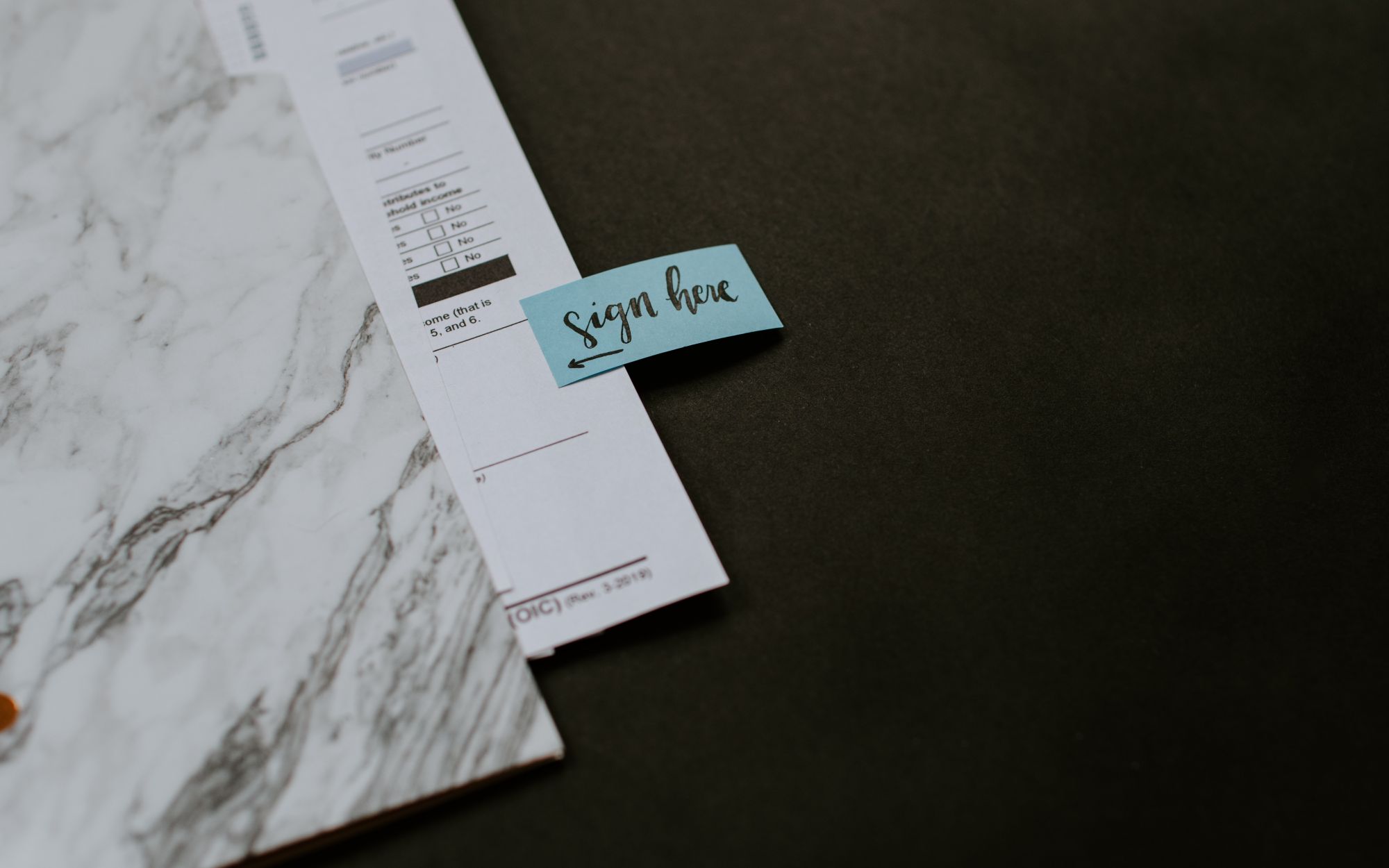
A Photographer’s Guide to Permission Forms – Framer (Wirestock.Framer.Website)
Summary: A Wirestock guide clarifies the legal distinction between commercial and editorial use of photography, emphasizing that model releases are required for commercial licensing but not for editorial contexts like newspapers or trade publications. It outlines the criteria for determining when a subject is ‘recognizable’ and thus necessitates a release, even without a clear facial view. The piece positions automated platforms like Wirestock as a solution for managing the administrative burden of permissions.
Why it matters: For photographers, agencies, and publishers, misclassifying use can lead to legal liability and frozen assets, directly impacting revenue and operational continuity.
Context: The proliferation of digital licensing and multi-platform distribution has intensified the legal scrutiny on image rights, making clearance a core competency rather than a peripheral administrative task.
"At its most basic, a model release form is a contract. A written and signed agreement between you and the person you are photographing, the purpose of a release is to protect." — WIRESTOCK.FRAMER.WEBSITE
Commentary: The guide’s binary framing (commercial vs. editorial) simplifies a complex legal landscape, but its practical emphasis on ‘recognizability’ over mere facial visibility sharpens due diligence for street-style and documentary work often repurposed for commercial campaigns. This shifts liability management upstream to the shoot, affecting on-set protocols and client contracts. Platforms offering automated release tools are effectively becoming essential infrastructure, embedding themselves into the commissioning and licensing pipeline.
Date: April 27, 2026 12:00 AM ET
URL: https://wirestock.framer.website/blog/a-photographer-s-guide-to-permission-forms
AI Sentiment Score: Negative (50%)
AI Credibility Score: 10.0/10 — High
Scores and text generated by AI analysis of the source article indicated.
Magazine licensing: a beginner’s guide – InPublishing (Inpublishing.Co.Uk)
Summary: A guide outlines the commercial and legal prerequisites for licensing a magazine internationally, emphasizing the need for globally relevant subject matter and visual style. It details the operational due diligence required to assess a target territory’s market viability and the importance of securing clear intellectual property rights, particularly for commissioned photography. The process culminates in a costly legal agreement defining rights, material supply, and payment terms, with a strong recommendation for upfront payment before asset transfer.
Why it matters: For publishers and rights holders, this clarifies the asset-liability calculus of turning a domestic title into an international revenue stream, directly impacting commissioning budgets, contract negotiations, and post-production workflows.
Context: International licensing represents a mature but complex revenue line for magazine publishers, contingent on clearing rights for high-value visual assets and navigating disparate market conditions.
"So now… the big question. Is your publication suitable for licensing? For starters, ask yourself the following: * is the subject matter likely to be compelling to sufficient readers in another country?" — INPUBLISHING.CO.UK
Commentary: This shifts leverage upstream in the commissioning process, forcing publishers to negotiate more expensive buyouts or extended licenses from photographers to preserve future optionality. It creates a clear financial incentive for in-house studios or contracted photographers who can deliver globally cleared work, potentially marginalizing contributors unwilling to cede broad rights. The 80% threshold establishes a de facto industry benchmark for assessing a title’s licensing readiness, turning a publication’s back catalog into an auditable asset.
Date: May 07, 2026 12:00 AM ET
URL: https://www.inpublishing.co.uk/articles/magazine-licensing-a-beginners-guide-2199
AI Sentiment Score: Neutral (33%)
AI Credibility Score: 7.0/10 — Medium
Scores and text generated by AI analysis of the source article indicated.
How Artificial Intelligence is Reshaping the Fashion Industry (Natlawreview)
Summary: A new legal landscape is emerging to govern AI’s use in fashion imagery, centered on model rights and digital replicas. New York’s Fashion Workers Act and Digital Replica Law now mandate specific, compensated consent for AI use and void overly broad ‘rights-grab’ contracts. Concurrently, federal and state-level proposals like the Deepfake Liability Act and Pennsylvania’s HR 81 seek to impose platform accountability and challenge copyright for AI-generated works. For multinational brands, compliance now means navigating a divergent transatlantic regime, with the EU’s AI Act imposing distinct transparency rules.

Why it matters: This regulatory patchwork directly impacts contract negotiation, liability, and production costs for studios, brands, and agencies commissioning or using AI-generated fashion content.
Context: The fashion industry’s rapid adoption of synthetic models and digital replicas has outpaced legacy intellectual property and labor frameworks, creating legal uncertainty and exploitative contracting practices.
"A digital replica agreement is void if it (i) allows a replica to be used instead of work the person would have done in person, (ii) fails to give a reasonably specific description of the intended use, and (iii) was negotiated when the individual did not have legal counsel or a union to consult." — NATLAWREVIEW
Commentary: The New York statutes effectively dismantle the standard industry practice of securing perpetual, low-cost digital rights via boilerplate clauses. This shifts bargaining power, necessitating separate negotiations and fee structures for AI applications, which will increase upfront costs and legal overhead for campaigns. The voiding of contracts negotiated without counsel or union representation institutionalizes collective bargaining as a prerequisite for digital replica deals, altering agency-talent dynamics. For post-production and CGI vendors, these laws create a new compliance layer, requiring meticulous audit trails linking final assets to specific, consented uses.
Date: May 01, 2026 12:00 AM ET
URL: https://natlawreview.com/article/how-ai-digital-doubles-and-new-laws-are-rewriting-fashion-and-beauty
AI Sentiment Score: Negative (60%)
AI Credibility Score: 10.0/10 — High
Scores and text generated by AI analysis of the source article indicated.
Image Usage Rights on Social Media (2026 Guide) – InfluencerDB (Influencerdb.Net)
Summary: InfluencerDB’s 2026 guide formalizes a granular, commercial framework for licensing editorial fashion photography on social media. It shifts the industry from informal handshake agreements to structured, priced rights menus segmented by channel, duration, territory, and paid media use. The guide operationalizes this by advocating for written grants of rights, embedded asset metadata, and pre-publication audits.

Why it matters: For photographers, studios, and brands, this codifies the monetization of secondary usage, turning repurposed content into a predictable revenue stream and liability shield.
Context: The industry has long grappled with ambiguous, after-the-fact disputes over image reuse, particularly as creator content is funneled into performance marketing budgets.
"To stay safe, treat every image as “owned by someone” until you have documentation that says otherwise. Also, separate “permission to post” from “permission to promote” because boosting a post or running." — INFLUENCERDB.NET
Commentary: This systematization pressures photographers and content creators to price like media buyers, not artists, embedding CPM logic into commissioning. It will accelerate the separation of creation fees from usage fees, forcing agencies to build rights-management overhead into their workflows. For publishers and brands, the audit checklist represents a new operational cost center to mitigate legal risk, particularly around derivative works in paid ads.
Date: April 26, 2026 12:00 AM ET
URL: https://influencerdb.net/influencer-compliance/image-usage-rights/
AI Sentiment Score: Negative (75%)
AI Credibility Score: 10.0/10 — High
Scores and text generated by AI analysis of the source article indicated.
How to Brief a Commercial Photographer and Why Most … (Chrisfrarastudios)
Summary: A commercial photography studio outlines a framework for effective creative briefing, positioning the brief as both a creative tool and a vetting mechanism. It emphasizes specificity over length, advocating for clear definitions of brand, audience, deliverables, and—critically—visual exclusions. The process is framed as a collaborative filter to align client needs with photographer capability before commitment.

Why it matters: For commissioning editors, art buyers, and brand creatives, this reframes the brief from an administrative task to a core piece of project and vendor risk management, directly impacting creative output, budget efficiency, and partnership selection.
Context: The client-photographer commissioning process is often opaque and inefficient, leading to misaligned expectations, costly reshoots, and strained relationships. This is a direct operational critique of that status quo.
"Your brief isn’t just a document you hand over so we know what to shoot. It’s also one of the best tools you have for figuring out whether a photographer is actually." — CHRISFRARASTUDIOS
Commentary: This shifts power dynamics in the commissioning pipeline, demanding more upfront intellectual labor from clients to secure better downstream results. It implicitly critiques the industry’s reliance on portfolios and reputational shorthand, advocating for a more rigorous, dialogue-based selection process. Studios adopting this framework will likely see higher project alignment but may face resistance from clients accustomed to less preparatory work.
Date: April 29, 2026 12:00 AM ET
URL: https://www.chrisfrarastudios.com/blog/how-to-brief-a-commercial-photographer
AI Sentiment Score: Positive (40%)
AI Credibility Score: 10.0/10 — High
Scores and text generated by AI analysis of the source article indicated.
Sherri Hill Files Federal Lawsuit Alleging Unauthorized Use of Copyrighted Images by Online Retailers (Morningstar)
Summary: Sherri Hill, Inc. has initiated federal copyright litigation against the operators of the KissProm.com and SheIsMe.com websites, alleging unauthorized use and alteration of its copyrighted marketing imagery to sell formal dresses. The suit, filed in the Southern District of New York, targets the commercial exploitation of a registered portfolio of photographs central to the brand’s identity. It asserts claims for infringement and removal of copyright management information, seeking injunctive relief and damages.
Why it matters: This case underscores the escalating financial and operational stakes for brands in policing digital asset misuse, directly impacting marketing budgets, legal strategy, and the valuation of proprietary visual content.
Context: This lawsuit reflects a broader industry trend of formalwear and fashion brands aggressively litigating to protect high-value campaign imagery from unauthorized e-commerce use, which dilutes brand equity and funds counterfeit supply chains.
"NEW YORK, April 27, 2026 /PRNewswire/ — Sherri Hill, Inc., a designer and marketer of formalwear, has filed a lawsuit in the United States District Court for the Southern District of New." — MORNINGSTAR
Commentary: The inclusion of claims for alteration of images and removal of copyright management information signals a tactical shift toward pursuing statutory damages under the DMCA, which can be more lucrative and easier to suggest than direct infringement alone. For studios and photographers, this reinforces the necessity of embedding and tracking CMI in deliverables. The suit’s focus on specific e-commerce operators, rather than broader platforms, suggests a targeted strategy to establish precedent and deter mid-tier infringers, potentially reshaping how brands allocate enforcement resources between platform takedowns and direct litigation.
Date: April 27, 2026 12:00 AM ET
URL: https://www.morningstar.com/news/pr-newswire/20260427ny44289/sherri-hill-files-federal-lawsuit-alleging-unauthorized-use-of-copyrighted-images-by-online-retailers
AI Sentiment Score: Positive (50%)
AI Credibility Score: 10.0/10 — High
Scores and text generated by AI analysis of the source article indicated.
Photographer Model Release Forms: Commercial Use … (Formfy.Ai)
Summary: A detailed breakdown of model release forms highlights their critical function as the legal instrument that transforms a photograph from a copyrighted work into a monetizable commercial asset. The article enumerates the eight essential components of a release, emphasizing the strict delineation between commercial and editorial use, the precise definition of usage scope, and the complex legal handling of minors. It underscores that the release’s specificity directly governs a photographer’s ability to license images through stock agencies or for custom campaigns.

Why it matters: For editorial fashion photographers, stylists, and agents, the precise terms of a model release dictate downstream licensing potential, define liability, and determine the economic value of an image archive.
Context: The professionalization of release management reflects broader industry trends toward formalized rights management and asset monetization, moving beyond informal agreements.
"Model release forms are the legal foundation that turns a photograph into a usable commercial asset. Without a signed release, a photographer holds a copyright but cannot sell the image for commercial." — FORMFY.AI
Commentary: This formalization pressures photographers and producers to make definitive, pre-shoot commercial determinations, locking in economic potential and creating a clear audit trail for agencies and publishers. The emphasis on Coogan-law compliance and minor handling signals increased legal risk for youth-focused campaigns, likely driving up production costs and requiring specialized legal counsel. For stock contributors, the push for perpetual, worldwide releases as a market standard centralizes power with large agencies while limiting photographers’ future renegotiation leverage.
Date: April 27, 2026 12:00 AM ET
URL: https://formfy.ai/blog/photographer-model-release-forms
AI Sentiment Score: Negative (50%)
AI Credibility Score: 9.9/10 — High
Scores and text generated by AI analysis of the source article indicated.
Photographers make your photos are protected. (Youtube)
Summary: Photographers should make sure they have a clear contract. Because sometimes businesses like to take advantage of the situation and use your photos for something else than what was contracted.
Why it matters: Contractual scope creep remains a primary IP risk. Review usage rights granularity.
Context: Focus on defining secondary distribution channels and usage longevity within agreements.
"Photographers should make sure they have a clear contract. Because sometimes businesses like to take advantage of the situation and use your photos for something else than what was contracted." — YOUTUBE
Commentary: The signal is still worth tracking, but the current extraction path did not yield enough body text for a fuller analytical read. The immediate implication is operational rather than speculative: watch how this changes budgets, workflows, or risk assumptions over the next cycle.
Date: April 30, 2026 12:00 AM ET
URL: https://www.youtube.com/watch?v=83XNOB0CiMA
AI Sentiment Score: Negative (66%)
AI Credibility Score: 10.0/10 — High
Scores and text generated by AI analysis of the source article indicated.
IPR, MET Gala & Raja Ravi Varma: Fashion, Art & Copyright Explained (Youtube)
Summary: A legal analysis of the Met Gala’s red-carpet ecosystem clarifies the strict, temporary nature of designer loans and the complex licensing matrix governing resulting imagery. The discussion highlights how celebrity endorsement agreements explicitly dictate permissible social media platforms, usage duration, and post-event content management for borrowed garments. This formalizes a system where the photograph is not a simple record but a multi-party commercial asset.
Why it matters: For photographers, stylists, publications, and brand legal teams, this defines the operational constraints and revenue potential for high-profile event imagery, moving it from editorial capture to contractually managed IP.
Context: Red-carpet events have evolved from press opportunities into primary marketing channels, with every image serving as a controlled brand activation governed by pre-negotiated rights.
"Um as I said you know a lot of outfits uh at the medgala are you know loaned by {ts:1208} designers. So in such case uh celebrities receive very limited rights to." — YOUTUBE
Commentary: This codifies the red-carpet photographer’s role as a licensor within a pre-fabricated brand narrative, not a documentarian. The value shifts from exclusive access to negotiating access within a web of existing contracts, favoring agencies and legal teams over pure editorial relationships. It entrenches a system where the most newsworthy images are also the most commercially restricted, potentially limiting secondary markets and archival usage.
Date: May 06, 2026 12:00 AM ET
URL: https://www.youtube.com/watch?v=w15kbN5mags
AI Sentiment Score: Positive (50%)
AI Credibility Score: 10.0/10 — High
Scores and text generated by AI analysis of the source article indicated.
Influencer Content Usage Rights: Agency Licensing Guide 2026 (Blog.Truleado)
Summary: A 2026 agency licensing guide details the contractual mechanics of influencer content usage rights, emphasizing that creators retain copyright by default and brands only acquire rights explicitly defined in the contract. It provides a pricing calculator for agencies, recommending specific percentage uplifts on base creator rates for various channels and durations, and advocates for structuring contracts with explicit grant clauses and usage trackers.
Why it matters: For agencies, studios, and brands, this codifies the operational and financial shift from vague content ownership to a structured, itemized licensing model, directly impacting campaign budgeting, legal risk, and creator negotiations.
Context: This reflects the ongoing professionalization and contractual formalization of the influencer marketing sector, moving from handshake deals to granular, financeable asset management.
"When a creator makes content for a sponsored campaign, they own the copyright to that content by default. The brand or agency gets a license to use it — but that license." — BLOG.TRULEADO
Commentary: The guide operationalizes content as a licensed asset with a clear cost structure, forcing agencies to overhaul budgeting templates and negotiation playbooks. It signals the end of ‘content for exposure’ ambiguity, turning rights into a direct line-item with stackable fees, which could pressure margins and require more sophisticated campaign management tools.
Date: April 28, 2026 12:00 AM ET
URL: https://blog.truleado.com/influencer-content-usage-rights-agency-guide-2026/
AI Sentiment Score: Negative (80%)
AI Credibility Score: 9.2/10 — High
Scores and text generated by AI analysis of the source article indicated.
Post ID: 1e6fce34