Made In USA manufacturing and logistics
JCPenney Parent Catalyst Brands Deploys Humanoid Robots in Nevada Warehouse (Wwd)
Summary: Catalyst Brands, the parent company of JCPenney, Brooks Brothers, and other apparel labels, has entered a partnership with Figure AI to deploy Figure 03 humanoid robots in its Reno, Nevada distribution center. The initial application will be within the ‘Joey Pouch’ sorting system, automating repetitive tasks like picking and placing packages. The deal, which allows for quick scalability, is positioned as a standardized labor solution for a multi-brand portfolio undergoing expansion.

Why it matters: This partnership signals a move beyond pilot programs to commercial deployment of humanoids in apparel logistics, testing their viability for handling soft goods and setting a potential template for portfolio companies under large investment firms.
Context: While Amazon has tested humanoids, commercial agreements in retail supply chains remain rare. This deal is also the first between Figure and a portfolio company of Brookfield, which has stakes in both firms.
"As Catalyst Brands scales its multi-brand portfolio, our humanoids provide a standardized labor solution that can be deployed across diverse industries instantly. This collaboration establishes the playbook for how AI-driven hardware can serve as a primary growth engine for modern holding companies." — WWD
Commentary: The operational test is less about replacing humans than about creating a flexible, scalable labor layer for peak demand and expansion, reducing the physical strain of sorting. For domestic logistics, the key constraint isn’t just cost but the availability of labor for repetitive, injury-prone tasks; this offers a potential resilience lever. If successful, it provides a model for other holding companies to deploy standardized automation across disparate brand warehouses, shifting capital expenditure toward modular robotics rather than fixed conveyor systems.
Date: Mon, 01 Jun 2026 22:03:23 +0000
URL: https://wwd.com/sourcing-journal/logistics/jcpenney-catalyst-brands-humanoid-robotics-nevada-warehouse-figure-ai-1238989119/
AI Sentiment Score: Negative (71%)
AI Credibility Score: 10.0/10 — High
Scores and text generated by AI analysis of the source article indicated.
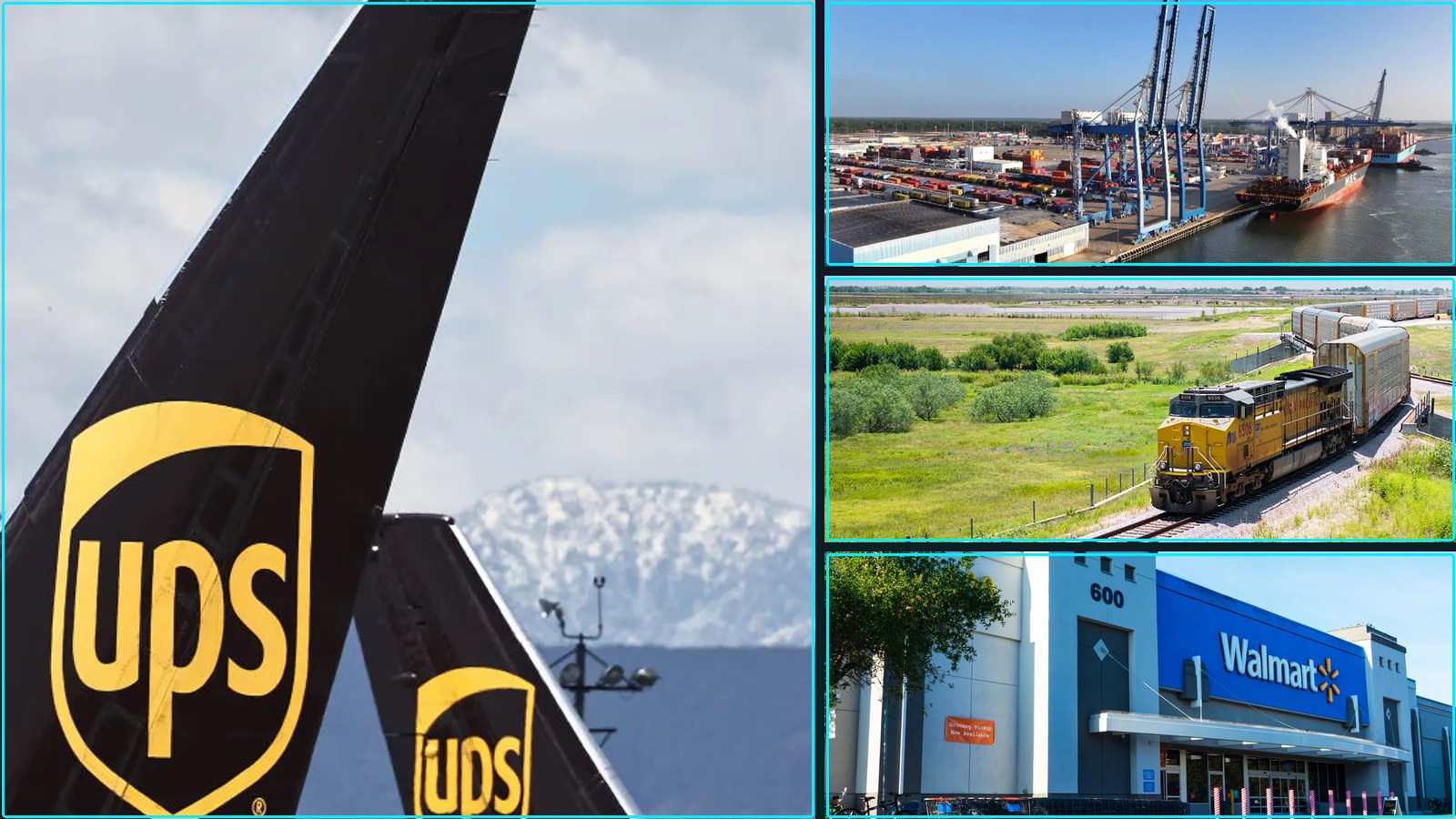
UPS Targets Manufacturers With $50M Mexico Air Freight Investment (Wwd)
Summary: UPS is investing $50 million to expand its air freight network in Mexico, launching time-definite heavy air freight services in August with one- to three-day options. The move targets industrial and automotive manufacturers seeking reliable, integrated cross-border logistics amid nearshoring trends. The investment follows the collapse of UPS’s acquisition of Estafeta and capitalizes on a 54% year-over-year increase in U.S.-Mexico air freight value, driven by tariffs and the end of duty-free de minimis.

Why it matters: For manufacturers nearshoring to Mexico, this creates a new, integrated logistics option that promises to reduce border delays and stabilize production lines, directly impacting operational reliability and inventory planning.
Context: Nearshoring is accelerating due to geopolitical tariffs and USMCA benefits, with air freight between the U.S. and Mexico growing rapidly. Logistics providers are competing to offer end-to-end solutions that simplify historically fragmented cross-border shipping.
"Air represented $33.2 billion of freight moved between the U.S. and Mexico in 2025, up 54 percent from the $21.5 billion transported via that mode in 2024." — WWD
Commentary: UPS’s move is a tactical infrastructure play, not just a service launch. By embedding a dedicated team of 300 industry experts and integrating brokerage and warehousing, they’re selling production stability as a product. The failed Estafeta acquisition forced a capital-intensive organic build-out, but the focus on heavy freight and time-definite service directly addresses the most painful constraint for manufacturers: unpredictable lead times. This could pressure other carriers to move beyond basic parcel delivery into integrated, industry-specific logistics suites.
Date: Mon, 01 Jun 2026 13:00:00 +0000
URL: https://wwd.com/sourcing-journal/logistics/ups-mexico-air-cargo-freight-network-manufacturers-50-million-nearshoring-1238986984/
AI Sentiment Score: Negative (88%)
AI Credibility Score: 10.0/10 — High
Scores and text generated by AI analysis of the source article indicated.
Port of Charleston to increase automotive cargo capacity (Supplychaindive)
Summary: The South Carolina Ports Authority is expanding roll-on/roll-off cargo operations at the Port of Charleston, targeting a 2028 completion. The project focuses on rail infrastructure and vessel parking at the North Charleston Terminal to support automotive imports and exports. This follows Georgia’s parallel investments, signaling a regional capacity race for automotive logistics.
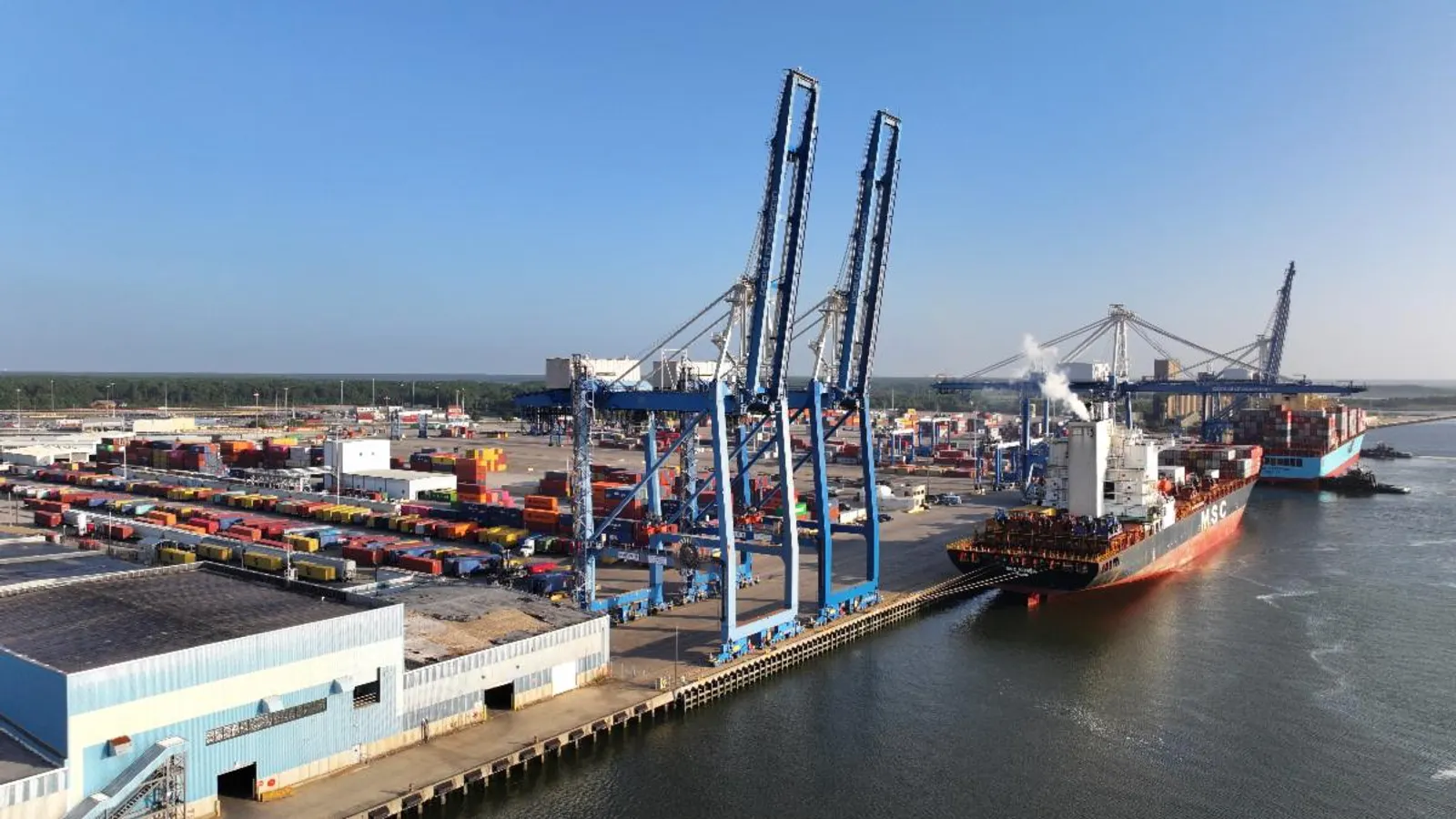
Why it matters: For manufacturers and logistics managers, this expansion directly impacts vessel scheduling, rail access, and storage availability for just-in-time automotive parts and finished vehicle shipments in the Southeast corridor.
Context: Southeast ports are competing for automotive cargo, with Georgia handling 779,000 units in 2025 and South Carolina leveraging its 18% market share of U.S. passenger vehicle sales and existing BMW, Mercedes, and Volvo plants.
"Dive Brief: – The South Carolina Ports Authority plans to expand its roll-on/roll-off cargo operations to support the state’s growing automotive industry, according to a May 15 press release. – The Port." — SUPPLYCHAINDIVE
Commentary: The investment is less about new demand and more about hardening existing, fragile just-in-time networks. The real constraint isn’t volume but the resilience of rail-to-dock transfers and parking density for oversized components. For procurement teams, this signals a shift in port selection calculus from pure cost to guaranteed berth access and intermodal fluidity by 2028.
Date: Mon, 01 Jun 2026 09:35:00 -0400
URL: https://www.supplychaindive.com/news/port-of-charleston-to-increase-automotive-cargo-capacity/821332/
AI Sentiment Score: Negative (75%)
AI Credibility Score: 10.0/10 — High
Scores and text generated by AI analysis of the source article indicated.
unspun: Focused On Creating A New Category Of Apparel Production (Textileworld)
Summary: Unspun, a San Francisco startup with over $50 million in venture funding, is commercializing an AI-enabled 3D weaving platform designed to manufacture shaped garment components directly from yarn. The approach aims to collapse traditional cut-and-sew steps, moving complexity upstream to enable automation and reduce lead times from months to days or weeks. The recent appointment of a CEO with global brand experience signals a shift from R&D to industrial deployment. The company’s proposition centers on operational levers: lead time compression, inventory and waste reduction, and margin resilience for brands facing volatile demand and supply chain risk.

Why it matters: For domestic manufacturers and brands, this represents a potential path to viable, automated production that could alter the calculus of reshoring by addressing the core constraints of labor and batch-size economics.
Context: Apparel assembly has resisted automation due to the complexity of handling soft goods; most automation efforts focus on downstream sewing, while unspun’s strategy is to redesign the upstream fabrication process to simplify downstream tasks.
"Backed by more than $50 million, the San Francisco startup aims to cut lead times, reduce waste, and make automation practical in apparel manufacturing. Textile World Special Report Why apparel automation still." — TEXTILEWORLD
Commentary: The practical implication is a re-architecting of the production pipeline: if 3D weaving of components suggests reliable at scale, it reduces the skilled sewing labor requirement, which is a primary bottleneck for US production. This shifts the capital expenditure from robotics integration to specialized textile machinery, creating a new vendor and maintenance ecosystem. For brands, the operational test is whether the promised lead-time compression and smaller batch economics can offset potentially higher unit costs from nascent technology, making near-shoring a more resilient, rather than just a political, choice.
Date: Mon, 01 Jun 2026 00:27:52 +0000
URL: https://www.textileworld.com/textile-world/knitting-apparel/2026/05/unspun-focused-on-creating-a-new-category-of-apparel-production/
AI Sentiment Score: Negative (60%)
AI Credibility Score: 10.0/10 — High
Scores and text generated by AI analysis of the source article indicated.
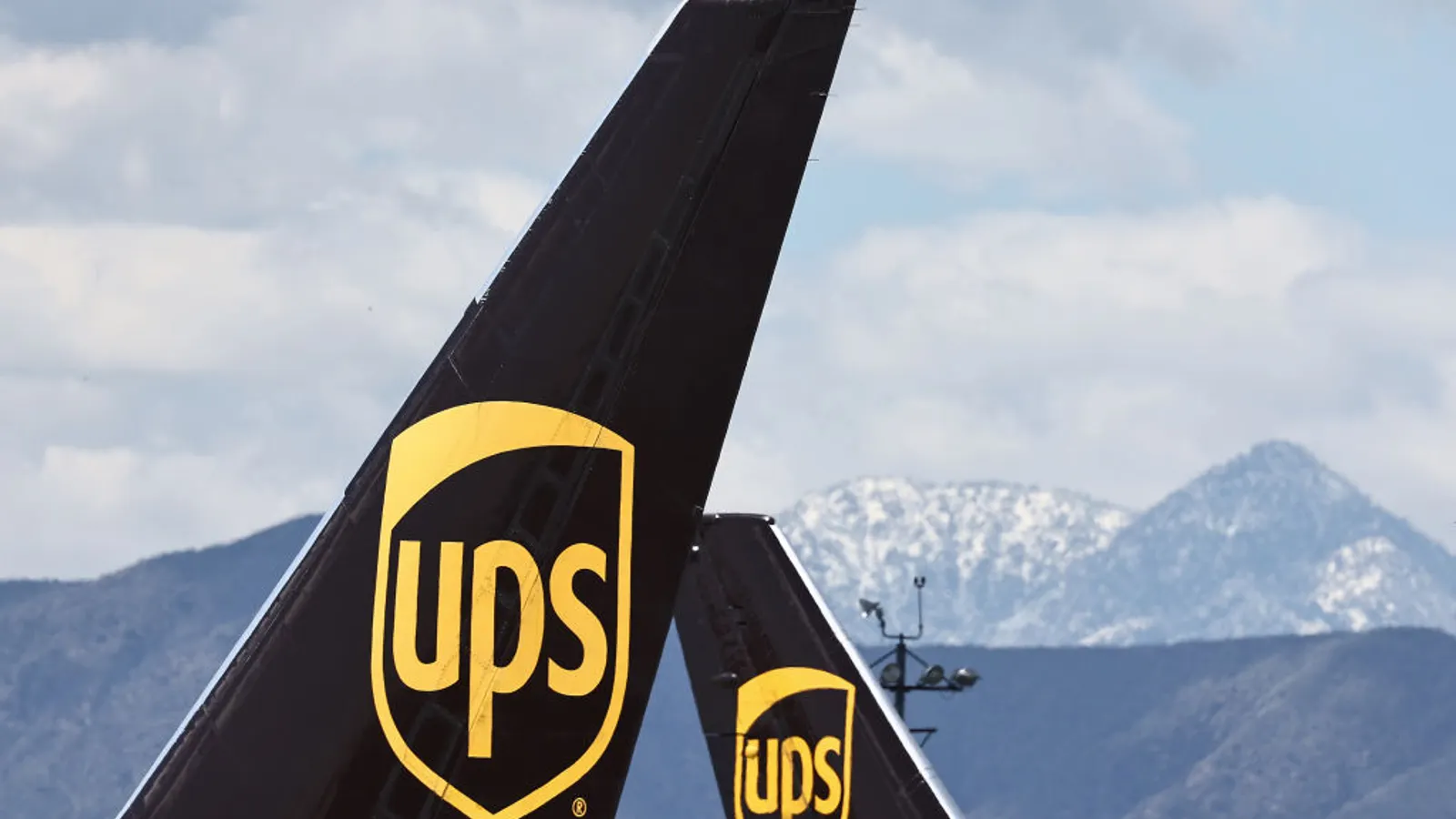
UPS invests $50M in automotive, industrial logistics push (Supplychaindive)
Summary: UPS is investing nearly $50 million to expand its North American Air Freight network to include Mexico, offering one- to three-day service options. This move targets automotive and industrial manufacturers, providing an integrated logistics solution combining air, ground, brokerage, and warehousing. The investment also funds a team of over 300 industry-specific subject matter experts to consult on supply chain improvements.
Why it matters: For manufacturers and logistics managers, this represents a new, integrated option for high-value, time-sensitive parts shipping within North America, directly impacting supply chain resilience and cost structures.
Context: This is part of UPS’s strategic pivot away from lower-margin e-commerce toward more profitable B2B industrial and automotive shipping, a shift already showing volume growth in Q1.
""The UPS North American Air Freight network already covers the U.S. and Canada, so it makes sense to add Mexico to cover all of North America with a seamless, end-to-end air and ground freight solution," UPS spokesperson Jim Mayer said in an email." — SUPPLYCHAINDIVE
Commentary: The operational consequence is a simplified, single-carrier model for cross-border logistics, reducing handoffs and complexity for shippers. This directly pressures competing multi-carrier models and freight brokers by offering a bundled ‘easy button.’ The creation of a 300-person expert team signals a shift from pure carriage to consultative logistics, potentially altering vendor selection criteria for manufacturers prioritizing supply chain resilience over lowest-cost routing.
Date: Fri, 29 May 2026 11:49:26 -0400
URL: https://www.supplychaindive.com/news/ups-invests-50m-in-automotive-industrial-logistics-push/821497/
AI Sentiment Score: Negative (50%)
AI Credibility Score: 10.0/10 — High
Scores and text generated by AI analysis of the source article indicated.
Apparel Brands Back unspun’s U.S. Automated Manufacturing Push (Textileworld)
Summary: Apparel tech startup unspun has secured letters of support from Walmart and REI to build automated U.S. manufacturing hubs using its AI-enabled 3D weaving system. The technology produces semi-finished garments directly from yarn in minutes, bypassing traditional cut-and-sew. With supply chain partners Bethel Industries, Peckham, and PDS Ltd/GSC Link, initial production is slated for the near term, with site selection and workforce training underway.
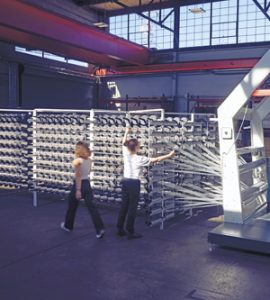
Why it matters: This signals a concrete, capital-backed move to automate and relocate apparel production, directly impacting sourcing strategies, domestic labor needs, and inventory models for major brands.
Context: The push for onshoring apparel manufacturing has long been hampered by high labor costs and complex supply chains; automation is the proposed solution to the unit economics problem.
"San Francisco-based unspun, backed by more than $50 million in venture funding, has secured letters of support from Walmart and REI to build U.S.-based automated apparel manufacturing hubs using AI-enabled 3D weaving." — TEXTILEWORLD
Commentary: The commitment from Walmart and REI provides crucial demand-side validation, de-risking the capital deployment for unspun’s infrastructure build-out. The claimed 400–500 basis point margin improvement hinges on eliminating multi-step labor and reducing inventory carrying costs, but the real test will be scaling the technology to meet the volume and variety demands of these retailers. For domestic manufacturers and contractors, this represents a potential pivot from manual sewing to technician roles overseeing automated systems, altering the labor and skills profile of U.S. apparel production.
Date: Sun, 31 May 2026 22:19:46 +0000
URL: https://www.textileworld.com/textile-world/textile-news/2026/05/apparel-brands-back-unspuns-u-s-automated-manufacturing-push/
AI Sentiment Score: Negative (57%)
AI Credibility Score: 10.0/10 — High
Scores and text generated by AI analysis of the source article indicated.
Walmart: Store-fulfilled deliveries getting faster (Retaildive)
Summary: Walmart’s store-fulfilled delivery sales have more than doubled in two years, with over 36% of deliveries arriving in three hours or less in Q1. The retailer now reaches approximately 60% of the U.S. population in 30 minutes or less, with sub-hour options growing fastest. This acceleration is driven by leveraging stores, clubs, and last-mile networks, and includes a scaling drone program that completed its 1 millionth delivery.

Why it matters: For domestic logistics operators and brands, Walmart’s scaling of hyper-fast, store-based fulfillment redefines the capacity and cost benchmarks for last-mile delivery, directly impacting competitive pressure and inventory strategy.
Context: This intensifies the retail logistics arms race, where physical store networks are being repurposed as decentralized fulfillment nodes to compete with pure-play e-commerce on speed.
"Dive Brief: – Walmart’s U.S. sales using store-fulfilled delivery have more than doubled over the past two years as the retailer continues to prioritize faster shipping, President and CEO John Furner told." — RETAILDIVE
Commentary: The operational shift here is from centralized fulfillment to a distributed, store-based model that treats retail footprints as micro-fulfillment centers. This pressures other retailers and logistics providers to match the density and labor model, while Walmart’s drone scaling to 270+ locations by 2027 signals a parallel investment in automating the final mile where store density falls short.
Date: Mon, 01 Jun 2026 10:53:00 -0400
URL: https://www.retaildive.com/news/walmart-store-fulfilled-deliveries-getting-faster/821466/
AI Sentiment Score: Negative (75%)
AI Credibility Score: 10.0/10 — High
Scores and text generated by AI analysis of the source article indicated.
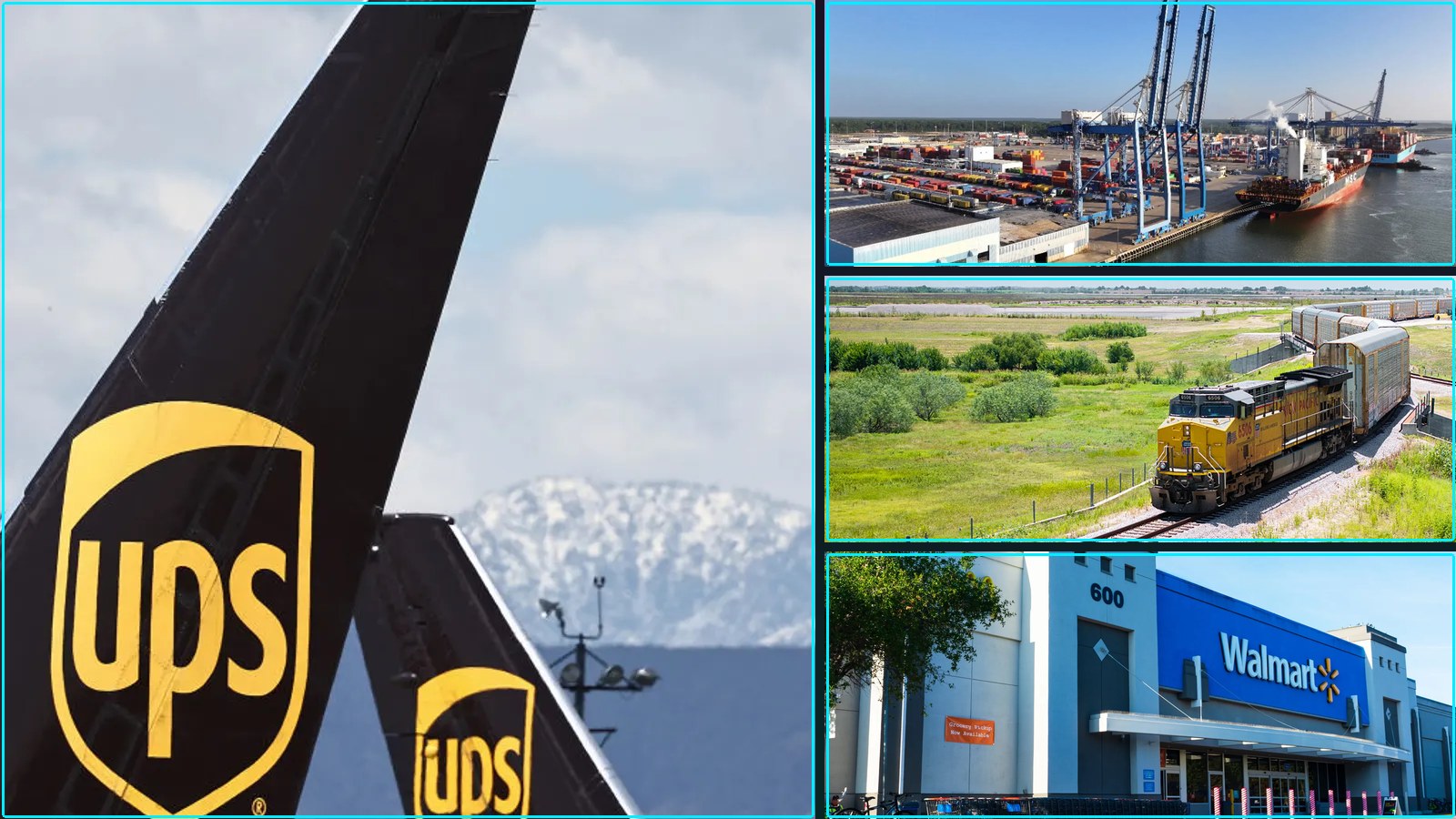
UP, NS revised merger application moves ahead (Supplychaindive)
Summary: The Surface Transportation Board has accepted Union Pacific and Norfolk Southern’s revised merger application, moving the contentious proposal into formal consideration. The STB noted the application still lacks desired detail on key issues but accepted it anyway, directing the railroads to provide supplemental information on competitive enhancements and contingency plans by July 27. The decision proceeds despite objections from rail competitors and stakeholders concerned about higher rates and reduced competition.
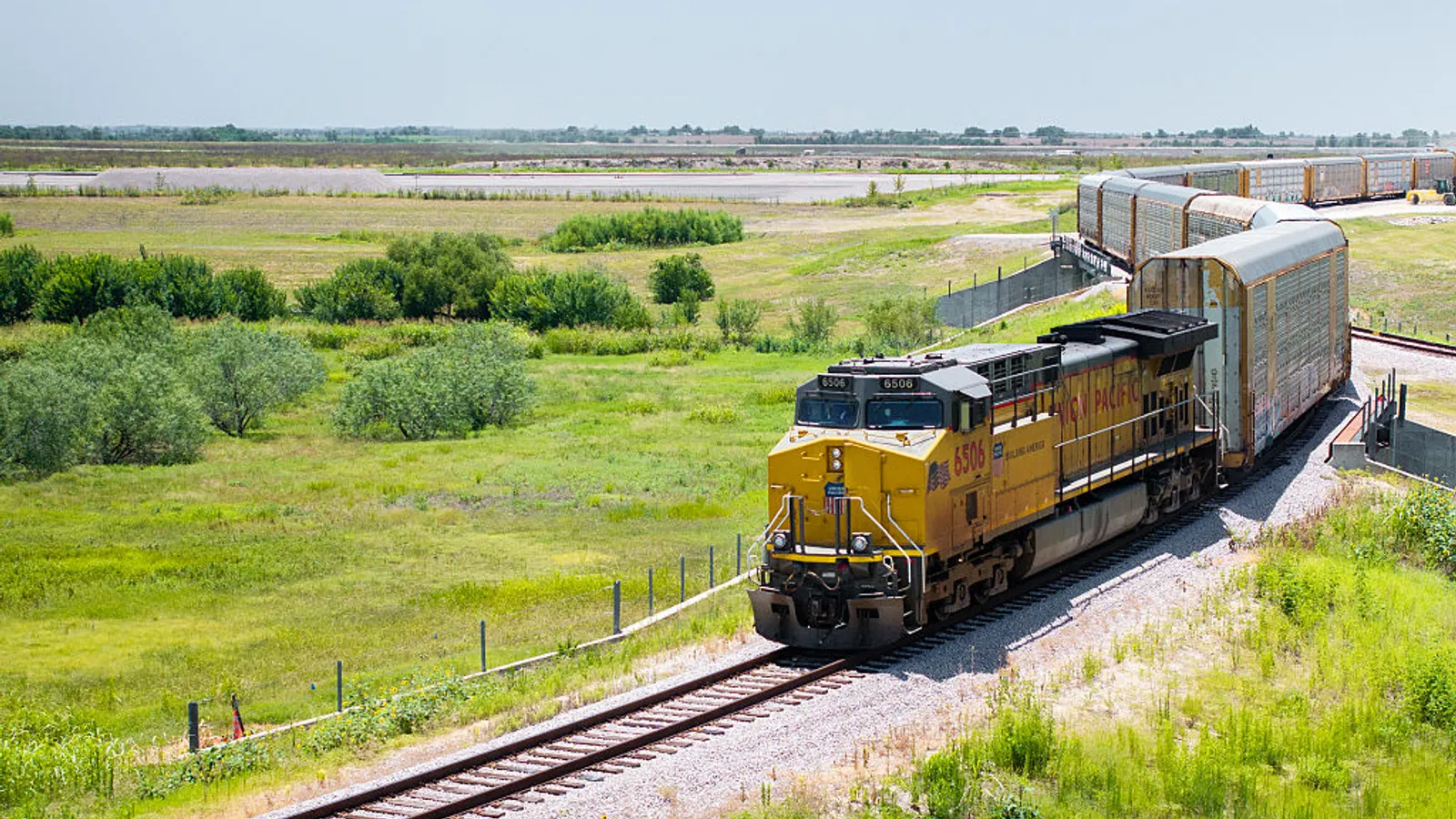
Why it matters: For manufacturers and shippers reliant on domestic rail, this merger’s regulatory trajectory directly shapes future cost structures, service competition, and network resilience.
Context: Major rail mergers face intense STB scrutiny for public benefit and competitive impact, with this application having been previously rejected as incomplete.
"The STB had previously rejected the network merger proposal, filed on Dec. 19, 2025, citing it as incomplete because it missed certain required information under board regulations." — SUPPLYCHAINDIVE
Commentary: The STB’s acceptance of an application it deems insufficiently detailed signals a procedural tolerance that shifts risk to the supplemental filing stage, compressing the timeline for substantive opposition. For logistics operators, the 12-month statutory clock for evidentiary proceedings now starts, creating a fixed window to model impacts on lane pricing and service redundancy. The directive for details on ‘additional measures if public benefits… don’t come to fruition’ introduces a novel contingency planning requirement that could become a template for future merger conditions, affecting how railroads structure operational suggests.
Date: Thu, 28 May 2026 16:29:00 -0400
URL: https://www.supplychaindive.com/news/up-ns-revised-merger-application-moves-ahead/821366/
AI Sentiment Score: Negative (60%)
AI Credibility Score: 10.0/10 — High
Scores and text generated by AI analysis of the source article indicated.
Post ID: 8f21cc3f