Fashion Retail & Business Moves
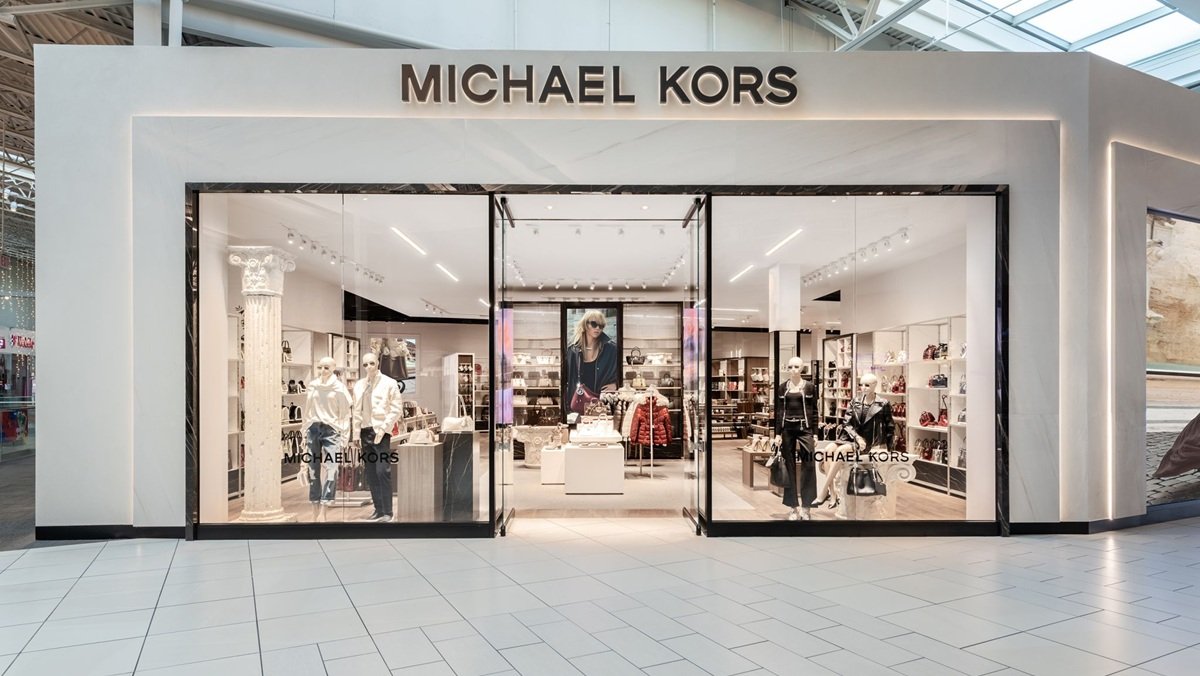
Luxury Briefing: With Versace sold, Capri is betting on new consumer demand for accessible luxury (Glossy.Co)
Summary: Capri Holdings, now a two-brand company after selling Versace, is restructuring around accessible luxury. It is reducing promotions and off-price sales at Michael Kors to improve sales quality, while expanding Jimmy Choo’s handbag lines into lower price points. The strategy targets a market gap created by steep price increases in high-end luxury. Concurrently, executive hires aim to sharpen marketing and operational discipline across both brands.
Why it matters: The shift defines a concrete operational playbook for accessible luxury brands: retrench from discounting, expand price architecture downward, and hire for specific turnaround competencies, all while managing margin pressure.
Context: Luxury price inflation has averaged 61% from 2019 to 2025, widening the addressable market for brands like Michael Kors and Jimmy Choo as middle-class spending shifts.
"In this week’s Luxury Briefing, I check in with analysts Luca Solca and Simeon Siegel on the state of Capri as it looks to grow Michael Kors and Jimmy Choo with new." — GLOSSY.CO
Commentary: Capri’s plan is a high-stakes operational pivot, not just a marketing refresh. For Michael Kors, reducing $150M in low-quality revenue is a direct hit to top-line that must be offset by full-price demand—a test of whether brand equity can be repaired through scarcity. For Jimmy Choo, expanding below $1,500 introduces margin compression that requires a separate profit-improvement program, likely involving SKU rationalization and store closures. The new executives from Google and Dunhill signal a focus on digital conversion and financial rigor, respectively. Success hinges on executing these opposing operational pressures simultaneously.
Date: Fri, 29 May 2026 04:04:00 +0000
URL: https://www.glossy.co/fashion/luxury/luxury-briefing-with-versace-sold-capri-is-betting-on-new-consumer-demand-for-accessible-luxury/
AI Sentiment Score: Positive (50%)
AI Credibility Score: 10.0/10 — High
Scores and text generated by AI analysis of the source article indicated.
Fashion misses at Old Navy spell trouble for Gap Inc. (Retaildive)
Summary: Gap Inc.’s Q1 results reveal a divergent performance across its portfolio, with the core Gap brand surging but its largest division, Old Navy, faltering due to fashion and pricing missteps in seasonal categories like dresses. CEO Richard Dickson framed the Old Navy issues as internal merchandising errors, not a consumer pullback, but analysts note the problems persisted into Q2 and point to competitive pressure from off-price retailers. While Gap and Banana Republic show strength, the sustained weakness at Old Navy—which accounts for over half of company sales—poses a material risk to near-term comps and margins, marking Dickson’s first significant operational challenge since taking over.
Why it matters: For practitioners, the operational split between brands signals where internal resources and corrective actions will be concentrated, directly affecting merchandising teams, inventory planning, and vendor negotiations.
Context: This is the second consecutive quarter of disappointment for Old Navy, and analysts highlight it as the first major test for Dickson’s leadership, with off-price competition now cited as a structural factor.
"Dive Brief: – Despite spring fashion misses, Old Navy Q1 net sales reached $2 billion, up 1% year on year; comps also rose 1%. Still, results disappointed the company and analysts. -." — RETAILDIVE
Commentary: The bifurcation within Gap Inc. forces a tactical shift: capital and focus will flow toward Gap’s momentum in denim and fleece, while Old Navy’s teams face immediate pressure to recalibrate price points and assortments under margin scrutiny. The explicit call-out of off-price competition (Ross, etc.) suggests a re-evaluation of Old Navy’s value proposition is now a supply-chain and pricing strategy imperative, not just a merchandising fix.
Date: Fri, 29 May 2026 12:13:00 -0400
URL: https://www.retaildive.com/news/old-navy-fashion-misses-spell-trouble-gap-inc-q1-earnings/821459/
AI Sentiment Score: Negative (80%)
AI Credibility Score: 10.0/10 — High
Scores and text generated by AI analysis of the source article indicated.
100Hands to Open First Store on London’s Savile Row (Wwd)
Summary: 100Hands, a luxury shirtmaker based in Amsterdam with production in Punjab, India, will open its first physical store at 36 Savile Row in London this October. The brand, which employs 435 artisans in India and is noted for its hand-tailored shirts, represents one of the first non-British companies to establish a presence on the historic tailoring street. The 650-square-foot store, designed by Studio Lotus, will feature bespoke furniture and lighting from India, positioning the brand’s craftsmanship directly within the epicenter of bespoke menswear.

Why it matters: This move tests the permeability of Savile Row’s traditional ecosystem to a globally distributed, capital-light production model, potentially altering the street’s economic and cultural calculus for future entrants.
Context: Savile Row has long been defined by its British heritage and on-premise tailoring workshops; new entrants have typically been domestic or required establishing local ateliers.
"This marks one of the first non-British companies to open on the famed street, according to Varvara Maslova, who founded 100Hands with her husband Akshat Jain in 2014." — WWD
Commentary: The opening is less about retail expansion and more about a strategic credentialing operation, using the Row’s address to validate an offshore, high-labor craftsmanship model to a global clientele. It signals a shift where heritage is no longer a geographic prerequisite but a brand attribute that can be imported, potentially lowering the barrier for other luxury brands with distributed production to leverage the street’s prestige without its traditional overhead.
Date: Mon, 01 Jun 2026 04:01:00 +0000
URL: https://wwd.com/menswear-news/mens-retail-business/100hands-first-store-london-savile-row-1238985116/
AI Sentiment Score: Neutral (33%)
AI Credibility Score: 10.0/10 — High
Scores and text generated by AI analysis of the source article indicated.
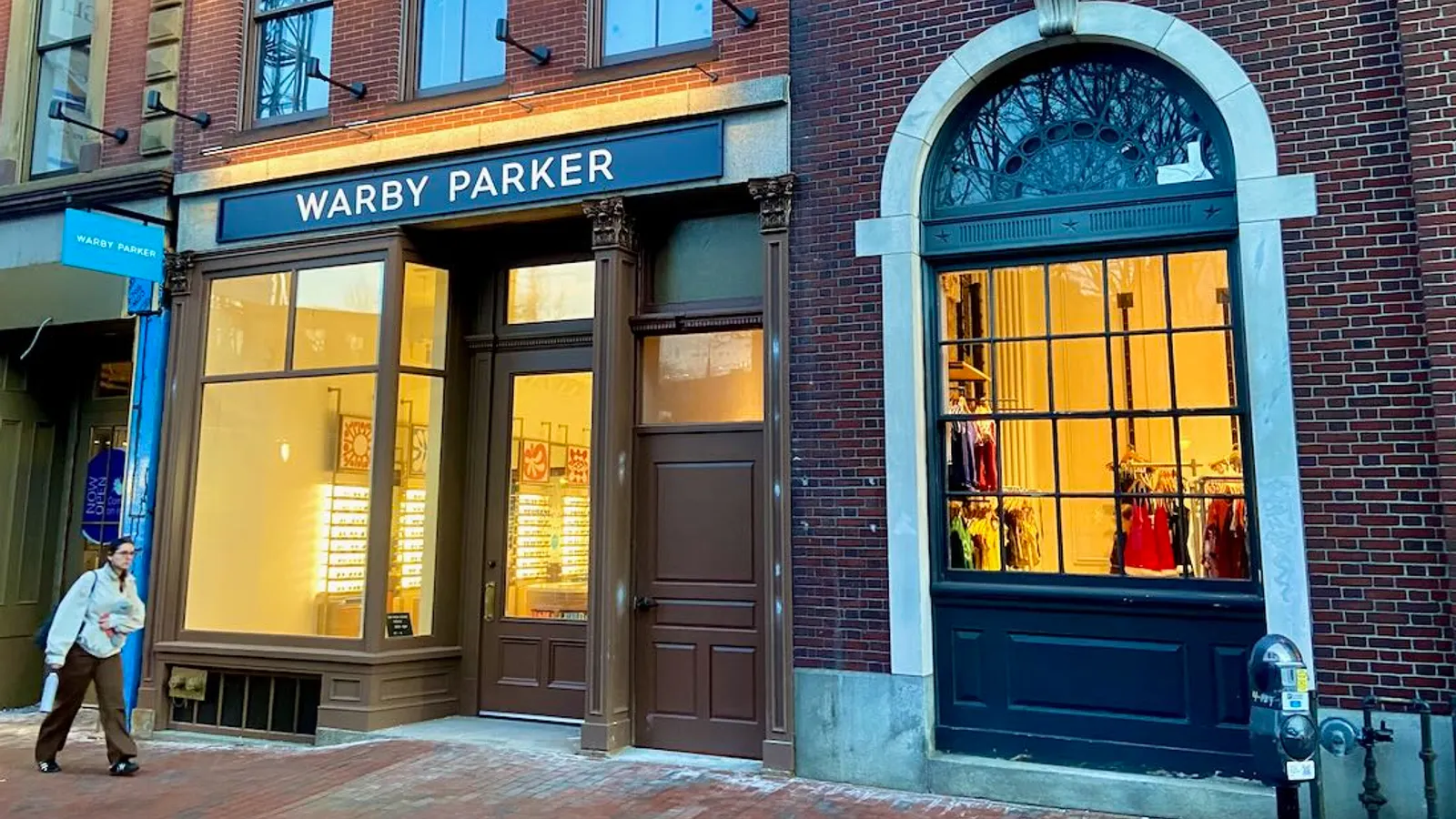
Warby Parker to enter new category with Intelligent Eyewear (Retaildive)
Summary: Warby Parker is launching its first line of ‘Intelligent Eyewear’ this fall, a smart glasses product developed in partnership with Google and Samsung. The frames will integrate Google’s Gemini AI and the Android XR OS, be available in optical and sunglass styles, and support a broad range of prescriptions. The move follows other fashion and tech brands, like Meta with Ray-Ban and Innovative Eyewear with Nautica and Eddie Bauer, attempting to commercialize wearable tech. This product launch coincides with Warby Parker’s strategic pivot away from its foundational home try-on program toward physical retail and digital tools.
Why it matters: This signals a major operational shift for a DTC eyewear leader into a capital-intensive hardware and software category, forcing new vendor, supply chain, and post-purchase support disciplines.
Context: The smart glasses market has been a graveyard of failed consumer products, with tech and fashion brands struggling to balance functionality, aesthetics, and battery life. Recent attempts have focused on licensing deals between tech firms and established fashion labels.
"“These glasses give you powerful new tools, but they’re designed to feel intuitive and unobtrusive so you can stay focused on the people and moments in front of you,” Neil Blumenthal, co-founder and co-CEO of Warby Parker, said in a statement." — RETAILDIVE
Commentary: Warby Parker is betting its proprietary fit data and design archive can solve the aesthetic and comfort failures that have plagued tech-first smart glasses. Success hinges on operationalizing a complex hardware-software pipeline and managing a new category of customer support, a stark departure from its core competency in scaled, low-touch optical retail. The move pressures its logistics and in-store teams to become tech demonstrators and troubleshooters, fundamentally altering the brand’s service model and cost structure.
Date: Thu, 28 May 2026 12:49:00 -0400
URL: https://www.retaildive.com/news/warby-parker-intelligent-eyewear-smart-frames-AI/821098/
AI Sentiment Score: Positive (60%)
AI Credibility Score: 10.0/10 — High
Scores and text generated by AI analysis of the source article indicated.
With J.Crew’s new Timex collab, watches are starting to follow the hype sneaker model (Glossy.Co)
Summary: J.Crew’s limited-edition Timex collaboration sold out within two hours, mirroring the hype-driven release model of sneakers. This follows the recent success of the Audemars Piguet x Swatch collaboration, indicating a strategic shift where affordable, limited-run watches generate cultural capital and demand through scarcity. Industry analysts note this taps into a market priced out by luxury watch inflation and secondary-market complexities, while also warning of potential hype fatigue.
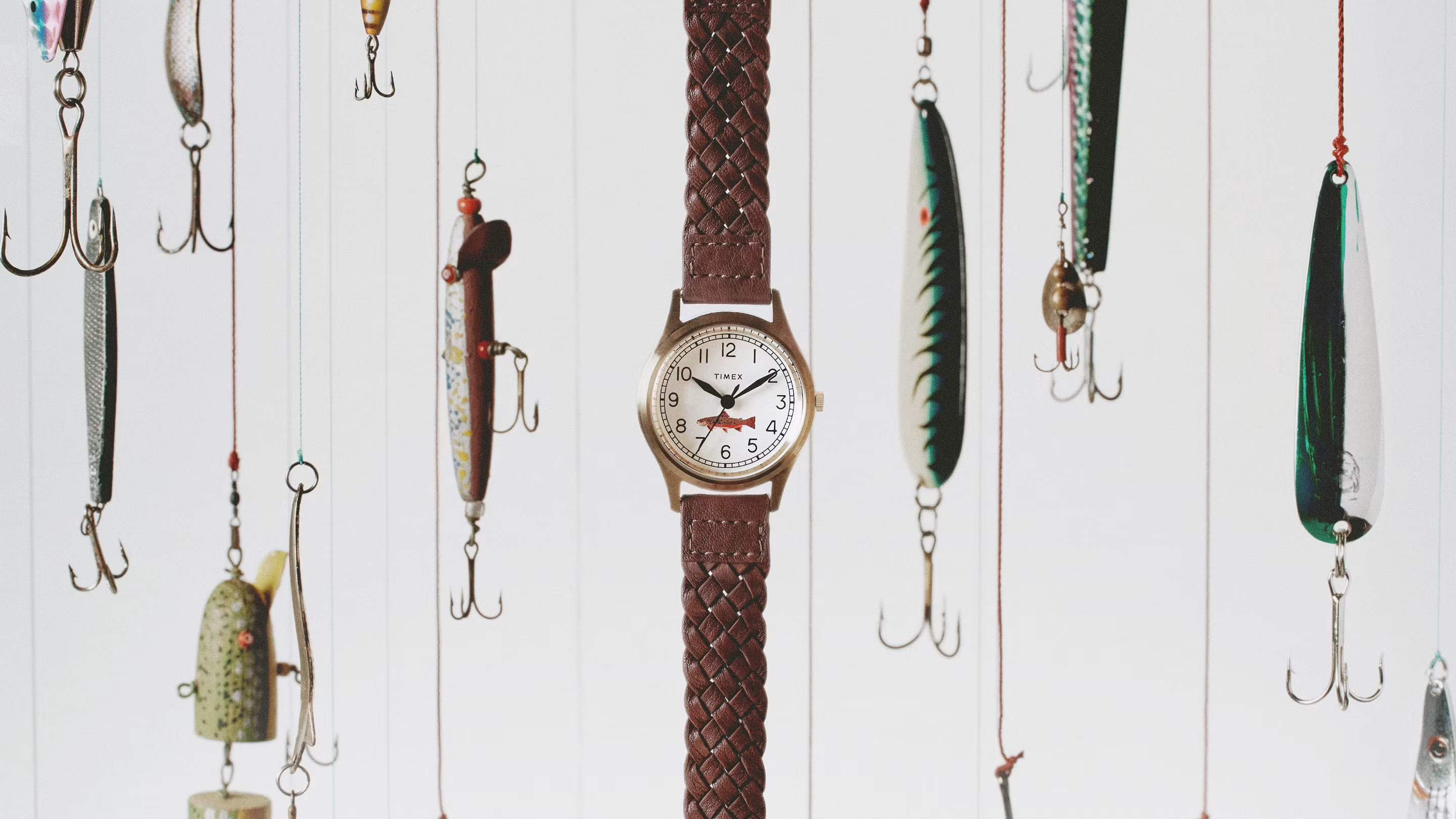
Why it matters: This signals a new operational playbook for brand partnerships and product launches in fashion and accessories, shifting investment towards limited-edition, accessible collaborations to drive revenue and cultural relevance without diluting core brand pricing.
Context: The strategy replicates the sneaker collaboration model of the late 2010s, using heritage designs, limited supply, and FOMO to attract enthusiasts, occurring as consumers pull back on discretionary luxury spending.
"Only a few weeks after the Audemars Piguet x Swatch collab shook up the watch world, another unexpected watch collaboration is flying off the shelves. The newly released J.Crew x Timex watch." — GLOSSY.CO
Commentary: The immediate sell-out demonstrates the model’s initial efficacy for revenue and audience expansion, but its sustainability is questionable. For brands like J.Crew, this is a low-cost, high-impact tactic for rebuilding cultural capital post-bankruptcy. For the watch industry, it pressures traditional retailers and grey markets by offering a sanctioned, accessible entry point, yet risks commodifying heritage if overused, as authenticity remains a core purchase driver for serious collectors.
Date: Mon, 01 Jun 2026 04:01:00 +0000
URL: https://www.glossy.co/fashion/witch-j-crews-new-timex-collab-watches-are-starting-to-follow-the-hype-sneaker-model/
AI Sentiment Score: Negative (60%)
AI Credibility Score: 10.0/10 — High
Scores and text generated by AI analysis of the source article indicated.
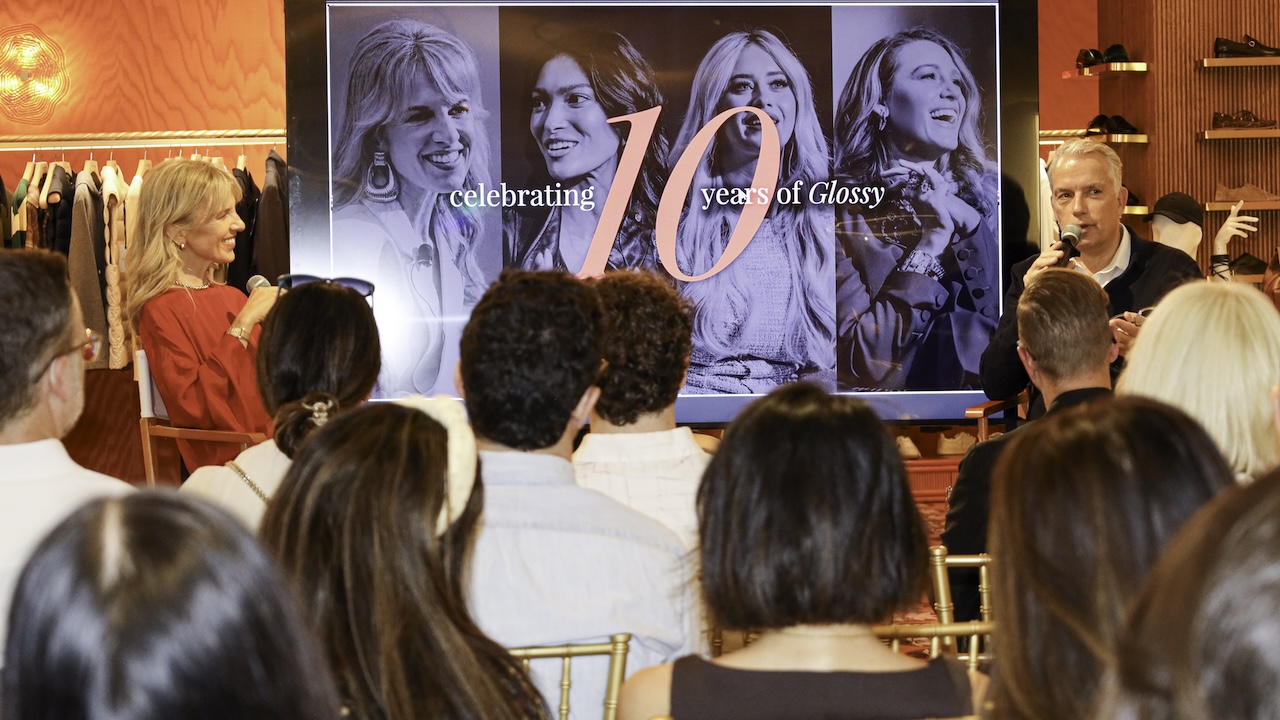
Printemps’ US growth plan is all about differentiation: ‘The risk is on us, not the brands’ (Glossy.Co)
Summary: Printemps America’s CEO, Thierry Prevost, outlines a U.S. expansion strategy centered on operational differentiation and risk absorption. The retailer’s ‘apartment store’ model in New York’s Financial District relies on owned inventory, thematic merchandising that mixes brands and price points, and a hospitality-driven experience to attract foot traffic. The approach requires a significant investment in staff training and a curated digital presence designed to drive in-store visits, with expansion to other U.S. markets contingent on solidifying this single location first.
Why it matters: This operational model shifts financial risk and merchandising control back onto the retailer, challenging the prevailing consignment and brand-siloed norms of multi-brand luxury retail.
Context: The strategy emerges as department stores struggle and luxury brands tighten distribution control, making Printemps’ owned-inventory and experiential bet a high-stakes test of a new retail format.
"We buy the products — so, it is not a mostly consignment business, it’s an owned-by business. We buy the products, we have to sell them, and if we don’t sell them, we have to mark them down. So, completely, the risk is on us, not the brand — that is the first thing." — GLOSSY.CO
Commentary: Printemps is betting its capital and merchandising judgment can create a more compelling, discovery-driven customer experience than the risk-averse, brand-controlled consignment model. This requires a fundamentally different skill set in buying, inventory management, and staff training, where sales attribution by store area, not brand, incentivizes holistic service. If successful, it pressures other multi-brand retailers to reconsider their own financial and creative dependencies on brand partners.
Date: Mon, 01 Jun 2026 04:00:00 +0000
URL: https://www.glossy.co/fashion/printemps-us-growth-plan-is-all-about-differentiation-the-risk-is-on-us-not-the-brand/
AI Sentiment Score: Negative (77%)
AI Credibility Score: 10.0/10 — High
Scores and text generated by AI analysis of the source article indicated.
What brands need to know about retail compliance before expanding wholesale (Retaildive)
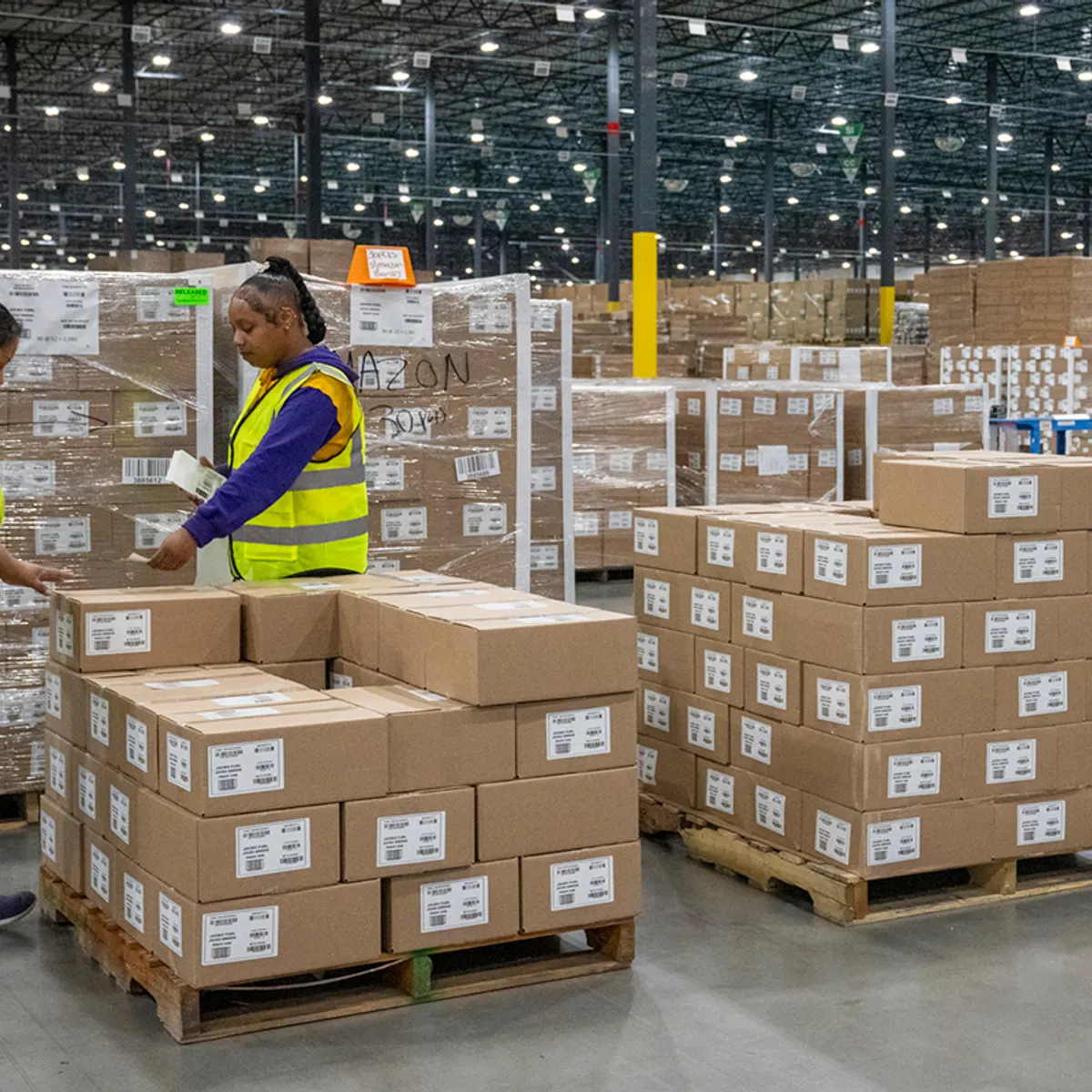
Summary: The article frames retail compliance as a fundamental operational discipline for brands expanding into wholesale, distinct from direct-to-consumer fulfillment. It details the specific requirements—labeling, palletization, EDI, ASNs, routing—that retailers impose to streamline their high-volume receiving. Failure to embed these rules into warehouse workflows leads to chargebacks, margin erosion, and relationship risk. The piece argues that proactive system configuration, SOP translation, and quality control are necessary to treat compliance as core fulfillment, not an administrative afterthought.
Why it matters: For fashion brands scaling through wholesale, operational misalignment with retailer compliance protocols directly erodes profitability and threatens channel viability.
Context: The shift from DTC to wholesale represents a change in fulfillment architecture, moving from parcel optimization to network-scale logistics governed by partner-specific mandates.
"Retail compliance is not separate from fulfillment. It is fulfillment. The brands that recognize that early are better positioned to grow wholesale confidently, avoid preventable chargebacks and build stronger relationships with the retailers and wholesalers that can shape their next stage of growth." — RETAILDIVE
Commentary: This reframes compliance from a cost center to a core competency, demanding that brands reconfigure their WMS, labor training, and 3PL partnerships around retailer-specific workflows. The implication is a bifurcation in brand economics: those who architect compliance into their operational DNA will scale wholesale profitably, while those who treat it as a paperwork exercise will face margin death by a thousand chargebacks.
Date: Mon, 01 Jun 2026 05:00:00 -0400
URL: https://www.retaildive.com/spons/what-brands-need-to-know-about-retail-compliance-before-expanding-wholesale/821450/
AI Sentiment Score: Negative (50%)
AI Credibility Score: 10.0/10 — High
Scores and text generated by AI analysis of the source article indicated.
CBP raises accepted tariff refunds to $85B (Retaildive)
Summary: U.S. Customs and Border Protection reports its CAPE portal is now processing up to $85 billion in potential and certified refunds for invalidated Section 301 tariffs, with $20.6 billion already transmitted to Treasury. Over 15.85 million entries have been accepted for duty removal, but processing bottlenecks persist, including an inability to handle finally liquidated entries and a high volume of file-level rejections due to data errors. Major importers like Ford and GM have incorporated expected refunds into their financials, while logistics firms and some brands plan to pass refunds back to suppliers or customers.

Why it matters: The scale and administrative friction of this refund process directly impact corporate cash flow, supply chain partner negotiations, and the operational burden on trade compliance teams.
Context: This follows the Supreme Court’s March ruling that tariffs imposed under the International Emergency Economic Powers Act were illegal, triggering a massive, technically complex reimbursement effort.
"The latest update represents more than half of the $166 billion that the CBP estimates was paid for the invalidated tariffs. Nevertheless, a large portion of importers remain waiting for their turn. The agency is still unable to process entries that have been finally liquidated, although it previously said it was developing the capability." — RETAILDIVE
Commentary: The operational reality is a clawback: while $85B signals progress, the inability to process finally liquidated entries and the 3.48 million validation failures create a two-tiered system where compliant, well-resourced filers see liquidity while others face protracted uncertainty. For fashion houses and retailers, this forces a reassessment of cost structures and supplier contracts that assumed tariff burdens are sunk; the obligation to refund customers or partners, as noted by FedEx and Bazooka, introduces new accounting and relationship complexities beyond the initial CBP filing.
Date: Thu, 28 May 2026 11:38:00 -0400
URL: https://www.retaildive.com/news/cbp-raises-accepted-tariff-refunds-to-85b/821333/
AI Sentiment Score: Negative (71%)
AI Credibility Score: 10.0/10 — High
Scores and text generated by AI analysis of the source article indicated.
Capri Holdings’ ‘biggest issue’ is footwear (Retaildive)
Summary: Capri Holdings’ Q4 2026 results reveal a 3.7% revenue decline, with the Michael Kors brand down 5.5%. CEO John Idol identifies footwear, not accessories, as the company’s ‘biggest issue,’ prompting a strategic repositioning toward casual styles. The company has reduced debt significantly post-Versace sale and is adjusting Michael Kors pricing and store footprint, while guiding for modest revenue growth and a 60% increase in operating income for fiscal 2027.

Why it matters: It signals a critical product-line pivot for a major fashion group, with direct implications for design teams, sourcing, wholesale strategy, and store-level merchandising.
Context: This follows Capri’s divestiture of Versace and a period of aggressive price increases that alienated consumers, forcing a reset of the Michael Kors brand foundation.
"Our biggest issue inside the company actually is not the accessories, it’s our footwear," Idol said. "And we are going through a strategic repositioning of our footwear business in Michael Kors." — RETAILDIVE
Commentary: The explicit shift from formal to casual footwear at Michael Kors will require a full supply chain and design overhaul, impacting factory orders and in-store product mixes. Concurrently, the planned reduction in off-price wholesale shipments indicates a deliberate tightening of distribution to protect brand equity, a move that will squeeze near-term revenue but aims for healthier long-term margins. The tariff assumption baked into guidance adds a tangible cost pressure for sourcing operations.
Date: Thu, 28 May 2026 16:32:00 -0400
URL: https://www.retaildive.com/news/capri-q4-earnings-footwear-strategy-Michael-Kors/821331/
AI Sentiment Score: Negative (75%)
AI Credibility Score: 10.0/10 — High
Scores and text generated by AI analysis of the source article indicated.
Sephora a surprise drag on Kohl’s in Q1 (Retaildive)
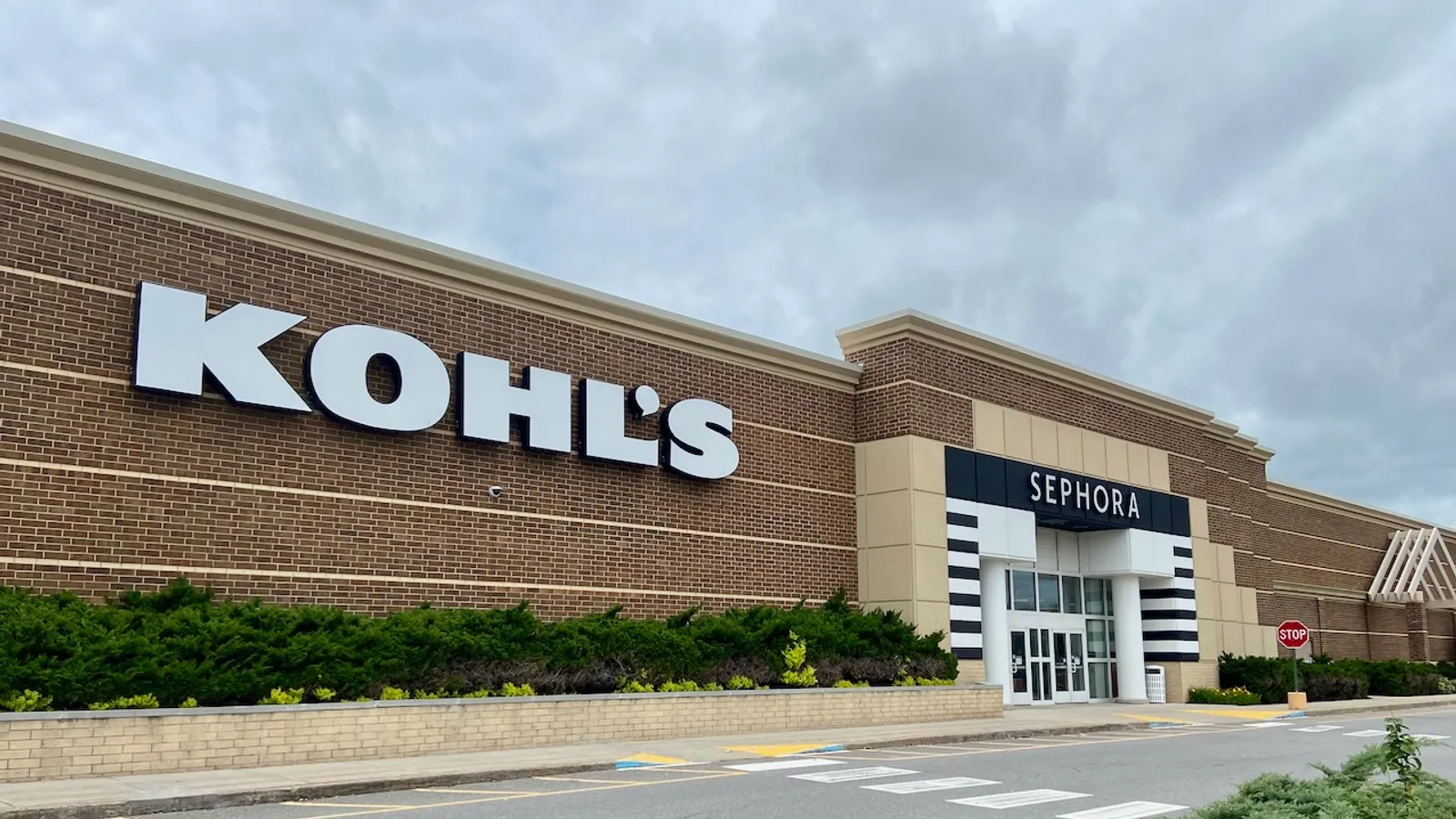
Summary: Kohl’s Q1 results show a net sales decline of 1.7% and a 1.1% comp decrease, with modest improvements in gross margin and net loss. The standout negative was a low-single-digit sales decline at its Sephora shop-in-shops, a segment that has historically been a growth driver. Analysts note Kohl’s is making measured progress on assortment and cost control, but the Sephora dip suggests the partnership may be plateauing or suffering from Kohl’s broader traffic challenges.
Why it matters: For fashion and retail operators, this signals that even high-performing brand partnerships have limits when tethered to a declining anchor store, affecting co-branding strategy and vendor negotiations.
Context: The Sephora-at-Kohl’s partnership has been a critical traffic and sales driver for Kohl’s since its launch, offsetting persistent declines in its core apparel business.
"Dive Brief: – Sephora was a rare drag at Kohl’s in an otherwise better-performing quarter, with sales at those shop-in-shops down low-single-digits compared to last year, Kohl’s executives said Thursday. – The." — RETAILDIVE
Commentary: The underperformance indicates the partnership’s growth phase may be over, shifting it from a strategic asset to a managed liability. For beauty brands within the Sephora assortment, this weakens the Kohl’s channel’s growth narrative and could prompt a review of distribution commitments. Kohl’s operational focus will now need to extend beyond leaning on Sephora to fundamentally improving its core apparel appeal to drive the foot traffic that sustains the shop-in-shop model.
Date: Thu, 28 May 2026 12:27:00 -0400
URL: https://www.retaildive.com/news/sephora-surprise-drag-kohls-q1-earnings/821346/
AI Sentiment Score: Positive (50%)
AI Credibility Score: 10.0/10 — High
Scores and text generated by AI analysis of the source article indicated.
Post ID: 04b07692