AI and Tech Innovations in Fashion and Retail
EXCLUSIVE: Launchmetrics Marks 10th Anniversary With New AI-powered Solutions (Wwd)
Summary: Launchmetrics is marking its 10th anniversary with three new generative AI-powered tools set to launch by early 2027, designed to help luxury brands optimize pricing, identity, and online presence amid a global spending slump. The company, now owned by Lectra, is moving beyond quantitative MIV metrics into qualitative intelligence that analyzes brand identity across 36 characteristics. A key insight: the rise of LLMs like ChatGPT for Gen Z product discovery is shifting marketing mix away from influencers toward owned and traditional media. Launchmetrics posted €45M in annual recurring revenue in 2025, up 8.7% year-over-year, with a 17.5% EBITDA margin.

Why it matters: For fashion brand strategists and C-suite executives, this signals a fundamental shift in how brand performance is measured and optimized—moving from reach-based metrics to identity and pricing intelligence, with direct implications for marketing budget allocation and competitive positioning.
Context: Launchmetrics acquired Imaxtree in 2019 and Parklu in 2020, then was itself acquired by Lectra in 2024, gaining access to pricing tool Retviews and marketplace management solution Neteven. The luxury sector is currently facing a global demand slump, making price management and brand differentiation critical.
"PARIS — Launchmetrics is celebrating its 10th anniversary with a suite of new products that harness the power of generative AI to extract more value from its data and help brands navigate." — WWD
Commentary: The most operationally significant claim here is the predicted decline of influencer voice in earned media from 25-30% to something lower, driven by LLM reliance on owned and traditional media. Brands that have over-indexed on influencer spend may need to recalibrate their marketing mix toward owned content and brand-controlled channels. The 36-characteristic brand identity framework also suggests a move toward more granular, almost psychographic brand benchmarking—useful for pricing power in a down market.
Date: Wed, 03 Jun 2026 05:00:00 +0000
URL: https://wwd.com/business-news/technology/launchmetrics-10th-anniversary-ai-brand-performance-tools-1238990476/
AI Sentiment Score: Negative (57%)
AI Credibility Score: 10.0/10 — High
Scores and text generated by AI analysis of the source article indicated.
Sephora is bringing prestige beauty shopping into Google’s AI ecosystem (Glossy.Co)
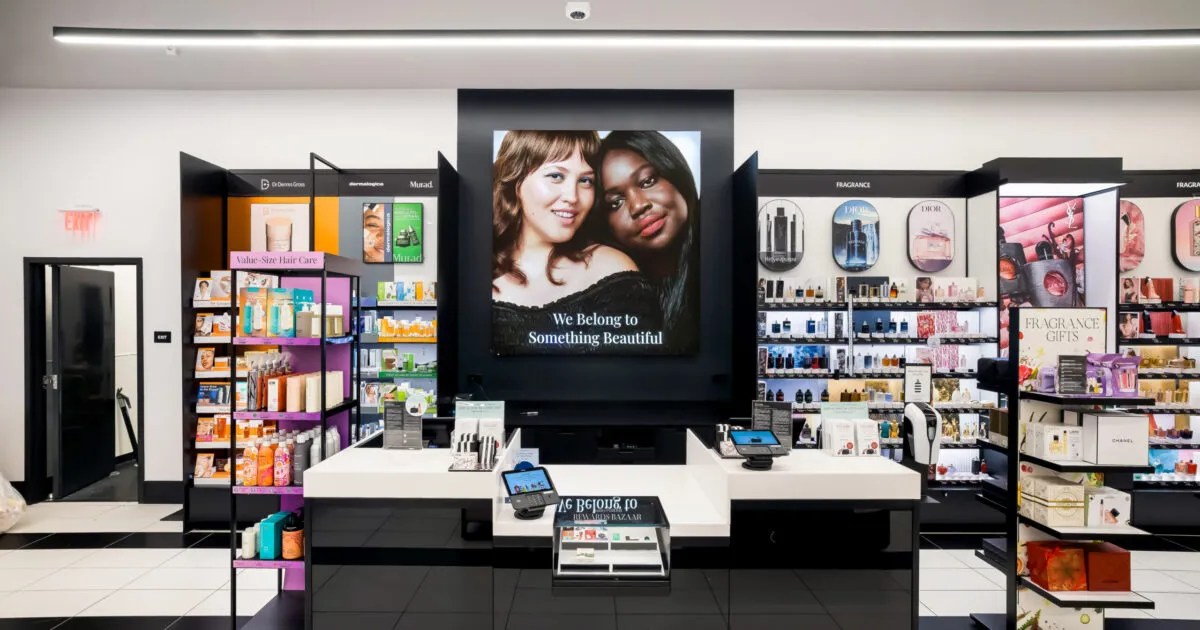
Summary: Sephora has partnered with Google to enable direct shopping within Google’s AI platform via Google Agentic Checkout, becoming the first prestige beauty retailer to do so. The move allows consumers to research products, ask beauty questions, build routines, and complete purchases without leaving the AI environment. This is part of a broader strategy to embed Sephora’s expertise into emerging LLM-based discovery channels, while maintaining its in-store and app-based AI tools like Beauty Chat and skin diagnostics. The company emphasizes that AI augments rather than replaces human beauty advisors.
Why it matters: For beauty brands and retailers, this signals a shift in where discovery and conversion happen—moving from owned channels to third-party AI ecosystems. It pressures competitors to negotiate similar integrations or risk losing the top-of-funnel to platforms that control the shopping experience.
Context: Sephora has 80 million active Beauty Insider members and has been building proprietary AI tools since 2021, including in-store skin scanning and app-based diagnostics. The Google partnership extends its AI ecosystem into a platform where consumers increasingly start their shopping journeys.
"Sephora has long been known for its in-store beauty advisors, product discovery and loyalty-driven personalization. But as more consumers start their shopping journeys inside AI-powered platforms like ChatGPT and Claude, the retailer." — GLOSSY.CO
Commentary: The operational consequence is that Sephora is ceding some checkout control to Google, which will now own the transaction data and customer session. For brands selling through Sephora, this means their product discovery and purchase funnel now includes an additional platform layer with its own attribution and margin implications. The integration of Beauty Insider loyalty in future phases will be critical to retaining first-party data value. Expect other prestige retailers to follow, but the key differentiator will be how much of the experience they can keep branded and data-rich versus commoditized within the AI platform.
Date: Wed, 03 Jun 2026 04:05:00 +0000
URL: https://www.glossy.co/beauty/sephora-is-bringing-prestige-beauty-shopping-into-googles-ai-ecosystem/
AI Sentiment Score: Negative (75%)
AI Credibility Score: 10.0/10 — High
Scores and text generated by AI analysis of the source article indicated.
Stitch Fix CEO Matt Baer on why AI can supplement, but not replace, human stylists (Glossy.Co)
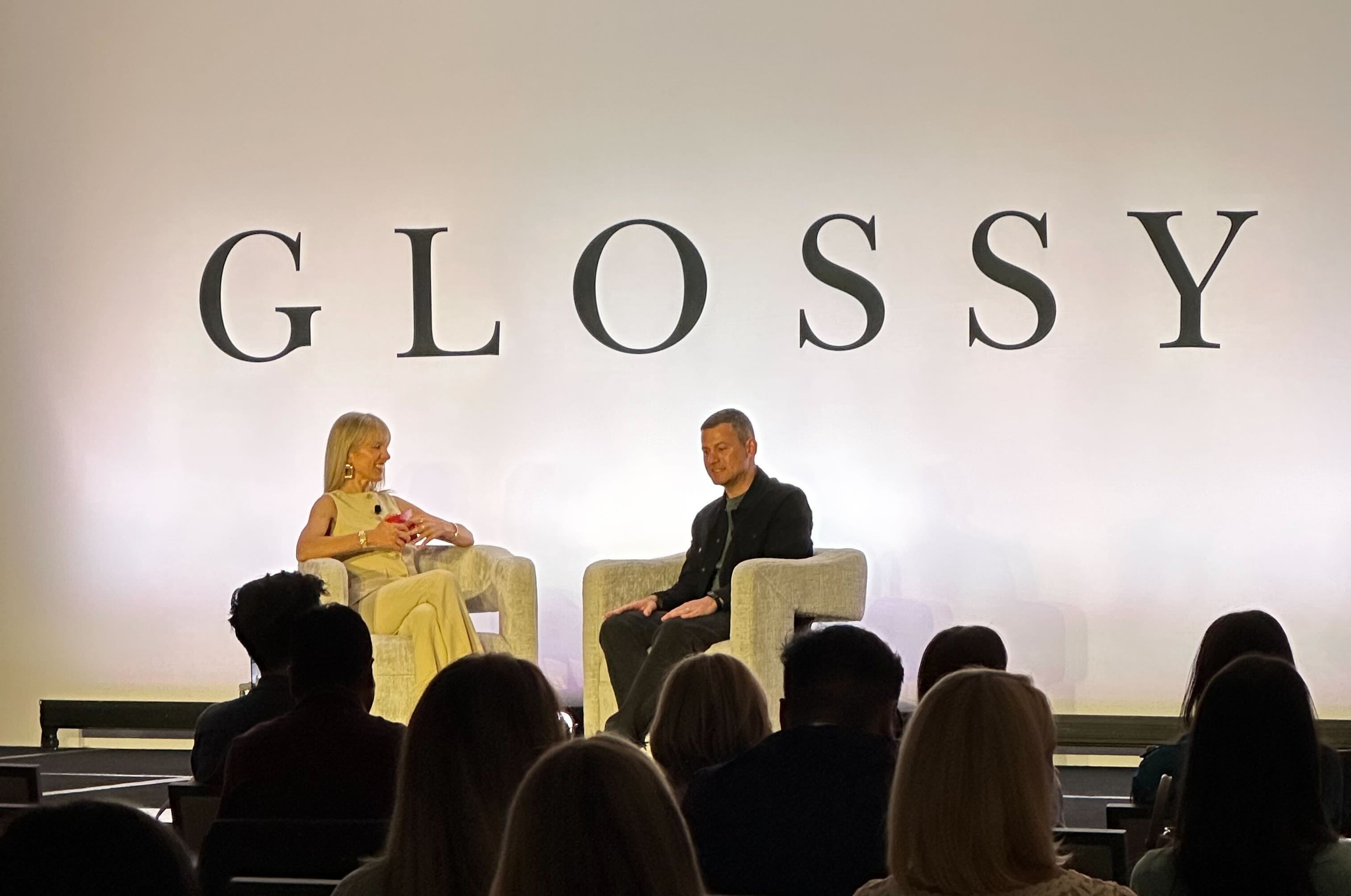
Summary: Stitch Fix CEO Matt Baer argues that AI tools should augment, not replace, human stylists, emphasizing the importance of human relationships in retail. The company has invested in AI like Stitch Fix Vision to enhance stylist-client interactions, leveraging 15 years of proprietary data. Baer warns against retail moving away from human connections, stating consumers will choose brands that balance tech innovation with personal touch.
Why it matters: For fashion retailers, this signals that AI investments must be framed as stylist tools rather than cost-cutting replacements, preserving the human curation that differentiates subscription services from algorithmic competitors.
Context: Stitch Fix has historically relied on personal stylists for curated clothing boxes, but recent AI infrastructure builds (e.g., Stitch Fix Vision) aim to improve efficiency without eliminating the human role.
"Stitch Fix has always been known for its personal stylists who curate boxes of clothes for their specific clients. But the company has spent the last year building up its AI infrastructure." — GLOSSY.CO
Commentary: Baer’s framing is a strategic hedge: AI must demonstrably serve stylists, not replace them, to maintain brand trust and avoid alienating the core workforce. The emphasis on proprietary data as a moat suggests Stitch Fix will prioritize internal tooling over third-party AI integrations. This positions the company against pure-play AI fashion startups, betting that curation quality depends on human judgment augmented by data, not automated recommendations alone.
Date: Tue, 02 Jun 2026 04:01:00 +0000
URL: https://www.glossy.co/fashion/stitch-fix-ceo-matt-baer-on-why-ai-can-supplement-but-not-replace-human-stylists/
AI Sentiment Score: Neutral (33%)
AI Credibility Score: 10.0/10 — High
Scores and text generated by AI analysis of the source article indicated.
Wellness Briefing: How top brands are training employees to use AI tools, plus news (Glossy.Co)
Summary: At Glossy’s E-Commerce Summit, brand leaders from Beekman 1802, SharkNinja, Tarte, and Ulta Beauty detailed their approaches to training employees on AI tools, ranging from mandatory week-long hackathons to daily peer-led experiments. A key tension emerged: many staff prefer Anthropic’s Claude for creative work, while legacy brands push Microsoft Copilot for compliance, leading to shadow IT. The consensus is that AI proficiency is now a business risk, not a perk, and that resistance to adoption is becoming untenable.

Why it matters: For fashion and beauty brands, the operational question is no longer whether to adopt AI, but how to structure training and tool choice without creating internal friction or compliance gaps.
Context: The beauty and fashion sectors are under pressure to digitize workflows while managing legacy IT contracts and employee preferences for more dynamic AI interfaces like Claude over enterprise-standard Copilot.
"For the Wellness Briefing, Glossy is reporting from our annual E-Commerce Summit, where brand leaders from Ulta Beauty, Supergoop!, SharkNinja, Tarte, Sephora, Beekman1802 and more shared tactics and tips to supercharge brand." — GLOSSY.CO
Commentary: The split between mandated Copilot and preferred Claude creates a de facto two-tier AI system within organizations, where compliance tools handle finance and data while creative teams quietly route around them. This undermines the very efficiency gains brands seek, as employees waste time switching contexts. Brands that fail to formalize a single, capable AI stack risk both audit exposure and talent frustration. The real competitive edge will come from aligning tool choice with actual workflow, not IT policy.
Date: Wed, 03 Jun 2026 04:00:00 +0000
URL: https://www.glossy.co/beauty/wellness/how-top-brands-are-training-employees-to-use-ai-tools-plus-news/
AI Sentiment Score: Negative (83%)
AI Credibility Score: 10.0/10 — High
Scores and text generated by AI analysis of the source article indicated.
Post ID: a0687033