
Interactive Art
Art meets AI and robotics at Santa Fe’s Currents festival (Abqjournal)
Summary: Currents 2026, the Santa Fe new media festival, runs June 12-21 across eight venues, featuring 53 works that integrate AI, robotics, and kinetic sculpture. Executive director Frank Ragano distinguishes between ‘AI slop’ and artistically rigorous AI collaboration, framing the tool as a co-trainer rather than a replacement. The festival also includes a symposium on technology’s psychological impact and a scent-based installation that offers a deliberate ‘palate cleanse’ from digital overload. Approximately one-third of participating artists are New Mexico-based, reinforcing the festival’s local roots.
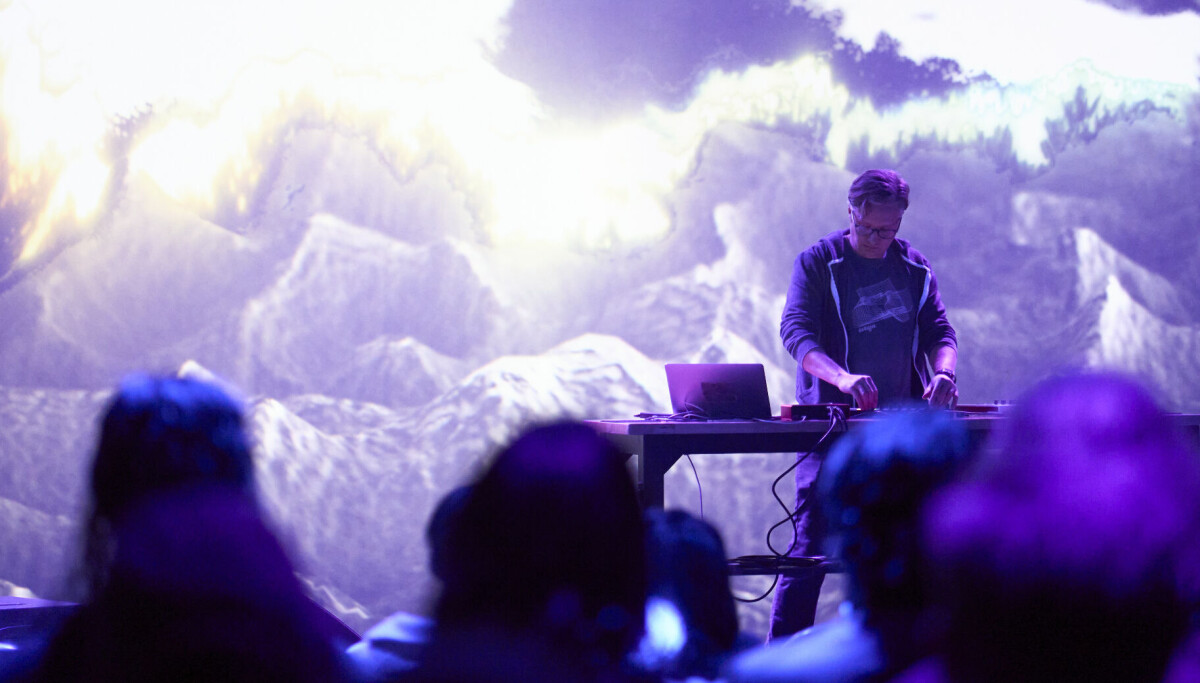
Why it matters: For practitioners, the festival models how to stage AI as a collaborator in creative workflows, not a shortcut, and demonstrates operational tactics for distributing interactive works across multiple venues with free offsite access points.
Context: Currents has run for 17 years, but this year expands to seven satellite locations, including IAIA’s Digital Dome and a private bunker studio, lowering barriers to entry for audiences while increasing logistical complexity for organizers.
“In the AI-artist relationship, you’re really training each other — and that could go many ways,” Ragano said. “If an artist doesn’t have a strong sense of themselves, they could get overwhelmed by the AI, where their self is not coming through. But if you’ve got a strong person who knows what they want, AI is really a collaborator, and amazing things can happen.”
Commentary: Ragano’s framing of AI as a co-trainer rather than a generator is a useful operational distinction for studios evaluating tool integration: the artist’s intentionality determines whether the output is derivative or novel. The ‘LAVARE’ scent installation is a smart counter-programming move—offering a low-tech, sensory reset in a festival otherwise dense with screens and code. For producers, the multi-venue model with free satellite experiences is a replicable strategy to distribute audience load and reduce friction for casual attendees.
Date: June 06, 2026 08:00 PM ET
URL: https://abqjournal.com/lifestyles/immersive-installations-high-tech-performances-and-a-lavender-palate-cleanse/3056687
AI Sentiment Score: Positive (50%)
AI Credibility Score: 10.0/10 — High
Scores and text generated by AI analysis of the source article indicated.
Interactive Projection Mapping — Technology & Real Examples 2026 (Videomapping.Store)
Summary: Interactive projection mapping has shifted from a one-directional medium to a closed-loop system where audience input—via mobile devices, voice, motion, or controllers—modifies projected visuals in real time. The article details the technical stack: depth cameras (Azure Kinect), computer vision models (MediaPipe, OpenPose), and software tools (TouchDesigner, Resolume Arena, Notch VFX) that handle sensor integration and real-time rendering. Key deployment models include body-tracking for performers, ambient presence tracking for immersive spaces, and multiplayer facade games. The field is converging on AI-generated visual content integrated into interactive workflows, though this currently requires significant compute resources.
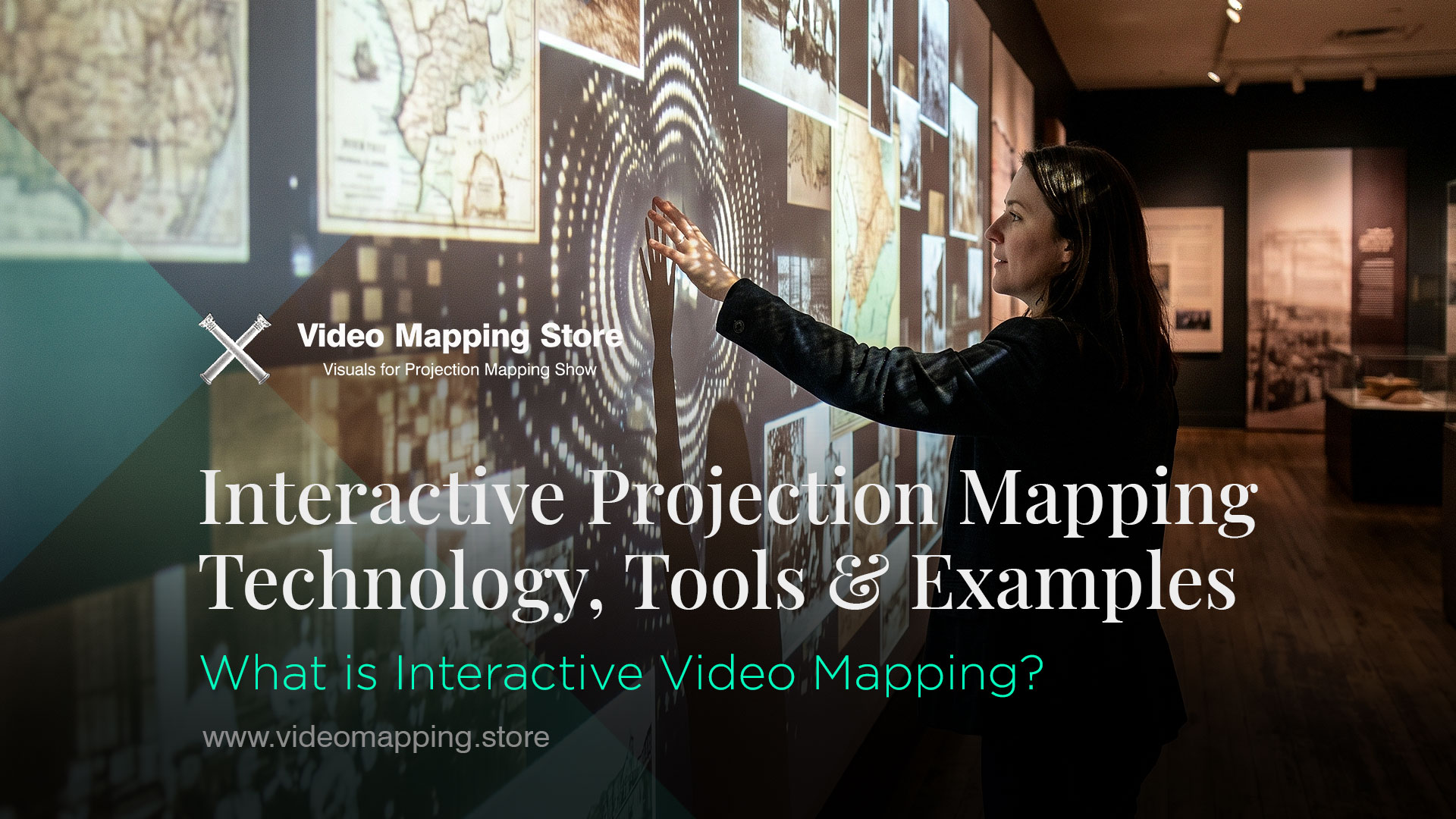
Why it matters: For practitioners in live events, museums, and public art, the shift to interactive projection mapping changes the production pipeline from pre-rendered playback to sensor-driven generative systems, requiring new skills in real-time data handling and software integration.
Context: Standard projection mapping follows a linear content flow; interactive mapping closes the feedback loop with audience input, creating a dialogue between space and participants.
"The core distinction is the input loop. In standard projection mapping, the content flow is linear: content creation → playback → display. In interactive projection mapping, the loop closes: display → audience input → real-time content modification → display." — VIDEOMAPPING.STORE
Commentary: The practical consequence for production teams is a shift from asset delivery to system design: the deliverable is no longer a video file but a parameterized environment that responds to live data. The cost floor for a basic interactive setup (€5,000–€15,000) and the 2–8 week custom development timeline for complex installations mean this remains a specialist service, not a commodity. The integration of real-time AI video generation (TouchDesigner + ComfyUI) is the most disruptive near-term development, but its compute demands will limit adoption to high-budget projects until inference hardware costs drop.
Date: June 06, 2026 08:00 PM ET
URL: https://videomapping.store/interactive-projection-mapping
AI Sentiment Score: Negative (50%)
AI Credibility Score: 10.0/10 — High
Scores and text generated by AI analysis of the source article indicated.
i Light Singapore 2026: Illuminating the city (Straitstimes)
Summary: i Light Singapore 2026 opens June 5, transforming Marina Bay into an interactive light art festival under the theme ‘Movement.’ The 14 installations require precise technical calibration—from sensor-tuned fishing rods to inflatable structures—and involve 17 artists plus an inaugural mentorship program for local talent. The festival runs through June 28, free admission, organized by URA and presented by UOB.
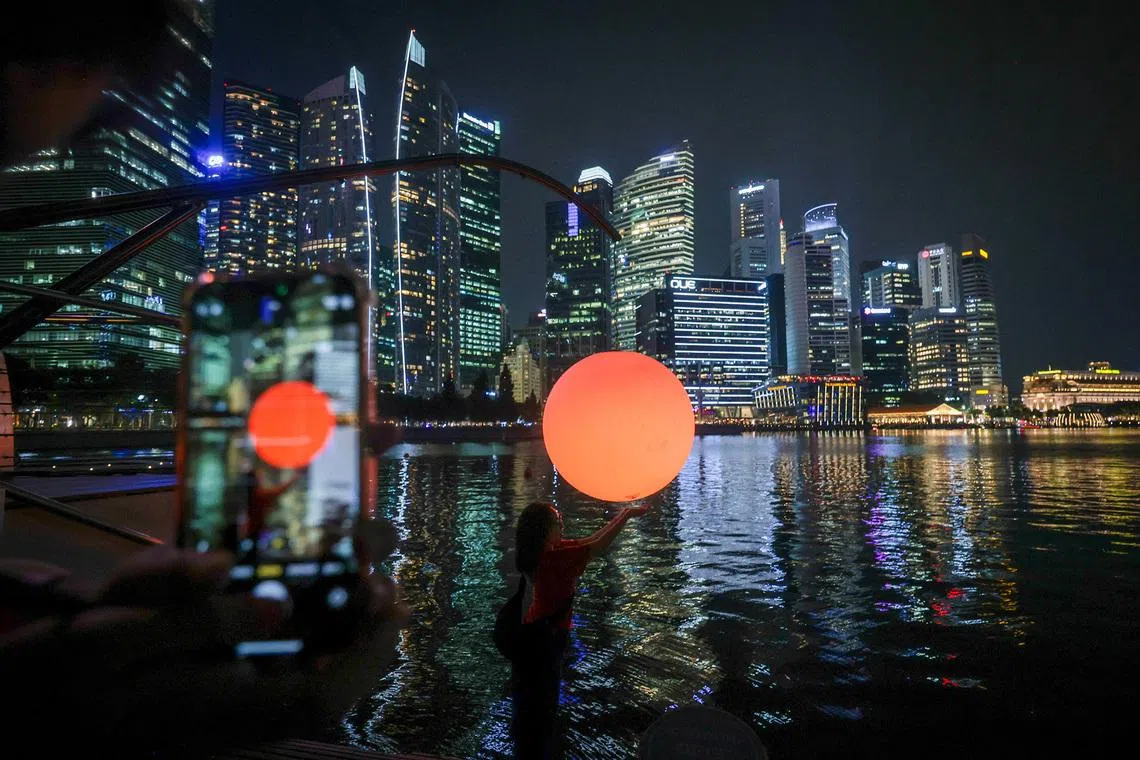
Why it matters: For interactive art practitioners, the festival’s emphasis on sensor calibration, structural engineering, and real-time audience response systems provides a case study in scaling participatory installations across a public waterfront venue.
Context: i Light Singapore is an annual event; the 2026 edition introduces a mentorship track for emerging local artists, signaling a shift toward pipeline development alongside spectacle.
"i Light Singapore 2026: Illuminating the city As twilight descends over the Marina Bay skyline, the waterfront begins to hum with a different kind of energy. Organised by the Urban Redevelopment Authority." — STRAITSTIMES
Commentary: The calibration detail—sensors responding to a ‘gentle tug’—highlights the operational fragility of interactive public art: a single sensor drift can break the illusion. For crews, the takeaway is that maintenance protocols must account for environmental wear (humidity, foot traffic) over a 24-day run. The mentorship program also suggests a deliberate labor pipeline strategy, reducing reliance on imported talent for future editions.
Date: June 03, 2026 08:00 PM ET
URL: https://straitstimes.com/multimedia/photos/i-light-singapore-2026
AI Sentiment Score: Negative (66%)
AI Credibility Score: 10.0/10 — High
Scores and text generated by AI analysis of the source article indicated.
How Projection Mapping Turns Architecture Into a Living Canvas – Cornford and Cross (Cornfordandcross)
Summary: Projection mapping turns architecture into a living canvas by transforming ordinary buildings into vibrant, interactive displays. You’ll see colorful visuals that enhance storytelling and engage viewers in immersive experiences. This technology blurs the lines between reality and imagination, inviting you to participate in the narrative.
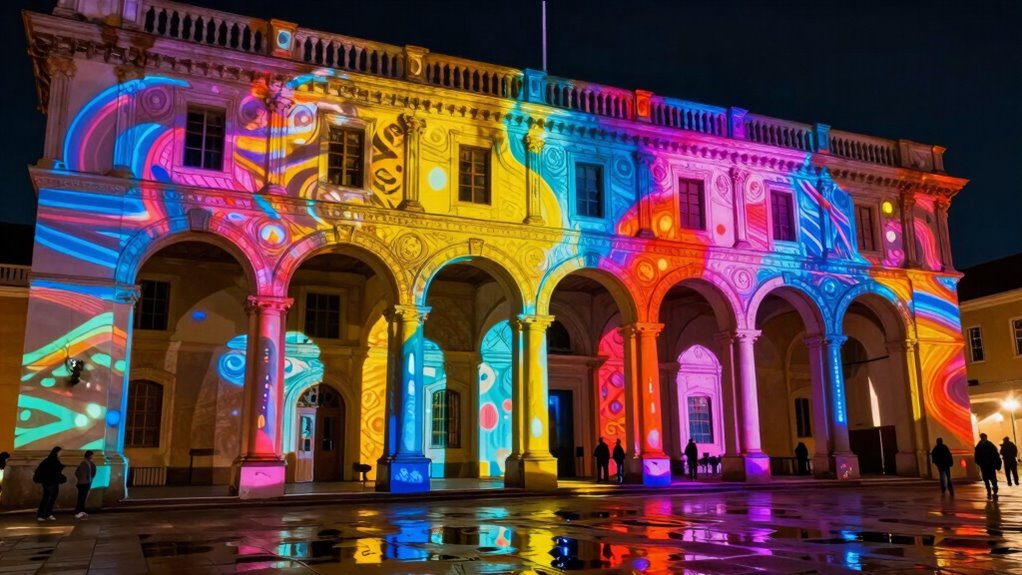
Why it matters: This matters for Interactive Art because it gives a concrete current signal to track: Projection mapping turns architecture into a living canvas by transforming ordinary buildings into vibrant, interactive displays.
Context: Projection mapping turns architecture into a living canvas by transforming ordinary buildings into vibrant, interactive displays. You’ll see colorful visuals that enhance storytelling and engage viewers in immersive experiences. This technology blurs the lines between reality and imagination, inviting you to participate in the narrative.
"Projection mapping turns architecture into a living canvas by transforming ordinary buildings into vibrant, interactive displays. You’ll see colorful visuals that enhance storytelling and engage viewers in immersive experiences. This technology blurs." — CORNFORDANDCROSS
Commentary: The immediate implication is operational rather than speculative: watch how this changes budgets, workflows, or risk assumptions over the next cycle.
Date: June 03, 2026 08:00 PM ET
URL: https://cornfordandcross.com/immersive-interactive-art/projection-mapping-and-architecture
AI Sentiment Score: Neutral (50%)
AI Credibility Score: 7.0/10 — Medium
Scores and text generated by AI analysis of the source article indicated.
Computer framework generates ‘shadow art’ from scan of an object | Cornell Chronicle (News.Cornell.Edu)
Summary: Cornell researchers have developed ShadowDraw, an AI framework that generates line drawings from scanned 3D objects, where the object’s cast shadow completes the artwork. The system uses a diffusion model trained on a large dataset of online sketches rather than limited shadow-art examples, enabling one-shot output without iterative trial and error. This approach moves AI-assisted drawing from 2D screen-based generation to physical object interaction, potentially changing how artists and non-artists prototype compositions. The work will be presented at CVPR ’26.
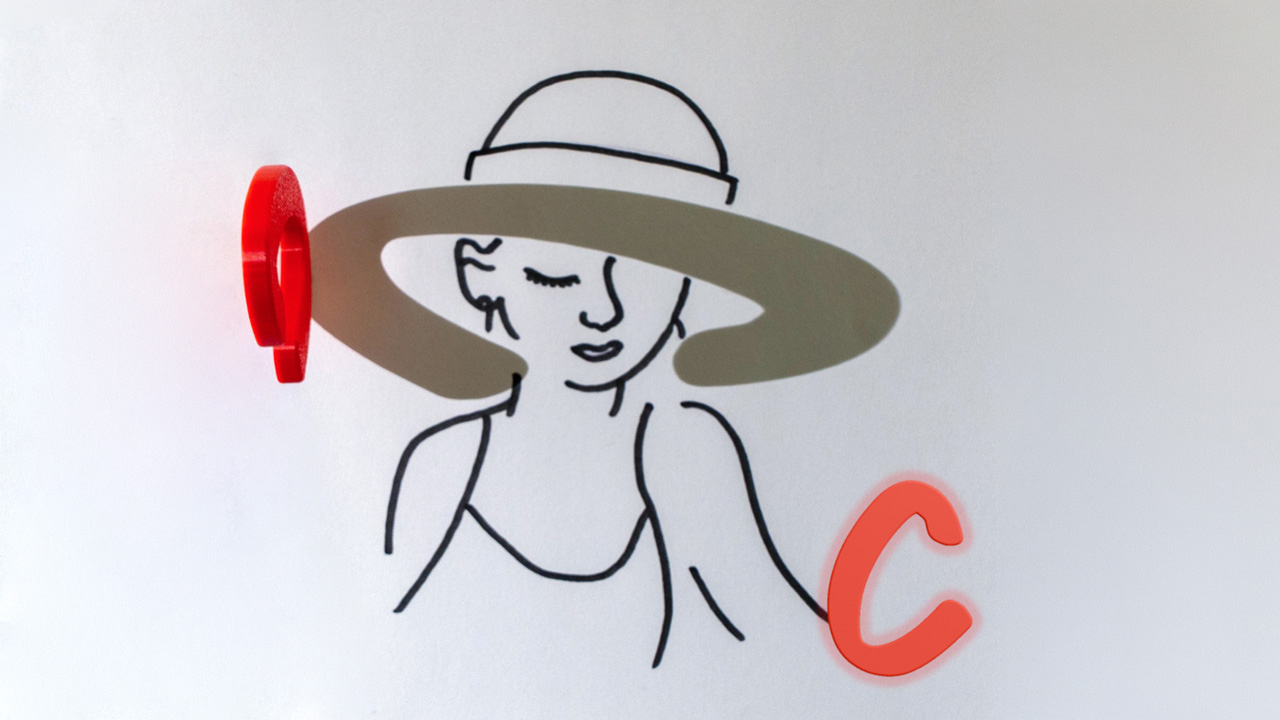
Why it matters: For interactive art practitioners and experience designers, ShadowDraw introduces a new pipeline that bridges physical objects and generative AI, reducing the iteration cost for shadow-art creation and opening up installation possibilities where real-time object scanning drives dynamic drawing generation.
Context: The system was inspired by Belgian artist Vincent Bal’s ‘Shadowology’ Instagram works, but the researchers pivoted from using limited artist-created datasets to training on abundant online line drawings, solving a data scarcity problem common in niche art forms.
"Computer framework generates ‘shadow art’ from scan of an object By Tom Fleischman, Cornell Chronicle Some people have a gift for creating beautiful works of art. Others appreciate art but do not." — NEWS.CORNELL.EDU
Commentary: The shift from curated artist datasets to web-scale sketch training is the key operational insight here: it dramatically lowers the barrier to entry for generative art tools. For studios and experience designers, this means the bottleneck is no longer data collection but rather the quality of the 3D scanning pipeline and the prompt engineering for shadow contours. Expect this to be rapidly adapted into interactive kiosks, museum installations, and AR filters where users place objects and receive a shadow-completed drawing in seconds.
Date: June 03, 2026 08:00 PM ET
URL: https://news.cornell.edu/stories/2026/06/computer-framework-generates-shadow-art-scan-object
AI Sentiment Score: Negative (75%)
AI Credibility Score: 10.0/10 — High
Scores and text generated by AI analysis of the source article indicated.
Post ID: f5da825a