Made In USA manufacturing and logistics
Wayfair Logistics Upgrades 2026: CastleGate Expansion, Consolidated Delivery, and AI-Powered Pre-Delivery Calls – News and Statistics – IndexBox (Indexbox.Io)
Summary: Wayfair detailed three supply chain upgrades at Home Delivery World 2026: first article inspection using vision tunnels to reduce dimensional errors, a consolidated delivery program mixing parcel and large-item shipments, and AI-automated pre-delivery calls. The first article inspection process runs new products through a vision tunnel at a crossdock to capture exact dimensions, feeding algorithms that optimize truck loading and reduce extra capacity. Consolidated delivery lets customers pay for precise delivery windows rather than free fast shipping, targeting a market gap Wayfair sees in time-sensitive promotions. Automated pre-delivery calls use language models and voice augmentation to handle driver workflows, with data pushed to drivers via app notifications.

Why it matters: For logistics operators and last-mile teams, these changes shift the cost and coordination burden from carriers to automated systems, altering how dimensional data, delivery windows, and customer communication are managed in home furnishings supply chains.
Context: Wayfair’s CastleGate network has been expanding for years, and the company is now layering automation and data analytics onto existing infrastructure to reduce last-mile expenses and improve delivery precision.
"Wayfair has automated this pre-delivery call process by loading driver workflows and standard procedures into language models and using voice augmentation technology, which Bennett said has yielded positive outcomes." — INDEXBOX.IO
Commentary: The consolidated delivery program inverts the standard e-commerce model—charging for precision rather than speed—which could pressure competitors to offer similar windowed delivery options. Automating pre-delivery calls with language models reduces driver friction in change management, but the real operational gain is the structured data fed back into routing and scheduling systems. First article inspection via vision tunnels directly attacks the dimensional accuracy problem that causes wasted truck capacity, a cost leak that scales with volume. These moves signal that Wayfair is treating last-mile logistics as a data optimization problem, not just a transportation one.
Date: June 03, 2026 08:00 PM ET
URL: https://indexbox.io/blog/wayfair-expands-castlegate-adds-consolidated-delivery-and-automates-pre-delivery-calls-in-2026
AI Sentiment Score: Negative (81%)
AI Credibility Score: 10.0/10 — High
Scores and text generated by AI analysis of the source article indicated.
Keller Warehousing & Co-Packing Stacks the Bench for Next Era of 3PL and E-Commerce Growth (Prnewswire)
Summary: Keller Warehousing & Co-Packing has completed a multi-year leadership build, adding a director of business development and several operations and technology executives from major 3PL and retail players. The Ohio-based affiliate now operates 13+ facilities totaling over 3 million square feet, with expertise spanning high-speed sortation, AutoStore, and food-grade co-packing. President Daryl Mickley frames the move as a bet that warehousing is no longer a real estate play but a technology and automation business. The hires signal a deliberate shift toward national-scale, value-added services for e-commerce and consumer goods clients.
Why it matters: For logistics operators and brand supply chain teams, this signals that mid-market 3PLs are aggressively building talent depth to compete with national platforms on automation, WMS, and co-packing capability, not just square footage.
Context: The 3PL sector is consolidating around technology and automation as labor costs rise and e-commerce demands faster, more complex fulfillment. Keller’s hires from SEKO, FedEx Supply Chain, and Bath & Body Works reflect a pattern of private companies recruiting from public and large-captive networks to gain operational sophistication without acquisition.
"Warehousing is no longer a real estate business. It is a technology business, an automation business, an e-commerce fulfillment business, and a value-added services business – all at once. The companies that will win the next decade are the ones who have already put the right people in place." — PRNEWSWIRE
Commentary: The practical signal is in the specific operational hires: a director who ran PFSweb’s 12-DC network, a GM who managed a $21M P&L at FedEx, and a WMS leader who grew a contract logistics product from $50M to $100M. For brands evaluating 3PL partners, this depth means Keller can now handle multi-site automation rollouts and complex co-packing workflows that smaller operators typically cannot. The risk is execution: stacking a bench is not the same as integrating those playbooks into a single operating rhythm.
Date: June 03, 2026 08:00 PM ET
URL: https://prnewswire.com/news-releases/keller-warehousing--co-packing-stacks-the-bench-for-next-era-of-3pl-and-e-commerce-growth-302791547.html
AI Sentiment Score: Positive (50%)
AI Credibility Score: 10.0/10 — High
Scores and text generated by AI analysis of the source article indicated.
Future Snoops and GreenStitch Partner for Digital Product Passport Guide (Wwd)
Summary: Future Snoops and GreenStitch released a guide for fashion brands on EU Digital Product Passport (DPP) regulations, emphasizing that 70-80% of compliance and commercial value is determined at the design stage. The report identifies three strategic moves: treating DPPs as a growth engine, embedding compliance into design decisions, and prioritizing digitalization. It warns that manual data management is impossible at scale, requiring software platforms, AI, and system integration to handle material, chemical, and supplier data across the value chain. Brands are urged to launch cross-functional teams, pilot 3-5 projects in the next year, and begin supplier onboarding immediately to avoid data bottlenecks at mills and dye houses.

Why it matters: For US brands and manufacturers exporting to the EU, DPP compliance shifts the operational burden upstream to design and sourcing, making early digital infrastructure investment a competitive necessity rather than a regulatory checkbox.
Context: The EU’s Empowering Consumers for the Green Transition (ECGT) takes effect September 2026, with DPP requirements following; similar regulations are emerging in other markets, creating a global compliance landscape that rewards early movers.
"Trend forecaster Future Snoops and sustainability software platform GreenStitch have joined forces for a new report designed to help fashion brands navigate the digital product passport (DPP) regulations set to go into." — WWD
Commentary: The report’s emphasis on design-stage decisions as the fulcrum for compliance means brands must retool their product development workflows now, not later. The data bottleneck at Tier 2 and 3 suppliers—fabric mills, dye houses—will be the hardest operational constraint to resolve, requiring direct investment in supplier data readiness. For US manufacturers, this is a chance to leapfrog competitors by integrating DPP infrastructure into domestic production lines, where traceability is often easier to control than in fragmented offshore supply chains.
Date: June 03, 2026 08:00 PM ET
URL: https://wwd.com/sourcing-journal/industry-news/future-snoops-greenstitch-digital-product-passport-guide-1238995402
AI Sentiment Score: Negative (66%)
AI Credibility Score: 10.0/10 — High
Scores and text generated by AI analysis of the source article indicated.
UPS upgrades service level for US-Mexico industrial shippers (Freightwaves)
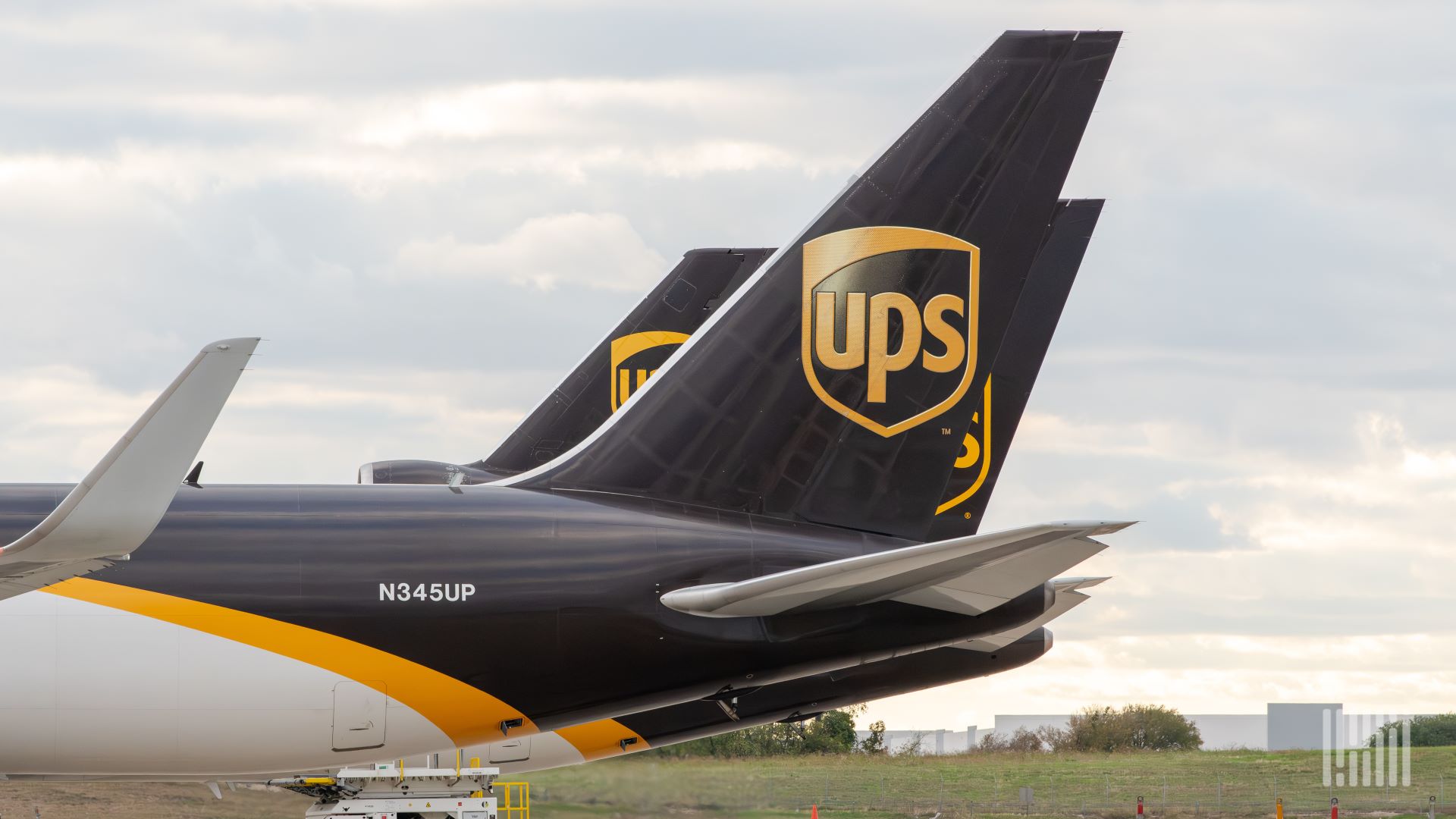
Summary: UPS is upgrading its US-Mexico service to offer time-definite, heavy freight air transport on its own aircraft for the first time, targeting automotive and industrial shippers. The company has invested nearly $50 million in a cross-border ground product and deployed over 300 industry-specific logistics experts. The move shifts UPS from a small-parcel focus to premium, guaranteed heavy freight, responding to tariff complexity and rising fuel costs. This mirrors broader express carrier strategies to capture general cargo as parcel volumes stagnate.
Why it matters: For manufacturers and logistics operators managing nearshored supply chains, this changes the cost-speed tradeoff for moving high-value parts between the US and Mexico, offering a guaranteed alternative to less predictable LTL or forwarder-managed airfreight.
Context: UPS historically moved small packages across the border, with freight only on remaining capacity. FedEx launched its Tricolor heavy freight strategy two years ago, and DHL is similarly dedicating more internal aircraft to express heavy freight.
"United Parcel Service this summer will begin offering time-definite, heavy freight air service between the United States and Mexico on its own aircraft for the first time as part of an initiative." — FREIGHTWAVES
Commentary: The $50M ground investment and dedicated air capacity signal that UPS is building a parallel heavy-freight network rather than just reprioritizing existing parcel lift. For shippers, the practical change is access to day-definite suggests on industrial parts, which reduces buffer inventory and expedites just-in-sequence manufacturing. The 300-strong expert team suggests UPS is also selling customs and regulatory navigation as a service, not just transport. Expect competitive pressure on FedEx Tricolor and DHL Forwarding to match these service levels on the same corridor.
Date: May 31, 2026 08:00 PM ET
URL: https://freightwaves.com/news/ups-upgrades-service-level-for-us-mexico-industrial-shippers
AI Sentiment Score: Negative (57%)
AI Credibility Score: 10.0/10 — High
Scores and text generated by AI analysis of the source article indicated.
No hard feelings: UP-NS will see fact-based review (Freightwaves)
Summary: The Surface Transportation Board has conditionally accepted Union Pacific and Norfolk Southern’s revised merger application but paused formal review until July 27 or later, citing data deficiencies and skepticism about competitive pricing suggests. The STB’s discovery-led approach signals a thorough, potentially lengthy process, with analysts pushing a best-case approval timeline into late 2027. The board is demanding granular data on facility-level impacts and shipper competition, particularly where the merger would reduce rail options from three to two or two to one. Markets reacted negatively, wiping out approximately $12 billion in merger value.
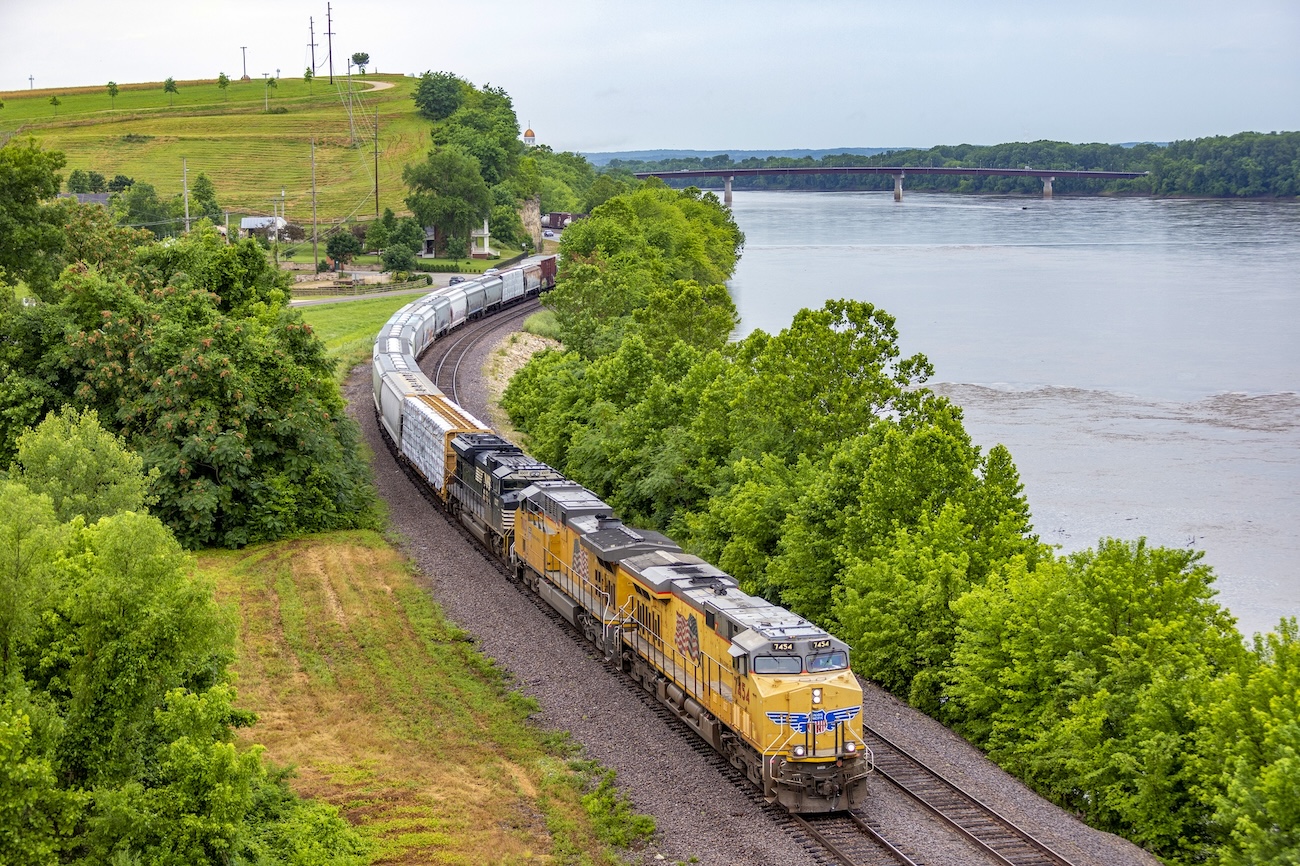
Why it matters: For shippers and logistics operators, this delay extends uncertainty about rail network consolidation, route flexibility, and pricing—directly affecting modal choice decisions and contract negotiations for transcontinental freight.
Context: The UP-NS merger would create the first transcontinental freight railroad, eliminating interchanges that currently add days to coast-to-coast transit. The STB’s rigorous review reflects heightened regulatory scrutiny of rail consolidation after past mergers reduced competition.
"It’s hurry up and wait for Union Pacific and Norfolk Southern. The Surface Transportation Board gave the railroads until July 27 – or longer – to submit more information after it conditionally." — FREIGHTWAVES
Commentary: The STB’s demand for facility-by-facility impact data and its skepticism toward committed gateway pricing indicate that even an ‘end-to-end’ merger faces real antitrust hurdles. Shippers should model both scenarios—merger approval with conditions or outright denial—when planning long-term rail contracts and modal splits. The $12 billion market value loss suggests investors expect significant regulatory friction or concessions that erode deal economics.
Date: May 31, 2026 08:00 PM ET
URL: https://freightwaves.com/news/no-hard-feelings-up-ns-will-see-fact-based-review
AI Sentiment Score: Negative (63%)
AI Credibility Score: 10.0/10 — High
Scores and text generated by AI analysis of the source article indicated.
Post ID: 714f9e53