Consumer Spending and Retail Media Trends: Inflation, Prime Day, and Advertising
Consumer spending rises as inflation speeds up to three-year high (Retaildive)
Summary: Consumer spending rose 0.7% in May even as the PCE inflation index hit a three-year high of 4.1%, more than double the Fed’s target. Core PCE, excluding food and energy, rose 3.4% year-over-year. Personal income and disposable income also grew 0.7%, indicating underlying economic resilience despite weak consumer sentiment. The Atlanta Fed projects 2.5% Q2 GDP growth, and interest rate futures now show 80% odds of a rate hike by end of 2026.

Why it matters: For fashion brands and retailers, persistent inflation above the Fed’s target means continued pressure on input costs, logistics, and consumer discretionary spending, even as top-line sales hold up.
Context: Inflation has exceeded the Fed’s 2% target for over five years, and the central bank’s own projections see core PCE still above target through 2028. Consumer confidence dipped again in May, yet spending patterns remain resilient, creating a tension that complicates inventory and pricing strategy.
"“If the Iran crisis creeps into the Labor Day timeframe, we have a much higher chance that inflation pressures will seep into other categories and will force the Fed’s hand,” Roach said." — RETAILDIVE
Commentary: The key operational risk for fashion is the Labor Day inflection point: if geopolitical disruptions broaden inflation beyond energy, brands face a sudden demand pullback just as fall/winter inventory hits stores. The 80% probability of a rate hike by year-end should already be baked into Q4 markdown planning and sourcing commitments. Resilient spending now masks a fragile consumer — the window to adjust pricing and inventory depth is narrowing.
Date: June 29, 2026 10:32 AM ET
URL: https://www.retaildive.com/news/consumer-spending-rises-inflation-speeds-up-three-year-high/823861/
AI Sentiment Score: Negative (66%)
AI Credibility Score: 10.0/10 — High
Scores and text generated by AI analysis of the source article indicated.
Consumer sentiment rises from record low on prospect of lower inflation (Retaildive)
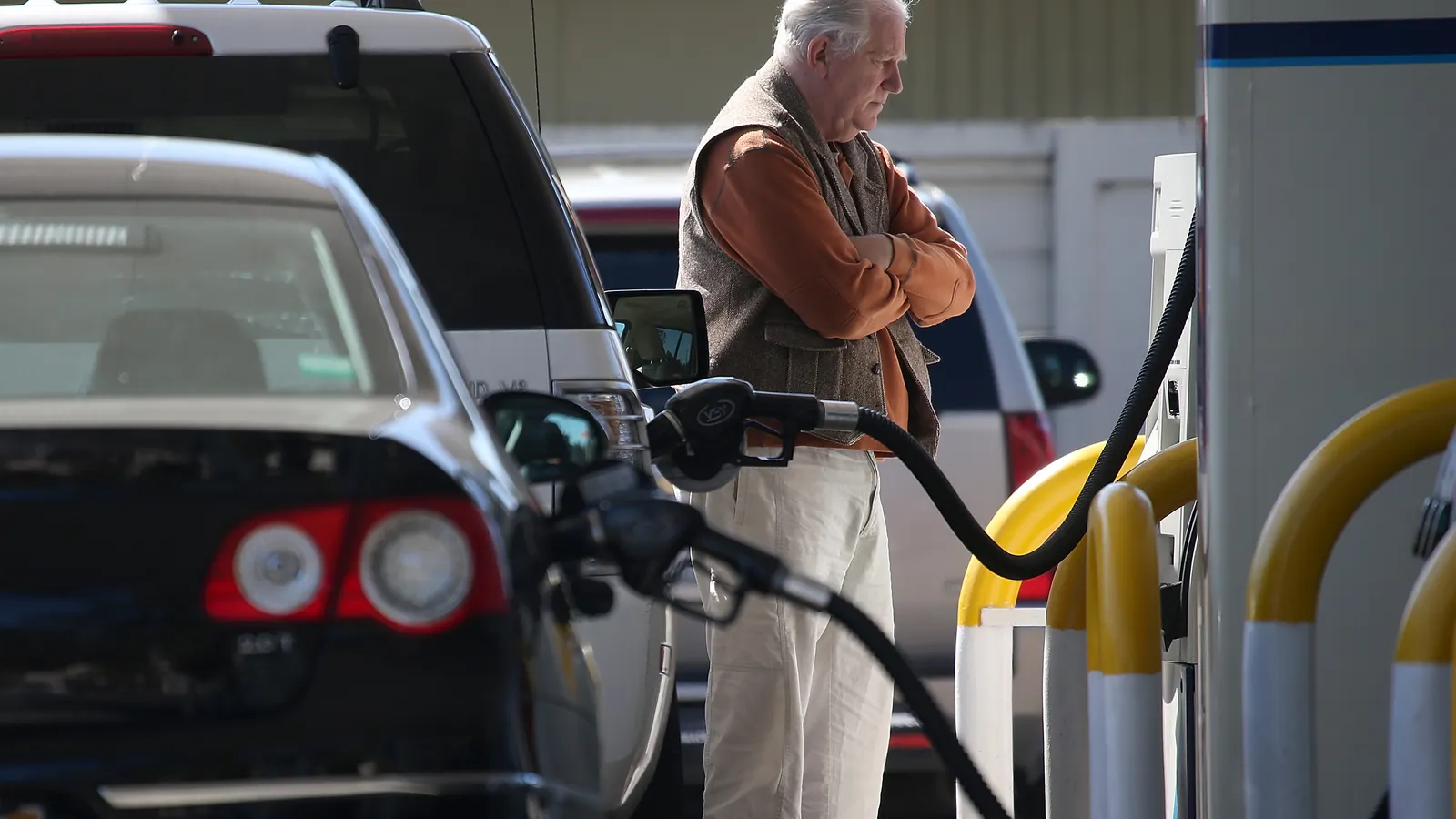
Summary: Consumer sentiment rose 10% in June from a record low, driven by cooling Iran war hostilities and a 15% drop in gas prices. However, inflation remains elevated at 4.1% annually, well above the Fed’s 2% target, and consumer expectations for one-year inflation edged down only slightly to 4.6%. The index is still 13% below pre-war February levels and 20% lower than a year ago, with over half of consumers spontaneously citing high prices as a drag on finances.
Why it matters: For fashion brands, the modest sentiment uptick signals a potential easing of the demand headwind from the inflation shock, but persistent price pressures on essentials like electricity and medical care will keep discretionary spending constrained through the back half of the year.
Context: The Iran war drove a sharp spike in fuel and energy costs starting in March, pushing consumer sentiment to a record low in May. The PCE index hit 4.1% in May, the fastest pace in three years, before gas prices began retreating in mid-June on ceasefire framework talks.
"Dive Brief: – Consumer sentiment this month rose from a record low as cooling hostilities in the Iran war prompted a pullback in gas prices, according to an index released Friday by." — RETAILDIVE
Commentary: The 10% sentiment bounce is a relief but not a recovery: the index remains in ‘unfavorable territory’ and well below pre-war levels. For fashion retailers, this means the Q3 planning cycle should assume continued margin pressure from non-fuel inflation (medical, electricity, groceries) and cautious consumer behavior, not a return to normal spending patterns. The 16% surge in five-year business expectations is a leading indicator that could support earlier inventory commitments if it holds, but the one-year inflation expectation at 4.6% suggests price sensitivity could remain elevated through holiday planning.
Date: June 30, 2026 10:37 AM ET
URL: https://www.retaildive.com/news/consumer-sentiment-record-low-prospect-lower-inflation-fed/823953/
AI Sentiment Score: Negative (55%)
AI Credibility Score: 10.0/10 — High
Scores and text generated by AI analysis of the source article indicated.
Amazon’s Prime Day drives online sales in the US up 9.3% (Retaildive)
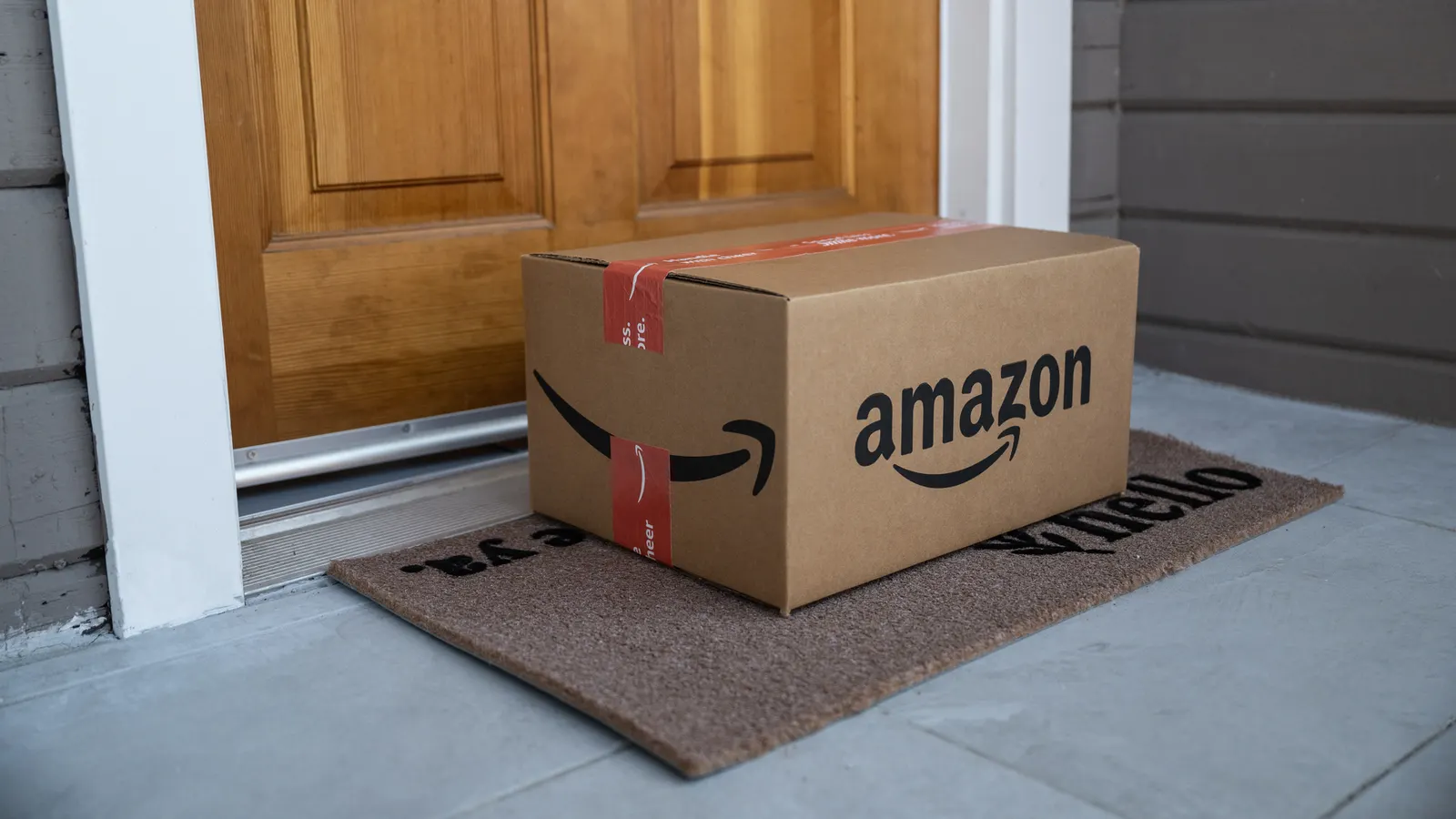
Summary: Amazon’s Prime Day 2026, moved to June, drove U.S. online retail sales up 9.3% year-over-year to $26.4 billion, approaching Black Friday levels. Apparel discounts held steady at 24% off, while buy now, pay later orders rose 9.5%, accounting for $2.1 billion. The event was part of a broader midyear promotional cluster including Memorial Day and Independence Day, with 40% of retailers more promotional than last July.
Why it matters: For fashion brands and retailers, the shift of Prime Day to June and the sustained 24% apparel discounting signal a new competitive baseline for midyear promotions, compressing seasonal planning and forcing earlier markdown cycles.
Context: Adobe’s data tracks $26.4 billion in online spend across the four-day event, compared to $32.45 billion across Thanksgiving, Black Friday, and Cyber Monday last year, indicating Prime Day is becoming a second peak season.
"Apparel discounts remained the same at 24% off, appliances stayed 16% off and toys discounts rose slightly from 19% to 20% off." — RETAILDIVE
Commentary: The unchanged apparel discount rate suggests brands are holding pricing power despite the earlier event, but the 9.5% BNPL jump indicates consumers are stretching budgets, which could pressure margins if returns spike. For fashion operations, the key takeaway is the need to align inventory flow and promotional calendars with a June Prime Day that now bleeds into other holidays, effectively creating a six-week promotional corridor from Memorial Day to July 4th.
Date: June 29, 2026 12:23 PM ET
URL: https://www.retaildive.com/news/amazon-prime-day-online-us-sales-numbers-grow-2026/823973/
AI Sentiment Score: Positive (50%)
AI Credibility Score: 10.0/10 — High
Scores and text generated by AI analysis of the source article indicated.
What Walmart’s Vibe.co deal means for CTV, retail media convergence (Retaildive)
Summary: Walmart is acquiring CTV ad platform Vibe.co for $1.2 billion, following its 2024 purchase of Vizio. The deal aims to lower the barrier to entry for small- and mid-sized businesses to run connected TV ads, while combining Walmart’s deterministic purchase data with Vibe’s probabilistic identity graph for closed-loop measurement. This is part of Walmart’s broader push to compete with Amazon’s ad business, which generates roughly ten times more annual ad revenue. The acquisition comes amid a wave of CTV consolidation, including Fox’s $22 billion purchase of Roku and Pinterest’s acquisition of TvScientific.

Why it matters: For fashion brands and retailers, this deal signals a shift in how retail media networks will capture off-platform ad spend, making CTV a more accessible and measurable channel for mid-market players who previously found TV advertising too complex or expensive.
Context: Walmart Connect grew 44% in Q1 fiscal 2027 (excluding Vizio), and marketplace sellers increased ad spend by over 50%. The number of small CTV advertisers rose from 60% in 2024 to 85% in 2026 per IAB, indicating a rapidly democratizing channel.
"Walmart last week announced plans to acquire Vibe.co, a connected TV ad platform designed with small- and mid-sized businesses and mid-market brands in mind. The deal, reportedly for $1.2 billion in cash,." — RETAILDIVE
Commentary: The Vibe.co acquisition gives Walmart a self-serve CTV entry point for the long tail of advertisers who lack agency support or programmatic expertise. For fashion brands, this means retail media budgets can now flow into streaming inventory with direct attribution back to Walmart sales, blurring the line between brand and performance marketing. The key operational question is how Walmart will reconcile Vibe’s probabilistic identity graph with its own deterministic data—if the merge is clean, it could set a new floor for retail media measurement standards. Expect other retailers with ad businesses (Kroger, Target, Home Depot) to accelerate their own CTV plays or risk losing share of off-platform spend.
Date: June 30, 2026 11:23 AM ET
URL: https://www.retaildive.com/news/walmart-vibeco-deal-ctv-retail-media-convergence/824065/
AI Sentiment Score: Negative (71%)
AI Credibility Score: 10.0/10 — High
Scores and text generated by AI analysis of the source article indicated.
Amazon, J.C. Penney dangle gas-related deals ahead of July 4 (Retaildive)
Summary: Amazon and J.C. Penney are rolling out gas-related promotions ahead of the July 4 travel weekend, targeting consumers still feeling the pinch from elevated fuel costs. Amazon is offering Prime members 50 cents off per gallon at over 7,500 BP, Amoco, AMPM, and Thorntons stations from Thursday through Sunday. J.C. Penney is taking a different approach: any customer who brings in a gas station receipt on Friday gets $10 off a $10 purchase. The deals come as average gas prices have fallen to $3.78 per gallon, the lowest since March, though the Iran war and tariff hangover continue to weigh on consumer sentiment.

Why it matters: For fashion brands and retailers, these promotions signal a shift in how customer acquisition and loyalty are being tied to everyday cost-of-living pain points, not just product discounts.
Context: Consumer sentiment hit record lows earlier this year due to the Iran war and tariff-driven inflation, but recent price relief at the pump is creating a narrow window for retailers to drive foot traffic and Prime membership value.
"Affordability is still the top issue for most Americans, but they have noticed improvement at the pump,” Heather Long, chief economist at Navy Federal Credit Union, said in emailed comments. “Inflation expectations remain elevated, but it’s notable that people aren’t as worried about inflation as they were a year ago when widespread tariffs were first announced." — RETAILDIVE
Commentary: Amazon is using gas savings to reinforce Prime stickiness at a moment when membership retention is under pressure from rising fees and subscription fatigue. J.C. Penney’s receipt-based offer is a clever foot-traffic play: it converts a routine gas stop into a store visit with a low-friction $10 threshold, effectively buying a customer touchpoint for the cost of a discount that barely covers margin. Both moves suggest that brands are now treating fuel prices as a proxy for disposable income, and are willing to subsidize that line item to protect share of wallet in apparel and general merchandise.
Date: June 30, 2026 11:30 AM ET
URL: https://www.retaildive.com/news/amazon-jcpenney-gas-related-deals-ahead-of-july-4/824072/
AI Sentiment Score: Negative (71%)
AI Credibility Score: 10.0/10 — High
Scores and text generated by AI analysis of the source article indicated.
Post ID: e459750e