
Spacecraft Operations and Launch Preparations
NASA calls off mission to rescue Swift gamma-ray observatory (Arstechnica)
Summary: NASA and Katalyst Space Technologies have abandoned the robotic mission to rescue the Swift gamma-ray telescope before reentry. The Link satellite, launched July 3, suffered ongoing attitude control issues, including the failure of two reaction wheels and problems with cold gas thrusters. Katalyst will attempt to extract technical value from the spacecraft, possibly demonstrating its close-in navigation system near Swift. NASA Administrator Jared Isaacman defended the attempt as a smart risk worth taking despite the outcome.
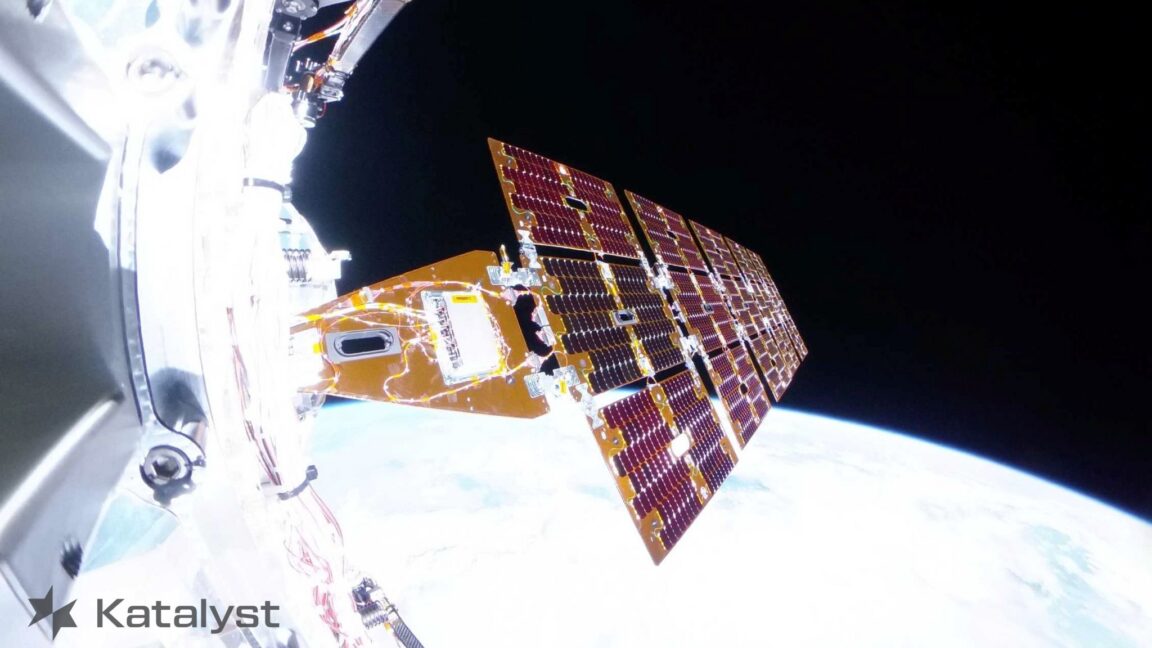
Why it matters: The mission’s failure tests NASA’s stated willingness to move quickly and take smart risks on fast, low-cost commercial missions, and it highlights the engineering limits of first-of-its-kind orbital servicing under tight schedules.
Context: NASA awarded Katalyst a $30 million contract less than a year ago, and Katalyst built and launched the satellite in nine months, a timeline that forced trade-offs and tolerated technical risks.
"While the mission will not have the ending we originally intended, NASA and Katalyst are assessing what milestones remain ahead,” Katalyst said in a statement. “We will continue working to extract technical and operational value from the spacecraft." — ARSTECHNICA
Date: August 19, 2026 08:18 PM ET
URL: https://arstechnica.com/space/2026/08/nasa-calls-off-mission-to-rescue-swift-gamma-ray-observatory/
Generated Analysis Tone: Negative (66%)
Source Registry Score: 10.0/10 — High
Generated text and tone describe the analysis; the source registry score is not a factual truth rating.
Ship 40 arrives at Christmas Island, Plans Return to Starbase (Nasaspaceflight)
Summary: SpaceX has successfully guided Starship Ship 40 to a location just off the coast of Christmas Island after approximately 24 days at sea in the Indian Ocean. The vehicle, which launched on July 24, 2026, as part of Starship Flight 13, deployed 20 operational Starlink V3 satellites, completed an in-space Raptor engine relight, survived reentry, and executed a controlled landing burn that produced the softest splashdown in the program to date. Unlike previous flights, Ship 40 remained intact and continued floating, allowing recovery operations to proceed. A team of SpaceX engineers is traveling to the site to conduct additional analysis in calmer waters before attempting to return the vehicle to Starbase in Texas.

Why it matters: The successful recovery of an intact flight vehicle after a soft ocean landing provides SpaceX with an unprecedented opportunity to study the effects of the full mission profile on the structure, thermal protection system, and engines under real flight conditions, directly informing the push toward catching Starship at Starbase.
Context: Ship 40’s performance on Flight 13 demonstrated controlled reentry and landing capabilities while highlighting specific improvements still needed for rapid reuse, with the data gathered from this recovery feeding directly into future vehicles.
"The successful recovery of an intact flight vehicle after a soft ocean landing provides SpaceX with an unprecedented opportunity to study the effects of the full mission profile on the structure, thermal protection system, and engines under real flight conditions." — NASASPACEFLIGHT
Commentary: This recovery marks a significant shift from previous flights where the vehicle typically broke apart after tipping over in the water. The ability to retrieve an intact ship allows for post-flight inspection of the thermal protection system and engines, data that would normally be lost. Elon Musk’s statement that continued high-accuracy splashdowns strengthen the case for accelerating the first ship catch attempt at Starbase, potentially as soon as Flight 14, signals a rapid iteration timeline. The deliberate, slow towing process and the involvement of multiple vessels underscore the operational complexity of recovering a massive floating vehicle in rough seas.
Date: August 18, 2026 08:59 AM ET
URL: https://www.nasaspaceflight.com/2026/08/ship-40-christmas-island-plans-return-starbase/
Generated Analysis Tone: Positive (71%)
Source Registry Score: 10.0/10 — High
Generated text and tone describe the analysis; the source registry score is not a factual truth rating.
Spacewalk Preps Continue to Finish Antenna Installation Job Next Week (Nasa.Gov)
Summary: NASA flight engineers Anil Menon and Sophie Adenot will conduct a spacewalk on Aug. 25 to finish replacing the space-to-ground antenna on the International Space Station, a job they began on Aug. 18. Menon will ride the Canadarm2 robotic arm to retrieve a spare antenna that Adenot will release from an external platform, then install it on the Z1 truss segment and make the electrical and data connections for high-speed transmissions. If time allows, they will attempt a get-ahead task to replace a retroreflector on the Harmony module’s forward port. NASA is also planning a fourth spacewalk on Sept. 1 to connect power channel cables and data relay systems, but the retroreflector replacement would become the primary task if not completed on Aug. 25.
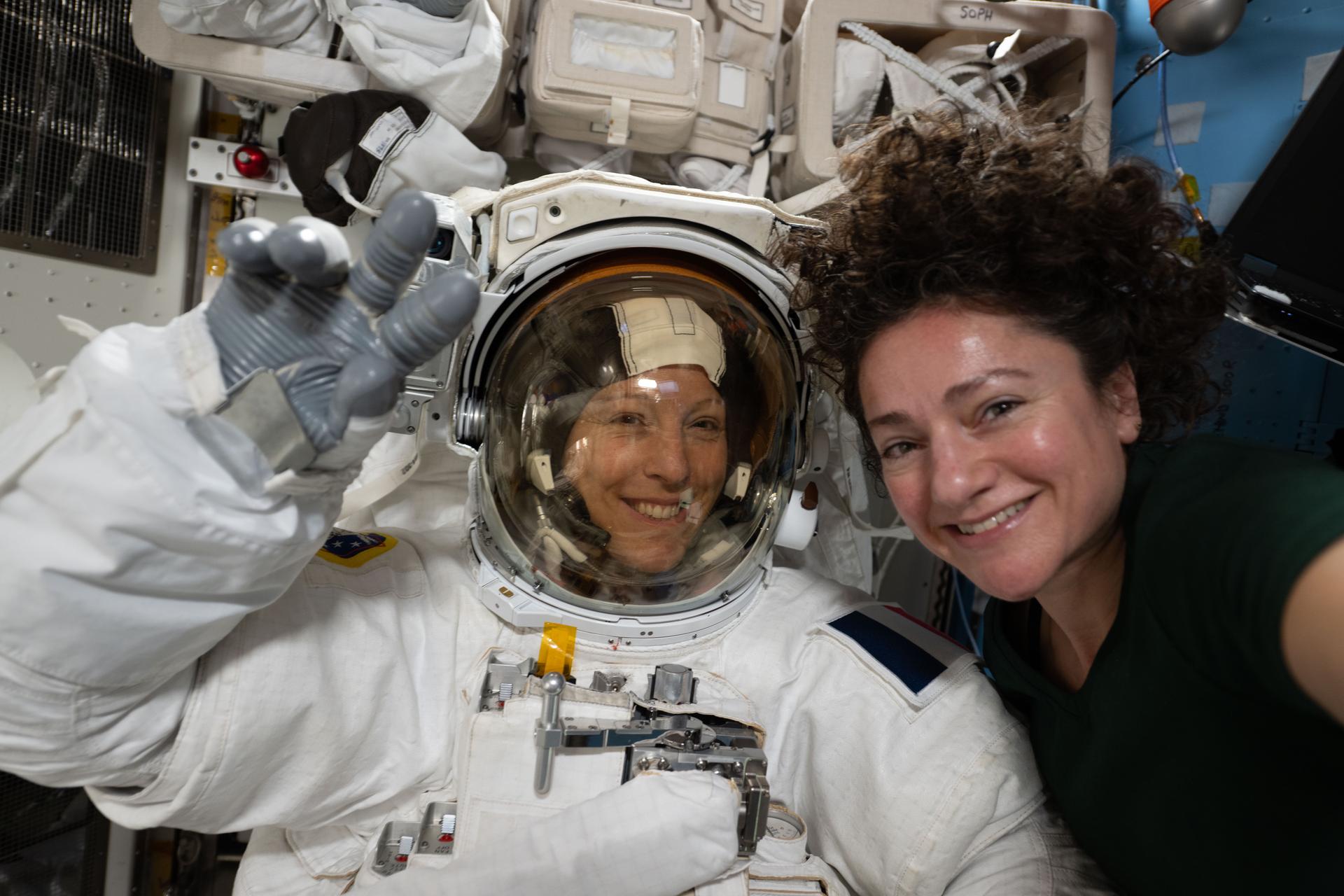
Why it matters: This spacewalk completes the installation of a spare antenna for high-speed transmissions with mission control, which is essential for ongoing station operations.
"Together, they will install the antenna on the Z1 truss segment above the station’s Unity module. The astronauts then will make the precise electrical and data connections needed to activate the spare antenna for high‑speed transmissions with mission control." — NASA.GOV
Date: August 20, 2026 03:00 PM ET
URL: https://www.nasa.gov/blogs/spacestation/2026/08/20/spacewalk-preps-continue-to-finish-antenna-installation-job-next-week/
Generated Analysis Tone: Positive (50%)
Source Registry Score: 10.0/10 — High
Generated text and tone describe the analysis; the source registry score is not a factual truth rating.
Post ID: c787557d