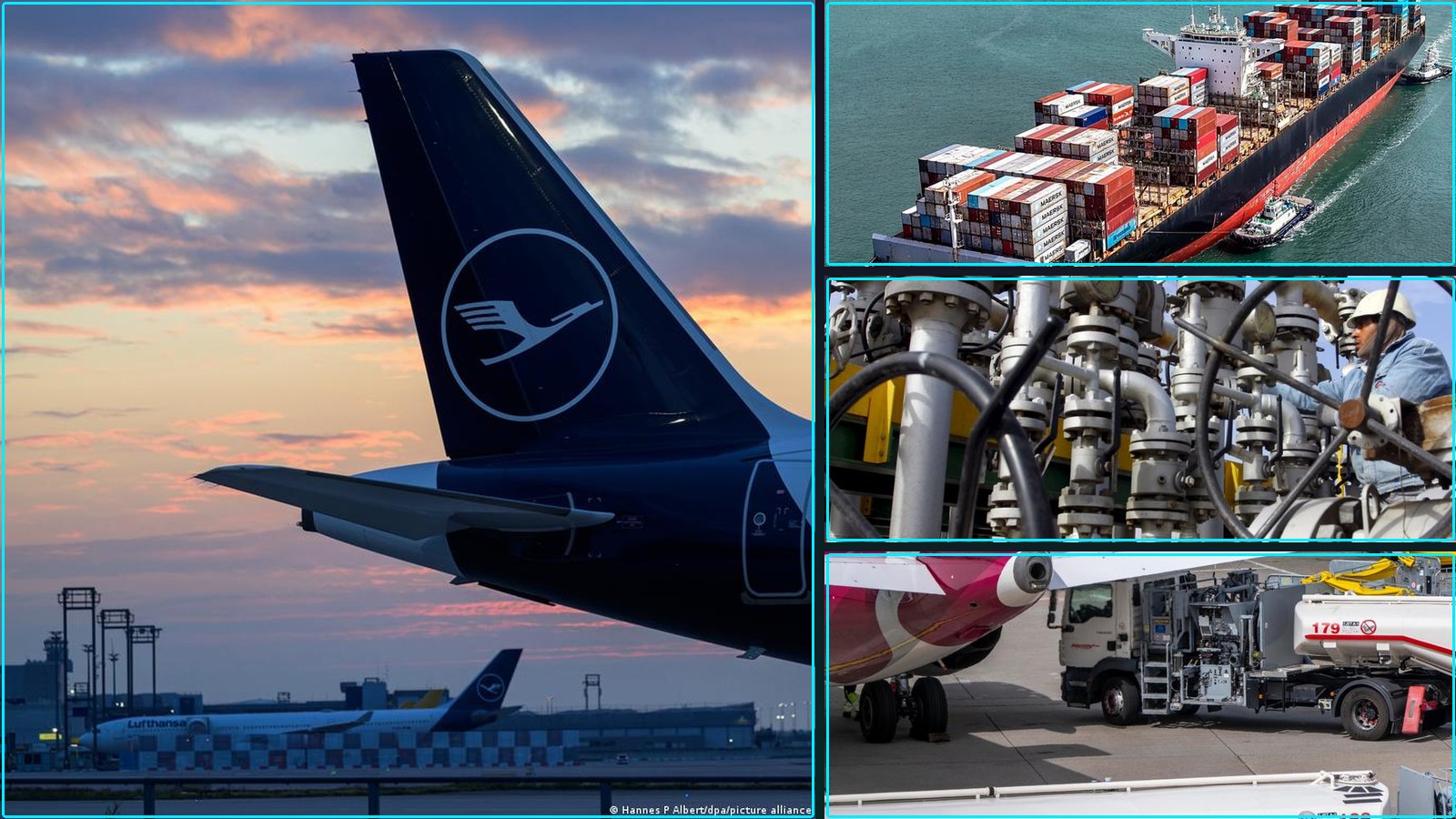
The Iran War and Global Fuel Crisis
Record fuel prices: How are governments responding? (Dw)
Summary: Global fuel prices have reached historic highs, driven by supply shocks from the US-Israeli war on Iran that exceed the 1970s oil embargo. Governments worldwide are deploying disparate fiscal and regulatory measures, from tax cuts and price caps to mandated work-from-home policies, to mitigate the impact. The responses reveal stark differences in fiscal capacity, energy dependency, and political tolerance for inflation.

Why it matters: The scale and variety of national responses signal a fragmented global policy landscape for energy security, with direct consequences for inflation, social stability, and the fiscal health of states.
Context: This follows a period of sustained energy market volatility, but the current shock is distinguished by its breadth and the geopolitical constraints on traditional supply-side solutions.
"According to the International Energy Agency, the current war in the Middle East has triggered a far greater supply shock to the global fuel supply than the oil embargo imposed by Arab OPEC members in the 1970s." — DW
Commentary: The patchwork of national responses—from Germany’s tax cuts to Pakistan’s mandated telework—highlights a retreat from coordinated action and a focus on domestic political management. The fiscal sustainability of measures like Japan’s price caps or Turkey’s sliding-scale tax is now in question, suggesting these are stopgaps, not solutions. The divergence will test supply chains and mobility patterns unevenly, with countries like the Philippines facing acute vulnerability.
URL: https://www.dw.com/en/record-fuel-prices-how-are-governments-responding/a-76805635?maca=en-rss-en-all-1573-rdf
AI Sentiment Score: Negative (75%)
AI Credibility Score: 10.0/10 — High
Scores and text generated by AI analysis of the source article indicated.
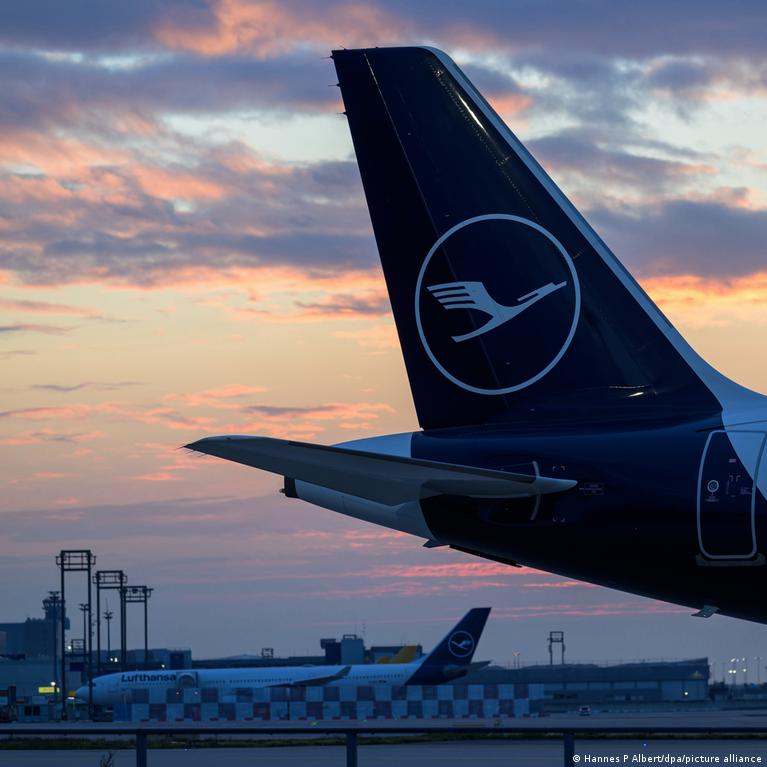
Iran war: Jet fuel crisis deepens as Lufthansa cuts flights (Dw)
Summary: Lufthansa’s cancellation of 20,000 flights from May to October 2026, to conserve 40,000 metric tons of jet fuel, signals a deepening operational crisis triggered by the Iran war and the closure of the Strait of Hormuz. The EU faces a potential six-week supply buffer, prompting emergency talks on fuel-sharing among member states and a scramble for alternative sources, while airlines across Europe and Asia-Pacific raise fares and cut routes. The crisis exposes the sector’s acute vulnerability to geopolitical supply shocks and the limited near-term utility of sustainable aviation fuel (SAF) alternatives.
Why it matters: The aviation sector’s fuel supply chain is a critical, brittle node in global mobility; its disruption forces immediate operational triage, reshapes travel economics, and tests EU crisis coordination.
Context: Europe imports 30-40% of its jet fuel, with half of that volume transiting the Strait of Hormuz, making its aviation network uniquely exposed to Middle Eastern maritime blockades.
"Iran war: Jet fuel crisis deepens as Lufthansa cuts flights April 22, 2026The Iran war is having a profound effect on the global aviation sector, with jet fuel shortages and surging prices." — DW
Commentary: The shift from a price crisis to a physical supply crisis moves the problem from finance departments to logistics and state emergency planners, forcing ad-hoc rationing and prioritizing core routes. Lufthansa’s preemptive mass cancellations, a hedge against uncertainty, could pressure other carriers to follow, crystallizing the summer travel disruption. This validates IATA’s prior warnings about Europe’s weakening fuel resilience and underscores that SAF mandates are a structural, not a crisis, solution. The EU’s proposed fuel-sharing mechanism will test the practical limits of continental solidarity under real-time scarcity.
URL: https://www.dw.com/en/iran-war-jet-fuel-crisis-deepens-as-lufthansa-cuts-flights/a-76889141?maca=en-rss-en-all-1573-rdf
AI Sentiment Score: Negative (84%)
AI Credibility Score: 10.0/10 — High
Scores and text generated by AI analysis of the source article indicated.
Trump’s Strait of Hormuz blockade hits Iran’s oil trade (Dw)
Summary: In April 2026, following the collapse of US-Iran peace talks, President Trump ordered the US Navy to blockade all maritime traffic entering or leaving Iranian ports via the Strait of Hormuz. The operation, enforced through visit-and-search procedures in the Gulf of Oman and Arabian Sea, aims to sever Iran’s primary revenue source by halting its roughly 2 million barrel-per-day oil exports. CENTCOM states the blockade targets only Iranian coastal traffic, but maritime law experts warn of risks to neutral shipping and long-term disruption of the critical waterway. Initial enforcement has already halted most tanker traffic through the strait.
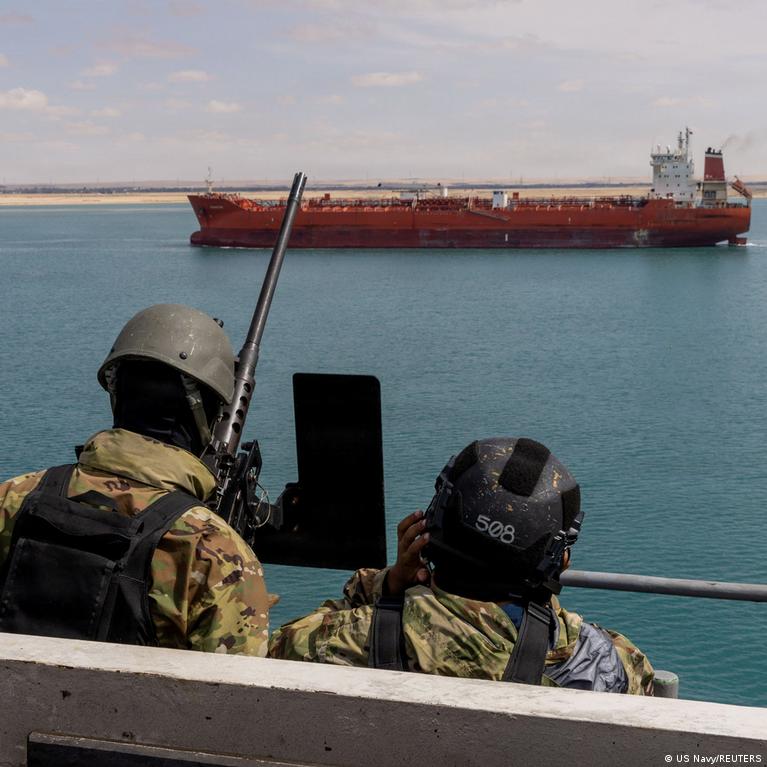
Why it matters: The blockade represents a direct, unilateral escalation in the conflict, risking regional spillover, challenging maritime law norms, and directly pressuring the economic interests of China, Iran’s primary crude buyer.
Context: This follows Iran’s earlier closure of the strait at the war’s outset and its imposition of transit tolls, with the US now leveraging naval power to counter Iranian control and force diplomatic concessions.
"If successful, the blockade would sever Iran’s main source of revenue by halting its nearly 2 million barrel-per-day oil export trade, which Trump is betting will force Tehran back to the negotiating table." — DW
Commentary: The operation tests the sustainability of a major naval commitment for a political ‘quick fix,’ while its success hinges on avoiding escalatory incidents with Chinese or allied vessels. It effectively weaponizes the strait’s geography against Iran, but in doing so, places US credibility and legal standing on the line for an open-ended enforcement challenge.
URL: https://www.dw.com/en/trump-s-strait-of-hormuz-blockade-hits-iran-s-oil-trade/a-76760110?maca=en-rss-en-all-1573-rdf
AI Sentiment Score: Negative (60%)
AI Credibility Score: 10.0/10 — High
Scores and text generated by AI analysis of the source article indicated.
Will the Iran war end Strait of Hormuz oil supremacy? (Dw)
Summary: The closure of the Strait of Hormuz following the outbreak of a US-Israel war with Iran has choked off roughly a fifth of global energy supply, replicating a vulnerability last seen during the Iran-Iraq war. Gulf states, led by Saudi Arabia and the UAE, are now accelerating plans for bypass pipelines and expanded export terminals to circumvent the chokepoint, while Iraq pushes for new overland routes to the Mediterranean. The crisis has shifted from managing a blockade to a structural re-engineering of regional energy export infrastructure, with projects that were previously stalled by cost and politics gaining urgent momentum. The geographical constraints on Kuwait, Bahrain, and Qatar, however, mean a full decoupling from Hormuz remains a multi-year, politically complex endeavor.
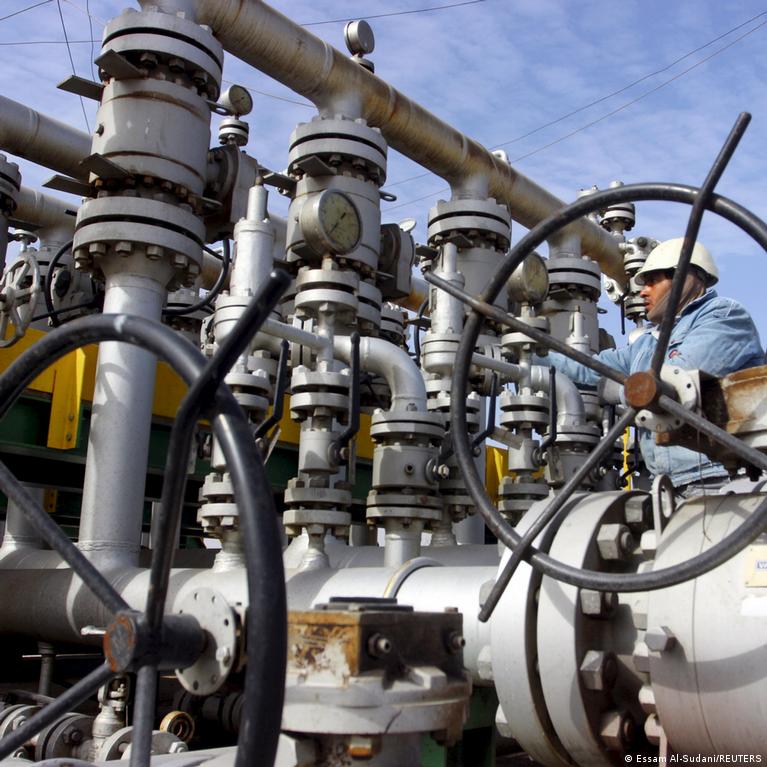
Why it matters: The strategic shift away from Hormuz will reconfigure global energy trade routes, alter regional power dynamics, and force a multi-billion-dollar reallocation of capital in infrastructure over the next decade.
Context: This follows a long-established pattern where geopolitical flashpoints catalyze infrastructure investment to de-risk critical trade corridors, as seen with the original Saudi and UAE pipelines built after the 1980s Tanker War.
"Before the war, about 15 million barrels per day of crude went through the strait," Mills told DW. "You would need to double [current pipeline capacity] to get all of the original crude exports out." — DW
Commentary: The crisis has moved bypass plans from theoretical contingency to executable policy, but the quoted capacity gap underscores this is a partial, not total, solution. The realignment will benefit Saudi Arabia and the UAE as first movers, while leaving other GCC states dependent on their transit goodwill, effectively internalizing the chokepoint risk within the Gulf’s political fabric. The parallel push for GCC rail networks signals a broader, permanent shift toward overland redundancy, reducing the region’s systemic reliance on maritime transit vulnerable to a single actor.
URL: https://www.dw.com/en/will-the-iran-war-end-strait-of-hormuz-oil-supremacy/a-76893004?maca=en-rss-en-all-1573-rdf
AI Sentiment Score: Negative (62%)
AI Credibility Score: 10.0/10 — High
Scores and text generated by AI analysis of the source article indicated.
Germany prepares for mission in the Strait of Hormuz (Dw)
Summary: Germany is positioning naval assets, including the minesweeper Fulda, for a potential mission in the Strait of Hormuz, a critical chokepoint for global energy shipments currently disrupted by suspected Iranian mining. Chancellor Friedrich Merz has signaled Germany’s conditional willingness to assist post-conflict, while Defense Minister Boris Pistorius insists any operation must be conducted in partnership with the United States. The deployment faces significant procedural hurdles, requiring parliamentary approval, and would strain an already overstretched German navy, forcing a reallocation of existing commitments. The mission’s feasibility hinges on a stable end to the US-Israel war with Iran and adequate force protection for the vulnerable mine-clearing units.
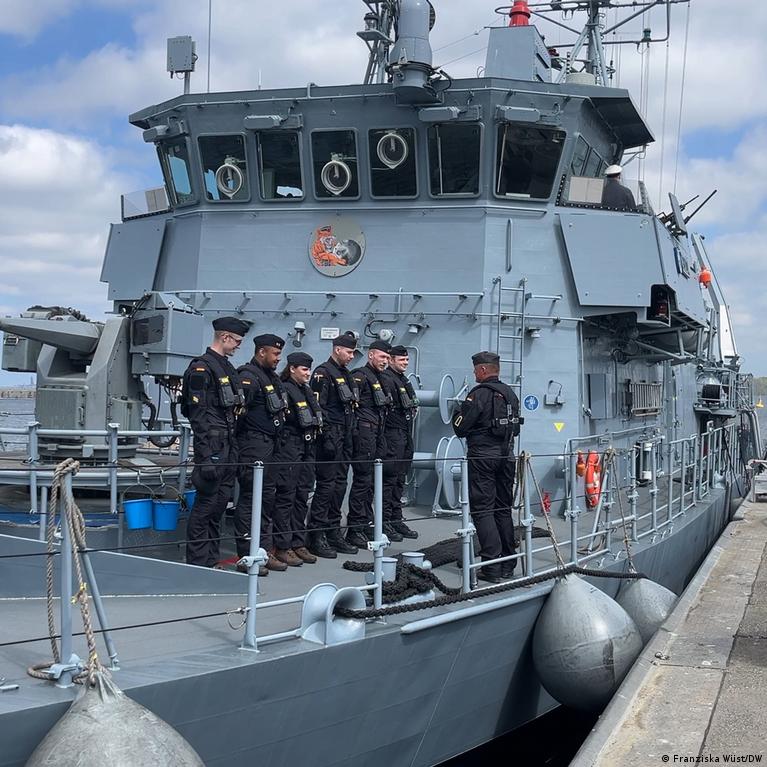
Why it matters: Germany’s potential deployment signals a shift in its post-war military posture and directly impacts global energy security and trade route resilience.
Context: Germany has historically maintained a restrained military footprint abroad, with its constitutional framework imposing strict conditions on foreign deployments. Its niche expertise in naval mine clearance, honed in the Baltic, is now a sought-after asset in a global flashpoint.
"A new mission always comes at the expense of a previous one." — DW
Commentary: The operational constraint voiced by Frigate Captain von Puttkamer encapsulates the core tension: Germany’s specialized capability is finite and already allocated. A Hormuz mission would not represent a net increase in European security capacity but a zero-sum reallocation, revealing the brittle foundation of collective action in an era of multiplied crises. The insistence on US partnership and a concluded war as preconditions frames the mission less as proactive crisis management and more as a reactive, politically constrained clean-up operation.
URL: https://www.dw.com/en/germany-prepares-for-mission-in-the-strait-of-hormuz/a-77054325?maca=en-rss-en-all-1573-rdf
AI Sentiment Score: Negative (70%)
AI Credibility Score: 10.0/10 — High
Scores and text generated by AI analysis of the source article indicated.
Iran war: US expecting Tehran’s response to proposed deal (Dw)
Summary: The US anticipates Iran’s response to a proposed framework for talks by Friday night Eastern time, as President Trump signals negotiations continue despite renewed hostilities. Concurrently, regional tensions escalate: Bahrain arrests 41 individuals over alleged IRGC ties, Israel orders evacuations in south Lebanon citing Hezbollah breaches, and the US Treasury sanctions ten entities, including Chinese firms, for enabling Iran’s military industry. Qatar urges diplomatic engagement, while the Strait of Hormuz remains a flashpoint, with recent clashes impacting global food prices.
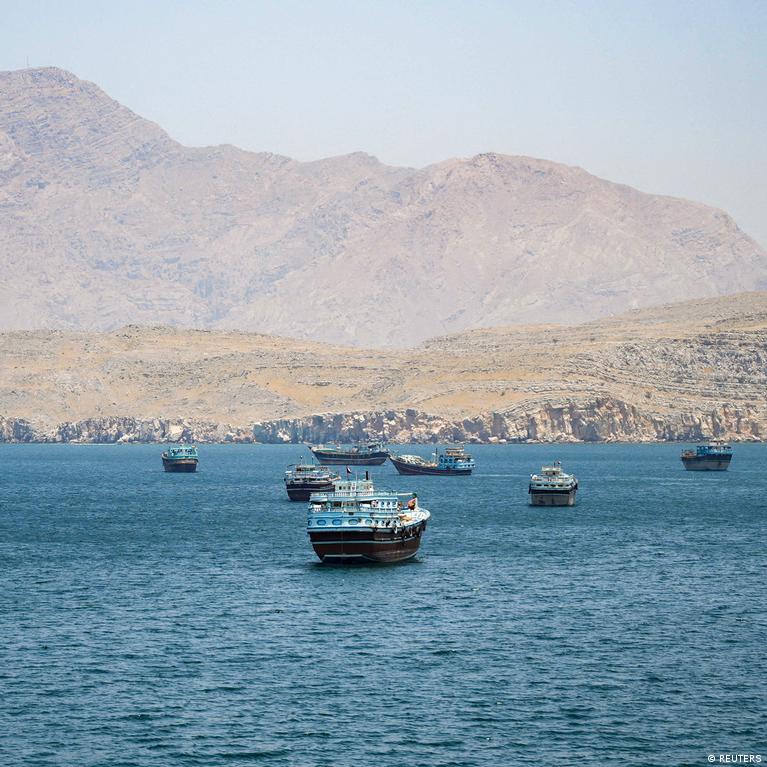
Why it matters: The interplay of diplomatic maneuvering, regional security actions, and economic sanctions defines the immediate operational landscape of the conflict, with direct consequences for global energy corridors and supply chains.
Context: This occurs within a tenuous month-old ceasefire, where kinetic actions and diplomatic channels operate in parallel, testing the resilience of any negotiated framework.
"The United States Treasury has announced sanctions on 10 entities it accuses of supporting Iran’s arms procurement and drone and missile production." — DW
Commentary: The sanctions, particularly targeting Chinese entities, signal a continued US strategy of economic pressure concurrent with diplomacy, creating a multi-domain squeeze on Tehran. Bahrain’s arrests and Israel’s evacuation orders illustrate how the core US-Iran confrontation triggers secondary security crises among allied states, further destabilizing the region. The FAO’s report on food prices concretely links the Strait of Hormuz volatility to global inflationary pressures, moving the conflict’s impact beyond geopolitics into household economics.
URL: https://www.dw.com/en/iran-war-us-expecting-tehran-s-response-to-proposed-deal/live-77102104?maca=en-rss-en-all-1573-rdf
AI Sentiment Score: Negative (75%)
AI Credibility Score: 10.0/10 — High
Scores and text generated by AI analysis of the source article indicated.
Iran war: Germany condemns attacks on UAE (Dw)
Summary: Germany, France, and the UK have formally condemned new Iranian missile and drone attacks on the United Arab Emirates, marking a breach of the fragile ceasefire in place since early April. Iranian Foreign Minister Abbas Araghchi dismissed military solutions while criticizing the US blockade as ‘Project Deadlock,’ as US Secretary of Defense Pete Hegseth prepares for a press conference following renewed US efforts to secure the Strait of Hormuz.
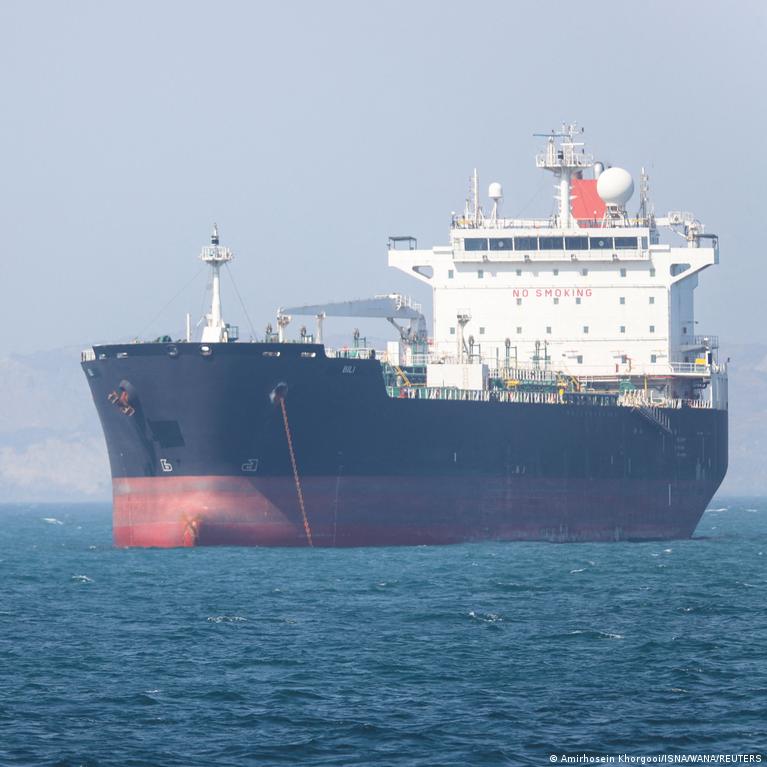
Why it matters: The coordinated European condemnation signals a hardening diplomatic front against Iran, directly impacting regional security and global energy transit.
Context: This occurs against a backdrop of stalled US-Iran talks mediated by Pakistan and a US-led naval operation to reopen the Strait of Hormuz, a critical chokepoint for global oil shipments.
""Tehran must return to the negotiating table and stop holding the region and the world hostage: The blockade of the Strait of Hormuz must end," Merz wrote on social media." — DW
Commentary: The European statements move beyond generic concern to explicitly link the attacks to the Hormuz blockade, framing Iranian action as a direct threat to global economic stability. This elevates the conflict from a regional spat to a core issue of maritime security and energy supply chains, increasing pressure for a coordinated NATO or UNSC response if attacks continue.
URL: https://www.dw.com/en/iran-war-germany-condemns-attacks-on-uae/live-77045752?maca=en-rss-en-all-1573-rdf
AI Sentiment Score: Negative (83%)
AI Credibility Score: 10.0/10 — High
Scores and text generated by AI analysis of the source article indicated.
How the Iran war is hurting travelers, airline industry (Dw)
Summary: The closure of the Strait of Hormuz, a critical chokepoint for global energy shipments, has more than doubled jet fuel prices in Europe since February 2026, pushing them from €68 to over €150 per barrel. This has triggered an operational crisis for airlines, with carriers like Lufthansa cutting 20,000 short-haul flights and Air France-KLM imposing €100 surcharges on long-haul routes. Industry bodies are warning of potential bankruptcies and a looming supply crunch, as Europe faces a shortfall of 500,000 barrels of daily jet fuel imports previously routed through the Strait. In response, the European Commission has launched the AccelerateEU plan to monitor stocks and coordinate distribution, while airlines lobby for temporary suspensions of environmental regulations.
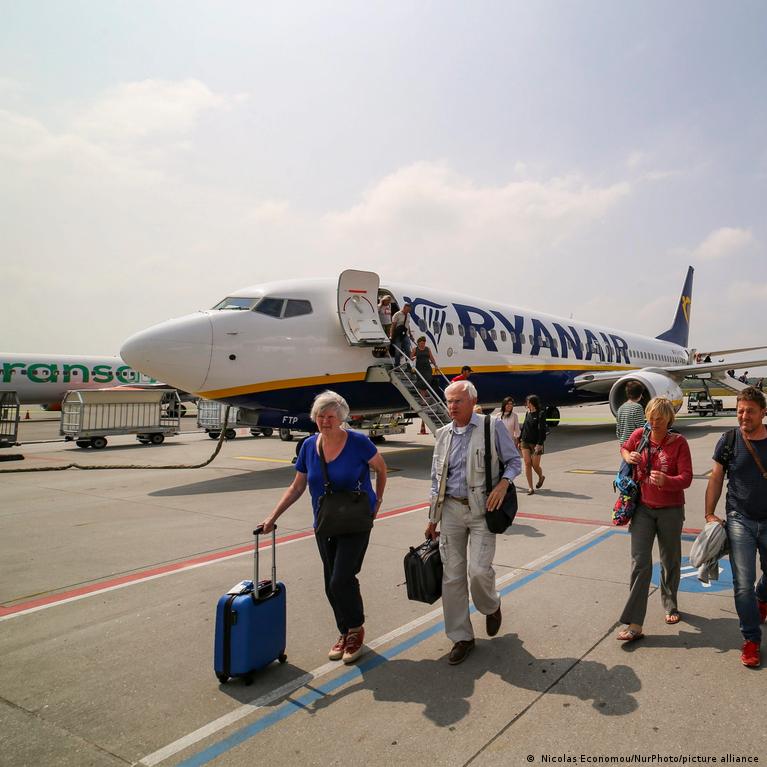
Why it matters: The conflict has moved from geopolitical risk to a tangible supply shock, directly threatening the operational and financial viability of European air travel and regional airports.
Context: This represents a rapid escalation from a regional military conflict to a systemic disruption of global mobility, testing the resilience of just-in-time aviation logistics and EU crisis coordination mechanisms.
""If fuel prices, which represent 25% to 50% of an airline’s total operating expenses, remain high and airlines have not hedged, they could go bankrupt," she said." — DW
Commentary: The industry’s immediate push to suspend the Emissions Trading System and anti-tankering rules reveals a fundamental tension between crisis management and long-term decarbonization goals. The EU’s monitoring efforts, while ‘praiseworthy,’ are a logistical patch, not a solution for a prolonged physical shortage. The real signal is the shift in exporter behavior, with Asian refiners beginning to hoard supply, which could permanently rewire global fuel trade routes and increase systemic fragility.
URL: https://www.dw.com/en/how-the-iran-war-is-hurting-travelers-airline-industry/a-77000742?maca=en-rss-en-all-1573-rdf
AI Sentiment Score: Negative (80%)
AI Credibility Score: 10.0/10 — High
Scores and text generated by AI analysis of the source article indicated.
Iran war: Trump says Project Freedom ‘paused’ (Dw)
Summary: On May 6, 2026, the US announced a tactical pause in ‘Project Freedom,’ its naval escort operation for stranded ships in the Strait of Hormuz, as diplomatic efforts intensify. Concurrently, Secretary of State Marco Rubio declared offensive operations against Iran over, framing ongoing US actions as purely defensive enforcement of a blockade. Meanwhile, Iran’s foreign minister met with his Chinese counterpart in Beijing, signaling a potential diplomatic realignment, and Iran categorically denied recent attacks on the UAE. The conflict’s economic toll is clear, with US gasoline prices up 50% since February due to the constrained strait.
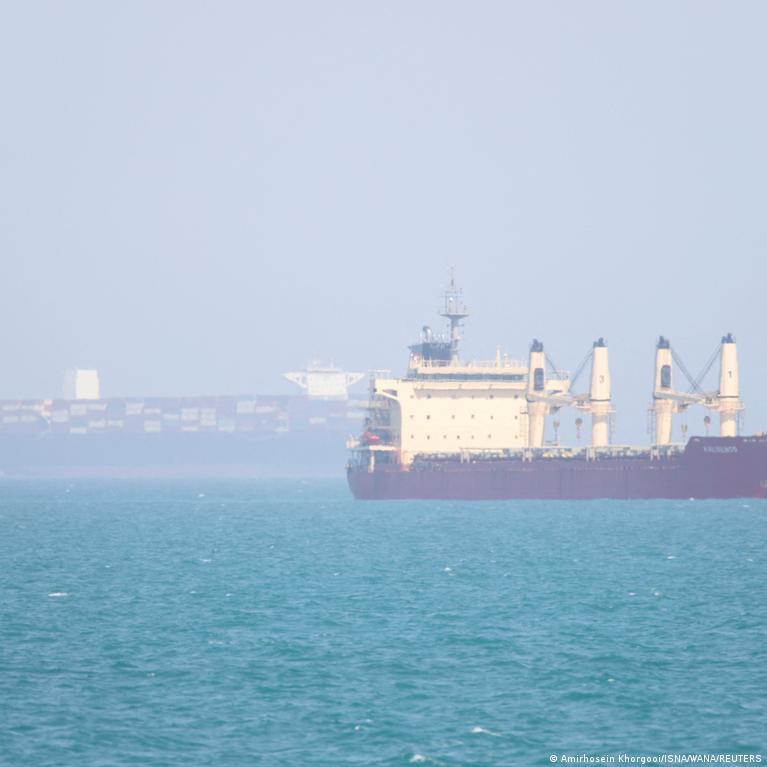
Why it matters: The pause in escort operations and shift to a defensive posture signals a critical inflection point in the conflict, where diplomatic and economic pressures may now outweigh kinetic military action, with direct consequences for global energy markets and regional alliances.
Context: The Strait of Hormuz is a critical global chokepoint for oil transit; its closure has historically triggered severe market volatility. China’s role as Iran’s primary economic partner provides Tehran with a strategic counterweight to US pressure.
""Project Freedom (The Movement of Ships through the Strait of Hormuz) will be paused for a short period of time to see whether or not the Agreement can be finalized and signed," Trump said in a post on his Truth Social platform." — DW
Commentary: The ‘pause’ is less a de-escalation than a recalibration of pressure, trading overt naval presence for sustained economic strangulation via the blockade. China’s meeting with Iran, timed before Trump’s scheduled visit, positions Beijing as the indispensable broker, potentially extracting concessions from Washington. The 50% fuel price increase represents the tangible, domestic political cost now driving US policy, making a negotiated exit increasingly imperative over a protracted siege.
URL: https://www.dw.com/en/iran-war-trump-says-project-freedom-paused/live-77059422?maca=en-rss-en-all-1573-rdf
AI Sentiment Score: Negative (66%)
AI Credibility Score: 10.0/10 — High
Scores and text generated by AI analysis of the source article indicated.
Could Iran war trigger bigger trade crisis than COVID? (Dw)
Summary: The closure of the Strait of Hormuz due to conflict in Iran has precipitated the largest single supply shock in global energy market history, removing roughly 10% of oil and 20% of LNG supply. This has forced a massive rerouting of tankers and a surge in war-risk insurance premiums, adding cost and weeks to voyages. While non-energy trade has so far held up better than during the COVID pandemic, the crisis has accelerated a structural shift in corporate risk calculus, with geopolitical instability now the top concern for two-thirds of firms.
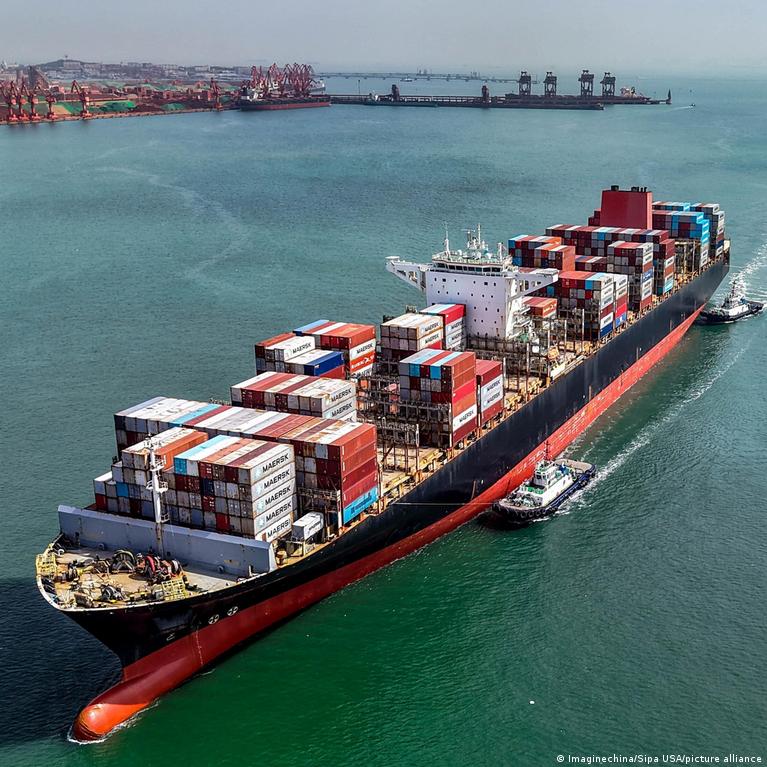
Why it matters: The crisis is a direct stress test of global system resilience, forcing a permanent recalibration of supply chain strategy away from efficiency and toward redundancy, with immediate inflationary pressure and long-term implications for trade geography.
Context: This follows a pattern of sequential shocks—COVID, US tariffs, Red Sea attacks—each exposing a different vulnerability in hyper-efficient global networks, cumulatively eroding the ‘just-in-time’ model.
"Could Iran war trigger bigger trade crisis than COVID? April 22, 2026Iran’s shutdown of the Strait of Hormuz has drawn comparisons with the supply disruptions of the COVID-19 pandemic and US President." — DW
Commentary: The comparison to COVID is instructive but misleading: this is a concentrated, high-velocity supply shock targeting the circulatory system of industrial inputs, not a broad demand collapse. The real shift is the institutionalization of geopolitical risk as a core strategic variable, moving ‘reshoring’ and ‘+1’ sourcing from contingency planning to active investment. This will lock in higher baseline costs for energy and transport, structurally favoring regional over global trade corridors for the next decade.
URL: https://www.dw.com/en/could-iran-war-trigger-bigger-trade-crisis-than-covid/a-76804278?maca=en-rss-en-all-1573-rdf
AI Sentiment Score: Negative (63%)
AI Credibility Score: 10.0/10 — High
Scores and text generated by AI analysis of the source article indicated.
What the Strait of Hormuz fuel crisis means for air travel (Dw)
Summary: A blockade of the Strait of Hormuz, stemming from conflict with Iran, is triggering a jet fuel crisis. The International Air Transport Association and International Energy Agency warn of significant air traffic disruptions, with airlines like Lufthansa preemptively canceling tens of thousands of flights. Consumer rights are being tested as carriers like Volotea impose last-minute fuel surcharges, while EU compensation rules hinge on whether the shortage qualifies as an ‘extraordinary circumstance.’ The EU faces greater exposure due to its reliance on Hormuz-shipped fuel, with per-passenger costs rising sharply.
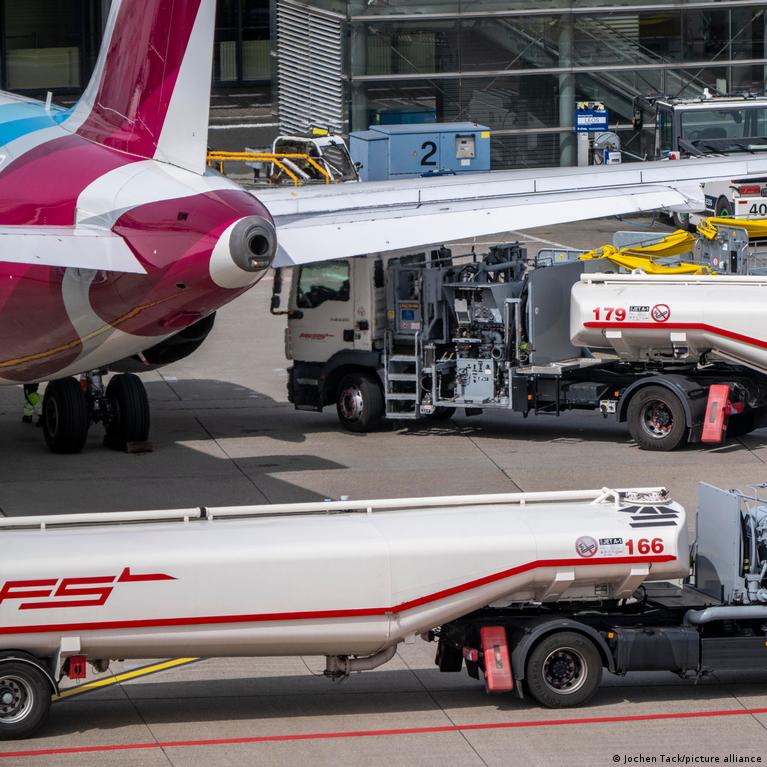
Why it matters: The crisis exposes the fragility of global mobility networks to geopolitical chokepoints, forcing a real-time stress test of consumer protections and airline operational resilience.
Context: The Strait of Hormuz is a critical maritime transit route for global energy supplies; disruptions there have historically caused regional fuel price volatility, but rarely with such direct and immediate cascades into commercial aviation.
"According to the European Federation for Transport and Environment, supplies that are typically transported through the Strait of Hormuz account for around 30% of kerosene demand in the EU. Therefore, it is not surprising that average fuel costs per passenger have risen by €29 on inner-European flights and by as much as €88 on intercontinental flights since the start of the war." — DW
Commentary: The preemptive flight cancellations and novel surcharges signal a shift from market-based pricing to contingency-based rationing, effectively transferring geopolitical risk directly to the traveler. This creates a two-tier mobility landscape, privileging regions with domestic fuel supplies like the US, while fragmenting EU passenger rights as airlines exploit legal gray areas. The crisis will accelerate airline fleet and route optimization for fuel efficiency, but may also harden public sentiment against carriers seen as leveraging emergencies for contractual advantage.
URL: https://www.dw.com/en/what-the-strait-of-hormuz-fuel-crisis-means-for-air-travel/a-77047977?maca=en-rss-en-all-1573-rdf
AI Sentiment Score: Negative (75%)
AI Credibility Score: 10.0/10 — High
Scores and text generated by AI analysis of the source article indicated.
Fertilizer shortages: What are Africa’s options during the Hormuz crisis? (Dw)
Summary: The ongoing blockade of the Strait of Hormuz has severed a critical artery for global fertilizer components, with nearly half the world’s sulphur for phosphate fertilizers previously transiting the chokepoint. African nations, already operating with thin fertilizer margins, face acute shortages and price spikes exceeding 75% for ammonia, threatening staple crop yields and food inflation during the current planting season. While emergency measures for fuel shortages are in place, coordinated procurement and UN-led transit corridors for fertilizers remain unimplemented. The crisis underscores the continent’s extreme vulnerability to distant supply shocks and the urgent need for both short-term collective action and long-term regional production scaling.
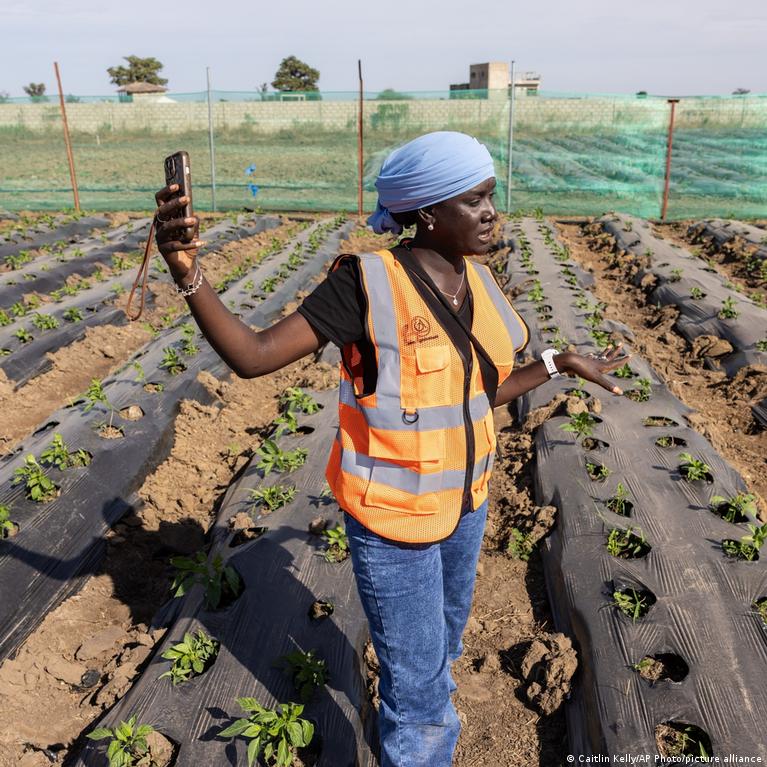
Why it matters: The disruption exposes the fragility of Africa’s food security architecture and tests the operational capacity of its regional institutions during a protracted geopolitical crisis.
Context: This is a second-order supply chain shock following the US-Israeli strikes on Iran, compounding the earlier disruptions from the Russia-Ukraine war and testing crisis-response frameworks established in 2022.
"Before the Iran war began, nearly half of the sulphur used in phosphate fertilizers globally passed through the Strait of Hormuz. The proportion was also high for the chemical precursors urea and ammonia." — DW
Commentary: The immediate focus on fuel shortages has obscured the slower-moving but more foundational agricultural crisis. The proposed solutions—pooled procurement and regional production hubs—are not novel; their failure to materialize yet reveals a gap between diplomatic rhetoric and actionable, time-sensitive coordination. The AfCFTA’s relevance is now being stress-tested not as a trade facilitator but as a crisis-management platform, with its success or failure directly measurable in harvest yields and social stability within months.
URL: https://www.dw.com/en/fertilizer-shortages-what-are-africa-s-options-during-the-hormuz-crisis/a-77094073?maca=en-rss-en-all-1573-rdf
AI Sentiment Score: Negative (75%)
AI Credibility Score: 10.0/10 — High
Scores and text generated by AI analysis of the source article indicated.
Pakistan: Drop in Gulf remittances puts families on edge (Dw)
Summary: Remittances from Gulf workers, a critical pillar for Pakistan’s foreign reserves and millions of households, are under pressure from regional conflict and labor market shifts. This exposes the fragility of an economic model built on exporting low-skilled labor, as families like Samina Bibi’s face immediate financial strain from delayed salaries. Analysts warn that over-reliance on a single region, particularly the UAE and Saudi Arabia, creates systemic vulnerability.

Why it matters: It signals a potential fracture in a key global labor and capital flow, with second-order effects on currency stability, household resilience, and migration patterns.
Context: Pakistan’s remittance economy has long been a buffer against domestic economic weakness, but its foundations in Gulf construction and service sectors are now geopolitically and structurally exposed.
""The UAE accounts for 20% of all Pakistan remittances, so a sudden slowdown from this one source alone would create significant pressure on the reserves and families of migrant workers back home," he added." — DW
Commentary: The dependency is not just economic but social, creating transnational households whose stability is outsourced. The pressure points—regional conflict, automation, localization policies—are secular trends, not transient shocks, suggesting Pakistan’s remittance pillar requires a structural, not just cyclical, reassessment.
URL: https://www.dw.com/en/pakistan-drop-in-gulf-remittances-puts-families-on-edge/a-77098364?maca=en-rss-en-all-1573-rdf
AI Sentiment Score: Negative (75%)
AI Credibility Score: 10.0/10 — High
Scores and text generated by AI analysis of the source article indicated.
Germany news: Cabinet discusses 2027 budget plans as Iran war threatens finances (Dw)
Summary: The German cabinet has approved the core points of its 2027 budget, planning for nearly €200 billion in new borrowing—a figure that does not yet account for the full economic fallout from the ongoing war in Iran. This fiscal strain is driving a search for €20 billion in cuts and new ‘stealth taxes’ on items like sugary drinks and cryptocurrency, alongside contentious reforms to statutory health insurance. Concurrently, economic indicators show rising inflation, depressed job market sentiment, and a sustained shift toward remote work, while geopolitical tensions manifest in domestic espionage arrests and cuts to foreign aid.

Why it matters: Germany’s fiscal maneuvering under war-induced economic stress signals a broader European pivot toward defense spending and regressive taxation, with direct consequences for inflation, labor markets, and social stability.
Context: This budget cycle occurs against a backdrop of prolonged Middle East conflict disrupting energy supplies and global trade, forcing a recalibration of fiscal priorities away from post-pandemic recovery toward national security and crisis management.
"Germany news: Major borrowing, Iran turbulence clouds budget Published April 29, 2026last updated April 29, 2026What you need to know – Plans to borrow almost €200 billion in 2027 come before the." — DW
Commentary: The scale of borrowing, particularly through special funds, represents a structural shift in German fiscal policy, embedding permanent high defense spending outside normal budgetary constraints. The simultaneous push for consumption taxes and health co-payments suggests a political calculation to shield middle-income voters from direct tax hikes, potentially at the cost of regressive economic effects and fueling opposition narratives.
URL: https://www.dw.com/en/germany-news-cabinet-discusses-2027-budget-plans-as-iran-war-threatens-finances/live-76975008?maca=en-rss-en-all-1573-rdf
AI Sentiment Score: Negative (70%)
AI Credibility Score: 10.0/10 — High
Scores and text generated by AI analysis of the source article indicated.
Post ID: 2014cf39