Nasa Signals
NASA Fosters Development of Lunar Resource-Seeking Technologies (Nasa.Gov)
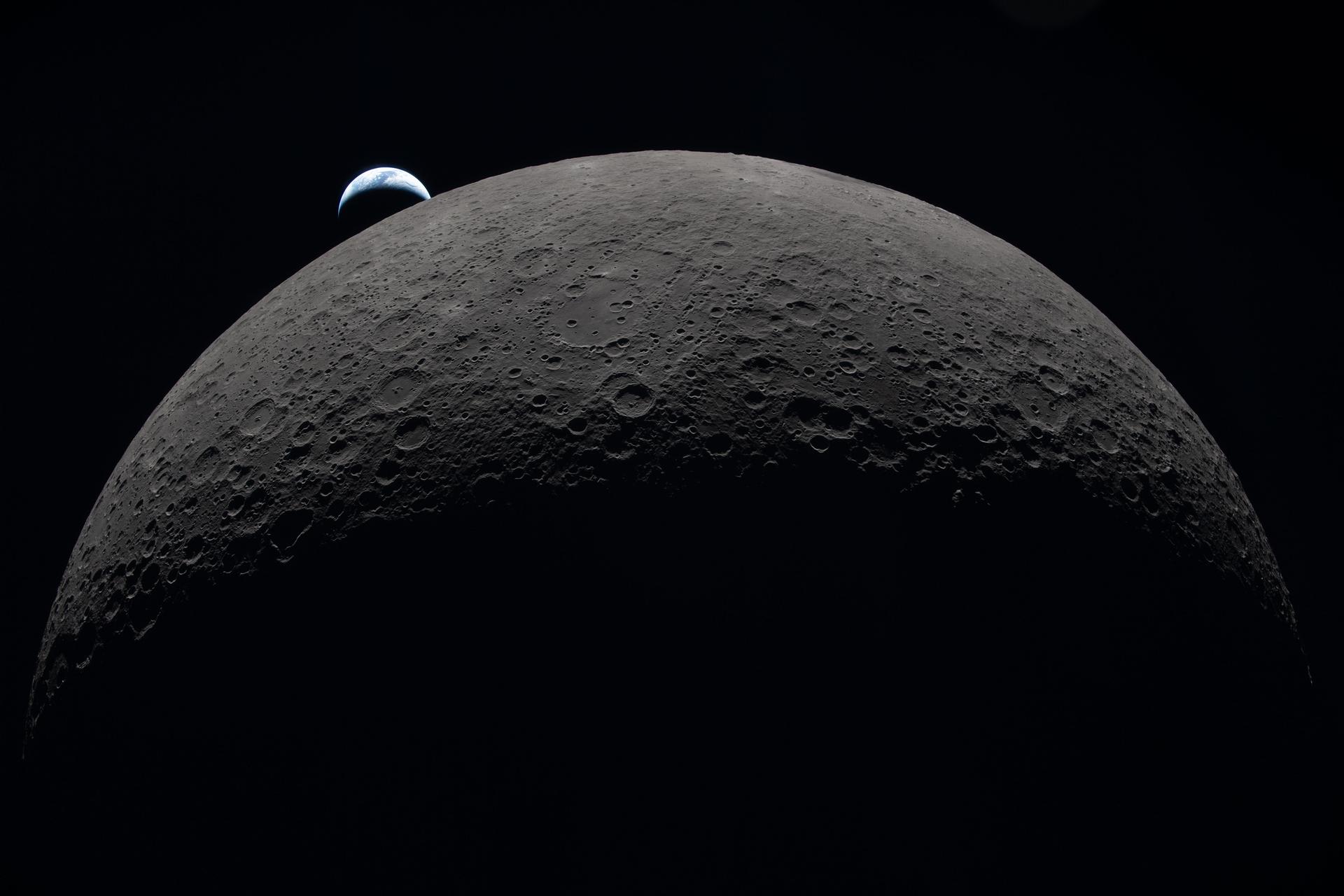
Summary: NASA has awarded Interlune a $6.9 million, 18-month Phase III SBIR contract to develop flight-ready hardware for prospecting lunar resources, specifically gases like hydrogen and helium-3 trapped in regolith. The contract funds the transition of NASA’s proven MSOLO mass spectrometer technology, which flew on the Intuitive Machines 2 mission, into a commercial prospecting payload. This payload is designed to collect, sort, and analyze lunar soil samples on-site, a key step toward in-situ resource utilization (ISRU).
Why it matters: This contract signals a tangible move from ISRU concept studies toward operational, commercial hardware for the lunar surface, directly impacting the cost and sustainability models for Artemis and commercial lunar ventures.
Context: NASA’s SBIR Phase III awards are specifically for transitioning mature technologies into NASA missions or the commercial market, indicating Interlune’s technology has passed earlier feasibility hurdles. The agency is systematically using CLPS landers as testbeds for critical surface systems.
"Under the SBIR Phase III contract, Interlune will design, build, and test engineering development units and flight hardware. The payload is designed to collect lunar regolith samples, sort particles by size, extract solar wind volatile gases, and measure their quantities." — NASA.GOV
Commentary: The award validates a hardware-first, incremental path to ISRU: prospecting and measurement precede large-scale extraction. By funding a commercial entity to adapt NASA-flown instrumentation (MSOLO), the agency is creating a dual-use supply chain, reducing future mission risk while fostering a market for lunar data. The specific focus on sorting and analyzing regolith for solar-wind-implanted gases targets the most near-term valuable resource for life support and propulsion, steering early commercial activity toward concrete engineering problems rather than speculative mining.
Date: Mon, 04 May 2026 20:32:47 +0000
URL: https://www.nasa.gov/technology/nasa-fosters-development-of-lunar-resource-seeking-technologies/
AI Sentiment Score: Positive (40%)
AI Credibility Score: 10.0/10 — High
Scores and text generated by AI analysis of the source article indicated.
NASA’s Psyche Mission to Fly by Mars for Gravity Assist (Science.Nasa.Gov)
Summary: NASA’s Psyche spacecraft will execute a gravity-assist flyby of Mars on May 15, passing within 2,800 miles of the surface to adjust its trajectory toward the metal-rich asteroid Psyche. The maneuver saves propellant for the solar-electric propulsion system, but mission planners are leveraging the event for instrument calibration, using the multispectral imager to observe Mars and practice techniques for the asteroid rendezvous in 2029. The operations team has already conducted trajectory corrections and programmed the flyby sequence, with the Deep Space Network and collaborating Mars orbiters and rovers providing tracking and complementary data.
Why it matters: The flyby demonstrates the operational pragmatism of deep-space mission design, turning a necessary navigational event into a multi-instrument calibration campaign and a test of coordinated observation with existing Mars assets.
Context: Gravity assists are a standard technique for interplanetary missions to conserve propellant, but they are increasingly used as opportunistic shakedown cruises for science payloads before primary mission operations begin.
"NASA’s Psyche Mission to Fly by Mars for Gravity Assist NASA’s Psyche spacecraft will get a boost from Mars on Friday, May 15, passing just 2,800 miles (4,500 kilometers) from the planet’s." — SCIENCE.NASA.GOV
Commentary: The mission’s approach reflects a mature engineering culture that extracts maximum value from cruise phases, treating them as integrated system tests rather than mere transit. The coordinated use of other Mars assets for cross-validation signals a move toward more networked deep-space operations, where fleets of spacecraft provide mutual support.
Date: Fri, 08 May 2026 18:08:30 +0000
URL: https://science.nasa.gov/blogs/psyche/2026/05/08/nasas-psyche-mission-to-fly-by-mars-for-gravity-assist/
AI Sentiment Score: Neutral (33%)
AI Credibility Score: 10.0/10 — High
Scores and text generated by AI analysis of the source article indicated.
NASA Fuel Cell Tests Pave Way for Energy Storage on Moon (Nasa.Gov)
Summary: NASA Glenn Research Center is preparing for integrated system tests of a regenerative fuel cell designed for lunar surface energy storage. The unit, comparable in size to a sedan, functions as a rechargeable system by converting hydrogen and oxygen to water and electricity, then reversing the process. This technology offers higher energy density than batteries and is critical for operating through the 14-day lunar night. The upcoming tests represent a major milestone, moving from component validation to operating the complete system with stored gases.
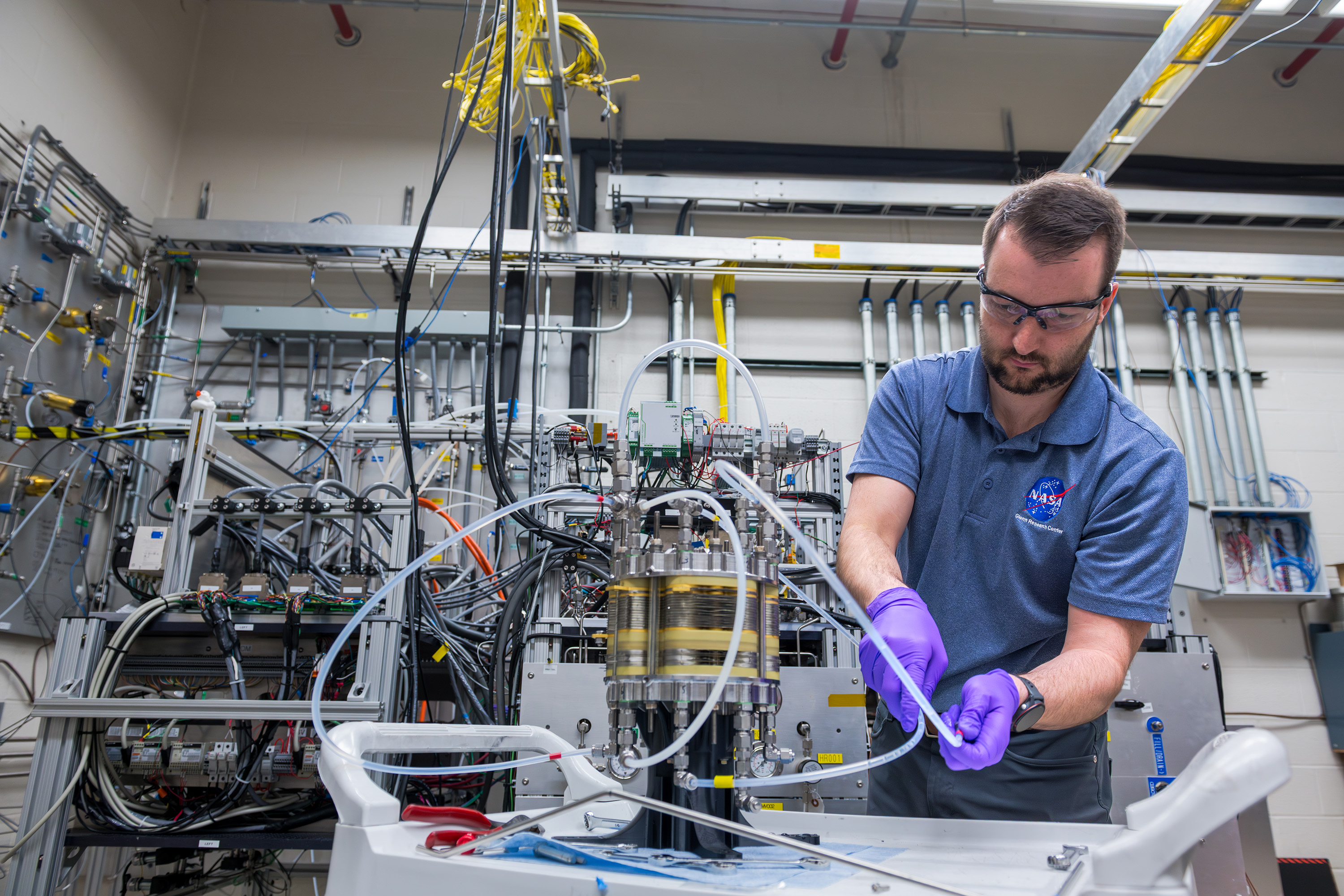
Why it matters: For Artemis and sustained lunar operations, reliable, high-density energy storage that functions through the long lunar night is a non-negotiable engineering requirement, making this a critical path technology.
Context: Regenerative fuel cells have long been studied for space applications due to their superior energy-to-weight ratio versus batteries, but moving from lab prototypes to integrated, space-qualified systems has been a persistent challenge. This test campaign represents a shift from theoretical advantage to hardware demonstration under simulated mission conditions.
"With a small blue crane, four researchers hoist a cylindrical fuel cell, which looks like a stack of flattened silver and gold soda cans bundled together, into the air and lower it." — NASA.GOV
Commentary: The operational focus—simulating lunar surface conditions after initial lab tests—signals a maturation phase. Success here would de-risk a key dependency for not just Artemis base camps but also for future Mars missions, where similar energy storage challenges exist. Failure modes identified now are far cheaper than those discovered on the lunar surface.
Date: Fri, 08 May 2026 14:00:00 +0000
URL: https://www.nasa.gov/general/nasa-regenerative-fuel-cell-testing/
AI Sentiment Score: Negative (55%)
AI Credibility Score: 10.0/10 — High
Scores and text generated by AI analysis of the source article indicated.
NASA Welcomes Paraguay as 67th Artemis Accords Signatory (Nasa.Gov)
Summary: Paraguay has become the 67th signatory to the NASA-led Artemis Accords, a framework of principles for civil space exploration. The signing ceremony, attended by NASA Administrator Jared Isaacman and Paraguayan space agency officials, formalizes the country’s commitment to peaceful, transparent, and cooperative space activities. Paraguay’s nascent space program, which includes the upcoming launch of its second satellite developed with NASA JPL, now gains a formal pathway for potential involvement in lunar exploration initiatives.
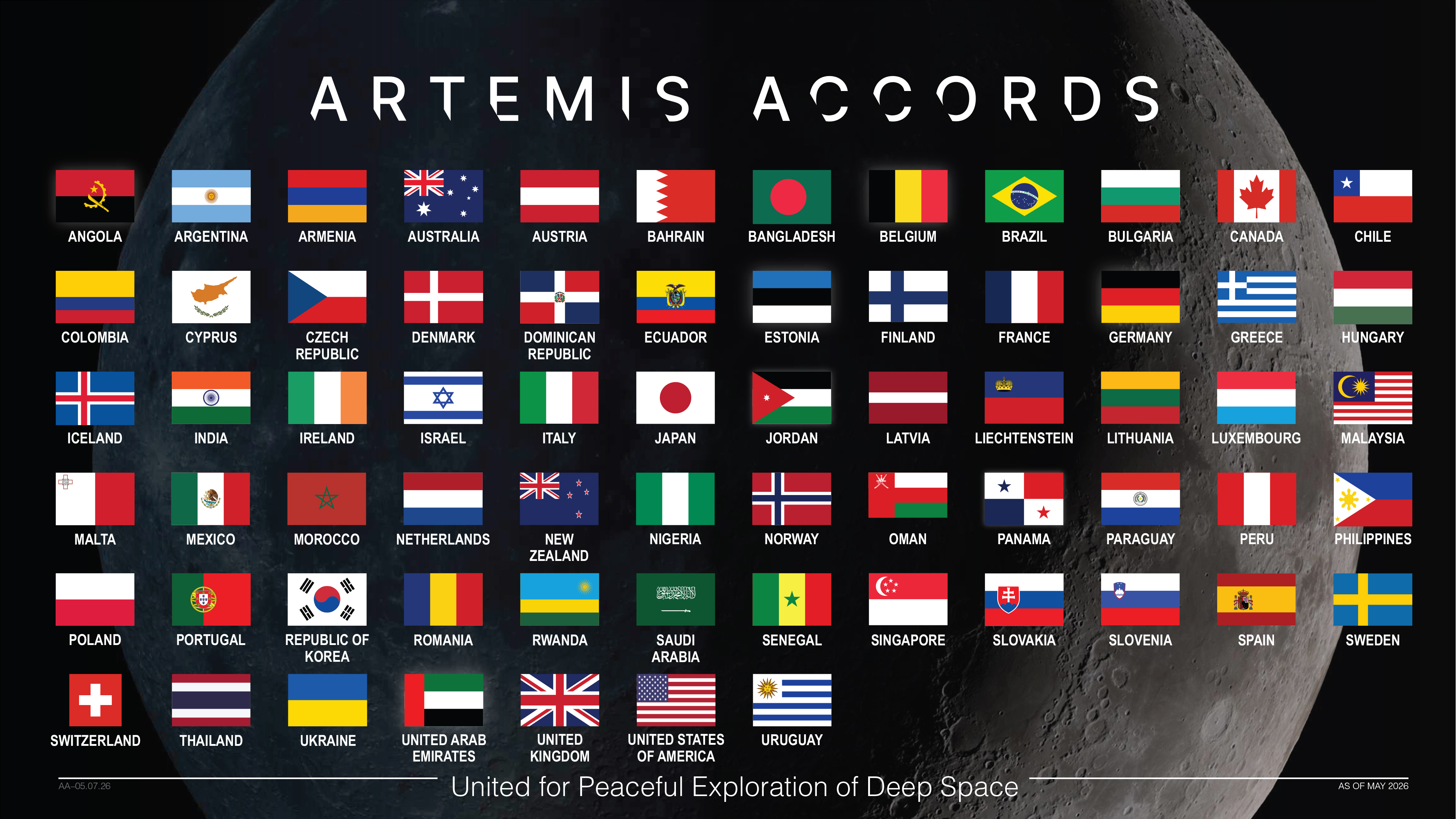
Why it matters: Each new signatory expands the diplomatic and operational coalition for lunar governance, shifting the Accords from a U.S.-centric proposal toward a de facto international standard.
Context: The Artemis Accords, established in 2020, are a U.S.-led effort to shape norms for lunar and deep-space activity, countering alternative governance models and securing alignment ahead of a projected increase in lunar missions.
"The Republic of Paraguay signed the Artemis Accords on Thursday during a ceremony in Asunción, becoming the latest nation to commit to the shared principles guiding civil space exploration. “Today, I am." — NASA.GOV
Commentary: Paraguay’s signature is a minor diplomatic event but part of a significant strategic pattern: NASA is systematically converting peripheral space actors into stakeholders in a U.S.-architected lunar order. The practical value for Paraguay is likely limited to symbolic inclusion and minor technical collaboration, but for the U.S., it represents another vote for its preferred rulebook, incrementally isolating holdouts like China and Russia.
Date: Thu, 07 May 2026 20:41:48 +0000
URL: https://www.nasa.gov/organizations/oiir/artemis-accords/nasa-welcomes-paraguay-as-67th-artemis-accords-signatory/
AI Sentiment Score: Positive (66%)
AI Credibility Score: 10.0/10 — High
Scores and text generated by AI analysis of the source article indicated.
NASA Welcomes Ireland as Newest Artemis Accords Signatory (Nasa.Gov)
Summary: Ireland has signed the Artemis Accords, becoming the 66th nation to join the U.S.-led framework for lunar and deep-space governance. The signing, attended by NASA Administrator Jared Isaacman and Irish Minister Peter Burke, emphasizes Ireland’s role as a longstanding ESA member and its cultural alignment with the Accords’ principles of peaceful and transparent exploration. This brings all 23 ESA member states into the Accords fold, consolidating European participation ahead of planned sustained lunar missions. The move is framed as part of a ‘pivotal moment’ following Artemis II, signaling a shift from symbolic visits to establishing a permanent lunar presence.
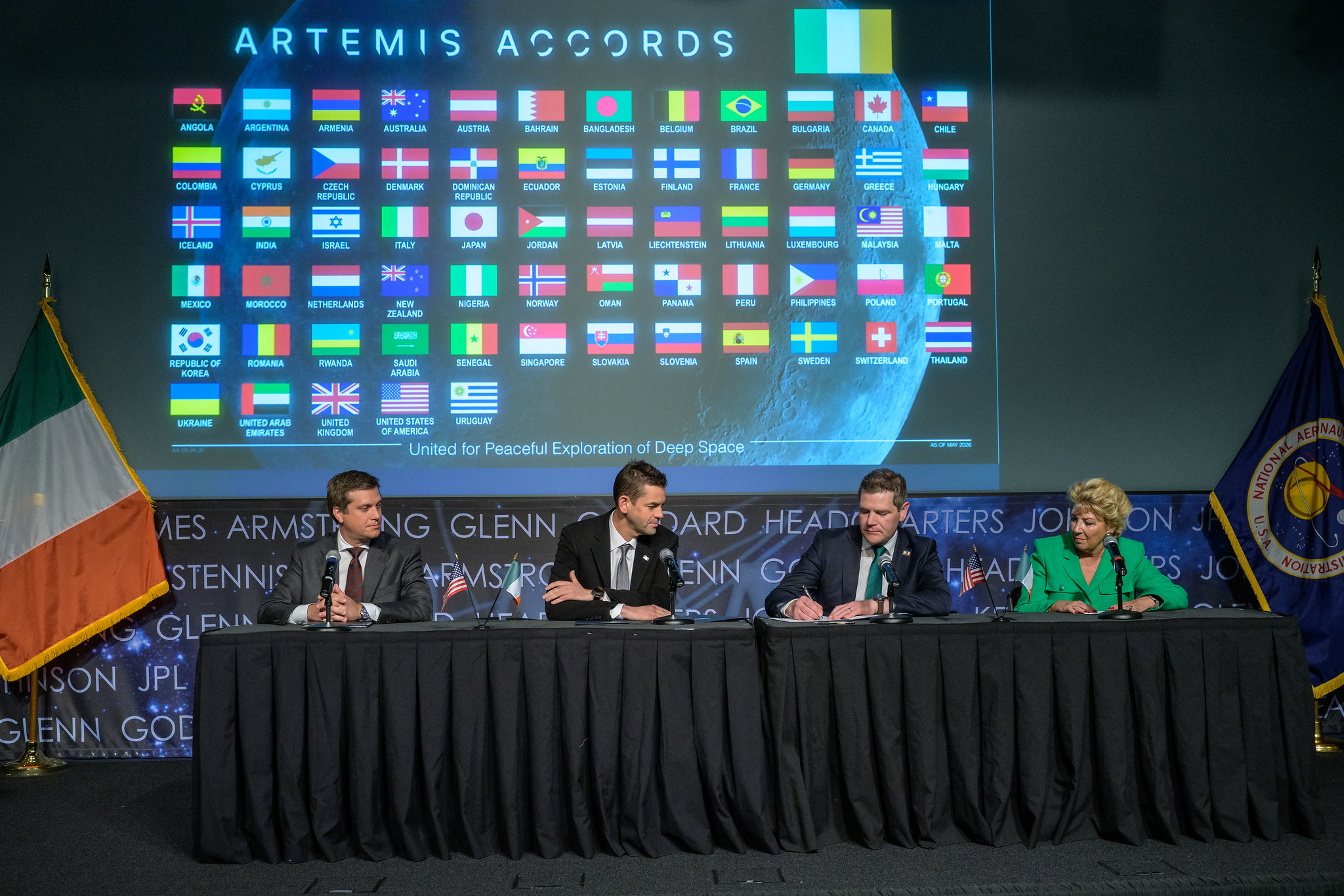
Why it matters: For space policy observers, Ireland’s accession completes ESA’s bloc alignment with the Artemis framework, reinforcing a U.S.-centric governance model for lunar activities and marginalizing alternative treaties.
Context: The Artemis Accords, established in 2020, are a U.S.-driven set of principles aiming to shape international space law and operational norms. Signatories gain preferential access to NASA-led Artemis missions and data, while non-signatories like China and Russia pursue separate frameworks.
"Ireland signed the Artemis Accords Monday during a signing ceremony hosted by NASA, becoming the latest nation to commit to the responsible exploration of space for all humanity. Ireland, a longstanding member." — NASA.GOV
Commentary: Ireland’s signature is a diplomatic formality with minimal immediate operational impact, but its symbolic value is high: it solidifies European consensus behind U.S. lunar leadership just as Artemis moves from test flights to base-building. The timing, highlighted by Isaacman, underscores NASA’s shift from selling a mission to selling a permanent campaign, using diplomatic momentum to secure political and financial runway. For ESA, full member-state buy-in simplifies consortium bargaining but may constrain future independent lunar partnerships.
Date: Mon, 04 May 2026 21:09:23 +0000
URL: https://www.nasa.gov/missions/artemis/nasa-welcomes-ireland-as-newest-artemis-accords-signatory/
AI Sentiment Score: Positive (50%)
AI Credibility Score: 10.0/10 — High
Scores and text generated by AI analysis of the source article indicated.
NASA Welcomes Malta as Newest Artemis Accords Signatory (Nasa.Gov)
Summary: Malta became the 65th signatory to the NASA-led Artemis Accords, a non-binding framework of principles for lunar and deep-space exploration. The signing ceremony involved NASA, the U.S. State Department, and Maltese government officials, framing the move as a step to position Malta within the global space economy. The Accords aim to establish norms for peaceful, transparent, and cooperative exploration, including provisions on safety, interoperability, and heritage preservation.
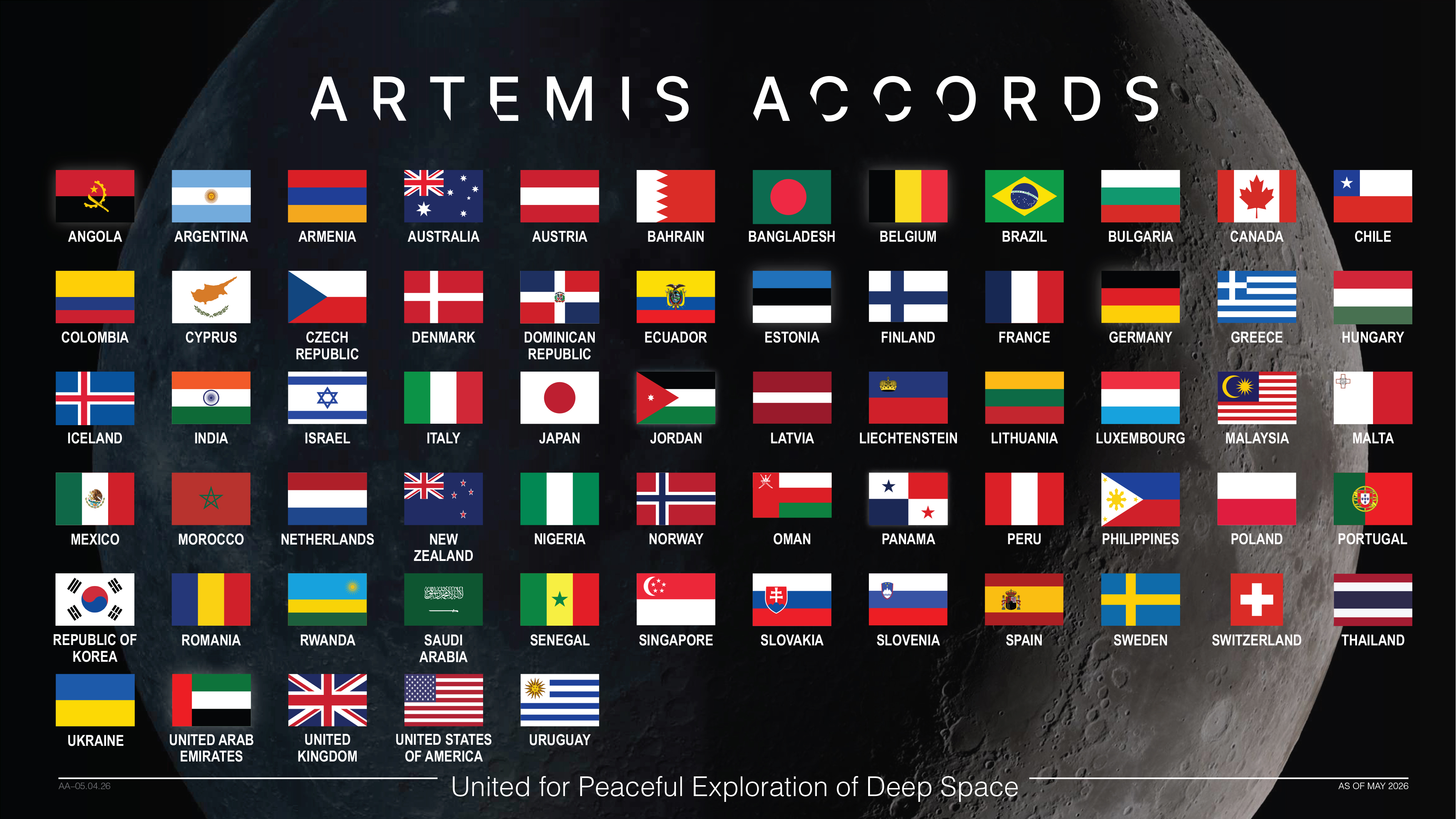
Why it matters: Each new signatory expands the diplomatic and normative coalition shaping the operational and legal environment for lunar activity, directly affecting future mission planning and international partnerships.
Context: The Artemis Accords, launched in 2020, now include 65 nations, creating a de facto bloc for U.S.-aligned space governance as lunar and cislunar operations move from concept to hardware.
"The Republic of Malta became the 65th signatory to the Artemis Accords on Monday during a ceremony in the town of Kalkara with NASA and U.S. Department of State officials present. “Today,." — NASA.GOV
Commentary: Malta’s accession highlights the Accords’ secondary function as an economic and soft-power instrument for smaller states, not just a technical coordination mechanism. The focus on investment and employment signals a maturation of the ‘space economy’ narrative beyond major powers. This continued expansion, absent major holdouts like China or Russia, reinforces a bifurcated governance landscape for the Moon, with operational consequences for resource utilization and site coordination.
Date: Mon, 04 May 2026 17:46:22 +0000
URL: https://www.nasa.gov/missions/artemis/nasa-welcomes-malta-as-newest-artemis-accords-signatory/
AI Sentiment Score: Neutral (50%)
AI Credibility Score: 10.0/10 — High
Scores and text generated by AI analysis of the source article indicated.
NASA’s SpaceX 34th Commercial Resupply Mission Overview (Nasa.Gov)
Summary: NASA and SpaceX are targeting a mid-May launch for the 34th Commercial Resupply Services mission, carrying approximately 6,500 pounds of cargo to the International Space Station. The Dragon spacecraft will deliver new scientific experiments and critical hardware spares, remaining docked for about a month before returning with used equipment and scientific samples. The science payload includes investigations into microgravity simulation fidelity, space weather monitoring, planetary formation, bone tissue engineering, and astronaut hematological adaptation.
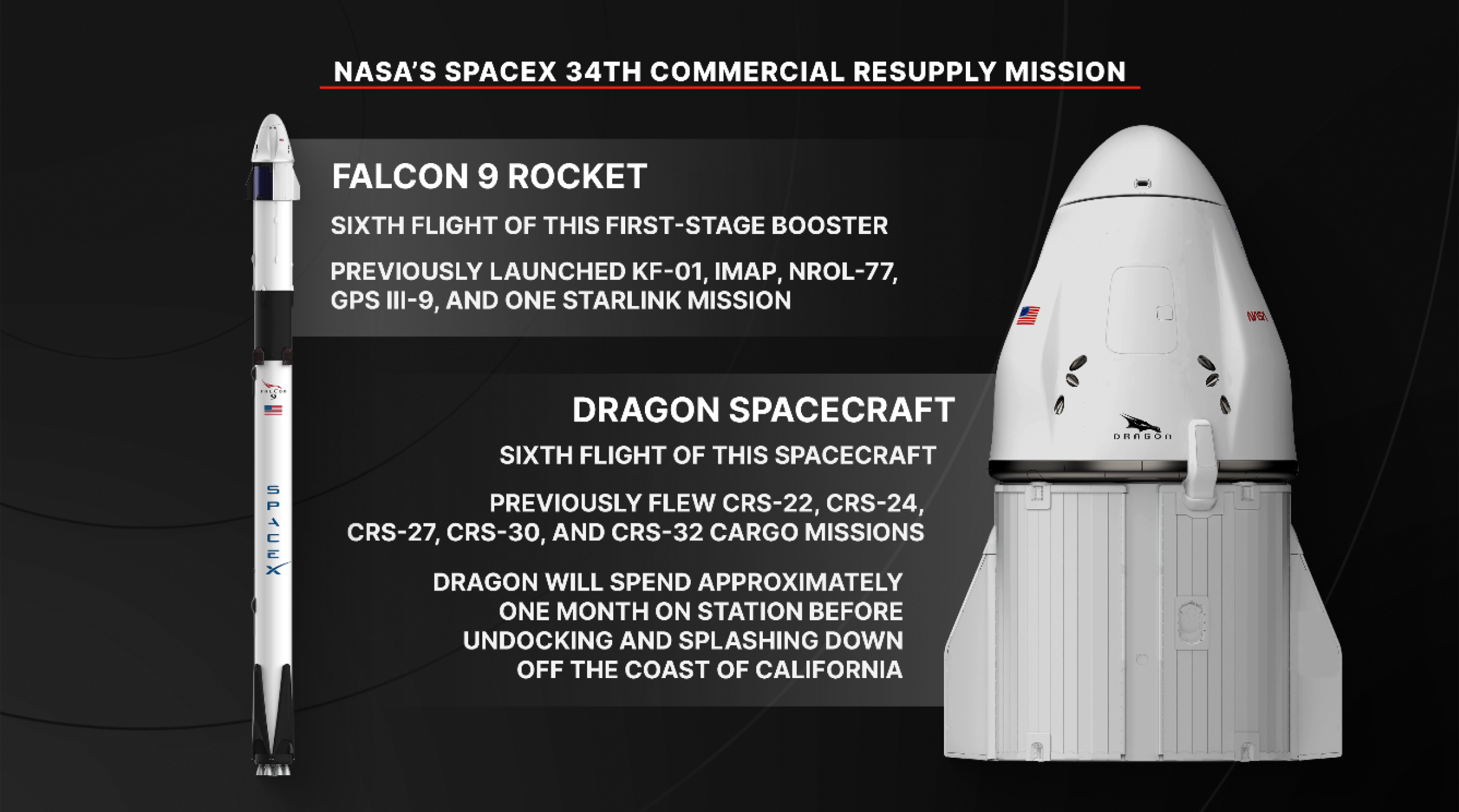
Why it matters: This mission underscores the operational maturity of commercial cargo resupply while highlighting the ISS’s ongoing role as a platform for fundamental science and life support system sustainment.
Context: CRS missions have transitioned from proving commercial capability to routine, high-frequency logistics, allowing NASA to focus station resources on research and technology demonstration for deep-space exploration.
"For more than 25 years, the International Space Station has provided research capabilities used by scientists from more than 110 countries to conduct more than 4,000 experiments in microgravity." — NASA.GOV
Commentary: The cargo manifest reveals a station in steady-state operations: power cables, catalytic reactors, and pretreat tanks are unglamorous but vital for maintaining a 25-year-old laboratory. The science payload, particularly ODYSSEY’s validation of ground-based microgravity simulators, could reduce future experiment costs and risk. The return of the Advanced Plant Habitat for museum display signals a quiet shift from active research to legacy preservation as the ISS’s operational horizon comes into view.
Date: Fri, 08 May 2026 22:50:03 +0000
URL: https://www.nasa.gov/general/nasas-spacex-34th-commercial-resupply-mission-overview/
AI Sentiment Score: Negative (57%)
AI Credibility Score: 10.0/10 — High
Scores and text generated by AI analysis of the source article indicated.
NASA, Industry Advance High Performance Spaceflight Computing (Nasa.Gov)
Summary: For decades, NASA has advanced on-board spacecraft computer processors that coordinate and execute the functions needed to support mission success. Space computing originated in the 1960s with the Apollo Guidance Computers, which were pivotal for guidance, navigation, and control computations during NASA’s first Moon missions. For decades, radiation-hardened processors have been the backbone of the agency’s space exploration missions.
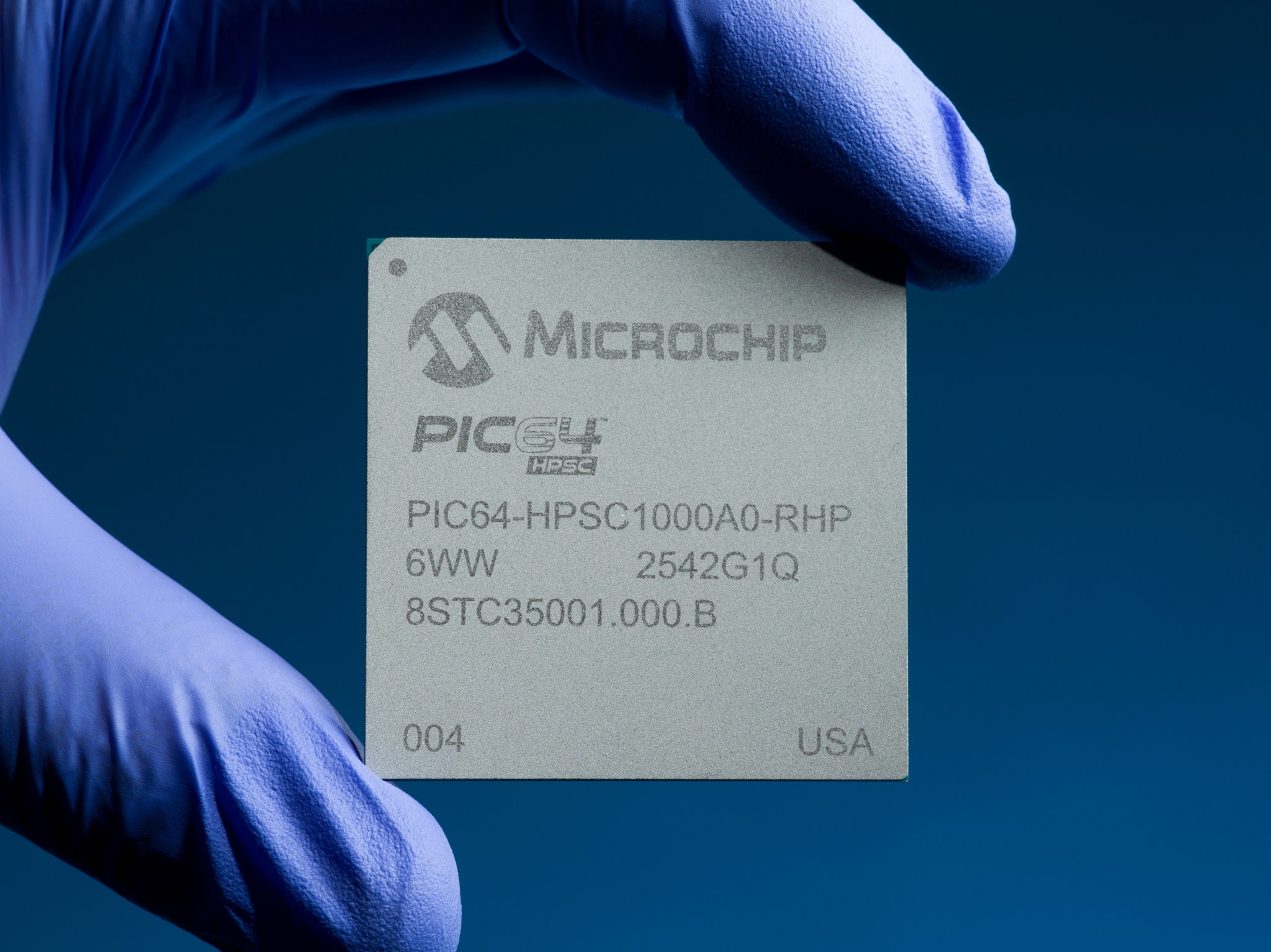
Why it matters: This matters for Space Exploration because it gives a concrete current signal to track: For decades, NASA has advanced on-board spacecraft computer processors that coordinate and execute the functions needed to support mission success.
Context: For decades, NASA has advanced on-board spacecraft computer processors that coordinate and execute the functions needed to support mission success. Space computing originated in the 1960s with the Apollo Guidance Computers, which were pivotal for guidance, navigation, and control computations during NASA’s first Moon missions. For decades, radiation-hardened processors have been the backbone of the agency’s space exploration missions.
"For decades, NASA has advanced on-board spacecraft computer processors that coordinate and execute the functions needed to support mission success. Space computing originated in the 1960s with the Apollo Guidance Computers, which." — NASA.GOV
Commentary: The immediate implication is operational rather than speculative: watch how this changes budgets, workflows, or risk assumptions over the next cycle.
Date: Fri, 08 May 2026 17:05:21 +0000
URL: https://www.nasa.gov/directorates/stmd/nasa-industry-advance-high-performance-spaceflight-computing/
AI Sentiment Score: Positive (80%)
AI Credibility Score: 10.0/10 — High
Scores and text generated by AI analysis of the source article indicated.
NASA Names Brian Hughes to Launch Operations Role (Nasa.Gov)
Summary: NASA announced Friday that Brian Hughes will return to the agency as senior director of launch operations, based at the agency’s Kennedy Space Center in Florida. In this role, Hughes will provide enterprise-level leadership, strategic direction, and operational oversight for NASA’s launch infrastructure. Reporting to NASA Headquarters in Washington, Hughes will have direct responsibility for launch operations at NASA Kennedy, as well as the agency’s Wallops Flight Facility in Virginia.

Why it matters: This matters for Space Exploration because it gives a concrete current signal to track: NASA announced Friday that Brian Hughes will return to the agency as senior director of launch operations, based at the agency’s Kennedy Space Center in Florida.
Context: NASA announced Friday that Brian Hughes will return to the agency as senior director of launch operations, based at the agency’s Kennedy Space Center in Florida. In this role, Hughes will provide enterprise-level leadership, strategic direction, and operational oversight for NASA’s launch infrastructure. Reporting to NASA Headquarters in Washington, Hughes will have direct responsibility for launch operations at NASA Kennedy, as well as the agency’s Wallops Flight Facility in Virginia.
"NASA announced Friday that Brian Hughes will return to the agency as senior director of launch operations, based at the agency’s Kennedy Space Center in Florida. In this role, Hughes will provide." — NASA.GOV
Commentary: The immediate implication is operational rather than speculative: watch how this changes budgets, workflows, or risk assumptions over the next cycle.
Date: Fri, 08 May 2026 14:00:15 +0000
URL: https://www.nasa.gov/news-release/nasa-names-brian-hughes-to-launch-operations-role/
AI Sentiment Score: Negative (80%)
AI Credibility Score: 10.0/10 — High
Scores and text generated by AI analysis of the source article indicated.
NASA Pushes Next-Gen Mars Helicopter Rotor Blades Past Mach 1 (Jpl.Nasa.Gov)
Summary: The rotor blades that will carry NASA’s next-generation helicopters to new Martian heights broke the sound barrier during March tests at NASA’s Jet Propulsion Laboratory in Southern California. Data from the tests, which took place in a special chamber that can simulate environmental conditions on the Red Planet, indicate that the fastest traveling part of the rotor blade, the tips, can be accelerated beyond Mach 1 without breaking apart. Data gathered from 137 test runs will enable engineers to design aircraft capable of carrying heavier payloads, including science instruments.
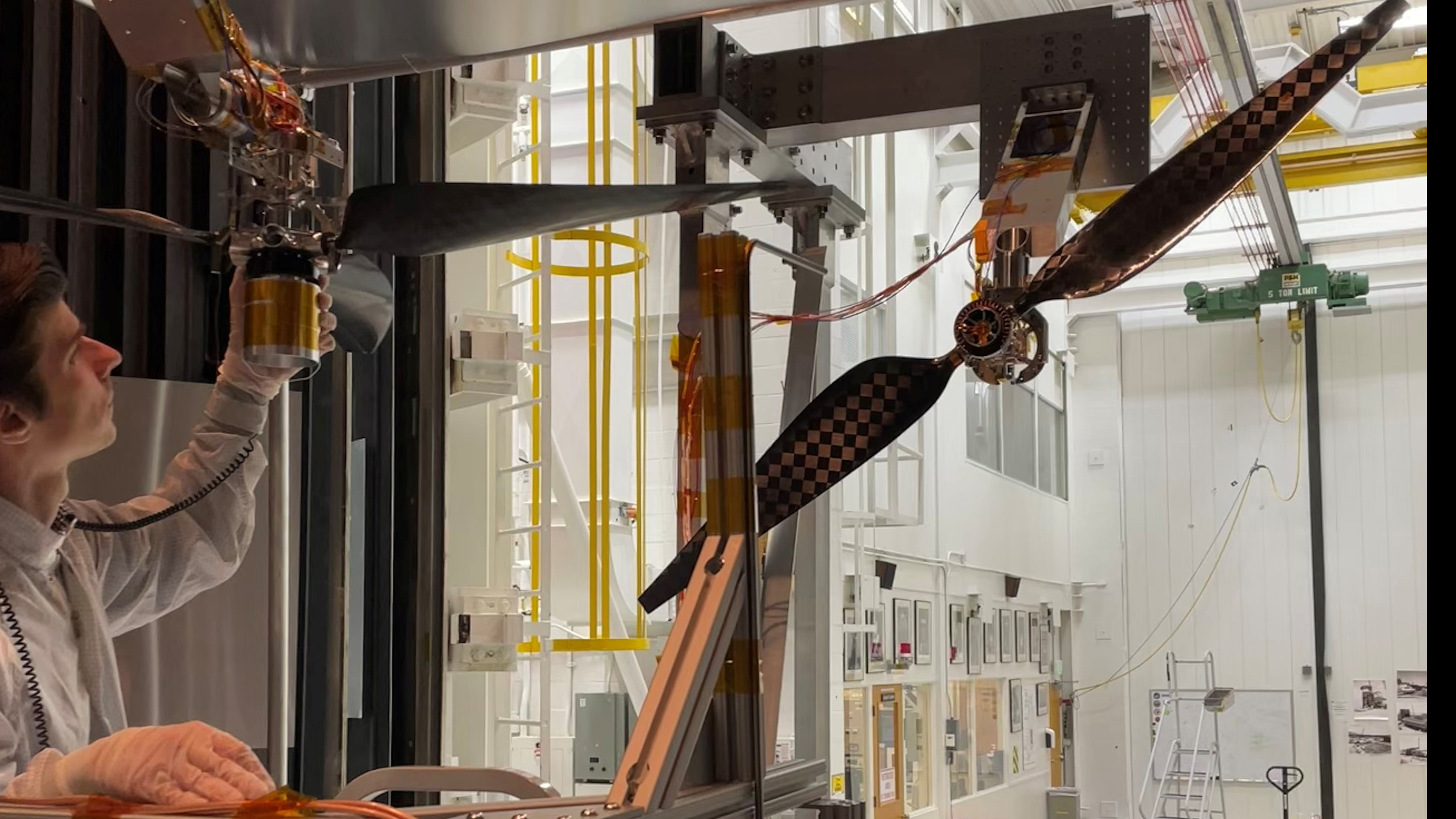
Why it matters: This matters for Space Exploration because it gives a concrete current signal to track: The rotor blades that will carry NASA’s next-generation helicopters to new Martian heights broke the sound barrier during March tests at NASA’s Jet Propulsion Laboratory in Southern California.
Context: The rotor blades that will carry NASA’s next-generation helicopters to new Martian heights broke the sound barrier during March tests at NASA’s Jet Propulsion Laboratory in Southern California. Data from the tests, which took place in a special chamber that can simulate environmental conditions on the Red Planet, indicate that the fastest traveling part of the rotor blade, the tips, can be accelerated beyond Mach 1 without breaking apart. Data gathered from 137 test runs will enable engineers to design aircraft capable of carrying heavier payloads, including science instruments.
"The rotor blades that will carry NASA’s next-generation helicopters to new Martian heights broke the sound barrier during March tests at NASA’s Jet Propulsion Laboratory in Southern California. Data from the tests,." — JPL.NASA.GOV
Commentary: The immediate implication is operational rather than speculative: watch how this changes budgets, workflows, or risk assumptions over the next cycle.
Date: Thu, 07 May 2026 10:00:00 -0700
URL: https://www.jpl.nasa.gov/news/nasa-pushes-next-gen-mars-helicopter-rotor-blades-past-mach-1
AI Sentiment Score: Negative (75%)
AI Credibility Score: 10.0/10 — High
Scores and text generated by AI analysis of the source article indicated.
NASA’s X-59 Flight Tests Pick Up Speed with Two-Flight Days (Nasa.Gov)
Summary: NASA’s X-59 Flight Tests Pick Up Speed with Two-Flight Days As flight operations for NASA’s quiet supersonic X-59 aircraft accelerate, its team has picked up their testing tempo, completing two test flights in a single day for the first time. The first dual-flight day was on April 30 at NASA’s Armstrong Flight Research Center in Edwards, California. Making its 11th and 12th flights, the X-59 completed multiple test objectives at altitudes ranging from 12,000 to 43,000 feet and speeds from 528 to 627 mph (Mach 0.8 to Mach 0.95).
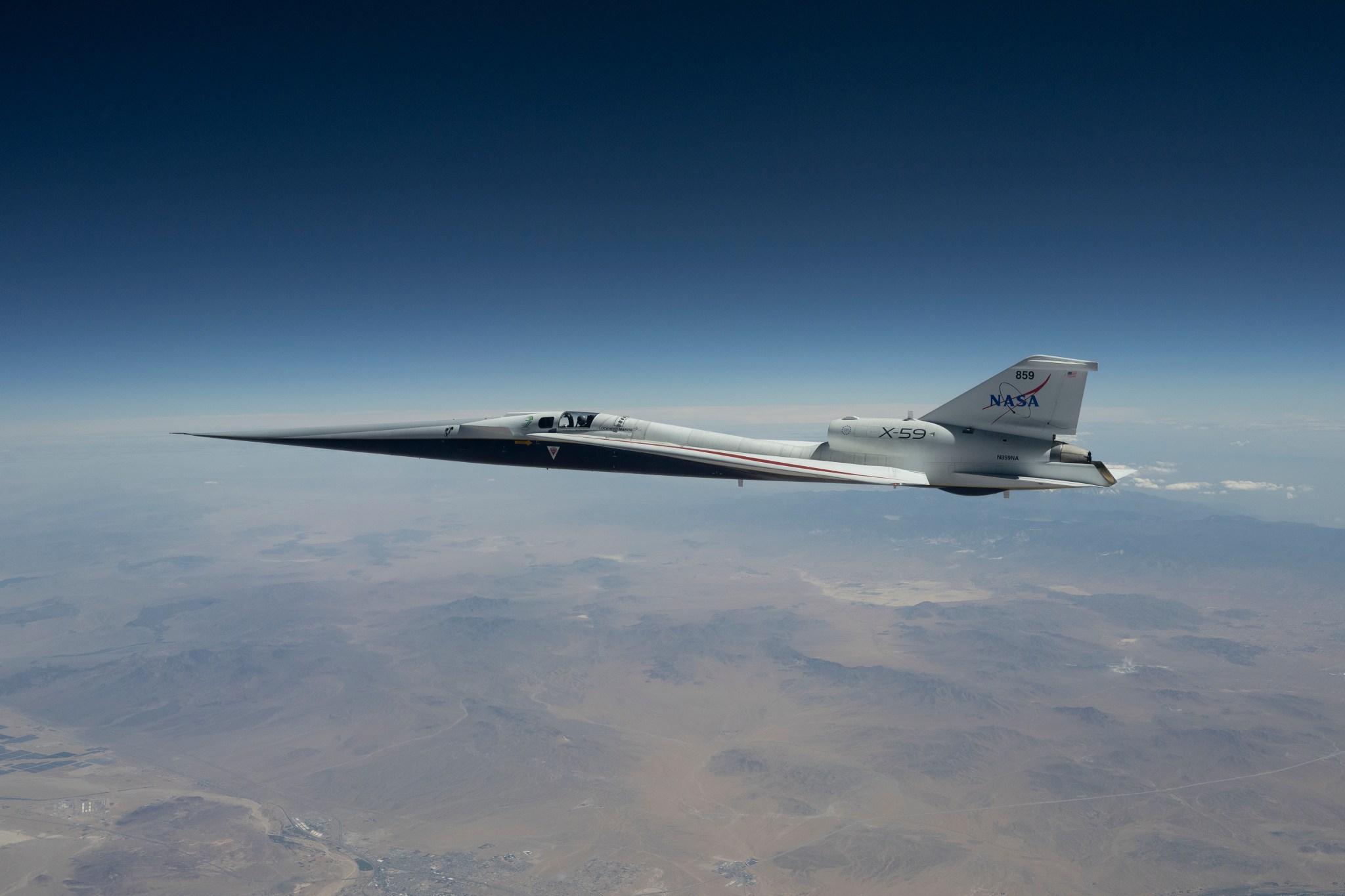
Why it matters: This matters for Space Exploration because it gives a concrete current signal to track: NASA’s X-59 Flight Tests Pick Up Speed with Two-Flight Days As flight operations for NASA’s quiet supersonic X-59 aircraft accelerate, its team has picked up their testing tempo, completing two test flights in a single day for the first time.
Context: NASA’s X-59 Flight Tests Pick Up Speed with Two-Flight Days As flight operations for NASA’s quiet supersonic X-59 aircraft accelerate, its team has picked up their testing tempo, completing two test flights in a single day for the first time. The first dual-flight day was on April 30 at NASA’s Armstrong Flight Research Center in Edwards, California. Making its 11th and 12th flights, the X-59 completed multiple test objectives at altitudes ranging from 12,000 to 43,000 feet and speeds from 528 to 627 mph (Mach 0.8 to Mach 0.95).
"NASA’s X-59 Flight Tests Pick Up Speed with Two-Flight Days As flight operations for NASA’s quiet supersonic X-59 aircraft accelerate, its team has picked up their testing tempo, completing two test flights." — NASA.GOV
Commentary: The immediate implication is operational rather than speculative: watch how this changes budgets, workflows, or risk assumptions over the next cycle.
Date: Fri, 08 May 2026 21:16:05 +0000
URL: https://www.nasa.gov/blogs/quesst/2026/05/08/nasas-x-59-flight-tests-pick-up-speed-with-two-flight-days/
AI Sentiment Score: Positive (44%)
AI Credibility Score: 10.0/10 — High
Scores and text generated by AI analysis of the source article indicated.
NASA’s Psyche Mission Captures Mars During Gravity Assist Approach (Science.Nasa.Gov)
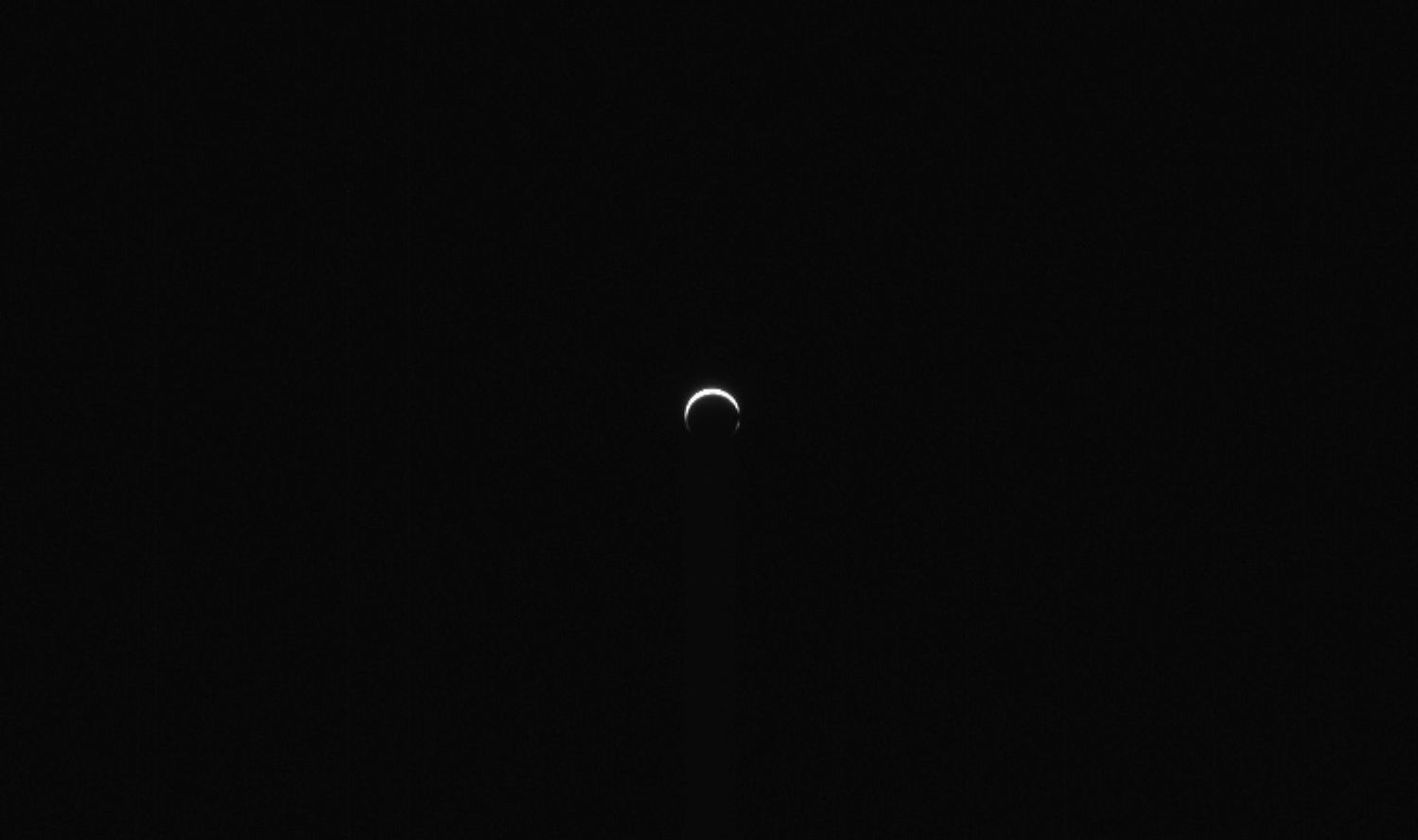
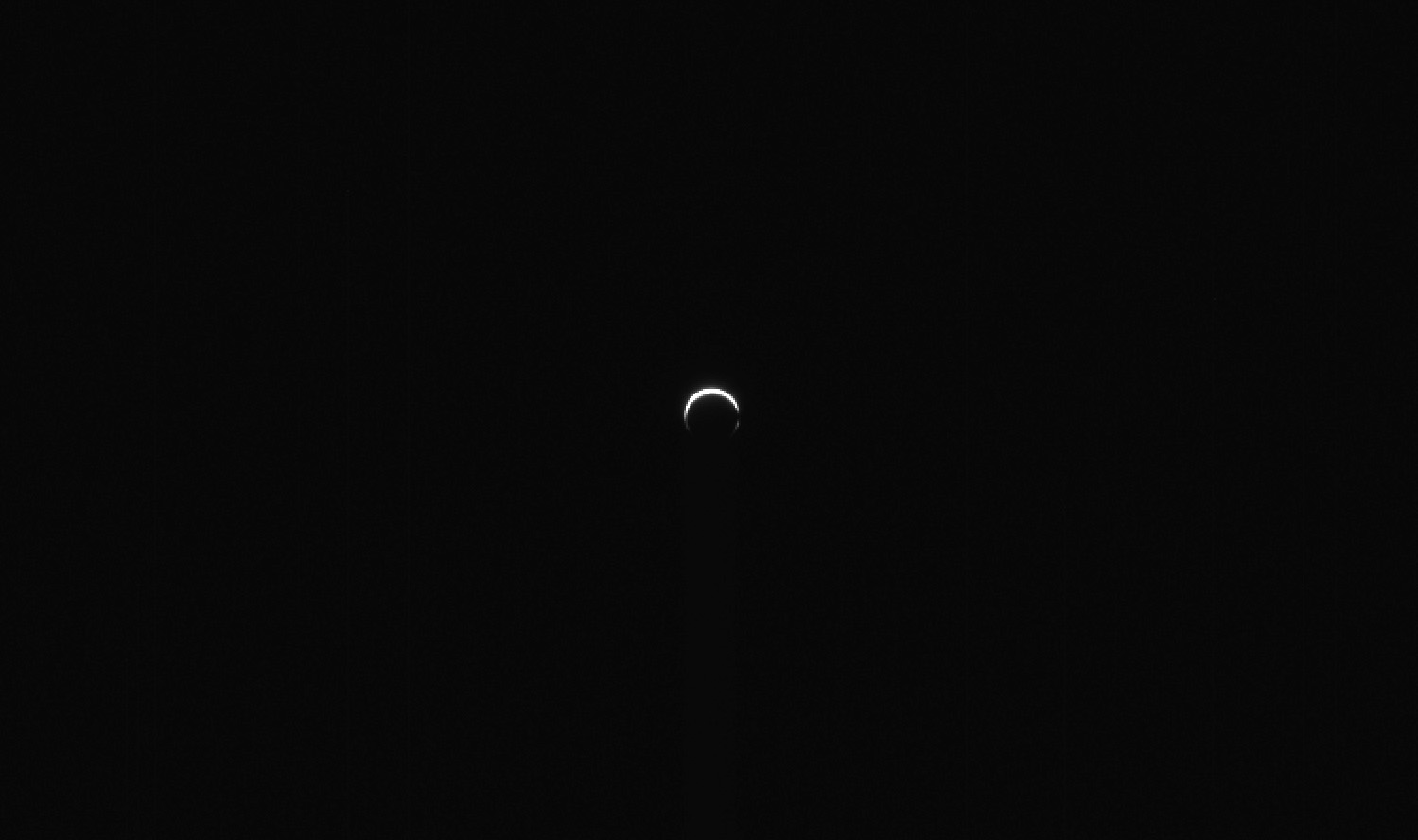
Summary: Description This colorized image of Mars was captured by NASA’s Psyche mission on May 3, 2026, about 3 million miles (4.8 million kilometers) from the planet. The spacecraft is approaching the planet for a gravity assist on May 15 that will give it a boost in speed and adjust its trajectory toward asteroid Psyche for eventual arrival in 2029. The spacecraft is approaching Mars from a high-phase angle, meaning that the planet appears only as a thin crescent, like our own crescent Moon seen around its new Moon phase.

Why it matters: This matters for Space Exploration because it gives a concrete current signal to track: Description This colorized image of Mars was captured by NASA’s Psyche mission on May 3, 2026, about 3 million miles (4.8 million kilometers) from the planet.
Context: Description This colorized image of Mars was captured by NASA’s Psyche mission on May 3, 2026, about 3 million miles (4.8 million kilometers) from the planet. The spacecraft is approaching the planet for a gravity assist on May 15 that will give it a boost in speed and adjust its trajectory toward asteroid Psyche for eventual arrival in 2029. The spacecraft is approaching Mars from a high-phase angle, meaning that the planet appears only as a thin crescent, like our own crescent Moon seen around its new Moon phase.
"Description This colorized image of Mars was captured by NASA’s Psyche mission on May 3, 2026, about 3 million miles (4.8 million kilometers) from the planet. The spacecraft is approaching the planet." — SCIENCE.NASA.GOV
Commentary: The immediate implication is operational rather than speculative: watch how this changes budgets, workflows, or risk assumptions over the next cycle.
Date: Fri, 08 May 2026 18:11:39 +0000
URL: https://science.nasa.gov/photojournal/nasas-psyche-mission-captures-mars-during-gravity-assist-approach/
AI Sentiment Score: Positive (50%)
AI Credibility Score: 10.0/10 — High
Scores and text generated by AI analysis of the source article indicated.
For NASA’s TESS, Stellar Eclipses Shed Light on Possible New Worlds (Science.Nasa.Gov)
Summary: A study of NASA’s TESS (Transiting Exoplanet Survey Satellite) data on stellar pairs undergoing mutual eclipses has uncovered more than two dozen candidate exoplanets, or worlds beyond our solar system. This method allows the mission to locate planets it couldn’t otherwise detect. To date, TESS has discovered 885 confirmed exoplanets and identified more than 7,900 candidates, nearly all found because the planets pass in front of their stars from our perspective.
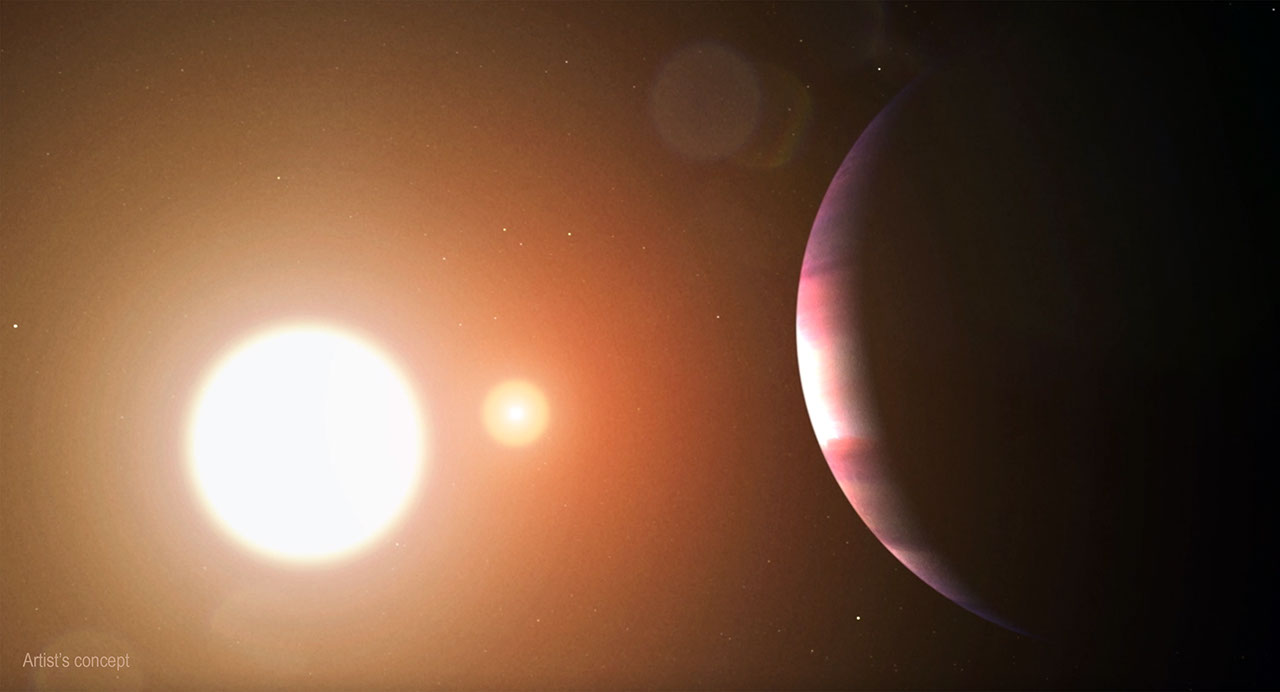
Why it matters: This matters for Space Exploration because it gives a concrete current signal to track: A study of NASA’s TESS (Transiting Exoplanet Survey Satellite) data on stellar pairs undergoing mutual eclipses has uncovered more than two dozen candidate exoplanets, or worlds beyond our solar system.
Context: A study of NASA’s TESS (Transiting Exoplanet Survey Satellite) data on stellar pairs undergoing mutual eclipses has uncovered more than two dozen candidate exoplanets, or worlds beyond our solar system. This method allows the mission to locate planets it couldn’t otherwise detect. To date, TESS has discovered 885 confirmed exoplanets and identified more than 7,900 candidates, nearly all found because the planets pass in front of their stars from our perspective.
"A study of NASA’s TESS (Transiting Exoplanet Survey Satellite) data on stellar pairs undergoing mutual eclipses has uncovered more than two dozen candidate exoplanets, or worlds beyond our solar system. This method." — SCIENCE.NASA.GOV
Commentary: The immediate implication is operational rather than speculative: watch how this changes budgets, workflows, or risk assumptions over the next cycle.
Date: Mon, 04 May 2026 13:32:25 +0000
URL: https://science.nasa.gov/missions/tess/for-nasas-tess-stellar-eclipses-shed-light-on-possible-new-worlds/
AI Sentiment Score: Negative (85%)
AI Credibility Score: 10.0/10 — High
Scores and text generated by AI analysis of the source article indicated.
NASA’s Psyche Mission to Fly by Mars for Gravity Assist (Jpl.Nasa.Gov)
Summary: NASA’s Psyche spacecraft will get a boost from Mars on Friday, May 15, passing just 2,800 miles (4,500 kilometers) from the planet’s surface at some 12,333 mph (19,848 kph). The spacecraft will harness the planet’s gravitational pull to speed up and adjust its trajectory toward the metal-rich asteroid Psyche, one of the more unusual objects in our solar system. Launched on Oct.
Why it matters: This matters for Space Exploration because it gives a concrete current signal to track: NASA’s Psyche spacecraft will get a boost from Mars on Friday, May 15, passing just 2,800 miles (4,500 kilometers) from the planet’s surface at some 12,333 mph (19,848 kph).
Context: NASA’s Psyche spacecraft will get a boost from Mars on Friday, May 15, passing just 2,800 miles (4,500 kilometers) from the planet’s surface at some 12,333 mph (19,848 kph). The spacecraft will harness the planet’s gravitational pull to speed up and adjust its trajectory toward the metal-rich asteroid Psyche, one of the more unusual objects in our solar system. Launched on Oct.
"NASA’s Psyche spacecraft will get a boost from Mars on Friday, May 15, passing just 2,800 miles (4,500 kilometers) from the planet’s surface at some 12,333 mph (19,848 kph). The spacecraft will." — JPL.NASA.GOV
Commentary: The immediate implication is operational rather than speculative: watch how this changes budgets, workflows, or risk assumptions over the next cycle.
Date: Fri, 08 May 2026 11:00:00 -0700
URL: https://www.jpl.nasa.gov/news/nasas-psyche-mission-to-fly-by-mars-for-gravity-assist
AI Sentiment Score: Positive (50%)
AI Credibility Score: 10.0/10 — High
Scores and text generated by AI analysis of the source article indicated.
Post ID: c525a089