Luxury Sector Performance & Strategy
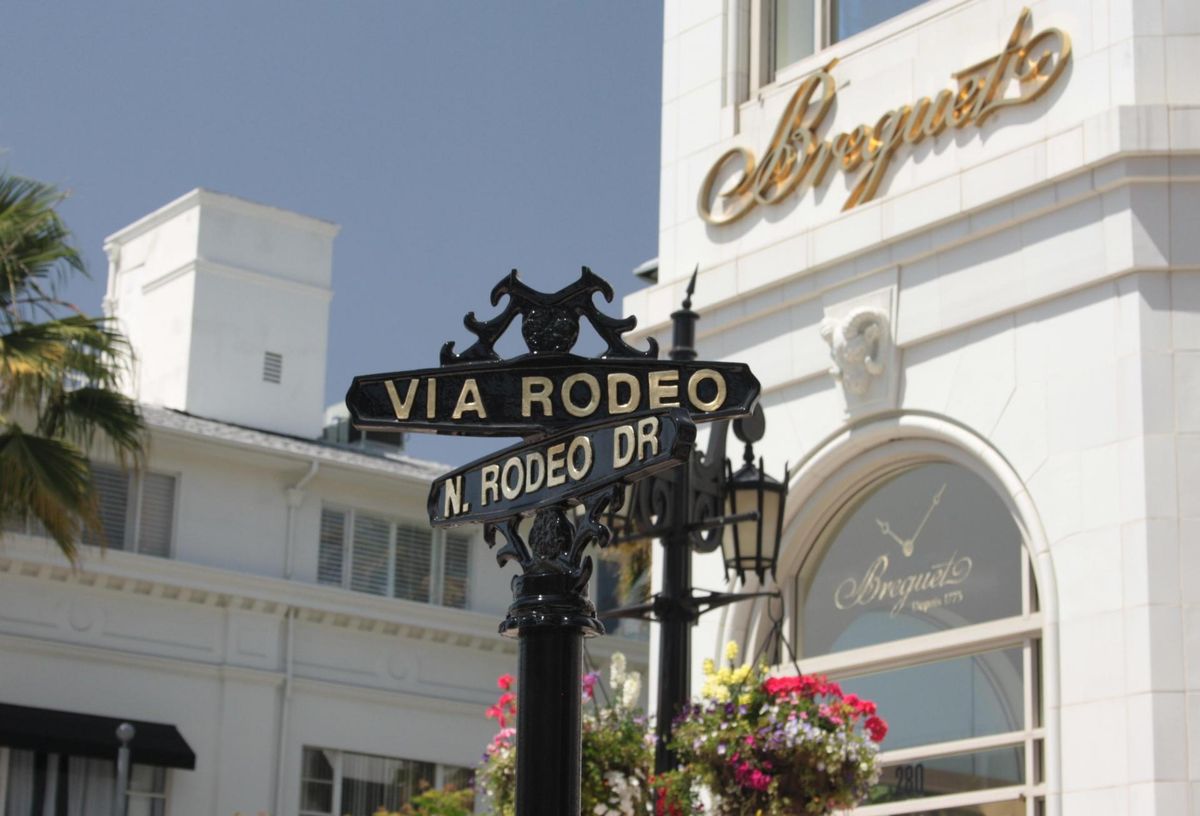
Shaken By A Slowdown, Luxury Retailers Focus On Just 3 U.S. Cities (Bisnow)
Summary: Luxury retailers are retreating from a failed expansion into secondary U.S. markets and concentrating all new store openings in just three primary corridors: Rodeo Drive, New York’s Madison and Fifth Avenues, and Miami’s Bal Harbour and Design District. This contraction, driven by a K-shaped economic recovery that has eroded the aspirational middle-class shopper, follows significant revenue declines at LVMH and Kering. The result is a hyper-competitive ‘feeding frenzy’ for limited space on these established luxury streets, creating a severe barrier to entry for any brand attempting U.S. expansion.
Why it matters: For luxury brand strategists and real estate teams, this defines the only viable U.S. retail map for the foreseeable future, locking in extreme location premiums and forcing a complete reassessment of growth pipelines.
Context: This reverses the post-pandemic strategy of geographic diversification into cities like Atlanta and Dallas, which was intended to capture aspirational demand.
"Only five corridors — Rodeo Drive, New York City’s Madison Avenue and Fifth Avenue, and Miami’s Bal Harbour and the Miami Design District — accounted for 80% of luxury retail openings in 2025." — BISNOW
Commentary: The operational consequence is a zero-sum game for prime real estate, where expansion plans are now dictated by lease expiration cycles on a handful of blocks rather than demographic analysis. This will accelerate the consolidation of market share among the largest conglomerates who can afford the rents and may permanently cede the ‘accessible luxury’ segment to the secondhand and discount markets. For European brands seeking U.S. entry, the pipeline is effectively blocked unless they can displace an incumbent, making mergers or partnerships a more likely path to growth than organic retail expansion.
Date: April 22, 2026 12:00 AM ET
URL: https://www.bisnow.com/national/news/retail/luxury-retailers-focusing-in-on-haute-us-real-estate-corridors-amid-space-crunch-134248
AI Sentiment Score: Negative (50%)
AI Credibility Score: 10.0/10 — High
Scores and text generated by AI analysis of the source article indicated.
Lanvin Group reports 18 percent revenue decline for full-year 2025 (Fashionunited.In)
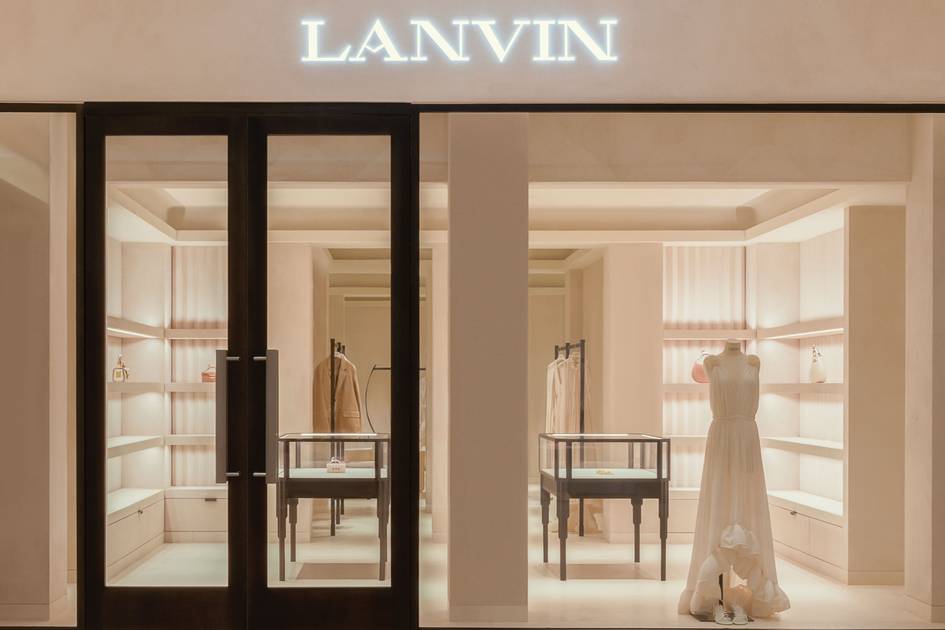
Summary: Lanvin Group reported a significant 18% revenue decline to €240 million for FY2025, attributing the drop to a challenging luxury market and its own strategic transformation. While the overall picture was negative, sequential improvement in H2 and a narrowing adjusted EBITDA loss suggest operational adjustments are taking hold. The performance varied sharply across its portfolio: flagship Lanvin and Sergio Rossi each fell 30%, Wolford declined 14%, while St. John proved resilient with only a 1% dip. The group is executing a portfolio optimization playbook involving store closures, cost controls, and leadership changes.
Why it matters: For practitioners, this illustrates the concrete trade-offs and timeline of a multi-brand luxury group’s turnaround strategy, showing how portfolio pruning and leadership overhauls manifest in financials before any brand recovery.
Context: Lanvin Group’s acquisition-driven portfolio has struggled with integration and brand momentum, making it a case study in the operational difficulty of reviving disparate heritage labels under one corporate umbrella.
"Chinese luxury fashion firm Lanvin Group announced its financial results for the full-year 2025 (FY2025) on April 30, 2026, reporting revenue of 240 million euros. This represents an 18% decrease compared to." — FASHIONUNITED.IN
Commentary: The steep decline at the flagship, even amid ‘improved market reception,’ underscores the heavy near-term revenue cost of repositioning a distressed heritage brand. The stability of St. John, driven by wholesale and e-commerce growth in North America, validates a focused, regionally anchored strategy over pan-European prestige plays. For competing groups and investors, this signals that Lanvin Group’s transformation is still in the costly consolidation phase, with 2026 framed as the year to harvest any foundational work.
Date: April 30, 2026 12:00 AM ET
URL: https://fashionunited.in/news/business/lanvin-group-reports-18-percent-revenue-decline-for-full-year-2025/2026043054267
AI Sentiment Score: Negative (57%)
AI Credibility Score: 10.0/10 — High
Scores and text generated by AI analysis of the source article indicated.
Lanvin Group reports 18 percent revenue decline for full-year … (Fashionunited.Uk)
Summary: Lanvin Group’s FY2025 revenue fell 18% to €240M, citing a challenging luxury market and its own transformation efforts. Sequential improvement in H2 was attributed to operational adjustments and brand repositioning. D2C remains dominant at 68% of revenue, while portfolio optimization included store closures and the carve-out of Caruso. Flagship Lanvin revenue dropped 30%, Wolford fell 14%, Sergio Rossi fell 30%, while St. John was relatively stable, declining only 1%.
Why it matters: For luxury operators, this signals the tangible cost and timeline of a multi-brand portfolio transformation during a downturn, showing which restructuring levers (store closures, brand exits, leadership changes) move the needle on EBITDA.
Context: Lanvin Group, backed by Chinese conglomerate Fosun, has been restructuring its portfolio of European heritage brands since its 2021 formation, aiming for profitability amid global luxury softness.
"Chinese luxury fashion firm Lanvin Group announced its financial results for the full-year 2025 (FY2025) on April 30, 2026, reporting revenue of 240 million euros. This represents an 18% decrease compared to." — FASHIONUNITED.UK
Commentary: The marginal €4M EBITDA improvement despite drastic revenue declines reveals the brutal arithmetic of luxury turnarounds: cost cuts and closures provide a floor, but brand equity and creative direction—noted in Lanvin’s improved H2 reception—are required for actual growth. The stability of St. John, driven by North American wholesale and e-commerce, underscores the segment risk in European heritage labels dependent on tourist flows and brand perception.
Date: April 30, 2026 12:00 AM ET
URL: https://fashionunited.uk/news/business/lanvin-group-reports-18-percent-revenue-decline-for-full-year-2025/2026043087773
AI Sentiment Score: Negative (57%)
AI Credibility Score: 10.0/10 — High
Scores and text generated by AI analysis of the source article indicated.
The celebration problem, and why luxury keeps declaring victory too … (Luxurydaily)
Summary: Luxury brand analysis consistently reveals a pattern of premature victory declarations, where quarterly fluctuations are framed as structural recoveries. LVMH’s recent results exemplify this: a narrative of stabilization in late 2025 gave way to a Q1 2026 showing 1% organic growth, driven by calendar shifts and one-off campaigns, while its core Fashion & Leather Goods segment declined for a seventh consecutive quarter. This indicates a deeper, structural challenge rather than a seasonal issue.
Why it matters: For industry practitioners, this highlights a critical disconnect between corporate storytelling and underlying demand, forcing a reassessment of forecasting, inventory planning, and marketing spend based on sustainable trends versus ephemeral spikes.
Context: The luxury sector faces a clientele that is increasingly demanding and culturally literate, rendering traditional cyclical recovery narratives insufficient for explaining prolonged softness in core categories.
"In almost every brand analysis my firm Équité conducts, the same pattern surfaces: A recent quarter is presented as an inflection point by the brand. A significant launch or a creative director’s." — LUXURYDAILY
Commentary: The operational consequence is a need for brands to deprioritize celebratory PR around single events and instead model for persistent demand headwinds in high-margin segments. This could pressure creative and commercial teams to justify product launches and regional strategies against a baseline of structural decline, not temporary blips.
Date: April 22, 2026 12:00 AM ET
URL: https://www.luxurydaily.com/luxury-unfiltered-the-celebration-problem-and-why-luxury-keeps-declaring-victory-too-early/
AI Sentiment Score: Positive (40%)
AI Credibility Score: 10.0/10 — High
Scores and text generated by AI analysis of the source article indicated.
On Everything #137: Luxury Mauls: 2026 Q1 Earnings Special (Stylezeitgeist.Substack)
Summary: LVMH’s Q1 2026 earnings report shows a broad revenue decline of 1.2 billion EUR year-on-year, with its core leather goods and fashion division down 9%. The aspirational consumer is retreating to lower-priced categories like perfume, while the wealthy shift spending to jewelry and experiences. Management’s presentation is criticized as unsubstantial, and the company cites the Iran war’s impact on European mall traffic as a primary external factor.
Why it matters: For industry practitioners, this signals a sustained contraction in accessible luxury demand, forcing a strategic reevaluation of product mix, pricing, and regional focus.
Context: This continues a multi-quarter trend of aspirational consumers being priced out, shifting luxury’s reliance further towards the ultra-wealthy and non-apparel categories.
"Leather goods and fashion was down a whopping 9%." — STYLEZEITGEIST.SUBSTACK
Commentary: The 9% drop in the core division, despite LVMH’s scale, indicates a structural softness in high-margin apparel and handbags that can’t be fully offset by price hikes. This pressures brand houses within the group to justify their margins and may accelerate a pivot towards ‘boring luxury’ and hard luxury assets. The cited war impact on EU malls suggests physical retail strategy requires urgent contingency planning for geopolitical volatility. The opaque, AI-assisted earnings presentation reflects a broader industry tendency to obscure operational specifics with narrative, complicating vendor and partner forecasting.
Date: April 20, 2026 12:00 AM ET
URL: https://stylezeitgeist.substack.com/p/on-everything-137-luxury-mauls-2026
AI Sentiment Score: Negative (50%)
AI Credibility Score: 10.0/10 — High
Scores and text generated by AI analysis of the source article indicated.
Luxury brands are under pressure as the post-pandemic boom fades (Cnaluxury.Channelnewsasia)
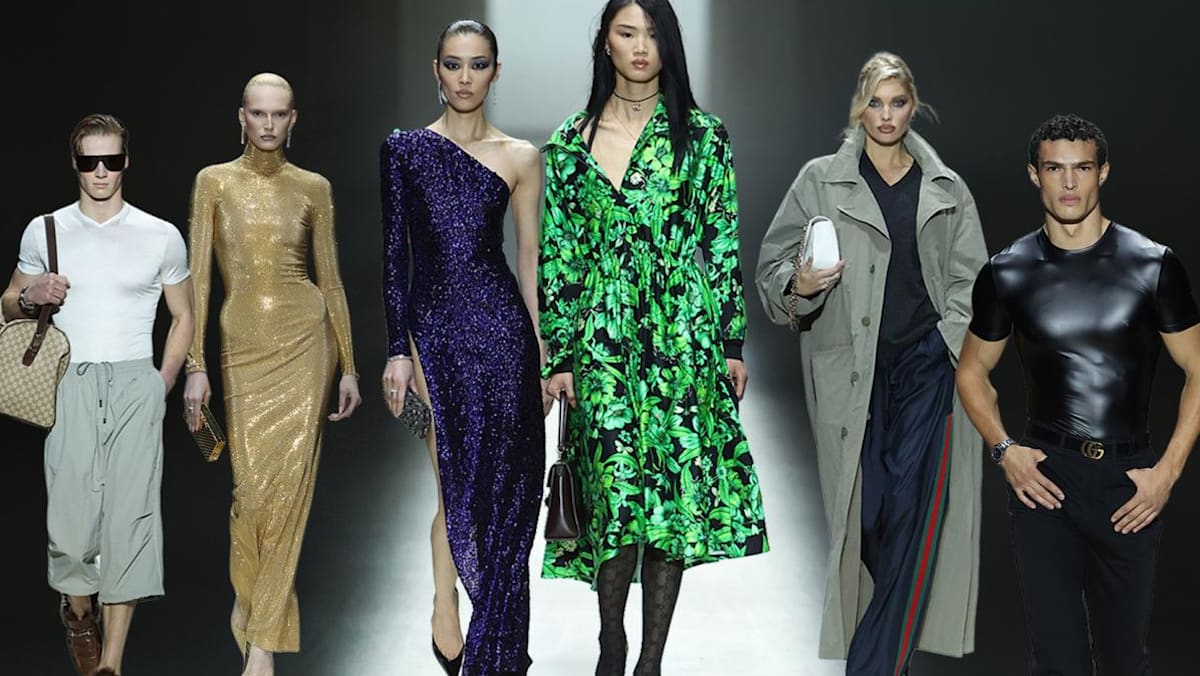
Summary: The post-pandemic luxury boom has ended, pressuring brands like Gucci and Kering as operating profits have sharply declined. Slowing Chinese demand, geopolitical disruption from the Iran conflict, and consumer resistance to excessive pricing are forcing a sector-wide rethink of growth strategies. While some brands, like Ferri Firenze, find success through targeted local pop-ups, the industry faces a deeper need for creative renewal and operational correction.
Why it matters: For practitioners, this signals a shift from expansion-led to efficiency-led strategies, requiring recalibrated pricing, creative direction, and geographic focus.
Context: The luxury sector had been buoyed by a surge in Chinese consumption and aggressive price hikes, but that model is no longer sustainable amid weakened sentiment and external shocks.
"# Luxury brands are under pressure as the post-pandemic boom fades From slowing Chinese demand to war-related disruption and rising resistance to high prices, the luxury industry is being forced to rethink." — CNALUXURY.CHANNELNEWSASIA
Commentary: The correction forces a hard look at supply-chain discipline and creative pipeline efficacy, moving beyond mere brand storytelling. Success will hinge on operational precision—like Ferri Firenze’s hyper-local pop-up model—and a retreat from blanket price increases. This recalibration could pressure mid-tier brands most, as they lack the absolute pricing power of Hermès or the agility of niche players.
Date: April 21, 2026 12:00 AM ET
URL: https://cnaluxury.channelnewsasia.com/obsessions/luxury-brands-under-pressure-293281
AI Sentiment Score: Positive (50%)
AI Credibility Score: 9.8/10 — High
Scores and text generated by AI analysis of the source article indicated.
A tale of 2 sandals: Prada’s and Chanel’s footwear buzz reflects the brands’ businesses, for worse and for better (Glossy.Co)
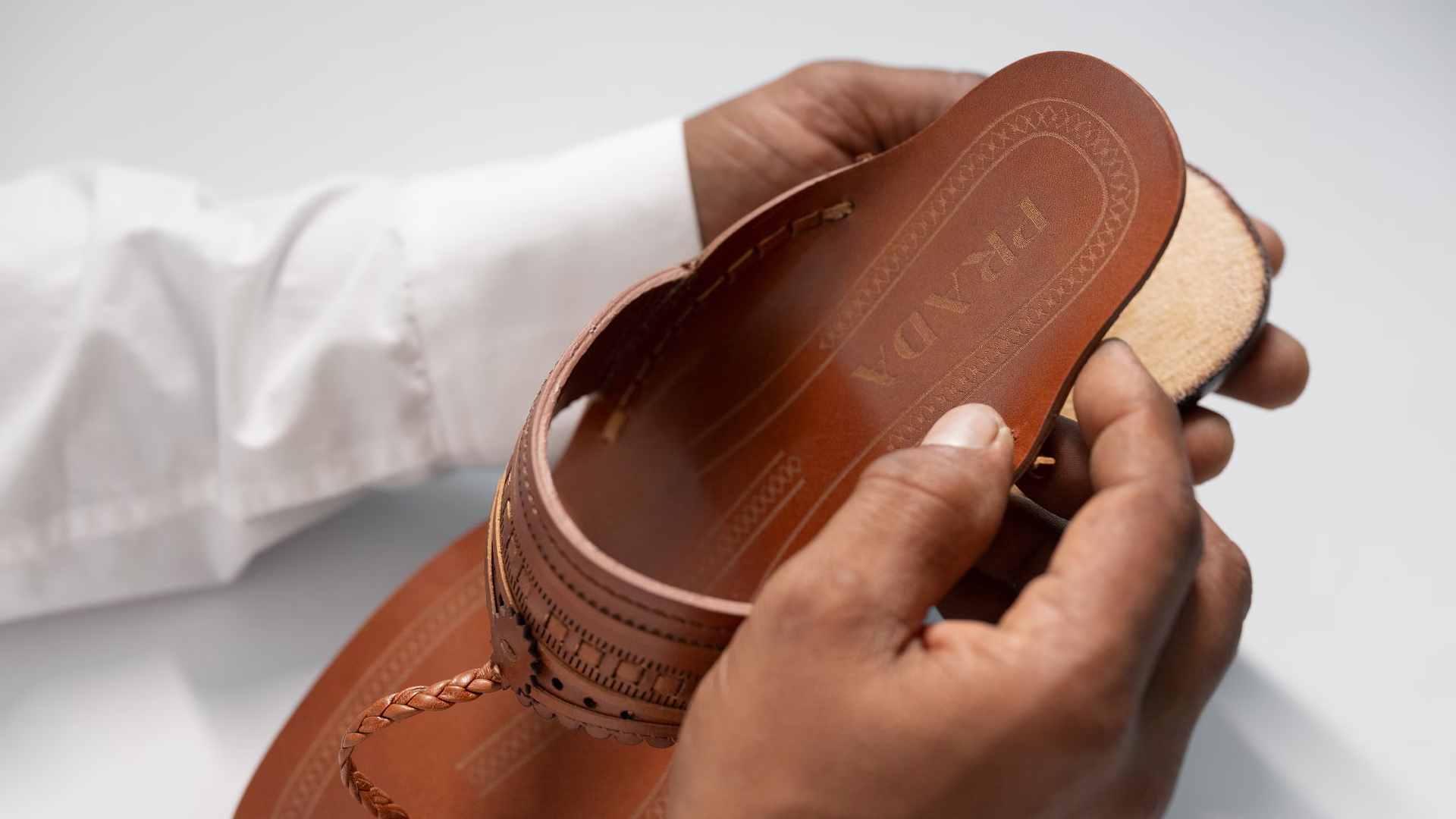
Summary: Prada Group’s first-quarter earnings reveal a brand under pressure: retail sales grew just 0.4% organically, and Miu Miu’s explosive growth has decelerated sharply to 2.4%. This comes as Prada attempts to manage renewed criticism over its Kolhapuri-inspired sandals, priced at €750 versus the traditional craft’s $4-$12 range, highlighting persistent issues around cultural credit and pricing in luxury appropriation. Meanwhile, Chanel’s viral, impractical sandal demonstrates how clear creative resets drive visibility, as reflected in Chanel topping the latest Lyst Index while Prada and Miu Miu fell.
Why it matters: For luxury operators, the quarter underscores that brand momentum is fragile; cultural missteps now directly intersect with financial performance and investor confidence in a crowded market.
Context: Luxury’s reliance on artisanal craft without equitable credit or pricing is a longstanding operational and ethical tension, now amplified by social media scrutiny and slowing growth in key markets.
"In this week’s Luxury Briefing, I dig into Prada Group’s earnings as it deals with its Prada Kolhapuri scandal backlash, with comments from analysts on how Prada and Miu Miu are trying." — GLOSSY.CO
Commentary: Prada’s operational challenge is twofold: it must execute a credible cultural remediation on craft sourcing while engineering a product-led brand resurgence against rivals like Chanel and Gucci, which are gaining ground through clearer creative narratives. The ‘white rabbits’ Guerra cites—market expansion in America and China, and a push on high-end and entry-price products—are conventional levers that may not suffice without a more coherent cultural and creative proposition.
Date: Fri, 01 May 2026 04:02:00 +0000
URL: https://www.glossy.co/fashion/luxury/a-story-of-2-luxury-sandals-pradas-and-chanels-footwear-buzz-reflects-the-brands-businesses-for-worse-and-for-better/
AI Sentiment Score: Positive (42%)
AI Credibility Score: 10.0/10 — High
Scores and text generated by AI analysis of the source article indicated.
Lyst Index 2026: Chanel Becomes the Most Desirable Fashion Brand – Luxury Tribune (Luxurytribune)
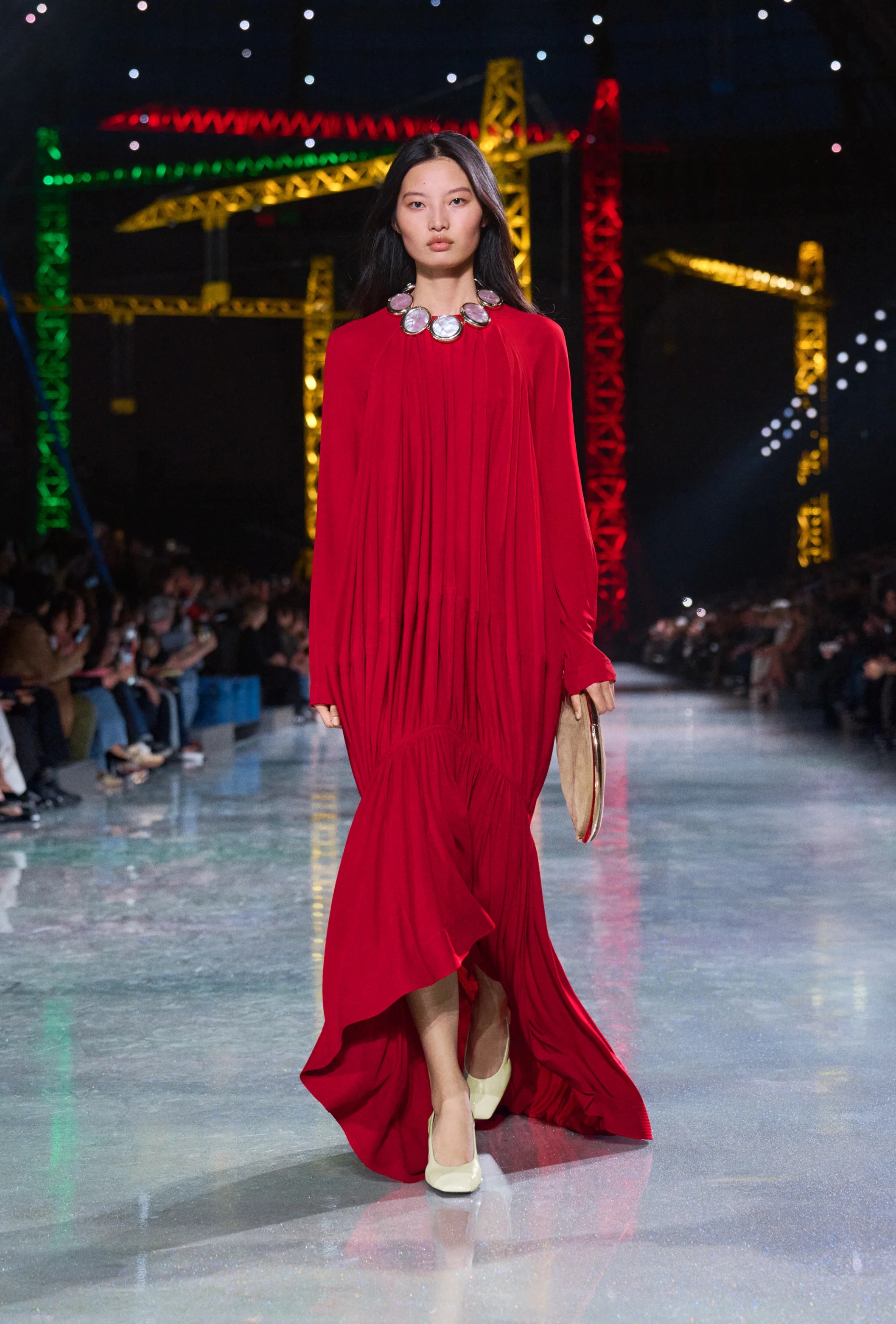
Summary: The Lyst Index for Q1 2026 shows Chanel ascending to the top spot, driven by new creative director Matthieu Blazy and hit products like the Chanel Pumps. Gucci re-enters the top five for the first time since 2022, fueled by social media controversy around Demna’s appointment. The ranking highlights a market where luxury dominance coexists with a shift in consumer value assignment, as evidenced by a Trader Joe’s tote bag ranking alongside a Chanel Maxi Flap bag.
Why it matters: For industry practitioners, the index quantifies how creative director appointments, pop culture moments, and AI-driven discovery are now primary demand levers, directly impacting product development cycles and marketing spend allocation.
Context: The Lyst Index is a quarterly measure of brand desirability based on search, sales, and social data, serving as a real-time barometer of consumer sentiment and cultural capital in fashion.
"This coexistence reflects a shift in how consumers assign cultural value to fashion, now prioritizing a product’s narrative and community aspect over brand positioning or price." — LUXURYTRIBUNE
Commentary: The convergence of luxury and mass-market items in the ‘most in-demand’ list signals a decoupling of price from cultural cachet, forcing brands to compete on narrative cohesion rather than mere prestige. For creative directors and product teams, the immediate demand spikes following announcements or celebrity wear mean pipeline planning must now account for viral volatility. The reported influence of AI-powered search and aesthetic mood boards suggests a near-term operational shift toward feeding these algorithms with coherent visual storytelling, making metadata and content strategy as critical as the garments themselves.
Date: April 29, 2026 12:00 AM ET
URL: https://www.luxurytribune.com/en/lyst-index-2026-chanel-becomes-the-most-desirable-fashion-brand
AI Sentiment Score: Negative (50%)
AI Credibility Score: 9.1/10 — High
Scores and text generated by AI analysis of the source article indicated.
Luxury Briefing: How DeMellier is increasing demand while doing less (Glossy.Co)
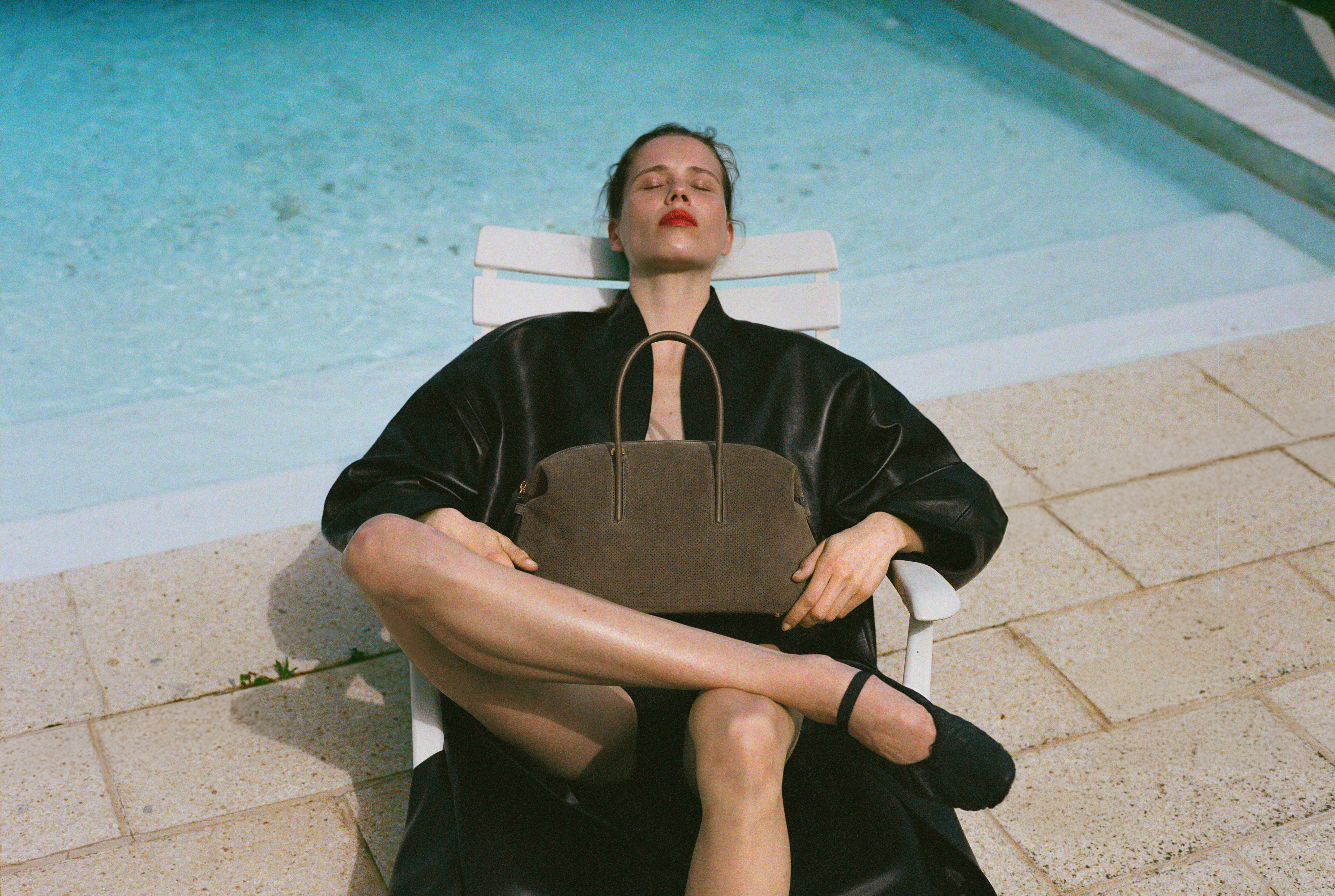
Summary: DeMellier’s revenue growth to $54.7 million and 97% YoY search increase on Lyst is attributed to a disciplined focus on craftsmanship, durable materials, and a restrained DTC-first distribution model, contrasting with luxury sector pressures to justify price through product substance. The brand’s controlled expansion into owned retail and avoidance of aggressive category extension underscores a strategy of doing less to build more sustainable demand. Meanwhile, Kering’s Luca de Meo frames sustainability as core infrastructure, and Bain notes luxury’s loss of 70 million aspirational shoppers demanding clearer value.
Why it matters: For luxury brand operators, this signals a shift from growth-at-all-costs to a value-driven, craftsmanship-anchored model where controlled distribution and product longevity are key levers for margin preservation and customer retention.
Context: The luxury sector is experiencing a consumer reassessment of price-value alignment, forcing brands to operationalize sustainability and craft as tangible quality indicators rather than marketing narratives.
"For this week’s Luxury Briefing, I spoke with DeMellier founder Mireia Llusia-Lindh about how the cult U.K. bag brand is leaning into craftsmanship and alternative materials to build loyalty in a tougher." — GLOSSY.CO
Commentary: DeMellier’s model—prioritizing family-run factories, traceable materials, and a tight wholesale slate—offers a practical blueprint for mid-tier brands navigating the value squeeze. Its restraint in category expansion and measured retail rollout contrasts with the sector’s typical growth playbook, suggesting a recalibration where operational discipline directly feeds brand equity. For vendors and artisans, this reinforces demand for verifiable craftsmanship over volume, while for distributors, it highlights the risk of overexposure to volatile department store partners.
Date: Fri, 24 Apr 2026 04:00:00 +0000
URL: https://www.glossy.co/fashion/luxury/luxury-briefing-demellier-is-growing-by-doing-less-and-focusing-on-craftsmanship/
AI Sentiment Score: Negative (50%)
AI Credibility Score: 10.0/10 — High
Scores and text generated by AI analysis of the source article indicated.
Is luxury fashion just finding new excuses for old problems? (Insideretail.Au)
Summary: Major luxury houses, including LVMH and Kering, have cited the Middle East conflict as a primary factor in recent revenue declines. However, the article argues that the region’s modest share of global revenue (around 5-6%) makes it a mathematically insufficient scapegoat. The piece suggests deeper, pre-existing issues—notably aggressive price inflation alienating 60 million aspirational customers—are the more significant structural headwinds.

Why it matters: For industry practitioners, this signals a shift in the acceptable narrative for underperformance, forcing a re-examination of core growth assumptions around pricing, customer base, and product desirability.
Context: This follows a pattern where luxury conglomerates have cycled through external explanations (e.g., China’s slowdown, US tariffs) for uneven results, often deflecting from internal strategic missteps.
"When results disappoint, the industry reaches for the nearest headline. Major luxury houses have reported their first quarterly results, and the Middle East conflict has been the centre of attention. French luxury." — INSIDERETAIL.AU
Commentary: The operational consequence is a tightening of the strategic aperture: brand teams and CFOs must now model growth without relying on the aspirational middle-class cohort they’ve priced out. This forces a hard pivot toward either deepening engagement with the ultra-wealthy core or a risky recalibration of entry-level price architecture.
Date: April 20, 2026 12:00 AM ET
URL: https://insideretail.com.au/sectors/has-luxury-fashion-found-a-new-excuse-for-old-problems-202604
AI Sentiment Score: Positive (66%)
AI Credibility Score: 10.0/10 — High
Scores and text generated by AI analysis of the source article indicated.
Has luxury fashion found a new excuse for old problems? (Insideretail.Asia)
Summary: Major luxury conglomerates LVMH and Kering cited the Middle East conflict as a primary factor in their Q1 revenue declines of 6%. However, the region represents only about 5-6% of their global revenues, making the arithmetic impact modest. Analysts point to a deeper, structural issue: the luxury sector’s aggressive price inflation over recent years has alienated a core base of 60 million aspirational middle-class customers.

Why it matters: For industry practitioners, this signals a shift in the acceptable playbook for explaining underperformance, forcing a harder look at core brand strategy and pricing models over convenient geopolitical narratives.
Context: The luxury sector has a recent history of attributing soft results to external shocks like US-China trade friction or a sluggish Chinese consumer, even as some competitors with disciplined merchandising continued to thrive.
"When results disappoint, the industry reaches for the nearest headline. Major luxury houses have reported their first quarterly results, and the Middle East conflict has been the centre of attention. French luxury." — INSIDERETAIL.ASIA
Commentary: The operational consequence is a tightening of the strategic aperture: brand teams must now justify product and pricing decisions against a shrinking accessible customer base, not just manage PR narratives. This pressures merchandising and marketing to re-engage the aspirational segment or double down on an ultra-high-net-worth strategy, each with distinct supply chain and creative implications.
Date: April 20, 2026 12:00 AM ET
URL: https://insideretail.asia/2026/04/20/has-luxury-fashion-found-a-new-excuse-for-old-problems/
AI Sentiment Score: Neutral (33%)
AI Credibility Score: 10.0/10 — High
Scores and text generated by AI analysis of the source article indicated.
Has luxury just found a fresh excuse for old problems? (Insideretail.Co.Nz)
Summary: Major luxury conglomerates LVMH and Kering reported 6% revenue declines for Q1 2026, citing the Middle East conflict as a primary headwind. Both firms noted the region represents roughly 5-6% of sales, with Kering’s regional sales down 11%. The article questions whether geopolitical disruption is a convenient narrative obscuring deeper structural issues, including aggressive price inflation that has alienated a key aspirational customer base.

Why it matters: For industry practitioners, the framing of results dictates strategic resource allocation; blaming geopolitics can defer necessary operational corrections in product, pricing, and customer engagement.
Context: The luxury sector has a recent history of attributing underperformance to external shocks like Chinese consumer slowdowns or US tariffs, even as competitors with disciplined strategies continue to thrive.
"When results disappoint, the industry reaches for the nearest headline. Major luxury houses have reported their first quarterly results, and the Middle East conflict has been the centre of attention. French luxury." — INSIDERETAIL.CO.NZ
Commentary: The operational consequence is a potential misdiagnosis: if leadership accepts the geopolitical narrative, it risks delaying critical reviews of pricing architecture and product-market fit. The focus shifts from internal merchandising and supply chain discipline to external market monitoring, a less actionable path for brand teams and merchandisers.
Date: April 20, 2026 12:00 AM ET
URL: https://insideretail.co.nz/2026/04/20/has-luxury-fashion-found-a-new-excuse-for-old-problems/
AI Sentiment Score: Neutral (50%)
AI Credibility Score: 9.8/10 — High
Scores and text generated by AI analysis of the source article indicated.
After Years of Double-Digit Sales Growth, Luxury Retailers Face … (Thedailyupside)
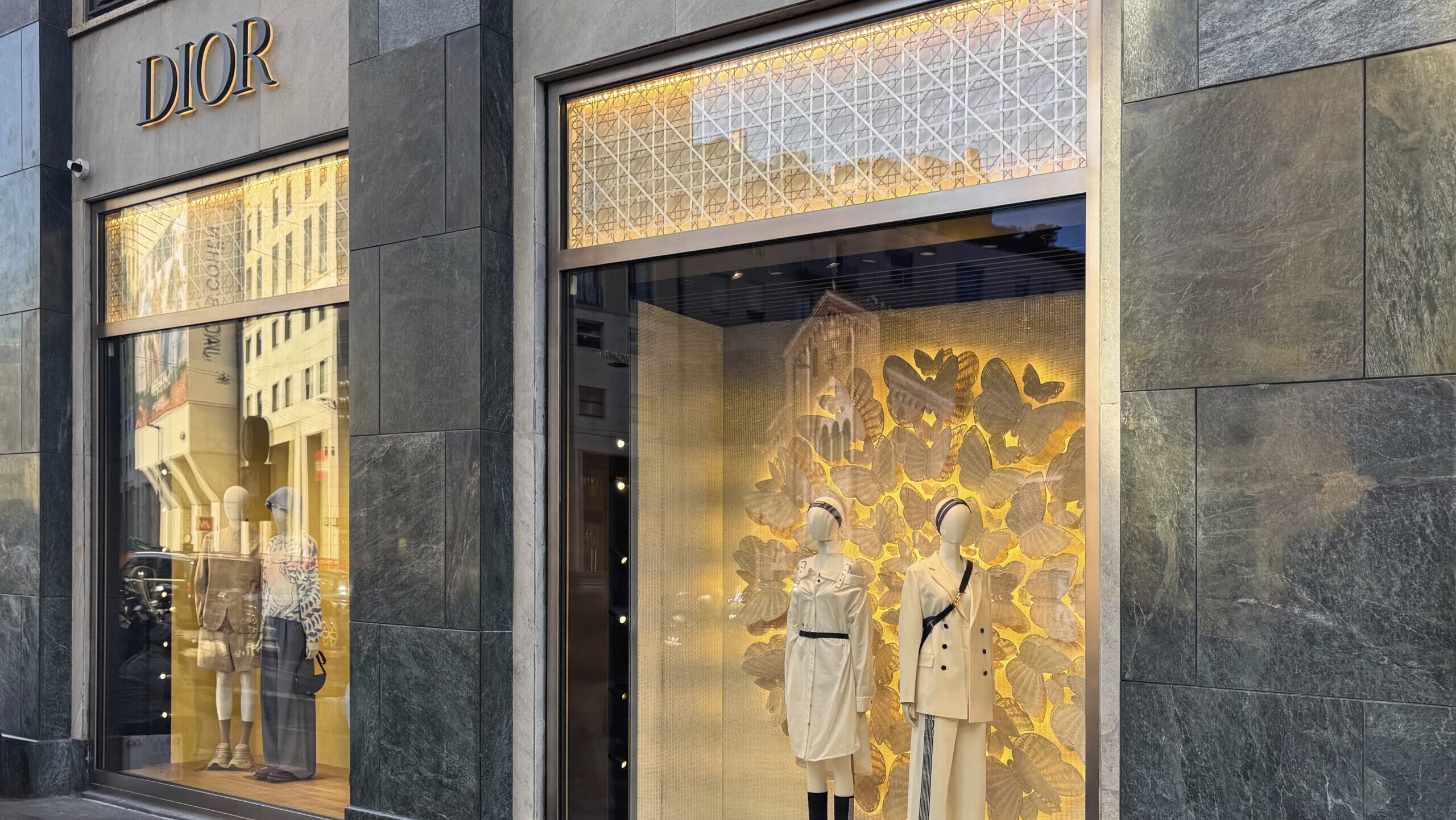
Summary: After two decades of explosive growth driven by Chinese consumption and social media, major luxury conglomerates like LVMH and Kering are now reporting consecutive annual revenue declines. The reversal is attributed to geopolitical instability, a slowdown in China, US tariffs, and AI-driven economic anxiety eroding aspirational spending. In response, brands are pivoting to lower-priced accessories, streamlining product lines, and undergoing a wave of creative director changes to attract younger customers.
Why it matters: For industry practitioners, this signals a fundamental shift from expansion-focused operations to crisis management, requiring immediate adjustments in product strategy, pricing tiers, and creative leadership.
Context: The luxury sector’s recent boom was built on a specific confluence of global economic conditions and marketing channels that have now fractured.
"Bain estimates that the luxury sector has lost 70 million customers worldwide from 2022 to 2025." — THEDAILYUPSIDE
Commentary: The loss of 70 million customers is not a cyclical dip but a structural contraction, forcing a hard recalibration of production volumes, inventory planning, and retail footprints. The scramble for ‘lower-priced accessories’ and creative director musical chairs is a tactical, margin-compressing response that may dilute brand equity. The new baseline of single-digit growth, if achievable, will demand a more disciplined, less speculative approach to sourcing, labor, and capital allocation across the entire pipeline.
Date: April 26, 2026 12:00 AM ET
URL: https://www.thedailyupside.com/industries/consumer/after-years-of-double-digit-sales-growth-luxury-retailers-face-reckoning/
AI Sentiment Score: Negative (50%)
AI Credibility Score: 9.9/10 — High
Scores and text generated by AI analysis of the source article indicated.
Luxury – News – ET Retail (Retail.Economictimes.Indiatimes)
Summary: The luxury sector is undergoing a significant operational contraction and strategic realignment in response to persistent demand softness and geopolitical disruption. Estee Lauder is accelerating its restructuring, planning to cut up to 3,000 more jobs for total savings of $1.2 billion, while LVMH reported a tepid 1% sales rise, below estimates, citing the impact of Middle East tensions on airport shopping. Prada is planning to rationalize Versace’s retail footprint and product tiers, and Dolce & Gabbana is undergoing governance changes. Concurrently, the market is bifurcating, with global prestige asset prices correcting 10-20% while specific regions like India see counter-cyclical growth in categories like Swiss watches.

Why it matters: For practitioners, these shifts signal a period of intensified cost discipline, portfolio pruning, and geographic portfolio rebalancing, directly impacting staffing, vendor relationships, and distribution strategies.
Context: This follows a prolonged post-pandemic slump in luxury demand, compounded by macroeconomic pressures and now acute geopolitical disruptions in key travel retail hubs.
"- ## Estee Lauder plans to cut up to 3,000 more jobs, lifts annual profit forecast ### The Clinique and M.A.C owner, which is in talks to merge with Jean Paul Gaultier-owner." — RETAIL.ECONOMICTIMES.INDIATIMES
Commentary: The scale of Estee Lauder’s job cuts and LVMH’s muted results validate a structural, not cyclical, adjustment. The parallel moves by Prada on Versace and Puig’s potential merger with Estee Lauder indicate consolidation is accelerating, favoring groups with scale to absorb overhead and fund strategic pivots. For operators, this means budget freezes, increased scrutiny on travel retail channel investments, and a premium on strategies that extract value from existing assets rather than chasing top-line growth.
Date: May 02, 2026 12:00 AM ET
URL: https://retail.economictimes.indiatimes.com/news/apparel-fashion/luxury
AI Sentiment Score: Negative (60%)
AI Credibility Score: 10.0/10 — High
Scores and text generated by AI analysis of the source article indicated.
Discounting At Super Luxury Retailers | SIS Research (Sisinternational)
Summary: Super luxury brands like Hermès and Chanel manage discounting through a tightly controlled, multi-channel architecture designed to protect full-price pricing power. Discounts are confined to private client relationships, staff allocations, outlet villages, and authorized e-tailers under strict terms, avoiding public markdowns on core ‘icon’ products. This discipline segments inventory into tiers with distinct markdown rules, allowing seasonal fashion risk to be absorbed without contaminating the brand’s pricing asset.
Why it matters: For luxury merchandisers, buyers, and brand managers, this framework dictates how to structure assortment plans and channel negotiations to prevent margin erosion and preserve long-term brand equity.
Context: The luxury sector’s pricing power is increasingly challenged by over-distribution and discount visibility online, making disciplined channel architecture a critical operational defense.
"A 20 percent visible markdown on a heritage handbag can compress full-price sell-through on the next collection by a multiple of that figure." — SISINTERNATIONAL
Commentary: The SIS framework operationalizes luxury’s core tension: moving aged inventory versus preserving pricing mystique. It shifts the merchant’s key decision from reactive markdowns to proactive channel allocation at buy time, making discounting a planned outcome of assortment tiering rather than a failure of sell-through. Adjacent categories in fine jewelry and watches can adopt this tiered architecture to insulate core products from fashion-cycle volatility.
Date: May 04, 2026 12:00 AM ET
URL: https://www.sisinternational.com/discounting-at-super-luxury-retailers/
AI Sentiment Score: Negative (80%)
AI Credibility Score: 7.0/10 — Medium
Scores and text generated by AI analysis of the source article indicated.
LVMH’s Arnault Lays Out Two Futures for Luxury in 2026. Neither is … (Btb.Sg)
Summary: LVMH Chairman Bernard Arnault framed the group’s 2026 outlook as a binary outcome hinging on the Middle East conflict: either catastrophe or a gradual return to normal. The luxury conglomerate reported Q1 2026 revenues of $21 billion, a 6% reported decline largely due to currency headwinds, with organic growth of 1% missing consensus. The conflict directly reduced growth by approximately one percentage point, invalidating a key pillar of LVMH’s recovery thesis.
Why it matters: For luxury industry practitioners, this signals that geopolitical risk has moved from a modeled variable to a primary, unmodelable constraint on planning, directly impacting revenue targets and regional strategy.
Context: Luxury’s post-pandemic growth model has relied on synchronized momentum across the US, China, and the Middle East; the latter region’s volatility now decouples this framework.
"***LVMH chairman Bernard Arnault told shareholders last week that 2026 would end in either recovery or catastrophe, as the group reported first-quarter revenues of $21 billion and citing the ongoing Middle East." — BTB.SG
Commentary: Arnault’s public admission of unpredictability forces a tactical shift for brands: contingency planning must now account for binary geopolitical outcomes rather than marginal adjustments. This introduces operational friction, likely slowing capital allocation and complicating inventory and marketing cycles calibrated for the now-suspended three-pillar model. The industry’s dependency on unhedgeable regional shocks becomes a central boardroom concern, potentially reweighting investment toward more stable, if less dynamic, markets.
Date: April 27, 2026 12:00 AM ET
URL: https://btb.sg/lvmhs-arnault-lays-out-two-futures-for-luxury-in-2026-neither-is-certain/
AI Sentiment Score: Negative (66%)
AI Credibility Score: 7.0/10 — Medium
Scores and text generated by AI analysis of the source article indicated.
European luxury companies are plagued with negativity: here’s why (Staging-En.Money.It)
Summary: Major investment banks have cut EPS forecasts for luxury goods by 6-7%, as the STOXX Europe Luxury 10 Index records its worst quarter since 2020. The sector’s market value has declined by $175 billion, driven by a mixed recovery in China, slowing growth, and high inflation and interest rates pressuring US consumers. Credit card data shows US luxury fashion spending fell 16% year-over-year in July and August. While valuations remain elevated relative to the broader market, the correction reflects a shift from post-pandemic exuberance to a more cautious, fundamentals-driven environment.

Why it matters: For practitioners in fashion and luxury, this signals a shift from growth-at-all-costs to disciplined capital allocation, marketing strategy, and inventory management amid a more uncertain macroeconomic backdrop.
Context: This follows a period of exceptional post-pandemic growth fueled by US spending and pent-up Chinese demand, which had masked underlying vulnerabilities and stretched valuations.
"Morgan Stanley cut its 2024 earnings per share estimate for luxury goods by 6%, while Bank of America cut its forecast by 7%." — STAGING-EN.MONEY.IT
Commentary: The forecast cuts and market de-rating could force operational tightening: marketing budgets will be scrutinized for ROI, price increase strategies will be moderated, and expansion plans in China will be reassessed. Brands like LVMH, cited for investing in marketing while reducing price hikes, are positioning for a period where brand equity and operational efficiency trump pure top-line growth. This recalibration pressures smaller, less diversified houses more acutely, potentially accelerating industry consolidation.
Date: April 27, 2026 12:00 AM ET
URL: https://staging-en.money.it/European-luxury-companies-are-plagued-with-negativity-here-s-why
AI Sentiment Score: Positive (71%)
AI Credibility Score: 7.0/10 — Medium
Scores and text generated by AI analysis of the source article indicated.
Is Luxury Slowing Down? Kering, Gucci and the Next Reset (Istitutomarangoni)
Summary: Kering’s ‘ReconKering’ plan signals a structural reset for the luxury sector, moving from a decade-long assumption of infinite growth to a focus on financial discipline, selective retail, and portfolio diversification. The initiative explicitly addresses the ‘dispersion’ at its flagship Gucci brand, where over-expansion eroded distinction. The strategy redefines store value from sheer presence to narrative impact and redistributes growth focus to Saint Laurent in Asia, Bottega Veneta’s category expansion, Balenciaga’s youth hold, and Alexander McQueen’s transformation, while elevating jewellery, eyewear, and beauty.

Why it matters: For industry practitioners, this signals a shift from brand-led growth to operational rigor, with concrete implications for retail footprint planning, category investment, and portfolio management.
Context: The luxury sector’s post-pandemic expansion phase is cooling, forcing conglomerates to prioritize structural resilience over pure top-line growth.
"# Is luxury slowing down? Inside Kering’s reset—and what went wrong at Gucci … DISCOVER MORE ### Luxury is entering a more uncertain phase. Kering’s reset shows what is changing, what went." — ISTITUTOMARANGONI
Commentary: Kering’s retail retrenchment formalizes a counter-intuitive operational rule: scarcity drives premium perception. This could pressure real estate teams to justify flagship ROI not on sales density alone, but on brand equity metrics. The portfolio rebalancing acts as a hedge, reducing systemic risk from Gucci’s volatility while forcing resource allocation debates between established cash cows and emerging labels.
Date: April 22, 2026 12:00 AM ET
URL: https://www.istitutomarangoni.com/en/maze35/research/is-luxury-slowing-down-kering-gucci-reset
AI Sentiment Score: Negative (57%)
AI Credibility Score: 10.0/10 — High
Scores and text generated by AI analysis of the source article indicated.
Savills : Luxury retail strategies enter a more selective phase as opportunity tightens across core markets, led by Europe (Marketscreener)
Summary: Savills data indicates a sharp deceleration in global prime luxury retail rental growth, from 6.6% in 2024 to 0.9% in 2025. Momentum is now concentrated in a smaller set of core European streets, where supply constraints are driving competition and selective rental increases. Brands are responding by prioritizing securing or upsizing space in these tightly supplied locations, with London seeing 42% of new luxury openings involve upsizing. This signals a shift from broad-based expansion to a more strategic, scarcity-driven real estate playbook.

Why it matters: For luxury brands and their real estate teams, the tightening of prime pitches forces a more capital-intensive and competitive strategy focused on securing and expanding in core locations, directly impacting expansion budgets and store network planning.
Context: This follows a period of strong post-pandemic rebound in luxury retail rents, where growth was more geographically widespread. The current phase reflects a normalization amid macroeconomic pressures and evolving travel flows.
"Across the 27 core luxury destinations tracked globally, average prime headline rents rose by 0.9% in 2025, a marked deceleration from the 6.6% uplift recorded in 2024." — MARKETSCREENER
Commentary: The shift from broad growth to concentrated, scarcity-driven pressure redefines the luxury real estate pipeline. It advantages top-tier brands with the capital and leverage to secure or expand in core pitches, while mid-tier players face tougher trade-offs between prime rents and secondary locations. The high rate of upsizing in London suggests operational strategies are now locked into longer-term, more expensive real estate commitments made years prior, increasing fixed costs and reducing portfolio flexibility.
Date: April 28, 2026 12:00 AM ET
URL: https://www.marketscreener.com/news/savills-luxury-retail-strategies-enter-a-more-selective-phase-as-opportunity-tightens-across-core-ce7f59d2da8ff225
AI Sentiment Score: Positive (55%)
AI Credibility Score: 10.0/10 — High
Scores and text generated by AI analysis of the source article indicated.
Why Luxury Brands Are Integrating AI Fashion Photos Into … (Sociallifemagazine)
Summary: Luxury fashion houses are moving beyond using AI-generated imagery as a novelty and are integrating it as a core part of their pre-production infrastructure. The focus is on employing hyper-realistic visualizations and textile simulations to replace flat sketches, reducing misinterpretation between designers and pattern makers. This shift is framed as a business-driven move to accelerate iteration and improve accuracy in color, drape, and proportion before physical sampling.
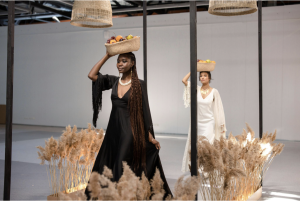
Why it matters: This changes the material workflow and cost structure for design teams, pattern makers, and sample rooms, while altering the skill sets and vendor relationships required in luxury product development.
Context: The luxury sector has historically resisted digitization of the creative process, guarding handcraft and physical sampling. This marks a strategic pivot toward digital prototyping to manage risk and speed within tight collection calendars.
"Luxury fashion has always been built on the foundation of uncompromising standards. When a design house creates a garment, the brand identity rests entirely on the visual perfection of that piece. ." — SOCIALLIFEMAGAZINE
Commentary: The operational consequence is a potential consolidation of early-stage vendor work (illustrators, basic 3D modelers) and increased pressure on pattern makers to align with highly detailed digital briefs. It reframes ‘artistry’ as a final-stage refinement of a digitally validated concept, which could recalibrate internal creative hierarchies and external partnerships.
Date: April 26, 2026 12:00 AM ET
URL: https://sociallifemagazine.com/the-archive/precision-and-perfection-why-luxury-brands-are-integrating-ai-fashion-photos-into-their-creative-strategy/
AI Sentiment Score: Negative (75%)
AI Credibility Score: 10.0/10 — High
Scores and text generated by AI analysis of the source article indicated.
Bernard Arnault: The Man Behind the LVMH Empire – Worthbury (Worthbury)
Summary: Bernard Arnault’s four-decade tenure at LVMH established the modern luxury conglomerate model, proving the sector could be consolidated and scaled globally. His operating principle combines decentralized creative direction with centralized financial and operational control, creating a portfolio of 75 maisons that compete internally for resources. This framework has been adopted by rivals like Kering and Richemont, making luxury one of the world’s most profitable consumer industries.
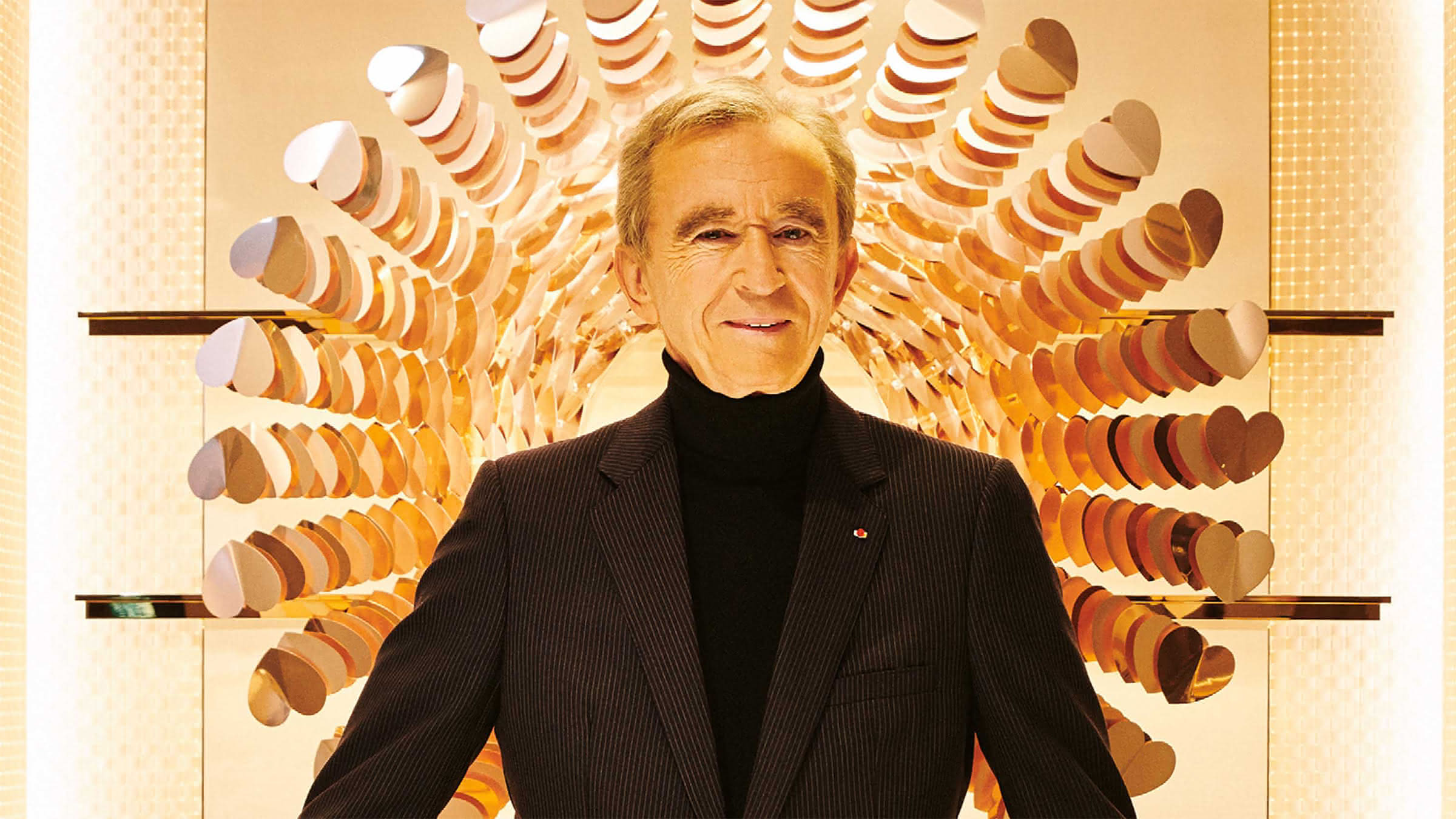
Why it matters: Arnault’s model defines the financial and operational constraints within which all major luxury brands now operate, dictating everything from creative director tenure to supply chain strategy.
Context: The luxury sector was historically fragmented and family-run; Arnault’s LVMH demonstrated that professionalized, portfolio-scale management could extract unprecedented value from heritage brands.
"In 1984, a 35-year-old French engineer bought a bankrupt textile company for a symbolic one franc. Four decades later, that company’s descendant — LVMH — is worth over €300 billion. … After." — WORTHBURY
Commentary: This dual structure creates a high-stakes environment where creative directors must align artistic vision with Paris-mandated commercial targets, prioritizing financial performance over critical acclaim. For vendors and talent, it means navigating a centralized procurement and talent-review system behind a facade of brand autonomy. The internal competition for capital ensures continuous pressure on each maison’s leadership, making LVMH’s model a machine for optimizing return on heritage.
Date: April 29, 2026 12:00 AM ET
URL: https://worthbury.com/report/bernard-arnault-luxury-empire/
AI Sentiment Score: Positive (40%)
AI Credibility Score: 7.0/10 — Medium
Scores and text generated by AI analysis of the source article indicated.
Post ID: b6979d93