Search for Life and Discoveries on Mars
Rover Finds Evidence of Past Life on Mars. Are We Asking the Right Questions About Life in the Universe? (Pjmedia)
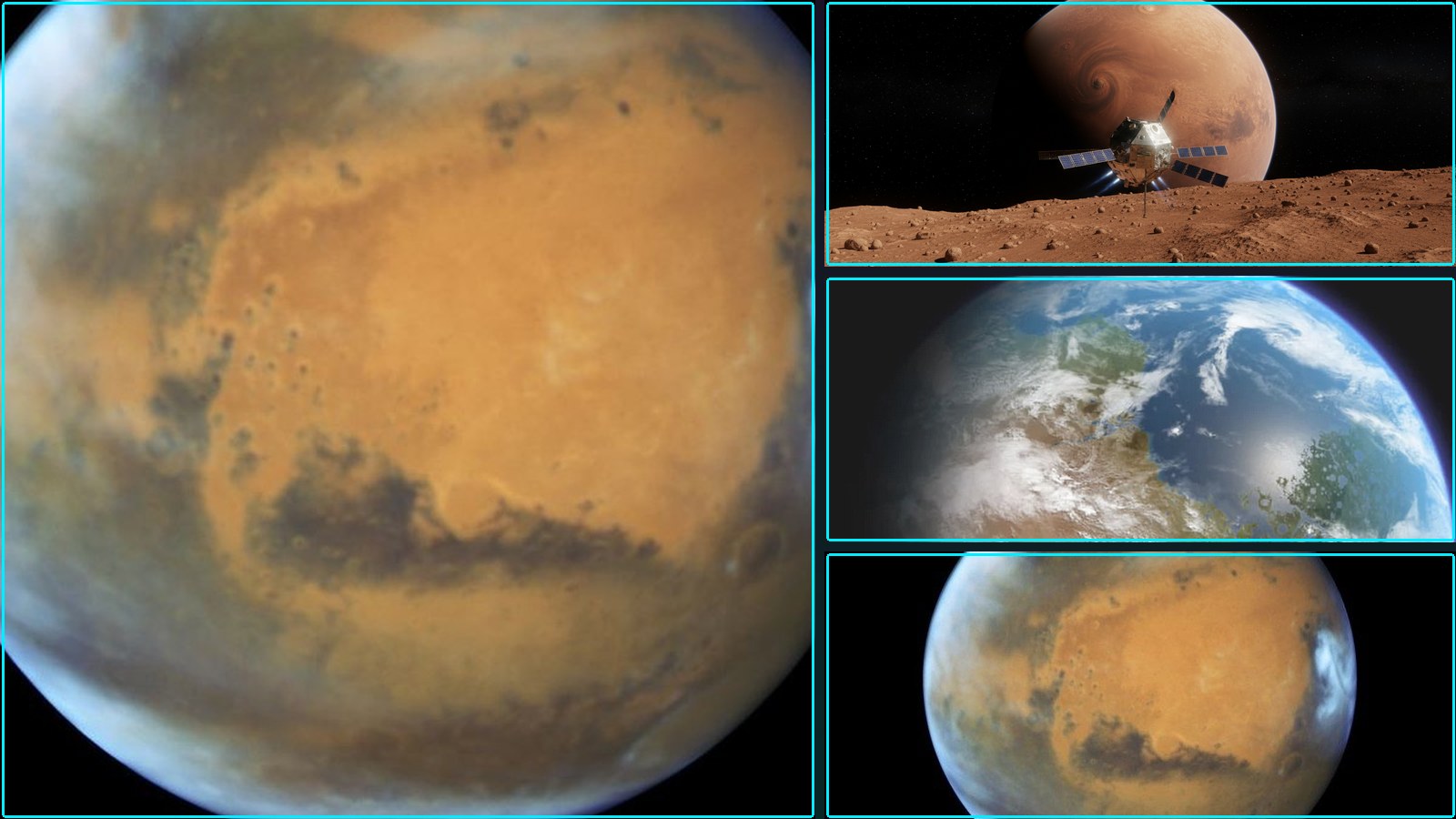
Summary: NASA’s Curiosity rover has identified a diverse mix of organic molecules, including nitrogen-containing compounds structurally similar to proto-DNA, in Gale Crater’s shallow subsurface. The findings, published in Nature Communications, represent preserved chemical building blocks but do not confirm past life. The source remains ambiguous—biological, meteoritic, or geological. Concurrently, SETI and JWST efforts continue searching for life as we know it, while new AI processing aims to enhance signal detection.
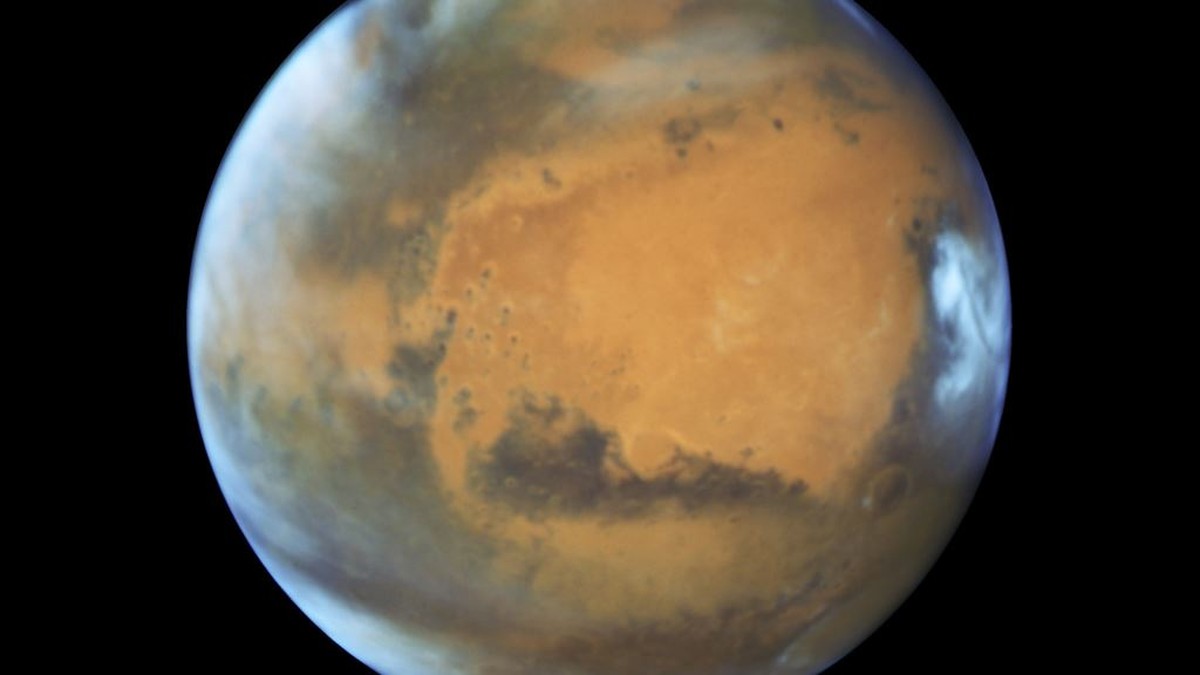
Why it matters: This moves Mars exploration from hunting for habitable conditions to analyzing preserved organic complexity, forcing a reassessment of how we define and detect life beyond Earth.
Context: Curiosity has operated in Gale Crater since 2012, systematically analyzing Martian geology for signs of past habitability and organic chemistry, with prior results often inconclusive.
"The Curiosity Rover has been scouring Gale Crater since it arrived on the Red Planet in 2012. Gale Crater almost certainly contained liquid water at one time in its history, and NASA." — PJMEDIA
Commentary: The detection of proto-DNA-like structures shifts the debate from mere habitability to specific chemical preservation, suggesting Mars’s subsurface may archive prebiotic chemistry differently than Earth. This pressures mission planners to prioritize in-situ examination, likely elevating the scientific urgency for sample return or more advanced robotic labs. The parallel SETI and JWST focus on Earth-like signatures now appears increasingly narrow; a broader astrobiological framework may be needed.
Date: April 22, 2026 12:00 AM ET
URL: https://pjmedia.com/rick-moran/2026/04/22/rover-finds-evidence-of-past-life-on-mars-are-we-asking-the-right-questions-about-life-in-the-universe-n4952051
AI Sentiment Score: Negative (50%)
AI Credibility Score: 7.0/10 — Medium
Scores and text generated by AI analysis of the source article indicated.
For the first time in history, a mission will land on Mars’ moon … (En.Clickpetroleoegas.Br)
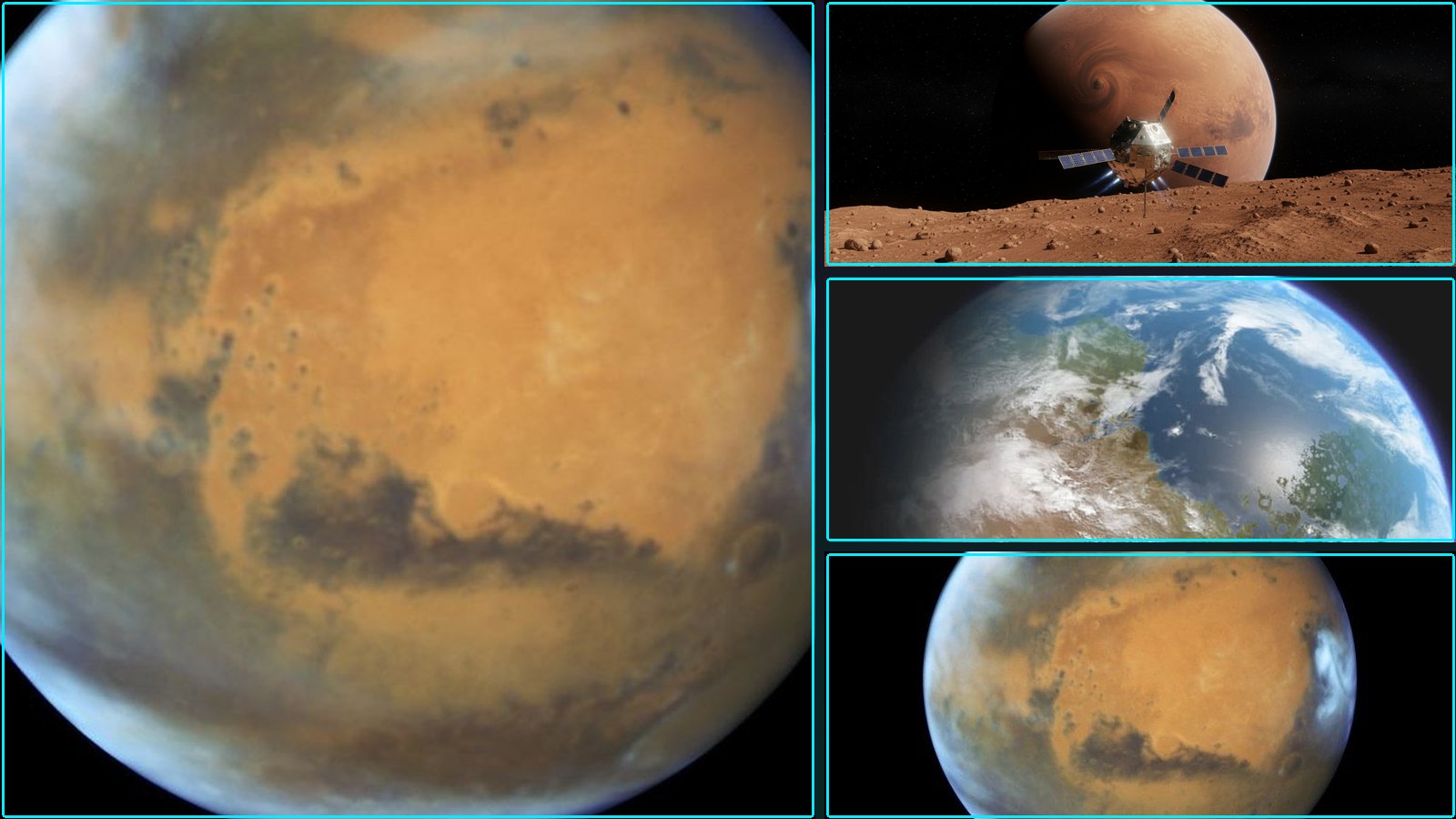
Summary: JAXA’s Martian Moons eXploration (MMX) mission, with contributions from NASA, ESA, and CNES, is scheduled for launch in late 2026. Its primary objective is to land on the Martian moon Phobos, collect surface samples, and return them to Earth by 2031. This would be the first sample return from a moon of another planet. The mission aims to resolve the origin of Mars’s moons and potentially retrieve material ejected from Mars itself.
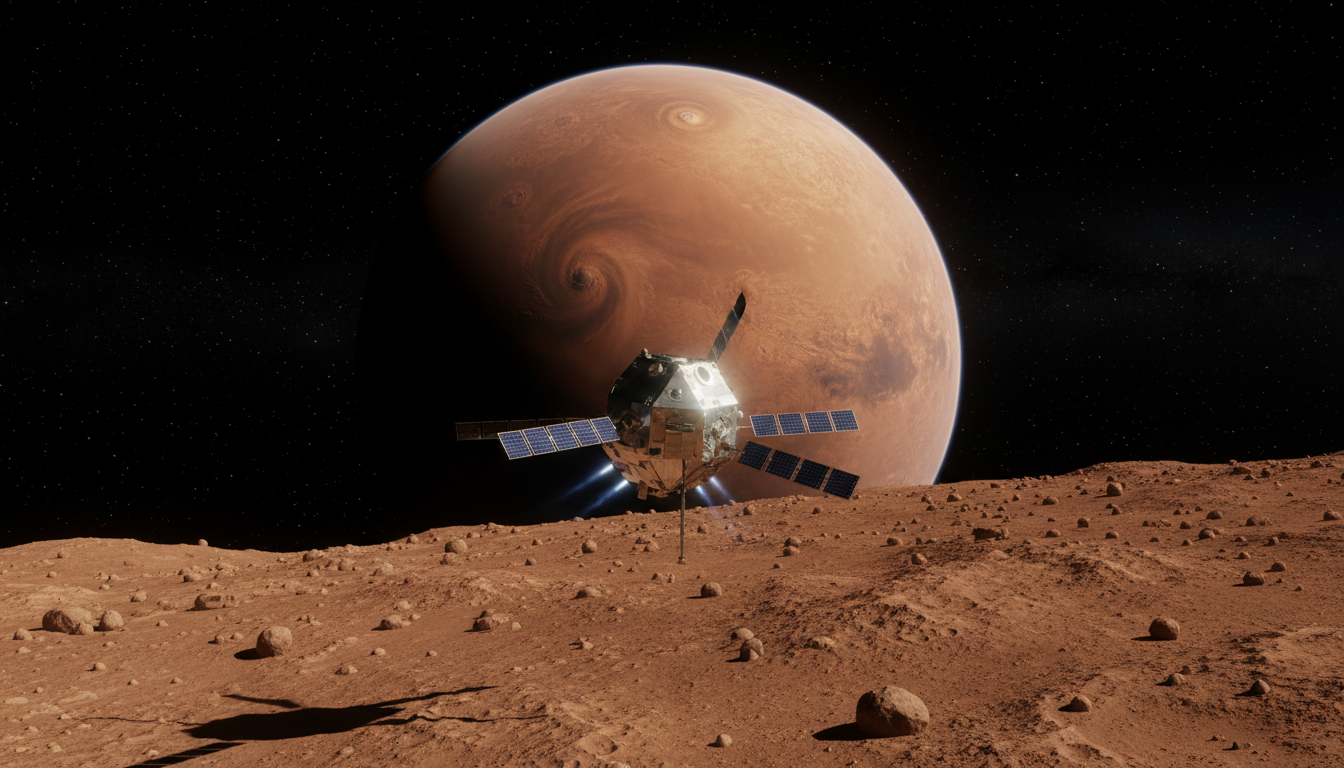
Why it matters: A successful MMX mission would provide unprecedented geological samples that could answer fundamental questions about Martian history and the solar system’s formation, while demonstrating critical deep-space exploration technologies for future missions.
Context: Sample return missions, like JAXA’s successful Hayabusa2, are the pinnacle of robotic exploration, offering laboratory analysis impossible with remote sensing. Phobos is a high-value target due to theories it may be a captured asteroid or coalesced impact debris, and it likely contains Martian material.
"This is the first time a mission to Mars has direct participation from four space agencies — a rare level of international cooperation in deep space exploration." — EN.CLICKPETROLEOEGAS.BR
Commentary: The four-agency collaboration signals a strategic shift toward cost-sharing and risk mitigation for high-stakes flagship science, setting a precedent for post-ISS exploration architecture. The 2026 launch delay, while a schedule risk, is a standard engineering recalibration; the greater operational challenge is the autonomous precision landing and ascent from a low-gravity body, a technology demonstrator for future Mars surface sample return.
Date: April 20, 2026 12:00 AM ET
URL: https://en.clickpetroleoegas.com.br/for-the-first-time-in-history-a-mission-will-land-on-mars-moon-that-orbits-just-6000-kilometers-from-the-planet-and-japan-intends-to-bring-a-davila/
AI Sentiment Score: Negative (66%)
AI Credibility Score: 10.0/10 — High
Scores and text generated by AI analysis of the source article indicated.
New Mars Discovery Is BIGGER News Than Artemis — But It’s Being Ignored (Youtube)
Summary: A YouTube video published in April 2026 claims a recent discovery on Mars is more significant than the Artemis program, citing unspecified anomalies in NASA data and imagery. The video references findings of opal gemstones in an ancient lake bed, suggesting recent subsurface water-rock interaction, and mentions a March 2025 Perseverance rover observation of ‘spider eggs.’

Why it matters: For serious observers, this highlights the persistent gap between sensationalized, unverified claims in public discourse and the disciplined, peer-reviewed process of actual mission science.
Context: Mars exploration routinely generates public speculation; credible discoveries require integration of rover data, orbital imagery, and laboratory analysis, not isolated YouTube assertions.
"##### Apr 21, 2026 (1:29:17) A recent discovery on Mars may be far more important than the Artemis mission, yet it’s receiving surprisingly little attention. Scientists analyzing NASA data, Mars surface observations,." — YOUTUBE
Commentary: The framing as ‘BIGGER News Than Artemis’ is a rhetorical device that obscures operational reality: Artemis is a funded, hardware-in-development lunar program, while the described Martian ‘discovery’ lacks peer-reviewed publication or mission team confirmation. The mention of ‘spider eggs’ from Perseverance in 2025, if genuine, would already be part of the rover’s official science release cycle; its repackaging here suggests recycled or misinterpreted data.
Date: April 21, 2026 12:00 AM ET
URL: https://www.youtube.com/watch?v=YEd54yvVEoE
AI Sentiment Score: Negative (50%)
AI Credibility Score: 10.0/10 — High
Scores and text generated by AI analysis of the source article indicated.
A new method in the search for life: Brilliant news (Nasaspacenews)
Summary: Researchers from the Institute of Science Tokyo propose a novel statistical method for detecting life by analyzing patterns across clusters of exoplanets. The approach shifts focus from ambiguous single-planet biosignatures to population-scale anomalies, such as those potentially caused by terraforming or panspermia. It uses data from approximately 1,000 exoplanet atmospheres to identify correlated deviations that could indicate biological influence, prioritizing targets for further study.

Why it matters: This reframes the search for extraterrestrial life from a chemical detection problem to a data science and pattern recognition challenge, potentially accelerating candidate identification while mitigating persistent false-positive risks.
Context: Traditional astrobiology has been stymied by abiotic processes that mimic proposed biosignatures like phosphine, and technosignature searches that rely on anthropocentric assumptions.
"A new method in the search for life identifies biological presence through statistical patterns in exoplanet clusters. This agnostic approach avoids false positives associated with single-planet biosignatures during deep space surveys. Scientists." — NASASPACENEWS
Commentary: The proposal is a significant conceptual pivot, but its operational utility depends entirely on the scale and quality of exoplanet atmospheric data, which current telescopes like JWST are only beginning to provide. It effectively turns the search into an anomaly detection task within a multivariate dataset, a method familiar to intelligence and financial analysts. If validated, it would force a reallocation of observational time on next-generation telescopes like the Habitable Worlds Observatory toward statistical surveys rather than deep dives on pre-selected ‘Earth twins.’ The core risk is defining a null model for ‘natural’ planetary populations with sufficient confidence to spot truly anomalous clusters.
Date: April 22, 2026 12:00 AM ET
URL: https://nasaspacenews.com/2026/04/a-new-method-in-the-search-for-life/
AI Sentiment Score: Positive (42%)
AI Credibility Score: 8.2/10 — High
Scores and text generated by AI analysis of the source article indicated.
Post ID: 84436de7