
Major Brand Deals, Acquisitions, and Financial Moves
Buying Marc Jacobs: The Details of WHP and G-III’s $925M Designer Deal (Wwd)
Summary: WHP Global and G-III Apparel Group have structured a $925 million acquisition of Marc Jacobs from LVMH, creating a joint venture to own the intellectual property while G-III acquires the operating business and secures a long-term license. The deal gives WHP board control and G-III exclusive rights to manufacture and distribute core categories in key Western markets through 2041, with automatic renewals potentially extending to 2091. Marc Jacobs remains creative director, but operational authority shifts to a licensing and manufacturing specialist.

Why it matters: The deal redefines the operational and financial model for a major designer brand, moving it from a luxury conglomerate to a licensing-heavy structure controlled by IP and manufacturing specialists, which will alter product development cycles, wholesale relationships, and creative oversight.
Context: This follows a pattern of brand management firms and manufacturing giants acquiring legacy labels to exploit IP through licensing, a shift from the integrated luxury model.
"The G-III licensing deal runs through 2041 and automatically renews for 10 successive five-year periods. If all the renewals were to go through, that has G-III churning out Marc Jacobs styles into 2091." — WWD
Commentary: The 50-year licensing framework effectively mortgages the brand’s future to G-III’s operational execution, locking in a manufacturing-led strategy that prioritizes volume and category expansion over creative scarcity. For the atelier and design teams, this signals a shift from LVMH’s top-down creative direction to a wholesale-driven calendar, where margin and delivery schedules may outweigh editorial vision. The three-year lock-up for the JV partners creates a short runway to suggest the model before exit options emerge, placing immediate pressure on Marc Jacobs’ commercial performance under the new structure.
Date: Mon, 18 May 2026 19:58:59 +0000
URL: https://wwd.com/business-news/financial/marc-jacobs-whp-g-iii-acquisition-details-1238971705/
AI Sentiment Score: Negative (66%)
AI Credibility Score: 10.0/10 — High
Scores and text generated by AI analysis of the source article indicated.
What Everlane’s Sale to Shein Means for Sustainable Fashion (Wwd)
Summary: Everlane, the DTC brand built on ‘radical transparency,’ is reportedly being acquired by ultra-fast-fashion giant Shein for $100 million. The sale follows financial distress at Everlane, including a $90 million deficit, and represents a stark collision of ethical branding with the pressures of scale and investor returns. Shein gains a foothold in a more premium market segment and a potential reputational asset as it navigates regulatory scrutiny ahead of a possible IPO.

Why it matters: This acquisition signals a fundamental tension between sustainable brand economics and the growth demands of venture capital, forcing a reassessment of how ethical positioning translates into durable business models.
Context: The deal follows Allbirds’ pivot away from footwear and the closure of advocacy group Remake, highlighting a broader retrenchment in the ‘sustainable’ consumer goods sector where brand values often conflict with financial viability.
"“This is like if SeaWorld bought PETA.” That was fashion designer Camille Witt (@kindof_camille), reacting on Instagram to a Puck News report that ethical DTC brand Everlane is being sold—some say “sold." — WWD
Commentary: The acquisition is an operational playbook shift: Shein acquires a certified supply chain and a premium market segment, while Everlane’s transparency framework becomes a compliance and marketing asset for a parent company facing intense scrutiny. For practitioners, it underscores that ethical branding alone cannot insulate against unit economics, and that ‘sustainability’ credentials are now fungible assets in M&A, decoupled from their original mission.
Date: Mon, 18 May 2026 19:53:52 +0000
URL: https://wwd.com/sourcing-journal/sustainability/everlane-shein-sustainable-fashion-mergers-acquisitions-1238971899/
AI Sentiment Score: Negative (50%)
AI Credibility Score: 10.0/10 — High
Scores and text generated by AI analysis of the source article indicated.
Marc Jacobs to be acquired by Toys R Us parent company (Retaildive)
Summary: Marc Jacobs is being acquired by brand management firm WHP Global from LVMH, ending its nearly three-decade tenure under the luxury conglomerate. The designer could remain creative director, while G-III Apparel Group will acquire and operate portions of the brand’s direct-to-consumer and wholesale businesses. WHP Global, which manages Toys R Us and Express, will oversee licensing. The deal signals a shift from pure luxury stewardship to a portfolio management model focused on global retail sales scale.
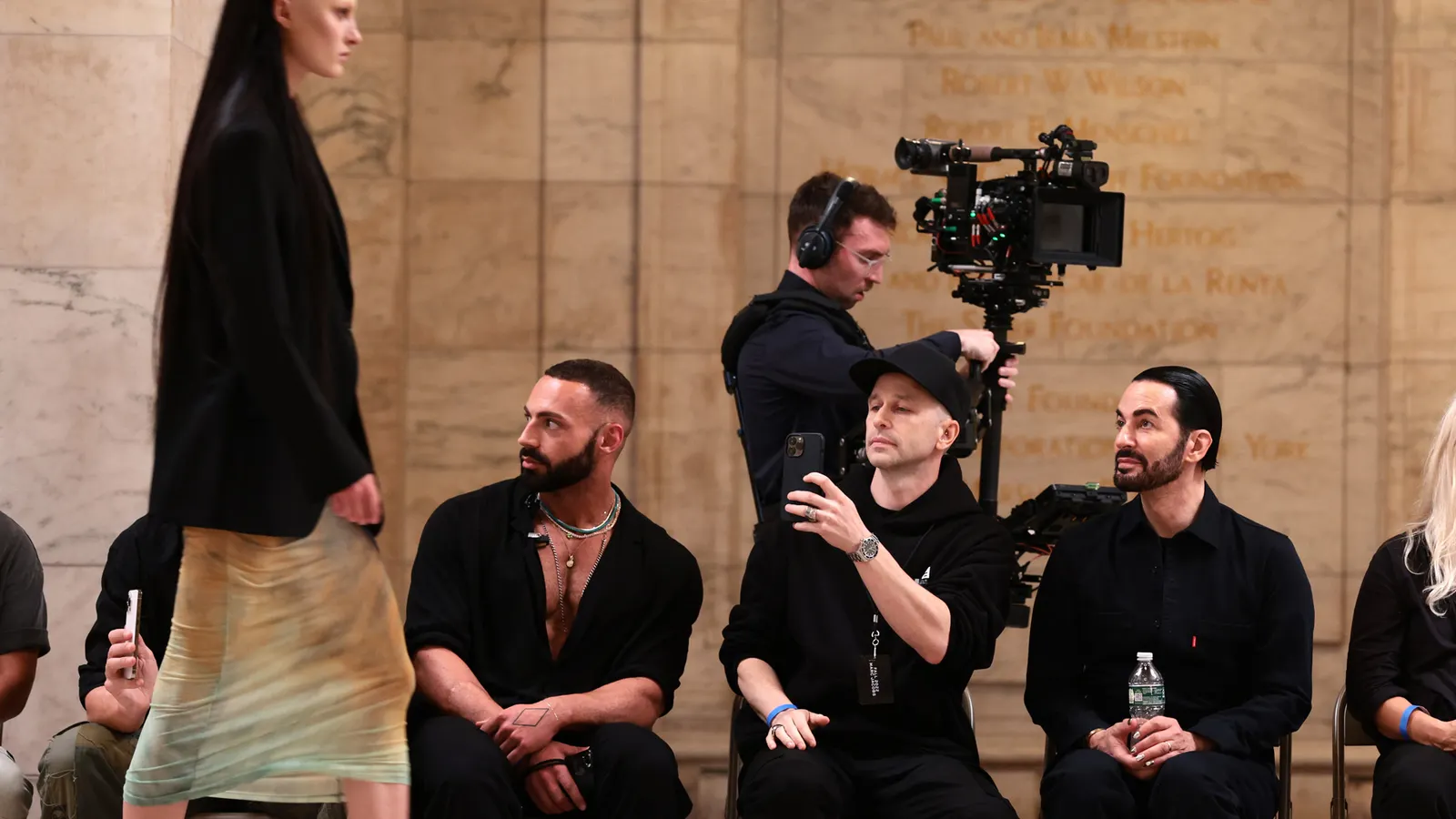
Why it matters: This move redefines the operational and financial scaffolding for a major fashion house, shifting its strategic oversight from a luxury conglomerate to a brand management and apparel manufacturing partnership.
Context: LVMH has been streamlining its portfolio, while WHP Global has aggressively assembled a diverse brand portfolio through acquisition and partnership models.
"As part of the agreement, G-III Apparel Group will partner with WHP Global in owning the brand. G-III will acquire and operate portions of the fashion brand’s DTC and wholesale businesses, while WHP Global will oversee its licensing." — RETAILDIVE
Commentary: The split structure—G-III handling operations, WHP managing licensing—creates a novel, potentially more efficient, but fragmented governance model for a designer brand. For the industry’s labor and vendor pipeline, it means adapting to a cost-conscious apparel manufacturer’s supply chain discipline and a licensor’s volume-driven brand extensions, a stark departure from LVMH’s integrated luxury ecosystem. The creative continuity pledge will be tested against these new commercial pressures.
Date: Thu, 14 May 2026 17:40:00 -0400
URL: https://www.retaildive.com/news/marc-jacobs-to-be-acquired-by-toys-r-us-parent-company/820323/
AI Sentiment Score: Negative (50%)
AI Credibility Score: 10.0/10 — High
Scores and text generated by AI analysis of the source article indicated.
Everlane’s sale to Shein shows the limits of sustainability-led fashion brands (Glossy.Co)
Summary: Everlane, a pioneer of the direct-to-consumer, transparency-led brand model, has reportedly been sold to Shein for approximately $100 million, with common shareholders receiving no payout. This follows the distressed sale of Allbirds’ brand assets in 2026, highlighting a pattern of mission-driven DTC brands faltering on operational and financial fundamentals. The acquisition underscores Shein’s strategy of acquiring established brand identities to soften its own image, while Everlane’s core categories became indefensible against lower-priced, faster competitors like Uniqlo and Amazon.
Why it matters: The sale signals a market correction for DTC brands built on mission over operational resilience, forcing a reevaluation of defensible product categories, capital structures, and the real cost of customer acquisition in a post-cheap-advertising landscape.
Context: This follows a series of downfalls for 2010s-era DTC darlings (Allbirds, Outdoor Voices) where strong brand narratives were insufficient against rising CAC, debt burdens, and competition from value-focused giants.
"Everlane’s reported sale to Shein is a sharp comedown for one of the defining DTC brands of the 2010s. According to reports from Puck and The Information on May 17, Shein is." — GLOSSY.CO
Commentary: The transaction crystallizes the operational gap between narrative-driven brands and data-driven supply chains. For practitioners, it validates that brand equity alone cannot service debt or defend against commoditized categories; the winning model is now software-defined demand sensing paired with ruthless logistical efficiency. This pressures all brands to hardwire real-time analytics into product development and inventory commitment, making the traditional trend office a liability.
Date: Mon, 18 May 2026 23:48:21 +0000
URL: https://www.glossy.co/fashion/everlanes-sale-to-shein-shows-the-limits-of-sustainability-led-fashion-brands/
AI Sentiment Score: Positive (40%)
AI Credibility Score: 10.0/10 — High
Scores and text generated by AI analysis of the source article indicated.
Saks Global Is Setting Up a Litigation Trust With Creditors to Pursue Potential Claims (Wwd)
Summary: Saks Global’s approved bankruptcy plan includes establishing a $20 million litigation trust to pursue potential claims against former executives and others. The trust’s recoveries will partially determine payouts to unsecured creditors, including luxury brands and vendors left unpaid by the bankruptcy. The company has committed to paying over $600 million to critical vendors but is seeding this trust to chase additional funds.

Why it matters: For vendors and brands, especially smaller independents, final recovery on unpaid invoices now hinges partly on the success of this legal fund, altering the post-bankruptcy cash flow timeline.
Context: This is a standard but aggressive move in retail bankruptcies to placate unsecured creditors and extract value from pre-petition conduct, shifting the recovery burden from the operating company to a litigation vehicle.
"Updated 9:19 a.m. ET May 2 While Saks Global has been moving relatively smoothly through bankruptcy court and is preparing to finish the process this summer, that doesn’t mean the lawyers will." — WWD
Commentary: The trust formalizes a post-emergence legal campaign, creating a separate entity to pursue claims against figures like Richard Baker, which keeps Saks Global’s operations clean but prolongs uncertainty for creditors. For brand partners, this means their financial closure is now tied to a legal process with a complex waterfall payout, making vendor risk assessment for future orders more forensic.
Date: Fri, 01 May 2026 21:41:42 +0000
URL: https://wwd.com/business-news/legal/saks-global-litigation-trust-bankruptcy-1238937789/
AI Sentiment Score: Negative (50%)
AI Credibility Score: 10.0/10 — High
Scores and text generated by AI analysis of the source article indicated.
Lanvin Group reports 18 percent revenue decline for full-year 2025 (Fashionunited.In)
Summary: Lanvin Group reported FY2025 revenue of €240 million, an 18% year-over-year decline, citing a challenging luxury market and its own transformation efforts. While the overall loss narrowed slightly, performance varied sharply across its portfolio: flagship Lanvin revenue fell 30%, Wolford declined 14%, Sergio Rossi fell 30%, while St. John was nearly flat. The group highlighted sequential improvement in H2, driven by operational adjustments, selective store closures, and brand repositioning. Management frames 2025 as a year of disciplined execution, with a focus on portfolio optimization, including the carve-out of Caruso and a shift toward asset-light models.
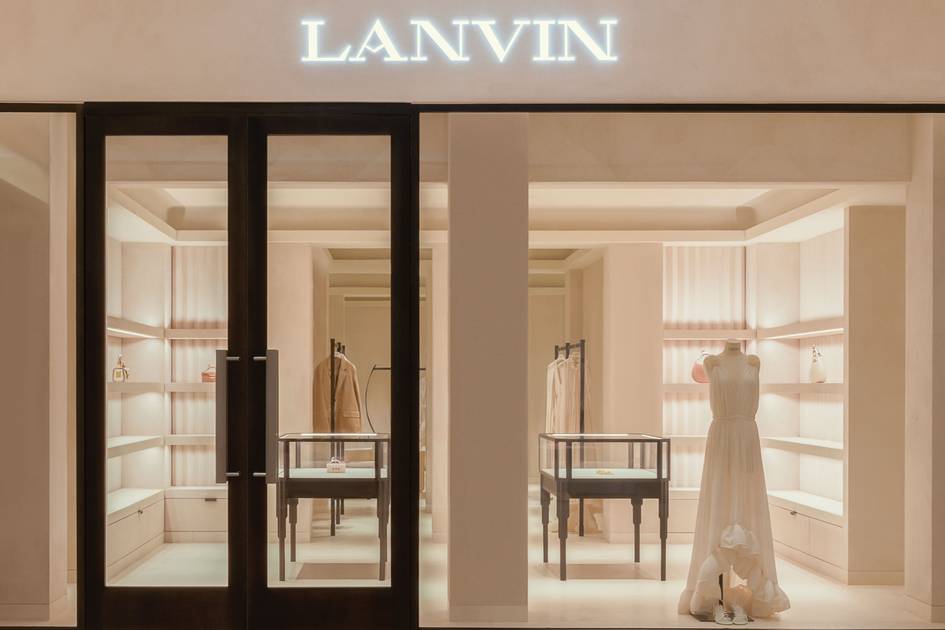
Why it matters: For luxury conglomerate operators and brand managers, this signals the tangible, often painful, financial cost of portfolio restructuring and strategic pivots during a downturn, with clear implications for resource allocation and leadership stability.
Context: Lanvin Group, backed by Chinese investment, has been navigating a multi-year effort to revitalize its acquired heritage brands amid global luxury sector volatility and shifting consumer demand.
"Chinese luxury fashion firm Lanvin Group announced its financial results for the full-year 2025 (FY2025) on April 30, 2026, reporting revenue of 240 million euros. This represents an 18% decrease compared to." — FASHIONUNITED.IN
Commentary: The report underscores that ‘transformation’ is not a cost-free narrative; it directly depresses top-line figures for quarters, requiring patient capital and stable leadership to see through. The variance in brand performance—St. John’s resilience versus Lanvin’s sharp drop—highlights the operational challenge of managing a portfolio with divergent recovery curves and market exposures. The push toward asset-light models and D2C channel dominance could pressure wholesale relationships and real estate strategies across the group.
Date: April 30, 2026 12:00 AM ET
URL: https://fashionunited.in/news/business/lanvin-group-reports-18-percent-revenue-decline-for-full-year-2025/2026043054267
AI Sentiment Score: Negative (62%)
AI Credibility Score: 10.0/10 — High
Scores and text generated by AI analysis of the source article indicated.
Lanvin Group reports 18 percent revenue decline for full-year … (Fashionunited.Uk)
Summary: Lanvin Group’s FY2025 revenue fell 18% to €240M, citing a challenging luxury market and its own transformation initiatives. The portfolio’s performance was uneven: flagship Lanvin dropped 30%, Wolford fell 14%, Sergio Rossi fell 30%, while St. John declined only 1%. Operational adjustments, including store closures, cost controls, and the Caruso carve-out, slightly improved adjusted EBITDA to -€90M. The group claims sequential improvement in H2 and positions 2026 as the year to complete its transformation.
Why it matters: For luxury operators and investors, this shows the tangible cost and timeline of a multi-brand portfolio turnaround during a downturn, highlighting which strategies (D2C focus, asset-light shifts, leadership changes) yield marginal gains versus which brands remain deeply troubled.
Context: This follows a pattern of European luxury groups with heritage brands struggling to modernize against larger, vertically integrated rivals like LVMH, often requiring multi-year restructurings that burn cash before showing sustainable growth.
"Chinese luxury fashion firm Lanvin Group announced its financial results for the full-year 2025 (FY2025) on April 30, 2026, reporting revenue of 240 million euros. This represents an 18% decrease compared to." — FASHIONUNITED.UK
Commentary: The ‘repositioning’ narrative is being stress-tested; a 30% revenue drop at the namesake brand, even with a stable 58% gross margin, suggests a fundamental audience disconnect that new creative direction alone cannot quickly fix. The group’s strategy now hinges on whether the newly installed brand CEOs (Werschine at Lanvin, Pozzo at Wolford, West at St. John) can execute the promised operational focus faster than the core revenues erode.
Date: April 30, 2026 12:00 AM ET
URL: https://fashionunited.uk/news/business/lanvin-group-reports-18-percent-revenue-decline-for-full-year-2025/2026043087773
AI Sentiment Score: Negative (71%)
AI Credibility Score: 10.0/10 — High
Scores and text generated by AI analysis of the source article indicated.
Les Deux: 14 years of uninterrupted growth despite a strained … (Fashionunited.Uk)
Summary: Danish brand Les Deux reports its 14th consecutive year of growth, with a 13% turnover increase in 2025 and a pre-tax profit of €8.68 million. The growth is attributed to a strategic pivot away from third-party agents and distributors, internalizing operations in key markets like Benelux, Switzerland, and Greece. The brand is expanding physically with over 250 new wholesale accounts, new showrooms, and a Paris flagship, while targeting further double-digit growth in 2026 with aggressive US and French retail expansion.

Why it matters: For brands and distributors, this demonstrates a viable counter-strategy to the strained wholesale market: replacing external partners with in-house market management to regain margin and control.
Context: The global wholesale market is under significant pressure, making sustained growth rare. Les Deux’s model of direct market integration contrasts with the industry’s reliance on fragmented distribution networks.
"Danish brand Les Deux has confirmed its resilience and agility. In 2025, the Copenhagen-based label recorded a 13 percent increase in turnover, marking its fourteenth consecutive year of growth amid a challenging." — FASHIONUNITED.UK
Commentary: The operational shift from agents to in-house teams recalibrates the brand-partner relationship, trading scale-for-scale wholesale for direct, margin-preserving control. This move likely increases upfront labor and real estate costs but centralizes data and brand stewardship, offering a template for mid-sized labels facing channel conflict. Its forecasted profit growth suggests the model can outpace the sector’s slowdown, but it requires capital and management bandwidth many independents lack.
Date: April 24, 2026 12:00 AM ET
URL: https://fashionunited.uk/news/business/les-deux-14-years-of-uninterrupted-growth-despite-a-strained-wholesale-market/2026042487658
AI Sentiment Score: Positive (50%)
AI Credibility Score: 10.0/10 — High
Scores and text generated by AI analysis of the source article indicated.
Lyst Index 2026: Chanel Becomes the Most Desirable Fashion Brand – Luxury Tribune (Luxurytribune)
Summary: The Lyst Index for Q1 2026 places Chanel at the top of its desirability ranking, driven by strong consumer demand and cultural visibility following Matthieu Blazy’s appointment as creative director. Gucci re-enters the top five for the first time since 2022, with a 12% demand spike post-show, while Dior, Céline, and Fendi also gain ground. The report highlights the growing influence of AI-powered search, pop culture moments, and a consumer shift towards valuing product narrative over brand prestige, evidenced by a Trader Joe’s tote ranking alongside a Chanel Maxi Flap bag.
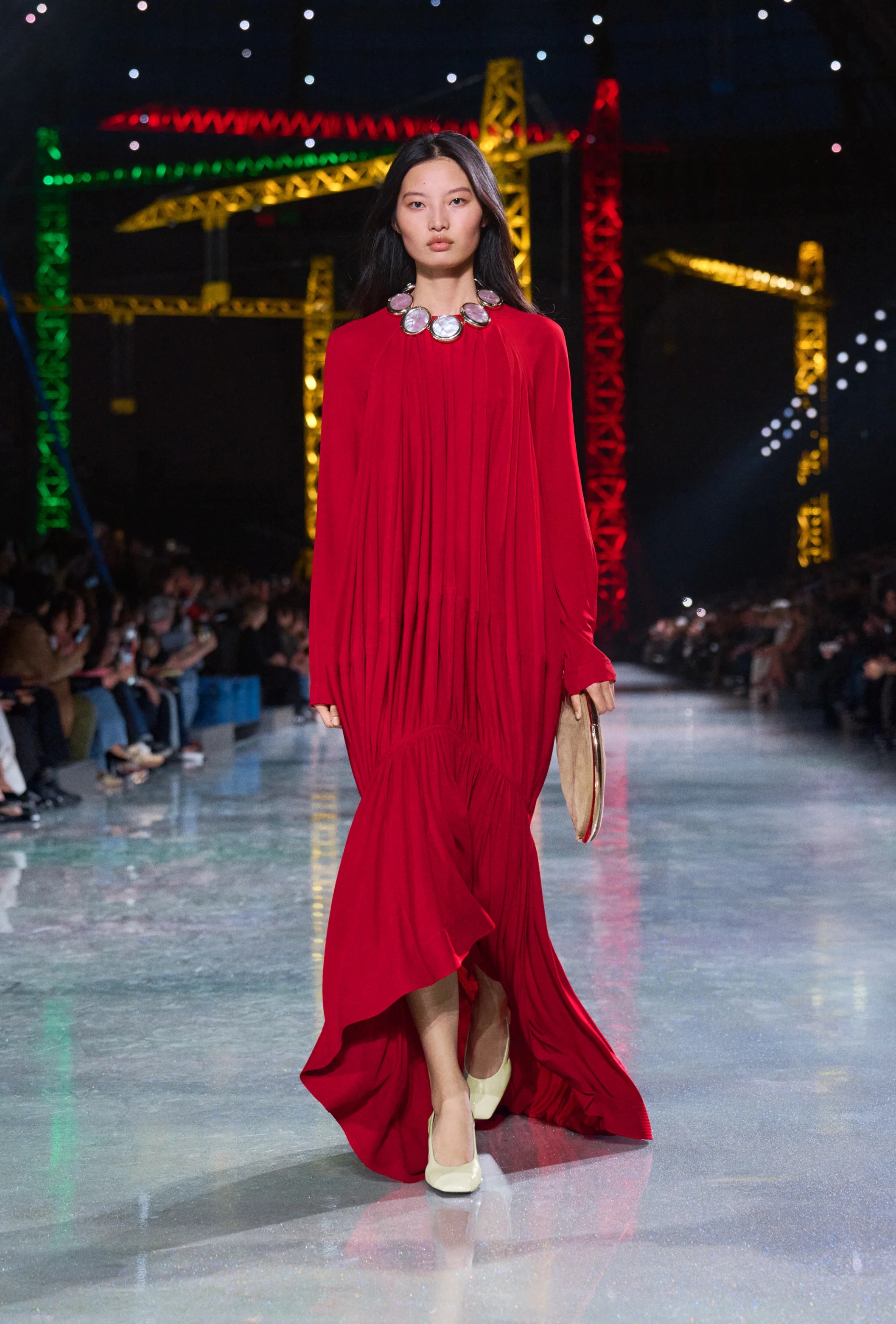
Why it matters: For industry practitioners, the index signals where marketing capital and creative investment are generating measurable commercial traction, directly impacting resource allocation, partnership strategies, and product development pipelines.
Context: The Lyst Index is a quarterly bellwether of consumer engagement, tracking desirability, demand, and discovery across brands; its methodology increasingly incorporates AI-search data and social media velocity.
"This coexistence reflects a shift in how consumers assign cultural value to fashion, now prioritizing a product’s narrative and community aspect over brand positioning or price." — LUXURYTRIBUNE
Commentary: The ranking validates the operational pivot towards narrative-driven collections and celebrity/influencer seeding over pure brand heritage. The surge for brands like Vivienne Westwood (+79% demand for corset dresses) following specific pop culture moments provides a clear ROI template for PR and partnership teams. Conversely, the stability of premium basics from COS and Massimo Dutti suggests a counter-cyclical hedge for retailers against the volatility of high-fashion trend cycles.
Date: April 29, 2026 12:00 AM ET
URL: https://www.luxurytribune.com/en/lyst-index-2026-chanel-becomes-the-most-desirable-fashion-brand
AI Sentiment Score: Positive (66%)
AI Credibility Score: 9.1/10 — High
Scores and text generated by AI analysis of the source article indicated.
Bernard Arnault: The Man Behind the LVMH Empire – Worthbury (Worthbury)
Summary: Bernard Arnault’s four-decade tenure at LVMH established the modern luxury conglomerate model, proving that heritage brands could be consolidated, professionalized, and scaled into a global industrial force. His operating principle combines radical creative decentralization with rigid financial centralization, allowing individual maisons autonomy in design while Paris controls capital allocation and supply chains. This framework, now emulated by Kering and Richemont, has made luxury the world’s most profitable consumer sector.
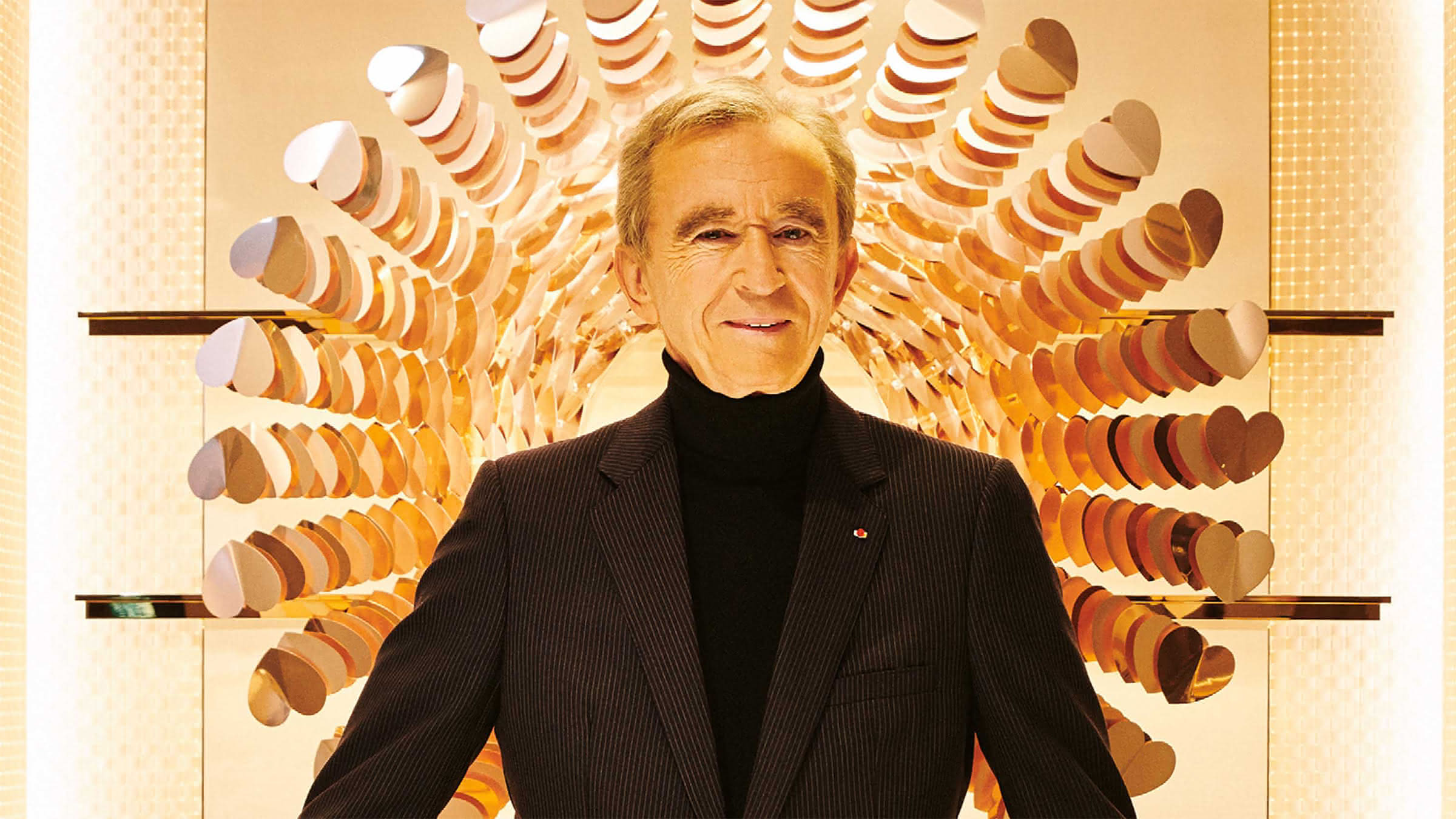
Why it matters: For practitioners in fashion and luxury, Arnault’s model defines the competitive landscape, dictating acquisition strategies, creative director tenures, and the internal competition for resources that shapes brand pipelines.
Context: The luxury sector’s consolidation over the past 30 years has been a direct response to LVMH’s success, shifting the industry from a collection of family-run artisans to a globalized, financially disciplined corporate architecture.
"In 1984, a 35-year-old French engineer bought a bankrupt textile company for a symbolic one franc. Four decades later, that company’s descendant — LVMH — is worth over €300 billion. … After." — WORTHBURY
Commentary: This dual-structure model creates a permanent tension for creative directors, who must balance artistic vision against centralized commercial KPIs, directly impacting product development cycles and talent retention. For suppliers and vendors, LVMH’s centralized procurement and logistics offer scale but increase dependency on a single gatekeeper. The internal competition for capital forces maisons to prioritize margin-expanding categories like leather goods and jewelry, subtly homogenizing portfolio strategies across the group despite surface-level brand distinction.
Date: April 29, 2026 12:00 AM ET
URL: https://worthbury.com/report/bernard-arnault-luxury-empire/
AI Sentiment Score: Positive (50%)
AI Credibility Score: 7.0/10 — Medium
Scores and text generated by AI analysis of the source article indicated.
Gap Q4 2025 slides: tariff pressures weigh on margins … (Investing)
Summary: Gap Inc. reported Q4 FY2025 results meeting analyst expectations, with net sales of $4.2 billion and an eighth consecutive quarter of positive comparable sales growth. The company absorbed a 200 basis point gross margin hit from tariffs, resulting in a reported margin decline of 80bps and implying underlying expansion. While Gap and Banana Republic showed strong comps, Athleta’s comparable sales fell 10%. The company ended with a strengthened balance sheet of $3 billion in cash and outlined FY2026 priorities focused on core business growth and new accelerators.

Why it matters: For industry practitioners, this demonstrates the tangible, quantifiable impact of trade policy on apparel sourcing costs and the operational discipline required to offset it while maintaining growth.
Context: This follows a multi-year period of escalating tariff pressures on apparel imports, forcing major retailers to balance price increases, supply chain shifts, and margin protection.
"The company’s Q4 gross margin of 38.1% declined 80 basis points year-over-year, but management emphasized this figure included roughly 200 basis points of net tariff impact, implying approximately 120 basis points of underlying margin expansion." — INVESTING
Commentary: The 200bps tariff impact quantifies the direct cost of geopolitical friction on apparel economics, forcing Gap to rely on pricing power and operational efficiency just to show a marginal decline. This pressures all brands with similar sourcing footprints to accelerate vendor diversification or onshore production, while Athleta’s persistent double-digit decline signals a failed product-market fit that consumes capital better deployed against tariffs or new growth vectors.
Date: May 03, 2026 12:00 AM ET
URL: https://www.investing.com/news/company-news/gap-q4-2025-slides-tariff-pressures-weigh-on-margins-despite-sales-momentum-93CH-4545807
AI Sentiment Score: Positive (42%)
AI Credibility Score: 10.0/10 — High
Scores and text generated by AI analysis of the source article indicated.
Is Carter’s (CRI) Still 47.7% Undervalued After Reaffirmed … (Gurufocus)
Summary: Carter’s Inc. has reaffirmed its Q1 and full-year 2026 outlook ahead of its May 6 earnings release. Analysts estimate Q1 EPS of $0.07 on revenue of $660.18 million. The company’s filing highlights persistent operational risks including tariffs, inflationary pressures on labor and materials, and supply chain costs, which directly impact gross margin and inventory management in its multi-channel model.
Why it matters: For practitioners in fashion sourcing, wholesale, and retail ops, Carter’s reaffirmation and flagged risks signal the near-term stability and constraints of a major childrenswear supply chain, affecting vendor negotiations, inventory planning, and margin forecasts.
Context: Carter’s operates a three-segment model (U.S. Retail, U.S. Wholesale, International) with majority revenue from wholesale, sourcing predominantly from Asian contract manufacturers. Its performance is a bellwether for mass-market children’s apparel economics.
"The filing underscores industry and company-specific risks that could affect execution, including tariffs and trade policy uncertainty, inflationary pressure on labor and materials, supply chain and freight costs, evolving consumer preferences, and competitive dynamics." — GURUFOCUS
Commentary: The reaffirmation suggests management has baked current macro and supply-chain headwinds into its guidance, implying no major Q1 surprises. For vendors and distributors, this signals Carter’s will maintain its sourcing discipline and cost pressure will be absorbed or passed through systematically. Wholesale partners should watch for inventory turns and merchandise margin details in the full release, as these will dictate future order flow and pricing.
Date: May 02, 2026 12:00 AM ET
URL: https://www.gurufocus.com/news/8837782/is-carters-cri-still-477-undervalued-after-reaffirmed-q1-outlook-gf-score-77100
AI Sentiment Score: Negative (75%)
AI Credibility Score: 10.0/10 — High
Scores and text generated by AI analysis of the source article indicated.
On Holding Founders Acquire $6.6 Million of Class A Shares (Wwd)
Summary: On Holding’s three co-founders purchased $6.6 million in Class A shares last week, a significant insider buy-in. This follows recent Wall Street concerns about pressures in 2026, including tariff impacts on Vietnamese imports and a maturing North American market, despite strong Q1 results. The purchase is framed as a signal of conviction amidst executive transition and competitive shifts.

Why it matters: For industry practitioners, this signals founder confidence in operational execution against specific supply chain and market headwinds, directly affecting vendor and investor calculus.
Context: Insider stock purchases are a common, if blunt, signal to markets, following similar moves by Nike executives. The action occurs against a backdrop of analyst scrutiny over sourcing dependencies and regional growth saturation.
"The purchase comes at a time when Wall Street earlier this year raised concerns about pressures ahead in 2026, even though they thought over the longer term that On remains a growth story." — WWD
Commentary: The founders’ buy-in attempts to counter narrative risk around 2026 tariff cliffs and Nike’s resurgence, shifting focus to concrete operational wins like the thirty-fold capacity increase in Busan. The real test is whether Surreal foam and channel expansion can offset wholesale pressures and sourcing cost inflation before the market’s patience expires.
Date: Mon, 18 May 2026 20:53:47 +0000
URL: https://wwd.com/footwear-news/shoe-industry-news/on-holding-three-co-founders-acquired-class-a-shares-1238971890/
AI Sentiment Score: Negative (50%)
AI Credibility Score: 10.0/10 — High
Scores and text generated by AI analysis of the source article indicated.
On crosses $1 billion in quarterly sales as new CEOs push into full-look dressing (Glossy.Co)
Summary: On’s Q1 2026 earnings show a brand in transition, crossing the $1 billion quarterly sales threshold for the first time. While footwear remains the core, apparel grew 45.1% and now exceeds 10% of direct channel sales, driven by a younger cohort entering the brand through clothing first. The co-founder-led CEO transition emphasizes continuity, with the strategic push into ‘toe to head’ dressing and lifestyle branding exemplified by the sold-out Zendaya collection.
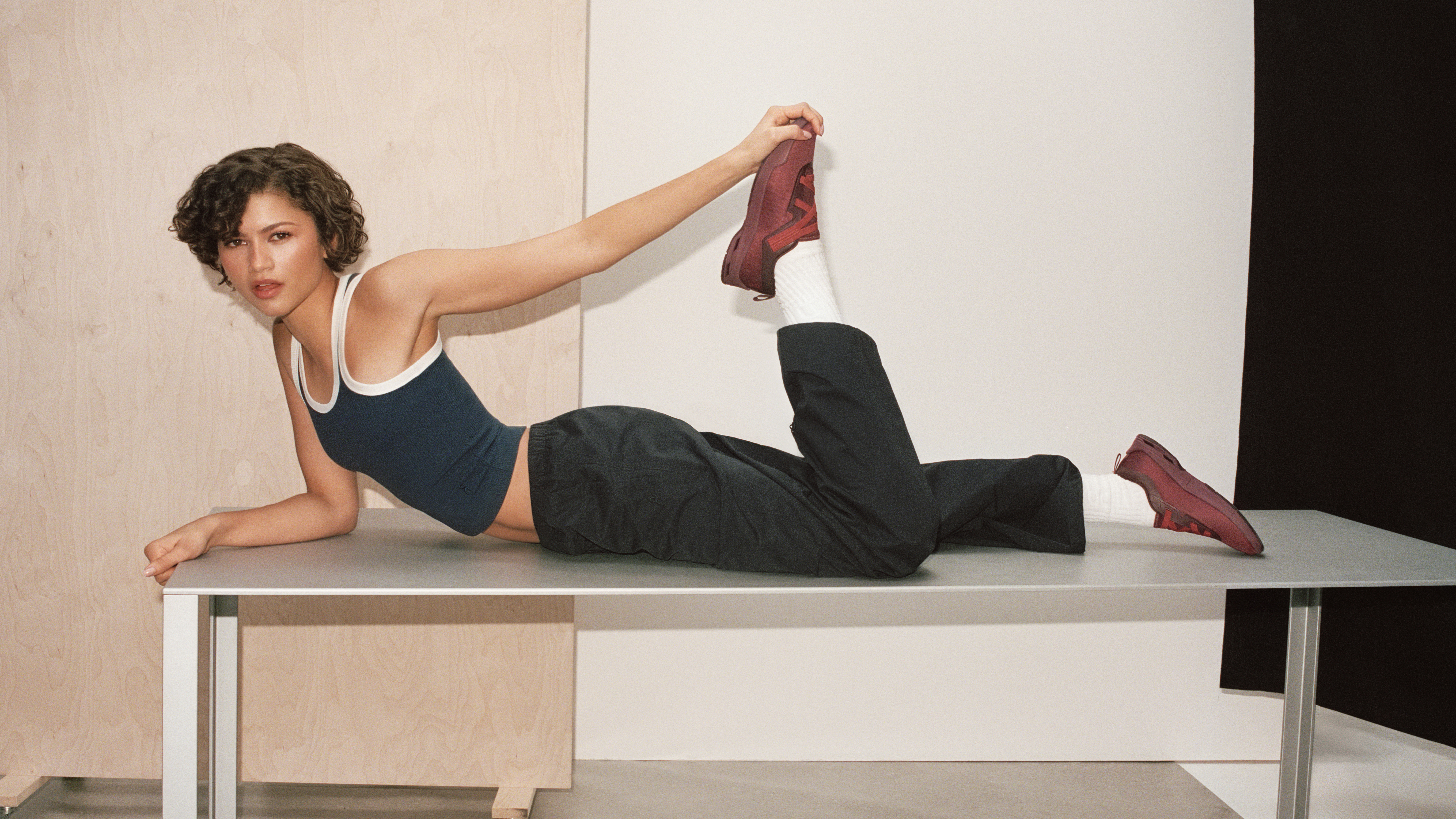
Why it matters: For sportswear practitioners, On’s shift from a performance footwear pure-play to a full-look identity brand demonstrates a viable, margin-enhancing growth path that recalibrates wholesale/DTC balance and redefines the premium athletic category.
Context: The performance-lifestyle convergence is a crowded field, but On’s disciplined channel expansion and founder-led narrative offer a distinct operational model compared to Nike’s scale or Lululemon’s category dominance.
"On’s apparel business is still small compared to its footwear engine. But in the first quarter of 2026, it became the clearest signal of where the Swiss sportswear brand wants to go." — GLOSSY.CO
Commentary: On’s apparel-led customer acquisition inverts the traditional footwear-first funnel, forcing a recalibration of marketing spend, product development pipelines, and in-store merchandising. The operational tension lies in scaling ‘toe to head’ while maintaining premium positioning and the 64.2% gross margin, especially as wholesale still dominates sales. The Zendaya campaign’s success with long-form content suggests a costly but effective playbook for lifestyle credibility that other performance brands will now have to budget for.
Date: Tue, 12 May 2026 13:23:26 +0000
URL: https://www.glossy.co/fashion/on-crosses-1-billion-in-quarterly-sales-as-new-ceos-push-into-full-look-dressing/
AI Sentiment Score: Positive (50%)
AI Credibility Score: 10.0/10 — High
Scores and text generated by AI analysis of the source article indicated.
Where Premiums Will Be Paid—Fashion & Beauty M&A Trends from 2025 to 2026 (Natlawreview)
Summary: The 2025 M&A landscape in fashion and beauty saw major consolidations like Prada-Versace and e.l.f.-Rhode, driven by a focus on operational scale, cultural resonance, and digital capabilities. Premiums are now paid for tech-enabled, Gen Z-focused, and operationally scalable brands, with affordable luxury and platform optimization as key themes. The momentum is expected to continue into 2026, intensifying competition for assets that offer supply chain resilience and social-native traction.

Why it matters: For operators and investors, deal structures and valuations are now explicitly tied to operational efficiency and cultural relevance, reshaping acquisition criteria and portfolio strategy.
Context: This follows a multi-year trend where digital adoption and supply chain scrutiny have elevated platform leverage and risk mitigation from strategic advantages to baseline requirements for premium valuations.
"The major 2025 transactions signal clear direction for 2026: buyers are prioritizing cultural relevance, price accessibility, platform efficiency, and technology‑enabled scale." — NATLAWREVIEW
Commentary: The shift from ‘differentiators’ to ‘table stakes’ for scale and tech means acquirers must now execute flawless post-merger integrations to realize promised synergies, turning diligence into a heavier operational lift. For brand founders, this creates a clear, if narrow, exit path: demonstrate not just growth, but embeddability into a larger platform’s manufacturing, logistics, and digital stack. The emphasis on affordable luxury pressures heritage houses to either acquire into the segment or risk ceding growth to scaled mass-market players leveraging M&A for premium adjacency.
Date: May 01, 2026 12:00 AM ET
URL: https://natlawreview.com/article/where-premiums-will-be-paid-fashion-beauty-ma-trends-2025-2026
AI Sentiment Score: Negative (71%)
AI Credibility Score: 10.0/10 — High
Scores and text generated by AI analysis of the source article indicated.
On Everything #137: Luxury Mauls: 2026 Q1 Earnings Special (Stylezeitgeist.Substack)
Summary: LVMH’s Q1 2026 earnings reveal a broad-based revenue decline of 1.2 billion EUR year-on-year, with leather goods and fashion down 9%. The report highlights a bifurcated consumer base: aspirational buyers are priced out, retreating to perfume and skincare, while the wealthy shift spending to jewelry and experiences. Management’s presentation was criticized as evasive, refusing brand-level breakdowns while citing external factors like the Iran war and currency strength.
Why it matters: For industry practitioners, this signals a tightening operating environment where pricing power alone cannot mask volume declines, forcing a reevaluation of product mix and client targeting.
Context: This continues a multi-quarter trend of luxury softening, where aspirational demand has eroded and conglomerates rely on core wealthy clients and price increases to protect margins.
"Most analysts speak in percentages, but sometimes numbers perhaps tell a more impactful story, and the overall revenue clocked in at 19.1 billion EUR, almost 1.2 billion less than last year." — STYLEZEITGEIST.SUBSTACK
Commentary: The 1.2 billion EUR revenue drop, even if absorbable for LVMH, is a concrete signal that the aspirational consumer retreat is now materially impacting top-line results across divisions. This forces brand teams to reassess entry-point product strategies and marketing allocations, likely accelerating a shift towards ultra-high-net-worth clienteling and ‘boring luxury’ staples. The refusal to provide brand-level data complicates portfolio management decisions for competitors and investors, obscuring which labels are truly resilient versus those being propped up by corporate averaging.
Date: April 20, 2026 12:00 AM ET
URL: https://stylezeitgeist.substack.com/p/on-everything-137-luxury-mauls-2026
AI Sentiment Score: Positive (60%)
AI Credibility Score: 10.0/10 — High
Scores and text generated by AI analysis of the source article indicated.
The celebration problem, and why luxury keeps declaring victory too … (Luxurydaily)
Summary: LVMH’s Q1 2026 results reveal a persistent structural decline in its core Fashion & Leather Goods segment, now marking seven consecutive quarters of organic decline. Reported regional recoveries in Asia and the U.S. are inflated by pull-forward events, calendar shifts, and weak prior-year comparables, not underlying demand. The luxury client base has evolved to be more demanding and less patient, challenging the industry’s traditional growth narratives.
Why it matters: For practitioners in luxury, this signals that operational and marketing strategies based on cyclical recovery narratives are failing; the underlying economics of the sector have shifted.
Context: Luxury brands frequently frame single-quarter improvements or specific launches as inflection points, a pattern of narrative inflation that obscures longer-term structural trends.
"In almost every brand analysis my firm Équité conducts, the same pattern surfaces: A recent quarter is presented as an inflection point by the brand. A significant launch or a creative director’s." — LUXURYDAILY
Commentary: The practical implication is that brand teams must shift from managing quarterly comms to restructuring product pipelines and client engagement for a permanently more selective buyer. This pressures creative directors to deliver consistent cultural relevance over splashy debuts and forces finance to model without the cushion of easy comps.
Date: April 22, 2026 12:00 AM ET
URL: https://www.luxurydaily.com/luxury-unfiltered-the-celebration-problem-and-why-luxury-keeps-declaring-victory-too-early/
AI Sentiment Score: Positive (50%)
AI Credibility Score: 10.0/10 — High
Scores and text generated by AI analysis of the source article indicated.
Luxury brands are under pressure as the post-pandemic boom fades (Cnaluxury.Channelnewsasia)
Summary: The post-pandemic luxury boom has definitively ended, with Kering’s operating profit falling by two-thirds in two years. The sector faces a confluence of pressures: slowing Chinese demand, war-related revenue disruption, and consumer resistance to excessive price hikes. Brands are now forced into a period of correction, focusing on creative renewal, price discipline, and geographic rebalancing away from overexpansion.
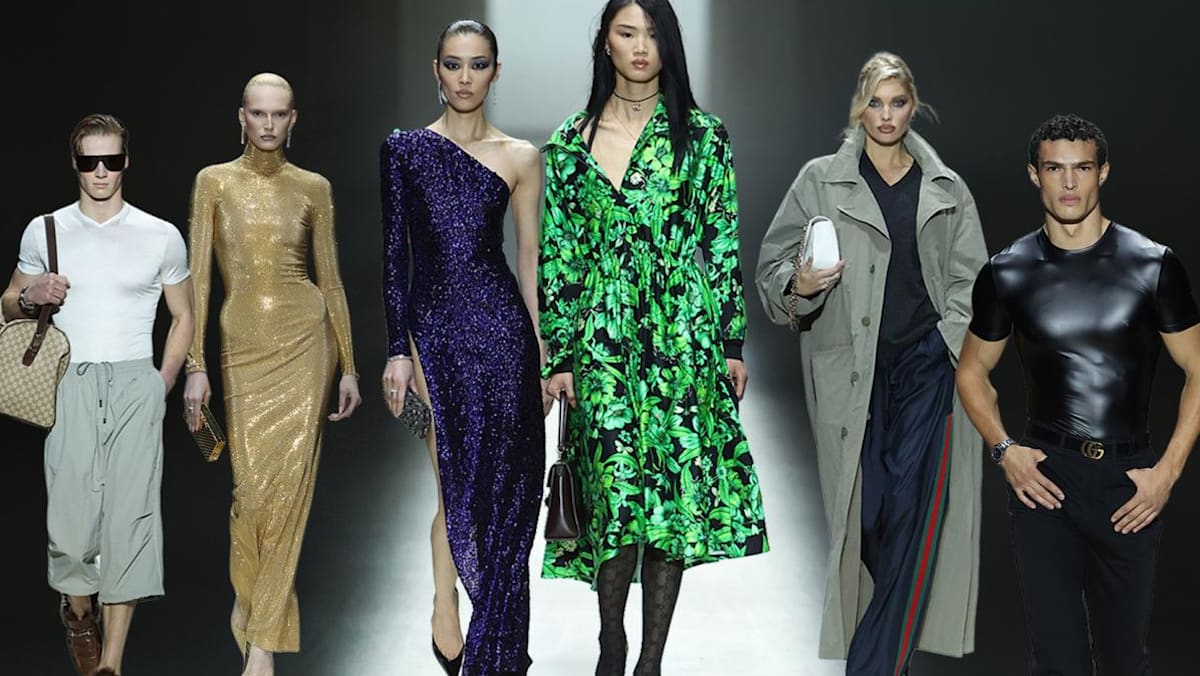
Why it matters: For practitioners, this signals a shift from a demand-driven to a supply-driven market, requiring fundamental changes in pricing strategy, creative direction, and geographic footprint to sustain growth.
Context: This follows years of aggressive price increases and expansion fueled by Chinese demand, creating an unsustainable growth model now exposed by macroeconomic and geopolitical headwinds.
"# Luxury brands are under pressure as the post-pandemic boom fades From slowing Chinese demand to war-related disruption and rising resistance to high prices, the luxury industry is being forced to rethink." — CNALUXURY.CHANNELNEWSASIA
Commentary: The ‘homework’ Berg outlines translates to concrete operational shifts: design teams face pressure for genuine renewal, finance teams must recalibrate pricing models, and strategy teams must prune unprofitable categories and regions. The reported success of Ferri Firenze’s Qatar pop-up, despite tourist declines, underscores the new imperative for hyper-localized, client-centric retail strategies over broad tourist-dependent expansion.
Date: April 21, 2026 12:00 AM ET
URL: https://cnaluxury.channelnewsasia.com/obsessions/luxury-brands-under-pressure-293281
AI Sentiment Score: Positive (66%)
AI Credibility Score: 9.8/10 — High
Scores and text generated by AI analysis of the source article indicated.
Luxury Briefing: How DeMellier is increasing demand while doing less (Glossy.Co)
Summary: DeMellier’s revenue growth and surging search traffic demonstrate a viable counter-strategy in a tightening luxury market: prioritizing controlled distribution, craft-intensive production, and sustainability-as-durability over aggressive expansion. The brand’s direct-to-consumer focus and selective wholesale partnerships have insulated it from department store volatility, while its upcoming flagship signals a shift into owned retail. Concurrently, Kering’s leadership frames sustainability as operational infrastructure, and Bain data shows the industry losing millions of customers over a perceived value disconnect.
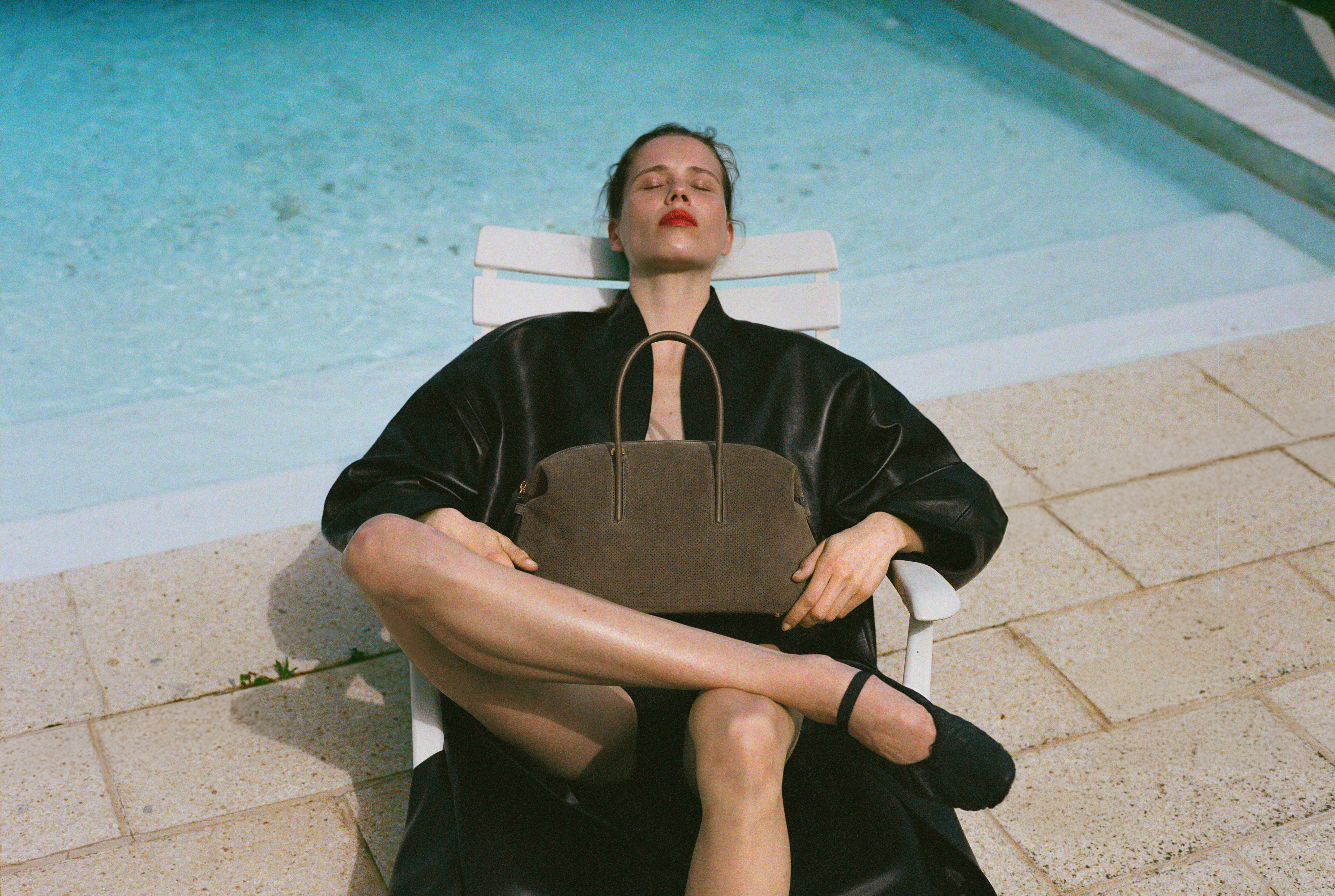
Why it matters: For brands and operators, this signals a shift from growth-at-all-costs to a discipline where product integrity, channel control, and embedded ethics are becoming the new table stakes for justifying price and retaining loyalty.
Context: The broader luxury sector is confronting a post-aspirational shopper reality, where Bain reports a loss of roughly 70 million customers over two years due to a frayed price-value equation.
"Our customer research has shown us that while sustainability matters, it is rarely the primary driver of purchase,” Llusia-Lindh said, talking about the brand’s customer surveys. “Design, quality and price remain front of mind. But for our most loyal customers, sustainability becomes part of why they stay." — GLOSSY.CO
Commentary: DeMellier’s model operationalizes a key insight: sustainability functions not as a primary marketing hook but as a retention lever and quality validator, which aligns with Kering’s push to treat it as business infrastructure. The brand’s restraint in category expansion and trend avoidance imposes a product development discipline that directly addresses the value disconnect Bain identified. For practitioners, this underscores a move from promotional sustainability to integrated, craft-led value propositions as a defense against market erosion.
Date: Fri, 24 Apr 2026 04:00:00 +0000
URL: https://www.glossy.co/fashion/luxury/luxury-briefing-demellier-is-growing-by-doing-less-and-focusing-on-craftsmanship/
AI Sentiment Score: Negative (50%)
AI Credibility Score: 10.0/10 — High
Scores and text generated by AI analysis of the source article indicated.
Is luxury fashion just finding new excuses for old problems? (Insideretail.Au)
Summary: Major luxury conglomerates LVMH and Kering cited the Middle East conflict as a primary factor in their Q1 revenue declines of 6%. However, the region represents only about 5-6% of their retail turnover, making the direct arithmetic impact modest. The article questions whether this geopolitical narrative obscures deeper, self-inflicted problems, such as aggressive price inflation that has alienated a key segment of aspirational customers.

Why it matters: For practitioners, this signals a potential misdiagnosis of market headwinds, which could lead to flawed strategic adjustments in pricing, product, and regional focus.
Context: The luxury sector has a pattern of attributing underperformance to external shocks—previously Chinese demand or US tariffs—while sidestepping internal strategic missteps.
"When results disappoint, the industry reaches for the nearest headline. Major luxury houses have reported their first quarterly results, and the Middle East conflict has been the centre of attention. French luxury." — INSIDERETAIL.AU
Commentary: The operational consequence is a likely misallocation of resources: marketing and product teams may chase geopolitical mitigation over addressing core brand health and pricing strategy. For vendors and distributors, this narrative risks delaying necessary conversations about order volumes and assortment planning, as brands prioritize external blame over internal correction.
Date: April 20, 2026 12:00 AM ET
URL: https://insideretail.com.au/sectors/has-luxury-fashion-found-a-new-excuse-for-old-problems-202604
AI Sentiment Score: Negative (50%)
AI Credibility Score: 10.0/10 — High
Scores and text generated by AI analysis of the source article indicated.
Has luxury fashion found a new excuse for old problems? (Insideretail.Asia)
Summary: Major luxury conglomerates LVMH and Kering cited the Middle East conflict as a primary factor in their Q1 revenue declines of 6%. However, the region represents only about 5-6% of their total revenues, making the direct arithmetic impact modest. Analysts point to a deeper, structural issue: the luxury sector’s aggressive price inflation over recent years has alienated a crucial base of 60 million aspirational middle-class consumers.

Why it matters: For practitioners, this signals a shift from managing external shocks to confronting internal strategy failures, requiring a fundamental re-evaluation of pricing, merchandising, and target consumer engagement.
Context: The industry has a pattern of attributing underperformance to external geopolitical or macroeconomic factors, such as China’s slowdown or US tariffs, while downplaying core brand and product strategy issues.
"When results disappoint, the industry reaches for the nearest headline. Major luxury houses have reported their first quarterly results, and the Middle East conflict has been the centre of attention. French luxury." — INSIDERETAIL.ASIA
Commentary: The operating consequence is a forced audit of brand economics: merchandising teams must reassess entry-level price points, while strategy functions will face pressure to suggest demand is structural, not just aspirational. This moves the internal debate from crisis communications to product-market fit.
Date: April 20, 2026 12:00 AM ET
URL: https://insideretail.asia/2026/04/20/has-luxury-fashion-found-a-new-excuse-for-old-problems/
AI Sentiment Score: Negative (75%)
AI Credibility Score: 10.0/10 — High
Scores and text generated by AI analysis of the source article indicated.
Has luxury just found a fresh excuse for old problems? (Insideretail.Co.Nz)
Summary: Major luxury conglomerates LVMH and Kering reported Q1 revenue declines of 6%, citing the Middle East conflict as a primary factor. The article notes the region accounts for only ~5% of retail revenue for these groups, making the geopolitical impact arithmetically modest. It argues the sector is using a convenient external narrative to mask deeper structural issues, including aggressive price inflation that has alienated a core base of aspirational consumers.

Why it matters: For industry practitioners, this signals a need to scrutinize internal strategy and pricing discipline over externalizing blame, as the core growth model appears strained.
Context: The luxury sector has a recent pattern of attributing underperformance to external shocks (e.g., Chinese demand, US tariffs), even as some competitors with clear merchandising continue to outperform.
"When results disappoint, the industry reaches for the nearest headline. Major luxury houses have reported their first quarterly results, and the Middle East conflict has been the centre of attention. French luxury." — INSIDERETAIL.CO.NZ
Commentary: The operational consequence is a likely intensification of internal reviews on pricing architecture and product-market fit, as blaming geopolitics becomes less credible. CFOs and strategy teams will face pressure to model scenarios where aspirational demand does not return, forcing a reevaluation of volume targets and entry-level SKU strategies. This shifts the internal debate from managing external narratives to addressing fundamental brand economics.
Date: April 20, 2026 12:00 AM ET
URL: https://insideretail.co.nz/2026/04/20/has-luxury-fashion-found-a-new-excuse-for-old-problems/
AI Sentiment Score: Negative (50%)
AI Credibility Score: 9.8/10 — High
Scores and text generated by AI analysis of the source article indicated.
Estée Lauder now expects up to 10K role reductions (Retaildive)
Summary: Estée Lauder has significantly expanded its workforce reduction plan, now targeting 9,000 to 10,000 role cuts, up from an initial 5,800 to 7,000. The increase is primarily driven by eliminating point-of-sale positions at underperforming department and freestanding stores. While the company reported 5% year-over-year Q3 sales growth and raised its full-year outlook, it faces headwinds from Middle East disruptions and tariffs. The restructuring is central to its Profit Recovery and Growth Plan, aiming for margin expansion by fiscal 2026.
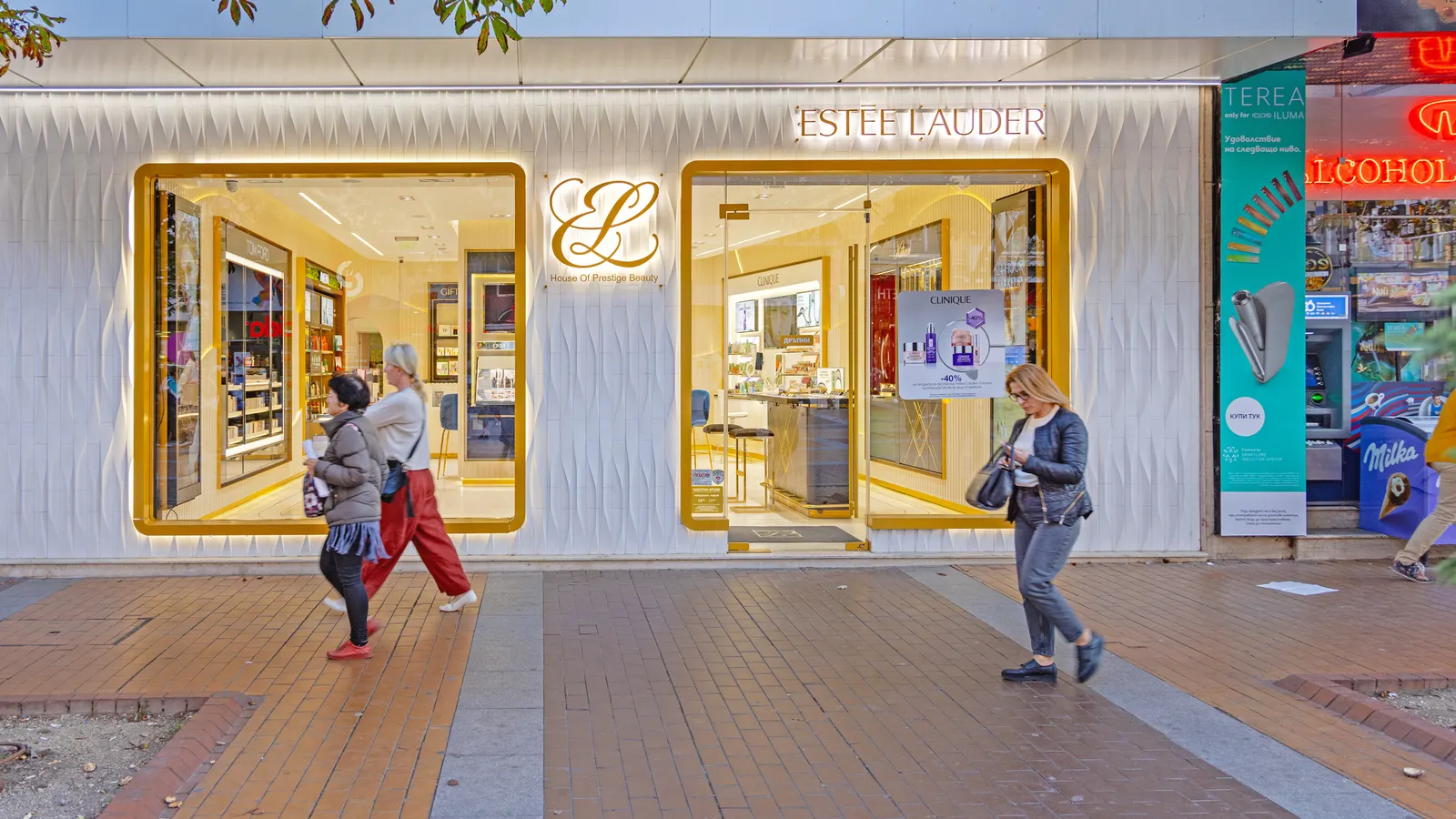
Why it matters: This signals a major operational pivot in prestige beauty retail, moving away from traditional wholesale door counts toward digital and direct channels, with immediate consequences for retail staffing models and vendor relationships.
Context: The move accelerates a multi-year industry shift where beauty conglomerates rationalize physical retail footprints to improve profitability, often in favor of owned e-commerce, social commerce, and select high-performing wholesale partners.
"Dive Brief: – The Estée Lauder Companies Inc. increased its estimated net reduction in positions to a final range from 9,000 to 10,000, per a Friday press release. That marks a jump." — RETAILDIVE
Commentary: The scale of the cut, concentrated at point-of-sale, formalizes the de-prioritization of wholesale channel growth for brand-owned retail and digital. For vendors and service providers, this means renegotiating contracts with department stores facing reduced brand support, while internal teams must reorient around TikTok Shop, Amazon, and shoppable content. The $1.5-$1.7B restructuring charge indicates the plan’s cost is rising even as sales improve, underscoring the pressure to deliver margin expansion by FY26 as promised.
Date: Fri, 01 May 2026 12:20:00 -0400
URL: https://www.retaildive.com/news/estee-lauder-layoffs-point-of-sale-department-stores/819068/
AI Sentiment Score: Positive (50%)
AI Credibility Score: 10.0/10 — High
Scores and text generated by AI analysis of the source article indicated.
Post ID: b1d80e3c