Freight, Logistics & Supply Chain Updates
More than 5,100 freight-related layoffs hit US supply chain sector (Freightwaves)
Summary: A wave of over 5,100 freight-related layoffs has been reported across the U.S., concentrated in logistics, manufacturing, and transportation. The cuts are driven by contract losses, operational consolidations, softening demand, and specific shocks like FreshRealm’s bankruptcy following a listeria outbreak. Notable clusters appear in automotive parts (Adient, Yanfeng in Tennessee), third-party logistics (GEODIS, DSV, Ryder), and e-commerce (Amazon’s Florida retrofit), with significant regional impacts in the Southeast.

Why it matters: This data signals a rapid, structural contraction in key supply chain nodes, indicating where capital, labor, and physical assets are being withdrawn from the operational network.
Context: These layoffs follow a period of post-pandemic capacity expansion and highlight the sector’s sensitivity to consumer demand shifts, customer concentration risk for 3PLs, and the tangible consequences of food safety failures.
"A wave of freight-related layoffs and facility closures has swept across the U.S., with more than 5,183 workers affected by shutdowns, restructurings and contract losses tied to the logistics, manufacturing and transportation sectors." — FREIGHTWAVES
Commentary: The geographic and sectoral concentration—particularly in Tennessee automotive and Florida/California logistics—suggests a re-routing of freight flows and a potential hollowing out of mid-tier industrial hubs. The prevalence of contract non-renewals as a cited cause underscores the fragility of the 3PL model in a softening market, where shippers are consolidating volumes. FreshRealm’s collapse, tied directly to a single contamination event, is a stark reminder of how brittle modern, centralized food logistics networks remain.
Date: Mon, 18 May 2026 11:00:00 +0000
URL: https://www.freightwaves.com/news/more-than-5100-freight-related-layoffs-hit-us-supply-chain-sector
AI Sentiment Score: Negative (87%)
AI Credibility Score: 10.0/10 — High
Scores and text generated by AI analysis of the source article indicated.
Borderlands Mexico: Cross-border trade tops $84B in March as USMCA talks heat up (Freightwaves)
Summary: U.S.-Mexico cross-border trade reached $84 billion in March 2026, maintaining Mexico’s position as the largest U.S. trading partner and reflecting an 8.6% year-over-year increase. Port Laredo led all gateways with $34.3 billion in commerce, while technology and automotive goods dominated flows. The data arrives as USMCA review negotiations signal a protracted process, with Mexico seeking stability for advanced manufacturing and the U.S. pushing for stricter enforcement and rules of origin. Concurrently, new manufacturing investments by United Foods International in Phoenix and Shenzhen Click Technology in Torreón underscore the ongoing nearshoring momentum.

Why it matters: The sustained trade volume and divergent negotiation postures signal a hardening of regional supply chain realignment, with concrete implications for capital allocation, logistics infrastructure, and industrial policy.
Context: Nearshoring has accelerated since 2020, shifting Asian-centric supply chains toward North America, with the USMCA’s 2026 review serving as a potential inflection point for trade rules and investment patterns.
"Mexico remained the largest U.S. trading partner in March, totaling more than $84 billion in two-way commerce as cross-border freight flows continued to outpace trade with Canada and China." — FREIGHTWAVES
Commentary: The divergence between Mexico’s call for reduced uncertainty and the U.S. push for stricter enforcement suggests the USMCA review could become a multi-year negotiation, not a technical adjustment. This protracted uncertainty will benefit entrenched logistics hubs like Laredo while incentivizing manufacturers to lock in footprint decisions before new rules materialize. The specific Chinese investment in Torreón’s electronics supply chain, despite U.S. tariff alignment rhetoric, indicates nearshoring is now a multi-polar strategy, not merely a U.S.-driven shift.
Date: Sun, 17 May 2026 11:00:00 +0000
URL: https://www.freightwaves.com/news/borderlands-mexico-cross-border-trade-tops-84b-in-march-as-usmca-talks-heat-up
AI Sentiment Score: Negative (71%)
AI Credibility Score: 10.0/10 — High
Scores and text generated by AI analysis of the source article indicated.
Southeast Regional LTL Carriers: Why Local Beats National – Davis Delivery (Davisdelivery)
Summary: A regional LTL carrier’s marketing guide argues that Southeast-based shippers defaulting to national carriers are overpaying and sacrificing transit time for intra-regional freight. The piece details the structural advantages of regional networks—direct routing, fewer handling events, and lower accessorial costs—which yield next-day service and 15-30% cost savings on lanes under 300 miles. It positions the I-85 corridor as a logistics spine enabling this efficiency and outlines a hybrid model where regional carriers handle Southeast lanes while nationals manage outbound shipments.

Why it matters: This signals a potential reallocation of freight spend and operational reliance within a critical U.S. manufacturing and distribution corridor, affecting carrier market share and shipper competitiveness.
Context: The argument reflects a broader tension between scale-optimized national networks and density-optimized regional specialists, a dynamic playing out in logistics as supply chains prioritize resilience and speed over pure geographic coverage.
"For a typical two-pallet, 1,200-pound shipment traveling from Buford to Charlotte, a regional carrier’s all-in rate is typically 15 to 25 percent below the discounted national carrier rate." — DAVISDELIVERY
Commentary: If the cost and service differential is real and sustainable, it pressures national carriers to either segment their pricing or risk ceding high-density regional lanes—their most profitable traffic—to specialists. This could accelerate the bifurcation of the LTL market, with nationals focusing on long-haul and interregional freight while regionals consolidate intra-regional volume. The I-85 corridor’s density makes it a prime battleground for this shift.
Date: April 13, 2026 12:00 AM ET
URL: https://davisdelivery.com/southeast-regional-ltl-carrier/
AI Sentiment Score: Negative (62%)
AI Credibility Score: 10.0/10 — High
Scores and text generated by AI analysis of the source article indicated.
Truck vs. Rail: Optimizing Your Long-Haul Strategy via Charleston (Allpointscharlestonsc)
Summary: A logistics guide from a Charleston-based provider frames the city as a strategic hub for optimizing long-haul freight, arguing that shippers should adopt a blended truck-rail strategy. It details the competitive advantages of Charleston’s highway corridors and intermodal rail connections via Norfolk Southern and CSX, positioning intermodal as a cost-saving hedge for lanes beyond 500 miles.

Why it matters: It signals a maturation of Southeastern logistics infrastructure, where port-centric hubs like Charleston are becoming critical nodes for cost-optimized, multi-modal supply chain design, directly affecting shipper margins and carrier network strategies.
Context: This is a commercial piece from a local drayage provider, reflecting broader trends in port investment and intermodal adoption as shippers seek resilience against trucking volatility and driver shortages.
"On long-haul corridors, intermodal shipping typically saves shippers between 10 and 30 percent compared to over-the-road truckload rates, depending on the lane, the market conditions, and the volume committed. That spread widens during periods of trucking capacity tightness, which makes intermodal a useful hedge against rate volatility as well as a cost tool." — ALLPOINTSCHARLESTONSC
Commentary: The guide operationalizes a strategic shift from mode default to mode optimization, with Charleston as the test case. The explicit 10-30% savings metric and the framing of intermodal as a ‘hedge’ indicate a move toward financialized logistics planning. This reinforces the concentration of freight orchestration power at integrated port-rail hubs, potentially marginalizing pure-play truckload carriers on specific long-haul lanes.
Date: May 14, 2026 12:00 AM ET
URL: https://allpointscharlestonsc.com/2026/05/truck-vs-rail-optimizing-your-long-haul-strategy-via-charleston/
AI Sentiment Score: Negative (75%)
AI Credibility Score: 7.0/10 — Medium
Scores and text generated by AI analysis of the source article indicated.
Formula 1 experiments with freight rail (Freightwaves)
Summary: DHL Global Forwarding, the logistics partner for Formula 1, has completed its first pilot using intermodal rail freight in North America, moving approximately 50 containers of race equipment from Miami to Montreal. The trial, which shifted about 70% of the freight typically moved by truck for this leg, was monitored with sensors and met F1’s strict timelines while reducing carbon emissions. DHL and F1 are evaluating scaling rail usage starting with the 2027 season, contingent on operational feasibility and calendar structure. The move aligns with F1’s net-zero-by-2030 goal and DHL’s broader decarbonization targets.

Why it matters: This operational shift signals a strategic re-evaluation of freight corridors in the Southeast and Northeast, testing rail’s viability for high-value, time-critical shipments beyond bulk commodities, which could influence infrastructure investment and modal competition.
Context: F1 logistics represent a peak-demand, precision operation where reliability is paramount; the sport’s North American calendar expansion (Miami, Austin, Las Vegas, Montreal) creates a dense regional circuit where intermodal efficiency gains are increasingly attractive against sustainability pressures.
"DHL Global Forwarding successfully completed its first-ever use of intermodal rail freight as part of the sophisticated logistics operation that relocates the Formula 1 series to upcoming race destinations, the company said." — FREIGHTWAVES
Commentary: The pilot is less about carbon accounting and more a stress test of Class I rail (likely CSX) for premium, sensor-monitored freight—if successful, it provides a blueprint for other high-value industries in the Southeast to diversify from trucking, potentially reshaping regional intermodal demand. DHL’s data collection for a 2027 scaling decision indicates this is a deliberate, multi-year operational experiment, not a publicity stunt.
Date: Wed, 20 May 2026 17:06:38 +0000
URL: https://www.freightwaves.com/news/formula-1-experiments-with-freight-rail
AI Sentiment Score: Negative (50%)
AI Credibility Score: 10.0/10 — High
Scores and text generated by AI analysis of the source article indicated.
5,183 freight and warehouse workers hit by layoffs across 20 states (Ninjatms)
Summary: A wave of layoffs across the freight, warehousing, and manufacturing sectors in May 2026 affected 5,183 workers in 20 states. The cuts were concentrated at logistics firms like GEODIS, DSV, and Ryder, automotive suppliers like Adient and Yanfeng, and the bankrupt meal-kit supplier FreshRealm. California, Texas, and Tennessee saw the highest volumes, driven by contract losses, automotive slowdowns, and supply chain restructuring.

Why it matters: This signals a contraction in logistics capacity and industrial demand, with implications for regional labor markets, commercial real estate, and the resilience of just-in-time supply chains.
Context: The layoffs follow a period of post-pandemic logistics overexpansion and reflect a broader softening in consumer and industrial demand, prompting operational consolidation.
"More than 5,183 workers in freight, warehousing, and manufacturing lost jobs in May as facility closures and contract losses rippled across 20 states." — NINJATMS
Commentary: The geographic spread and sectoral mix indicate a systemic adjustment, not isolated failures. The concentration in key logistics hubs like California’s Inland Empire and Texas suggests a recalibration of national distribution networks. The cited causes—contract non-renewals and automotive slowdowns—point to weakening B2B demand, which often precedes broader consumer pullbacks. This could pressure local tax bases in affected regions and may accelerate automation adoption as firms consolidate.
Date: May 22, 2026 12:00 AM ET
URL: https://ninjatms.com/blog/5-183-freight-and-warehouse-workers-hit-by-layoffs-across-20-states/
AI Sentiment Score: Negative (75%)
AI Credibility Score: 9.2/10 — High
Scores and text generated by AI analysis of the source article indicated.
Manufacturing Freight Solutions for Georgia Manufacturers – Davis Delivery (Davisdelivery)
Summary: Davis Delivery, a Georgia-based contract carrier, details the specialized freight requirements of the state’s manufacturing sector, emphasizing the critical role of JIT delivery, dedicated fleets, and deep operational integration for production reliability. The article outlines cost structures, compliance standards, and the distinct freight profiles of Georgia’s key industrial corridors, positioning itself as a solution for manufacturers seeking to mitigate supply chain risk.
Why it matters: It signals the operational and financial pressures on Southeast manufacturers to secure hyper-reliable logistics, a competitive factor that influences site selection, supplier networks, and regional economic resilience.
Context: This is a marketing piece framed as an industry primer, reflecting the intense competition among logistics providers in a manufacturing-heavy region where supply chain performance is directly tied to production costs.
"A carrier serving automotive manufacturers needs to maintain on-time reliability above 98 percent, provide real-time GPS tracking, and have contingency plans for equipment breakdowns or weather delays that could disrupt the supply chain. Late deliveries to an automotive assembly plant can trigger contractual penalties that far exceed the freight cost itself." — DAVISDELIVERY
Commentary: The piece effectively monetizes manufacturing anxiety, translating production line vulnerability into a premium service model. It underscores that in key sectors like automotive, logistics is not a cost center but a risk management function, with penalties structuring carrier selection. This specialization creates a moat for regional carriers against national brokers, but also concentrates systemic risk in a few dedicated partners.
Date: April 13, 2026 12:00 AM ET
URL: https://davisdelivery.com/manufacturing-freight-georgia/
AI Sentiment Score: Negative (66%)
AI Credibility Score: 9.4/10 — High
Scores and text generated by AI analysis of the source article indicated.
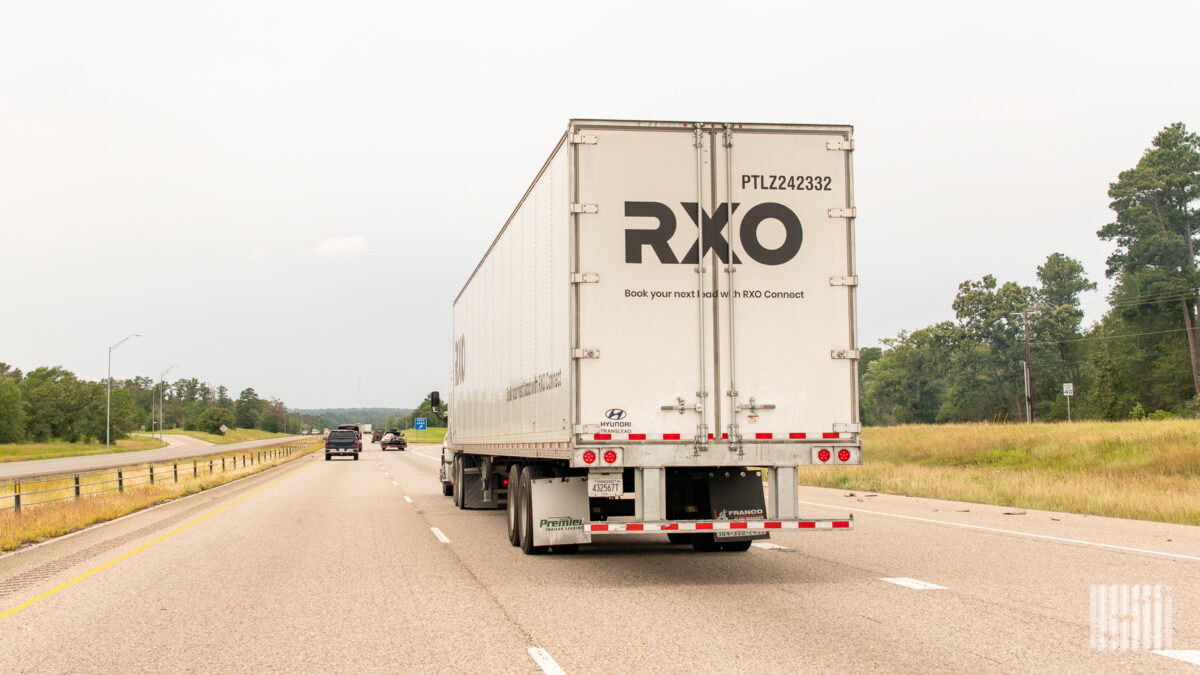
RXO sees TL spot market surge further in Q2 (Freightwaves)
Summary: RXO’s quarterly freight report shows truckload spot rates surged 16.5% year-over-year in Q1, hitting a four-year high despite tepid demand, with further acceleration expected in Q2. The primary driver is capacity attrition from stricter driver regulations, which is now pushing contract rates upward as shippers brace for a ‘highly altered freight environment.’ Public carriers like J.B. Hunt have revised full-year contract rate expectations from low-single digits to mid- to high-single digits, with some transactional customers facing potential double-digit hikes.
Why it matters: This signals a structural shift in Southeast freight markets where regulatory pressure, not demand, is dictating pricing, forcing shippers and carriers to renegotiate cost bases and logistics strategies.
Context: The tightening follows a prolonged downturn where spot markets were depressed; current volatility and high tender rejections contradict typical seasonal softness, indicating a supply-side squeeze is overriding demand signals.
"Freight broker RXO said Wednesday that its truckload spot rate index reached a four-year high in the first quarter, with expectations for further increases in the second quarter. Even with only tepid." — FREIGHTWAVES
Commentary: The decoupling of rates from demand underscores a regulatory-driven margin reset for carriers, but transfers inflationary pressure directly to Southeastern manufacturers and distributors. If volume does pick up, the capacity constraint could trigger a price spike, accelerating reshoring cost calculations and regional logistics budget overruns.
Date: Wed, 20 May 2026 17:26:50 +0000
URL: https://www.freightwaves.com/news/rxo-sees-tl-spot-market-surge-further-in-q2
AI Sentiment Score: Negative (75%)
AI Credibility Score: 10.0/10 — High
Scores and text generated by AI analysis of the source article indicated.
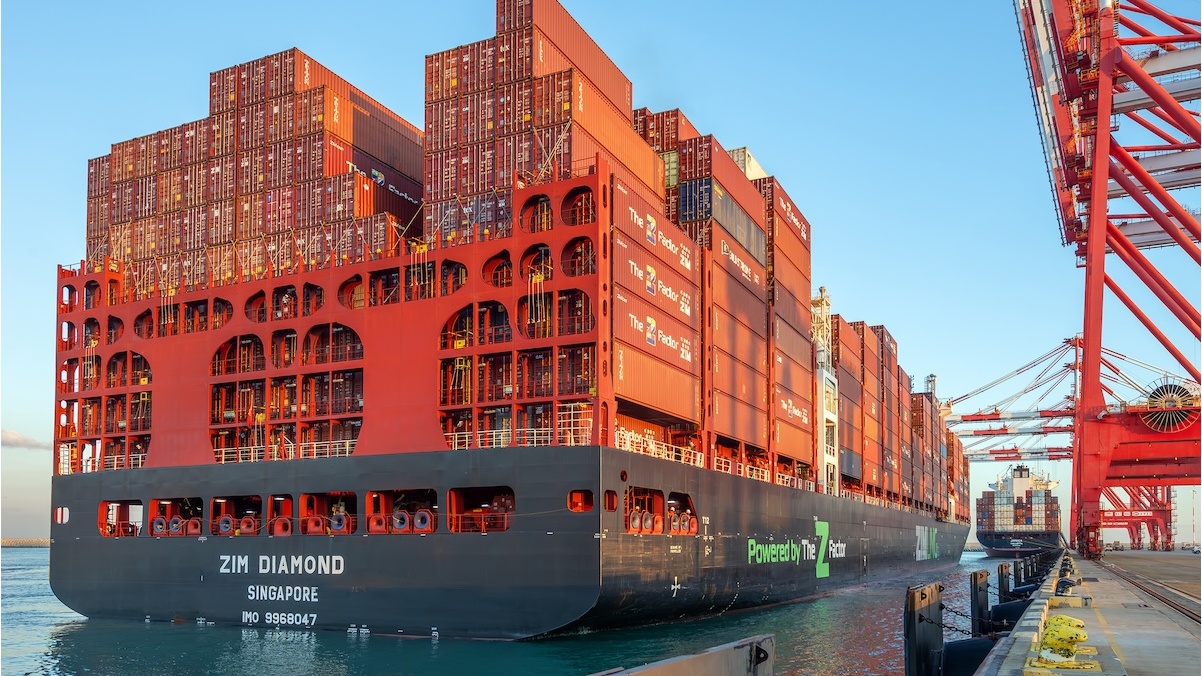
Quarterly loss for Zim ahead of Hapag-Lloyd takeover (Freightwaves)
Summary: ZIM Integrated Shipping Services posted a Q1 net loss of $86 million, a sharp reversal from a $296 million profit a year prior. Revenue fell 30% to $1.4 billion, with carried volume down 8% to 866,000 TEUs and average freight rates down 26%. The results precede ZIM’s planned acquisition by Germany’s Hapag-Lloyd. CEO Eli Glickman noted a ‘softer freight rate environment’ but pointed to recent strengthening in trans-Pacific rates as a potential second-half tailwind.
Why it matters: ZIM’s performance and strategic pivot to spot-market exposure signal shifting carrier dynamics in Southeast Asian trade lanes, with implications for regional port volumes and pricing power ahead of industry consolidation.
Context: The container shipping sector is correcting from pandemic-era peaks, with carriers facing weak demand and rate pressure, making ZIM’s volume decline an outlier amid generally higher industry shipments.
"ZIM Integrated Shipping Services Ltd. said it carried less cargo than a year ago as weak demand sent it to a loss in the first quarter. The Israeli liner (NYSE: ZIM), which." — FREIGHTWAVES
Commentary: ZIM’s aggressive spot-market alignment—65% of its trans-Pacific contracts are exposed—is a high-beta bet on a volatile recovery, concentrating risk just as Hapag-Lloyd prepares to absorb it. The carrier’s volume drop, unlike peers, suggests specific customer or route vulnerability in Southeast Asia networks. If trans-Pacific momentum holds, ZIM’s model could capture upside fast, but its immediate fate hinges on Hapag-Lloyd’s post-acquisition integration strategy for a now-leaner asset.
Date: Wed, 20 May 2026 14:59:16 +0000
URL: https://www.freightwaves.com/news/quarterly-loss-for-zim-ahead-of-hapag-lloyd-takeover
AI Sentiment Score: Negative (69%)
AI Credibility Score: 10.0/10 — High
Scores and text generated by AI analysis of the source article indicated.
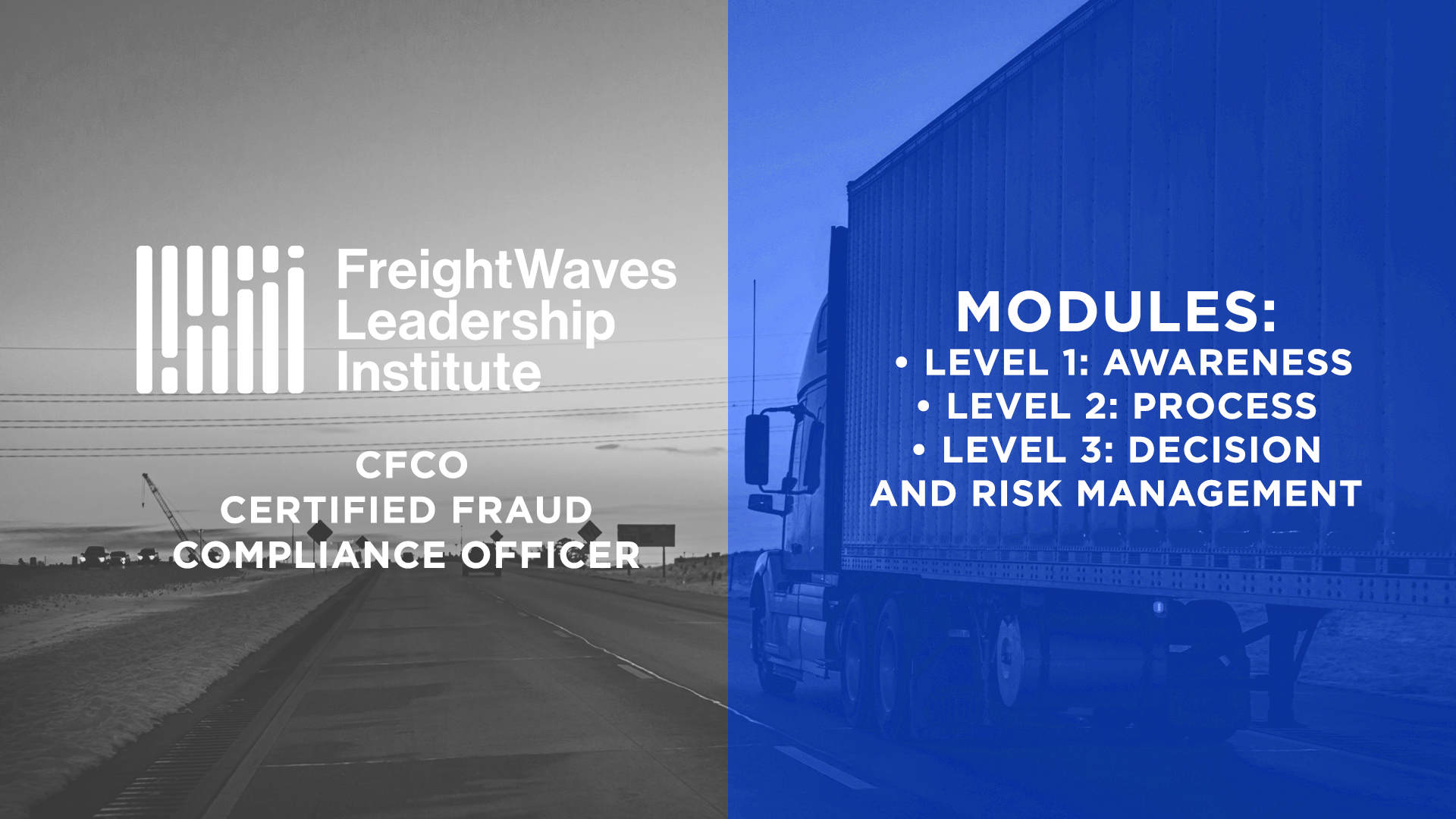
Why the freight industry needs Certified Fraud Compliance Officers (Freightwaves)
Summary: The freight industry’s reliance on technology to combat cargo theft and fraud is proving insufficient, as organized criminal groups exploit operational inconsistencies and human judgment gaps. In response, the FreightWaves Leadership Institute has launched a Certified Fraud Compliance Officer program to instill a structured, process-oriented compliance mindset within operations teams. This shift is underscored by increasing legal pressure, notably the Supreme Court’s Montgomery broker liability decision, which raises the stakes for documented carrier selection and oversight procedures.
Why it matters: For the Southeast’s logistics hubs, operational fraud is a direct tax on efficiency and reliability, threatening the region’s competitive advantage in reshoring and infrastructure investment.
Context: Freight fraud has evolved from physical theft to sophisticated digital schemes involving identity spoofing and document manipulation, mirroring financial sector crime patterns.
"Modern cargo theft no longer starts with someone breaking into a trailer or cutting a lock at a warehouse. Many of today’s cases begin with fake identities, manipulated documents, spoofed email domains, compromised communication, or fraudulent carrier accounts." — FREIGHTWAVES
Commentary: The CFCO initiative signals a maturation point for freight operations, moving risk management from a technical adjunct to a core operational discipline. This creates a new credentialing and training market while imposing a compliance cost structure that will disproportionately burden smaller, less formalized brokers. The legal precedent set by the Montgomery case effectively mandates this formalization, turning procedural consistency from a best practice into a liability shield.
Date: Wed, 20 May 2026 11:09:55 +0000
URL: https://www.freightwaves.com/news/why-the-freight-industry-needs-certified-fraud-compliance-officers
AI Sentiment Score: Negative (50%)
AI Credibility Score: 10.0/10 — High
Scores and text generated by AI analysis of the source article indicated.
BNSF ops chief out after just five months (Freightwaves)
Summary: BNSF Railway has replaced its chief operations officer, Matt Garland, after only five months, promoting Craig Morehouse from senior vice president of network operations. The leadership change occurs as BNSF’s parent, Berkshire Hathaway, under new CEO Greg Abel, intensifies pressure to improve the railroad’s operating ratio. This internal pressure is compounded by the external competitive threat of a potential Union Pacific-Norfolk Southern merger, which would create a transcontinental rival.

Why it matters: Executive instability at a major western railroad, amid a push for radical efficiency and a looming industry consolidation, signals potential operational and strategic shifts that could affect freight costs, service reliability, and competitive dynamics for Southeastern shippers.
Context: Berkshire Hathaway has historically emphasized operational efficiency at BNSF; the push for a lower operating ratio is a persistent mandate. The proposed UP-NS merger represents the most significant potential restructuring of the national rail network in decades.
"BNSF Railway has promoted Craig Morehouse to executive vice president and chief operations officer, replacing Matt Garland, who stepped down to pursue another opportunity after spending five months as the railroad’s top." — FREIGHTWAVES
Commentary: The rapid COO turnover suggests BNSF’s operational performance is under acute scrutiny from Omaha. Morehouse’s engineering-heavy background indicates a focus on network resilience and cost control, likely at the expense of more customer-centric service initiatives. For the Southeast, this internal focus, combined with the existential threat of the UP-NS merger, may lead BNSF to prioritize defending its core western network over aggressive expansion or service investments in the region, potentially ceding ground.
Date: Tue, 19 May 2026 15:14:00 +0000
URL: https://www.freightwaves.com/news/bnsf-ops-chief-out-after-just-five-months
AI Sentiment Score: Negative (60%)
AI Credibility Score: 10.0/10 — High
Scores and text generated by AI analysis of the source article indicated.
This autonomous ship mooring system really sucks – and that’s a good thing (Freightwaves)
Summary: The Port of Qingdao has deployed a vacuum-based autonomous mooring system, reducing ship berthing time from 30 minutes to 30 seconds and eliminating manual line-handling. Qingdao, the world’s fifth-busiest container port, saw a 6% volume increase in 2025, indicating this operational upgrade is being implemented at scale during growth.
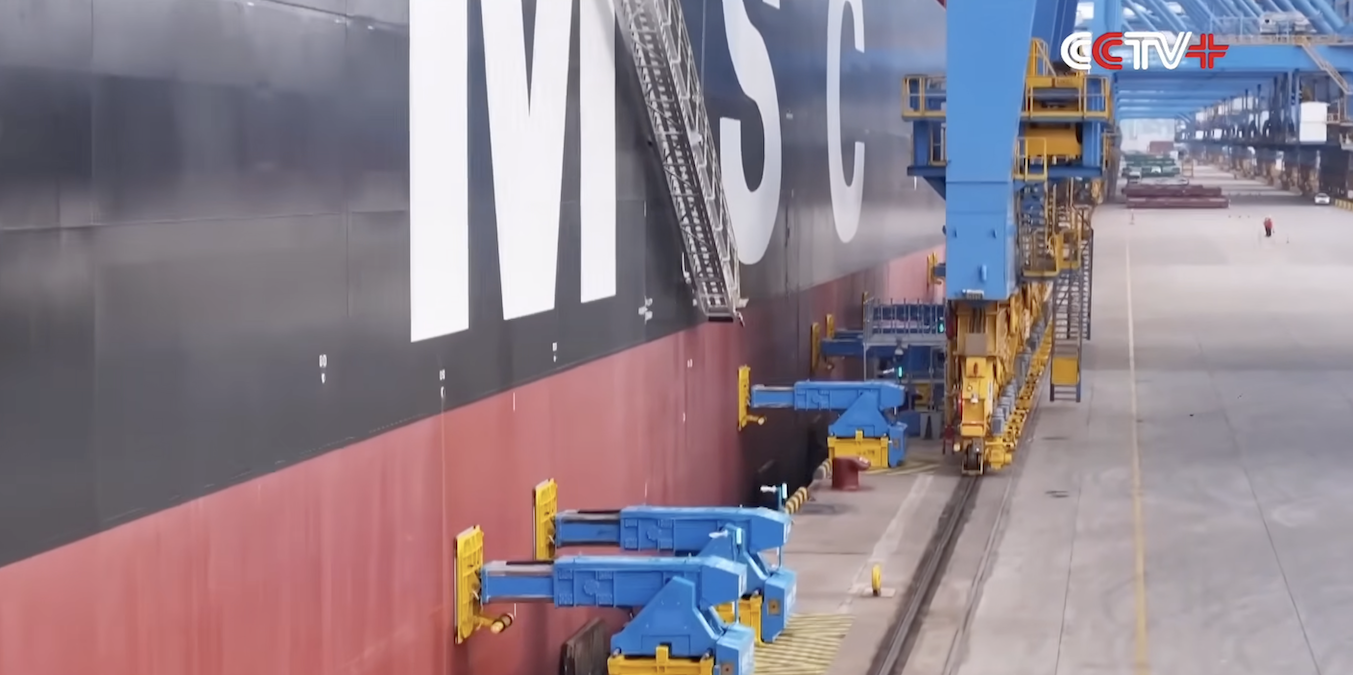
Why it matters: For Southeast ports, this signals an acceleration in global port automation that pressures regional competitors on efficiency and labor costs, potentially shifting capital investment and operational benchmarking.
Context: Major global ports are competing on throughput automation to handle volume growth and reduce labor dependency, with Chinese ports often serving as first-adopter testbeds for scalable technology.
"A vacuum-based ship mooring system for the first time has been deployed at northern China’s Port of Qingdao. Reports say the autonomous technology, deployed in January, berthed a container ship in 30." — FREIGHTWAVES
Commentary: The deployment at a top-five global port moves vacuum mooring from pilot to production, creating a new efficiency benchmark. Southeast U.S. ports like Savannah and Charleston must now evaluate not just crane automation but entire berthing cycles to maintain competitive turn times. This pressures terminal operators and longshore unions on both productivity metrics and long-term labor strategy.
Date: Mon, 18 May 2026 13:57:28 +0000
URL: https://www.freightwaves.com/news/this-autonomous-ship-mooring-system-really-sucks-and-thats-a-good-thing
AI Sentiment Score: Neutral (33%)
AI Credibility Score: 10.0/10 — High
Scores and text generated by AI analysis of the source article indicated.
Evergreen profit sank 70% in Q1 (Freightwaves)
Summary: Evergreen Marine Corp., the world’s seventh-largest container line, reported a 21% drop in Q1 revenue to $2.75 billion and a 70% plunge in net profit to $264 million. The decline occurred despite unspecified higher container volumes, driven by weaker shipping rates, unbalanced capacity, shipper uncertainty, and higher fuel costs linked to the Iran conflict. The company is pinning hopes on a seasonal rate recovery from peak shipping demand and potential tariff-driven frontloading by shippers.
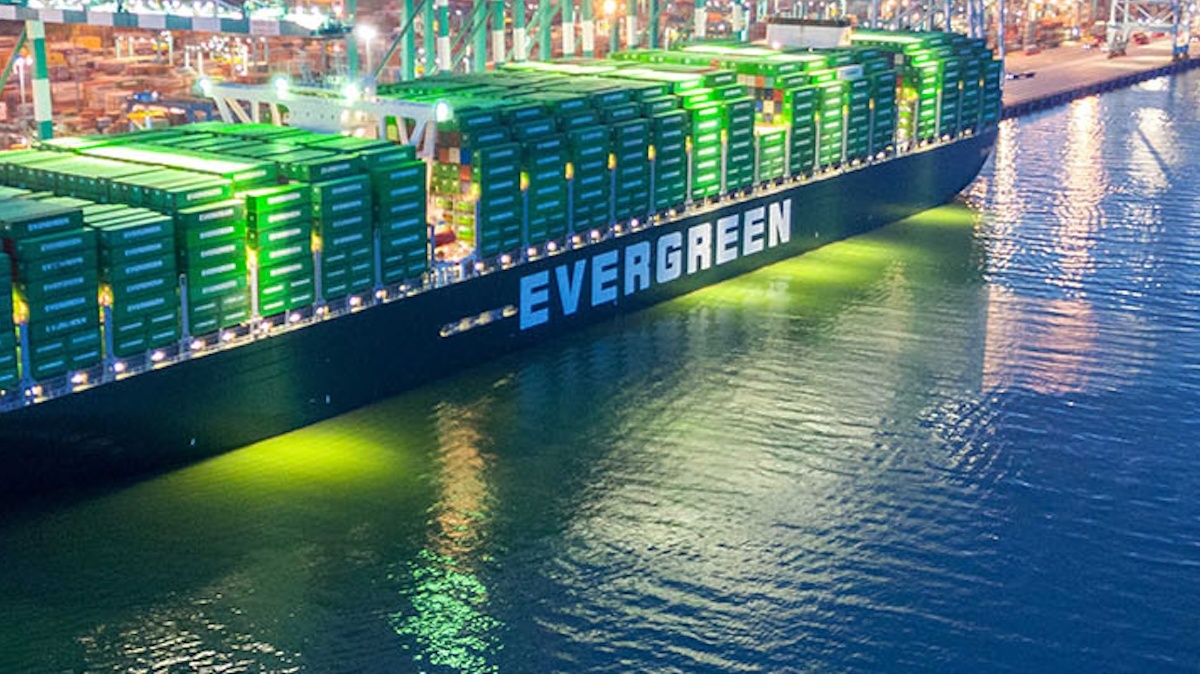
Why it matters: Evergreen’s sharp profit contraction signals persistent margin pressure in global container shipping, with direct implications for port activity, logistics costs, and industrial competitiveness across the Southeast’s critical trade corridors.
Context: This follows a period of elevated but volatile transpacific rates post-pandemic, where carrier profitability is now decoupling from volume as overcapacity and geopolitical risk reshape cost structures.
"Evergreen Marine Corp. saw revenue and profits plunge in the first quarter as unspecified higher container volumes were hit by weaker shipping rates." — FREIGHTWAVES
Commentary: The 70% profit drop underscores a structural shift: volume no longer suggests margin. For Southeast ports like Savannah and Charleston, which handle significant Evergreen traffic, this pressures terminal negotiations and infrastructure investment timelines. Carrier financial stress may accelerate consolidation or service rationalization, affecting regional shipper options and reliability. The explicit link to Iran-driven fuel costs also highlights how regional conflict now directly recalibrates Southeast supply chain economics.
Date: Fri, 15 May 2026 09:56:00 +0000
URL: https://www.freightwaves.com/news/evergreen-profit-sank-70-in-q1
AI Sentiment Score: Negative (71%)
AI Credibility Score: 10.0/10 — High
Scores and text generated by AI analysis of the source article indicated.
Why freight rail matters for resilient supply chains – CC&L Infrastructure (Cclinfrastructure.Cclgroup)
Summary: Green Street analysis highlights renewed investor focus on freight rail as a critical component of resilient, re-engineered US supply chains. The shift towards reshoring and a more ‘atomized’ North American network favors infrastructure assets with contracted cash flows at new logistics nodes. This trend is amplified by AI data center demand in the Southeast and Gulf Coast, driving power and construction material needs that boost rail volumes.

Why it matters: This signals a structural pivot in capital allocation towards hard-asset logistics infrastructure, with specific implications for industrial competitiveness and regional economic concentration in the Southeast.
Context: Post-COVID vulnerabilities and recent trade policies have accelerated a multi-year reindustrialization drive, creating new demand patterns for inland intermodal and short-haul rail capacity.
"Connor, Clark & Lunn Infrastructure is featured in Green Street’s examination of renewed investor interest in freight rail as US supply chains are re‑engineered for resilience and efficiency. Green Street underscores the." — CCLINFRASTRUCTURE.CCLGROUP
Commentary: The convergence of reshoring and AI infrastructure creates a unique demand shock for Southeastern rail, moving it from a cost-arbitrage play to a strategic capacity constraint. Investors like CC&L are positioning not for cyclical recovery but for secular re-routing of capital expenditure flows, where cold storage and short-haul spurs become the plumbing for a fragmented, tariff-influenced production landscape. The risk is over-concentration in regions like the Gulf Coast, where grid and right-of-way limitations could bottleneck the very growth investors are betting on.
Date: May 11, 2026 12:00 AM ET
URL: https://cclinfrastructure.cclgroup.com/insight/infra-green-street-interviews-ccl-infrastructure-why-freight-rail-matters-for-resilient-supply-chains/
AI Sentiment Score: Negative (75%)
AI Credibility Score: 7.0/10 — Medium
Scores and text generated by AI analysis of the source article indicated.
FedEx board approves trucking business spinoff (Supplychaindive)
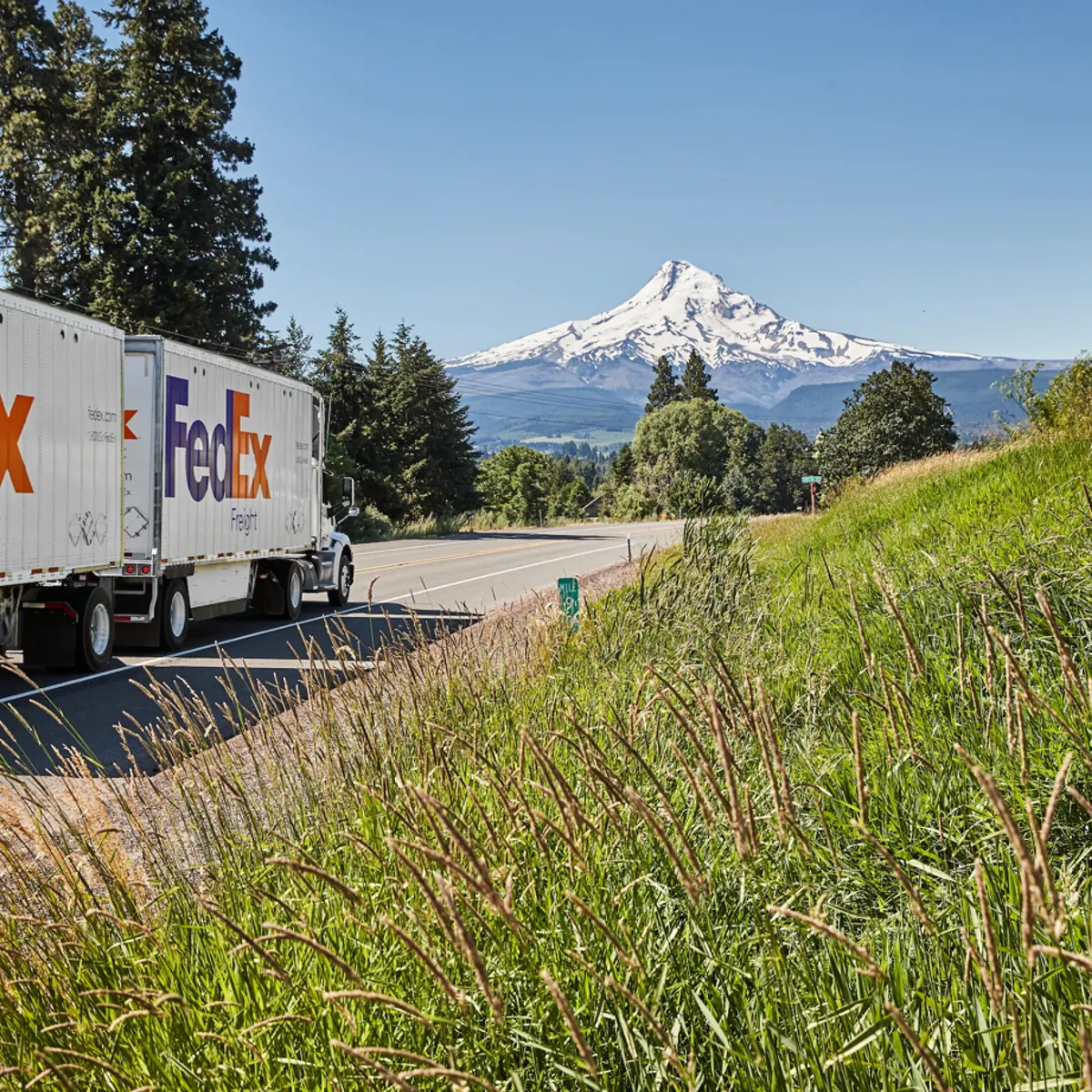
Summary: FedEx’s board has formally approved the spinoff of its FedEx Freight LTL unit, with shares to begin trading on June 1. The separation, announced in late 2024, involves a multi-year brand licensing agreement and a complete operational overhaul, including a new pricing platform. The move positions a mature, asset-heavy business as a standalone public entity focused on competing more effectively in the trucking sector.
Why it matters: The spinoff creates a new, sizable public competitor in the Southeast’s core logistics sector, potentially reshaping regional carrier dynamics, capital allocation, and pricing models.
Context: This follows a broader corporate trend of logistics giants streamlining operations to improve focus and shareholder value, while the LTL segment increasingly competes on technology-driven pricing and efficiency.
"FedEx’s board of directors on May 13 approved the spinoff of its less-than-truckload business, FedEx Freight. The move is another step in the process, announced in December 2024, to make the carrier." — SUPPLYCHAINDIVE
Commentary: The operational pivot—scrapping its old platform for a new, dimension-based pricing system—is the substantive shift, not the corporate separation. If successful, it pressures regional rivals like Old Dominion and Saia to accelerate their own tech investments. The temporary FedEx brand license provides a crucial runway to establish market legitimacy before standing alone.
Date: Wed, 20 May 2026 10:54:00 -0400
URL: https://www.supplychaindive.com/news/fedex-board-approves-trucking-business-spinoff/820379/
AI Sentiment Score: Negative (66%)
AI Credibility Score: 10.0/10 — High
Scores and text generated by AI analysis of the source article indicated.
Inland Port Greer drives growth in Southeast intermodal … (Container-News)
Summary: Inland Port Greer, a key Southeast intermodal hub, set a record with nearly 200,000 rail moves in 2025. A recent $55 million expansion by South Carolina Ports increased its annual rail capacity to 300,000 lifts, enhancing its role as a short-haul solution connecting the Port of Charleston to a 94-million-consumer regional market via the I-85 corridor. The facility’s operational efficiency and Norfolk Southern’s overnight rail service solidify the Greer–Charleston corridor as a major international intermodal lane.
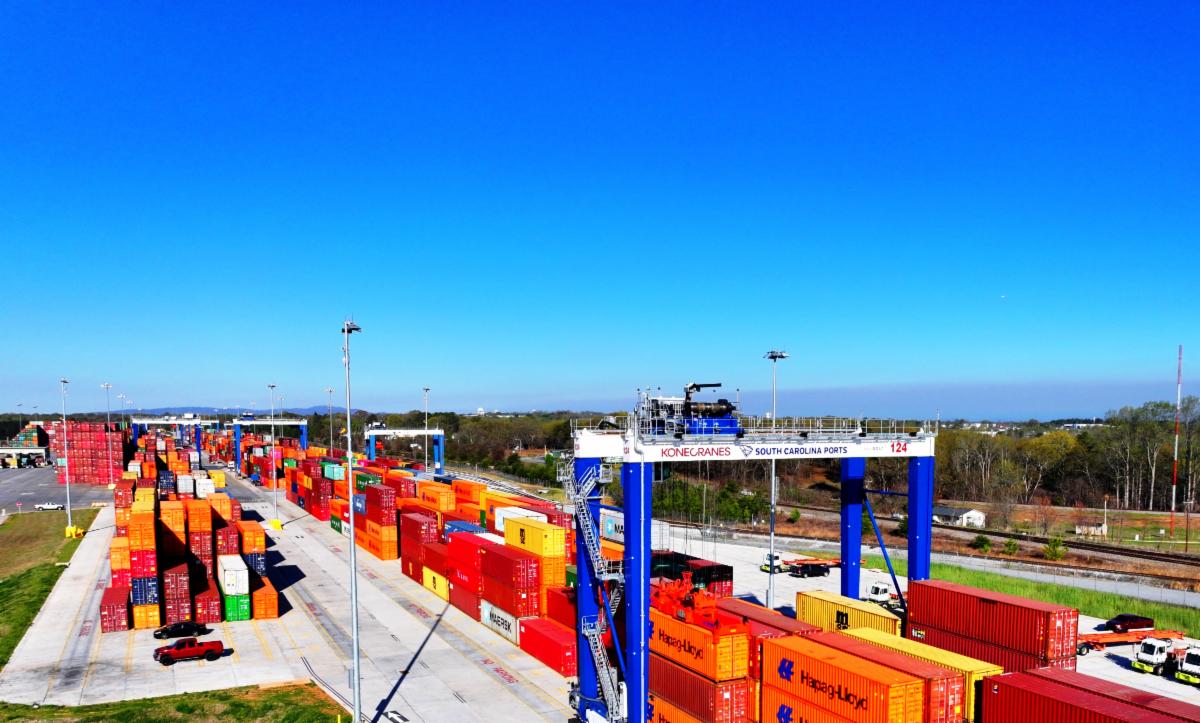
Why it matters: This expansion signals a strategic consolidation of logistics infrastructure in the Southeast, affecting capital allocation, industrial site selection, and competitive dynamics between ports and inland hubs.
Context: The Southeast has become a focal point for logistics investment, driven by population growth, manufacturing reshoring, and port congestion mitigation strategies, with inland ports acting as critical pressure-release valves.
"Inland Port Greer continues to prove its role as a key intermodal hub in the U.S. Southeast, offering strong rail connectivity to the Port of Charleston and regional markets. The facility handled." — CONTAINER-NEWS
Commentary: The capacity doubling is a tangible bet on sustained import volume and regional manufacturing growth. It pressures competing inland nodes in Atlanta or Charlotte to match efficiency or lose share. For shippers, this cements a cost-effective, overnight rail alternative to Atlanta’s drayage congestion, potentially reshaping freight flows across the Carolinas and Georgia.
Date: April 29, 2026 12:00 AM ET
URL: https://container-news.com/inland-port-greer-drives-growth-in-southeast-intermodal-logistics/
AI Sentiment Score: Negative (55%)
AI Credibility Score: 10.0/10 — High
Scores and text generated by AI analysis of the source article indicated.
80000 Trailers and 100 Aircraft for Hire:… – Metaintro (Metaintro)
Summary: Amazon’s Supply Chain Services launch is creating a bifurcated labor market in the Southeast’s logistics sector. While national warehousing and trucking employment has declined year-over-year, demand for roles within Amazon’s ecosystem is set to grow as external client volume flows through its network. This structural shift means job seekers must target specific employer networks, as growth is no longer uniform across the industry.

Why it matters: For regional economic observers and workforce planners, this signals a concentration of logistics employment and investment around Amazon’s hubs, reshaping local labor markets and competitive dynamics for rival carriers and warehouses.
Context: The Southeast has become a critical logistics corridor, with major investments in fulfillment and distribution infrastructure. Amazon’s move to monetize its network as a third-party service represents a strategic pivot from cost center to revenue-generating platform.
"For job seekers the picture is split, with warehouse and driver demand likely rising at Amazon hubs, while parcel rivals face pressure on margins and headcount in coming quarters." — METAINTRO
Commentary: Amazon is effectively creating a two-tier labor market within a single industry. This could pressure competitors like FedEx and UPS on both cost and talent retention, while regional economic development may become increasingly tied to the proximity and scale of Amazon’s operational nodes. The decline in broader sector employment underscores that this is not general growth but a reallocation of volume and capital.
Date: May 05, 2026 12:00 AM ET
URL: https://www.metaintro.com/blog/amazon-supply-chain-services-jobs-impact-2026
AI Sentiment Score: Negative (85%)
AI Credibility Score: 10.0/10 — High
Scores and text generated by AI analysis of the source article indicated.
SBA’s Freight Market Update: May 21, 2026 (Sbaglobal)
Summary: A Supreme Court ruling on broker liability for carrier accidents introduces new legal risk into the truckload market, potentially tightening capacity and adding upward pressure on rates. Concurrently, a 15% cap on EU export duties provides some cost certainty for importers, while Panama Canal maintenance threatens to extend vessel wait times. In infrastructure, SC Ports is planning a RoRo expansion to North Charleston to ease congestion, and a House bill proposes a federal framework for addressing cargo theft.

Why it matters: These developments collectively reshape the risk profile and operational costs for logistics operators in the Southeast, affecting carrier selection, trade route planning, and port investment strategies.
Context: The Southeast’s logistics sector is navigating a persistent tension between strong demand and systemic constraints, where legal, trade, and infrastructure decisions directly translate to cost and velocity.
"###### This week: Supreme Court ruling increased focus on broker liability; EU tariffs capped at 15%; SC Ports plans RoRo expansion. … **A U.S. Supreme Court decision could push truckload rates higher,." — SBAGLOBAL
Commentary: The liability ruling could force brokers to deepen due diligence, likely consolidating business with established, insured carriers and marginalizing smaller operators, effectively acting as a regulatory tax on spot market flexibility. The EU tariff cap, while a stabilizer, does little to address underlying protectionist trends, and the Panama Canal maintenance window will test the resilience of Gulf and East Coast port alternatives. SC Ports’ RoRo move is a tactical capacity play, but its success hinges on synchronized inland rail and road networks to avoid shifting congestion rather than solving it.
Date: May 21, 2026 12:00 AM ET
URL: https://sbaglobal.com/news/sba-freight-mu-5-21-26
AI Sentiment Score: Negative (62%)
AI Credibility Score: 10.0/10 — High
Scores and text generated by AI analysis of the source article indicated.
Drayage Freight Market Update: January 2025 – C.H. Robinson (Chrobinson)
Summary: The Southeast’s major ports, Savannah and Charleston, are facing significant operational strain, marked by increased lead times and chassis shortages, despite substantial approved infrastructure investments aimed at enhancing throughput and reliability. Concurrently, Atlanta’s inland logistics network is grappling with severe congestion and appointment scarcity at key rail ramps. This contrasts with smoother operations in Houston and the Pacific Northwest, while West Coast ports like Los Angeles and Long Beach continue to manage congestion through metered gate appointments, despite ongoing long turn times.
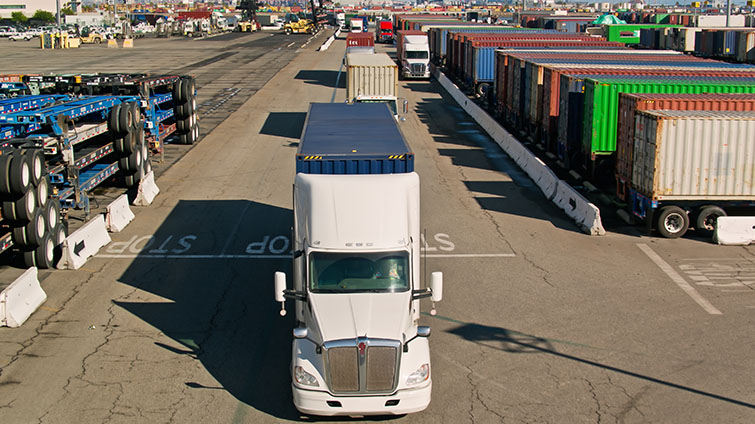
Why it matters: The divergence in regional port performance and inland bottlenecks signals where capital, operational focus, and shipper routing may shift, directly impacting supply chain costs and reliability for industries concentrated in the Southeast.
Context: Infrastructure spending is accelerating at U.S. ports, but near-term operational friction often outpaces capital project timelines, creating a mismatch between future capacity and current throughput constraints.
"There are several infrastructure projects scheduled in the next 12–18 months. Below are all approved enhancements that are ready to begin. |U.S. port|Total spend|Planned upgrades|Projected outcome| |–|–|–|–| |Savannah|$150M|- Expand container yard -." — CHROBINSON
Commentary: The reported chassis shortage in South Carolina is a leading indicator of equipment imbalance that could ripple through the regional drayage market, increasing costs and pushing shippers to seek alternatives. The acute congestion in Atlanta, a critical inland node, suggests rail and ramp infrastructure is a growing bottleneck, potentially undermining the benefits of port upgrades in Savannah. This operational data implies that near-term logistics planning must decouple from long-term capital project announcements, as the two timelines are not in sync.
Date: May 13, 2026 12:00 AM ET
URL: https://www.chrobinson.com/en-us/resources/insights-and-advisories/north-america-freight-insights/jan-2025-freight-market-update/addl-supply-chain-updates/drayage/
AI Sentiment Score: Negative (66%)
AI Credibility Score: 10.0/10 — High
Scores and text generated by AI analysis of the source article indicated.
Georgia Ports conference highlights supply chain … (Container-News)
Summary: Georgia Ports Authority is leveraging new research from Georgia Tech to quantify a cost advantage of over $1,000 per container for routing through Savannah versus West Coast ports for key Southeastern inland markets. This is supported by high-volume, efficient rail and truck operations, with significant infrastructure investments in berths, roads, and channel deepening planned to sustain growth and accommodate larger vessels.
Why it matters: It signals a structural shift in US import routing economics, with concrete cost and reliability advantages potentially redirecting cargo volumes and logistics investment toward the Southeast.
Context: The shift from West Coast to East Coast ports accelerated post-pandemic due to congestion and labor uncertainty, but this data suggests the advantage may be hardening into a permanent cost-based rerouting for the Southeast’s core distribution hubs.
"New research from Georgia Tech’s Supply Chain and Logistics Institute confirmed that routing cargo through the Port of Savannah saves shippers more than US$ 1,000 per container compared to West Coast gateways for shipments destined for Atlanta, Memphis and Nashville, while also delivering more consistent and predictable transit times." — CONTAINER-NEWS
Commentary: The quantified savings move Savannah’s pitch from anecdotal to actuarial, providing a durable foundation for its growth projections. The concurrent rail efficiency gains and road infrastructure investments indicate a coordinated push to lock in this modal optionality, directly challenging the traditional dominance of Los Angeles/Long Beach for interior US cargo. This could pressure West Coast ports and railroads on both price and service, while likely accelerating industrial real estate and distribution center development in the Savannah-Atlanta corridor.
Date: May 05, 2026 12:00 AM ET
URL: https://container-news.com/georgia-ports-conference-highlights-supply-chain-predictability/
AI Sentiment Score: Negative (62%)
AI Credibility Score: 10.0/10 — High
Scores and text generated by AI analysis of the source article indicated.
Intermodal and U.S. Ports Freight Market Update | C.H. Robinson (Chrobinson)
Summary: The North American intermodal market shows early recovery signs, with Q1 2026 volumes expected to slightly exceed 2025 levels despite prior-year distortions from tariff pull-forwards. Southern California ports have normalized after a muted 2025 high season, benefiting from stabilized U.S.-China trade flows. A widening cost gap is emerging as truckload rates are projected for high single-digit Q2 increases versus low single-digit intermodal hikes, reinforcing intermodal’s advantage in key regions like Southern California, the Southeast, and the Midwest. Demand is notably returning for mid-haul freight (550-1,500 miles) that had shifted to truckload.

Why it matters: This signals a reallocation of freight volumes and logistics spend, with concrete implications for port throughput, regional rail and trucking capacity, and shipper cost structures.
Context: Intermodal volumes have been depressed following the 2025 tariff-induced volatility, which created a distorted baseline and pushed freight toward truckload for flexibility.
"The North American intermodal market is beginning to show early signs of recovery. First quarter volumes are expected to finish slightly above prior-year levels, despite difficult comparisons to 2025 when tariff-driven pull-forward." — CHROBINSON
Commentary: The regional specificity of the tightening—Southeast, Midwest, Southern California—points to where infrastructure and labor markets will face immediate strain. The mid-haul range resurgence suggests a structural, not cyclical, recalibration of mode choice, favoring rail-truck combinations for efficiency. Shippers with June-or-later West Coast contracts are positioning for a stronger high season, indicating regained confidence in predictable trade policy enabling longer-term capacity planning.
Date: April 27, 2026 12:00 AM ET
URL: https://www.chrobinson.com/en-gb/resources/insights-and-advisories/north-america-freight-insights/apr-2026-freight-market-update/intermodal/
AI Sentiment Score: Negative (57%)
AI Credibility Score: 10.0/10 — High
Scores and text generated by AI analysis of the source article indicated.
Intermodal and U.S. Ports Freight Market Update | C.H. Robinson (Chrobinson)
Summary: The North American intermodal market is showing early signs of recovery, with Q1 2026 volumes expected to slightly exceed 2025 levels despite difficult comparisons. Demand is regaining momentum post-winter, with stronger acceleration possible in H2 2026. Southern California ports have normalized after a muted 2025 peak season, contributing to an early uptick in gateway demand. A widening cost gap, with intermodal rate increases projected in the low single digits versus high single-digit truckload increases, is reinforcing intermodal’s advantage, particularly in Southern California, the Southeast, and the Midwest.
Why it matters: This signals a structural shift in freight allocation, with implications for port competitiveness, regional logistics costs, and carrier strategy.
Context: Intermodal volumes have been volatile, influenced by tariff policies and truckload market cycles. The Southeast has been a key growth corridor for freight and manufacturing.
"The North American intermodal market is beginning to show early signs of recovery. First quarter volumes are expected to finish slightly above prior-year levels, despite difficult comparisons to 2025 when tariff-driven pull-forward." — CHROBINSON
Commentary: The rate divergence is not merely cyclical but a catalyst for modal conversion, especially for mid-haul (550-1,500 mile) freight. This could pressure truckload carriers in key regions and could accelerate investment in intermodal rail infrastructure in the Southeast. The normalization at Southern California ports suggests shippers are recalibrating supply chains for policy predictability rather than tariff avoidance, stabilizing trade flows.
Date: April 26, 2026 12:00 AM ET
URL: https://www.chrobinson.com/en-sg/resources/insights-and-advisories/north-america-freight-insights/apr-2026-freight-market-update/intermodal/
AI Sentiment Score: Negative (50%)
AI Credibility Score: 10.0/10 — High
Scores and text generated by AI analysis of the source article indicated.
Intermodal and U.S. Ports Freight Market Update | C.H. Robinson (Chrltlvolquote)
Summary: C.H. Robinson’s freight market update indicates a nascent recovery in North American intermodal volumes, with Q1 2026 expected to slightly exceed 2025 levels despite challenging comparisons. The report forecasts a widening cost advantage for intermodal shipping as truckload rates are projected to rise at a high single-digit pace in Q2, while intermodal increases remain in low single digits. This dynamic is most pronounced in Southern California, the Southeast, and the Midwest due to tightening over-the-road capacity. Committed pricing shows regional variation, with stronger increases on West Coast outbound lanes ahead of peak season.
Why it matters: The diverging rate trajectories between intermodal and truckload signal a shift in transport economics, directly impacting shipper costs, carrier competitiveness, and regional logistics strategies.
Context: Intermodal volumes have been suppressed following a 2025 tariff-driven surge, making year-over-year growth a key indicator of underlying demand recovery and market rebalancing.
"The North American intermodal market is beginning to show early signs of recovery. First quarter volumes are expected to finish slightly above prior-year levels, despite difficult comparisons to 2025 when tariff-driven pull-forward." — CHRLTLVOLQUOTE
Commentary: The report identifies a structural cost shift favoring intermodal in key manufacturing and consumption corridors, which could pressure truckload carriers on long-haul lanes and incentivize shippers to re-evaluate modal mix. The Southeast’s specific mention, alongside CA and the Midwest, underscores its growing role as a production and distribution hub where capacity constraints have tangible pricing power. The regional pricing variance, with West Coast contracts anticipating peak season, suggests carriers are betting on import resilience, while inland markets reflect more tempered, inflation-aligned expectations.
Date: May 22, 2026 12:00 AM ET
URL: https://www.chrltlvolquote.com/en-us/chrglobal/resources/insights-and-advisories/north-america-freight-insights/apr-2026-freight-market-update/intermodal/
AI Sentiment Score: Positive (50%)
AI Credibility Score: 10.0/10 — High
Scores and text generated by AI analysis of the source article indicated.
Roadcheck Week, Supreme Court ruling tighten US freight capacity (Freightwaves)
Summary: The US domestic freight market is tightening due to a confluence of enforcement, legal, and seasonal pressures. The CVSA’s Roadcheck Week sidelined capacity, pushing spot rates higher and increasing shipper anxiety. Simultaneously, a recent Supreme Court ruling on broker liability is forcing brokers to intensify carrier vetting, stratifying carrier pricing and raising insurance costs. These pressures, alongside volatile diesel prices and the threat of a severe hurricane season, are causing shippers to revise 2026 budget forecasts from mid-single-digit to low double-digit rate increases.

Why it matters: For the Southeast, a tightening national trucking market directly impacts regional manufacturing, distribution, and port logistics, increasing costs and operational risk for shippers reliant on just-in-time supply chains.
Context: This occurs against a backdrop of ongoing industry fragmentation, where regulatory and legal shifts disproportionately affect smaller brokers and carriers, accelerating consolidation.
"The domestic freight market is showing renewed signs of tightening as trucking companies navigate rising enforcement activity, volatile diesel prices, broker liability concerns and the start of the summer shipping season. Ken." — FREIGHTWAVES
Commentary: The Supreme Court ruling functionally creates a two-tier carrier market, where compliance becomes a priced premium. This will compress margins for brokers unable to access ‘premium’ capacity and may push more freight toward intermodal, though service constraints limit that shift. The combined effect is structurally inflationary for logistics costs, with the Southeast’s exposure to Gulf Coast weather adding a tangible, unhedged risk premium for H2 2026.
Date: Tue, 19 May 2026 14:59:55 +0000
URL: https://www.freightwaves.com/news/roadcheck-week-supreme-court-ruling-tighten-us-freight-capacity
AI Sentiment Score: Negative (75%)
AI Credibility Score: 10.0/10 — High
Scores and text generated by AI analysis of the source article indicated.
Houston gains cargo share as volumes soften at West Coast ports (Freightwaves)
Summary: Flexport’s market update indicates a tightening of ocean and air freight capacity entering summer, with elevated costs and persistent geopolitical disruptions. U.S. import volumes are softening at West Coast ports like Los Angeles and Long Beach, while cargo share is shifting toward East Coast and Gulf Coast gateways, notably Houston and Virginia. This shift is attributed to infrastructure improvements, warehousing strategy changes, and trans-Pacific service adjustments. Concurrently, carriers have blanked sailings to tighten trans-Pacific capacity, supporting higher rates, while air cargo rates remain elevated despite falling tonnage, decoupled by global instability.

Why it matters: The redistribution of cargo volume and persistent cost pressures signal a structural re-routing of supply chains, affecting port competitiveness, inland logistics networks, and shipper budgets.
Context: This continues a multi-year trend of cargo diversification away from West Coast dominance, accelerated by pandemic-era congestion and now reinforced by geopolitical risk and carrier scheduling tactics.
"Executives at Flexport said ocean and air freight markets are showing signs of tightening capacity and elevated transportation costs heading into summer during the company’s North America Freight Market Update webinar on." — FREIGHTWAVES
Commentary: Houston’s gain is not merely cyclical; the canal improvements represent a permanent lift in capacity, structurally altering the Gulf’s role in transpacific trade. This, combined with the deliberate carrier capacity tightening, suggests shippers face a dual squeeze: higher rates and a forced recalculation of primary gateways. The decoupling of air freight rates from volume underscores how risk premiums, not just demand, are now a primary pricing driver, embedding geopolitical instability directly into logistics costs.
Date: Thu, 14 May 2026 19:29:31 +0000
URL: https://www.freightwaves.com/news/houston-gains-cargo-share-as-volumes-soften-at-west-coast-ports
AI Sentiment Score: Negative (75%)
AI Credibility Score: 10.0/10 — High
Scores and text generated by AI analysis of the source article indicated.
Post ID: 65c06253