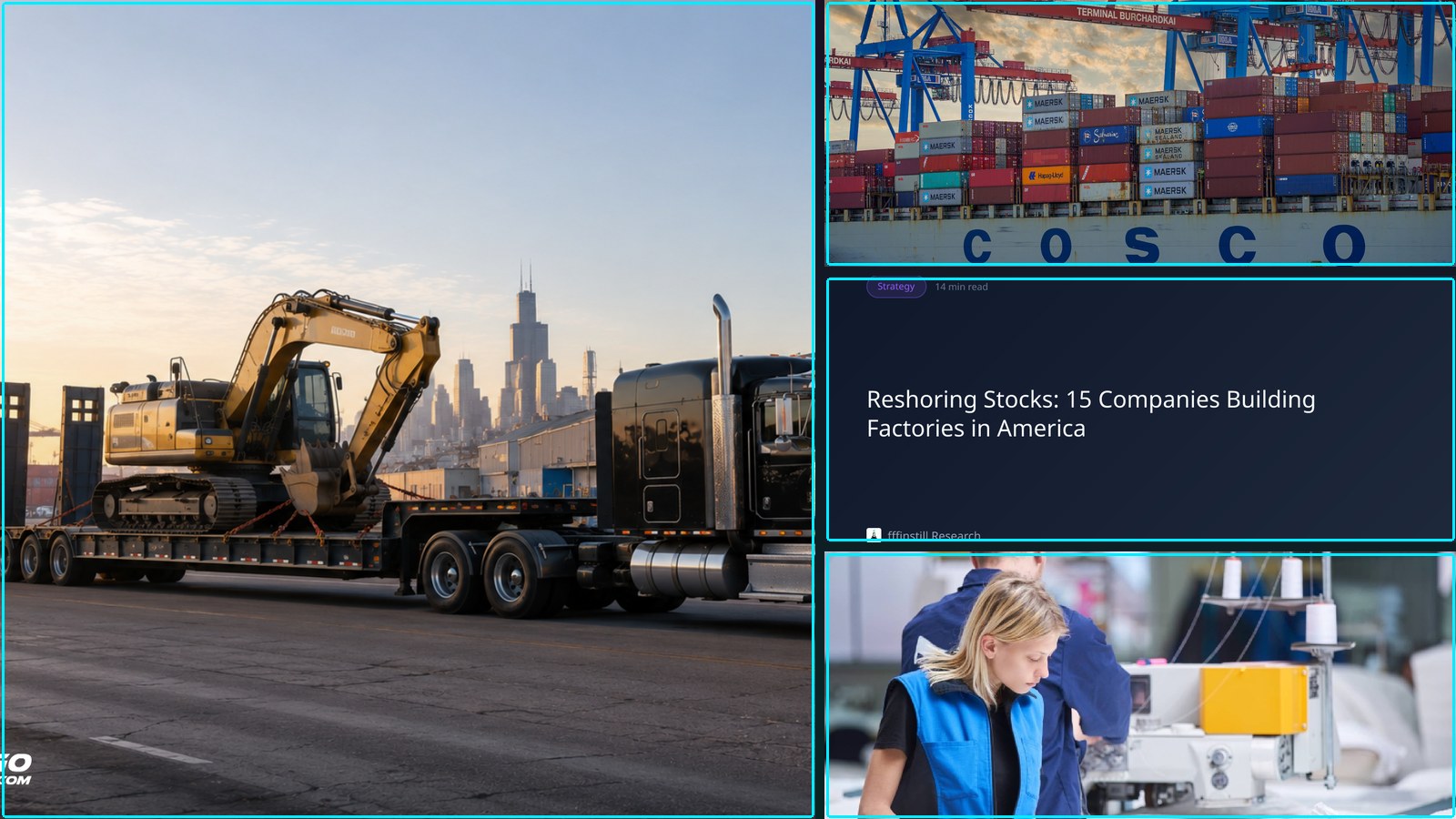
Reshoring and U.S. Factory Investments
How Tariffs Are Reshaping Warehouse Demand in 2026 | WareCRE (Warecre)
Summary: Effective tariff rates at 1930s-era levels are driving a two-phase surge in U.S. industrial real estate demand. The immediate effect is inventory front-loading, pushing 2026 net absorption to a forecast 200M SF. The structural shift is reshoring, predicted to increase warehouse demand by 35% over five years, concentrated in Southeast and Central U.S. corridors. This demand is hitting hardest in the small-bay segment (under 10,000 SF), which is structurally undersupplied with vacancy rates around 3-4%.
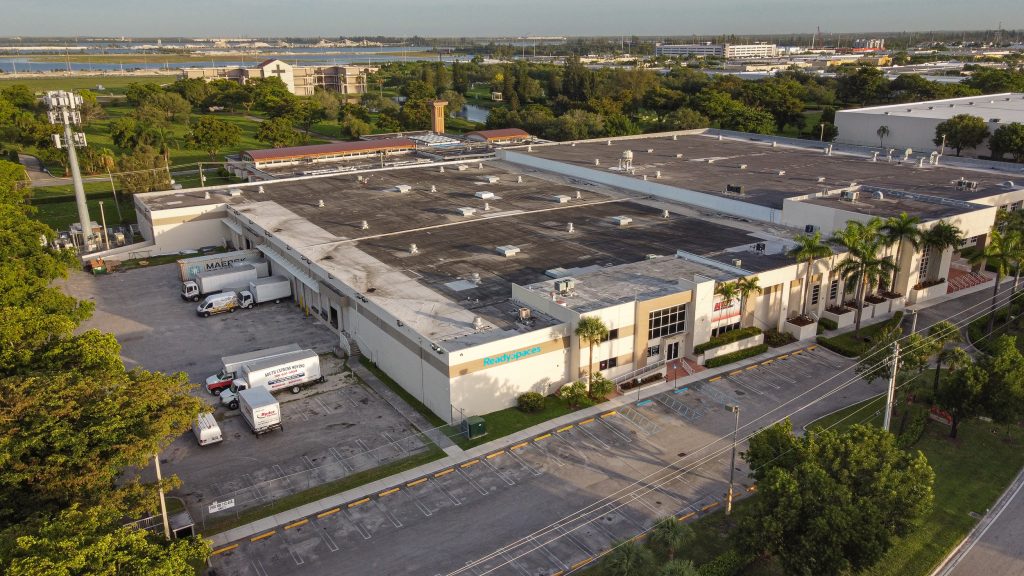
Why it matters: For practitioners, this means recalculating space needs, re-evaluating location strategies based on shifting freight origins, and competing for scarce, flexible small-bay space under volatile trade conditions.
Context: Manufacturing now accounts for 20% of new industrial leasing, up from 13% pre-pandemic, indicating a durable shift in the tenant base beyond traditional distribution.
"How Tariffs Are Reshaping Warehouse Demand in 2026 Key Takeaways – Tariffs are driving warehouse demand through two channels: short-term inventory front-loading (businesses pre-buying goods before rates increase) and long-term reshoring of." — WARECRE
Commentary: The mismatch between demand profile and supply constraints creates acute operational pressure. Tenants must now prioritize lease flexibility over cost-per-SF, while operators in port-adjacent and reshoring corridor markets must adapt property specs and marketing to capture shifting demand from pure storage to light manufacturing. The practical consequence is a premium on co-warehousing models and a rapid re-mapping of optimal warehouse locations based on new freight gateways like Laredo or Ho Chi Minh City.
Date: April 28, 2026 12:00 AM ET
URL: https://warecre.com/cre-insights/industrial-101/tariffs-reshaping-warehouse-demand-2026/
AI Sentiment Score: Negative (66%)
AI Credibility Score: 7.0/10 — Medium
Scores and text generated by AI analysis of the source article indicated.
Manufacturing Returning to America — Standard Time® Blog (Strdtime)
Summary: U.S. manufacturing construction spending has surged over 130% since 2020, driven by semiconductor, EV, and defense sectors, alongside policy incentives and automation. This represents a structural shift, not a cyclical rebound, creating a surge in demand for domestic production capacity. The primary constraint is a skilled labor shortage, and existing shops must modernize operational visibility to compete for new contracts.
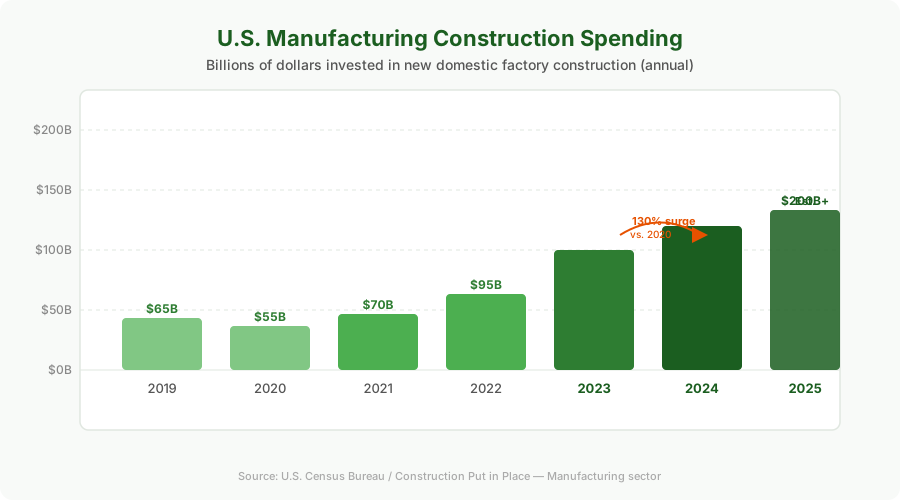
Why it matters: For domestic manufacturers and their suppliers, this shift creates immediate pressure to demonstrate scalable capacity and digital operational readiness to win business from major primes now actively auditing suppliers.
Context: This follows years of supply chain fragility, evolving trade policy, and unprecedented federal incentives like the CHIPS Act, which have collectively altered the cost-benefit analysis of domestic production.
"The investment is going into permanent fixed assets — fabrication plants, foundries, assembly facilities — that take years to plan, permit, and build, and that are not going to be mothballed when the next quarter comes in light." — STRDTIME
Commentary: The shift locks in long-term demand for domestic shops but redefines the qualifying criteria: procurement now audits for digital production scheduling and labor tracking, not just quality certs. The workforce gap in skilled trades is the critical bottleneck, making talent strategy as important as capital investment for scaling shops.
Date: April 23, 2026 12:00 AM ET
URL: https://strdtime.com/articles/448-manufacturing-returning-to-america
AI Sentiment Score: Negative (62%)
AI Credibility Score: 9.4/10 — High
Scores and text generated by AI analysis of the source article indicated.
The Reshoring Freight Boom Is Here: Heavy Haul Capacity 2026 (Bookyourcargo)
Summary: Reshoring industrial projects are creating a surge in demand for heavy haul and specialized freight capacity, with lead times stretching to 30 days. A new operational playbook advises manufacturers to integrate freight planning into site design, categorize loads meticulously, and secure carrier commitments 30-90 days in advance. The shift from importing finished goods to domestic manufacturing multiplies inbound freight movements, fundamentally altering logistics requirements.

Why it matters: For manufacturers executing reshoring builds, failure to adapt logistics planning to these new constraints risks project delays, cost overruns, and stranded capital.
Context: The domestic manufacturing boom is structurally different from import-based supply chains, replacing containerized finished goods with hundreds of fragmented, oversized inbound moves of machinery and materials.
"Stack those constraints, and the actual lead time on a heavy haul move from order to execution can run 14 to 30 days. … ### Heavy Haul Planning Playbook for Reshoring Projects." — BOOKYOURCARGO
Commentary: The 400:1 freight multiplier is the core operational shock: it turns logistics from a procurement function into a primary engineering constraint. The prescribed playbook effectively mandates that logistics firms become co-designers of manufacturing facilities, with routing and permit constraints influencing equipment specs and site layout. This elevates specialized carriers from vendors to critical path partners, locking in capacity as a strategic resource. The replication imperative—documenting move history—signals that reshoring is a repeatable process, not a one-off event, creating a durable market for integrated heavy-haul providers.
Date: April 22, 2026 12:00 AM ET
URL: https://bookyourcargo.com/blogs/reshoring-freight-boom-heavy-haul-capacity-2026
AI Sentiment Score: Negative (71%)
AI Credibility Score: 9.3/10 — High
Scores and text generated by AI analysis of the source article indicated.
Reshoring Stocks: 15 Companies Building Factories in America | fffinstill Research (Fffinstill)
Summary: A screen of 2,342 US equities identifies 15 manufacturing companies deploying $57 billion in annual capital expenditure toward new or expanded US factory capacity. The list, led by Texas Instruments, Nucor, and Caterpillar, reveals that reshoring is now a measurable capital allocation trend, driven by policy subsidies, supply chain risk premiums, and national security mandates. These investments represent a structural, multi-year capex cycle distinct from maintenance spending, with payoffs expected in the 2028-2030 timeframe.
Why it matters: For practitioners in manufacturing, logistics, and industrial investment, this quantifies the operational shift toward domestic capacity, revealing which sectors are committing real capital and the specific labor, vendor, and supply chain constraints that will result.
Context: Reshoring has transitioned from political rhetoric to a capital expenditure line item, accelerated by the CHIPS Act, Inflation Reduction Act incentives, and enduring supply chain risk assessments post-COVID.
"The reshoring trend is no longer just a political talking point — it’s showing up in capital expenditure line items. Between the CHIPS and Science Act ($52.7 billion for semiconductor manufacturing), Section 232 steel tariffs, and bipartisan pressure to reduce dependence on Chinese supply chains, American companies are deploying tens of billions into domestic manufacturing capacity." — FFFINSTILL
Commentary: The analysis shifts the reshoring narrative from sentiment to hard metrics, defining it by capex intensity (7-15%+ of revenue) and greenfield announcements. For operators, this means a multi-year scramble for construction labor, specialized tooling, and domestic sub-component suppliers, while creating a permanent pricing umbrella for US-made industrial inputs. The identified companies now face the execution risk of building and staffing facilities in a tight labor market, with their success determining the real capacity and cost profile of the reshored industrial base.
Date: May 18, 2026 12:00 AM ET
URL: https://fffinstill.com/blog/reshoring-stocks-companies-building-factories-in-america
AI Sentiment Score: Negative (80%)
AI Credibility Score: 7.0/10 — Medium
Scores and text generated by AI analysis of the source article indicated.
Automated Garment Manufacturing Could Reshape Global Supply Chains – Buyback Announcement Report (Newser)
Summary: Automated sewing and knitting technologies from firms like SoftWear Automation and Kniterate are advancing to handle flexible fabrics, a key technical hurdle. This could reduce the labor cost advantage of Asian manufacturing for basic apparel, making reshoring of production to Western markets economically viable for high-volume items. The shift enables a potential move toward localized micro-factories and alters the calculus of supply chain resilience versus pure labor cost.

Why it matters: For domestic manufacturers and brands, this changes the feasibility analysis for onshoring, directly impacting capital expenditure decisions, facility planning, and workforce strategy.
Context: Apparel manufacturing has been defined by labor arbitrage for decades, with complex, dexterous sewing remaining the final barrier to full automation and a primary constraint on supply chain relocation.
"New robotic sewing and knitting machines may enable apparel production to return to Western countries, challenging Asia’s dominance in garment manufacturing. These technologies could reduce labor costs and shorten supply chains, potentially." — NEWSER
Commentary: The operational consequence is a bifurcation: high-volume basics become candidates for automated domestic production, while complex, low-volume, or delicate items will likely remain offshore. This forces brands to segment their supply chains not just by product category, but by technical feasibility of automation. Investment will flow to vendors solving for specific fabric handling, not generic robotics. The real constraint isn’t the machine’s sticker price, but its operational reliability and total cost per quality unit, which will determine the break-even point for reshoring.
Date: May 23, 2026 12:00 AM ET
URL: https://www.newser.com/expert-time/Automated-Garment-Manufacturing-Could-Reshape-Global-Supply-Chains-21-3773
AI Sentiment Score: Negative (80%)
AI Credibility Score: 10.0/10 — High
Scores and text generated by AI analysis of the source article indicated.
Automated Garment Manufacturing Could Reshape Global Supply Chains – Peak Earnings Alert (Newser)
Summary: Advances in robotic sewing and assembly machines, known as ‘sewbots,’ are reaching pilot stages in the US and Europe, automating labor-intensive steps like stitching sleeves. This technology aims to make domestic garment production for basic items like t-shirts cost-competitive with Asian imports by drastically reducing per-unit labor costs. The potential operational shift is from long, offshore supply chains to near-shored, automated factories closer to Western consumer markets.
Why it matters: For brands and manufacturers, this represents a tangible, if nascent, pathway to reconfigure supply chains for speed and resilience, directly impacting inventory strategy, capital allocation, and vendor relationships.
Context: Apparel manufacturing has been concentrated in low-wage Asian hubs for decades due to the high manual labor content, making reshoring economically unviable for basic garments until now.
"A new wave of automated sewing and assembly machines may enable t-shirt production to return to Western economies, challenging the long-established dominance of Asian manufacturing hubs. While most apparel is still made." — NEWSER
Commentary: The immediate constraint is not the technology’s existence but its scalability and reliability for high-volume runs; pilot installations are a proof-of-concept, not proof-of-scale. For Western operators, the labor shift is from seeking low-cost manual sewers to recruiting and training a smaller cadre of higher-paid technicians, a fundamentally different workforce challenge. This pressures Asian suppliers to accelerate their own automation investments or risk being locked into a cost-based competition they can no longer win solely with cheap labor.
Date: May 21, 2026 12:00 AM ET
URL: http://www.newser.com/expert-time/Automated-Garment-Manufacturing-Could-Reshape-Global-Supply-Chains-20-141
AI Sentiment Score: Negative (63%)
AI Credibility Score: 10.0/10 — High
Scores and text generated by AI analysis of the source article indicated.
Reshoring Yet Lack of Investment – The Manufacturing Connection (Themanufacturingconnection)
Summary: A new analysis indicates the post-2020 wave of reshoring investment is losing momentum, with leading indicators pointing to a sharp slowdown in new project activity for 2026. The forecast shows indexed growth falling to 76.0, a significant drop from the previous view of 105.9. Critically, the report notes that announced capacity increases often involve expanding or automating existing facilities rather than constructing new factories, meaning headline reshoring figures can mask a stagnant physical industrial base.

Why it matters: For procurement, operations, and supply chain managers, this signals tighter domestic capacity constraints and potentially higher future costs, as the underlying manufacturing footprint is not expanding as rapidly as public announcements suggest.
Context: This follows a period of intense political and corporate focus on rebuilding domestic supply chains, where public announcements of new facilities have often been used as proxies for systemic resilience.
"Written by senior analyst Matthieu Kulezak, the research notes that following a wave of investment from 2020 to 2024, the momentum is clearly fading “with leading indicators pointing to a sharp slowdown." — THEMANUFACTURINGCONNECTION
Commentary: The decoupling of output growth from factory count reveals a capital-constrained, efficiency-first approach to reshoring. This prioritizes near-term ROI over building redundant, resilient capacity, leaving the system vulnerable to single-point failures at these expanded hubs. For brands and makers, this means domestic sourcing may remain brittle and susceptible to localized disruptions, despite the reshoring narrative.
Date: April 27, 2026 12:00 AM ET
URL: https://themanufacturingconnection.com/2026/04/reshoring-yet-lack-of-investment/
AI Sentiment Score: Negative (50%)
AI Credibility Score: 7.0/10 — Medium
Scores and text generated by AI analysis of the source article indicated.
NVIDIA and Corning Announce Long-Term Partnership to Strengthen US Manufacturing for AI Infrastructure | NVIDIA Newsroom (Nvidianews.Nvidia)
Summary: NVIDIA and Corning have announced a long-term strategic partnership focused on expanding U.S.-based manufacturing capacity for optical connectivity and fiber, specifically to support AI infrastructure. The collaboration aims to build new manufacturing facilities, create jobs, and secure the supply chain for components where intelligence ‘moves at the speed of light.’ The announcement frames AI as driving the largest infrastructure buildout and a generational opportunity to reinvigorate American manufacturing.

Why it matters: For domestic manufacturing and logistics operators, this signals a concrete, capital-intensive shift in the supply chain for a critical bottleneck in AI compute—optical connectivity—with direct implications for capacity planning, labor markets, and supplier relationships.
Context: This follows a pattern of strategic, vertical partnerships aimed at securing resilient, advanced component supply chains within U.S. borders, moving beyond final assembly to foundational materials and specialized manufacturing.
"About NVIDIA NVIDIA (NASDAQ: NVDA) is the world leader in AI and accelerated computing. About Corning Incorporated Corning (www.corning.com) is one of the world’s leading innovators in materials science, with a 175-year." — NVIDIANEWS.NVIDIA
Commentary: The partnership directly addresses a physical constraint: AI clusters are limited by data movement, not just compute. By co-investing in domestic optical fiber and connectivity manufacturing, NVIDIA is attempting to control a critical, high-margin bottleneck and mitigate geopolitical risk. For U.S. industrial policy, this represents a test case for whether ‘reshoring’ can extend beyond final assembly to the complex, capital-intensive production of specialized materials. The real constraint will be scaling skilled labor and maintaining cost competitiveness against established Asian supply chains, not just breaking ground on new facilities.
Date: 2 weeks ago
URL: https://nvidianews.nvidia.com/news/nvidia-and-corning-announce-long-term-partnership-to-strengthen-us-manufacturing-for-ai-infrastructure
AI Sentiment Score: Negative (75%)
AI Credibility Score: 9.7/10 — High
Scores and text generated by AI analysis of the source article indicated.
§45X tax credits: A guide for manufacturers (2025) (Cruxclimate)
Summary: The IRS has published operational guidance for the §45X Advanced Manufacturing Production Tax Credit (AMPTC), detailing eligibility, valuation, and monetization pathways for domestic manufacturers of clean energy components and critical minerals. The credit applies to a defined list of solar and wind components—with a hard sunset for wind after 2027—and ten specific critical minerals. To qualify, manufacturing must constitute ‘substantial transformation’ within the US, not minor assembly, and finished goods must be sold to an unrelated third party. The guidance establishes a phasedown schedule for most component credits starting in 2030, while critical mineral credits are permanent, and outlines mandatory pre-filing registration and specific tax forms for claiming credits via direct pay or transfer.
Why it matters: For manufacturers and their financiers, this defines the concrete operational and compliance steps required to monetize a major industrial subsidy, directly affecting project economics, supply chain sourcing decisions, and facility investment timelines.
Context: The §45X credit is a core financial instrument of the Inflation Reduction Act, designed to onshore clean energy supply chains by making US production cost-competitive.
"Manufacturers are entitled to receive a production tax credit if they produce: – Solar energy components, including solar modules, photovoltaic cells (thin film and crystalline), photovoltaic wafers, solar-grade polysilicon, torque tubes." — CRUXCLIMATE
Commentary: The ‘substantial transformation’ test creates a bright-line rule that will favor integrated manufacturing facilities over final assembly shops, reshaping capital expenditure plans. The divergent phaseout schedules—with critical minerals exempt—will steer long-term investment toward mining and refining over component fabrication post-2030, while the wind component sunset in 2027 imposes a tight window for that sector’s supply chain build-out. The mandatory pre-filing registration and facility-specific Form 7207 introduce new administrative overhead and audit trails, effectively creating a federal registry of qualified production assets.
Date: May 22, 2026 12:00 AM ET
URL: https://www.cruxclimate.com/insights/45x-tax-credit
AI Sentiment Score: Negative (75%)
AI Credibility Score: 7.0/10 — Medium
Scores and text generated by AI analysis of the source article indicated.
The Reshoring of Commercial Equipment Manufacturing: What It Means for Transit and Fleet Operations (Globaltrademag)
Summary: The article details an accelerating reshoring trend in commercial equipment manufacturing, driven by supply chain fragility, rising transportation costs, and government incentives. For transit and fleet operators, this shift promises reduced lead times and improved reliability for repairs and parts. However, it introduces higher upfront labor costs and does not eliminate dependence on global sources for critical components like semiconductors. The emerging model is a hybrid of domestic assembly with global sourcing, moving toward more regionalized supply chains.

Why it matters: For procurement, maintenance, and operations managers in transit and fleet sectors, this shift directly impacts equipment availability, repair turnaround times, and total cost of ownership calculations.
Context: This follows a multi-year pattern of supply chain reevaluation post-pandemic, where just-in-time global logistics have been supplemented by just-in-case regional buffers.
"For the short term, many companies will rely on a mix of domestic assembly with global sourcing, while production is evolving to more local and regional areas." — GLOBALTRADEMAG
Commentary: The operational consequence is a bifurcated procurement strategy: planners must now manage dual supply chains, weighing the resilience of domestic mechanical assemblies against the unavoidable global dependency for advanced electronics. This hybrid model increases administrative overhead but offers a tangible path to mitigating catastrophic downtime. The real test for domestic capacity will be scaling beyond final assembly to encompass a broader tier-two and tier-three supplier base.
Date: April 29, 2026 12:00 AM ET
URL: https://www.globaltrademag.com/the-reshoring-of-commercial-equipment-manufacturing-what-it-means-for-transit-and-fleet-operations/
AI Sentiment Score: Negative (83%)
AI Credibility Score: 10.0/10 — High
Scores and text generated by AI analysis of the source article indicated.
US Textile Sector Stable in 2025 Amid $60.9bn Output (News.Yrules)
Summary: The US textile sector’s 2025 output of $60.9bn, a 4.7% decline from 2024, signals resilience amid broader economic volatility. The more telling metric is the $34.3bn invested in advanced manufacturing since 2017, with a record $5.5bn in 2024 alone, indicating a structural pivot toward automation and nearshoring.
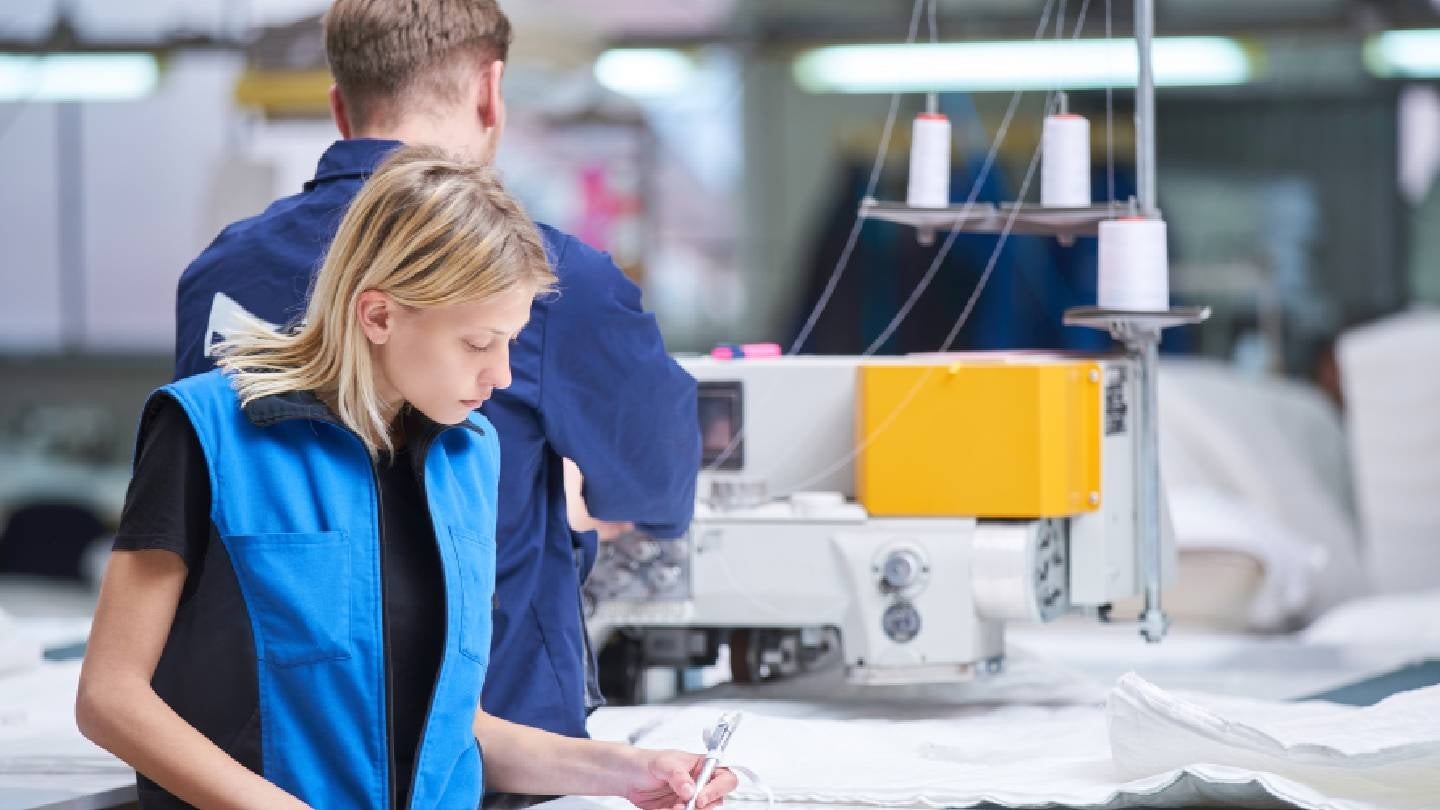
Why it matters: For domestic manufacturers and their supply chain partners, this data reveals a capital-intensive, automation-driven path to stability, directly impacting operational costs, labor strategies, and compliance with evolving sourcing mandates.
Context: This stability follows years of investment aimed at countering offshore labor advantages and meeting stringent ‘Made in USA’ requirements for defense and government contracts.
"The $34.3bn invested in advanced manufacturing since 2017 reflects a long-term bet on automation, traceability, and nearshoring — trends increasingly critical for compliance with defence sourcing rules and regional trade agreements." — NEWS.YRULES
Commentary: The narrative of ‘stability’ masks a fundamental operational shift: survival now depends on capital expenditure, not labor cost arbitrage. This locks smaller, less automated producers out of key defense and B2G contracts, while large integrators with modernized plants consolidate market share. The $5.5bn single-year investment peak suggests the sector is accelerating this capital-for-labor substitution, permanently altering workforce composition and vendor qualification criteria.
Date: April 20, 2026 12:00 AM ET
URL: https://news.yrules.com/en/archives/14851
AI Sentiment Score: Positive (66%)
AI Credibility Score: 7.0/10 — Medium
Scores and text generated by AI analysis of the source article indicated.
Can Footwear Manufacturing Return to the USA? | STRIDE USA 2026 (Youtube)
Summary: A footwear industry executive outlines a bifurcated future for U.S. manufacturing, positioning domestic production for premium goods and rapid prototyping while conceding high-volume commodity production could remain offshore. The strategy hinges on leveraging low-cost, low-risk pilot projects to demonstrate feasibility and build capability. The focus is on onshoring material production as a priority, with final assembly location dictated by design complexity and style.
Why it matters: This clarifies the practical, non-ideological business case for reshoring specific segments of the footwear pipeline, directly informing sourcing, capital investment, and product development strategies for brands and manufacturers.
Context: Reshoring narratives often clash with the economic realities of labor-intensive, low-margin manufacturing; this represents a pragmatic segmentation of the supply chain based on value, speed, and risk rather than a wholesale relocation.
"These are things that are relatively inexpensive, they are low cost, they are low risk, but they help {ts:366} show what’s possible. … The Made in US is premium product. The {ts:516}." — YOUTUBE
Commentary: This frames ‘Made in USA’ not as a patriotic slogan but as a specific operational capability for high-margin, design-forward, or time-sensitive products. It signals that domestic footwear capacity will be built for agility and brand value, not for competing on cost at scale, which could force brands to manage dual, specialized supply chains. The emphasis on material onshoring targets a critical bottleneck and cost driver, suggesting the real reshoring battle is upstream in textiles and components.
Date: May 19, 2026 12:00 AM ET
URL: https://www.youtube.com/watch?v=GiXYTuIRfG4
AI Sentiment Score: Negative (71%)
AI Credibility Score: 10.0/10 — High
Scores and text generated by AI analysis of the source article indicated.
INTRODUCING: USA MADE APPAREL (Youtube)
Summary: MKC has launched a Heritage Hoodie marketed as a fully domestic product, tracing its supply chain from Texas cotton fields to a final assembly and shipping point in Missoula, Montana. The product narrative emphasizes a contiguous, all-American manufacturing pipeline involving processing, dyeing, knitting, and sewing, primarily across Texas and California. This represents a specific operational claim in response to consumer demand for verified domestic production.
Why it matters: For brands and manufacturers evaluating domestic production, this case highlights the operational complexity and cost structure of maintaining a fully integrated, geographically dispersed US supply chain, setting a benchmark for marketing claims and logistical reality.
Context: The ‘Made in USA’ label faces scrutiny over federal compliance and component sourcing, pushing brands toward transparent, verifiable supply chains rather than assembly-only claims.
"The cotton starts in Texas fields, then makes its way west to California where it’s processed, dyed, knit, patterned, cut, and sewn before it ships to us in Missoula, MT." — YOUTUBE
Commentary: The detailed geographic mapping is a direct response to audit risks and consumer skepticism, but it exposes vulnerability: resilience depends on multiple specialized domestic facilities with no single-point redundancy. For competitors, this raises the bar for substantiation but also illustrates the premium logistics cost and extended lead times inherent in a non-optimized, continent-spanning workflow. The real constraint isn’t marketing desire but the brittle capacity of niche US textile processors and cut-and-sew operators.
Date: April 24, 2026 12:00 AM ET
URL: https://www.youtube.com/watch?v=iBbHxjyqh3s
AI Sentiment Score: Negative (87%)
AI Credibility Score: 10.0/10 — High
Scores and text generated by AI analysis of the source article indicated.
Threads of Change : Slow fashion makers and textile outfits are shifting what it means to care about what we wear | WNC Magazine (Wncmagazine)
Summary: A cluster of small-scale manufacturers in Western North Carolina is operationalizing the ‘slow fashion’ ethos through distinct business models, from bespoke ateliers like Twin Denim Co. and Appalachia Blues to contract manufacturing at Sew Co. and circular processing at Material Return. Their practices prioritize domestic sourcing, artisanal techniques, and durability over volume, with price points reflecting intensive labor and material costs. These operations exist within a supportive regional ecosystem, including the Carolina Textile District, which aims to preserve domestic manufacturing skills and supply chains.

Why it matters: For domestic producers, this signals a viable, if niche, market segment defined by craftsmanship and resilience over scale, offering an alternative to offshored fast fashion but requiring a complete rethinking of cost structures and customer acquisition.
Context: The U.S. textile manufacturing base, particularly in the Southeast, has been decimated over decades, creating a skills and infrastructure gap. The pandemic’s supply chain shocks and growing consumer interest in sustainability have renewed focus on domestic production capacity and circular economies.
"In a dingy warehouse tucked in a rural pocket of West Asheville, Lea Panteliodis’s sewing studio brims with rolls of deadstock denim and other fabrics, spools of thread, bins of heavy-duty snaps,." — WNCMAGAZINE
Commentary: The operational core here is not just ethics but skills preservation as a national capacity issue. Sew Co.’s pivot to PPE during the pandemic validates this, demonstrating that small-batch, skilled domestic shops provide critical supply chain agility. For brands, the cost premium for such manufacturing necessitates a direct-to-consumer or luxury positioning where craftsmanship is the product’s primary value proposition.
Date: April 17, 2026
URL: https://wncmagazine.com/feature/threads_change
AI Sentiment Score: Negative (87%)
AI Credibility Score: 9.7/10 — High
Scores and text generated by AI analysis of the source article indicated.
Automakers expand US battery storage supply but China still key | Reuters (Reuters)
Summary: Automaker investments will help to increase U.S. battery storage production but many developers will remain dependent on imported cells and they must navigate tariff and policy risks.
Why it matters: US storage build-out is bifurcated: local assembly gains traction, but cell sourcing remains heavily reliant on imports.
Context: Focus operational risk assessment on tariff exposure and the immediate need to diversify cell supply chains beyond current Chinese dependencies.
"Automaker investments will help to increase U.S. battery storage production but many developers will remain dependent on imported cells and they must navigate tariff and policy risks." — REUTERS
Commentary: The signal is still worth tracking, but the current extraction path did not yield enough body text for a fuller analytical read. The immediate implication is operational rather than speculative: watch how this changes budgets, workflows, or risk assumptions over the next cycle.
Date: April 13, 2026
URL: https://www.reuters.com/business/energy/automakers-expand-us-battery-storage-supply-china-still-key--reeii-2026-04-13/
AI Sentiment Score: Negative (75%)
AI Credibility Score: 10.0/10 — High
Scores and text generated by AI analysis of the source article indicated.
INTRODUCING: USA MADE APPAREL (Youtube)
Summary: MKC has launched a Heritage Hoodie marketed as being manufactured entirely within the United States, with a detailed supply chain spanning Texas cotton fields, California processing and assembly, and final shipment to Montana. The announcement frames the product as a direct response to sustained customer demand for domestically produced apparel.
Why it matters: For brands and manufacturers evaluating domestic production, this case highlights the operational reality of a multi-state US supply chain, testing claims of resilience against the costs and logistical complexity of distributed domestic assembly.
Context: The ‘Made in USA’ apparel segment is a litmus test for reshoring viability, where marketing narratives often collide with the hard constraints of material sourcing, skilled labor pools, and integrated finishing capacity.
"The cotton starts in Texas fields, then makes its way west to California where it’s processed, dyed, knit, patterned, cut, and sewn before it ships to us in Missoula, MT." — YOUTUBE
Commentary: The explicit, point-to-point supply chain map is the operational core of the claim, moving the conversation from a marketing label to a verifiable, but vulnerable, production itinerary. The coast-to-coast material flow underscores that ‘American-made’ is rarely localized, introducing significant freight and coordination costs that brands must absorb or pass on. For competitors, this sets a benchmark for transparency that may force more detailed sourcing disclosures, while for procurement officers, it illustrates the fragmented domestic textile ecosystem that still lacks a fully integrated regional pipeline.
Date: April 24, 2026 12:00 AM ET
URL: https://www.youtube.com/watch?v=iBbHxjyqh3s&vl=id
AI Sentiment Score: Negative (50%)
AI Credibility Score: 10.0/10 — High
Scores and text generated by AI analysis of the source article indicated.
[News] TSMC Hints at Potential Further U.S. Expansion; Industry Sources Reportedly See Up to US$250B Investment (Trendforce)
Summary: TSMC’s U.S. expansion is accelerating beyond its initial Arizona commitments. Its first Phoenix fab is in mass production, a second is complete and targeting 3nm production in 2027, and construction is underway on a third fab with permits sought for a fourth and an advanced packaging facility. Industry sources suggest the company’s total U.S. investment could reach $250 billion, aiming to replicate its Taiwanese cluster model. Concurrently, TSMC is restructuring its board to add seats, explicitly seeking directors with expertise in international supply chains, geopolitics, and U.S. policy.
![[News] TSMC Hints at Potential Further U.S. Expansion; Industry Sources Reportedly See Up to US$250B Investment](https://img.trendforce.com/blog/wp-content/uploads/2025/12/31135548/TSMC-20251231.jpg "Image via Trendforce")
Why it matters: This signals a structural, capital-intensive shift in advanced semiconductor manufacturing geography, with direct implications for supply chain resilience, vendor location strategies, and the cost base for downstream U.S. tech and manufacturing sectors.
Context: The CHIPS Act created financial incentives, but TSMC’s moves indicate a longer-term strategic realignment driven by customer demand and geopolitical pressure, moving critical capacity outside Taiwan.
"Industry sources added that TSMC’s total U.S. investment could reach as much as US$250 billion, with the company expected to replicate the Hsinchu Science Park cluster model in Phoenix." — TRENDFORCE
Commentary: The scale of the hinted investment and the board restructuring reveal this is a generational pivot, not a satellite operation. For U.S. manufacturing, it creates a high-tech anchor but also intensifies competition for specialized labor, water, and power in Arizona. The 7:3 Taiwan-to-U.S. capacity ratio for sub-2nm by 2030 is the operational metric to watch; it defines the new risk distribution for the global electronics pipeline.
Date: 1 week ago
URL: https://trendforce.com/news/2026/05/07/news-tsmc-hints-at-potential-further-u-s-expansion-industry-sources-reportedly-see-up-to-us250b-investment
AI Sentiment Score: Negative (75%)
AI Credibility Score: 7.0/10 — Medium
Scores and text generated by AI analysis of the source article indicated.
Erwin manufacturer to close, 129 people will lose jobs | WJHL | Tri-Cities News & Weather (Wjhl)
Summary: ERWIN, Tenn. (WJHL) — A longtime manufacturer of steel ball bearings and tapered roller bearings will close in early 2027, putting an estimated 129 people in Erwin out of work. The Tsubaki-Nakashima plant at 800 Tennessee Road has operated for several decades under various owners.
Why it matters: Loss of established bearing manufacturing capacity signals regional supply chain contraction; assess immediate alternative sourcing routes.
Context: Closure timeline (early 2027) allows for strategic capacity planning, but labor impact suggests local vendor instability.
"ERWIN, Tenn. (WJHL) — A longtime manufacturer of steel ball bearings and tapered roller bearings will close in early 2027, putting an estimated 129 people in Erwin out of work. The Tsubaki-Nakashima." — WJHL
Commentary: The signal is still worth tracking, but the current extraction path did not yield enough body text for a fuller analytical read. The immediate implication is operational rather than speculative: watch how this changes budgets, workflows, or risk assumptions over the next cycle.
Date: 6 days ago
URL: https://www.wjhl.com/news/local/erwin-manufacturer-to-close-129-people-will-lose-jobs/
AI Sentiment Score: Negative (80%)
AI Credibility Score: 7.0/10 — Medium
Scores and text generated by AI analysis of the source article indicated.
Post ID: ac2520d4