Major Brand Deals, Acquisitions & Financial Moves
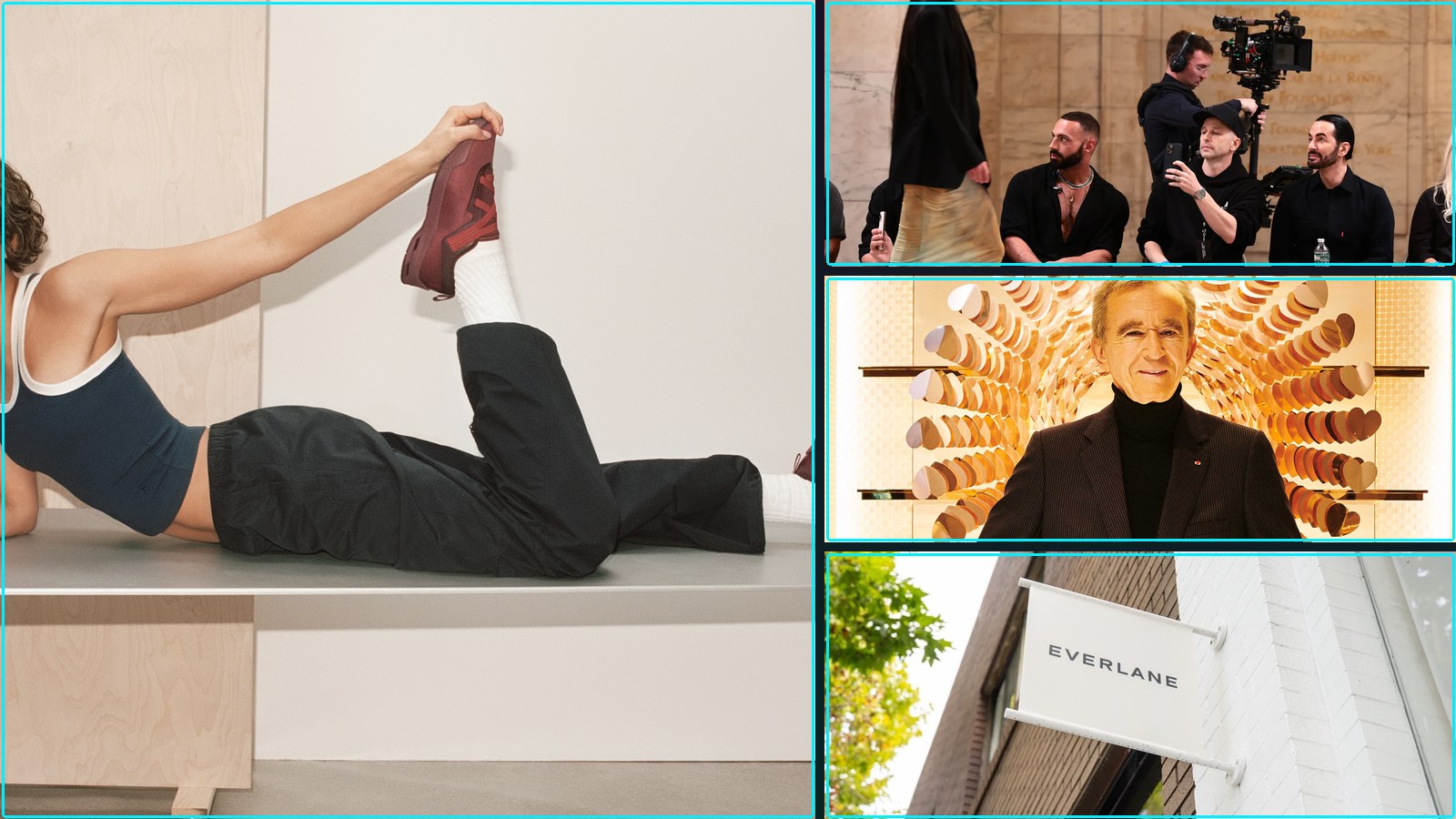
On crosses $1 billion in quarterly sales as new CEOs push into full-look dressing (Glossy.Co)
Summary: On has surpassed $1 billion in quarterly sales for the first time, driven by a 45% surge in apparel revenue. The brand’s strategic pivot under new co-CEO David Allemann is towards ‘toe-to-head’ dressing, using lifestyle apparel and celebrity collaborations like Zendaya’s to attract a younger, 18-34 demographic through direct channels. This expansion is balanced against maintaining a disciplined wholesale rollout and core performance innovation, such as its LightSpray technology. The company is now operating two parallel business models: performance-led engineering and identity-driven lifestyle branding.
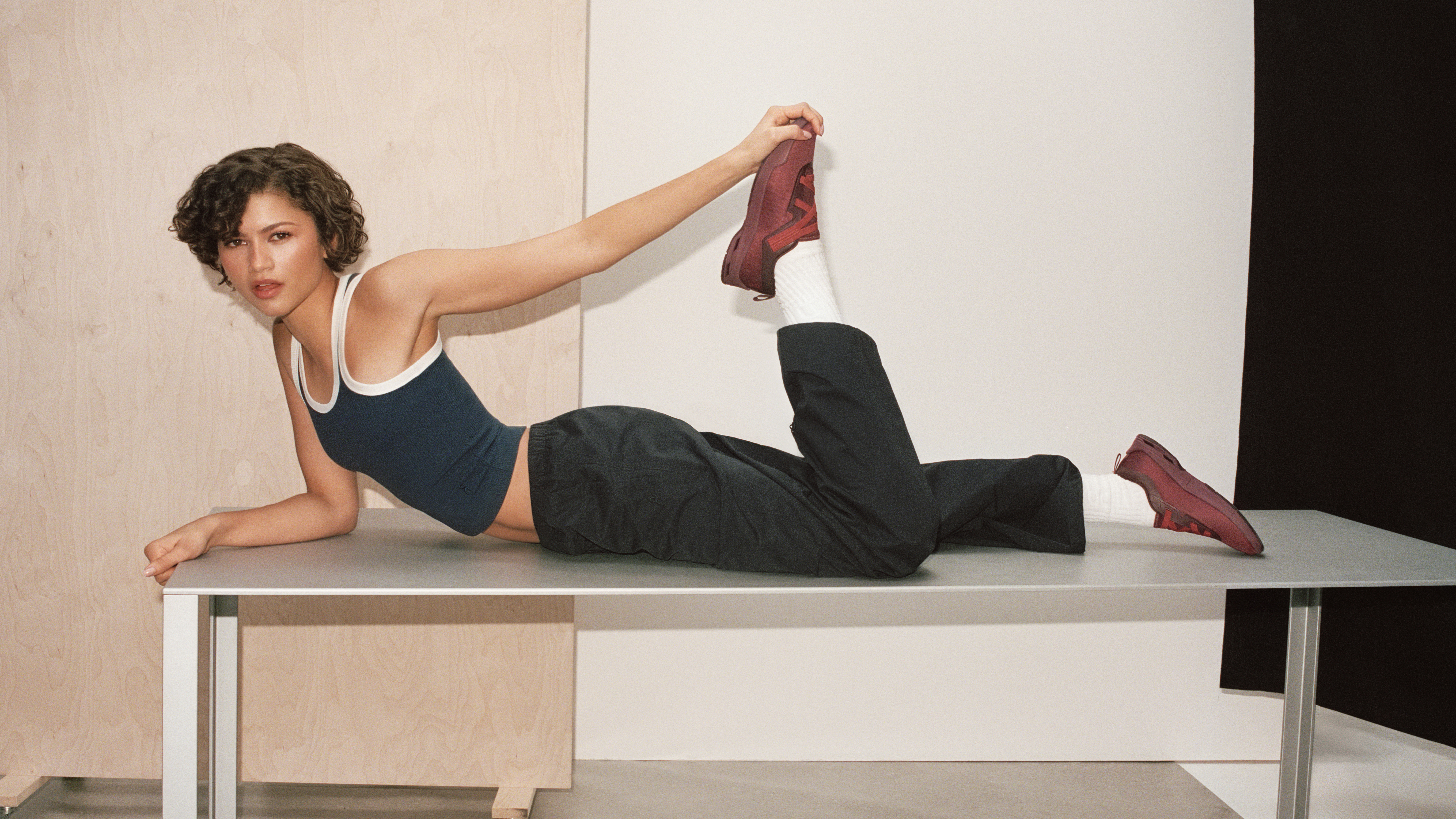
Why it matters: It demonstrates a viable, margin-accretive expansion path for performance brands into full-look dressing, directly altering product development pipelines, marketing spend, and channel strategy.
Context: The sportswear sector is converging, with performance brands like On and Lululemon leveraging technical credibility to capture lifestyle wardrobing, while fashion houses integrate athletic functionality.
"On’s apparel business is still small compared to its footwear engine. But in the first quarter of 2026, it became the clearest signal of where the Swiss sportswear brand wants to go." — GLOSSY.CO
Commentary: On’s apparel-led customer acquisition flips the traditional footwear-first funnel, forcing a reallocation of design resources and marketing narratives towards full-outfit storytelling. The operational tension lies in managing parallel R&D pipelines—one for hyper-performance (LightSpray) and one for lifestyle expression—while maintaining premium positioning through disciplined distribution. For vendors and competitors, this signals a shift in wholesale negotiations towards securing apparel floor space and co-investment in long-form brand content over transactional product drops.
Date: Tue, 12 May 2026 13:23:26 +0000
URL: https://www.glossy.co/fashion/on-crosses-1-billion-in-quarterly-sales-as-new-ceos-push-into-full-look-dressing/
AI Sentiment Score: Negative (66%)
AI Credibility Score: 10.0/10 — High
Scores and text generated by AI analysis of the source article indicated.
What Everlane’s Sale to Shein Means for Sustainable Fashion (Wwd)
Summary: Everlane, the direct-to-consumer brand built on ‘radical transparency,’ is reportedly being acquired by ultra-fast-fashion giant Shein for approximately $100 million. The sale, driven by Everlane’s financial distress under private equity ownership, represents a stark collision between ethical branding and the pressures of scale and capital. The move is seen as a strategic play by Shein to gain a foothold in a more premium market segment and bolster its portfolio ahead of a potential IPO.

Why it matters: This acquisition redefines the practical landscape for ethical fashion brands, demonstrating how venture capital’s growth mandates can force a sale to the very operational model the brand was built to oppose, forcing a reassessment of sustainable business viability.
Context: The deal follows a pattern of VC-backed ‘sustainable’ brands, like Allbirds, failing to reconcile their ethos with the financial demands of their backers, highlighting a structural tension between ethical claims and growth economics.
"“This is like if SeaWorld bought PETA.” That was fashion designer Camille Witt (@kindof_camille), reacting on Instagram to a Puck News report that ethical DTC brand Everlane is being sold—some say “sold." — WWD
Commentary: The acquisition is a portfolio operation for Shein, acquiring a compliant supply chain and a brand narrative to soften regulatory and reputational headwinds. For practitioners, it validates that ‘sustainability’ as a brand attribute is a transferable asset, decoupled from operational control, and that transparency frameworks are ultimately vulnerable to ownership changes. The immediate consequence is a forced vendor and audit realignment for Everlane’s supply chain, as Shein’s logistics and costing models are imposed.
Date: Mon, 18 May 2026 19:53:52 +0000
URL: https://wwd.com/sourcing-journal/sustainability/everlane-shein-sustainable-fashion-mergers-acquisitions-1238971899/
AI Sentiment Score: Positive (50%)
AI Credibility Score: 10.0/10 — High
Scores and text generated by AI analysis of the source article indicated.
Buying Marc Jacobs: The Details of WHP and G-III’s $925M Designer Deal (Wwd)
Summary: WHP Global and G-III Apparel Group have structured a $925 million acquisition of Marc Jacobs from LVMH, splitting the brand’s IP and operations. A joint venture holds the intellectual property, while G-III acquires the operating business and secures a long-term, exclusive license for key markets. The deal locks in creative director Marc Jacobs under a new governance board and commits G-III to the brand through a licensing agreement that could extend to 2091.

Why it matters: The deal’s structure—separating IP ownership from licensed operations—creates a new template for designer brand acquisitions, directly impacting licensing strategies, supply chain control, and long-term creative governance for industry practitioners.
Context: This follows a pattern of financial buyers and apparel conglomerates acquiring legacy designer labels to leverage IP through aggressive licensing, moving away from the integrated luxury model of groups like LVMH.
"The G-III licensing deal runs through 2041 and automatically renews for 10 successive five-year periods. If all the renewals were to go through, that has G-III churning out Marc Jacobs styles into 2091." — WWD
Commentary: The 50-year licensing horizon effectively mortgages the brand’s future to G-III’s wholesale and retail execution, prioritizing volume and distribution over creative scarcity. This shifts risk from LVMH’s capital-intensive model to a licensor-operator framework, where WHP’s IP monetization in other regions and G-III’s supply chain efficiency become the primary value drivers. The practical consequence is a decoupling of brand equity management from product operations, requiring new coordination disciplines between the JV board and the licensee.
Date: Mon, 18 May 2026 19:58:59 +0000
URL: https://wwd.com/business-news/financial/marc-jacobs-whp-g-iii-acquisition-details-1238971705/
AI Sentiment Score: Negative (75%)
AI Credibility Score: 10.0/10 — High
Scores and text generated by AI analysis of the source article indicated.
Marc Jacobs to be acquired by Toys R Us parent company (Retaildive)
Summary: WHP Global, the brand management firm behind Toys R Us and Express, has agreed to acquire the Marc Jacobs brand from LVMH. Designer Marc Jacobs could remain as creative director, while G-III Apparel Group will partner to operate the DTC and wholesale businesses, with WHP overseeing licensing. The deal moves a major American luxury label from a European conglomerate to a portfolio of primarily mass-market and revived retail brands.
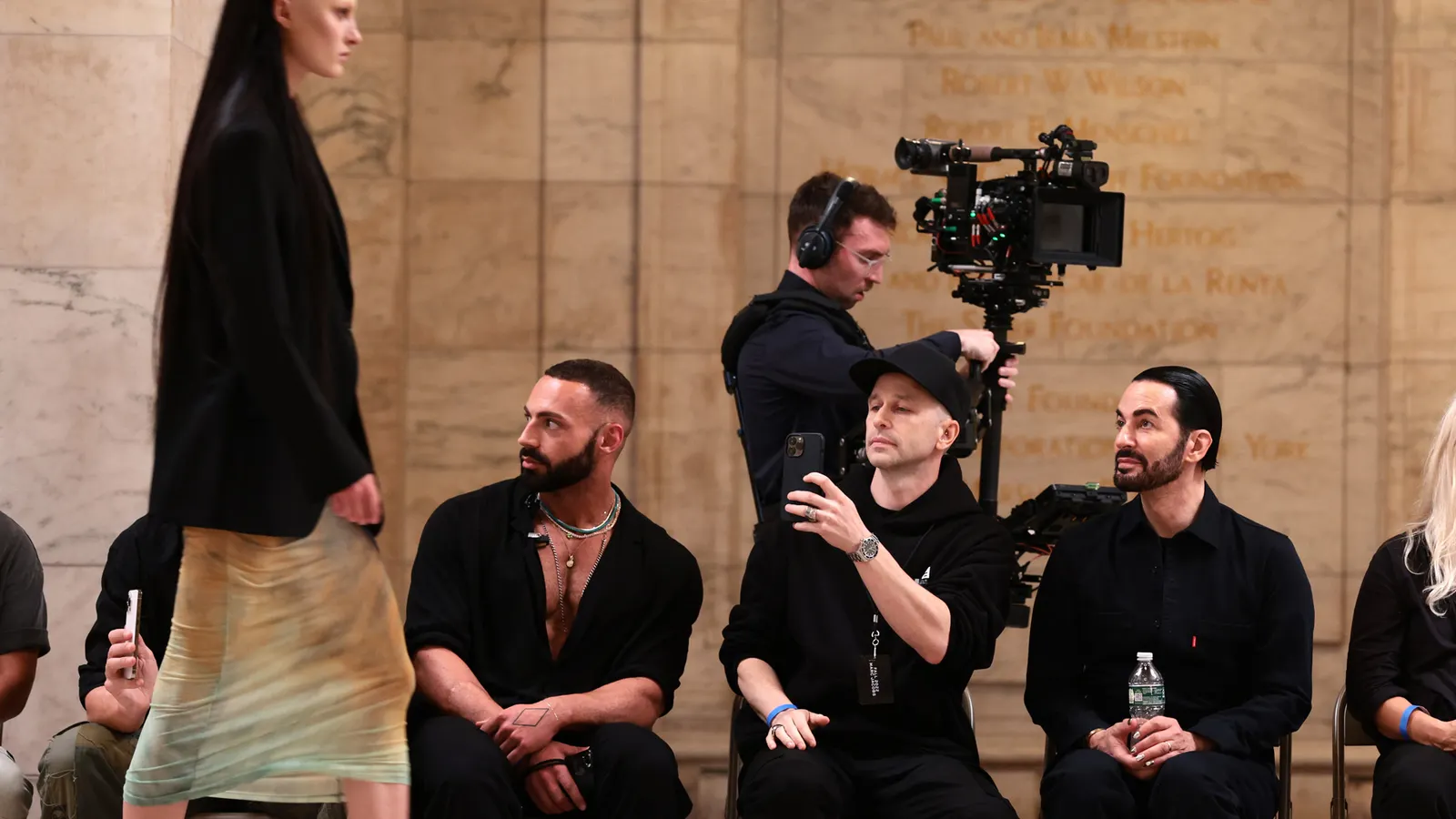
Why it matters: This transaction signals a shift in luxury brand ownership toward financial operators focused on licensing and retail scale, altering the operational and creative support structure for a legacy designer house.
Context: LVMH has been streamlining its portfolio, while WHP Global specializes in acquiring and scaling brands through licensing and retail partnerships, as seen with its management of Toys R Us and Express.
"As part of the agreement, G-III Apparel Group will partner with WHP Global in owning the brand. G-III will acquire and operate portions of the fashion brand’s DTC and wholesale businesses, while WHP Global will oversee its licensing." — RETAILDIVE
Commentary: The operational split—G-III on DTC/wholesale, WHP on licensing—creates a fragmented command structure distinct from LVMH’s integrated model, likely prioritizing margin extraction and geographic expansion over cohesive brand capital investment. For the atelier and product teams, this introduces a new layer of financial stakeholders focused on retail throughput and license deals, potentially constraining creative runway relative to the deep-pocketed, patient ownership of LVMH.
Date: Thu, 14 May 2026 17:40:00 -0400
URL: https://www.retaildive.com/news/marc-jacobs-to-be-acquired-by-toys-r-us-parent-company/820323/
AI Sentiment Score: Positive (50%)
AI Credibility Score: 10.0/10 — High
Scores and text generated by AI analysis of the source article indicated.
Saks Global Is Setting Up a Litigation Trust With Creditors to Pursue Potential Claims (Wwd)
Summary: Saks Global has agreed to establish a litigation trust, seeded with $20 million, to pursue potential legal claims as part of its Chapter 11 reorganization. The trust’s beneficiaries include secured lenders and unsecured creditors, such as vendors left with unpaid claims, with a waterfall structure dictating how any recovered funds are distributed. The company reports paying over $600 million to critical vendors and is working to offer recovery to others, while a creditors committee is separately investigating former executives for potential claims.

Why it matters: For vendors and creditors, the trust’s success directly impacts final recovery rates, while for restructuring professionals, it establishes a template for resolving contingent liabilities in luxury retail bankruptcies.
Context: This is a standard but significant bankruptcy maneuver to quarantine and monetize legacy legal claims, allowing the reorganized entity to emerge cleaner while providing a potential upside for impaired creditors.
"Updated 9:19 a.m. ET May 2 While Saks Global has been moving relatively smoothly through bankruptcy court and is preparing to finish the process this summer, that doesn’t mean the lawyers will." — WWD
Commentary: The trust operationalizes creditor suspicion into a funded investigation, shifting the discovery burden from the debtor’s estate to a dedicated party. For vendors, especially the 46% cited as small independents, this represents a secondary, speculative path to recovery beyond the direct payments Saks is making. The parallel 2004 examination of former executives signals that pre-bankruptcy governance and the Neiman Marcus acquisition are likely litigation targets, which could prolong financial uncertainty for all involved parties even after Saks exits Chapter 11.
Date: Fri, 01 May 2026 21:41:42 +0000
URL: https://wwd.com/business-news/legal/saks-global-litigation-trust-bankruptcy-1238937789/
AI Sentiment Score: Positive (54%)
AI Credibility Score: 10.0/10 — High
Scores and text generated by AI analysis of the source article indicated.
Lanvin Group reports 18 percent revenue decline for full-year 2025 (Fashionunited.In)
Summary: Lanvin Group’s 2025 revenue fell 18% to €240 million, citing a challenging luxury market and its own transformation initiatives. The decline was led by flagship Lanvin (-30%) and Sergio Rossi (-30%), while St. John was relatively stable (-1%). The group reported sequential improvement in H2, attributed to operational adjustments, selective store closures, and a portfolio carve-out, with adjusted EBITDA improving slightly to -€90 million.
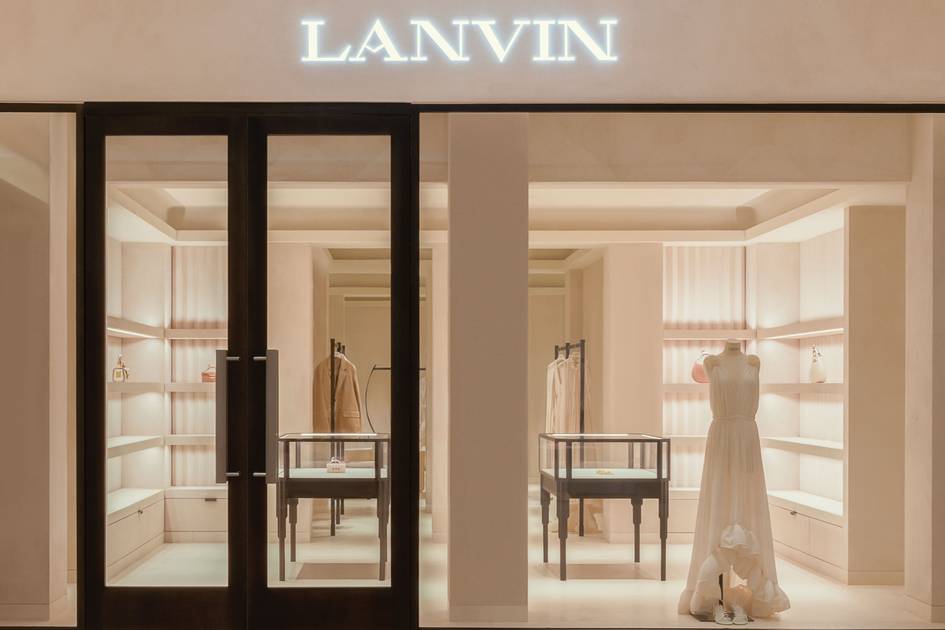
Why it matters: For practitioners, this signals a concrete shift in multi-brand group strategy from expansion to retrenchment, prioritizing margin protection and operational focus over top-line growth, which will affect vendor contracts, retail footprints, and creative direction.
Context: The report follows a pattern of luxury conglomerates rationalizing portfolios post-acquisition, moving brands toward asset-light models and emphasizing D2C channel health over wholesale volume.
"Chinese luxury fashion firm Lanvin Group announced its financial results for the full-year 2025 (FY2025) on April 30, 2026, reporting revenue of 240 million euros. This represents an 18% decrease compared to." — FASHIONUNITED.IN
Commentary: The deliberate revenue sacrifice for ‘repositioning’ indicates a multi-year reset where near-term financials are secondary to brand equity repair. The operational focus—store closures, cost controls, executive hires—suggests a pivot from acquisition-led growth to stewardship, tightening capital allocation across a strained portfolio. For suppliers and creatives, this means projects will face stricter ROI hurdles and likely slower payment cycles as cash preservation takes precedence.
Date: April 30, 2026 12:00 AM ET
URL: https://fashionunited.in/news/business/lanvin-group-reports-18-percent-revenue-decline-for-full-year-2025/2026043054267
AI Sentiment Score: Negative (50%)
AI Credibility Score: 10.0/10 — High
Scores and text generated by AI analysis of the source article indicated.
Lanvin Group reports 18 percent revenue decline for full-year … (Fashionunited.Uk)
Summary: Lanvin Group’s full-year 2025 revenue fell 18% to €240 million, citing a challenging luxury market and its own transformation initiatives. The decline was uneven across its portfolio: flagship Lanvin dropped 30%, Wolford fell 14%, and Sergio Rossi fell 30%, while St. John was relatively stable. Operational adjustments, including selective store closures and cost controls, led to a sequential improvement in the second half and a slight narrowing of its adjusted EBITDA loss. The group is transitioning to an asset-light model and has made key executive appointments to steer its repositioning.
Why it matters: This signals the operational and financial pressures on second-tier luxury conglomerates undergoing portfolio rationalization, forcing hard choices about brand focus, retail footprints, and leadership.
Context: The global luxury sector is bifurcating, with mega-brands outperforming and smaller groups facing intense pressure to streamline operations and clarify brand identities to secure capital and market share.
"Chinese luxury fashion firm Lanvin Group announced its financial results for the full-year 2025 (FY2025) on April 30, 2026, reporting revenue of 240 million euros. This represents an 18% decrease compared to." — FASHIONUNITED.UK
Commentary: The report outlines a textbook retrenchment playbook: shrinking to a core D2C channel, pruning physical retail, and installing new operational leadership (Werschine, Pozzo, West) to execute a turnaround. The severe declines at Lanvin and Sergio Rossi, despite gross margin maintenance, suggest the transformation’s cost in near-term revenue is accepted to achieve a leaner, more focused operating model. The stability of St. John, driven by North American wholesale and e-commerce, may become the template for the group’s other brands.
Date: April 30, 2026 12:00 AM ET
URL: https://fashionunited.uk/news/business/lanvin-group-reports-18-percent-revenue-decline-for-full-year-2025/2026043087773
AI Sentiment Score: Negative (66%)
AI Credibility Score: 10.0/10 — High
Scores and text generated by AI analysis of the source article indicated.
Les Deux: 14 years of uninterrupted growth despite a strained … (Fashionunited.Uk)
Summary: Danish brand Les Deux reported its fourteenth consecutive year of growth in 2025, with a 13% turnover increase and an 8.68 million euro pre-tax profit, defying a strained wholesale market. The brand’s strategy centers on replacing external agents and distributors with in-house management in key markets like Benelux, Switzerland, and Greece, coupled with a physical expansion of over 250 new wholesale accounts and flagship showrooms. For 2026, it plans to nearly double its US presence at Nordstrom and add 15 new locations in France, targeting double-digit growth.

Why it matters: It demonstrates a viable counter-strategy to wholesale fragility through operational integration and controlled physical expansion, offering a roadmap for mid-tier brands navigating channel pressure.
Context: The global wholesale market is contracting, forcing brands to reassess distribution economics and partner dependency to protect margins.
"Danish brand Les Deux has confirmed its resilience and agility. In 2025, the Copenhagen-based label recorded a 13 percent increase in turnover, marking its fourteenth consecutive year of growth amid a challenging." — FASHIONUNITED.UK
Commentary: Les Deux’s pivot from agents to in-house teams is a margin-protection play that shifts cost from commission to fixed operational overhead, granting direct control over retail relationships and inventory flow. This model requires significant capital and managerial bandwidth, making it a test case for whether mid-sized brands can sustainably internalize functions typically outsourced. Its targeted physical expansion—showrooms and selective wholesale—suggests a disciplined approach to growth that prioritizes premium placement over sheer volume, a necessary hedge in a softening market.
Date: April 24, 2026 12:00 AM ET
URL: https://fashionunited.uk/news/business/les-deux-14-years-of-uninterrupted-growth-despite-a-strained-wholesale-market/2026042487658
AI Sentiment Score: Negative (62%)
AI Credibility Score: 10.0/10 — High
Scores and text generated by AI analysis of the source article indicated.
Luxury Briefing: With Versace sold, Capri is betting on new consumer demand for accessible luxury (Glossy.Co)
Summary: Following the sale of Versace, Capri Holdings is now a two-brand portfolio focused on Michael Kors and Jimmy Choo. The company is executing a turnaround predicated on reducing promotions and outlet exposure at Michael Kors to improve sales quality, while expanding Jimmy Choo’s accessible handbag offerings. This strategy targets a market gap created by significant price increases in high-end luxury, aiming to capture middle-class consumers trading down. The financial pivot is clear: debt is down, share buybacks have restarted, but profitability at Jimmy Choo remains a pressure point requiring a dedicated operational program.
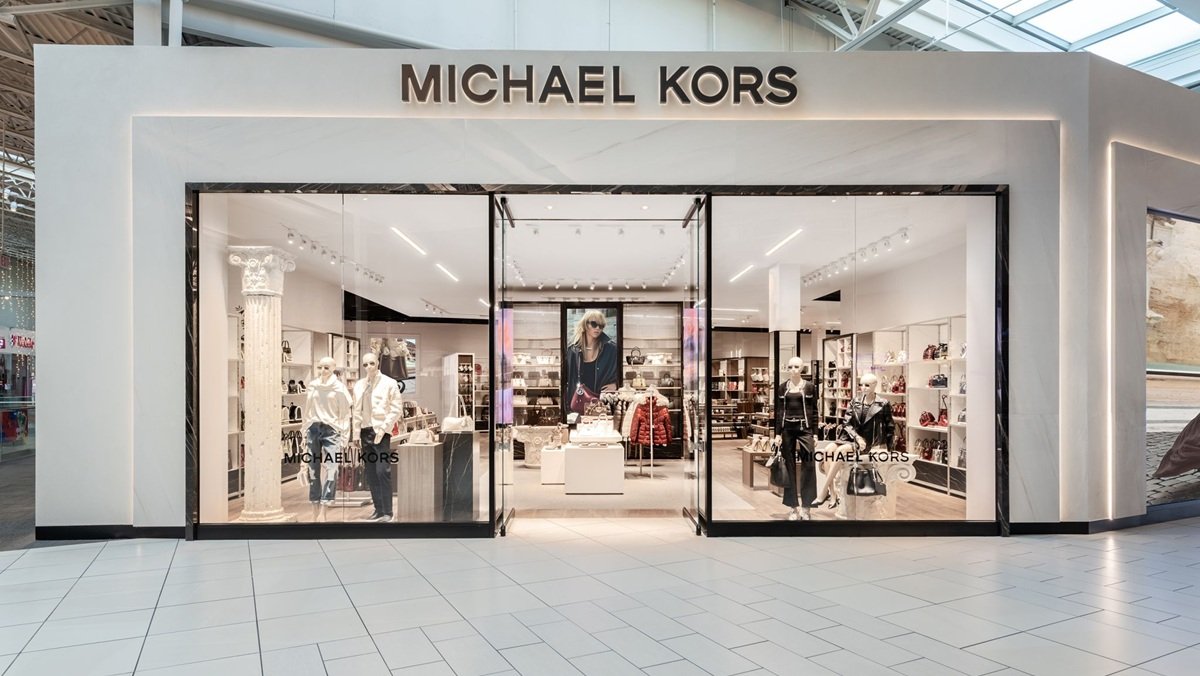
Why it matters: For practitioners, this defines a concrete operational playbook for accessible luxury turnarounds: rationalizing distribution, resetting price architecture, and managing the margin trade-offs of category expansion.
Context: The accessible luxury segment is being reshaped by a bifurcated consumer spending environment and a 61% average price increase in high-end luxury from 2019-2025, creating a strategic window for credible mid-tier brands.
"In this week’s Luxury Briefing, I check in with analysts Luca Solca and Simeon Siegel on the state of Capri as it looks to grow Michael Kors and Jimmy Choo with new." — GLOSSY.CO
Commentary: Capri’s strategy is a high-stakes operational bet that disciplined pullback—closing stores, cutting off-price shipments—can rebuild brand equity before chasing volume. The immediate consequence is a compressed revenue base at Michael Kors, with success measured by sustained full-price comp growth. For Jimmy Choo, the risk is that expanding into sub-$1,500 handbags to capture trade-down demand erodes margins, necessitating a separate profit-improvement program focused on SKU rationalization and factory efficiency. The broader implication is a template for multi-brand groups: post-divestiture, clarity comes from forcing each remaining asset into a distinct, operationally intensive proof point.
Date: Fri, 29 May 2026 04:04:00 +0000
URL: https://www.glossy.co/fashion/luxury/luxury-briefing-with-versace-sold-capri-is-betting-on-new-consumer-demand-for-accessible-luxury/
AI Sentiment Score: Positive (58%)
AI Credibility Score: 10.0/10 — High
Scores and text generated by AI analysis of the source article indicated.
Lyst Index 2026: Chanel Becomes the Most Desirable Fashion Brand – Luxury Tribune (Luxurytribune)
Summary: The Lyst Index Q1 2026 ranks Chanel as the most desirable brand, driven by new creative director Matthieu Blazy and hit products like the Chanel Pumps. Gucci re-enters the top five, while Dior, Céline, and Fendi gain ground. The data shows pop culture events and AI-driven discovery are accelerating demand shifts, and consumer value is increasingly tied to narrative over price, evidenced by a Trader Joe’s tote ranking alongside luxury handbags.
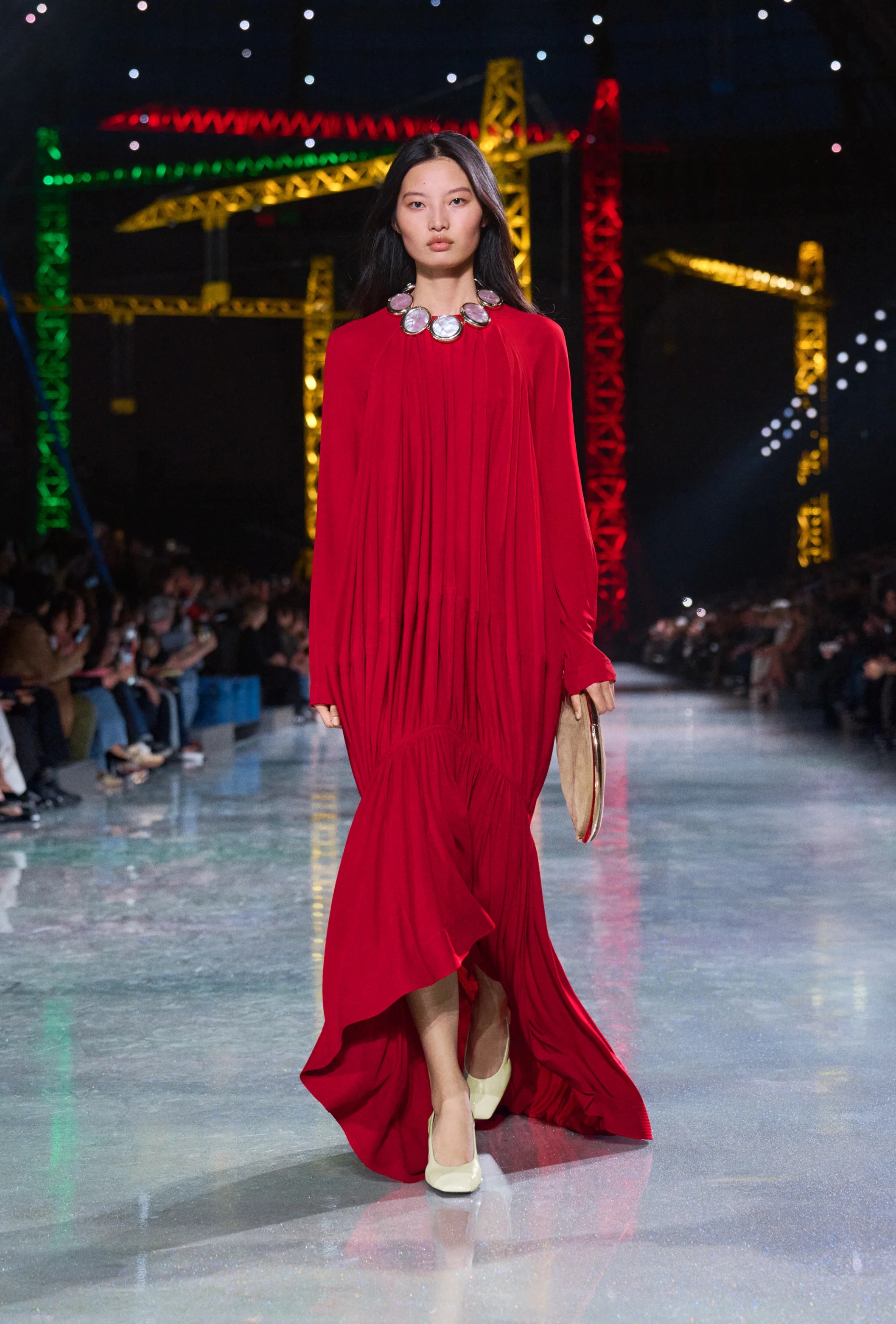
Why it matters: For brand strategists and creative directors, the index quantifies how rapidly creative appointments and cultural moments translate into commercial demand, resetting competitive timelines.
Context: The Lyst Index measures brand desirability through search, sales, and social data, serving as a real-time barometer for consumer sentiment and brand heat.
"This coexistence reflects a shift in how consumers assign cultural value to fashion, now prioritizing a product’s narrative and community aspect over brand positioning or price." — LUXURYTRIBUNE
Commentary: The ranking validates a hyper-accelerated product development cycle where a single show or director appointment can spike demand by double digits within days, pressuring houses to align creative and supply chain operations more tightly. The convergence of luxury and mass-market items in search rankings forces brand managers to compete on cultural storytelling, not just heritage, while AI-powered discovery tools further compress the trend lifecycle.
Date: April 29, 2026 12:00 AM ET
URL: https://www.luxurytribune.com/en/lyst-index-2026-chanel-becomes-the-most-desirable-fashion-brand
AI Sentiment Score: Negative (50%)
AI Credibility Score: 9.1/10 — High
Scores and text generated by AI analysis of the source article indicated.
Luxury brands are under pressure as the post-pandemic boom fades (Cnaluxury.Channelnewsasia)
Summary: The luxury sector’s post-pandemic boom has ended, with major groups like Kering, LVMH, and Hermès reporting revenue declines linked to geopolitical disruption and slowing Chinese demand. The industry is now contending with weak consumer sentiment, a need for creative renewal, and a correction from years of aggressive price hikes and overexpansion. Brands are being forced to rethink growth strategies, with some finding success in localized retail approaches.
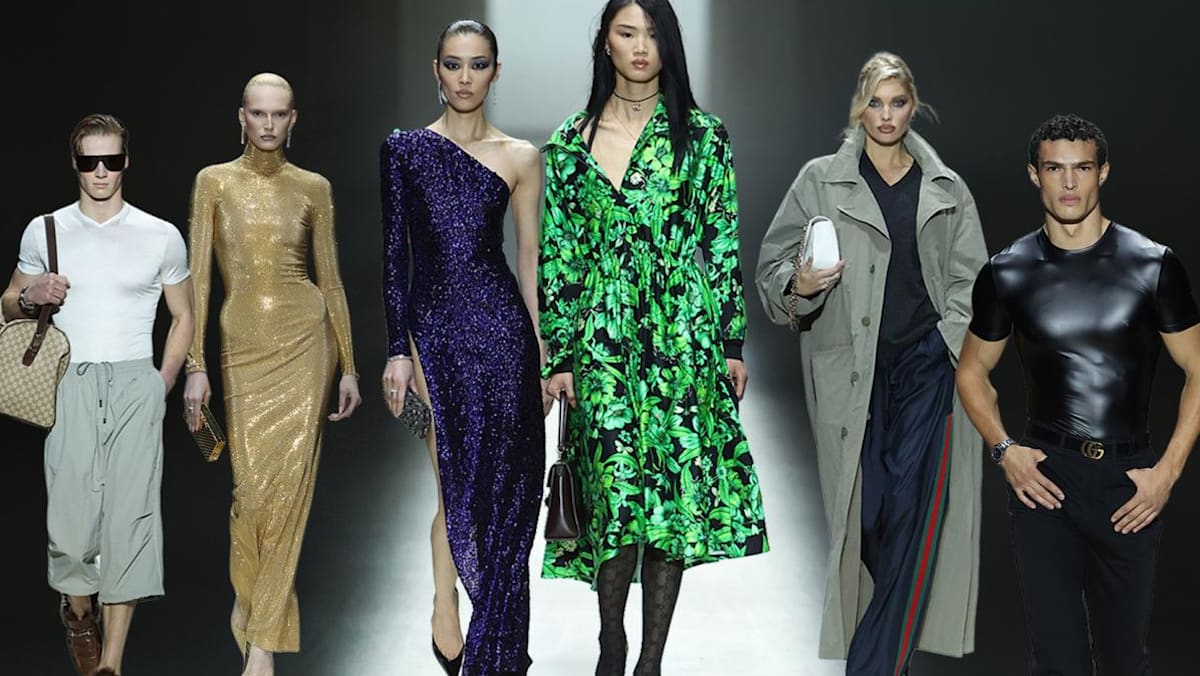
Why it matters: For practitioners, this signals a shift from a demand-pull to a supply-push market, requiring fundamental adjustments in pricing strategy, product development, and geographic focus.
Context: This follows a multi-year period where luxury brands leveraged booming demand, particularly from China, to drive rapid growth through significant price increases.
"# Luxury brands are under pressure as the post-pandemic boom fades From slowing Chinese demand to war-related disruption and rising resistance to high prices, the luxury industry is being forced to rethink." — CNALUXURY.CHANNELNEWSASIA
Commentary: The operational consequence is a forced return to core brand discipline: creative teams face pressure for genuine renewal, finance must unwind pricing elasticity assumptions, and strategy must execute targeted geographic pullbacks. Success stories like Ferri Firenze in Qatar highlight that future growth depends on precise local execution, not blanket global expansion. The ‘homework’ Berg cites translates to specific, costly adjustments in pipeline planning and inventory management for the next 18-24 months.
Date: April 21, 2026 12:00 AM ET
URL: https://cnaluxury.channelnewsasia.com/obsessions/luxury-brands-under-pressure-293281
AI Sentiment Score: Positive (66%)
AI Credibility Score: 9.8/10 — High
Scores and text generated by AI analysis of the source article indicated.
On Everything #137: Luxury Mauls: 2026 Q1 Earnings Special (Stylezeitgeist.Substack)
Summary: LVMH’s Q1 2026 earnings reveal a broad revenue decline of 1.2 billion EUR year-on-year, with its core leather goods and fashion division down 9%. The company’s presentation was criticized as evasive, and the results reflect a wider luxury sector pattern where aspirational consumers are priced out, the wealthy are shifting spend, and geopolitical events like the Iran war are cited as disruptive factors.
Why it matters: For industry practitioners, the numbers signal a tightening operating environment where even the largest conglomerate must absorb significant revenue shocks, forcing a re-evaluation of pricing, product mix, and regional strategy.
Context: This earnings report follows a prolonged period where luxury brands relied on price increases and aspirational demand; the current downturn suggests those levers are losing effectiveness amid consumer bifurcation and external volatility.
"Now onto the latest earnings season, which revealed exactly what it was supposed to reveal; that luxury fashion is not exactly in a crisis, but also has few reasons to cheer, that." — STYLEZEITGEIST.SUBSTACK
Commentary: The 9% drop in the core division, coupled with the refusal to provide brand-level data, pressures other houses to scrutinize their own exposure. The cited strength of Loro Piana, a true Veblen good, confirms the strategy of focusing on ultra-high-net-worth clients while the aspirational segment falters. This will accelerate internal resource reallocation and may lead to more conservative inventory planning and marketing spend for accessible luxury lines across the industry.
Date: April 20, 2026 12:00 AM ET
URL: https://stylezeitgeist.substack.com/p/on-everything-137-luxury-mauls-2026
AI Sentiment Score: Negative (57%)
AI Credibility Score: 10.0/10 — High
Scores and text generated by AI analysis of the source article indicated.
The celebration problem, and why luxury keeps declaring victory too … (Luxurydaily)
Summary: Luxury brand analysis consistently reveals a pattern of premature victory declarations, where quarterly fluctuations are framed as strategic turnarounds. LVMH’s 2025 narrative of stabilization in Asia and the US was contradicted by its Q1 2026 results, showing 1% organic growth driven by calendar shifts and one-off launches, while its core Fashion & Leather Goods segment declined for a seventh consecutive quarter. This indicates a structural, not seasonal, challenge.
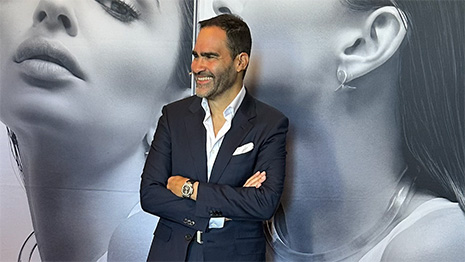
Why it matters: For practitioners, this exposes flawed internal forecasting and external comms that misallocate resources and mislead investors, requiring more disciplined performance analysis.
Context: The luxury sector faces a consumer that is more demanding and culturally literate, forcing brands to move beyond cyclical explanations for sustained underperformance in core categories.
"In almost every brand analysis my firm Équité conducts, the same pattern surfaces: A recent quarter is presented as an inflection point by the brand. A significant launch or a creative director’s." — LUXURYDAILY
Commentary: The operational consequence is a forced shift from managing narratives to diagnosing product and brand relevance failures. For brand strategists and financial planners, this demands separating pull-forward marketing events from underlying demand, and re-evaluating investment in core leather goods lines versus emerging categories. Vendor and creative partner contracts may face increased scrutiny tied to sustained commercial performance, not launch hype.
Date: April 22, 2026 12:00 AM ET
URL: https://www.luxurydaily.com/luxury-unfiltered-the-celebration-problem-and-why-luxury-keeps-declaring-victory-too-early/
AI Sentiment Score: Neutral (33%)
AI Credibility Score: 10.0/10 — High
Scores and text generated by AI analysis of the source article indicated.
Bernard Arnault: The Man Behind the LVMH Empire – Worthbury (Worthbury)
Summary: Bernard Arnault’s four-decade tenure at LVMH established the dominant operating model for the global luxury sector. His strategy combines decentralized creative direction with centralized financial and operational control, enabling the scaling of heritage brands into a consolidated, professionalized portfolio. The model has been replicated by competitors and transformed luxury into a high-margin industrial enterprise.
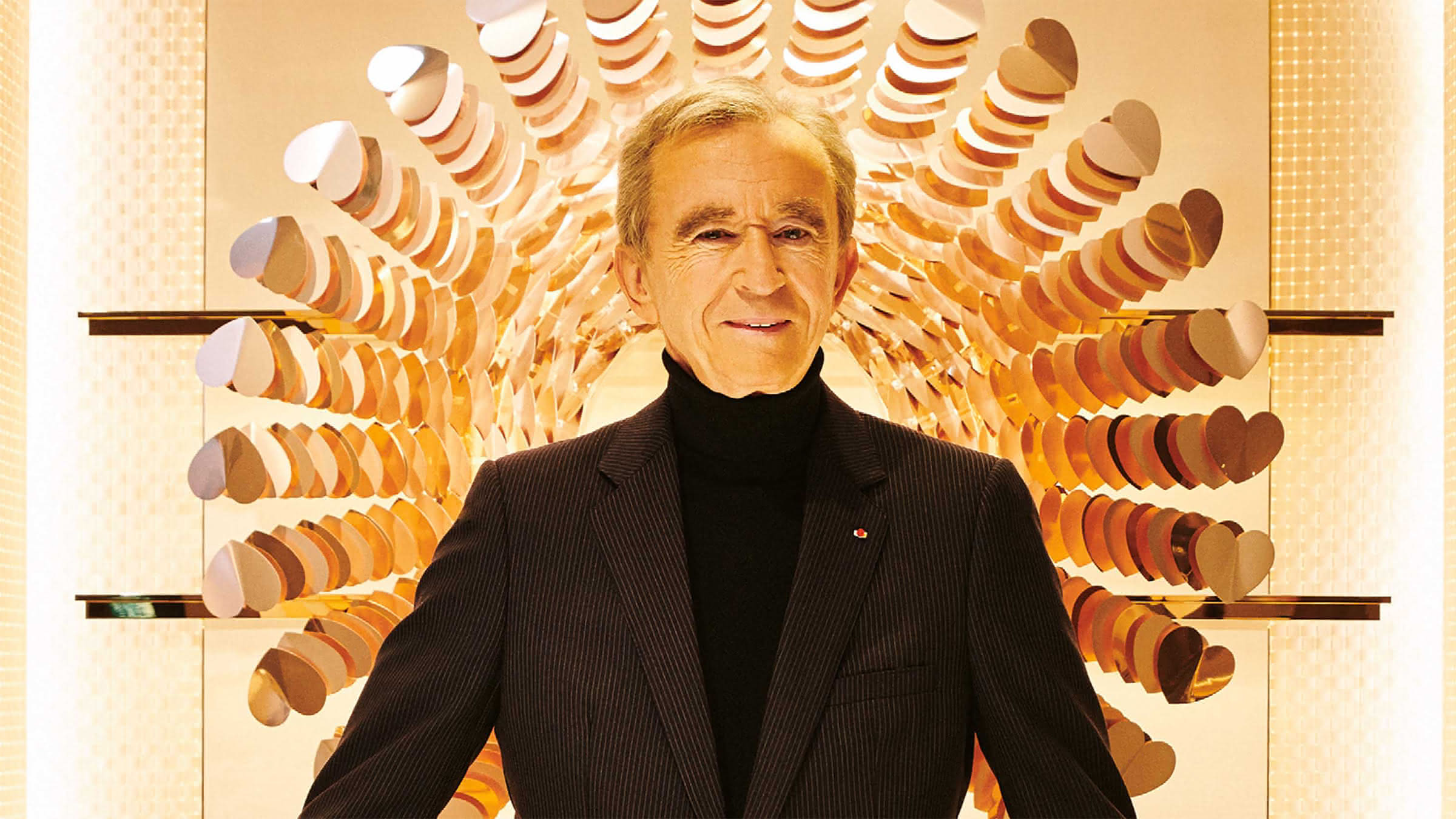
Why it matters: The LVMH model defines the financial and creative constraints within which all major luxury houses now operate, directly impacting brand strategy, creative director tenures, and resource allocation.
Context: The luxury industry has shifted from a collection of family-run ateliers to a consolidated, corporate sector where financial performance is systematically prioritized alongside creative prestige.
"In 1984, a 35-year-old French engineer bought a bankrupt textile company for a symbolic one franc. Four decades later, that company’s descendant — LVMH — is worth over €300 billion. … After." — WORTHBURY
Commentary: This operational duality creates a permanent tension for creative directors, who must balance artistic vision against quarterly targets set by a centralized finance team. For vendors and talent, it means navigating a landscape where brand autonomy is an illusion in procurement and real estate, forcing standardization behind the scenes. The internal competition for capital ensures continuous portfolio pruning, making brand security contingent on delivering consistent, high-margin growth rather than cultural cachet alone.
Date: April 29, 2026 12:00 AM ET
URL: https://worthbury.com/report/bernard-arnault-luxury-empire/
AI Sentiment Score: Positive (50%)
AI Credibility Score: 7.0/10 — Medium
Scores and text generated by AI analysis of the source article indicated.
On Holding Founders Acquire $6.6 Million of Class A Shares (Wwd)
Summary: On Holding AG’s three co-founders, David Allemann, Casper Coppetti, and Olivier Bernhard, have collectively purchased $6.6 million in Class A shares. This insider buying follows Wall Street concerns about 2026 pressures, including potential tariff impacts from Vietnam and a maturing North American market, despite strong Q1 2025 results. The move is framed as a signal of conviction amid recent CEO transitions and competitive shifts, including Nike’s running business turnaround.

Why it matters: For industry practitioners, this signals founder confidence in operational execution against specific supply chain and market headwinds, directly affecting vendor relationships, capacity planning, and regional growth strategies.
Context: Insider stock purchases are a common, though non-binding, signal to markets; the action gains weight here due to On’s recent CEO changes, tariff exposure, and Nike’s competitive re-engagement in running.
"The three — David Allemann, Casper Coppetti, and Olivier Bernhard — each acquired 60,000 shares of Class A stock at $2.2 million, or an aggregate of 180,000 share for purchase price totaling $6.6 million, last Thursday." — WWD
Commentary: The purchase is a tactical capital allocation meant to stabilize sentiment, but the operational substance lies in the cited thirty-fold production capacity increase from the Busan factory and the 2027 rollout of the new Surreal foam. Practically, this commits On to a capital-intensive innovation and manufacturing ramp while navigating tariff schedules and a wholesale channel facing renewed Nike pressure. The founders’ bet is on superior product economics and Asian/EMEA expansion offsetting North American maturation.
Date: Mon, 18 May 2026 20:53:47 +0000
URL: https://wwd.com/footwear-news/shoe-industry-news/on-holding-three-co-founders-acquired-class-a-shares-1238971890/
AI Sentiment Score: Positive (44%)
AI Credibility Score: 10.0/10 — High
Scores and text generated by AI analysis of the source article indicated.
Is Carter’s (CRI) Still 47.7% Undervalued After Reaffirmed … (Gurufocus)
Summary: Carter’s Inc. has reaffirmed its Q1 and full-year fiscal 2026 outlook ahead of its May 6th earnings release, signaling management confidence in its operating plan. The company’s performance is a key indicator for the children’s apparel sector, given its reliance on U.S. wholesale, international sourcing, and a multi-channel retail model. Analysts are estimating Q1 revenue of $660.18 million and EPS of $0.07.

Why it matters: For industry practitioners, the reaffirmation and upcoming metrics provide a concrete check on the resilience of a major wholesale-dependent brand against persistent operational headwinds.
Context: Carter’s operates in a segment acutely sensitive to input cost inflation, supply chain volatility, and wholesale channel health, with the majority of its revenue derived from U.S. wholesale.
"The filing underscores industry and company-specific risks that could affect execution, including tariffs and trade policy uncertainty, inflationary pressure on labor and materials, supply chain and freight costs, evolving consumer preferences, and competitive dynamics." — GURUFOCUS
Commentary: The reaffirmation suggests Carter’s has locked in sufficient pricing, inventory, and channel plans to navigate known Q1 pressures, but the real test will be in the margin and inventory-turn details. For vendors and contract manufacturers, this signals a demand floor but also continued pressure on cost discipline. The wholesale segment’s performance will be the primary signal for broader retail partner health and inventory appetite moving into the back-to-school season.
Date: May 02, 2026 12:00 AM ET
URL: https://www.gurufocus.com/news/8837782/is-carters-cri-still-477-undervalued-after-reaffirmed-q1-outlook-gf-score-77100
AI Sentiment Score: Negative (83%)
AI Credibility Score: 10.0/10 — High
Scores and text generated by AI analysis of the source article indicated.
Gap Q4 2025 slides: tariff pressures weigh on margins … (Investing)
Summary: Gap Inc. reported Q4 2025 results that met analyst expectations on net sales of $4.2 billion, with comparable sales up 3% for an eighth consecutive quarter of growth. The company’s stock declined, however, as investors focused on a 200-basis-point tariff impact that compressed gross margins. While the Gap and Banana Republic brands showed positive comps, Athleta’s comparable sales fell 10%, continuing its struggles. Management outlined a 2026 strategy balancing core apparel growth with new investments in beauty, accessories, and ‘fashiontainment.’
Why it matters: For apparel operators, this illustrates the concrete margin arithmetic of tariff absorption and the divergent performance within a multi-brand portfolio, forcing strategic resource allocation.
Context: Apparel retailers have been navigating volatile trade policy for years, making tariff impact a recurring line-item in cost structures, while brand-specific turnarounds remain a persistent operational challenge.
"The company’s Q4 gross margin of 38.1% declined 80 basis points year-over-year, but management emphasized this figure included roughly 200 basis points of net tariff impact, implying approximately 120 basis points of underlying margin expansion." — INVESTING
Commentary: The 200-basis-point tariff hit is a direct operational tax, forcing Gap to offset it through pricing, sourcing shifts, or product mix—a constraint that will shape vendor negotiations and supply chain agility for the year. Athleta’s persistent decline against the portfolio’s strength signals a resource drain, likely diverting management focus and capital from growth accelerators like beauty and accessories. The reported ‘underlying margin expansion’ is the key metric for operators, showing what’s possible when external pressures are stripped out, but it remains a theoretical gain unless sourcing or trade conditions improve.
Date: May 03, 2026 12:00 AM ET
URL: https://www.investing.com/news/company-news/gap-q4-2025-slides-tariff-pressures-weigh-on-margins-despite-sales-momentum-93CH-4545807
AI Sentiment Score: Negative (62%)
AI Credibility Score: 10.0/10 — High
Scores and text generated by AI analysis of the source article indicated.
Where Premiums Will Be Paid—Fashion & Beauty M&A Trends from 2025 to 2026 (Natlawreview)
Summary: The 2025-2026 M&A cycle in fashion and beauty is being defined by a shift from acquiring scale to optimizing it. Major deals like Prada-Versace and e.l.f.-Rhode demonstrate that premiums are paid for assets that deliver cultural resonance with Gen Z, price-accessible positioning, and the ability to be integrated into efficient operational platforms. The table stakes now include supply chain control, digital/AI capabilities, and social-native traction, directly impacting valuation and deal structure. This environment favors acquirers with established infrastructure who can turn brand equity into scalable, margin-positive operations.

Why it matters: For operators and investors, deal rationale and due diligence now center on platform integration potential and cultural velocity, not just brand equity, fundamentally altering acquisition strategy and portfolio management.
Context: This follows a period where digital adoption and supply chain fragility made operational resilience a primary corporate vulnerability, reframing M&A as a tool for risk mitigation and efficiency gains.
"For brand operators, investors, and strategics, the message is clear: scale, supply chain resilience, and digital and AI capabilities are no longer differentiators. They are table stakes, directly influencing valuation, deal structure, and long-term viability." — NATLAWREVIEW
Commentary: The practical consequence is a bifurcated market: heritage brands must demonstrate operational leverage, while digital-native brands must suggest their cultural traction is structurally integrable. This pressures standalone brands to either build costly back-end platforms or accept lower valuations as ‘fixer-uppers.’ For studios and vendors, the consolidation wave means fewer, larger clients with greater bargaining power and a heightened demand for tech that demonstrably reduces cycle times or development costs.
Date: May 01, 2026 12:00 AM ET
URL: https://natlawreview.com/article/where-premiums-will-be-paid-fashion-beauty-ma-trends-2025-2026
AI Sentiment Score: Negative (88%)
AI Credibility Score: 10.0/10 — High
Scores and text generated by AI analysis of the source article indicated.
Post ID: c27aceae