Airline Crisis & Flight Disruptions
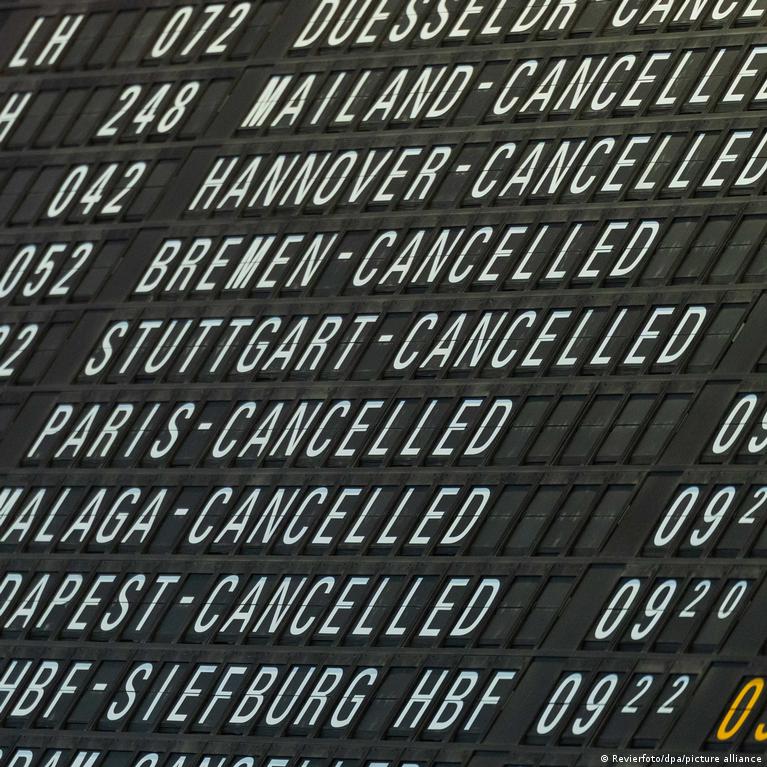
Lufthansa pilots launch 2-day strike, cabin crew say they will strike right after (Dw)
Summary: Lufthansa pilots with the Vereinigung Cockpit union began a 48-hour strike on Monday, April 13, 2026, grounding hundreds of flights primarily at Frankfurt and Munich. The cabin crew union UFO immediately announced a follow-on two-day strike for Wednesday and Thursday, threatening four consecutive days of operational disruption. Notably, flights to Middle Eastern destinations are exempt from the pilot strike due to regional instability. This marks the fourth coordinated labor action against the airline this year, centered on disputes over pensions and pay at subsidiary CityLine.
Why it matters: The consecutive, coordinated strikes by two critical labor groups signal a hardening industrial relations front at Europe’s largest airline group, testing operational resilience and passenger confidence during a period of regional geopolitical tension.
Context: This is the fourth strike at Lufthansa in 2026, following a pattern of escalating, coordinated actions by specialist unions VC and UFO after the airline reached a separate deal with the larger Verdi union for ground staff and some pilots.
""Vereinigung Cockpit sees itself as forced into this step, after the employer showed no recognizable willingness for a solution in several wage disputes," VC President Andreas Pinheiro said." — DW
Commentary: The exemption for Middle Eastern flights is a stark operational concession to geopolitics, revealing how external crises can fracture unified labor action. The back-to-back strikes by pilots and cabin crew represent a calibrated escalation, moving beyond simultaneous disruption to sequential pressure, a tactic designed to maximize cumulative cost and passenger rerouting fatigue while testing Lufthansa’s contingency planning depth.
URL: https://www.dw.com/en/lufthansa-pilots-launch-2-day-strike-cabin-crew-say-they-will-strike-right-after/a-76760890?maca=en-rss-en-all-1573-rdf
AI Sentiment Score: Negative (77%)
AI Credibility Score: 10.0/10 — High
Scores and text generated by AI analysis of the source article indicated.
FAA Operations Plan Advisory 037 warns of rolling delays … (Visahq)
Summary: The FAA’s Operations Plan Advisory 037 warns of cascading delays across major U.S. hubs on Monday, April 28, 2026, driven by a rare confluence of weather, infrastructure work, and a SpaceX launch. The advisory details specific constraints at Chicago, Denver, Las Vegas, Seattle, San Francisco, and Cape Canaveral, with ripple effects expected to strain inland corridors. Airlines have begun issuing waivers, while travel managers are advised to reroute, add buffer time, and protect high-value itineraries. The situation underscores a broader capacity squeeze ahead of the summer peak season.

Why it matters: This advisory signals a shift from staffing-driven disruptions to complex operational and environmental constraints, requiring more sophisticated, real-time risk mitigation from corporate travel programs and high-value travelers.
Context: This follows a pattern of increasing systemic fragility in U.S. aviation, where multiple, simultaneous points of failure—weather, infrastructure, and commercial space launches—now routinely converge to degrade network resilience.
"Business travelers heading through the United States’ busiest connection points face a complicated day after the Federal Aviation Administration (FAA) published Operations Plan Advisory 037 early Monday morning. The system-wide bulletin cites." — VISAHQ
Commentary: The FAA’s bulletin functions as a stress test for corporate travel resilience, exposing the inadequacy of static contingency plans. The explicit mention of SpaceX launches as a routine airspace constraint formalizes the collision between legacy aviation logistics and the new space economy. For logistics planners, the advisory is a blueprint for summer: mitigation now requires modeling cascading failures across weather, infrastructure, and external events, not just point delays.
Date: April 28, 2026 12:00 AM ET
URL: https://www.visahq.com/news/2026-04-27/us/faa-operations-plan-advisory-037-warns-of-rolling-delays-across-major-us-hubs-on-april-27/
AI Sentiment Score: Negative (75%)
AI Credibility Score: 10.0/10 — High
Scores and text generated by AI analysis of the source article indicated.
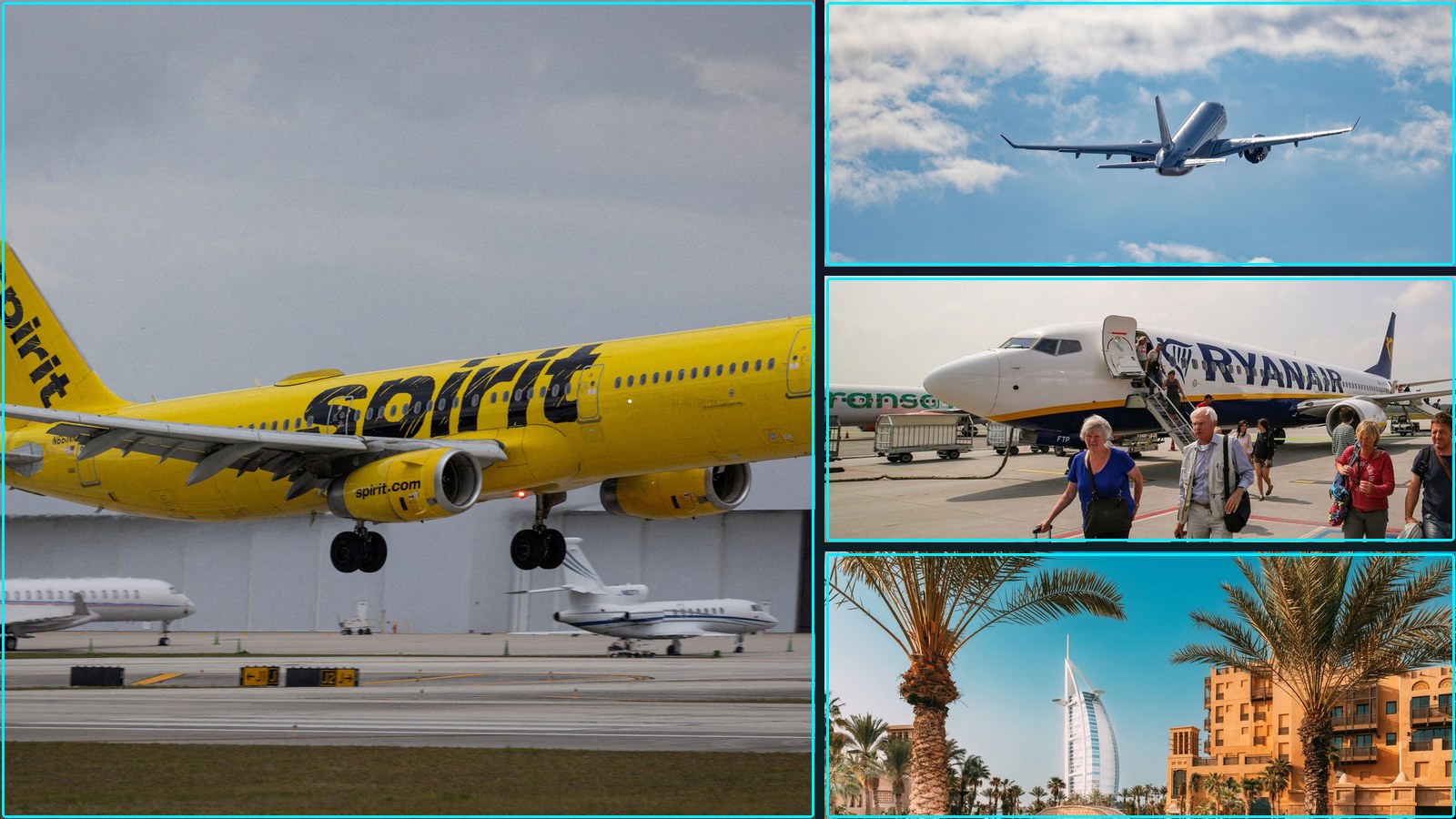
Spirit Airlines begins ‘wind-down’, cancels all flights over fuel crisis (Aljazeera)
Summary: Spirit Airlines has initiated an orderly wind-down, canceling all flights immediately after a potential White House bailout collapsed. The budget carrier’s failure, triggered by a doubling of jet fuel prices attributed to the Iran war, eliminates a key low-cost competitor that accounted for 5% of U.S. flights. The administration’s $500 million rescue proposal failed to secure agreement, leaving thousands of jobs lost and stranding passengers. Other airlines are offering limited relief fares, while the Transportation Secretary confirmed no buyers emerged for the carrier.

Why it matters: The liquidation of a major U.S. budget airline removes structural price pressure across domestic routes and demonstrates how geopolitical fuel shocks can rapidly bankrupt carriers with thin margins.
Context: This is the first U.S. carrier of this scale to liquidate in two decades, occurring amid a global pattern of flight cuts and fuel surcharges as airlines like Lufthansa and Air India adjust to the same price shock.
"Spirit Aviation Holdings, Inc., parent company of Spirit Airlines … today regretfully announced that the Company has started an orderly wind-down of operations, effective immediately. All Spirit flights have been cancelled, and Spirit Guests should not go to the airport,." — ALJAZEERA
Commentary: The failure underscores the brittle operational math of the ultra-low-cost model when input costs double. The political theater of a last-minute bailout attempt, framed by Trump’s ‘we have to come first’ condition, reveals the administration’s calculus: saving face mattered more than saving the airline once the numbers became untenable. For the market, Spirit’s exit will harden fare floors in its former hubs, transferring pricing power to the remaining majors. The global contagion effect—from Lufthansa’s cuts to Air India’s surcharges—confirms this is a systemic stress test, not an isolated bankruptcy.
Date: Sat, 02 May 2026 08:09:27 +0000
URL: https://www.aljazeera.com/news/2026/5/2/spirit-airlines-begins-wind-down-cancels-all-flights-over-fuel-crisis?traffic_source=rss
AI Sentiment Score: Negative (71%)
AI Credibility Score: 10.0/10 — High
Scores and text generated by AI analysis of the source article indicated.
Austrian Airlines keeps Middle East routes grounded … (Visahq)
Summary: Austrian Airlines, a Lufthansa Group subsidiary, has extended its blanket suspension of flights to nine Middle Eastern destinations, including Dubai and Tel Aviv, until at least late October 2026. The decision, driven by heightened regional instability, removes key Vienna-based connections to the Gulf and Levant for the foreseeable future. The airline is re-protecting passengers via Star Alliance partners, but warns of tight inventory, particularly into high-demand Gulf markets. The prolonged suspension complicates Schengen visa compliance for non-EU travelers and forces corporate mobility teams to manage more complex, less reliable itineraries.
Why it matters: This operational shift recalibrates European hub access to a volatile region, creating immediate logistical friction for business travel and immigration compliance while signaling a longer-term airline retreat from higher-risk markets.
Context: This is part of a broader pattern of European carriers reassessing Middle East exposure post-October 2023, opting to cede market share to Gulf carriers and regional specialists while doubling down on core transatlantic and intra-European networks where operational risk is perceived as lower.
"Unless the security environment improves markedly, analysts expect the airline to keep its Middle-East footprint minimal well into 2027, focusing instead on reinforcing European frequencies and trans-Atlantic joint-venture services where demand is robust and operational risk lower." — VISAHQ
Commentary: The extension from a tactical pause to a strategic withdrawal into 2027 formalizes a risk-off posture, effectively conceding the Vienna hub’s role as a bridge to the Levant and secondary Gulf cities. This creates a permanent routing gap that will be filled by competitors, likely strengthening the position of Turkish Airlines and the Gulf carriers. For corporate travel, the compliance overhead for Schengen visa tracking and connection buffers becomes a fixed cost, not a temporary nuisance, reshaping mobility budgets and policy.
Date: April 26, 2026 12:00 AM ET
URL: https://www.visahq.com/news/2026-04-25/at/austrian-airlines-keeps-middle-east-routes-grounded-through-october-2026-as-lufthansa-group-widens-suspension/
AI Sentiment Score: Negative (77%)
AI Credibility Score: 10.0/10 — High
Scores and text generated by AI analysis of the source article indicated.
How the Iran war is hurting travelers, airline industry (Dw)
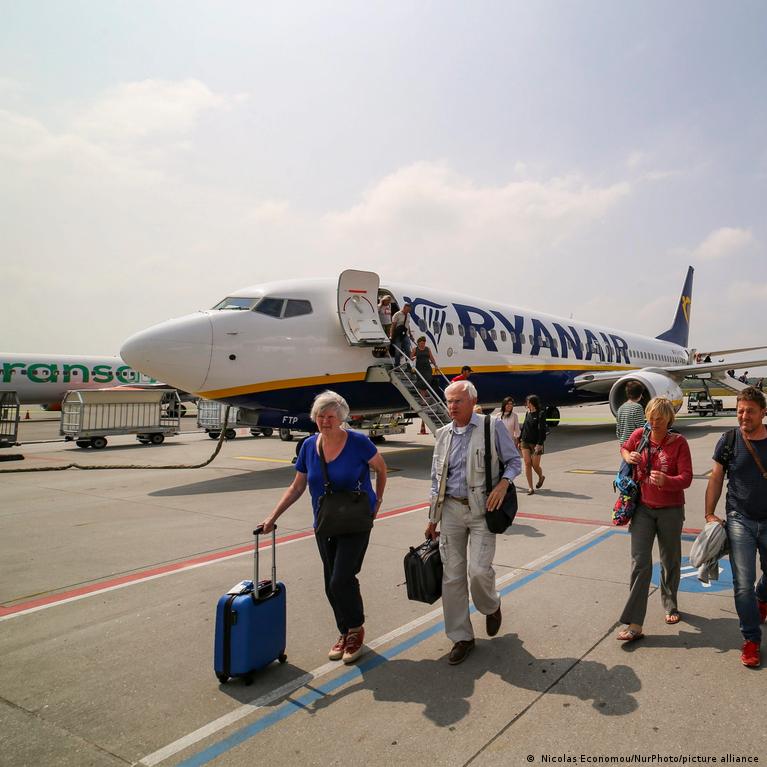
Summary: The conflict in Iran has triggered a severe jet fuel crisis, with prices more than doubling since February due to disruptions in the Strait of Hormuz. European airlines face existential pressure, leading to flight cuts, surcharges, and industry calls for regulatory relief. The EU is attempting to coordinate supplies and monitor stocks, but exporters are withholding fuel, and a continent-wide shortage looms within weeks.
Why it matters: The crisis threatens the operational and financial viability of European aviation, directly increasing travel costs and reducing mobility for a global audience while testing the EU’s crisis coordination capacity.
Context: This is a classic supply shock amplified by geopolitical chokepoint disruption, but the speed and scale—doubling fuel costs in two months—and the immediate call for suspending environmental regulations mark a rapid, severe stress test for the aviation sector’s resilience.
""If fuel prices, which represent 25% to 50% of an airline’s total operating expenses, remain high and airlines have not hedged, they could go bankrupt," she said." — DW
Commentary: The industry’s immediate pivot to lobbying for the suspension of the Emissions Trading System and anti-tankering rules reveals a triage mentality: survival now, sustainability later. This creates a policy trap for the EU, forcing a choice between market integrity and sectoral collapse. The real signal is in the export behavior: South Korea limiting exports indicates a global reallocation of refined products, moving the crisis from a logistics problem to a fundamental scarcity. Commissioner Tzitzikostas’s plea for public confidence underscores that the demand shock from traveler panic could arrive before the physical fuel shortage, compounding the damage.
URL: https://www.dw.com/en/how-the-iran-war-is-hurting-travelers-airline-industry/a-77000742?maca=en-rss-en-all-1573-rdf
AI Sentiment Score: Negative (84%)
AI Credibility Score: 10.0/10 — High
Scores and text generated by AI analysis of the source article indicated.
Booking Flights for this Summer? What to Know About the Fuel Crisis (Cntraveler)
Summary: A looming jet fuel shortage in Europe, with the International Energy Agency warning of roughly six weeks of supply, is colliding with peak summer travel demand. While airlines have not yet canceled flights due to fuel unavailability, they are preemptively trimming schedules, focusing cuts on low-margin, off-peak, and regional routes. US capacity remains largely intact with minor reductions, but Europe and Asia are more vulnerable, potentially disrupting multi-leg itineraries. Carriers like United, Delta, Air Canada, KLM, and Lufthansa are implementing targeted cuts to manage costs, with travelers advised to book direct peak-time flights now, avoid basic economy, and consider alternative destinations.

Why it matters: The fuel crisis directly threatens summer travel reliability and affordability, forcing strategic itinerary planning and altering regional aviation economics.
Context: This follows jet fuel prices more than doubling since the Iran war began in late February, imposing billions in costs on airlines already navigating post-pandemic demand.
"“Europe and Asia are the most vulnerable to cancellations, and if we see a [fuel] shortage come June, this may not be the summer to craft a multi-leg journey across the region,” she says." — CNTRAVELER
Commentary: The operational response reveals a calibrated risk management playbook: airlines are surgically cutting elasticity (low-yield regional, off-peak flights) to preserve core revenue streams. This creates a two-tier summer—major hubs remain connected, but secondary city access and schedule flexibility degrade. For travelers, the advice to book direct and avoid basic economy is a direct hedge against this new volatility, turning fare classes into implicit insurance products. The six-week fuel buffer in Europe sets a clear timeline; if unresolved, strategic cuts could shift to systemic cancellations by mid-summer, testing consumer tolerance for elevated fares amid reduced service.
Date: Tue, 28 Apr 2026 20:49:15 +0000
URL: https://www.cntraveler.com/story/booking-flights-for-this-summer-what-to-know-about-the-fuel-crisis
AI Sentiment Score: Negative (71%)
AI Credibility Score: 10.0/10 — High
Scores and text generated by AI analysis of the source article indicated.
Australia’s ‘do-not-transit’ warning rattles Dubai and Abu Dhabi hub … (Visahq)
Summary: The Australian government has issued a ‘do-not-transit’ advisory for the UAE, specifically Dubai and Abu Dhabi airports, elevating the risk profile for even brief layovers. This operational shift invalidates travel insurance for transiting passengers and forces corporate travel managers to reroute Australia-Europe/Africa itineraries, incurring significant cost and time penalties. The advisory triggers mandatory itinerary reviews akin to high-risk destinations and compels organizations to implement stricter pre-trip approval protocols for any Gulf connection.
Why it matters: This advisory transforms a major global transit hub into a liability, forcing systemic changes to corporate travel policy, procurement, and risk management with immediate cost and legal implications.
Context: Government travel advisories typically target destinations, not transit points; this escalation reflects a heightened assessment of regional volatility and its potential to disrupt airspace without warning.
"The change means that passengers simply passing through Dubai International (DXB) or Zayed International (AUH) could invalidate their insurance or face route cancellations at short notice." — VISAHQ
Commentary: The advisory weaponizes operational dependency, turning Emirates’ and Etihad’s hub efficiency into a single point of failure for corporate mobility. Procurement’s cost modelling for alternative routings is a direct tax on geopolitical risk, while HR’s warnings about posted workers highlight how travel policy now intersects with residency compliance and local labor laws. This move will accelerate the institutionalization of ‘highest-advice’ routing tests, further Balkanizing global air networks based on sovereign risk assessments.
Date: April 28, 2026 12:00 AM ET
URL: https://www.visahq.com/news/2026-04-28/ae/australias-do-not-transit-warning-rattles-dubai-and-abu-dhabi-hub-itineraries/
AI Sentiment Score: Negative (77%)
AI Credibility Score: 10.0/10 — High
Scores and text generated by AI analysis of the source article indicated.
ITA Airways Extends Suspension of Tel Aviv, Riyadh and … (Visahq)
Summary: ITA Airways, Italy’s state-owned carrier, has extended its suspension of flights to Tel Aviv, Riyadh, and Dubai until at least 31 May, aligning with broader European airline group policies. The decision is a direct consequence of airspace closures and heightened insurance premiums stemming from regional conflict. The suspension forces corporate and leisure travel through constrained European hubs, driving up ticket prices by 20-35% and complicating logistics for expatriate rotations and business itineraries.
Why it matters: This extension signals a prolonged, institutional recalibration of European aviation access to key Middle Eastern markets, with tangible cost and operational impacts for global mobility and regional business continuity.
Context: The suspension aligns ITA with the Lufthansa Group and Air France-KLM, reflecting a coordinated, risk-averse European carrier response to persistent geopolitical instability and its associated financial liabilities, primarily war-risk insurance.
"The escalation of armed conflict in the Middle East continues to ripple through European aviation. On 24 April a Reuters fact-box confirmed that ITA Airways—Italy’s state-owned flag carrier—will keep its flights to." — VISAHQ
Commentary: The operational pause is now being framed as a commercial viability issue, not merely a temporary security halt. This shifts the timeline from weeks to months and implicates the entire insurance-reliant aviation model. The rerouting strain on hubs like Frankfurt and Istanbul, compounded by new EU biometric checks, creates a systemic friction point for all eastward travel, not just Middle East destinations.
Date: April 25, 2026 12:00 AM ET
URL: https://www.visahq.com/news/2026-04-24/it/ita-airways-extends-suspension-of-tel-aviv-riyadh-and-dubai-routes-to-31-may/
AI Sentiment Score: Negative (88%)
AI Credibility Score: 10.0/10 — High
Scores and text generated by AI analysis of the source article indicated.
Middle East conflict: What it means for your travel plans (Allcleartravel.Co.Uk)
Summary: Ongoing military activity and rising security concerns in the Middle East are prompting airspace closures and flight reroutes, directly impacting global travel networks. The disruption extends beyond regional destinations, affecting long-haul corridors between Europe, Asia, and Australia that rely on hubs like Dubai, Doha, and Abu Dhabi. Airlines are responding with cancellations, schedule adjustments, and price increases linked to potential fuel supply pressures. The situation remains fluid, with the list of affected countries subject to rapid change.

Why it matters: The Middle East’s role as a critical global flight corridor and fuel distribution node means regional instability creates immediate, cascading operational and cost pressures for airlines and passengers worldwide.
Context: This follows a pattern where geopolitical tensions in strategically located regions—previously seen with Ukraine—rapidly degrade global aviation resilience, testing the just-in-time efficiency of hub-and-spoke networks.
"Ongoing tensions in parts of the Middle East are affecting international travel, leading to delays, reroutes, and cancellations. If you’re planning a trip soon – especially if your journey includes a stopover." — ALLCLEARTRAVEL.CO.UK
Commentary: The operational fragility exposed here is systemic: the industry’s dependence on a handful of Middle Eastern mega-hubs for east-west connectivity creates a single point of failure. Airlines will face compressed margins from longer routes and volatile fuel costs, likely accelerating investment in polar and southern hemisphere flight path alternatives. For passengers, the era of reliable, low-cost long-haul connectivity via the Gulf is facing a sustained stress test.
Date: April 20, 2026 12:00 AM ET
URL: https://www.allcleartravel.co.uk/blog/middle-east-conflict-travel-advice/
AI Sentiment Score: Negative (88%)
AI Credibility Score: 10.0/10 — High
Scores and text generated by AI analysis of the source article indicated.
The conflict in the Middle East is changing air traffic – Karlobag.eu (Karlobag.Eu)
Summary: The spring 2026 escalation of Middle East conflict is reshaping global air traffic, not through formal closures but through disrupted corridors and strict safety advisories. Key transit hubs like Dubai and Doha, handling over half a million daily passengers under normal conditions, are faltering, severing critical links between Europe, Asia, and Africa. The World Travel & Tourism Council estimates regional losses of at least $600 million daily in international visitor spending, a figure that underscores systemic, not just local, vulnerability. This represents a geopolitical shock to the logistical and psychological assumptions underpinning modern tourism.
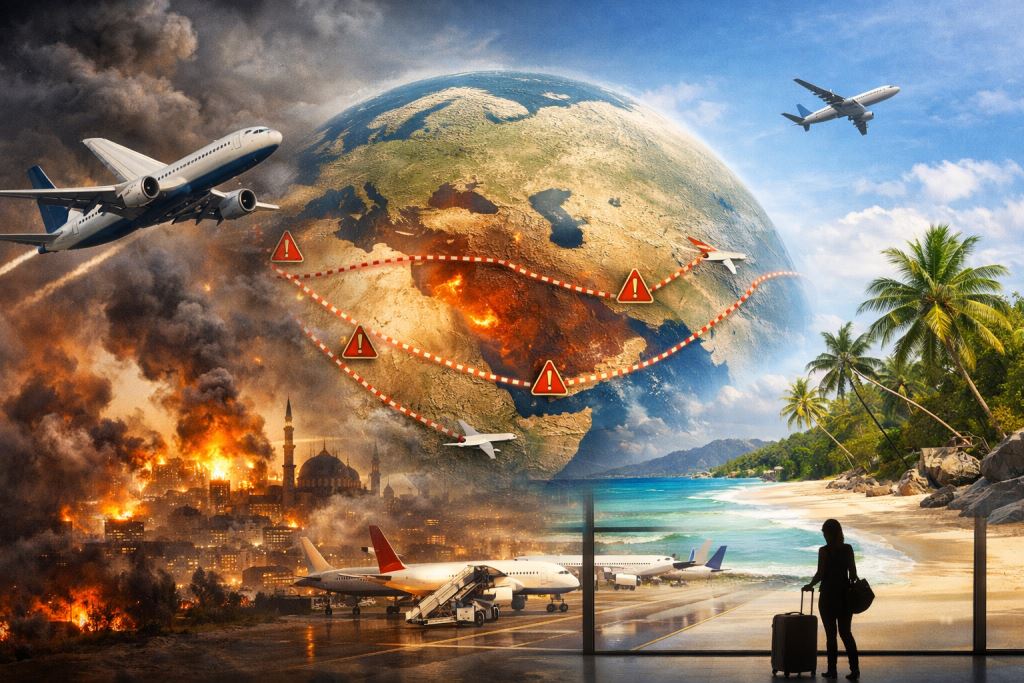
Why it matters: The stability of global air corridors is a foundational, often invisible, precondition for international commerce, tourism, and cultural exchange; its erosion forces a costly recalibration of networks, pricing, and traveler behavior.
Context: This follows the pandemic’s demonstration of tourism’s vulnerability to health and border closures, now extending the stress test to the geopolitics of sovereign airspace and hub reliance.
"According to estimates by the World Travel & Tourism Council, the travel and tourism sector in the Middle East is already losing at least 600 million US dollars per day in international visitor spending due to disruptions in air traffic, weakening traveller confidence and damaged regional connectivity." — KARLOBAG.EU
Commentary: The $600 million daily figure is a leading indicator of cascading costs: longer routes increase operational expenses and emissions, while eroded confidence shifts marketing budgets and destination investment. This crisis will likely accelerate airline network diversification and destination lobbying for direct flights, moving the industry from just-in-time efficiency toward costly resilience. The permanent lesson is that tourism’s architecture, built on predictable geopolitics, is now a variable-cost system.
Date: April 26, 2026 12:00 AM ET
URL: https://karlobag.eu/en/traffic/the-conflict-in-the-middle-east-is-disrupting-air-traffic-and-tourism-more-expensive-flights-longer-routes-and-a-new-warning-to-the-market-hgcxl
AI Sentiment Score: Negative (70%)
AI Credibility Score: 8.6/10 — High
Scores and text generated by AI analysis of the source article indicated.
Another airline cancels flights for disturbing reason – TheStreet (Thestreet)
Summary: Aer Lingus is canceling 500 flights, approximately 2% of its summer schedule, citing mandatory maintenance. This follows similar network adjustments by Delta, Air Canada, and KLM, which explicitly attributed its 160 cancellations to jet fuel costs making routes ‘no longer financially viable.’ The cuts affect both European and transatlantic routes, occurring amid record-high fuel prices and International Energy Agency warnings of potential European jet fuel shortages within six weeks.

Why it matters: Systematic flight cancellations, whether framed as maintenance or fuel costs, signal a contraction in air connectivity, directly impacting travel planning, business mobility, and the operational resilience of global networks.
Context: This is part of a broader, coordinated industry response to sustained high fuel costs following the closure of the Strait of Hormuz, moving beyond pricing adjustments to active capacity reduction.
"“Due to rising kerosene costs, [these route] are currently no longer financially viable to operate,” KLM said in a statement on the cancellations of the routes from Schiphol Airport." — THESTREET
Commentary: Aer Lingus’s ‘maintenance’ rationale, contrasted with KLM’s direct fuel-cost admission, highlights the political sensitivity of supply-chain fragility. The pattern confirms airlines are now prioritizing margin over market share, a structural shift that could pressure secondary hubs and increase travel friction for non-core routes. The Irish minister’s reassurance about national reserves feels disconnected from the commercial calculus driving these cancellations.
Date: April 22, 2026 12:00 AM ET
URL: https://www.thestreet.com/travel/airline-cancels-flights-for-disturbing-reason
AI Sentiment Score: Negative (62%)
AI Credibility Score: 10.0/10 — High
Scores and text generated by AI analysis of the source article indicated.
Spirit Airlines says they are going out of business (Dw)
Summary: Spirit Airlines has ceased operations and begun an orderly wind-down, canceling all flights immediately. The ultra-low-cost carrier, which had filed for bankruptcy twice since 2024, cited the impact of soaring fuel prices from the war in Iran and the failure to secure a government bailout. The closure affects roughly 17,000 jobs and leaves a significant gap in the U.S. budget travel market.
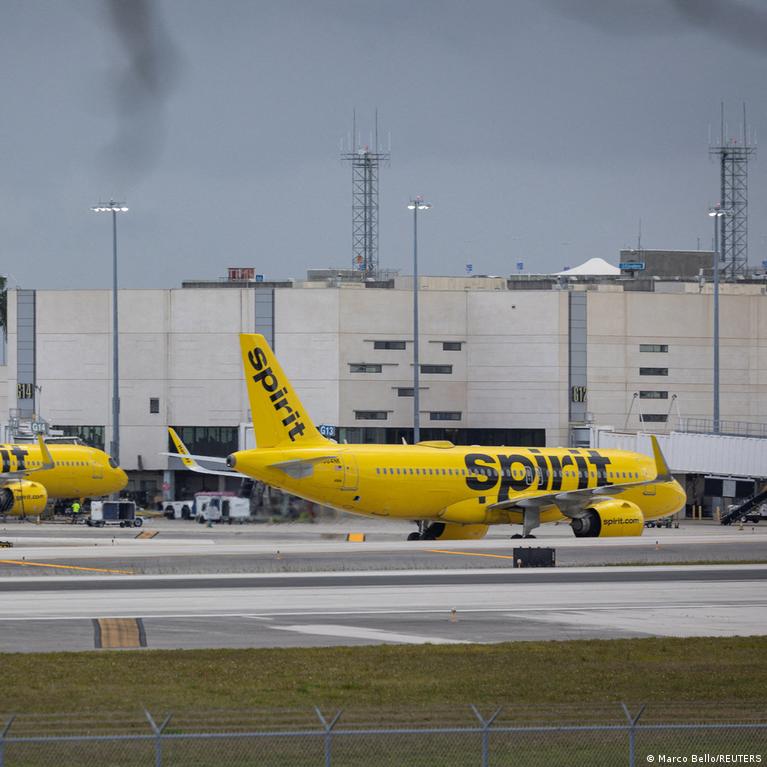
Why it matters: The collapse of a major ultra-low-cost carrier reshapes domestic air travel affordability and capacity, tests the resilience of the post-pandemic aviation model under geopolitical stress, and signals the limits of political intervention in distressed industries.
Context: Spirit’s model pressured industry fares for decades but proved vulnerable to sustained shocks; its 2024 and 2025 bankruptcies preceded this final failure. The reported $500 billion bailout proposal reflects the scale of distress and the political calculus involved.
"The war in Iran has driven fuel prices to over $4.5 per gallon by the end of April, more than double than what the company had predicted for 2026." — DW
Commentary: Spirit’s demise validates the fragility of the ultra-low-cost model under exogenous price shocks, removing a key price anchor for the entire U.S. domestic market. The failure of a politically floated bailout—amid a stated ‘good deal’ prerequisite—illustrates a transactional, non-systemic approach to industrial policy. The immediate operational halt, rather than a phased reduction, will strain regional airports and create a sudden scarcity of budget seats, likely accelerating consolidation among remaining carriers.
URL: https://www.dw.com/en/spirit-airlines-says-they-are-going-out-of-business/a-77016867?maca=en-rss-en-all-1573-rdf
AI Sentiment Score: Negative (93%)
AI Credibility Score: 10.0/10 — High
Scores and text generated by AI analysis of the source article indicated.
New Research Reveals A Collapse In Travel Bookings Beyond The … (Catererlicensee)
Summary: Propellic’s Travel Marketing Index reveals a structural decoupling between traveler research and bookings across multiple regions, triggered by the 2026 Middle East conflict. While sessions and impressions have surged—with Jordan seeing a 153% increase and the UAE a staggering 12,766% month-over-month rise—conversion rates have collapsed to near-zero, indicating a ‘frozen pipeline’. The crisis has spilled over into Mediterranean destinations like Greece and Spain, suppressing summer booking cycles despite soaring research activity. Conversely, Southeast Asia shows improvement, attributed to perceived safety distance from the conflict zone.

Why it matters: The report quantifies a systemic confidence shock in global travel, revealing how geopolitical instability can paralyze consumer action far beyond the immediate conflict zone, with direct implications for marketing spend, airline capacity planning, and destination economies.
Context: This follows patterns observed in prior regional conflicts and health crises, where traveler intent and booking behavior diverge sharply, but the scale and geographic spillover documented here are notably severe.
"Travel marketing agency Propellic has released its latest Travel Marketing Index: Special Intelligence Briefing, The Impact of the 2026 Middle East Conflict on Travel Marketing. The report, which draws on 30 days." — CATERERLICENSEE
Commentary: The ‘Mediterranean Sentiment Spillover’ suggests that generalized airspace and advisory uncertainty, not just direct risk perception, is now the dominant market suppressant. This forces a recalibration of destination marketing away from pure appeal and toward explicit safety and operational suggests. The Southeast Asia counter-trend indicates capital is not exiting travel but actively seeking perceived havens, creating immediate winners and losers based on geopolitical framing rather than traditional metrics.
Date: April 24, 2026 12:00 AM ET
URL: https://catererlicensee.com/new-research-reveals-a-collapse-in-travel-bookings-beyond-the-middle-east/
AI Sentiment Score: Negative (57%)
AI Credibility Score: 8.4/10 — High
Scores and text generated by AI analysis of the source article indicated.
Strait of Hormuz reopened, Gulf tourism cautious – Karlobag.eu (Karlobag.Eu)
Summary: The Strait of Hormuz reopened to commercial traffic on 17 April 2026, triggering an immediate market response: a sharp drop in oil prices and a rise in shares for airlines and tourism companies. However, aviation security bulletins and international assessments warn the situation remains a fragile ceasefire, requiring operators to monitor restrictions and advisories in near real-time. The reopening alleviates direct pressure on global trade and energy flows, but the spillover effects on jet fuel, flight schedules, and travel insurance mean tourism recovery in the Gulf will be cautious and contingent on sustained stability.

Why it matters: The reopening of a critical global chokepoint recalibrates risk and cost structures for the entire mobility ecosystem, from aviation fuel to cruise itineraries, affecting travelers and businesses far beyond the immediate region.
Context: The Strait of Hormuz is a linchpin for approximately one-third of the world’s seaborne oil trade; its closure or threat of closure has historically caused severe volatility in energy markets and global logistics.
"## The Strait of Hormuz has reopened, but tourism is not returning to the same Gulf as before the crisishThe reopening of the Strait of Hormuz on 17 April 2026 is currently." — KARLOBAG.EU
Commentary: The market’s instant reaction underscores how geopolitical risk in the Gulf is now priced as a systemic input for global mobility, not a regional concern. The persistent security warnings indicate operators must now treat ‘reopened’ as a conditional, high-maintenance state, embedding new operational overhead and insurance complexity into travel logistics. This institutionalizes a premium for resilience over pure efficiency in route planning and fuel hedging.
Date: April 27, 2026 12:00 AM ET
URL: https://karlobag.eu/en/tourism-world/the-strait-of-hormuz-has-reopened-but-tourism-in-the-gulf-is-returning-cautiously-amid-expensive-flights-and-a-fragile-ceasefire-ei34m
AI Sentiment Score: Negative (57%)
AI Credibility Score: 9.4/10 — High
Scores and text generated by AI analysis of the source article indicated.
Post ID: 675cb8d1