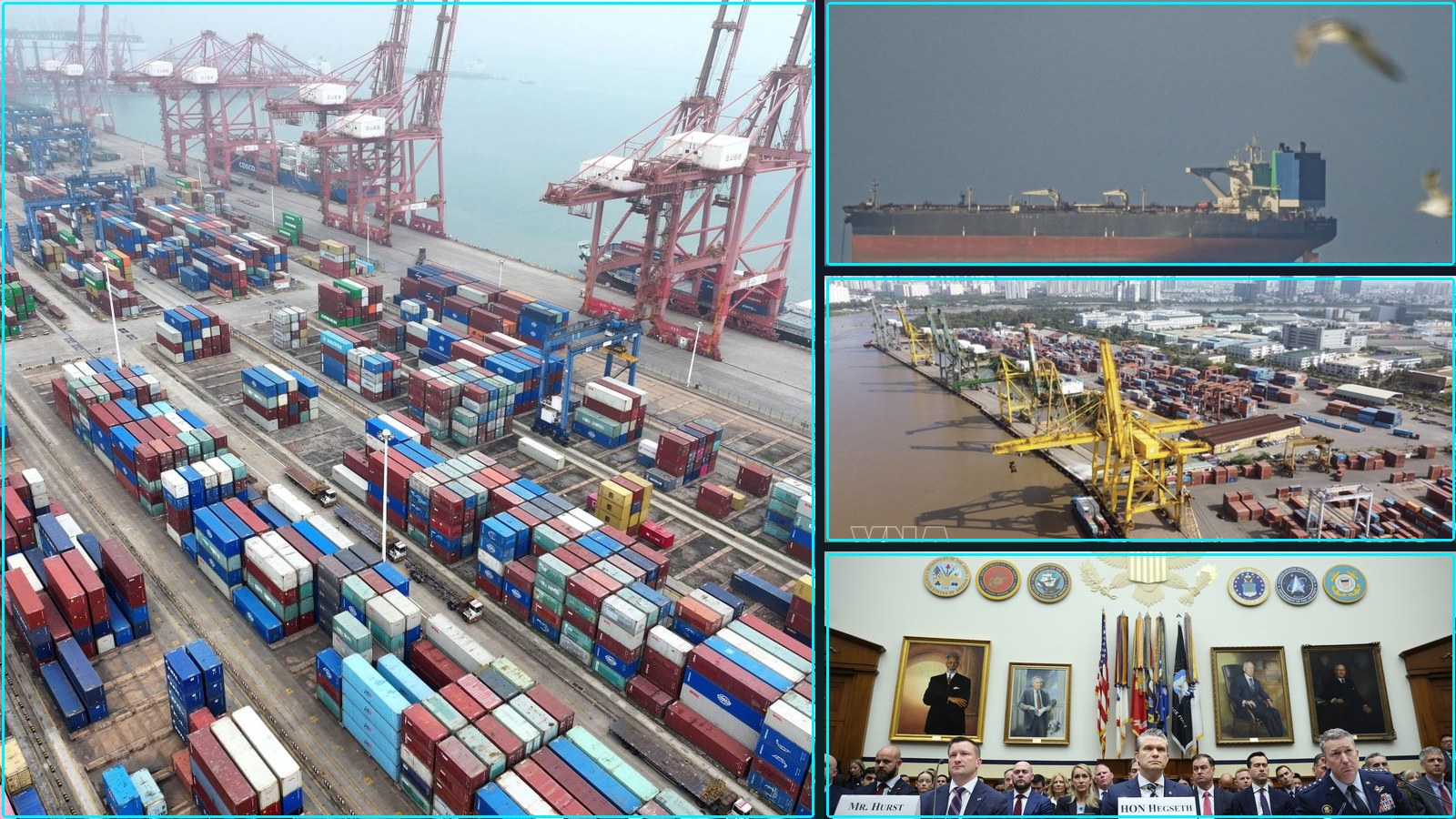
Iran Conflict & Global Shipping Disruptions
Iran War Nears 60-Day War Powers Deadline (Foreignpolicy)
Summary: The Trump administration faces a legal and political deadline under the War Powers Resolution for its conflict with Iran, with the 60-day clock set to expire. Defense Secretary Pete Hegseth argues the current ceasefire pauses that clock, while reports indicate Central Command is briefing the president on a potential new wave of strikes. Concurrently, Israel’s interception of a Gaza aid flotilla in international waters escalates maritime tensions, and Pakistan commissions advanced Chinese submarines, signaling a deepening of its naval alliance with Beijing.

Why it matters: The administration’s legal maneuvering on war powers tests constitutional boundaries and sets a precedent for executive authority, while renewed offensive planning risks regional escalation and oil market volatility.
Context: The 1973 War Powers Resolution requires congressional authorization for sustained hostilities, a recurring flashpoint between the executive and legislative branches during prolonged engagements.
"“We are in a cease-fire now, which our understanding means the 60-day clock pauses or stops in a cease-fire,” the defense secretary said." — FOREIGNPOLICY
Commentary: Hegseth’s ceasefire-pause argument is a novel legal interpretation that, if accepted, creates a procedural loophole for indefinite ‘hot peace’ without congressional approval. Combined with the reported strike planning, it suggests an administration preparing to resume hostilities on its own timetable, directly challenging the War Powers Act’s intent. The flotilla interception and submarine commissioning are separate but reinforcing indicators of how regional actors are adapting operations and alliances amid prolonged U.S. focus on Iran.
Date: Thu, 30 Apr 2026 19:34:19 +0000
URL: https://foreignpolicy.com/2026/04/30/hegseth-senate-testimony-iran-war-60-days-war-powers-resolution/
AI Sentiment Score: Negative (85%)
AI Credibility Score: 10.0/10 — High
Scores and text generated by AI analysis of the source article indicated.
US warns shippers against paying Strait of Hormuz tolls, ‘donations’ (Aljazeera)
Summary: The U.S. Treasury’s Office of Foreign Assets Control has issued a formal advisory warning that any shipper—U.S. or foreign—paying tolls, fees, or ‘donations’ to Iran for passage through the Strait of Hormuz risks sanctions. The warning explicitly covers payments in any form, including fiat currency, digital assets, or in-kind swaps, and names specific Iranian entities like the Red Crescent Society. This comes as a U.S. naval blockade of the strait enters its third week and Iranian state media reports a new ceasefire proposal has been sent to Washington, though the White House declined to confirm it.

Why it matters: It escalates the financial and legal stakes for global shipping and energy firms navigating a critical chokepoint, forcing a binary choice between Iranian transit demands and U.S. sanctions enforcement.
Context: Iran has long proposed tolls for the Strait of Hormuz as a wartime revenue lever; the U.S. has consistently rejected this. The advisory formalizes that rejection into an active sanctions threat amid stalled ceasefire talks.
"US warns shippers against paying Strait of Hormuz tolls, ‘donations’ Latest warning comes as Iranian state media reports Tehran has presented new peace proposal to US. The United States has warned that." — ALJAZEERA
Commentary: The advisory weaponizes extraterritorial sanctions to preempt Iran from monetizing its geographic leverage, effectively trying to collapse Tehran’s alternative revenue model before it gains traction. For shipping operators, this creates an impossible compliance calculus: defy Iran and risk physical transit, or pay and face financial isolation. The timing, alongside reports of a new Iranian proposal, suggests Washington is tightening pressure to shape ceasefire terms rather than awaiting diplomacy.
Date: Fri, 01 May 2026 17:18:43 +0000
URL: https://www.aljazeera.com/news/2026/5/1/us-warns-shippers-against-paying-strait-of-hormuz-tolls-donations?traffic_source=rss
AI Sentiment Score: Negative (83%)
AI Credibility Score: 10.0/10 — High
Scores and text generated by AI analysis of the source article indicated.
Trump’s Strait of Hormuz blockade hits Iran’s oil trade (Dw)
Summary: The Trump administration has initiated a naval blockade of Iranian ports and coastal facilities via the Strait of Hormuz, aiming to sever Iran’s primary revenue stream from oil exports. The operation, enforced by CENTCOM in the Gulf of Oman and Arabian Sea, subjects unauthorized vessels to interception and capture, effectively halting the trickle of tanker traffic through the chokepoint. The move follows collapsed peace talks and is framed as a counter to Iran’s control of the waterway and its imposition of transit tolls.
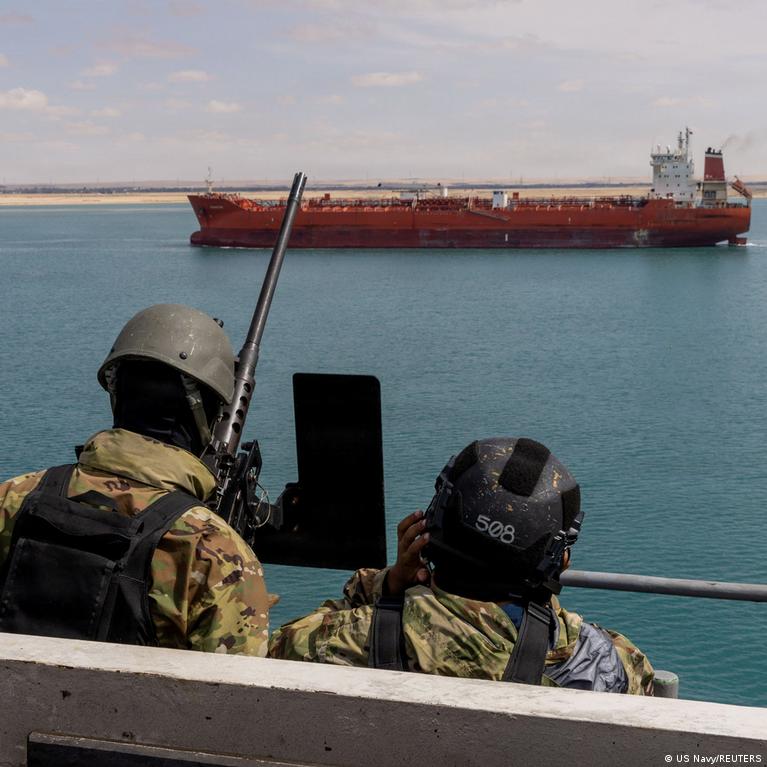
Why it matters: A unilateral blockade of a critical global oil transit corridor risks escalating regional conflict, disrupting energy markets, and testing the limits of maritime law, with China as the primary economic casualty.
Context: This represents a shift from sanctions and shadow fleet evasion tactics to direct naval interdiction, aiming for coercive diplomacy but creating an open-ended military commitment.
"Any vessel entering or departing the blockaded area without authorization is subject to interception, diversion and capture." — DW
Commentary: The blockade’s operational success in halting traffic is immediate, but its strategic sustainability is dubious, relying on continuous naval presence against potential asymmetric retaliation. The explicit threat to Chinese oil imports transforms an Iran-US confrontation into a test of Washington’s willingness to enforce secondary sanctions against a peer competitor at sea. This moves financial warfare into a kinetic, legally ambiguous domain, where the precedent of visit-and-search could normalize future great power interdictions in contested waterways.
URL: https://www.dw.com/en/trump-s-strait-of-hormuz-blockade-hits-iran-s-oil-trade/a-76760110?maca=en-rss-en-all-1573-rdf
AI Sentiment Score: Negative (60%)
AI Credibility Score: 10.0/10 — High
Scores and text generated by AI analysis of the source article indicated.
Iran war: Jet fuel crisis deepens as Lufthansa cuts flights (Dw)
Summary: The closure of the Strait of Hormuz due to the Iran conflict has triggered a severe jet fuel crisis, moving from a price shock to a supply threat. Lufthansa’s cancellation of 20,000 flights through October, aimed at saving 40,000 metric tons of fuel, signals operational triage. EU officials warn of catastrophic economic impact and are preparing emergency measures, including fuel sharing among states and potential U.S. imports, while analysts debate the severity of dwindling reserves.
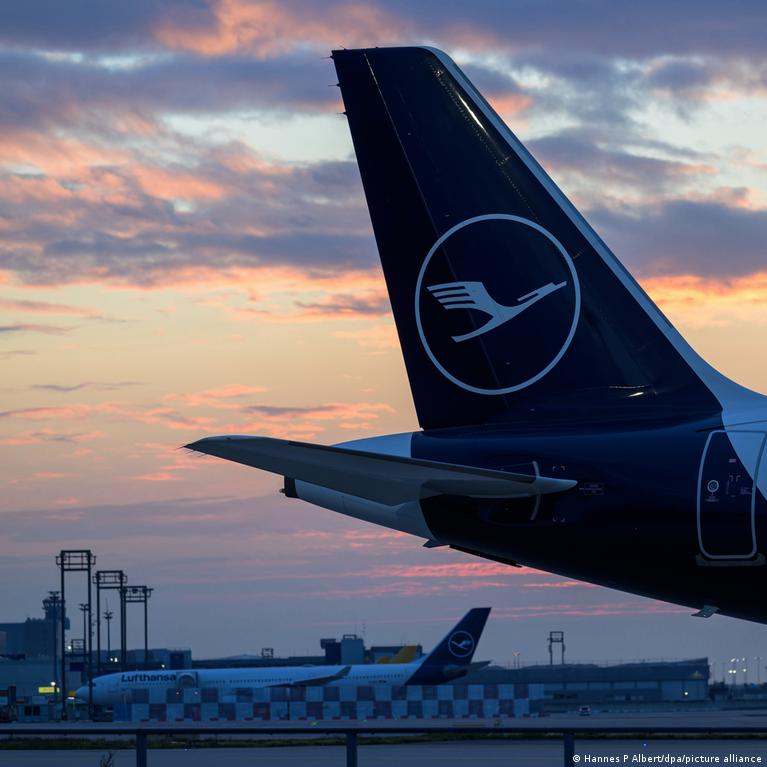
Why it matters: The crisis exposes the structural fragility of global aviation’s supply chains and forces immediate operational cuts, price hikes, and emergency coordination that could redefine summer travel and industry resilience.
Context: Europe’s aviation sector is acutely exposed, importing roughly half its kerosene via the Middle East, a vulnerability flagged by IATA last year. The EU’s nascent SAF mandates offer no near-term relief due to limited scale and parallel price surges.
"Iran war: Jet fuel crisis deepens as Lufthansa cuts flights April 22, 2026The Iran war is having a profound effect on the global aviation sector, with jet fuel shortages and surging prices." — DW
Commentary: The shift from a price to a physical supply crisis changes the calculus from financial hedging to logistical rationing, forcing carriers into capacity cuts rather than mere fare adjustments. This triggers a cascade of route rationalizations, with Asia-Pacific airlines already demonstrating a market where fuel follows the highest bidder, not long-term contracts. The EU’s scramble for collective stock management and U.S. imports is a stark test of bloc solidarity under stress, with consumer confidence in scheduled air travel as the next casualty.
URL: https://www.dw.com/en/iran-war-jet-fuel-crisis-deepens-as-lufthansa-cuts-flights/a-76889141?maca=en-rss-en-all-1573-rdf
AI Sentiment Score: Negative (80%)
AI Credibility Score: 10.0/10 — High
Scores and text generated by AI analysis of the source article indicated.
Russia to block Kazakh oil flows to Germany via key pipeline (Dw)
Summary: Russia will halt the transit of Kazakh crude oil to Germany via the Druzhba pipeline from May 1, 2026, targeting the PCK refinery in Schwedt, which supplies over 90% of Berlin’s fuel. The German government, which seized the refinery from Rosneft in 2022, states supply security is not ultimately jeopardized, but the refinery would operate at reduced capacity. The move occurs amid a broader energy crisis exacerbated by Middle East conflict and follows Putin’s recent call to explore cutting energy supplies to Europe.

Why it matters: This is a targeted energy weaponization that tests the resilience of Germany’s post-2022 supply pivots and underscores the persistent vulnerability of critical infrastructure even as aggregate import dependencies decline.
Context: Since 2022, the EU has drastically reduced reliance on Russian oil and gas, but transit routes and specific refineries remain exposed. The PCK refinery represents a complex legacy asset—still Russian-owned but German-operated—and its operational continuity has depended on U.S. sanctions exemptions.
""The cessation of Kazakh oil deliveries to the PCK refinery does not ultimately jeopardize the security of supply of petroleum products in Germany, even though PCK Schwedt would have to operate at a reduced capacity," a spokesperson for the Federal Ministry for Economic Affairs and Energy told DW." — DW
Commentary: Russia’s action is a calibrated pressure test, not a broadside: it targets a specific chokepoint where reduced capacity could strain regional fuel markets, particularly for kerosene, amid existing global shortages. The move validates Kyiv School of Economics analysis that even small volumes can be strategically sensitive, highlighting that the EU’s REPowerEU exit cannot be considered complete until all transit risk is eliminated. Germany’s immediate challenge is logistical adaptation, but the longer-term imperative is accelerating the full decoupling from Russian infrastructure ownership and routing.
URL: https://www.dw.com/en/russia-to-block-kazakh-oil-flows-to-germany-via-key-pipeline/a-76895743?maca=en-rss-en-all-1573-rdf
AI Sentiment Score: Negative (90%)
AI Credibility Score: 10.0/10 — High
Scores and text generated by AI analysis of the source article indicated.
Can Iran withstand the US naval blockade? (Dw)
Summary: The US is weighing a long-term naval blockade of Iranian ports to pressure Tehran into concessions on its nuclear program and regional influence. This has already cut shipping through the Strait of Hormuz by over 95%, creating global energy and fertilizer supply risks. Iran’s oil exports are collapsing, forcing production cuts that risk permanent damage to wells if sustained. While Iran can withstand the pressure in the short term using stored oil, prolonged blockade deepens its severe economic crisis and tests the legal and military sustainability of the US strategy.
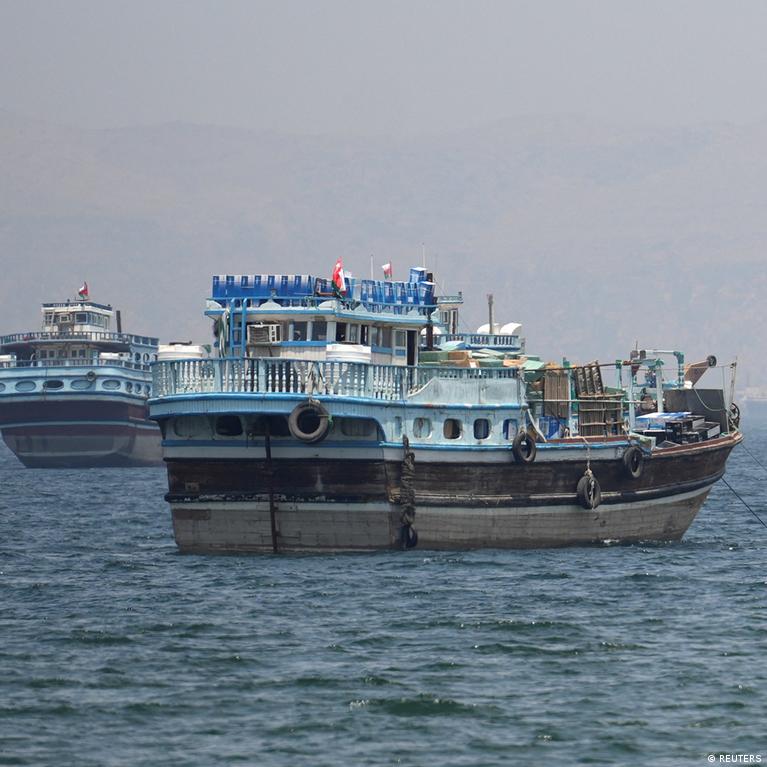
Why it matters: A protracted blockade risks triggering a historic energy crisis, destabilizing global trade routes, and forcing a recalibration of coercive economic statecraft.
Context: This represents an escalation from sanctions to active interdiction, testing the limits of naval power as an economic weapon and Iran’s capacity for resilience under siege.
"Can Iran withstand the US naval blockade? A ceasefire has been in place between the US and Iran after weeks of fighting, with Washington now seeking ways out of the conflict with." — DW
Commentary: The blockade shifts the conflict into the domain of physical logistics and reservoir geology, where timelines are dictated by tanker availability and well integrity, not just diplomacy. This creates a brittle countdown for both sides: Iran faces structural economic collapse, while the US must manage the escalating collateral damage to Asian economies and the legal-political costs of sustaining a quasi-war measure.
URL: https://www.dw.com/en/can-iran-withstand-the-us-naval-blockade/a-77014627?maca=en-rss-en-all-1573-rdf
AI Sentiment Score: Negative (85%)
AI Credibility Score: 10.0/10 — High
Scores and text generated by AI analysis of the source article indicated.
The Global Economic Impact from the Iran Conflict (Foreignpolicy)
Summary: The IMF has cut its global growth forecast to 3.1% due to the closure of the Strait of Hormuz, with an adverse scenario projecting 2.5% growth if oil averages $100/barrel. The shock disproportionately impacts energy importers and low-income countries, while the US and AI-beneficiary nations like South Korea show relative resilience. Gita Gopinath argues the crisis’s severity hinges on whether it triggers a severe tightening of financial conditions.

Why it matters: A prolonged maritime chokepoint closure recalibrates global risk, exposing systemic dependencies and accelerating the divergence between AI-capable economies and fragile states.
Context: This follows a period of structural shifts from geoeconomic fragmentation and AI development, testing the resilience built after the Ukraine war and pandemic.
"The Global Economic Impact from the Iran Conflict Gita Gopinath on how countries can make themselves more resilient. The closure of the Strait of Hormuz is like a ticking time bomb for." — FOREIGNPOLICY
Commentary: The analysis frames resilience not as a return to cheap globalization, but as a forced pivot toward energy independence and domestic renewables. The stark bifurcation—where AI exports buffer South Korea while IMF-program countries like Sri Lanka face a ‘nightmare’—signals a new tiered world economy. The US’s dual status as energy and AI superpower underscores a dangerous concentration of global capital and growth dynamism on narrow foundations.
Date: Wed, 29 Apr 2026 17:32:18 +0000
URL: https://foreignpolicy.com/2026/04/29/gopinath-foreign-policy-live-fpl-agrawal-iran-war-hormuz-blockade-global-economic-impact-oil-gas/
AI Sentiment Score: Negative (71%)
AI Credibility Score: 10.0/10 — High
Scores and text generated by AI analysis of the source article indicated.
Firms, industries grapple with shipping disruptions amid Middle East … (En.Qdnd.Vn)
Summary: Following the outbreak of hostilities between the US-Israel alliance and Iran, major shipping lines have suspended bookings and transits through the Middle East and Suez Canal, rerouting vessels around the Cape of Good Hope. This extends transit times by 15–20 days and is forecast to drive freight rate increases of over 30%, directly impacting trade flows through the Strait of Hormuz. Vietnamese exporters, particularly in fisheries and seasonal fashion, face severe disruptions to cold chains and sales cycles, with previous tensions having stretched delivery times from one month to three or four.
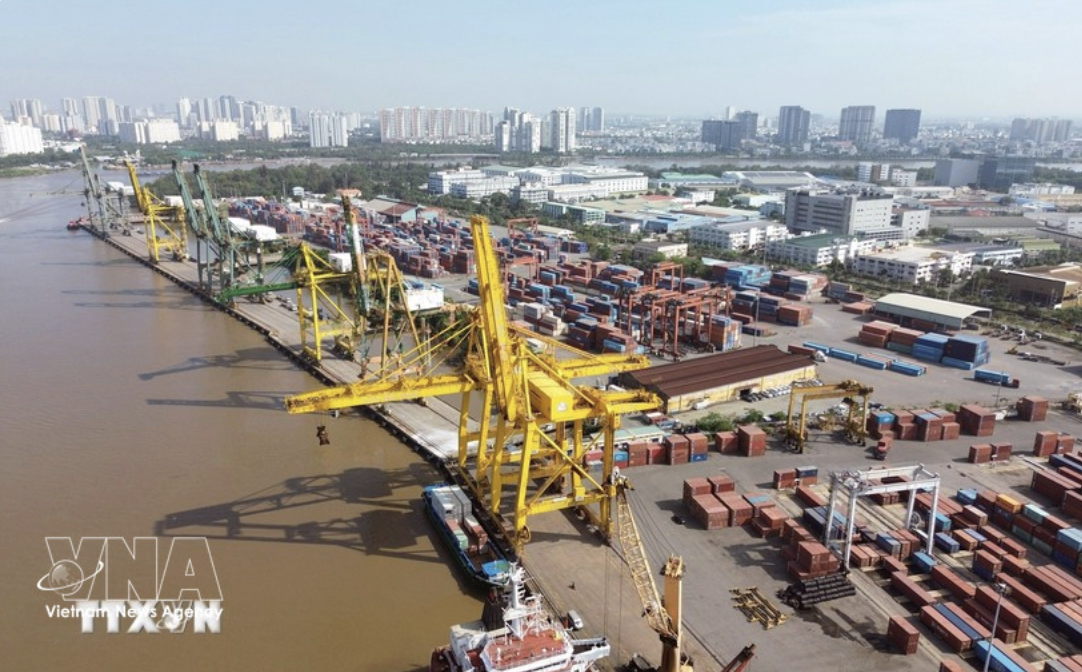
Why it matters: The immediate closure of a primary global trade artery recalibrates supply chain timelines and costs for all connected markets, forcing rapid operational adjustments.
Context: This is a second-order escalation of the Red Sea crisis, moving disruption from the Bab el-Mandeb strait to the even more critical Strait of Hormuz, affecting Persian Gulf ports directly.
"Just days after hostilities broke out between the US – Israel alliance and Iran, a series of international shipping lines issued urgent notices to customers, suspending bookings for cargo to and from." — EN.QDND.VN
Commentary: The shift from risk mitigation to outright closure of the Suez route indicates carriers assess the conflict as a systemic, not episodic, threat. This will compress margins for time-sensitive goods globally and test the resilience of alternative routing capacity, which remains finite. Export diversification strategies reliant on Middle Eastern growth markets now confront a foundational logistics vulnerability.
Date: April 24, 2026 12:00 AM ET
URL: https://en.qdnd.vn/economy/news/firms-industries-grapple-with-shipping-disruptions-amid-middle-east-conflict-588435
AI Sentiment Score: Negative (66%)
AI Credibility Score: 9.0/10 — High
Scores and text generated by AI analysis of the source article indicated.
The network is being redrawn — are Gulf ports still on it? – Logistics (Enterpriseam)
Summary: The strategic calculus for Gulf ports is shifting from physical access to economic viability as the conflict in the Strait of Hormuz evolves. Shipping executives warn that Iran’s imposition of tolls for passage is establishing a dangerous precedent of monetizing chokepoints, which could be replicated elsewhere. Concurrently, rising fuel costs are pressuring transport, logistics, and delivery sectors, where fuel constitutes 20-40% of operating expenses, forcing price adjustments across supply chains.

Why it matters: The normalization of tolls at maritime chokepoints rewrites the economic rules of global trade, while sustained fuel inflation directly reshapes the cost structure of last-mile delivery and regional logistics.
Context: This follows an earlier phase of the conflict focused on securing basic maritime access; the escalation now centers on how the control of passage is being financialized.
"Good morning, friends. The situation in Hormuz remains murky — some vessels are being targeted, while others pass through unscathed. Tehran attacked three ships, escorting two of them into Iranian waters,." — ENTERPRISEAM
Commentary: The ‘tollbooth’ model, once proven profitable, creates a perverse incentive for any actor controlling a bottleneck—state or non-state—to extract rent, potentially Balkanizing maritime transit. This structural shift, coupled with the operational fuel squeeze, could force multinationals to reassess Gulf port dependencies not on security grounds alone, but on total landed cost, accelerating diversification of routing and inventory strategies.
Date: April 23, 2026 12:00 AM ET
URL: https://enterpriseam.com/logistics/issues/the-network-is-being-redrawn-are-gulf-ports-still-on-it/
AI Sentiment Score: Negative (66%)
AI Credibility Score: 10.0/10 — High
Scores and text generated by AI analysis of the source article indicated.
‘Turbulent and dangerous’: How shipping is the new global battleground (Aljazeera)
Summary: Geopolitical tensions are transforming global shipping lanes into contested chokepoints, moving from a rules-based order toward a system of politicized control. Recent incidents include Iran’s calibrated use of force in the Strait of Hormuz, China’s alleged detention of Panama-flagged vessels, and the ripple effects of Houthi attacks in the Red Sea. These actions are setting precedents for ‘permissioning’ and selective enforcement, increasing costs, uncertainty, and the risk of cascading supply chain disruptions.

Why it matters: The weaponization of maritime trade routes directly inflates costs, disrupts global logistics, and shifts strategic leverage from commercial norms to state power, affecting everything from energy prices to consumer goods availability.
Context: This follows a decades-long period of relative stability underpinned by post-WWII maritime treaties, which facilitated the expansion of global trade to over $25 trillion annually.
"‘Turbulent and dangerous’: How shipping is the new global battleground From the Strait of Hormuz to Panama, the South China Sea to the Black Sea, geopolitics is rewriting the rules of global." — ALJAZEERA
Commentary: The fragmentation of maritime governance signals a broader retreat from multilateralism, where strategic chokepoints become tools for economic coercion. Insurers and operators must now price in political risk as a primary variable, not an outlier, recalibrating global just-in-time systems toward resilience over efficiency. This shift rewards states with naval projection capabilities and penalizes trade-dependent economies lacking leverage.
Date: Fri, 01 May 2026 13:18:33 +0000
URL: https://www.aljazeera.com/news/2026/5/1/turbulent-and-dangerous-how-shipping-is-the-new-global-battleground?traffic_source=rss
AI Sentiment Score: Negative (50%)
AI Credibility Score: 10.0/10 — High
Scores and text generated by AI analysis of the source article indicated.
Will the Iran war end Strait of Hormuz oil supremacy? (Dw)
Summary: The closure of the Strait of Hormuz following the outbreak of the US-Israel war with Iran has stranded a fifth of global energy supply, forcing a structural reassessment of the world’s most critical oil chokepoint. Gulf states, led by Saudi Arabia and the UAE, are accelerating plans to build new pipelines and expand existing ones to bypass the strait, while Iraq advances alternative western export routes. The crisis has exposed the geographical and political constraints for Kuwait, Bahrain, and Qatar, which lack alternative coastlines, and is spurring investment in regional rail and road networks for non-crude freight.
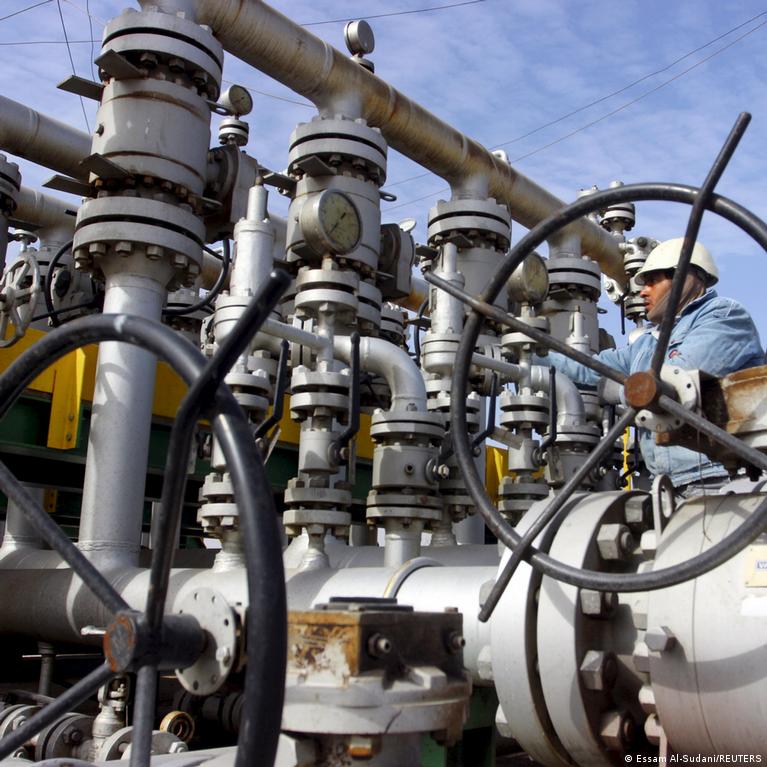
Why it matters: The forced diversification of energy export routes from the Persian Gulf will reconfigure global supply chains, alter geopolitical leverage, and accelerate infrastructure investment with decades-long consequences for energy security and regional politics.
Context: The strategic vulnerability of the Strait of Hormuz has been a known systemic risk since the Tanker War of the 1980s, but the current conflict has made contingency planning an immediate operational necessity.
"Will the Iran war end Strait of Hormuz oil supremacy? April 27, 2026Four decades ago, the Strait of Hormuz revealed its deadly vulnerability to the global oil market. During the 1980 to." — DW
Commentary: The scramble for bypass infrastructure reveals a permanent shift in risk calculus: the financial and political costs of overland projects, previously prohibitive, are now outweighed by the existential threat of a blocked strait. This will fragment Gulf state strategies, with integrated multi-country pipelines stalled by rivalries, leaving geographically constrained nations like Qatar more vulnerable. The parallel push for Iraqi routes to the Mediterranean, backed by the IEA, signals Europe’s direct stake in disentangling its energy security from Hormuz, potentially redrawing Middle Eastern alliance maps around pipeline corridors.
URL: https://www.dw.com/en/will-the-iran-war-end-strait-of-hormuz-oil-supremacy/a-76893004?maca=en-rss-en-all-1573-rdf
AI Sentiment Score: Negative (85%)
AI Credibility Score: 10.0/10 — High
Scores and text generated by AI analysis of the source article indicated.
More than 40 Iranian seafarers killed during US-Israeli war: Union leader (Aljazeera)
Summary: The Iranian Merchant Mariners Syndicate reports at least 44 Iranian civilian seafarers killed and 29 injured since late February, attributing the casualties to US and Israeli attacks on ports and commercial fleets. The union has filed complaints with the International Maritime Organization, highlighting a humanitarian crisis for crews trapped in the war zone. The broader conflict has effectively closed the Strait of Hormuz, stranding approximately 20,000 seafarers and disrupting a critical global energy chokepoint.

Why it matters: Civilian maritime casualties and the prolonged closure of a major shipping artery represent a direct erosion of global trade norms and humanitarian law, with cascading effects on energy markets and supply chain resilience.
Context: The report emerges amid a US-Iran ceasefire and a concurrent US naval blockade targeting Iranian oil exports, illustrating the conflict’s persistent spillover into commercial shipping lanes and civilian labor.
"At least 44 Iranian seafarers have been killed and 29 injured since the start of the United States-Israel war on Iran, according to the head of the country’s merchant marine union." — ALJAZEERA
Commentary: The union’s tally, while unverified, formalizes the human cost of conflating commercial shipping with military targets, pressuring international bodies like the IMO to address civilian protections. The stranded 20,000 seafarers underscore the operational paralysis of a key node in global logistics, where geopolitical blockades now directly immobilize a multinational workforce. This data point shifts the narrative from abstract sanctions to concrete labor and humanitarian crises within contested waters.
Date: Fri, 01 May 2026 09:49:28 +0000
URL: https://www.aljazeera.com/news/2026/5/1/more-than-40-iranian-seafarers-killed-during-us-israeli-war-union?traffic_source=rss
AI Sentiment Score: Negative (80%)
AI Credibility Score: 10.0/10 — High
Scores and text generated by AI analysis of the source article indicated.
Chokepoints as Weapons – The Nation (Nation.Pk)
Summary: The recent Israel-US-Iran confrontation has demonstrated a strategic shift toward using maritime chokepoints as calibrated economic weapons, exemplified by the Strait of Hormuz. This ‘economic denial warfare’ operates below the threshold of declared war but triggers systemic global shocks across energy markets, supply chains, and logistics. The deep integration of the global economy, forged over decades, ensures that a regional disruption becomes an immediate global economic event, challenging notions of strategic decoupling.

Why it matters: This evolution in conflict directly impacts global mobility, trade costs, and supply chain resilience, affecting everything from airline operations to semiconductor production.
Context: The strategic use of waterways has historical precedent, but the scale of today’s global interdependence—linking real-time finance, optimized logistics, and advanced tech—radically amplifies the consequences.
"The contemporary international system is undergoing a subtle but consequential transformation in the conduct of warfare. The recent confrontation involving Israel, the United States and Iran has exposed a strategic shift that." — NATION.PK
Commentary: The doctrine reframes national security as a function of supply chain exposure, making corporate risk managers and central bankers de facto frontline actors. It renders political rhetoric about economic decoupling structurally hollow, as the financial and logistical systems remain irrevocably intertwined. For travel and world affairs, this means volatility in fuel, insurance, and route viability becomes a permanent feature, not an episodic crisis.
Date: April 24, 2026 12:00 AM ET
URL: https://www.nation.com.pk/24-Apr-2026/chokepoints-weapons
AI Sentiment Score: Negative (50%)
AI Credibility Score: 9.0/10 — High
Scores and text generated by AI analysis of the source article indicated.
Could Iran war trigger bigger trade crisis than COVID? (Dw)
Summary: The closure of the Strait of Hormuz by Iran has removed roughly 10% of global oil and a fifth of LNG supply, triggering the largest single energy market disruption in history. This acute supply shock, distinct from the broad demand shock of COVID-19 or the structural shifts from tariffs, forces a rerouting of tankers around Africa, inflates war-risk insurance, and is rippling through multi-tiered supply chains. A survey of 6,000 firms finds geopolitical risk is now the top concern, accelerating a permanent shift toward ‘just-in-case’ inventory, nearshoring, and +1 supply chain diversification.
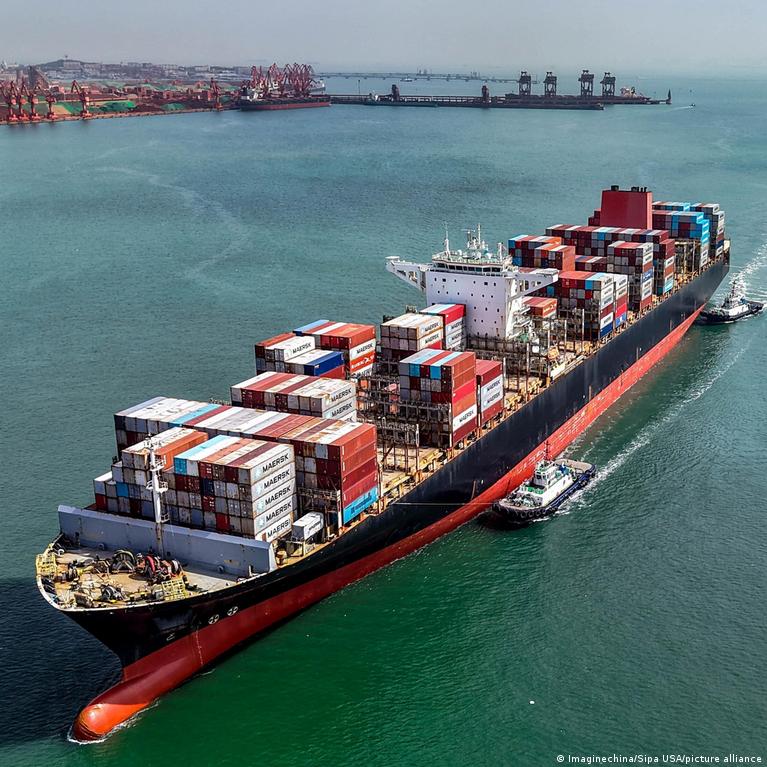
Why it matters: The crisis is a systemic stress test, forcing a permanent recalibration of global trade resilience beyond energy, with direct consequences for inflation forecasts, corporate strategy, and regional manufacturing hubs.
Context: This follows a pattern of sequential shocks—COVID, tariffs, Red Sea attacks—each exposing different vulnerabilities in globalized systems and compounding a corporate shift from efficiency to resilience.
"Could Iran war trigger bigger trade crisis than COVID? April 22, 2026Iran’s shutdown of the Strait of Hormuz has drawn comparisons with the supply disruptions of the COVID-19 pandemic and US President." — DW
Commentary: The framing as a systemic stress test, rather than a regional event, is correct. The immediate energy shock is profound, but the lasting impact is the institutionalization of geopolitical risk as a primary strategic variable. This accelerates the fragmentation of global trade into more regional, redundant, and politically aligned networks, with India and Southeast Asia as clear beneficiaries. The operational shift from ‘just-in-time’ to ‘just-in-case’ is now a structural feature, not a temporary adjustment.
URL: https://www.dw.com/en/could-iran-war-trigger-bigger-trade-crisis-than-covid/a-76804278?maca=en-rss-en-all-1573-rdf
AI Sentiment Score: Negative (85%)
AI Credibility Score: 10.0/10 — High
Scores and text generated by AI analysis of the source article indicated.
New analysis maps out impacts of marine chokepoint closures (Sciencedaily)
Summary: A new GIS-based analysis simulates the global trade and shipping impacts if any of the world’s 11 busiest marine chokepoints were to close. The study models disruptions and rerouting for straits and canals including the Suez, Panama, Malacca, and Hormuz, quantifying cascading delays, port backlogs, and increased costs. It provides a predictive framework for governments and businesses to anticipate and mitigate supply chain shocks.

Why it matters: Closure of a single chokepoint can reroute global shipping flows, inflating costs and timelines for critical goods, thereby turning just-in-time logistics into a systemic vulnerability.
Context: This analysis formalizes the systemic risk inherent in maritime trade geography, where 80% of trade volume transits these narrow passages, making their stability a linchpin for global economic continuity.
"New GIS-enabled analysis maps what the far-reaching impacts to international trade and shipping could be if any of the world’s 11 busiest marine chokepoints, or shipping straits, are closed due to politics,." — SCIENCEDAILY
Commentary: The study shifts chokepoint risk from a geopolitical abstraction to a quantifiable operational variable. For port authorities and logistics planners, it mandates contingency routing; for insurers and commodity traders, it demands new volatility models. The real implication is that resilience now requires simulating failure at these specific coordinates, not just reacting to it.
Date: April 22, 2026 12:00 AM ET
URL: https://www.sciencedaily.com/releases/2022/12/221222162408.htm
AI Sentiment Score: Negative (87%)
AI Credibility Score: 10.0/10 — High
Scores and text generated by AI analysis of the source article indicated.
Mines in the Strait of Hormuz: How dangerous are they? (Dw)
Summary: German Chancellor Friedrich Merz has offered German mine-clearance vessels and maritime reconnaissance to help secure the Strait of Hormuz, contingent on a legal basis. This follows Iran’s contradictory statements on the strait’s status and underlying threats of naval mines. Mine clearance is evolving with autonomous underwater drones, like the German Navy’s systems and Euroatlas’s upcoming Greyshark, which offer longer range and reduced risk. However, operational challenges persist in contested zones like the Hormuz, where proximity to threats remains a constraint.
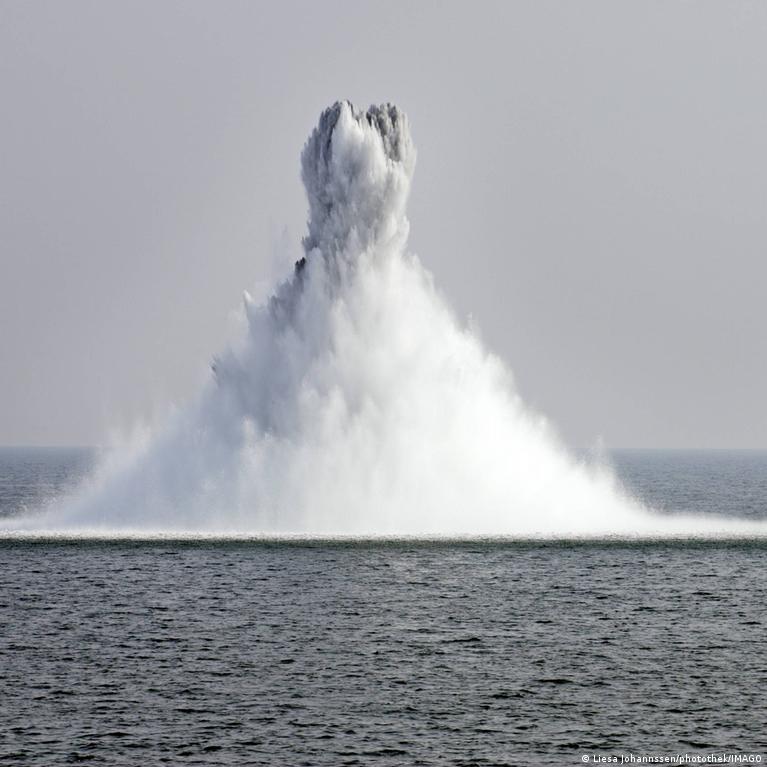
Why it matters: The security of the Strait of Hormuz directly impacts global energy flows and maritime trade, while the operational shift to autonomous mine-hunting alters risk calculus and international intervention models.
Context: Iran has historically used threats to Hormuz transit as leverage, and the development of autonomous underwater vehicles (AUVs) is reshaping naval mine warfare and clearance operations, as seen in the Black Sea.
"Mines in the Strait of Hormuz: How dangerous are they? April 19, 2026On Friday, German Chancellor Friedrich Merz said his country was prepared to supply mine clearance and maritime reconnaissance to help." — DW
Commentary: The ambiguity of the mine threat is itself a potent weapon, creating a deterrent effect without confirmed deployment. Germany’s conditional offer and the drone technology pivot signal a move toward lower-risk, standoff enforcement in contested chokepoints, but the timeline for clearance—decades or longer—underscores that maritime security post-conflict is a generational burden. The commercial development of longer-endurance AUVs like the Greyshark will gradually shift the operational advantage toward forces that can survey from a distance, potentially altering the strategic balance in future blockades.
URL: https://www.dw.com/en/mines-in-the-strait-of-hormuz-how-dangerous-are-they/a-76847658?maca=en-rss-en-all-1573-rdf
AI Sentiment Score: Negative (77%)
AI Credibility Score: 10.0/10 — High
Scores and text generated by AI analysis of the source article indicated.
Drones, missiles, and jamming: UN aviation chief calls for … (Icao.Int)
Summary: ICAO Secretary General Juan Carlos Salazar has publicly detailed the escalating threat to civilian aviation from modern military systems, including drones, missiles, and electronic jamming, particularly near conflict zones. The organization is responding by finalizing a Global Crisis Management Framework and updating its safety manuals to better assess and mitigate these risks. This marks a significant, formal acknowledgment from the UN’s aviation body that the operational environment for global air travel is deteriorating due to geopolitical tensions and weapons proliferation.

Why it matters: The integrity of global air corridors is a foundational component of international commerce, diplomacy, and mobility; systemic threats to overflight safety directly increase costs, disrupt supply chains, and force geopolitical recalculations for states and corporations.
Context: This follows a pattern of increasing incidents involving GNSS spoofing near conflict areas and the weaponization of commercially available drone technology, challenging the post-Cold War assumption of largely uncontested international airspace.
"# Drones, missiles, and jamming: UN aviation chief calls for urgent action to protect civil aircraft operating near or over conflict zones The International Civil Aviation Organization (ICAO) is calling for stronger." — ICAO.INT
Commentary: ICAO’s shift from procedural guidance to crisis frameworks signals institutional recognition that traditional diplomatic assurances are insufficient. The practical effect will be more complex, costly flight planning for airlines and pressure on states to harden aviation electronics, moving resilience from a technical concern to a core operational mandate. This formalizes a new layer of sovereign risk for global logistics.
Date: April 22, 2026 12:00 AM ET
URL: https://www.icao.int/news/drones-missiles-and-jamming-un-aviation-chief-calls-urgent-action-protect-civil-aircraft
AI Sentiment Score: Negative (75%)
AI Credibility Score: 8.8/10 — High
Scores and text generated by AI analysis of the source article indicated.
Post ID: 800b1c3b