Legal Rights, Contracts, and Copyright in Fashion Imagery
A Photographer’s Guide to Permission Forms – Framer (Wirestock.Framer.Website)
Summary: A Wirestock guide clarifies the legal distinction between commercial and editorial use as the primary determinant for requiring a model release. It asserts that commercial use—defined as monetization, promotion, or advertising—mandates a signed release for any recognizable subject, while editorial use in news or educational contexts does not. The piece emphasizes that the need is dictated by intended use, not content, and advises photographers to secure releases preemptively if future commercial licensing is a possibility.
Why it matters: For photographers, agencies, and brands, misapplying this distinction is a direct liability risk that can void licensing deals and trigger lawsuits, directly impacting revenue and operational security.
Context: The line between editorial and commercial licensing is a persistent source of contractual confusion and legal exposure in fashion photography, especially as social media blurs traditional usage categories.
"At its most basic, a model release form is a contract. A written and signed agreement between you and the person you are photographing, the purpose of a release is to protect." — WIRESTOCK.FRAMER.WEBSITE
Commentary: This reframes the release from a creative formality to a core commercial document, shifting liability management upstream in the commissioning and planning process. Studios and photographers must now document intended use at the shoot, not in post, which alters client negotiations and on-set workflows. Platforms like Wirestock are positioning themselves as infrastructure players by automating this compliance layer, potentially centralizing a fragmented, manual legal process.
Date: April 27, 2026 12:00 AM ET
URL: https://wirestock.framer.website/blog/a-photographer-s-guide-to-permission-forms
AI Sentiment Score: Negative (66%)
AI Credibility Score: 10.0/10 — High
Scores and text generated by AI analysis of the source article indicated.
Image Usage Rights on Social Media (2026 Guide) – InfluencerDB (Influencerdb.Net)
Summary: InfluencerDB’s 2026 guide formalizes a rights framework for social media image usage, shifting from informal agreements to structured licensing. It introduces a four-part scope definition (channels, duration, territory, media type) and emphasizes separating organic posting from paid promotion rights. The guide operationalizes this through a pre-publication audit checklist and rights metadata storage, targeting brand and agency teams repurposing creator content.

Why it matters: For editorial fashion photographers, agencies, and brands, this systematization turns image licensing into a predictable, scalable cost center and risk management function, directly impacting commissioning budgets and post-production workflows.
Context: The influencer marketing and content-repurposing economy has matured, exposing legal and financial liabilities from ad-hoc image usage, particularly as brands increasingly boost organic posts into paid campaigns.
"To stay safe, treat every image as “owned by someone” until you have documentation that says otherwise. Also, separate “permission to post” from “permission to promote” because boosting a post or running." — INFLUENCERDB.NET
Commentary: The guide commoditizes image rights, moving pricing from opaque creative fees to CPM-based calculations for paid media. This forces photographers and creators to itemize and defend usage value, while giving procurement and legal teams a standard template to constrain costs. Studios will need to adapt their rate cards and contract language, as the ‘permission to post’ is no longer sufficient for commercial reuse.
Date: April 26, 2026 12:00 AM ET
URL: https://influencerdb.net/influencer-compliance/image-usage-rights/
AI Sentiment Score: Negative (66%)
AI Credibility Score: 10.0/10 — High
Scores and text generated by AI analysis of the source article indicated.
Sherri Hill Files Federal Lawsuit Alleging Unauthorized Use of Copyrighted Images by Online Retailers (Morningstar)
Summary: Sherri Hill has filed a federal copyright lawsuit against the operators of KissProm.com and SheIsMe.com, alleging unauthorized use and alteration of its copyrighted marketing imagery to sell formal dresses. The suit, filed in the Southern District of New York, targets the core advertising and sales operations of these e-commerce platforms. It asserts claims for infringement and removal of copyright management information, seeking injunctive relief and damages.
Why it matters: This litigation signals a more aggressive enforcement posture by brands against e-commerce platforms that directly appropriate editorial and marketing assets, directly impacting the commercial value and control of commissioned photography.
Context: Unauthorized scraping and reuse of campaign imagery by fast-fashion and direct-to-consumer retailers is a persistent industry issue, but lawsuits of this specificity often precede broader rights-protection campaigns.
"NEW YORK, April 27, 2026 /PRNewswire/ — Sherri Hill, Inc., a designer and marketer of formalwear, has filed a lawsuit in the United States District Court for the Southern District of New." — MORNINGSTAR
Commentary: The suit’s focus on altered images and removed copyright management information suggests a legal strategy aimed at maximizing statutory damages under the DMCA. For photographers and studios, it underscores the need to register copyrights and embed metadata, as these technicalities become leverage in settlement talks. A successful outcome could force downstream retailers to audit their image sourcing, potentially creating a new compliance layer for affiliate marketers and ad buyers.
Date: April 27, 2026 12:00 AM ET
URL: https://www.morningstar.com/news/pr-newswire/20260427ny44289/sherri-hill-files-federal-lawsuit-alleging-unauthorized-use-of-copyrighted-images-by-online-retailers
AI Sentiment Score: Negative (50%)
AI Credibility Score: 10.0/10 — High
Scores and text generated by AI analysis of the source article indicated.
Photographers make your photos are protected. (Youtube)
Summary: Photographers should make sure they have a clear contract. Because sometimes businesses like to take advantage of the situation and use your photos for something else than what was contracted.
Why it matters: Contractual clarity remains paramount; scope creep in usage rights is a persistent operational risk.
Context: Focus on defining usage parameters—beyond initial placement—for asset monetization.
"Photographers should make sure they have a clear contract. Because sometimes businesses like to take advantage of the situation and use your photos for something else than what was contracted." — YOUTUBE
Commentary: The signal is still worth tracking, but the current extraction path did not yield enough body text for a fuller analytical read. The immediate implication is operational rather than speculative: watch how this changes budgets, workflows, or risk assumptions over the next cycle.
Date: April 30, 2026 12:00 AM ET
URL: https://www.youtube.com/watch?v=83XNOB0CiMA
AI Sentiment Score: Negative (50%)
AI Credibility Score: 10.0/10 — High
Scores and text generated by AI analysis of the source article indicated.
Sherri Hill alleges copyright infringement in new lawsuit … (Fashionunited.Uk)
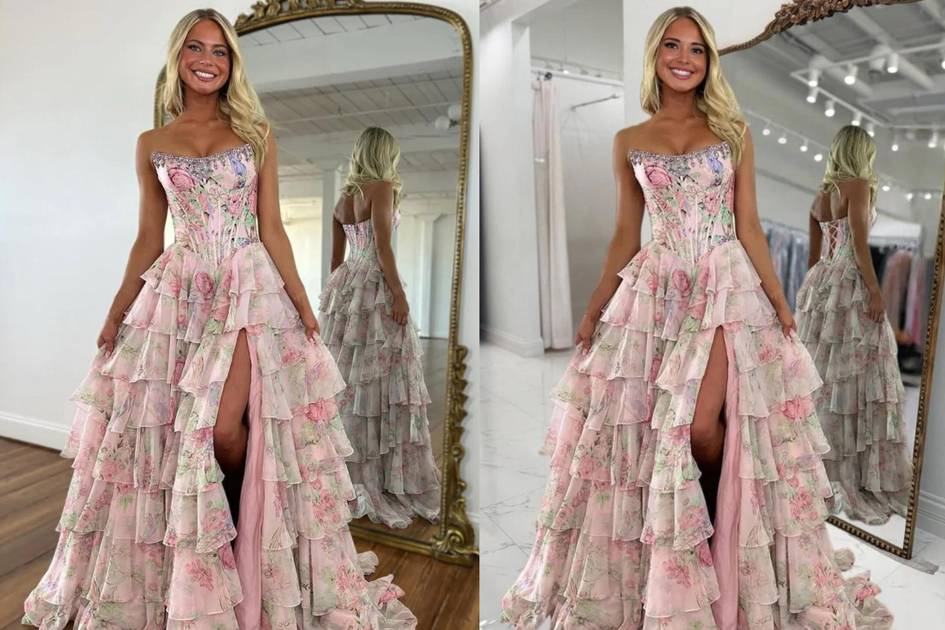
Summary: Prom dress retailer Sherri Hill has filed a copyright infringement lawsuit in the Southern District of New York against e-commerce platforms Medon, Inc. and SheIsMe, Inc., operators of KissProm.com and SheIsMe.com. The complaint, filed by Gioconda Law Group PLLC, alleges unauthorized use and alteration of Sherri Hill’s copyrighted marketing imagery to advertise and sell formal dresses. The suit seeks damages and injunctive relief under federal copyright law and related New York statutes.
Why it matters: For editorial fashion photographers, studios, and brands, this case underscores the direct commercial value of a registered copyright portfolio and the legal recourse available when marketing assets are co-opted by third-party sellers.
Context: This lawsuit reflects an ongoing industry pattern where e-commerce platforms, particularly in the fast-fashion and formalwear segments, leverage high-production-value editorial imagery without licensing, directly impacting the commissioning economics for original creators.
"According to the complaint, brought by Gioconda Law Group PLLC, the images in question are protected under Sherri Hill’s registered copyright portfolio, and have been used in the brand’s marketing and branding initiatives." — FASHIONUNITED.UK
Commentary: The suit moves beyond simple infringement to include claims of altering copyright management information, signaling a more aggressive legal strategy to protect not just the image but its metadata and attribution. For photographers and agencies, it reinforces the necessity of formal registration and clear chain-of-title documentation to enable such enforcement. The targeting of specific platform operators, rather than just faceless sellers, suggests a tactical shift toward holding the distribution pipeline accountable, which could pressure platforms to tighten vendor image policing.
Date: April 28, 2026 12:00 AM ET
URL: https://fashionunited.uk/news/business/sherri-hill-alleges-copyright-infringement-in-new-lawsuit-against-e-commerce-platforms/2026042887692
AI Sentiment Score: Neutral (33%)
AI Credibility Score: 10.0/10 — High
Scores and text generated by AI analysis of the source article indicated.
Copyright protection of fashion designs after Mio/konektra (Academic.Oup)
Summary: Published: 30 April 2026 Copyright clarity on design IP post-Mio/konektra signals potential shifts in visual asset ownership and licensing frameworks.
Why it matters: Copyright clarity on design IP post-Mio/konektra signals potential shifts in visual asset ownership and licensing frameworks.
Context: Review implications for styling rights, model releases, and the commercialization of editorial imagery pipelines.
[Metadata-only note] The available source data did not expose a direct source quote this cycle.
Commentary: The signal is still worth tracking, but the current extraction path did not yield enough body text for a fuller analytical read. The immediate implication is operational rather than speculative: watch how this changes budgets, workflows, or risk assumptions over the next cycle.
Date: April 30, 2026 12:00 AM ET
URL: https://academic.oup.com/jiplp/advance-article/doi/10.1093/jiplp/jpag049/8665720
AI Sentiment Score: Negative (50%)
AI Credibility Score: 10.0/10 — High
Scores and text generated by AI analysis of the source article indicated.
Post ID: b0d42a3a