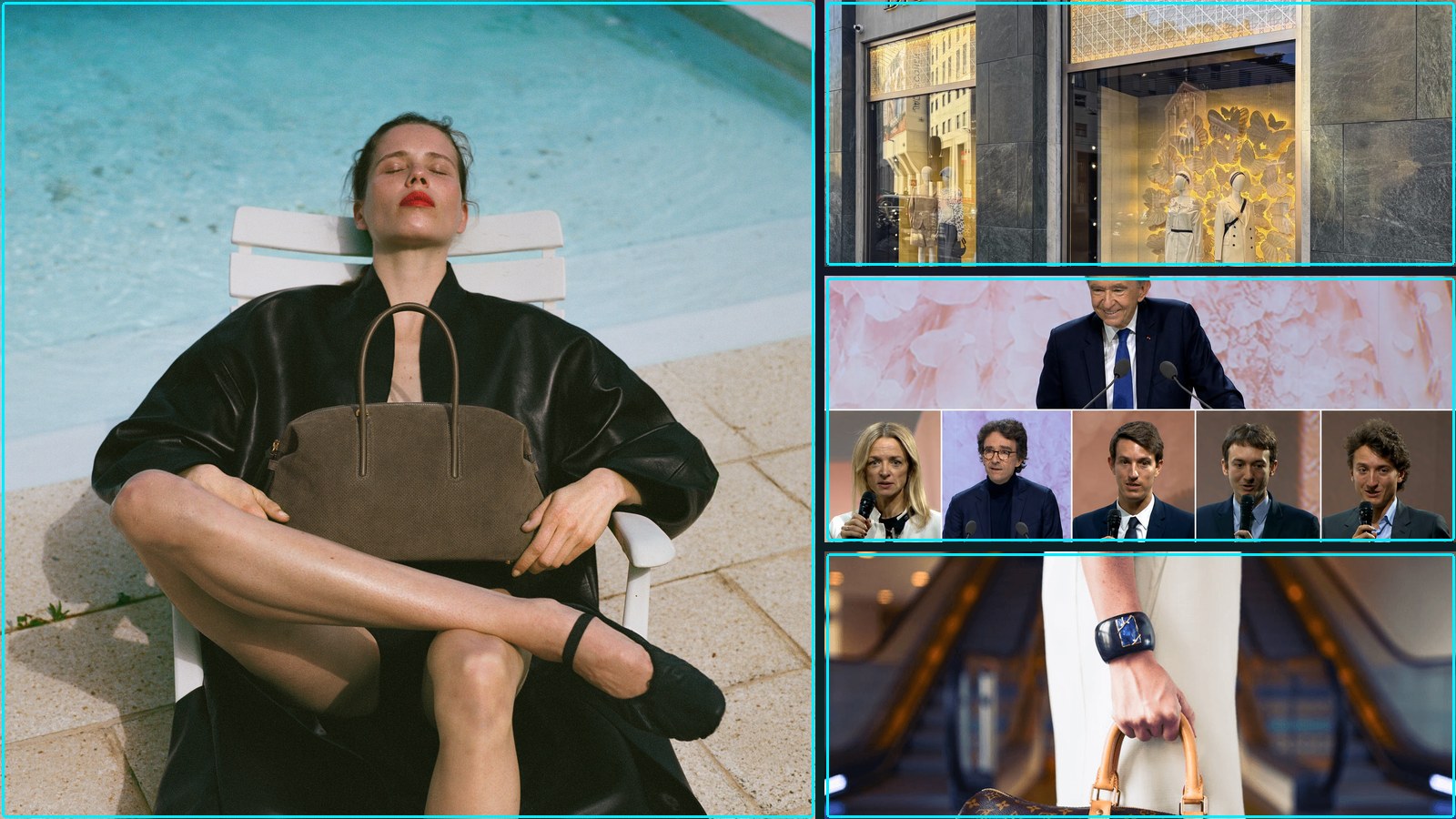
Luxury Sector Challenges and Performance
Lanvin Group reports 18 percent revenue decline for full-year 2025 (Fashionunited.In)
Summary: Lanvin Group’s FY2025 revenue fell 18% to €240M, citing a challenging luxury market and its own transformation efforts. While flagship Lanvin and Sergio Rossi each saw 30% declines, the group’s adjusted EBITDA loss narrowed slightly to -€90M, aided by portfolio optimization, store closures, and cost controls. Sequential improvement in H2 was attributed to operational adjustments and new creative leadership, with St. John emerging as the stable performer. The group is transitioning toward asset-light models and expects to complete its transformation program in 2026.
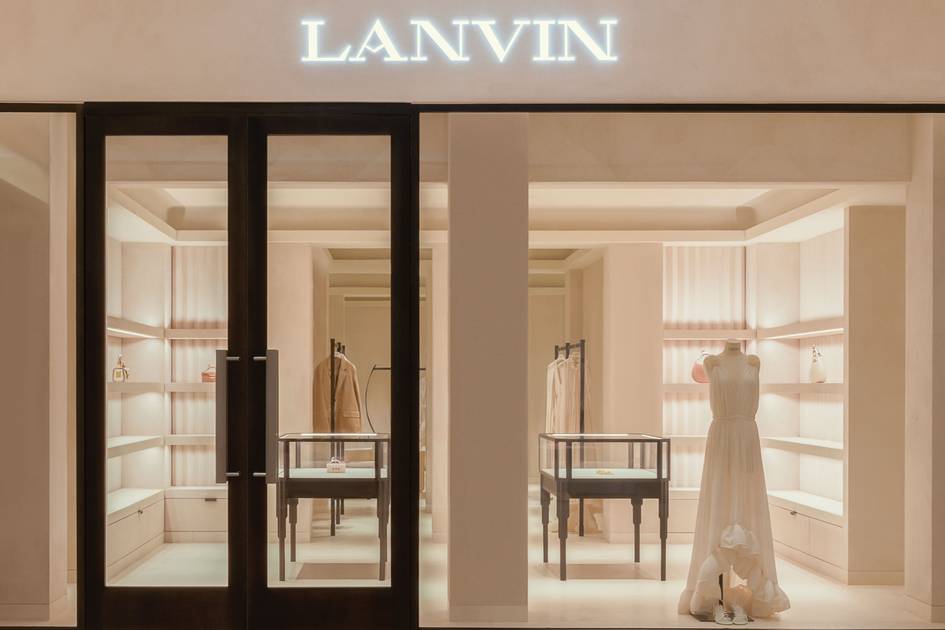
Why it matters: For luxury conglomerates and their operational teams, this signals a shift toward portfolio pruning, asset-light restructuring, and executive reshuffles as primary levers for margin defense amid persistent soft demand.
Context: Lanvin Group’s performance reflects the broader pressure on mid-tier luxury houses lacking the pricing power of megabrands, forcing a reliance on cost discipline and channel rebalancing over top-line growth.
"Chinese luxury fashion firm Lanvin Group announced its financial results for the full-year 2025 (FY2025) on April 30, 2026, reporting revenue of 240 million euros. This represents an 18% decrease compared to." — FASHIONUNITED.IN
Commentary: The deliberate 30% revenue haircut at Lanvin, paired with a maintained 58% gross margin, is a stark operational trade-off: sacrificing scale to preserve brand equity and unit economics during a repositioning. This validates a ‘shrink to fit’ strategy now common among second-tier luxury players, where wholesale retreat and D2C focus are prerequisites for survival. The carve-out of Caruso and push toward asset-light models at Sergio Rossi indicate portfolio management is now a continuous process, not a one-time event. For creative directors and brand CEOs within such groups, the mandate has shifted from growth-at-all-costs to margin preservation and strategic focus, with success measured by EBITDA improvement, not revenue.
Date: April 30, 2026 12:00 AM ET
URL: https://fashionunited.in/news/business/lanvin-group-reports-18-percent-revenue-decline-for-full-year-2025/2026043054267
AI Sentiment Score: Positive (57%)
AI Credibility Score: 10.0/10 — High
Scores and text generated by AI analysis of the source article indicated.
Lanvin Group reports 18 percent revenue decline for full-year … (Fashionunited.Uk)
Summary: Lanvin Group reported a full-year revenue decline of 18% to €240 million for FY2025, citing a challenging luxury market and its own transformation initiatives. The performance was uneven across its portfolio: flagship Lanvin fell 30%, Wolford declined 14%, and Sergio Rossi dropped 30%, while St. John was relatively stable with a 1% dip. Sequential improvement in the second half was attributed to operational adjustments, including selective store closures, cost controls, and a shift toward asset-light models.
Why it matters: For practitioners, this signals the concrete operational and financial consequences of portfolio rationalization and brand repositioning in a tough market, offering a case study in managing multi-brand decline.
Context: The group is executing a portfolio optimization strategy, carving out non-core assets like Caruso and installing new brand CEOs to steer recoveries, while the broader luxury sector faces macroeconomic pressure.
"Chinese luxury fashion firm Lanvin Group announced its financial results for the full-year 2025 (FY2025) on April 30, 2026, reporting revenue of 240 million euros. This represents an 18% decrease compared to." — FASHIONUNITED.UK
Commentary: The marginal EBITDA improvement amidst steep revenue declines underscores the brutal arithmetic of luxury turnaround plays: cost discipline can only paper over so much top-line erosion. The real test for the new brand CEOs—Pozzo at Wolford, West at St. John—is whether they can translate ‘renewed creative momentum’ into sustainable demand, not just sequential half-year lifts. The group’s pivot to asset-light models and D2C reliance (68% of revenue) shifts the operational burden from real estate management to brand marketing and digital execution, a skill set not all legacy houses possess.
Date: April 30, 2026 12:00 AM ET
URL: https://fashionunited.uk/news/business/lanvin-group-reports-18-percent-revenue-decline-for-full-year-2025/2026043087773
AI Sentiment Score: Negative (77%)
AI Credibility Score: 10.0/10 — High
Scores and text generated by AI analysis of the source article indicated.
Shaken By A Slowdown, Luxury Retailers Focus On Just 3 U.S. Cities (Bisnow)
Summary: Luxury retailers, facing a K-shaped economic recovery and declining revenues, are retreating from a national expansion strategy to concentrate physical store openings in just three established corridors: Rodeo Drive, Madison/Fifth Avenues in New York, and Bal Harbour/Miami Design District. This contraction follows failed attempts to capture aspirational shoppers in secondary markets like Atlanta and Dallas, as inflation and a tenuous job market erode middle-class spending. The result is a ‘winner-take-all’ environment where 80% of 2025 luxury openings occurred in these five corridors, creating intense competition for limited prime retail space.
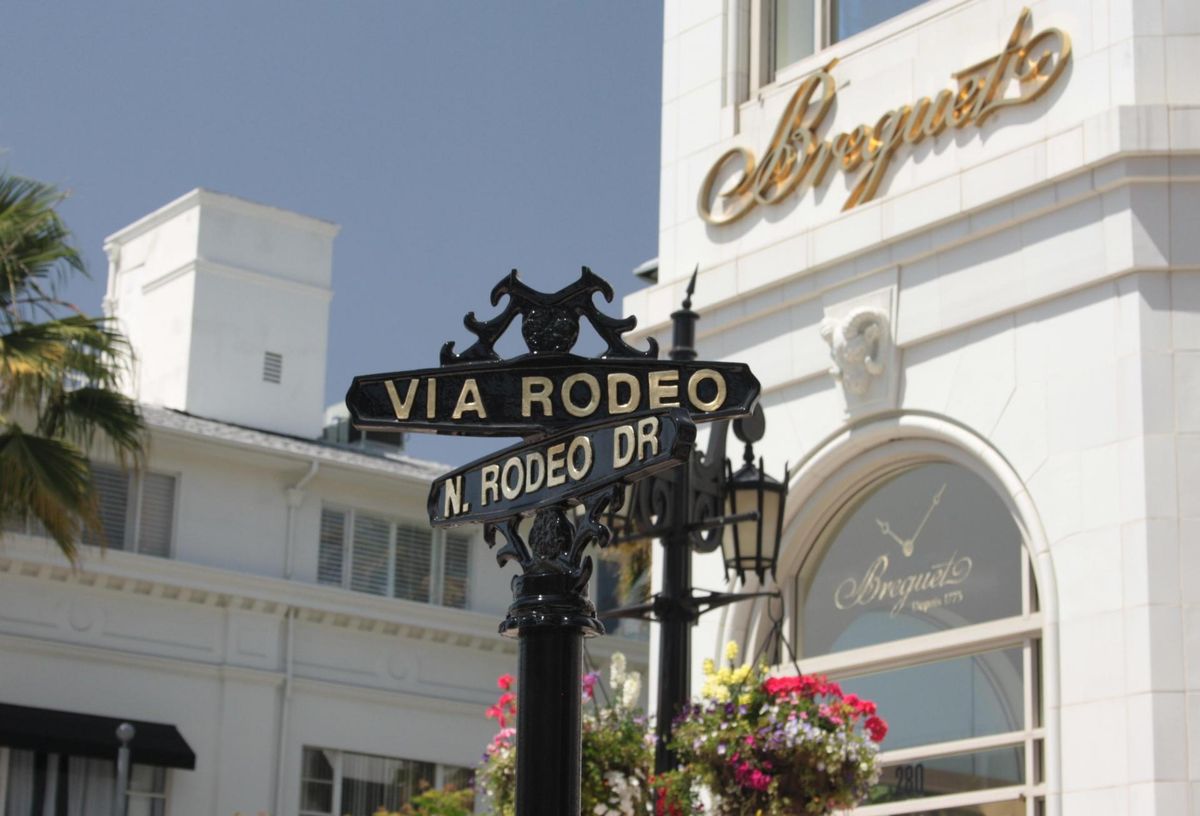
Why it matters: This geographic retrenchment forces brand real estate teams into a zero-sum competition for a finite number of flagship slots, while halting pipeline projects in secondary markets and reshaping vendor and construction priorities.
Context: This reverses the post-pandemic expansion into secondary U.S. markets, a strategy aimed at capturing aspirational middle-income shoppers, which has now collapsed under economic pressure.
"Only five corridors — Rodeo Drive, New York City’s Madison Avenue and Fifth Avenue, and Miami’s Bal Harbour and the Miami Design District — accounted for 80% of luxury retail openings in 2025." — BISNOW
Commentary: The strategic implication is a hard pivot from growth to defense, locking brands into a high-stakes, high-cost battle for visibility among the ultra-wealthy while ceding the aspirational segment to the secondhand market. For operations, this means capital expenditure is funneled into a few hyper-competitive leases, likely inflating rents and tenant improvement budgets, while regional teams and local vendor networks in expansion markets face contraction. The K-shaped recovery is now physically manifesting in real estate portfolios, creating a two-tier system where only the most capitalized brands can maintain a presence in the shrinking ‘main arteries’ of luxury retail.
Date: April 22, 2026 12:00 AM ET
URL: https://www.bisnow.com/national/news/retail/luxury-retailers-focusing-in-on-haute-us-real-estate-corridors-amid-space-crunch-134248
AI Sentiment Score: Positive (45%)
AI Credibility Score: 10.0/10 — High
Scores and text generated by AI analysis of the source article indicated.
The celebration problem, and why luxury keeps declaring victory too … (Luxurydaily)
Summary: Luxury brand analysis consistently reveals a pattern of premature victory declarations, where quarterly fluctuations are framed as structural recoveries. Using LVMH as a case study, the article dissects how narratives of stabilization in late 2025 were contradicted by Q1 2026 results showing Fashion & Leather Goods in its seventh consecutive quarter of organic decline. The analysis attributes apparent growth in other segments to one-off calendar shifts and marketing events, not underlying demand. This points to a systemic issue of narrative management obscuring a deteriorating core business.
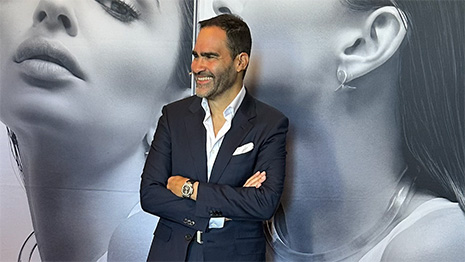
Why it matters: For industry practitioners, this highlights the operational risk of mistaking ephemeral marketing wins for sustainable brand health, directly impacting strategic planning, resource allocation, and investor communications.
Context: The luxury sector faces a consumer base that is increasingly demanding and culturally literate, making traditional brand storytelling and cyclical recovery narratives less effective.
"In almost every brand analysis my firm Équité conducts, the same pattern surfaces: A recent quarter is presented as an inflection point by the brand. A significant launch or a creative director’s." — LUXURYDAILY
Commentary: The persistent decline in LVMH’s profit engine signals a misalignment between brand investment and consumer demand that no amount of celebrity launch or regional rebalancing can quickly fix. This forces a recalibration for brand teams and analysts: the workflow now requires stripping out calendar anomalies and pull-forward events to assess true organic momentum. For competitors and vendors, it creates pressure to diversify client exposure and scrutinize the sustainability of any growth narrative presented by major houses.
Date: April 22, 2026 12:00 AM ET
URL: https://www.luxurydaily.com/luxury-unfiltered-the-celebration-problem-and-why-luxury-keeps-declaring-victory-too-early/
AI Sentiment Score: Positive (50%)
AI Credibility Score: 10.0/10 — High
Scores and text generated by AI analysis of the source article indicated.
On Everything #137: Luxury Mauls: 2026 Q1 Earnings Special (Stylezeitgeist.Substack)
Summary: LVMH’s Q1 2026 earnings report reveals a broad-based revenue decline of €1.2 billion year-on-year, with its core leather goods and fashion division down 9%. The report underscores a bifurcated luxury market where aspirational consumers are priced out, shifting spend to perfume and skincare, while the wealthy continue buying jewelry and ‘boring luxury’. External factors like a strong Euro and the Iran war’s impact on EU mall traffic are cited, but the underlying trend points to a structural shift in consumer behavior.
Why it matters: For industry practitioners, this signals a need to recalibrate product portfolios, pricing, and geographic focus, as the traditional aspirational customer base erodes and conglomerate growth models face pressure.
Context: This follows a multi-quarter trend of luxury softening, where brands have relied on price increases to mask declining unit sales, a strategy now showing its limits.
"Leather goods and fashion was down a whopping 9%." — STYLEZEITGEIST.SUBSTACK
Commentary: The 9% drop in leather goods and fashion—LVMH’s engine—is a concrete signal that price elasticity has been breached for a core category. This forces a hard look at product development cycles and inventory management for brands under the umbrella. The noted strength of Loro Piana and jewelry suggests a flight to timeless, high-margin assets, pushing other houses to reconsider their seasonal, logo-driven collections. The flippant tone toward LVMH’s presentation suggests investor patience for corporate narrative over hard performance data is wearing thin, increasing scrutiny on brand-level transparency.
Date: April 20, 2026 12:00 AM ET
URL: https://stylezeitgeist.substack.com/p/on-everything-137-luxury-mauls-2026
AI Sentiment Score: Positive (40%)
AI Credibility Score: 10.0/10 — High
Scores and text generated by AI analysis of the source article indicated.
Luxury brands are under pressure as the post-pandemic boom fades (Cnaluxury.Channelnewsasia)
Summary: The post-pandemic luxury boom has definitively ended, with major groups like Kering, LVMH, and Hermès reporting war-dented revenues and a two-thirds slide in Kering’s operating profits over two years. The sector faces a multi-front challenge: weakening Chinese demand, consumer resistance to excessive pandemic-era price hikes, and a need for creative renewal. Brands are now forced to rethink growth strategies, moving beyond pure price inflation to focus on product allure and targeted regional expansions, as evidenced by successes like Ferri Firenze’s pop-up in Qatar.
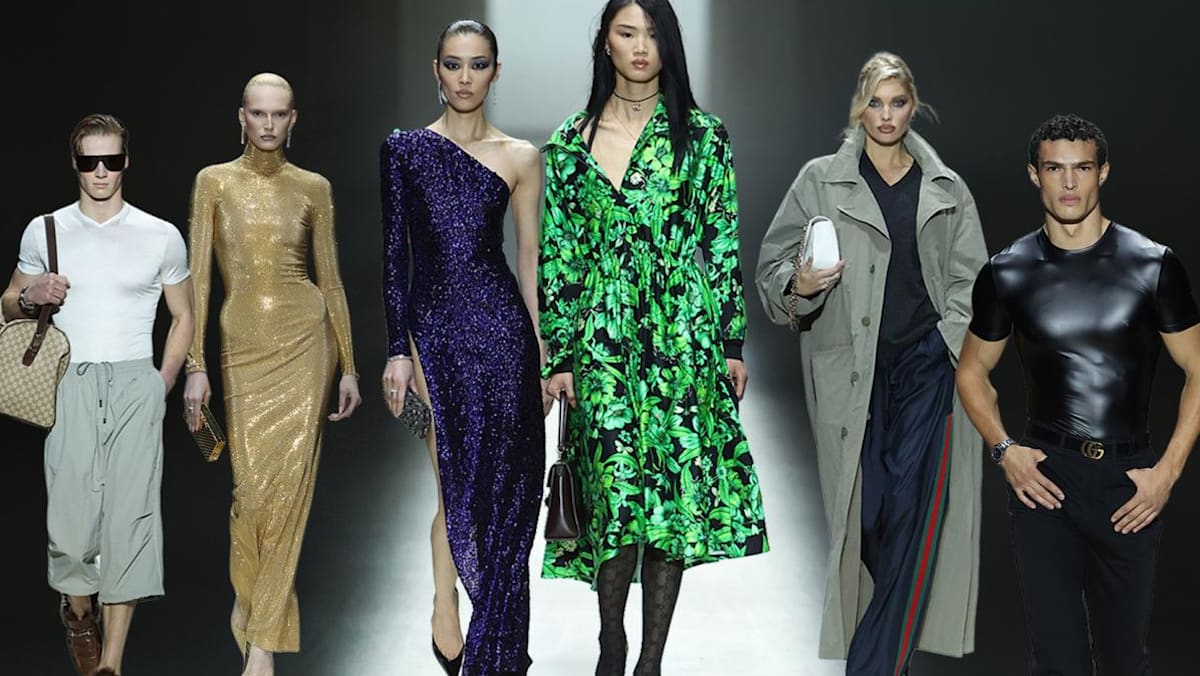
Why it matters: For industry practitioners, this signals a shift from a demand-pull, expansionary environment to a supply-driven one requiring disciplined pricing, creative investment, and precise geographic focus.
Context: The luxury sector had enjoyed years of exceptional growth fueled by Chinese consumption and aggressive pricing, but that model is no longer sustainable.
"# Luxury brands are under pressure as the post-pandemic boom fades From slowing Chinese demand to war-related disruption and rising resistance to high prices, the luxury industry is being forced to rethink." — CNALUXURY.CHANNELNEWSASIA
Commentary: The core operational mandate is now correction: pricing teams must recalibrate, creative directors must deliver tangible renewal, and strategy units must justify every geographic and category extension. Success will be measured by margin resilience and same-store sales in proven markets, not by headline revenue growth. The investor sell-off indicates a loss of confidence in the old playbook, putting pressure on brand CEOs to articulate a credible, supply-driven turnaround plan focused on product substance over financial engineering.
Date: April 21, 2026 12:00 AM ET
URL: https://cnaluxury.channelnewsasia.com/obsessions/luxury-brands-under-pressure-293281
AI Sentiment Score: Positive (57%)
AI Credibility Score: 9.8/10 — High
Scores and text generated by AI analysis of the source article indicated.
Lyst Index 2026: Chanel Becomes the Most Desirable Fashion Brand – Luxury Tribune (Luxurytribune)
Summary: The Lyst Index for Q1 2026 places Chanel at the top, driven by Matthieu Blazy’s debut and hit products like the Chanel Pumps. Gucci re-enters the top five following Demna’s controversial appointment, while Dior, Céline, and Fendi also gain ground. The report highlights pop culture and AI-powered discovery as key demand drivers, with luxury’s dominance coexisting with affordable items like a Trader Joe’s tote bag ranking alongside Chanel handbags.
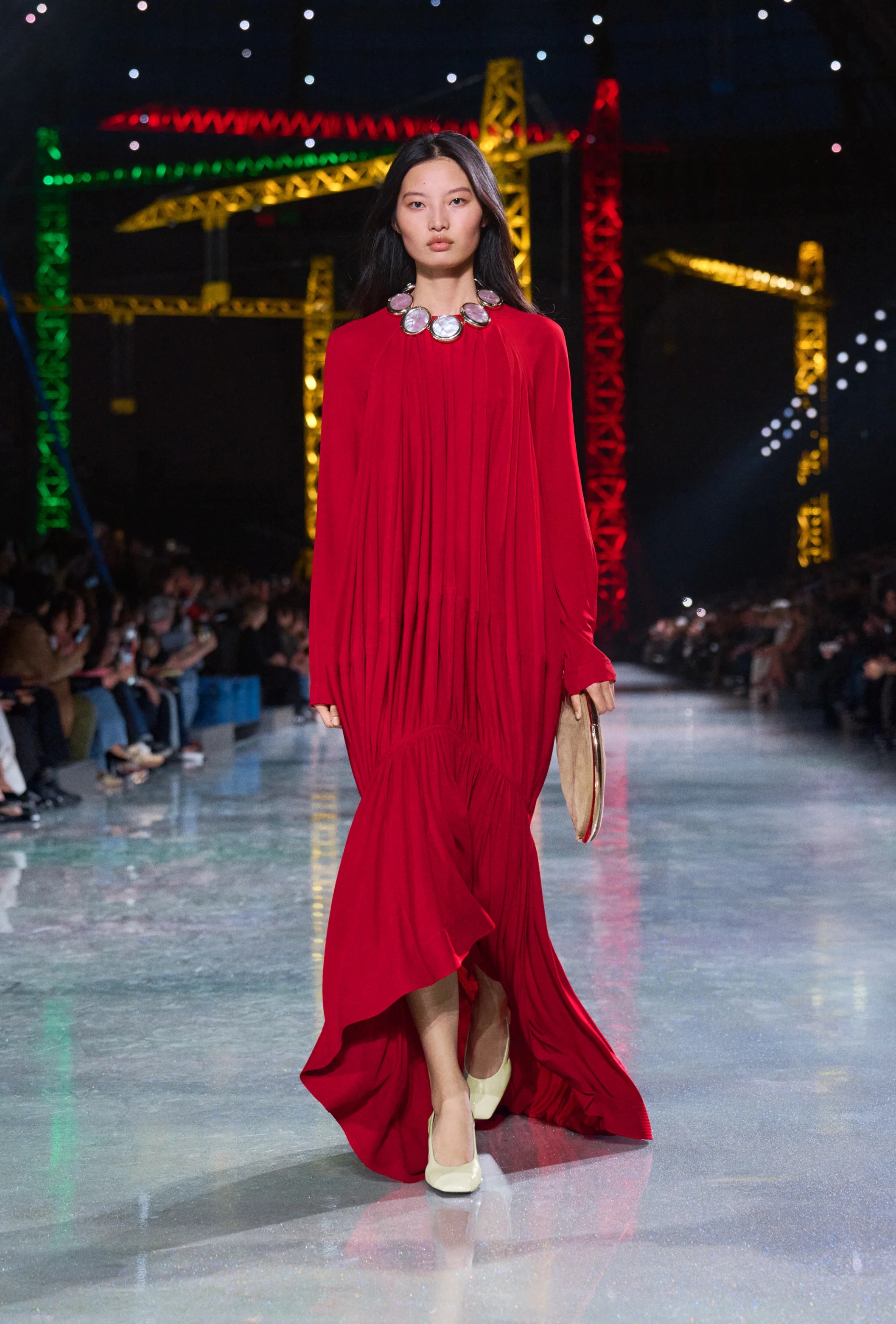
Why it matters: The index provides a real-time map of consumer demand shifts, directly impacting inventory planning, marketing spend, and creative director tenures.
Context: The Lyst Index tracks brand desirability through search, sales, and social data, serving as a leading indicator for retail and brand health.
"This coexistence reflects a shift in how consumers assign cultural value to fashion, now prioritizing a product’s narrative and community aspect over brand positioning or price." — LUXURYTRIBUNE
Commentary: Chanel’s top ranking validates the commercial impact of a clear creative transition, while Gucci’s rebound shows controversy can be a viable demand lever. The co-ranking of luxury and mass-market items signals a fragmented value system where marketing must now compete on narrative, not just tier. For operations, this means brand teams must architect cultural moments and product stories with the same discipline as supply chains.
Date: April 29, 2026 12:00 AM ET
URL: https://www.luxurytribune.com/en/lyst-index-2026-chanel-becomes-the-most-desirable-fashion-brand
AI Sentiment Score: Negative (50%)
AI Credibility Score: 9.1/10 — High
Scores and text generated by AI analysis of the source article indicated.
Bernard Arnault: The Man Behind the LVMH Empire – Worthbury (Worthbury)
Summary: Bernard Arnault’s four-decade tenure at LVMH established the blueprint for modern luxury conglomerates: acquiring heritage brands, decentralizing creative direction while centralizing financial and operational control, and fostering internal competition. This model, now replicated by Kering and Richemont, transformed luxury from a niche, artisanal sector into a globally scalable, high-margin industry. The article positions Arnault’s legacy not merely as wealth accumulation but as the creation of a dominant operating system for the entire sector.
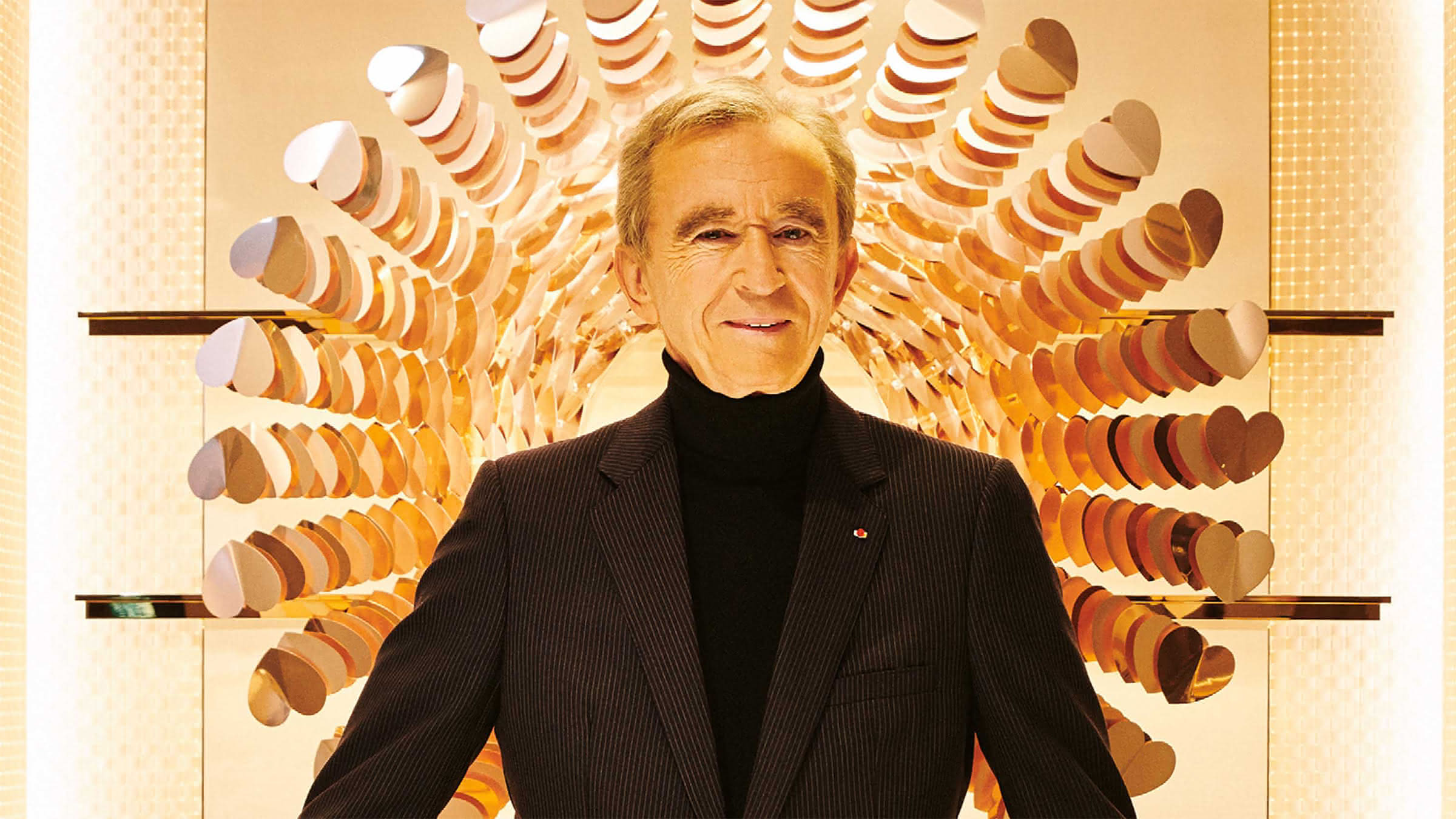
Why it matters: The LVMH model dictates the commercial realities and career trajectories for creatives, executives, and suppliers across the luxury industry, setting the terms for brand autonomy, financial performance, and market consolidation.
Context: The luxury sector’s consolidation over the last 30 years has been characterized by the conglomerate model, with LVMH’s playbook defining the rules of acquisition, brand management, and financial discipline for all major players.
"In 1984, a 35-year-old French engineer bought a bankrupt textile company for a symbolic one franc. Four decades later, that company’s descendant — LVMH — is worth over €300 billion. … After." — WORTHBURY
Commentary: This operational paradox creates a specific constraint for creative directors: artistic freedom is contingent on commercial delivery, as resource allocation is centrally managed and performance is personally reviewed by Arnault. For competing conglomerates and independent houses, this means the benchmark for success is explicitly financial, pressuring brand strategies toward scalable product categories like leather goods and perfumes. The internal competition for capital within LVMH’s portfolio further incentivizes short-term commercial wins over long-term brand-building, shaping the creative and product development pipeline across the industry.
Date: April 29, 2026 12:00 AM ET
URL: https://worthbury.com/report/bernard-arnault-luxury-empire/
AI Sentiment Score: Neutral (33%)
AI Credibility Score: 7.0/10 — Medium
Scores and text generated by AI analysis of the source article indicated.
Luxury Briefing: How DeMellier is increasing demand while doing less (Glossy.Co)
Summary: DeMellier’s revenue growth to $54.7 million on a DTC-heavy model demonstrates a viable path for independent luxury brands in a tightening market: justify price through demonstrable craftsmanship and embedded sustainability, control wholesale exposure, and delay category expansion. Concurrently, Kering’s Luca de Meo frames sustainability as operational infrastructure, not marketing, while Bain data quantifies the loss of 70 million aspirational luxury shoppers demanding clearer value equations. The broader sector shows tactical adaptations, from Anya Hindmarch’s nostalgia-driven capsule collaborations to EssilorLuxottica’s bet on AI glasses as a margin-dilutive growth driver.
Why it matters: For brands and operators, the pressure to substantiate price with product integrity and operational discipline is now a concrete financial imperative, not a positioning choice.
Context: The luxury sector is bifurcating, with aspirational shoppers retreating and core customers demanding tangible value, forcing a shift from brand-led to product-led justification.
"According to a 2025 Bain & Company report, the luxury industry lost roughly 70 million customers over the prior two years as shoppers reassessed the relationship between price and product." — GLOSSY.CO
Commentary: DeMellier’s controlled growth—prioritizing artisan-intensive production, a tight wholesale roster, and owned retail over category sprawl—provides a blueprint for independent brands navigating the value-conscious pivot. Kering’s operational reframing of sustainability and Hindmarch’s split model (core volume plus hype capsules) reflect a sector-wide recalibration towards hybrid strategies that balance brand integrity with commercial traction. The Bain attrition figure makes the abstract ‘consumer pullback’ a concrete workforce and inventory planning problem.
Date: Fri, 24 Apr 2026 04:00:00 +0000
URL: https://www.glossy.co/fashion/luxury/luxury-briefing-demellier-is-growing-by-doing-less-and-focusing-on-craftsmanship/
AI Sentiment Score: Negative (60%)
AI Credibility Score: 10.0/10 — High
Scores and text generated by AI analysis of the source article indicated.
Is luxury fashion just finding new excuses for old problems? (Insideretail.Au)
Summary: Luxury conglomerates LVMH and Kering cited Middle East conflict disruption as a primary factor in Q1 revenue declines of 6%. The article argues the impact is arithmetically modest—LVMH quantified it as a 1% organic growth hit—and questions whether this geopolitical narrative obscures deeper, self-inflicted problems. It points to a structural shrinkage of the aspirational consumer base by an estimated 60 million people over three years, driven by aggressive price inflation that has repositioned entry-level luxury beyond reach.

Why it matters: For industry practitioners, this signals a critical need to audit internal pricing, merchandising, and growth assumptions, as geopolitical scapegoating may delay necessary strategic corrections.
Context: This follows a two-year pattern where luxury brands have attributed underperformance to external factors like Chinese demand or US tariffs, even as competitors with clear brand vision and disciplined operations outperformed.
"When results disappoint, the industry reaches for the nearest headline. Major luxury houses have reported their first quarterly results, and the Middle East conflict has been the centre of attention. French luxury." — INSIDERETAIL.AU
Commentary: The operational consequence is a likely bifurcation in brand strategy: those who continue to rely on external narratives will face persistent margin and volume pressure, while those like Ralph Lauren and Brunello Cucinelli, cited for clarity and granular merchandising, will capture share by addressing real consumer accessibility and engagement. For vendors, agencies, and talent, this shift will mean a reallocation of budgets toward brands demonstrating fundamental product-market fit over pure marketing spectacle.
Date: April 20, 2026 12:00 AM ET
URL: https://insideretail.com.au/sectors/has-luxury-fashion-found-a-new-excuse-for-old-problems-202604
AI Sentiment Score: Negative (50%)
AI Credibility Score: 10.0/10 — High
Scores and text generated by AI analysis of the source article indicated.
Has luxury fashion found a new excuse for old problems? (Insideretail.Asia)
Summary: Major luxury conglomerates LVMH and Kering cited the Middle East conflict as a primary factor in their Q1 revenue declines of 6%. However, the region constitutes only about 5-6% of their global revenues, making the arithmetic impact modest. The article suggests the sector is using geopolitical unrest as a convenient narrative to obscure deeper structural issues, including aggressive price inflation that has alienated the aspirational middle-class consumers who historically fueled growth.

Why it matters: For industry practitioners, this signals a critical need to scrutinize internal strategy and pricing discipline over externalizing blame, as the core customer base may be eroding.
Context: The luxury sector has a precedent of attributing underperformance to external factors like Chinese demand or US tariffs, even as competitors with clear brand vision and merchandising discipline continue to thrive.
"When results disappoint, the industry reaches for the nearest headline. Major luxury houses have reported their first quarterly results, and the Middle East conflict has been the centre of attention. French luxury." — INSIDERETAIL.ASIA
Commentary: The operational consequence is a potential misallocation of strategic focus. Brand teams and CFOs may continue to prioritize margin expansion via price hikes, rather than addressing product relevance and re-engaging a hollowed-out aspirational tier. This risks making geopolitical explanations a self-fulfilling prophecy for sustained underperformance.
Date: April 20, 2026 12:00 AM ET
URL: https://insideretail.asia/2026/04/20/has-luxury-fashion-found-a-new-excuse-for-old-problems/
AI Sentiment Score: Positive (50%)
AI Credibility Score: 10.0/10 — High
Scores and text generated by AI analysis of the source article indicated.
Has luxury just found a fresh excuse for old problems? (Insideretail.Co.Nz)
Summary: Major luxury conglomerates LVMH and Kering have cited the Middle East conflict as a primary factor in their Q1 revenue declines of 6%. However, analysis within the article suggests the region’s direct impact is modest—LVMH quantified it at ~1% of organic growth—and points to deeper, self-inflicted challenges. The sector faces a structural issue: years of aggressive price increases have alienated the aspirational middle-class consumers who fueled past growth, shrinking the core customer base by an estimated 60 million people.

Why it matters: For industry practitioners, this signals a critical moment to audit internal pricing, merchandising, and demand-generation strategies rather than defaulting to geopolitical narratives for underperformance.
Context: This follows a pattern where luxury houses have cycled through external scapegoats—sluggish Chinese demand, US tariffs—to explain uneven results, even as competitors with disciplined brand and product strategies continue to outperform.
"When results disappoint, the industry reaches for the nearest headline. Major luxury houses have reported their first quarterly results, and the Middle East conflict has been the centre of attention. French luxury." — INSIDERETAIL.CO.NZ
Commentary: The operational consequence is a forced reckoning for brand economics: merchandising teams must now model growth without the aspirational tier, sourcing and production pipelines may need re-calibration for lower volume/higher margin goods, and CFOs will face pressure to justify price architecture that has broken the entry-point ladder. The shift from blaming external shocks to diagnosing internal missteps will separate resilient houses from those merely managing decline.
Date: April 20, 2026 12:00 AM ET
URL: https://insideretail.co.nz/2026/04/20/has-luxury-fashion-found-a-new-excuse-for-old-problems/
AI Sentiment Score: Negative (57%)
AI Credibility Score: 9.8/10 — High
Scores and text generated by AI analysis of the source article indicated.
After Years of Double-Digit Sales Growth, Luxury Retailers Face … (Thedailyupside)
Summary: LVMH and Kering report consecutive annual revenue declines, with LVMH’s Q1 2026 sales down 6% and Kering’s revenues falling over 25% from their 2022 peak. Industry consultant Achim Berg frames this as a ‘crisis,’ not a slowdown, citing a loss of 70 million global luxury customers from 2022 to 2025. The downturn is attributed to geopolitical turmoil, a slowing Chinese economy, US tariffs, and weakened aspirational consumer confidence amid AI adoption.
Why it matters: For fashion practitioners, this signals a structural shift in the luxury market’s operating environment, forcing immediate changes in product strategy, pricing, and creative direction.
Context: This follows two decades of double-digit growth fueled by Chinese demand and social media-driven status consumption, now confronting a new reality of single-digit growth expectations.
"# After Years of Double-Digit Sales Growth, Luxury Retailers Face ‘Reckoning’ From LVMH to Richement, brands built on status pursue younger customers amid signals that the salad days of the past two." — THEDAILYUPSIDE
Commentary: The pivot to lower-priced accessories and a wave of new creative director hires are reactive tactics that could pressure margins and extend product development cycles. For brands, studios, and suppliers, this means a contraction in high-margin leather goods and couture commissions, a reallocation of marketing spend toward entry-point products, and increased creative turnover as houses seek quick fixes. The industry’s labor and vendor pipeline must now adapt to a ‘copper age’ of constrained budgets and a focus on volume over pure prestige.
Date: April 26, 2026 12:00 AM ET
URL: https://www.thedailyupside.com/industries/consumer/after-years-of-double-digit-sales-growth-luxury-retailers-face-reckoning/
AI Sentiment Score: Positive (42%)
AI Credibility Score: 9.9/10 — High
Scores and text generated by AI analysis of the source article indicated.
Luxury – News – ET Retail (Retail.Economictimes.Indiatimes)
Summary: The luxury sector is undergoing a severe operational contraction, marked by accelerated job cuts, strategic brand repositioning, and a sharp reality check from geopolitical disruption. Estée Lauder is expanding its planned workforce reduction to up to 10,000 positions while pursuing a merger with Puig, aiming for $1.2 billion in savings. LVMH reported tepid 1% sales growth, missing estimates, as Middle East tensions specifically crippled airport retail, a critical channel. Concurrently, Prada is executing a strategy to elevate Versace by cutting outlets and lower-tier lines, focusing on exclusivity and full-price sales.

Why it matters: For industry practitioners, this signals a shift from expansionary brand-building to a phase of aggressive cost discipline, portfolio rationalization, and channel risk management.
Context: This follows a prolonged slump in luxury demand, with brands like Dolce & Gabbana posting significant losses and facing debt refinancing pressures, against a backdrop of cooling global asset prices.
"- ## Estee Lauder plans to cut up to 3,000 more jobs, lifts annual profit forecast ### The Clinique and M.A.C owner, which is in talks to merge with Jean Paul Gaultier-owner." — RETAIL.ECONOMICTIMES.INDIATIMES
Commentary: The scale of Estée Lauder’s cuts and LVMH’s reliance on volatile airport traffic reveal a sector-wide scramble to protect margins, forcing a hard look at fixed cost structures and geographic exposure. Prada’s Versace playbook—pruning distribution and product tiers—could pressure other multi-brand groups to similarly rationalize portfolios to defend pricing power. The decoupling of the Indian market from global corrections creates a rare tactical opening for regional buyers and distributors, even as headquarters reins in spending.
Date: May 02, 2026 12:00 AM ET
URL: https://retail.economictimes.indiatimes.com/news/apparel-fashion/luxury
AI Sentiment Score: Negative (80%)
AI Credibility Score: 10.0/10 — High
Scores and text generated by AI analysis of the source article indicated.
Luxury’s laundry problem (Darkluxury.News)
Summary: LVMH’s annual meeting highlighted geopolitical risks to luxury demand while showcasing the Arnault succession dynamics. Concurrently, two investigations expose systemic money laundering vulnerabilities within luxury retail, involving high-spending Chinese tour guides at Galeries Lafayette and alleged illicit investment in ultra-luxury hotel group Aman. These operational and compliance issues surface as brands like Brunello Cucinelli quietly bolster sanctions controls.
Why it matters: For industry practitioners, these developments signal heightened operational risk in cash-heavy retail channels and a pressing need for enhanced due diligence in high-value client relationships and capital projects.
Context: Luxury retail has long relied on high-net-worth tourist spending, particularly from China, creating complex, commission-driven distribution channels that can be exploited for financial crime.
"Luxury’s laundry problem Arnault deflects succession talk again, not one but two fascinating money laundering stories linked to the luxury industry, and Dior tries to sell half a sandal In this week’s." — DARKLUXURY.NEWS
Commentary: The Galeries Lafayette case illustrates how performance incentives for tour guides directly conflict with anti-money laundering compliance, forcing a recalibration of third-party commission structures. Aman’s alleged links to a fugitive financier demonstrate that the sector’s prized discretion is a double-edged sword, attracting capital that may not withstand institutional investor scrutiny. For brand CFOs and general counsel, these are not isolated scandals but symptoms of a business model that must now formally price in forensic financial oversight.
Date: April 29, 2026 12:00 AM ET
URL: https://www.darkluxury.news/p/lvmh-agm-arnault-family-succession
AI Sentiment Score: Positive (50%)
AI Credibility Score: 7.0/10 — Medium
Scores and text generated by AI analysis of the source article indicated.
China Luxury Market 2026: Why the ‘Recession’ is Over (Kungfudata)
Summary: The China luxury market narrative has shifted from recession to a calibrated recovery, characterized by ‘The Great Calibration.’ Data from 2025 shows a pivot from broad contraction to modest growth, driven by a consumer shift toward ‘hard luxury’ and items perceived as stable assets. This recalibration favors jewelry and heritage branding over seasonal fashion hype, with growth projected at approximately 6% for 2026.
Why it matters: For brands and operators, this recalibration demands a fundamental reorientation of product strategy, marketing, and in-market service to capture value in a structurally repaired, asset-focused landscape.
Context: This follows a period of significant contraction and consumer retrenchment, where the ‘Japan Discount’ and logo-driven purchases defined the previous cycle.
"Forget the luxury recession. Bain & LVMH data shows China’s rebound is about "Hard Luxury" and investment vibes. … The narrative of a "China slowdown" has officially reached its expiration date, but." — KUNGFUDATA
Commentary: The operational consequence is a pivot from volume-driven, seasonal collections to a core offering centered on jewelry and legacy codes, requiring brands to reallocate design, production, and marketing resources accordingly. In-market exclusivity and VIC services become critical as geographic arbitrage fades, tightening the link between cultural fluency and commercial performance.
Date: April 29, 2026 12:00 AM ET
URL: https://kungfudata.com/resources/china-luxury-recovery-2026-bain-lvmh-trends
AI Sentiment Score: Neutral (33%)
AI Credibility Score: 9.6/10 — High
Scores and text generated by AI analysis of the source article indicated.
European luxury companies are plagued with negativity: here’s why (Staging-En.Money.It)
Summary: Major investment banks have cut earnings forecasts for European luxury goods by 6-7%, as the sector’s key index recorded its worst quarter since 2020. A $175 billion market cap decline reflects investor flight driven by a cooling Chinese recovery, high inflation, and rising interest rates dampening US demand. While valuations remain elevated relative to the broader market, credit card data shows a 16% year-over-year drop in US luxury fashion spending.

Why it matters: For practitioners, this signals a shift from expansionary to defensive brand economics, requiring recalibrated marketing spend, inventory planning, and pricing strategies.
Context: The post-pandemic spending surge in the US and anticipated Chinese rebound had driven luxury valuations to historic highs, creating an expectations gap now being corrected.
"# European luxury companies are plagued with negativity: here’s why Morgan Stanley cut its 2024 earnings per share estimate for luxury goods by 6%, while Bank of America cut its forecast by." — STAGING-EN.MONEY.IT
Commentary: The correction forces a hard pivot from aspirational growth narratives to operational discipline. Brands like LVMH, noted for pulling back on price increases, could pressure the entire supply chain—from leather goods suppliers to ad agencies—to demonstrate efficiency and ROI. This environment favors houses with fortress balance sheets over those reliant on perpetual market exuberance.
Date: April 27, 2026 12:00 AM ET
URL: https://staging-en.money.it/European-luxury-companies-are-plagued-with-negativity-here-s-why
AI Sentiment Score: Positive (42%)
AI Credibility Score: 7.0/10 — Medium
Scores and text generated by AI analysis of the source article indicated.
LVMH’s Arnault Lays Out Two Futures for Luxury in 2026. Neither is … (Btb.Sg)
Summary: LVMH Chairman Bernard Arnault framed the luxury sector’s 2026 outlook as a binary outcome hinging on geopolitical resolution, citing the Middle East conflict as an unmodelable variable that has already shaved a percentage point off growth. The group’s Q1 2026 revenues of $21 billion showed a 1% organic increase, missing consensus, with currency effects masking underlying performance. Arnault’s recovery thesis—dependent on simultaneous strength in the US, China, and the Middle East—has been destabilized, leaving the year ‘quite unpredictable.’
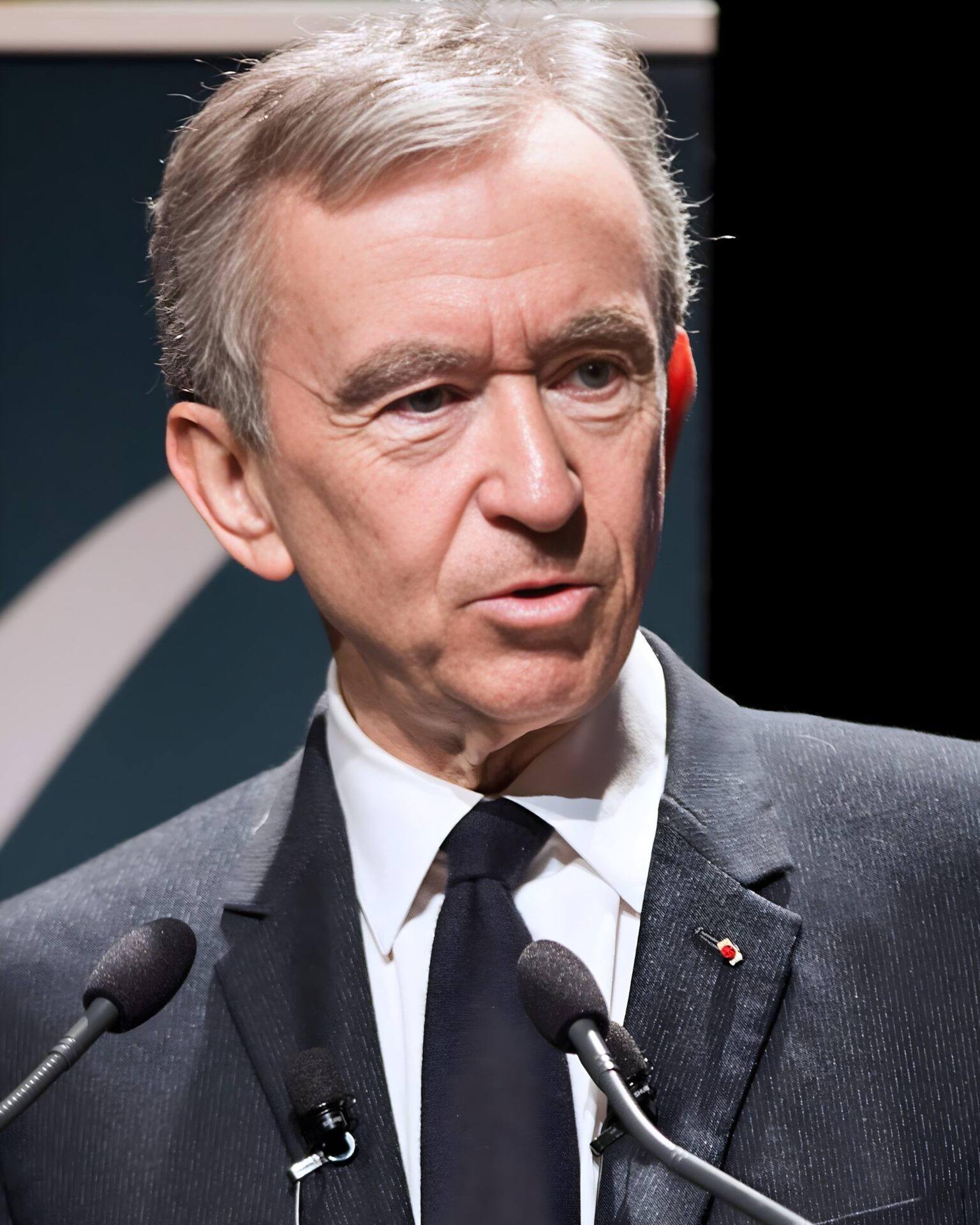
Why it matters: For luxury brand operators, this signals a shift from demand forecasting to scenario planning, where geopolitical risk directly dictates capital allocation, inventory planning, and regional marketing spend.
Context: Luxury conglomerates have long relied on triangulating growth across three major regions to smooth volatility; the explicit admission that a single conflict can fracture this model marks a new era of operational vulnerability.
"***LVMH chairman Bernard Arnault told shareholders last week that 2026 would end in either recovery or catastrophe, as the group reported first-quarter revenues of $21 billion and citing the ongoing Middle East." — BTB.SG
Commentary: Arnault’s stark dichotomy forces luxury CFOs and strategy teams to build parallel P&Ls for ‘catastrophe’ and ‘recovery’ scenarios, moving capital away from long-term brand investments toward liquid buffers. Supply chain and logistics leads must now prioritize flexibility over cost optimization, as regional disruptions can no longer be hedged by other pillars. The admission that a conflict ‘no forecasting model had incorporated’ undermines the sector’s faith in econometric planning, privileging political risk analysts over traditional market forecasters.
Date: April 27, 2026 12:00 AM ET
URL: https://btb.sg/lvmhs-arnault-lays-out-two-futures-for-luxury-in-2026-neither-is-certain/
AI Sentiment Score: Negative (66%)
AI Credibility Score: 7.0/10 — Medium
Scores and text generated by AI analysis of the source article indicated.
Savills : Luxury retail strategies enter a more selective phase as opportunity tightens across core markets, led by Europe (Marketscreener)
Summary: Savills reports a sharp deceleration in global prime luxury retail rental growth, from 6.6% in 2024 to 0.9% in 2025. Momentum is now concentrated in a smaller set of core European streets, where supply constraints are driving competition. Brands are responding by prioritizing upsizing in existing prime locations or relocating to extend the core pitch, with London seeing 42% of new luxury openings involve expansion.

Why it matters: For luxury brands and their real estate teams, this signals a shift from broad expansion to a resource-intensive, zero-sum competition for a shrinking pool of elite locations, directly impacting capital allocation and store network strategy.
Context: This follows the post-pandemic rebound in luxury retail, where pent-up demand fueled rapid expansion. The current phase reflects a normalization amid economic uncertainty and shifting travel flows, tightening the real estate market.
"Across the 27 core luxury destinations tracked globally, average prime headline rents rose by 0.9% in 2025, a marked deceleration from the 6.6% uplift recorded in 2024." — MARKETSCREENER
Commentary: The deceleration to sub-1% growth globally, juxtaposed with intense competition in specific European corridors, creates a bifurcated operating environment. Real estate strategy now requires deeper local market intelligence and longer planning horizons, as evidenced by London’s 18–24 month decision lag. This favors large, entrenched brands with balance sheets to secure and expand in core pitches, potentially freezing out smaller or newer entrants and reshaping the geography of luxury retail beyond the traditional capitals.
Date: April 28, 2026 12:00 AM ET
URL: https://www.marketscreener.com/news/savills-luxury-retail-strategies-enter-a-more-selective-phase-as-opportunity-tightens-across-core-ce7f59d2da8ff225
AI Sentiment Score: Positive (42%)
AI Credibility Score: 10.0/10 — High
Scores and text generated by AI analysis of the source article indicated.
Is Luxury Slowing Down? Kering, Gucci and the Next Reset (Istitutomarangoni)
Summary: Kering’s ‘ReconKering’ plan signals a structural pivot for the luxury group, moving from a decade-long assumption of indefinite growth to a phase of operational discipline. The reset involves a multi-year reorganization focusing on cost control, selective retail footprint, and portfolio rebalancing beyond its core Gucci brand. The initiative explicitly treats brand power as insufficient to absorb market volatility, making corporate structure as critical as desirability.

Why it matters: For practitioners, this signals a shift from expansion-led to efficiency-led operations, altering capital allocation, retail development, and brand management workflows across the luxury sector.
Context: The luxury sector’s post-pandemic boom is cooling, forcing holding companies to move beyond brand-led growth narratives and address underlying operational models.
"# Is luxury slowing down? Inside Kering’s reset—and what went wrong at Gucci … DISCOVER MORE ### Luxury is entering a more uncertain phase. Kering’s reset shows what is changing, what went." — ISTITUTOMARANGONI
Commentary: ReconKering operationalizes the end of luxury’s ‘growth at any cost’ era, forcing brand teams to justify footprint and category extensions against stricter financial and narrative discipline. The store reduction strategy reframes retail from a distribution metric to a perception-management tool, which will alter real estate negotiations and in-store experience budgets. Portfolio rebalancing towards jewelry, eyewear, and beauty indicates a pragmatic shift to higher-margin, less volatile categories, reshaping internal resource allocation and vendor relationships.
Date: April 22, 2026 12:00 AM ET
URL: https://www.istitutomarangoni.com/en/maze35/research/is-luxury-slowing-down-kering-gucci-reset
AI Sentiment Score: Negative (54%)
AI Credibility Score: 10.0/10 — High
Scores and text generated by AI analysis of the source article indicated.
The Emperor of Luxury: How Bernard Arnault Built the LVMH Empire (Youtube)
Summary: A video profile of Bernard Arnault examines the operational and financial strategies behind the LVMH conglomerate. It frames his career through a lens of aggressive acquisitions, brand management, and family succession planning, positioning these as the core mechanics of building a luxury monopoly.

Why it matters: For industry practitioners, Arnault’s playbook defines the competitive landscape, sets the terms for brand valuation and acquisition, and establishes a model of centralized control that influences everything from creative direction to supply chain negotiations.
Context: LVMH’s dominance represents a decades-long consolidation of luxury, shifting the sector from a collection of independent houses to a tightly managed portfolio under a single corporate strategy.
"Luxury is the only sector of the economy where the seller can dictate any price, even the most absurd." — YOUTUBE
Commentary: This assertion, central to LVMH’s economic model, empowers a specific operational discipline: extreme control over distribution, narrative, and scarcity. For competing brands and suppliers, it creates a high-stakes environment where aligning with or resisting this pricing power dictates business survival. The conglomerate’s success validates a strategy of vertical integration and narrative control as primary levers over margin, making brand storytelling a core operational function rather than a marketing afterthought.
Date: April 29, 2026 12:00 AM ET
URL: https://www.youtube.com/watch?v=87RV8JfQz7Q
AI Sentiment Score: Positive (50%)
AI Credibility Score: 10.0/10 — High
Scores and text generated by AI analysis of the source article indicated.
Post ID: bdc81fd1