
Textile Recycling & Circular Fashion
REWIND PET Process Validated for Closed-Loop Polyester Textile Recycling – News and Statistics – IndexBox (Indexbox.Io)
Summary: A consortium of Axens, Jeplan, and Ifpen has validated the REWIND PET chemical recycling process for textiles at a semi-industrial scale in Japan, using post-consumer polyester collected in France. The trial produced tens of tonnes of purified monomer, demonstrating a viable pathway for textile-to-textile closed loops in sportswear, home furnishings, and luxury goods. The technology, already commercialized for packaging, is now licensed globally by Axens for textile applications.

Why it matters: This validation moves chemical recycling for polyester from pilot theory to a licensable industrial process, creating a new, scalable raw material stream that directly competes with virgin fossil feedstocks.
Context: Brands face regulatory and consumer pressure to incorporate recycled content, but mechanical recycling degrades fiber quality, limiting closed-loop applications. Chemical recycling promises virgin-equivalent output but has struggled with feedstock purity and scale.
"The REWIND PET process has produced tens of tonnes of a fundamental polyester monomer, which is intended to be transformed into polyester yarns, fabrics, and finished garments. The companies describe this industrial-scale textile-to-textile recycling trial, involving several tonnes of post-consumer PET, as one of the first of its kind conducted under representative industrial conditions." — INDEXBOX.IO
Commentary: The operational consequence is a new vendor option for brands: Axens now offers a licensed, integrated solution for sourcing recycled polyester monomer, shifting the strategic problem from R&D to supply chain contracting. For manufacturers, this inserts a new capital expenditure decision—retrofitting or building plants to accept this feedstock—while potentially stabilizing long-term input costs against oil volatility. The validation under ‘representative industrial conditions’ is the key unlock; it reduces technology risk for investors and brands planning 2027-2030 collections.
Date: May 01, 2026 12:00 AM ET
URL: https://www.indexbox.io/blog/rewind-pet-process-breakthrough-in-textile-to-textile-chemical-recycling/
AI Sentiment Score: Negative (80%)
AI Credibility Score: 10.0/10 — High
Scores and text generated by AI analysis of the source article indicated.
Circular Fashion News / Apr 27: Textile recycling factories & purchasing agreements, Salomon repair program (Circularfashionnews.Substack)
Summary: The circular fashion ecosystem is consolidating around long-term supply agreements and integrated service models. Australian activewear brand LSKD committed to a 10-year offtake agreement with enzymatic recycler Samsara Eco, signaling a shift from pilot projects to secured feedstock pipelines. Concurrently, Salomon formalized a repair program with United Repair Centre, rental platform Dressr added resale, and Klarna reported a 75% growth in listings from its integrated resell feature, indicating that secondary market operations are becoming a standard component of brand and platform economics.

Why it matters: These developments move circularity from marketing initiatives into core operational strategy, locking in future recycled material costs for brands and creating new revenue streams from repair and resale.
Context: Brands are moving beyond one-off capsule collections to secure long-term supply of recycled materials, while platforms are bundling rental, resale, and repair to improve unit economics and customer lifetime value.
"Circular Fashion News / Apr 27: Textile recycling factories & purchasing agreements, Salomon repair program Last week, activewear brand LSKD signed a 10-year partnership with Samsara Eco, Epoch Biodesign announced a UK." — CIRCULARFASHIONNEWS.SUBSTACK
Commentary: The LSKD-Samsara deal provides the recycler with the demand certainty needed to justify its 2028 commercial facility, effectively de-risking scale-up through a pre-committed offtake. For brands, such agreements hedge against future recycled material price volatility and secure supply in a constrained market. The parallel growth of integrated resale and repair transforms these from niche sustainability plays into essential inventory management and margin-protection tools.
Date: April 27, 2026 12:00 AM ET
URL: https://circularfashionnews.substack.com/p/circular-fashion-news-apr-27-textile
AI Sentiment Score: Positive (66%)
AI Credibility Score: 10.0/10 — High
Scores and text generated by AI analysis of the source article indicated.
Recycling textiles: from collection to retail (Cordis.Europa.Eu)
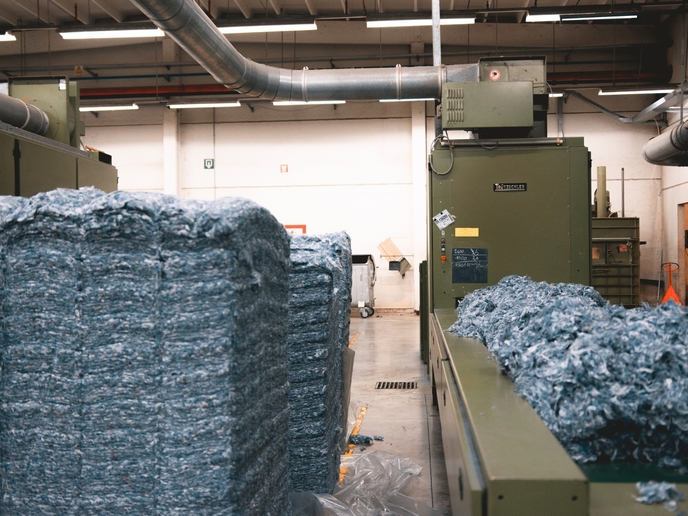
Summary: The EU-funded SCIRT project has developed and piloted a textile-to-textile recycling system, focusing on automated sorting and dismantling technologies to improve the quality and economics of recycled yarn. Key outputs include Valvan’s Fibersort and Trimclean technologies, which increase garment recyclability to 90% and lower processing costs, and a True Cost Calculator tool for value chain assessment. The project also validated consumer-facing mechanisms like take-back schemes, with resulting high-recycled-content garments now commercially available from brands like HNST.
Why it matters: For fashion brands and recyclers, this demonstrates a near-commercial, automated pipeline for post-consumer waste that directly addresses quality and cost barriers to scaling circular production.
Context: The EU’s Circular Economy Action Plan mandates separate textile collection from 2025, against a backdrop of less than 1% of textile waste currently being recycled into new fibers, creating urgent pressure for industrial-scale solutions.
"With ongoing development, these automated sorting and dismantling procedures have lowered the cost of textile recycling and increased the recyclability of garments to 90 %." — CORDIS.EUROPA.EU
Commentary: The 90% recyclability figure and cited cost reduction shift the conversation from technical feasibility to operational economics, providing a concrete benchmark for brands evaluating recycled material sourcing. The commercial availability of HNST’s jeans and sweaters, designed for subsequent recycling, signals that ‘closed-loop’ is transitioning from pilot to product line, forcing material sourcing and design-for-disassembly decisions into immediate production cycles.
Date: April 27, 2026 12:00 AM ET
URL: https://cordis.europa.eu/article/id/453726-recycling-textiles-from-collection-to-retail
AI Sentiment Score: Negative (85%)
AI Credibility Score: 10.0/10 — High
Scores and text generated by AI analysis of the source article indicated.
Textile recycling test processes European waste at industrial scale (Just-Style)
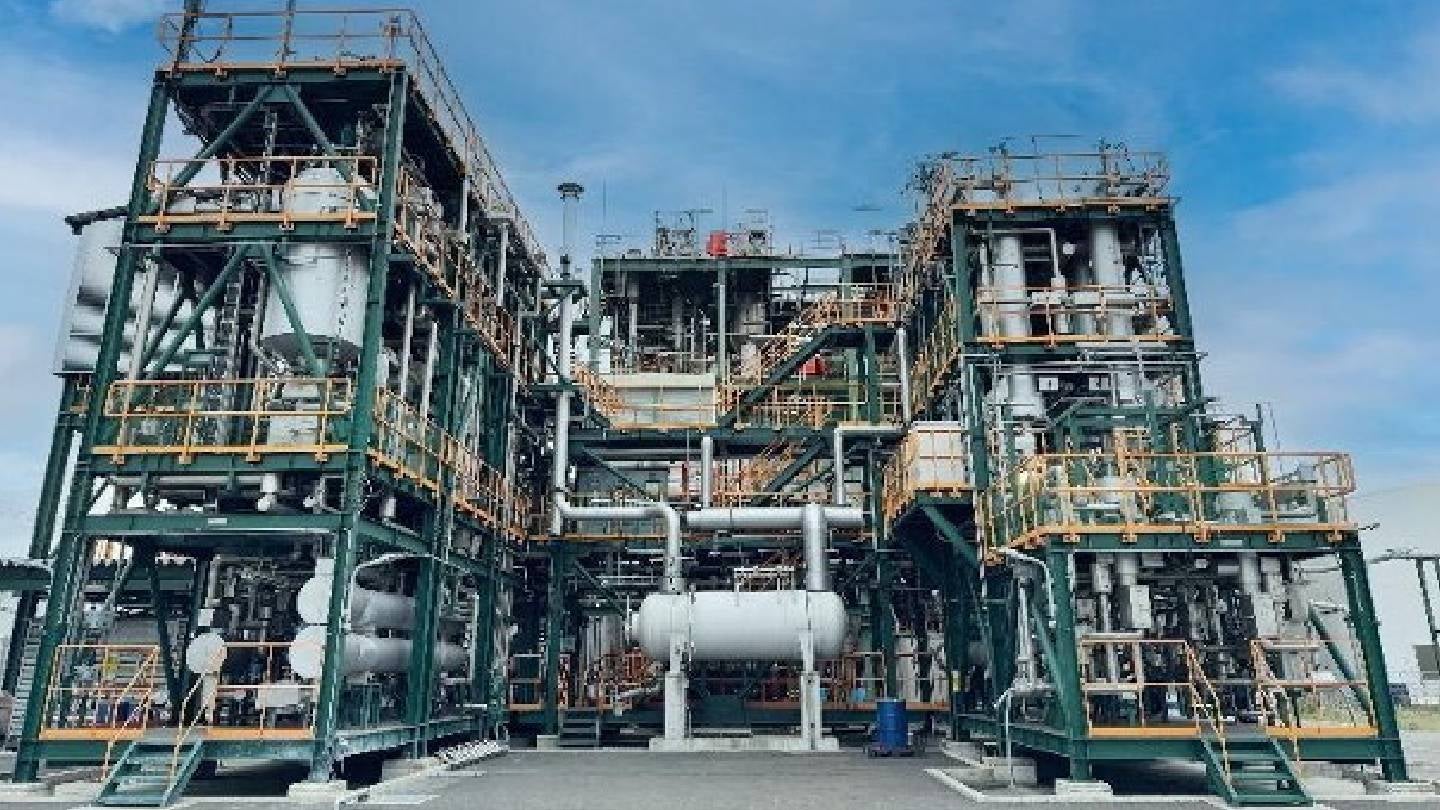
Summary: A consortium led by Axens, IFPEN, and JEPLAN has successfully demonstrated industrial-scale textile-to-textile recycling of post-consumer polyester. The test at a 1,000-tonne-per-year facility in France converted collected textiles into BHET monomer for new polyester yarns and fabrics. The Rewind PET process, already commercialized for packaging, is now validated for textiles, with Axens holding an exclusive global license to offer the technology to industrial players.
Why it matters: This validates a scalable, industrial pathway for closing the polyester loop, directly impacting material sourcing, waste management costs, and carbon footprints for brands and manufacturers.
Context: Textile-to-textile recycling remains a bottleneck despite rising waste volumes and regulatory pressure; most ‘recycled’ polyester currently comes from PET bottles, not textiles.
"The unit, operated by JEPLAN, used the Rewind PET process developed by Axens, IFPEN, and JEPLAN to recycle materials prepared by Nouvelles Fibres Textile and Mapea in France. This recycling test occurred." — JUST-STYLE
Commentary: The operational validation at 1,000-tonne scale shifts the conversation from pilot potential to deployment logistics. For sportswear and luxury textile producers, this creates a tangible, licensable route to secure recycled polyester feedstock that doesn’t compete with food-grade bottle recycling. The immediate implication is that sustainability and procurement teams must now model the cost and carbon impact of integrating this specific chemical recycling stream against mechanical recycling and virgin production. The exclusive license to Axens suggests a forthcoming vendor landscape where regional recycling hubs become feasible, altering supply chain geography for polyester-dependent sectors.
Date: April 28, 2026 12:00 AM ET
URL: https://www.just-style.com/news/textile-recyling-japan-test/
AI Sentiment Score: Negative (60%)
AI Credibility Score: 10.0/10 — High
Scores and text generated by AI analysis of the source article indicated.
IFPEN | A new textile-to-textile recycling process validated on … (Ifpenergiesnouvelles)
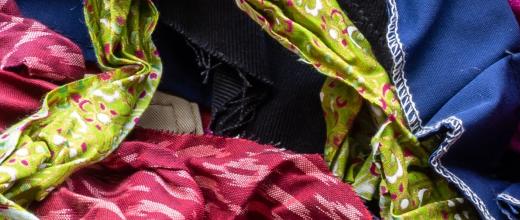
Summary: A consortium of Axens, IFPEN, and JEPLAN has validated its Rewind® PET chemical recycling process for post-consumer polyester textiles in a semi-industrial demonstration unit in Japan, processing several tens of tons of European waste. The technology, previously commercialized for PET packaging, is now licensed exclusively to Axens for global textile-to-textile applications. This creates a pathway for brands in sportswear, home furnishings, and luxury to source 100% recycled polyester from a closed-loop feedstock.
Why it matters: It provides a validated, licensable industrial process for chemical recycling of mixed polyester textiles, directly impacting material sourcing strategies and waste compliance for brands under impending EU regulations.
Context: The textile industry faces acute pressure to meet recycled content targets and reduce landfill waste, but mechanical recycling degrades fiber quality and struggles with blended fabrics. Chemical recycling offers a virgin-equivalent output but has lacked proven, scaled pathways for post-consumer textile feedstocks.
"Several tens of tons of post-consumer, polyester-rich, European textile waste, sorted and prepared in France, have been processed in the Axens, IFPEN and JEPLAN semi-industrial demonstration unit, located in Japan, to successfully produce the base monomer of a 100% recycled polyester." — IFPENERGIESNOUVELLES
Commentary: The validation at a 1,000-ton/year scale moves the technology from pilot to near-commercial readiness, shifting the constraint from process chemistry to the logistics of waste collection, sorting, and preparation. For brands, this introduces a viable, licensable vendor option for circular polyester, but it also creates a new dependency on the consortium’s IP and the build-out of regional recycling hubs, potentially consolidating feedstock control.
Date: April 21, 2026 12:00 AM ET
URL: https://www.ifpenergiesnouvelles.com/article/new-textile-textile-recycling-process-validated-industrial-scale
AI Sentiment Score: Negative (85%)
AI Credibility Score: 9.8/10 — High
Scores and text generated by AI analysis of the source article indicated.
Polyester-rich textile wastes are recycled to monomer at … (Chemengonline)
Summary: A semi-industrial demonstration unit in Japan, operated by Axens, IFPEN, and JEPLAN, has successfully processed tens of tons of post-consumer, polyester-rich textile waste from France to produce BHET monomer. This validates the chemical recycling of mixed textile polyester under representative industrial conditions. The monomer will be converted into new polyester yarns and fabrics, aiming to create circular loops for sportswear, home furnishings, and luxury sectors.
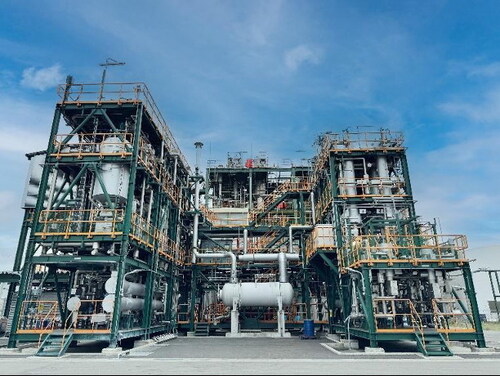
Why it matters: This validation at scale directly impacts the operational calculus for brands and recyclers, moving textile-to-textile chemical recycling from pilot projects to a licensable industrial process.
Context: The fashion industry faces intense pressure to close the loop on polyester, a dominant fiber, but mechanical recycling degrades quality and is limited to pure streams. Chemical recycling to monomer promises virgin-quality output from mixed waste.
"This industrial textile-to-textile recycling test of several tons of post-consumer PET is one of the first of its kind under representative industrial conditions." — CHEMENGONLINE
Commentary: The exclusive worldwide license to Axens creates a new, standardized vendor path for brands seeking recycled polyester with full traceability. It shifts the constraint from technology validation to feedstock logistics—securing sorted, polyester-rich waste streams—and could force investment in European collection and pre-processing infrastructure by partners like Nouvelles Fibres Textile and Mapea.
Date: April 23, 2026 12:00 AM ET
URL: https://www.chemengonline.com/polyester-rich-textile-wastes-are-recycled-to-monomer-at-demonstration-plant/
AI Sentiment Score: Negative (83%)
AI Credibility Score: 9.4/10 — High
Scores and text generated by AI analysis of the source article indicated.
Polyester recycling loop validated at scale (Recycling-Magazine)
Summary: A consortium including JEPLAN, Nouvelles Fibres Textile, and Mapea has validated the Rewind PET chemical recycling process for polyester textiles at a semi-industrial scale, processing tens of tonnes of European post-consumer waste into BHET monomer. The demonstration at a 1,000-tonne-per-year facility confirms technical feasibility for textile-to-textile recycling. Axens holds the global license for industrial deployment, positioning the technology for integration into existing polyester production sites.

Why it matters: This validates a scalable, shorter-loop feedstock for polyester production, directly impacting material sourcing strategies, carbon accounting, and waste management obligations for brands.
Context: Chemical recycling for textiles has struggled to move beyond pilot scale; most ‘recycled’ polyester still derives from PET bottles, not textile waste.
"Several tens of tonnes of polyester-rich textile waste sourced from European post-consumer streams were sorted and prepared in France before being treated at a semi-industrial unit in Japan. The process produced BHET,." — RECYCLING-MAGAZINE
Commentary: The scale (1,000 t/y) and use of post-consumer textile waste, not bottle flake, shifts the economics and logistics of recycled polyester. For brands, this introduces a viable, traceable feedstock that decouples recycled content from the packaging stream, but it depends on established collection and sorting infrastructure—a constraint that will dictate rollout speed and cost. This validation pressures luxury and sportswear segments to reassess supply contracts and lifecycle assessments.
Date: April 22, 2026 12:00 AM ET
URL: https://www.recycling-magazine.com/2026/04/22/polyester-textile-recycling-loop/
AI Sentiment Score: Negative (66%)
AI Credibility Score: 10.0/10 — High
Scores and text generated by AI analysis of the source article indicated.
Textile-to-Textile Recycling Breakthrough Success 29-04-26 (Polyestertime)
Summary: A semi-industrial facility in Japan has successfully processed European textile waste into high-quality recycled polyester, demonstrating textile-to-textile recycling at a scale of several tens of tonnes during testing, with an annual capacity of around 1000 tonnes. The project, with technology exclusively licensed by Axens, confirms commercial viability beyond the pilot stage.

Why it matters: This validates a scalable, closed-loop production model, directly impacting material sourcing strategies, waste management costs, and compliance with impending circularity regulations for brands and manufacturers.
Context: Textile recycling has largely been limited to downcycling or reliant on bottle-grade PET, making true fiber-to-fiber recycling a critical but unproven bottleneck for industry sustainability targets.
"The global push toward sustainability has reached a major milestone with the advancement of textile-to-textile recycling. A semi-industrial facility in Japan has successfully transformed European textile waste into high-quality recycled polyester, proving." — POLYESTERTIME
Commentary: Axens’s exclusive licensing creates a potential bottleneck for global rollout, favoring early-adopter brands and regions. The 1000-tonne capacity, while modest, provides a concrete benchmark for supply chain planners assessing post-consumer waste streams against production needs. This shifts the conversation from technical possibility to operational logistics and cost-per-tonne negotiations.
Date: April 29, 2026 12:00 AM ET
URL: https://www.polyestertime.com/textile-to-textile-recycling-3/
AI Sentiment Score: Negative (80%)
AI Credibility Score: 8.2/10 — High
Scores and text generated by AI analysis of the source article indicated.
JEPLAN and partners demonstrate commercial scale … (Zenbird.Media)
Summary: JEPLAN, Axens, and IFPEN have successfully demonstrated a semi-commercial-scale fibre-to-fibre chemical recycling process for polyester textiles. The demonstration at JEPLAN’s Kitakyushu facility processed tens of tonnes of waste, producing monomers for new PET with an annual capacity of 1,000 tonnes. The Rewind® PET technology, already proven for food-grade packaging, has now been validated for textile waste at a scale ready for industrial application. The resulting material is targeted for sportswear, interior, and luxury fashion sectors.
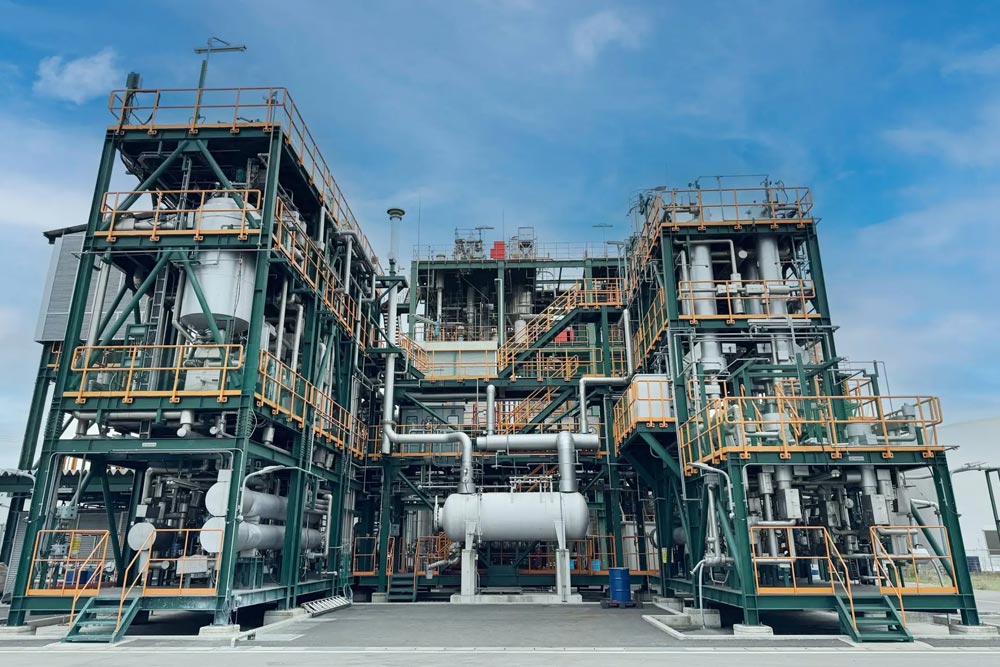
Why it matters: This validates a scalable, technical pathway for brands to source recycled polyester from textile waste, directly impacting material procurement strategies and end-of-life management.
Context: Chemical recycling for textiles has largely been confined to lab or pilot scale; commercial viability has been the primary bottleneck for circular supply chains.
"JEPLAN, Inc., Axens, and IFP Energies nouvelles (IFPEN) have successfully completed their demonstration of a semi-commercial scale fibre-to-fibre recycling process. The partners processed tens of tonnes of used textile waste at a." — ZENBIRD.MEDIA
Commentary: The 1,000-tonne annual capacity provides a concrete volume for brands to contract, shifting circularity from PR to procurement. Axens’s exclusive global licensing agreement creates a single vendor for industrial deployment, which will accelerate adoption but also centralize pricing and technology access. For luxury and sportswear sectors, this enables closed-loop collections and traceable recycled content without downgrading fibre quality, directly affecting sustainability claims and material cost structures.
Date: May 01, 2026 12:00 AM ET
URL: https://zenbird.media/jeplan-and-partners-demonstrate-commercial-scale-polyester-textile-recycling/
AI Sentiment Score: Negative (83%)
AI Credibility Score: 8.2/10 — High
Scores and text generated by AI analysis of the source article indicated.
How PLM is Paving the Way for a Circular Economy in Fashion – Lifecycle PLM (Lifecycleplm)
Summary: Product Lifecycle Management (PLM) software is being positioned as a foundational tool for implementing circular economy principles in fashion. It enables sustainable material selection, end-of-life design for disassembly, and full lifecycle tracking to create feedback loops for future designs. Brands like Patagonia and H&M are cited as using PLM to support repair initiatives and closed-loop production pilots. The argument is that PLM’s data integration and supply chain visibility are prerequisites for moving beyond linear ‘take-make-dispose’ models.

Why it matters: For fashion operations, this signals a shift in PLM from a cost and timeline management tool to a core system for environmental compliance and material traceability, directly impacting design workflows, vendor contracts, and post-consumer logistics.
Context: PLM has evolved from managing BOMs and timelines to becoming a repository for sustainability data, driven by regulatory pressure and consumer demand for transparency.
[Summary note] Product Lifecycle Management (PLM) software is being positioned as a foundational tool for implementing circular economy principles in fashion.
Commentary: The practical implication is that PLM vendors will need to build or integrate modules for tracking post-consumer garment flow and recycled material content, adding new data fields and compliance reporting burdens to design and sourcing teams. For brands, this turns PLM from an internal tool into an external-facing system of record for sustainability claims, increasing implementation cost and complexity but potentially reducing audit friction and enabling new resale or recycling revenue streams.
Date: April 29, 2026 12:00 AM ET
URL: https://www.lifecycleplm.com/blog/how-plm-is-paving-the-way-for-a-circular-economy-in-fashion
AI Sentiment Score: Negative (66%)
AI Credibility Score: 8.2/10 — High
Scores and text generated by AI analysis of the source article indicated.
Nature of Fashion Pilot Projects (Biomimicry)
Summary: The Nature of Fashion initiative is running three geographically distinct pilot projects to convert low-value, mixed textile waste from landfill or incineration into regenerative outputs. In the Netherlands, Circle Economy leads a consortium exploring integrated biological and thermochemical processes to create a regional circular ecosystem. In Germany, the Beneficial Design Institute focuses on biotechnological upcycling into biocompatible materials. In Ghana, the pilot centers on ecological restoration and community stewardship, aligning with local natural processes.

Why it matters: For fashion brands, manufacturers, and waste managers, these pilots represent concrete, operational pathways to handle the costly ‘bottom fraction’ of textile waste, directly impacting landfill costs, compliance pressures, and material sourcing strategies.
Context: The fashion industry faces intensifying regulatory and cost pressures around textile waste, particularly for non-reusable, mixed-material streams that currently have no profitable recycling solution.
"The Nature of Fashion initiative is transforming textile waste management by learning from nature’s strategies of decomposition and regeneration. Through innovative pilot projects across three continents, we’re demonstrating how the fashion industry." — BIOMIMICRY
Commentary: The pilots signal a shift from theoretical circularity to differentiated regional implementation. The European projects focus on building industrial symbiosis and new material supply chains, which could alter vendor relationships and waste processing contracts. The Ghana pilot underscores that ‘circularity’ is not a one-size-fits-all export; its community-led, restoration-based model presents an alternative framework for brands operating in the Global South, with implications for ESG reporting and supply chain due diligence.
Date: April 20, 2026 12:00 AM ET
URL: https://biomimicry.org/innovation/nature-of-fashion/pilot-projects/
AI Sentiment Score: Negative (75%)
AI Credibility Score: 9.8/10 — High
Scores and text generated by AI analysis of the source article indicated.
e‑FLOWER Project Accelerates Future Growth of Green E‑ … (Tyndall.Ie)
Summary: The eFLOWER project, an EU-funded research initiative led by Tyndall National Institute, aims to develop industrial-scale, sustainable e-textiles for health and wellness monitoring in demanding environments. It focuses on integrating bio-based materials, modular architectures, and energy-efficient printing to create durable, recyclable textile sensors for land, water, and space applications.
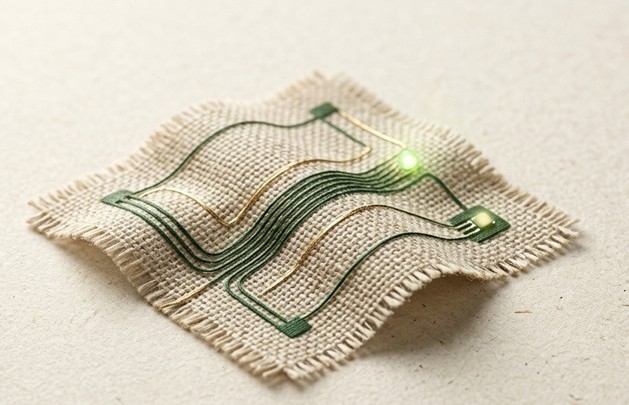
Why it matters: For fashiontech practitioners, this signals a shift toward manufacturable, circular e-textile systems that could alter supply chains, material sourcing, and product lifecycle management.
Context: Current e-textile development often faces trade-offs between performance, comfort, and end-of-life handling, limiting scalable commercial adoption.
"Tyndall National Institute, based at University College Cork, is proud to announce the launch of eFLOWER, a major new EU funded research initiative that will develop the next generation of sustainable, high." — TYNDALL.IE
Commentary: The project’s emphasis on bio-based adhesives and modular design directly targets the high waste and irreparability that plague current smart apparel. If successful, it would force brands to reconfigure sourcing toward specialized material vendors and adopt new repair protocols. The push for scalable 3D and screen printing could lower unit costs for integrated sensors, making functional garments viable beyond niche performance markets. However, the real test is whether these lab-scale processes can meet the throughput and quality consistency demands of fashion production cycles.
Date: April 22, 2026 12:00 AM ET
URL: https://www.tyndall.ie/news/e-flower-project-accelerates-future-growth-of-green-e-textiles/
AI Sentiment Score: Negative (57%)
AI Credibility Score: 10.0/10 — High
Scores and text generated by AI analysis of the source article indicated.
Integrating eco-design into e-clothing development (Frontiersin)
Summary: A 2026 academic paper proposes ‘e-clothing’ as a distinct category for entire garment systems integrating sensors, actuators, and circuits, differentiating it from broader terms like ‘smart clothing’ or component-level ‘e-textiles.’ This definitional move aims to frame a specific domain for lifecycle analysis and eco-design methodologies.

Why it matters: For developers and manufacturers, a precise taxonomy dictates distinct material sourcing, assembly protocols, and end-of-life logistics, directly impacting cost structures and compliance pathways.
Context: The fashion-tech sector lacks standardized terminology, leading to inconsistent regulatory treatment, supply chain confusion, and fragmented sustainability metrics for integrated wearable products.
"Sustain., 20 April 2026 … Volume 7 – 2026 | https://doi.org/10.3389/frsus.2026.1772804 … There are many terms in literature that are often used interchangeably to refer to textile, wearable and clothing with integrated." — FRONTIERSIN
Commentary: Formalizing ‘e-clothing’ as a category forces a reassessment of vendor contracts, as traditional textile suppliers lack electronics handling certifications. It also creates a new compliance surface for waste regulations, likely requiring brands to establish separate reverse logistics for integrated hardware disposal. This definition could accelerate the bifurcation of design teams into soft-goods and hard-goods specialists, increasing prototyping costs but potentially reducing integration failures in mass production.
Date: April 21, 2026 12:00 AM ET
URL: https://www.frontiersin.org/journals/sustainability/articles/10.3389/frsus.2026.1772804/full
AI Sentiment Score: Negative (85%)
AI Credibility Score: 10.0/10 — High
Scores and text generated by AI analysis of the source article indicated.
Post ID: 327a0a69