

Research Reviews and Treatment Debates
2026 Alzheimer’s disease facts and figures – PMC – NIH (Pmc.Ncbi.Nlm.Nih.Gov)
Summary: The 2026 Alzheimer’s disease facts and figures report consolidates the state of early detection and treatment. Biomarker research now indicates neuronal damage can be detected via blood neurofilament light chain an average of 22 years before symptom onset, and abnormal tau increases two decades before tangles form. The FDA cleared its first blood tests for Alzheimer’s in 2025, including the Lumipulse G for specialty care and the Elecsys pTau181 for primary care settings. Long-term data suggests disease-modifying monoclonal antibodies like lecanemab may sustain clinical benefit over several years, and the drug pipeline has expanded to 138 candidates in 182 trials, with 73% targeting underlying biology.

Why it matters: This shifts the clinical paradigm from diagnosing dementia to pre-symptomatic detection and early intervention, creating new operational demands for primary care and neurology.
Context: The field is transitioning from a focus on symptomatic management to a pre-clinical, biomarker-defined disease model, accelerated by blood-based diagnostics.
"Abnormally high levels of the neurofilament light chain protein in blood, a biomarker of damaged neurons, were found to start an average of 22 years before the median estimated age of symptom onset." — PMC.NCBI.NLM.NIH.GOV
Commentary: The 22-year lead time transforms Alzheimer’s into a chronic condition requiring decades of management, forcing health systems to design longitudinal care pathways and re-eulate risk-benefit calculations for preventive therapies. The expansion of the drug pipeline, dominated by disease-modifying candidates, indicates sustained industry investment but also raises questions about trial recruitment and the real-world applicability of targeting such early pathology.
Date: April 21, 2026 12:00 AM ET
URL: https://pmc.ncbi.nlm.nih.gov/articles/PMC13098189/
AI Sentiment Score: Negative (71%)
AI Credibility Score: 10.0/10 — High
Scores and text generated by AI analysis of the source article indicated.
The Harvard Gazette: The Puzzle of Alzheimer’s Disease (Canisgallicus)
Summary: Harvard researchers Bruce Yankner, Sandeep Robert Datta, and Chenghua Gu are pursuing divergent, fundamental biological pathways in Alzheimer’s disease research, reflecting a strategic shift away from a singular focus on amyloid and tau. Yankner’s lab is investigating lithium depletion as a potential early driver of pathology, Datta is exploring a specific immune cell interaction linking microglia and T cells, and Gu is probing vascular dysfunction as a possible initiating factor. Their collective approach underscores a field-wide pivot towards understanding the disease’s multifactorial origins and early-stage mechanisms.

Why it matters: This pluralistic, basic-science strategy signals a maturation of the Alzheimer’s research paradigm, moving beyond monotherapies to address the disease’s systemic complexity, which will shape future drug discovery and clinical trial design.
Context: The field is transitioning from a decades-long, protein-centric model, validated but limited by recent anti-amyloid drug approvals, towards investigating upstream drivers and parallel pathological systems.
"- Topics – Sections Search – All Articles – The Puzzle of Alzheimer’s Disease April 2026 The Puzzle of Alzheimer’s Disease Three scientists taking varied approaches to understanding Alzheimer’s discuss what it." — CANISGALLICUS
Commentary: The explicit endorsement of pluralism by senior investigators marks a consequential institutional realignment. It redirects capital and talent towards riskier, non-canonical pathways like vascular and immune biology, potentially de-risking the pipeline against the failure of any single hypothesis. This increases the probability of identifying pre-symptomatic biomarkers and combination therapies, but also extends the timeline for definitive clinical answers.
Date: April 27, 2026 12:00 AM ET
URL: https://canisgallicus.com/2026/04/27/the-harvard-gazette-the-puzzle-of-alzheimers-disease/
AI Sentiment Score: Negative (66%)
AI Credibility Score: 7.0/10 — Medium
Scores and text generated by AI analysis of the source article indicated.
Alzheimer’s disease: a clinical update on diagnosis and treatment (Journals.Viamedica.Pl)
Summary: The 2026 clinical update on Alzheimer’s Disease diagnosis and treatment synthesizes the evolution from the 2011 NIA-AA criteria to the 2018 A/T/N research framework, which redefines AD as a biological construct based on amyloid, tau, and neurodegeneration biomarkers. It details a stepwise diagnostic algorithm integrating clinical evaluation, structural imaging, and increasingly accessible fluid biomarkers, including emerging plasma assays for pTau217 and GFAP. The review positions the future of AD management on improved biomarker accessibility and the optimization of disease-modifying therapies targeting both amyloid and tau pathology.
Why it matters: This update crystallizes the operational shift in neurology from syndromic to biological diagnosis, directly impacting clinical trial design, early intervention strategies, and the practical integration of new blood-based biomarkers into care pathways.
Context: The field has been moving toward a preclinical, biomarker-defined model of Alzheimer’s for over a decade, but clinical practice has lagged behind research frameworks due to cost, access, and the previous lack of disease-modifying treatments.
"In 2011, the National Institute on Aging and Alzheimer’s Association (NIA-AA) published revised criteria, introducing a distinction between preclinical AD, mild cognitive impairment (MCI) due to AD, and AD dementia, and incorporating." — JOURNALS.VIAMEDICA.PL
Commentary: The explicit endorsement of a biological framework in a clinical review signals its maturation from a research tool to a guiding principle for diagnosis and trial recruitment. The highlighted emergence of plasma pTau217, noted as superior to pTau181 and with ‘very high’ diagnostic utility, marks the impending pivot from invasive and expensive PET/CSF to scalable blood tests, reshaping screening, eligibility, and potentially population health strategies. However, the careful, stepwise algorithm underscores that biomarker interpretation remains complex and context-dependent, preventing a simplistic translation to primary care without significant clinician education and guideline updates.
Date: April 29, 2026 12:00 AM ET
URL: https://journals.viamedica.pl/neurologia_neurochirurgia_polska/article/view/109190/89177
AI Sentiment Score: Negative (75%)
AI Credibility Score: 10.0/10 — High
Scores and text generated by AI analysis of the source article indicated.
Papers of the month: April 2026 – Djavad Mowafaghian Centre for Brain Health | DMCBH (Centreforbrainhealth.Ca)
Summary: The April 2026 papers from the Djavad Mowafaghian Centre for Brain Health reveal a shift toward mechanistic and systems-level understanding across neurodegenerative, psychiatric, and developmental conditions. Key findings include the functional primacy of early-born hippocampal neurons over adult-born ones for working memory, the identification of distinct ALS subtypes via neuroimaging, and evidence that cognitive reserve in vascular impairment is mediated by functional network connectivity. Other work challenges single-pathway disease models, highlighting roles for somatostatin/dopamine systems in Alzheimer’s and iron homeostasis via melanotransferrin, while clinical studies question the efficacy of immunomodulation post-cardiac arrest and find no link between BMI and antidepressant response.

Why it matters: These studies collectively refine disease models, challenge therapeutic assumptions, and push diagnostic and prognostic tools toward greater biological specificity and personalization.
Context: Neuroscience is moving beyond monolithic disease categories toward circuit-based, cellular-age-defined, and systems-biology frameworks, while clinical research increasingly demands predictive biomarkers and a clearer dissection of treatment response mechanisms.
"They found that preventing the formation of adult-born neurons did not affect performance on a short-term memory task, while suppressing early-born neurons led to clear impairments. These findings suggest that neurons generated early in life play a more critical role in supporting working memory in this context, highlighting important functional differences between neuron populations based on when they are formed." — CENTREFORBRAINHEALTH.CA
Commentary: The hippocampal neuron study overturns a simplistic ‘more neurogenesis equals better function’ narrative, suggesting therapeutic strategies aiming to boost adult neurogenesis may need recalibration. The ALS subtyping and cognitive reserve connectivity papers exemplify a necessary pivot from syndromic to circuit- and network-level nosology, with direct implications for trial design and prognostic tools. Meanwhile, the negative immunomodulation meta-analysis and null BMI-antidepressant finding are sobering correctives to prevalent but weakly evidenced clinical hypotheses.
Date: April 30, 2026 12:00 AM ET
URL: https://www.centreforbrainhealth.ca/news/papers-of-the-month-april-2026/
AI Sentiment Score: Negative (77%)
AI Credibility Score: 7.0/10 — Medium
Scores and text generated by AI analysis of the source article indicated.
Experts challenge Cochrane review, say new anti-amyloid … (Biz.Chosun)
Summary: A Cochrane meta-analysis of 17 trials involving approximately 20,000 patients concludes that anti-amyloid therapies like aducanumab, lecanemab, and donanemab offer minimal cognitive benefit while increasing the risk of ARIA side effects. In contrast, the Alzheimer’s Association’s 2026 report frames lecanemab as a disease-modifying therapy, citing data suggesting it can delay progression from MCI to dementia by an average of 2.5 years. Korean clinical data, presented as a rebuttal, reports a 14.8% ARIA incidence with only 0.6% symptomatic, arguing that strict monitoring renders risks manageable in practice. The core dispute pits a broad, skeptical evidence review against real-world clinical adoption and biomarker-driven treatment protocols.

Why it matters: This debate directly impacts clinical guidelines, reimbursement decisions, and the ethical calculus for physicians prescribing high-cost, high-monitoring therapies to a vulnerable patient population.
Context: The amyloid hypothesis has long dominated Alzheimer’s research, but the translation to clinically meaningful outcomes has been fraught, making any divergence between trial meta-analyses and real-world claims a critical flashpoint.
"The main finding was that anti-amyloid therapies had very small or no effects on improving cognitive function, while the risk of ARIA (brain edema and microhemorrhage), a representative side effect, increased." — BIZ.CHOSUN
Commentary: The Cochrane review and the Alzheimer’s Association report represent competing epistemic frameworks: one judges value by aggregate trial outcomes, the other by biomarker clearance and delay in disease milestones within a selected cohort. The Korean data on ARIA management suggests that the risk-benefit equation is not static but can be altered by operational protocols, moving the controversy from pure efficacy to the feasibility and cost of implementing those protocols at scale. This tension could pressure payers and regulators to define what constitutes a clinically meaningful benefit, not just a statistically significant one.
Date: May 03, 2026 12:00 AM ET
URL: https://biz.chosun.com/en/en-science/2026/05/03/AJI6MSTIUVGL7OBGJTDJHGGKLI/
AI Sentiment Score: Negative (64%)
AI Credibility Score: 10.0/10 — High
Scores and text generated by AI analysis of the source article indicated.
Major Review Finds Alzheimer’s Amyloid Drugs Offer No Real Benefit (Scitechdaily)
Summary: A 2026 Cochrane review of 17 trials involving over 20,000 participants concludes that monoclonal antibodies targeting amyloid beta, while successful at plaque removal, confer no clinically meaningful benefit on cognitive decline or dementia severity in patients with mild cognitive impairment or mild Alzheimer’s disease. The analysis found any measured effects were minimal and failed to meet thresholds for meaningful improvement, while noting an increased risk of adverse events like brain swelling and bleeding. This challenges the foundational hypothesis that has dominated Alzheimer’s therapeutic research and regulatory approvals for decades.

Why it matters: This systematic, high-quality evidence review directly undermines the scientific and commercial rationale for the dominant therapeutic paradigm in Alzheimer’s disease, with immediate implications for drug developers, regulators, clinicians, and payers.
Context: The amyloid hypothesis has guided billions in research investment and led to accelerated FDA approvals for drugs like aducanumab and lecanemab, despite persistent debates over their marginal clinical benefits and significant safety risks.
"A major review challenges a long-standing strategy in Alzheimer’s research, suggesting that removing a hallmark brain protein may not lead to meaningful improvements for patients. A major new Cochrane review is challenging." — SCITECHDAILY
Commentary: The review crystallizes a long-simmering scientific dispute into a stark, data-driven verdict, likely forcing a hard pivot in research priorities and intensifying payer scrutiny over reimbursement for existing amyloid-targeting therapies. It shifts the burden of proof squarely onto developers to demonstrate not just biomarker change, but unequivocal patient benefit.
Date: April 29, 2026 12:00 AM ET
URL: https://scitechdaily.com/major-review-finds-alzheimers-amyloid-drugs-offer-no-real-benefit/
AI Sentiment Score: Negative (63%)
AI Credibility Score: 10.0/10 — High
Scores and text generated by AI analysis of the source article indicated.
Reviewing the Inability of Anti-Amyloid Immunotherapies to Affect … (Fightaging)
Summary: A systematic review of nine amyloid-targeting monoclonal antibodies for Alzheimer’s disease, including recent agents like donanemab and lecanemab, finds their cognitive and functional benefits are trivial to small at 18 months in patients with mild cognitive impairment or mild dementia. The drugs increase the risk of amyloid-related imaging abnormalities (ARIA), and outcomes reporting is inconsistent. The core finding is that successful amyloid clearance does not translate to clinically meaningful patient improvement.

Why it matters: This challenges the foundational amyloid hypothesis that has directed billions in R&D and recent accelerated approvals, forcing a strategic pivot for drug developers and a reassessment of regulatory and reimbursement frameworks.
Context: The amyloid cascade hypothesis has dominated Alzheimer’s research for decades, culminating in the controversial accelerated approval of aducanumab and the traditional approval of lecanemab, despite ongoing debate about their real-world clinical utility.
"The effect of amyloid-beta-targeting monoclonal antibodies on cognitive function and dementia severity at 18 months in people with mild cognitive impairment or mild dementia due to Alzheimer’s disease is trivial, while on functional ability, it is small at best." — FIGHTAGING
Commentary: The review formalizes a growing clinical consensus, shifting the burden of proof onto proponents of earlier intervention. It will intensify pressure on the NIH and commercial funders to reallocate resources toward non-amyloid targets like tau, neuroinflammation, and vascular pathways. Payers, already skeptical, now have robust meta-analytic evidence to justify stringent coverage criteria or non-payment, potentially stranding recently launched therapies.
Date: April 27, 2026 12:00 AM ET
URL: https://www.fightaging.org/archives/2026/04/reviewing-the-inability-of-anti-amyloid-immunotherapies-to-affect-alzheimers-disease/
AI Sentiment Score: Negative (50%)
AI Credibility Score: 10.0/10 — High
Scores and text generated by AI analysis of the source article indicated.
Alzheimer’s drug review: No clinical benefits … (Indiatoday.In)
Summary: A Cochrane Collaboration review of 17 clinical trials involving over 20,000 participants concludes that amyloid-targeting monoclonal antibodies for Alzheimer’s disease—including aducanumab, lecanemab, and donanemab—provide no clinically meaningful benefit. The analysis finds any cognitive or disease severity effects are minimal and fall below meaningful thresholds, while the drugs carry significant risks of brain swelling and bleeding. The findings directly challenge the ‘breakthrough’ narrative that has underpinned accelerated approvals and billions in market investment.

Why it matters: This independent, high-quality evidence review fundamentally undermines the scientific and commercial rationale for the dominant therapeutic strategy in Alzheimer’s, forcing a reassessment of regulatory pathways, clinical guidelines, and research priorities.
Context: The amyloid hypothesis has driven Alzheimer’s drug development for decades, culminating in controversial accelerated FDA approvals for aducanumab and lecanemab based on biomarker surrogates rather than clear clinical benefit. This review represents the most comprehensive meta-analysis to date, testing that central premise against patient outcomes.
"“Unfortunately, the evidence suggests that these drugs make no meaningful difference to patients,” said lead author Francesco Nonino, a neurologist and epidemiologist at the IRCCS Institute of Neurological Sciences of Bologna, Italy." — INDIATODAY.IN
Commentary: The Cochrane review shifts the burden of proof decisively back onto sponsors and regulators, making continued approval and reimbursement of these costly therapies ethically and economically untenable without robust new data. It will accelerate the pivot of research funding and pipeline assets toward non-amyloid targets, while intensifying scrutiny of the FDA’s accelerated approval pathway and its real-world consequences for patients and healthcare systems.
Date: April 22, 2026 12:00 AM ET
URL: https://www.indiatoday.in/health/story/alzheimers-drug-review-no-clinical-benefits-safety-concerns-2900069-2026-04-22
AI Sentiment Score: Negative (64%)
AI Credibility Score: 10.0/10 — High
Scores and text generated by AI analysis of the source article indicated.
Alzheimer’s monoclonal antibodies fail to deliver meaningful results (News-Medical.Net)
Summary: A 2026 Cochrane systematic review of 13 studies concludes that amyloid-beta-targeting monoclonal antibodies (Aβ-mAbs) fail to produce clinically meaningful cognitive or functional improvements in people with mild cognitive impairment or mild Alzheimer’s disease, despite successfully clearing amyloid plaques. The evidence, rated moderate to low certainty, shows little to no difference on core clinical scales like ADAS-Cog and CDR-SB at 18-24 months, with functional benefits small at best. Safety concerns, particularly amyloid-related imaging abnormalities (ARIA), persist, though serious adverse events and mortality rates remain comparable to placebo.
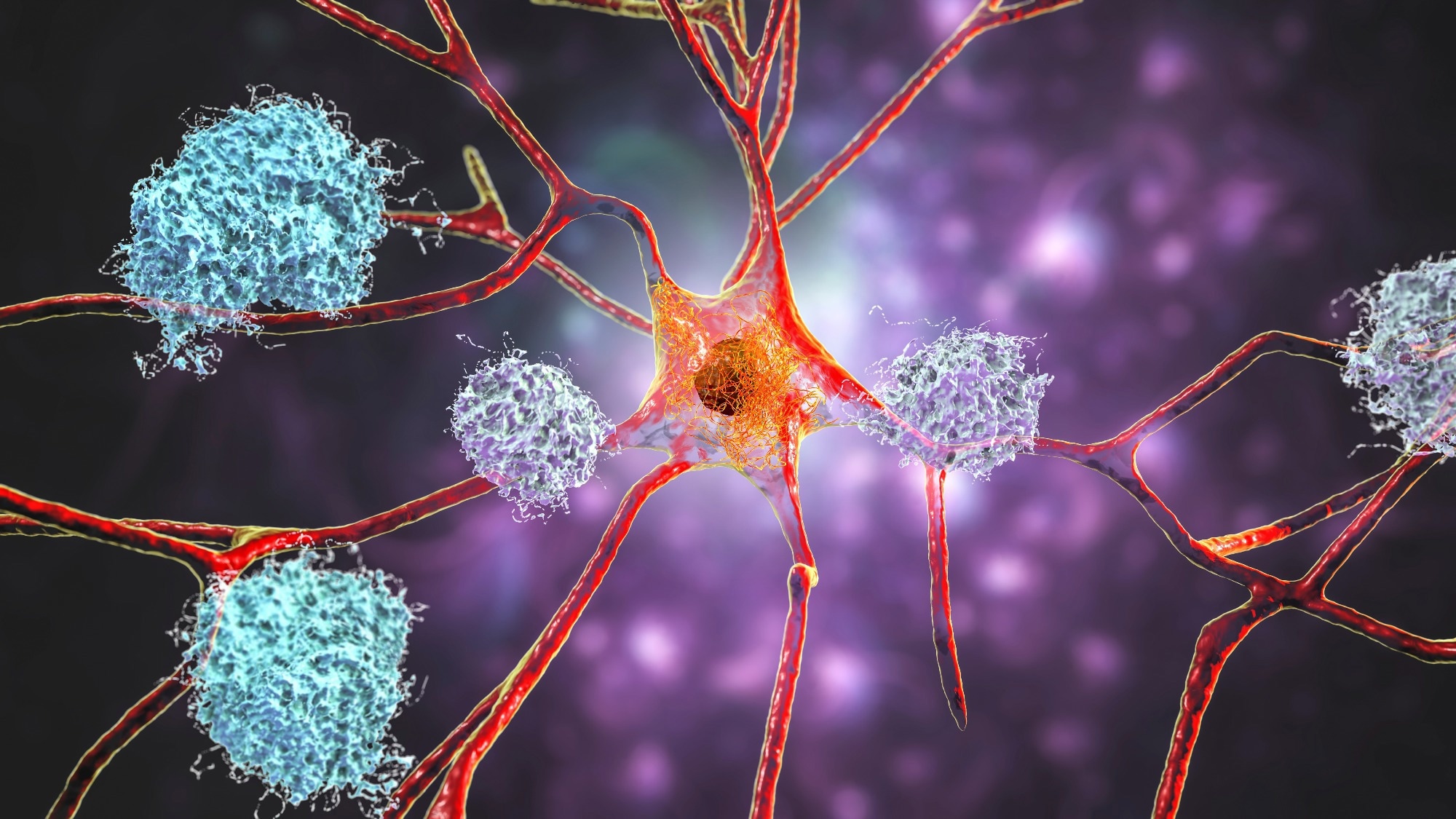
Why it matters: This definitive, high-quality review invalidates the central commercial and therapeutic premise of the dominant amyloid hypothesis, forcing a strategic pivot for biopharma, regulators, and clinical practice.
Context: The amyloid cascade hypothesis has driven Alzheimer’s drug development for decades, culminating in the accelerated approvals of lecanemab and donanemab based on biomarker surrogates and marginal clinical endpoints.
"Despite successfully removing amyloid plaques from the brain, widely anticipated antibody therapies fail to deliver meaningful cognitive improvements, raising critical questions about the future direction of Alzheimer’s treatment. … Scientists have." — NEWS-MEDICAL.NET
Commentary: The Cochrane stamp formalizes a failure already sensed in the market: amyloid removal is a necessary but insufficient intervention. This forces payers like CMS to re-evaluate coverage mandates based on surrogate endpoints and redirects venture and R&D toward alternative mechanisms—tau, neuroinflammation, proteostasis—with renewed urgency. The clinical implication is immediate: neurology practices must recalibrate risk-benefit discussions with patients, emphasizing the modest, uncertain benefit against the tangible, monitored risk of ARIA.
Date: April 21, 2026 12:00 AM ET
URL: https://www.news-medical.net/news/20260421/Alzheimere28099s-monoclonal-antibodies-fail-to-deliver-meaningful-results.aspx
AI Sentiment Score: Negative (50%)
AI Credibility Score: 10.0/10 — High
Scores and text generated by AI analysis of the source article indicated.
New Cochrane review of amyloid targeting Alzheimer’s disease … (Alzheimers.Uk)
Summary: A new Cochrane review analyzing 17 clinical trials of amyloid-targeting Alzheimer’s treatments, involving over 20,000 participants, concludes these drugs show no clinically meaningful benefits. The review aggregates data from seven drugs, including the two approved therapies lecanemab and donanemab, alongside five unsuccessful or discontinued candidates. The UK regulator, however, acknowledges a small but meaningful benefit for the two approved drugs, creating a direct conflict between the meta-analysis and regulatory assessments.

Why it matters: This creates a fundamental tension between regulatory approval pathways and systematic evidence review, directly impacting clinical guidelines, reimbursement decisions, and the framing of patient expectations for the first generation of disease-modifying Alzheimer’s therapies.
Context: The amyloid hypothesis has dominated Alzheimer’s therapeutic development for decades, with recent approvals of lecanemab and donanemab hailed as validation. Cochrane reviews are considered the gold standard for independent, high-quality evidence synthesis, making their negative conclusion a significant challenge to the established narrative.
"The conclusion of the review was that the treatments had no clinically meaningful benefits." — ALZHEIMERS.UK
Commentary: The Cochrane methodology, by pooling all anti-amyloid agents, inherently questions whether the effects of lecanemab and donanemab are truly distinct from the class’s historical failures. This forces a reckoning: are regulators approving marginal improvements that systematic review deems clinically insignificant? The immediate consequence will be intensified scrutiny from payers and guideline bodies, potentially restricting access despite formal approval, and increasing pressure for longer-term, real-world outcome data beyond the 18-month trial windows.
Date: April 22, 2026 12:00 AM ET
URL: https://www.alzheimers.org.uk/news/2026-04-22/new-cochrane-review-amyloid-targeting-alzheimers-disease-treatments
AI Sentiment Score: Negative (66%)
AI Credibility Score: 10.0/10 — High
Scores and text generated by AI analysis of the source article indicated.
Review: Class of Alzheimer’s drugs has no ‘meaningful effect’ (Signalscv)
Summary: A Cochrane review of 17 clinical trials involving over 20,000 participants concludes that monoclonal antibodies targeting amyloid-beta plaques in Alzheimer’s disease have no ‘clinically meaningful effect’ on cognitive function or dementia severity after 18 months in patients with mild cognitive impairment or mild dementia. The authors describe the cognitive impact as ‘trivial’ and functional benefits as ‘small at best,’ arguing that successful amyloid removal does not translate to patient-relevant outcomes. This follows a 2022 meta-analysis that noted statistical significance but sub-clinical benefit.

Why it matters: This independent, high-quality systematic review challenges the clinical and economic rationale for a multi-billion-dollar therapeutic class, forcing a recalibration of research priorities, regulatory standards, and patient expectations.
Context: The amyloid hypothesis has dominated Alzheimer’s drug development for decades, culminating in accelerated FDA approvals for drugs like aducanumab and lecanemab despite ongoing debate over their real-world efficacy and safety.
"Successful removal of amyloid from the brain does not seem to be associated with clinically meaningful effects in people with mild cognitive impairment or mild dementia due to Alzheimer’s disease." — SIGNALSCV
Commentary: The Cochrane review’s methodology and conclusions represent a significant institutional counterweight to regulatory and commercial narratives, potentially accelerating payer resistance and shifting venture and pharma investment toward non-amyloid targets. It underscores a systemic failure to align statistical significance with patient-centered outcomes, with immediate implications for clinical guidelines, cost-effectiveness analyses, and the design of future pivotal trials.
Date: April 21, 2026 12:00 AM ET
URL: https://signalscv.com/2026/04/review-class-of-alzheimers-drugs-has-no-meaningful-effect/
AI Sentiment Score: Negative (66%)
AI Credibility Score: 7.0/10 — Medium
Scores and text generated by AI analysis of the source article indicated.
The Latest Data Strengthens the Case for the ASAP Act (Alzimpact)
Summary: The Alzheimer’s Screening and Prevention (ASAP) Act seeks to remove a statutory barrier preventing Medicare from covering blood-based screening tests for Alzheimer’s disease. This follows the model of the MCED Act for cancer screening, leveraging existing FDA-approved diagnostics and treatments that are most effective when initiated early. The central policy conflict is that while science has delivered early detection tools, current law prohibits Medicare reimbursement for dementia screening, leaving an estimated 90% of individuals with mild cognitive impairment undiagnosed and untreated.
Why it matters: For readers tracking neurodegenerative disease policy, this represents a critical inflection point where diagnostic capability has outstripped reimbursement structures, creating a preventable care gap with significant human and economic costs.
Context: This legislative push mirrors a broader trend of aligning coverage pathways with emerging biomarker-based diagnostics, as seen in oncology, but faces unique hurdles due to Alzheimer’s historical classification as an untreatable condition and the complex ethics of pre-symptomatic identification.
"Fewer than 10% of people living with mild cognitive impairment ever receive a diagnosis — meaning most are never identified early enough to benefit from the treatments now available." — ALZIMPACT
Commentary: The ASAP Act’s success hinges on reframing Alzheimer’s from an untreatable terminal diagnosis to a manageable chronic condition where early intervention alters trajectory. If passed, it would trigger a massive re-scaling of diagnostic infrastructure and force a reckoning with workforce and counseling capacity, while setting a precedent for other neurodegenerative diseases like FTD. The political challenge is less about scientific validity and more about navigating budget scoring and the inertia of a benefits system designed for a pre-biomarker era.
Date: April 21, 2026 12:00 AM ET
URL: https://alzimpact.org/A-Promising-Moment-an-Urgent-Challenge
AI Sentiment Score: Negative (57%)
AI Credibility Score: 10.0/10 — High
Scores and text generated by AI analysis of the source article indicated.
For Alzheimer’s Disease, New Treatments Offer Hope (Medicine.Utah.Edu)
Summary: University of Utah Health reports real-world outcomes for anti-amyloid Alzheimer’s therapies lecanemab and donanemab, showing a 25–30% slowing of cognitive decline, aligning with clinical trial data. Notably, a sub-analysis suggests patients treated in the very earliest stages, before widespread tau pathology, may see a 60–65% slowing of progression. The study also reports a lower-than-expected incidence of the adverse event ARIA (amyloid-related imaging abnormalities) with no serious symptoms. The findings underscore the critical importance of early diagnosis and evaluation to maximize treatment benefit and potentially delay the transition to moderate dementia.

Why it matters: Real-world efficacy and safety data validate the clinical trial promise of new disease-modifying therapies, shifting the practical calculus for patients, neurologists, and health systems toward earlier, more aggressive diagnostic protocols.
Context: Anti-amyloid monoclonal antibodies represent the first class of drugs to arguably modify Alzheimer’s progression, but their adoption has been tempered by efficacy debates, complex administration, and safety concerns, particularly regarding ARIA.
"New Alzheimer’s treatments are helping slow disease progression, especially when diagnosed early. Experts at University of Utah Health emphasize early evaluation to maximize benefit, and they are expanding treatment access to patients." — MEDICINE.UTAH.EDU
Commentary: The Utah data moves the conversation from whether these drugs work to for whom and when they work best, creating immense pressure on primary care and neurology to identify pre-dementia biomarkers. The reported lower ARIA incidence, if replicated, could ease one major barrier to treatment initiation. However, this intensifies the already stark ethical and logistical challenges of early detection, potentially creating a two-tier system defined by access to sophisticated diagnostic imaging and specialist evaluation.
Date: May 01, 2026 12:00 AM ET
URL: https://medicine.utah.edu/neurology/news/2026/05/alzheimers-disease-new-treatments-offer-hope-early-diagnosis-key
AI Sentiment Score: Negative (77%)
AI Credibility Score: 7.0/10 — Medium
Scores and text generated by AI analysis of the source article indicated.
Alzheimer’s May Begin Decades Earlier Than You Think, New Mayo … (Scitechdaily)
Summary: Mayo Clinic research published in Alzheimer’s & Dementia identifies two distinct transition periods in the preclinical phase of Alzheimer’s disease. Cognitive decline becomes more noticeable in the late 50s, followed by accelerated amyloid buildup in the early 60s. A second window from the late 60s to early 70s sees sharp increases in tau-related damage, neurodegeneration, and blood markers like plasma GFAP and NfL.

Why it matters: This timeline reframes the therapeutic window, suggesting detection and prevention efforts may need to start in midlife, decades before clinical symptoms, fundamentally altering trial design and public health strategy.
Context: This work is part of the Mayo Clinic’s broader Precure initiative, aligning with a growing consensus that Alzheimer’s is a decades-long process, but it provides a more granular, age-anchored map of biomarker acceleration.
"Alzheimer’s disease may begin its biological progression far earlier than symptoms suggest, with subtle shifts in brain and blood markers emerging decades in advance. Scientists are uncovering a hidden phase of Alzheimer’s." — SCITECHDAILY
Commentary: The study operationalizes the ‘preclinical’ phase, moving from a theoretical construct to a staged timeline with actionable inflection points. This could pressure regulators and biopharma to validate surrogate endpoints in these earlier windows, potentially shifting the economic model of Alzheimer’s care towards long-term, pre-symptomatic management. It also raises complex ethical questions about predictive testing in asymptomatic 50-year-olds.
Date: April 30, 2026 12:00 AM ET
URL: https://scitechdaily.com/alzheimers-may-begin-decades-earlier-than-you-think-new-mayo-clinic-study-finds/
AI Sentiment Score: Negative (80%)
AI Credibility Score: 10.0/10 — High
Scores and text generated by AI analysis of the source article indicated.
Mayo Clinic study points to changes decades before … (Lifesciencehistory)
Summary: A Mayo Clinic study published in 2026 maps the acceleration of key Alzheimer’s disease biomarkers across the lifespan. It identifies two critical transitional periods: measurable cognitive decline and amyloid accumulation accelerate in the late 50s to early 60s, followed by pronounced increases in tau pathology, neurodegeneration, and specific blood markers (plasma GFAP, NfL, p-tau) in the late 60s to early 70s.
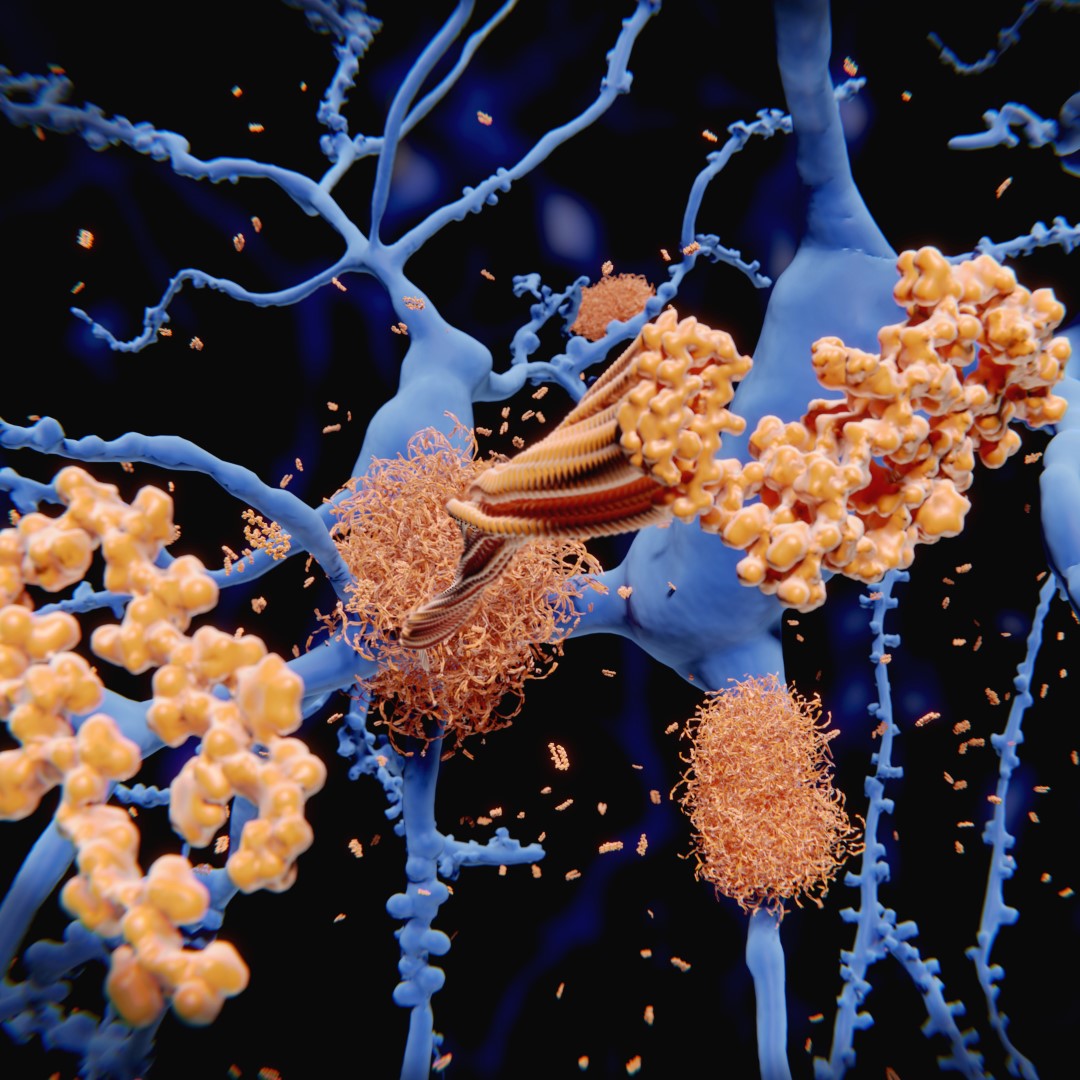
Why it matters: This research provides a concrete timeline for biomarker escalation, directly informing the design and targeting of future preventive trials and early detection protocols.
Context: The field has long sought to define the preclinical cascade of Alzheimer’s pathology; this study offers a population-level estimation of when specific biological and cognitive trajectories steepen.
"Measurable declines in cognitive performance were seen to accelerate in people who are in their late 50s, followed by more rapid amyloid accumulation in the brains of people in their early 60s — pointing to an early 60s window when cognitive and amyloid changes become more pronounced." — LIFESCIENCEHISTORY
Commentary: The findings shift the practical horizon for intervention from ‘decades before symptoms’ to specific, actionable five-year windows. This could pressure drug developers to design trials for these earlier stages and compel health systems to consider screening paradigms for cognitively normal adults in their late 50s, raising profound ethical and logistical questions.
Date: May 01, 2026 12:00 AM ET
URL: https://lifesciencehistory.com/mayo-clinic-study-points-to-changes-decades-before-symptoms/
AI Sentiment Score: Negative (75%)
AI Credibility Score: 10.0/10 — High
Scores and text generated by AI analysis of the source article indicated.
Cognitive Symptoms Preceding a Diagnosis of Early-Onset Frontotemporal Dementia: A Scoping Review | Canadian Journal on Aging / La Revue canadienne du vieillissement | Cambridge Core (Cambridge)
Summary: A scoping review of 16 studies finds that while memory, attention, and executive function are the most frequently reported cognitive symptoms preceding a diagnosis of early-onset frontotemporal dementia (EO-FTD), the literature is characterized by inconsistent terminology, reliance on single-source data (primarily cognitive tests), and a lack of granularity in symptom reporting. The review highlights a significant gap in patient-reported perspectives and calls for standardized nomenclature and assessment tools to improve early detection and differential diagnosis.

Why it matters: For clinicians and researchers in neurodegenerative disease, this systematic mapping of the literature reveals foundational weaknesses in how early cognitive signs of EO-FTD are characterized, directly impacting diagnostic delays and the development of sensitive screening protocols.
Context: EO-FTD diagnosis is notoriously delayed, averaging 3-5 years from symptom onset, partly due to its heterogeneous presentation and overlap with psychiatric conditions. Earlier and more precise identification is critical for patient care, family planning, and clinical trial enrollment.
"Introduction Early-onset dementia (EOD), defined as dementia with onset prior to the age of 65, is estimated to have affected 3.9 million people worldwide in 1990, rising to 7.8 million in 2021." — CAMBRIDGE
Commentary: The field’s reliance on test-derived, imprecise labels like ‘memory’ impedes the creation of a usable clinical phenotype for early FTD. This terminological noise complicates the training of diagnostic algorithms and the design of targeted cognitive batteries, perpetuating the diagnostic odyssey for patients and families. Standardization is a prerequisite for integrating cognitive profiles with emerging blood-based biomarkers.
Date: May 01, 2026 12:00 AM ET
URL: https://www.cambridge.org/core/journals/canadian-journal-on-aging-la-revue-canadienne-du-vieillissement/article/cognitive-symptoms-preceding-a-diagnosis-of-earlyonset-frontotemporal-dementia-a-scoping-review/162CF10AE25A1309E92742C80C3D6948
AI Sentiment Score: Negative (75%)
AI Credibility Score: 10.0/10 — High
Scores and text generated by AI analysis of the source article indicated.
Exploring the phenotypic spectrum of frontotemporal lobar … (Journals.Viamedica.Pl)
Summary: A 2026 review consolidates the clinical management framework for frontotemporal spectrum disorders (FTSD), emphasizing a syndrome-specific approach to diagnosis and treatment. It details pragmatic guidance on neuroimaging, genetic screening for C9orf72, and the cautious use of antipsychotics, highlighting the risk of iatrogenic parkinsonism. The article outlines structured non-pharmacological strategies, including the DICE model and tailored speech therapies for primary progressive aphasia variants, while noting the limited evidence base for many interventions. It also provides specific protocols for trialing levodopa in patients with co-occurring parkinsonism, stressing functional assessment over biomarker reliance.
Why it matters: This synthesis moves FTSD care from generalized dementia protocols toward a precision neurology model, with immediate implications for clinical trial design and multidisciplinary service allocation.
Context: Frontotemporal lobar degeneration syndromes have historically been managed with off-label adaptations of Alzheimer’s or psychiatric treatments, often with significant iatrogenic harm, due to a lack of disease-specific guidelines.
"These neurological symptoms cluster into recognizable clinical syndromes collectively referred to as frontotemporal spectrum disorders (FTSD), including behavioral variant frontotemporal dementia (bvFTD), nonfluent/agrammatic primary progressive aphasia (nfvPPA), semantic variant pri- mary progressive." — JOURNALS.VIAMEDICA.PL
Commentary: The frank admission of evidence gaps alongside detailed mitigation strategies underscores a shift toward harm reduction in FTSD care. This creates liability and practice standard implications for neurologists and geriatric psychiatrists, potentially slowing antipsychotic use but not eliminating it. The emphasis on motor symptom assessment for levodopa response, rather than diagnostic purity, reflects a pragmatic, quality-of-life-centered approach that may diffuse specialty turf battles. However, the reliance on caregiver-reported outcomes introduces variability that payers and regulators will scrutinize.
Date: April 29, 2026 12:00 AM ET
URL: https://journals.viamedica.pl/neurologia_neurochirurgia_polska/article/view/109796
AI Sentiment Score: Negative (77%)
AI Credibility Score: 8.4/10 — High
Scores and text generated by AI analysis of the source article indicated.
The Best FTD Treatment Options Available Today (Int.Livhospital)
Summary: A 2026 clinical perspective from Int.Livhospital outlines the current state of frontotemporal dementia (FTD) care and research. It confirms there are no approved disease-modifying treatments, with management reliant on off-label medications for symptoms and supportive therapies. The focus is on emerging targeted strategies, notably progranulin replacement and the oral therapy VES001, now in clinical trials, with data expected by late 2025. The article underscores the genetic underpinnings of FTD, involving GRN, C9orf72, and MAPT, as the primary vectors for experimental interventions.

Why it matters: For clinicians, patients, and families navigating FTD, this frames the immediate reality of symptom management against the tangible horizon of potential disease-modifying therapies entering late-stage trials.
Context: FTD therapeutic development has historically lagged behind Alzheimer’s, with no approved treatments, making the progression of progranulin-focused biologics and oral agents a critical inflection point for the field.
"- Early diagnosis helps families plan for the future. … – New studies are looking for ways to slow the disease’s progress. … There are no approved treatments for FTD yet. So,." — INT.LIVHOSPITAL
Commentary: The article’s 2026 vantage point is instructive; it projects a near-term data readout (late 2025) that will validate or recalibrate the entire progranulin-replacement thesis. Its clinical pragmatism—separating today’s off-label symptom management from tomorrow’s potential disease modification—accurately reflects the bifurcated reality for neurology practices. Success for VES001 would not only offer a treatment but could establish a biomarker-driven development pathway for other genetic forms of FTD.
Date: April 28, 2026 12:00 AM ET
URL: https://int.livhospital.com/the-best-ftd-treatment-options-available-today/
AI Sentiment Score: Negative (60%)
AI Credibility Score: 10.0/10 — High
Scores and text generated by AI analysis of the source article indicated.
Frontotemporal dementia – Dementia UK (Dementiauk)
Summary: Dementia UK’s resource on frontotemporal dementia (FTD) outlines the current clinical and care landscape for this rare, behavior- and language-focused dementia. It confirms there are no disease-modifying treatments, with management centered on symptom control via SSRIs, antipsychotics in severe cases, and a multidisciplinary support framework. Diagnosis remains challenging due to its atypical presentation, requiring specialist referral for accurate assessment. The guidance operationalizes a holistic, needs-based care plan as the standard of care.
Why it matters: For clinicians, patients, and families navigating FTD, this codifies the stark therapeutic reality and establishes the non-pharmacological support architecture as the primary intervention.
Context: FTD represents a distinct dementia pathway where personality and executive function degrade before memory, complicating diagnosis and straining caregiver resources differently than Alzheimer’s disease. Public health frameworks often lag in addressing its specific needs.
"There are currently no treatments to slow the development of frontotemporal dementia, so the focus is on learning strategies to manage its progression." — DEMENTIAUK
Commentary: The admission of no disease-modifying therapies shifts the entire clinical and economic model toward palliative support and adaptive care, placing disproportionate weight on occupational therapy, environmental modification, and caregiver resilience. This creates a service delivery gap where neurological expertise is scarce, potentially increasing reliance on community and third-sector organizations like Admiral Nurses to operationalize care plans.
Date: April 29, 2026 12:00 AM ET
URL: https://www.dementiauk.org/information-and-support/types-of-dementia/frontotemporal-dementia/
AI Sentiment Score: Positive (50%)
AI Credibility Score: 7.0/10 — Medium
Scores and text generated by AI analysis of the source article indicated.
Promising cell model for dementia research – EurekAlert! (Eurekalert)
Summary: A team at LMU Munich has engineered a human induced pluripotent stem cell (iPSC) model that endogenously expresses the adult 4R tau isoform and carries disease-causing mutations. This model autonomously develops late-stage tau pathology, including neurofibrillary tangles and synaptic loss, closely mirroring human Alzheimer’s disease and other tauopathies. The model has already demonstrated utility by validating a clinical-stage compound’s efficacy in reducing tau aggregates and testing a diagnostic imaging biomarker.

Why it matters: This model addresses a critical translational gap in dementia research, providing a more human-relevant platform for drug discovery and validation than animal models, potentially accelerating the pipeline for urgently needed therapies.
Context: Tauopathy research has been hampered by the lack of human neuronal models that spontaneously develop authentic, late-stage pathology; most existing models require exogenous tau overexpression or lack the correct adult tau isoform.
"Researchers at LMU have developed a human cell model that replicates key mechanisms of neurodegenerative diseases – with potential for novel therapies. … A research team led by Professor Dominik Paquet from." — EUREKALERT
Commentary: The immediate validation of a clinical-stage compound suggests this model will rapidly become a gatekeeper for preclinical tauopathy programs, shifting investment and validation criteria. Its ability to test diagnostic biomarkers could tighten the link between drug development and patient stratification, moving the field toward more integrated therapeutic-diagnostic pipelines. However, the model’s true value will be measured by its predictive power for clinical outcomes, a test that will take years to adjudicate.
Date: April 23, 2026 12:00 AM ET
URL: https://www.eurekalert.org/news-releases/1125504
AI Sentiment Score: Negative (87%)
AI Credibility Score: 10.0/10 — High
Scores and text generated by AI analysis of the source article indicated.
Mini brain-like structures grown in lab may help scientists treat … (Medicalxpress)
Summary: Johns Hopkins researchers have demonstrated that brain organoids derived from Alzheimer’s patients show heterogeneous molecular responses to common psychiatric drugs. The study, published in Alzheimer’s & Dementia, suggests these lab-grown tissue clusters could be used to stratify patients based on predicted treatment efficacy. A parallel finding indicates that extracellular vesicles secreted by the organoids may harbor biomarkers for disease diagnosis and staging.

Why it matters: This moves patient-derived organoids from a basic research tool toward a potential clinical decision-support system, offering a path to precision medicine for a heterogeneous disease where one-size-fits-all treatments routinely fail.
Context: Brain organoid research has advanced from modeling development to probing neurodegenerative diseases, but translating in vitro findings to clinically actionable insights remains a high bar. This work fits into a broader push to find biomarkers beyond amyloid and tau.
"Scientists from Johns Hopkins Medicine report new evidence that clusters of brain tissue derived from the cells of patients with Alzheimer’s disease may be used to evaluate how certain patients with the." — MEDICALXPRESS
Commentary: The operational shift here is from organoids as disease models to organoids as diagnostic factories, with their secreted vesicles as a liquid biopsy source. If validated, this could create a new intermediary market for clinical labs specializing in organoid-based treatment response assays, potentially reshaping trial design and reimbursement for Alzheimer’s drugs. The critical next step is correlating these in vitro responses with actual patient outcomes.
Date: April 20, 2026 12:00 AM ET
URL: https://medicalxpress.com/news/2026-04-mini-brain-grown-lab-scientists.html
AI Sentiment Score: Negative (75%)
AI Credibility Score: 10.0/10 — High
Scores and text generated by AI analysis of the source article indicated.
MIT-based team releases first AI foundation model for Alzheimer’s … (Picower.Mit.Edu)
Summary: A research consortium led by MIT has released FINGERS-7B, the first AI foundation model specifically designed for Alzheimer’s disease and FTD. It integrates multi-omic data—lifestyle, clinical, genomic, proteomic—to identify novel biomarkers for the preclinical stage. The model, which will be presented at ICLR and is open-sourced via the AD Workbench, claims a 4x improvement in preclinical diagnostic accuracy and a 130% better stratification of potential treatment responders compared to prior methods.

Why it matters: This represents a foundational shift from reactive, symptom-based neurology to a predictive, data-integrated model, potentially resetting the clinical and commercial timelines for Alzheimer’s intervention.
Context: The field has struggled with late-stage therapeutic failures; the dominant hypothesis is that intervention must occur earlier, in the preclinical ‘silent’ phase, but identifying individuals in that phase at scale has been a major bottleneck.
"Alzheimer’s disease is best addressed as early as possible, ideally before symptoms become apparent. To enable early, accurate risk prediction both for individuals and whole populations, a team of AI researchers, physicians,." — PICOWER.MIT.EDU
Commentary: The move to an open-source foundation model, hosted on a secure platform like AD Workbench, could accelerate validation and create a new standard for trial recruitment, but it also raises immediate questions about data provenance, model bias in training cohorts, and the regulatory pathway for AI-derived biomarkers. If the performance claims hold, the primary near-term impact will be on clinical trial design, enabling smaller, faster studies of preventative therapies.
Date: April 26, 2026 12:00 AM ET
URL: https://picower.mit.edu/news/mit-based-team-releases-first-ai-foundation-model-alzheimers-prevention
AI Sentiment Score: Negative (75%)
AI Credibility Score: 7.0/10 — Medium
Scores and text generated by AI analysis of the source article indicated.
Post ID: d6a3c5c2