Recent Archaeological Finds & Excavations
1,200-year-old giant ‘death jar’ in Laos contains generations of human skeletons (Livescience)
Summary: Archaeologists excavating a 1,200-year-old stone jar at Laos’s Plain of Jars have, for the first time, confirmed the vessels were used for human burial. The ‘death jar’ contained the secondary remains of multiple individuals, from children to adults, deposited over generations between 890 and 1160 CE. The find includes Indian glass beads, indicating long-distance trade connections. This provides definitive evidence for a complex, multi-stage mortuary tradition.
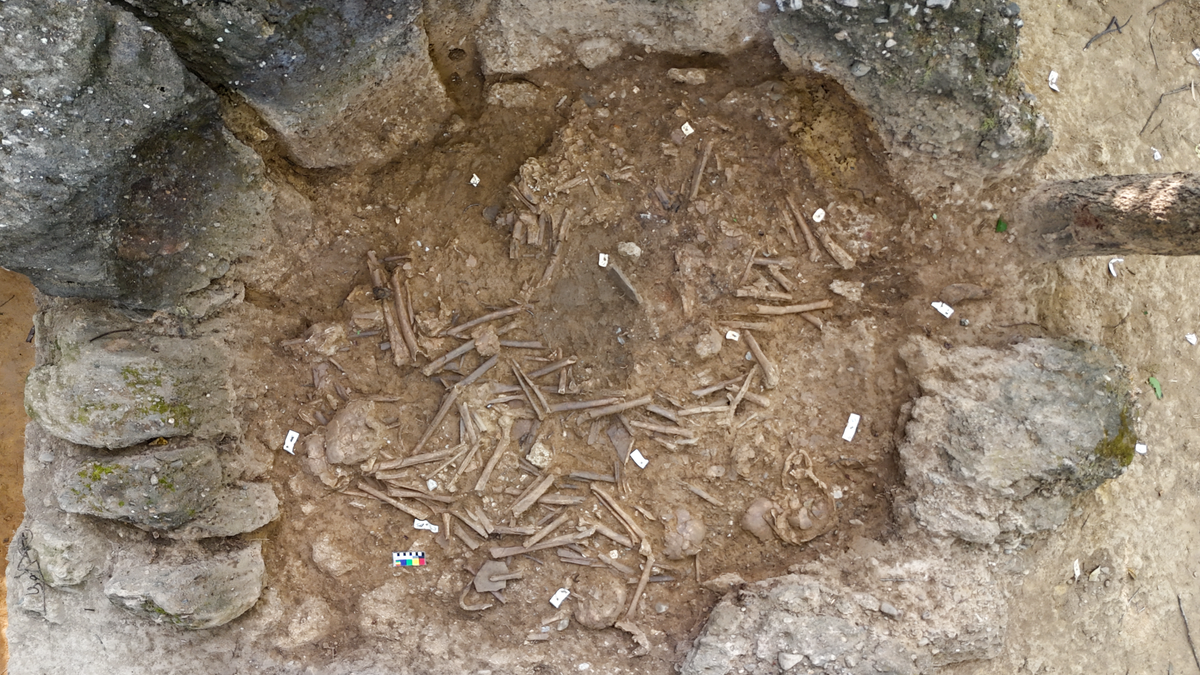
Why it matters: It transforms speculation about a major Southeast Asian archaeological phenomenon into documented practice, resetting the baseline for understanding Iron Age social complexity and long-range exchange in mainland Southeast Asia.
Context: The Plain of Jars, with over 2,000 stone vessels, has been a persistent enigma; its creators and their rituals were inferred but never conclusively linked to the jars’ contents.
""The current evidence suggests this was a collective mortuary space used repeatedly over generations, potentially by extended family or community groups," Skopal said." — LIVESCIENCE
Commentary: This shifts the jars from symbolic monuments to active, multi-generational repositories, implying a society with strong ancestral veneration and defined kinship structures. The presence of Indian trade beads within a mortuary context directly ties local ritual practice to broader Iron Age mercantile networks, complicating the narrative of isolated upland cultures. The extended use period suggests these sites were maintained as durable social infrastructure, not single-event burial grounds.
Date: Mon, 18 May 2026 23:01:00 +0000
URL: https://www.livescience.com/archaeology/1-200-year-old-giant-death-jar-in-laos-contains-generations-of-human-skeletons
AI Sentiment Score: Positive (50%)
AI Credibility Score: 10.0/10 — High
Scores and text generated by AI analysis of the source article indicated.
Archaeologists uncover massive ancient site during rail project, including rare Roman find (Foxnews)
Summary: Archaeologists from the Archaeological Center Olomouc have excavated over 1,000 artifacts along a high-speed railway corridor in the Czech Republic’s Haná River valley. The site reveals continuous occupation from the Early Bronze Age Věteřov culture (circa 1800-1500 B.C.) through the Roman era, including evidence of domestic structures, graves, and specialized bronze-working workshops. The most notable find is a rare Roman-era drawplate, a tool for making metal wire, which is an uncommon discovery in Central Europe.
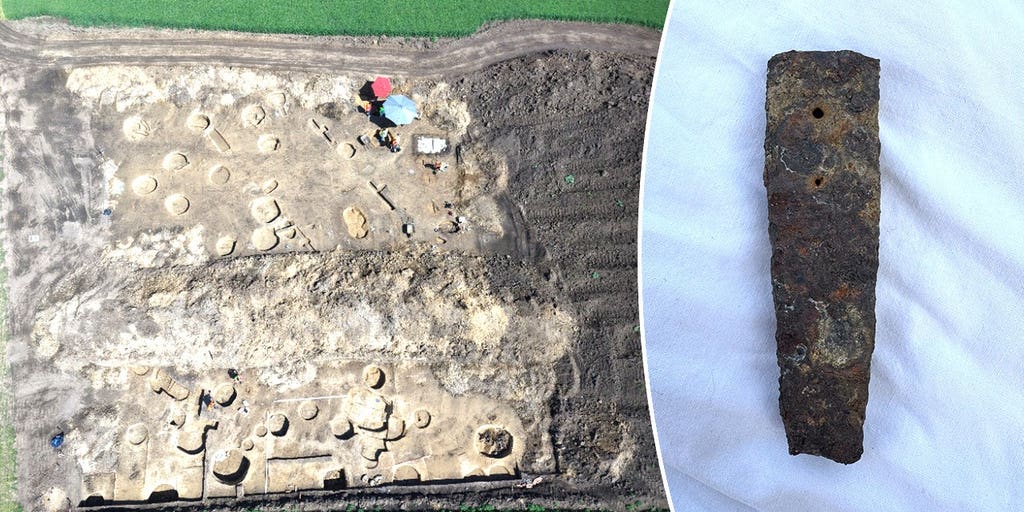
Why it matters: This stratified site provides a rare, continuous material record of technological exchange, craft specialization, and settlement patterns in a key Central European corridor over nearly two millennia.
Context: Major infrastructure projects across Europe are increasingly acting as catalysts for large-scale, salvage archaeology, revealing landscapes previously known only from scattered finds.
"Archaeologists uncover massive ancient site during rail project, including rare Roman find Roman drawplate for making metal wire is considered a rare find in Central Europe, archaeologists say {{#rendered}} {{/rendered}} Archaeologists in." — FOXNEWS
Commentary: The drawplate shifts the narrative from local Bronze/Iron Age continuity to evidence of long-distance Roman technological influence or trade in specialized tools. Its presence, alongside a lime kiln from the same period, suggests this inland valley was integrated into broader networks of craft and military supply, potentially for producing items like chain mail. The concentration of workshops across multiple eras underscores the region’s sustained role as a metallurgical hub, with infrastructure-led excavation now providing the spatial scale to map this economic specialization.
Date: May 21, 2026 12:00 AM ET
URL: https://www.foxnews.com/travel/archaeologists-uncover-massive-ancient-site-rail-project-including-rare-roman-find.amp
AI Sentiment Score: Positive (50%)
AI Credibility Score: 10.0/10 — High
Scores and text generated by AI analysis of the source article indicated.
‘We kept finding large, circular mass graves’ in the Sahara predating the ancient Egyptians, archaeologists report (Livescience)
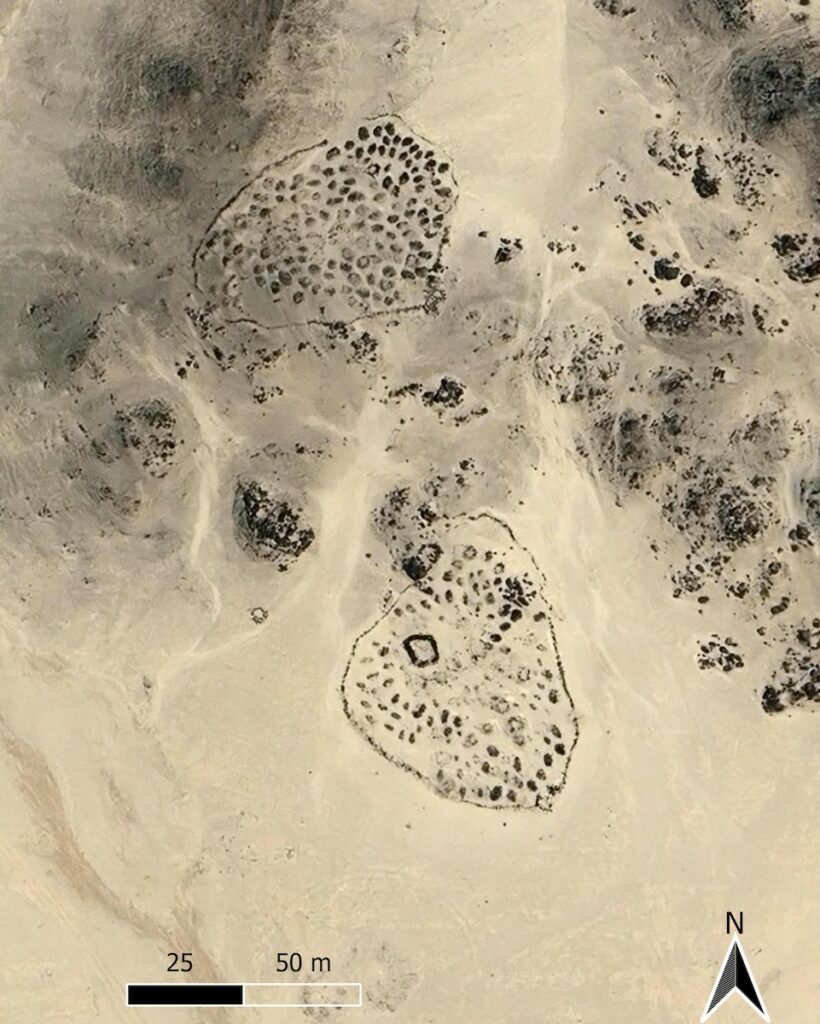
Summary: Archaeologists using satellite imagery have identified 260 previously unknown large, circular mass graves in the Eastern Sahara, dating to roughly 4000–3000 BCE. These ‘enclosure burials,’ containing humans and livestock arranged around central figures, suggest a widespread nomadic culture predating Pharaonic Egypt. The structures indicate emerging social hierarchy and a deep valuation of cattle, coinciding with the end of the African Humid Period. Their location near ancient water sources underscores a narrative of adaptation to increasing aridity.

Why it matters: This rewrites the prehistory of the Nile region, shifting focus from riverine kingdoms to a sophisticated, organized Saharan nomadic culture that developed its own forms of social complexity and monumentalism independent of Egypt.
Context: The discovery challenges the long-standing Egyptocentric narrative of early North African civilization and provides concrete evidence for how pastoralist societies structured themselves and responded to climate stress during a pivotal drying phase.
"’We kept finding large, circular mass graves’ in the Sahara predating the ancient Egyptians, archaeologists report Archaeologists have found 260 burials in the Sahara that predate ancient Egypt. We have been on." — LIVESCIENCE
Commentary: The scale and uniformity of these monuments force a reconsideration of ‘peripheral’ Saharan societies as central actors. Their emergence of elite burial practices, tied to cattle wealth during desertification, maps a precise moment where ecological pressure catalyzed social stratification, providing a distinct model for inequality’s origins separate from agrarian states. The current destruction of these sites by unregulated mining represents an irreplaceable loss of this alternative historical record.
Date: Sun, 17 May 2026 12:00:00 +0000
URL: https://www.livescience.com/archaeology/we-kept-finding-large-circular-mass-graves-in-the-sahara-predating-the-ancient-egyptians-archaeologists-report-opinion
AI Sentiment Score: Negative (60%)
AI Credibility Score: 10.0/10 — High
Scores and text generated by AI analysis of the source article indicated.
Mysterious Ancient Tunnel Discovered Beneath Jerusalem Streets (Archaeology)
Summary: The Israel Antiquities Authority reports the discovery of a large, unplastered tunnel beneath Jerusalem, measuring 16 feet high and 10 feet wide, accessed by a rock-cut staircase. Initial hypotheses of a water installation were discarded due to the absence of plaster lining and local water sources. The leading interpretation now posits the tunnel was cut to access chalk layers for quarrying building stone or lime production. Its date remains undetermined, though a possible association with nearby Iron Age sites from the first millennium B.C. is noted.
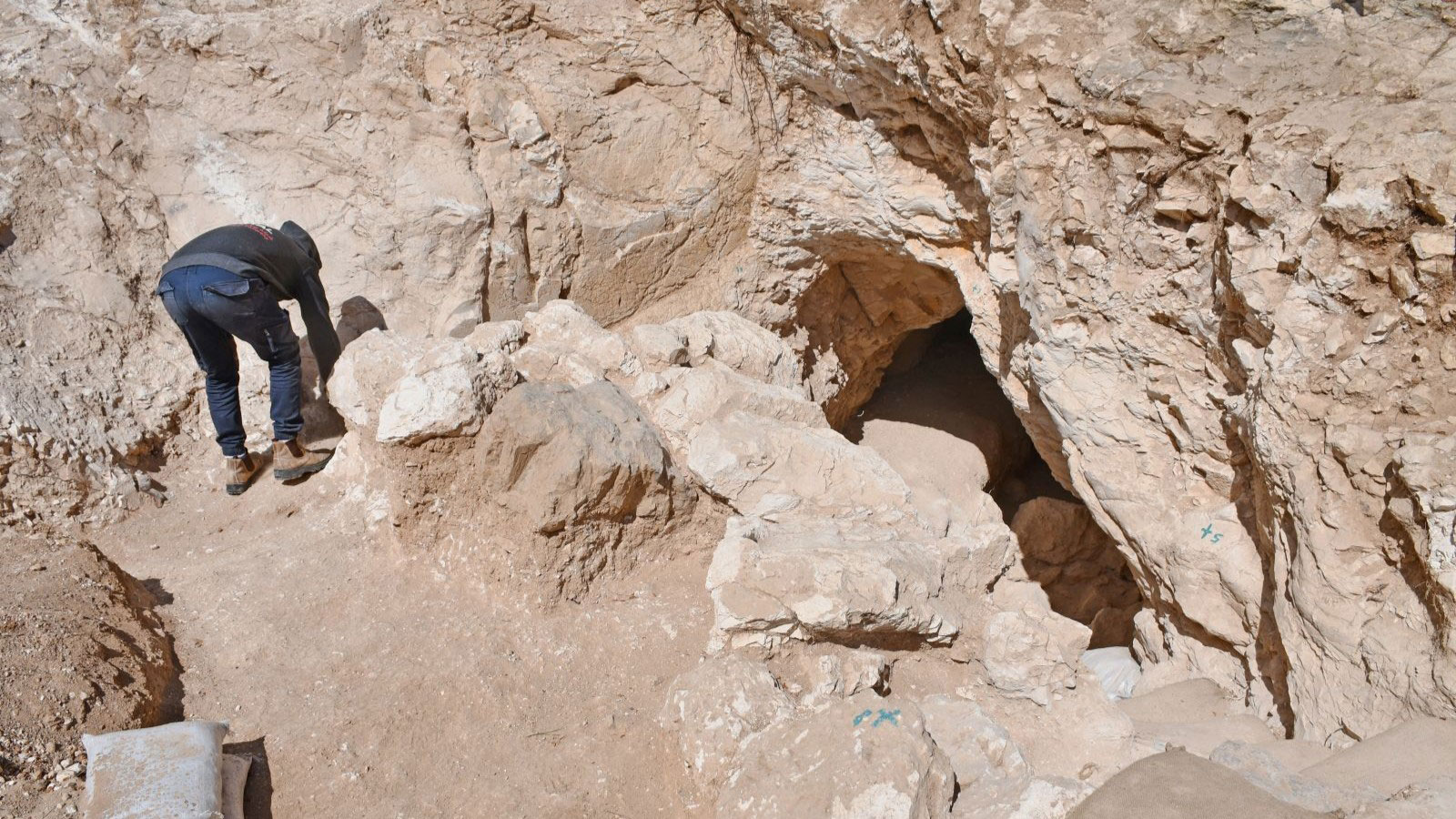
Why it matters: This find underscores the persistent gaps in our functional understanding of Jerusalem’s subsurface infrastructure and the complex, often utilitarian, economic logic that shaped the ancient city’s development.
Context: Jerusalem’s archaeology is famously layered and politically charged, where every discovery is scrutinized for historical and national narrative. Finds of ambiguous purpose are common, but they often refine models of urban resource extraction and logistics.
"JERUSALEM, ISRAEL—According to a statement released by the Israel Antiquities Authority (IAA), archaeologists unearthed a mysterious tunnel beneath the streets of Jerusalem. During construction work near Kibbutz Ramat Rachel, workers unexpectedly discovered." — ARCHAEOLOGY
Commentary: The shift from a presumed hydraulic function to an extractive-industrial one recalibrates the scale of Jerusalem’s subterranean industry. It suggests a more distributed and ad-hoc model of resource procurement than centralized water systems imply. The dating ambiguity highlights how foundational economic activities can be archaeologically silent, complicating timelines of urban expansion. For the IAA, such ‘astonishing’ finds are a routine reminder that the city’s operational history remains partially legible.
Date: Fri, 15 May 2026 17:01:00 +0000
URL: https://archaeology.org/news/2026/05/15/mysterious-ancient-tunnel-discovered-beneath-jerusalem-streets/
AI Sentiment Score: Negative (50%)
AI Credibility Score: 10.0/10 — High
Scores and text generated by AI analysis of the source article indicated.
Ceremonial Structures Investigated at Peru’s Cerro de la Horca (Archaeology)
Summary: Archaeologists led by Jose Luis Fuentes have identified ceremonial structures at Cerro de la Horca on Peru’s central coast, a site occupied from around A.D. 900. The complex includes approximately 20 mounds surrounding four plazas, alongside platforms, walls, and internal roads, suggesting a significant administrative or religious center. Pottery indicates sequential occupation by Pativilca, Casma, Huaura, and later Inca cultures, with construction phases showing a shift from stone to adobe. The site’s main sanctuary, positioned atop the hill overlooking the Fortaleza River, is linked by 19th-century accounts to later Chimú and Inca use for executions.
Why it matters: This investigation refines the timeline of coastal Andean statecraft and ritual, showing how a ceremonial hub was repurposed across distinct cultures over six centuries.
Context: Research in Peru’s coastal valleys increasingly reveals complex, multi-ethnic administrative landscapes that predate and were co-opted by the Inca Empire, challenging simpler narratives of sequential imperial dominance.
"PARAMONGA, PERU—Andina News Agency reports that Jose Luis Fuentes of the National University of San Marcos and his colleagues have uncovered possible ceremonial structures at Cerro de la Horca, or “Gallows Hill,”." — ARCHAEOLOGY
Commentary: The site’s layout—mounds encircling plazas—points to a planned ceremonial-administrative complex, not an incidental settlement. Its sustained use and modification from the Pativilca stone phase to Inca adobe alterations demonstrate a strategic continuity of place, where control of ritual geography was as valuable as military conquest. The later repurposing for executions underscores how symbolic power, once vested in a religious sanctuary, can be violently inverted by successor states.
Date: Wed, 13 May 2026 17:00:00 +0000
URL: https://archaeology.org/news/2026/05/13/ceremonial-structures-investigated-at-perus-cerro-de-la-horca/
AI Sentiment Score: Neutral (33%)
AI Credibility Score: 10.0/10 — High
Scores and text generated by AI analysis of the source article indicated.
High-status Roman woman was buried in a lead coffin with jet hairpins and exotic resins, archaeologists find (Livescience)
Summary: Archaeologists in Colchester have uncovered a late Roman-period burial of a high-status woman in her late 20s or 30s, interred in a decorated lead coffin. The grave goods include jet hairpins, rare glass flasks, and exotic resins like frankincense, while her body was treated with liquid gypsum. This combination of imported materials and careful staging indicates a significant, costly funerary rite.
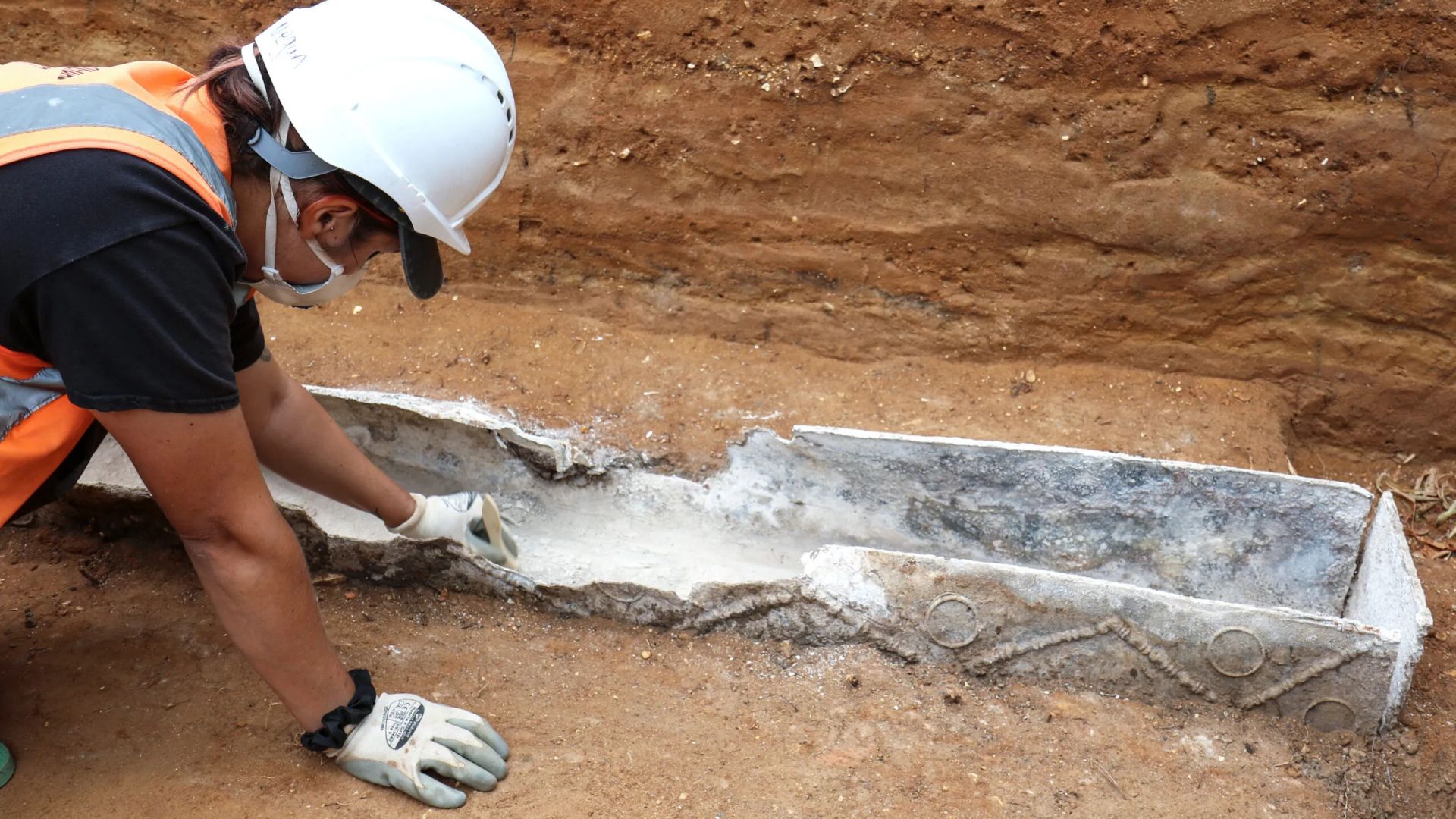
Why it matters: This find materially refines our understanding of late Roman provincial elite networks, demonstrating the reach and value of long-distance trade in perishable ritual substances at the empire’s northwestern fringe.
Context: Liquid gypsum burials and imported resins are rare in Roman Britain, typically signaling exceptional status and connection to Mediterranean or Eastern Mediterranean funerary practices.
"High-status Roman woman was buried in a lead coffin with jet hairpins and exotic resins, archaeologists find A burial of an elite Roman-era woman who appears to have been buried with exotic." — LIVESCIENCE
Commentary: The presence of frankincense and gypsum—both imported, perishable, and ritually charged—shifts the evidence from symbolic status to operational logistics: maintaining supply chains for elite mortuary practice in 3rd-5th century Britannia required active, costly integration into imperial exchange systems. This burial concretely maps the cultural and economic permeability of provincial borders, showing that elite identity was performed through consumption of materials whose provenance itself conveyed power.
Date: Thu, 14 May 2026 14:54:20 +0000
URL: https://www.livescience.com/archaeology/romans/high-status-roman-woman-was-buried-in-a-lead-coffin-with-jet-hairpins-and-exotic-resins-archaeologists-find
AI Sentiment Score: Negative (50%)
AI Credibility Score: 10.0/10 — High
Scores and text generated by AI analysis of the source article indicated.
1,200-year-old gold hoard discovered in Saudi Arabia may have been buried by a medieval pilgrim (Livescience)
Summary: Archaeologists working at the Dhariyah site in Saudi Arabia’s Al-Qassim region have uncovered a ceramic jar containing over 100 pieces of gold, silver, and gemstone-encrusted jewelry, dated to between 743 and 753 CE. The site was a key station on the Hajj pilgrimage route between Basra, Iraq, and Mecca. The hoard, buried during the early Abbasid Caliphate, represents skilled metalwork with floral and geometric motifs. Its direct association with a pilgrim remains unconfirmed, but its location along the pilgrimage infrastructure is significant.
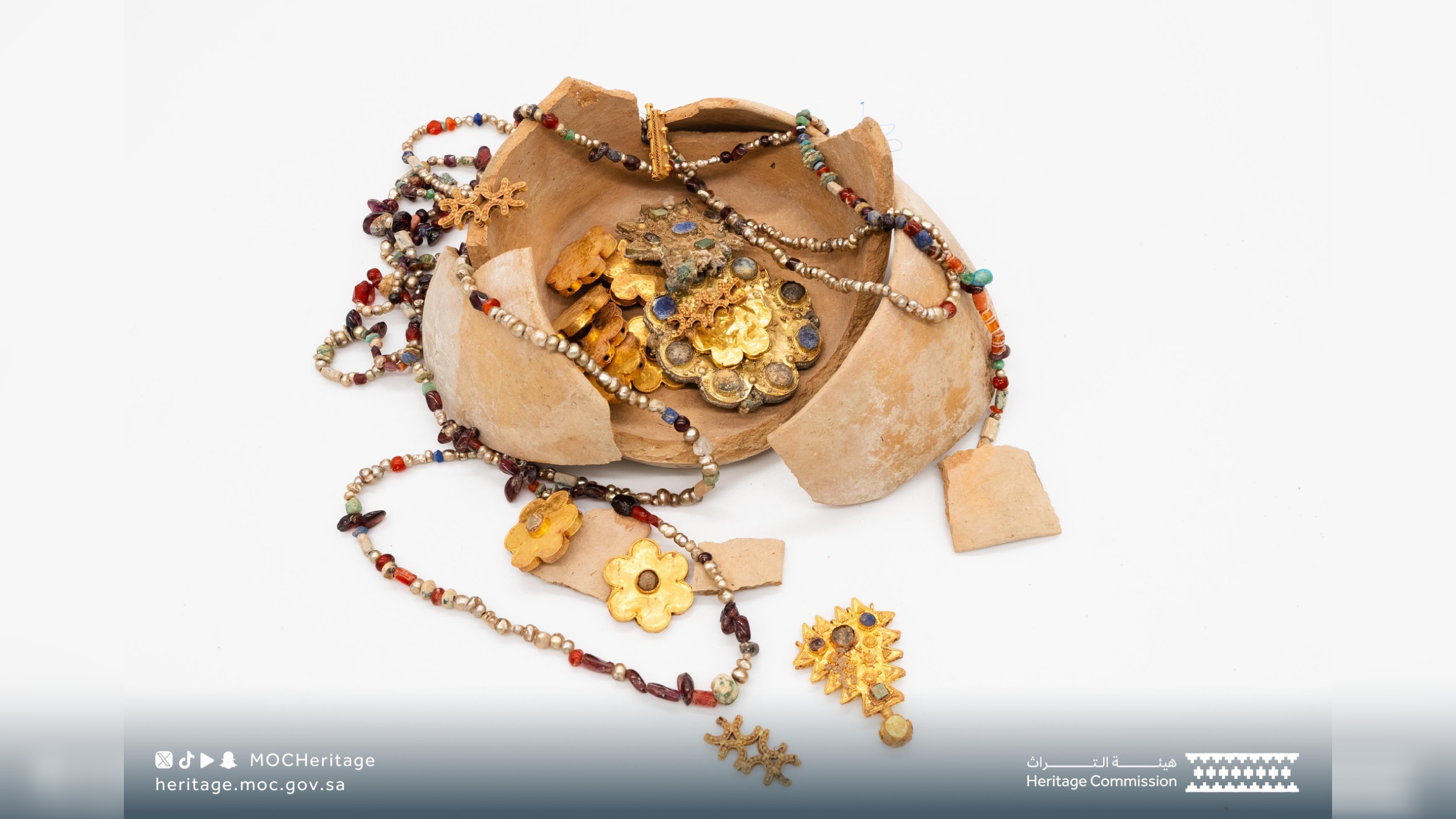
Why it matters: The find materially anchors the scale of wealth and long-distance movement along the Abbasid-era Hajj routes, shifting understanding from textual accounts to physical evidence of pilgrimage’s economic and social fabric.
Context: The Abbasid Caliphate (750-1258 CE) oversaw the Islamic Golden Age, with Baghdad as its capital and a network of routes connecting its vast territories. Pilgrimage stations like Dhariyah were critical logistical and commercial nodes.
"According to archaeologists with the Saudi Heritage Commission who have been excavating Dhariyah for six years, radiocarbon analysis of organic remains puts the main settlement in the period of 743 to 753." — LIVESCIENCE
Commentary: The precise dating to a narrow decade, coinciding with the Abbasid rise, allows historians to tie the hoard’s deposition to a specific moment of political transition, potentially reflecting individual risk assessment. Its composition—crafted gold sheets with inlaid gems—demonstrates the circulation of high-value, portable wealth along these routes, complicating the view of pilgrimage as solely a spiritual endeavor. The discovery underscores how Saudi Arabia’s intensified archaeological work is systematically materializing the economic hinterland of early Islamic holy cities.
Date: Wed, 27 May 2026 20:56:50 +0000
URL: https://www.livescience.com/archaeology/middle-east/1-200-year-old-gold-hoard-discovered-in-saudi-arabia-may-have-been-buried-by-a-medieval-pilgrim
AI Sentiment Score: Negative (50%)
AI Credibility Score: 10.0/10 — High
Scores and text generated by AI analysis of the source article indicated.
Monumental Tomb Uncovered in Southern Turkey (Archaeology)
Summary: A third monumental Roman-period tomb has been excavated in the Lycian city of Olympos, Turkey, containing a damaged marble sarcophagus adorned with hunting scenes and the goddess Nike. Restoration is underway on the 50-piece lower section. Archaeologists have traced the high-quality marble to a quarry in western Turkey, indicating long-distance trade and elite patronage.
Why it matters: The find clarifies the economic reach and funerary practices of Roman provincial elites in Lycia, a culturally distinct region, and underscores the logistical networks supporting monumental construction.
Context: Lycia maintained a distinct cultural identity under Roman rule, and Olympos was a significant port city. Previous monumental tombs at the site suggest a concentrated elite necropolis.
"A marble sarcophagus decorated with images of hunting scenes featuring Nike, the Greek goddess of victory, was discovered inside the vaulted tomb, which stood about 30 feet tall." — ARCHAEOLOGY
Commentary: The sourcing of marble from western Anatolia, not local Lycian stone, signals integration into a broader imperial economic circuit, where elite identity was performed through imported materials and pan-Mediterranean iconography. The repeated discovery of such tombs in Olympos suggests the city served as a strategic node for a provincial aristocracy investing wealth in permanent, status-driven commemoration.
Date: Thu, 28 May 2026 17:30:00 +0000
URL: https://archaeology.org/news/2026/05/28/monumental-tomb-uncovered-in-southern-turkey/
AI Sentiment Score: Neutral (33%)
AI Credibility Score: 10.0/10 — High
Scores and text generated by AI analysis of the source article indicated.
Bead net funerary shroud: A 2,500-year-old beaded veil from Egypt depicting the deceased’s transformation into Osiris (Livescience)
Summary: A 2,500-year-old bead-net funerary shroud, acquired by the Art Institute of Chicago in the late 19th century, demonstrates a specific mortuary practice from Egypt’s Late Period (664–525 BCE). The artifact, woven from thousands of multicolored beads, depicts a human face, a winged scarab, and a broad collar, designed to cover a mummy’s head and chest. Analysis by Egyptologist Emily Teeter indicates it was placed over red linen, with the ensemble symbolizing the deceased’s transformation into Osiris, the god of the dead.
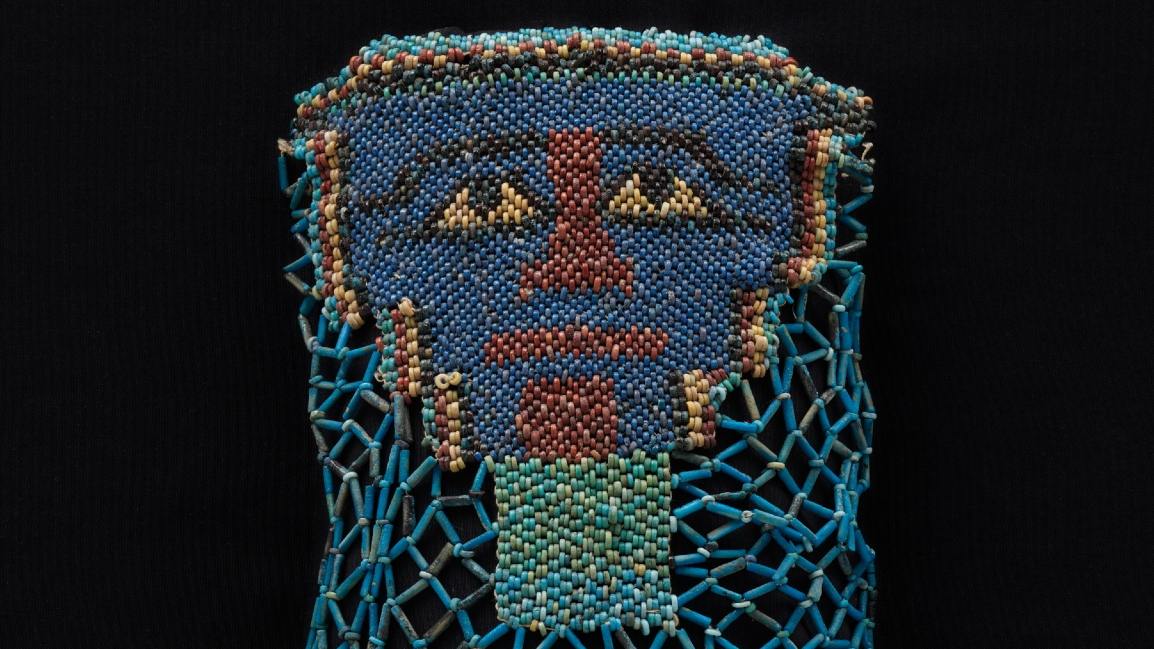
Why it matters: This object refines our understanding of elite Late Period Egyptian funerary technology and the material expression of theological concepts concerning resurrection and deification.
Context: Bead-net shrouds represent a distinct category of funerary art, merging personal adornment with ritual function. Their study intersects with ongoing debates about craft specialization, trade in materials like faience, and the standardization of iconography in the later phases of Pharaonic culture.
""Together, the shroud and net imitated the wrappings of Osiris, hence symbolizing the assimilation of the deceased to the god," Teeter wrote." — LIVESCIENCE
Commentary: The shroud’s precise iconography—the blue-beaded face evoking Nut, the scarab invoking Khepri—shows a codified, almost schematic, application of solar and cosmic rebirth motifs onto the body. This moves beyond general ‘belief in the afterlife’ to reveal a specific, material protocol for enacting deification, where the bead net itself becomes a ritual instrument, not merely decoration. Its acquisition history via 19th-century missionary collectors also underscores the market dynamics that shaped Western museum holdings of Egyptian antiquities.
Date: Mon, 25 May 2026 10:00:00 +0000
URL: https://www.livescience.com/archaeology/ancient-egyptians/bead-net-funerary-shroud-a-2-500-year-old-beaded-veil-from-egypt-depicting-the-deceaseds-transformation-into-osiris
AI Sentiment Score: Negative (50%)
AI Credibility Score: 10.0/10 — High
Scores and text generated by AI analysis of the source article indicated.
Plaster Wall from Tut’s Tomb Revealed (Archaeology)
Summary: Egyptian authorities have unveiled a previously unseen plaster wall from the tomb of Tutankhamun. Constructed as a final barrier before the burial chamber was sealed, the wall retains stamps from funerary rituals and seals of both the pharaoh and the necropolis guards. Its survival is exceptionally rare, as such blocking walls were almost always dismantled by tomb robbers; Tutankhamun’s largely undisturbed tomb preserved it. Over a century after Howard Carter’s discovery, this artifact represents a unique, newly revealed physical record of the tomb’s final sealing.
Why it matters: This artifact provides a tangible, unaltered snapshot of the final administrative and ritual acts securing a royal burial, offering a rare data point for understanding ancient Egyptian funerary security and state control over sacred spaces.
Context: Most royal tombs were looted in antiquity, destroying such ephemeral architectural features. Tutankhamun’s tomb is the notable exception, but even after its 1922 discovery, not all elements were immediately studied or displayed.
"LUXOR, EGYPT—Authorities from Egypt’s Luxor Museum revealed a never-before-seen plaster wall from King Tutankhamun’s tomb, The Independent reports. The wall was originally constructed just before the burial chamber was sealed to protect." — ARCHAEOLOGY
Commentary: The wall’s significance lies not in artistic grandeur but in its bureaucratic imprint. The intact seals and stamps materially document the chain of custody and ritual responsibility at the moment of closure, shifting analysis from the tomb’s contents to the precise mechanisms of its protection. This refines our understanding of the necropolis as a managed institution, not just a repository of wealth. For modern conservation, it underscores that even a century-old excavation can yield new primary evidence when treated as an ongoing archaeological site rather than a concluded event.
Date: Mon, 18 May 2026 18:00:00 +0000
URL: https://archaeology.org/news/2026/05/18/plaster-wall-from-tuts-tomb-revealed/
AI Sentiment Score: Negative (66%)
AI Credibility Score: 10.0/10 — High
Scores and text generated by AI analysis of the source article indicated.
Colombian Emeralds Identified in Panama Burials (Archaeology)
Summary: Advanced geochemical analysis confirms that five emeralds recovered from elite burials at the Gran Coclé sites of El Caño and Sitio Conte in Panama, dated to A.D. 800–1000, originated from mining belts in Colombia over 435 miles away. The stones were found alongside gold, pyrite mirrors, and megalodon teeth, indicating high-status interments. The research team, led by Carlos Mayo Torné, determined the emeralds were not traded directly but moved through a chain of coastal and riverine communities. Some stones arrived pre-worked, while others were locally modified, demonstrating their integration into Coclé material culture.
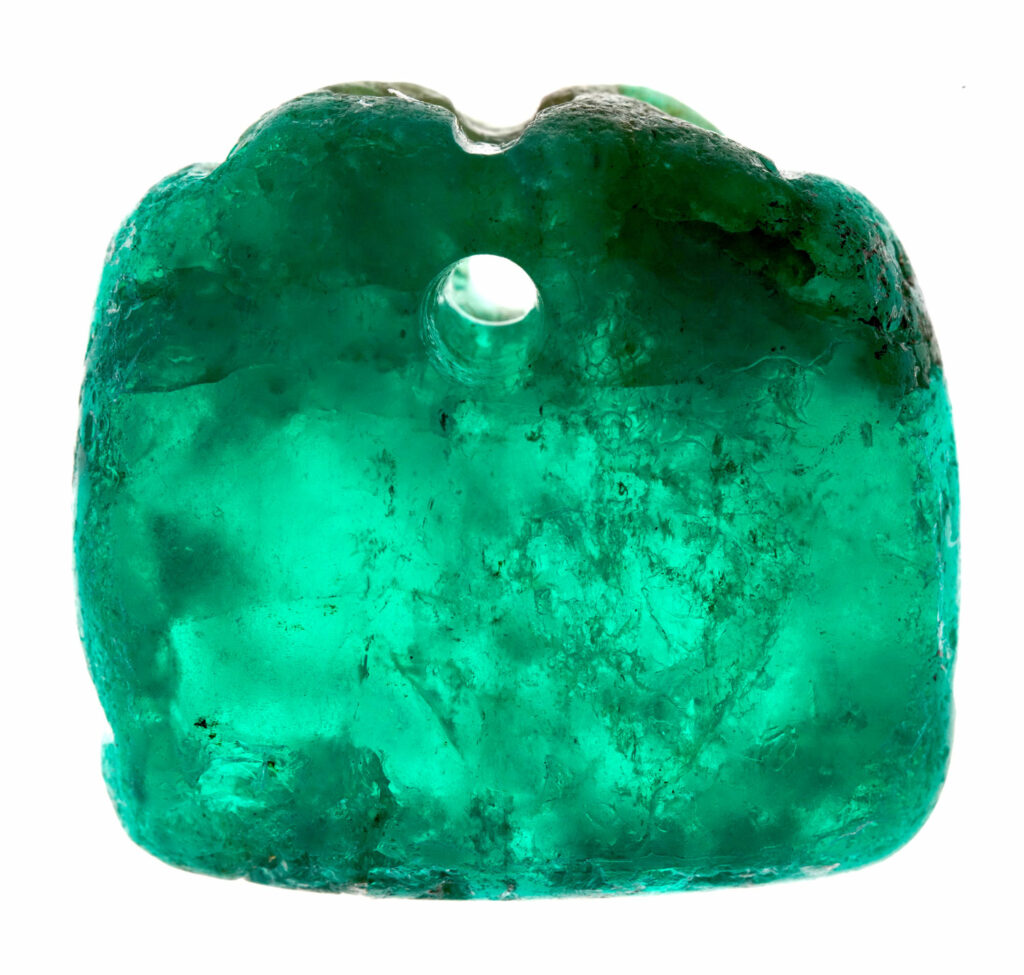
Why it matters: This evidence recalibrates models of pre-Columbian exchange, moving beyond simple dyadic trade to reveal complex, multi-node networks that carried high-value symbolic goods over significant distances without direct contact between source and endpoint societies.
Context: The Gran Coclé region is known for its sophisticated metallurgy and complex chiefdom societies; this finding places its elite consumption within a broader macro-regional system of prestige economies that spanned northwestern South America and lower Central America.
"“These objects were not exchanged directly between the inhabitants of the Colombian mining regions and the Coclé chiefdoms,” said Carlos Mayo Torné of Fundación El Caño. Rather, he suggests that the stones were repeatedly traded by peoples living along coastal and river communities." — ARCHAEOLOGY
Commentary: The identification of specific Colombian source belts, coupled with evidence of both long-distance curation and local reworking, refines our understanding of how value was constructed in ancient chiefdoms: exotic materials gained power not merely through provenance but through successive acts of social negotiation and artisan intervention along extended exchange corridors.
Date: Fri, 29 May 2026 18:30:00 +0000
URL: https://archaeology.org/news/2026/05/29/colombian-emeralds-identified-in-panama-burials/
AI Sentiment Score: Positive (40%)
AI Credibility Score: 10.0/10 — High
Scores and text generated by AI analysis of the source article indicated.
Statue Bases Uncovered in Sanctuary of Apollo on Cyprus (Archaeology)
Summary: Archaeologists from the University of Frankfurt and University of Rostock have uncovered more than twenty in situ statue bases within the Sanctuary of Apollo at Frangissa, Cyprus. The bases, some with attached limestone and terracotta feet, were found preserved under nineteenth-century backfill and remain clustered in their original positions. A key finding is that these votive offerings were intentionally covered by a leveling layer around 480 B.C., indicating a deliberate, large-scale remodeling of the sacred space.
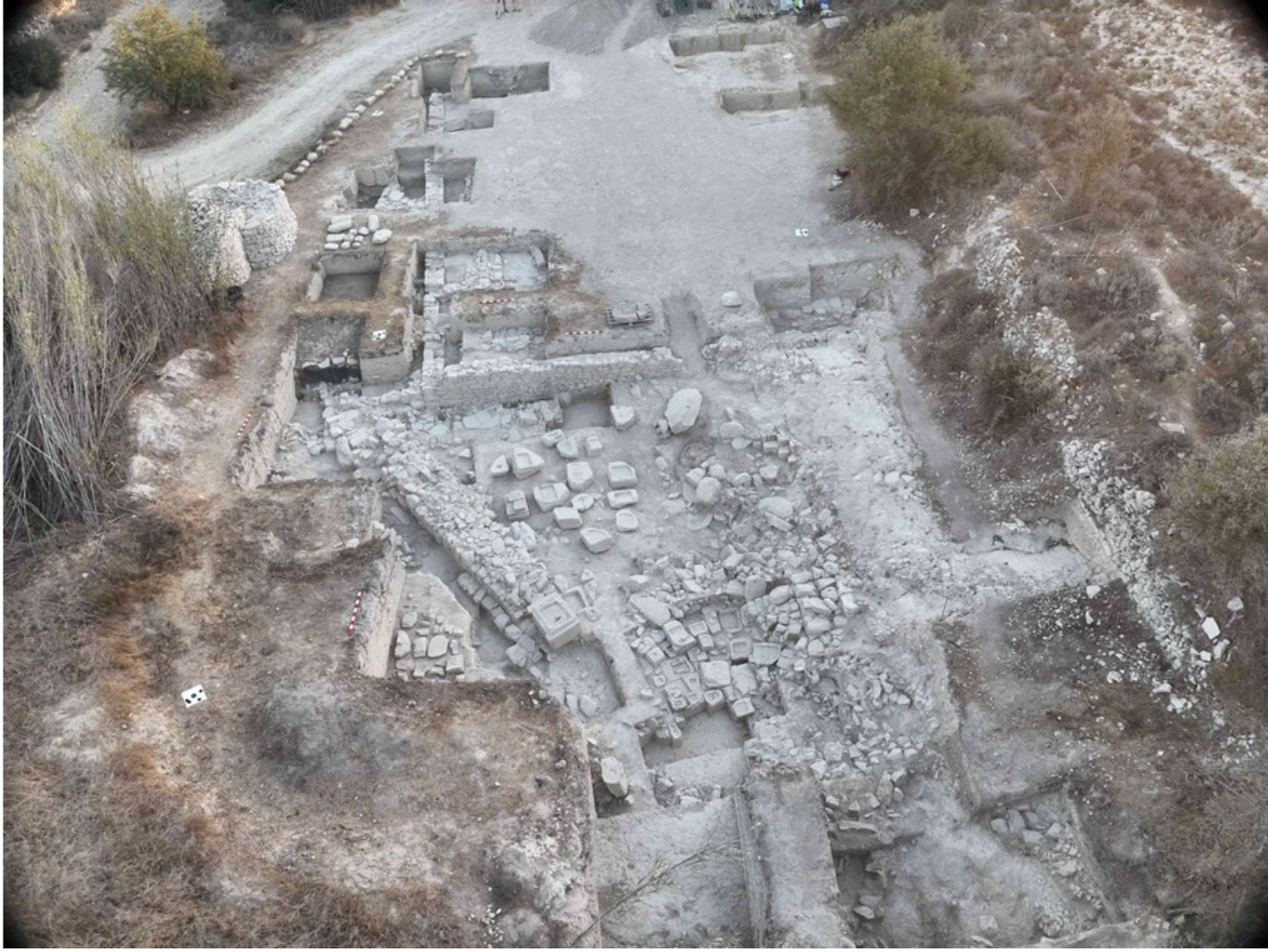
Why it matters: This discovery provides a rare, undisturbed snapshot of votive practice and sanctuary organization in Archaic Cyprus, directly informing our understanding of ritual investment, spatial hierarchy, and the management of sacred landscapes during a pivotal period.
Context: The sanctuary, first excavated in 1885, was reburied with its finds, making this re-excavation a unique opportunity to apply modern stratigraphic methods to a known site. Cyprus was a critical nexus of Aegean, Near Eastern, and Egyptian cultural and economic exchange.
"FRANGISSA, CYPRUS—La Brújula Verde reports that more than 20 statue bases have been discovered at the site of the Sanctuary of Apollo in central Cyprus, which was discovered in 1885. At that." — ARCHAEOLOGY
Commentary: The deliberate burial of the votive bases circa 480 B.C. is a significant act of ritual closure or renewal, not mere discard. This suggests a planned, likely communal, re-consecration of the sanctuary, possibly linked to political shifts or the Persian Wars’ regional upheaval. The intact spatial arrangement allows for a forensic analysis of dedicatory patterns—wealth display, artisan workshops, and the hierarchy of donors—offering a concrete dataset on piety and power in a cosmopolitan religious hub.
Date: Wed, 27 May 2026 18:00:00 +0000
URL: https://archaeology.org/news/2026/05/27/statue-bases-uncovered-in-sanctuary-of-apollo-on-cyprus/
AI Sentiment Score: Neutral (33%)
AI Credibility Score: 10.0/10 — High
Scores and text generated by AI analysis of the source article indicated.
Scythian Tomb Unearthed in Moldova (Archaeology)
Summary: A Scythian tomb from the third century B.C. has been excavated in Moldova’s Gura Bacului necropolis. The structure, comprising an access shaft, corridor, and burial chamber, contained a range of grave goods including ceramic vessels, weaponry, and a rare ceramic censer. This censer was a key diagnostic artifact for dating the site. The find occurred during rescue operations led by Moldova’s National Archaeological Agency.
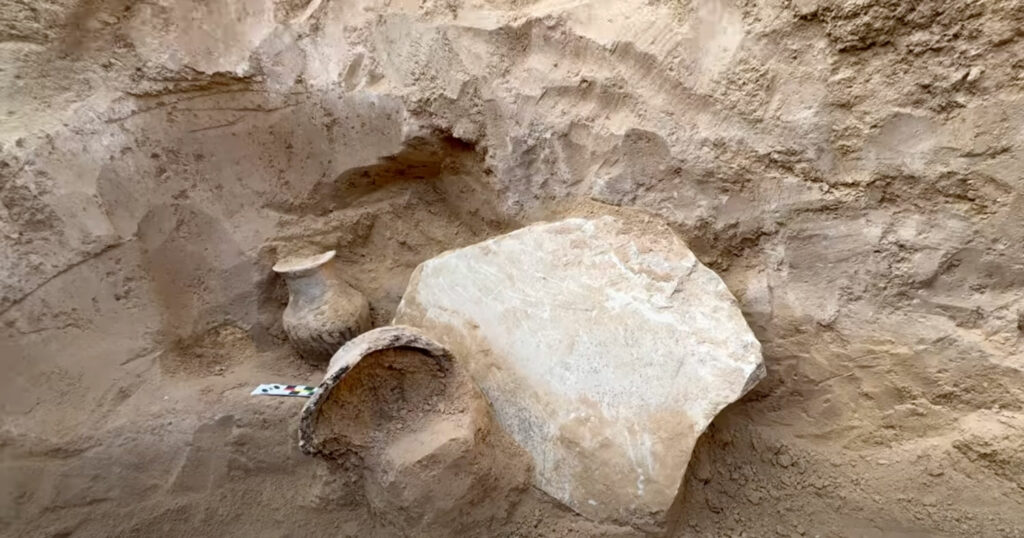
Why it matters: It provides a datable, material snapshot of Scythian mortuary practice and material culture at the western edge of their influence during a period of significant interaction and conflict.
Context: Scythian archaeology in the Pontic-Caspian steppe often focuses on monumental kurgans further east; finds in regions like Moldova help map the extent and nature of their presence and cultural exchange with sedentary agricultural societies.
"The burial contained ceramic vessels, arrowheads, beads, a sheathed knife, a censer, and worked stone that may have been used as an altar. Vlad Vornic of the National Archaeological Agency said that the ceramic censer is of a rare type and helped the researchers to date the tomb." — ARCHAEOLOGY
Commentary: The presence of the censer and possible altar stone shifts interpretation from a purely warrior burial to one with a pronounced ritual component, suggesting local adaptations of steppe traditions. Its location in Moldova tests models of Scythian mobility versus settled frontier communities. For regional heritage institutions, such rescue digs underscore the tension between development and preserving a fragmented archaeological record of Eurasian connectivity.
Date: Thu, 14 May 2026 17:00:00 +0000
URL: https://archaeology.org/news/2026/05/14/scythian-tomb-unearthed-in-moldova/
AI Sentiment Score: Positive (40%)
AI Credibility Score: 10.0/10 — High
Scores and text generated by AI analysis of the source article indicated.
Jewelry Hoard Unearthed in Saudi Arabia (Archaeology)
Summary: Archaeologists from the Saudi Heritage Commission excavating the historic settlement of Diriyah have uncovered a hoard of over 100 gold, silver, and gemstone jewelry pieces stored in a ceramic jar. The find, dated to between A.D. 743 and 753, was made within residential buildings alongside gypsum water basins and other domestic artifacts. Diriyah was a known stop on the pilgrimage route connecting Basra in Iraq to Mecca.
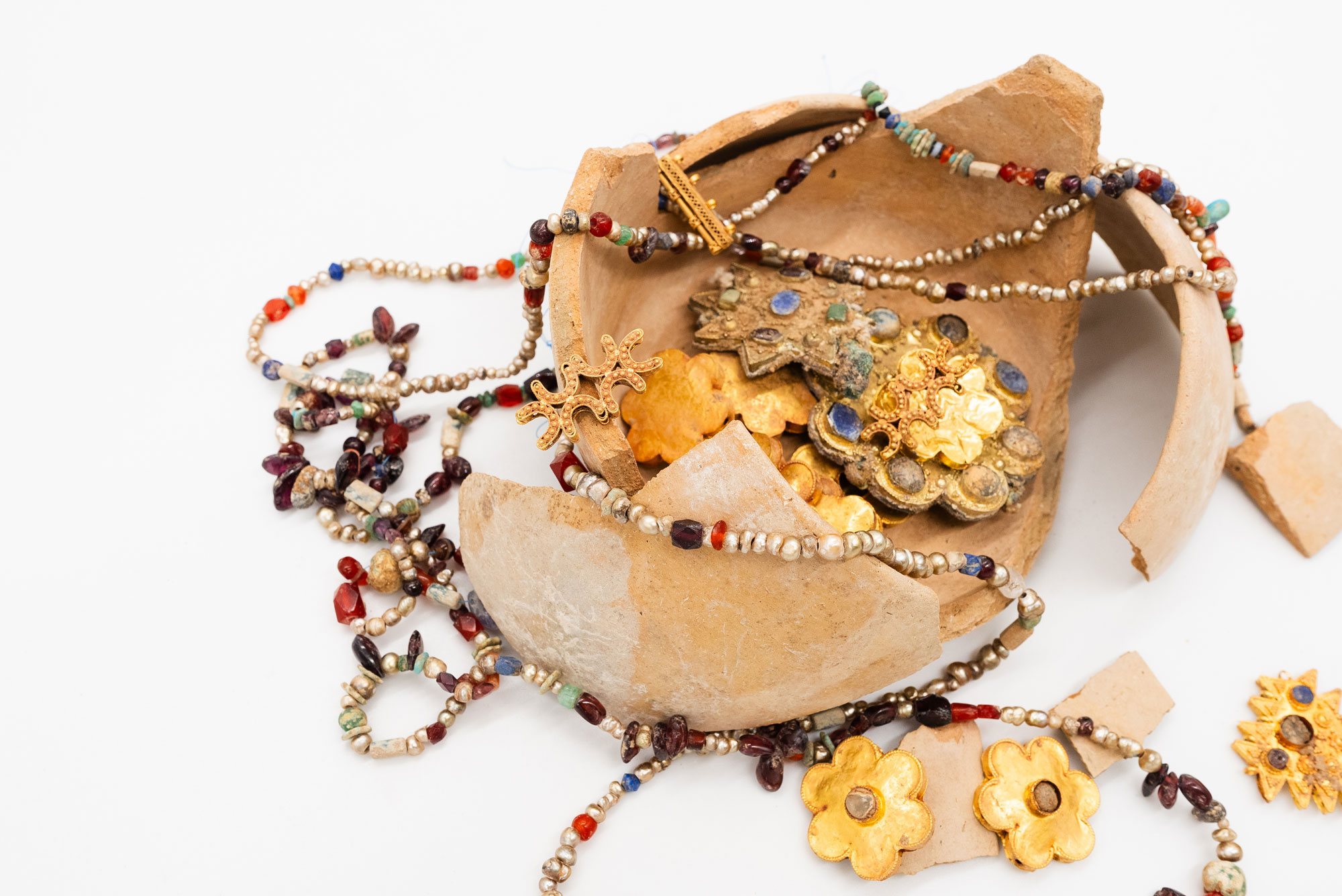
Why it matters: This discovery provides a rare, datable snapshot of private wealth and long-distance trade networks at the precise moment of the Abbasid Caliphate’s founding, shifting understanding from abstract political history to tangible economic and social life.
Context: The Abbasid period (750-1258 CE) is often studied through texts and monumental architecture; secure archaeological contexts for personal valuables from its very beginning are exceptionally rare, especially in the Arabian Peninsula’s interior.
"RIYADH, SAUDI ARABIA—A collection of more than 100 gold, silver, and gemstone jewelry pieces stored in a ceramic jar was discovered in Diriyah, a settlement that was once a stop on the." — ARCHAEOLOGY
Commentary: The hoard’s composition and location recalibrate the economic geography of the early Islamic world, demonstrating that interior nodes like Diriyah were not mere waystations but sites of concentrated capital accumulation. Its burial circa 750 CE suggests a direct link between private wealth preservation and the political instability of the Abbasid revolution, offering a material correlate to dynastic transition. For heritage authorities, it strengthens the archaeological narrative of pre-oil Saudi history, moving beyond royal and religious sites to evidence of a commercially sophisticated civil society.
Date: Fri, 29 May 2026 17:00:00 +0000
URL: https://archaeology.org/news/2026/05/29/jewelry-hoard-unearthed-in-saudi-arabia/
AI Sentiment Score: Negative (50%)
AI Credibility Score: 10.0/10 — High
Scores and text generated by AI analysis of the source article indicated.
Satellite Imagery Reveals Monumental Tombs in Sudan’s Atbai Desert (Archaeology)
Summary: Satellite survey in Sudan’s Atbai Desert has mapped over 260 monumental burial enclosures dating to the 4th and 3rd millennium BCE, predating Egypt’s pyramids. These structures, some 260 feet in diameter and built near ancient water sources, contained human remains interred with cattle, sheep, and goats, indicating a complex pastoralist funerary tradition. The findings challenge the perception of the region as a mere corridor, establishing it as a significant cultural horizon in its own right.
Why it matters: This recalibrates the timeline and geography of early complex societies in Northeast Africa, shifting focus from riverine civilizations to inland pastoralist networks.
Context: Archaeological narratives of early African state formation have long centered on the Nile Valley, often treating surrounding deserts as peripheries. This discovery continues a recent trend of using remote sensing to reveal substantial pre-pharaonic activity in arid zones.
"These newly mapped tombs suggest that the region was not an empty corridor between civilizations, but home to its own pastoralist cultural horizon." — ARCHAEOLOGY
Commentary: The scale and permanence of these monuments force a reconsideration of ‘nomadic’ pastoralism, suggesting stratified societies capable of mobilizing labor for enduring symbolic architecture. It implies long-distance exchange networks and territorial claims anchored to ephemeral resources, rewriting models of power and belief in pre-dynastic Africa. The deliberate burial of herds with individuals points to an economy where wealth, status, and cosmology were intrinsically tied to livestock, a system that may have influenced later Nile Valley polities.
Date: Fri, 15 May 2026 18:00:00 +0000
URL: https://archaeology.org/news/2026/05/15/satellite-imagery-reveals-monumental-tombs-in-sudans-atbai-desert/
AI Sentiment Score: Positive (50%)
AI Credibility Score: 10.0/10 — High
Scores and text generated by AI analysis of the source article indicated.
Neolithic Farmers in Poland Fertilized Their Fields (Archaeology)
Summary: Isotopic analysis of bone collagen from over 30 Neolithic sites in northern Poland reveals early farmers used nitrogen-rich fertilizers on their fields, a significant agricultural innovation. The study further identifies distinct dietary patterns marking separate populations—indigenous farmers with little aquatic food and incoming Corded Ware groups maintaining meat- and dairy-based diets—and later Bronze Age adoption of millet. The data also suggests emerging social stratification within these communities, correlated with differential meat consumption.
Why it matters: This refines our understanding of Neolithic agricultural intensification and social complexity in Central Europe, demonstrating that early farming was not static but involved deliberate soil management and was shaped by migration and cultural persistence.
Context: The transition to agriculture in Neolithic Europe is often modeled as a uniform spread of practices; this evidence from Poland adds granularity, showing local innovation in fertilization and subsequent layers of cultural and dietary adaptation.
"KUJAWY, POLAND—Science in Poland reports that high nitrogen levels detected in the isotopic analysis of human and animal bone collagen recovered from more than 30 archaeological sites in northern Poland indicate that." — ARCHAEOLOGY
Commentary: The finding of intentional fertilization pushes back the timeline for sophisticated land management in the region, separating mere cultivation from active soil enhancement. The persistence of distinct dietary signatures alongside material culture underscores that migration did not simply erase existing practices but created a mosaic of subsistence strategies, with dietary inequality offering a new proxy for measuring incipient social hierarchy within these early farming communities.
Date: Thu, 14 May 2026 17:30:00 +0000
URL: https://archaeology.org/news/2026/05/14/neolithic-farmers-in-poland-fertilized-their-fields/
AI Sentiment Score: Neutral (33%)
AI Credibility Score: 10.0/10 — High
Scores and text generated by AI analysis of the source article indicated.
Reservoirs Found in Historic Red Sea Port City (Archaeology)
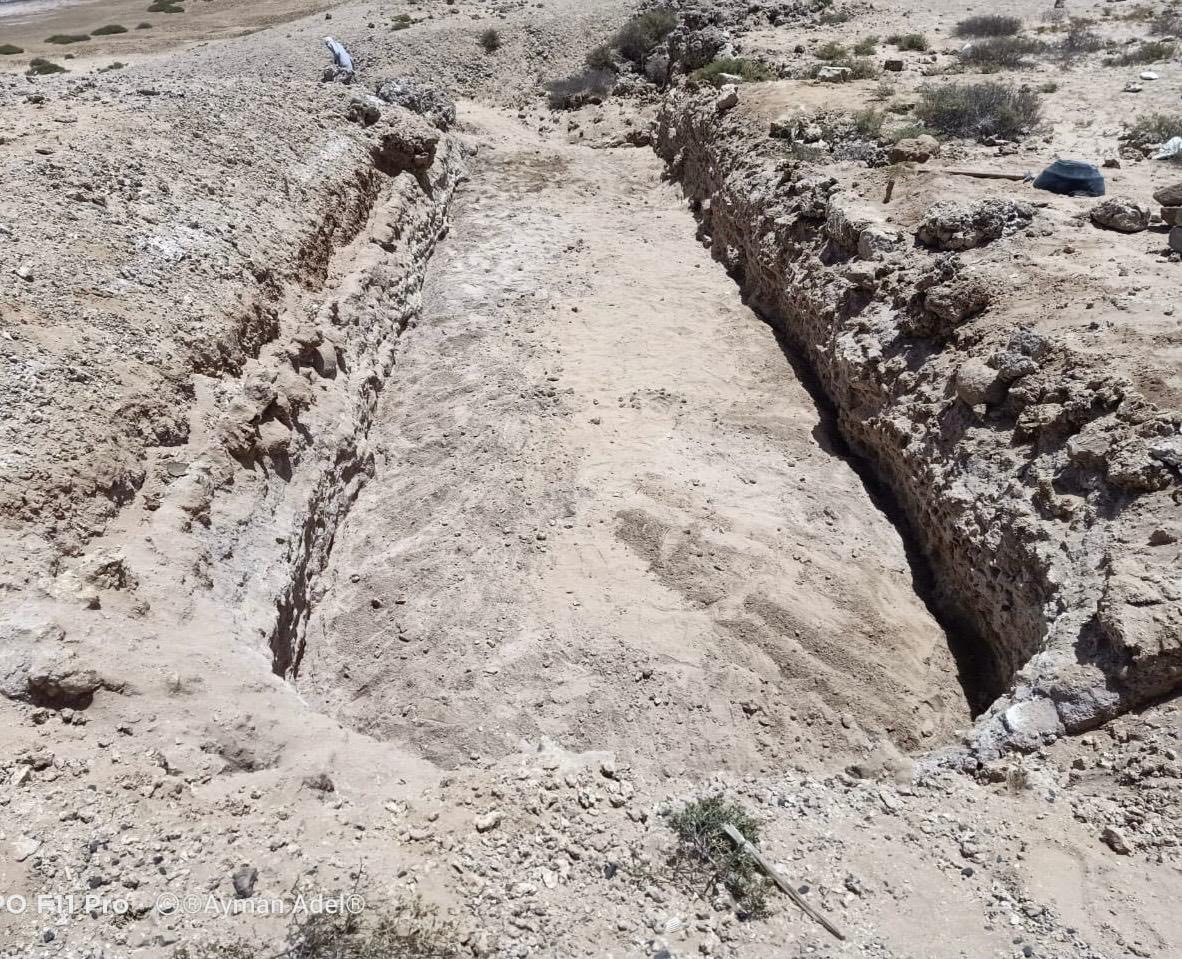
Summary: Excavations at the historic Red Sea port of ‘Aydhab have uncovered a sophisticated water storage system, including a central 50-foot-long reservoir built from sandstone and coral blocks lined with lime plaster. The infrastructure supported maritime trade and the movement of pilgrims between Egypt, North Africa, Israel, India, Yemen, and East Africa during the Fatimid period. Associated finds include residential buildings, watchtowers, and imported Chinese porcelain, illustrating the port’s role as a nexus of long-distance exchange.
Why it matters: This discovery refines our understanding of the logistical and engineering foundations that enabled the Red Sea’s function as a corridor for both commerce and religious pilgrimage, highlighting the material underpinnings of pre-modern globalization.
Context: ‘Aydhab was a key node in Indian Ocean and Red Sea networks, particularly during the Fatimid era when Egypt was a major economic and political power. Such infrastructure finds are critical for moving beyond textual accounts to grasp the physical scale of trade and mobility.
"“These installations reflect a sophisticated infrastructure that supported both trade and the movement of pilgrims,” said Sherif Fathy, Egypt’s Minister of Tourism and Antiquities." — ARCHAEOLOGY
Commentary: The scale and construction of the reservoirs underscore a state-level investment in sustaining maritime activity, not just ad-hoc provisioning. This shifts the narrative of ‘Aydhab from a mere waypoint to a strategically managed hub, with implications for modeling the carrying capacity and resilience of medieval trade routes. The co-location of imported ceramics and defensive structures points to a settlement balancing economic openness with controlled security, a tension still relevant in port governance.
Date: Fri, 29 May 2026 18:00:00 +0000
URL: https://archaeology.org/news/2026/05/29/reservoirs-found-in-historic-red-sea-port-city/
AI Sentiment Score: Negative (75%)
AI Credibility Score: 10.0/10 — High
Scores and text generated by AI analysis of the source article indicated.
Six Bronze Age mines may reveal metal source of ancient … (Jpost)
Summary: A joint archaeological survey in Extremadura, Spain, has identified six previously unknown Bronze Age mines containing copper, lead, and silver veins. Lead isotope analysis of Scandinavian artifacts had previously suggested a southwestern European origin for their metal, but the specific source remained undefined. These new mines, part of a broader pattern of recent discoveries, provide a concrete archaeological context for that long-distance trade.

Why it matters: It recalibrates the scale and organization of prehistoric European economies, moving them from a model of localized production to one of extensive, systematic extraction supporting far-reaching exchange networks.
Context: For decades, the provenance of metals in Nordic Bronze Age artifacts has been a puzzle, with isotopic signatures pointing south but lacking clear mining sites. Recent years have seen a surge in the identification of such sites across Iberia.
"The mines were found in early February 2026 during a joint archaeological survey by Sweden’s University of Gothenburg, Spain’s University of Seville, and the local Provincial Archaeological Museum of Badajoz in Extremadura,." — JPOST
Commentary: This shifts the narrative from Bronze Age Scandinavia as a peripheral recipient of sporadic trade to an integrated node in a pan-European system of resource exploitation. The implication is a continent prefigured by complex supply chains, where political and social complexity in the north was materially dependent on organized labor and administration in the south. It forces a reevaluation of ‘core’ and ‘periphery’ models for the period.
Date: May 24, 2026 12:00 AM ET
URL: https://www.jpost.com/archaeology/article-897062
AI Sentiment Score: Positive (50%)
AI Credibility Score: 10.0/10 — High
Scores and text generated by AI analysis of the source article indicated.
Doctor’s kit found on Mount Vesuvius victim in Pompeii (Livescience)
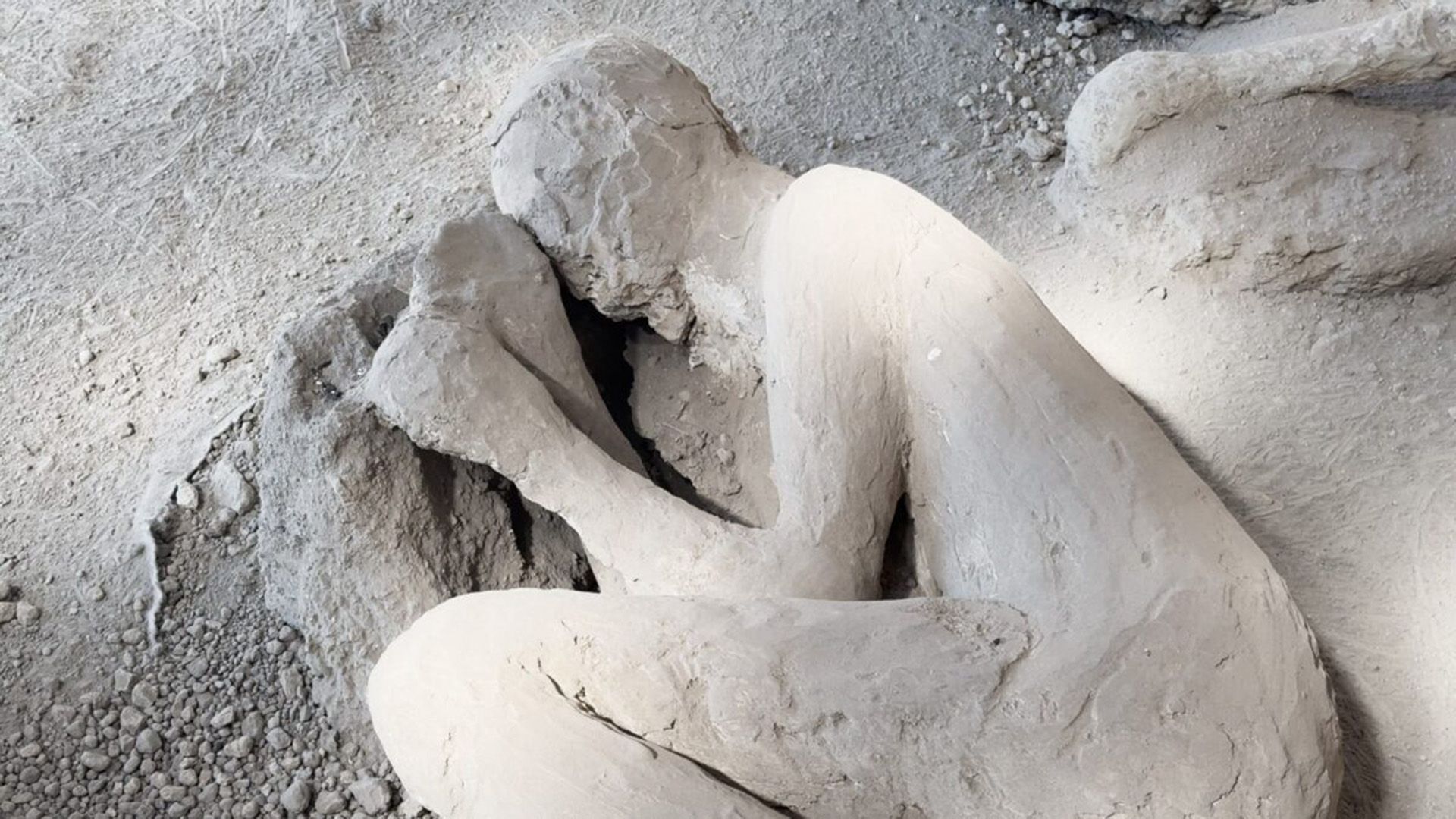
Summary: A new analysis of a plaster body cast from Pompeii’s Garden of the Fugitives reveals a victim carrying a locked leather case containing surgical instruments and a slate tablet for preparing medicines, identifying him as a medicus. The find, made via CT and X-ray scans, shows he fled with his professional tools and a small bag of coins. This provides a rare, tangible link to the individual practice of Roman medicine during a catastrophic event.
Why it matters: It refines our understanding of Roman professional identity and crisis behavior, moving from generic ‘victim’ to a specific practitioner caught in flight, directly connecting material culture to social history.
Context: While numerous artifacts have been recovered from Pompeii, associating specific professional kits with identified individuals remains rare, offering a granular view of social roles and personal preparedness.
"Doctor’s kit found on Mount Vesuvius victim in Pompeii A man who died in Pompeii during the eruption of Mount Vesuvius in A.D. 79 was carrying a medical kit with him, new." — LIVESCIENCE
Commentary: The find underscores medicine as a portable, valued skill in the 1st century Roman world—a tool for rebuilding life. The locked case suggests the instruments were both precious and potentially dangerous, aligning with the elevated status of physicians post-Caesar. This transforms a statistical casualty into an actor, highlighting how disaster archaeology can recover narratives of agency and continuity amidst collapse.
Date: Mon, 18 May 2026 21:14:52 +0000
URL: https://www.livescience.com/archaeology/romans/doctors-kit-found-on-mount-vesuvius-victim-in-pompeii
AI Sentiment Score: Negative (71%)
AI Credibility Score: 10.0/10 — High
Scores and text generated by AI analysis of the source article indicated.
New Details Emerge About Pompeii Victim (Archaeology)
Summary: Advanced imaging of a plaster cast from Pompeii’s Garden of the Fugitives has identified a new professional profile among the victims: a physician. The individual was found with a bag of coins and a kit containing a slate tablet and small metal instruments, interpreted as tools for preparing and administering medical or cosmetic treatments. This moves the individual from an anonymous casualty to a specific practitioner attempting to flee with his livelihood.
Why it matters: It refines our understanding of the social and professional composition of Pompeii’s fleeing population and the material culture of Roman medicine.
Context: The 1961 excavation produced iconic plaster casts, but their identities have largely remained anonymous. This analysis is part of a broader trend of applying non-invasive scanning technologies to previously excavated remains to extract new biographical and social data.
"New X-ray and CT scanning recently revealed that one of the victims had a cloth bag by his side filled with bronze and silver coins, as well as a box containing a small slate tablet and a series of small metal instruments. Experts believe that the slate was used for preparing cosmetic or medical concoctions and the small utensils likely comprised a physician’s surgical kit." — ARCHAEOLOGY
Commentary: The identification shifts the narrative from mass tragedy to individual agency and professional identity in a crisis. It provides a tangible link between medical practice—often discussed in texts—and its physical toolkit in a moment of flight, suggesting the high value placed on such instruments. This finding also underscores how modern analytical techniques are systematically rewriting the biographies of figures once considered lost to history, adding granularity to our model of Roman urban life and its abrupt termination.
Date: Mon, 18 May 2026 17:00:00 +0000
URL: https://archaeology.org/news/2026/05/18/new-details-emerge-about-pompeii-victim/
AI Sentiment Score: Negative (60%)
AI Credibility Score: 10.0/10 — High
Scores and text generated by AI analysis of the source article indicated.
Bronze Age 5-year-old’s skull found in Uzbekistan is the oldest known evidence of surgery in Central Asia (Livescience)
Summary: A 4,000-year-old child’s skull from the Oxus civilization in Uzbekistan shows clear signs of trepanation, establishing the oldest documented evidence of surgical intervention in Central Asia. The procedure, performed on a five-year-old, was discovered at the Djarkutan site and dated to the late third millennium B.C.
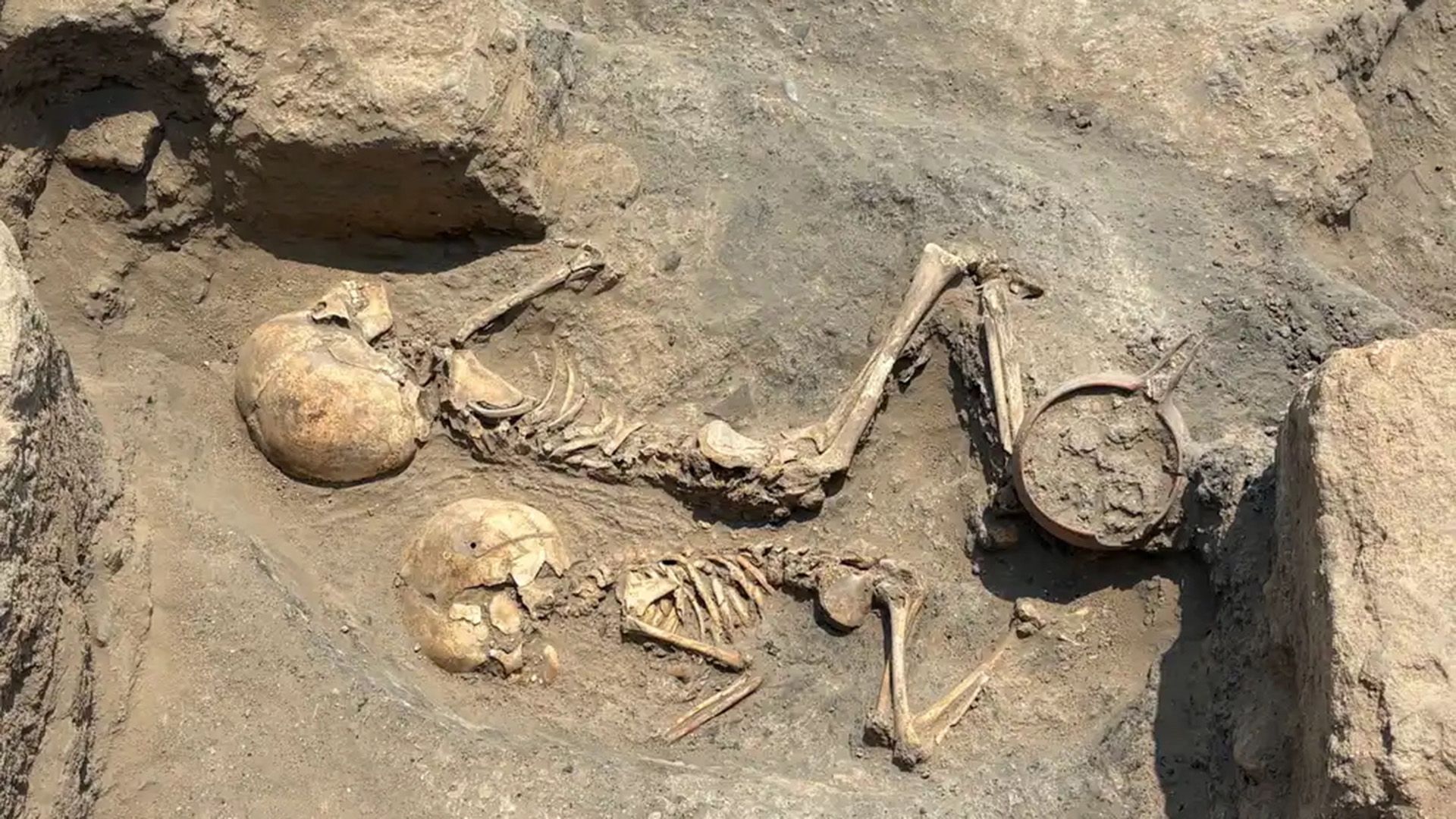
Why it matters: This finding recalibrates the timeline and geographic understanding of early medical-ritual practices, pushing the frontier of complex surgical knowledge further east and into an urban Bronze Age society previously not associated with such procedures on juveniles.
Context: Trepanation is well-attested globally, but its practice within the advanced, riverine Oxus civilization (BMAC) and on a young child challenges assumptions about the distribution of specialized knowledge and the social or therapeutic imperatives driving such high-risk interventions.
"A cranial trepanation on a child, four thousand years ago, in Central Asia: until yesterday it was unthinkable. Today it is in our data." — LIVESCIENCE
Commentary: The discovery forces a reassessment of the Oxus civilization’s socio-technical complexity, suggesting the presence of a specialist class with precise anatomical knowledge. Performing this dangerous operation on a child indicates either a profound therapeutic commitment or a ritual imperative distinct from adult practices, highlighting the blurred line between medicine and belief in structuring early urban life.
Date: Sun, 31 May 2026 14:00:00 +0000
URL: https://www.livescience.com/archaeology/bronze-age-5-year-olds-skull-found-in-uzbekistan-is-the-oldest-known-evidence-of-surgery-in-central-asia
AI Sentiment Score: Positive (40%)
AI Credibility Score: 10.0/10 — High
Scores and text generated by AI analysis of the source article indicated.
Toxic plant on Ming dynasty-era surgical tools may be world’s oldest chemical evidence of topical anesthetic (Livescience)
Summary: A study published in Antiquity reports the discovery of aconitine residue on 600-year-old iron surgical tools from a Ming dynasty tomb in Jiangyin. Using micro-Raman spectroscopy, researchers identified chemical signatures of the toxic plant alkaloid, alongside fats and oils, on scissors and tweezers. This provides the first direct chemical evidence of a topical anesthetic in ancient surgery, corroborating textual records of detoxified aconite use.
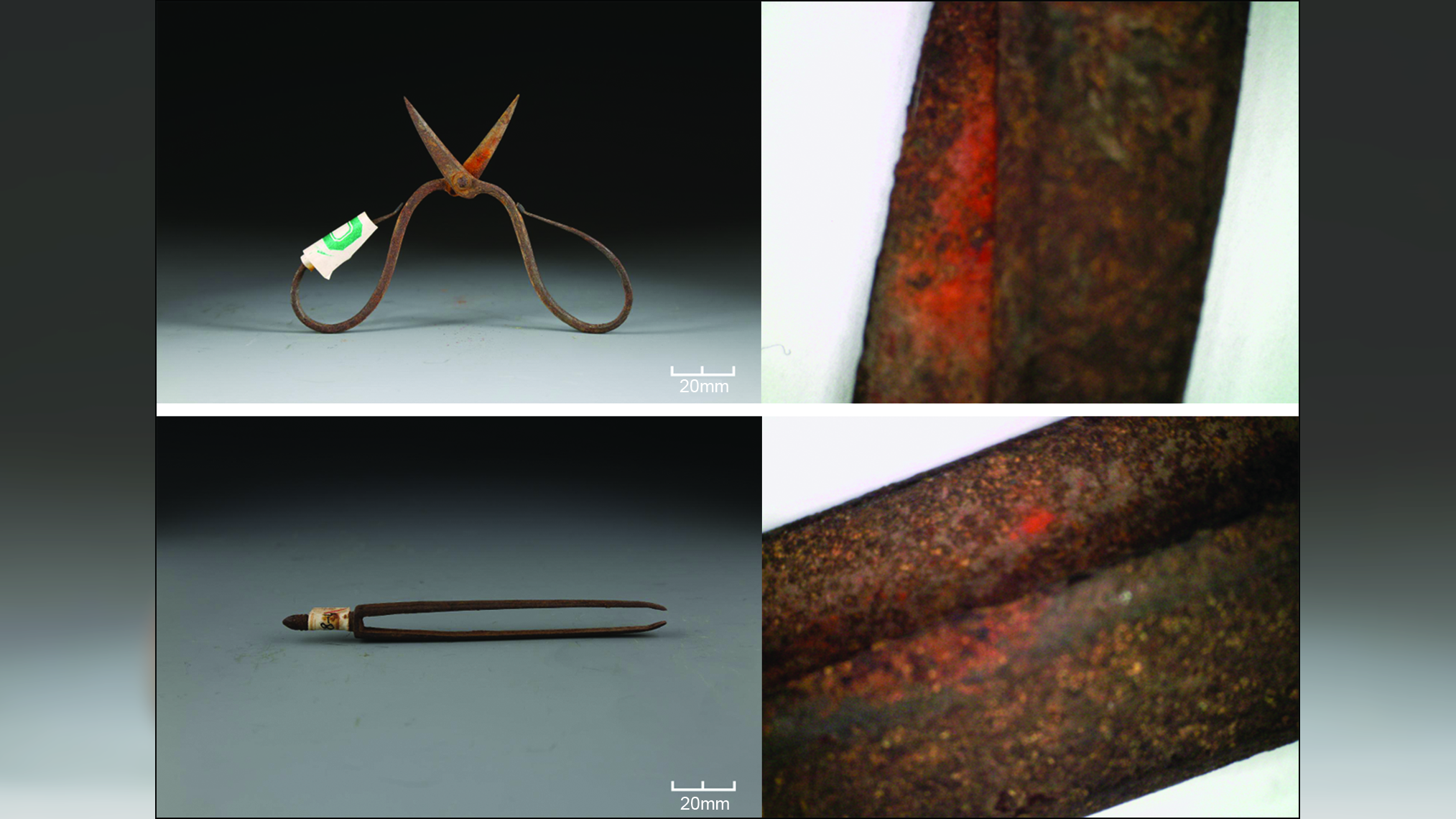
Why it matters: It shifts the historical evidence for surgical practice from textual prescription to material trace, confirming the operational integration of pharmacology and instrument technology in early modern medicine.
Context: While traditional Chinese medical texts describe anesthetic compounds, direct archaeological evidence linking specific toxins to surgical implements has been absent. This finding bridges the gap between documentary history and material practice.
"Toxic plant on Ming dynasty-era surgical tools may be world’s oldest chemical evidence of topical anesthetic An analysis of residue on centuries-old surgical tools reveals the use of a toxic anesthetic in." — LIVESCIENCE
Commentary: The detection reframes Ming surgical practice as a calibrated system balancing extreme toxicity with procedural control—urine detoxification, compound prescriptions, topical application—demonstrating a sophisticated, risk-managed pharmacotechnology. It elevates aconite from a documented herbal ingredient to an archaeologically verified surgical agent, forcing a reassessment of pre-modern operative precision and the material footprint of ephemeral medical compounds.
Date: Mon, 25 May 2026 23:01:00 +0000
URL: https://www.livescience.com/archaeology/ancient-china/toxic-plant-on-ming-dynasty-era-surgical-tools-may-be-worlds-oldest-chemical-evidence-of-topical-anesthetic
AI Sentiment Score: Negative (50%)
AI Credibility Score: 10.0/10 — High
Scores and text generated by AI analysis of the source article indicated.
Anesthetic Detected on Ming Dynasty Surgical Tools (Archaeology)
Summary: Chemical analysis of iron surgical tools from a Ming Dynasty tomb in Jiangyin, China, has identified residues of aconitine, a potent alkaloid toxin derived from wolfsbane. The research team, led by Congcang Zhao, used micro-Raman spectroscopy on particles removed from scissors and tweezers, marking the first direct chemical evidence of anesthetics on ancient surgical instruments. The findings indicate Ming physicians employed detoxification methods, such as processing with acidic substances, to balance the toxin’s potency for safe topical application during procedures.
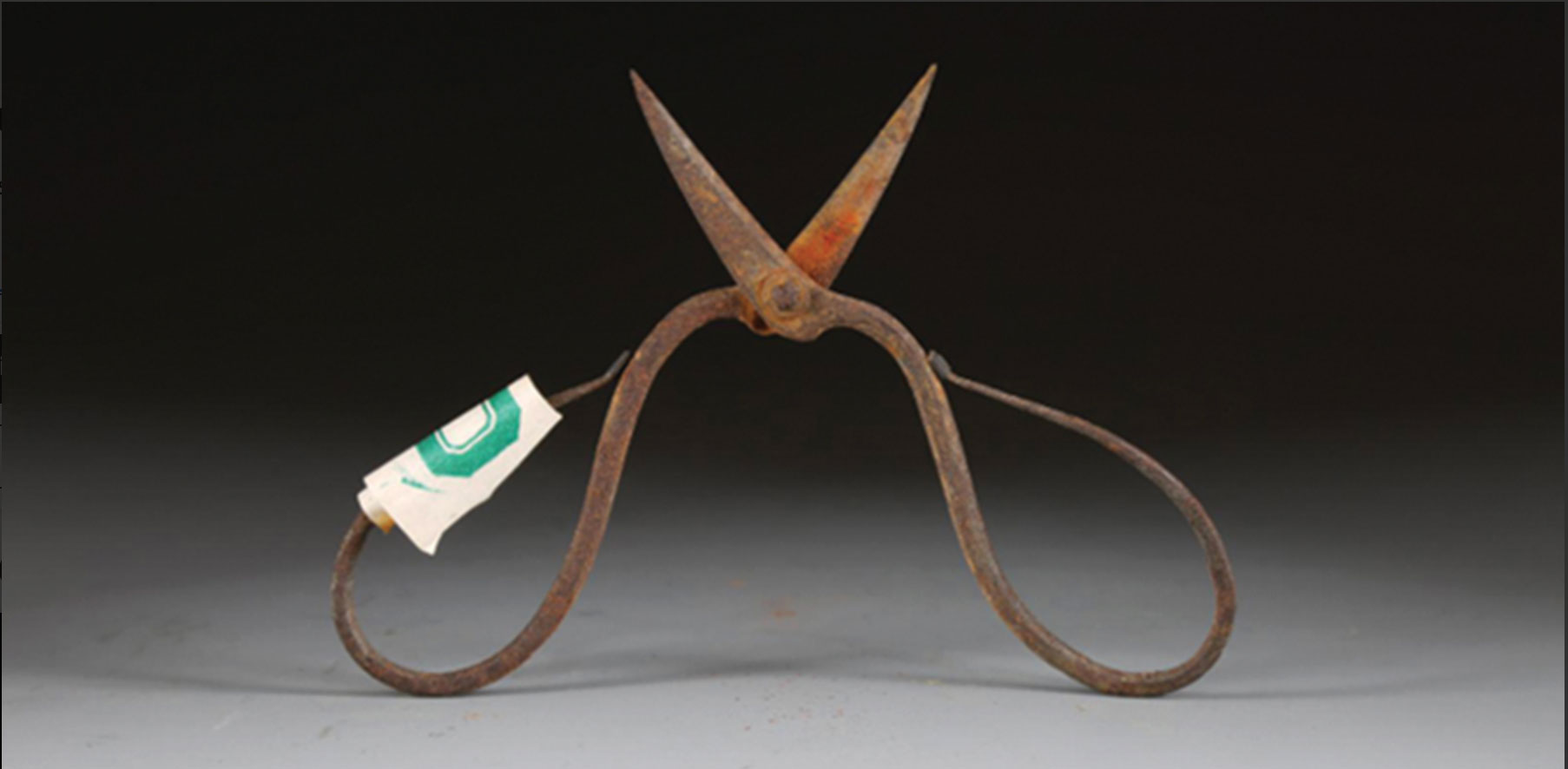
Why it matters: This shifts the evidentiary basis for pre-modern surgical practice from textual inference to material proof, forcing a reassessment of the technological and pharmacological sophistication of Ming-era medicine.
Context: Historical accounts of Chinese medicine describe complex anesthetic compounds, but physical evidence linking specific biomolecules to surgical tools has been absent, leaving questions about practical application and safety protocols unresolved.
"“Ming physicians used iron surgical instruments and controlled the toxicity of aconitine through topical application, compound prescriptions and strict procedural controls, demonstrating a practical ability to balance drug potency with safety,” Zhao explained." — ARCHAEOLOGY
Commentary: The discovery moves the study of historical anesthetics from the realm of pharmacopeia texts into the operational theater, providing a forensic link between tool, toxin, and technique. It suggests a standardized, risk-managed medical protocol existed six centuries ago, challenging linear narratives of surgical progress. For institutions like the Chinese Academy of Medical History and the broader field of archaeochemistry, it validates the use of non-destructive residue analysis on metal artifacts as a primary source. This materially grounds the abstract concept of ‘detoxification’ in specific, repeatable chemical processes, offering a new model for investigating the intersection of ritual, recipe, and clinical practice in ancient societies.
Date: Wed, 27 May 2026 17:30:00 +0000
URL: https://archaeology.org/news/2026/05/27/anesthetic-detected-on-ming-dynasty-surgical-tools/
AI Sentiment Score: Negative (60%)
AI Credibility Score: 10.0/10 — High
Scores and text generated by AI analysis of the source article indicated.
950-year-old burial of a pet dingo reveals unique archaeological evidence of humans ritually ‘feeding’ a grave (Livescience)
Summary: Archaeologists working with Barkindji Elders have documented a 950-year-old dingo burial in western New South Wales, where generations of people added river mussel shells to the grave site for roughly 500 years. The study, published in Australian Archaeology, interprets this as a ritual ‘feeding’ of the deceased animal, a practice informed by Aboriginal perspectives. The dingo, a male with healed injuries suggesting human care, was buried in a midden, and radiocarbon dating of later shell fragments confirms sustained, cross-generational visitation and symbolic offering.
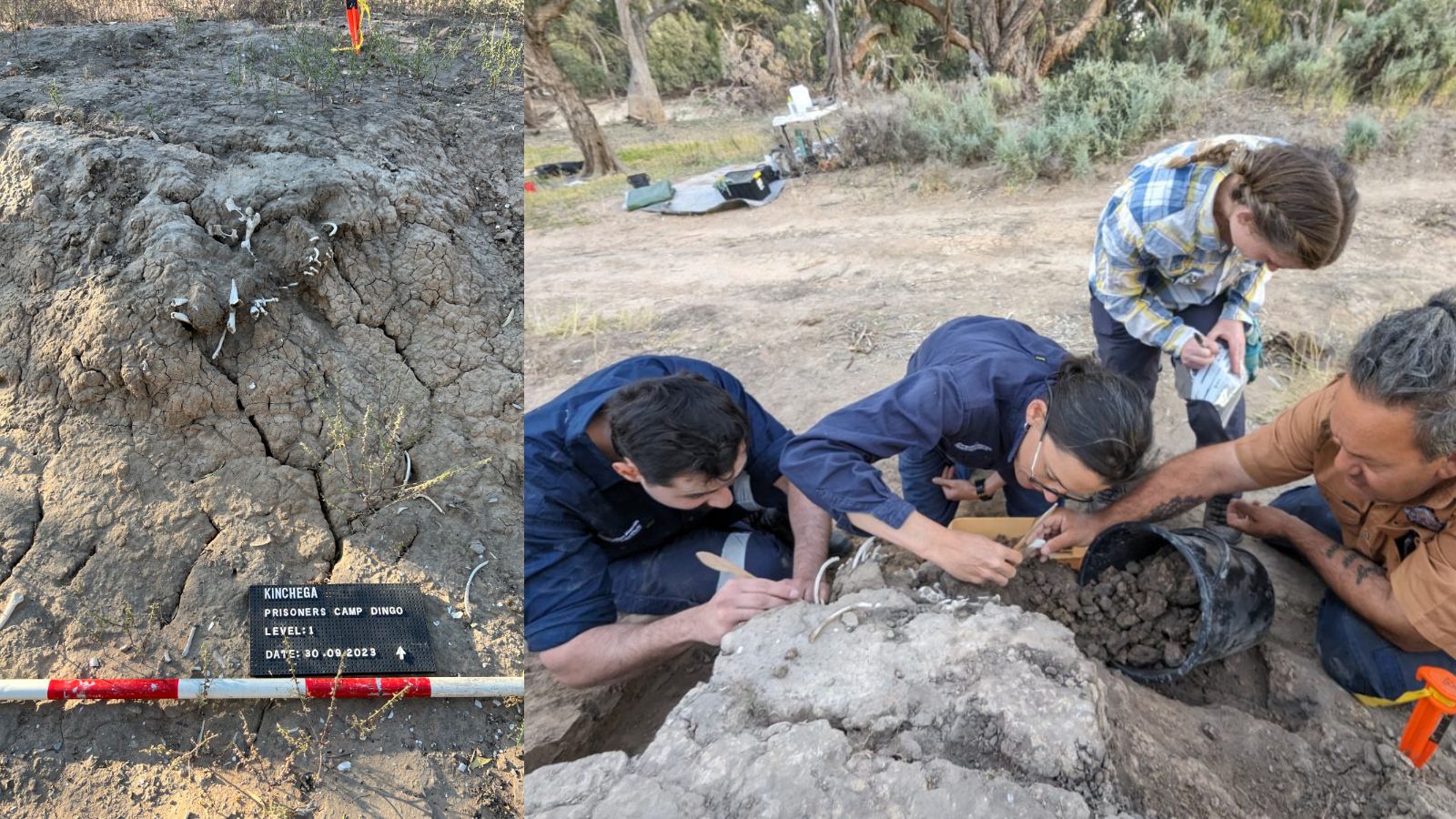
Why it matters: It provides the first archaeological evidence of sustained, multi-generational ritual care for a non-human ancestor, challenging Western distinctions between human and animal kinship and documenting a tangible practice of long-term cultural memory.
Context: While dingo burials are known in Aboriginal Australian archaeology, this is the first interpretation of post-interment ‘feeding’ via midden augmentation, a practice previously undocumented for animal graves. The analysis directly incorporates Indigenous knowledge, shifting methodological authority.
"It’s a similar practice to what we see in many other cultures where descendants return to shrines and ancestral sites over the generations to bring gifts and offerings to the deceased," study co-author Amy Way, a research archaeologist at the University of Sydney and the Australian Museum, told Live Science in an email. "It tells us that this relationship is really strong and retained through time." — LIVESCIENCE
Commentary: The finding recalibrates understanding of Indigenous Australian human-animal relationships from utilitarian domestication to deep, ritualized kinship maintained across centuries. It also demonstrates how collaborative archaeology—centering Indigenous custodians—can reveal interpretive layers invisible to conventional analysis, turning a shell midden from a waste dump into a documented archive of sustained devotion.
Date: Mon, 18 May 2026 19:20:42 +0000
URL: https://www.livescience.com/archaeology/950-year-old-burial-of-a-pet-dingo-is-first-clear-archaeological-evidence-of-humans-ritually-feeding-a-grave-anywhere-in-the-world
AI Sentiment Score: Negative (80%)
AI Credibility Score: 10.0/10 — High
Scores and text generated by AI analysis of the source article indicated.
‘Last titan’ of Thailand discovered, and it’s the longest-necked dinosaur on record from Southeast Asia (Livescience)
Summary: A new sauropod species, Nagatitan chaiyaphumensis, has been described from the Lower Cretaceous Khok Kruat Formation in Thailand. Estimated at 27 meters long and 27 metric tons, it represents the largest dinosaur yet found in Southeast Asia and belongs to the widespread somphospondylan group. The fossils, discovered in a riverine bone bed, date to a semi-arid period approximately 120 million years ago. The researchers suggest this may be the ‘last titan’ from the region, as subsequent marine transgression later in the Cretaceous created conditions unfavorable for preserving terrestrial dinosaur fossils.

Why it matters: This discovery recalibrates the scale and biogeographic narrative of Mesozoic ecosystems in Southeast Asia, providing a terminal data point for large-bodied fauna in the region before marine inundation.
Context: Sauropod diversity in Southeast Asia has been less documented than in other Gondwanan landmasses, making each significant find crucial for mapping the distribution and adaptation of these giants across shifting paleoenvironments.
"So this may be the last or most recent large sauropod we will find in Southeast Asia." — LIVESCIENCE
Commentary: The identification of N. chaiyaphumensis as a potential terminus for sauropod fossils in the region underscores how paleontological records are shaped by geological chance—preservation bias and sea-level change can create hard stops in the fossil record, not just extinction events. This forces a reconsideration of Southeast Asia’s dinosaurian timeline, suggesting a earlier local disappearance of megaherbivores than previously assumed, driven by environmental change rather than competitive displacement.
Date: Sun, 17 May 2026 14:05:00 +0000
URL: https://www.livescience.com/animals/dinosaurs/last-titan-of-thailand-discovered-and-its-the-longest-necked-dinosaur-on-record-from-southeast-asia
AI Sentiment Score: Positive (40%)
AI Credibility Score: 10.0/10 — High
Scores and text generated by AI analysis of the source article indicated.
Post ID: 9294572c