Freight and Logistics Market Updates
XPO’s Q2 tonnage trending ahead of guidance (Freightwaves)
Summary: XPO’s May tonnage data shows a 0.5% year-over-year increase, driven by a 3.3% rise in daily shipments despite a 2.7% drop in weight per shipment. This puts the company on track to exceed its Q2 guidance of flat year-over-year tonnage, aided by easier year-ago comparisons in June. The performance coincides with a fifth consecutive month of expansion in the ISM Manufacturing PMI, which historically leads LTL volume trends.
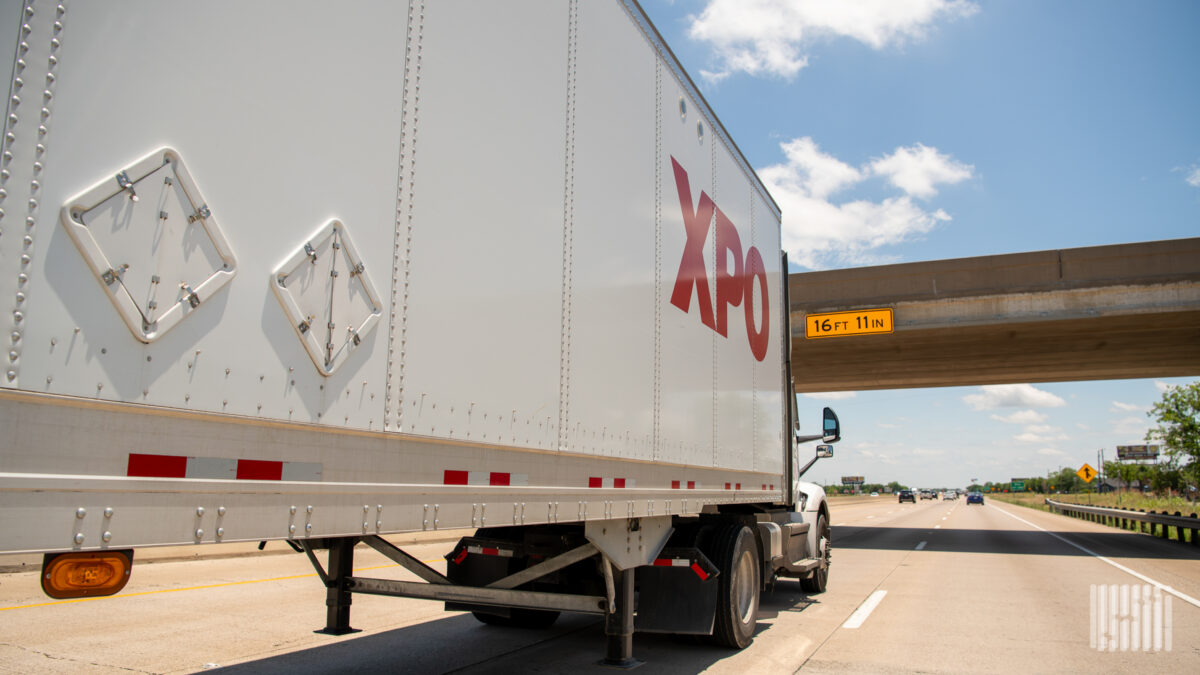
Why it matters: XPO’s outperformance signals resilience in industrial demand and successful execution of a margin-enhancing strategy focused on SMBs and premium services, offering a leading indicator for Southeast regional economic activity and LTL sector health.
Context: LTL carriers like XPO serve as a proxy for regional industrial health, with tonnage trends closely tracking manufacturing PMI data with a lag. The sector has been contending with softer industrial demand and a shift toward lighter, higher-margin shipments.
"Less-than-truckload carrier XPO’s May update appears to put the company on course to outperform its prior tonnage outlook. XPO’s (NYSE: XPO) tonnage per day was 0.5% higher year over year in May,." — FREIGHTWAVES
Commentary: The data confirms XPO’s strategic pivot toward SMBs and premium services is yielding above-market share gains and margin expansion, as evidenced by the shipment count increase outpacing the weight decline. This outperformance against easing comps suggests underlying industrial demand is stabilizing, which, coupled with the rising ISM PMI, points to a potential inflection in freight volumes for the broader Southeast manufacturing corridor in the coming quarters.
Date: Wed, 03 Jun 2026 21:12:22 +0000
URL: https://www.freightwaves.com/news/xpos-q2-tonnage-trending-ahead-of-guidance
AI Sentiment Score: Negative (50%)
AI Credibility Score: 10.0/10 — High
Scores and text generated by AI analysis of the source article indicated.
2 e-commerce logistics providers expand capacity in Great Plains (Freightwaves)
Summary: Rush Order and Encore Fulfillment are expanding their logistics footprints in the central U.S., with Rush Order opening a Dallas-Fort Worth fulfillment center and Encore moving into a 350,000-square-foot facility in Oklahoma City. These moves are explicitly framed as enhancing two-day ground delivery coverage and improving service to the Great Plains and Southeast. The expansions leverage proximity to major retail distribution hubs and integrate with major e-commerce platforms.

Why it matters: This signals a deliberate shift in e-commerce logistics capacity toward the central U.S., directly affecting delivery speeds, inventory positioning, and competitive dynamics for DTC brands serving the Southeast and Great Plains.
Context: Third-party logistics providers are increasingly competing on geographic footprint and tech-enabled efficiency to serve direct-to-consumer brands, with mid-continent locations offering strategic advantages for national coverage.
"The Dallas-Forth Worth expansion is important because the center sits within a day’s drive by truck of major southern distribution centers for Walmart, Sam’s Club, Target, Best Buy, which allows for faster inventory replenishment and faster lead times to shoppers in the Great Plains and Southeast regions, according to Rush Order." — FREIGHTWAVES
Commentary: This isn’t just about adding square footage; it’s a calculated play to intercept demand in under-served regions by co-locating near big-box retail’s own distribution arteries. The consequence is a denser, more competitive logistics layer in the central U.S., which could pressure margins for regional carriers and shift brand expectations for delivery speed outside coastal megaregions.
Date: Wed, 03 Jun 2026 17:30:10 +0000
URL: https://www.freightwaves.com/news/2-e-commerce-logistics-providers-expand-capacity-in-great-plains
AI Sentiment Score: Negative (66%)
AI Credibility Score: 10.0/10 — High
Scores and text generated by AI analysis of the source article indicated.
Old Dominion’s May update shows an improving LTL market (Freightwaves)
Summary: Old Dominion Freight Line’s May metrics show a strengthening LTL market, with revenue per day up 12.3% year-over-year and tonnage declines narrowing. The improvement is linked to a five-month expansion in manufacturing activity, as signaled by a PMI reading of 54. The carrier’s sequential margin progression is on track, and heavier shipment weights suggest a market turn.
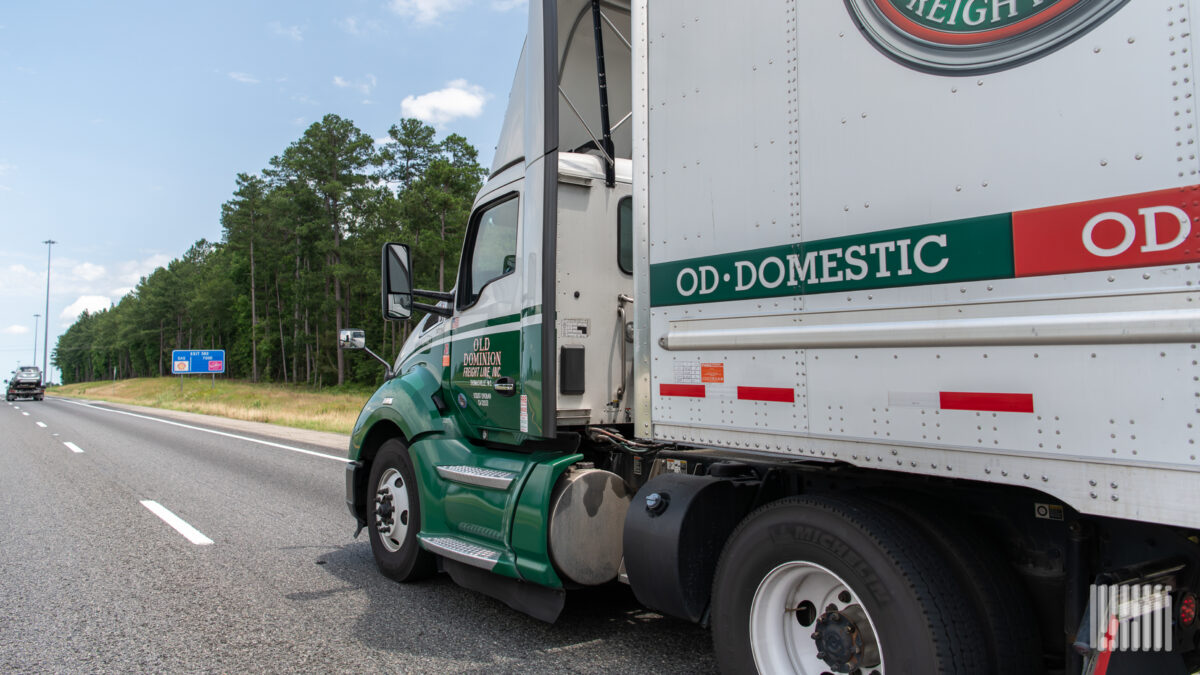
Why it matters: For observers of the Southeast’s industrial economy, Old Dominion’s performance is a leading indicator of regional freight demand and manufacturing health, with implications for logistics employment, industrial real estate, and capital allocation.
Context: LTL carriers like Old Dominion are bellwethers for industrial production; their tonnage and yield metrics typically lead broader economic shifts by several months.
"The carrier previously guided to 300 to 350 bps of sequential operating margin improvement in the second quarter, which is in line with its historical margin progression. The forecast implies a 73% operating ratio (inverse of operating margin) at the midpoint of the range, which would be 160 bps better y/y and the first meaningful y/y improvement since 2022." — FREIGHTWAVES
Commentary: The return to meaningful year-over-year margin improvement after a two-year hiatus signals the end of the freight recession’s compression phase. For the Southeast, this suggests capital and talent will flow back into logistics hubs like Thomasville, NC, and Atlanta, reinforcing the region’s position as a national freight corridor. The PMI new orders subindex at 56.8 implies this momentum will sustain through Q3, likely triggering capacity investments and M&A among smaller regional carriers.
Date: Wed, 03 Jun 2026 14:34:48 +0000
URL: https://www.freightwaves.com/news/old-dominions-may-update-reflects-an-improving-ltl-market
AI Sentiment Score: Negative (75%)
AI Credibility Score: 10.0/10 — High
Scores and text generated by AI analysis of the source article indicated.
Freight distress spreads as bankruptcies, layoffs top 600 jobs (Freightwaves)
Summary: A wave of bankruptcies and layoffs across the trucking and logistics sector signals persistent financial distress despite a reported 43% year-over-year increase in freight demand. The filings, concentrated in the Southeast and Midwest, include Chapter 11 reorganizations and Chapter 7 liquidations for carriers, brokers, and service providers, alongside facility closures by firms like HelloFresh, GEODIS, and FedEx. The data indicates a bifurcated market where volume growth is not translating to stability for small and mid-sized operators.

Why it matters: This distress wave reveals underlying structural pressures and capital constraints that could accelerate consolidation in regional freight markets, affecting shipper options and local employment.
Context: Small to mid-sized transportation firms have faced tight margins and high operating costs for over a year, even as broader freight metrics show recovery.
"The bankruptcies and layoffs reflect continuing financial challenges facing transportation providers despite significant improvements to the freight market." — FREIGHTWAVES
Commentary: The simultaneous surge in tender volumes and bankruptcies suggests the recovery is unevenly distributed, likely favoring larger, better-capitalized carriers. The geographic spread—from Illinois to North Carolina to Tennessee—points to a regional economic softening beyond pure sectoral cycles. Facility closures by diversified logistics players like GEODIS and Americold indicate efficiency drives are intensifying, potentially reducing redundancy but also concentrating risk in fewer nodes.
Date: Thu, 04 Jun 2026 12:00:00 +0000
URL: https://www.freightwaves.com/news/freight-distress-spreads-as-bankruptcies-layoffs-top-600-jobs
AI Sentiment Score: Positive (71%)
AI Credibility Score: 10.0/10 — High
Scores and text generated by AI analysis of the source article indicated.
SONAR Sitrep: Housing affordability drags down key freight sectors (Freightwaves)
Summary: Housing affordability and high interest rates are suppressing freight volumes by depressing residential construction, creating a sharp divergence between weak consumer-driven shipping modes and booming industrial sectors. Single-family housing starts, which generate significant building materials freight, fell 9.0% month-over-month in April 2026, while a surge in less material-intensive multifamily starts fails to compensate. This has led to depressed volumes for dry van, flatbed (for traditional building materials), and rail carloads for forest products, even as heavy industrial, data center, and utility construction drive overall flatbed demand and rejections higher.
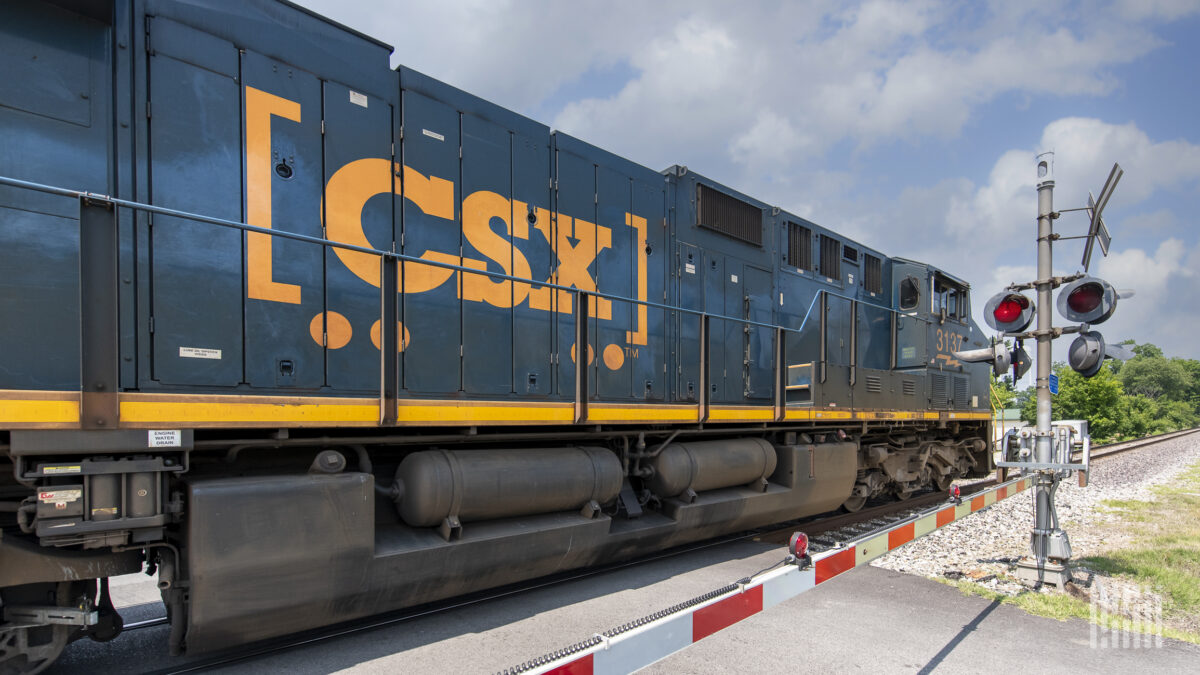
Why it matters: For logistics operators and investors, the sectoral split dictates where capacity and capital will be profitable, forcing a reallocation away from consumer-housing-exposed assets toward industrial and infrastructure-linked freight.
Context: The freight market recovery has been uneven since 2024, with industrial and infrastructure spending decoupling from consumer-driven real estate activity, a trend accelerated by the AI buildout and post-pandemic supply chain reconfiguration.
"The housing market continues to serve as a persistent drag on freight demand, presenting a major obstacle for transportation and logistics operators. While a booming heavy-industrial sector has shielded certain segments, the." — FREIGHTWAVES
Commentary: The data reveals a structural shift, not a cyclical dip: freight demand is bifurcating along the lines of capital expenditure (industrial, AI infrastructure) versus consumer expenditure (housing). Carriers and railroads like CSX must now manage portfolios split between declining legacy segments and capacity-constrained growth corridors, with implications for equipment financing, lane strategy, and regional labor markets. The industrial real estate tightening, noted by Link Logistics, further concentrates logistics activity around major infrastructure projects, potentially draining talent and terminal capacity from housing-dependent routes.
Date: June 05, 2026 02:19 PM ET
URL: https://www.freightwaves.com/news/sonar-sitrep-housing-affordability-drags-down-key-freight-sectors
AI Sentiment Score: Negative (50%)
AI Credibility Score: 10.0/10 — High
Scores and text generated by AI analysis of the source article indicated.
Logistics Insights: Economic uncertainty creates caution on long … (Jaxdailyrecord)
Summary: Jacksonville’s industrial real estate market is experiencing a sharp slowdown in tenant demand for warehousing and distribution space, a dramatic shift from its post-pandemic boom. The cooling period, which began in early 2024, coincides with a wave of speculative development coming online, particularly in the 100,000- to 300,000-square-foot range. This has created an oversupply, with only 25% of that new speculative inventory leased, leading to rising vacancy and downward pressure on rents.

Why it matters: This signals a regional capital reallocation and a stress test for investors who underwrote projects based on pandemic-era growth assumptions, with implications for commercial real estate portfolios and logistics network planning across the Southeast.
Context: The market’s previous explosive expansion was driven by e-commerce acceleration and supply chain reshoring, leading many operators to overexpand. The current correction reflects a normalization of consumer spending and a broader corporate shift toward caution and footprint optimization amid economic uncertainty.
"There was 6.5 million square feet of speculative industrial space in the 100,000- to 300,000-square-foot range delivered from 2024 through 2025, yet only 25% of that inventory is currently leased." — JAXDAILYRECORD
Commentary: The specific oversupply in midsize boxes reveals a market misreading: developers bet on continued demand for a product that no longer fits a more cautious, efficiency-focused tenant base. This could pressure underwriting models and likely trigger a pause in new groundbreakings, redirecting capital toward smaller, build-to-suit, or last-mile projects. The correction, while painful for some investors, will ultimately recalibrate Jacksonville’s role in the Southeast’s logistics network, favoring operators with flexible, optimized footprints.
Date: May 26, 2026 12:00 AM ET
URL: https://www.jaxdailyrecord.com/news/2026/may/26/logistics-insights-economic-uncertainty-creates-caution-on-long-term-leases/
AI Sentiment Score: Negative (77%)
AI Credibility Score: 10.0/10 — High
Scores and text generated by AI analysis of the source article indicated.
FreightWaves Today Debuts as Spot Rates Hit a Record (Freightwaves)
Summary: The debut of FreightWaves Today coincided with the SONAR National Truckload Index hitting a record spot rate of 383. Analysis from industry leaders reveals a market shift: linehaul rates are surging, a widening wholesale-retail diesel spread is boosting carrier margins, and structural forces like compliance enforcement are tightening capacity. Retail and manufacturing demand remain unexpectedly strong, while fraud mitigation is reshaping load board access. Port data indicates resilient consumer spending amid tariff uncertainty.
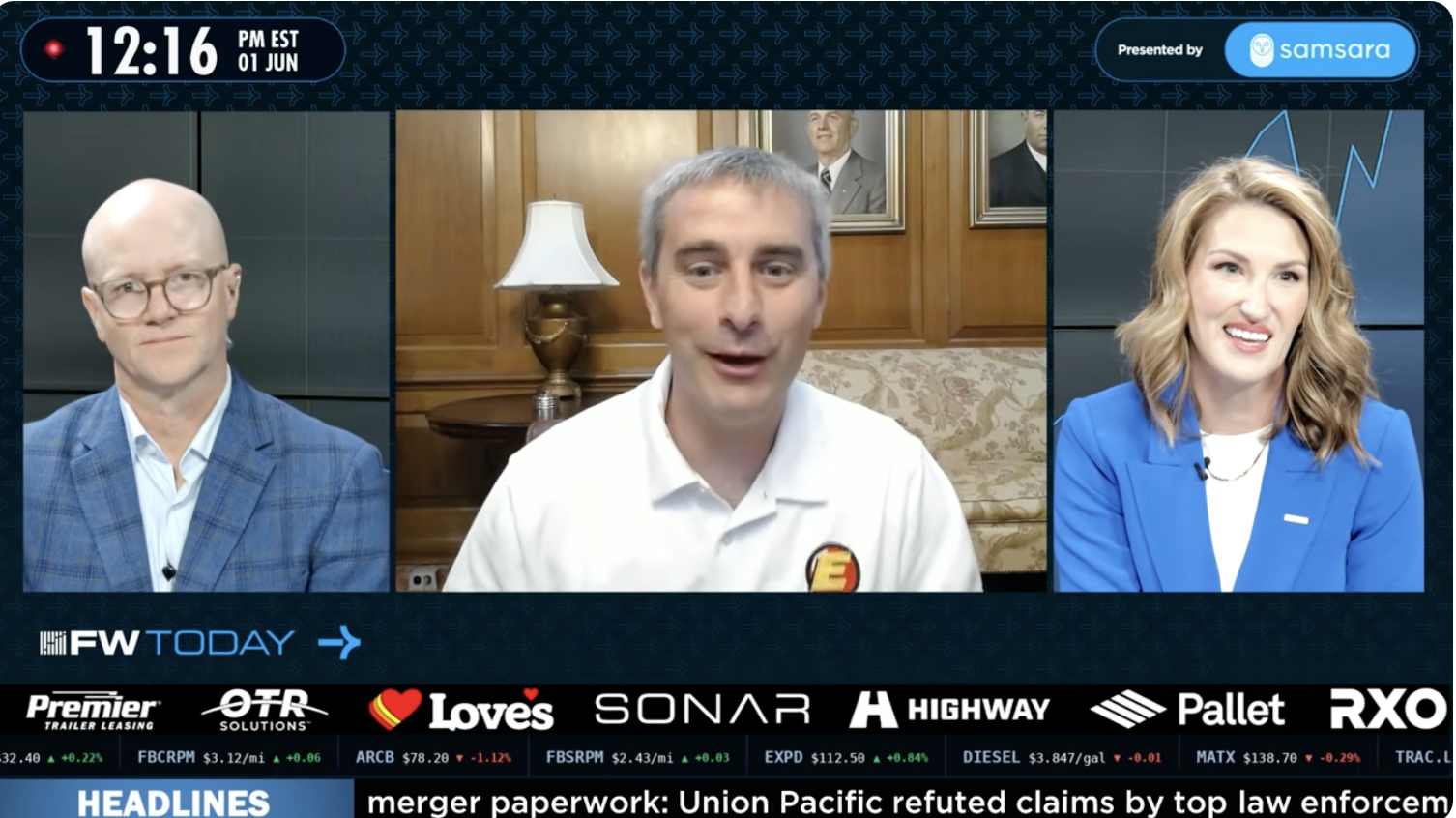
Why it matters: For Southeast logistics hubs and regional economies, these freight dynamics signal immediate pressure on shipping costs, potential margin redistribution across the carrier-broker-shipper chain, and a stress test for just-in-time inventory models reliant on fluid capacity.
Context: This follows a prolonged downturn for carriers, the collapse of Yellow, and a Supreme Court ruling impacting broker liability, all occurring against a backdrop of volatile fuel prices and shifting trade policies.
"The SONAR National Truckload Index, which tracks daily spot rates inclusive of fuel, hit 383, an all-time record." — FREIGHTWAVES
Commentary: The record rate is less significant than the underlying mechanics: the wholesale-retail diesel arbitrage is a stealth margin transfer to sophisticated carriers, while fraud prevention platforms like Highway are effectively rationing capacity through qualification gates. This bifurcates the market, favoring large, compliant operators and integrated brokers, potentially accelerating consolidation. The sustained retail strength, contrary to expectations, suggests underlying consumer resilience may delay inventory corrections, prolonging the capacity crunch.
Date: Wed, 03 Jun 2026 01:20:21 +0000
URL: https://www.freightwaves.com/news/freightwaves-today-launched-on-the-day-spot-rates-hit-an-all-time-record-here-is-everything-you-missed-on-day-one-and-why-you-will-want-to-tune-in-tomorrow
AI Sentiment Score: Negative (75%)
AI Credibility Score: 10.0/10 — High
Scores and text generated by AI analysis of the source article indicated.
PE firm Open Road Ventures acquires intermodal 3PL Double-Stack (Freightwaves)
Summary: Private equity firm Open Road Ventures has acquired Double-Stack Logistics, an intermodal freight broker with a fleet of over 150 containers. The deal marks Open Road’s first acquisition in a stated strategy to consolidate small- and mid-size freight brokers. The capital infusion is intended to expand Double-Stack’s service offerings and North American footprint.
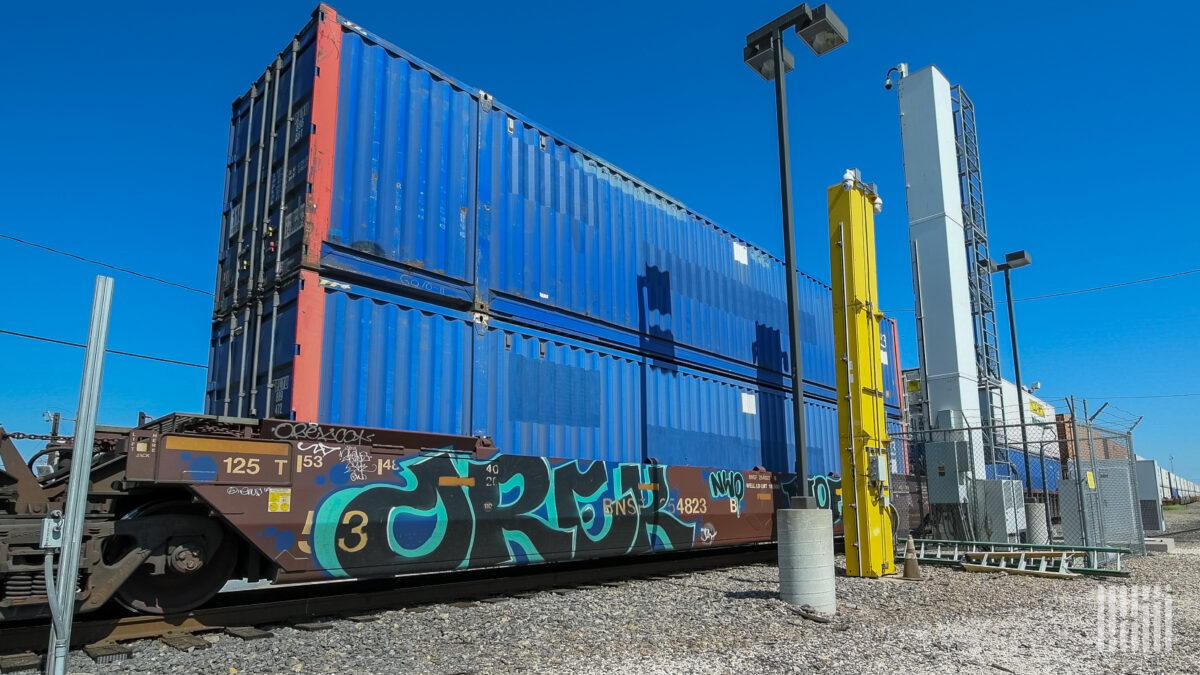
Why it matters: This signals a new wave of consolidation in the asset-light intermodal brokerage sector, with PE capital targeting firms that own niche physical assets, potentially reshaping competitive dynamics and service offerings in Southeast logistics hubs.
Context: Private equity has been active in freight brokerage consolidation, but typically focuses on over-the-road truck brokers. Targeting an intermodal specialist with owned containers represents a more specialized, asset-backed play within that trend.
"Private equity firm Open Road Ventures announced Tuesday that it has acquired 3PL Double-Stack Logistics. Double-Stack is an intermodal freight broker that has direct relationships with the Class I railroads. Unlike many." — FREIGHTWAVES
Commentary: Open Road Ventures is not just buying revenue; it’s acquiring a specialized operational capability to modal-shift freight, a value proposition increasingly critical for shippers facing cost and sustainability pressures. The firm’s plan to create a network of ‘like-minded’ brokers suggests a roll-up strategy designed to cross-sell services and concentrate market access, which could pressure smaller independents and alter pricing in key intermodal lanes originating in the Southeast.
Date: Tue, 02 Jun 2026 20:53:32 +0000
URL: https://www.freightwaves.com/news/pe-firm-open-road-ventures-acquires-intermodal-3pl-double-stack
AI Sentiment Score: Negative (60%)
AI Credibility Score: 10.0/10 — High
Scores and text generated by AI analysis of the source article indicated.
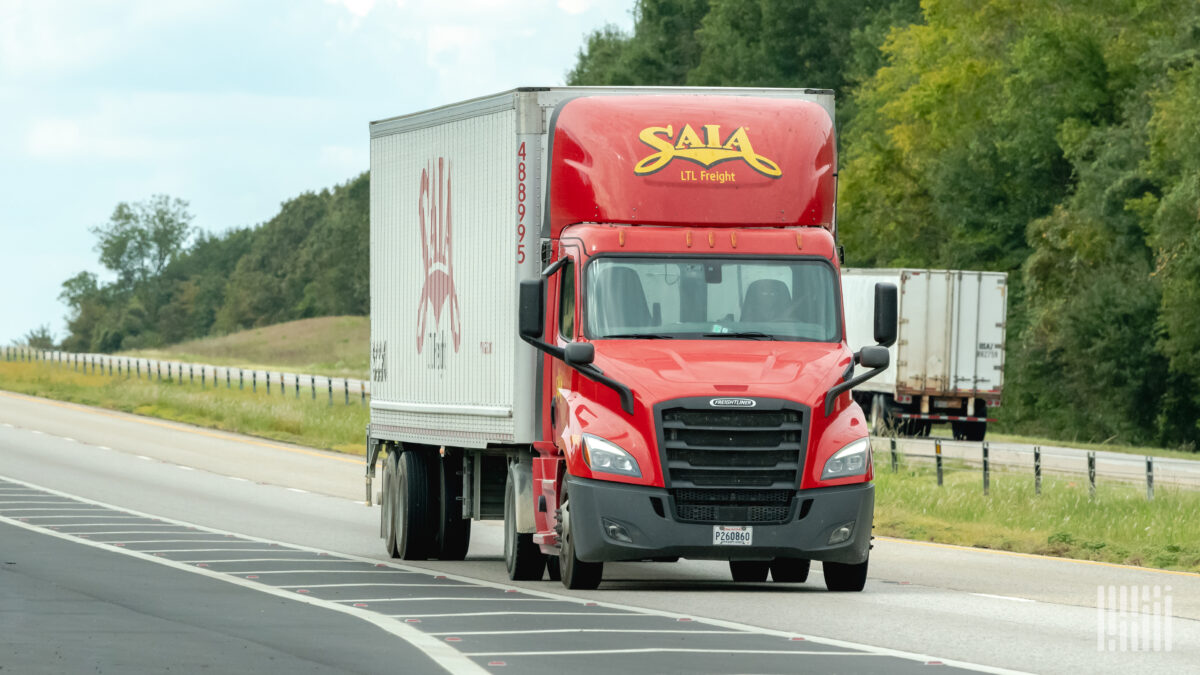
Saia’s tonnage growth accelerates in May on easier comp (Freightwaves)
Summary: Saia’s May tonnage growth accelerated to 8.4% year-over-year, up from 6.9% in April, driven by a 4.5% increase in weight per shipment—a key indicator of LTL market health. This improvement came against a softer prior-year comparison, with two-year-stacked growth decelerating from 15% in March to 8% in May. The acceleration aligns with a broader manufacturing expansion, as the May PMI hit a four-year high of 54, and new orders surged. Saia’s margin guidance suggests its aggressive terminal expansion is beginning to shift from a drag to a contributor, with new locations operating profitably.
Why it matters: For Southeast logistics and industrial real estate observers, Saia’s performance and margin trajectory signal whether the region’s manufacturing-led freight recovery is sustainable and if capital-intensive network expansions are starting to pay off.
Context: LTL carriers like Saia serve as leading indicators for regional industrial activity; weight per shipment and shipment counts reflect both economic strength and pricing power. The company has been in a margin-compression phase due to a massive terminal build-out, typical for growth-focused carriers expanding footprint.
"Saia reported a pickup in year-over-year tonnage growth in its May update issued Tuesday, though the improvement was measured against a softer prior-year result. The Johns Creek, Georgia-based less-than-truckload carrier reported May." — FREIGHTWAVES
Commentary: The shift toward heavier shipments suggests shippers are consolidating freight, a behavior that typically precedes broader rate increases and improves carrier density—critical for Saia’s new terminals. The improving PMI, especially the new orders subindex, points to sustained volume growth into Q3, but the decelerating two-year stack implies the post-pandemic normalization cycle isn’t over. If Saia hits its margin guide, it will validate the Southeast expansion strategy for investors and pressure competitors facing similar capex cycles without the same volume tailwinds.
Date: Tue, 02 Jun 2026 17:24:48 +0000
URL: https://www.freightwaves.com/news/saias-tonnage-growth-accelerates-in-may-on-easier-comp
AI Sentiment Score: Negative (50%)
AI Credibility Score: 10.0/10 — High
Scores and text generated by AI analysis of the source article indicated.
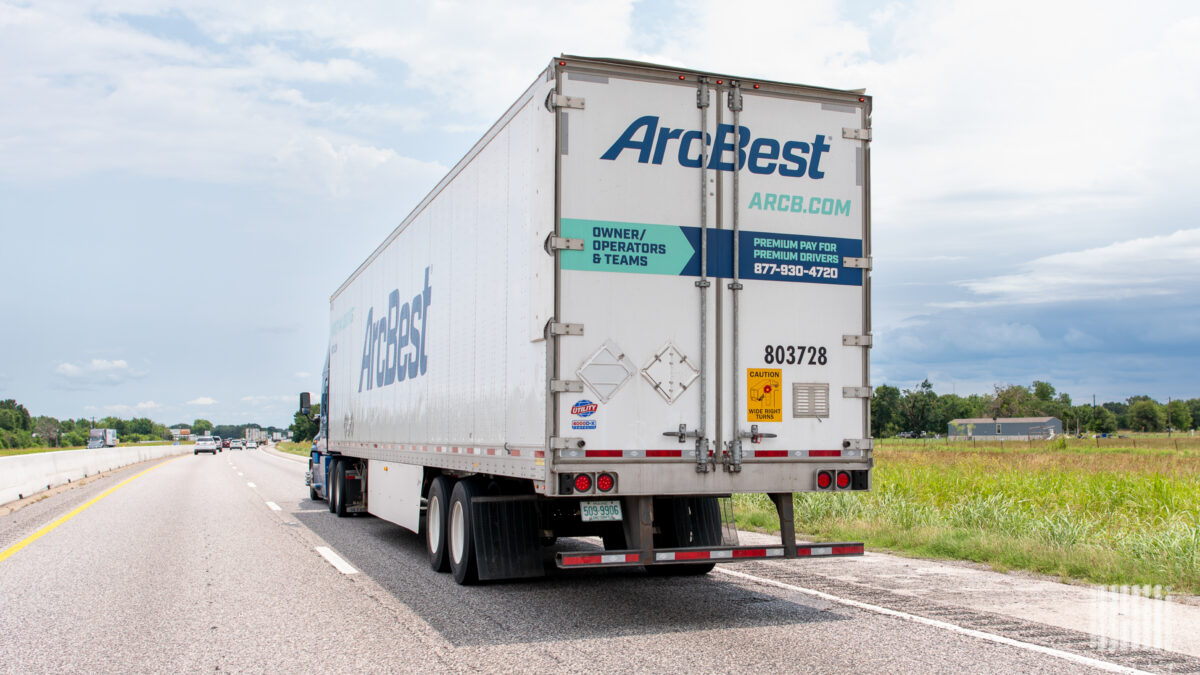
ArcBest raises Q2 outlook for LTL, asset-light units (Freightwaves)
Summary: ArcBest raised its Q2 outlook for both its asset-based LTL unit and its asset-light logistics segment, citing disciplined pricing, fuel surcharge benefits, and cost optimization. The LTL unit’s operating ratio guidance improved by 200 bps, implying a 90.8% adjusted OR, a 600-700 bps sequential improvement that far exceeds the typical 350 bps seasonal gain. Tonnage growth accelerated in May, driven by a 9% increase in shipment weight as more truckload freight moves into the network, while manufacturing PMI data suggests a sustained industrial recovery. The asset-light segment also saw its income forecast raised by $2 million at each end of its range.
Why it matters: The magnitude of the margin beat and the drivers behind it signal a fundamental tightening in the Southeast’s industrial freight market, with implications for carrier pricing power, shipper costs, and regional capital allocation.
Context: LTL margins are highly sensitive to sequential volume improvements and fuel surcharges; ArcBest’s guidance revision is notably larger than typical seasonal patterns, coinciding with a five-month expansion in the ISM Manufacturing PMI.
"ArcBest upped the second-quarter outlook for both its asset-based and asset-light units Thursday after the market closed. LTL margin guidance raised ArcBest (NASDAQ: ARCB) raised the margin forecast for its asset-based unit,." — FREIGHTWAVES
Commentary: ArcBest’s update is less a general freight recovery and more a specific indicator of industrial density and pricing discipline in the Southeast corridor. The shift of heavier truckload shipments into the LTL network, coupled with contractual rate increases stepping into double-digits, suggests shippers are consolidating freight to secure capacity—a pattern that benefits asset-heavy operators with integrated networks. The concurrent strength in the asset-light segment indicates ArcBest is capturing trade-up demand from shivers seeking managed transportation solutions, positioning it to outperform pure-play brokers. Watch for this margin structure to attract capital toward integrated carriers with pricing leverage, potentially accelerating consolidation among regional asset-light players.
Date: June 05, 2026 10:35 AM ET
URL: https://www.freightwaves.com/news/arcbest-raises-q2-outlook-for-ltl-asset-light-units
AI Sentiment Score: Positive (40%)
AI Credibility Score: 10.0/10 — High
Scores and text generated by AI analysis of the source article indicated.
FedEx partner airline says Caribbean service at risk without FAA waiver (Freightwaves)
Summary: FedEx feeder airline Mountain Air Cargo has petitioned the FAA for a regulatory waiver to maintain its Caribbean cargo service. The airline plans to replace its aging ATR 42 freighters with larger ATR 72s, but the new aircraft fall under stricter Part 121 rules, which would require costly ETOPS certification for flights that exceed a 60-minute overwater limit by less than 20 miles. Without a waiver to operate the ATR 72s under the more flexible Part 135 rules with a higher payload limit, the service to Aruba, Curaçao, and Bonaire is at risk.

Why it matters: This regulatory friction threatens a critical air cargo link for Caribbean islands, potentially disrupting supply chains and highlighting how legacy aviation rules can constrain fleet modernization and regional economic connectivity.
Context: FedEx relies on a network of regional carriers like Mountain Air to serve smaller, less dense markets; regulatory transitions during fleet upgrades often create operational and financial pinch points.
"FedEx feeder airline Mountain Air Cargo is seeking a federal waiver from the payload limit for on-demand carriers so it can switch to a regulatory regime with less strict requirements for long." — FREIGHTWAVES
Commentary: The petition underscores a recurring tension in aviation regulation: safety frameworks designed for major scheduled carriers can impose disproportionate burdens on niche, high-utility operations. If the FAA denies the waiver, it could force a service reduction or a costly operational redesign, potentially shifting cargo to less efficient modes and weakening the economic integration of these islands with mainland logistics networks. The outcome will signal the FAA’s flexibility in adapting legacy rules to modern, mixed-fleet regional operations.
Date: June 04, 2026 10:00 AM ET
URL: https://www.freightwaves.com/news/fedex-partner-airline-says-caribbean-service-at-risk-without-faa-waiver
AI Sentiment Score: Negative (50%)
AI Credibility Score: 10.0/10 — High
Scores and text generated by AI analysis of the source article indicated.
FMC can help ocean shippers in 3 key ways, chair says (Supplychaindive)
Summary: FMC Chair Laura DiBella outlines the agency’s post-OSRA pivot from reactive enforcer to proactive resource for shippers, emphasizing pre-shipment guidance, a global chokepoint study, and stricter oversight of carrier surcharges. The agency waived or refunded over $1 million in charges following a surge in complaints and is now deploying its expanded budget and authority to investigate systemic risks and fee transparency.
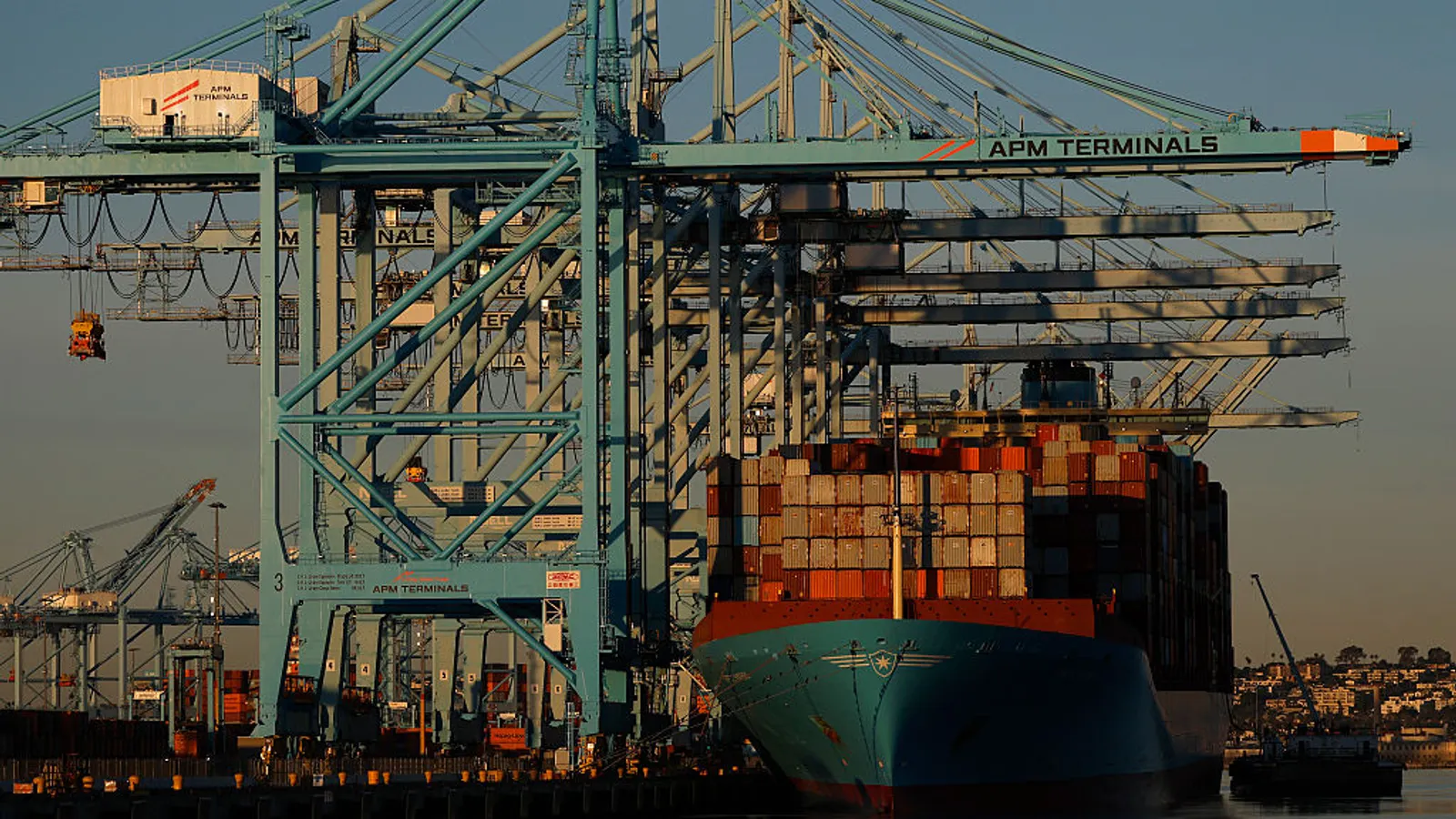
Why it matters: For Southeast ports and exporters, a more assertive FMC directly impacts cost predictability, dispute resolution, and the resilience of regional supply chains dependent on global maritime routes.
Context: The Ocean Shipping Reform Act of 2022 granted the FMC broader powers and a budget increase following pandemic-era disruptions, shifting its mandate toward preemptive action and deeper market oversight.
"“Pick up the phone or, you know, send an email to our team and let us help you. They want to help you. [D]on’t just think of us after the fact. Think of us beforehand,” DiBella said." — SUPPLYCHAINDIVE
Commentary: The FMC’s operational shift from adjudicator to consultant signals a regulatory attempt to de-escalate conflicts before they disrupt cargo flows, a tacit admission that enforcement alone cannot stabilize volatile shipping markets. The chokepoint study, while slow, formalizes the agency’s role in national security assessments, potentially influencing future infrastructure and routing investments critical to Southeast gateways like Savannah and Charleston. However, the denial of expedited surcharge waivers for carriers underscores a hardening stance: the FMC will prioritize procedural rigor and shipper protection over carrier flexibility, even during acute crises.
Date: Wed, 03 Jun 2026 04:00:00 -0400
URL: https://www.supplychaindive.com/news/fmc-can-help-ocean-shippers-in-3-key-ways-chair-says/819351/
AI Sentiment Score: Negative (57%)
AI Credibility Score: 10.0/10 — High
Scores and text generated by AI analysis of the source article indicated.
Advance Auto Parts nears finish line on distribution center consolidation strategy (Supplychaindive)
Summary: Advance Auto Parts is finalizing a multi-year consolidation of its distribution network, reducing from 38 to 16 U.S. distribution centers while expanding a network of localized market hubs. The strategy aims to improve same-day parts availability and supply chain productivity by placing 75,000-85,000 SKUs closer to stores. Concurrently, the company is standardizing DC workflows and vendor ordering to reduce costs and improve shipment accuracy.
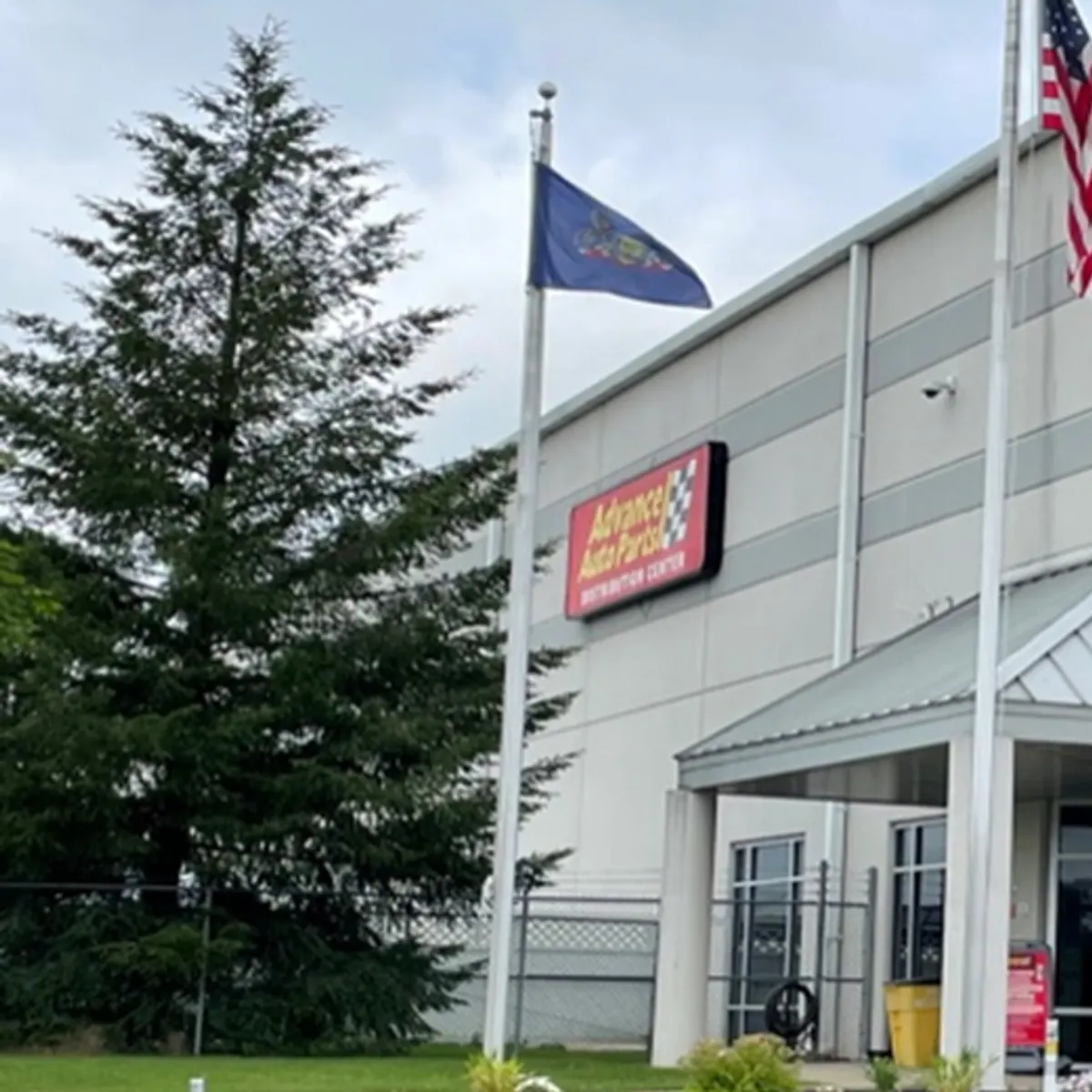
Why it matters: This operational pivot signals a broader industry shift toward localized, hub-and-spoke logistics models in the Southeast, affecting regional warehousing demand, transportation patterns, and labor requirements.
Context: The move follows the integration of the Carquest network and mirrors similar ‘mega hub’ strategies by competitors like AutoZone, indicating a sector-wide race to optimize last-mile parts fulfillment.
"Dive Brief: – Advance Auto Parts is nearing completion on its distribution center consolidation strategy that aims to drive supply chain productivity, President and CEO Shane O’Kelly told analysts during a May." — SUPPLYCHAINDIVE
Commentary: The consolidation from 38 to 16 DCs represents a significant rationalization of fixed logistics assets, likely freeing up industrial real estate in secondary markets while concentrating higher-volume operations in primary Southeastern logistics corridors. The parallel build-out of market hubs suggests a strategic bet on regional density over national breadth, which could pressure smaller competitors lacking the capital for a dual-network model. This operational shift, shared with AutoZone, points to an industry consensus that aftermarket parts retail is becoming a game of speed and local inventory depth, not just catalog breadth.
Date: Tue, 02 Jun 2026 12:23:15 -0400
URL: https://www.supplychaindive.com/news/advance-auto-parts-nears-finish-line-on-distribution-center-consolidation-s/821377/
AI Sentiment Score: Negative (50%)
AI Credibility Score: 10.0/10 — High
Scores and text generated by AI analysis of the source article indicated.
Box rates soar $1,000 in one week on peak rush (Freightwaves)
Summary: Ocean container rates on major east-west trade lanes spiked by at least $1,000 per FEU in a single week, driven by June 1 general rate increases and peak season surcharges. This sharp rise follows a period of elevated but stable rates underpinned by the ongoing closure of the Strait of Hormuz, which has increased fuel costs. The conflict in the Persian Gulf remains unresolved, with an MSC vessel sustaining hull damage from a claimed IRGC attack. Concurrently, early peak season demand is tightening space, pushing spot rates significantly higher than last year’s levels.

Why it matters: For Southeast-focused observers, these rate spikes directly impact import costs for regional retailers and manufacturers, potentially squeezing margins and altering inventory strategies ahead of the holiday season.
Context: The container shipping market has been under sustained pressure from the Iran conflict, but the transition from a fuel-cost-driven baseline to a demand-and-capacity crunch marks a new phase of volatility.
"But June 1 GRIs and PSS (peak season surcharges) introductions have daily rates spiking from $1,000 per FEU to $1,800 per FEU so far this week on these trades, he said, with additional significant increases announced by CMA CGM, Maersk (OTC: AMKBY) and other lines planned for mid-month, too." — FREIGHTWAVES
Commentary: The convergence of geopolitical risk and early peak demand creates a compound shock, giving carriers like MSC, CMA CGM, and Maersk unusual pricing power. Southeast ports, already facing Oakland’s export-led volume shifts, must now manage cost-push inflation on inbound consumer goods. The regulatory easing for fertilizer trucking hints at broader supply chain adaptations, but shippers face a protracted period of elevated costs and reduced contractual reliability.
Date: Tue, 02 Jun 2026 18:37:44 +0000
URL: https://www.freightwaves.com/news/box-rates-soar-1000-in-one-week-on-peak-rush
AI Sentiment Score: Negative (77%)
AI Credibility Score: 10.0/10 — High
Scores and text generated by AI analysis of the source article indicated.
The freight recession’s hangover is finally lifting on auction lots (Freightwaves)
Summary: The freight recession’s oversupply hangover is lifting, with auction activity rising in response to early 2026 rate increases. Owner-operators are re-entering the market, buying equipment after a prolonged hiatus. This rapid responsiveness carries the familiar risk of flooding capacity back into the market. The pandemic permanently shifted buying habits toward remote bidding, forcing auction houses like Taylor & Martin to implement ‘Total Trust Protection’ programs for provenance verification.
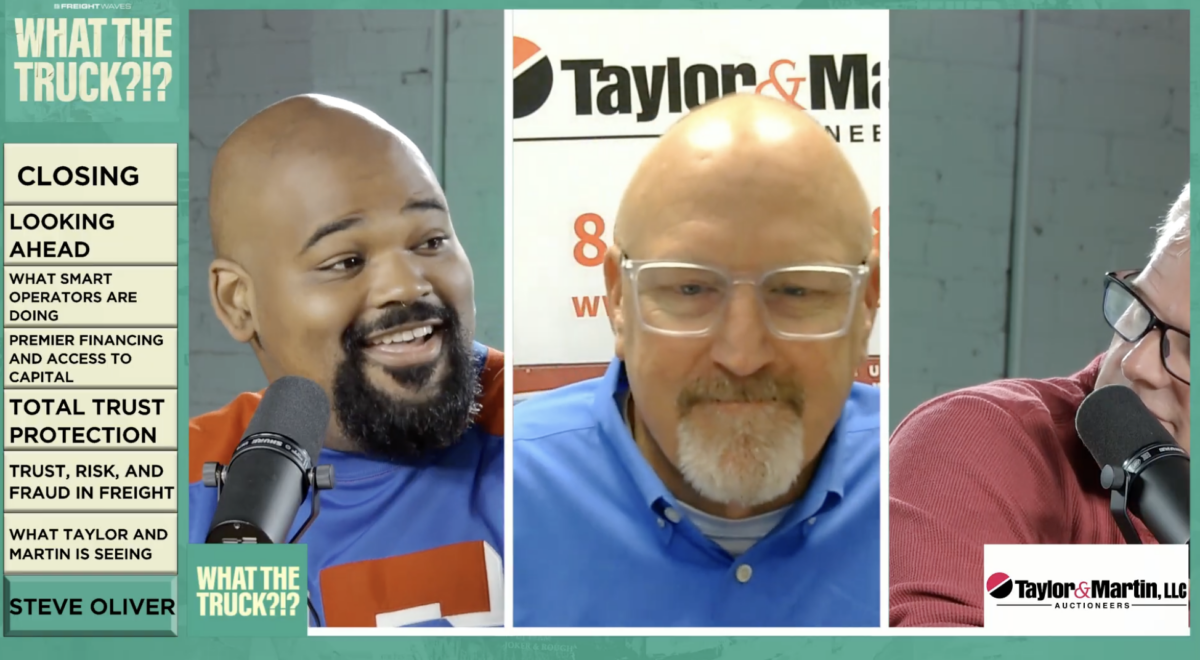
Why it matters: The Southeast’s transportation and logistics hubs are sensitive to these capital expenditure cycles; a rebound in auction activity signals renewed confidence among small carriers and owner-operators, a critical component of regional freight capacity.
Context: The freight market is notoriously cyclical, with low barriers to entry leading to rapid capacity expansion during upswings and painful corrections during downturns, often leaving lenders exposed.
"The freight recession left its fingerprints on carrier margins, fleet headcounts, and the rows of idle trucks lining auction lots around the country. But if the downturn’s signature was oversupply and compressed." — FREIGHTWAVES
Commentary: The speed of the response confirms the market’s inherent volatility and the precariousness of any recovery. The structural shift to remote buying necessitates new verification infrastructure, turning auction houses into de facto trust brokers. The delayed reckoning for pandemic-era overpayments suggests lender portfolios in the Southeast may still carry significant hidden risk, even as a temporary window opens for some to exit.
Date: Mon, 01 Jun 2026 19:15:43 +0000
URL: https://www.freightwaves.com/news/the-freight-recessions-hangover-is-finally-lifting-on-auction-lots
AI Sentiment Score: Positive (50%)
AI Credibility Score: 10.0/10 — High
Scores and text generated by AI analysis of the source article indicated.
Swearing-in of commissioner returns U.S. maritime regulator to full strength (Freightwaves)
Summary: The Federal Maritime Commission returns to full strength with the swearing-in of Robert J. Harvey, a Florida-based appointee with a background in state economic development finance. This marks the third recent FMC commissioner appointed from Florida by the Trump administration, solidifying a 3-2 Republican majority on the panel. Harvey’s career includes leadership roles at the Florida Opportunity Fund and the Florida Development Finance Corporation.

Why it matters: The FMC’s composition directly influences maritime regulatory enforcement, port policy, and shipper-carrier disputes, with a sustained Florida contingent likely to prioritize the state’s port and logistics interests.
Context: The FMC had been operating with a vacant seat since December 2024. This appointment continues a pattern of Florida gaining influence in federal maritime oversight.
"He’s the third recent FMC appointee from Florida by Trump, following agency chair Laura DiBella and immediate past chair Louis Sola." — FREIGHTWAVES
Commentary: The consolidation of Florida appointees signals a deliberate channeling of federal maritime policy influence to the Southeast, particularly benefiting Florida’s ports like Jacksonville, Miami, and Port Everglades. This shift could reorient regulatory priorities toward growth and investment over stricter consumer protection, affecting carrier detention and demurrage disputes. Harvey’s economic development background suggests a focus on using FMC levers to stimulate port-centric commerce.
Date: Tue, 02 Jun 2026 10:00:00 +0000
URL: https://www.freightwaves.com/news/swearing-in-of-commissioner-returns-u-s-maritime-regulator-to-full-strength
AI Sentiment Score: Neutral (33%)
AI Credibility Score: 10.0/10 — High
Scores and text generated by AI analysis of the source article indicated.
Bot Auto names Brett Suma as president and COO to scale autonomous trucking (Freightwaves)
Summary: Bot Auto, following its first humanless commercial run, has appointed Brett Suma as president and COO to scale operations. Suma, a Knight Transportation veteran, brings a team focused on building a ‘native AI freight network’ from scratch, explicitly rejecting the retrofit model of deploying autonomous trucks into existing, driver-centric networks. The company plans to scale corridor-by-corridor, starting in Texas, by optimizing for autonomous assets without the constraints of driver pools or legacy inefficiencies.

Why it matters: This signals a strategic pivot from pure technology demonstration to operational scaling in autonomous trucking, with implications for freight network design, asset utilization, and regional logistics infrastructure in the Southeast.
Context: The autonomous trucking sector is transitioning from R&D to commercialization, with incumbents and startups grappling with how to integrate high-cost autonomous assets into existing, driver-dependent business models.
"We’re building a native AI freight network,” he said. “Deploying physical AI as opposed to saying, ‘We already have this network that exists and now we’re going to figure out how to make AV work in it.’." — FREIGHTWAVES
Commentary: Bot Auto’s ‘clean sheet’ approach highlights a fundamental schism in the industry: whether autonomy’s value is maximized through integration or reinvention. By prioritizing Texas and methodical corridor expansion, the strategy targets the Southeast’s dense freight lanes, potentially redirecting infrastructure investment and logistics hub development away from legacy carrier strongholds if successful. This operational focus, led by freight veterans, moves the competitive battleground from sensor suites to network economics.
Date: Wed, 03 Jun 2026 12:00:00 +0000
URL: https://www.freightwaves.com/news/bot-auto-brett-suma-president-coo
AI Sentiment Score: Neutral (33%)
AI Credibility Score: 10.0/10 — High
Scores and text generated by AI analysis of the source article indicated.
Texas drops ban on commercial drivers licenses for temporary farm workers (Freightwaves)
Summary: Texas has resumed issuing non-domiciled commercial driver’s licenses to H-2A agricultural visa holders following federal approval, reversing a suspension earlier this year. The move aligns with revised FMCSA rules that now restrict such licenses primarily to H-2A, H-2B, and E-2 visa holders. While Texas is currently authorized only for H-2A applicants, federal scrutiny is intensifying nationwide, with an audit ordered and most existing non-domiciled CDL holders expected to lose eligibility.

Why it matters: This regulatory shift directly impacts agricultural logistics and labor mobility in the Southeast, determining who can legally operate commercial vehicles and influencing regional supply chain capacity.
Context: Multiple states had paused non-domiciled CDL programs amid a federal compliance crackdown, risking highway funding and creating uncertainty for industries reliant on temporary foreign workers for transportation.
"FMCSA projects that about 194,000 of them — 97% of the current total — will be unable to renew under the new rule. As existing licenses expire, the agency expects the non-domiciled CDL population to plunge from roughly 200,000 drivers today to about 6,000 in the coming years." — FREIGHTWAVES
Commentary: The reinstatement is a tactical compliance move, not a policy reversal. The projected 97% attrition rate signals a severe constriction of the legal driver pool for industries dependent on non-citizen labor, likely pushing transport costs higher and accelerating automation in agricultural logistics. Texas securing H-2A approval first reflects a strategic prioritization of its core agricultural sector over other temporary visa categories.
Date: Tue, 02 Jun 2026 20:39:53 +0000
URL: https://www.freightwaves.com/news/texas-drops-ban-on-commercial-drivers-licenses-for-temporary-farm-workers
AI Sentiment Score: Positive (40%)
AI Credibility Score: 10.0/10 — High
Scores and text generated by AI analysis of the source article indicated.
No hard feelings: UP-NS will see fact-based review (Freightwaves)
Summary: The Surface Transportation Board has conditionally accepted the revised merger application from Union Pacific and Norfolk Southern but has paused the formal review, demanding significant additional data and pushing the earliest possible completion date to late Fall 2027. The STB expressed specific skepticism about the proposed Committed Gateway Pricing mechanism, noting its limited scope and potential to distort competition rather than enhance it. The regulator is also requiring a detailed, facility-level analysis of shippers who would lose competitive rail options, signaling a discovery-led review focused on market power and routing flexibility.
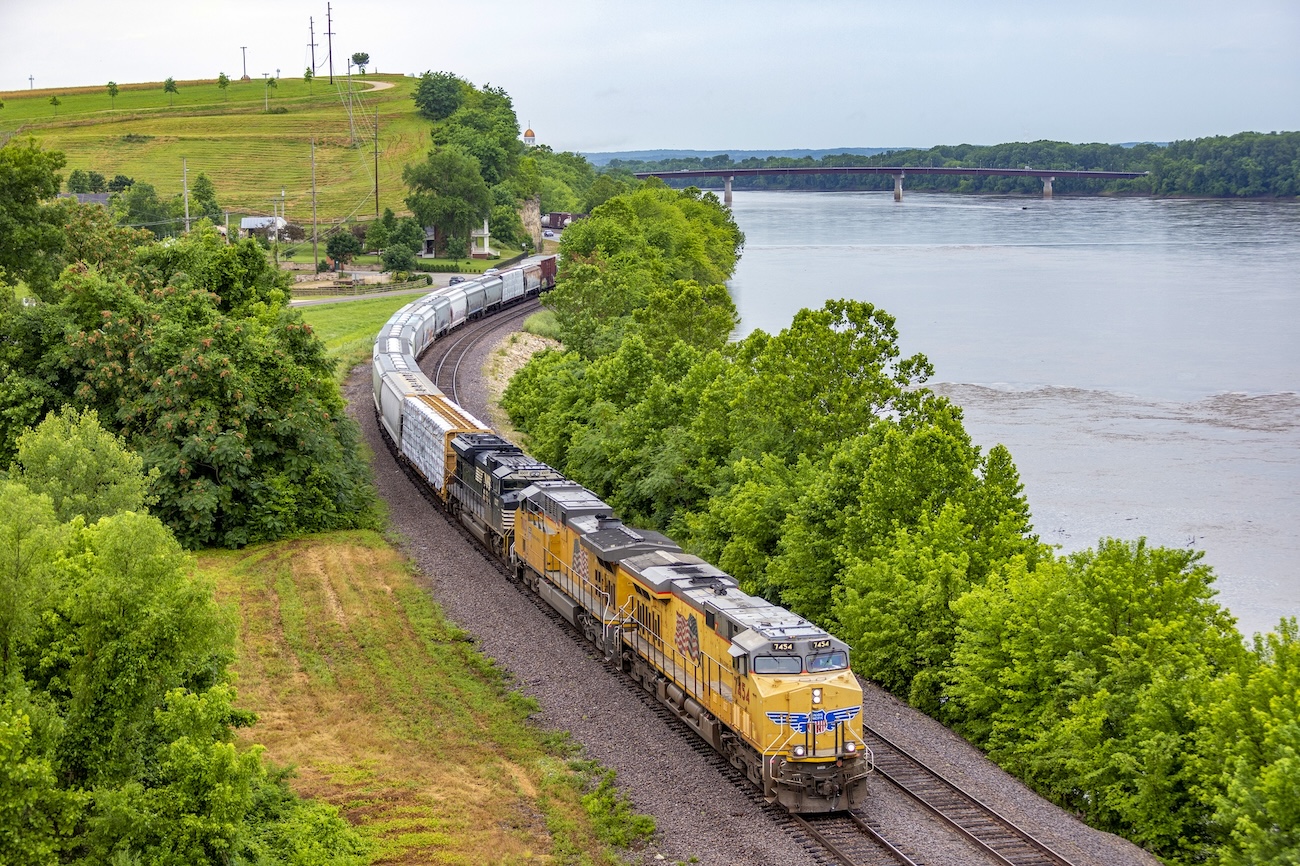
Why it matters: The STB’s rigorous, data-intensive approach sets a precedent for major rail consolidation, directly impacting shipper costs, modal competition with trucking, and the economic geography of freight corridors in the Southeast and nationally.
Context: This review follows a history of rail mega-mergers that consolidated the North American Class I network from over 40 railroads to seven, with the STB under pressure to prevent the service disruptions and competitive harms seen in past combinations.
"It’s hurry up and wait for Union Pacific and Norfolk Southern. The Surface Transportation Board gave the railroads until July 27 – or longer – to submit more information after it conditionally." — FREIGHTWAVES
Commentary: The STB is structurally rejecting a rubber-stamp process, forcing the railroads to suggest net public benefit rather than assume it. This shifts the merger’s value proposition from executive rhetoric to demonstrable data, potentially reshaping the deal’s terms or even its viability. The immediate $12 billion erosion in merger value reflects market recognition that regulatory risk is now the dominant timeline and cost factor.
Date: Mon, 01 Jun 2026 16:47:57 +0000
URL: https://www.freightwaves.com/news/no-hard-feelings-up-ns-will-see-fact-based-review
AI Sentiment Score: Negative (75%)
AI Credibility Score: 10.0/10 — High
Scores and text generated by AI analysis of the source article indicated.
Trucking is driving double-digit growth for this rail freight category (Freightwaves)
Summary: U.S. rail freight volume rose 7.2% year-over-year for the week ending May 30, 2026, driven by a 10% surge in intermodal traffic. The shift from trucking is attributed to soaring trucking costs, federal enforcement actions sidelining non-English speaking drivers and ‘chameleon carriers,’ and a broader motor carrier capacity squeeze. Commodity carloads grew 4%, led by grain (up 33.8%) and metallic ores/metals (up 19.5%), while coal and petroleum products declined.

Why it matters: This signals a structural shift in modal share within the Southeast’s freight ecosystem, with capital and operational capacity moving toward rail intermodal as trucking faces regulatory and cost pressures.
Context: Intermodal rail has historically gained share during trucking capacity crunches, but the current driver includes targeted federal enforcement altering the driver labor pool and carrier landscape, not just cyclical rate pressure.
"Intermodal has benefited from shifts by shippers challenged by a soaring trucking market, where tender rejections, rates and fuel costs are reaching weekly highs. The environment for motor carriers has also improved amid a capacity squeeze, the result of multi-pronged enforcement by federal authorities which have weeded out non-English speaking drivers, shuttered sketchy trucking schools, and sidelined chameleon carriers that reemerge with new identities after accidents." — FREIGHTWAVES
Commentary: The data confirms that federal enforcement is now a material, non-cyclical factor tightening truck capacity, directly benefiting Class I railroads in the Southeast corridor. The 20.2% jump in ‘Other’ carloads suggests either new commodity flows or measurement gaps emerging from this realignment. For regional logistics hubs, this reinforces investment in intermodal terminals and last-mile drayage networks over pure truckload capacity.
Date: June 04, 2026 10:51 AM ET
URL: https://www.freightwaves.com/news/trucking-is-driving-double-digit-growth-for-this-rail-freight-category
AI Sentiment Score: Negative (75%)
AI Credibility Score: 10.0/10 — High
Scores and text generated by AI analysis of the source article indicated.
Peak indicator: $2,600 increase on one U.S. shipping service (Freightwaves)
Summary: CMA CGM has announced a $2,600 per-container peak season surcharge for dry cargo moving from the East Mediterranean to U.S. East Coast ports, effective July 1. This is one of the largest single increases in the current cycle, contrasting with a $1,000 surcharge on the West Mediterranean route. The move coincides with a sharp rise in the Ocean Volume Index, signaling a demand surge.

Why it matters: This specific, large-magnitude price action serves as a leading indicator of cost-push inflation for Southeast U.S. importers and signals a tightening of capacity on a key trade lane.
Context: Carriers are implementing a wave of peak season surcharges following months of soft demand, testing shipper pricing power as volumes recover.
"French carrier CMA CGM this week announced one of the biggest, a whopping $2,600 increase on 40- and 45-foot containers moving from the East Mediterranean to U.S. East Coast ports." — FREIGHTWAVES
Commentary: The $2,600 figure is a blunt instrument, not a market-clearing price; it reflects carrier confidence in sustained demand and a deliberate effort to rebuild margins. Southeast ports and their inland distribution networks will see immediate cost pressure on goods from a broad swath of Eastern Europe and the Levant, affecting retail and manufacturing inputs. The disparity between East and West Mediterranean surcharges suggests specific congestion or capacity constraints on the former route that carriers are pricing into the market.
Date: June 04, 2026 08:59 AM ET
URL: https://www.freightwaves.com/news/peak-indicator-2600-increase-on-one-u-s-shipping-service
AI Sentiment Score: Negative (55%)
AI Credibility Score: 10.0/10 — High
Scores and text generated by AI analysis of the source article indicated.
The Role of Automation in Managing Complex Revenue Workflows in Logistics (Globaltrademag)
Summary: Logistics firms lose 1-5% of EBITDA to revenue leakage in the order-to-cash process, a direct result of legacy financial systems ill-suited to modern, variable-rate, multi-party operations. Manual reconciliation between operational systems (TMS, WMS) and billing platforms creates errors, disputes, and extended DSO, with the industry median at 46 days. Automation platforms that directly connect operational events to billing engines promise to close this gap by enforcing contract logic systematically, reducing errors, and providing real-time revenue visibility.

Why it matters: For Southeast Asian logistics hubs and the firms operating within them, automating revenue workflows is a direct lever on profitability and competitive positioning in a region defined by complex cross-border trade.
Context: The operational complexity of modern logistics—dynamic pricing, multi-currency, regulatory compliance—has chronically outpaced the capabilities of standard ERP and manual finance processes, creating a systemic drag on earnings.
"Organizations structurally lose between 1% and 5% of their realized earnings before interest, taxes, depreciation, and amortization (EBITDA) due to revenue leakage in the order-to-cash process alone." — GLOBALTRADEMAG
Commentary: The push for automation here is less about cutting headcount and more about capturing lost revenue and reducing financial friction—a shift from cost-center efficiency to top-line integrity. This creates immediate pressure on Southeast Asian 3PLs and forwarders: those who implement deeply integrated systems will see faster cash conversion and cleaner books, pulling capital and client trust from slower-moving peers. The requirement for upfront data normalization and system integration means vendor selection will stratify the market, with winners likely being firms that treat their contract and rate data as a core operational asset.
Date: Wed, 03 Jun 2026 09:00:20 +0000
URL: https://www.globaltrademag.com/the-role-of-automation-in-managing-complex-revenue-workflows-in-logistics/
AI Sentiment Score: Negative (50%)
AI Credibility Score: 10.0/10 — High
Scores and text generated by AI analysis of the source article indicated.
AutoZone’s distribution strategy drives sales gains (Supplychaindive)
Summary: AutoZone’s Q3 earnings reveal an 8.4% YoY sales increase, which management attributes to its ongoing supply chain and distribution strategy. The core of this strategy is a significant capital expenditure program, allocating nearly $1.6 billion this year primarily to opening ‘mega hubs’—large-format stores that also function as distribution points. The company opened 14 mega hubs in the quarter, plans 15 more in Q4, and is targeting nearly 300 in the near term, up from 156 currently. This mirrors a broader industry trend, with competitor Advance Auto Parts also consolidating distribution and opening market hubs for same-day coverage.

Why it matters: The aggressive capital deployment into localized distribution infrastructure signals a structural shift in retail logistics, with direct implications for commercial real estate, labor markets, and competitive dynamics in the Southeast’s auto aftermarket.
Context: This is part of a sustained post-pandemic pivot by major retailers toward regionalized, inventory-dense nodes to improve service levels and fulfillment speed, moving away from centralized distribution models.
"“The combination of the demand for parts in the marketplace, the customers’ desire for us to have those parts closer to the customer so that we can provide a better service level is really what’s fueling our strategy,” Jackson said." — SUPPLYCHAINDIVE
Commentary: AutoZone’s capex commitment—over $3 billion across two years—anchors a tangible, asset-heavy bet on proximity over pure efficiency. This will concentrate high-SKU inventory and skilled labor in specific Southeastern metros, potentially creating localized supply chain resilience while raising the capital barrier for regional competitors. The parallel moves by Advance Auto Parts suggest this is becoming table stakes, not a differentiator, in the auto parts sector.
Date: Thu, 04 Jun 2026 07:09:00 -0400
URL: https://www.supplychaindive.com/news/autozones-distribution-strategy-drives-sales-gains/821620/
AI Sentiment Score: Positive (40%)
AI Credibility Score: 10.0/10 — High
Scores and text generated by AI analysis of the source article indicated.
Manufacturing’s recovery broadens as industrial demand leads the freight upcycle (Freightwaves)
Summary: The freight market’s downturn has reversed, driven by industrial production rather than consumer spending. The ISM Manufacturing PMI reached 54.0 in May, its highest since May 2022, with broad expansion across 16 of 18 industries. Real-time data shows flatbed tender rejections above 38%, indicating tight capacity for machinery and metals transport. The Logistics Managers’ Index confirms this, with transportation prices at a record high and upstream capacity contracting sharply.

Why it matters: This signals a durable, industrial-led economic expansion with structural implications for freight pricing, carrier strategy, and regional capital allocation, particularly in the Southeast’s manufacturing and logistics corridors.
Context: The recovery follows a 10-month manufacturing contraction and contrasts with the stimulus-driven, consumer-led cycles of the immediate post-pandemic period.
"The orders driving manufacturing are concentrated in end markets with multi-year investment horizons rather than short-cycle consumer demand. AI data center construction is generating sustained demand for electrical equipment, computer and electronic products, and the steel and structural materials that move predominantly on flatbeds." — FREIGHTWAVES
Commentary: The shift to capital goods and defense production underpins a more persistent freight upcycle, favoring regions with steel, machinery, and electronics manufacturing. Shippers will face sustained cost pressure, while carriers in industrial corridors gain pricing power not seen since 2022. This reorients Southeast infrastructure investment toward supporting heavy industrial freight flows.
Date: Wed, 03 Jun 2026 12:33:59 +0000
URL: https://www.freightwaves.com/news/manufacturings-recovery-broadens-as-industrial-demand-leads-the-freight-upcycle
AI Sentiment Score: Negative (50%)
AI Credibility Score: 10.0/10 — High
Scores and text generated by AI analysis of the source article indicated.
Truckload’s shrinking miles (Freightwaves)
Summary: The average length of a truckload haul in the U.S. has declined linearly by 21% since June 2024, from 607 to just over 500 miles. This persistent trend suggests a structural shift in shipper behavior rather than a cyclical fluctuation, occurring even as truckload demand strengthens and capacity tightens. The data points to a dual driver: intermodal rail regaining share on long-haul lanes and disproportionate growth in short-distance moves under 250 miles.
Why it matters: Shorter hauls fundamentally alter trucking economics and capacity utilization, with direct consequences for carrier networks, intermodal competitiveness, and regional logistics infrastructure.
Context: This trend began in 2024 and has persisted despite a tightening truckload market, contrasting with typical sharp or seasonal freight patterns.
"Since June 2024, the average length of haul in SONAR’s tender data set has declined from approximately 607 miles to just above 500 miles — a 21% drop, with 11% of that occurring over the past year alone, making it a fairly linear trend." — FREIGHTWAVES
Commentary: The linear persistence of this trend signals a durable reconfiguration of supply chains, favoring regionalized trucking and intermodal for long-haul. This pressures carriers to adapt networks for shorter cycles while potentially insulating some lanes from future intermodal competition. The capacity paradox—shorter hauls not alleviating tightness—underscores that demand growth is concentrated in these regional moves, reshaping where capital and operational focus will flow.
Date: June 06, 2026 08:30 PM ET
URL: https://www.freightwaves.com/news/truckloads-shrinking-miles
AI Sentiment Score: Negative (50%)
AI Credibility Score: 10.0/10 — High
Scores and text generated by AI analysis of the source article indicated.
Post ID: de040fa2