Circular Fashion and Textile Recycling
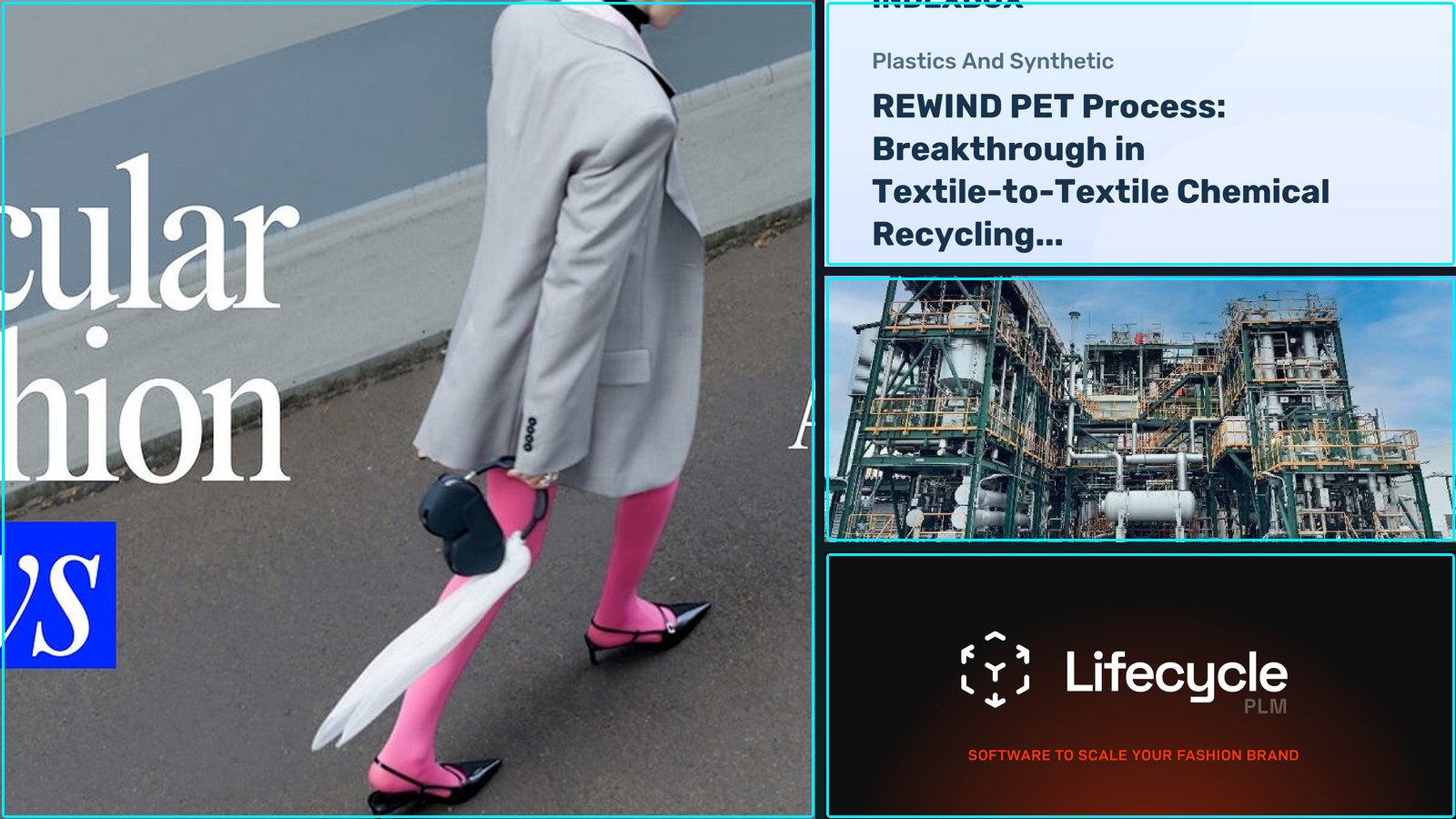
REWIND PET Process Validated for Closed-Loop Polyester Textile Recycling – News and Statistics – IndexBox (Indexbox.Io)
Summary: A consortium led by Axens, Jeplan, and Ifpen has validated the REWIND PET chemical recycling process for textiles at a semi-industrial scale in Japan, using post-consumer polyester collected in France. The trial produced tens of tonnes of a fundamental polyester monomer from textile waste, intended for conversion back into yarns and fabrics. The technology, already commercialized for PET packaging, is now licensed globally for textile applications, aiming to establish local closed-loop systems for sportswear, home furnishings, and luxury goods.

Why it matters: This validation moves textile-to-textile polyester recycling from lab-scale promise to a licensable industrial process, directly altering raw material sourcing and waste management for major apparel segments.
Context: Chemical recycling for textiles has struggled with scale and purity; most ‘recycled’ polyester currently comes from plastic bottles, not textile waste, failing to close the fashion loop.
"The REWIND PET process has produced tens of tonnes of a fundamental polyester monomer, which is intended to be transformed into polyester yarns, fabrics, and finished garments. The companies describe this industrial-scale textile-to-textile recycling trial, involving several tonnes of post-consumer PET, as one of the first of its kind conducted under representative industrial conditions." — INDEXBOX.IO
Commentary: The operational consequence is a new, licensable feedstock option for polyester manufacturers like Mitsubishi Chemical and Toray, potentially reducing reliance on fossil inputs and bottle-grade recycled PET. For brands, it creates a verifiable, mass-balance path to ‘circular’ claims in sportswear and luxury, though cost and collection logistics remain hurdles. This shifts the strategic calculus for sustainability teams from speculative R&D to evaluating a specific, scalable technology for inclusion in 2027-2028 sourcing plans.
Date: May 01, 2026 12:00 AM ET
URL: https://www.indexbox.io/blog/rewind-pet-process-breakthrough-in-textile-to-textile-chemical-recycling/
AI Sentiment Score: Negative (50%)
AI Credibility Score: 10.0/10 — High
Scores and text generated by AI analysis of the source article indicated.
Circular Fashion News / May 4: Vinted €8B valuation, $34 million to next-gen materials, VNYX funding (Circularfashionnews.Substack)
Summary: Vinted’s €8B secondary valuation and reported position as the UK’s third-largest fashion retailer by revenue signals the resale platform’s maturation into a core retail channel, altering competitive dynamics for traditional brands. Concurrently, the Bezos Earth Fund’s $34 million commitment to next-gen textile research at US institutions targets foundational material science, while operational tools like VNYX’s €1M-funded automation robotics and trinamiX’s expanded NIR identification hardware address scaling bottlenecks in circular logistics.

Why it matters: For practitioners, these developments signal a shift from pilot-scale circularity to industrial-scale operations, requiring new vendor partnerships, capital allocation, and process integration.
Context: The circular fashion infrastructure is bifurcating: upstream R&D for novel materials (funded by philanthropy) and downstream automation for handling volume (funded by venture capital), while regulatory enforcement on PROs like ReFashion reveals systemic strain.
"Vinted carried out a secondary share transaction that valued the company at €8 billion. Along these news, a report on the leading fashion brands in Q1 of 2026 by MediaVision reported that Vinted is now the third-largest fashion retailer in the UK by revenue." — CIRCULARFASHIONNEWS.SUBSTACK
Commentary: Vinted’s valuation and market position formalize resale as a primary retail tier, forcing brands to strategize for a market where their own secondary goods compete with new sales. The Bezos Earth Fund’s grants, targeting bacterial cellulose and gene-edited cotton, indicate a long-term bet on displacing raw material inputs, which will eventually reshape sourcing teams’ fiber portfolios. Meanwhile, fines against ReFashion and the cited collapse risks in EU textile sorting underscore that regulatory mandates are outpacing the operational and economic viability of collection systems, creating near-term compliance liabilities for producers.
Date: May 04, 2026 12:00 AM ET
URL: https://circularfashionnews.substack.com/p/circular-fashion-news-may-4-vinted
AI Sentiment Score: Negative (75%)
AI Credibility Score: 10.0/10 — High
Scores and text generated by AI analysis of the source article indicated.
Circular Fashion News / Apr 27: Textile recycling factories & purchasing agreements, Salomon repair program (Circularfashionnews.Substack)
Summary: The circular fashion ecosystem is advancing through concrete supply chain commitments and operational expansions. Australian activewear brand LSKD has signed a 10-year offtake agreement with Samsara Eco for recycled nylon 6,6, locking in future supply. Meanwhile, Epoch Biodesign and JEPLAN are progressing demo and semi-industrial plants for enzymatic and chemical recycling, respectively. Concurrently, brands from Longchamp to Salomon are formalizing resale and repair programs, with Klarna reporting a 75% growth in listings from its integrated resell feature.

Why it matters: For brands and suppliers, these long-term purchasing agreements and factory builds de-risk investment in recycled materials, while integrated resale and repair become mandatory components of inventory and lifecycle management.
Context: The industry is moving past pilot projects toward binding commercial partnerships and scaled infrastructure, even as regulatory pressure mounts under frameworks like the EU ESPR.
"Klarna revealed that listings created through its in-app resell feature grew by up to 75% over the past 13 months." — CIRCULARFASHIONNEWS.SUBSTACK
Commentary: The Klarna data signals resale’s maturation from a niche channel to a default post-purchase action, structurally altering brand revenue models and customer data capture. LSKD’s 10-year deal with Samsara Eco provides the demand certainty needed to justify the latter’s 2028 commercial facility, illustrating how brand commitments are now directly financing recycling infrastructure. For rental operators like Dressr, adding resale is no longer a sustainability gesture but a core inventory management tool to maintain cash flow and refresh stock.
Date: April 27, 2026 12:00 AM ET
URL: https://circularfashionnews.substack.com/p/circular-fashion-news-apr-27-textile
AI Sentiment Score: Negative (75%)
AI Credibility Score: 10.0/10 — High
Scores and text generated by AI analysis of the source article indicated.
Inside Australia Post’s National Circular Textiles Pilot (Remondis.Au)
Summary: Australia Post is leading a National Circular Textiles Pilot with partners R.M.Williams, REMONDIS, BlockTexx, and iQRenew. The pilot uses a purpose-designed, domestically recycled satchel to enable consumer returns of used shirts and T-shirts via the postal network. It focuses on testing the operational model and, critically, establishing full data traceability for garments through the recovery chain. The initiative aims to generate evidence for scaling a national clothing stewardship system under the Seamless scheme.

Why it matters: For fashion brands and logistics operators, this pilot operationalizes Extended Producer Responsibility (EPR) for apparel, testing a scalable reverse-logistics model and creating a new data asset for verifying circular outcomes.
Context: Mandated clothing stewardship schemes like Seamless are shifting the cost of end-of-life management to brands, forcing investment in collection and recycling infrastructure. Pilots like this one are critical for de-risking the operational and data architecture needed for compliance.
"Another important innovation in this trial is data traceability. For the first time, Australia Post is capturing detailed data as garments move through their circular journey downstream from the consumer. This means every item can be tracked to its next use, providing transparency and confidence in the system." — REMONDIS.AU
Commentary: The pilot’s core output is not the recycled satchel but the integrated data pipeline. For brands, this traceability creates an auditable chain of custody, essential for ESG reporting and potential ‘circular’ product claims. For Australia Post, it transforms a logistics service into a platform for managing asset recovery, opening a new revenue line as EPR regulations tighten. The operational learnings on sortation, batching, and consumer incentives will directly inform the cost structure of future compliance.
Date: May 08, 2026 12:00 AM ET
URL: https://www.remondis.com.au/rethink-seamless/
AI Sentiment Score: Negative (60%)
AI Credibility Score: 10.0/10 — High
Scores and text generated by AI analysis of the source article indicated.
Claras Materials LLC Launches To Bridge The Critical Supply Gap In Post-Consumer Textile Recycling (Textileworld)
Summary: Claras Materials LLC launches as a dedicated feedstock supplier for chemical and fiber-to-fiber textile recyclers. Its model focuses on upstream sourcing and NIR-sorting of post-consumer textiles into clean, single-fiber bales, with hardware removal performed pre-shipment. The company aims to address the critical supply bottleneck that has constrained recycling scale-up, with commercial operations targeted for 2027.

Why it matters: For chemical recyclers and brands investing in circular supply chains, a reliable, pre-processed feedstock stream directly impacts plant utilization, capital efficiency, and the viability of recycled fiber commitments.
Context: Chemical recycling pilots have repeatedly stalled on inconsistent, contaminated feedstock, turning a technology problem into a logistics and pre-processing failure.
"CHARLOTTE, N.C. — May 4, 2026 — Claras Materials LLC today announced its formation as a specialized supply chain company focused exclusively on post-consumer textile raw materials. The company is purpose-built to." — TEXTILEWORLD
Commentary: Claras Materials operationalizes the sorting and cleaning bottleneck, shifting the capital burden from recyclers to a specialized intermediary. This creates a new vendor category in the circular economy pipeline, potentially lowering entry barriers for recyclers but introducing a new cost layer and dependency. Success hinges on Claras’s ability to secure and sort volume at a cost that makes recycled fiber competitive with virgin, a task complicated by global used-clothing market dynamics.
Date: May 05, 2026 12:00 AM ET
URL: https://www.textileworld.com/textile-world/2026/05/claras-materials-llc-launches-to-bridge-the-critical-supply-gap-in-post-consumer-textile-recycling/
AI Sentiment Score: Negative (75%)
AI Credibility Score: 10.0/10 — High
Scores and text generated by AI analysis of the source article indicated.
e‑FLOWER Project Accelerates Future Growth of Green E‑ … (Tyndall.Ie)
Summary: The e-FLOWER project, an EU-funded initiative led by Tyndall National Institute, is developing next-generation electronic textiles for health and wellness monitoring in demanding environments. It focuses on industrial-scale production of integrated textile sensors using bio-based materials and modular architectures designed for repair and recycling. The consortium aims to overcome current performance and sustainability barriers in e-textiles.
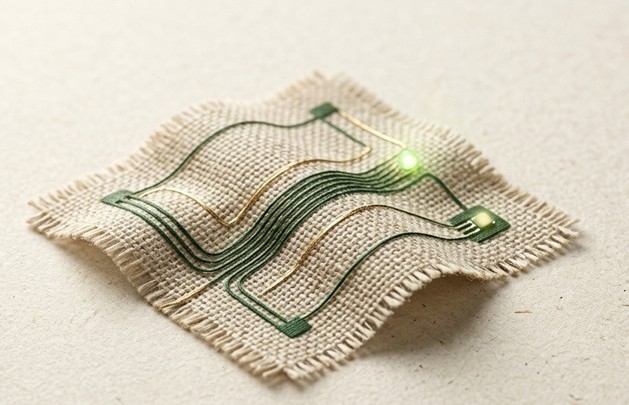
Why it matters: This signals a shift toward scalable, circular manufacturing processes for smart textiles, affecting material sourcing, production tooling, and end-of-life logistics for brands and manufacturers.
Context: Current e-textile production faces challenges in durability, recyclability, and integration, often relying on non-sustainable materials and processes that hinder mass adoption and circularity.
"Tyndall National Institute, based at University College Cork, is proud to announce the launch of eFLOWER, a major new EU funded research initiative that will develop the next generation of sustainable, high." — TYNDALL.IE
Commentary: The push for industrial-scale production of multi-sensor textiles using bio-based adhesives and modular designs directly targets manufacturing throughput and waste reduction. For practitioners, this means evaluating new vendor capabilities in 3D/screen printing with these materials and redesigning supply chains for component recovery. It pressures incumbent e-textile suppliers to match these circularity and performance specs or lose contracts to EU-aligned consortia.
Date: April 22, 2026 12:00 AM ET
URL: https://www.tyndall.ie/news/e-flower-project-accelerates-future-growth-of-green-e-textiles/
AI Sentiment Score: Negative (77%)
AI Credibility Score: 10.0/10 — High
Scores and text generated by AI analysis of the source article indicated.
Nature of Fashion Pilot Projects (Biomimicry)
Summary: The Nature of Fashion initiative is running three geographically distinct pilot projects to address the ‘bottom fraction’ of mixed textile waste. The Netherlands pilot, led by Circle Economy with partners like Erdotex and BioFashionTech, focuses on integrated biological and thermochemical processes to convert unsellable textiles into regenerative outputs and build regional circular infrastructure. The Germany pilot, spearheaded by the Beneficial Design Institute with Fraunhofer institutes, develops biotechnological processes to transform low-value waste into high-quality biocompatible materials. The Ghana pilot centers on ecological restoration and community stewardship, aligning with local natural processes.

Why it matters: For fashion industry practitioners, these pilots represent concrete, region-specific blueprints for handling non-recyclable waste, directly impacting waste management costs, supply chain design, and compliance with impending circularity regulations.
Context: The fashion industry’s linear waste model is hitting physical and regulatory limits, with the most difficult mixed-textile waste streams lacking viable commercial solutions, creating both environmental liabilities and operational bottlenecks.
"The Nature of Fashion initiative is transforming textile waste management by learning from nature’s strategies of decomposition and regeneration. Through innovative pilot projects across three continents, we’re demonstrating how the fashion industry." — BIOMIMICRY
Commentary: The initiative’s core operational consequence is the creation of distinct, localized waste-processing toolchains—biotech in Europe, ecological in Ghana—that brands and manufacturers will need to integrate into their end-of-life planning. This moves circularity from a design principle to a set of vendor-specific, geographically constrained disposal workflows, requiring new logistics partnerships and material traceability systems.
Date: April 20, 2026 12:00 AM ET
URL: https://biomimicry.org/innovation/nature-of-fashion/pilot-projects/
AI Sentiment Score: Negative (85%)
AI Credibility Score: 9.8/10 — High
Scores and text generated by AI analysis of the source article indicated.
JEPLAN and partners demonstrate commercial scale … (Zenbird.Media)
Summary: JEPLAN, Axens, and IFPEN have demonstrated a semi-commercial scale fibre-to-fibre chemical recycling process, processing tens of tonnes of polyester textile waste at a facility in Kitakyushu, Japan. The Rewind® PET technology breaks down post-consumer polyester into monomers for manufacturing new PET, with an annual production capacity of 1,000 tonnes. The resulting material is targeted for sportswear, interior, and luxury fashion sectors.
Why it matters: This demonstration validates a chemical recycling pathway at a scale that materially impacts supply chain planning and waste feedstock procurement for major apparel segments.
Context: The textile industry faces mounting regulatory and consumer pressure to address end-of-life waste, but mechanical recycling degrades fibre quality and most ‘recycled’ polyester originates from PET bottles, not textiles.
"This trial is one of the first in the world to demonstrate fibre-to-fibre chemical recycling at a scale that reflects actual commercial operating conditions." — ZENBIRD.MEDIA
Commentary: The 1,000-tonne annual capacity provides a concrete reference point for luxury and sportswear brands assessing secure, high-quality recycled polyester supply that doesn’t compete with food-grade packaging. Axens’s exclusive global licensing agreement positions it as a key vendor for industrial operators, shifting the capital expenditure calculus for recycling infrastructure. This moves fibre-to-fibre recycling from pilot rhetoric to a tangible component of future materials sourcing, affecting sustainability procurement teams and chemical supply contracts.
Date: May 01, 2026 12:00 AM ET
URL: https://zenbird.media/jeplan-and-partners-demonstrate-commercial-scale-polyester-textile-recycling/
AI Sentiment Score: Negative (71%)
AI Credibility Score: 8.2/10 — High
Scores and text generated by AI analysis of the source article indicated.
Recycling textiles: from collection to retail (Cordis.Europa.Eu)
Summary: The EU-funded SCIRT project has demonstrated a textile-to-textile recycling system addressing the EU’s 2025 mandate for separate textile collection. It focused on improving automated sorting and dismantling technologies, specifically the Fibersort and Trimclean systems, to increase recyclability to 90% and lower processing costs. The project also developed tools like the True Cost Calculator and tested consumer-facing initiatives like retail take-back programs.
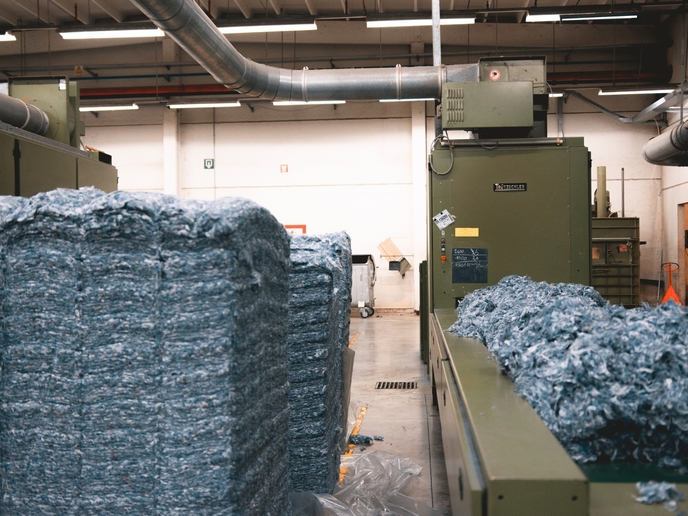
Why it matters: For brands and manufacturers, this establishes a new operational baseline for compliance with impending EU regulations and provides a tested toolkit for managing post-consumer waste streams.
Context: Historically, less than 1% of textile waste is recycled into new fibers, creating a massive waste problem that new EU circular economy rules are forcing the industry to address.
"One of the main challenges we started with was the quality of recycled yarns not aligning with the requirements from fashion brands. What has been crucial for this is the improved sorting and dismantling of textile waste before it goes to recycling and improvements in the mechanical recycling process itself." — CORDIS.EUROPA.EU
Commentary: The SCIRT pilot shifts the bottleneck from abstract ‘recycling’ to the concrete, capital-intensive pre-processing of waste. Brands now face a supply chain decision: invest in or contract for high-speed automated sorting to meet recycled content targets, or face cost and quality penalties. The 90% recyclability claim, if scalable, directly alters material sourcing math and product design for durability.
Date: April 27, 2026 12:00 AM ET
URL: https://cordis.europa.eu/article/id/453726-recycling-textiles-from-collection-to-retail
AI Sentiment Score: Negative (75%)
AI Credibility Score: 10.0/10 — High
Scores and text generated by AI analysis of the source article indicated.
US researchers create self-folding textiles from flat fabric (Fibre2Fashion)
Summary: Cornell Tech researchers have developed OriStitch, a method for creating self-folding 3D textiles from flat fabric using heat-shrinking polyester thread and computational design. The process converts a 3D model into a 2D pattern with laser-cut creases and embroidered functional threads, which contract upon heating to form the final shape. It is compatible with existing materials like leather, felt, and woven fabrics, and leverages standard laser cutters and embroidery machines. The team successfully fabricated items including a cap, vase cover, and handbag, demonstrating practical application.

Why it matters: This directly impacts prototyping speed, reduces manual labor in pleating and 3D shaping, and lowers barriers to creating smart textiles with embedded sensing.
Context: Computational fabrication seeks to automate complex manual processes; previous textile folding methods were either labor-intensive or required specialized, non-standard materials and machinery.
"This approach is more efficient and accessible than the existing machine embroidery – and could be a creative boon for areas such as fashion, architecture and smart textiles, according to the researchers." — FIBRE2FASHION
Commentary: OriStitch’s significance lies in its pipeline integration, not just its technical novelty. By slotting into established laser-cutting and embroidery workflows, it avoids the adoption friction of requiring new capital equipment or material supply chains. For fashion tech, this could compress digital sampling cycles and enable small-batch, customized 3D forms without manual draping. The constraint is its current semi-automation—embroidery machines still need manual tweaks—which limits throughput but not proof-of-concept viability for studios and makers.
Date: Tue, 19 May 2026 02:43:02 GMT
URL: https://www.fibre2fashion.com/news/textiles-technology-news/us-researchers-create-self-folding-textiles-from-flat-fabric-307158-newsdetails.htm
AI Sentiment Score: Negative (50%)
AI Credibility Score: 10.0/10 — High
Scores and text generated by AI analysis of the source article indicated.
A new textile-to-textile recycling process validated on an industrial scale – bioplastics MAGAZINE (Bioplasticsmagazine)
Summary: A consortium of Axens, IFPEN, and JEPLAN has validated its Rewind® PET chemical recycling process for post-consumer textile polyester at a semi-industrial scale of 1,000 tonnes/year. The test processed tens of tons of collected French textiles, producing BHET monomer for conversion into new yarns and fabrics. The technology, already commercialized for packaging, is now offered under an exclusive license for textile applications, targeting sportswear, home furnishings, and luxury segments.

Why it matters: This validation provides a concrete, licensable pathway for polyester-heavy brands to materially increase recycled content in their supply chains, directly addressing a critical bottleneck in textile circularity.
Context: Polyester dominates global textile production, yet less than 1% of fibers come from genuine textile-to-textile recycling, creating immense pressure for scalable chemical recycling solutions.
"08. May 2026 AXENS, IFPEN, and JEPLAN announced the success of a major industrial test for recycling post-consumer textile waste rich in polyester (PET) using their Rewind® PET technology. This test was." — BIOPLASTICSMAGAZINE
Commentary: The operational consequence is a licensable, drop-in technology for existing polyester producers, shifting the bottleneck from R&D to feedstock logistics and collection partnerships. For brands, it creates a new, high-volume source of recycled polyester that doesn’t degrade performance, enabling compliance with tightening regulations and voluntary commitments. The deployment model suggests regional recycling hubs will emerge, altering sourcing geography and vendor relationships for major polyester consumers.
Date: May 08, 2026 12:00 AM ET
URL: https://www.bioplasticsmagazine.com/en/news/meldungen/20260508-A-new-textile-to-textile-recycling-process-validated-on-an-industrial-scale.php
AI Sentiment Score: Negative (50%)
AI Credibility Score: 10.0/10 — High
Scores and text generated by AI analysis of the source article indicated.
Textile recycling test processes European waste at industrial scale (Just-Style)
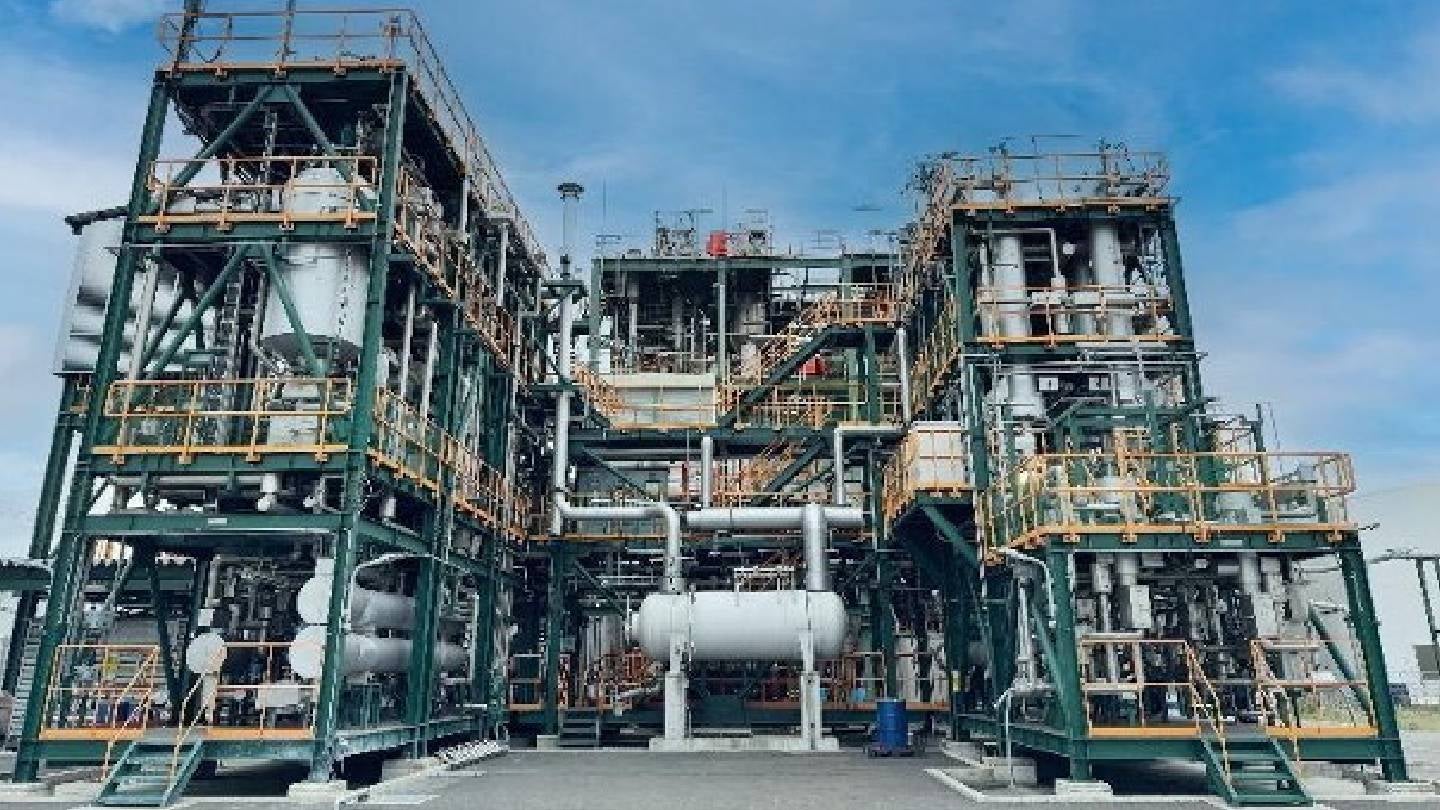
Summary: A consortium led by JEPLAN, Axens, and IFPEN has completed an industrial-scale test of the Rewind PET process, converting 1,000 tonnes per year of post-consumer textile waste from French collections into BHET monomer for new polyester. The validated process enables textile-to-textile recycling at a meaningful scale, with Axens now holding an exclusive global license to commercialize the technology. The output is targeted for sportswear, home furnishings, and luxury textiles, aiming to create closed-loop polyester production.
Why it matters: This demonstration provides a tangible, licensable industrial process for polyester textile-to-textile recycling, directly addressing a critical bottleneck in circular fashion and offering brands a concrete path to reduce virgin material dependence.
Context: Textile-to-textile recycling remains limited despite rising waste volumes, with most polyester recycling still reliant on bottle feedstock; this test moves beyond lab-scale claims to suggest a waste-to-yarn loop under industrial operating conditions.
"The unit, operated by JEPLAN, used the Rewind PET process developed by Axens, IFPEN, and JEPLAN to recycle materials prepared by Nouvelles Fibres Textile and Mapea in France. This recycling test occurred." — JUST-STYLE
Commentary: The validation at 1,000-tonne scale shifts the conversation from technical possibility to operational reality, creating a new vendor option (Axens) for brands and manufacturers seeking localized recycling loops. It pressures polyester producers to integrate this feedstock or risk ceding ground in sustainability-driven procurement, while also setting a benchmark for throughput that smaller chemical recyclers must now match. The exclusive license structure suggests a push for standardized, global deployment, which could accelerate adoption but also create a new dependency on a single technology provider.
Date: April 28, 2026 12:00 AM ET
URL: https://www.just-style.com/news/textile-recyling-japan-test/
AI Sentiment Score: Negative (66%)
AI Credibility Score: 10.0/10 — High
Scores and text generated by AI analysis of the source article indicated.
IFPEN | A new textile-to-textile recycling process validated on … (Ifpenergiesnouvelles)
Summary: A consortium of Axens, IFPEN, and JEPLAN has validated its Rewind® PET chemical recycling technology for post-consumer polyester textiles in a semi-industrial demonstration unit. The process successfully converted tens of tons of European textile waste into the base monomer for 100% recycled polyester, completing a textile-to-textile loop. The technology, already commercialized for PET packaging, is now available for global licensing to industrial players aiming to establish regional recycling loops.
Why it matters: This validation provides a scalable, licensable chemical recycling pathway for polyester-rich textile waste, directly impacting material sourcing strategies and waste management obligations for sportswear, home furnishings, and luxury brands.
Context: Chemical recycling for textiles has struggled with scale and purity; this demonstration at 1,000-ton/year capacity moves from lab promise to industrial pilot, offering a potential alternative to downcycling or landfill for complex polyester blends.
"Several tens of tons of post-consumer, polyester-rich, European textile waste, sorted and prepared in France, have been processed in the Axens, IFPEN and JEPLAN semi-industrial demonstration unit, located in Japan, to successfully produce the base monomer of a 100% recycled polyester." — IFPENERGIESNOUVELLES
Commentary: The operational consequence is a new, licensable tool for brands facing regulatory and consumer pressure on circularity, shifting waste logistics from disposal to feedstock preparation. It creates a potential vendor dependency on Axens for the technology and on specialized sorters for pre-processing, while the Japan-based pilot indicates near-term capacity constraints for European supply chains. The validation for textiles, distinct from packaging, means brands can now spec high-quality recycled polyester without competing with bottle-grade supply, altering cost and traceability calculations for sustainable lines.
Date: April 21, 2026 12:00 AM ET
URL: https://www.ifpenergiesnouvelles.com/article/new-textile-textile-recycling-process-validated-industrial-scale
AI Sentiment Score: Negative (77%)
AI Credibility Score: 9.8/10 — High
Scores and text generated by AI analysis of the source article indicated.
Global Fashion Agenda And ReHubs Launch 2030 Circularity Blueprint To Transform Europe’s Textile Recycling — TEXINTEL (Texintel)
Summary: Global Fashion Agenda and ReHubs have launched a 2030 Circularity Blueprint targeting Europe’s textile recycling infrastructure gap. The plan identifies eight systemic interventions, from waste intelligence platforms to regional sorting hubs, aiming to catalyze €8-11 billion in capex and build capacity for 2.7 million tonnes of textile-to-textile recycling by 2035. It frames current sub-1% recycling rates and premium-priced recycled inputs as a supply-demand deadlock requiring coordinated action.

Why it matters: For fashion brands and recyclers, this blueprint signals a shift from voluntary pledges to a concrete, investment-grade infrastructure roadmap, directly affecting material sourcing costs, compliance obligations, and capital allocation timelines.
Context: This follows the EU’s mandatory separate textile collection rules, which have exposed a severe lack of processing capacity, creating a policy-compliance bottleneck for brands.
"Global Fashion Agenda And ReHubs Launch 2030 Circularity Blueprint To Transform Europe’s Textile Recycling Copenhagen – 6 May 2026 – The European Union textile system has reached a critical turning point, with." — TEXINTEL
Commentary: The blueprint’s operational focus on ‘offtake commitments’ and ‘demand certainty for sorters’ is a direct attempt to de-risk recycling investments, which could accelerate vendor selection and contract negotiations for major brands. Its call for a ‘Targeted Policy Incentive Framework’ acknowledges that current recycled material premiums (20-100% above virgin) are unsustainable without regulatory intervention, setting the stage for future subsidy or tax structures that could reshape cost models.
Date: May 07, 2026 12:00 AM ET
URL: https://www.texintel.com/press-room/gfa-05-26-p-global-fashion-agenda-and-rehubs-launch-2030-circularity-blueprint-to-transform-europes-textile-recycling
AI Sentiment Score: Negative (80%)
AI Credibility Score: 9.2/10 — High
Scores and text generated by AI analysis of the source article indicated.
Polyester-rich textile wastes are recycled to monomer at … (Chemengonline)
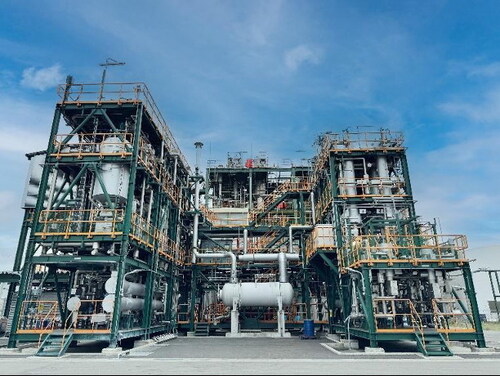
Summary: A semi-industrial demonstration unit in Japan, operated by Axens, IFPEN, and JEPLAN, has successfully processed tens of tons of post-consumer polyester-rich textile waste from France into BHET monomer. The waste was sorted and prepared by French partners Nouvelles Fibres Textile and Mapea. This validation at a significant scale marks a key step toward industrial chemical recycling for textiles, specifically enabling closed-loop polyester for sectors like sportswear and luxury goods.
Why it matters: It demonstrates a viable, scaled pathway for textile-to-textile chemical recycling, moving the industry from pilot concepts toward operational supply chains for circular polyester.
Context: Chemical recycling of polyester has been commercialized for packaging, but adapting the process for mixed, post-consumer textile waste at scale has been a major technical and economic hurdle for the apparel industry.
"This industrial textile-to-textile recycling test of several tons of post-consumer PET is one of the first of its kind under representative industrial conditions." — CHEMENGONLINE
Commentary: The exclusive licensing of the IFPEN/JEPLAN technology to Axens creates a clear, centralized vendor path for brands seeking recycled polyester feedstock, shifting the strategic focus from R&D to regional infrastructure deployment. For luxury and performance apparel brands, this directly impacts traceability claims and reduces dependency on virgin petrochemicals, but introduces new supply chain dependencies on specialized chemical processors and pre-sorters like Nouvelles Fibres Textile.
Date: April 23, 2026 12:00 AM ET
URL: https://www.chemengonline.com/polyester-rich-textile-wastes-are-recycled-to-monomer-at-demonstration-plant/
AI Sentiment Score: Negative (50%)
AI Credibility Score: 9.4/10 — High
Scores and text generated by AI analysis of the source article indicated.
How PLM is Paving the Way for a Circular Economy in Fashion – Lifecycle PLM (Lifecycleplm)
Summary: Lifecycle PLM, a PLM software vendor, argues that Product Lifecycle Management systems are becoming central to implementing circular economy models in fashion. The article positions PLM as a tool for managing sustainable material selection, tracking product lifecycles for repair and recycling, and enabling supply chain transparency. It cites Patagonia’s ‘Worn Wear’ and H&M’s ‘Innovation Loop’ as examples of PLM-enabled circular initiatives. The piece frames technological integration and economic viability as key challenges.

Why it matters: For fashion operations, the push for circularity is shifting PLM from a back-office product data hub to a core system for managing material flows, post-consumer data, and cross-supplier collaboration.
Context: PLM vendors are increasingly marketing sustainability and traceability features as regulatory and consumer pressure mounts on fashion’s environmental impact.
"PLM is not just a tool for managing product lifecycles but a key enabler for creating closed-loop systems where waste is minimized, and sustainability is at the core of every business decision." — LIFECYCLEPLM
Commentary: The vendor’s framing reveals a strategic pivot: PLM is being sold as the operational spine for circularity, which implies new data burdens for brands (tracking garments post-sale) and tighter integration with recycling partners. The real test will be whether these systems can materially reduce waste and cost at scale, or if they merely add compliance overhead.
Date: April 29, 2026 12:00 AM ET
URL: https://www.lifecycleplm.com/blog/how-plm-is-paving-the-way-for-a-circular-economy-in-fashion
AI Sentiment Score: Negative (83%)
AI Credibility Score: 8.2/10 — High
Scores and text generated by AI analysis of the source article indicated.
Post ID: 404d55c1