New discoveries in human evolution and ancient hominins
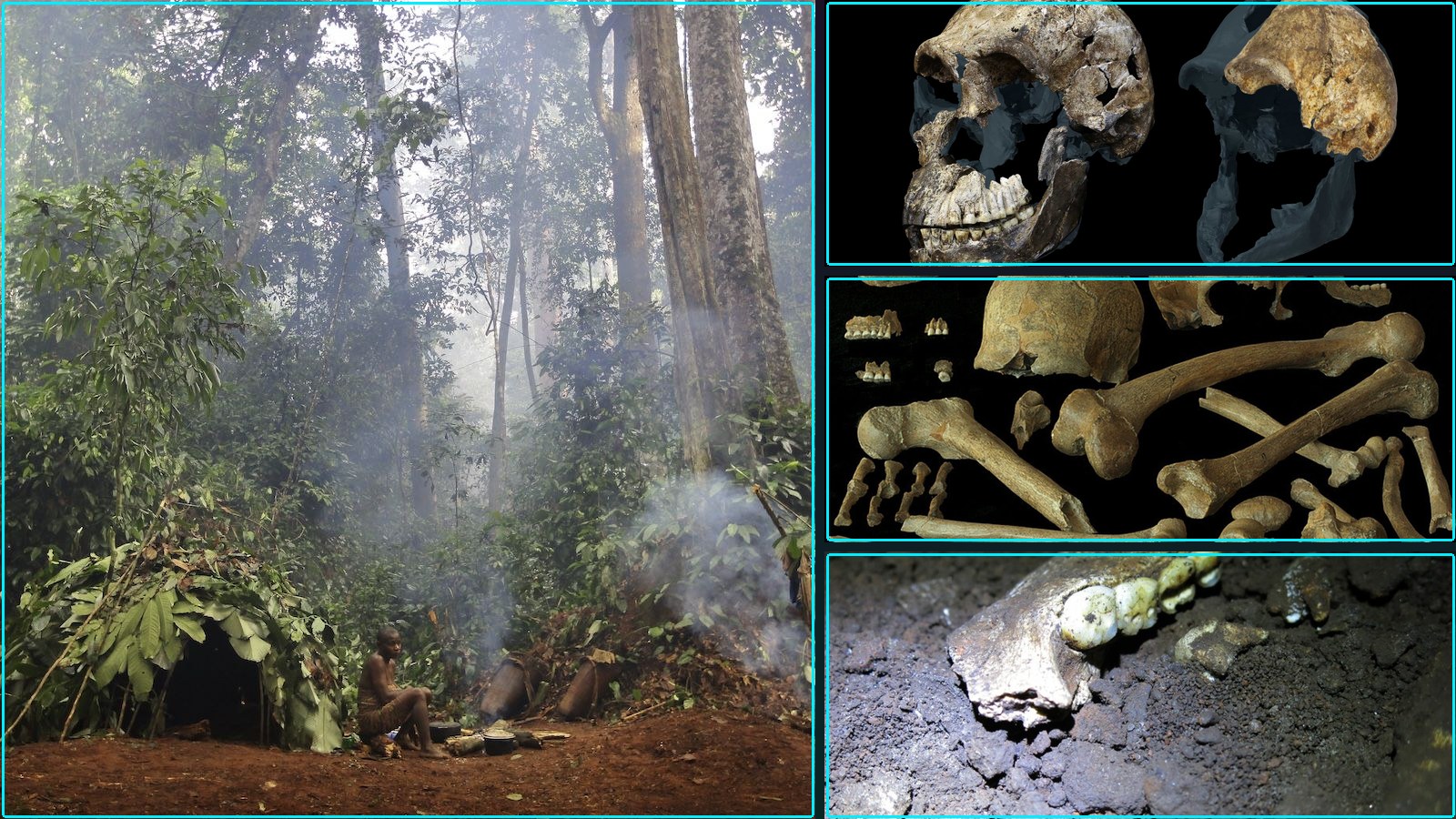
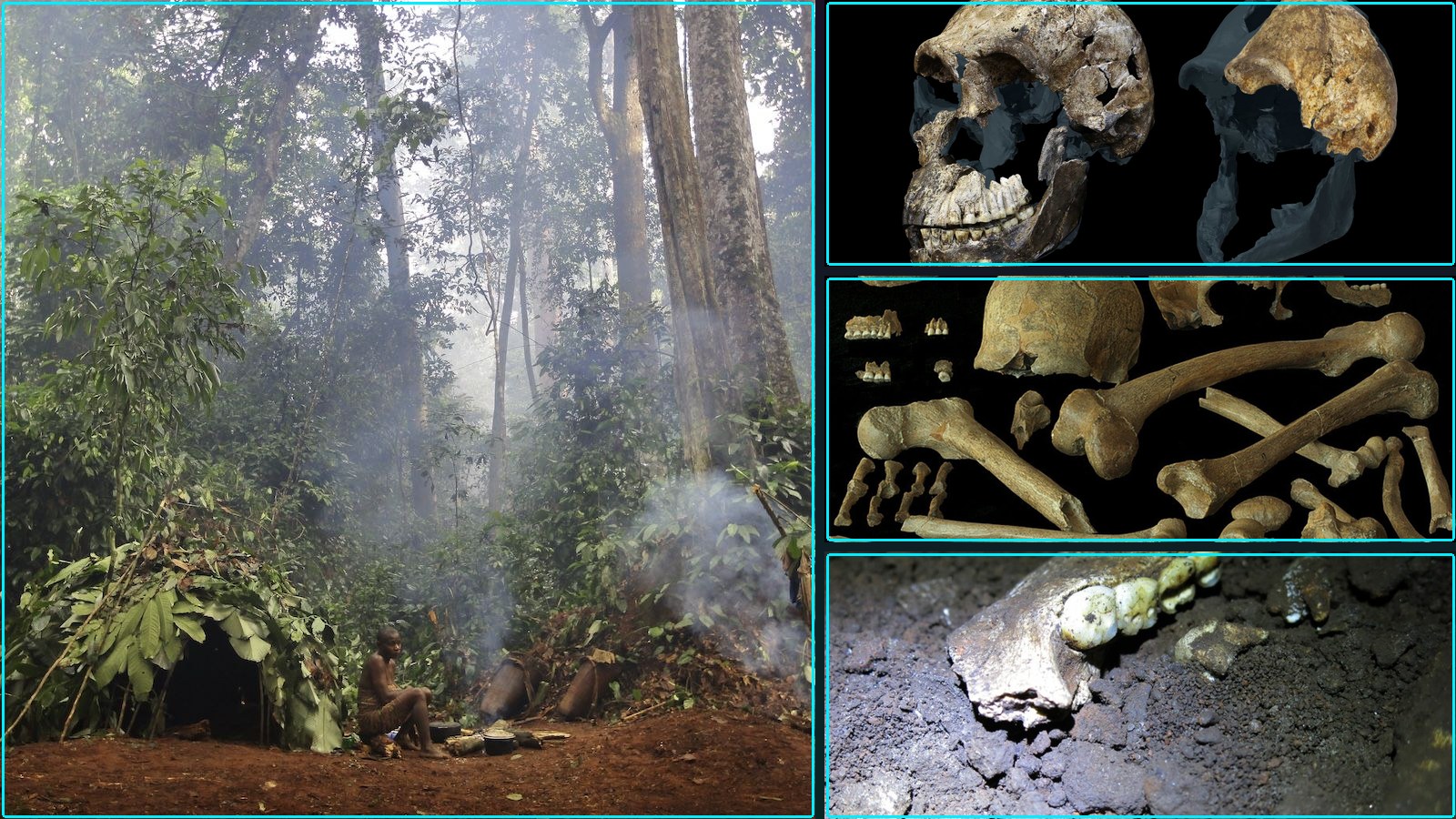
‘A weird result from an already weird hominin’: Archaeologists discover all Homo naledi skeletons found in South African cave are female (Livescience)
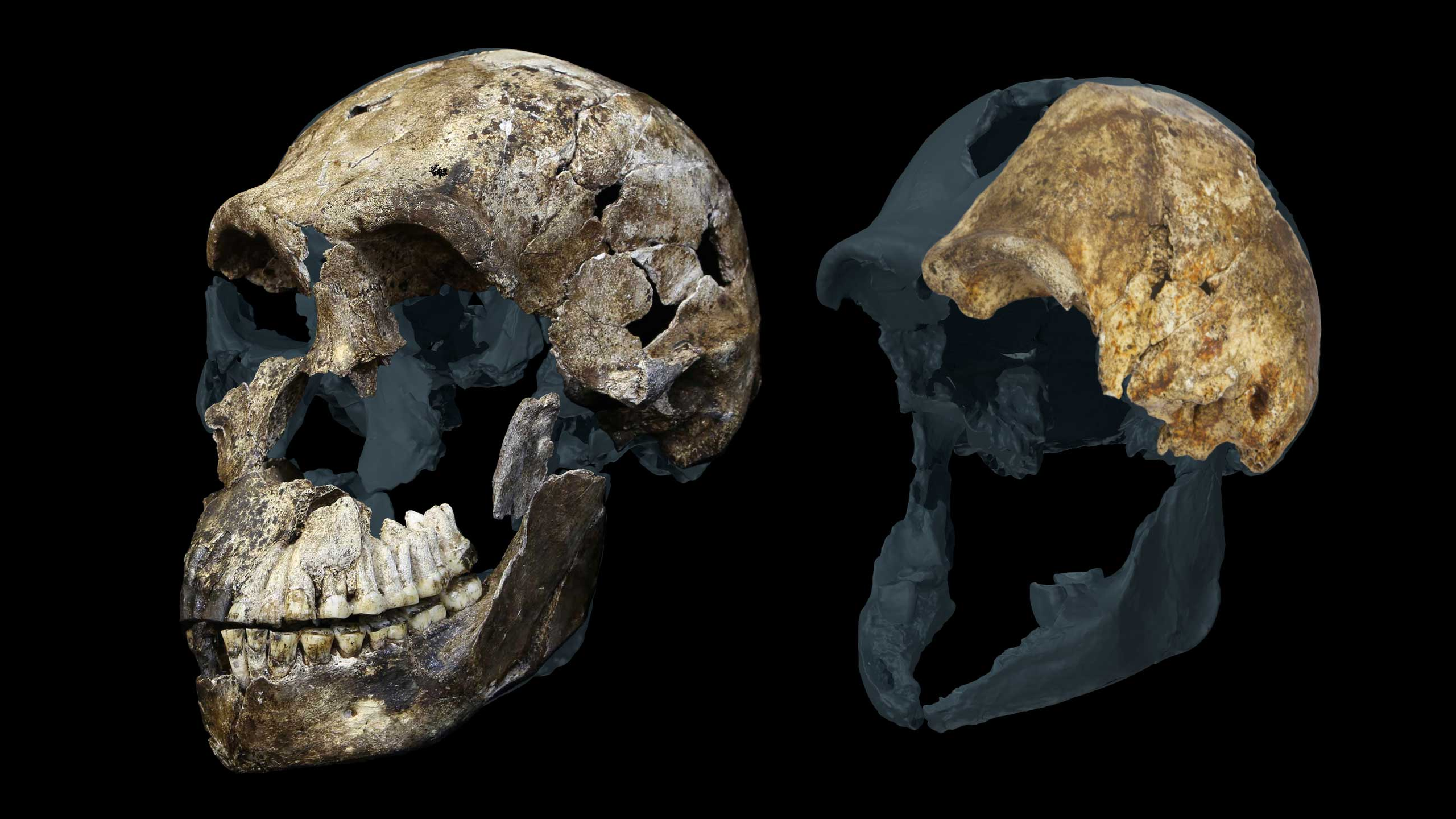
Summary: Proteomic analysis of dental enamel from 20 Homo naledi individuals recovered from South Africa’s Rising Star cave system has detected no male-specific genetic markers, suggesting all currently known skeletons of this small-brained hominin are female. The finding, published in Cell, complicates the decade-long study of a species already noted for potentially complex behaviors like burial and fire use despite its small brain size. Researchers acknowledge the remote possibility of a population-wide genetic deletion affecting the test but consider a sex-specific cultural selection for burial more plausible. The study also reveals a shared collagen-related gene variant between H. naledi and the much older Paranthropus robustus, hinting at unexpected genetic connections in the region’s hominin lineage.
Why it matters: The result forces a fundamental reconsideration of what the Rising Star assemblage represents—whether it is a curated sample reflecting cultural practice or a biological anomaly—and challenges assumptions about behavioral complexity relative to brain size in human evolution.
Context: Homo naledi has been a persistent anomaly since its 2013 discovery, combining a small, australopithecine-like brain with evidence of potentially advanced behaviors. Its place in the hominin family tree and the interpretation of its cave context have been contentious.
"In analyzing the H. naledi teeth, the team found no AMELY proteins but plenty of AMELX ones, suggesting that all of the skeletons were from females. These included the nearly complete skeletons of Neo and DH1, the main representative of the species, both originally assumed to be male." — LIVESCIENCE
Commentary: If not a technical artifact, the all-female assemblage upends the foundational assumption that the Dinaledi Chamber represents a general-purpose ossuary. It instead points toward a culturally mediated deposition process—a form of curation by sex—operating 300,000 years ago, pushing the evidence for symbolic or ritual treatment of the dead deeper into time and potentially independent of encephalization. The parallel genetic link to Paranthropus suggests South Africa may have been a nexus of hominin interaction and introgression far more complex than a simple linear progression, underscoring how proteomics is beginning to rewrite regional evolutionary narratives where DNA cannot survive.
Date: June 24, 2026 11:03 AM ET
URL: https://www.livescience.com/archaeology/human-evolution/a-weird-result-from-an-already-weird-hominin-archaeologists-discover-all-homo-naledi-skeletons-found-in-south-african-cave-are-female
AI Sentiment Score: Negative (75%)
AI Credibility Score: 10.0/10 — High
Scores and text generated by AI analysis of the source article indicated.
Early Homo sapiens may have lived in rainforests, new clues suggest — and it could overturn our understanding of human evolution (Livescience)
Summary: Archaeological and genetic evidence increasingly challenges the long-standing model that Homo sapiens evolved exclusively in East African savannas. Recent findings, including 150,000-year-old stone tools in the Ivory Coast and isotopic analysis of 46,000- to 63,000-year-old teeth from Laos, suggest early human populations inhabited and adapted to tropical rainforests much earlier than previously assumed. This supports a polycentric origin model where subdivided populations across Africa, occupying diverse ecosystems including rainforests, periodically exchanged genes and cultural traits. The acidic, fossil-hostile conditions of rainforests have historically obscured this narrative, pushing researchers to rely on stone tools and environmental DNA.
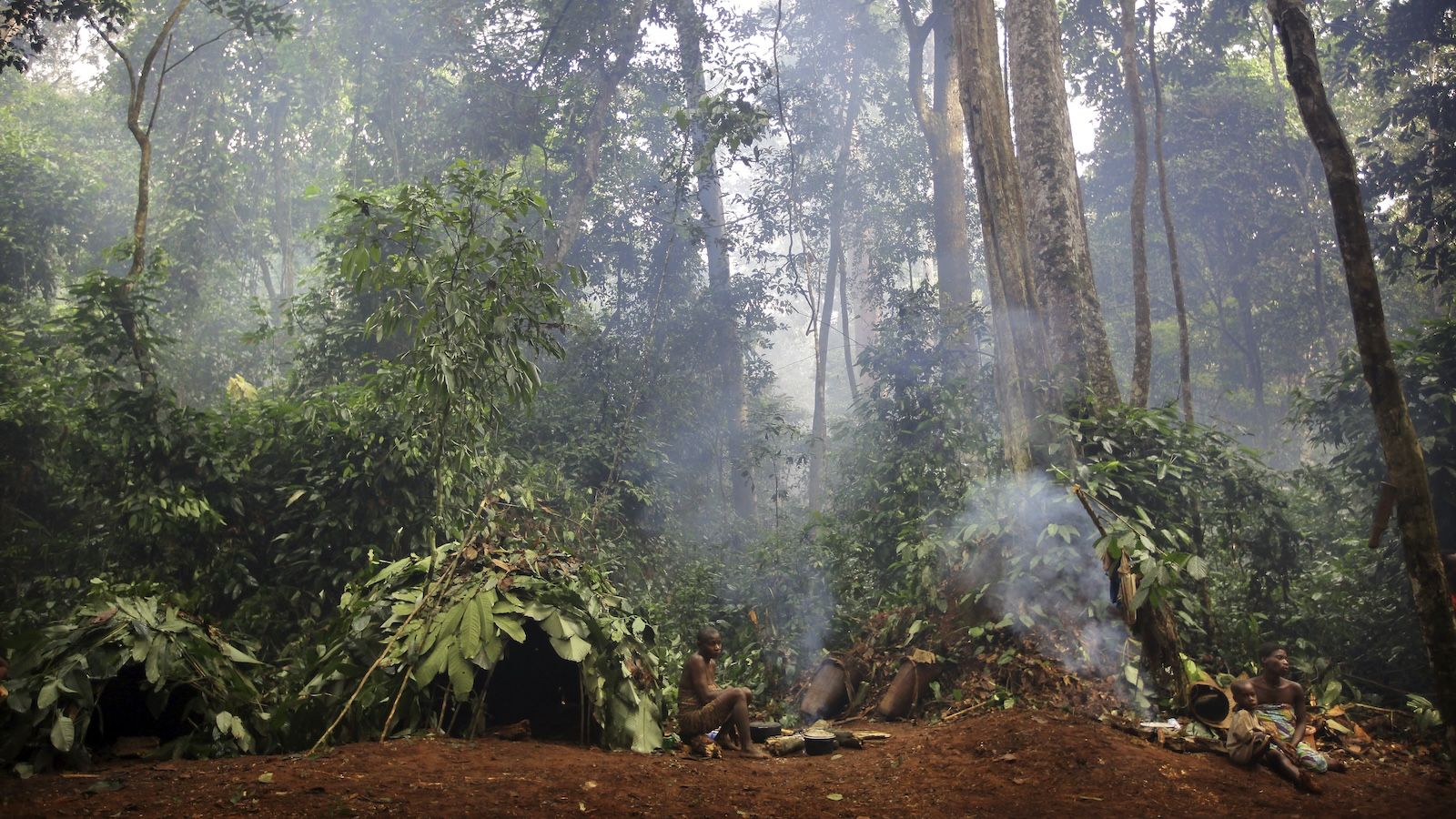
Why it matters: This shifts the foundational narrative of human evolution from a single savanna cradle to a networked, ecologically diverse African continent, forcing a reevaluation of the environmental pressures and adaptive traits that defined early Homo sapiens.
Context: The paradigm shift from a single-origin ‘Garden of Eden’ model to a ‘African multiregionalism’ model has been gaining traction over the past decade, driven by fossil discoveries like those at Jebel Irhoud in Morocco and genomic studies of contemporary populations.
"Early Homo sapiens may have lived in rainforests, new clues suggest — and it could overturn our understanding of human evolution The long-held idea that rainforests held a minor role in our." — LIVESCIENCE
Commentary: The 150,000-year-old tools from Ivory Coast are a concrete, if indirect, data point that pushes rainforest habitation back into the Middle Pleistocene, aligning with the emergence of our species. This materially supports the polycentric model and suggests that behavioral flexibility and technological innovation for dense forest exploitation were part of the Homo sapiens toolkit from near its inception. The focus now shifts to methodological innovation—like environmental DNA and isotopic analysis—to find direct evidence in Africa, which would solidify rainforests as a core theater of human evolution rather than a late-stage frontier.
Date: June 26, 2026 11:00 AM ET
URL: https://www.livescience.com/archaeology/human-evolution/early-homo-sapiens-may-have-lived-in-rainforests-new-clues-suggest-and-it-could-overturn-our-understanding-of-human-evolution
AI Sentiment Score: Negative (50%)
AI Credibility Score: 10.0/10 — High
Scores and text generated by AI analysis of the source article indicated.
Some of the last surviving Neanderthals were remarkably diverse — suggesting inbreeding didn’t doom them (Livescience)
Summary: A Nature study analyzing genetic data from 27 Neanderthals at 10 sites in northwestern Europe reveals that late-surviving populations, particularly in Belgium and France, exhibited significant genetic diversity and little evidence of inbreeding. This challenges the long-standing hypothesis that genetic decline from small, isolated groups was the primary driver of Neanderthal extinction. The findings indicate a large, interconnected population in this region, contemporaneous with modern humans for millennia, yet showing no evidence of recent modern human DNA introgression. The research underscores substantial regional variation among Neanderthal groups, complicating monolithic narratives of their demise.
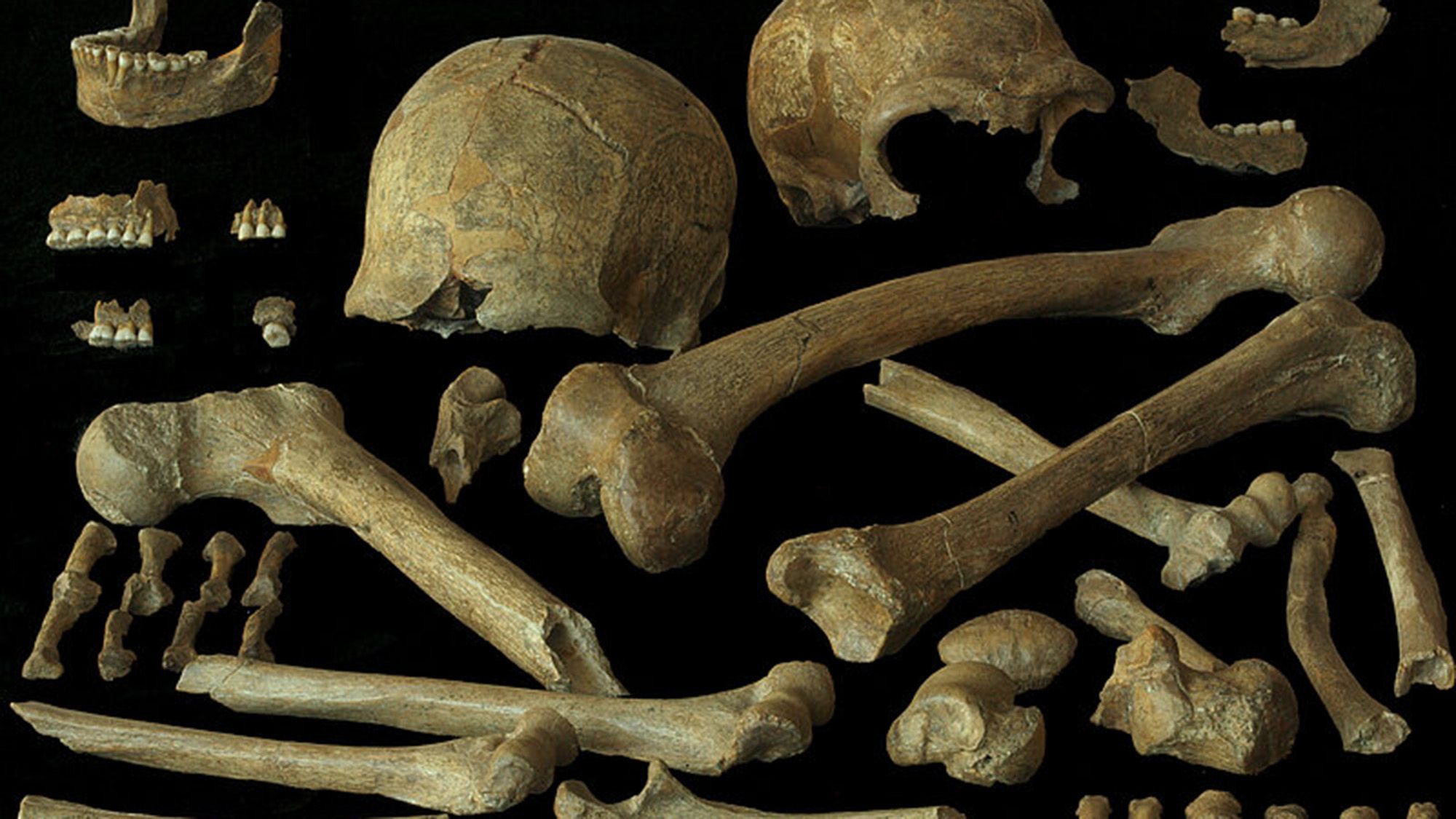
Why it matters: It reframes the extinction narrative from a simple genetic bottleneck to a more complex interplay of regional ecology, social structure, and potential interspecies dynamics.
Context: Previous models relied heavily on genomes from Siberian Neanderthals, which showed signs of inbreeding, creating a bias toward viewing all Neanderthals as genetically depleted. High-quality Neanderthal genomes have been exceptionally rare, limiting the scope of analysis.
"Some of the last surviving Neanderthals were remarkably diverse — suggesting inbreeding didn’t doom them Some Neanderthals living in northwestern Europe after 52,500 years ago were surprisingly diverse, suggesting that they didn’t." — LIVESCIENCE
Commentary: The study shifts the extinction debate toward non-genetic factors—climate shifts, competition with Homo sapiens, or social dynamics—while highlighting a critical methodological point: sampling bias can distort paleogenomic narratives. The noted asymmetry in gene flow (Neanderthal DNA into humans, but not the reverse) suggests social or biological barriers to integration were more consequential than mere genetic viability. This regional diversity forces a reconsideration of Neanderthals not as a monolithic, failing species, but as a patchwork of populations with distinct fates.
Date: June 25, 2026 01:04 PM ET
URL: https://www.livescience.com/archaeology/neanderthals/some-of-the-last-surviving-neanderthals-were-remarkably-diverse-suggesting-inbreeding-didnt-doom-them
AI Sentiment Score: Negative (50%)
AI Credibility Score: 10.0/10 — High
Scores and text generated by AI analysis of the source article indicated.
Genetic Material Recovered from 300,000-Year-Old Homo naledi Teeth (Archaeology)
Summary: Proteomic analysis of 300,000-year-old Homo naledi teeth from South Africa’s Rising Star cave system reveals that all 20 sampled individuals were biologically female. This finding, based on the absence of a male-specific gene variant, offers a potential explanation for the low morphological variation observed among the remains. The study also identifies a shared collagen-related gene variant with the much older Paranthropus robustus, hinting at a complex, unresolved phylogenetic relationship. The results fuel the ongoing debate about whether these small-brained hominins engaged in deliberate burial practices, with lead researcher Lee Berger suggesting the all-female assemblage could reflect cultural selection for burial by sex or gender.
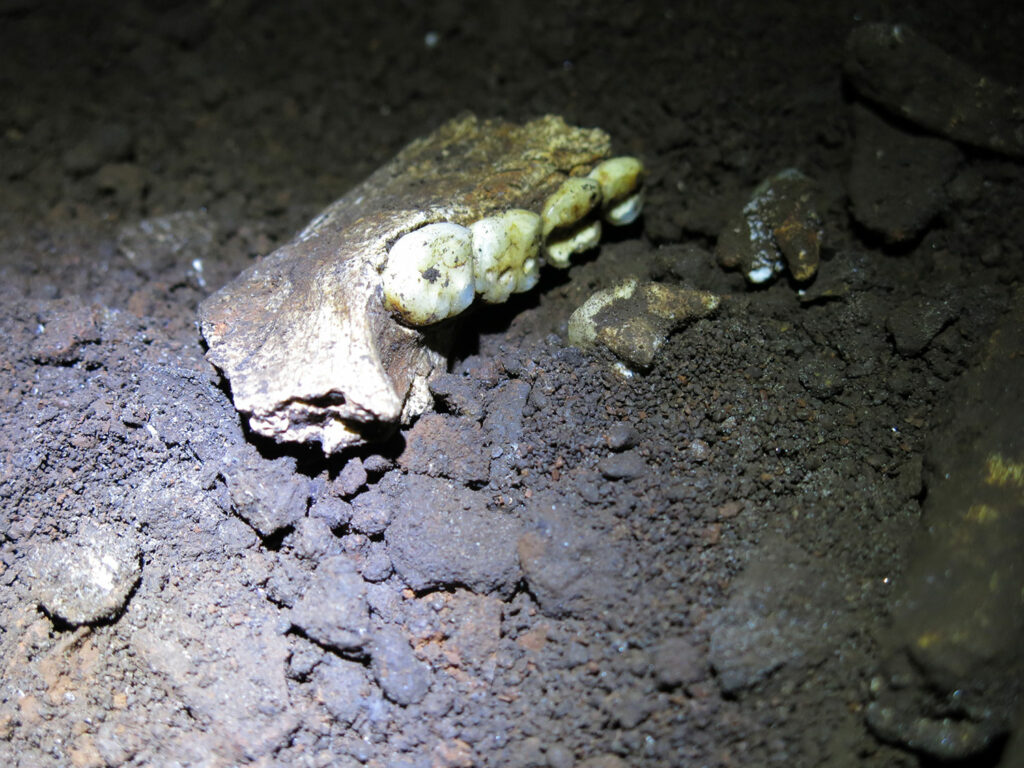
Why it matters: This challenges assumptions linking complex symbolic behavior exclusively to large-brained hominins and refines our understanding of social structure and funerary practices deep in the human lineage.
Context: The Homo naledi discoveries have consistently upended timelines and behavioral models since 2013, forcing reconsideration of cognitive capacity, mortuary activity, and species diversity in the Middle Pleistocene.
"LEIPZIG, GERMANY—Live Science reports that proteomic analysis of 20 Homo naledi teeth determined that all of the individuals to whom they belonged were female, since they each lacked a gene variant found." — ARCHAEOLOGY
Commentary: The proteomic sex determination shifts the Rising Star narrative from a generalized ‘group burial’ to a potentially structured mortuary practice, raising stakes for the small-brain/complex-behavior debate. The shared genetic marker with Paranthropus, while phylogenetically ambiguous, underscores that the late survival of Homo naledi represents a lingering thread from a far more ancient and diverse hominin tapestry in southern Africa.
Date: June 25, 2026 01:00 PM ET
URL: https://archaeology.org/news/2026/06/25/genetic-material-recovered-from-300000-year-old-homo-naledi-teeth/
AI Sentiment Score: Negative (50%)
AI Credibility Score: 10.0/10 — High
Scores and text generated by AI analysis of the source article indicated.
Genomes of Europe’s Last Neanderthals Analyzed (Archaeology)
Summary: A genomic study of 27 late-surviving Neanderthals from France and Belgium, including a newly sequenced individual from Les Cottés, challenges the long-standing hypothesis that inbreeding and a lack of genetic diversity directly caused their extinction. The analysis found these individuals belonged to distinct ancestral lineages within interconnected communities, indicating a more complex and resilient social structure than previously assumed. Crucially, the study detected no genomic evidence of recent contact with modern humans in this terminal period.
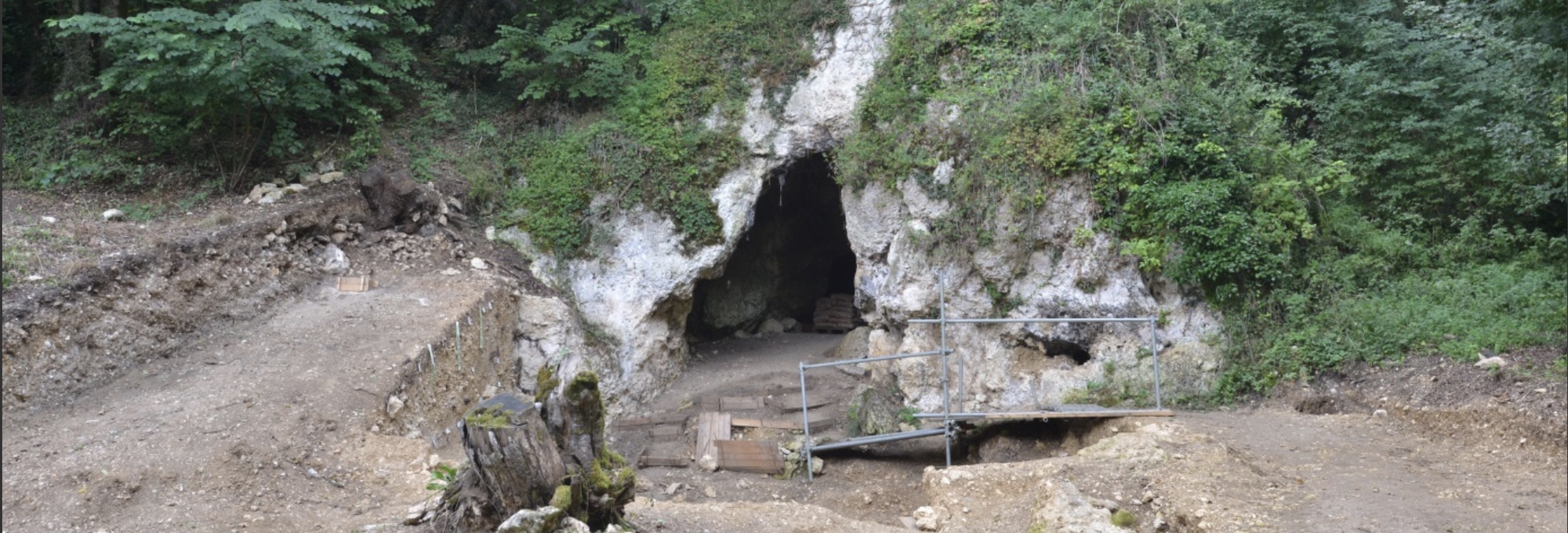
Why it matters: This reframes the final chapter of Neanderthal existence from a story of simple demographic collapse to one of structured, networked populations, forcing a reevaluation of the mechanisms behind their disappearance.
Context: The ‘extinction by inbreeding’ model has dominated paleogenomic narratives for decades, often portraying Neanderthals as isolated bands in a depopulated landscape. This study represents a significant data infusion from a critical period and geography.
"The study determined, however, that these 27 individuals did not belong to the same group. Rather, they lived in interconnected communities with different ancestral lineages. Moreover, the scientists did not find any signs of recent contact between the Neanderthals and modern humans." — ARCHAEOLOGY
Commentary: The findings shift the extinction debate from a primarily genetic cause to a more complex ecological or competitive one. The evidence for interconnectedness suggests social networks persisted, which could have been a survival asset. The absence of recent modern human admixture in these late samples narrows the window for direct cultural or genetic exchange immediately prior to extinction, implying a more decisive rupture. This moves the field from analyzing individuals to reconstructing community-scale dynamics, a more powerful lens for understanding hominin transitions.
Date: June 25, 2026 02:00 PM ET
URL: https://archaeology.org/news/2026/06/25/genomes-of-europes-last-neanderthals-analyzed/
AI Sentiment Score: Negative (60%)
AI Credibility Score: 10.0/10 — High
Scores and text generated by AI analysis of the source article indicated.
Traces of Homo erectus Fire Use Dated to 1.8 Million Years Ago (Archaeology)
Summary: A University of Toronto-led team has dated traces of fire use in South Africa’s Wonderwerk Cave to between 1.7 and 1.8 million years ago, pushing back the earliest known evidence of hominin fire use by several hundred thousand years. The evidence, derived from burned bones in owl pellets, suggests Homo erectus was collecting and using naturally occurring fire, not creating it. This indicates fire use was an occasional, opportunistic practice at this stage, not a controlled technology.
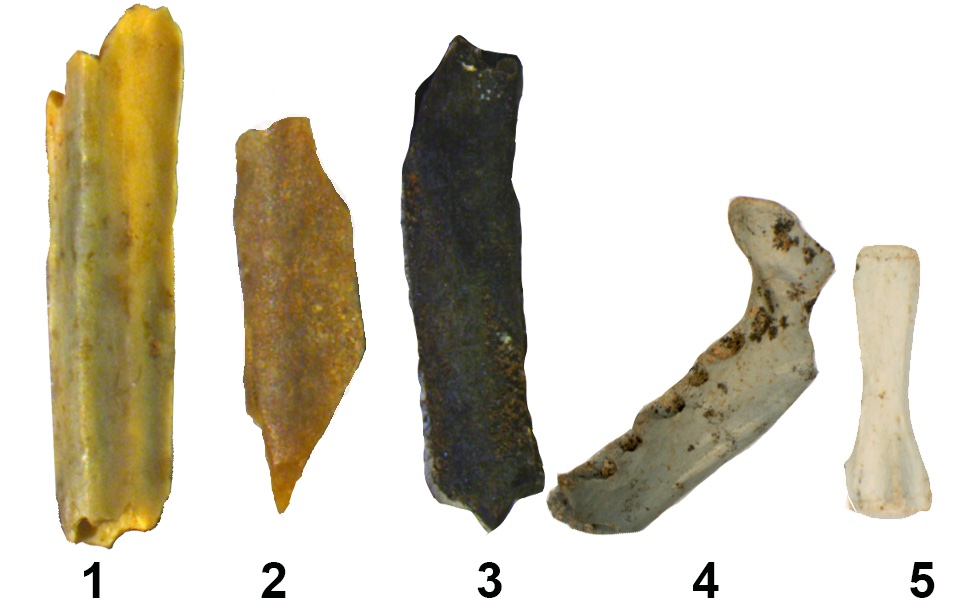
Why it matters: This recalibrates the timeline for a fundamental technological and behavioral shift, forcing a reassessment of when and how fire began shaping hominin diet, social structure, and environmental adaptation.
Context: The previous oldest confirmed evidence of hominin fire use, also from Wonderwerk Cave, was dated to one million years ago. The debate has centered on whether early fire use was a sporadic, scavenged resource or a mastered tool.
"TORONTO, CANADA—Science News reports that evidence for the oldest use of fire by hominins has been uncovered in South Africa’s Wonderwerk Cave by a team of researchers led by Michael Chazan of." — ARCHAEOLOGY
Commentary: The finding extends the period of opportunistic fire use by Homo erectus by nearly a million years, suggesting mastery of ignition was a later, separate cognitive leap. It reframes fire’s initial role from a transformative, controlled tool to a precarious, landscape-dependent resource, altering models of early human expansion and energy capture.
Date: June 26, 2026 01:30 PM ET
URL: https://archaeology.org/news/2026/06/26/traces-of-homo-erectus-fire-use-dated-to-1-8-million-years-ago/
AI Sentiment Score: Neutral (50%)
AI Credibility Score: 10.0/10 — High
Scores and text generated by AI analysis of the source article indicated.
Post ID: 746eca7a