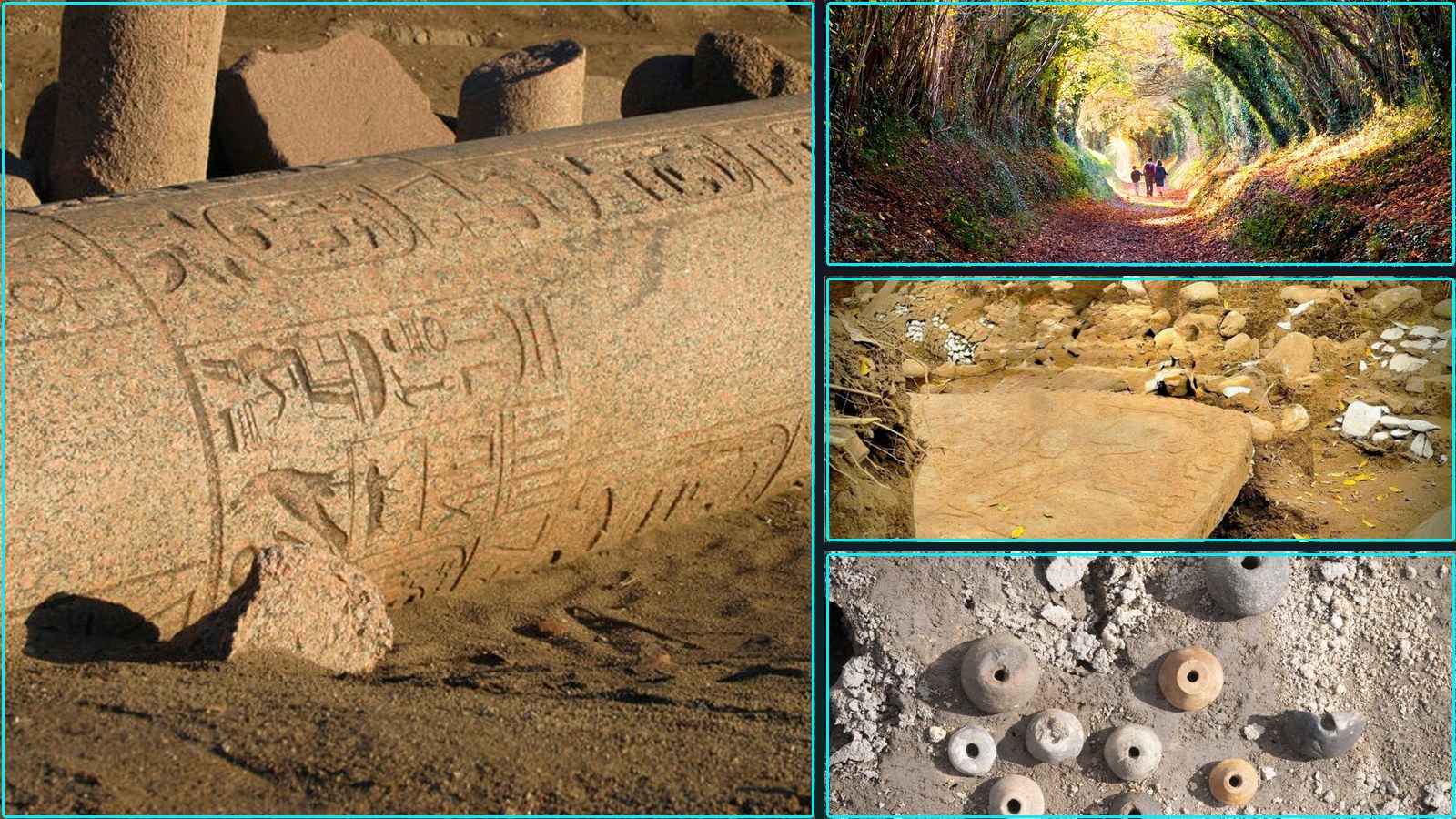
Archaeological finds from ancient civilizations
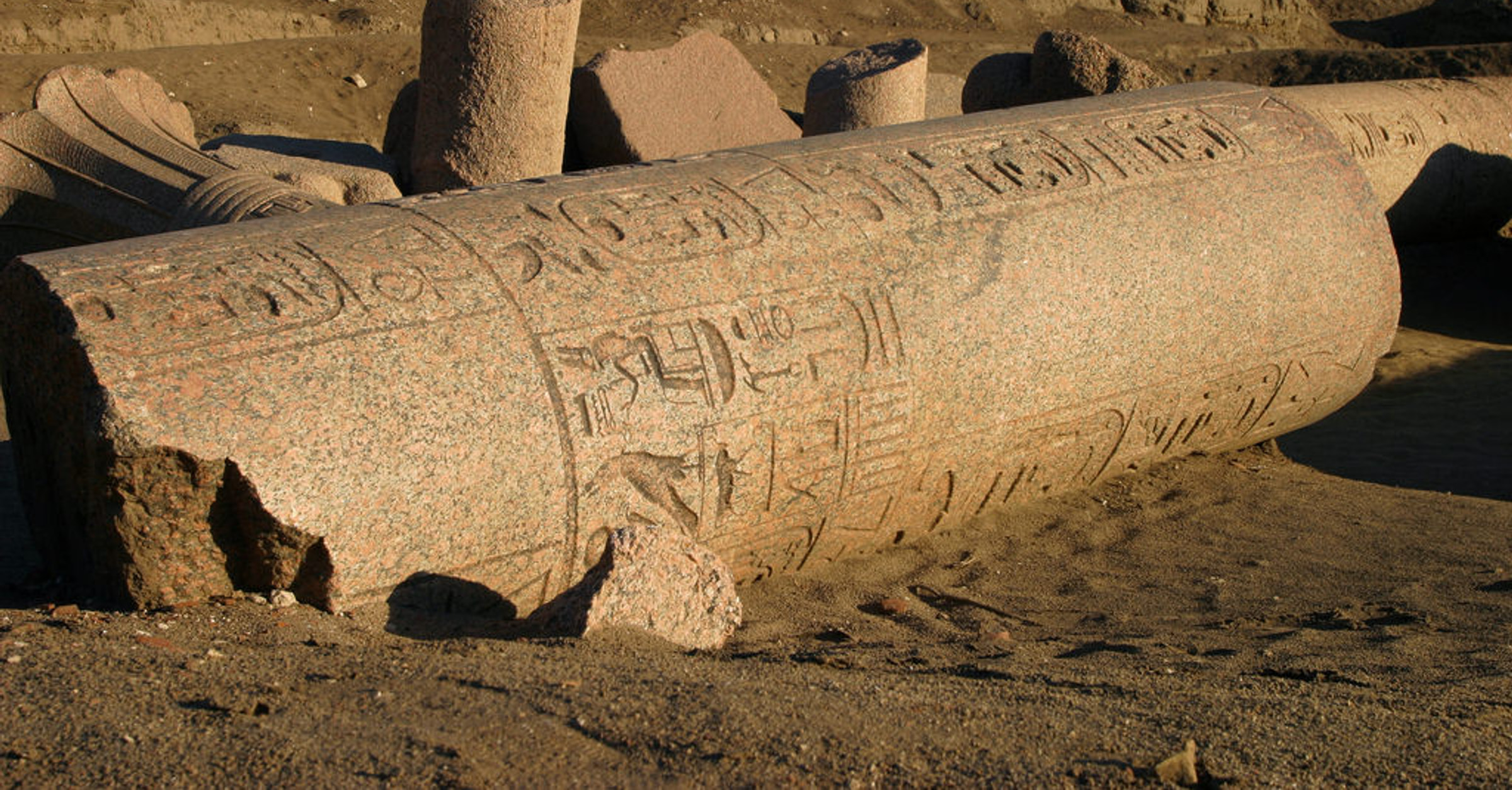
Third Intermediate Period of Egypt: Era of Foreign Invasion (Worldhistory)
Summary: The Third Intermediate Period (c. 1069–525 BCE) is conventionally framed as a chaotic era of foreign invasion and Egyptian decline following the New Kingdom. However, recent scholarship challenges this, depicting it instead as a stable, decentralized system of dual governance between the secular Tanite kings and the theocratic Theban priests of Amun. This period saw significant cultural continuity, artistic innovation, and the integration of Libyan and Kushite rulers, culminating not in collapse but in a transformed political landscape that ended with the Persian conquest.
Why it matters: It reframes a pivotal era from a narrative of civilizational failure to one of adaptive governance and cultural resilience, with implications for how we interpret political fragmentation and ‘dark ages’ elsewhere.
Context: Egyptology has historically valorized strong central rule (Kingdoms) and pathologized decentralized periods (Intermediate Periods) as chaotic interludes, a bias this revision directly confronts.
"The Third Intermediate Period (circa 1069-525 BCE) is the era following the New Kingdom (circa 1570 to circa 1069 BCE) and preceding the Late Period of ancient Egypt (525-332 BCE). Egyptian history." — WORLDHISTORY
Commentary: This revisionism dismantles the teleology of inevitable decline, revealing the Third Intermediate Period as a functional, if unconventional, political model. The real rupture comes not from internal division but from the loss of strategic buffer states, making Egypt vulnerable to Assyrian and Persian power—a lesson in geopolitical overextension rather than cultural failure.
Date: June 25, 2026 12:04 PM ET
URL: https://www.worldhistory.org/Third_Intermediate_Period_of_Egypt/
AI Sentiment Score: Negative (66%)
AI Credibility Score: 10.0/10 — High
Scores and text generated by AI analysis of the source article indicated.
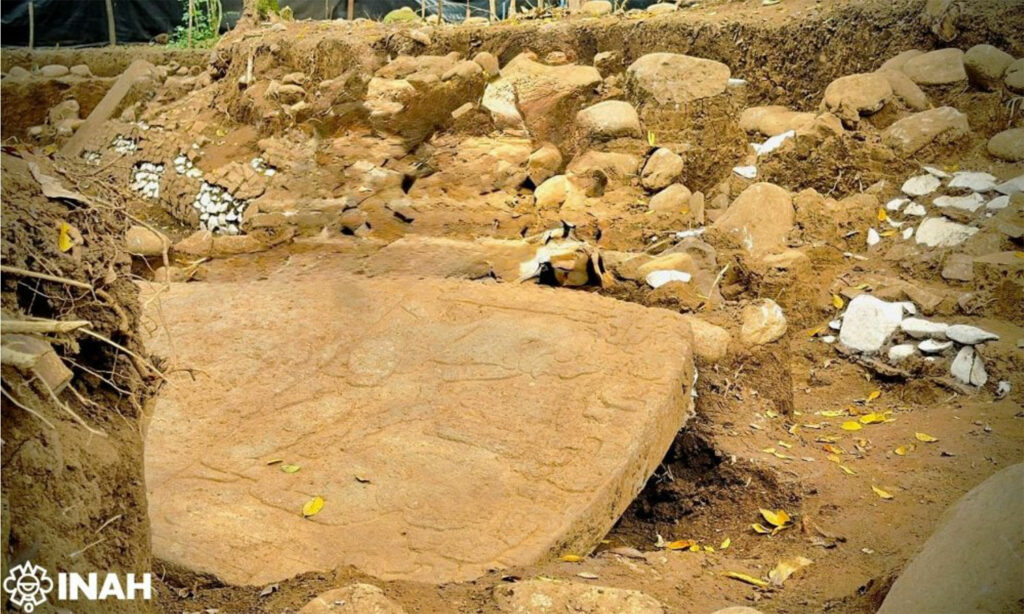
Unusual Platform and Monolith Found in Eastern Mexico (Archaeology)
Summary: A circular stone platform and a six-foot monolith depicting two figures receiving a liquid from a deity have been uncovered at the Campo Viejo site in Veracruz, Mexico, dated to the Early Classic period (A.D. 200–600). INAH archaeologists note the platform’s unique construction and decoration, stating it lacks clear correlation with other known sites. The monolith’s imagery, featuring a figure with Maya traits, is interpreted as possibly commemorating a ritual during a period of drought.
Why it matters: The find challenges established typologies of Mesoamerican ceremonial architecture and suggests a more complex, regionally diverse network of ritual practice and iconographic exchange during the Early Classic period than previously mapped.
Context: The Early Classic period is characterized by the expansion of Maya influence and the rise of Teotihuacan, yet eastern Veracruz remains a frontier zone where cultural interactions are less understood. Discoveries that don’t fit established patterns force revisions of regional models.
"VERACRUZ, MEXICO—Excavations at the Campo Viejo site in eastern Mexico have uncovered a circular stone platform and a monolithic sculpture bearing potential Maya features, according to an Agence France-Presse report. The objects." — ARCHAEOLOGY
Commentary: The platform’s architectural anomaly and the monolith’s drought-themed iconography point to localized power structures adapting ritual to environmental stress, independent of major urban centers. This pushes against homogenizing narratives of cultural hegemony and suggests we should model the period as a mosaic of resilient, semi-autonomous nodes rather than a simple core-periphery system.
Date: June 24, 2026 01:30 PM ET
URL: https://archaeology.org/news/2026/06/24/unusual-platform-and-monolith-found-in-eastern-mexico/
AI Sentiment Score: Negative (50%)
AI Credibility Score: 10.0/10 — High
Scores and text generated by AI analysis of the source article indicated.
Viking Textile Center Excavated in Denmark (Archaeology)
Summary: Archaeologists from the Moesgaard Museum have excavated a large-scale Viking textile production center in Søften, Denmark, dated to over a thousand years ago. The site includes flax processing areas and more than 80 pit houses containing spindle whorls and loom weights, indicating specialized, non-domestic manufacturing. The presence of silver coins and glass beads suggests integration into broader trade networks, with output likely destined for the nearby international hub of Aros (modern Aarhus). The discovery of a probable overseer’s residence points to organized resource management and hierarchical control within the production process.
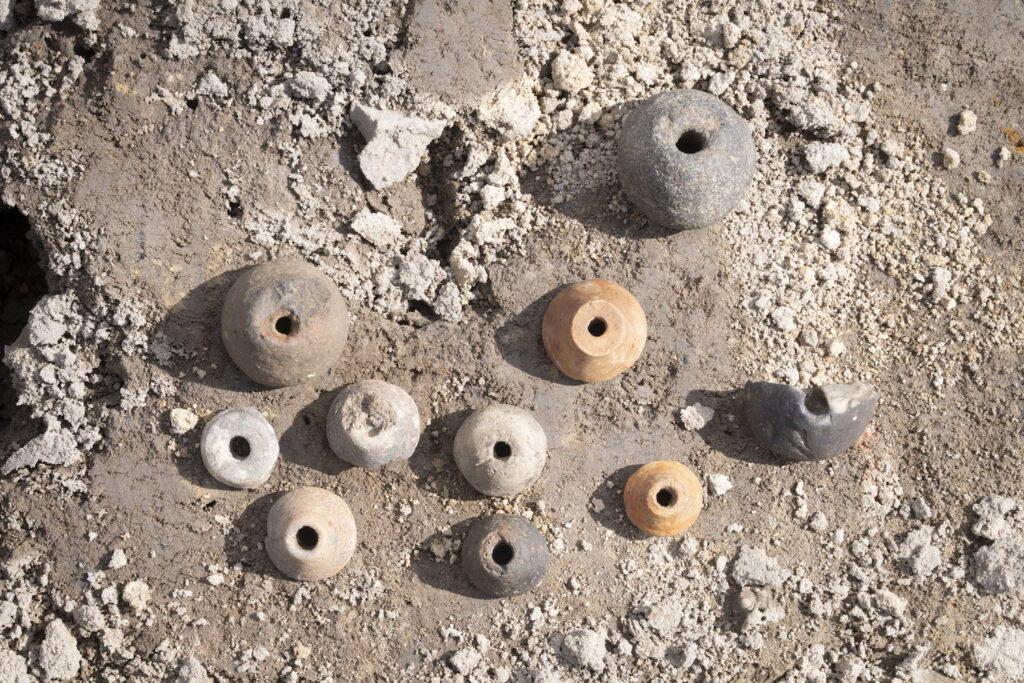
Why it matters: This find recalibrates our understanding of Viking economic organization, moving the narrative beyond raiding and local subsistence to include centralized, export-oriented light industry as a driver of regional power and connectivity.
Context: Recent archaeology has increasingly emphasized the Viking Age as a period of complex trade and production, challenging older martial-centric narratives. This site aligns with discoveries of luxury items like silk in Scandinavian contexts, underscoring the demand for textiles within both local elite consumption and long-distance exchange.
"SØFTEN, DENMARK—A Viking textile production site dated to more than 1,000 years ago has been discovered in eastern Jutland, according to an Associated Press report. Archaeologist Liv Stidsing Reher-Langberg of the Moesgaard." — ARCHAEOLOGY
Commentary: The scale and specialization of this center reframe textile work from a household chore to a core economic sector, implying a degree of labor division and administrative oversight not previously documented for this period in Scandinavia. Its proximity to Aros suggests early medieval production was already spatially optimized for export, embedding rural workshops within urban-centered commercial systems. This forces a reassessment of how surplus was generated and controlled, positioning textile manufacturing alongside metalwork and shipbuilding as a pillar of Viking Age political economy.
Date: June 25, 2026 01:30 PM ET
URL: https://archaeology.org/news/2026/06/25/viking-textile-center-excavated-in-denmark/
AI Sentiment Score: Negative (50%)
AI Credibility Score: 10.0/10 — High
Scores and text generated by AI analysis of the source article indicated.
How did the Romans build such straight roads? (Livescience)
Summary: Roman roads are renowned for their straightness, but this characteristic was not universal and depended on terrain, labor, and surveying technology. Recent mapping projects have cataloged over 186,400 miles of roads, revealing the scale of the network. The Romans employed instruments like the groma, dioptra, and chorobatus to plan alignments, but practices varied across the empire’s vast geography and long duration.

Why it matters: It corrects a popular misconception about Roman engineering, shifting focus from myth to the operational realities of imperial infrastructure.
Context: The study of Roman infrastructure has evolved from admiring engineering feats to analyzing the logistical, social, and technological systems that enabled them.
""We believe that the Romans preferred relatively straight roads in places where there was very little friction offered by the topography," such as flatland areas, Brughmans said. But in areas with more difficult terrain, such as mountainous regions, the roads would often not run straight." — LIVESCIENCE
Commentary: The article reframes Roman road-building from a monolithic achievement to a contingent practice, revealing empire-scale logistics as an adaptive, not uniform, system. This shifts historical analysis from technological determinism toward the interplay of labor, geography, and administrative pragmatism. It underscores that imperial cohesion relied on flexible local implementation, not rigid standardization.
Date: June 27, 2026 05:00 AM ET
URL: https://www.livescience.com/archaeology/romans/how-did-the-romans-build-such-straight-roads
AI Sentiment Score: Negative (50%)
AI Credibility Score: 10.0/10 — High
Scores and text generated by AI analysis of the source article indicated.
Medieval Game Board Identified in Moroccan Bathhouse (Archaeology)
Summary: A game board carved into the step of an 8th-9th century hammam in Walīla, Morocco, has been identified by researchers as the earliest known evidence of the game tāb/sig in North Africa. Its placement at the entrance to a cold plunge pool indicates it was a fixture of the public bathhouse environment, suggesting structured leisure was integrated into communal hygiene rituals.
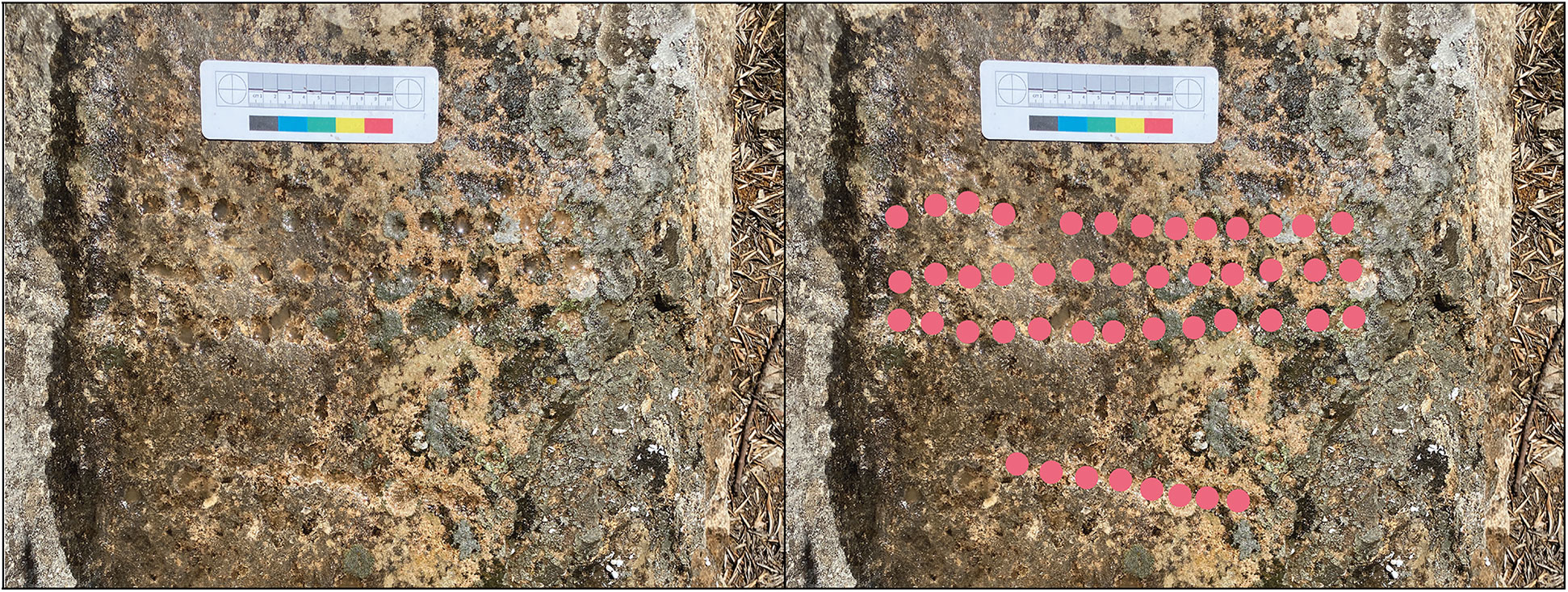
Why it matters: It refines our model of daily social practice and cultural transmission in the early medieval Maghreb, moving beyond monumental architecture to the granular details of interaction.
Context: Board games are well-attested in the medieval Islamic world, but physical evidence from North Africa’s early Islamic period is sparse, often overshadowed by material from the Mashriq.
"WALĪLA, MOROCCO—According to a Phys.org report, a possible game board has been identified at a medieval hammam, or public bathhouse, in Morocco by Tim Penn of the University of Reading and his." — ARCHAEOLOGY
Commentary: The find shifts the locus of gaming from private or courtly settings into a quintessentially public, egalitarian space, suggesting the hammam served not just for cleansing but for regulated competition and social negotiation. It provides a material anchor for literary references and implies a faster diffusion of Levantine cultural forms across the Islamic world than the architectural record alone might indicate.
Date: June 24, 2026 02:00 PM ET
URL: https://archaeology.org/news/2026/06/24/medieval-game-board-identified-in-moroccan-bathhouse/
AI Sentiment Score: Neutral (33%)
AI Credibility Score: 10.0/10 — High
Scores and text generated by AI analysis of the source article indicated.
Post ID: b8542592