Iran tensions and diplomatic moves
Trump says he called off new Iran attack at request of Gulf states (Bbc)
Summary: President Trump announced he has paused a planned US military attack on Iran at the request of Gulf Arab states, citing ongoing negotiations. The decision comes amid domestic political pressure, with polls showing majority disapproval of the war and his performance. The strategic calculus is heavily influenced by Gulf states’ vulnerability to Iranian retaliation against critical infrastructure, including desalination plants, and the ongoing economic impact of Iran’s control over the Strait of Hormuz.
Why it matters: The pause and its stated rationale reveal the operational influence of regional allies on US military decisions and highlight the tangible, non-nuclear leverage Iran holds over global energy markets and neighboring states’ survival infrastructure.
Context: This follows a cycle of strikes and retaliation since February, a fragile April ceasefire, and stalled negotiations over Iran’s nuclear program and regional demands, all set against a backdrop of rising oil prices and US electoral dynamics.
"Trump says he called off new Iran attack at request of Gulf states US President Donald Trump has said he is holding off a military attack on Iran planned for Tuesday at." — BBC
Commentary: The Gulf states’ intervention underscores a shift from abstract non-proliferation goals to immediate, physical risk management of national infrastructure. Trump’s public framing as a concession to allies attempts to recast a strategic constraint as diplomatic leverage, while the domestic polling data suggests the pause may be as much about electoral resilience as regional stability. The continued Iranian control of the Strait of Hormuz remains the most effective counter-pressure, making any ‘acceptable’ deal one that primarily addresses energy transit security.
Date: Mon, 18 May 2026 22:30:58 GMT
URL: https://www.bbc.com/news/articles/c7079e55zjro
AI Sentiment Score: Negative (66%)
AI Credibility Score: 10.0/10 — High
Scores and text generated by AI analysis of the source article indicated.
G-7 Finance Ministers Discuss Economic Fallout of Iran War (Foreignpolicy)
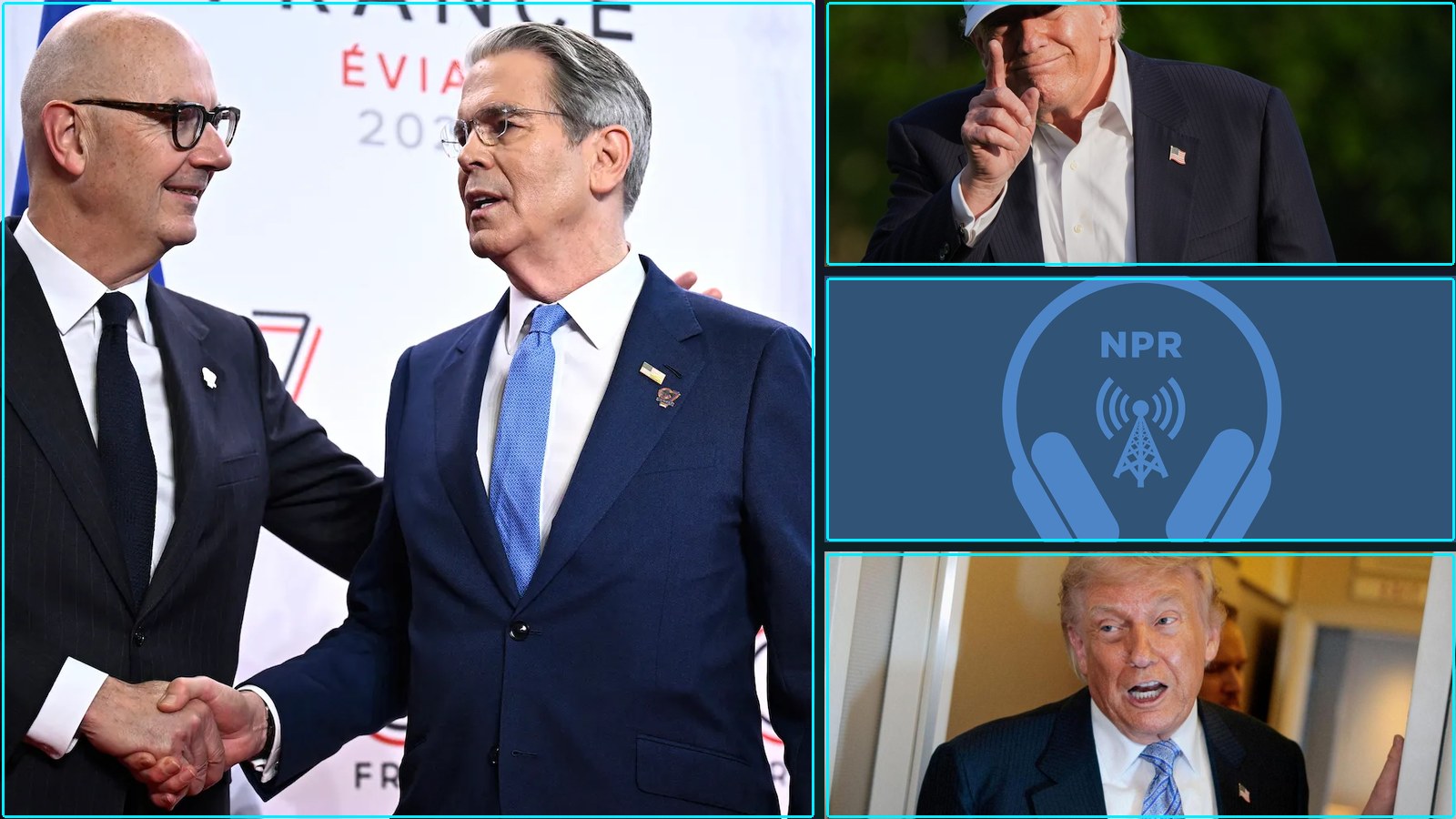
Summary: G-7 finance ministers convened in Paris to coordinate a response to the economic fallout from the Iran war, focusing on oil price volatility and bond market instability. U.S. Treasury Secretary Scott Bessent sought to rally allies for tighter sanctions on Iran, but unity was complicated by lingering trade disputes and divergent approaches to Russia. The meetings also addressed reopening the Strait of Hormuz, reducing mineral reliance on China, and building alternative supply chains.

Why it matters: Coordinated G-7 action or inaction will directly shape global energy costs, inflation trajectories, and the stability of financial markets, with immediate consequences for trade, investment, and recession risks.
Context: This follows a period of U.S.-led trade fragmentation and occurs alongside ongoing sanctions pressure on Russia, testing the coherence of the Western economic bloc under stress.
"Among the group’s biggest concerns is that disruptions to oil markets could slow growth, increase inflation, and ignite a possible global recession." — FOREIGNPOLICY
Commentary: The meeting reveals a reactive, crisis-management posture within the G-7, where geopolitical conflict is now the primary driver of economic agenda. Bessent’s focus on Iran sanctions over broader stabilization suggests U.S. policy prioritizes coercion over market repair, a friction point with European partners more concerned about Russian crude exemptions. The discussions on alternative supply chains and critical minerals indicate a structural shift is underway, but one still hampered by transactional politics.
Date: Mon, 18 May 2026 20:42:49 +0000
URL: https://foreignpolicy.com/2026/05/18/g7-finance-ministers-iran-war-oil-prices-bond-markets-tariffs-trump-us/
AI Sentiment Score: Negative (83%)
AI Credibility Score: 10.0/10 — High
Scores and text generated by AI analysis of the source article indicated.
Trump delays ‘scheduled attack’ on Iran, crediting ‘serious negotiations’ (Aljazeera)
Summary: President Trump announced a delay of a ‘scheduled attack’ on Iran, citing ongoing ‘serious negotiations’ and the influence of Gulf leaders. The decision follows intense regional pressure to de-escalate a conflict that has closed the Strait of Hormuz and drawn Gulf states into the line of fire. The pause is conditional, with Trump ordering the military to remain prepared for a ‘full, large scale assault’ if a deal is not reached.

Why it matters: The delay signals a pivotal moment where Gulf state priorities—strait access and missile threats—may be overtaking the U.S. nuclear focus, reshaping the conflict’s trajectory and regional stability.
Context: The U.S.-Israel war with Iran, ongoing since February, has featured a fragile ceasefire, sputtering Pakistan-mediated talks, and a U.S. naval blockade responding to Iran’s chokehold on the Strait of Hormuz.
"Trump delays ‘scheduled attack’ on Iran, crediting ‘serious negotiations’ Gulf states have pushed Trump to avoid any escalation in the US-Israel war against Iran, which prompted regional attacks. United States President Donald." — ALJAZEERA
Commentary: The intervention by Qatar and Saudi Arabia reveals a critical divergence in allied objectives: Gulf capitals are managing immediate economic and security blows, while Washington’s posture remains ideologically fixed. This creates a negotiated outcome where the most likely concessions—on strait access and missiles—will be framed as a U.S. victory but primarily serve regional operability. The temporary license for Russian oil underscores the tangible supply chain fractures now driving policy.
Date: Mon, 18 May 2026 20:12:45 +0000
URL: https://www.aljazeera.com/news/2026/5/18/trump-delays-scheduled-attack-on-iran-crediting-serious-negotiations?traffic_source=rss
AI Sentiment Score: Negative (50%)
AI Credibility Score: 10.0/10 — High
Scores and text generated by AI analysis of the source article indicated.
Trump claims planned attack on Iran postponed after Tehran makes new proposal to end war (Theguardian)
Summary: President Trump announced a pause in planned US military strikes against Iran, citing ongoing ‘serious negotiations’ following a new proposal from Tehran aimed at ending the regional war. The claim, made via social media, contrasts with the reported absence of an immediate diplomatic breakthrough. The situation underscores the volatile interplay between public threats and private diplomacy in the current administration’s foreign policy.
Why it matters: This signals a potential, though fragile, shift from military escalation to negotiation, affecting regional stability, energy markets, and global security alliances.
Context: This follows a pattern of the administration using public threats as a bargaining tool, creating a high-risk diplomatic environment where market and geopolitical stability hinges on presidential statements.
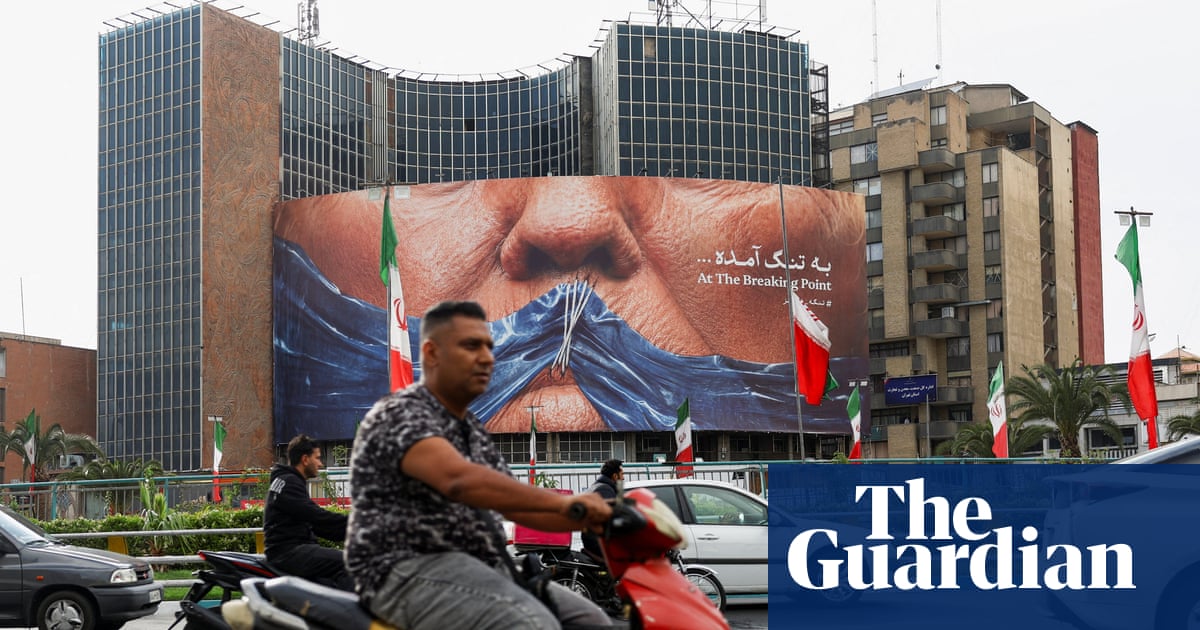
"Iran has made a new proposal for a deal to definitively end the war in the Middle East, officials in the region said on Monday, with Donald Trump claiming he had postponed new military strikes so talks could continue." — THEGUARDIAN
Commentary: The operational tempo of crisis diplomacy is now explicitly tied to presidential social media posts, creating acute uncertainty for allies and adversaries. This method elevates the risk of miscalculation, as markets and militaries must parse rhetoric for actionable signals, while the underlying diplomatic stalemate persists.
Date: Mon, 18 May 2026 21:07:58 GMT
URL: https://www.theguardian.com/world/2026/may/18/iran-new-proposal-deal-to-end-war-us-israel
AI Sentiment Score: Negative (66%)
AI Credibility Score: 10.0/10 — High
Scores and text generated by AI analysis of the source article indicated.
U.S. and Israel prepare for potential return to full-scale war with Iran (Npr)
Summary: Events over the weekend highlight the risk of renewed war, as the United States and Israel signal they would be ready to fight Iran again. Escalation rhetoric signals a heightened risk of regional conflict, impacting global energy flows and maritime insurance.

Why it matters: Escalation rhetoric signals a heightened risk of regional conflict, impacting global energy flows and maritime insurance.
Context: US-Israel posturing suggests a potential shift in deterrence calculus regarding Iranian proxies and maritime chokepoints.
"Events over the weekend highlight the risk of renewed war, as the United States and Israel signal they would be ready to fight Iran again." — NPR
Commentary: The signal is still worth tracking, but the current extraction path did not yield enough body text for a fuller analytical read. The immediate implication is operational rather than speculative: watch how this changes budgets, workflows, or risk assumptions over the next cycle.
Date: Mon, 18 May 2026 04:46:03 -0400
URL: https://www.npr.org/2026/05/18/nx-s1-5825574/u-s-and-iran-signal-readiness-to-fight-again-as-weekend-tensions-mount
AI Sentiment Score: Negative (66%)
AI Credibility Score: 10.0/10 — High
Scores and text generated by AI analysis of the source article indicated.
Blocked Strait of Hormuz Leads to New Opportunities for Syria (Nytimes)
Summary: The latest war in the Middle East has created new economic opportunities for Syria thanks to its geography. Geopolitical choke points shifting trade flows; Syria’s strategic location gains unexpected economic leverage.

Why it matters: Geopolitical choke points shifting trade flows; Syria’s strategic location gains unexpected economic leverage.
Context: Focus shifts from conflict cost to infrastructure viability and alternative transit corridors.
"The latest war in the Middle East has created new economic opportunities for Syria thanks to its geography." — NYTIMES
Commentary: The signal is still worth tracking, but the current extraction path did not yield enough body text for a fuller analytical read. The immediate implication is operational rather than speculative: watch how this changes budgets, workflows, or risk assumptions over the next cycle.
Date: Mon, 18 May 2026 09:55:24 +0000
URL: https://www.nytimes.com/2026/05/18/world/middleeast/strait-hormuz-blockade-iran-war-syria-oil.html
AI Sentiment Score: Negative (66%)
AI Credibility Score: 10.0/10 — High
Scores and text generated by AI analysis of the source article indicated.
The Iran War Is Crippling One of the World’s Wealthiest Nations (Nytimes)
Summary: Iranian attacks and the stoppage of seaborne transit have paralyzed Qatar’s vital gas exports, stalling the economic pivots intended to anchor the country’s growth. Qatar’s gas export paralysis signals acute vulnerability to regional maritime instability, impacting energy supply chains.

Why it matters: Qatar’s gas export paralysis signals acute vulnerability to regional maritime instability, impacting energy supply chains.
Context: The disruption highlights the geopolitical fragility underpinning Gulf energy transit routes and economic diversification efforts.
"Iranian attacks and the stoppage of seaborne transit have paralyzed Qatar’s vital gas exports, stalling the economic pivots intended to anchor the country’s growth." — NYTIMES
Commentary: The signal is still worth tracking, but the current extraction path did not yield enough body text for a fuller analytical read. The immediate implication is operational rather than speculative: watch how this changes budgets, workflows, or risk assumptions over the next cycle.
Date: Mon, 18 May 2026 02:38:24 +0000
URL: https://www.nytimes.com/2026/05/17/business/qatar-economy-iran-war.html
AI Sentiment Score: Negative (75%)
AI Credibility Score: 10.0/10 — High
Scores and text generated by AI analysis of the source article indicated.
Post ID: 87901887