AI’s Impact on VFX and Filmmaking
AI Is Rewriting the VFX Rulebook in 2026 (Rosesonstudios)
Summary: AI integration into VFX pipelines has moved from speculative R&D to operational reality in 2026, fundamentally altering production economics. Key workflows—rotoscoping, de-aging, crowd simulation, and final-pixel rendering—are now demonstrably accelerated by machine learning tools. Netflix’s ‘Frankenstein’ serves as a public benchmark, proving AI-assisted output can meet high-end theatrical quality standards. The shift is not about artist replacement but a reallocation of labor toward creative direction, with repetitive technical tasks increasingly automated.

Why it matters: For VFX supervisors, studio heads, and pipeline TDs, this recalibrates bidding models, staffing plans, and competitive positioning, as throughput and quality ceilings rise simultaneously.
Context: The industry has been anticipating this integration for years, but 2026 marks the point where tool reliability and client acceptance converge, moving AI from proof-of-concept to sanctioned line items.
"It was artificial intelligence walking through the door of every VFX pipeline on the planet and quietly transforming how visual effects are created, budgeted, and delivered. … And the biggest disruptor driving." — ROSESONSTUDIOS
Commentary: The immediate consequence is a compression of vendor leverage on routine work, forcing a pivot toward high-value creative oversight and complex problem-solving. Mid-tier studios gain access to effects previously reserved for top-tier budgets, flattening the competitive landscape. However, this also intensifies pressure on artist skill sets, demanding fluency in both traditional craft and new AI-augmented toolchains to remain employable.
Date: May 21, 2026 12:00 AM ET
URL: https://www.rosesonstudios.com/post/ai-is-rewriting-the-vfx-rulebook-in-2026-what-every-filmmaker-needs-to-know
AI Sentiment Score: Positive (50%)
AI Credibility Score: 9.5/10 — High
Scores and text generated by AI analysis of the source article indicated.
AI on the virtual stage – Definition (Definitionmagazine)
Summary: Virtual production studios are integrating AI-generated environments, particularly via Gaussian splatting, to replace or augment traditional 3D engine workflows. This shift is driven by client demands for higher value at lower cost and faster speed, with some studios reporting order-of-magnitude reductions in time and expense for background creation. The legal framework for these AI-generated assets remains ambiguous, prompting studios to adopt pragmatic, sometimes preemptive, approaches to copyright and data sourcing. The integration is also reshaping labor needs, creating demand for new AI-specific skills while potentially displacing certain traditional 3D artist roles.
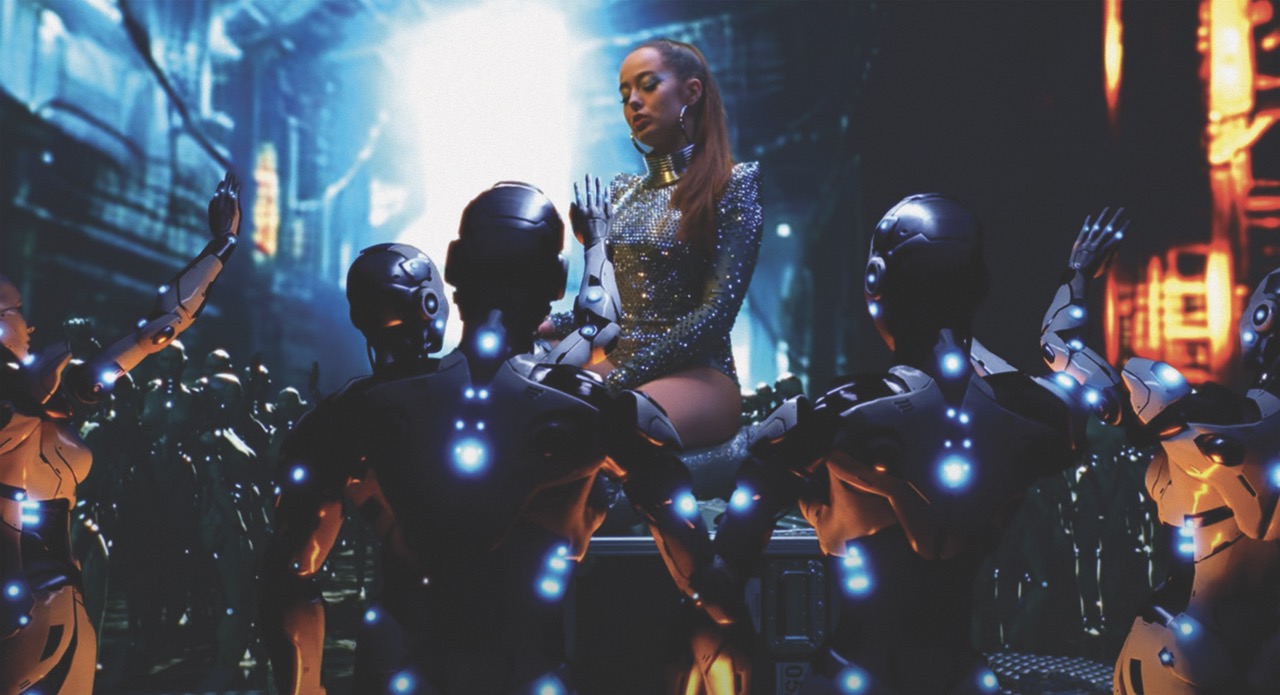
Why it matters: The economics of complex shots and entire virtual productions are being reset, forcing a reevaluation of vendor pipelines, staffing models, and client expectations.
Context: The push for cost and time efficiency in virtual production, especially for advertising and episodic content, is colliding with rapid advances in generative 3D techniques.
"AI on the virtual stage Posted on May 10, 2026 by Admin Artificial intelligence is transforming film and television production, and creeping inside the LED volumes of virtual studios too. While still." — DEFINITIONMAGAZINE
Commentary: The move from pipeline-heavy 3D engines to prompt-based Gaussian splatting represents a fundamental shift in the capital structure of VFX work, lowering the barrier to high-quality backgrounds and transferring leverage from large, integrated teams to smaller, AI-savvy units. This will compress margins for traditional asset creation vendors while creating new dependencies on model providers and prompting specialists. The legal ‘wild west’ surrounding outputs introduces a tangible liability for studios and clients, potentially slowing adoption in high-stakes projects until indemnification frameworks mature.
Date: May 20, 2026 12:00 AM ET
URL: https://definitionmagazine.com/features/ai-on-the-virtual-stage/
AI Sentiment Score: Positive (40%)
AI Credibility Score: 10.0/10 — High
Scores and text generated by AI analysis of the source article indicated.
Global Filmmakers Are Leveraging Kling AI to Push the Boundaries of Storytelling, Cannes Panel Presents (Markets.Businessinsider)
Summary: Kling AI is moving beyond a tool vendor role to become an integrated production partner, securing exclusive ‘Technological Brand Partner’ deals on feature films. The Cannes panel showcased three projects leveraging its platform, including a South Korean feature aiming for theatrical release this year. This signals a shift from experimental AI use to sanctioned, branded integration into mainstream cinematic workflows.
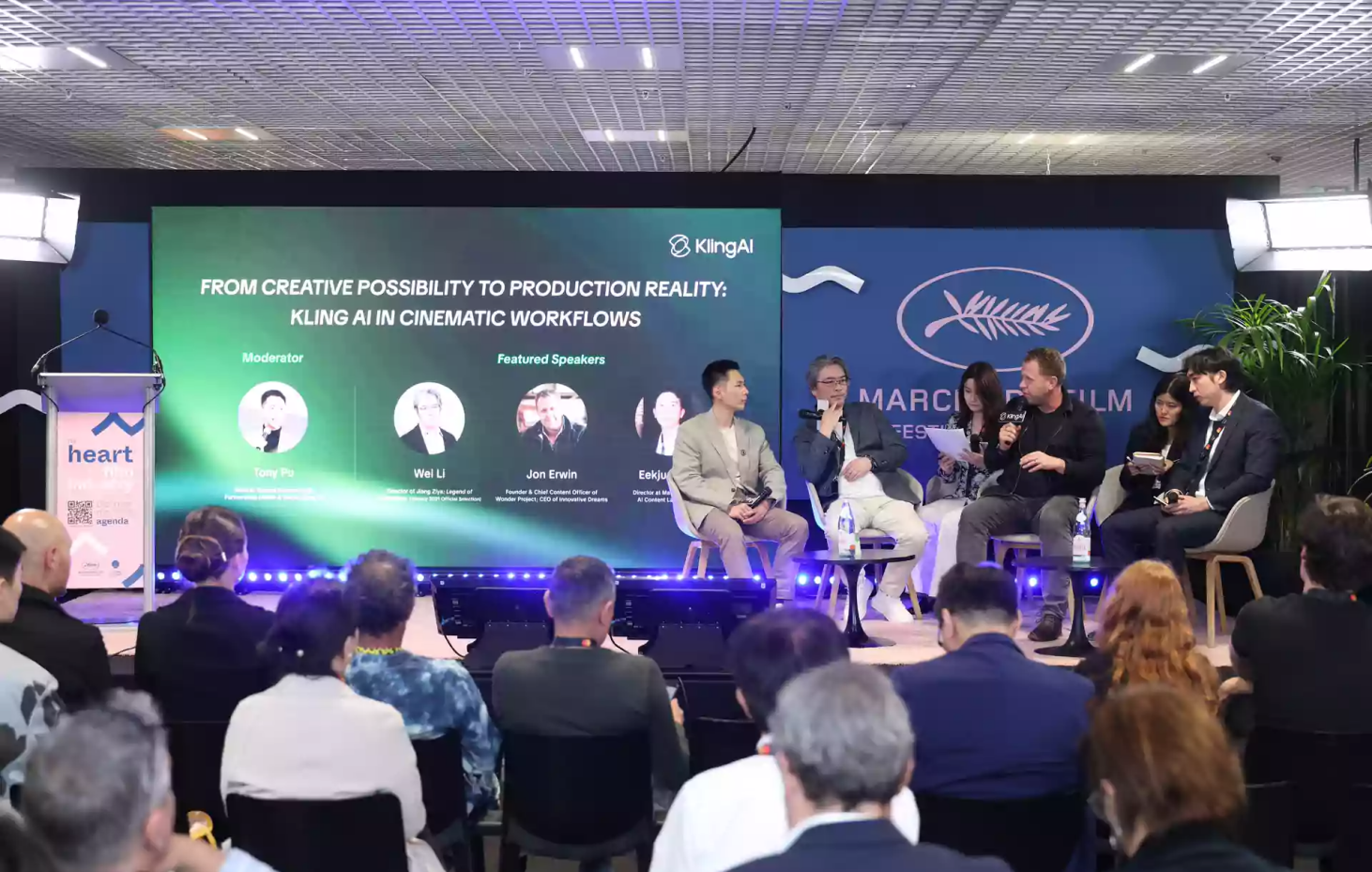
Why it matters: For VFX supervisors, producers, and studio heads, this signals a new vendor relationship model that could reshape bidding, staffing, and intellectual property control on AI-intensive projects.
Context: AI video tools have been in a proof-of-concept phase; Kling’s partnership model represents a commercial push to lock in high-profile projects and establish platform-specific production pipelines.
"Cannes, France, May 20, 2026 (GLOBE NEWSWIRE) — A shift is underway in the global film industry as creators across the globe embrace Kling AI to produce cinematic-level visuals and push the." — MARKETS.BUSINESSINSIDER
Commentary: The ‘exclusive worldwide partnership’ framework suggests Kling is pursuing a vendor-lock strategy akin to software deals in other industries, potentially creating siloed talent pools and proprietary workflows. This could pressure competing AI platforms to offer similar bundled support, shifting leverage from generalist AI artists to platform-aligned teams. For studios, it introduces a new variable in production finance and rights negotiations, as the technological partner may claim a stake in the final product’s brand.
Date: May 20, 2026 12:00 AM ET
URL: https://markets.businessinsider.com/news/stocks/global-filmmakers-are-leveraging-kling-ai-to-push-the-boundaries-of-storytelling-cannes-panel-presents-1036178229
AI Sentiment Score: Positive (40%)
AI Credibility Score: 10.0/10 — High
Scores and text generated by AI analysis of the source article indicated.
How AI Is Revolutionizing Filmmaking in 2026 (Thehiddenreview)
Summary: AI integration across filmmaking pipelines is now operational, not experimental, compressing pre-production timelines and automating technical VFX tasks. This shifts artist roles toward creative oversight and enables real-time iteration in virtual production. The economic effect is asymmetric: studios gain throughput and risk management, while independents access capabilities previously requiring full crews.

Why it matters: This changes the cost structure and staffing model for complex shots, redistributing leverage between vendors and studios while altering career paths for technical artists.
Context: The shift from AI as a novelty to a baked-in pipeline component follows years of vendor tooling consolidation and real-time engine adoption.
"Background replacement, sky swaps, crowd duplication, cleanup and rotoscoping are now routinely assisted—or entirely handled—by machine‑learning models, leaving VFX artists to focus on creative decisions instead of repetitive technical tasks." — THEHIDDENREVIEW
Commentary: The throughput increase for rote tasks could pressure VFX vendor margins tied to hourly labor, while elevating the value of creative direction and aesthetic judgment. Studios will likely consolidate more work in-house using these tools, reducing their reliance on external vendors for mid-tier complexity shots. This creates a bifurcated labor market: fewer junior technical roles, but higher demand for senior artists who can manage and art-direct AI-assisted outputs.
Date: May 18, 2026 12:00 AM ET
URL: https://thehiddenreview.com/2026/05/18/how-ai-is-revolutionizing-filmmaking-in-2026/
AI Sentiment Score: Positive (40%)
AI Credibility Score: 9.1/10 — High
Scores and text generated by AI analysis of the source article indicated.
2026 Film Industry AI Virtual Production Changes Rules (Shop.Bottegadelsarto)
Summary: By Q2 2026, AI virtual production has matured from experimental to standard, with studios, independents, and streamers adopting end-to-end AI-assisted pipelines. Core changes include AI-driven camera tracking, lighting simulation, and digital doubles, shifting significant budget allocation toward this infrastructure. The stack now emphasizes interoperability via standardized data formats and open APIs, integrating real-time game engines with ML inference servers and cloud render farms.

Why it matters: This redefines production economics and vendor leverage, shifting capital expenditure from physical builds and post-production overruns to predictable, software-driven infrastructure.
Context: The shift follows a multi-year trend from screen-based post toward on-set, data-driven decision-making, accelerated by cloud scaling and policy-friendly licensing.
"Industry reports from 2025 to 2026 show a measurable reallocation of budgets toward AI-driven systems, with a typical mid-budget feature allocating 8-12% of its production budget to AI-enabled production infrastructure, up from 3-5% in 2023-2024." — SHOP.BOTTEGADELSARTO
Commentary: The budget reallocation signals a structural change: VFX houses must now compete on AI pipeline integration and data interoperability, not just artist hours. This commoditizes complex shot creation, pressuring mid-tier vendors while consolidating advantage with studios that control the stack. The estimated 18-25% reduction in reshoots directly attacks a primary cost overrun vector, making greenlight decisions more data-bound and less speculative.
Date: May 24, 2026 12:00 AM ET
URL: https://www.shop.bottegadelsarto.com/opinion/2026-film-industry-ai-virtual-production-changes-rules-769944
AI Sentiment Score: Negative (60%)
AI Credibility Score: 9.2/10 — High
Scores and text generated by AI analysis of the source article indicated.
AI-VFX Pipeline in 2026: What Studios Really Use (Digikorevfx)
Summary: By 2026, AI’s primary role in high-end VFX pipelines is operational augmentation, not creative replacement. Studios are deploying machine learning tools to automate repetitive tasks like rotoscoping, cleanup, and asset organization, aiming to improve throughput and manage delivery pressure, particularly in episodic content. Final quality control, creative consistency, and complex cinematic problem-solving remain firmly with experienced artists and supervisors.

Why it matters: This clarifies the actual leverage points and investment priorities for VFX vendors, studio production heads, and pipeline TDs, moving the conversation from speculative fear to practical tool integration and labor reallocation.
Context: The discourse around AI in VFX has been dominated by replacement narratives, obscuring the slower, more consequential integration into established pipelines and vendor economics.
"AI is another major shift, but its role in production is far more practical than most headlines suggest. In 2026, studios primarily use AI to improve workflow efficiency. It helps reduce repetitive." — DIGIKOREVFX
Commentary: The shift from ‘AI as artist’ to ‘AI as production assistant’ recalibrates vendor pricing models around throughput gains on roto and cleanup, potentially squeezing mid-tier shops that can’t invest in tool integration. For artists, it means a re-skilling pressure towards supervisory and refinement roles, while episodic and streaming workflows will see the most immediate economic impact from accelerated turnarounds.
Date: May 19, 2026 12:00 AM ET
URL: https://digikorevfx.com/the-ai-vfx-pipeline-in-2026-what-hollywood-studios-are-actually-using-vs-whats-still-hype/
AI Sentiment Score: Negative (66%)
AI Credibility Score: 8.2/10 — High
Scores and text generated by AI analysis of the source article indicated.
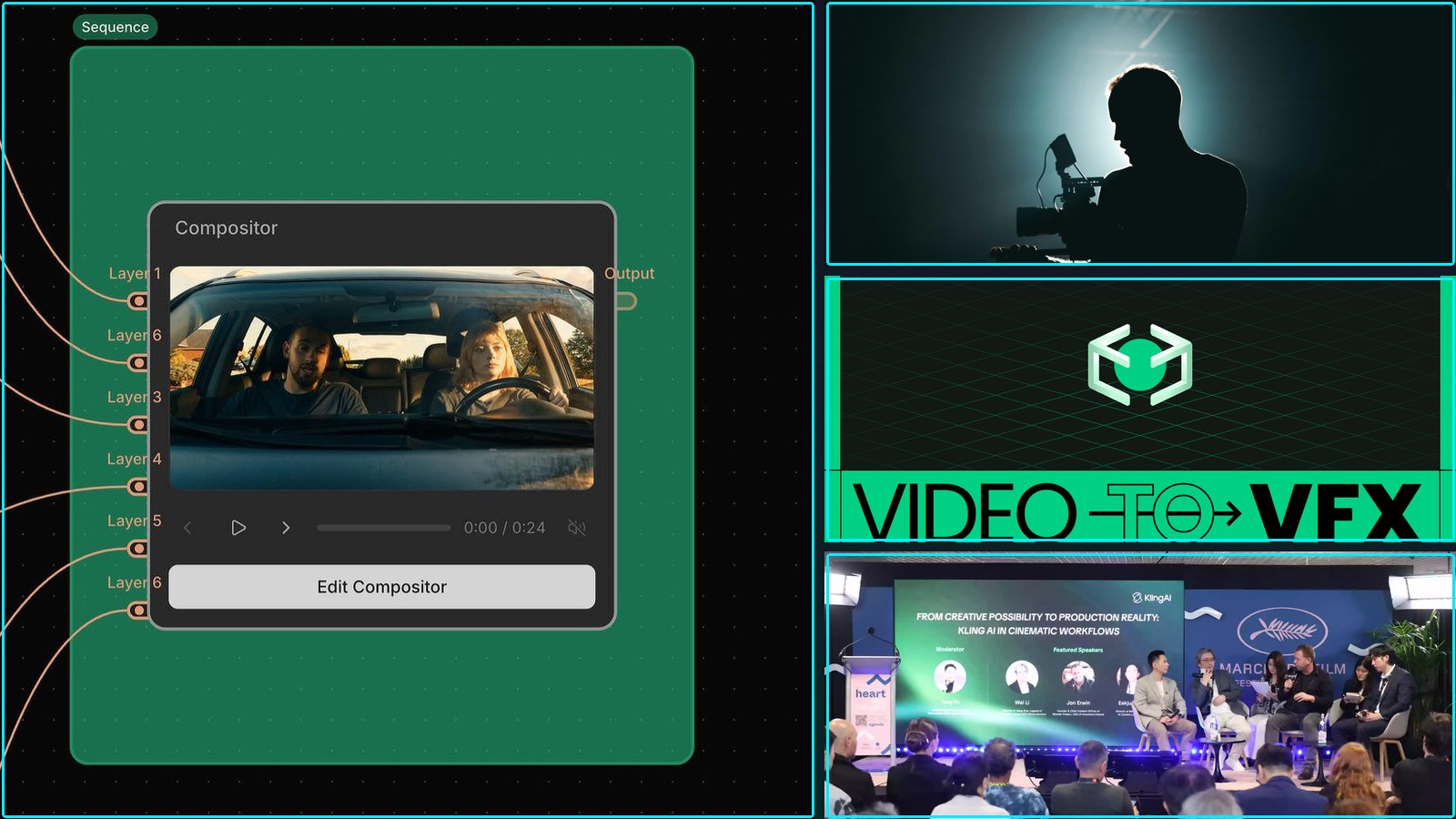
Node-Based AI Compositors Are Reshaping VFX Workflows – Milik (Milik.Ai)
Summary: Node-based AI compositing platforms like Beeble Canvas are shifting VFX and virtual production workflows from linear timelines to procedural graphs. This architectural change enables non-destructive, reusable shot setups, with integrated AI models automating tasks like rotoscoping and generating PBR passes. The platform’s API layer allows studios to embed these AI services into existing custom pipelines, moving beyond standalone software toward integrated workflow automation.
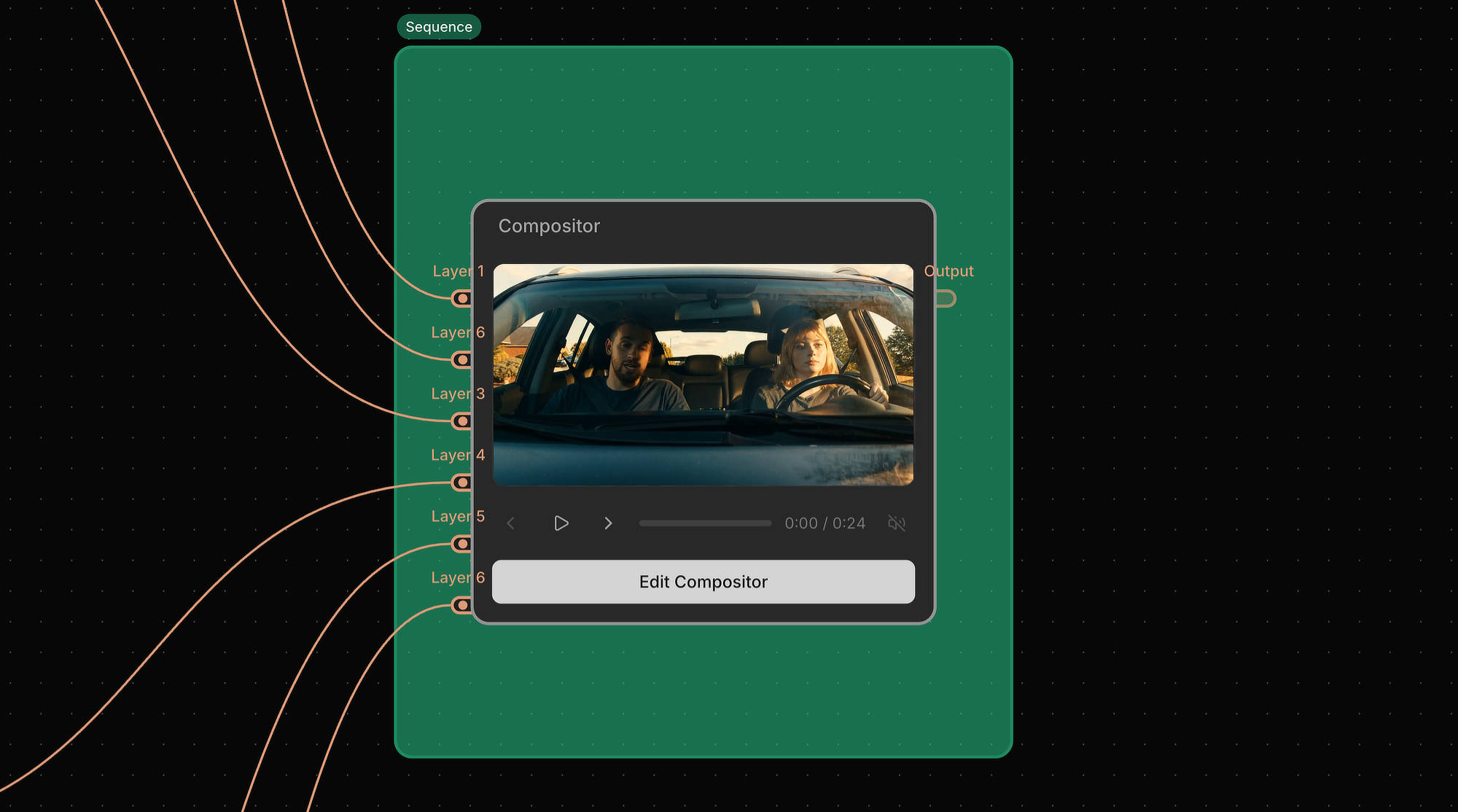
Why it matters: This directly impacts throughput, vendor leverage, and the economics of complex shots by automating repetitive tasks and enabling scalable, repeatable workflows across episodic and campaign-scale projects.
Context: The VFX industry is under persistent pressure to deliver higher-quality outputs on tighter schedules and budgets, driving demand for tools that increase artist efficiency without sacrificing creative control.
"Video compositing software has long revolved around layer-based timelines, but complex VFX and virtual production work is pushing teams toward node-based compositing. Nodes let artists describe shots as procedural graphs instead of." — MILIK.AI
Commentary: The shift from a layer-based to a node-based paradigm, coupled with natively integrated AI services, redefines the staffing model for compositing departments. It reduces reliance on large teams of junior artists for rote tasks like rotoscoping, concentrating senior talent on higher-order creative decisions. For vendors, this increases leverage in bidding for volume work but also raises the quality ceiling clients will expect for the same price. The API-driven approach ensures adoption will be driven by pipeline integration needs, not just artist preference, locking in workflow changes at the studio infrastructure level.
Date: May 22, 2026 12:00 AM ET
URL: https://www.milik.ai/articles/0a47f01fe5
AI Sentiment Score: Positive (50%)
AI Credibility Score: 9.2/10 — High
Scores and text generated by AI analysis of the source article indicated.
Cannes 2026: The Filmmakers Who Are Learning to Embrace AI (Studio.Aifilms.Ai)
Summary: Cannes 2026 marked a pivot from clandestine AI use to open, practical discussion among filmmakers, with cost reduction as the primary justification. Director Mathieu Kassovitz quantified the shift, claiming a project’s budget could drop from $50-60 million to $25 million using AI tools. The production of ‘Bitcoin: Killing Satoshi’ exemplified this, with producers stating AI-generated environments slashed an estimated $300 million budget to $70 million. High-profile projects like Steven Soderbergh’s John Lennon documentary further normalized AI use at the festival, even as a spectrum of resistance, from Demi Moore’s resignation to the launch of the anti-AI ‘German Dogma 25’ manifesto, illustrated the ongoing debate.

Why it matters: The open discussion of AI’s financial impact at a major festival signals a shift in vendor and studio leverage, directly affecting budgeting, staffing models, and the economics of complex VFX and location work.
Context: The industry has progressed from speculative fear and covert tool testing to a phase of public cost-benefit analysis and operational disclosure by established filmmakers.
"Cannes 2026: The Filmmakers Who Are Learning to Embrace AI Share this post: Cannes 2026: The Filmmakers Who Are Learning to Embrace AI At Cannes 2026, Mathieu Kassovitz put a number to." — STUDIO.AIFILMS.AI
Commentary: The public quantification of savings by name-brand talent legitimizes a new cost baseline for studios and financiers, applying direct pressure on traditional VFX and location-scouting vendors. Casey Affleck’s observation that AI-stage work resembles theater rehearsal more than a film set suggests a potential bifurcation of crew roles, prioritizing performance capture specialists over on-set construction and logistics labor. The concurrent emergence of formal resistance movements like German Dogma 25 indicates the debate is moving from theoretical ethics to practical coalition-building, which could influence guild negotiations and project financing structures.
Date: May 20, 2026 12:00 AM ET
URL: https://studio.aifilms.ai/blog/cannes-2026-filmmakers-embrace-ai-production
AI Sentiment Score: Negative (75%)
AI Credibility Score: 9.6/10 — High
Scores and text generated by AI analysis of the source article indicated.
Utopai Studios Launches PAI Pro: Character-Persistent AI for … (Thecinemagroup.Co)
Summary: Utopai Studios is commercializing the AI infrastructure behind its narrative shorts, launching PAI Pro as installable skills for coding agents. The system, comprising pai-image, pai-video, and pai-flow skills, specifically targets the persistent character and continuity problem that has bottlenecked AI-assisted long-form production. The launch is paired with a new slate of short films and series, including projects from Nick Kazan and a partnership with Carmelo Anthony, to demonstrate production-scale viability.

Why it matters: This moves AI-assisted VFX and previs from a tool for generating isolated shots to a programmable pipeline component, potentially altering the economics and staffing for complex sequences requiring character consistency.
Context: AI video tools have advanced rapidly in generating quality single shots but have struggled with multi-shot narrative continuity, limiting their use beyond concept art or previsualization.
"#### THE CINEMATIC AI COMPANY BEHIND CHLOE VS. HISTORY JUST RELEASED A NEW SLATE OF SHORT FILMS THAT SOLVE THE BIGGEST PROBLEM IN AI FILMMAKING: CHARACTERS THAT STAY CONSISTENT ACROSS CUTS. Utopai." — THECINEMAGROUP.CO
Commentary: By embedding as skills within existing coding environments, Utopai is targeting technical artists and pipeline TDs, not just directors or VFX supervisors. This shifts the leverage point from creative prompting to pipeline integration, making character-consistent AI generation a programmable service within larger asset builds. If it delivers, it could compress timelines for complex shot sequences but also centralize vendor power around a new class of infrastructure-as-a-skill providers.
Date: May 21, 2026 12:00 AM ET
URL: https://thecinemagroup.co/news/2026/5/21-utopai-studios-launches-pai-lite-chara-ter-persistent-ai-for-filmmakers-2026
AI Sentiment Score: Neutral (50%)
AI Credibility Score: 10.0/10 — High
Scores and text generated by AI analysis of the source article indicated.
The Role of AI in Creative Studios in 2026 (35Milimetre)
Summary: AI integration is moving from tool adoption to workflow redesign in creative studios, with measurable impacts on timelines and budgets. The most significant gains come from treating AI as end-to-end infrastructure, not isolated plugins, enabling unified pipelines that merge editing, VFX, and continuity fixes. This shift is automating technical tasks like rotoscoping and denoising while creating new roles focused on prompt strategy and system architecture.

Why it matters: For VFX supervisors and studio heads, this signals a near-term reconfiguration of labor costs, vendor leverage, and project bidding models, with throughput and quality ceilings now tied to systemic AI integration.
Context: The industry has been experimenting with point-solution AI tools for years; the 2026 pivot is toward mandatory, holistic pipeline redesign to capture compounding efficiency gains.
"AI-assisted pipelines reduce film post-production timelines from 18 to 24 months down to 6 to 8 months, while cutting VFX budgets by 30 to 40 percent." — 35MILIMETRE
Commentary: These figures could force a recalibration of fixed-bid contracts and staffing models, disproportionately pressuring mid-tier vendors lacking capital for infrastructure overhaul. The emerging roles of prompt strategist and workflow architect indicate a bifurcation: studios that control the AI pipeline will capture margin, while those providing only manual execution face commoditization.
Date: May 23, 2026 12:00 AM ET
URL: https://www.35milimetre.com/news/2026/5/23/the-role-of-ai-in-creative-studios-in-2026
AI Sentiment Score: Neutral (50%)
AI Credibility Score: 9.2/10 — High
Scores and text generated by AI analysis of the source article indicated.
‘Human Provenance in Film’: New AI Disclosure Standard (Studio.Aifilms.Ai)
Summary: A new, open AI disclosure standard for film and TV, launched at Cannes, introduces a three-tier taxonomy classifying productions as ‘No AI Used,’ ‘Assistive AI,’ or ‘Generative AI.’ The framework is designed for integration into existing sales and distribution paperwork, requiring no new reporting systems. This provides a common language for producers, distributors, insurers, and exhibitors.
Why it matters: It creates a foundational, low-friction compliance layer that will shape talent negotiations, insurance underwriting, and audience marketing, directly impacting deal terms and project valuation.
Context: The industry has lacked a unified, operational definition for AI use, leading to contract ambiguity and marketing confusion. This move preempts potential regulatory fragmentation.
"A free, open AI disclosure standard for film and television launched at the Cannes Film Market on May 12, 2026. … The standard defines three levels of AI use in any production:." — STUDIO.AIFILMS.AI
Commentary: The standard’s power lies in its administrative simplicity; by piggybacking on existing workflows, it ensures rapid adoption. It will immediately stratify project financing and guild agreements based on Tier 3 ‘Generative AI’ designation, creating a new axis for vendor and talent negotiation. Expect insurers to formalize premium adjustments and exclusions using these tiers within the year.
Date: May 18, 2026 12:00 AM ET
URL: https://studio.aifilms.ai/blog/human-provenance-film-ai-disclosure-standard
AI Sentiment Score: Neutral (50%)
AI Credibility Score: 7.0/10 — Medium
Scores and text generated by AI analysis of the source article indicated.
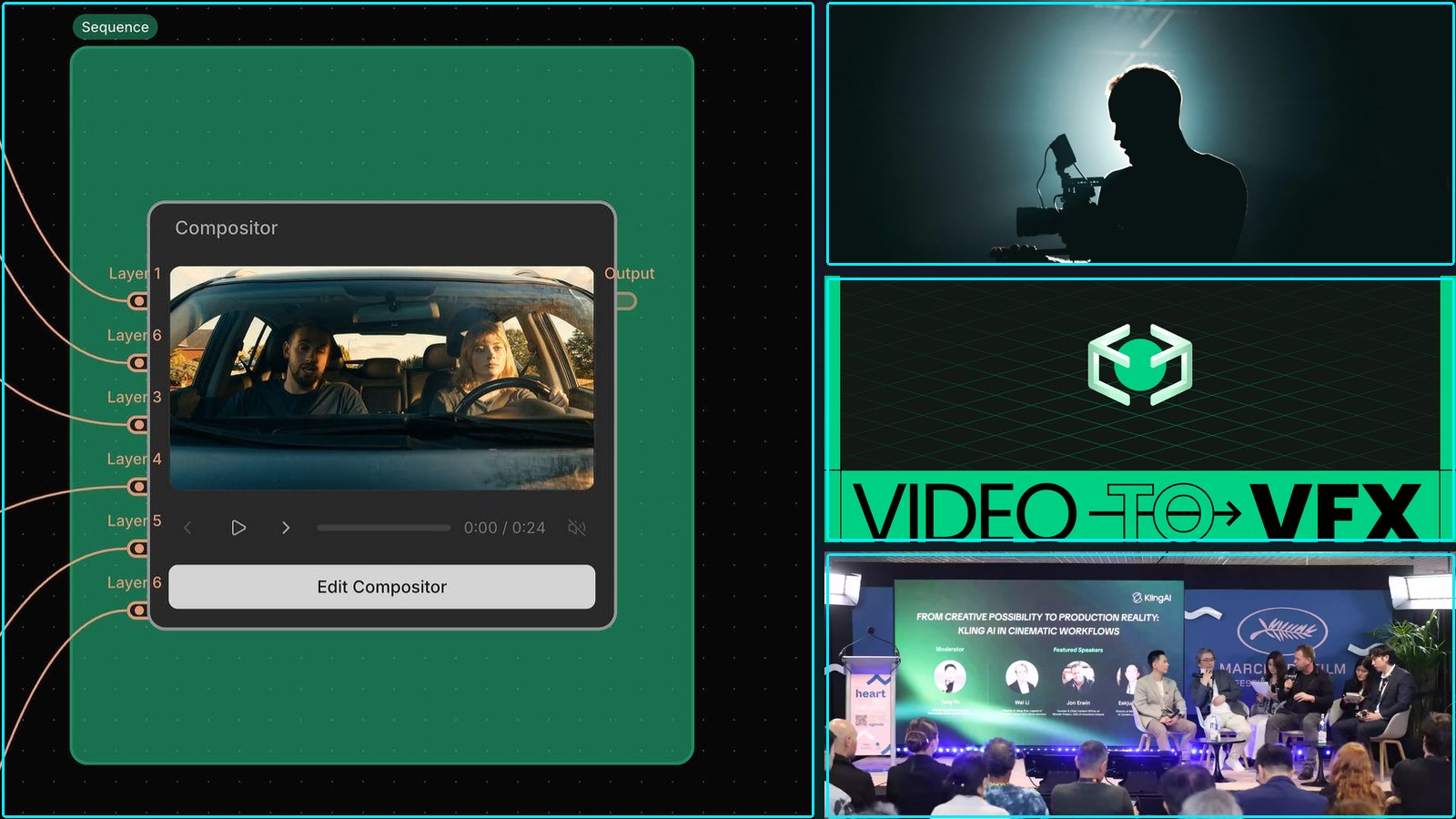
Beeble – VIDEO TO VFX (Beeble.Ai)
Summary: Beeble.AI has launched a cloud and desktop platform combining AI rotoscoping, PBR pass generation, and 3D relighting into a node-based compositor. The service promises production-ready VFX passes from raw footage in seconds, with a tiered model offering cloud-exclusive features like SwitchX and Canvas versus unlimited local processing in a desktop app. It targets a spectrum from Oscar-winning studios to independent creators, positioning itself as a tool to eliminate reshoots and accelerate complex shot workflows.

Why it matters: This directly challenges the labor-intensive, vendor-dependent economics of rotoscoping, lighting, and asset preparation, potentially reshaping crew requirements and post-production bidding.
Context: The VFX industry is under intense pressure to increase throughput and reduce costs per shot, with AI tools rapidly moving from experimental to operational.
[Summary note] Beeble.AI has launched a cloud and desktop platform combining AI rotoscoping, PBR pass generation, and 3D relighting into a node-based compositor.
Commentary: Beeble’s operational claim—transforming raw footage directly into a relightable asset—targets the most expensive and time-consuming bottlenecks in the VFX pipeline. If it delivers consistent quality, it shifts leverage from specialized rotoscope and matchmove artists to generalist compositors and supervisors, while creating a new vendor dependency on Beeble’s cloud models and credit system. The hybrid cloud/local model is a pragmatic concession to studio data security concerns, but the most advanced features remain cloud-gated, ensuring recurring revenue.
Date: May 19, 2026 12:00 AM ET
URL: https://beeble.ai
AI Sentiment Score: Neutral (33%)
AI Credibility Score: 7.0/10 — Medium
Scores and text generated by AI analysis of the source article indicated.
Cannes 2026: How AI "Came Out of the Closet" While Hollyw… (Studio.Aifilms.Ai)
Summary: Cannes 2026 marked a structural inflection point for AI in film production, moving from covert use to open discussion as a production reality. The withdrawal of major Hollywood figures created a vacuum filled by independent filmmakers openly utilizing AI tools, while the official festival competition maintained its ban. The market floor saw over 100 AI vendors, and cost reductions of up to 50% were cited, even as the festival’s breakout acquisition, ‘Club Kid,’ demonstrated that the primary beneficiary of the studio pullback was a new class of filmmaker, not AI itself.
Why it matters: This signals a normalization of AI in the production pipeline that could pressure VFX houses on pricing, shift leverage to directors and producers who can manage AI-augmented workflows, and accelerate the bifurcation between festival-sanctioned art and market-driven commercial tooling.
Context: For years, AI use in high-profile filmmaking was a poorly kept secret, with practitioners fearing critical or guild backlash. Cannes 2026 represents the moment the industry stopped treating it as a secret competitive advantage and began treating it as a standard, if controversial, tool.
"The filmmakers at Cannes 2026 who admitted AI use were not hiding a competitive advantage. They were reporting a production reality." — STUDIO.AIFILMS.AI
Commentary: The operational consequence is a rapid devaluation of complex shot work, forcing VFX vendors to compete on AI integration speed rather than pure artisan labor. The festival’s strategic partnership with Meta and the integration of AI into Annecy’s official agenda indicate tool vendors are now central market players, not peripheral tech demonstrators. The realignment will compress mid-budget film economics further, as evidenced by Kassovitz’s cited budget halving, while concentrating creative leverage in the hands of directors who can orchestrate hybrid human-AI pipelines.
Date: May 19, 2026 12:00 AM ET
URL: https://studio.aifilms.ai/blog/cannes-2026-ai-acceptance-hollywood-stayed-home
AI Sentiment Score: Positive (50%)
AI Credibility Score: 7.0/10 — Medium
Scores and text generated by AI analysis of the source article indicated.
15 people created a movie in 14 days! ByteDance’s Seedance 2.0 … (Aibase)
Summary: ByteDance’s Volcano Engine debuted its Seedance 2.0 video generation model at Cannes 2026, showcasing eight AI-produced films. The most notable was ‘HELL GRIND,’ a 95-minute feature completed by a 15-person team in 14 days for under $500,000. Concurrently, Luc Besson’s SEEN studio announced plans to use the model for an iPhone-shot animated feature, signaling a push toward end-to-end AI production workflows.
Why it matters: This demonstrates a tangible, commercialized compression of production timelines and budgets by an order of magnitude, directly threatening the economic model of traditional VFX and animation houses.
Context: The industry is tracking whether generative AI video models can move from short-form experiments to feature-length coherence and whether they can be integrated into professional pipelines, not just used for pre-vis.
"Published inAI News · 3 min read · May 21, 2026 … On May 19, 2026, local time in France, ByteDance’s Volcano Engine showcased its latest video generation model, Seedance 2.0, at." — AIBASE
Commentary: The ‘HELL GRIND’ case study validates a staffing and cost model that bypasses the traditional vendor ecosystem. For VFX studios, this erodes leverage on complex shot pricing and pressures them to adopt these tools not for quality uplift but for sheer throughput and cost defense. The Besson project further signals a shift where high-profile directors may use AI tooling to control more of the pipeline in-house, disintermediating specialist vendors.
Date: May 21, 2026 12:00 AM ET
URL: https://www.aibase.com/news/28219
AI Sentiment Score: Negative (71%)
AI Credibility Score: 7.0/10 — Medium
Scores and text generated by AI analysis of the source article indicated.
Post ID: 97ac586b