Ancient discoveries and artifacts unearthed
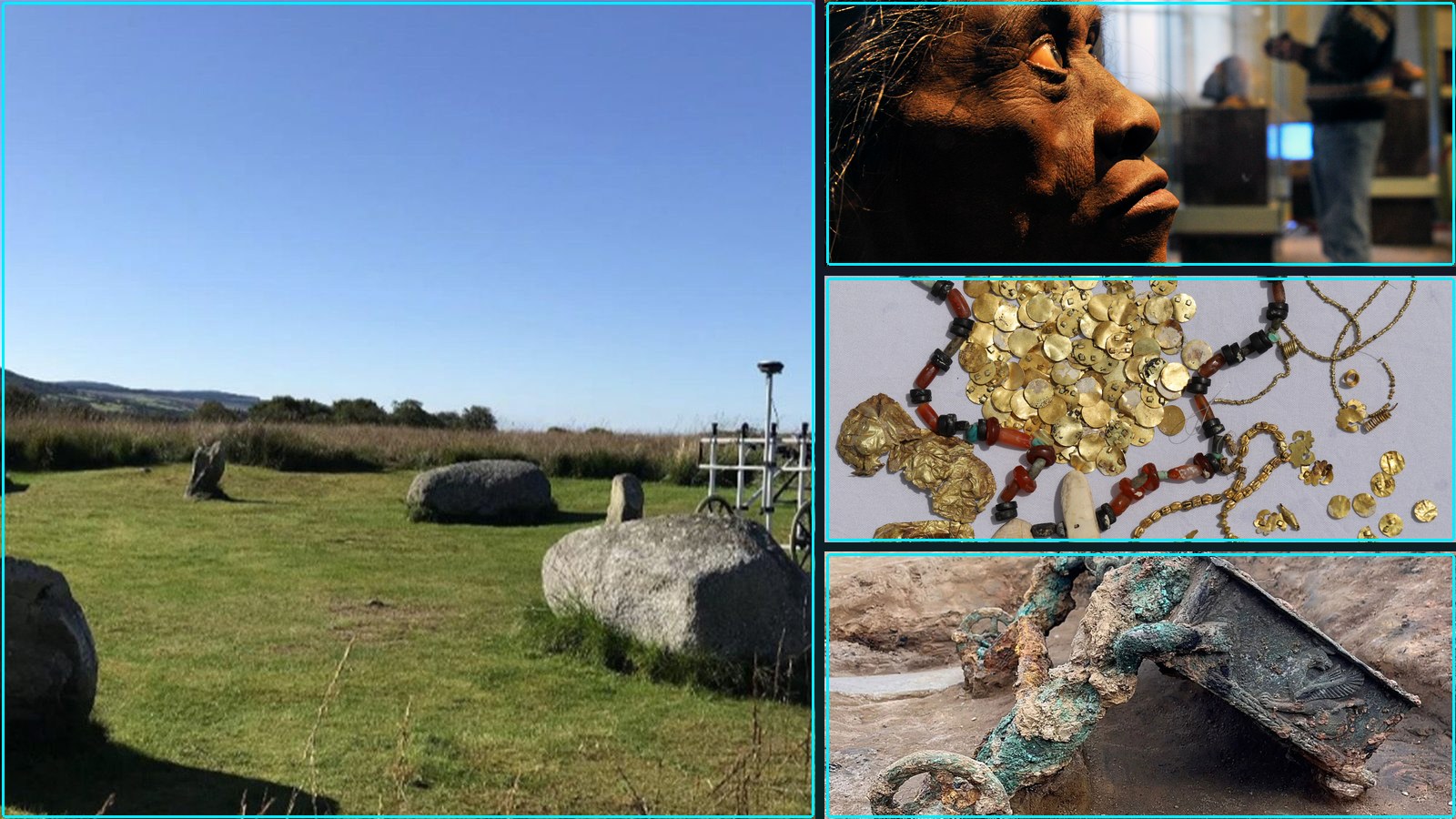
Diminutive species ‘the Hobbit’ did not hunt or control fire, deepening the mystery of its ancestry, dwarf elephant bones reveal (Livescience)
Summary: A new taphonomic analysis of Stegodon bones from Liang Bua cave on Flores reveals that Homo floresiensis was a scavenger, not a hunter, and did not control fire. Komodo dragon tooth marks outnumber human cut marks nearly 2:1, with dragons accessing meaty areas first and hobbits taking secondary scraps. No evidence of cooking was found on over 4,000 bones, and previous charring was identified as natural manganese staining. The findings challenge assumptions of behavioral sophistication within the Homo genus and deepen the mystery of H. floresiensis’s ancestry, suggesting it may have branched off before hunting and fire use evolved.
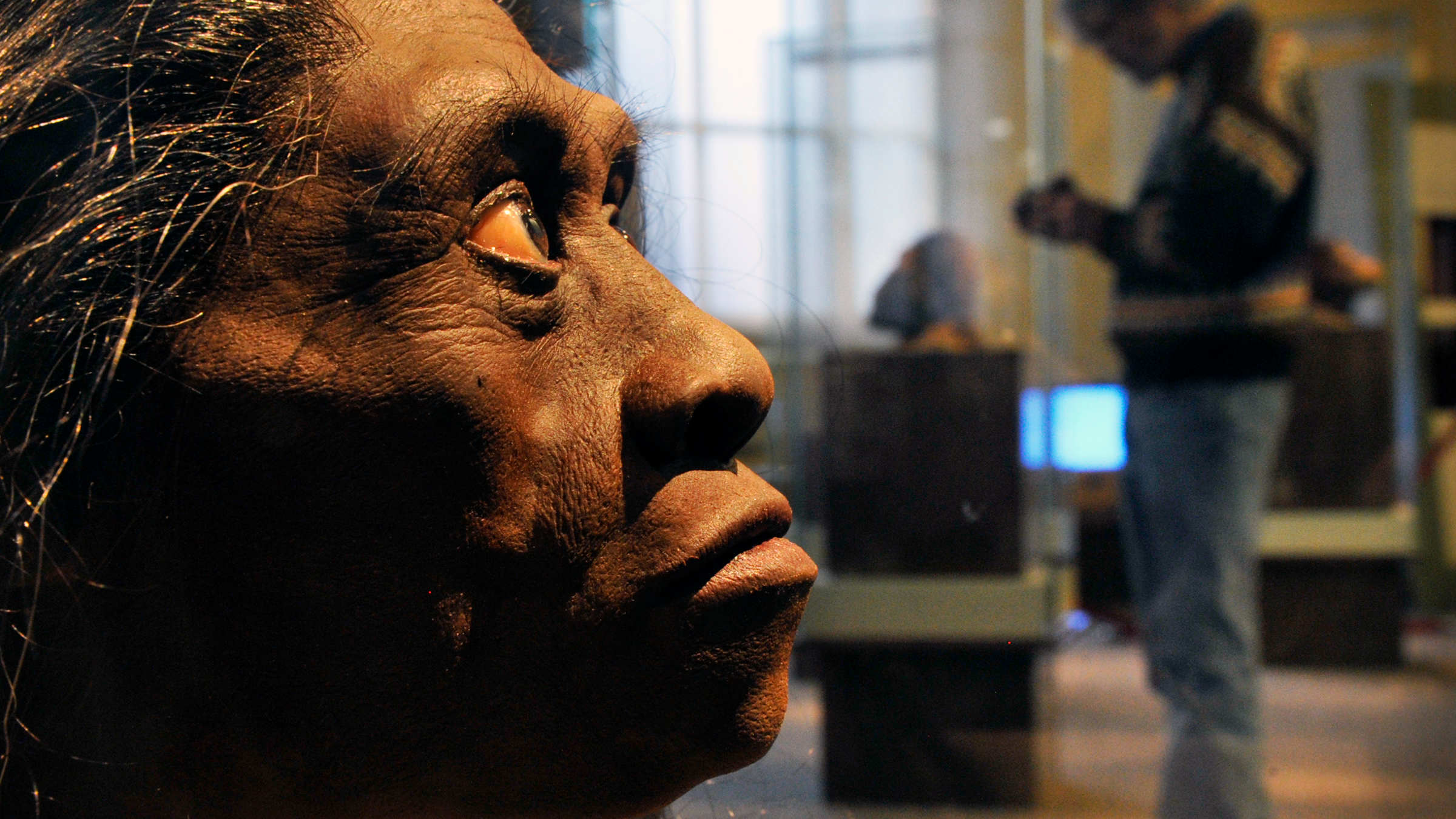
Why it matters: This study reframes H. floresiensis as a less behaviorally advanced hominin than previously assumed, complicating models of human cognitive evolution and island dwarfism in Southeast Asia.
Context: H. floresiensis, discovered in 2003, was initially interpreted as a tool-using, fire-controlling hunter based on stone tools and charred bones at Liang Bua. The new analysis uses experimental feeding of a goat to a captive Komodo dragon to distinguish tooth marks from cut marks.
"Diminutive species ‘the Hobbit’ did not hunt or control fire, deepening the mystery of its ancestry, dwarf elephant bones reveal The extinct human species Homo floresiensis was a scavenger, not a hunter,." — LIVESCIENCE
Commentary: The study’s methodological rigor—using a controlled feeding experiment to calibrate tooth-mark signatures—sets a new standard for taphonomic inference in paleoanthropology. If H. floresiensis indeed descended from H. erectus, the loss of hunting and fire use on Flores implies that island isolation can reverse deeply rooted hominin behaviors, a finding with implications for interpreting other insular hominin sites. The absence of fire use also weakens the case for H. floresiensis as a direct ancestor of later Homo species, pushing the search for its origins toward earlier, less behaviorally complex hominins. This work underscores how taphonomy can resolve long-standing debates about cognitive capacity in extinct species.
Date: July 03, 2026 02:00 PM ET
URL: https://www.livescience.com/archaeology/human-evolution/diminutive-species-the-hobbit-did-not-hunt-or-control-fire-deepening-the-mystery-of-its-ancestry-dwarf-elephant-bones-reveal
AI Sentiment Score: Negative (85%)
AI Credibility Score: 10.0/10 — High
Scores and text generated by AI analysis of the source article indicated.
Elite families ruled nomadic Scythian society 2,500 years ago, DNA analysis reveals (Livescience)
Summary: A large-scale DNA analysis of 85 Iron Age Scythians, published in Science Advances, reveals that elite dynastic families—including women—ruled these nomadic steppe groups from centralized locations between 900 and 200 B.C. Elite individuals were 11 times more likely to be related to each other than to non-elite individuals, and nearly half of the elite were female, confirming Greek accounts of high-status women. The study also resolved the sex of the ‘Golden Man’ as genetically male, and burials of elite children as young as one year old demonstrate that social status was inherited. This genetic evidence pinpoints the origin of social inequality among these nomadic groups to the early Iron Age.
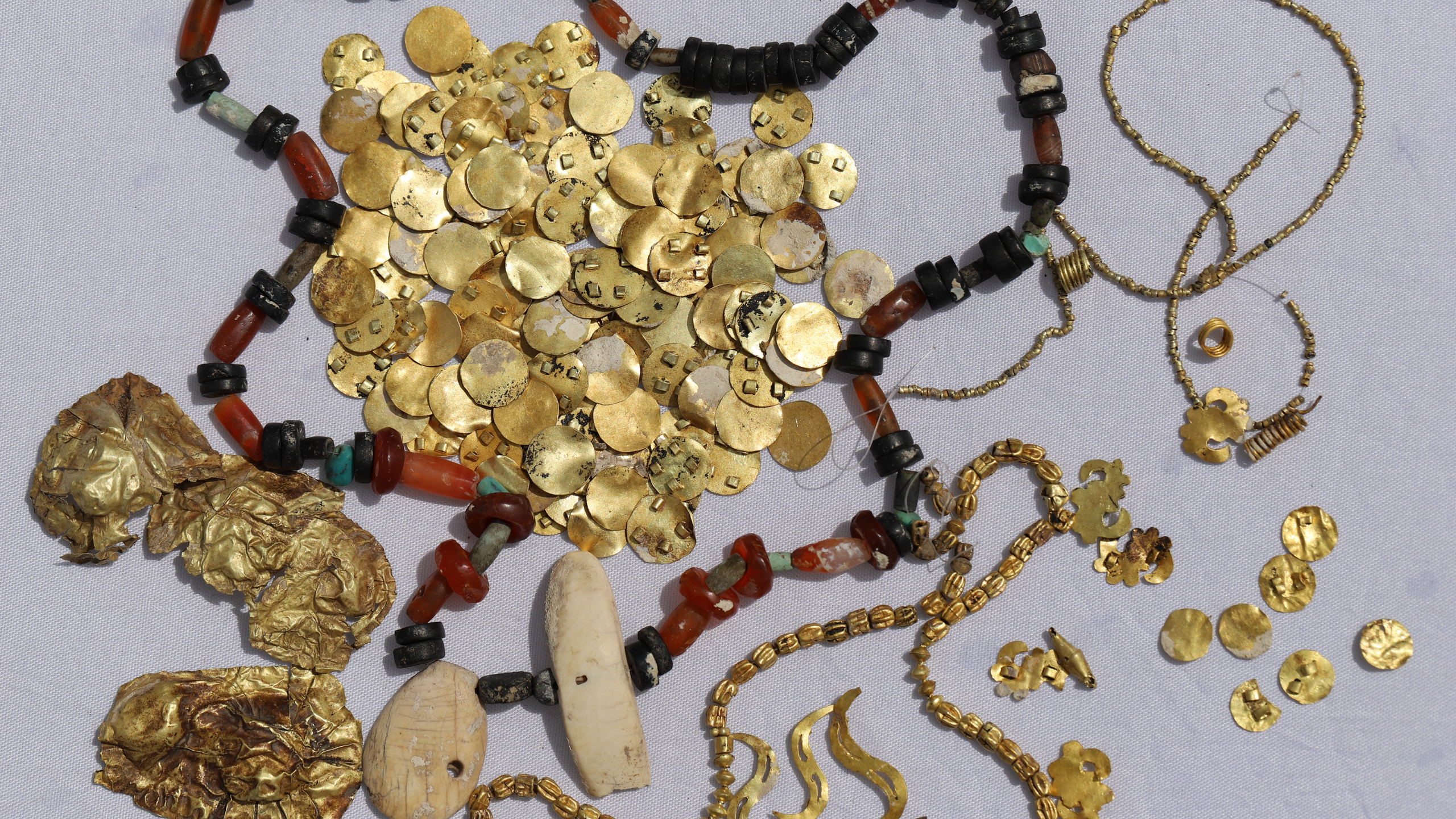
Why it matters: This study provides the first direct genetic evidence that hereditary inequality and dynastic rule, including elite women, structured nomadic steppe societies centuries earlier than previously documented, challenging assumptions about egalitarian nomadism.
Context: Scythians left no written records; prior knowledge came from Greek and Roman accounts and kurgan tomb artifacts. The new genomic data from 20 sites across 700 years allows direct testing of social organization.
"Based on DNA, the researchers discovered that elite people were 11 times more likely to be related to each other than they were to be related to non-elite people, suggesting there was a powerful extended family group that ruled the steppe nomads." — LIVESCIENCE
Commentary: The 11x relatedness ratio among elites is a striking statistical signal of dynastic consolidation, not mere status differentiation. The presence of elite infants and children in large kurgans confirms that status was ascribed at birth, not earned. That nearly half of elite individuals were female substantiates Herodotus’s claims and reframes the ‘Amazon’ myth as a distorted echo of actual political structures. This study effectively weaponizes ancient DNA to settle a long-standing debate about the nature of power in pre-literate nomadic empires.
Date: July 03, 2026 02:00 PM ET
URL: https://www.livescience.com/archaeology/elite-families-ruled-nomadic-scythian-society-2-500-years-ago-dna-analysis-reveals
AI Sentiment Score: Negative (66%)
AI Credibility Score: 10.0/10 — High
Scores and text generated by AI analysis of the source article indicated.
2,000-year-old scrolls buried by Mount Vesuvius eruption finally deciphered with help from AI (Livescience)
Summary: Researchers have used AI and advanced imaging to read two carbonized Herculaneum scrolls buried by Mount Vesuvius in A.D. 79. One scroll, PHerc. 1667, contains roughly 5 feet of continuous Greek text that may be a previously unknown work by the Stoic philosopher Chrysippus, based on its mention of his nephew and pupil. The other scroll, PHerc. 172, yielded over 70 columns of text. This marks a breakthrough in recovering texts long considered inaccessible.
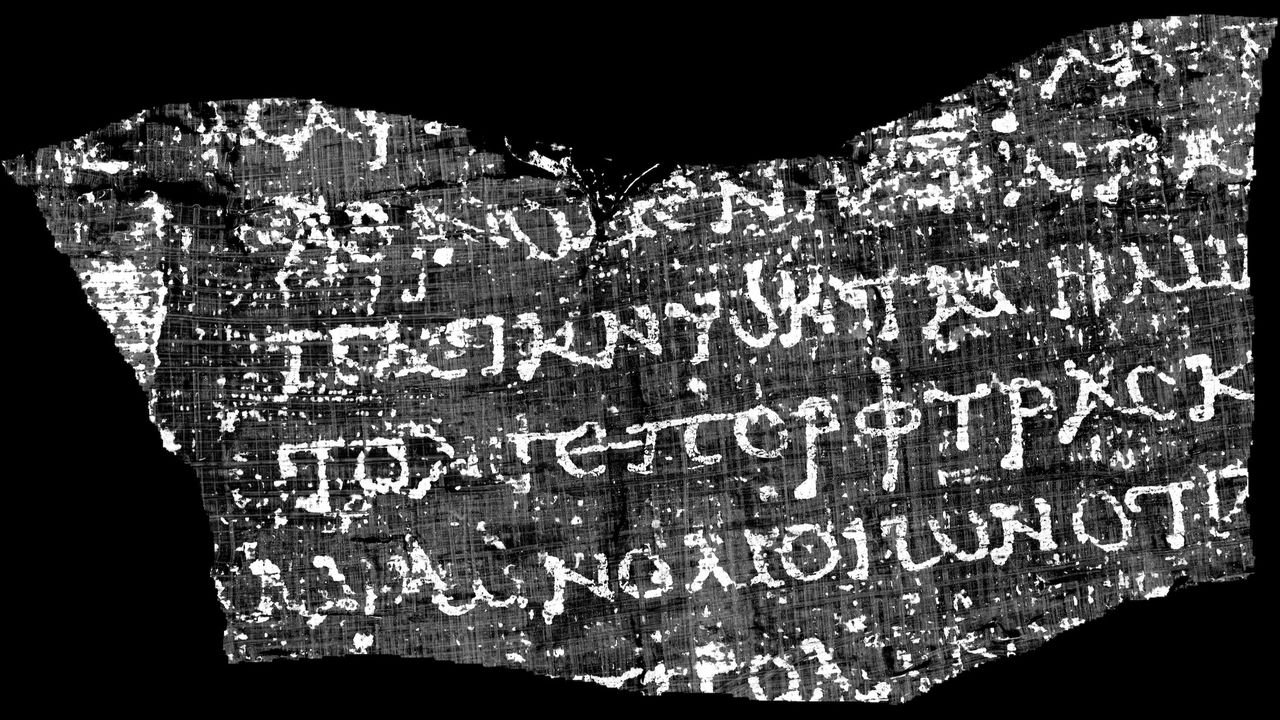
Why it matters: This discovery could fill a critical gap in the historical record of early Stoic philosophy, as very little of Chrysippus’ own writing has survived. It also demonstrates the power of interdisciplinary methods—combining synchrotron imaging, AI, and papyrology—to unlock knowledge from damaged artifacts, potentially transforming our understanding of ancient intellectual history.
Context: The Herculaneum scrolls, from a villa possibly owned by Julius Caesar’s father-in-law, were carbonized by Vesuvius and long thought unreadable. The Vesuvius Challenge, co-founded by Brent Seales, has been developing digital unwrapping techniques for years, with earlier successes in reading small portions of text.
"2,000-year-old scrolls buried by Mount Vesuvius eruption finally deciphered with help from AI Experts have unraveled substantial new text from two carbonized Herculaneum scrolls, including what may be a previously unknown work." — LIVESCIENCE
Commentary: The attribution to Chrysippus, if confirmed, would be a landmark for Stoic studies, adding a primary source to a tradition largely known through later summaries. The method itself—scalable to the remaining 600+ scrolls—promises a systematic recovery of lost works, not just isolated fragments. This shifts the field from speculation about what might be lost to active reconstruction of ancient philosophical debates.
Date: June 29, 2026 05:14 PM ET
URL: https://www.livescience.com/archaeology/2-000-year-old-scrolls-buried-by-mount-vesuvius-eruption-finally-deciphered-with-help-from-ai
AI Sentiment Score: Positive (50%)
AI Credibility Score: 10.0/10 — High
Scores and text generated by AI analysis of the source article indicated.
Bronze Votive Chariot Found in Spain (Archaeology)
Summary: Archaeologists excavating the Tartessian site of Casas del Turuñuelo in southwestern Spain have uncovered the wheels and parts of a 2,500-year-old miniature bronze chariot. The ceremonial vehicle, found near a bull-hide-shaped altar, was likely used to hold embers or incense. Its bronze components are joined with iron fittings, and it features a central iron axle, rope-twist frame decorations, griffins, and depictions of the Greek river god Achelous and the Titan Atlas. This find deepens evidence of Greek religious and artistic influence on Tartessian culture during the Iron Age.
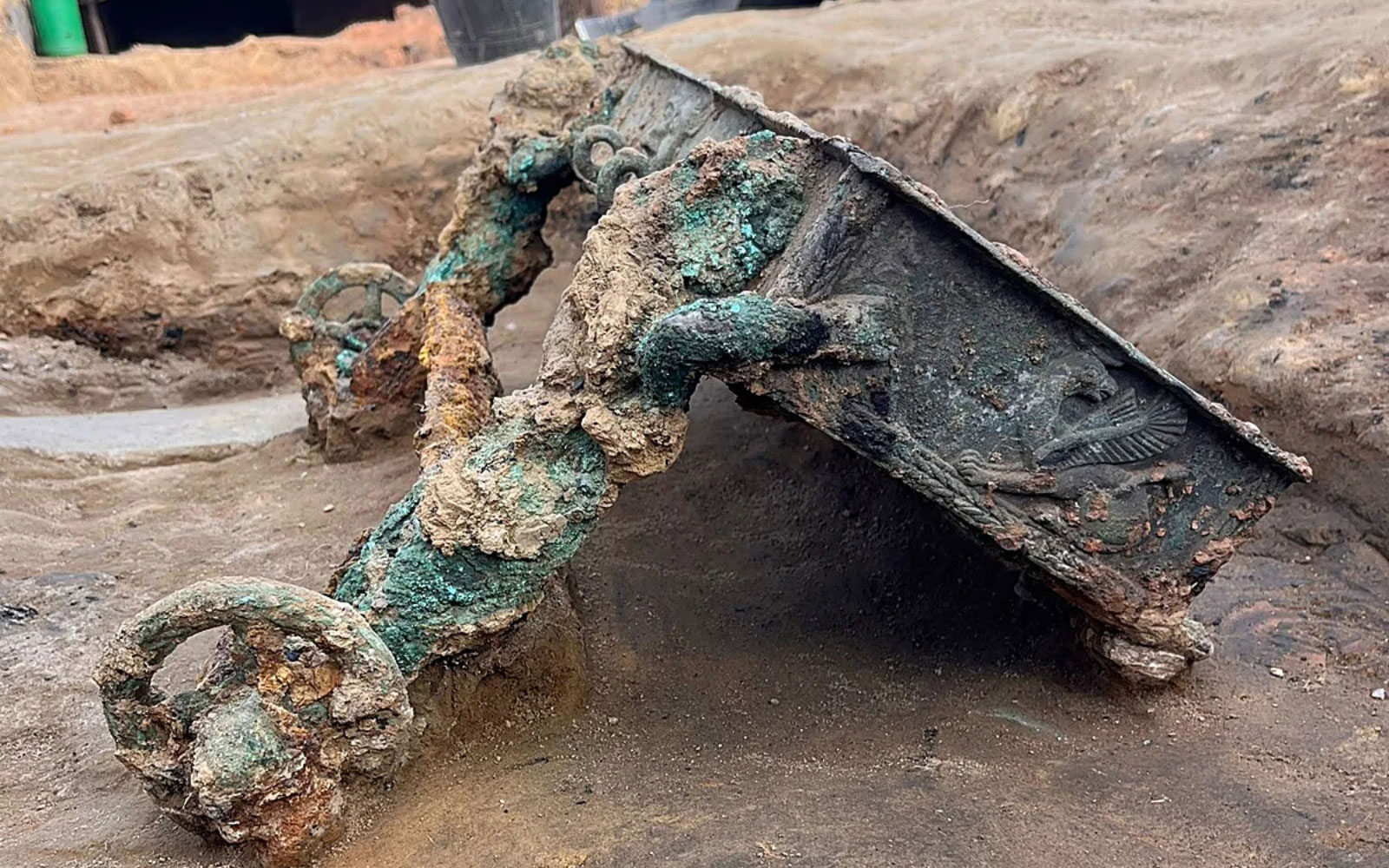
Why it matters: The chariot provides the clearest material link yet between Tartessian ritual practice and Greek mythological iconography, forcing a reassessment of how deeply Hellenic ideas penetrated Iberian elite religion before Roman conquest.
Context: Tartessos was a wealthy, semi-mythical civilization in southwestern Iberia that flourished between the 9th and 6th centuries BCE, known from Greek and biblical sources but with limited archaeological footprint until recent excavations at Casas del Turuñuelo.
"The ceremonial vehicle is thought to have been used to hold embers, burned incense, or aromatic resins. It features bronze components joined with iron fittings; a central iron axle; and decorations on the frame resembling twisted rope, two griffins, and Achelous, a Greek river god who is portrayed with bull-like horns and a protruding tongue." — ARCHAEOLOGY
Commentary: The explicit use of Greek mythological figures—Achelous and Atlas—on a Tartessian ritual object suggests not mere trade goods but active adoption of foreign cosmology into local ceremony. The iron fittings are also notable: they imply advanced metallurgical knowledge and possibly direct contact with Phoenician or Greek metalworkers. This find shifts the Tartessian narrative from a peripheral recipient of Mediterranean goods to a culture that selectively integrated and reinterpreted Greek religious symbols for its own elite display.
Date: June 29, 2026 01:30 PM ET
URL: https://archaeology.org/news/2026/06/29/bronze-votive-chariot-found-in-spain/
AI Sentiment Score: Negative (50%)
AI Credibility Score: 10.0/10 — High
Scores and text generated by AI analysis of the source article indicated.
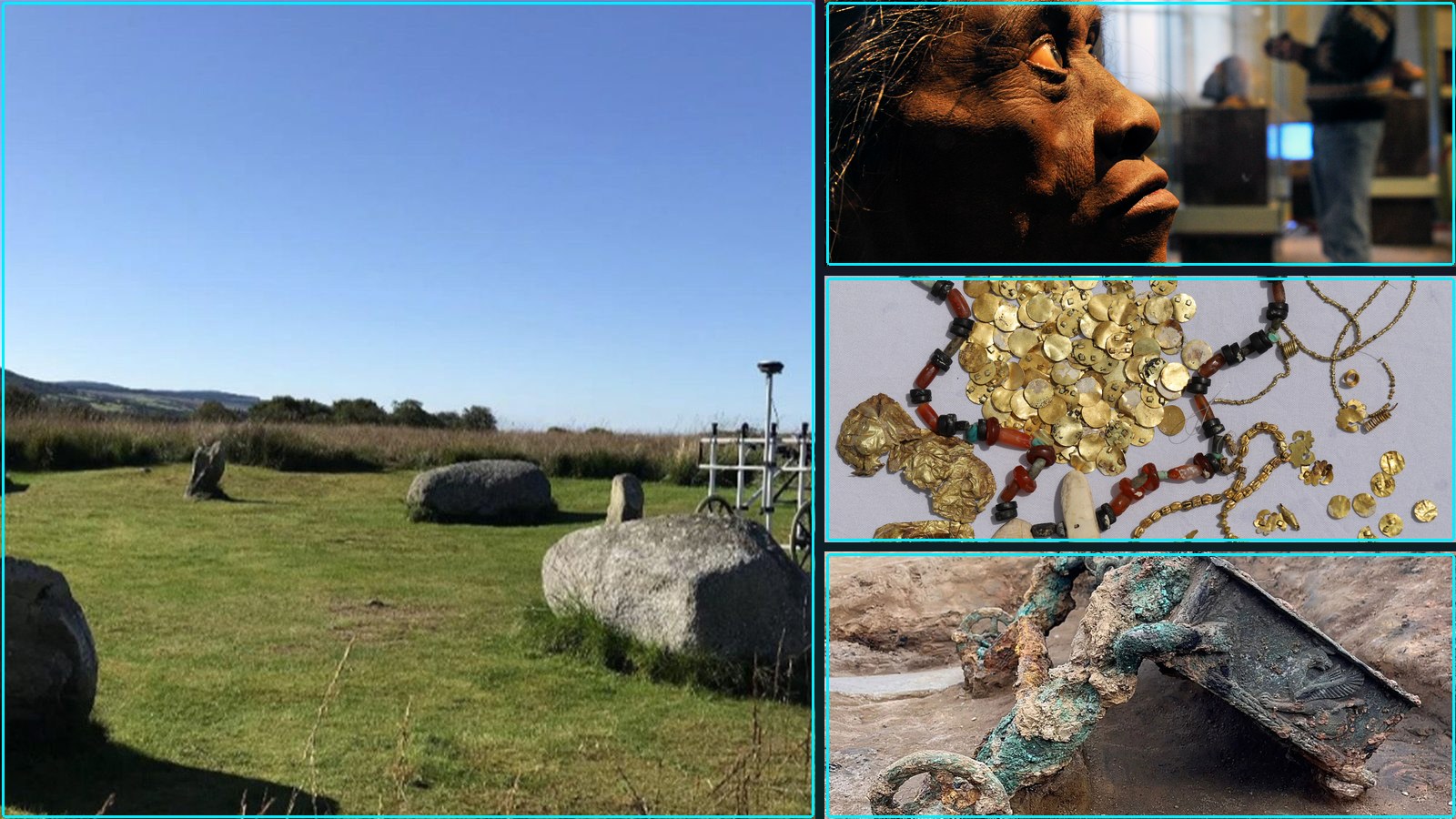
Ancient ring discovered underground in Scotland could be a Stonehenge-like monument (Livescience)
Summary: A geophysical survey on Scotland’s Isle of Arran has detected a previously unknown ring of magnetic anomalies beneath peat at Machrie Moor, likely a Neolithic or Bronze Age stone or timber circle. The feature consists of 12 pit-like anomalies arranged in a 92-foot diameter circle, with gaps suggesting it may have originally held 14 posts or standing stones. The discovery emerged from a survey testing archaeological instruments in peat landscapes, and it adds to a ritual complex already containing six known circles. The circles share an orientation aligned with a notch in Machrie Glen where the midsummer sun would have risen, indicating astronomical observation may have been part of ceremonial use.
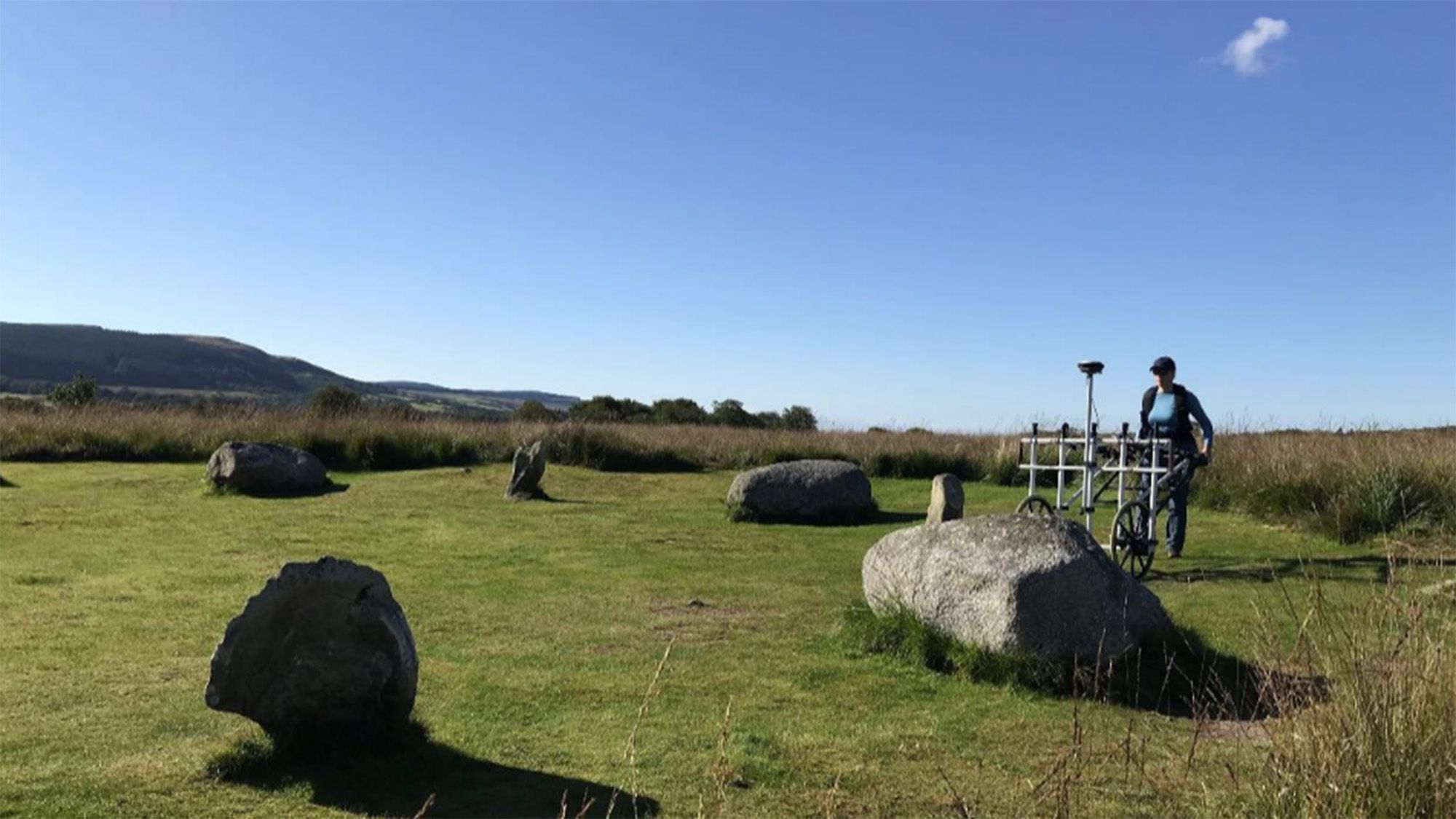
Why it matters: This find challenges assumptions about the completeness of known prehistoric landscapes and suggests that even well-studied sites like Machrie Moor still hold major structural elements hidden beneath peat, reshaping our understanding of the scale and organization of Neolithic ceremonial centers.
Context: Machrie Moor has been studied since the 1980s and contains six known stone circles, some of which were originally timber circles later replaced with stone around 2000 B.C., with human cremations and burials added later, indicating evolving ritual functions over centuries.
""We know that there is a lot of archaeology yet to uncover at Machrie Moor, but the discovery of a new circle completely surpassed our expectations," Nick Hannon, senior heritage recording manager at Historic Environment Scotland, said in a statement released June 30." — LIVESCIENCE
Commentary: The detection method—geophysical survey designed to test instrument performance rather than to find new monuments—underscores how much of the archaeological record remains invisible even in intensively surveyed areas. The alignment with the midsummer sunrise notch ties this circle into a broader astronomical framework, suggesting that the entire Machrie Moor complex was deliberately oriented to celestial events, not just individual monuments. The possibility that the circle was originally timber and later replaced with stone, as seen elsewhere on the moor, points to a pattern of material transformation that may reflect shifts in ritual practice or resource availability. This discovery reinforces the idea that peat-covered landscapes act as preservation capsules, and that systematic survey of such environments could yield comparable finds across Britain.
Date: July 02, 2026 10:34 AM ET
URL: https://www.livescience.com/archaeology/ancient-ring-discovered-underground-in-scotland-could-be-a-stonehenge-like-monument
AI Sentiment Score: Negative (75%)
AI Credibility Score: 10.0/10 — High
Scores and text generated by AI analysis of the source article indicated.
500-year-old freeze-dried potato snacks discovered in Inca storage room in Peru (Livescience)
Summary: Archaeologists excavating the Inca provincial center of Tambo Viejo in Peru’s Acarí Valley have recovered two samples of freeze-dried potatoes (chuño) from a broken clay pot in a storage room, dating to roughly 500 years ago. This is only the second such find at an Inca site, confirming that chuño—produced exclusively at elevations above 3,600 meters—was transported hundreds of kilometers via llama caravans along the Inca road network to coastal populations. The discovery provides direct material evidence of the empire’s centralized food distribution strategy and its capacity to move perishable staples across extreme vertical terrain. The specimens survived due to the hyper-arid conditions of the south coast, which also preserved other organic remains at the site.
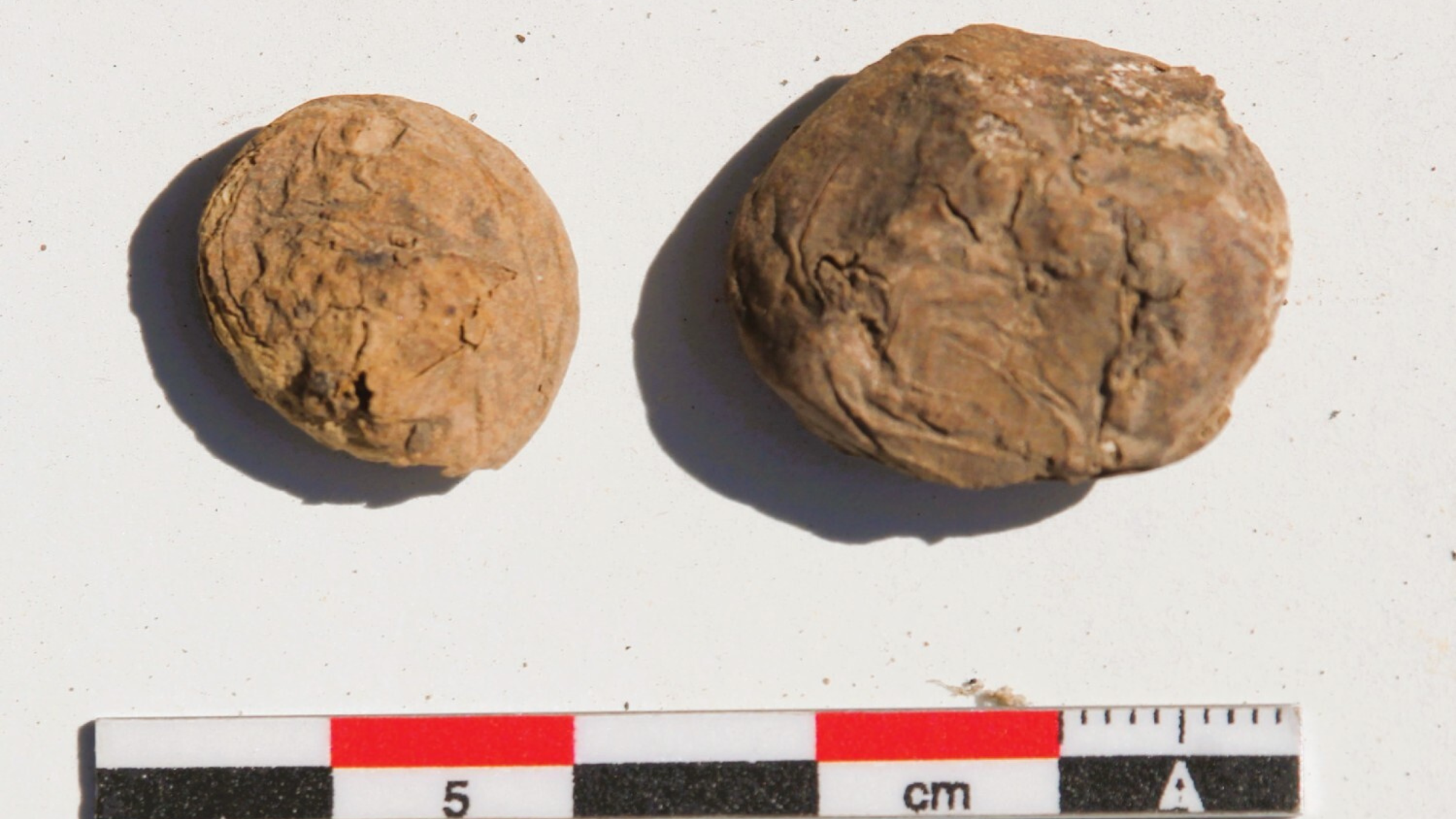
Why it matters: This find transforms a previously inferred supply chain into a documented fact, demonstrating how the Inca state operationalized food security across its ecologically fragmented territory.
Context: Chuño is produced by freeze-drying potatoes through repeated exposure to high-altitude frost and sun, a technique that predates the Inca and yields a lightweight, storable product that can last decades. The only prior recovery of chuño from an Inca context came from a different coastal site, making this a rare corroboration of a logistical system that scholars had largely reconstructed from historical accounts and indirect evidence.
""Chuño being a light product probably also made its transportation easier," he added." — LIVESCIENCE
Commentary: The material survival of chuño in a coastal storage room is a reminder that the Inca empire’s administrative reach was not merely ideological but infrastructural—it engineered a calorie pipeline from the highlands to the coast. That this system relied on a pre-Columbian freeze-drying technique, rather than on fresh produce, reveals a sophisticated understanding of food chemistry and logistics. The find also underscores how much of the Inca coastal record remains unexcavated, suggesting that further work will likely multiply such evidence and refine models of imperial provisioning. For modern food security debates, the durability and transportability of chuño offer a historical counterpoint to contemporary waste patterns, though the lesson is more about systemic design than nostalgia.
Date: June 30, 2026 12:23 PM ET
URL: https://www.livescience.com/archaeology/500-year-old-freeze-dried-potato-snacks-discovered-in-inca-storage-room-in-peru
AI Sentiment Score: Negative (50%)
AI Credibility Score: 10.0/10 — High
Scores and text generated by AI analysis of the source article indicated.
Entire Carbonized Herculaneum Scroll Virtually Unwrapped (Archaeology)
Summary: Researchers have fully virtualized and read PHerc. 1667, a carbonized Herculaneum scroll long considered unreadable after 18th-century attempts to unroll it physically caused severe damage. Using CT scanning and AI trained to detect ink on the rolled papyrus, the team recovered 20 columns of text from the nearly five-foot-long scroll. The work, building on the Vesuvius Challenge launched in 2023, marks a shift from technical proof-of-concept to the interpretive phase of scholarship. The text, dating to the 2nd or late 3rd century B.C., is a discussion of ethics, arts, and human behavior by an unknown author, possibly reflecting Stoic thought.
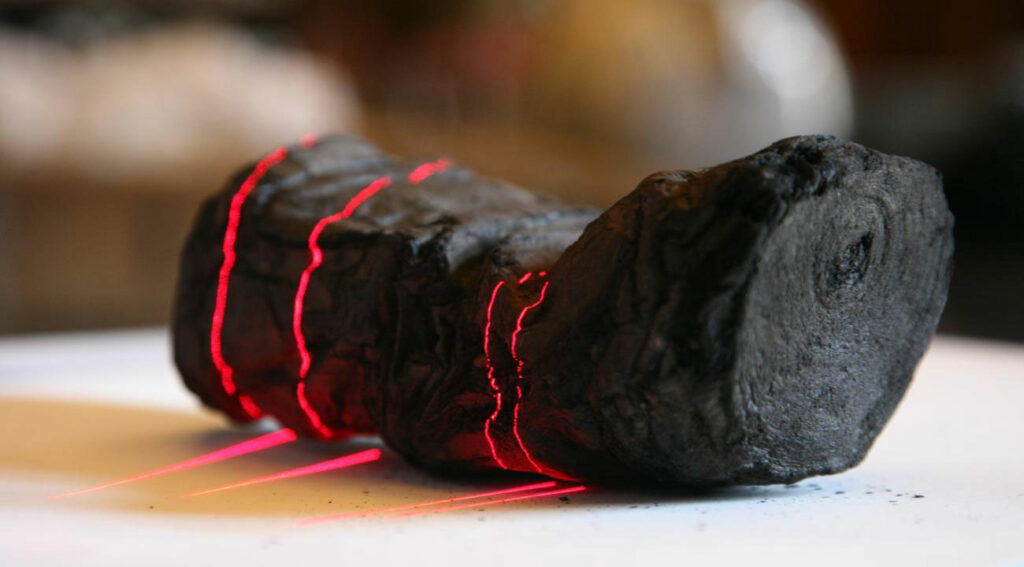
Why it matters: This is the first complete reading of a Herculaneum scroll that was physically destroyed by earlier scholarship, establishing a replicable pipeline for recovering the hundreds of other unopenable scrolls in the villa’s library—texts that could reshape our understanding of Hellenistic philosophy and literature.
Context: The Herculaneum papyri, buried by Vesuvius in A.D. 79, are the only surviving library from the ancient world. Most remain rolled and carbonized; previous attempts to unroll them often destroyed the scrolls. The Vesuvius Challenge incentivized AI-based approaches to read them without physical handling.
"NAPLES, ITALY—Scientists have fully “unwrapped” an entire carbonized papyrus scroll preserved by the eruption of Mount Vesuvius in A.D. 79, CNN reports. Known as PHerc. 1667, the scroll is one of a." — ARCHAEOLOGY
Commentary: The shift from imaging to interpretation is the real signal here: the bottleneck is no longer technology but the scarcity of paleographers and Hellenistic philosophers trained to work with AI-recovered texts. The unknown authorship and Stoic-adjacent content of PHerc. 1667 hint that the library may contain lost works or alternative traditions, not just known Epicurean texts. Expect a scramble among classics departments for funding and talent to handle the coming deluge of recovered scrolls.
Date: June 29, 2026 02:00 PM ET
URL: https://archaeology.org/news/2026/06/29/entire-carbonized-herculaneum-scroll-virtually-unwrapped/
AI Sentiment Score: Negative (66%)
AI Credibility Score: 10.0/10 — High
Scores and text generated by AI analysis of the source article indicated.
Bronze Age Boat Artwork Analyzed (Archaeology)
Summary: A Durham University team led by Marta Díaz-Guardamino used 3D modeling to analyze Bronze Age boat rock art at 12 sites in Iberia, then compared them to Scandinavian carvings. The Iberian images were all placed where water was visible, and shared design motifs—birds, S-shapes, rigging, oars, sails, and sun crosses—with Nordic solar mythology. This allowed dating of the Iberian carvings to 1300–800 B.C. and suggests long-distance maritime networks transmitted both technology and symbolic systems across Bronze Age Europe.
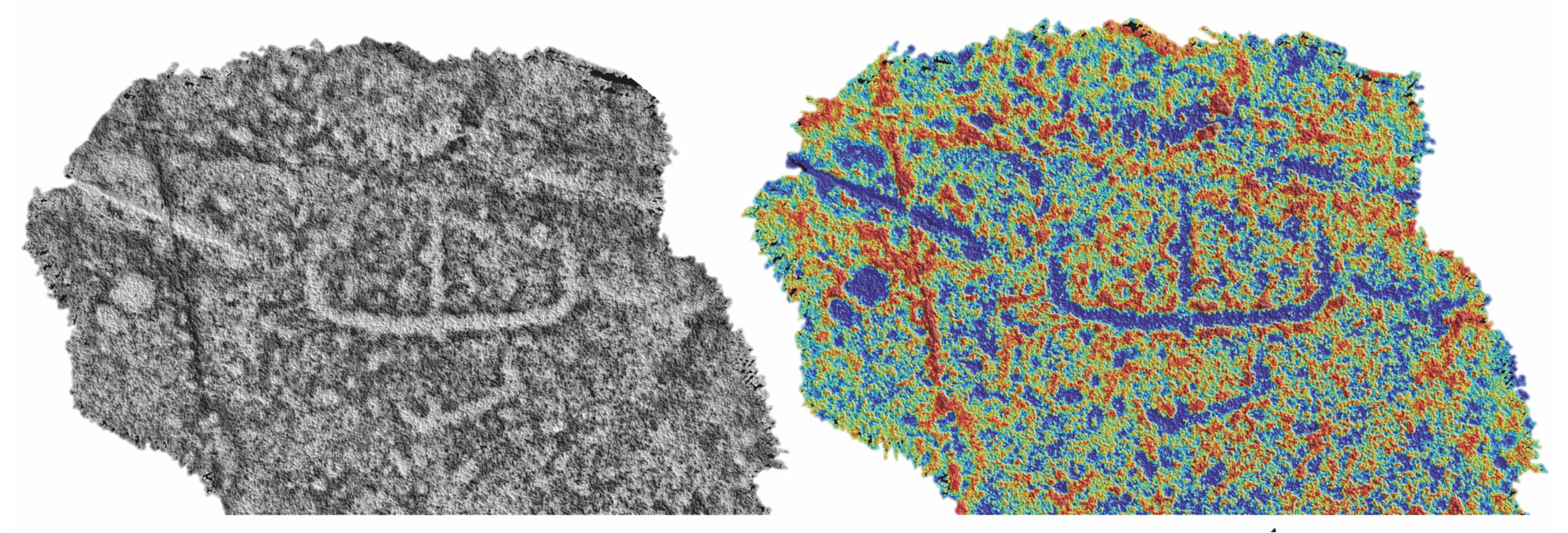
Why it matters: The study provides rare material evidence for the scale and cultural depth of Bronze Age maritime connectivity, challenging assumptions that such shared iconography arose independently or through later diffusion.
Context: Bronze Age rock art in Iberia has long been studied locally, but systematic comparison with Nordic traditions was lacking; the new 3D analysis reveals structural parallels that imply active, sustained contact across thousands of kilometers of Atlantic coastline.
"The researchers noted that all of the Iberian images had been carved in an area where water was visible in the landscape. They determined that the carvings from both regions have distinctive design features in common, such as decorative birds and S-shapes, rigging, oars, sail-like shapes, and sun crosses similar to images found in Nordic solar mythology." — ARCHAEOLOGY
Commentary: The water-visible placement of Iberian carvings mirrors Scandinavian practice, reinforcing the idea that these were not mere decoration but active ritual or navigational markers. The shared solar-cross motif is particularly striking—it suggests a coherent cosmological framework linking Atlantic societies centuries before the Iron Age. This pushes the timeline for pan-European symbolic exchange back by at least half a millennium, with implications for how we model the spread of maritime technology and religious ideas.
Date: June 30, 2026 02:00 PM ET
URL: https://archaeology.org/news/2026/06/30/bronze-age-boat-artwork-analyzed/
AI Sentiment Score: Negative (80%)
AI Credibility Score: 10.0/10 — High
Scores and text generated by AI analysis of the source article indicated.
Post ID: 7bb4f8bc