New Scientific Findings on Alzheimer’s and Stroke
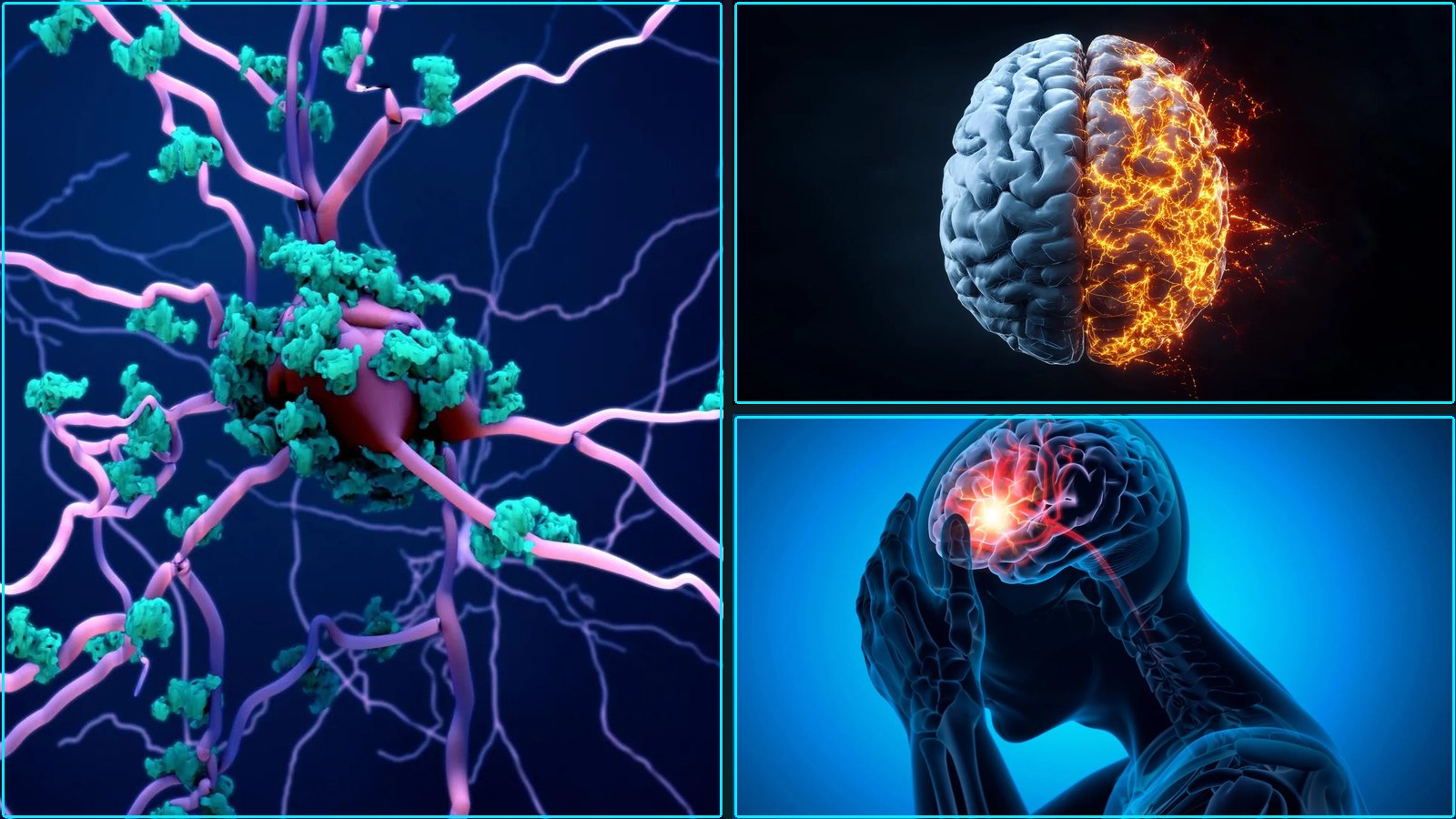
Scientists may have finally found how Alzheimer’s kills brain cells (Sciencedaily)
Summary: Researchers at King’s College London have identified a new mechanism of brain cell death called karyoptosis, which appears to be a major driver of neuron loss in Alzheimer’s disease and frontotemporal dementia. The process, triggered by toxic protein buildup, causes the cell nucleus to shrivel and disintegrate. Evidence was found in 35% of cells from Alzheimer’s patients’ frontal cortex, versus 15% in healthy controls. The study also pinpointed a molecular pathway involving p38 MAP kinase and LaminB1 that could be targeted to slow cell death.
Why it matters: This discovery fills a critical gap in understanding how protein aggregates actually kill neurons, opening a new therapeutic axis for slowing neurodegeneration in Alzheimer’s and FTD.
Context: Existing cell death mechanisms like apoptosis have never fully explained the scale of neuron loss in these diseases; karyoptosis offers a missing link between proteotoxic stress and nuclear destruction.
"Scientists may have finally found how Alzheimer’s kills brain cells – Date: – July 5, 2026 – Source: – King’s College London – Summary: – Researchers have identified a previously overlooked mechanism." — SCIENCEDAILY
Commentary: The 35% figure is striking—it suggests karyoptosis is not a rare event but a dominant mode of cell death in late-stage Alzheimer’s. Targeting the p38 MAP kinase–LaminB1 interaction could yield a disease-modifying therapy, though the challenge will be achieving selectivity without disrupting normal kinase function. This is a mechanistic breakthrough, but the road to a clinical candidate remains long.
Date: July 05, 2026 06:58 PM ET
URL: https://www.sciencedaily.com/releases/2026/06/260626124701.htm
AI Sentiment Score: Negative (57%)
AI Credibility Score: 10.0/10 — High
Scores and text generated by AI analysis of the source article indicated.
Scientists may have finally found how Alzheimer’s spreads through the brain (Sciencedaily)
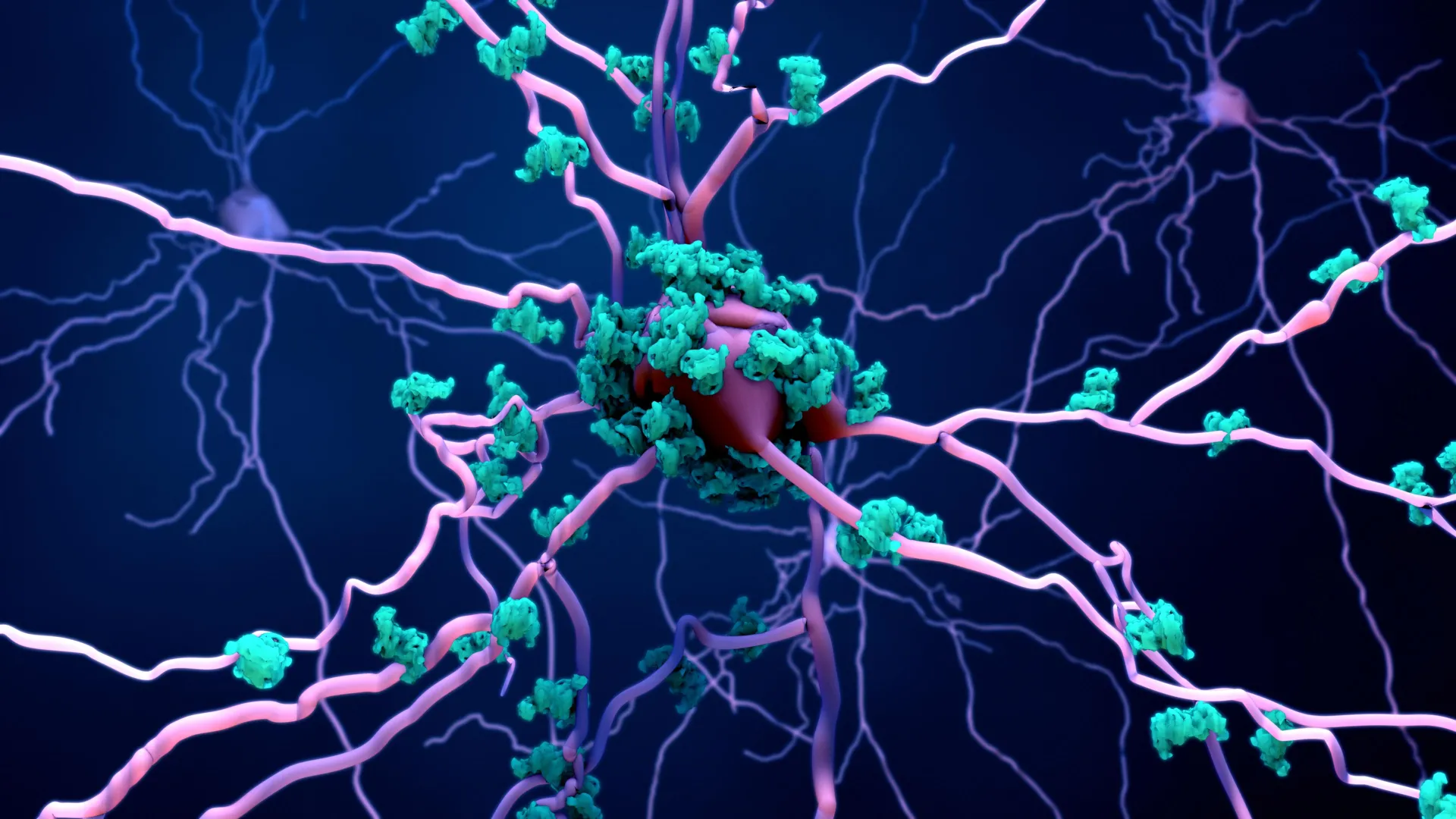
Summary: Researchers at University of Utah Health have identified that the brain protein Arc, which normally facilitates neuronal communication, also enables toxic Tau to spread between neurons via extracellular vesicles. In mouse models, removing Arc nearly eliminated Tau transfer, but also caused faster death of already-diseased cells, revealing a dual role. The findings suggest a therapeutic strategy of intercepting these vesicles after release but before uptake by healthy neurons, rather than blocking Arc entirely. Human brain tissue shows similar Arc-Tau vesicles, though clinical application remains distant.
Why it matters: This identifies a specific molecular mechanism for Alzheimer’s propagation that could lead to therapies aimed at halting disease spread, a fundamentally different approach from current anti-Tau or anti-amyloid strategies.
Context: Alzheimer’s progression correlates with the spread of Tau pathology across brain regions, but the intercellular transfer mechanism has been poorly understood. Arc is known for its role in synaptic plasticity and as a retrovirus-derived protein capable of forming virus-like capsids.
"Scientists may have finally found how Alzheimer’s spreads through the brain – Date: – June 30, 2026 – Source: – University of Utah Health – Summary: – A common brain protein may." — SCIENCEDAILY
Commentary: The dual role of Arc—protective at the cellular level but pathogenic at the network level—complicates any simple knockout strategy and points toward a more nuanced intervention: blocking vesicle entry rather than formation. This aligns with a growing recognition that Alzheimer’s is a spreading pathology, not just a protein aggregation disorder. The presence of Arc-Tau vesicles in human tissue is encouraging but preliminary; the translational gap from mouse models to human therapies remains wide, and the field has seen many promising mechanisms fail to scale.
Date: June 30, 2026 03:21 AM ET
URL: https://www.sciencedaily.com/releases/2026/06/260630020521.htm
AI Sentiment Score: Negative (57%)
AI Credibility Score: 10.0/10 — High
Scores and text generated by AI analysis of the source article indicated.
The real cause of a common stroke may have been missed for decades (Sciencedaily)
Summary: A new study from the University of Edinburgh challenges the long-held assumption that lacunar ischemic stroke is primarily caused by fatty plaque buildup in arteries. Instead, researchers found that enlargement and damage of the brain’s tiny blood vessels—a condition known as small vessel disease—is the strongest predictor, increasing stroke risk by more than fourfold. This explains why standard antiplatelet therapies like aspirin often fail for these patients and is already guiding new clinical trials targeting microvascular health.
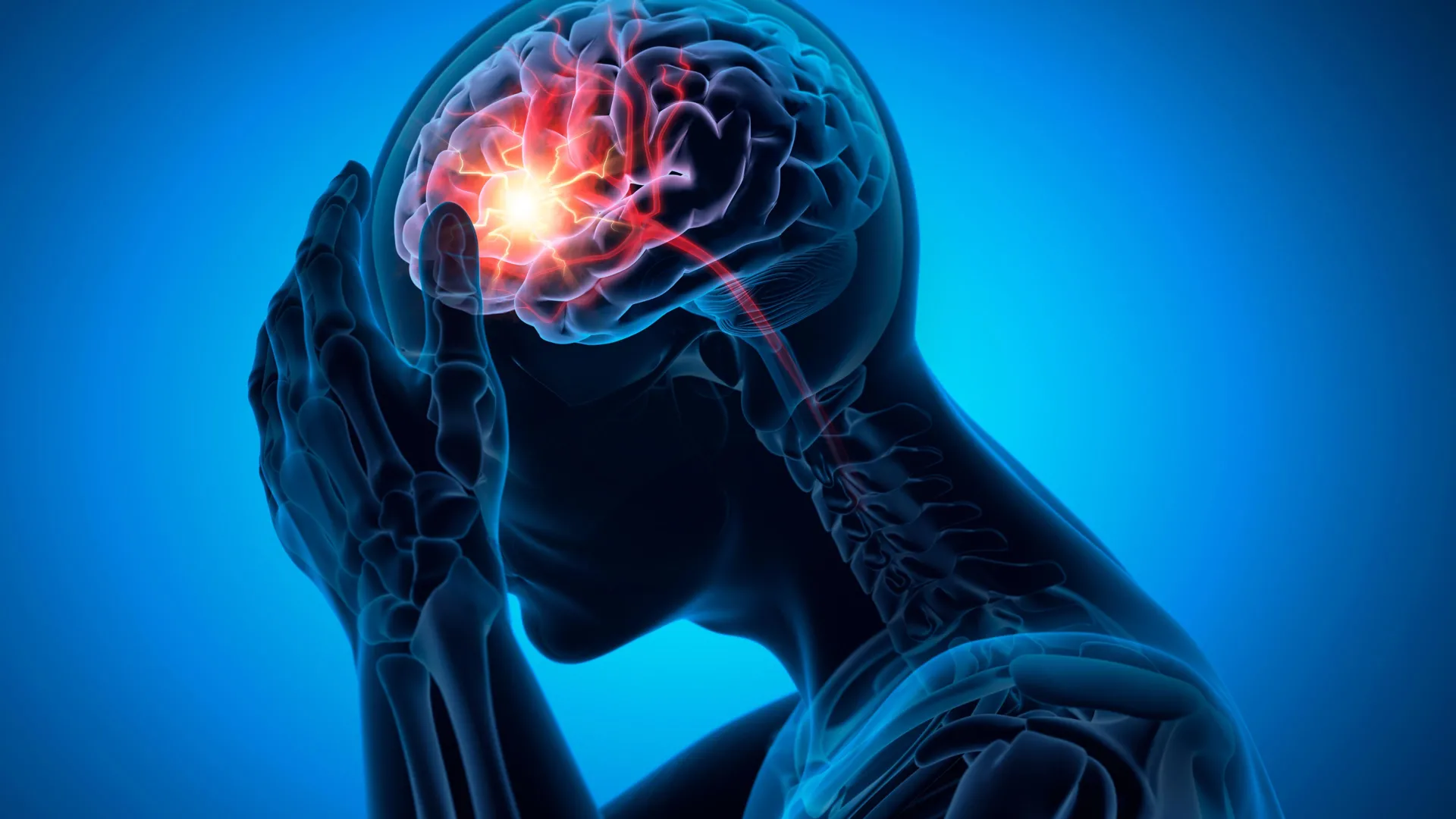
Why it matters: This reframes the etiology of a major stroke subtype, directly impacting prevention strategies for millions and linking stroke pathology more tightly to dementia and cognitive decline.
Context: Lacunar stroke accounts for about 25% of all ischemic strokes and is a leading cause of vascular dementia, yet its mechanisms have been poorly understood, leading to suboptimal treatment.
"The real cause of a common stroke may have been missed for decades – Date: – July 3, 2026 – Source: – University of Edinburgh – Summary: – Scientists have discovered that." — SCIENCEDAILY
Commentary: The fourfold risk multiplier and the 25% silent stroke rate despite standard care are the numbers that matter—they quantify the failure of current protocols. The LACI-3 trial’s pivot to cilostazol and isosorbide mononitrate signals a genuine mechanistic shift, but these are repurposed drugs; the real prize will be novel small-vessel-targeting agents. Clinicians should expect updated guidelines within 18 months, and neurologists will need to recalibrate their risk stratification away from carotid stenosis metrics.
Date: July 03, 2026 04:42 AM ET
URL: https://www.sciencedaily.com/releases/2026/06/260622091521.htm
AI Sentiment Score: Negative (85%)
AI Credibility Score: 10.0/10 — High
Scores and text generated by AI analysis of the source article indicated.
Post ID: 4390eacd