Media Production
Spider-Noir: how its parallel looks were created (Redsharknews)
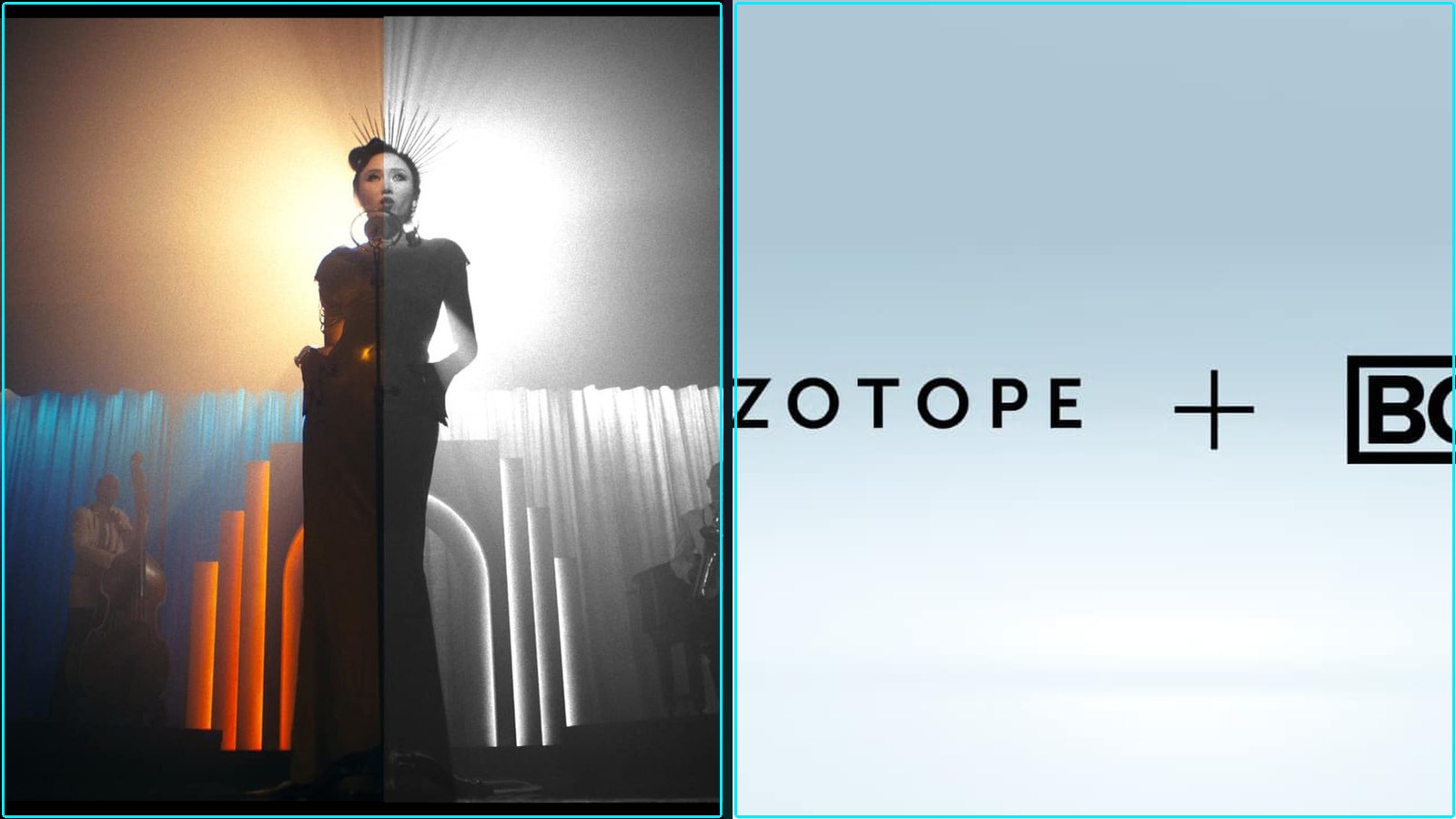
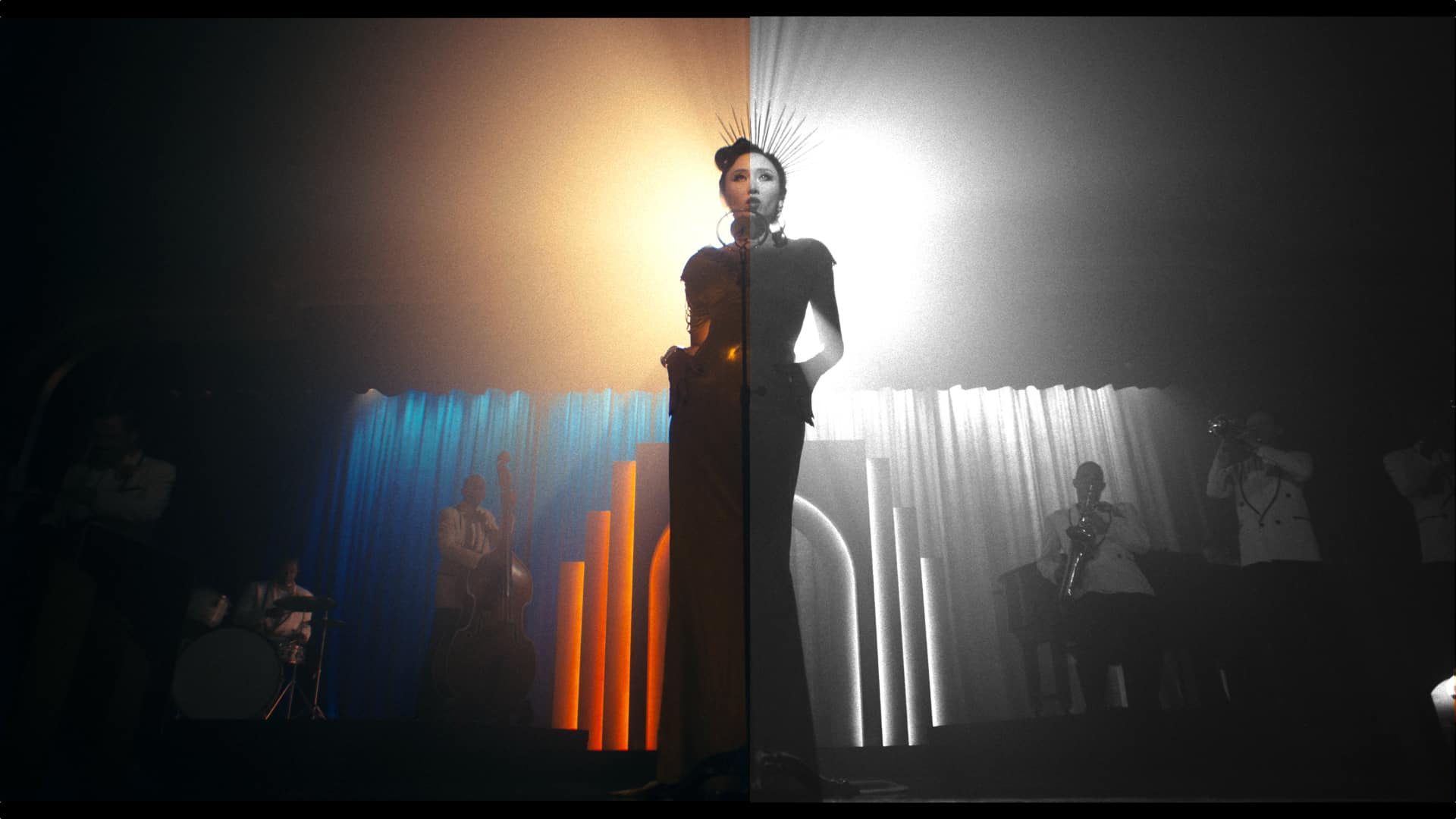
Summary: The Amazon series Spider-Noir is being shot with dual LUTs—one monochrome, one color—applied to a single RAW Venice 2 negative, allowing simultaneous delivery of a black-and-white noir version and a saturated Technicolor-inspired edition. Cinematographers Peter Deming and Darran Tiernan deliberately returned to vintage hard-light sources (Mole-Richardson units, Fresnels) rather than modern LED fixtures, arguing that LED technology pushes crews toward softer light incompatible with the show’s high-contrast, sculpted-shadow aesthetic. Extensive pre-production testing with colorist Pankaj Bajpai and a miniature studio for department previews ensured both looks could coexist without compromising the noir foundation. The result is a production pipeline that treats color grading as a parallel output rather than a post-hoc conversion, with DIT Kevin Britton maintaining daily look consistency across both LUTs.
Why it matters: For cinematographers, DITs, and colorists, this workflow demonstrates a viable method for delivering dual-format deliverables from a single RAW capture without compromising either look, while the deliberate rejection of LED lighting in favor of vintage hard sources signals a counter-trend in period or genre work that prioritizes contrast and shadow over soft, controllable fill.
Context: The show’s graphic novel origins (Marvel Noir, 2009) and the creative team’s reference to Spider-Verse action framing and John Alton’s Painting with Light textbook anchor the visual strategy in both comic-book and classic Hollywood traditions.
"Spider-Noir, Amazon’s Nicolas Cage vehicle, comes in two distinct varieties: moody noir and lush color. The key to pulling off the show’s distinctive looks was using dual LUTS and returning to the." — REDSHARKNEWS
Commentary: The decision to monitor in black-and-white on set (except for focus pullers) while maintaining a color LUT for the final grade is a practical innovation that could reduce on-set color-correction overhead for dual-delivery projects. The reliance on a single DIT to re-time daily footage across both LUTs suggests a leaner post pipeline than typical multi-version workflows, but it also concentrates risk on that individual’s consistency. For rental houses, the return to Mole-Richardson and Fresnel units may create a niche uptick in demand for vintage hard-light inventory, especially on period or genre shows that want to avoid the flat, even wash of LED arrays.
Date: July 11, 2026 02:43 AM ET
URL: https://www.redsharknews.com/spider-noir-lighting-color-design
AI Sentiment Score: Negative (50%)
AI Credibility Score: 10.0/10 — High
Scores and text generated by AI analysis of the source article indicated.
Boris FX acquires iZotope: RX, Ozone join lineup (Redsharknews)
Summary: Boris FX has acquired iZotope, adding RX, Ozone, and the full audio plugin suite to its VFX portfolio. The deal brings iZotope’s dialogue repair and mastering tools alongside Continuum, Sapphire, Mocha Pro, Silhouette, and SynthEyes, following Boris FX’s earlier audio acquisitions of Sequoia, Samplitude, and CrumplePop. iZotope’s VP of Product Todd Baker remains in role, and the engineering team stays intact with no interruption to product development. Perpetual licenses will continue alongside subscriptions, and all existing support channels remain active.
Why it matters: For post-production facilities and audio engineers, this signals that the toolchain consolidation trend has now fully crossed the VFX/audio boundary, potentially altering licensing strategies and workflow integration paths.
Context: Boris FX has spent a decade absorbing standalone VFX developers (Imagineer, GenArts, Silhouette) into a unified ecosystem. The iZotope acquisition mirrors last week’s Adobe-Topaz Labs deal and Apple’s Creator Studio buildout, suggesting that breadth of offering is now the primary competitive lever in post-production software.
"You’ve seen us do this before," comments Boris FX founder and CEO, Boris Yamnitsky. "Over the past decade, we’ve welcomed Imagineer, GenArts, Silhouette, and others into the family. Each time, those tools didn’t just keep going; they got better. iZotope is the next chapter in our story, and certainly one of the most significant." — REDSHARKNEWS
Commentary: The real operational question is whether Boris FX will integrate iZotope’s audio processing into its VFX nodes for cross-domain workflows—think RX De-bleed inside a Mocha planar track or Ozone loudness metering on a Sapphire timeline. If they do, post houses gain a single-vendor pipeline that reduces integration friction; if they don’t, this is just a portfolio play that consolidates licensing but not workflow. The retention of iZotope’s product leadership and perpetual license option suggests Boris FX understands that audio post buyers are more conservative about forced subscription migration than their VFX counterparts.
Date: July 06, 2026 06:54 AM ET
URL: https://www.redsharknews.com/boris-fx-acquires-izotope
AI Sentiment Score: Neutral (33%)
AI Credibility Score: 10.0/10 — High
Scores and text generated by AI analysis of the source article indicated.
Post ID: 6ecb3868