
World’s First AI Art Museum Opens in LA
World’s First AI Museum: Is This A Real Art Museum, Or Just A Massive $129 Data Farm For Instagram Bait? (Gadgetreview)
Summary: Dataland, the world’s first AI museum, opens in Los Angeles with a $129 ticket and a biometric data pipeline that turns visitor heartbeats into art and merchandise. The inaugural show, ‘Machine Dreams: Rainforest,’ uses a 500-million-image AI model trained on institutional data and live rainforest feeds, but critics see an Instagram bait operation with a gift shop selling biometric portraits and custom scents. Institutional caution from museums like LACMA and the Hammer, which declined comment, suggests the art world is wary of repeating the NFT hype hangover. The core tension: whether the system itself is the art or a data farm, and who benefits when your biometrics end up on a T-shirt.
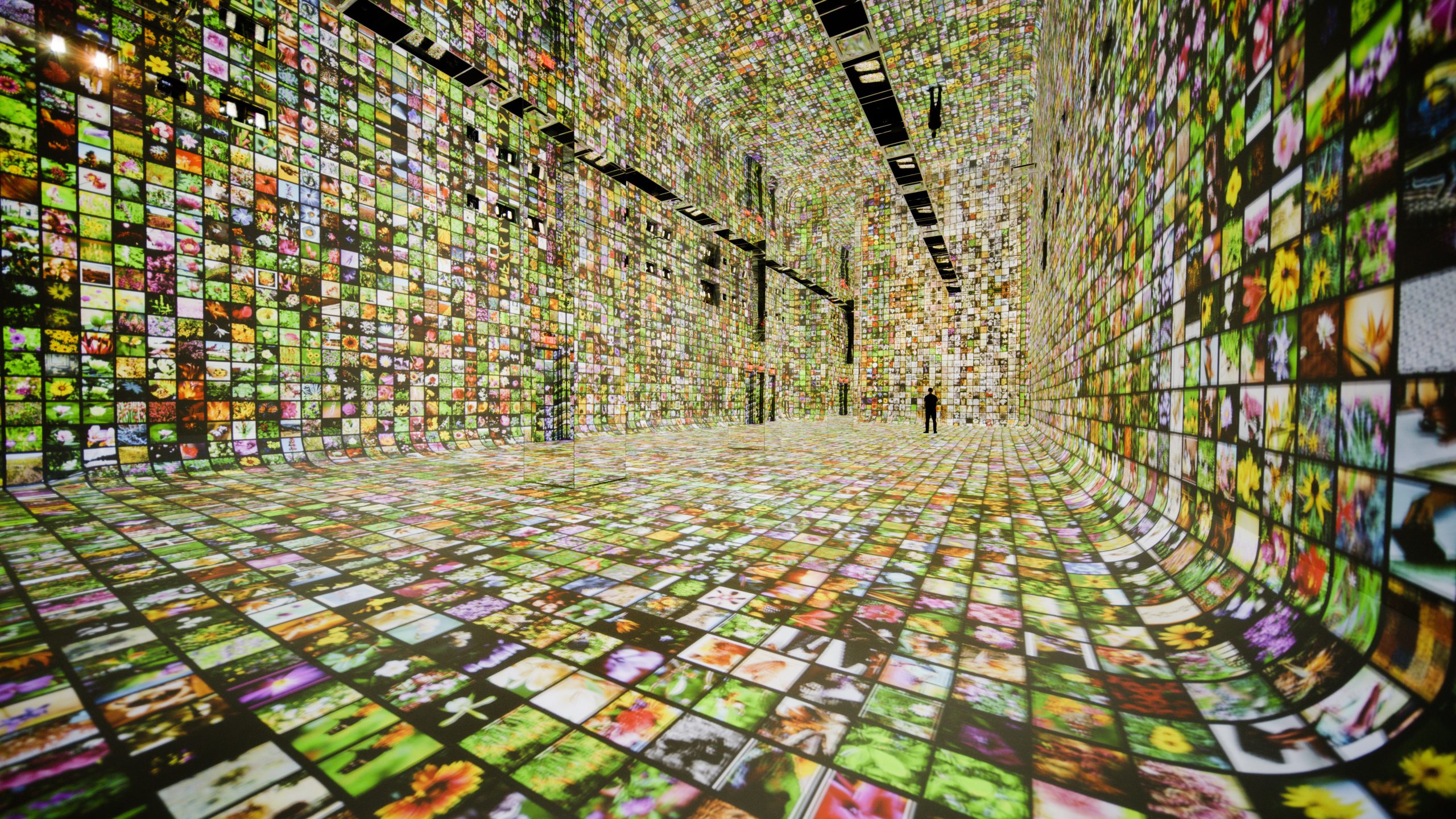
Why it matters: For interactive art practitioners, Dataland tests whether biometric data collection and AI-generated environments can sustain a museum-scale business model without triggering the same backlash that followed the NFT crash.
Context: Refik Anadol has faced ‘screensaver art’ and ‘corporate lobby art’ critiques for years; the NFT collapse left institutions wary of tech-hype partnerships, making Dataland’s launch a high-stakes proof of concept for AI-driven experiential venues.
"When your heartbeat ends up on a T-shirt, the question of who benefits from the transaction is worth asking out loud — and given broader tech scandals around biometric data, that scrutiny is well earned." — GADGETREVIEW
Commentary: The operational challenge here isn’t the art but the data governance: Dataland claims ethical sourcing and low-carbon operations, but neither is independently verified, and the biometric merch pipeline creates a liability surface that traditional museums don’t have. For studios and post teams building similar installations, the key takeaway is that institutional partners like the Smithsonian and Cornell provide cover, but the real test will be whether visitors accept their biosignals as a commodity. If Dataland succeeds, expect a wave of copycat venues that blur the line between experience and data extraction; if it fails, it will reinforce the pattern that AI art venues are more about spectacle than sustainable practice.
Date: June 19, 2026 02:58 PM ET
URL: https://gadgetreview.com/worlds-first-ai-museum-is-this-a-real-art-museum-or-just-a-massive-129-data-farm-for-instagram-bait
AI Sentiment Score: Negative (77%)
AI Credibility Score: 7.0/10 — Medium
Scores and text generated by AI analysis of the source article indicated.
Yes, I enjoyed LA’s new AI Museum. Here’s why I still didn’t like it (Laist)
Summary: Dataland, the world’s first AI-dedicated museum, opens in Los Angeles with an immersive, multi-sensory exhibit that uses biosensors, scent devices, and real-time data visualization. The experience, while visually impressive, raises questions about accessibility, environmental impact, and the value of AI-generated nature over actual nature. The author, a self-described art lover and curious skeptic, found the exhibit overwhelming and ultimately unsatisfying, particularly due to sensory overload and the opaque interpretation of biometric data.
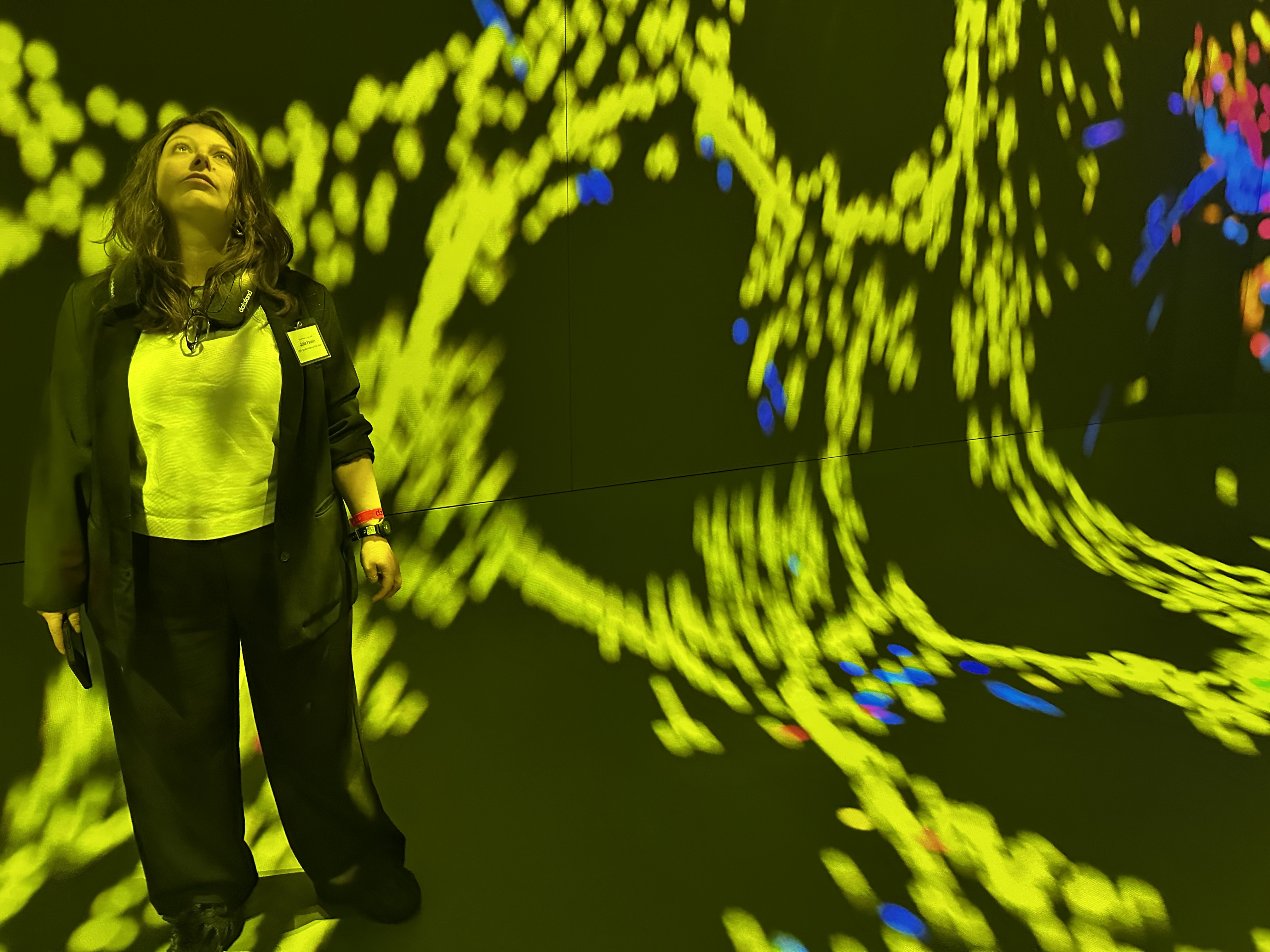
Why it matters: For interactive art practitioners, this case study highlights the operational challenges of staging high-tech, multi-sensory installations—from managing visitor sensory thresholds to justifying the energy footprint of AI-driven art.
Context: The museum positions itself alongside established LA institutions like MOCA and The Broad, but its partnership with Google Cloud and NVIDIA and its $49 ticket price signal a tech-startup rather than traditional museum model.
"One year ago, Congress defunded public media. Now that we’re 100% community funded, please become a sustaining member or increase your existing membership today. Yes, I enjoyed LA’s new AI Museum. Here’s." — LAIST
Commentary: The biometric feedback loop, while framed as poetic, introduces a new layer of audience data management that institutions must navigate—both in terms of privacy perception and technical reliability. The reported sensory issues (dizziness, nausea) among healthy adults in their 30s suggest the experience design may need recalibration for broader accessibility. The museum’s claim of carbon-neutral compute via Google Cloud is a notable operational detail, but hiding the hardware infrastructure risks undermining the transparency that critical audiences increasingly demand.
Date: June 18, 2026 08:00 AM ET
URL: https://laist.com/news/arts-and-entertainment/new-ai-museum-dataland-artificial-intelligence-art-la
AI Sentiment Score: Positive (40%)
AI Credibility Score: 10.0/10 — High
Scores and text generated by AI analysis of the source article indicated.
Powering the world’s first AI arts museum (Blog.Google)
Summary: Dataland, the world’s first AI arts museum, opens June 20 in Los Angeles, powered by Google Cloud infrastructure. The 25,000-square-foot venue uses the Large Nature Model, Gemini, and GANs to generate real-time visuals, soundscapes, and scents that respond to visitors. A six-month AI Artist Residency, supported by Google Arts & Culture, will provide four artists with $25,000 grants and access to Google’s ML tools. The project marks a shift from static exhibitions to living, data-driven environments that require continuous compute and carbon-free energy.
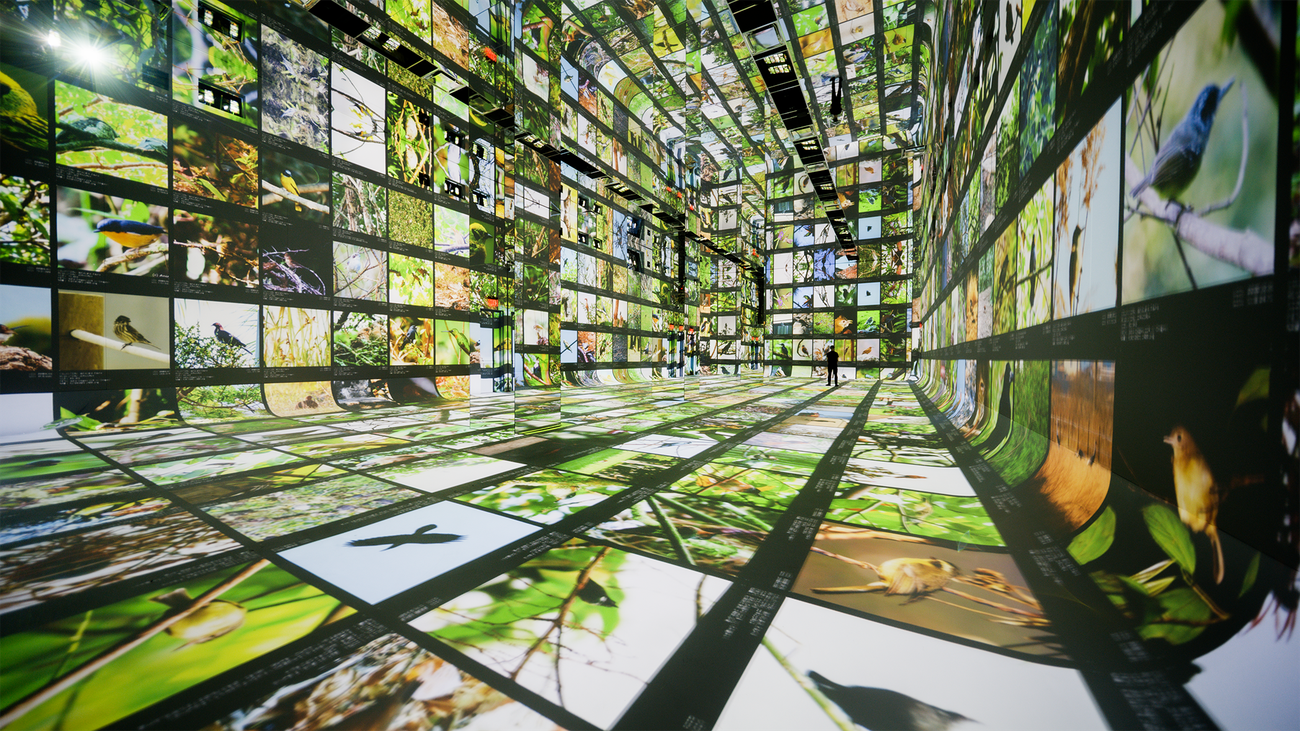
Why it matters: For practitioners, Dataland establishes a new operational baseline for AI art: real-time generation at scale, multi-sensory feedback loops, and cloud-based sustainability constraints. The residency model offers a replicable template for tool access and mentorship, while the reliance on 87% carbon-free compute signals the infrastructure demands that future interactive works will need to navigate.
Context: Google’s collaboration with Refik Anadol began in 2016 through the Artists and Machine Intelligence program, producing earlier works like the LA Philharmonic projection-mapping and the ‘Machine Dreams: Biophilia’ installation. This museum represents the institutionalization of that pipeline, moving from temporary installations to a permanent venue.
"Powering the world’s first AI arts museum What happens when you give an artist a neural network instead of a paintbrush? Ten years ago, that foundational question brought Google researchers together with." — BLOG.GOOGLE
Commentary: The operational shift here is from one-off installations to a persistent, computationally hungry environment that must run reliably for public hours. Teams building similar spaces will need to plan for continuous model inference, real-time sensor integration, and energy budgets that account for 1.25 billion pixels of generative output. The residency’s tool access also suggests that Google is using this as a proving ground for its cloud AI services in the cultural sector.
Date: June 17, 2026 08:00 PM ET
URL: https://blog.google/company-news/outreach-and-initiatives/arts-culture/dataland-ai-art-museum
AI Sentiment Score: Neutral (50%)
AI Credibility Score: 10.0/10 — High
Scores and text generated by AI analysis of the source article indicated.
World’s First AI Museum Opens This Week in Los Angeles – Here’s What Awaits Inside (Admiddleeast)
Summary: DATALAND, a 25,000-square-foot AI museum, opens in Los Angeles, replacing static exhibits with generative systems that respond to real-time data, environmental conditions, and visitor biosignals. Its inaugural exhibition, Machine Dreams: Rainforest, uses a Large Nature Model trained on ecological archives from the Smithsonian, Cornell, and other institutions. Visitors wear biosensing devices that feed anonymized physiological data into the computational framework, influencing collective artworks. The museum also offers a personalized digital archive of each visit via its Data.[redacted:secret_exfiltration] system.

Why it matters: For interactive art practitioners, DATALAND operationalizes a permanent infrastructure for generative, participatory works, shifting the institutional model from preservation to continuous creation. This sets a new baseline for how museums stage responsive environments, with implications for technical maintenance, audience engagement, and data ethics.
Context: The museum is housed in Frank Gehry’s Grand LA complex and co-founded by Efsun Erkılıç of Refik Anadol Studio, who provides the institutional architecture for high-concept machine learning in physical spaces.
"Called DATALAND, the world’s first AI museum opens tomorrow, challenging the traditional museum model by replacing static displays with responsive systems that evolve through data, environmental conditions, and visitor participation In downtown." — ADMIDDLEEAST
Commentary: The reliance on biosensing devices and real-time data streams introduces new operational constraints: data privacy, system uptime, and the need for continuous technical support. The personalized sensory archive feature creates a novel post-visit engagement loop, but its long-term storage and access model remain undefined. For institutions considering similar models, the key challenge will be balancing computational responsiveness with the unpredictability of human participation.
Date: June 19, 2026 05:28 AM ET
URL: https://admiddleeast.com/story/dataland-worlds-first-ai-museum-downtown-los-angeles
AI Sentiment Score: Positive (50%)
AI Credibility Score: 10.0/10 — High
Scores and text generated by AI analysis of the source article indicated.
Dataland: Inside the World’s First AI Art Museum — and Its Biometric Twist (Gagadget)
Summary: Dataland: Inside the World’s First AI Art Museum — and Its Biometric Twist Google and artist Refik Anadol opened Dataland on June 20, 2026 in Los Angeles — billed as the world’s first museum built entirely around artificial intelligence. Spread across 25,000 square feet inside Frank Gehry’s Grand LA complex, the venue uses 1.5 billion pixels of display space to generate living, breathing environments that shift in real time. The catch: it does this partly by reading your body.
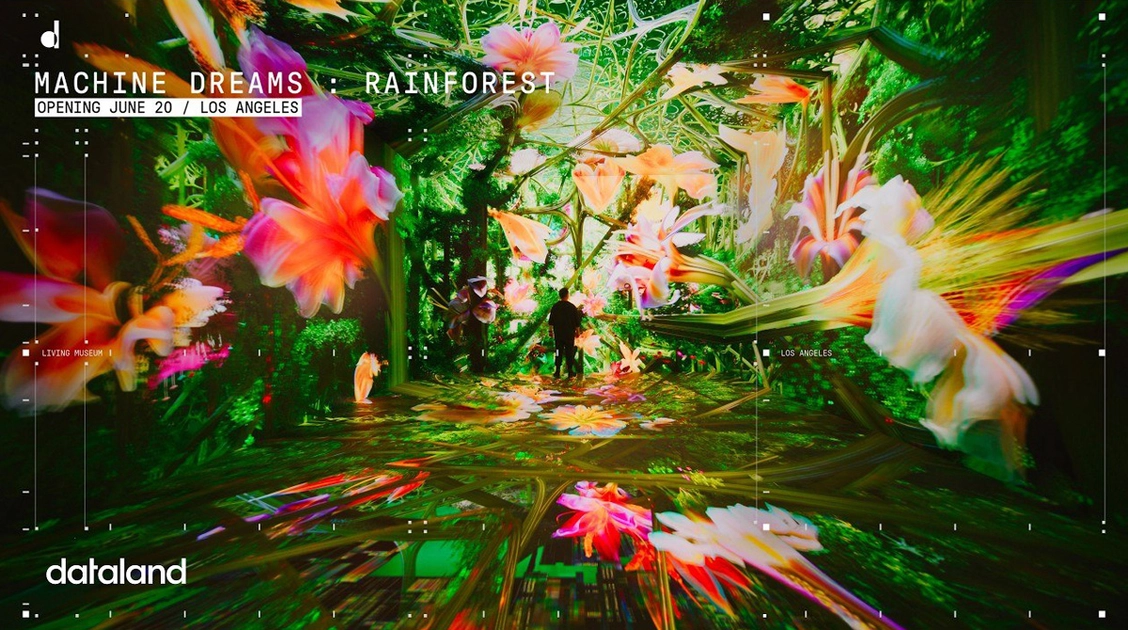
Why it matters: This matters for Interactive Art because it gives a concrete current signal to track: Dataland: Inside the World’s First AI Art Museum — and Its Biometric Twist Google and artist Refik Anadol opened Dataland on June 20, 2026 in Los Angeles — billed as the world’s first museum built entirely around artificial intelligence.
Context: Dataland: Inside the World’s First AI Art Museum — and Its Biometric Twist Google and artist Refik Anadol opened Dataland on June 20, 2026 in Los Angeles — billed as the world’s first museum built entirely around artificial intelligence. Spread across 25,000 square feet inside Frank Gehry’s Grand LA complex, the venue uses 1.5 billion pixels of display space to generate living, breathing environments that shift in real time. The catch: it does this partly by reading your body.
"Dataland: Inside the World’s First AI Art Museum — and Its Biometric Twist Google and artist Refik Anadol opened Dataland on June 20, 2026 in Los Angeles — billed as the world’s." — GAGADGET
Commentary: The immediate implication is operational rather than speculative: watch how this changes budgets, workflows, or risk assumptions over the next cycle.
Date: June 20, 2026 11:02 AM ET
URL: https://gagadget.com/en/715777-dataland-inside-the-worlds-first-ai-art-museum-and-its-biometric-twist
AI Sentiment Score: Negative (50%)
AI Credibility Score: 10.0/10 — High
Scores and text generated by AI analysis of the source article indicated.
AI museum brings sights, sounds and smells of the rainforest (France24)
Summary: Dataland, a new AI museum in Los Angeles, opens with ‘Machine Dreams: Rainforest,’ an immersive exhibition that uses real-time biometric and environmental data from visitors to generate a constantly evolving digital rainforest. The experience combines sights, sounds, and smells, with guests wearing sensors that track movement, heart rate, and skin temperature to influence the AI’s output. At the end, visitors can take home tangible souvenirs like AI-generated T-shirts or chocolates, but the system is designed to forget each individual after they leave.

Why it matters: For experience designers and cultural institutions, this exhibition tests a new operational model where audience biometrics become live input for generative art, raising questions about data privacy, consent, and the maintenance burden of real-time sensor networks.
Context: This follows a trend of museums using AI for personalization, but Dataland’s approach is distinct in making visitor physiology a direct, non-optional part of the creative loop rather than a passive analytics tool.
"AI museum brings sights, sounds and smells of the rainforest Los Angeles (United States) (AFP) – The squawks of macaws, the smell of wet earth after rain and a swirl of colors." — FRANCE24
Commentary: The practical challenge here is reliability: a system dependent on wearable sensors and wall-mounted trackers must handle calibration drift, battery failures, and varying visitor compliance without breaking the narrative flow. For the production team, this means building redundant sensor arrays and fallback states that still feel intentional when data drops out.
Date: June 18, 2026 08:00 PM ET
URL: https://france24.com/en/live-news/20260619-ai-museum-brings-sights-sounds-and-smells-of-the-rainforest
AI Sentiment Score: Negative (80%)
AI Credibility Score: 10.0/10 — High
Scores and text generated by AI analysis of the source article indicated.
Post ID: a8485b8b