
AI and the Future of Filmmaking: From Production to Festivals
AI in Filmmaking: How Hollywood and Indian Cinema Are Rebuilding Film Production (Economictimes.Indiatimes)
Summary: Generative AI is restructuring film production workflows, shifting from linear, human-heavy processes to iterative, parallel creation. Hollywood is layering AI into existing infrastructure for VFX, de-aging, and voice replication, while Indian cinema uses it to reduce localization costs and accelerate VFX-heavy streaming output. The core change is not on-screen spectacle but the speed and cost of filling the screen, expanding who can make what. The industry now faces a choice: how far to redesign itself around faster, cheaper, more adaptive production.
Why it matters: For VFX vendors and post-production houses, this signals a shift in throughput ceilings and staffing models: AI-assisted dubbing, translation, and effects automation reduce per-shot labor, compressing timelines and altering vendor leverage in bidding for complex sequences.
Context: Hollywood’s cautious integration follows union pushback on actor rights and creative ownership, while Indian studios face cost pressures from multi-language localization and streaming demand, making AI a pragmatic lever for output expansion.
"Editing, dubbing, and effects can be partially automated. The result is not just faster production, but a restructuring of how creative decisions are made. Filmmaking is gradually becoming less linear and more iterative, with creation and refinement happening in parallels rather than sequence." — ECONOMICTIMES.INDIATIMES
Commentary: The real operational signal is the shift from sequential to parallel workflows: previs, editorial, and VFX can now iterate concurrently, compressing post schedules that traditionally bottlenecked on human-intensive frame-by-frame craft. For VFX houses, this means bidding on shorter cycles with lower per-shot margins but higher volume, and investing in AI tooling to remain competitive. The Indian market’s focus on dubbing and versioning automation also threatens localization houses that relied on manual labor for multi-language releases.
Date: June 14, 2026 08:00 PM ET
URL: https://economictimes.indiatimes.com/ai/ai-insights/how-ai-is-quietly-rewriting-the-rules-of-filmmaking/articleshow/131734273.cms
AI Sentiment Score: Negative (60%)
AI Credibility Score: 10.0/10 — High
Scores and text generated by AI analysis of the source article indicated.
Major Updates for AI Filmmakers | AI Film News — Curious Refuge (Curiousrefuge)
Summary: ByteDance released Seedance 2.0 Mini, a faster and cheaper video model, while Nvidia and MIT unveiled a real-time video editing tool. Runway and Magnific integrated with ChatGPT and Claude, and ElevenLabs launched an AI avatar tool. Reve 2.0 introduced a layer-based editing system, and Anthropic’s Fable Five is nearing re-release. The updates signal a shift toward real-time, cost-efficient, and agent-driven workflows in AI filmmaking.

Why it matters: For VFX and post-production pipelines, these tools lower the barrier for rapid iteration and live editing, potentially reducing reliance on traditional rotoscoping and compositing workflows.
Context: The AI filmmaking tool landscape is fragmenting into specialized models (speed vs. quality) and integrated platforms (chat-based generation), with real-time capabilities emerging as a key differentiator.
"Major Updates for AI Filmmakers | AI Film News AI Film News Recap: ByteDance’s Real-Time Push, Reve 2.0, and The Week’s Biggest AI Filmmaking Updates It was a massive week in AI." — CURIOUSREFUGE
Commentary: Nvidia’s real-time Omni-editing model could disrupt traditional VFX bidding by enabling on-set or live compositing, reducing post-production hours. However, the 704p ceiling and potential latency issues mean it’s not yet a full replacement for offline rendering. Studios should watch for integration with existing pipelines, as the tool’s value hinges on throughput and color fidelity for broadcast-grade work.
Date: June 18, 2026 03:57 PM ET
URL: https://curiousrefuge.com/blog/major-updates-for-ai-filmmakers
AI Sentiment Score: Negative (66%)
AI Credibility Score: 10.0/10 — High
Scores and text generated by AI analysis of the source article indicated.
AI in filmmaking: What Cannes 2026 revealed about the future of the media and entertainment industry (Adsknews.Autodesk)
Summary: At Cannes 2026, the AI debate shifted from whether it belongs on set to who builds and controls it. Autodesk’s Nikola Todorovic argued that sitting out is the real risk, citing production cost reductions of up to 30% and workflow speed gains from 30 seconds to 3.5 minutes of finished work per day. The company’s Flow Studio platform, born from the Wonder Dynamics acquisition, aims to automate punishing VFX tasks without replacing creative control. The message is clear: artists must shape the tools or inherit systems built for someone else’s priorities.

Why it matters: For VFX and post-production teams, the reported throughput gains and cost reductions signal a structural shift in vendor leverage, staffing models, and the economic viability of complex shots for smaller studios.
Context: Autodesk acquired Wonder Dynamics in 2024, integrating its AI-driven motion capture and compositing automation into Flow Studio. The Cannes panels mark the first major industry showcase of how that acquisition is being positioned to reshape production pipelines.
"At the 79th Cannes Film Festival, AI dominated the conversation. During the festival, Autodesk’s Nikola Todorovic talked about why it’s okay to worry about AI, why sitting it out is the real." — ADSKNEWS.AUTODESK
Commentary: The 7x throughput improvement is the headline number here, but the real signal is in the team-size compression: projects that once required a dozen or more artists are now feasible for crews of five to seven. For vendors, this means either higher-margin work on smaller teams or a race to the bottom on bid pricing. The Morgan Stanley estimate of 30% cost reduction will accelerate studio pressure to adopt these tools, making early pipeline integration a competitive necessity rather than an option.
Date: June 18, 2026 12:01 PM ET
URL: https://adsknews.autodesk.com/en/views/ai-in-filmmaking-at-cannes-2026/
AI Sentiment Score: Negative (62%)
AI Credibility Score: 10.0/10 — High
Scores and text generated by AI analysis of the source article indicated.
I watched a 90-minute AI movie made in two weeks — and Hollywood can stop panicking, for now (Techradar)
Summary: Higgsfield’s 90-minute AI horror film Hell Grind, produced in two weeks, demonstrates that long-form AI-generated content with consistent characters is now technically feasible. However, the film’s synthetic dialogue and uncanny character moments reveal that AI still cannot produce believable human interactions. The project serves as a proof of concept for rapid pipeline throughput, but the quality ceiling on performance-driven scenes remains a hard constraint. For studios and post houses, the signal is clear: AI can handle action and VFX-heavy sequences, but the human element in dialogue and performance is not yet replicable at feature length.
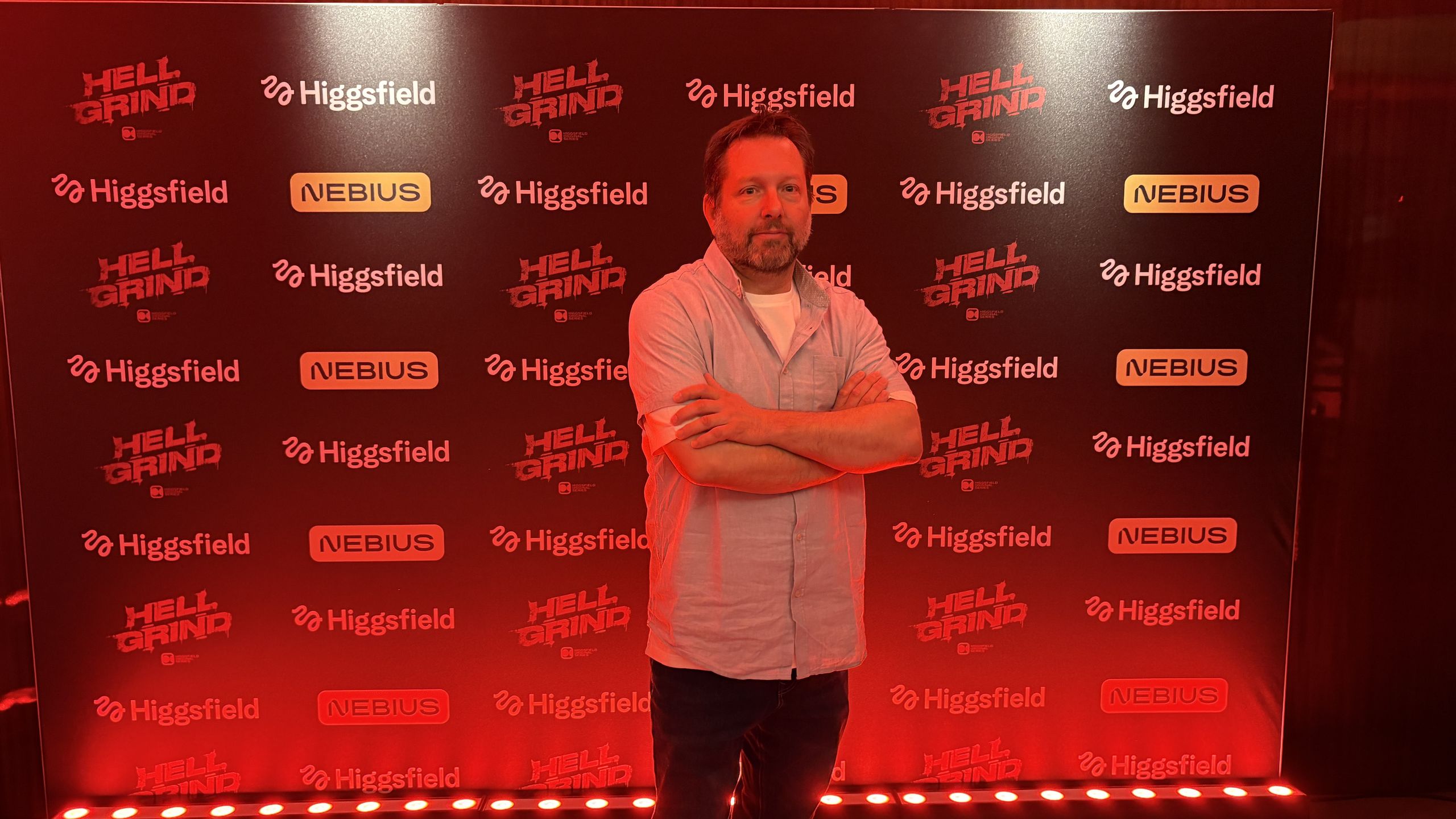
Why it matters: For VFX and post-production professionals, Hell Grind shows that AI tools can compress the timeline for complex shots and character consistency, but the current output still requires significant human editorial intervention for performance and dialogue—meaning the threat to skilled labor is real but not immediate.
Context: Last year’s AI Film Festival featured films of roughly five minutes; Hell Grind extends that to 90 minutes with consistent character models, marking a step-change in AI’s ability to maintain narrative coherence across long-form content.
"The action scenes worked. The visual effects worked. The story mostly held together. But the moments that should have felt human still felt synthetic." — TECHRADAR
Commentary: The real operational takeaway for VFX vendors and post supervisors is that AI pipelines are now viable for action and VFX-heavy sequences, which could shift bidding and scheduling for those elements. However, the persistent failure in dialogue and performance capture means that traditional labor for character-driven scenes remains irreplaceable for now. Studios should watch for a hybrid model where AI handles the heavy lifting on spectacle shots while human crews focus on emotional beats—a workflow that could reshape crew composition and vendor leverage on tentpole projects.
Date: June 16, 2026 08:01 AM ET
URL: https://techradar.com/ai-platforms-assistants/i-watched-a-90-minute-ai-movie-made-in-just-two-weeks-and-hollywood-can-stop-worrying-for-now
AI Sentiment Score: Positive (40%)
AI Credibility Score: 10.0/10 — High
Scores and text generated by AI analysis of the source article indicated.
SIFF Unveils AI BACKLOT to Redefine the Future of Filmmaking With Artificial Intelligence (Wilayah.My)
Summary: SIFF and Hailuo AI (MiniMax) launched AI BACKLOT, a program pairing experienced filmmakers with AI specialists to produce four short films within one month. The initiative included a public debut of the films alongside raw footage, storyboards, and AI prompts, plus the release of an industry report on AI-film hybrid creation. Nearly 500 applications from seven countries were submitted for the 43-day open call, indicating strong global interest in structured AI integration. The project is positioned as a practical model for how AI can assist in character development, budgeting, and workflow without replacing human storytelling.
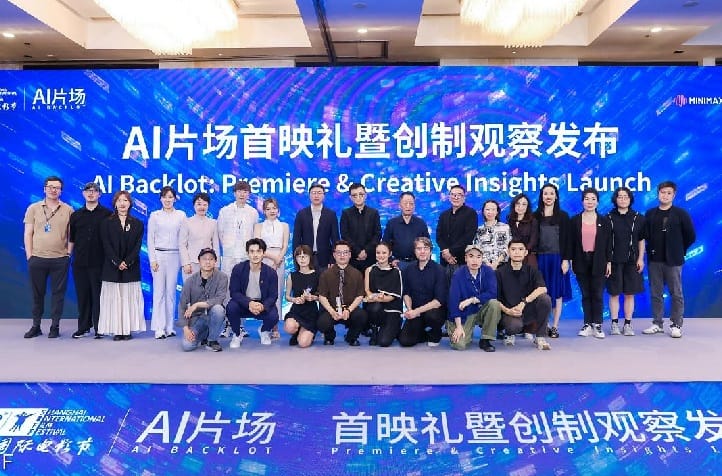
Why it matters: For VFX and post-production pipelines, AI BACKLOT provides a rare transparent case study of AI-assisted production timelines, prompt documentation, and team structures—offering concrete data on throughput gains and creative bottlenecks that studios can benchmark against their own workflows.
Context: The program’s ‘1+1’ collaboration model and the release of an academic report from the Communication University of China signal a shift from AI experimentation to documented, repeatable production methods, which could influence how vendors and studios negotiate AI tool usage in contracts and bids.
"SIFF Unveils AI BACKLOT to Redefine the Future of Filmmaking With Artificial Intelligence SHANGHAI: The Shanghai International Film Festival (SIFF) has taken a major step towards redefining the future of filmmaking with." — WILAYAH.MY
Commentary: The transparency around prompts and revision logs is the most actionable signal here—it gives VFX houses a template for documenting AI-assisted work, which is critical for client trust and liability. The 43-day open call and 4-team selection suggest a curated, low-volume approach that prioritizes quality control over scale, likely to reassure unions and guilds wary of AI displacement. However, without disclosed budgets or vendor rates, the economic model remains opaque, limiting its immediate utility for bidding on complex shots.
Date: June 21, 2026 08:32 AM ET
URL: https://wilayah.com.my/siff-unveils-ai-backlot-to-redefine-the-future-of-filmmaking-with-artificial-intelligence/
AI Sentiment Score: Negative (50%)
AI Credibility Score: 7.0/10 — Medium
Scores and text generated by AI analysis of the source article indicated.
In a World Run by Algorithms, Hollywood Fights for Its Soul | KQED (Kqed)
Summary: A first-time director premiered a feature at Tribeca made entirely with AI for $2,000, with no actors or crew, sparking both excitement and unease. Industry figures like Gareth Edwards and Matt Stone are integrating AI as a creative tool, while vendors like Runway and Luma pitch video-generation models to Hollywood. The technology threatens to displace physical production roles, especially for indie filmmakers who can now bypass crews entirely. The audience response at Tribeca was curious but marked by awkwardness when credits listed only the director’s name repeatedly.
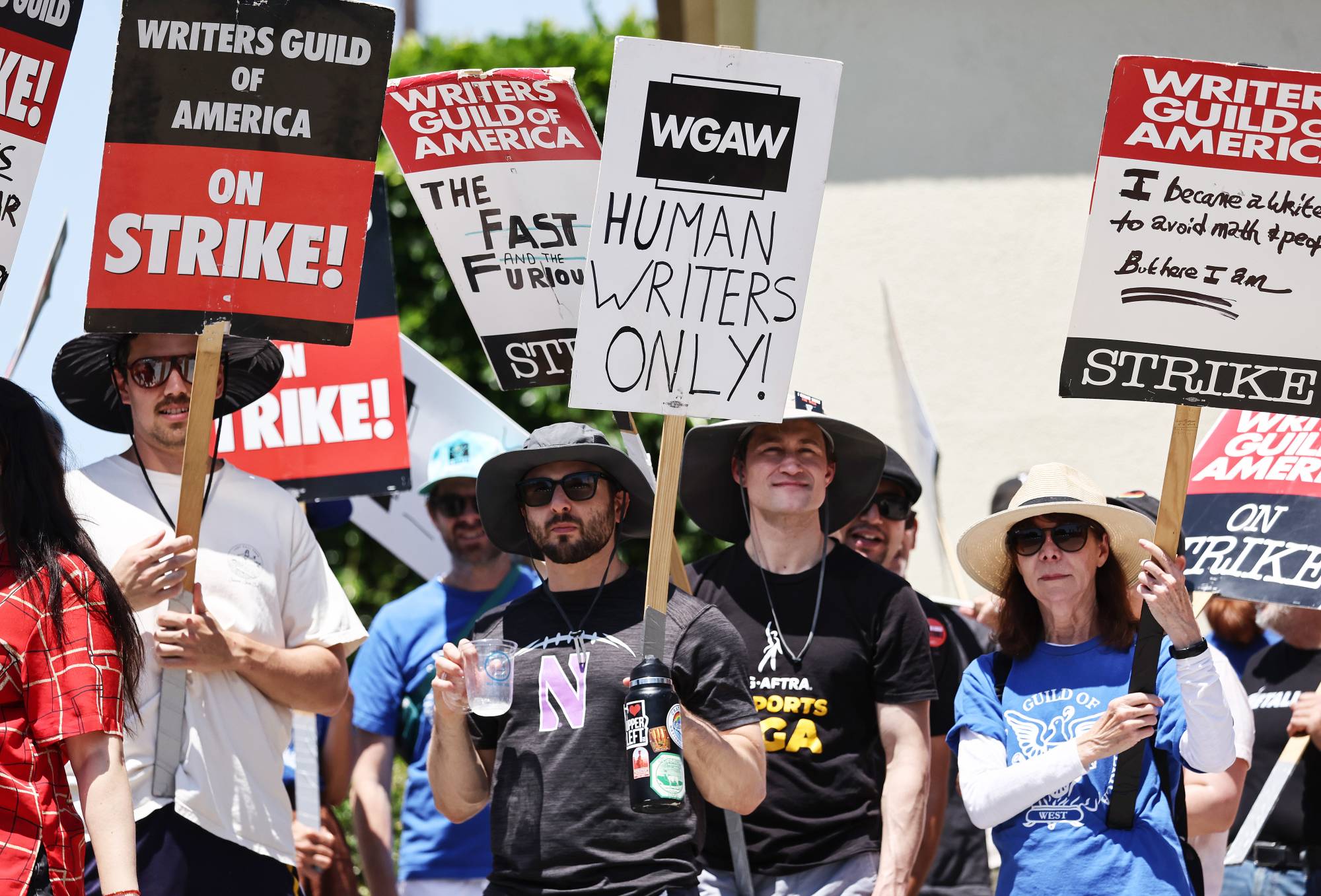
Why it matters: For VFX and post-production professionals, this signals a structural shift where AI can replace entire crew pipelines on low-budget projects, compressing the labor market and altering the economics of complex shots.
Context: AI video-generation tools have matured to the point of producing festival-ready features, with companies like Runway, Luma, and Google’s Veo competing for filmmaker adoption, while established directors like Gareth Edwards and Matt Stone use AI for specific effects rather than full replacement.
"This partial transcript was computer-generated. While our team has reviewed it, there may be errors. Rachael Myrow: From KQED, this is Forum. I’m Rachael Myrow, in for Mina Kim. One first-time director." — KQED
Commentary: The single-name credit roll is a visceral signal to the VFX and post community: on AI-native productions, the traditional crew structure collapses into a single operator. This doesn’t just threaten jobs—it rewrites the commissioning logic for indie films, where a $2,000 budget can now bypass the entire physical production and post pipeline. For vendors, the strategic question is whether to compete on tooling for these solo creators or double down on high-end, crew-intensive work that AI can’t yet touch.
Date: June 15, 2026 05:45 PM ET
URL: https://kqed.org/forum/2010101914111/in-a-world-run-by-algorithms-hollywood-fights-for-its-soul
AI Sentiment Score: Negative (60%)
AI Credibility Score: 7.0/10 — Medium
Scores and text generated by AI analysis of the source article indicated.
Hollywood Consolidation: AI, Mergers and Creative Labor 2026 (Imfounder)
Summary: The Paramount Skydance acquisition of Warner Bros. Discovery signals a structural shift from streaming wars to consolidation, where fewer companies control larger libraries and automated production systems. AI is moving from novelty to production infrastructure, with the $2,000 AI-generated film ‘Dreams of Violets’ at Tribeca serving as a proof of concept for studios. The real labor threat targets entry-level workers—background performers, junior editors, and indie filmmakers—who form the industry’s apprenticeship system. Consolidation, streaming economics, and AI together create a new studio system built around fewer gatekeepers, cheaper pipelines, and reduced dependency on traditional labor.
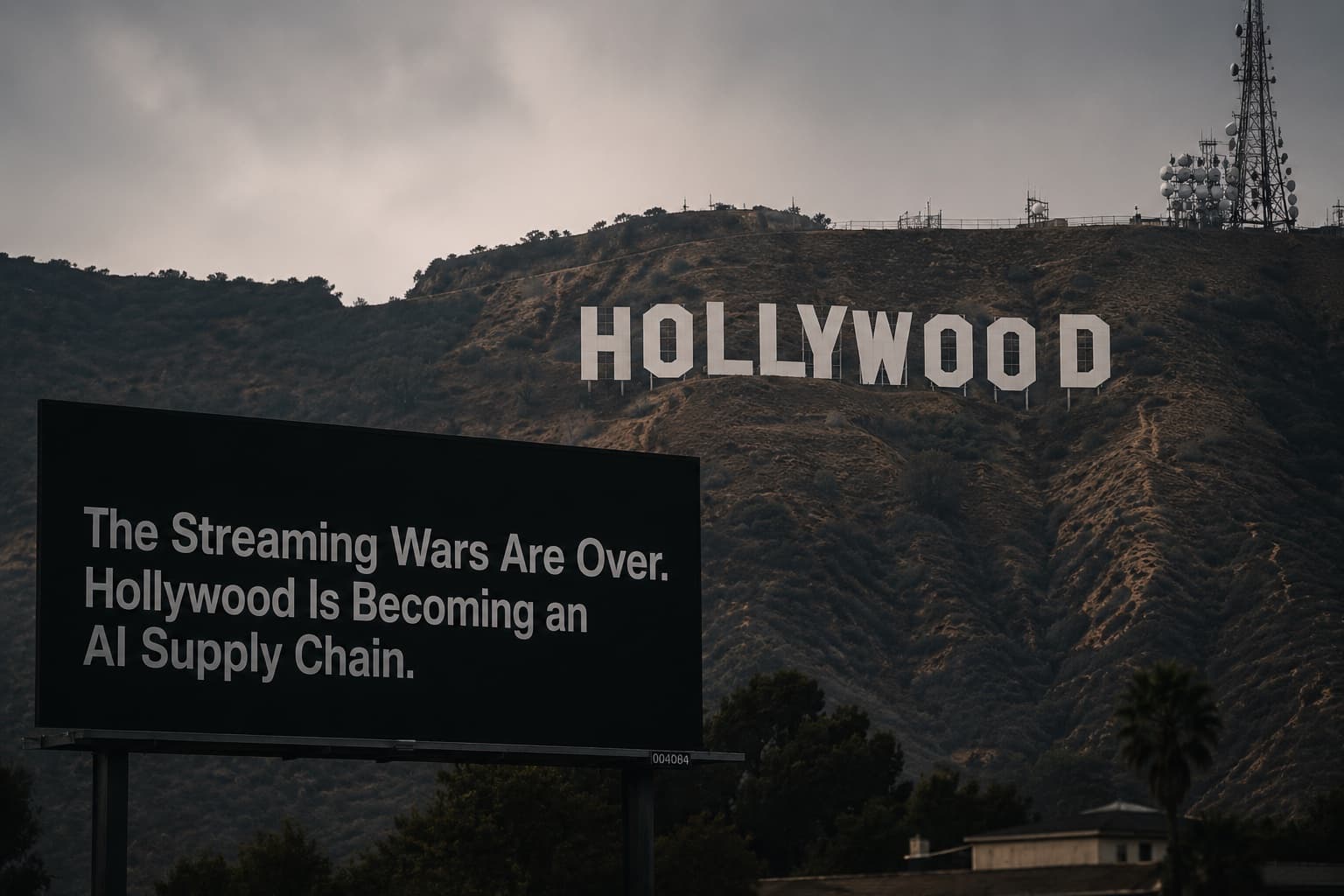
Why it matters: For VFX and CGI vendors, this means fewer buyers, compressed budgets, and pressure to adopt AI-assisted workflows for previs, synthetic backgrounds, and volume content, threatening the middle-class labor pipeline that sustains complex shot work.
Context: The streaming wars ended not with a winner but with survivors buying the battlefield, as platforms shift to bundles, ads, and sports rights to fight churn. AI tools are now being normalized in pre-production and marketing, with studios building internal efficiency departments expected by 2027.
"AI does not need to replace the movie star to change Hollywood. It only needs to replace the entry-level ladder." — IMFOUNDER
Commentary: The VFX industry should watch the ‘Dreams of Violets’ proof of concept closely: if a $2,000 AI feature can screen at Tribeca, studios will apply similar logic to previs, background plates, and low-budget genre work, compressing vendor margins and reducing crew sizes. The real risk isn’t that AI replaces senior artists tomorrow—it’s that it eliminates the junior roles that train the next generation, hollowing out the talent pipeline for complex shots. Consolidation reduces the number of buyers, so surviving vendors must differentiate on proprietary tools, high-end artistry, or niche specialties that AI can’t yet replicate at scale.
Date: June 18, 2026 07:08 AM ET
URL: https://imfounder.com/entertainment/hollywood-media-consolidation-ai-streaming
AI Sentiment Score: Negative (75%)
AI Credibility Score: 7.0/10 — Medium
Scores and text generated by AI analysis of the source article indicated.
How the Shanghai Film Festival Is Embracing Cinema’s Future: From AI to iPhone Moviemaking (Hollywoodreporter)
Summary: The Shanghai International Film Festival (SIFF) has deepened its integration of AI, mobile, and VR technologies into its programming, signaling a shift from novelty showcases to operational pipeline experiments. The AI Backlot program paired traditional and AI filmmakers in a live, open-set production environment, producing a short film that demonstrated AI’s utility for visualizing abstract concepts and reducing pre-production costs. Meanwhile, the SIFF ING mobile filmmaking camp leveraged iPhone capabilities for narrative work, and the Immersive section highlighted VR’s move toward scalable production and distribution. These initiatives reflect China’s broader $174B AI industry and a $48B VR market, with direct implications for how studios and vendors approach tooling, staffing, and shot economics.

Why it matters: For VFX and post-production professionals, these programs signal that AI and mobile tools are being tested as viable production-stage solutions, not just post-production aids, which could reshape bidding, crew composition, and the economics of complex shots.
Context: SIFF has historically served as a bellwether for Chinese film industry trends, and this year’s focus on live AI co-production and iPhone filmmaking mirrors broader industry moves toward democratized tooling and real-time iteration.
"The continued blurring of the lines between film festivals and tech showcases has been witnessed in Shanghai across the past week, as panels, screenings and assorted displays of where the film industry." — HOLLYWOODREPORTER
Commentary: The AI Backlot’s open-set format is a deliberate stress test of AI’s throughput in a live production environment, not a closed R&D lab. For vendors, this suggests that AI tools are being evaluated for real-time iteration speed and cost reduction on complex shots, potentially lowering the barrier for pre-vis and concept work. The mobile filmmaking camp further indicates that high-end cinematography is being unbundled from traditional camera packages, which could shift bidding dynamics for lower-budget or second-unit work. Studios should watch whether these experiments lead to permanent pipeline changes or remain festival-driven one-offs.
Date: June 20, 2026 08:00 PM ET
URL: https://www.hollywoodreporter.com/movies/movie-news/shanghai-film-festival-cinema-future-ai-iphone-1236626463/
AI Sentiment Score: Negative (80%)
AI Credibility Score: 10.0/10 — High
Scores and text generated by AI analysis of the source article indicated.
Exploring the Hybrid AI and Animation Workflow Behind This Standout Short From Tribeca (Nofilmschool)
Summary: Connie He, a Pixar alum, directed the short film Dear Upstairs Neighbors using a hybrid workflow that combines traditional 2D and 3D animation with a custom video-to-video generation model developed with Google DeepMind. The project deliberately avoided text prompting, instead using a bespoke pipeline with controlnets and mask editing to maintain tight control over performance and timing. The film screened at Tribeca, marking one of the few festival-ready projects to successfully integrate generative AI into a professional animation pipeline without sacrificing creative intent.
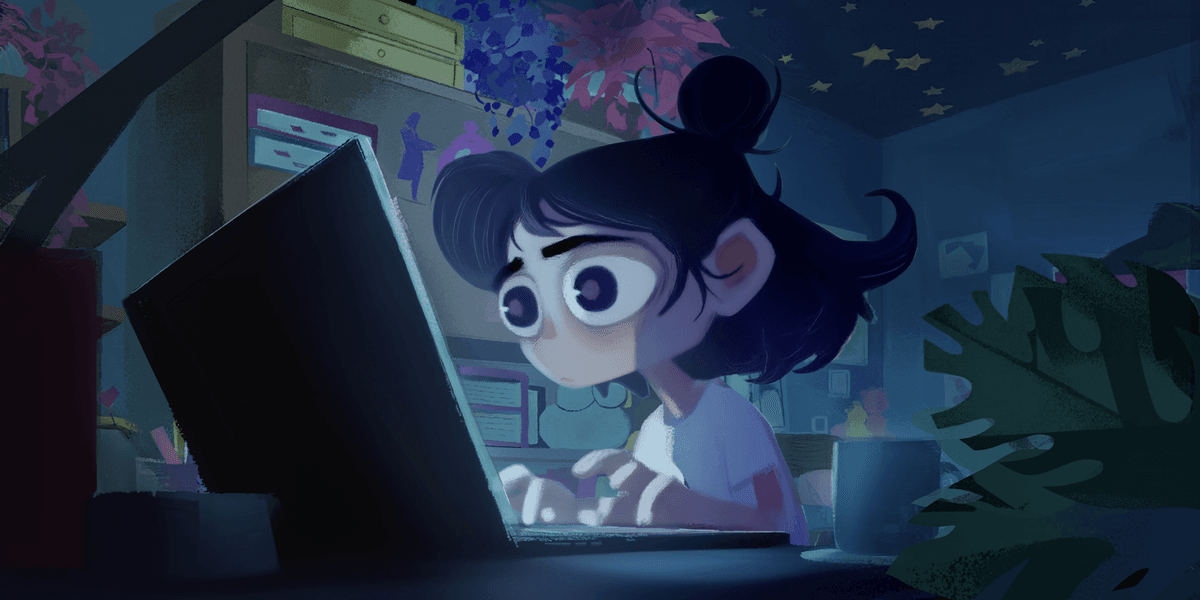
Why it matters: This signals a viable path for studios to integrate generative AI into existing animation pipelines without ceding control over performance, timing, or visual style—key concerns for production houses and vendors evaluating AI tools for commercial work.
Context: Most generative AI video projects to date have relied on text-to-video or image-to-video workflows, which lack the frame-level control required for character animation and narrative pacing. This project demonstrates a video-to-video approach that preserves artist agency.
"Crucially, we didn’t rely on text prompting. Having tight control over animation performance, timing, and rhythm was extremely important to the story, so we decided to explore a video-to-video workflow. In a video-to-video workflow, artists design the input video to guide the generation of the output video." — NOFILMSCHOOL
Commentary: For VFX and animation vendors, the key takeaway is the pipeline architecture: video-to-video with controlnets and mask editing, not text prompts. This preserves the shot-by-shot review and iteration cycle that studios depend on. The project also confirms that AI integration can expand creative possibilities without promising time savings—a critical distinction for production planning and budget discussions.
Date: June 19, 2026 04:02 PM ET
URL: https://nofilmschool.com/dear-upstairs-neighbors-hybrid-ai-short-film
AI Sentiment Score: Negative (75%)
AI Credibility Score: 10.0/10 — High
Scores and text generated by AI analysis of the source article indicated.
Chinese Film Industry Sees Compute Power, Directable AI and Distribution as Key Hurdles in Next Wave of Filmmaking, Shanghai Forum Finds (Variety)
Summary: At the Shanghai International Film Festival, industry leaders identified three key hurdles for AI adoption in Chinese filmmaking: insufficient computing power, the need for more directable generative AI, and a distribution model overwhelmed by a potential deluge of AI-produced content. Panelists from MiniMax, ASUS China, and Bauhinia Films debated these challenges, while also noting that AI is creating new roles like AI directing assistants rather than eliminating jobs outright. The discussion highlighted a fundamental tension between AI’s standardization and filmmaking’s reliance on individualistic, edge-case-driven artistic creation.

Why it matters: For VFX and post-production vendors, the compute bottleneck signals that high-fidelity generative video remains out of reach for most studios, while the call for ‘obedient’ AI points to persistent workflow friction that will keep human artists essential for nuanced shot work.
Context: Chinese studios have been early adopters of generative video for previs and concept art, but full pipeline integration has been slowed by inconsistent output and the high cost of GPU clusters, mirroring global challenges in the VFX sector.
"Computing power, distribution and directable generative video AI. Those are the key challenges facing the Chinese film industry when it comes to AI, according to speakers at the Shanghai International Film Festival‘s." — VARIETY
Commentary: The compute barrier is the real story here: without affordable, scalable GPU access, generative AI could remain a novelty tool rather than a production workhorse. The ‘obedient AI’ problem—where directors can’t get precise emotional or lighting cues in one pass—means that for now, AI-assisted workflows still require heavy human iteration, which undercuts the cost savings that studios hope for. The optimistic talk of new roles like AI directing assistants may be a diplomatic way of acknowledging that headcounts aren’t dropping, but job descriptions are shifting toward prompt engineering and quality control.
Date: June 15, 2026 08:00 PM ET
URL: https://variety.com/2026/film/festivals/chinese-film-industry-ai-challenges-shanghai-1236782475
AI Sentiment Score: Positive (44%)
AI Credibility Score: 10.0/10 — High
Scores and text generated by AI analysis of the source article indicated.
Shanghai showcases how AI could transform filmmaking (Channelnewsasia)
Summary: At the Shanghai International Film Festival, organizers are spotlighting AI-powered storytelling through a dedicated initiative, offering a concrete glimpse into how generative tools might reshape narrative production. The festival’s experiment signals a growing institutional embrace of AI in filmmaking, moving beyond theoretical discussion into practical showcase. This development underscores the accelerating integration of AI into the creative pipeline, with implications for script development, previsualization, and post-production workflows.
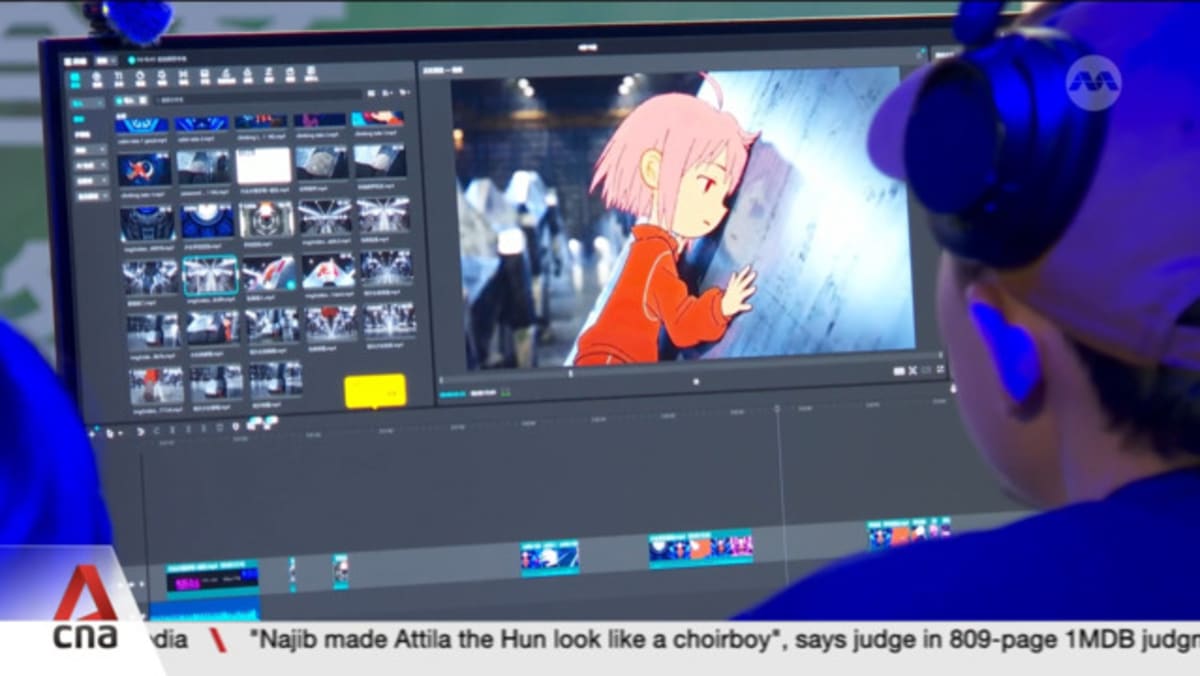
Why it matters: For VFX and post-production professionals, this signals a shift in how studios and festivals are legitimizing AI as a production tool, potentially altering bidding dynamics, shot complexity, and the role of traditional craft skills.
Context: Shanghai International Film Festival has historically been a bellwether for Asian market trends; its AI initiative follows similar experiments at Sundance and Cannes, but with a stronger emphasis on production-side integration rather than just exhibition.
"With a new initiative, organisers are experimenting with new forms of AI-powered storytelling, offering a first look at how the technology could change the films we watch in the years ahead." — CHANNELNEWSASIA
Commentary: The festival’s move to actively curate AI-driven content rather than merely host panels suggests a maturation of the technology’s perceived reliability for narrative work. For VFX vendors, this could mean increased demand for AI-assisted previs and asset generation, but also pressure to differentiate proprietary tools from off-the-shelf models. The real test will be whether these experiments translate into scalable pipeline changes or remain one-off showcases.
Date: June 16, 2026 08:55 AM ET
URL: https://channelnewsasia.com/watch/shanghai-showcases-how-ai-could-transform-filmmaking-6187191
AI Sentiment Score: Negative (66%)
AI Credibility Score: 7.0/10 — Medium
Scores and text generated by AI analysis of the source article indicated.
COLLECTIVE ARTISTS EXPANDS GALLERI5 AI STUDIO | 19 June, 2026 – Film Information (Filminformation)
Summary: Collective Artists Network has expanded its Galleri5 AI Studio with Agentic Canvas, an AI-native platform that assembles specialized AI agents—writers, directors, cinematographers, art directors, and critics—to assist filmmakers, brands, and creators in moving from concept to execution more quickly and cheaply. The platform has already been used by Indian filmmakers Rajesh Mapuskar, Rohit Vaid, and Hansal Mehta for world-building, narrative development, and visual storytelling. This signals a shift toward AI-driven creative pipelines that could reshape pre-production and concept development workflows in the region.

Why it matters: For VFX and post-production vendors, Agentic Canvas represents a new upstream tool that may alter how briefs are generated, reducing iteration cycles and potentially shifting the balance of creative control from human artists to AI agents.
Context: Galleri5 AI Studio was originally launched as a generative AI platform for content creation; Agentic Canvas extends this into a multi-agent creative team model, competing with other AI-assisted filmmaking tools like Runway and Pika Labs.
"The AI-native platform brings together specialised AI writers, directors, cinematographers, art directors and critics to help creators move from idea to execution faster, cheaper and with more creative freedom." — FILMINFORMATION
Commentary: The key operational implication is that Agentic Canvas could compress pre-production timelines by automating storyboarding, shot planning, and visual style selection, which may reduce the number of human-led creative rounds. For VFX houses, this means incoming briefs could be more detailed and less ambiguous, but also potentially more rigid, limiting the interpretive latitude that artists currently have. The involvement of established filmmakers suggests the tool is being tested on real productions, not just in demo reels, so its impact on throughput and quality ceilings should be monitored closely. If adopted widely, it could shift vendor leverage by making concept work cheaper and faster, but also commoditizing certain creative decisions.
Date: June 19, 2026 09:07 AM ET
URL: https://filminformation.com/news/collective-artists-expands-galleri5-ai-studio-19-june-2026
AI Sentiment Score: Neutral (50%)
AI Credibility Score: 10.0/10 — High
Scores and text generated by AI analysis of the source article indicated.
Post ID: 39392b2a